Everything you need to register at etravel.gov.ph — requirements, step-by-step instructions, QR code tips, and what to do at the airport. Free, official, and takes under 10 minutes.
✍️ Giovanni Carlo Bagayas (Gio)·Updated ·⏱ 7 min read
Quick answer
What is eTravel Philippines?
eTravel Philippines is the free, official online registration system at etravel.gov.ph required for all travelers entering the Philippines — foreigners and Filipino citizens alike. It replaced the old paper eArrival Card and the One Health Pass. You register within 72 hours before your flight, receive a QR code, and show it at the airport on arrival. Registration is completely free and takes 5–10 minutes.
🌐
etravel.gov.ph
Official website only
⏰
72 hrs
Before your flight
💰
FREE
No payment required
⚡
5–10 min
To complete
📱
QR Code
Show on phone or print
⚠️
Important — Avoid Scam Websites
The only legitimate URL is etravel.gov.ph. Many fake websites charge fees for eTravel registration — this is a scam. The real site never asks for credit card numbers or any payment. If a search ad takes you to a site that charges a fee, close it immediately. Registration is always 100% free on the official government website.
Before you start
What You Need to Register
You do not need to upload any documents. All information is entered manually in the online form. Prepare these four things before you begin:
01
Valid Passport
Must be valid for at least 6 months beyond your planned stay. All details must match exactly what you enter in the form.
02
Flight Details
Airline name, flight number, departure city, and your scheduled arrival date in the Philippines.
03
Accommodation Address
Full hotel name and street address, or your host’s home address. This is the most commonly missed requirement — have it ready before you start.
04
Active Email Address
You will receive a 6-digit OTP to verify your account, and your QR code will be sent here after registration.
How to Register — Step by Step
Complete these steps within 72 hours before your scheduled arrival. Recommended: register 48 hours before your flight to leave time for troubleshooting.
1
Go to the official eTravel website
⚠️ Official only
Open etravel.gov.ph on any device — phone, tablet, or desktop. Confirm the URL shows .gov.ph in your browser’s address bar. You can also download the official eTravel app from Google Play Store or the Apple App Store.
💡
Never use a search ad to reach eTravel — always type etravel.gov.ph directly into your browser.
2
Create your account
Free
Click Sign In then Create an Account. Enter your email address and tap Continue. The eTravel website will send a 6-digit OTP to your email — check your inbox (and spam folder if needed). Enter the OTP, then create a password of at least 8 characters. Submit your personal details: full name, sex, date of birth, citizenship, phone number, country of birth, passport number, and home address.
3
Fill in your personal details
Enter your personal information exactly as it appears on your passport — full name, date of birth, sex, nationality, passport number, and expiry date. Any mismatch between your eTravel details and your passport can cause delays at immigration. Double-check before submitting.
💡
Registering with family? One account can register multiple travelers on the same flight. Look for the “Add Traveler” option — each person will receive their own individual QR code.
4
Enter your travel details
Provide your flight number, departure city, and arrival date. Then enter your accommodation address in the Philippines — this is a required field that many travelers overlook. If staying at a hotel, enter the full hotel name and street address (e.g., “Seda Hotel Cebu, Ouano Avenue, North Reclamation Area, Cebu City”). If staying with family or friends, enter their home address. If plans change after submission, you can edit your registration at etravel.gov.ph before border control processes it.
5
Submit and receive your QR code
Review all your details carefully, then click Submit. You will receive your QR code immediately on-screen and by email. The QR code is tied to your specific flight number, arrival date, and passport — it cannot be transferred to a different flight.
💡
Take a screenshot of your QR code and save it offline — in case you have no signal at the airport. You can also print a copy as backup.
6
Show QR code on arrival at the Philippine airport
Upon landing at any Philippine international airport, present your QR code to the Bureau of Quarantine officer or immigration counter. Show it on your phone screen or as a printout. You will receive one of two results — see the QR code guide below.
At the airport
Green vs Red QR Code — What It Means
After the officer scans your QR code, you will see one of two results:
✅
Green QR Code — Cleared
You are cleared for standard entry processing. Proceed normally to immigration. This is what most travelers receive.
🔴
Red QR Code — Additional Check
Your registration has been flagged for additional review at the Bureau of Quarantine counter. This does not mean you will be denied entry — it typically means a brief health or documentation check. Stay calm and follow the officer’s instructions.
✦ Pro Tips for a Smooth Arrival
Register 48 hours before your flight — not at the last minute. This gives you time to fix errors without missing your flight.
The system does not accept registrations more than 72 hours in advance — don’t try to register a week before.
Screenshot your QR code and save it offline. Airport Wi-Fi can be unreliable and you need it right at the gate.
If your flight changes after registration, cancel and re-register — the QR code is tied to your specific flight details and cannot be transferred.
Children and dependents can be added under a parent’s account. Each traveler receives their own individual QR code.
eTravel is not a visa. If your nationality requires a Philippine visa, you still need to apply for it separately through the Bureau of Immigration.
Airside transit passengers (who don’t clear immigration) are generally exempt — but confirm with your airline before travel.
If your QR code email doesn’t arrive, check your spam folder first, then log back in to etravel.gov.ph and resend it.
Frequently Asked Questions
The most common questions about eTravel Philippines — answered directly.
What is eTravel Philippines?+
eTravel Philippines is the official, free online registration system at etravel.gov.ph required for all travelers entering the Philippines. It replaced the paper eArrival Card and the One Health Pass. Registration takes 5–10 minutes and produces a QR code you show at the airport.
When should I register for eTravel Philippines?+
Register within 72 hours (3 days) before your scheduled arrival. The system will not accept registrations more than 72 hours in advance. It is recommended to register 48 hours before your flight to allow time to fix any issues.
Is eTravel Philippines free?+
Yes — completely free at etravel.gov.ph. Never pay any third-party website for eTravel registration. Those are scam sites. The real government website never asks for payment.
Do Filipino citizens need to register for eTravel?+
Yes. Filipino citizens are required to register when departing from Philippine international airports. Foreigners must register when arriving. Both use the same official site: etravel.gov.ph.
What do I need to register for eTravel Philippines?+
You need four things: a valid passport (6+ months validity), your flight details (airline, flight number, arrival date), an accommodation address in the Philippines (hotel name and full street address, or a home address), and an active email address. No document uploads required.
Is eTravel a visa?+
No. eTravel is not a visa and does not grant entry permission. It is a digital arrival declaration — similar to Japan’s Visit Japan Web. If your nationality requires a Philippine visa, you must still apply for one separately through the Bureau of Immigration. Visa-exempt nationalities (US, most European, ASEAN) still need to complete eTravel.
What does a red QR code mean?+
A red QR code means your registration has been flagged for additional review at the Bureau of Quarantine counter. It does not mean you will be denied entry — it typically results in a brief health or documentation check. A green QR code means you are cleared for standard entry processing.
Born in Cebu City, raised between Cebu and Dumaguete, currently residing in Labangan, Zamboanga del Sur. I’ve gone through the eTravel registration process multiple times across different Philippine airports — this guide is drawn from firsthand experience and the latest official requirements.
Giovanni Carlo P. Bagayas is a seasoned travel guide, passionate explorer, and proud cat lover from the Philippines. Born in Cebu City and raised between Cebu and Dumaguete City, he now resides in Labangan, Zamboanga del Sur — where he spends his days writing about the Philippines and tending to his thriving collection of koi fish, guppies, tilapia, and a crayfish farm.
With years of experience uncovering the hidden gems of his homeland, Giovanni has dedicated his career to showcasing the beauty, culture, and adventure that the Philippines has to offer. As the author of Best Philippines Travel Guide, he combines his expertise and love for travel to provide insightful tips, detailed itineraries, and captivating stories for travelers seeking unforgettable experiences in the Philippines.
When he’s not exploring a new destination or writing a guide, you’ll find Gio feeding his koi pond, caring for his cats, or checking on his fish farm. Giovanni’s mission is to inspire wanderlust and help visitors — and fellow Filipinos — discover the true essence of their vibrant country.
From Sinulog in Cebu to MassKara in Bacolod — every major Filipino festival explained, with dates, locations, highlights, and tips for visiting.
✍️ Giovanni Carlo Bagayas·Updated ·📖 12 min read
Quick answer
What are the most famous festivals in the Philippines?
The Philippines celebrates hundreds of festivals year-round, but the most famous are Sinulog (Cebu, January), Ati-Atihan (Kalibo Aklan, January), Dinagyang (Iloilo, January), Panagbenga (Baguio, February), Pahiyas (Quezon, May), Kadayawan (Davao, August), and MassKara (Bacolod, October). Most festivals are rooted in Catholic devotion to patron saints, harvest traditions, or historical commemorations — and all of them feature vibrant street dancing, colorful costumes, and abundant food.
Philippine Festivals by Month — Quick Reference
Festival
Month
Location
What it celebrates
Ati-Atihan
January
Kalibo, Aklan
Santo Niño; oldest PH festival
Sinulog
January
Cebu City
Santo Niño; largest street parade
Dinagyang
January
Iloilo City
Santo Niño; tribal street dance competition
Sandugo
July
Tagbilaran, Bohol
Blood compact between Sikatuna & Legazpi
Panagbenga
February
Baguio City
Flower harvest and Cordillera blooms
Pahiyas
May
Lucban, Quezon
San Isidro Labrador; harvest thanksgiving
Flores de Mayo
May
Nationwide
Month-long offering of flowers to the Virgin Mary
Araw ng Dabaw / Kadayawan
August
Davao City
Floral harvest and indigenous cultures
Higantes
November
Angono, Rizal
San Clemente; giant papier-mâché figures
MassKara
October
Bacolod City
City resilience; smiling mask parade
Masskara Skylight Fest
October
Bacolod City
Lanterns, lights, and music
Pista’y Dayat
May
Lingayen, Pangasinan
Sea-based harvest festival
Moriones
March / April
Marinduque
Holy Week; Roman soldier costumes
Paraw Regatta
February
Iloilo City
Traditional sailboat racing
January
Sinulog Festival — Cebu City
📍 Cebu City, Cebu | 🗓 Third Sunday of January
Sinulog Festival
Biggest in PH
📍
LocationCebu City, Cebu
🗓
WhenThird Sunday of January
🙏
HonorsSanto Niño (Child Jesus)
👥
Attendance1 million+
Sinulog is the largest and most internationally recognized festival in the Philippines. The name comes from the Cebuano word sinug, meaning “to go with the flow of the current” — a reference to the two-steps-forward, one-step-back dance movement that mimics water. The festival honors the Santo Niño de Cebú, a statue of the Child Jesus gifted to Rajah Humabon’s wife by Ferdinand Magellan in 1521 — making it one of the oldest religious artifacts in the Philippines. The grand parade on the final Sunday features hundreds of contingents in elaborate costumes dancing through the streets of Cebu City, accompanied by drums, trumpets, and the thunderous chant of “Pit Señor!”
What to expect
Grand parade — hundreds of costumed contingents dancing through the city
Fluvial procession on the Mactan Channel the day before the grand parade
Solemn Mass at the Basilica Minore del Santo Niño
Sinulog Foundation Queen pageant and cultural shows
Fireworks display and concerts in Cebu City’s major plazas
💡Traveler’s tip: Book hotels in Cebu at least 3–4 months in advance — accommodations sell out fast. The grand parade route passes through Osmeña Boulevard. Arrive by 6AM to claim a good viewing spot. Bring water, sunscreen, and earplugs for the drumlines.
Ati-Atihan Festival — Kalibo, Aklan
📍 Kalibo, Aklan | 🗓 Third Sunday of January
Ati-Atihan Festival
Mother of all PH festivals
📍
LocationKalibo, Aklan
🗓
WhenThird Sunday of January (2 weeks)
🙏
HonorsSanto Niño
Called the “Mother of all Philippine Festivals” and widely considered the oldest, Ati-Atihan dates back over 700 years. The name means “to be like the Ati” — the indigenous Negrito people of the Visayas. Participants paint their faces with black soot and wear wild, outlandish costumes to mimic the Ati people, dancing through the streets of Kalibo for days on end. The origin story involves Malay settlers sharing food with the indigenous Ati people, and the celebration evolved into a devotion to the Santo Niño after Spanish colonization. Unlike the choreographed grandeur of Sinulog, Ati-Atihan is spontaneous, raw, and deeply communal — anyone can join the street dancing.
What to expect
Face-painting with black soot — participation is open to everyone
Non-stop drumming and street dancing for days
Tribal costume competitions judged on creativity and performance
Religious procession and Mass on the final Sunday
Street food stalls lining the entire festival route
💡Traveler’s tip: Kalibo Airport is a gateway to Boracay — combine Ati-Atihan with a Boracay beach trip. Wear old clothes you don’t mind getting dirty (the soot and body paint will get on everything). The festival is two weeks long — the final three days are the most intense.
Dinagyang Festival — Iloilo City
📍 Iloilo City, Iloilo | 🗓 Fourth Sunday of January
Dinagyang Festival
Best choreography
📍
LocationIloilo City, Iloilo
🗓
WhenFourth Sunday of January
🏆
Known forTribal street dance competition
Dinagyang is often called the most visually spectacular of the three January Santo Niño festivals. Unlike Ati-Atihan’s spontaneous energy, Dinagyang is a highly organized street dance competition where tribal groups rehearse for months to perform intricate, synchronized routines. Performers wear stunning costumes decorated with feathers, shells, beads, and handwoven fabrics in vivid colors. The name comes from the Hiligaynon word dagyang, meaning “festivity.” The Ati Tribe Competition is the most prestigious event, where groups compete on judged criteria including choreography, costumes, and the incorporation of Ati cultural elements.
What to expect
Ati Tribe Competition — the main street dance showdown
Kasadyahan Cultural Competition — showcases Ilonggo traditions
Grand Parade along Iloilo City’s main boulevard
Fireworks, food fair, and trade exhibits along the waterfront
Iloilo Dinagyang Foundation Queen pageant
💡Traveler’s tip: Iloilo City is an excellent base for exploring the Western Visayas — pair the festival with a visit to Guimaras Island (known for its mangoes) or the heritage churches of Iloilo province. Ticketed grandstand seats sell out early — book through the Iloilo City tourism office.
February
Panagbenga Festival — Baguio City
📍 Baguio City, Benguet | 🗓 All of February
Panagbenga Festival
Flower Festival
📍
LocationBaguio City, Benguet
🗓
WhenEntire month of February
🌸
Known forFlower floats and highland blooms
Panagbenga is the Kankana-ey word for “a season of blooming.” Held throughout February in Baguio City — the Philippines’ summer capital — the month-long festival celebrates the city’s famous highland flowers with elaborate flower floats, street dancing, and cultural performances. The festival began in 1996 as a way to revive Baguio after the devastating 1990 Luzon earthquake. Today it draws hundreds of thousands of visitors, drawn by the cool mountain climate and stunning floral displays along Session Road.
Street dance parade along Session Road and Harrison Road
Baguio Flower Festival market with fresh highland produce and flowers
Cool weather (12–18°C) — a refreshing escape from lowland heat
Art exhibitions and cultural shows at Burnham Park
💡Traveler’s tip: Baguio gets extremely cold in February — bring a jacket even if you’re from the Philippines. Traffic into the city is severe during festival weekends; consider arriving midweek and staying for the weekend parade. The Strawberry Festival in La Trinidad (just north of Baguio) runs simultaneously.
May
Pahiyas Festival — Lucban, Quezon
📍 Lucban, Quezon | 🗓 May 15
Pahiyas Festival
Most colorful in PH
📍
LocationLucban, Quezon
🗓
WhenMay 15 (feast of San Isidro)
🌾
HonorsSan Isidro Labrador, patron of farmers
Pahiyas is arguably the most photogenic festival in the Philippines. On May 15 each year, the entire town of Lucban transforms into an open-air gallery as residents decorate their homes with kiping (translucent leaf-shaped rice wafers dyed in brilliant colors), fresh vegetables, fruits, native crafts, and agricultural produce. The word pahiyas means “offering” — the decorations are a thanksgiving to San Isidro Labrador, the patron saint of farmers. After the procession passes, residents traditionally throw their decorations to the crowd — and it’s considered good luck to catch the kiping.
What to expect
Entire town streets lined with elaborately decorated houses
Kiping — translucent rice wafer decorations in every color
Procession of the image of San Isidro Labrador
Lucban’s famous longganisa (garlic sausage) sold by every vendor
Best house decoration competition judged by local officials
💡Traveler’s tip: Lucban is a 3-hour drive from Manila. Arrive very early (5–6AM) to walk the streets before crowds arrive — by noon the town is packed. Don’t miss the pancit habhab (stir-fried noodles eaten straight from a banana leaf without utensils) — it’s Lucban’s signature dish.
August
Kadayawan Festival — Davao City
📍 Davao City, Davao del Sur | 🗓 Third week of August
Kadayawan Festival
Mindanao’s biggest
📍
LocationDavao City
🗓
WhenThird week of August
🌺
CelebratesHarvest, flowers, indigenous culture
Kadayawan comes from the Obo Manobo greeting madayaw, meaning “greetings” or “what is good and beautiful.” The festival is a week-long celebration of Davao’s bountiful harvest — particularly its world-famous durian, mangosteen, pomelo, and tropical flowers like waling-waling orchids. It also honors the 11 indigenous tribes (lumad) and 3 Muslim groups of Davao. The Indak-Indak sa Kadalanan (street dancing) and the Pamulak sa Kadayawan (floral float parade) are the two signature events, both showcasing Mindanao’s extraordinary cultural diversity.
What to expect
Indak-Indak sa Kadalanan — street dancing in tribal costumes
Pamulak sa Kadayawan — breathtaking floral float parade
Fruit and flower market featuring Davao’s prized durian, mangosteen, and orchids
Indigenous cultural shows representing 11 lumad tribes
Davao’s famous grilled tuna and durian food stalls throughout the city
💡Traveler’s tip: Davao City is one of the safest cities in the Philippines and makes an excellent base for exploring Mindanao — combine Kadayawan with a visit to Mt. Apo (PH’s highest peak) or the Philippine Eagle Center. Try the fresh durian from roadside stalls — it’s incomparably better than what you find elsewhere.
October
MassKara Festival — Bacolod City
📍 Bacolod City, Negros Occidental | 🗓 Fourth Sunday of October
MassKara Festival
City of Smiles
📍
LocationBacolod City, Negros Occidental
🗓
WhenFourth Sunday of October
🎭
SymbolSmiling mask; resilience of Bacolodnons
MassKara is Bacolod City’s answer to adversity — and it is spectacular. The name combines mass (many faces) and kara (face in Spanish), and the entire festival is built around the iconic smiling masks worn by street dancers in elaborate, glittering costumes. The festival was born in 1980 during a double crisis — a tragic maritime disaster that killed hundreds of Negrenses, and the collapse of sugar prices that devastated the local economy. Rather than mourn, Bacolod chose to celebrate, dance, and smile. That spirit of joyful resilience remains the festival’s beating heart today.
What to expect
Street dancing competition with ornate smiling mask costumes
Electric MassKara (night street dance) — dancers lit by LEDs and lights
Food fair featuring chicken inasal, piaya, and Negros sweets
Carnival rides and amusement at the Bacolod Public Plaza
Bacolod City Charter Day celebrations throughout the month
💡Traveler’s tip: October is also a great time to visit the nearby ruins of The Ruins (a burned mansion outside Bacolod) and the Mambukal Mountain Resort. Try the famous Bacolod chicken inasal — the original, not the fast food chain — at Manokan Country in the city center.
Frequently Asked Questions
The most common questions about Philippine festivals — answered directly.
What is the biggest festival in the Philippines?+
Sinulog in Cebu City is the biggest festival in the Philippines by attendance, drawing over one million participants and spectators annually. Held on the third Sunday of January, it features a massive grand parade, fluvial procession, cultural shows, and a solemn Mass at the Basilica Minore del Santo Niño.
What is the difference between Sinulog, Ati-Atihan, and Dinagyang?+
All three honor the Santo Niño and fall in January, so they are often confused. Sinulog (Cebu) is the largest and most internationally known. Ati-Atihan (Kalibo, Aklan) is the oldest — participants paint their faces black with soot and dance freely in the streets. Dinagyang (Iloilo) is the most choreographed, featuring a formal tribal street dance competition with months of rehearsal.
What is the Pahiyas Festival known for?+
Pahiyas in Lucban, Quezon (May 15) is known for its extraordinary house decorations made from kiping — colorful, translucent rice wafers shaped like leaves — along with fresh vegetables, fruits, and native crafts. The entire town is decorated in thanksgiving to San Isidro Labrador, patron saint of farmers. It is considered the most visually colorful festival in the Philippines.
When is the MassKara Festival?+
MassKara is celebrated every October in Bacolod City, with the main events on the fourth Sunday of October. It features street dancers in smiling masks and glittering costumes, a night electric street dance, and food fairs. The festival was created in 1980 as a symbol of Bacolod’s resilience during economic hardship.
What month has the most festivals in the Philippines?+
January has the most major festivals, including Sinulog, Ati-Atihan, and Dinagyang — all held within days of each other. This clustering happens because January 15 is the Feast of the Santo Niño, which drives major celebrations across the Visayas region.
What are the festivals unique to Mindanao?+
Mindanao’s most notable festivals include Kadayawan (Davao, August) celebrating harvest and indigenous culture, Kaamulan (Bukidnon, March) honoring indigenous tribes, T’nalak (South Cotabato) celebrating the Tboli woven fabric, and the Zamboanga Hermosa Festival (Zamboanga City, October) celebrating the city’s patron Our Lady of the Pillar.
Born in Cebu City and raised between Cebu and Dumaguete City, I now reside in Labangan, Zamboanga del Sur. Growing up back and forth across the Visayas gave me a firsthand love for Philippine festivals — I’ve personally attended Sinulog, Kadayawan, and regional fiestas across the archipelago. This guide is drawn from that lived experience and years of writing about Filipino culture and travel.
Giovanni Carlo P. Bagayas is a seasoned travel guide, passionate explorer, and proud cat lover from the Philippines. Born in Cebu City and raised between Cebu and Dumaguete City, he now resides in Labangan, Zamboanga del Sur — where he spends his days writing about the Philippines and tending to his thriving collection of koi fish, guppies, tilapia, and a crayfish farm.
With years of experience uncovering the hidden gems of his homeland, Giovanni has dedicated his career to showcasing the beauty, culture, and adventure that the Philippines has to offer. As the author of Best Philippines Travel Guide, he combines his expertise and love for travel to provide insightful tips, detailed itineraries, and captivating stories for travelers seeking unforgettable experiences in the Philippines.
When he’s not exploring a new destination or writing a guide, you’ll find Gio feeding his koi pond, caring for his cats, or checking on his fish farm. Giovanni’s mission is to inspire wanderlust and help visitors — and fellow Filipinos — discover the true essence of their vibrant country.
Plateau in the Philippines: Complete List with Facts (2026)
A comprehensive guide to all major Philippine plateaus — their locations, elevations, key features, and why they matter for geography, agriculture, and tourism.
✍️ Giovanni Carlo Bagayas (Gio)·Updated ·📖 8 min read
Quick answer
What are the plateaus in the Philippines?
The major plateaus in the Philippines are the Cordillera Central Plateau (Mountain Province, Benguet, Ifugao, Luzon), the Bukidnon-Lanao Plateau (north-central Mindanao), the Cotabato Plateau (southern Mindanao), the Bicol Plateau (southern Luzon), and the Benham Plateau (an underwater plateau in the Philippine Sea). Plateaus in the Philippines are primarily found in the highland provinces of Luzon’s Cordillera and in north-central Mindanao, and are known for their cool climates, fertile agricultural land, and indigenous cultures.
📚
What is a plateau?
A plateau (called talampas in Filipino) is a flat or gently rolling elevated landform that rises steeply from the surrounding terrain. In the Philippines, plateaus are typically found at high altitudes, have cool climates ideal for agriculture, and are often the ancestral lands of indigenous peoples. They differ from mountains (which are peaked) and plains (which are low-lying) — a plateau is essentially a flat-topped highland.
Philippine Plateaus — Quick Reference Table
Plateau
Location
Island Group
Key Feature
Elevation
Cordillera Central Plateau
Mountain Province, Benguet, Ifugao, Kalinga
Luzon
Banaue Rice Terraces, Baguio City
1,500–2,500 m
Bukidnon-Lanao Plateau
Bukidnon, Lanao del Norte, Lanao del Sur
Mindanao
Food basket of Mindanao, Lake Lanao
~915 m avg
Cotabato Plateau / Basin
North Cotabato, South Cotabato, Maguindanao
Mindanao
Rio Grande de Mindanao basin
Low-elevation
Bicol Plateau
Albay, Sorsogon, Camarines Sur
Luzon
Mayon Volcano, geothermal energy
Variable
Benham Plateau (Philippine Rise)
Philippine Sea (~250 km east of Isabela)
Underwater
Extinct undersea volcanic ridge, UNCLOS claim
Underwater
Mountain Province Plateau
Mountain Province, Cordillera
Luzon
Indigenous Igorot culture, pine forests
~1,200–1,800 m
Benguet Plateau
Benguet Province, Cordillera
Luzon
Strawberry farms, vegetable growing
~1,500 m
Ifugao Plateau
Ifugao Province, Cordillera
Luzon
UNESCO Rice Terraces of the Philippine Cordilleras
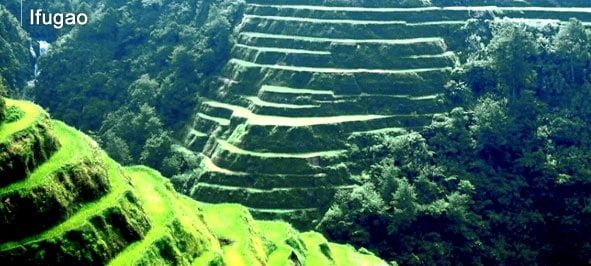
The Cordillera Central is the most extensive highland plateau system in the Philippines, forming the backbone of northern Luzon. It covers the provinces of Mountain Province, Benguet, Ifugao, and Kalinga-Apayao, and is the ancestral home of the Igorot peoples — one of the Philippines’ best-preserved indigenous highland cultures. The plateau is most famous for the Banaue Rice Terraces in Ifugao, hand-carved into the mountains over 2,000 years ago by Ifugao ancestors and recognized as a UNESCO World Heritage Site. Baguio City, the Philippines’ summer capital, sits within the Benguet plateau region at approximately 1,540 meters above sea level.
Key facts
Home to the Banaue Rice Terraces — UNESCO World Heritage Site, often called the “Eighth Wonder of the World”
Baguio City (elevation ~1,540 m) is the Philippines’ summer capital, famous for its cool climate and Panagbenga Flower Festival
The Cordillera highlands are the source of several major Philippine rivers including the Cagayan River
Cool climate supports strawberry farming in La Trinidad, Benguet — the strawberry capital of the Philippines
Home to indigenous Igorot peoples including the Ifugao, Bontoc, Kalinga, Ibaloi, and Kankana-ey tribes
Sagada (Mountain Province) is a popular tourism destination known for hanging coffins, caves, and pine forests
Bicol Plateau
Southern Luzon
📍
LocationAlbay, Sorsogon, Camarines Sur
🌋
Notable featureMayon Volcano (2,463 m)
⚡
ResourceGeothermal energy production
The Bicol Plateau region in southern Luzon is characterized by volcanic uplands and elevated terrain surrounding the famous Mayon Volcano — the world’s most perfectly shaped volcano cone, rising to 2,463 meters. The plateau’s volcanic geology makes it rich in geothermal energy, and the area hosts one of the Philippines’ major geothermal power plants. The Bicol region is also known for its distinct cuisine (heavy use of coconut milk and chili), the Cagsawa Ruins (a church destroyed by Mayon’s 1814 eruption), and whale shark (butanding) watching in Donsol, Sorsogon.
Key facts
Mayon Volcano (2,463 m) is the region’s most iconic landmark — one of the most active volcanoes in the Philippines
Geothermal energy from the Bicol volcanic plateau contributes to Luzon’s power grid
Donsol in Sorsogon is the world’s top destination for ethical whale shark interaction
The Cagsawa Ruins in Albay — a partially buried church — stands as a reminder of Mayon’s 1814 eruption
Bicol cuisine, famous for the laing (taro in coconut milk) and Bicol Express (pork with coconut milk and chili), reflects the region’s volcanic soil fertility
Mindanao
Plateaus in Mindanao
Bukidnon-Lanao Plateau
Largest in PH
📍
LocationBukidnon, Lanao del Norte, Lanao del Sur
⛰️
Avg. elevation~915 m above sea level
📐
Area (Bukidnon)8,294 sq km
🌊
Major lakeLake Lanao (2nd largest in PH)
The Bukidnon-Lanao Plateau is the largest plateau system in the Philippines, dominating the north-central portion of Mindanao. The name “Bukidnon” means highlander or mountain dweller in the local dialect — fitting for a province whose entire character is defined by its plateau terrain. The plateau is composed of extensive rolling grasslands, basaltic lava formations, and deep river canyons carved by the Pulangi, Tagoloan, and Cagayan rivers. Its cool, typhoon-free climate (Bukidnon is one of the few Philippine provinces protected from typhoons by surrounding mountain ranges) makes it ideal for agriculture. Within the plateau lies Lake Lanao at an elevation of 700 meters — the second largest lake in the Philippines and a critical freshwater source.
Key facts
Considered the food basket of Mindanao — major producer of rice, corn, sugarcane, pineapple, coffee, and rubber
Average elevation of ~915 m gives it a cool, refreshing climate — typhoon-free due to surrounding mountain ranges
Lake Lanao (elevation 700 m) is the 2nd largest lake in the Philippines, sacred to the Maranao people
Mt. Kitanglad (2,899 m) and Mt. Dulang-dulang (2,938 m — 2nd highest peak in PH) rise above the plateau
Home to Maria Cristina Falls — one of the Philippines’ major hydroelectric power sources
The Kaamulan Festival in Malaybalay celebrates the 7 indigenous tribes of Bukidnon every March
Del Monte Philippines operates pineapple plantations covering tens of thousands of hectares on the plateau
Cotabato Basin Plateau
Central Mindanao
📍
LocationNorth Cotabato, South Cotabato, Maguindanao
🌊
Major riverRio Grande de Mindanao (Mindanao River)
The Cotabato Basin lies south of the Bukidnon-Lanao Plateau, forming a large lowland depression surrounded by three mountain ranges. It forms the lower river basin of the Rio Grande de Mindanao — the second largest river system in the Philippines. The basin’s opening to the sea faces northwest at Illana Bay where the Mindanao River empties. The Cotabato region is one of Mindanao’s most agriculturally productive areas and is home to a significant Muslim Filipino (Bangsamoro) population, with Cotabato City serving as a key cultural and administrative center.
Key facts
Drained by the Rio Grande de Mindanao — the Philippines’ 2nd longest river system
Surrounded by three mountain ranges, with its only outlet to the sea at Illana Bay
Major rice and corn producing region of Mindanao
Cotabato City is the seat of the Bangsamoro Autonomous Region in Muslim Mindanao (BARMM)
Philippine Sea
Benham Plateau — The Philippine Rise
Benham Plateau (Philippine Rise)
Underwater plateau
📍
Location~250 km east of Isabela, Philippine Sea
🌊
TypeUndersea extinct volcanic ridge
🏛️
UN recognitionApproved as PH continental shelf, 2012
The Benham Plateau — officially renamed Philippine Rise by President Duterte in 2017 — is an underwater geological plateau in the Philippine Sea, approximately 250 km east of Dinapigue, Isabela. Unlike the land plateaus above, this is a submerged extinct volcanic ridge sitting on the seafloor. It is seismically active and has been linked to several major earthquakes in the region, including its effects on the 1990 Luzon earthquake. In 2012, the United Nations officially recognized the Philippines’ claim over the Benham Plateau as part of its extended continental shelf under UNCLOS — a major geopolitical and economic victory for the Philippines as it extends the country’s exclusive rights over the area’s marine resources.
Key facts
Renamed “Philippine Rise” in 2017 to assert Philippine sovereignty over the area
Approved by the UN under UNCLOS in 2012 as part of Philippines’ extended continental shelf
Seismically active — studied for its effects on Philippine earthquake activity
Rich in marine biodiversity and potential deep-sea mineral resources
The plateau represents approximately 13 million hectares of additional sea territory for the Philippines
Frequently Asked Questions
The most common questions about plateaus in the Philippines — answered directly.
What are the plateaus in the Philippines?+
The major plateaus in the Philippines are the Cordillera Central Plateau (Mountain Province, Benguet, Ifugao, Kalinga — Luzon), the Bukidnon-Lanao Plateau (north-central Mindanao), the Cotabato Basin Plateau (central Mindanao), the Bicol Plateau (southern Luzon), and the Benham Plateau / Philippine Rise (underwater, Philippine Sea). Smaller plateau areas are found in the Mountain Province, Benguet, and Ifugao highlands.
What is the largest plateau in the Philippines?+
The Bukidnon-Lanao Plateau is the largest plateau in the Philippines. It covers the north-central portion of Mindanao across Bukidnon province (8,294 sq km) and the Lanao provinces, at an average elevation of 915 meters above sea level. It is also the country’s most agriculturally productive highland, known as the food basket of Mindanao.
What is an example of a plateau in the Philippines?+
The most well-known example is the Bukidnon Plateau in north-central Mindanao — a vast rolling grassland at ~915 m elevation, famous for pineapple plantations, sugarcane, and the cool highland city of Malaybalay. Another famous example is the Cordillera Central Plateau in Luzon, home to the Banaue Rice Terraces and Baguio City.
Where are plateaus found in the Philippines?+
Plateaus in the Philippines are found in two main areas. In Luzon: Mountain Province, Benguet, Ifugao, and Kalinga-Apayao in the Cordillera Central highlands, and the Bicol upland region in the south. In Mindanao: the Bukidnon and Lanao provinces in the north-central part of the island, and the Cotabato Basin in the central south.
What is the Benham Plateau in the Philippines?+
The Benham Plateau (renamed Philippine Rise in 2017) is an underwater extinct volcanic ridge approximately 250 km east of Isabela province in the Philippine Sea. In 2012, the UN officially recognized it as part of the Philippines’ extended continental shelf under UNCLOS, granting the Philippines exclusive rights over approximately 13 million hectares of additional sea territory.
What crops are grown on Philippine plateaus?+
Philippine plateaus support diverse agriculture due to their cool climates and fertile volcanic soils. The Bukidnon Plateau grows rice, corn, sugarcane, pineapple, coffee, rubber, and bananas — it is considered the food basket of Mindanao. The Benguet plateau in the Cordillera is famous for strawberries, vegetables, and cut flowers. The Ifugao plateau supports the ancient rice terraces that have produced rice for over 2,000 years.
Born in Cebu City, raised between Cebu and Dumaguete City, currently residing in Labangan, Zamboanga del Sur. Living in Mindanao gives me a firsthand perspective on the Bukidnon Plateau region — from its pineapple plantations to its cool highland towns. This guide is written for students, travelers, and anyone curious about Philippine geography.
Giovanni Carlo P. Bagayas is a seasoned travel guide, passionate explorer, and proud cat lover from the Philippines. Born in Cebu City and raised between Cebu and Dumaguete City, he now resides in Labangan, Zamboanga del Sur — where he spends his days writing about the Philippines and tending to his thriving collection of koi fish, guppies, tilapia, and a crayfish farm.
With years of experience uncovering the hidden gems of his homeland, Giovanni has dedicated his career to showcasing the beauty, culture, and adventure that the Philippines has to offer. As the author of Best Philippines Travel Guide, he combines his expertise and love for travel to provide insightful tips, detailed itineraries, and captivating stories for travelers seeking unforgettable experiences in the Philippines.
When he’s not exploring a new destination or writing a guide, you’ll find Gio feeding his koi pond, caring for his cats, or checking on his fish farm. Giovanni’s mission is to inspire wanderlust and help visitors — and fellow Filipinos — discover the true essence of their vibrant country.
Cebu Ocean Park is a premier marine-themed park located in the heart of Cebu City, Philippines. Known for its immersive aquatic experiences and conservation-focused attractions, the park offers visitors an opportunity to explore the diverse marine life that inhabits the waters of the Philippines. This guide will provide a detailed overview of what Cebu Ocean Park has to offer, from its various attractions to practical visitor information, ensuring you make the most of your visit.
Overview of Cebu Ocean Park
Cebu Ocean Park opened its doors in 2019 as the first oceanarium in the central and northern regions of the Philippines. It aims to promote marine conservation and environmental awareness while providing entertainment and educational experiences for guests of all ages. The park features a vast array of marine species, interactive exhibits, and stunning aquatic displays, making it a significant addition to Cebu’s tourism landscape.
Not only does the park serve as a recreational facility, but it also plays a crucial role in educating the public about marine ecosystems. Through engaging displays and shows, visitors can learn about various aquatic life forms and their habitats, fostering a sense of responsibility towards marine conservation.
Location and Accessibility
Cebu Ocean Park is conveniently located along the Mactan Channel, adjacent to SM Seaside City Cebu in the Cebu City area. This strategic location makes it easily accessible by various modes of transportation, including private cars, taxis, and public buses. Visitors coming from Mactan Cebu International Airport can reach the park in approximately 30 minutes by car, depending on traffic conditions.
The park’s central location also allows travelers to explore nearby attractions, such as the iconic Magellan’s Cross and Fort San Pedro, making it a perfect addition to a day of sightseeing in Cebu.
Operating Hours and Admission Fees
Cebu Ocean Park operates daily from 10:00 AM to 6:00 PM, with last entry at 5:00 PM. It is advisable to check the park’s official website or social media pages for any special events or holiday hours. Admission fees vary based on age and ticket type, with discounts available for children, students, and senior citizens. For example, regular adult tickets may be priced at around PHP 800, while children’s tickets might be around PHP 600. Group packages and family rates are also available, making it a cost-effective option for larger parties.
Booking tickets in advance online can help avoid long queues and ensure entry on busy days. The park often hosts special events and promotions, so visitors are encouraged to stay updated for the best deals.
Attractions at Cebu Ocean Park
Seven Seas: The Aquatic Wonderland
The Seven Seas exhibit is one of the park’s main highlights, featuring a magnificent array of marine species from various oceans. This section includes beautifully designed aquariums that mimic natural habitats, showcasing colorful corals, sea turtles, sharks, and a multitude of fish species. The standout feature, a massive tunnel aquarium, allows visitors to walk through and feel enveloped by the ocean’s wonders.
Guests can also enjoy scheduled feeding sessions, where they can observe the awe-inspiring feeding habits of larger marine creatures, providing an unforgettable experience. Interactive screens nearby provide educational information about the different species on display, enhancing the learning experience.
Jungle Trek: Freshwater Wildlife Experience
The Jungle Trek provides a unique opportunity to explore the lesser-known freshwater ecosystems found in the Philippines. This attraction features a diverse range of freshwater species, including various species of fish, amphibians, and even a few reptiles. The carefully crafted environment allows guests to experience the sights and sounds of a rainforest while learning about the importance of preserving these ecosystems.
Guided tours are available, giving visitors insights into the lives of these freshwater inhabitants and their roles in the ecosystem. The experience is designed to be both educational and enjoyable, making it an excellent choice for families with children.
Creepy Critters: Encountering Reptiles and Insects
The Creepy Critters section of Cebu Ocean Park caters to those intrigued by the more unusual aspects of wildlife. This exhibit showcases a variety of reptiles, insects, and other lesser-known creatures. From colorful chameleons to fascinating tarantulas, this area offers visitors a chance to learn about these often-misunderstood animals.
Educational displays highlight the significance of biodiversity and the roles these creatures play in their ecosystems. Live demonstrations featuring caretakers interacting with the animals provide an exciting and memorable experience for guests, especially for young animal enthusiasts.
Deep Tank Lagoon: The Marvelous Oceanarium
The Deep Tank Lagoon is a centerpiece attraction at Cebu Ocean Park, housing a vast collection of marine life in a state-of-the-art aquarium setting. This massive tank features a diverse range of species, including rays, sharks, and other ocean dwellers. The underwater viewing area allows visitors to observe these majestic creatures up close, providing an intimate glimpse into their underwater world.
Regular shows featuring divers feeding the animals and showcasing their natural behaviors are a highlight here. Interactive displays surrounding the lagoon offer further educational content, making it a fun and informative experience.
Experiences and Activities
Interactive Exhibits and Shows
Cebu Ocean Park excels in providing interactive experiences for visitors. From touch pools where guests can gently interact with certain marine species to scheduled animal shows featuring trained professionals, every aspect of the park is designed to engage and educate. These shows often highlight the intelligence and capabilities of marine animals, increasing awareness of their needs and the conservation efforts in place to protect them.
The interactive exhibits encourage hands-on learning, promoting a deeper understanding of marine life and ecosystems. Such experiences are particularly beneficial for children, allowing them to connect with nature in a meaningful way.
Diving and Snorkeling Opportunities
For the adventurous at heart, Cebu Ocean Park offers diving and snorkeling experiences that provide an unforgettable opportunity to explore the underwater world. These activities are typically guided by professional instructors, ensuring safety while allowing participants to engage with the marine life in a more personal manner.
Available for both beginners and seasoned divers, these experiences cater to a wide range of skill levels. Participants can expect to encounter various species up close, making for an exhilarating addition to their visit. Reservations are typically required for these activities, so planning ahead is crucial.
Educational Programs and Workshops
Cebu Ocean Park is dedicated to marine conservation and education. The park regularly hosts workshops and educational programs aimed at different age groups and interests. These programs cover topics such as marine biology, ecology, and sustainability, providing attendees with valuable knowledge and skills to help promote environmental responsibility.
Schools and educational institutions are encouraged to participate in these programs, which can be tailored to fit curriculum needs. The park’s commitment to education ensures that visitors leave not just with memories but also with a greater understanding of the importance of preserving marine ecosystems.
Visitor Information
Dining Options within Cebu Ocean Park
During your visit to Cebu Ocean Park, you’ll find several dining options available to suit various tastes and budgets. From casual eateries offering local Filipino cuisine to international fast-food chains, there’s something for everyone to enjoy. The park prioritizes convenience, ensuring that guests can refuel without leaving the premises.
For those looking for a more unique experience, themed dining facilities allow visitors to enjoy meals while surrounded by aquatic décor and ambiance. This enhances the overall experience, making mealtime a part of the adventure.
Gift Shops and Souvenir Stalls
No visit to Cebu Ocean Park is complete without a trip to the gift shops and souvenir stalls. Here, you can find a variety of items, from marine-themed toys and educational books to locally made handicrafts and apparel. Purchasing a souvenir is a great way to commemorate your visit and support local artisans.
Gift shops also often carry items that promote marine conservation, providing visitors with opportunities to contribute to awareness and educational efforts. Proceeds from these items may support the park’s conservation initiatives, emphasizing the importance of sustainable tourism.
Tips for a Memorable Visit
To ensure a memorable visit to Cebu Ocean Park, consider these tips: arrive early to take advantage of less crowded hours, wear comfortable clothing and shoes, and bring sunscreen to protect yourself from the sun. Hydration is key, so don’t forget to drink plenty of water throughout your visit.
It’s advisable to check the schedule for shows and feeding times upon arrival, as these can enhance your experience significantly. Lastly, make sure to charge your camera or smartphone to capture the unforgettable moments during your visit.
Conclusion
Cebu Ocean Park stands out as a must-visit destination for travelers seeking adventure, education, and a deeper understanding of marine life. Its diverse attractions, interactive experiences, and commitment to conservation make it more than just an amusement park; it serves as a vital educational resource and a fun outing for families, tourists, and locals alike.
With its array of exhibits and activities, Cebu Ocean Park promises a day filled with wonder and excitement, making it a highlight of any visit to Cebu. Whether you’re a marine enthusiast or simply looking for a unique experience, this ocean park is sure to leave a lasting impression.
FAQs
What are the operating hours of Cebu Ocean Park? Cebu Ocean Park operates daily from 10:00 AM to 6:00 PM. Last entry is at 5:00 PM.
How can I purchase tickets for Cebu Ocean Park? You can purchase tickets at the entrance or online through the official website. Booking online is recommended to avoid long queues.
Are there any special discounts available for tickets? Yes, discounts are available for children, students, and senior citizens. Group packages may also be offered.
What dining options are available in the park? The park features a variety of dining options, including local Filipino cuisine and international fast-food chains, ensuring something for every palate.
Can I participate in diving or snorkeling activities at the park? Yes, Cebu Ocean Park offers diving and snorkeling experiences, which require prior reservation. These activities are guided for safety.
Are there gift shops available in Cebu Ocean Park? Yes, the park has several gift shops and souvenir stalls where you can purchase marine-themed items and local crafts.
What should I wear when visiting Cebu Ocean Park? It is advisable to wear comfortable clothing and shoes, as you will be walking around the park. Don’t forget sunscreen for sun protection.
Giovanni Carlo P. Bagayas is a seasoned travel guide, passionate explorer, and proud cat lover from the Philippines. Born in Cebu City and raised between Cebu and Dumaguete City, he now resides in Labangan, Zamboanga del Sur — where he spends his days writing about the Philippines and tending to his thriving collection of koi fish, guppies, tilapia, and a crayfish farm.
With years of experience uncovering the hidden gems of his homeland, Giovanni has dedicated his career to showcasing the beauty, culture, and adventure that the Philippines has to offer. As the author of Best Philippines Travel Guide, he combines his expertise and love for travel to provide insightful tips, detailed itineraries, and captivating stories for travelers seeking unforgettable experiences in the Philippines.
When he’s not exploring a new destination or writing a guide, you’ll find Gio feeding his koi pond, caring for his cats, or checking on his fish farm. Giovanni’s mission is to inspire wanderlust and help visitors — and fellow Filipinos — discover the true essence of their vibrant country.
Introduction Best Places to Visit in the Philippines
Best Places to Visit in the Philippines, The Philippines, an archipelago of more than 7,000 islands in Southeast Asia, is a tropical paradise bursting with natural beauty, cultural treasures, and exciting adventures. From pristine beaches and crystal-clear waters to historic sites and vibrant festivals, the Philippines is a destination that leaves travelers awestruck. Whether you’re planning your first visit or a return trip, this guide will take you through the top must-see destinations in the Philippines.
Top Island Destinations Best Places to Visit in the Philippines
Boracay Island
Boracay Island
When it comes to idyllic beaches, Boracay is second to none. Its iconic White Beach boasts powdery white sand and azure waters that are perfect for swimming, sunbathing, and relaxing. For adventure seekers, activities like kite surfing, parasailing, and jet skiing are readily available. As the sun sets, Boracay transforms into a lively hotspot with beachfront bars, live music, and vibrant nightlife.
Palawan
El Nido
Known as a paradise for nature lovers, El Nido features towering limestone cliffs, hidden lagoons, and unspoiled beaches. Island-hopping tours are the highlight here, taking visitors to stunning spots like Big Lagoon, Secret Lagoon, and Shimizu Island.
Coron
A diver’s dream, Coron is renowned for its crystal-clear lakes, vibrant coral reefs, and historical shipwreck dive sites from World War II. Kayangan Lake, often considered the cleanest lake in the Philippines, is a must-visit.
Cebu
Cebu is a dynamic island offering a mix of urban attractions, cultural heritage, and natural wonders. Swim with whale sharks in Oslob, take a dip in Kawasan Falls, or visit historic landmarks like Magellan’s Cross and the Basilica del Santo Niño. Don’t miss the famous sardine run in Moalboal for an unforgettable underwater spectacle.
Historical and Cultural Hotspots Best Places to Visit in the Philippines
Step into the past as you explore Intramuros, Manila’s historic Walled City. This Spanish-era district is home to centuries-old churches, cobblestone streets, and landmarks such as Fort Santiago and San Agustin Church. A guided tour provides fascinating insights into the Philippines’ colonial history.
Vigan, Ilocos Sur
Vigan’s charm lies in its well-preserved Spanish colonial architecture and cobblestone streets. Declared a UNESCO World Heritage Site, this picturesque town offers attractions like Calle Crisologo, where horse-drawn carriages transport you back in time. Don’t forget to sample Vigan’s famous empanadas and longganisa (local sausages).
Natural Wonders Best Places to Visit in the Philippines
Chocolate Hills, Bohol
A natural marvel, the Chocolate Hills are over 1,200 symmetrical mounds that turn brown during the dry season, resembling giant chocolate drops. Visitors can view this geological wonder from observation decks or even take an ATV ride through the hills.
Banaue Rice Terraces
Carved into the mountains over 2,000 years ago, the Banaue Rice Terraces are a testament to the ingenuity of the Ifugao people. Often called the “Eighth Wonder of the World,” this UNESCO World Heritage Site is perfect for hiking and cultural immersion.
Adventure Destinations
Siargao Island
Siargao, the surfing capital of the Philippines, attracts surfers from all over the world. Beyond its famous Cloud 9 waves, Siargao offers pristine lagoons, mangrove forests, and unique attractions like the Magpupungko Rock Pools. Island-hopping tours will take you to Naked Island, Daku Island, and Guyam Island.
Mount Apo
Standing at 2,954 meters, Mount Apo is the highest peak in the Philippines and a favorite among trekkers and mountaineers. The trek is challenging but rewarding, offering breathtaking views and the chance to spot the endangered Philippine eagle.
Beach Escapes
Pagudpud, Ilocos Norte
Pagudpud’s unspoiled beaches, dramatic cliffs, and azure waters make it a hidden gem. Highlights include Saud Beach, Kapurpurawan Rock Formation, and the iconic Bangui Windmills.
Camiguin Island
Known as the “Island Born of Fire,” Camiguin is home to volcanoes, hot springs, and waterfalls. Visit the Sunken Cemetery, the Hibok-Hibok Volcano, and the White Island sandbar for a serene escape.
Festivals and Celebrations Best Places to Visit in the Philippines
Sinulog Festival, Cebu
Held every January, the Sinulog Festival celebrates the Santo Niño with colorful parades, traditional dances, and lively street parties. It’s one of the most vibrant and well-attended festivals in the country.
Ati-Atihan Festival, Kalibo
Known as the “Mother of All Philippine Festivals,” Ati-Atihan is a week-long celebration featuring music, dancing, and street parades. Tourists are encouraged to join the revelry by painting their faces and dancing in the streets.
Gastronomic Adventures Best Places to Visit in the Philippines
Must-Try Local Delicacies
The Philippines is a foodie’s paradise. Sample lechon (roast pig), adobo (a savory stew), and sinigang (a sour tamarind soup). Desserts like halo-halo (shaved ice with toppings) and kakanin (rice cakes) are a must-try.
Night Markets and Street Food
Visit night markets like Dampa in Manila for fresh seafood or indulge in street food in Cebu, where you can try siomai (steamed dumplings) and puso (rice wrapped in palm leaves).
Off-the-Beaten-Path Destinations Best Places to Visit in the Philippines
Siquijor Island
Siquijor’s mystical reputation adds to its allure. Discover enchanting waterfalls like Cambugahay Falls, explore the centuries-old Lazi Convent, or unwind on pristine beaches like Paliton Beach.
Batanes
Dubbed the “Home of the Winds,” Batanes is a remote paradise known for its rolling hills, stone houses, and dramatic coastlines. It’s a destination for those seeking tranquility and stunning landscapes.
Conclusion Best Places to Visit in the Philippines
The Philippines is a treasure trove of natural beauty, rich history, and warm hospitality. From the bustling streets of Manila to the serene shores of Batanes, every destination offers a unique experience. Whether you’re into adventure, relaxation, or cultural exploration, the Philippines has it all. Start planning your trip and discover why it’s more fun in the Philippines!
FAQs Best Places to Visit in the Philippines
What is the best time to visit the Philippines? The dry season, from November to April, offers the best weather for travel and outdoor activities.
How many days are ideal for a trip to the Philippines? A two-week itinerary allows you to explore the highlights of multiple islands and regions.
Is the Philippines safe for tourists? Yes, most areas in the Philippines are tourist-friendly. It’s always wise to stay informed and follow local advice.
Do I need a visa to visit the Philippines? Many nationalities enjoy visa-free entry for up to 30 days. Check with the Philippine consulate for specific requirements.
What are the most budget-friendly destinations in the Philippines? Destinations like Bohol, Siquijor, and Cebu offer affordable accommodations and attractions.
Giovanni Carlo P. Bagayas is a seasoned travel guide, passionate explorer, and proud cat lover from the Philippines. Born in Cebu City and raised between Cebu and Dumaguete City, he now resides in Labangan, Zamboanga del Sur — where he spends his days writing about the Philippines and tending to his thriving collection of koi fish, guppies, tilapia, and a crayfish farm.
With years of experience uncovering the hidden gems of his homeland, Giovanni has dedicated his career to showcasing the beauty, culture, and adventure that the Philippines has to offer. As the author of Best Philippines Travel Guide, he combines his expertise and love for travel to provide insightful tips, detailed itineraries, and captivating stories for travelers seeking unforgettable experiences in the Philippines.
When he’s not exploring a new destination or writing a guide, you’ll find Gio feeding his koi pond, caring for his cats, or checking on his fish farm. Giovanni’s mission is to inspire wanderlust and help visitors — and fellow Filipinos — discover the true essence of their vibrant country.
🌴 Dive into Paradise: Why the Philippines Should Be Your Next Dream Destination 🇵🇭 Why travel philippines
Why travel philippines, The Philippines, an archipelago nation cradled in Southeast Asia, beckons with turquoise waters, vibrant culture, and endless adventure. But why should it top your travel bucket list? Buckle up, because we’re diving deep into the heart of this beautiful country and unveiling 13 must-do experiences that will have you saying, “Mabuhay!” (Welcome!) 🌊🌺
Beyond Beaches: A Tapestry of Experiences 🏞️ Why travel philippines
While the Philippines boasts over 7,000 islands, each a gem waiting to be discovered, it’s more than just a beach paradise. Here’s what makes it truly unique:
Festival Frenzy: Immerse yourself in the kaleidoscope of colors and energy during festivals like Ati-Atihan (a vibrant tribal dance showcase) or Dinagyang (a vibrant street dance festival).
Nature’s Playground: Hike through the majestic Chocolate Hills in Bohol, kayak through the Puerto Princesa Underground River (a UNESCO World Heritage Site), or spelunk in Sagada’s stunning cave systems.
Cultural Kaleidoscope: Explore Spanish colonial architecture in Vigan, delve into indigenous traditions in Banaue’s rice terraces, or witness the fusion of Islam and Christianity in Mindanao.
Foodie Delights: Savor the unique blend of Malay, Spanish, and American influences in Filipino cuisine. From savory adobo to tangy sinigang, your taste buds will be in for a treat.
13 Must-Do’s for an Unforgettable Philippine Adventure (Ranked by Awesomeness!) 🌟 Why travel philippines
Island Hopping Bliss: Embark on a captivating journey through the turquoise waters of Palawan, El Nido, or Coron. These pristine islands boast hidden coves, secluded lagoons, and towering limestone cliffs that paint a picture of unparalleled natural beauty. Each stop on your island-hopping adventure reveals a new facet of paradise, inviting you to bask in the sun, snorkel in crystal-clear waters, and savor the untouched beauty of the Philippines.
Underground Wonder: Marvel at the Puerto Princesa Underground River, a UNESCO World Heritage Site that stands as a testament to nature’s artistry. As you navigate through its dark chambers, be awestruck by the intricate rock formations, stalactites, and stalagmites that create a subterranean landscape unlike any other. This mystical river, adorned with diverse ecosystems, offers a surreal and unforgettable underground experience.
Chocolate Hills Majesty: Lace up your hiking boots and traverse the iconic Chocolate Hills in Bohol. These geological wonders, resembling a sea of chocolate-colored mounds during the dry season, form a breathtaking landscape that captures the imagination. The trek unveils panoramic views, providing a unique perspective on the natural wonders that make Bohol a must-visit destination for nature enthusiasts.
Thrilling Dive: Plunge into the vibrant underwater world of Coron, Anilao, or Tubbataha Reefs, a UNESCO World Heritage Site. Explore coral reefs teeming with diverse marine life, from colorful fish to majestic sea turtles. Whether you’re a seasoned diver or a novice snorkeler, these underwater paradises offer an exhilarating encounter with the Philippines’ rich marine biodiversity.
Festival Fiesta: Immerse yourself in the electrifying energy of Ati-Atihan in Kalibo, Dinagyang in Iloilo, or Sinulog in Cebu. These vibrant cultural celebrations are a sensory feast, with music, dance, and elaborate costumes creating a spectacle of joy and tradition. Join the locals in the streets, and let the rhythmic beats and infectious energy of these festivals leave an indelible mark on your Philippine adventure.
Rice Terraces Majesty: Stand in awe before the Banaue Rice Terraces, a UNESCO World Heritage Site that showcases the ingenuity and resilience of the Ifugao people. Carved into the mountainsides centuries ago, these terraces form a breathtaking tapestry of agricultural mastery. Take a leisurely stroll through these ancient wonders, and marvel at the harmonious coexistence between nature and human craftsmanship.
Surf’s Up: Chase the thrill of the waves in Siargao, Cloud 9, or La Union—renowned surfer paradises that offer challenging breaks and laid-back vibes. Whether you’re a seasoned surfer or a first-timer, these destinations cater to all skill levels. Feel the rush as you ride the waves, and soak in the surf culture that defines the Philippines’ coastal charm.
Whale Shark Encounter: Embark on a magical journey in Donsol, Sorsogon, where you can swim alongside gentle giants—the majestic whale sharks. This unique opportunity allows you to witness these magnificent creatures in their natural habitat, creating a profound connection with the ocean’s wonders. It’s an experience that combines awe and humility, leaving you with memories of a lifetime.
Taal Volcano Majesty: Conquer the heights and hike or take a boat tour around Taal Volcano, one of the world’s most active volcanoes. Gaze into the breathtaking view of its crater lake, surrounded by dramatic landscapes. This adventure not only offers a thrilling ascent but also a chance to witness the raw power and beauty of nature in one of the Philippines’ iconic landmarks.
Firefly Spectacle: Witness the enchanting spectacle of thousands of fireflies illuminating the night sky in Puerto Princesa or Loboc River. Cruise along the gentle waters as the fireflies create a mesmerizing dance of light, turning the surrounding mangroves into a magical realm. This immersive experience allows you to connect with nature in a serene and captivating setting.
Underground River Adventure: Embark on a subterranean exploration in Bohol’s Hinagdanan Cave—a multi-chambered cave system with fascinating rock formations and historical significance. Traverse through chambers adorned with stalactites and stalagmites, and learn about the cave’s cultural importance in the local heritage. This underground journey offers a blend of adventure, education, and awe-inspiring beauty.
Indigenous Encounter: Immerse yourself in the rich culture and traditions of the indigenous communities by visiting a traditional village in Sagada or Banaue. Engage with locals, witness age-old rituals, and gain insights into their way of life. This cultural encounter provides a meaningful connection, allowing you to appreciate the diversity that defines the Philippines’ cultural landscape.
Manila Metropolis: Explore the vibrant capital city, Manila, where history, modernity, and gastronomy collide. Wander through historical landmarks, delve into the wealth of museums, and indulge in the delicious street food scene. From the historic walled city of Intramuros to the bustling markets of Quiapo, Manila offers a dynamic urban experience that complements the natural wonders found throughout the archipelago.
These 13 must-do experiences promise an adventure of a lifetime, offering a diverse tapestry of natural wonders, cultural richness, and thrilling encounters that make the Philippines a truly unforgettable destination.
Conclusion: Dive into the Heart of the Philippines ❤️ Why travel philippines
The Philippines is not just a destination; it’s an experience that lingers long after you leave. From the pristine beaches and vibrant festivals to the majestic landscapes and warm hospitality, this archipelago nation promises an adventure unlike any other. So, what are you waiting for? Pack your bags, book your flight, and get ready to discover the magic of the Philippines! ✈️
Bonus Tip Why travel philippines: Remember, the best time to visit the Philippines depends on your preferences. The dry season (November to May) offers sunshine and ideal beach conditions, while the wet season (June to October) brings lush greenery and fewer crowds.
Ready to start planning your dream Philippine adventure? Let us be your guide! We can help you create a personalized itinerary, answer your questions, and ensure you have an unforgettable experience. Contact us today and let’s make your Philippine dream a reality! 🌟🌴🇵🇭
FAQs: Unraveling the Magic of the Philippines 🌟 Why travel philippines
Why should tourists visit the Philippines?
The Philippines offers something for everyone: stunning beaches, diverse landscapes, rich culture, friendly locals, and delicious food. It’s an affordable destination with a unique blend of natural beauty and cultural heritage. 🏝️
What’s so special about the Philippines?
The Philippines is home to some of the most biodiverse ecosystems on Earth, with unique flora and fauna. Its warm and welcoming people, vibrant festivals, and delicious cuisine create an unforgettable travel experience. 🌏
Why is the Philippines a good place for vacation?
The Philippines offers a variety of activities and experiences, making it perfect for relaxation, adventure, cultural immersion, or a combination of all three. It’s also relatively affordable compared to other Southeast Asian destinations. 🌅
Why is the Philippines a top tourist destination?
The Philippines consistently ranks high on tourist lists due to its stunning natural beauty, diverse culture, friendly people, and affordability. It offers something for every type of traveler, making it a truly unique and unforgettable destination. 🌟
Giovanni Carlo P. Bagayas is a seasoned travel guide, passionate explorer, and proud cat lover from the Philippines. Born in Cebu City and raised between Cebu and Dumaguete City, he now resides in Labangan, Zamboanga del Sur — where he spends his days writing about the Philippines and tending to his thriving collection of koi fish, guppies, tilapia, and a crayfish farm.
With years of experience uncovering the hidden gems of his homeland, Giovanni has dedicated his career to showcasing the beauty, culture, and adventure that the Philippines has to offer. As the author of Best Philippines Travel Guide, he combines his expertise and love for travel to provide insightful tips, detailed itineraries, and captivating stories for travelers seeking unforgettable experiences in the Philippines.
When he’s not exploring a new destination or writing a guide, you’ll find Gio feeding his koi pond, caring for his cats, or checking on his fish farm. Giovanni’s mission is to inspire wanderlust and help visitors — and fellow Filipinos — discover the true essence of their vibrant country.
Nestled in the heart of the Philippines, Olango Island stands as a testament to the country’s natural beauty and rich cultural heritage. This comprehensive guide explores the island’s diverse offerings, including its geographic features, historical significance, tourism attractions, local culture, challenges, and conservation efforts. In addition, we’ll delve into specific topics such as the Olango Island Bird Sanctuary, Olango Island Wildlife Sanctuary, resorts, map, accommodations, and practical information for visitors. 🌍
🏝️ Olango Island: A Paradise for Birdwatchers and Beach Lovers Alike 🐦🌊
Nestled amidst the turquoise waters of the Visayan Sea, Olango Island is a haven for nature enthusiasts and sun-seekers alike. This little gem, just a short boat ride from Cebu, boasts stunning beaches, vibrant coral reefs, and a sanctuary teeming with exotic birds. Whether you’re a seasoned traveler or a first-time adventurer, Olango Island has something to offer everyone.
A Birdwatcher’s Paradise 🦅
Olango Island is a haven for birdwatchers, with over 200 species recorded, including migratory birds from as far as Siberia and Australia. The Olango Island Wildlife Sanctuary, a protected area covering 10 hectares, is a must-visit for any bird enthusiast. Here, you can wander through mangrove forests and coastal habitats, spotting majestic eagles, playful hornbills, and iridescent kingfishers flitting through the trees.
For the Beach Bum in You ☀️
Beyond the birds, Olango Island’s beaches are a major draw. The island boasts pristine stretches of white sand, lapped by the gentle waves of the turquoise sea. Take a dip in the refreshing waters, soak up the sun on a secluded beach, or build sandcastles with your loved ones.
More Than Just Beaches and Birds 🏖️
While beaches and birds are the main attractions, Olango Island offers a variety of other activities to keep you entertained. Explore the island’s charming villages, where you can interact with the friendly locals and learn about their culture. Indulge in fresh seafood at beachfront restaurants, or try your hand at island hopping to discover nearby hidden coves.
Tips for Planning Your Olango Island Adventure 📅
The best time to visit Olango Island is during the dry season, from November to May. This is when the weather is sunny and the skies are clear for birdwatching.
Getting to Olango Island is easy. Take a ferry from Mactan Island or Lapu-Lapu City. The journey takes around 30 minutes.
Accommodation options on Olango Island range from budget-friendly guesthouses to luxurious resorts. Choose the one that best suits your budget and preferences.
Pack light and comfortable clothing, sunscreen, a hat, and a swimsuit. You might also want to bring binoculars and a camera if you’re a birdwatcher.
Olango Island is a hidden gem in the Philippines, waiting to be discovered. With its stunning natural beauty, diverse wildlife, and laid-back atmosphere, this island paradise is the perfect escape for anyone seeking a relaxing and unforgettable vacation. So, pack your bags, book your tickets, and get ready to experience the magic of Olango Island!
Additional Tips:
Hire a local guide to get the most out of your birdwatching experience. They can help you identify different species and show you the best places to spot them.
Be mindful of the environment. Leave no trace and respect the local wildlife.
Support the local community by buying souvenirs and eating at local restaurants.
I hope this article has helped you plan your trip to Olango Island. Have a wonderful time! 🌴✈️
Geographic Features
Location and Accessibility
Olango Island is strategically located near Cebu, accessible by boat or plane. Its proximity to major transportation hubs makes it an ideal destination for both domestic and international tourists. The island boasts diverse ecosystems, including mangrove forests, pristine beaches, and vibrant coral reefs, creating a haven for nature enthusiasts. 🚢🌳🏖️
Surrounding Ecosystems
Surrounded by crystal-clear waters, Olango Island is a biodiversity hotspot. The surrounding ecosystems support a wide array of marine life, making it a paradise for snorkeling and diving enthusiasts. The island’s mangrove forests also play a crucial role in maintaining ecological balance. 🐠🐚
Biodiversity
Olango Island is home to a diverse range of flora and fauna. With numerous bird species inhabiting the island, it has gained recognition as a vital bird sanctuary. The vibrant biodiversity on Olango Island offers a unique experience for eco-conscious travelers. 🦜🌿
Historical Significance
Cultural Heritage
The island’s cultural heritage is deeply rooted in its history. Olango Island is known for preserving its traditional practices and customs, providing visitors with a glimpse into the rich cultural tapestry of the Philippines. Local festivals showcase the islanders’ artistic talents and unwavering commitment to their heritage. 🎭🎉
Historical Events on Olango Island
Throughout history, Olango Island has been witness to various historical events. Exploring the remnants of ancient structures and learning about the island’s role in past narratives adds a layer of depth to the visitor’s experience. 🏰📜
Tourism Attractions
Beautiful Beaches
The beaches of Olango Island are a sight to behold. White sand, clear waters, and a tranquil atmosphere make these beaches ideal for relaxation and water activities. Whether it’s basking in the sun or engaging in water sports, Olango Island offers a perfect escape. ☀️🏖️🚣♀️
Wildlife Sanctuaries
Olango Island is renowned for its wildlife sanctuaries, providing a habitat for diverse species of birds. Birdwatchers can revel in the opportunity to observe migratory birds in their natural habitat, adding a unique dimension to the island’s allure. 🐦🌳
Local Festivities
Immersing oneself in local festivities offers a cultural experience like no other. Olango Island’s festivals, filled with vibrant colors, traditional dances, and local delicacies, showcase the warmth and hospitality of its residents. 🎊🍲
Olango Island Bird Sanctuary
A Haven for Bird Enthusiasts
The Olango Island Bird Sanctuary is a must-visit for bird enthusiasts. With its diverse avian population, the sanctuary provides a unique opportunity to witness migratory birds in their natural habitat. The serene surroundings and the melodic tunes of birds make it a peaceful retreat for nature lovers. 🦢🌲
Olango Island Wildlife Sanctuary
Exploring the Rich Biodiversity
The Olango Island Wildlife Sanctuary is a haven for biodiversity. Visitors can explore the sanctuary’s trails, encountering various species of flora and fauna. The conservation efforts here contribute to maintaining the delicate balance of Olango Island’s ecosystems. 🌳🦋
Olango Island Resorts
Luxurious Retreats
For those seeking luxury and comfort, Olango Island boasts a variety of resorts. These resorts offer not only splendid accommodations but also stunning views of the surrounding landscapes. Whether it’s a romantic getaway or a family vacation, the resorts on Olango Island cater to diverse preferences. 🏨🌴
Olango Island Map
Navigating the Island’s Wonders
A comprehensive map of Olango Island is a valuable tool for travelers. It aids in exploring the various attractions, planning itineraries, and ensuring a seamless journey around the island. Visitors can easily locate key points of interest, from beaches to wildlife sanctuaries, using a well-designed Olango Island map. 🗺️📍
Where to Stay in Olango Island
Accommodation Recommendations
Choosing the right accommodation is crucial for a pleasant stay on Olango Island. From beachfront resorts to cozy guesthouses, the island offers a range of options. Recommendations for comfortable and environmentally conscious lodgings ensure a delightful stay for every type of traveler. 🛌💚
Olango Island Wildlife Sanctuary Entrance Fee
Investing in Conservation
To support the conservation initiatives at the Olango Island Wildlife Sanctuary, a modest entrance fee is in place. This fee contributes to the maintenance of the sanctuary, ensuring the preservation of its natural wonders for generations to come. 🎟️🌿
Olango Island History
A Glimpse into the Past
Olango Island’s history is a tapestry woven with stories of ancient civilizations and cultural exchanges. Exploring the island’s historical sites provides a fascinating journey through time, offering insights into its role in shaping the region’s narrative. 📜⏳
How to Go to Olango Island
Convenient Transportation Options
Traveling to Olango Island is convenient, with various transportation options available. Whether by ferry or plane, visitors can choose the mode of transportation that suits their preferences and schedule. ✈️🚢
Olango Island Boat Schedule
Timely Transfers
Understanding the Olango Island boat schedule is essential for smooth travel. The schedule ensures that visitors can plan their journeys efficiently, allowing for timely arrivals and departures from the island. 🚤⏰
Olango Beach Resort
A Beachfront Paradise
Olango Beach Resort is a prime choice for those seeking a beachfront paradise. With comfortable accommodations and direct access to the island’s beautiful beaches, this resort offers an idyllic retreat for beach lovers and water sports enthusiasts. 🏖️🏨
Pandanon Island
Island Hopping Extravaganza
Pandanon Island, situated near Olango, is a popular destination for island hopping. Its white sand beaches and turquoise waters make it a picturesque spot for day trips and water-based activities. 🏝️🚤
Things to Do in Olango Island
Diverse Activities for Every Traveler
Olango Island offers a myriad of activities for visitors. From water sports and hiking trails to cultural experiences and wildlife watching, there’s something for every traveler to enjoy on this captivating island. 🚴♂️🏊♀️🏞️
Olango Island Beach Resort
Seaside Relaxation
For those desiring a tranquil seaside retreat, Olango Island Beach Resort is a top choice. With its comfortable accommodations and stunning ocean views, the resort provides the perfect setting for relaxation and unwinding. 🌊🏨
What to Do in Olango Island
Endless Possibilities
The possibilities for activities in Olango Island are endless. Whether it’s lounging on the beach, exploring historical sites, or engaging in water adventures, visitors can curate their experiences based on their preferences. 🌴🤿
Bird Sanctuary Olango Island
A Closer Look at Avian Wonders
The Olango Island Bird Sanctuary deserves special attention. Delve deeper into the sanctuary’s offerings, including guided birdwatching tours and the opportunity to witness rare and migratory bird species in their natural habitat. 🦜👀
How to Go to Olango Island from Cebu City
Easy Access from the Mainland
For those starting their journey in Cebu City, understanding how to go to Olango Island is crucial. Convenient transportation options, including ferry services and flights, make the journey from Cebu City to Olango Island seamless. 🚌✈️
Olango Island Lapu-Lapu City
Proximity to Lapu-Lapu City
Situated near Lapu-Lapu City, Olango Island is easily accessible. The proximity allows visitors to explore both the urban offerings of Lapu-Lapu City and the natural wonders of Olango Island during their stay. 🏙️🌴
Olango Island Tourist Spot
Must-Visit Attractions
Olango Island is dotted with tourist spots, from pristine beaches to cultural landmarks. Each spot contributes to the island’s charm, offering a diverse range of experiences for visitors. 📸🏰
Olango Island Beach Resorts
Sandy Retreats
Discover the various beach resorts on Olango Island, each offering its own unique charm. From budget-friendly options to luxury escapes, these resorts cater to different preferences, ensuring a memorable stay. 🏨🌊
How to Get to Olango Island from Mactan
Convenient Transportation from Mactan
Mactan Island serves as a gateway to Olango Island. Understanding the transportation options from Mactan ensures a smooth transition between these two stunning destinations. 🚕🛥️
Olango Island Overnight Stay
Immersive Experiences
Consider an overnight stay on Olango Island for a more immersive experience. This allows visitors to explore the island at their own pace, taking in its beauty both during the day and under the starlit skies. 🌌🏡
Olango Island Day Tour
Perfect for Quick Getaways
For those with limited time, an Olango Island day tour is an ideal option. Packed with activities and attractions, these day tours provide a snapshot of the island’s offerings in a condensed timeframe. 🚗🌅
San Vicente Olango Island
Exploring San Vicente
San Vicente is a notable area on Olango Island, known for its unique attractions and local culture. Exploring San Vicente adds depth to the overall Olango Island experience. 🏞️🏘️
Sustainable Tourism Practices
Eco-Friendly Initiatives
Olango Island is committed to sustainable tourism. From waste reduction programs to eco-friendly accommodations, the island’s initiatives aim to minimize the environmental footprint of tourism. ♻️🌱
Responsible Tourism Tips
Visitors can play a role in preserving Olango Island by adopting responsible tourism practices. Simple actions, such as respecting wildlife and minimizing waste, contribute to the island’s long-term sustainability. 🤲🌏
Future Developments
Plans for Infrastructure
As Olango Island attracts more visitors, plans for sustainable infrastructure development are in progress. Balancing the need for growth with environmental conservation is a key consideration. 🌐🏗️
Balancing Growth and Conservation
The challenge lies in finding a balance between promoting tourism for economic development and preserving Olango Island’s natural and cultural heritage. Collaborative efforts are essential for achieving this delicate equilibrium. 🌱🤝
Testimonials
Experiences from Visitors
“I was captivated by the pristine beaches and warm hospitality of Olango Island. It’s a hidden paradise that deserves recognition.”
Sarah, Travel Enthusiast
“The birdwatching experience on Olango Island was unparalleled. Witnessing migratory birds in their natural habitat was a once-in-a-lifetime opportunity.”
James, Nature Lover
Conclusion
In conclusion, Olango Island stands as a multifaceted destination that caters to a diverse range of interests. Whether it’s the serene beaches, wildlife sanctuaries, or cultural experiences, the island offers a unique blend of natural beauty and rich heritage. As you plan your visit, embrace the spirit of Olango Island and contribute to its preservation for future generations. 🌺🌏
Frequently ask questions FAQs
Is Olango Island suitable for family vacations?
Absolutely! Olango Island offers a range of family-friendly activities, from beach outings to cultural experiences. 👨👩👧👦
Are there guided tours available for exploring the island?
Yes, there are guided tours that provide insights into the island’s history, biodiversity, and local culture. 🚶♂️📸
What is the best time for birdwatching on Olango Island?
The best time for birdwatching is during the migratory season, typically from September to February. 🦅🗓️
How can visitors contribute to conservation efforts on the island?
Visitors can participate in beach clean-ups, support eco-friendly businesses, and engage in conservation programs offered by local organizations. 🌿
Giovanni Carlo P. Bagayas is a seasoned travel guide, passionate explorer, and proud cat lover from the Philippines. Born in Cebu City and raised between Cebu and Dumaguete City, he now resides in Labangan, Zamboanga del Sur — where he spends his days writing about the Philippines and tending to his thriving collection of koi fish, guppies, tilapia, and a crayfish farm.
With years of experience uncovering the hidden gems of his homeland, Giovanni has dedicated his career to showcasing the beauty, culture, and adventure that the Philippines has to offer. As the author of Best Philippines Travel Guide, he combines his expertise and love for travel to provide insightful tips, detailed itineraries, and captivating stories for travelers seeking unforgettable experiences in the Philippines.
When he’s not exploring a new destination or writing a guide, you’ll find Gio feeding his koi pond, caring for his cats, or checking on his fish farm. Giovanni’s mission is to inspire wanderlust and help visitors — and fellow Filipinos — discover the true essence of their vibrant country.
The Philippines, an archipelago nestled in Southeast Asia, is a nation that beckons travelers with its rich tapestry of geography, culture, and history. In this exploration of “Fun Facts About the Philippines,” we will delve into the nuances that make this country a unique and captivating destination. From its stunning landscapes to the warmth of its people, the Philippines offers an immersive experience that goes beyond the ordinary.
Fun facts about the philippines Geography and Biodiversity 🏞️🦩
Archipelagic Beauty 🏝️🌊
The Philippines stands as an archipelagic masterpiece, comprised of over 7,000 islands, each possessing its own charm. The crystal-clear waters and pristine beaches make it a haven for beach lovers, adventurers, and those seeking tranquility alike. From the bustling urbanity of Manila to the serene shores of Palawan, each island unfolds a different chapter in the story of this nation.
Fun facts about the philippines Rich Marine Life 🐠🐋
Dive beneath the surface, and the Philippines reveals an underwater paradise. Its seas are home to an astonishing variety of marine species, from the vibrant coral reefs to the majestic whale sharks. The Tubbataha Reefs Natural Park, a UNESCO World Heritage Site, exemplifies the nation’s commitment to preserving its marine biodiversity.
Fun facts about the philippines Unique Wildlife 🦎🌳
Beyond the ocean’s embrace, the Philippines shelters a remarkable array of wildlife. The big-eyed Philippine tarsier, one of the smallest primates globally, captures the hearts of visitors in Bohol. Meanwhile, the Tarsier Sanctuary stands as a testament to the nation’s dedication to the conservation of its unique fauna.
Fun facts about the philippines Cultural Diversity 🎭🌍
Influences from Various Countries 🌐🏰
The cultural landscape of the Philippines reflects centuries of influences from various countries. The Spanish colonial era left an indelible mark on the architecture, with old churches and ancestral homes dotting the landscapes. American influences are evident in the education system and the prevalence of English as a second language.
Festivals Showcasing Vibrant Culture 🎉🌈
Immerse yourself in the lively festivals that epitomize Filipino culture. The Sinulog Festival in Cebu and the Ati-Atihan Festival in Aklan are vibrant celebrations that showcase the Filipinos’ zest for life. These festivals are a kaleidoscope of colors, music, and dance, giving visitors a glimpse into the nation’s rich cultural heritage.
Culinary Delights 🍜🍍
Unique Filipino Dishes 🍲🥘
The Filipino palate is a delightful fusion of indigenous flavors and international influences. Adobo, a savory dish of meat marinated in soy sauce and vinegar, stands as a culinary icon. Meanwhile, the sweet and refreshing halo-halo is a testament to the Filipinos’ ability to create harmony from diverse ingredients.
Fusion of Flavors 🌮🍢
Venture into the bustling streets of Manila or Cebu, and you’ll encounter a symphony of flavors. Filipino street food is a culinary adventure, with vendors dishing out favorites like balut (fertilized duck egg) and isaw (grilled chicken or pork intestine). It’s a gastronomic journey where traditional tastes meet contemporary twists.
Historical Significance 🏛️📜
Colonial History 🇪🇸🏴
The Philippines’ history is intertwined with periods of colonization, primarily by the Spanish and Americans. The Spanish influence is evident in the Baroque churches scattered across the archipelago, with the San Agustin Church in Manila standing as a UNESCO World Heritage Site. The American era brought about significant changes, shaping the educational and political landscape.
Independence and National Heroes 🇵🇭🦸♂️
The quest for independence is a pivotal chapter in the Philippines’ narrative. National heroes like Jose Rizal, whose writings fueled the flames of revolution, and Andres Bonifacio, who founded the Katipunan, played crucial roles. The declaration of independence in 1898 marked a turning point, leading to the establishment of the First Philippine Republic.
Natural Wonders 🌄🏞️
Stunning Landscapes 🌋🌅
The Philippines is a visual feast of stunning landscapes, each offering a unique spectacle. The Banaue Rice Terraces, often referred to as the “Eighth Wonder of the World,” showcase the Filipinos’ ingenuity in agriculture. The Chocolate Hills in Bohol, a geological formation of over 1,200 perfectly cone-shaped hills, add a touch of whimsy to the natural panorama.
Hidden Gems 🏞️💎
Beyond the well-known attractions, the Philippines harbors hidden gems waiting to be discovered. The Enchanted River in Surigao del Sur, with its crystal-clear waters and mystical ambiance, is a testament to the country’s mystical allure. The Batanes group of islands, characterized by rolling hills and dramatic cliffs, offers a serene escape from the hustle and bustle.
Language Marvels 🗣️📜
Multilingual Nation 🌐🗣️
Language in the Philippines is a vibrant tapestry of diversity. The nation is home to numerous languages and dialects, with Tagalog, Cebuano, and Ilocano being widely spoken. This linguistic diversity reflects the country’s rich cultural heritage and is a testament to the Filipinos’ adaptability in communication.
Baybayin Script Revival 📜🖋️
The Baybayin script, a pre-colonial writing system, is experiencing a revival in contemporary Filipino culture. Efforts to reintegrate Baybayin into daily life symbolize a deep connection to the nation’s roots and a celebration of the cultural heritage that predates colonial influences.
Celebrations and Festivities 🎊🎈
Colorful and Lively Celebrations 🌈🎉
The Philippine calendar is marked by a multitude of celebrations, each with its unique charm. The MassKara Festival in Bacolod, with its vibrant masks and lively street parties, is a visual spectacle. Pahiyas Festival in Lucban, Quezon, transforms the town into a colorful tapestry of decorations made from local produce, celebrating the bounties of nature.
Traditional Dances and Music 💃🎶
Traditional dances and music are integral to Filipino celebrations. The Tinikling dance, characterized by intricate footwork between bamboo poles, and the kulintang, a traditional musical ensemble, showcase the artistic prowess of the Filipino people. These cultural expressions are a testament to the nation’s soul and history.
Modern Filipino Contributions 🌐🌟
Global Impact in Various Fields 🌏💪
Filipinos have made significant contributions on the global stage. From athletes like Manny Pacquiao and Hidilyn Diaz to scientists and engineers working internationally, the Philippines continues to produce individuals who excel in their respective fields. Their stories inspire pride and serve as a testament to the nation’s potential.
Filipino Talents in the Entertainment Industry 🎭🎤
The Philippines has become a breeding ground for talent in the entertainment industry. From Hollywood actors like Lea Salonga to K-pop sensations like Lisa of BLACKPINK, Filipino artists are making waves globally. This international recognition adds a layer of cultural richness to the global stage.
Sports Enthusiasts 🏀🥋
Passion for Basketball 🏀❤️
Basketball is not just a sport in the Philippines; it’s a cultural phenomenon. Basketball courts are ubiquitous, and the sport is played in streets, schools, and professional leagues. The fervor for basketball unites communities, creating a shared passion that transcends social boundaries.
Traditional and Indigenous Sports 🤼♂️🏸
Beyond basketball, the Philippines boasts a rich tradition of traditional and indigenous sports. Arnis, a martial art that originated in the archipelago, showcases a unique blend of self-defense and cultural expression. Sipa, a game involving a rattan ball and the feet, exemplifies the nation’s affinity for physical activities rooted in tradition.
Love for Karaoke 🎤🎉
Pervasive Karaoke Culture 🎶🎤
Karaoke is more than just a form of entertainment in the Philippines; it’s a cultural institution. Every corner, from urban karaoke bars to rural gatherings, resonates with the sound of people singing their hearts out. Karaoke is not merely a pastime; it’s a social bonding activity that transcends age and status.
Social Bonding Through Music 🎵👥
The social aspect of karaoke is a unique Filipino experience. Families, friends, and even strangers come together around the karaoke machine, creating an atmosphere of camaraderie. Music becomes a bridge that connects people, fostering relationships and shared memories.
Navigating the bustling streets of the Philippines is an adventure in itself, thanks to iconic modes of transportation like jeepneys and tricycles. Jeepneys, originally repurposed military vehicles, are colorful and adorned with unique designs. Tricycles, motorbikes with sidecars, weave through traffic with nimbleness, providing a convenient and authentic travel experience.
Communal Travel Experiences 🚌👥
Jeepneys, in particular, offer a communal travel experience. Strangers become friends during the journey, sharing stories and laughter as they navigate the winding roads. The laid-back atmosphere and friendly conversations make commuting not just a means of transportation but a unique adventure in itself.
Warm Hospitality 🤝🏡
Filipino Hospitality Values 🌐🤗
At the heart of the Philippines’ appeal is the warmth of its people. Filipinos are renowned for their hospitality, treating guests not just as visitors but as family. The concept of “kapwa,” emphasizing shared humanity, creates an atmosphere where everyone feels welcome and valued.
Bayanihan Spirit 🤝🌐
The Bayanihan spirit, rooted in the cultural tradition of communal unity, is a defining trait of Filipino society. In times of need, communities come together to lend a helping hand, embodying the spirit of bayanihan. This strong sense of community enhances the overall travel experience, fostering connections that go beyond the surface.
Ecotourism Initiatives 🌿🌳
Conservation Efforts 🌏🦜
The Philippines is not just a haven for tourists; it’s a nation committed to conservation. Various ecotourism initiatives aim to preserve the country’s natural beauty. Protected areas and wildlife sanctuaries, such as the Puerto Princesa Subterranean River National Park, provide a glimpse into the nation’s dedication to environmental stewardship.
Sustainable Tourism Practices 🌍🌱
Sustainable tourism is a key focus in the Philippines. From responsible beach tourism to community-led initiatives, the country strives to balance the influx of visitors with the need for environmental preservation. Initiatives like the Tarsier Conservation Area in Bohol exemplify a harmonious approach to tourism that benefits both travelers and the environment.
Conclusion 🎉🌏
In conclusion, the Philippines is not merely a travel destination; it’s an immersive journey through diverse landscapes, rich cultural heritage, and the warmth of its people. The fun facts woven into the fabric of this nation invite exploration, fostering a deep appreciation for its unique charm. Whether you’re captivated by the natural wonders, cultural celebrations, or the friendly faces you encounter, the Philippines leaves an indelible mark on every traveler’s heart.
Frequently ask questions FAQs ❓🤔
What makes the Philippines a unique travel destination?
The Philippines stands out with its stunning landscapes, diverse culture, and warm hospitality, offering a one-of-a-kind travel experience.
Are there any lesser-known places to visit in the Philippines?
Yes, hidden gems like the Enchanted River and Batanes provide a more secluded and enchanting experience for adventurous travelers.
How important is the Baybayin script to Filipino culture?
The revival of the Baybayin script holds cultural significance, symbolizing a connection to the pre-colonial roots of the Philippines.
Why is basketball so popular in the Philippines?
Basketball has become a cultural phenomenon, fostering community unity and serving as a passionate pursuit for sports enthusiasts.
How do Filipinos practice sustainable tourism?
Filipinos engage in ecotourism initiatives and promote sustainable practices to ensure the long-term preservation of their natural wonders.
Giovanni Carlo P. Bagayas is a seasoned travel guide, passionate explorer, and proud cat lover from the Philippines. Born in Cebu City and raised between Cebu and Dumaguete City, he now resides in Labangan, Zamboanga del Sur — where he spends his days writing about the Philippines and tending to his thriving collection of koi fish, guppies, tilapia, and a crayfish farm.
With years of experience uncovering the hidden gems of his homeland, Giovanni has dedicated his career to showcasing the beauty, culture, and adventure that the Philippines has to offer. As the author of Best Philippines Travel Guide, he combines his expertise and love for travel to provide insightful tips, detailed itineraries, and captivating stories for travelers seeking unforgettable experiences in the Philippines.
When he’s not exploring a new destination or writing a guide, you’ll find Gio feeding his koi pond, caring for his cats, or checking on his fish farm. Giovanni’s mission is to inspire wanderlust and help visitors — and fellow Filipinos — discover the true essence of their vibrant country.
Siargao Travel Guide, Siargao, a small island in the Philippines, is more than just a surfer’s haven. Its pristine beaches, turquoise waters, and lush landscapes beckon nature lovers, adventurers, and anyone seeking a laid-back escape.
Getting There:
Fly directly from Manila or Cebu to Siargao’s Sayak Airport (around 1.5 hours). Alternatively, take a ferry from Surigao City (2 hours).
Getting Around:
Rent a motorbike or scooter (350-500 pesos/day) for the ultimate freedom. Tricycles and vans are also available.
Where to Stay:
Choose from budget hostels in General Luna to luxurious villas on secluded shores.
Must-Do Activities:
Surf: Ride world-class waves at Cloud 9, Jacking Horse, or Stimpy’s. Lessons are available for beginners.
Island Hop: Explore nearby islands with pristine beaches and vibrant coral reefs.
Discover Sohoton Cove: Kayak through stunning lagoons, caves, and rock formations in this protected area.
Swim in Magpupungko Rock Pools: Enjoy natural pools formed during low tide, perfect for swimming, sunbathing, and cliff jumping.
Chase waterfalls: Hike through lush greenery to reach the refreshing Taktak Falls.
Where to Eat:
Indulge in delicious Filipino and international cuisine at these must-try restaurants:
Shaka Siargao: Vegan bowls, salads, and smoothies for the health-conscious.
Mama’s Grill: Affordable and fresh seafood dishes.
Kawayan Siargao Resort: Fine dining with local and international flavors.
Harana Surf Resort: Organic and healthy beachfront dining.
Kermit Siargao: Wood-fired pizzas, pasta, and Italian classics with craft beers and cocktails.
Safety Tips:
Apply sunscreen and wear protective clothing at the beach.
Keep valuables safe and secure.
Wear a helmet when riding a motorbike or scooter.
Respect the environment and local culture.
Check weather updates before outdoor activities.
Siargao awaits with its endless charms. Pack your bags, grab your sunscreen, and get ready for an unforgettable island adventure!
Siargao Travel Guide: Navigating Paradise 🏝️
Introduction Siargao Travel Guide
Siargao Travel Guide, Welcome to Siargao, a hidden gem in the Philippines that has quickly become a must-visit destination for travelers seeking a perfect blend of adventure, relaxation, and cultural immersion. In this in-depth Siargao Travel Guide, we’ll take you on a journey through this enchanting island, providing comprehensive insights, practical tips, and recommendations to ensure your Siargao experience is nothing short of extraordinary.
Getting There ✈️
Siargao Travel Guide, Siargao’s allure begins with the journey itself. With the island’s growing popularity, accessibility has improved. Direct flights from major cities like Manila and Cebu make traveling to Siargao convenient. Airlines such as Cebu Pacific and Philippine Airlines offer regular flights, and the Sayak Airport in Siargao is just a short ride away from the main attractions.
If you prefer a more scenic route, consider alternative transportation options. Ferries and buses connect Siargao to nearby islands, providing a slower but equally captivating journey. Choose the mode of transportation that aligns with your preferences and schedule.
Best Time to Visit 🌞
Siargao Travel Guide, Understanding Siargao’s weather patterns is crucial for planning an ideal trip. The peak season, from September to November, offers the best surfing conditions, attracting surf enthusiasts from around the world. However, this also means larger crowds.
For those seeking a more serene experience, consider visiting during the off-peak months. While the waves may be calmer, you’ll have the opportunity to explore Siargao’s beauty without the hustle and bustle of peak-season tourism.
Accommodation Options 🏨
Siargao caters to a diverse range of travelers, offering accommodation options for every budget and preference. Luxurious resorts like Nay Palad Hideaway and Siargao Bleu Resort & Spa provide a lavish experience, complete with stunning ocean views and top-notch amenities.
Budget-friendly options, including hostels like Footprints Homestay and Point 303 Resort, offer a more economical stay without compromising on comfort. Consider your budget and priorities to find the accommodation that suits your needs.
Top Attractions 🌊
Siargao’s charm lies in its breathtaking attractions, each offering a unique experience. Cloud 9, known for its world-class waves, is a haven for surfers. The iconic Magpupungko Rock Pools showcase nature’s wonders, creating natural pools during low tide.
For a day of relaxation, head to Sugba Lagoon, where turquoise waters and lush surroundings create a tranquil environment. Explore these attractions at your own pace, savoring the distinct beauty of each.
Outdoor Activities 🏄♂️
Siargao’s allure extends beyond its land-based attractions. The island is renowned for its surfing spots, with Cloud 9 being a Mecca for surf enthusiasts. Whether you’re a seasoned surfer or a novice, the island offers spots catering to all skill levels.
Island hopping is another must-do activity, allowing you to explore neighboring islets like Daku, Naked, and Guyam. Rent a motorbike to venture into the island’s interior, discovering hidden waterfalls, rice fields, and charming villages.
Culinary Delights 🍽️
A trip to Siargao is incomplete without indulging in its culinary offerings. Dive into local cuisine with delicacies like kinilaw (ceviche), fresh seafood, and coconut-infused dishes. Visit local eateries such as Mama’s Grill and Shaka Cafe for an authentic taste of Siargao.
For a more upscale dining experience, try Harana Surf Resort’s restaurant or Bravo Beach Resort’s seafood grill. Siargao’s culinary scene reflects the island’s rich cultural heritage, blending flavors influenced by the sea and local ingredients.
Cultural Immersion 🤝
Connecting with the local community adds depth to your Siargao experience. Engage with friendly locals, learn about their traditions, and participate in festivals that showcase the island’s vibrant culture. The annual Siargao Cloud 9 Surfing Cup is not only a sporting event but also a cultural celebration, bringing together locals and visitors alike.
Explore the nearby villages, where traditional practices are still alive. Attend a barangay fiesta, a local feast, for a firsthand experience of Siargao’s warmth and hospitality.
Safety Tips ⚠️
Ensuring a safe and enjoyable trip requires attention to health precautions and water safety. Apply sunscreen, stay hydrated, and be cautious when participating in water activities. Familiarize yourself with the beach conditions and follow local guidelines to make the most of Siargao’s natural wonders.
Sustainable Travel ♻️
Siargao’s pristine beauty depends on responsible tourism. Support local initiatives, choose eco-friendly activities, and minimize your environmental impact. Consider joining beach clean-ups or volunteering with local conservation organizations to contribute positively to Siargao’s ecosystem.
Hidden Gems 💎
While Cloud 9 and Magpupungko are must-visit, Siargao hides lesser-known gems waiting to be discovered. Embark on off-the-beaten-path adventures to places like Pacifico Beach, Alegria Beach, and Tayangban Cave Pool for a quieter, more intimate experience of Siargao’s natural wonders.
Nightlife 🌙
As the sun sets, Siargao transforms into a vibrant nightlife destination. Explore beachfront bars like Bravo Beach Bar and RumBar for a laid-back atmosphere and live music. For those seeking a more lively scene, head to Jungle Disco or the popular Harana Surf Bar. Socialize with fellow travelers and locals, creating unforgettable nights to complement your days of exploration.
Budgeting Tips 💸
Estimating your expenses is crucial for a budget-friendly trip. Siargao offers a range of options, from affordable street food to high-end dining. Plan your budget considering accommodation, transportation, meals, and activities to make the most of your Siargao adventure without breaking the bank.
Packing Essentials 🎒
Ensure a hassle-free trip by packing wisely. Siargao’s tropical climate calls for lightweight clothing, swimwear, and sunscreen. Don’t forget essentials like a reusable water bottle, insect repellent, and a camera to capture the island’s beauty. Check the weather forecast and pack accordingly for a comfortable and enjoyable stay.
Personal Experiences 🗣️
Siargao’s magic is not just in its landscapes but in the personal experiences it offers. Connect with fellow travelers, share stories, and gather insights from those who have explored Siargao before you. Join online forums and social media groups to exchange tips and recommendations, enriching your Siargao journey with diverse perspectives.
Conclusion 🌟
In conclusion, Siargao stands as a testament to the Philippines’ natural beauty and rich culture. This Siargao Travel Guide is your compass to navigate the island’s wonders, ensuring a seamless and unforgettable adventure. Whether you’re a surfer, nature lover, or cultural enthusiast, Siargao welcomes you with open arms, promising an experience that transcends the ordinary.
Frequently Asked Questions (FAQs)
Is Siargao suitable for non-surfers?
Absolutely! While Siargao is renowned for surfing, the island offers a diverse range of activities suitable for all types of travelers, including relaxing on pristine beaches and exploring cultural sites.
What’s the best time to visit Siargao?
The peak season from September to November is ideal for surfers. However, visiting during the off-peak months provides a quieter experience with more opportunities to explore the island’s natural beauty.
Are there budget-friendly accommodation options in Siargao?
Yes, Siargao offers a variety of budget-friendly stays, including hostels and guesthouses, allowing travelers to enjoy the island without straining their wallets.
How can I contribute to sustainable tourism in Siargao?
Support local businesses, choose eco-friendly activities, and be mindful of your environmental impact. Participate in beach clean-ups or conservation initiatives to contribute positively to Siargao’s ecosystem.
What’s the nightlife like in Siargao?
Siargao’s nightlife is diverse, ranging from laid-back beachfront bars to lively clubs. Enjoy live music, mingle with fellow travelers, and savor the unique atmosphere that Siargao’s nightlife offers.
Giovanni Carlo P. Bagayas is a seasoned travel guide, passionate explorer, and proud cat lover from the Philippines. Born in Cebu City and raised between Cebu and Dumaguete City, he now resides in Labangan, Zamboanga del Sur — where he spends his days writing about the Philippines and tending to his thriving collection of koi fish, guppies, tilapia, and a crayfish farm.
With years of experience uncovering the hidden gems of his homeland, Giovanni has dedicated his career to showcasing the beauty, culture, and adventure that the Philippines has to offer. As the author of Best Philippines Travel Guide, he combines his expertise and love for travel to provide insightful tips, detailed itineraries, and captivating stories for travelers seeking unforgettable experiences in the Philippines.
When he’s not exploring a new destination or writing a guide, you’ll find Gio feeding his koi pond, caring for his cats, or checking on his fish farm. Giovanni’s mission is to inspire wanderlust and help visitors — and fellow Filipinos — discover the true essence of their vibrant country.
Nestled in the heart of the Philippine Cordillera Mountains lies Ifugao, a province famed for its ancient culture and the breathtaking Banaue Rice Terraces. These iconic emerald steps, carved into the mountainsides centuries ago, ascend towards the heavens like a verdant staircase.
In 1995, these magnificent terraces earned their place on UNESCO’s World Heritage List, recognized as a living testament to human ingenuity. Unlike other engineering marvels built by forced labor, the Banaue terraces stand as a tribute to the wisdom and skill of free men. The Ifugao ancestors, with their deep understanding of nature, established a sustainable forest and watershed management system to nourish the land and ensure the terraces’ endurance for generations.
Speaking of ingenuity, the traditional Ifugao huts deserve mention. These remarkable structures, prefabricated without a single nail or metal fastener, might be considered among the world’s first portable homes.
Ifugao Geography
Nestled amongst the towering peaks of the Cordillera Mountain Range lies Ifugao, a landlocked province in the Philippines. Nestled between Benguet to the west, Nueva Vizcaya to the south, Isabela to the east, and Mountain Province to the north, it spans a total area of 251,778 hectares, roughly 322 kilometers north of Manila.
Administrative Divisions:
As of 1988, Ifugao boasts 11 municipalities and 178 barangays, with Lagawe serving as the vibrant provincial capital.
Climate:
Ifugao experiences distinct dry and rainy seasons. Dry skies grace the province from November to April, while the rest of the year welcomes rain. March and April bring the hottest days, while November to February offer a refreshing respite.
Population:
According to the NSO 2000 census, Ifugao is home to 161,634 residents.
Language:
While English is widely spoken and understood, the Ifugao dialect reigns supreme as the mother tongue. Ilocano and Tagalog also find their place in the cultural tapestry.
Economy:
The land cultivates fertile grounds for farming, particularly rice and vegetables. The trading industry thrives with its focus on gifts, toys, and housewares. Services, manufacturing (garments and textiles), and food and beverages further diversify the economic landscape.
Ifugao History
Ifugao: A Land of Rice Terraces, Rich Culture, and Historical Significance
Ifugao, a landlocked province in the Cordillera Administrative Region of Luzon, Philippines, boasts a rich history, vibrant culture, and breathtaking landscapes. Formerly part of the Mountain Province, Ifugao gained its independence in 1966. Its name, derived from the Ifugao word “Ipugo” meaning “hill people,” reflects the province’s mountainous terrain.
Custom and Ancestry: The Bedrock of Ifugao Culture
For the Ifugaos, tradition reigns supreme. Their customs, deeply rooted in ancestral knowledge, are passed down through generations. Extensive pedigrees serve as graphic representations of this cultural principle: “We cannot but do what our ancestors told us.” This emphasis on ancestry fosters a strong sense of community and identity.
Echoes of World War II
Ifugao played a pivotal role in the final stages of World War II. The province, particularly Mt. Napulawan, became the last stand for General Yamashita, the “Tiger of Malaya.” His surrender to Captain Grisham in Kiangan marked a turning point in the war.
Banaue Rice Terraces: A Wonder of the World
The Banaue Rice Terraces, dubbed the “Eighth Wonder of the World,” are Ifugao’s crown jewels. Carved into the mountainsides over 2,000 years ago, these intricate terraces showcase the ingenuity and engineering prowess of the Ifugao people. Streams and springs are channeled through irrigation canals, nurturing the rice paddies that stretch for miles.
Exploring the Rice Terraces:
Batad Rice Terraces: Shaped like an amphitheater, these terraces offer stunning views and a challenging hike.
Bangaan Rice Terraces: Witness a typical Ifugao village nestled amidst the terraces, accessible by a short trek.
Mayoyao Rice Terraces: Immerse yourself in the heart of the rice terraces, with their unique tiered dikes.
Hapao Rice Terraces: Discover more of Ifugao’s stone-walled wonders in the municipality of Hungduan.
Beyond the Terraces:
Ifugao offers more than just breathtaking landscapes.
Imbayah Festival: Witness a unique ethnic sports festival held every four years, featuring vibrant parades and traditional games.
Philippine War Memorial Shrine: Pay homage at this imposing pyramid-shaped structure, commemorating the end of World War II and showcasing Ifugao’s role in the conflict.
Gotad ad Kiangan: Experience a festive celebration filled with music, dance, and wine, part of the Ifugao prestige rites.
Hudhud: Immerse yourself in the UNESCO-recognized Ifugao epic, sung for generations and preserving the region’s rich oral tradition.
Mountain Biking: Embark on an exhilarating adventure through the rugged mountains, encountering diverse landscapes and local communities.
Ifugao awaits with its captivating blend of natural beauty, cultural heritage, and historical significance. Come explore this remarkable province and discover its unique charm.
Things to Do and see in Ifugao
Historical Highlights in Kiangan:
1. Philippine War Memorial Shrine (Kiangan)
Majestic monument: This towering concrete pyramid resembles an oversized Ifugao house, commemorating the end of World War II.
Historical narration: The structure chronicles Filipino resistance against the Death March and the crucial role of Ifugao and American troops in defeating General Yamashita.
Panoramic viewpoint: Enjoy breathtaking views of Kiangan town, neighboring villages, and Lagawe, the capital.
Location: Linda, Kiangan; a 10km (15-minute drive) journey from Lagawe.
2. Million Dollar Hill
Explosive history: This hill overlooking Kiangan earned its name due to the immense firepower unleashed by Allied forces to eliminate Japanese troops during WWII.
3. General Yamashita’s Surrender Site
End of an era: Immerse yourself in relics and exhibits detailing the momentous surrender of General Yamashita, marking the end of WWII in the Philippines.
Next chapter: Witness the site where Yamashita was later transported to Baguio for his formal surrender to the Allied forces.
4. Mt. Nagchayan
Echoes of battle: Explore this former battlefield where Japanese troops fiercely resisted during WWII.
Traces of conflict: Discover hidden grottos, stone-walled trenches, foxholes, and even rusty shells that whisper stories of the past.
Immerse yourself in Ifugao heritage: This museum houses a fascinating collection of artifacts that showcase the rich culture and traditions of the Ifugao people. Learn about their way of life, from intricate wood carvings and hand-woven textiles to ancient tools and religious objects.
National Museum of the Philippines: The museum is overseen by the National Museum of the Philippines, ensuring the preservation and appreciation of Ifugao heritage for future generations. Ms. Rosario Guinid serves as the dedicated curator.
Convenient location: Easy to find, the museum is just 32 meters away from the Kiangan Shrine and 300 meters from the Municipal Hall.
2. Tam-an Village:
Step back in time: Descend 240 steps down from the Banaue Hotel’s swimming pool to reach this charming village. Tam-an offers a glimpse into traditional Ifugao life, where skilled artisans create beautiful wood carvings and hand-woven products that you can admire and purchase.
Support local crafts: Buying handicrafts from Tam-an directly supports the talented artisans and helps preserve their cultural heritage.
3. Bokiawan Village:
Discover authentic traditions: Venture 12 kilometers from Banaue to reach Bokiawan, nestled amidst the breathtaking Bokiawan rice terraces. This village is a living testament to Ifugao culture, where time-honored practices of land use and livelihood are still thriving.
Witness rice culture: Immerse yourself in the world of rice farming, a central element of Ifugao life. Observe the intricate irrigation systems and learn about the traditional methods used to cultivate rice on the steep mountain slopes.
4. Pula and Cambulo Native Village:
Experience rustic charm: Embark on a scenic trek from the Banaue viewpoint to Banga-an, and make a stop at this picturesque village. Pula and Cambulo offer a unique opportunity to stay in a traditional Ifugao house, built with cobblestones and surrounded by lush greenery.
Learn ancient crafts: Witness the fascinating art of bark cloth weaving, a centuries-old tradition practiced by the villagers. Discover the natural materials and techniques used to create this unique fabric.
Apfo’or Burial Tombs
Mayoyao: A Journey Through History and Culture
Ancient Wonders:
Burial Caves: Explore the mysterious Makaliwagha & Lebhong Burial Caves, filled with wood coffins and remnants of Mayoyao’s first inhabitants. Legend speaks of a lizard guiding people to these chambers, one for men, one for women, and one for children.
Lumauig Stone: Witness the enchanted black rock balanced on three smaller stones in the Balangbang River. Locals believe it signifies Mayoyao’s strength and happiness as long as it stands.
Traditional Villages:
Bocos, Poitan, Batad, Hapao, Bangaan, Ducligan: Immerse yourself in the warmth of these wholesome Ifugao communities. Picture houses clustered together, surrounded by fields where villagers cultivate their own food.
Waterfalls and Viewpoints:
Bagnit & Numbungug Waterfalls: Take a refreshing dip in the cascading waters of Bagnit Falls (250 ft) or the majestic Numbungug Falls (80 ft).
Chuyong Viewpoint: Capture panoramic vistas of the Mayoyao World Heritage site from this vantage point near town.
Legendary Sites:
Kibayuyong Stone: Discover the legendary stone beside the Hapao River, a popular spot for swimming and diving.
Bogya Hot Springs: Relax your muscles in the naturally heated waters of Bogya Hot Springs after a day of exploring.
Mt. Amphalagag: Trek through lush trails and unwind in the cool pools at the foot of this mountain.
Man-Made Marvels:
Banaue Rice Terraces: Marvel at the “Eighth Wonder of the World”, rice terraces carved into the mountainsides thousands of years ago. These ingenious creations stretch for miles, reaching thousands of feet high.
Batad Rice Terraces: Hike to the amphitheater-shaped Batad Rice Terraces, a UNESCO World Heritage Site accessible by a scenic route.
Bangaan Rice Terraces: Experience the typical Ifugao village life amidst the stunning Bangaan Rice Terraces, easily accessible by road.
Mayoyao Rice Terraces: Immerse yourself in the heart of the rice terraces upon arrival in Mayoyao town, where tiered stone dikes create a breathtaking scene.
Hapao Rice Terraces: Explore the stone-walled rice terraces of Hungduan, showcasing the harmonious relationship between forest management and agriculture.
Nagacadan Rice Terraces: Witness the sustainable practices of Nagacadan Rice Terraces in Kiangan, where rice cultivation coexists with forest conservation.
Awe-Inspiring Infrastructure:
Magat Dam: Stand beside the largest dam in Asia, the Magat Dam, located near Santa Maria.
Vibrant Festivals:
Banaue Imbayah (every 4 years): Immerse yourself in the ethnic parade, games, and cultural presentations of this grand festival.
Tungoh ad Hungduan (April): Experience the songs, dances, and traditional attire of this cultural night, culminating in a climb to Mt. Napulawan for the adventurous.
Igkumtad ad Mayoyao (May 1): Celebrate with the community through singing, dancing, and rice wine at this annual festival.
Gotad ad Kiangan: Join the festive atmosphere of this prestige rite featuring singing, dancing, and wine.
Gotad ad Hingyon (April): Witness the grandeur of this royal feast celebrated with cultural parades, sports competitions, and craft displays.
Ammung ad Alfonso Lista: Celebrate the diversity and harmony of this municipality through its special festival.
Freedom Day Celebration (Kiangan): Commemorate the end of WWII and the birth of peace in Kiangan.
Nature’s Majesty:
Mt. Amuyao (8th highest peak in the Philippines): Conquer the challenging climb to the summit of Mt. Amuyao, rewarded with breathtaking panoramas and historical significance.
Mt. Napulawan: Trek through the thick rainforest and diverse flora of this second-tallest mountain in Ifugao, once a refuge for General Yamashita.
Mt. Anapawon: Camp amidst stunning scenery on this centrally located mountain peak, offering views of Hungduan, Lagawe, Kiangan, and Hingyon rice terraces.
How to Get There
Ifugao: Travel Guide & Emergency Services
Ifugao, a mountainous province in the Philippines, is known for its breathtaking rice terraces carved into the hillsides. It’s a popular destination for hiking, exploring local culture, and experiencing the beauty of nature.
Getting There:
From Manila: Auto Bus, Dangwa Tranco Bus, and KMS Bus offer direct trips to Ifugao.
From Baguio City: Ohayami Bus, Dangwa Tranco Bus, and KMS Bus connect you to Ifugao.
Emergency Services:
Hospitals: Ifugao Provincial Hospital, Lamut District Hospital, Hungduan District Hospital, Mayoyao District Hospital, Alfonso Lista District Hospital, Aguinaldo Emergency Hospital, Good News Clinic Banaue, Immaculate Conception Clinic Banaue.
Fire Stations: Located near or within police stations.
Tourist Information:
Police Stations and Outposts are located in all towns.
A travel agent can help you plan your trip and find accommodations.
Planning Your Trip:
If you have any specific interests or questions about Ifugao, fill out the “Request for Information” form.
Additional Tips:
The best time to visit Ifugao is during the dry season, from November to April.
If you’re planning to hike, be sure to wear proper footwear and bring plenty of water.
Respect local customs and traditions.
Ifugao: Embracing Rich Heritage and Timeless Traditions
Ifugao, a province in the Philippines, boasts a captivating tapestry of culture, traditions, and breathtaking landscapes. Named after the Ifugao people, this region is renowned for its unique identity and the globally acclaimed Ifugao Rice Terraces.
1. Introduction to Ifugao 🌄🌍
1.1 Origin and History
Nestled in the Cordillera Central mountain range, Ifugao has a rich history dating back centuries. The Ifugao people have maintained a distinctive way of life, deeply rooted in their ancestral heritage.
1.2 Cultural Significance
Ifugao’s cultural significance extends beyond its geographical boundaries. The traditions and practices of the Ifugao people have become emblematic of the Philippines’ diverse cultural landscape.
2. Ifugao Rice Terraces 🌾🏞️
2.1 UNESCO World Heritage Site
The Ifugao Rice Terraces, a UNESCO World Heritage Site since 1995, stand as a testament to ancient agricultural ingenuity. Carved into the mountainsides, these terraces are a marvel of engineering and a living testament to sustainable farming practices.
2.2 Construction and Engineering Marvel
Constructed over 2,000 years ago, the Ifugao Rice Terraces showcase the skillful engineering of the Ifugao people. The intricate irrigation system, passed down through generations, reflects their deep understanding of the land.
2.3 Importance in Agriculture
Beyond their aesthetic appeal, the terraces play a crucial role in agriculture, providing a sustainable way of cultivating rice. The Ifugao people’s deep connection with the land is evident in the meticulous care they invest in maintaining these terraces.
3. Ifugao Culture and Traditions 🎉👗
3.1 Clothing and Adornments
The Ifugao people’s traditional clothing and adornments are a vibrant reflection of their cultural identity. Intricately woven fabrics and unique accessories showcase the craftsmanship passed down through generations.
3.2 Festivals and Rituals
Ifugao’s calendar is dotted with colorful festivals and rituals that celebrate their agricultural cycles and ancestral spirits. These events are a testament to the community’s strong bond and shared cultural practices.
3.3 Social Structure and Community Life
Ifugao communities follow a distinct social structure with defined roles and responsibilities. Community life revolves around mutual support, reinforcing the strong ties that bind the Ifugao people together.
4. Ifugao Arts and Crafts ✂️🪵
4.1 Handicrafts and Weaving
Ifugao is renowned for its intricate handicrafts, particularly weaving. Skilled artisans create beautiful textiles, each telling a story through patterns and colors, preserving a tradition that has endured for centuries.
4.2 Woodcarving and Sculpture
Woodcarving is another art form that flourishes in Ifugao. From traditional sculptures to functional items, the craftsmanship reflects the deep connection between the Ifugao people and the materials sourced from their surroundings.
5. Ifugao Language 🗣️📚
5.1 Unique Linguistic Features
The Ifugao language holds unique linguistic features, showcasing the rich linguistic diversity in the Philippines. Efforts to preserve and promote the language are vital for maintaining the cultural identity of the Ifugao people.
5.2 Importance of Preserving the Language
As globalization and modernization continue, preserving the Ifugao language becomes crucial in safeguarding the cultural heritage of the region. Language is a conduit for passing down traditions and stories from one generation to the next.
6. Ifugao Heritage Sites 🏰🌳
6.1 Historical Landmarks
Ifugao is home to various historical landmarks that bear witness to its rich past. These sites, whether ancient burial grounds or remnants of traditional structures, contribute to the narrative of Ifugao’s cultural evolution.
6.2 Preservation Efforts
Preserving these heritage sites is a collective responsibility. Ongoing efforts, both locally and internationally, aim to conserve these sites, ensuring that future generations can connect with Ifugao’s historical roots.
7. Ifugao Today 🌏💼
7.1 Modern Challenges and Adaptations
While Ifugao takes pride in its traditions, the region also faces modern challenges. Balancing the preservation of cultural identity with the demands of contemporary life requires adaptability and forward-thinking.
7.2 Tourism and Economic Impact
The influx of tourists drawn to Ifugao’s cultural richness contributes to the region’s economy. However, sustainable tourism practices are essential to maintain the delicate balance between cultural preservation and economic growth.
8. Breathtaking Landscapes of Ifugao 🏞️🌲
8.1 Beyond the Terraces
While the Ifugao Rice Terraces are iconic, Ifugao’s landscapes extend far beyond. Verdant mountains, lush forests, and pristine rivers offer a haven for nature enthusiasts, inviting exploration beyond the terraced fields.
8.2 Ecotourism Opportunities
Embracing ecotourism initiatives, Ifugao opens up opportunities for responsible travel. Visitors can immerse themselves in the region’s natural beauty while actively participating in efforts to preserve the environment.
9. Ifugao Cuisine 🍲🌾
9.1 Traditional Dishes
Ifugao cuisine is a gastronomic delight, reflecting the region’s agricultural abundance. Traditional dishes, often prepared with locally sourced ingredients, offer a unique culinary experience.
9.2 Culinary Heritage
The culinary heritage of Ifugao is intertwined with the land, with recipes passed down through generations. Exploring Ifugao’s food culture is a flavorful journey into the heart of the region.
10. The Ifugao People and Identity 👥🏞️
10.1 Ethnic Identity
The Ifugao people take great pride in their ethnic identity. Preserving their distinctiveness in a rapidly changing world is a testament to their resilience and commitment to cultural heritage.
10.2 Cultural Pride
Cultural pride is a driving force for the Ifugao people. The sense of identity, rooted in traditions and customs, shapes the way they navigate the challenges of the modern era.
11. Ifugao and Sustainable Practices 🌱🌏
11.1 Environmental Consciousness
The Ifugao people, deeply connected to their natural surroundings, embody environmental consciousness. Sustainable practices are integrated into daily life, fostering harmony between the community and the environment.
11.2 Eco-friendly Initiatives
From traditional farming methods to community-led conservation projects, Ifugao actively engages in eco-friendly initiatives. These efforts align with global calls for sustainable practices, positioning Ifugao as a model for environmentally conscious living.
12. Challenges and Opportunities for Ifugao 🔄💡
12.1 Preserving Traditions in the Face of Modernization
As modernization accelerates, Ifugao faces the challenge of preserving its traditions. Finding a delicate balance that allows for cultural evolution while safeguarding heritage is a pressing concern.
12.2 Economic Prospects
Exploring economic opportunities that align with Ifugao’s cultural values is essential. Sustainable development initiatives can bolster the local economy without compromising the region’s unique identity.
13. Future Prospects for Ifugao 🚀🌐
13.1 Balancing Tradition and Progress
The future of Ifugao hinges on successfully balancing tradition and progress. Collaborations between local communities, government bodies, and international organizations play a pivotal role in shaping a sustainable and culturally rich future.
13.2 Global Recognition and Collaborations
Elevating Ifugao to global recognition requires collaborative efforts. Partnerships that celebrate and preserve Ifugao’s cultural heritage on an international stage contribute to the region’s continued prosperity.
14. Conclusion 🌟🤝
14.1 Recap of Ifugao’s Rich Heritage
Ifugao, with its ancient terraces, vibrant culture, and resilient people, stands as a beacon of cultural richness. Preserving this heritage is not just a local responsibility but a global one, recognizing the value of diversity in shaping our collective identity.
14.2 Call to Appreciate and Preserve Cultural Diversity
In a world that races towards modernization, Ifugao serves as a reminder of the importance of cultural diversity. It’s a call to appreciate, learn from, and actively preserve the unique traditions that enrich our global tapestry.
FAQs About Ifugao
Can I visit the Ifugao Rice Terraces?
Yes, the Ifugao Rice Terraces are open to visitors, offering a mesmerizing experience of ancient agricultural engineering.
What is the significance of Ifugao festivals?
Ifugao festivals hold cultural and spiritual importance, marking key agricultural cycles and paying homage to ancestral spirits.
How can I contribute to Ifugao’s preservation efforts?
Supporting responsible tourism, respecting local customs, and participating in community-led initiatives are ways to contribute.
What are some traditional Ifugao dishes to try?
Sample Ifugao’s culinary heritage with dishes like pinikpikan (chicken soup) and hinalo (rice cakes).
How can Ifugao maintain its cultural identity amidst modern challenges?
By finding a balance between embracing modernity and preserving traditions, Ifugao can navigate the challenges of cultural evolution.
Giovanni Carlo P. Bagayas is a seasoned travel guide, passionate explorer, and proud cat lover from the Philippines. Born in Cebu City and raised between Cebu and Dumaguete City, he now resides in Labangan, Zamboanga del Sur — where he spends his days writing about the Philippines and tending to his thriving collection of koi fish, guppies, tilapia, and a crayfish farm.
With years of experience uncovering the hidden gems of his homeland, Giovanni has dedicated his career to showcasing the beauty, culture, and adventure that the Philippines has to offer. As the author of Best Philippines Travel Guide, he combines his expertise and love for travel to provide insightful tips, detailed itineraries, and captivating stories for travelers seeking unforgettable experiences in the Philippines.
When he’s not exploring a new destination or writing a guide, you’ll find Gio feeding his koi pond, caring for his cats, or checking on his fish farm. Giovanni’s mission is to inspire wanderlust and help visitors — and fellow Filipinos — discover the true essence of their vibrant country.