Category: Travel

  • Navigating Cebu City: A Comprehensive Guide to Transportation Options

    Navigating Cebu City: A Comprehensive Guide to Transportation Options

    transportation in cebu city

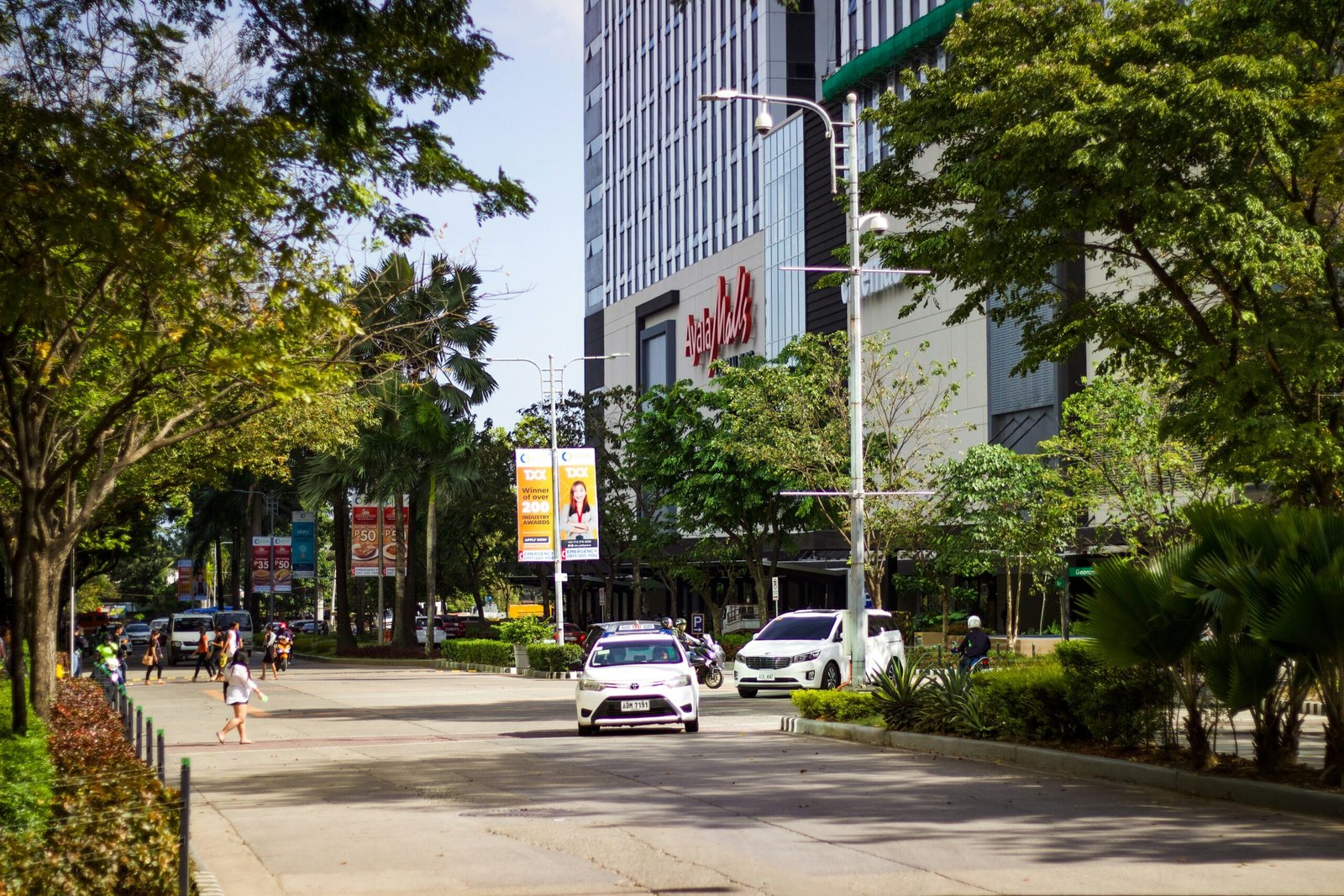
    Cebu City, a bustling urban hub in the Philippines, boasts an intricate transportation network that caters to its ever-growing population and thriving tourism industry. As one of the country’s key cities, Cebu City transportation infrastructure plays a crucial role in ensuring the smooth movement of people and goods, thereby fostering economic growth and social development. The city’s layout, characterized by a mix of modern and historical elements, sets the stage for a diverse array of transportation options tailored to meet various needs and preferences.

    Historically, Cebu City transportation system has undergone significant transformations. In the early days, the primary modes of transportation were horse-drawn carriages and small boats navigating along its coastal areas. With the advent of modernization during the American colonial period, the introduction of motorized vehicles revolutionized the way people traveled within Cebu City. The post-World War II era saw further advancements, including the construction of wider roads and the proliferation of jeepneys, which became an iconic symbol of Philippine urban transportation.

    In recent years, Cebu City’s transportation network has expanded and diversified to accommodate its burgeoning population and the increasing number of tourists. The city now offers a variety of transportation options, from traditional jeepneys and buses to modern ride-hailing services and taxis. Additionally, the implementation of infrastructure projects, such as the Cebu-Cordova Link Expressway and the Bus Rapid Transit (BRT) system, aims to enhance connectivity and reduce traffic congestion in Cebu City transportation.

    Understanding the transportation options in Cebu City is essential for both residents and visitors alike. Whether navigating the busy streets or exploring its scenic outskirts, the available modes of Cebu City transportation play a pivotal role in shaping the overall experience. As Cebu City continues to evolve, its transportation network remains a testament to its dynamic growth and resilience, reflecting the city’s ability to adapt to the ever-changing demands of its populace.

    Public Buses: Routes, Fares, and Schedules

    Cebu City Transportation: Navigating Your Options

    Finally, embracing Cebu City transportation provides opportunities to engage with locals and experience the city’s heartbeat.

    As you explore, consider how Cebu City transportation shapes the way you interact with the environment around you.

    Whether you’re a local or a tourist, understanding Cebu City transportation is key to making the most out of your experience.

    With so many options available, Cebu City transportation allows you to tailor your journey based on your preferences.

    Ultimately, mastering Cebu City transportation not only enriches your visit but also fosters a deeper connection with the city.

    Cebu City transportation serves as a gateway to the city’s rich culture and thrilling adventures waiting to be discovered.

    Make the most of your time in Cebu City by exploring its diverse transportation options that cater to every need.

    Cebu City transportation is not only functional but also reflects the spirit and resilience of its people.

    The rich array of Cebu City transportation options showcases the city’s commitment to providing efficient travel experiences.

    By embracing Cebu City transportation, you contribute to the local economy and support the community.

    As you navigate Cebu City transportation, you’ll find that each mode of transport brings its own charm and advantages.

    With the right knowledge of Cebu City transportation, one can explore the city’s offerings with ease and confidence.

    The diversity of Cebu City transportation adds to the unique experience of navigating through this lively city.

    Explore the vibrant atmosphere of Cebu City transportation and how it connects its rich heritage with modern advancements.

    As Cebu City continues to develop, so too does its transportation network, adapting to the needs of the community.

    Understanding the ins and outs of Cebu City transportation can lead to discovering hidden local spots that are off the typical tourist path.

    For efficient travel, utilizing Cebu City transportation options can save time and enhance the overall adventure.

    The various options in Cebu City transportation can suit different preferences and budgets, ensuring accessibility for everyone.

    As more tourists visit, understanding Cebu City transportation will be key for better travel experiences.

    The implementation of new services in Cebu City transportation aims to enhance the overall commuting experience for all users.

    As the city grows, so does the array of Cebu City transportation methods, catering to the diverse needs of its population.

    Whether it’s the affordable jeepneys or the convenience of taxis, Cebu City transportation offers something for everyone.

    By mastering Cebu City transportation options, travelers can ensure they make the most of their visit, experiencing both the hustle and the charm of the city.

    For those interested in exploring Cebu City transportation fully, it is recommended to try different modes and understand their unique advantages.

    Cebu City transportation continues to adapt, integrating modern solutions while retaining traditional options that serve the local community.

    The growth of ride-hailing apps has also influenced how Cebu City transportation is perceived by both locals and tourists alike.

    While taxis provide convenience, understanding Cebu City transportation can also lead to discovering more affordable routes using public buses.

    Cebu City transportation includes traditional options like jeepneys, which are not just economical but also a unique experience that reflects local culture.

    Utilizing Cebu City transportation efficiently allows for better planning and more enjoyable excursions around the city and its surroundings.

    For visitors, understanding Cebu City transportation methods can enhance their experience and ensure easier navigation throughout their stay.

    Exploring Cebu City transportation can reveal hidden gems and local favorites that are not only efficient but also offer a glimpse into the city’s vibrant culture.

    Cebu City transportation options include buses, jeepneys, taxis, and even motorcycle taxis, making it essential for travelers to familiarize themselves with the various means of getting around the city.

    The public bus system in Cebu City serves as a vital component of the transportation network, offering an affordable and accessible means of travel for both residents and visitors. Major routes typically cover key areas such as Cebu IT Park, SM City Cebu, Ayala Center Cebu, and Mactan-Cebu International Airport, ensuring connectivity across significant destinations within the city.

    Fares are structured to accommodate various budgets, with prices generally ranging from PHP 8 to PHP 15 for non-air-conditioned buses and slightly higher for air-conditioned options. It’s worth noting that the fare is calculated based on the distance traveled, making it essential for riders to have an idea of their destinations when boarding the bus. Tickets are usually purchased directly from the conductor upon boarding.

    Navigating the bus network can be straightforward with a bit of preparation. First-time riders are encouraged to familiarize themselves with the main routes and bus numbers, which are often displayed on the front of the buses. Additionally, mobile apps and online resources can provide real-time updates on bus schedules and routes, enhancing the overall convenience of using this mode of transportation in Cebu City.

    Cebu City’s bus system includes a mix of air-conditioned and non-air-conditioned buses, catering to different comfort preferences. Recent improvements have seen an increase in the number of modern, air-conditioned buses, contributing to a more comfortable commuting experience. These upgrades are part of ongoing efforts to enhance public transportation in Cebu City, making it more efficient and user-friendly for everyone.

    cebu city transportation Jeepney
    Cebu City Jeepney

    Jeepneys: The Iconic Public Transport

    Jeepneys are a quintessential mode of transportation in Cebu City, embodying both cultural heritage and daily practicality. Originally adapted from U.S. military jeeps left over after World War II, these colorful and intricately decorated vehicles have become an iconic symbol of Filipino ingenuity and community spirit. For both locals and tourists, jeepneys offer an affordable and accessible means to navigate the bustling streets of Cebu City.

    To identify jeepney routes, passengers can refer to the route numbers and destination signs displayed prominently on the vehicle’s windshield and sides. Each route is designated by a combination of letters and numbers that indicate its specific path. For instance, routes might read “04C” or “13B,” with each combination representing a specific journey through various neighborhoods and landmarks. Locals are generally helpful, so don’t hesitate to ask for guidance if you’re unsure about which jeepney to take.

    The fare for a jeepney ride is remarkably economical, typically starting at around PHP 8 for a basic distance. Fares can slightly increase based on the distance traveled, but overall, jeepneys remain one of the most cost-effective transportation options in Cebu City. Passengers usually hand their fare to the driver upon boarding or pass it down the line through other passengers, along with stating their destination if needed.

    Jeepneys are more than just a means of transport; they are a cultural emblem. They reflect the vibrant, communal, and resourceful spirit of the Filipino people. However, in recent years, there has been a concerted effort to modernize this traditional mode of transportation. The Philippine government has initiated programs aimed at transitioning to more environmentally friendly models, such as electric or hybrid jeepneys. These efforts are not only geared towards reducing pollution but also improving the overall safety and reliability of public transport.

    For tourists, riding a jeepney can be an exciting and authentic experience. To ensure a safe journey, it is advisable to keep personal belongings secure and be mindful of your surroundings. It’s also beneficial to carry small denominations of cash for fare payments. Always remain polite and courteous to fellow passengers and the driver, and be sure to familiarize yourself with your route and destination beforehand to avoid confusion.

    Taxis and Ride-Sharing Services

    When it comes to transportation in Cebu City, taxis and ride-sharing services such as Grab offer convenient and efficient options for both locals and visitors. Taxis are widely available and can be hailed directly from the street or at designated taxi stands located near major shopping centers, hotels, and tourist spots. The flag-down rate for taxis begins at PHP 40, with additional charges per kilometer and waiting time. It’s advisable to ensure that the meter is running to avoid overcharging.

    Ride-sharing services like Grab have gained significant popularity in Cebu City, providing a modern alternative to traditional taxis. Users can book a ride via the Grab app, which offers real-time tracking, estimated fare calculation, and cashless payment options. Grab fares are generally comparable to taxi rates, but they can vary depending on demand and traffic conditions, particularly during peak hours, typically between 7-9 AM and 5-8 PM.

    Safety is a paramount consideration when using taxis and ride-sharing services. For taxis, it is recommended to note the plate number and the driver’s identification details, usually displayed on the dashboard. With ride-sharing services, the app provides information about the driver and the vehicle, along with the option to share trip details with friends or family for added security.

    The convenience of using taxis and ride-sharing services is further enhanced by various apps and online tools. The Grab app, for instance, allows users to pre-book rides, select vehicle types, and even schedule rides in advance. Other useful tools include Google Maps and Waze, which can help estimate travel times and suggest the best routes to avoid traffic congestion.

    Overall, taxis and ride-sharing services offer flexible and reliable transportation options in Cebu City. Whether you prefer the spontaneity of hailing a taxi or the technological ease of booking through an app, these services cater to a wide range of needs and preferences, ensuring a smooth and comfortable journey across the city.

    Motorcycle Taxis: Habal-Habal and Angkas

    Motorcycle taxis, locally known as habal-habal, have long been a popular means of transportation in Cebu City. These motorcycle taxis offer a convenient and efficient way to navigate the city’s often congested streets. Traditionally, habal-habal are informal and can be found at various street corners and transport terminals. Riders negotiate fares directly with the drivers, which may vary depending on the distance, time of day, and traffic conditions.

    In recent years, a more organized motorcycle taxi service known as Angkas has emerged, providing a safer and more regulated alternative. Angkas operates through a mobile app, allowing riders to book rides and receive fare estimates in advance. This service has gained popularity among both locals and tourists for its reliability and ease of use. Angkas drivers undergo rigorous training and background checks, ensuring a higher level of safety and professionalism compared to traditional habal-habal drivers.

    Despite their convenience, motorcycle taxis come with safety considerations. Riders are advised to wear helmets, which are typically provided by the drivers. It is also important to hold on securely during the ride and avoid carrying heavy or bulky items that could affect balance. While Angkas is a legal and regulated service, the legal status of traditional habal-habal varies, and enforcement can be inconsistent. Therefore, choosing Angkas over habal-habal can offer peace of mind regarding safety and legality.

    Motorcycle taxis are most commonly used in densely populated areas and during peak traffic hours when other forms of transportation may be slower. Popular spots include IT Park, Ayala Center Cebu, and Colon Street. When negotiating fares with habal-habal drivers, it is advisable to agree on the price before the ride starts and to have small bills or exact change ready for payment. By following these tips, riders can ensure a safer and more pleasant experience when using motorcycle taxis in Cebu City.

    Tricycles and Pedicabs: Short-Distance Travel

    Tricycles and pedicabs are integral components of the transportation network in Cebu City, catering primarily to short-distance travel needs. These modes of transport are particularly prevalent in suburban areas, residential neighborhoods, and around market districts. Tricycles, motorized three-wheelers, and pedicabs, which are bicycle-powered, offer a convenient means for traversing narrow streets and reaching destinations that might be inaccessible to larger vehicles.

    Typically, tricycles and pedicabs can be flagged down almost anywhere within their operating zones. They are often stationed at busy intersections, near commercial centers, and at transport terminals. The fares for these rides are generally affordable, with costs depending on the distance traveled and whether the route involves any particularly challenging terrain. A short ride might cost around PHP 10 to PHP 20, but it is advisable to confirm the fare with the driver before the journey begins.

    The advantages of using tricycles and pedicabs in Cebu City include their ability to navigate congested areas and their availability for door-to-door service, offering flexibility and ease of access. These vehicles are especially useful for last-mile connectivity, where other forms of transportation might fall short. Additionally, they contribute to the local economy by providing employment opportunities for drivers.

    However, there are certain limitations to consider. Tricycles and pedicabs are generally slower than other forms of transportation, and their capacity is limited, often accommodating only 2-3 passengers comfortably. During peak hours, availability might be constrained, and negotiating fares can sometimes be challenging for those unfamiliar with local customs. It is recommended to agree on the fare beforehand to avoid misunderstandings.

    On a cultural note, tricycles and pedicabs have become iconic symbols of Cebu City’s vibrant street life, reflecting the adaptability and resourcefulness of its residents. To ensure a comfortable ride, passengers should be prepared to negotiate fares politely and be mindful of the driver’s effort, especially when traversing rugged or hilly routes.

    Water Transport: Ferries and Boats

    Cebu City, being strategically located in the Visayan archipelago, leverages its surrounding waters to facilitate transportation in Cebu City and its neighboring islands. Water transport remains an essential mode of travel, particularly for inter-island connections. This includes an array of ferries and boats that serve both local commuters and tourists exploring the region’s stunning island destinations.

    Several prominent ferry companies operate in Cebu City, providing reliable and frequent services. Leading operators such as OceanJet, SuperCat, and 2GO Travel have established extensive networks that connect Cebu to key destinations like Bohol, Leyte, and Negros. These ferries typically run on scheduled times throughout the day, ensuring convenience and flexibility for passengers.

    OceanJet, for instance, offers daily trips to Tagbilaran in Bohol, with travel times of approximately two hours. Fares for such routes vary depending on the class of service, with standard economy tickets starting at around PHP 500. Similarly, SuperCat provides swift services to Ormoc in Leyte, while 2GO Travel’s larger vessels cater to longer routes, including those reaching Manila.

    Water transport is vital for Cebu City’s connectivity, promoting seamless travel to nearby islands and enhancing the region’s tourism appeal. The convenience of ferries and boats allows for easy day trips to famous spots like the Chocolate Hills in Bohol or the pristine beaches of Malapascua Island. Furthermore, these water routes support local economies by facilitating trade and movement of goods between islands.

    For those planning to use water transport, it is advisable to book tickets in advance, especially during peak seasons. Online booking platforms and travel agencies offer easy access to schedules and fare information, ensuring a hassle-free experience. Additionally, passengers should arrive at the port at least an hour before departure to allow for check-in procedures and potential security checks.

    Overall, the robust network of ferries and boats underscores the significance of water transport in Cebu City, fostering a well-connected and accessible transportation system. Whether for daily commuting or adventurous island hopping, these services remain an integral part of the region’s mobility landscape.

    Future Developments in Cebu City’s Transportation

    Cebu City is poised for significant advancements in its transportation infrastructure, aimed at enhancing both efficiency and sustainability. One of the most notable initiatives is the Cebu Bus Rapid Transit (BRT) system. This ambitious project is designed to provide a reliable, high-capacity public transportation option that will alleviate the city’s notorious traffic congestion. The BRT system, which is set to launch in phases, will feature dedicated lanes, modern stations, and an integrated ticketing system, ensuring a seamless commuting experience for residents and visitors alike.

    In addition to the BRT, there are plans to expand existing transportation networks. These expansions include the enhancement of current roadways and the introduction of new routes to better connect the city’s various districts. Such developments are expected to significantly reduce travel times and improve overall accessibility within Cebu City. Moreover, the construction of additional flyovers and underpasses is anticipated, further easing traffic flow and minimizing bottlenecks in key areas.

    Sustainability is a core focus of Cebu City’s transportation future. Efforts are underway to incorporate eco-friendly practices, such as promoting the use of electric vehicles and establishing more bike lanes. These measures aim to reduce the city’s carbon footprint while providing residents with more green transportation options. The local government has also been exploring the potential for implementing a light rail transit (LRT) system, which would complement the BRT and provide an alternative mode of mass transit.

    Urban planning experts have weighed in on these initiatives, highlighting their potential to transform Cebu City’s transportation landscape. According to recent government announcements, these projects are part of a broader strategy to create a more connected and sustainable urban environment. With these developments, Cebu City is set to become a model for modern urban transportation in the Philippines, offering a more efficient, reliable, and environmentally friendly way for people to navigate the city.

    You might be interested to Cebu City Travel Guide

  • Best Places to Visit in the Philippines

    Best Places to Visit in the Philippines

    Best Places to Visit in the Philippines Palawan

    Best Places to Visit in the Philippines

    Introduction Best Places to Visit in the Philippines

    Best Places to Visit in the Philippines, The Philippines, an archipelago of more than 7,000 islands in Southeast Asia, is a tropical paradise bursting with natural beauty, cultural treasures, and exciting adventures. From pristine beaches and crystal-clear waters to historic sites and vibrant festivals, the Philippines is a destination that leaves travelers awestruck. Whether you’re planning your first visit or a return trip, this guide will take you through the top must-see destinations in the Philippines.


    Top Island Destinations Best Places to Visit in the Philippines

    Boracay Island

    Boracay Island
    Boracay Island

    When it comes to idyllic beaches, Boracay is second to none. Its iconic White Beach boasts powdery white sand and azure waters that are perfect for swimming, sunbathing, and relaxing. For adventure seekers, activities like kite surfing, parasailing, and jet skiing are readily available. As the sun sets, Boracay transforms into a lively hotspot with beachfront bars, live music, and vibrant nightlife.

    Palawan

    El Nido
    El Nido

    Known as a paradise for nature lovers, El Nido features towering limestone cliffs, hidden lagoons, and unspoiled beaches. Island-hopping tours are the highlight here, taking visitors to stunning spots like Big Lagoon, Secret Lagoon, and Shimizu Island.

    Coron
    Coron palawan

    A diver’s dream, Coron is renowned for its crystal-clear lakes, vibrant coral reefs, and historical shipwreck dive sites from World War II. Kayangan Lake, often considered the cleanest lake in the Philippines, is a must-visit.

    Cebu

    Cebu

    Cebu is a dynamic island offering a mix of urban attractions, cultural heritage, and natural wonders. Swim with whale sharks in Oslob, take a dip in Kawasan Falls, or visit historic landmarks like Magellan’s Cross and the Basilica del Santo Niño. Don’t miss the famous sardine run in Moalboal for an unforgettable underwater spectacle.


    Historical and Cultural Hotspots Best Places to Visit in the Philippines

    Intramuros, Manila

    Intramuros, Manila
    Photo source

    Step into the past as you explore Intramuros, Manila’s historic Walled City. This Spanish-era district is home to centuries-old churches, cobblestone streets, and landmarks such as Fort Santiago and San Agustin Church. A guided tour provides fascinating insights into the Philippines’ colonial history.

    Vigan, Ilocos Sur

    Best Places to Visit in the Philippines 1

    Vigan’s charm lies in its well-preserved Spanish colonial architecture and cobblestone streets. Declared a UNESCO World Heritage Site, this picturesque town offers attractions like Calle Crisologo, where horse-drawn carriages transport you back in time. Don’t forget to sample Vigan’s famous empanadas and longganisa (local sausages).


    Natural Wonders Best Places to Visit in the Philippines

    Chocolate Hills, Bohol

    Best Places to Visit in the Philippines 2

    A natural marvel, the Chocolate Hills are over 1,200 symmetrical mounds that turn brown during the dry season, resembling giant chocolate drops. Visitors can view this geological wonder from observation decks or even take an ATV ride through the hills.

    Banaue Rice Terraces

    Banaue Rice Terraces

    Carved into the mountains over 2,000 years ago, the Banaue Rice Terraces are a testament to the ingenuity of the Ifugao people. Often called the “Eighth Wonder of the World,” this UNESCO World Heritage Site is perfect for hiking and cultural immersion.


    Adventure Destinations

    Siargao Island

    Siargao Island

    Siargao, the surfing capital of the Philippines, attracts surfers from all over the world. Beyond its famous Cloud 9 waves, Siargao offers pristine lagoons, mangrove forests, and unique attractions like the Magpupungko Rock Pools. Island-hopping tours will take you to Naked Island, Daku Island, and Guyam Island.

    Mount Apo

    Mount Apo

    Standing at 2,954 meters, Mount Apo is the highest peak in the Philippines and a favorite among trekkers and mountaineers. The trek is challenging but rewarding, offering breathtaking views and the chance to spot the endangered Philippine eagle.


    Beach Escapes

    Pagudpud, Ilocos Norte

    Pagudpud, Ilocos Norte

    Pagudpud’s unspoiled beaches, dramatic cliffs, and azure waters make it a hidden gem. Highlights include Saud Beach, Kapurpurawan Rock Formation, and the iconic Bangui Windmills.

    Camiguin Island

    Camiguin Island

    Known as the “Island Born of Fire,” Camiguin is home to volcanoes, hot springs, and waterfalls. Visit the Sunken Cemetery, the Hibok-Hibok Volcano, and the White Island sandbar for a serene escape.


    Festivals and Celebrations Best Places to Visit in the Philippines

    Sinulog Festival, Cebu

    Sinulog Festival, Cebu

    Held every January, the Sinulog Festival celebrates the Santo Niño with colorful parades, traditional dances, and lively street parties. It’s one of the most vibrant and well-attended festivals in the country.

    Ati-Atihan Festival, Kalibo

    Ati-Atihan Festival, Kalibo

    Known as the “Mother of All Philippine Festivals,” Ati-Atihan is a week-long celebration featuring music, dancing, and street parades. Tourists are encouraged to join the revelry by painting their faces and dancing in the streets.


    Gastronomic Adventures Best Places to Visit in the Philippines

    Must-Try Local Delicacies

    The Philippines is a foodie’s paradise. Sample lechon (roast pig), adobo (a savory stew), and sinigang (a sour tamarind soup). Desserts like halo-halo (shaved ice with toppings) and kakanin (rice cakes) are a must-try.

    Night Markets and Street Food

    Visit night markets like Dampa in Manila for fresh seafood or indulge in street food in Cebu, where you can try siomai (steamed dumplings) and puso (rice wrapped in palm leaves).


    Off-the-Beaten-Path Destinations Best Places to Visit in the Philippines

    Siquijor Island

    Siquijor Island

    Siquijor’s mystical reputation adds to its allure. Discover enchanting waterfalls like Cambugahay Falls, explore the centuries-old Lazi Convent, or unwind on pristine beaches like Paliton Beach.

    Batanes

    Batanes

    Dubbed the “Home of the Winds,” Batanes is a remote paradise known for its rolling hills, stone houses, and dramatic coastlines. It’s a destination for those seeking tranquility and stunning landscapes.


    Conclusion Best Places to Visit in the Philippines

    The Philippines is a treasure trove of natural beauty, rich history, and warm hospitality. From the bustling streets of Manila to the serene shores of Batanes, every destination offers a unique experience. Whether you’re into adventure, relaxation, or cultural exploration, the Philippines has it all. Start planning your trip and discover why it’s more fun in the Philippines!


    FAQs Best Places to Visit in the Philippines

    1. What is the best time to visit the Philippines?
      The dry season, from November to April, offers the best weather for travel and outdoor activities.
    2. How many days are ideal for a trip to the Philippines?
      A two-week itinerary allows you to explore the highlights of multiple islands and regions.
    3. Is the Philippines safe for tourists?
      Yes, most areas in the Philippines are tourist-friendly. It’s always wise to stay informed and follow local advice.
    4. Do I need a visa to visit the Philippines?
      Many nationalities enjoy visa-free entry for up to 30 days. Check with the Philippine consulate for specific requirements.
    5. What are the most budget-friendly destinations in the Philippines?
      Destinations like Bohol, Siquijor, and Cebu offer affordable accommodations and attractions.

    You may also like

  • Your Ultimate Guide to Manila to Cagayan de Oro Flights

    Your Ultimate Guide to Manila to Cagayan de Oro Flights

    Introduction to Manila and Cagayan de Oro

    Manila, the capital city of the Philippines, serves as the nation’s political, economic, and cultural heart. Established in 1571 by Spanish conquistadors, Manila has evolved into a bustling metropolis teeming with history and modernity. Visitors can explore historical landmarks such as Rizal Park, Intramuros, and the National Museum of the Philippines. The city is also a hub for commerce, with its financial districts like Makati and Bonifacio Global City hosting multinational corporations and upscale shopping centers. Manila’s vibrant street life, a myriad of dining options, and a thriving arts scene make it an essential stop for any traveler.

    On the other hand, Cagayan de Oro, located in Northern Mindanao, is often referred to as the ‘City of Golden Friendship.’ Known for its warm and welcoming residents, the city offers a unique blend of urban and natural attractions. Established as a city in 1950, Cagayan de Oro has grown into a significant economic and cultural center in Mindanao. It boasts a range of activities from white-water rafting on the Cagayan de Oro River to exploring the scenic Macahambus Cave. The city’s local culture is rich with festivals such as the Higalaay Festival, which celebrates friendship and unity. Adventure tourism, coupled with its thriving local markets and culinary delights, makes Cagayan de Oro an exciting destination for travelers seeking both relaxation and adventure.

    Both Manila and Cagayan de Oro are crucial to the Philippines’ tourism and economic landscape. Manila acts as the primary gateway to the country, while Cagayan de Oro serves as a key entry point to the wonders of Mindanao. Whether you’re catching Manila to Cagayan de Oro flights for business or leisure, understanding the unique offerings of these cities enhances your travel experience.

    Airlines Operating Between Manila and Cagayan de Oro

    Several major airlines offer flights between Manila and Cagayan de Oro, providing passengers with multiple options to suit their travel needs. The most popular carriers on this route include Philippine Airlines, Cebu Pacific, and AirAsia, each offering unique services and amenities.

    Philippine Airlines (PAL) is the flag carrier of the Philippines and a top choice for travelers. PAL operates multiple daily flights from Manila to Cagayan de Oro, utilizing a mix of aircraft such as the Airbus A320 and A321. Passengers can expect a comfortable journey with PAL’s in-flight services, which include complimentary meals, in-flight entertainment, and a higher baggage allowance. The airline also offers a premium cabin class for those seeking extra comfort and luxury.

    Cebu Pacific is known for its budget-friendly fares and frequent flights between Manila and Cagayan de Oro. With a fleet primarily composed of Airbus A320 aircraft, Cebu Pacific ensures a cost-effective and efficient travel experience. The airline offers multiple flights per day, giving passengers flexibility in their travel plans. Despite its low-cost model, Cebu Pacific provides optional add-ons such as in-flight meals, extra legroom seats, and additional baggage allowance for a more personalized travel experience.

    AirAsia is another prominent low-cost carrier operating on the Manila to Cagayan de Oro route. Known for its competitive pricing, AirAsia uses Airbus A320 aircraft to serve this route with several daily flights. Passengers can take advantage of AirAsia’s range of optional services, including pre-ordered meals, seat selection, and increased baggage options. The airline also offers various promotions and discounts, making it an attractive choice for budget-conscious travelers.

    Overall, the airlines operating between Manila and Cagayan de Oro ensure that passengers have a variety of options, ranging from full-service to low-cost carriers. This diversity allows travelers to choose flights that best match their preferences and budget, making the journey between these two cities convenient and accessible.

    Flight Schedules and Duration

    When planning a trip from Manila to Cagayan de Oro, understanding the flight schedules and duration is crucial for a smooth journey. Flights between these two cities are quite frequent, with multiple airlines such as Philippine Airlines, Cebu Pacific, and AirAsia offering daily services. On average, there are around 10 to 15 flights per day, providing travelers with plenty of options to choose from.

    The typical duration for Manila to Cagayan de Oro flights is approximately 1 hour and 30 minutes. However, this can vary slightly depending on the specific flight path and weather conditions. For instance, adverse weather such as typhoons or heavy rain can lead to delays or cancellations, particularly during the rainy season, which spans from June to November. Therefore, it is advisable to monitor weather forecasts and airline notifications closely if you plan to travel during these months.

    For the most reliable schedules, consider flying during the dry season, which runs from December to May. During this period, the weather is generally more stable, reducing the likelihood of delays. Morning flights are also recommended as they are less likely to experience the cascading delays that can occur later in the day.

    Airlines typically operate their Manila to Cagayan de Oro flights from Ninoy Aquino International Airport (NAIA) in Manila to Laguindingan Airport in Cagayan de Oro. It is advisable to book your flights well in advance, especially during peak travel seasons such as Christmas, New Year, and the summer months, to secure the best schedules and fares.

    In summary, while the flight duration between Manila and Cagayan de Oro is relatively short, variables such as weather and peak travel times can impact your journey. By planning ahead and choosing the optimal times to fly, you can ensure a more reliable and pleasant travel experience.

    Booking Tips and How to Find the Best Deals

    Finding the best deals on flights from Manila to Cagayan de Oro requires a combination of timing, tools, and strategies. To maximize your chances of securing affordable fares, consider the following tips:

    First, the timing of your booking can significantly impact the cost of your flight. Generally, it’s advisable to book your tickets at least six to eight weeks in advance. This period often offers lower prices compared to last-minute bookings. Additionally, mid-week flights, particularly those on Tuesdays and Wednesdays, tend to be cheaper than weekend departures.

    Utilizing price comparison tools is another effective strategy. Websites and apps like Skyscanner, Google Flights, and Kayak allow you to compare prices across multiple airlines and booking platforms. These tools often include features such as price alerts, which notify you when fares drop, helping you capture the best deals on Manila to Cagayan de Oro flights.

    When deciding where to book, consider the benefits of purchasing directly through the airline versus third-party websites. Booking directly with the airline often provides more flexibility in terms of changes and cancellations. Additionally, airlines sometimes offer exclusive promotions and discounts on their websites that are not available on third-party platforms.

    Taking advantage of airline loyalty programs and promotions can further reduce your travel costs. If you frequently fly with a particular airline, enrolling in their loyalty program can earn you points or miles that can be redeemed for future flights, upgrades, or other perks. Keep an eye out for special promotions and sales events, which can offer significant savings.

    By combining these strategies—timing your purchase wisely, using price comparison tools, booking directly with airlines when advantageous, and leveraging loyalty programs—you can find the best deals on flights from Manila to Cagayan de Oro, making your travel both affordable and enjoyable.

    What to Expect at the Airport

    Traveling from Manila to Cagayan de Oro begins at Ninoy Aquino International Airport (NAIA), the primary gateway to the Philippines. NAIA is equipped with four terminals, each offering a range of facilities to ensure a comfortable start to your journey. Passengers can find various dining options, retail stores, and duty-free shops. Free Wi-Fi is available throughout the terminals, and there are ample seating areas and charging stations.

    Check-in procedures at NAIA are streamlined but can vary depending on the airline. It is advisable to arrive at least two hours before your domestic flight to allow ample time for check-in, security checks, and boarding. Security protocols include standard screening measures such as X-ray scans for baggage and metal detectors for passengers. Ensure that you adhere to the airline’s baggage policies to avoid any delays during the screening process.

    Upon arrival at Laguindingan Airport in Cagayan de Oro, passengers will find a more modest but efficient facility. The airport offers essential services including a few dining options, souvenir shops, and car rental services. While the amenities might not be as extensive as those at NAIA, Laguindingan Airport ensures a smooth arrival experience.

    For transportation, both airports provide several options. In Manila, passengers can choose from taxis, ride-sharing services, and airport shuttle buses. It is recommended to use the official airport taxi service to avoid any potential overcharging. In Cagayan de Oro, transportation options include taxis, private car hires, and shuttle services. It is advisable to pre-book your transportation to ensure a hassle-free commute to your final destination.

    By understanding what to expect at both NAIA and Laguindingan Airport, travelers can ensure a smoother and more pleasant journey. From check-in procedures to transportation options, being well-prepared can significantly enhance your overall travel experience.

    In-Flight Experience and Amenities

    When embarking on Manila to Cagayan de Oro flights, passengers can expect a range of in-flight experiences and amenities designed to ensure comfort and convenience. The seating arrangements typically vary depending on the airline and the class of travel chosen. Economy class generally offers standard seating with modest legroom, while premium economy and business class options provide more spacious seating, enhanced legroom, and priority boarding.

    In-flight entertainment is an essential aspect of the journey. Most airlines operating on this route offer a selection of movies, TV shows, music, and games accessible through individual seatback screens or personal devices. Some carriers also provide Wi-Fi services, allowing passengers to stay connected during the flight, although this may come at an additional cost.

    Meal services on Manila to Cagayan de Oro flights are usually tailored to the duration of the flight. Short-haul flights often include complimentary snacks and beverages, while longer flights may offer a full meal service. Passengers have the option to pre-order special meals catering to dietary preferences or restrictions, such as vegetarian, vegan, or gluten-free options. It is advisable to request these meals in advance to ensure availability.

    Additional amenities may include reading materials like magazines and newspapers, provided either in the seat pockets or upon request. Some airlines also offer comfort items such as blankets, pillows, and eye masks to enhance the in-flight experience. For those looking for extra convenience, certain carriers provide premium services such as dedicated check-in counters and lounge access.

    To make the flight more comfortable, especially for first-time flyers, it is recommended to dress in layers, as cabin temperatures can fluctuate. Staying hydrated by drinking water regularly and moving around the cabin periodically can also help alleviate discomfort during the journey. Bringing personal entertainment, such as books or portable electronic devices, can further enhance the overall travel experience on Manila to Cagayan de Oro flights.

    Top Attractions and Activities in Cagayan de Oro

    Cagayan de Oro, often referred to as the “City of Golden Friendship,” offers a plethora of attractions and activities that cater to diverse interests. Whether you’re an adventure seeker, a nature lover, or someone keen on cultural exploration, this vibrant city has something for everyone. Understanding the wide array of experiences available can make your Manila to Cagayan de Oro flight all the more worthwhile.

    One of the city’s most renowned activities is white water rafting on the Cagayan River. Known for its challenging rapids and stunning surroundings, this adventure is a must-try for thrill-seekers. Numerous tour operators offer rafting packages, ensuring both safety and excitement for participants of all skill levels.

    For those who prefer a more serene interaction with nature, the Mapawa Nature Park is an excellent destination. This expansive park features waterfalls, hiking trails, and horseback riding opportunities. It’s an ideal location for a day trip to unwind and appreciate the natural beauty of the region.

    Cultural enthusiasts will find the Museo de Oro an insightful stop. Located within Xavier University, this museum showcases the rich history and cultural heritage of Northern Mindanao. Its diverse collection includes artifacts from indigenous tribes, early settlers, and colonial influences, providing a comprehensive look at the area’s past.

    Aside from natural and cultural sites, Cagayan de Oro is also home to various festivals and local events. The Higalaay Festival, celebrated every August, is a vibrant showcase of the city’s culture and community spirit. The festival features street dancing, parades, and a variety of other activities that highlight the region’s unique traditions and hospitality.

    With such a range of attractions and activities, Cagayan de Oro promises an enriching and memorable experience. Whether you’re flying from Manila to Cagayan de Oro for adventure or cultural immersion, the city offers a perfect blend of both.

    Conclusion and Final Travel Tips

    As you plan your journey from Manila to Cagayan de Oro, it’s essential to remember a few key points to ensure a smooth and enjoyable trip. First and foremost, booking your Manila to Cagayan de Oro flights well in advance can help you secure the best rates and preferred flight schedules. Utilize various online platforms to compare prices and read reviews to select a reliable airline.

    When preparing for the trip, packing appropriately is crucial. Cagayan de Oro, known for its warm climate, demands light, breathable clothing. However, don’t forget to pack essentials like sunscreen, insect repellent, and comfortable footwear, especially if you plan on exploring outdoor attractions like White Water Rafting or the Dahilayan Adventure Park.

    Safety is another important consideration. While Cagayan de Oro is generally safe for tourists, it’s always wise to stay vigilant, especially in crowded places. Keep your belongings secure and be aware of your surroundings. It’s also beneficial to have a copy of important documents like your passport and travel insurance details.

    Cultural sensitivity can significantly enhance your travel experience. Filipinos are known for their hospitality and friendliness, and respecting local customs and traditions can help create positive interactions. Learning a few basic phrases in the local language can also go a long way in building rapport with the residents.

    By following these tips, you can make the most of your trip from Manila to Cagayan de Oro. Whether you’re traveling for adventure, business, or leisure, proper preparation and awareness will contribute to a memorable and fulfilling experience in this vibrant city.

  • Exploring Cagayan de Oro City: The Heart of Northern Mindanao

    Exploring Cagayan de Oro City: The Heart of Northern Mindanao

    cagayan de oro city

    Introduction to Cagayan de Oro City

    Nestled in the heart of Northern Mindanao, Cagayan de Oro City, often known as the ‘City of Golden Friendship,’ emerges as a vibrant confluence of culture, commerce, and adventure. Serving as a pivotal regional economic hub, the city stands out not only for its bustling urban landscape but also for its warm, hospitable residents. This inviting atmosphere extends a unique charm that distinguishes Cagayan de Oro City from other urban centers in the Philippines.

    The city’s strategic location along the northern coastline of Mindanao positions it as a gateway to the island’s rich natural resources and tourism destinations. With its well-developed infrastructure, Cagayan de Oro City is a focal point for trade, education, and industry, drawing in business ventures and investments from various sectors. The dynamic economic activity is complemented by a progressive urban environment, featuring modern amenities and facilities that cater to both locals and visitors.

    However, Cagayan de Oro City’s allure goes beyond its economic vitality. The city is renowned for its plethora of adventure tourism opportunities, which attract thrill-seekers and nature enthusiasts alike. From the adrenaline-pumping white-water rafting along the Cagayan de Oro River to the serene beauty of its surrounding landscapes, the city’s natural attractions offer a harmonious blend of excitement and tranquility.

    As you explore Cagayan de Oro City, you’ll discover a seamless integration of urban development and natural beauty. The city’s skyline, punctuated by contemporary buildings, coexists with verdant parks and scenic vistas, providing a picturesque backdrop to everyday life. This unique juxtaposition underscores the city’s role as a burgeoning metropolis that remains deeply connected to its natural roots.

    In essence, Cagayan de Oro City embodies a dynamic community where economic progress, cultural richness, and natural splendor converge, making it a standout destination in Northern Mindanao. Whether you are a business traveler, a tourist, or a resident, the city extends an open invitation to experience its diverse offerings and the genuine warmth of its people.

    Historical Background

    Cagayan de Oro City, often referred to as the “City of Golden Friendship,” boasts a vibrant history that dates back to pre-colonial times. Indigenous groups, notably the Higaonon, were the original settlers of the area, thriving through their agrarian and hunting practices. The arrival of Spanish colonizers in the 17th century marked the beginning of significant changes, with the city becoming a vital mission area. The construction of St. Augustine Cathedral in 1624 stands as a testament to Spanish influence, serving as a cornerstone of Catholicism in the region.

    During the American occupation in the early 20th century, Cagayan de Oro experienced further transformation. The introduction of new educational systems, infrastructure, and governance helped modernize the city. American missionaries also established institutions that contributed to the community’s development. This period laid the groundwork for the city’s eventual economic and social progress.

    The Japanese occupation during World War II brought hardship and resistance in Cagayan de Oro. The local population endured significant struggles, but their resilience led to a strong sense of community and nationalism. Post-war reconstruction efforts ushered in a new era of growth and modernization, paving the way for Cagayan de Oro to emerge as a key economic hub in Northern Mindanao.

    Today, historical landmarks such as the Museo de Oro offer a window into the city’s rich past. The museum houses artifacts and exhibits that chronicle the region’s history, from its indigenous roots to its colonial and wartime experiences. These landmarks not only preserve the historical narrative but also enrich the cultural and social fabric of Cagayan de Oro, making it a city that honors its past while forging ahead into the future.

    Cultural Heritage and Festivals

    Cagayan de Oro City is a melting pot of diverse cultural influences, reflecting the rich heritage of Northern Mindanao. The city’s cultural tapestry is woven with traditions, arts, and crafts that have been preserved and celebrated through generations. As you stroll through Cagayan de Oro, the vibrant cultural heritage is palpable, from the intricate handwoven textiles to the soulful melodies of traditional music.

    One of the most anticipated events in Cagayan de Oro is the Higalaay Festival, held annually in August. This festival is a grand celebration of friendship and camaraderie, embodying the spirit of “Higalaay” or friendship, which the city is known for. The festival features a myriad of activities, including colorful parades, street dancing, and various cultural performances. These events are a testament to the city’s rich cultural heritage and provide a platform for local artists to showcase their talents.

    The street dancing, known as “Kuyamis Festival,” is a highlight of the Higalaay Festival, where participants don vibrant costumes and perform traditional dances that narrate the history and legends of Cagayan de Oro. The parade is a visual feast, with floats adorned with intricate designs and motifs that reflect the city’s multicultural influences.

    In addition to its lively festivals, Cagayan de Oro is also renowned for its local culinary specialties. The city’s cuisine is a fusion of various cultural influences, resulting in unique and flavorful dishes. Visitors can savor local delicacies such as “binaki,” a sweet corn cake wrapped in corn husks, and “pastel,” a soft bun filled with sweet yema. These dishes not only tantalize the taste buds but also offer a glimpse into the city’s rich cultural mosaic.

    Cagayan de Oro City’s dedication to preserving its cultural heritage is evident in its vibrant festivals and culinary traditions. These cultural expressions serve as a bridge to the past, allowing both locals and visitors to connect with the city’s history and traditions in a meaningful way.

    Outdoor Adventures and Activities

    Cagayan de Oro City stands as a beacon for adventure enthusiasts, offering an array of thrilling outdoor activities that cater to both novices and seasoned adventurers. One of the most exhilarating experiences in the city is white-water rafting on the Cagayan River. Known for its challenging rapids and breathtaking scenery, this activity attracts tourists from around the globe. The river’s stretches are categorized into different difficulty levels, ensuring that there is something for everyone, from beginners to expert rafters. Numerous tour operators, such as Kagay and Great White Water Tours, provide guided rafting experiences, complete with necessary safety gear and professional instructors.

    For those who prefer heights over rapids, zip-lining in Cagayan de Oro City offers an unparalleled adrenaline rush. The city is home to several zip-line parks, but the Dahilayan Adventure Park in nearby Bukidnon is particularly noteworthy. It boasts Asia’s longest dual zip-line, spanning 840 meters, and offers a panoramic view of the lush landscape. The park ensures the highest safety standards with well-maintained equipment and trained staff, making it a must-visit for thrill-seekers.

    Trekking enthusiasts will find solace in the serene trails of Mapawa Nature Park. Located just a short drive from Cagayan de Oro, this park is a haven of waterfalls, natural pools, and diverse flora and fauna. It offers various trails catering to different fitness levels, from easy walks to more strenuous hikes. Guided tours are available, providing insights into the park’s biodiversity and ensuring a safe trekking experience.

    When engaging in these outdoor activities, safety should always be a priority. It is essential to choose reputable tour operators who are certified and have good reviews. Wearing appropriate gear, staying hydrated, and understanding one’s fitness limitations can significantly enhance the experience and ensure a safe adventure in Cagayan de Oro City.

    Economic Growth and Development

    Cagayan de Oro City stands as a pivotal commercial and industrial hub in Northern Mindanao, driving regional economic growth and development. The city’s strategic location, combined with its robust infrastructure, has positioned it as an attractive destination for various industries. Agriculture remains a cornerstone of the local economy, with Cagayan de Oro serving as a key trading and distribution center for agricultural products from surrounding areas. The city’s fertile lands support diverse crops, making it a vital supplier of food not only within Mindanao but also to other parts of the Philippines.

    Manufacturing is another significant sector, bolstered by Cagayan de Oro’s well-developed industrial zones. These zones house a range of manufacturing activities, from food processing to the production of consumer goods. The city’s accessibility through its port and extensive road networks facilitates efficient movement of goods, enhancing its appeal to manufacturers. Furthermore, the local government has been proactive in implementing policies that streamline business processes, making it easier for enterprises to set up and operate within the city.

    In recent years, Cagayan de Oro has also emerged as a burgeoning center for information technology and business process outsourcing (BPO). The city’s growing pool of skilled professionals and competitive operational costs have attracted numerous IT firms and BPO companies. This influx of technology-driven businesses has spurred job creation and contributed to the city’s dynamic economic landscape. To support this growth, educational institutions in Cagayan de Oro are aligning their programs to meet the demands of the IT and BPO sectors, ensuring a steady supply of qualified graduates.

    Major infrastructure projects are continually enhancing Cagayan de Oro’s economic appeal. The ongoing development of roads, bridges, and public transportation systems is improving connectivity within the city and to other regions. Additionally, the city’s efforts to modernize its port facilities are set to boost trade and commerce further. These developments, coupled with a favorable business environment, are drawing both local and foreign investments. The local government is also fostering entrepreneurship through various initiatives, such as providing financial support and training programs for small and medium-sized enterprises (SMEs).

    Educational Institutions and Opportunities

    Cagayan de Oro City stands as a pivotal educational hub in Northern Mindanao, offering a broad spectrum of educational opportunities ranging from primary to tertiary levels. The city is home to illustrious institutions such as Xavier University – Ateneo de Cagayan, which is renowned for its comprehensive academic programs and commitment to forming leaders dedicated to service. Another prominent institution, Capitol University, also plays a significant role in shaping the academic landscape with its diverse curriculum and focus on holistic student development.

    Primary and secondary education in Cagayan de Oro City is robust, supported by both public and private schools that ensure quality education for young learners. These schools are dedicated to cultivating foundational skills and knowledge crucial for students’ academic progression. Among these, institutions like St. Mary’s School and Corpus Christi School are noted for their rigorous academic standards and extracurricular programs that foster well-rounded development.

    At the tertiary level, Cagayan de Oro City offers a variety of options. Besides Xavier University and Capitol University, other notable higher education institutions include Mindanao University of Science and Technology and Liceo de Cagayan University. These universities provide a wide range of undergraduate and graduate programs, catering to diverse interests and career aspirations. Additionally, vocational training centers in the city offer specialized courses that equip students with practical skills directly applicable to the labor market, thereby enhancing employability.

    The city’s educational institutions are also engaged in unique programs and international partnerships. For instance, Xavier University has established collaborations with universities abroad, facilitating student exchanges and joint research initiatives that enrich the academic experience. Such partnerships not only elevate the educational standards but also prepare students to thrive in a globalized world.

    In shaping the future workforce, education in Cagayan de Oro City is pivotal. The city’s commitment to providing quality education across all levels ensures that its graduates are well-prepared to contribute effectively to the region’s economic and social development. Through continuous investment in education, Cagayan de Oro City remains dedicated to fostering a knowledgeable and skilled populace ready to meet the challenges of the future.

    Travel Tips and Accommodations

    Cagayan de Oro City, often referred to as the “City of Golden Friendship,” offers a variety of experiences for every traveler. To make the most of your visit, consider planning your trip between December and February, when the weather is cooler and less humid. The city is accessible via Laguindingan Airport, approximately 45 minutes away, with regular flights from major Philippine cities such as Manila and Cebu. Upon arrival, taxis and jeepneys are readily available for getting around the city, and ride-hailing services like Grab can provide an added convenience.

    When it comes to accommodations, Cagayan de Oro City caters to all budgets. For those seeking luxurious stays, Limketkai Luxe Hotel and Seda Centrio offer top-notch amenities and proximity to shopping centers. Budget travelers might opt for affordable yet comfortable hostels like The Pacifico Boutique Hotel or Red Planet Cagayan de Oro. Mid-range hotels such as Mallberry Suites Business Hotel and N Hotel strike a balance between cost and comfort.

    Local dining options in Cagayan de Oro City are diverse and flavorful. For an authentic taste of Mindanao cuisine, head to Kagay-anon Restaurant, known for its traditional dishes such as sinuglaw and ostrich salpicao. For an international palate, Cucina Higala offers a fusion of local flavors with a modern twist. Don’t miss the famous night market at Divisoria, where you can sample a variety of street food.

    Shopping enthusiasts will find a mix of local and international brands at Centrio Mall and SM CDO Downtown Premier. For a more cultural shopping experience, visit the souvenir shops at Museo de Oro or the Misamis Oriental Farmers Market for locally-made crafts and delicacies.

    Must-visit attractions include the Cagayan de Oro River for white-water rafting adventures, the historic Gaston Park, and the serene Gardens of Malasag Eco-Tourism Village. Engaging with the local community is easy; the Kagay-anons are known for their hospitality and friendliness. Basic Filipino phrases and a warm smile go a long way in creating meaningful interactions.

    Future Prospects and Vision

    Cagayan de Oro City, often referred to as the “City of Golden Friendship,” is poised for significant development and transformation in the coming years. The city’s strategic location in Northern Mindanao positions it as a key economic and cultural hub, driving both regional and national growth. Local government and private sector stakeholders have laid out comprehensive plans to ensure that Cagayan de Oro City not only sustains its current momentum but also evolves as a model of progress and innovation.

    One of the primary focus areas is urban development. Several infrastructure projects are underway, aimed at improving transportation, housing, and public utilities. The construction of new roads, bridges, and the expansion of the existing seaport and airport facilities are expected to enhance connectivity and accessibility, fostering economic activities. Additionally, mixed-use developments and modern residential areas are being planned to accommodate the growing population, ensuring that the city remains both livable and vibrant.

    Environmental conservation is another pillar of Cagayan de Oro City’s vision for the future. Efforts are being made to balance development with sustainability. Projects such as the rehabilitation of the Cagayan de Oro River and the establishment of green spaces and parks are critical components of this initiative. These efforts aim to mitigate the impact of urbanization on the environment while promoting a healthier and more sustainable lifestyle for residents.

    Community building and social development are also at the forefront of the city’s agenda. Programs aimed at enhancing education, healthcare, and social services are being rolled out to ensure that all residents benefit from the city’s growth. Initiatives to support local businesses, particularly in the IT and service sectors, are being promoted to create job opportunities and drive economic inclusivity.

    As Cagayan de Oro City looks to the future, it faces challenges such as managing rapid urbanization and addressing climate change. However, with a clear vision and collaborative efforts from all sectors of society, the city is well-positioned to overcome these obstacles. The goal is to transform Cagayan de Oro City into a beacon of sustainable development and a leading model of innovation in the region.

  • Exploring the Best Beaches in and Around Cebu City

    Exploring the Best Beaches in and Around Cebu City

    cebu city beaches

    Introduction to Cebu City’s Beaches

    Situated in the heart of the Visayas region in the Philippines, Cebu City is a bustling metropolitan area that seamlessly blends modern urbanity with historical charm. Known as the “Queen City of the South,” Cebu City has long been a focal point for commerce, culture, and tourism. Its strategic geographical location, coupled with a tropical climate characterized by warm temperatures and ample sunshine throughout the year, makes it an ideal haven for beach enthusiasts.

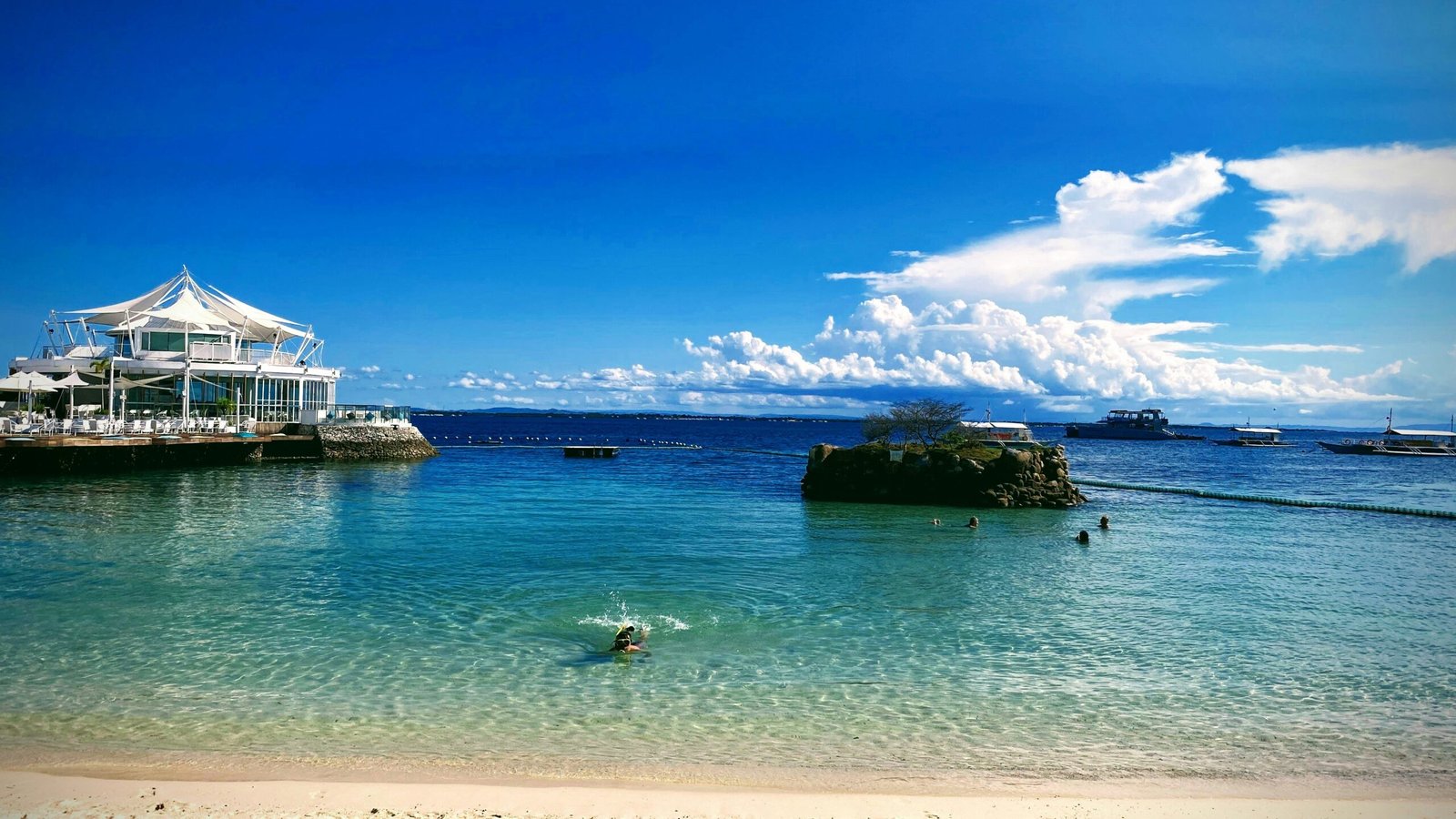
    The beaches in and around Cebu City are some of the most picturesque and inviting in the Philippines. With a coastline that stretches for miles, the area boasts a diverse range of beach experiences, from serene, secluded spots perfect for relaxation to lively shores bustling with water sports and activities. The crystalline waters, powdery white sands, and vibrant marine life make these beaches a magnet for both locals and tourists seeking a slice of paradise.

    For those looking to escape the urban hustle, the beaches of Cebu City offer an unparalleled respite, showcasing nature’s beauty in its purest form. Whether you’re interested in snorkeling, diving, or simply basking in the sun, you’ll find a beach that caters to your desires. The accessibility of these beaches from the city center adds to their appeal, providing a convenient getaway without the need for extensive travel.

    In addition to their natural allure, the beaches around Cebu City are also steeped in cultural significance. Many of these coastal areas are home to vibrant local communities that offer a glimpse into the rich traditions and hospitality of Cebuano culture. This unique blend of natural beauty and cultural depth further cements Cebu City as a premier destination for beach lovers worldwide.

    Top Beaches Within Cebu City

    Cebu City, known for its vibrant urban life, also offers a selection of pristine beaches that provide a serene escape from the hustle and bustle. Among the most notable beaches within the city limits is Basdaku Beach, famed for its expansive white sand shorelines and crystal-clear waters. This beach is particularly popular among both locals and tourists for swimming and sunbathing. The cleanliness of Basdaku is commendable, and several amenities such as beach huts, restrooms, and local eateries enhance the visitor experience.

    Next on the list is Maribago Bluewater Beach, an idyllic spot that combines luxury with natural beauty. This beach is part of a resort, offering a range of amenities including water sports facilities, a spa, and several dining options. The well-maintained environment and the availability of activities such as jet skiing, banana boat rides, and snorkeling make Maribago a top choice for many.

    Hadsan Beach is another gem within Cebu City, known for its serene ambiance and clear waters. This beach is less crowded compared to others, making it a perfect spot for relaxation. Hadsan offers basic amenities and is particularly favored for picnicking, swimming, and enjoying a quiet day by the sea.

    For those seeking a blend of history and beach fun, Fort San Pedro Beach is an excellent choice. Located near the historic Fort San Pedro, this beach allows visitors to combine a day of sun and sand with a touch of cultural exploration. The beach features clean sands and calm waters, ideal for a leisurely swim.

    Lastly, Talisay Beach deserves mention for its accessibility and family-friendly atmosphere. With shallow waters and gentle waves, it is perfect for families with young children. The beach is equipped with necessary amenities, including restrooms and snack bars, ensuring a comfortable visit.

    These beaches within Cebu City offer diverse experiences, from luxurious escapes to tranquil retreats, making the city a perfect destination for beach lovers.

    Must-Visit Beaches Near Cebu City

    While Cebu City itself offers a range of urban attractions, some of the most captivating beaches are located just a short drive or boat ride away. These nearby destinations provide an escape into natural beauty, offering pristine white sands, crystal-clear waters, and breathtaking landscapes that make the journey worthwhile.

    One of the most popular beaches near Cebu City is Mactan Island, situated roughly 15 kilometers from the city center. Easily accessible via the Marcelo Fernan Bridge, Mactan Island can be reached in about 30 minutes by car or taxi. The island is renowned for its luxurious resorts and world-class diving spots. Resorts like Plantation Bay and Shangri-La provide not only stunning beachfront views but also a variety of water sports and activities.

    Further afield, about 75 kilometers north of Cebu City, lies the tropical paradise of Bantayan Island. The journey to Bantayan typically involves a three-hour bus ride from the North Bus Terminal to Hagnaya Port, followed by an hour-long ferry ride. Once there, visitors are rewarded with powdery white sands and turquoise waters, particularly at Sugar Beach and Kota Beach. These beaches offer a tranquil escape, with fewer crowds and a more laid-back atmosphere.

    For those willing to travel south, Moalboal is an excellent choice, located approximately 90 kilometers from Cebu City. The trip can take around 2.5 hours by bus or private vehicle. Moalboal is famous for its vibrant marine life, making it a haven for snorkeling and diving enthusiasts. Panagsama Beach, in particular, is known for its sardine run, where millions of sardines swim close to the shore, creating a mesmerizing underwater spectacle.

    Another southern gem is the white-sand beach of Lambug in Badian, about 100 kilometers from the city. The travel time is roughly 3 hours by bus or car. Lambug Beach is less commercialized, offering a more rustic and serene experience. Its clear, shallow waters are perfect for swimming and relaxing.

    Each of these beaches near Cebu City offers a unique experience, whether you’re seeking adventure, relaxation, or simply a stunning backdrop for your holiday. With convenient transportation options and relatively short travel times, they are easily accessible for day trips or weekend getaways, making them must-visit spots for anyone exploring the region.

    Beach Resorts and Accommodation Options

    Cebu City and its surrounding areas offer an array of beach resorts and accommodation options to suit various preferences and budgets. Whether you’re seeking a luxurious retreat or a budget-friendly stay, there is something for everyone.

    For those looking to indulge in a lavish getaway, several high-end resorts provide exceptional amenities and services. Resorts like Shangri-La’s Mactan Resort & Spa and Crimson Resort and Spa Mactan are renowned for their luxurious accommodations, offering private beach access, world-class dining, and state-of-the-art wellness facilities. Prices for these luxury resorts typically range from $200 to $500 per night, contingent on the season and the type of room or suite selected.

    Travelers on a moderate budget can find excellent mid-range options that provide comfort and convenience without breaking the bank. Resorts such as Bluewater Maribago Beach Resort and Costabella Tropical Beach Hotel offer well-appointed rooms with beach views, swimming pools, and dining options. These mid-tier resorts generally charge between $80 and $150 per night, making them an attractive choice for many visitors.

    For budget-conscious travelers, several affordable accommodations do not compromise on the beach experience. Properties like Be Resorts Mactan and Cebu White Sands Resort and Spa provide clean, comfortable rooms and essential amenities such as swimming pools and on-site restaurants. Prices for these budget-friendly options usually range from $40 to $80 per night, ensuring that even those with limited funds can enjoy the beauty of Cebu City beaches.

    Additionally, many resorts offer special packages and deals that can enhance the overall experience. These may include discounts for extended stays, honeymoon packages, or family-oriented promotions with inclusive activities. It is advisable to check the official websites or contact the resorts directly for the latest offers and deals, as these can provide significant savings and added value.

    With a plethora of beach resorts and accommodation options available, visitors to Cebu City are sure to find a place that meets their needs and preferences. From opulent luxury to budget-friendly stays, the region caters to all kinds of travelers, ensuring a memorable beachside experience.

    Entrance Fees and Other Practical Information

    When planning to visit the stunning beaches in Cebu City and its vicinity, being well-informed about entrance fees and other practical details can significantly enhance your experience. Most public beaches in Cebu City, such as those in Mactan Island, typically charge a minimal entrance fee ranging from PHP 20 to PHP 50. Private resorts, which offer more comprehensive amenities, have entrance fees that can vary from PHP 100 to PHP 500 depending on the exclusivity and services provided.

    Operating hours for these beaches generally start early in the morning around 6:00 AM and extend until sunset, around 6:00 PM. However, certain private resorts offer extended hours, especially for guests staying overnight. It is advisable to check the specific timings of your chosen beach or resort prior to your visit to avoid any inconvenience.

    Facilities such as restrooms, changing rooms, and showers are commonly available at most beaches around Cebu City. Public beaches offer basic amenities, whereas private resorts provide more extensive facilities, including lockers, beach chairs, and cabanas. Additionally, many resorts have on-site restaurants and snack bars, ensuring that visitors have access to food and beverages throughout their stay.

    Visitors should also be mindful of local regulations and guidelines. Most beaches enforce rules on waste disposal, prohibiting littering to maintain the cleanliness and natural beauty of the area. Alcohol consumption and loud music are often restricted in public beach areas to ensure a family-friendly environment. Additionally, seasonal considerations such as monsoon rains, which typically occur from June to November, can affect beach access and the overall experience. Special events and festivals, such as the Sinulog Festival in January, may also influence beach crowd levels and accessibility.

    By keeping these practical details in mind, visitors can enjoy the serene and picturesque beaches of Cebu City while being respectful of the local environment and community guidelines.

    Best Time to Visit Cebu City’s Beaches

    Cebu City beaches are a year-round attraction, but understanding the local weather patterns and tourist seasons can help maximize your beach experience. The best time to visit Cebu City’s beaches is during the dry season, which typically spans from November to May. During these months, the weather is predominantly sunny with minimal rainfall, making it ideal for beach activities such as swimming, snorkeling, and sunbathing.

    Peak tourist season coincides with the dry season, particularly from December to April. During this time, travelers can expect bustling beaches and vibrant local events. The Sinulog Festival in January, one of the Philippines’ most celebrated festivals, draws numerous visitors. While the atmosphere is lively and festive, it is advisable to book accommodations and tours well in advance to avoid higher prices and limited availability.

    The off-peak season, from June to October, aligns with the monsoon season. This period sees increased rainfall and occasional typhoons, which might disrupt beach plans. However, those who prefer a more tranquil and less crowded experience might find this time appealing. Accommodations and travel packages are often more affordable during these months. For those who do visit during the off-peak season, it’s wise to keep an eye on weather forecasts and plan indoor activities or alternative excursions.

    Moreover, shoulder months like May and November offer a balance between favorable weather and fewer tourists. These months can be an excellent choice for travelers looking to enjoy Cebu City beaches without the crowds and high costs of peak season.

    Regardless of when you choose to visit, it’s essential to come prepared. Bring adequate sun protection, stay hydrated, and be mindful of local advisories, especially during the monsoon season. By planning your visit according to the season, you can make the most of your time exploring the beautiful beaches of Cebu City.

    Activities and Attractions Beyond the Beach

    While Cebu City is renowned for its stunning beaches, the region offers a plethora of activities and attractions that go beyond the shoreline. For those seeking to enrich their experience, exploring cultural sites, historical landmarks, local markets, and engaging in adventure activities can provide a well-rounded visit.

    A visit to Magellan’s Cross is a must-see for history enthusiasts. Located in the heart of Cebu City, this landmark commemorates the arrival of Portuguese explorer Ferdinand Magellan in 1521. Just a short walk away, the Basilica Minore del Santo Niño is another historical site where visitors can witness centuries-old religious relics and architecture.

    For a more immersive cultural experience, the Cebu Taoist Temple offers a serene escape. Perched in the Beverly Hills Subdivision, the temple provides panoramic views of the city and an insight into the Chinese community’s heritage in Cebu. Another cultural gem is the Yap-Sandiego Ancestral House, one of the oldest residential homes in the Philippines, showcasing preserved antiques and artifacts.

    Local markets such as Carbon Market and Taboan Public Market are perfect for those looking to delve into Cebu’s local flavors and crafts. These bustling markets offer an array of fresh produce, dried fish, and handmade goods, reflecting the vibrant local culture.

    Adventure seekers will find plenty of activities to satisfy their cravings for excitement. Hiking enthusiasts can explore the trails of Osmeña Peak, the highest point in Cebu, offering breathtaking views of the surrounding islands and waters. For diving aficionados, the nearby island of Malapascua is renowned for its thresher shark sightings and vibrant marine life. Additionally, island hopping tours around Mactan Island provide opportunities to discover hidden coves, snorkeling spots, and picturesque islets.

    In summary, Cebu City beaches are just the beginning of an unforgettable adventure. With a diverse range of activities and attractions, visitors can immerse themselves in the rich history, culture, and natural beauty that make Cebu a truly unique destination.

    Tips for a Memorable Beach Experience in Cebu City

    Embarking on a beach adventure in Cebu City is an opportunity to experience some of the most picturesque coastal landscapes in the Philippines. To ensure a memorable visit to Cebu City beaches, it’s essential to come prepared and be mindful of local customs and practices.

    Firstly, packing the right essentials can make all the difference. Be sure to bring sun protection, including sunscreen with a high SPF, sunglasses, and a wide-brimmed hat. Comfortable swimwear, a reusable water bottle, and a beach mat or towel are also important. For those planning to explore underwater, snorkeling gear can enhance your experience, though rental options are often available at popular beaches.

    Safety should always be a priority. Swimming in designated areas and being aware of local weather conditions can help prevent accidents. It’s also advisable to keep an eye on personal belongings and avoid leaving valuables unattended. When exploring less crowded or remote beaches, informing someone of your plans and expected return time is a good practice.

    Embracing responsible tourism is crucial for preserving the natural beauty of Cebu City beaches. Always dispose of trash properly and consider participating in beach clean-up initiatives. Avoid disturbing marine life and coral reefs, and respect local wildlife by observing from a distance.

    Sampling local food and drinks can significantly enrich your beach experience. Cebu is famous for its lechon (roast pig), which is a must-try. Fresh seafood, tropical fruits, and local delicacies like puso (hanging rice) offer a taste of Cebu’s culinary heritage. For refreshments, trying buko juice (fresh coconut water) can be both hydrating and delicious.

    Interacting with locals can enhance your understanding of Cebuano culture. Learning a few basic phrases in Cebuano, such as “maayong buntag” (good morning) and “salamat” (thank you), can go a long way in building rapport. Respecting cultural norms, such as modest dress when away from the beach and observing local customs, will ensure a harmonious and respectful experience.

    By following these tips, visitors can fully enjoy the stunning beaches of Cebu City while contributing to the preservation of its natural and cultural treasures.

  • Discovering the Best Resorts in Cebu City: Your Ultimate Guide

    Discovering the Best Resorts in Cebu City: Your Ultimate Guide

    cebu city resorts

    Introduction to Cebu City and Its Appeal

    Nestled in the heart of the Philippines, Cebu City offers a unique blend of cultural richness, historical landmarks, and natural beauty, making it a premier destination for travelers. Known as the “Queen City of the South,” Cebu City seamlessly merges urban sophistication with beachside tranquility, attracting a diverse range of visitors from across the globe.

    Cebu City’s appeal lies in its multifaceted attractions. The city is steeped in history, with landmarks such as the Magellan’s Cross and Fort San Pedro that date back to the Spanish colonial period. These historical sites offer a glimpse into the city’s storied past and its role in the broader narrative of the Philippines.

    Beyond its historical significance, Cebu City is a hub of cultural activity. The city’s vibrant festivals, such as the Sinulog Festival, showcase its rich cultural heritage through colorful parades, traditional dances, and religious processions. This cultural vibrancy is further complemented by a thriving arts scene, with numerous galleries and performance spaces scattered throughout the city.

    In addition to its cultural and historical allure, Cebu City’s natural beauty is equally captivating. The city’s coastal location provides access to stunning beaches, crystal-clear waters, and an array of marine life, making it an ideal spot for water-based activities such as snorkeling, diving, and island hopping. The surrounding mountainous regions offer hiking trails and panoramic vistas that appeal to nature enthusiasts.

    For those seeking a more urban experience, Cebu City does not disappoint. The city boasts a bustling food scene, with a variety of dining options ranging from street food stalls to high-end restaurants offering both local and international cuisine. Shopping opportunities abound, from traditional markets to modern malls, ensuring that visitors can indulge in retail therapy to their heart’s content.

    In essence, Cebu City provides a well-rounded travel experience that caters to diverse interests. Whether one is drawn to its historical landmarks, cultural festivities, natural landscapes, or urban amenities, Cebu City stands out as an attractive location for travelers looking for a dynamic and enriching getaway.

    Top Resorts in Cebu City: An Overview

    Cebu City, known for its stunning beaches and vibrant culture, offers a variety of luxurious resorts that cater to different tastes and preferences. Here is a curated list of some of the top resorts in Cebu City that promise an unforgettable stay.

    Shangri-La’s Mactan Resort & Spa

    Located on the beautiful Mactan Island, Shangri-La’s Mactan Resort & Spa is a paradise for those seeking luxury and relaxation. The resort boasts pristine white-sand beaches, world-class amenities, and numerous dining options. It has received multiple awards for excellence, including the Condé Nast Traveler Readers’ Choice Award.

    Crimson Resort and Spa Mactan

    Crimson Resort and Spa Mactan combines modern elegance with Filipino hospitality. This resort features stunning villas with private plunge pools, a variety of water sports, and a luxurious spa. Crimson Resort has been recognized for its exceptional service and has earned several accolades, including the TripAdvisor Certificate of Excellence.

    Mövenpick Hotel Mactan Island Cebu

    Known for its contemporary design and vibrant ambiance, Mövenpick Hotel Mactan Island Cebu offers a unique blend of relaxation and entertainment. The Ibiza Beach Club, a highlight of the resort, provides a memorable dining and nightlife experience. The resort has also been honored with numerous awards, such as the World Luxury Hotel Awards.

    Plantation Bay Resort and Spa

    Plantation Bay Resort and Spa is renowned for its expansive lagoon-style pools and colonial plantation architecture. The resort offers a serene escape with a variety of activities, including diving, archery, and kayaking. It has been recognized by Travel + Leisure and Condé Nast Traveler as one of the top resorts in Asia.

    Marco Polo Plaza Cebu

    Situated on the scenic hills of Nivel, Marco Polo Plaza Cebu provides breathtaking views of Cebu City and the surrounding islands. The resort combines luxurious accommodations with top-notch facilities, including a spa, swimming pool, and multiple dining options. It has received numerous awards for its hospitality and service excellence.

    These exceptional resorts in Cebu City offer not only luxurious accommodations but also a range of amenities and activities that ensure a memorable stay. Whether you are looking for a serene retreat or an adventure-filled vacation, Cebu City resorts provide the perfect setting for an unforgettable experience.

    Luxury Resorts: Indulge in Opulence

    Cebu City is a treasure trove of opulent resorts that cater to the most discerning travelers. These luxury resorts not only offer breathtaking views and exclusive amenities, but they also provide personalized experiences that make every stay unforgettable. One such esteemed establishment is the renowned Shangri-La’s Mactan Resort & Spa. Nestled on a sprawling 13-hectare property, this resort boasts a private beach, lush gardens, and a host of recreational facilities. Guests can indulge in gourmet dining at their various restaurants, unwind at the Chi, The Spa, or participate in water sports and other activities.

    Another epitome of luxury in Cebu City is the Crimson Resort & Spa. This resort is celebrated for its modern design and exceptional service. It features expansive villas with private plunge pools, offering an intimate and serene escape. The Azure Beach Club, with its panoramic ocean views, is perfect for those seeking a sophisticated dining experience. Additionally, guests can rejuvenate at the Aum Spa, which provides a range of holistic therapies designed to nourish the body and soul.

    For those who prioritize privacy, the Mövenpick Hotel Mactan Island Cebu offers an exclusive retreat. This resort is famed for its Ibiza Beach Club, where guests can enjoy Mediterranean-inspired cuisine and vibrant nightlife. The well-appointed rooms and suites, coupled with impeccable service, make it an ideal choice for luxury travelers. The resort also offers a variety of recreational activities, including snorkeling, diving, and sailing, ensuring an exhilarating experience.

    These high-end resorts in Cebu City are not merely places to stay; they are sanctuaries of indulgence and relaxation. With their exquisite amenities and personalized services, they promise an unparalleled vacation experience. Whether you are lounging by a private beach, savoring gourmet meals, or unwinding at a world-class spa, these luxury resorts epitomize the essence of opulence.

    Family-Friendly Resorts: Fun for All Ages

    When planning a family vacation, choosing the right accommodation is crucial to ensure that everyone, from the youngest to the oldest, has a memorable and enjoyable experience. Cebu City boasts a variety of family-friendly resorts that cater to these needs, providing a perfect blend of relaxation and fun for all ages. These resorts offer a plethora of amenities designed specifically for families, ensuring a worry-free holiday.

    One notable example is the JPark Island Resort and Waterpark, which stands out for its extensive range of family-oriented services. This resort features spacious family suites, providing ample room for parents and children to stay comfortably. The highlight of JPark is undoubtedly its waterpark, complete with multiple pools, thrilling water slides, and a lazy river, ensuring endless fun for kids. Additionally, the resort offers a kids’ club, where children can engage in supervised activities, allowing parents some much-needed downtime.

    Another excellent choice is Costabella Tropical Beach Hotel, renowned for its warm hospitality and family-friendly environment. This resort offers family suites equipped with modern amenities, ensuring a comfortable stay for all members. The children’s pool is a popular feature, providing a safe space for young ones to splash around. Costabella also organizes various family activities, such as beach games and movie nights, fostering a sense of togetherness and creating lasting memories.

    Moreover, many other Cebu City resorts provide similar family-centric amenities. These include dedicated kids’ clubs, where professional staff organize educational and entertaining activities, and family suites that offer convenience and comfort. Children’s pools with safety features and lifeguards on duty are common, ensuring peace of mind for parents. Family activities, ranging from nature walks to arts and crafts sessions, are designed to engage children and adults alike, promoting family bonding.

    In conclusion, Cebu City resorts excel in creating an environment where families can relax and have fun together. By offering specialized amenities and activities, these resorts ensure that every family member has an unforgettable vacation experience.

    Budget-Friendly Resorts: Enjoy Without Breaking the Bank

    For travelers seeking an affordable yet delightful stay in Cebu City, several budget-friendly resorts offer a perfect balance of comfort, essential amenities, and prime locations. These resorts provide an excellent alternative for those who wish to enjoy a relaxing vacation without straining their finances. Among the notable options are Cebu White Sands Resort and Spa and Maribago Bluewater Beach Resort, both of which stand out for their cost-effectiveness and quality services.

    Cebu White Sands Resort and Spa is a popular choice for budget-conscious travelers. Nestled along the pristine shores of Mactan Island, this resort offers a serene retreat with its well-appointed rooms and various recreational facilities. Guests can indulge in a range of activities, from swimming in the outdoor pools to pampering themselves at the full-service spa. The resort’s on-site dining options serve delicious local and international cuisine, ensuring a satisfying culinary experience.

    Another excellent option is Maribago Bluewater Beach Resort, which combines affordability with a touch of luxury. This family-friendly resort features spacious accommodations, three swimming pools, and a private beach area. Guests can enjoy water sports, such as kayaking and snorkeling, or unwind at the Amuma Spa, which offers traditional Filipino treatments. The resort’s convenient location also makes it easy to explore nearby attractions, including the vibrant city center of Cebu.

    Both Cebu White Sands Resort and Spa and Maribago Bluewater Beach Resort demonstrate that enjoying a memorable vacation in Cebu City doesn’t have to come with a hefty price tag. These budget-friendly resorts provide excellent value by offering comfortable accommodations, essential amenities, and strategic locations. Whether you’re looking to relax by the beach or explore the city, these resorts ensure a pleasant and cost-effective stay.

    Adventure and Activity-Focused Resorts

    For those seeking adventure and a variety of activities, Cebu City resorts offer an impressive array of options. These resorts are not just about luxurious accommodations; they also provide guests with numerous opportunities to engage in thrilling activities and explore the rich cultural and natural beauty of Cebu.

    One of the standout options is BE Resorts Mactan. This resort is particularly known for its extensive water sports programs. Guests can indulge in activities such as jet skiing, parasailing, and windsurfing. For those who prefer underwater adventures, the resort offers scuba diving and snorkeling excursions to some of the region’s most vibrant coral reefs. The well-trained staff ensures that both beginners and experienced divers have memorable experiences.

    Another excellent choice for activity-focused stays is Plantation Bay Resort and Spa. This resort is a haven for adventure enthusiasts. It features one of the largest privately-owned waterways in the world, perfect for kayaking and paddleboarding. Additionally, Plantation Bay offers an array of land-based activities, including archery, tennis, and rock climbing. Their cultural tours, which provide insights into local traditions and history, are highly recommended for a balanced vacation experience.

    Island hopping is another popular activity among visitors to Cebu City resorts. Many resorts offer packages that include tours to nearby islands, allowing guests to explore hidden coves, pristine beaches, and local fishing villages. These excursions often include opportunities for snorkeling, swimming, and beach picnics, making for a well-rounded adventure.

    For those interested in cultural immersion, some resorts organize guided tours to historical sites and local markets. These tours provide a deeper understanding of Cebu’s rich heritage and vibrant community life. Resorts like BE Resorts Mactan and Plantation Bay Resort and Spa ensure that guests have a plethora of activities to choose from, making their stay both exciting and enriching.

    In conclusion, Cebu City’s adventure and activity-focused resorts offer a diverse range of options for guests looking to combine relaxation with excitement. Whether it’s water sports, island hopping, or cultural tours, these resorts ensure that every guest’s itinerary is filled with memorable experiences.

    Tips for Choosing the Right Resort for Your Needs

    When planning a stay at Cebu City resorts, choosing the right one can significantly enhance your overall travel experience. To ensure you select a resort that aligns with your preferences and requirements, several key factors should be considered.

    Firstly, budget plays a critical role in narrowing down your options. Cebu City offers a wide range of resorts, from luxurious five-star establishments to more affordable options. Establish a budget beforehand and look for resorts that fall within your financial range. Remember, a higher price does not always equate to a better experience, so read reviews and compare amenities to ensure value for money.

    Location is another vital factor. Whether you prefer a resort close to the bustling city center or one situated in a more tranquil, scenic area, Cebu City has something for everyone. Consider your itinerary and choose a resort that provides convenient access to the attractions you plan to visit. Proximity to the airport and transportation hubs can also be a determining factor.

    Amenities are crucial when selecting a resort. Depending on your travel style, look for facilities that cater to your needs. For instance, families might prioritize resorts with child-friendly amenities such as pools and recreational activities, while couples might prefer resorts with spa services and romantic dining options. Solo travelers might seek resorts offering social activities or wellness programs.

    Traveler type is another essential consideration. Family-friendly resorts often provide larger rooms, kids’ clubs, and babysitting services. Couples might find adults-only resorts more appealing for a serene atmosphere, while solo travelers could benefit from resorts that offer communal areas and group activities.

    When reviewing potential resorts, pay attention to guest reviews and ratings. Look for patterns in comments about cleanliness, customer service, and the overall condition of the facilities. Comparing different resorts can be simplified by creating a list of must-have amenities and checking how each resort measures up. Websites that aggregate reviews and offer comparison tools can be incredibly useful in this process.

    By thoroughly considering these factors—budget, location, amenities, and traveler type—you can make a well-informed decision and choose the perfect resort in Cebu City to meet your needs.

    Booking Your Stay: How to Secure the Best Deals

    When planning a visit to one of the enchanting Cebu City resorts, securing the best deals requires a strategic approach. Early booking is paramount; not only does it ensure availability, but it also often comes with discounted rates. Resorts in Cebu City, like many popular destinations, offer substantial savings for those who plan ahead, making it crucial to finalize your reservations well in advance.

    Utilizing reputable booking sites is another key aspect of finding the best deals. Websites such as Booking.com, Expedia, and Agoda often feature exclusive discounts and promotions for Cebu City resorts. These platforms provide comprehensive comparisons, allowing you to evaluate prices, amenities, and reviews to make an informed decision. Additionally, many of these sites offer “price match guarantees,” ensuring you receive the best possible rate.

    Package deals present another opportunity to maximize savings. Many resorts in Cebu City offer bundled packages that include accommodations, meals, and activities at a reduced rate. These packages are particularly advantageous for families and groups, as they provide an all-inclusive experience that simplifies budgeting and planning.

    Promotional offers and loyalty programs can further enhance your savings. Sign up for newsletters from resorts and booking sites to stay informed about flash sales, limited-time discounts, and special offers. Joining loyalty programs can also yield significant benefits. Frequent travelers can accumulate points with each stay, which can be redeemed for free nights, room upgrades, and other perks.

    Lastly, consider flexible travel dates. Prices for Cebu City resorts can fluctuate significantly depending on the season and demand. Traveling during off-peak times not only ensures a more relaxed experience but often translates to lower rates. By combining these strategies—early booking, leveraging reputable sites, seeking package deals, and utilizing promotions and loyalty programs—you can secure the best deals and enjoy a memorable stay at one of the premier resorts in Cebu City.

  • A Comprehensive Guide to the Best Hotels in Cebu City, Philippines

    A Comprehensive Guide to the Best Hotels in Cebu City, Philippines

    cebu city hotels

    Cebu City, often referred to as the “Queen City of the South,” is a vibrant hub in the Philippines known for its rich historical heritage, stunning natural landscapes, and bustling urban life. This dynamic city offers a unique blend of cultural landmarks, such as the iconic Magellan’s Cross and Fort San Pedro, alongside modern attractions like the Cebu IT Park and numerous shopping malls. Additionally, its proximity to pristine beaches and diving spots makes it an ideal destination for both adventure seekers and leisure travelers.

    Given its diverse appeal, Cebu City attracts a wide range of tourists each year, from history enthusiasts and nature lovers to business travelers and families. The city’s tourism infrastructure has flourished to accommodate this influx, leading to a burgeoning hotel industry. Whether visitors are looking for luxurious five-star accommodations, budget-friendly lodgings, or boutique hotels with unique charm, Cebu City hotels cater to every preference and budget.

    The purpose of this blog post is to provide you with a comprehensive guide to the best hotels in Cebu City, Philippines. We aim to offer detailed recommendations and insights to help you make an informed decision when choosing your stay. By exploring the various options available, you can find the perfect hotel that aligns with your travel needs and preferences, ensuring a comfortable and enjoyable visit to this captivating city.

    Top 11 Hotels in Cebu, Philippines

    Nestled in the heart of the Visayas, Cebu City is a bustling metropolis that offers a blend of rich history, vibrant culture, and modern attractions. Choosing the right hotel can significantly enhance your experience. Here, we present the top 11 hotels in Cebu City, each offering unique features, exceptional service, and great value for money.

    1. Shangri-La’s Mactan Resort & Spa

    Located in Lapu-Lapu City, Shangri-La’s Mactan Resort & Spa is a luxury beachfront resort known for its expansive tropical gardens, private beach, and world-class amenities. Guests praise its impeccable service, multiple dining options, and stunning ocean views.

    2. Radisson Blu Cebu

    Situated near the SM City Cebu, Radisson Blu offers a seamless blend of comfort and convenience. It features spacious rooms, an outdoor pool, and a well-equipped fitness center. Visitors often commend its central location and excellent customer service.

    3. Waterfront Cebu City Hotel & Casino

    Waterfront Cebu City Hotel & Casino is a landmark in the city, known for its grand architecture and vibrant casino. The hotel boasts various dining options, a fitness center, and a large convention center. Guests appreciate its proximity to major attractions and entertainment options.

    4. Marco Polo Plaza Cebu

    Perched on Nivel Hills, Marco Polo Plaza Cebu offers panoramic views of the city and the sea. This hotel is lauded for its luxurious rooms, excellent dining experiences, and attentive staff. The scenic location makes it a favorite among travelers.

    5. Cebu City Marriott Hotel

    Adjacent to the Ayala Center Cebu, Cebu City Marriott Hotel is known for its modern amenities and exceptional service. The hotel features spacious rooms, a pool, and a fitness center. Its strategic location is ideal for business and leisure travelers alike.

    6. Crimson Resort and Spa Mactan

    Crimson Resort and Spa Mactan offers a serene escape with its private beach, luxurious villas, and extensive spa services. Guests often highlight its tranquil ambiance, personalized service, and beautiful beachfront setting.

    7. Quest Hotel and Conference Center

    Quest Hotel and Conference Center is a popular choice for business travelers due to its strategic location near Cebu Business Park. The hotel offers well-appointed rooms, a pool, and a fitness center. Patrons appreciate the value for money and efficient service.

    8. Bai Hotel Cebu

    Bai Hotel Cebu stands out for its contemporary design, extensive dining options, and panoramic views from its rooftop bar. The hotel features spacious rooms, multiple pools, and a gym. Guests often commend its modern facilities and attentive staff.

    9. Harolds Hotel

    Harolds Hotel is known for its cozy rooms, excellent dining options, and warm hospitality. Located near the business district, it offers convenience and comfort. Visitors frequently praise the friendly staff and clean, well-maintained facilities.

    10. Movenpick Hotel Mactan Island Cebu

    Movenpick Hotel Mactan Island Cebu is a beachfront property renowned for its vibrant atmosphere, Mediterranean-inspired design, and the famous Ibiza Beach Club. Guests enjoy the lively ambiance, diverse dining options, and beachfront amenities.

    11. Cebu Parklane International Hotel

    Cebu Parklane International Hotel offers a blend of Filipino hospitality and modern comfort. Located near Ayala Center, it features stylish rooms, a pool, and multiple dining options. Guests appreciate the hotel’s central location and friendly service.

    These top 11 Cebu City hotels provide a range of accommodations and amenities that cater to different preferences and budgets, ensuring a memorable stay in this dynamic city.

    Updated List: 20 Best Hotels in Cebu City for 2024

    Cebu City, a bustling hub in the Philippines, offers a variety of accommodations catering to different preferences and budgets. Our updated list for 2024 includes the top 20 hotels, selected based on recent customer reviews and ratings, as well as new features and renovations. Here are the best Cebu City hotels that promise an exceptional stay.

    1. Radisson Blu Cebu: Known for its luxury and top-notch service, this hotel has recently upgraded its amenities and guest rooms.

    2. Marco Polo Plaza Cebu: This renowned hotel offers stunning views and has enhanced its dining options in 2024.

    3. Shangri-La’s Mactan Resort & Spa: A favorite for its beachfront location, this resort continues to impress with its world-class spa services.

    4. Bai Hotel Cebu: Modern and chic, Bai Hotel stands out for its rooftop bar and newly renovated suites.

    5. Quest Hotel & Conference Center: Popular for business travelers, this hotel has upgraded its conference facilities and guest rooms.

    6. Waterfront Cebu City Hotel & Casino: Offering a blend of entertainment and comfort, recent upgrades include a refreshed casino floor and new dining options.

    7. Cebu Parklane International Hotel: Centrally located, it now features a newly designed lobby and upgraded guest amenities.

    8. Seda Ayala Center Cebu: This hotel continues to be a favorite for its accessibility and has improved its guest services and amenities.

    9. Crown Regency Hotel & Towers: Known for its Sky Experience Adventure, it has recently refurbished its guest rooms and recreational facilities.

    10. Harolds Hotel: A boutique hotel that has embraced sustainable practices and offers newly renovated rooms.

    11. The Henry Hotel Cebu: Celebrated for its unique art-inspired design, it has expanded its dining options in 2024.

    12. Cebu Grand Hotel: A classic choice that has refreshed its interiors and enhanced its customer service protocols.

    13. Montebello Villa Hotel: This garden hotel has introduced new wellness programs and upgraded its accommodations.

    14. Maayo Hotel: Praised for its eco-friendly practices, it has added new health and wellness amenities.

    15. Citadines Cebu City: Offering apartment-style accommodations, it has improved its in-room amenities and common areas.

    16. Bayfront Hotel Cebu: Known for its convenient location, recent upgrades include modernized rooms and expanded dining services.

    17. Cebu R Hotel: A budget-friendly option that has recently revamped its facilities to enhance guest comfort.

    18. ABC Hotel Cebu: Stylish and affordable, it has introduced new technology features in its rooms.

    19. Wellcome Hotel: This cozy hotel has refreshed its guest rooms and improved its dining experience.

    20. Southpole Central Hotel: Centrally located, it offers newly renovated rooms and enhanced guest services.

    Each of these Cebu City hotels has been carefully selected to ensure a comfortable and memorable stay for visitors. Whether you are seeking luxury, convenience, or budget accommodations, Cebu City has a hotel to meet your needs in 2024.

    Booking Cebu City Hotels on Booking.com

    Booking Cebu City hotels through Booking.com offers a seamless and convenient experience for travelers. This platform stands out for its user-friendly interface, extensive selection of accommodations, and insightful customer reviews. Additionally, Booking.com frequently features exclusive deals that can help you secure the best rates for your stay.

    To begin the booking process on Booking.com, start by entering ‘Cebu City’ in the search bar along with your travel dates. The platform will present a comprehensive list of available hotels, ranging from budget-friendly options to luxurious five-star establishments. You can further refine your search by utilizing filters such as price range, star rating, property type, and specific amenities like free Wi-Fi or breakfast included.

    One of the standout features of Booking.com is its extensive collection of customer reviews. These reviews provide valuable insights into the experiences of past guests, allowing you to make informed decisions. Pay attention to the overall ratings and read a mix of positive and negative feedback to get a balanced view of each hotel.

    Booking.com also offers exclusive deals and discounts, which can be accessed by signing up for their newsletter or becoming a member of the Genius loyalty program. Members of this program often enjoy additional perks such as discounted rates, free room upgrades, and complimentary breakfast.

    To make a reservation, select your preferred hotel and review the room options available. You will need to provide your personal details, including name, email address, and payment information. Booking.com offers flexible cancellation policies on many properties, allowing you to modify or cancel your booking without incurring additional charges.

    To find the best deals on Cebu City hotels, book your stay well in advance and keep an eye out for seasonal promotions. Additionally, consider booking non-refundable rates if your travel plans are firm, as these can offer significant savings.

    The 10 Best Hotels in Cebu City of 2024 (From ₱761)

    When exploring the vibrant urban landscape of Cebu City, finding the perfect accommodation is key to a memorable experience. Here is a curated list of the 10 best Cebu City hotels for 2024, starting from an affordable rate of ₱761. Each hotel is meticulously chosen based on amenities, location, and customer reviews, ensuring an optimal balance of value and affordability.

    1. Red Planet Cebu

    Located in the heart of the city, Red Planet Cebu offers modern rooms with essential amenities such as free Wi-Fi, air conditioning, and flat-screen TVs. Its strategic location near Ayala Center Cebu makes it a convenient choice for both business and leisure travelers. Guests appreciate the hotel’s cleanliness and friendly staff.

    2. Cebu R Hotel – Capitol

    Cebu R Hotel – Capitol is known for its excellent service and comfortable accommodations. Starting at ₱761, guests can enjoy amenities like complimentary breakfast, Wi-Fi, and a cozy lounge area. Its proximity to Fuente Osmeña Circle and the bustling Capitol Site makes it a top pick for exploring the city’s attractions.

    3. ABC Hotel Cebu

    ABC Hotel Cebu combines affordability with elegance. The hotel features spacious rooms, an on-site restaurant, and a rooftop bar with stunning city views. It is conveniently located near shopping centers and nightlife spots, making it a popular choice for both tourists and locals.

    4. Southpole Central Hotel

    Offering contemporary rooms and excellent service, Southpole Central Hotel is a favorite among budget-conscious travelers. The hotel provides free Wi-Fi, a coffee shop, and easy access to major landmarks such as Magellan’s Cross and the Basilica del Santo Niño.

    5. Quest Hotel and Conference Center – Cebu

    Quest Hotel and Conference Center – Cebu stands out with its upscale amenities at a reasonable price. Guests can enjoy a swimming pool, fitness center, and an on-site restaurant. Its central location near Ayala Center makes it perfect for business travelers and tourists alike.

    6. Hotel Elizabeth Cebu

    Hotel Elizabeth Cebu offers a blend of luxury and affordability. With elegant rooms, a fitness center, and a business center, it caters to both leisure and corporate guests. The hotel is situated near major shopping malls and dining establishments, adding convenience to comfort.

    7. Harolds Evotel

    Harolds Evotel is known for its warm hospitality and modern facilities. The hotel boasts a rooftop restaurant, a fitness center, and spacious rooms with city views. Its strategic location near business districts and entertainment hubs makes it an excellent choice for any traveler.

    8. Bayfront Hotel Cebu

    Bayfront Hotel Cebu offers a comfortable stay with amenities such as a fitness center, an on-site restaurant, and complimentary breakfast. Its location near SM City Cebu and the Cebu International Port makes it ideal for travelers looking to explore both the city and nearby islands.

    9. Mandarin Plaza Hotel

    Mandarin Plaza Hotel provides guests with a blend of comfort and convenience. The hotel features an outdoor pool, a spa, and an in-house restaurant. Its prime location near Ayala Center Cebu ensures easy access to shopping and dining options.

    10. Wellcome Hotel

    Wellcome Hotel offers affordable luxury with amenities like a rooftop pool, free Wi-Fi, and a complimentary breakfast buffet. Located near Cebu Business Park, it is a great option for both business and leisure travelers looking for value and comfort.

    Choosing one of these Cebu City hotels ensures a comfortable and enjoyable stay, whether you’re visiting for business or leisure. Each option provides excellent value, making your trip to Cebu City both memorable and affordable.

    Finding the best hotel deals in Cebu, Philippines can significantly enhance your travel experience while helping you save on accommodation costs. With a myriad of options available, it is essential to employ effective strategies to secure the best rates for Cebu City hotels. One of the first steps is to leverage online travel platforms such as Booking.com, Agoda, and Expedia. These websites often feature exclusive discounts and special offers, making them a valuable resource for budget-conscious travelers.

    Additionally, it is beneficial to compare prices across multiple platforms to ensure you are getting the best possible deal. Many times, hotel websites offer price match guarantees, so it is worth checking the direct site of the hotel you are interested in. Another effective strategy is to book your stay during the off-peak season. Cebu City, being a popular tourist destination, experiences fluctuating rates based on demand. Traveling during the shoulder seasons, which are the periods just before or after peak tourist seasons, can result in significant savings.

    Package deals can also offer substantial discounts. Many travel agencies and online portals provide bundled packages that include flights, accommodation, and sometimes even local tours, at a reduced rate compared to booking each component separately. Furthermore, subscribing to newsletters from travel websites and hotel chains can give you early access to sales and special promotions.

    Loyalty programs are another excellent way to save on accommodation. Many hotel chains offer membership programs that provide perks such as free nights, room upgrades, and exclusive discounts. Enrolling in these programs can lead to long-term savings, especially for frequent travelers. Finally, last-minute booking apps like HotelTonight can offer deeply discounted rates for spontaneous trips, though this strategy requires flexibility and a bit of risk-taking.

    By utilizing these tips and resources, you can find attractive deals on Cebu City hotels, ensuring a comfortable and affordable stay in this vibrant city.

    Traveler Reviews and Ratings of Cebu City Hotels

    When choosing accommodations in Cebu City, traveler reviews and ratings offer invaluable insights. Many visitors commend Cebu City hotels for their exceptional hospitality, modern amenities, and strategic locations. A recurring theme in the reviews is the warm and accommodating staff. One traveler noted, “The staff went above and beyond to ensure we had a comfortable stay. Their friendliness truly made us feel at home.”

    Another common praise is the cleanliness and maintenance of the facilities. Guests often highlight the pristine conditions of the rooms and common areas. “Our room was spotless and well-maintained. The housekeeping team does an excellent job,” shared a satisfied guest.

    Location is another aspect frequently lauded by travelers. The convenience of being close to major attractions, shopping centers, and transportation hubs is a significant advantage. One review mentioned, “The hotel’s location is unbeatable. We were able to explore Cebu City effortlessly, thanks to its central position.”

    However, not all reviews are glowing. Some travelers express concerns over noise levels, particularly in hotels situated in bustling areas. A guest remarked, “While the hotel was lovely, the street noise was quite noticeable at night, which affected our sleep.”

    Another area of improvement cited by some reviewers is the variety and quality of breakfast options. “The breakfast buffet could use more variety. It became monotonous after a few days,” commented a long-stay guest.

    Despite these occasional drawbacks, the overall consensus is positive. Many travelers appreciate the value for money offered by Cebu City hotels. “For the price we paid, the service and amenities exceeded our expectations,” summarized one review, reflecting a common sentiment.

    In conclusion, traveler reviews and ratings suggest that Cebu City hotels generally excel in hospitality, cleanliness, and location, with minor areas for improvement in noise management and breakfast offerings. These insights can help prospective visitors make informed decisions when selecting their accommodations.

    Conclusion and Final Recommendations

    In exploring the diverse landscape of Cebu City hotels, we have highlighted the importance of selecting the right accommodation to enhance your travel experience. Whether you’re a family seeking a comfortable and convenient stay, a solo traveler looking for adventure, or a business professional in need of seamless facilities, Cebu City offers a variety of options to suit your specific needs.

    For families, hotels such as the Shangri-La’s Mactan Resort and Spa provide a blend of luxury and family-friendly amenities. Its extensive recreational activities and child-friendly services ensure that both parents and children have a memorable stay. Solo travelers might find the budget-friendly yet vibrant atmosphere of Mad Monkey Cebu City appealing, offering a chance to meet fellow adventurers while enjoying the essential comforts.

    Business travelers will appreciate the strategic locations and sophisticated services of hotels like the Marco Polo Plaza Cebu and Radisson Blu Cebu. These hotels are equipped with state-of-the-art business facilities, ensuring that your work commitments are met efficiently while still allowing for relaxation and leisure. The close proximity to business districts and major transportation hubs further enhances their appeal.

    Ultimately, the perfect choice among Cebu City hotels hinges on your personal preferences and travel objectives. Whether you prioritize luxury, convenience, or economy, Cebu City’s diverse hotel landscape caters to a wide array of needs. We encourage you to share your own experiences and tips in the comments section below, as your insights can greatly benefit fellow travelers in making informed decisions.

    Choosing the right hotel can significantly impact the quality of your trip, making it essential to consider factors like location, amenities, and budget. By aligning your choice with your specific requirements, you can ensure a truly enriching and enjoyable stay in Cebu City.

  • Discovering the Best Resorts in the Philippines: A Tropical Paradise Awaits

    Discovering the Best Resorts in the Philippines: A Tropical Paradise Awaits

    Boracay island philippines resorts

    Introduction to the Philippines: A Tropical Haven

    The Philippines, an archipelago in Southeast Asia, is a captivating travel destination that promises an unforgettable experience. With its tropical climate, the country offers warm and inviting weather year-round, making it ideal for those seeking a sun-soaked getaway. The geographical diversity of the Philippines is one of its most enchanting features, from the lush, verdant mountains of Luzon to the pristine, white sandy beaches of Visayas and Mindanao. This rich tapestry of landscapes ensures a wide array of activities and environments for every type of traveler.

    Beyond its natural beauty, the Philippines is steeped in a vibrant culture that reflects a blend of indigenous, Spanish, American, and Asian influences. This cultural richness is evident in the nation’s festivals, music, dance, and cuisine, offering visitors a chance to immerse themselves in a heritage that is both unique and diverse. The warmth and hospitality of the Filipino people further enhance the appeal of the Philippines as a travel destination. Known for their friendly and welcoming nature, Filipinos make every visitor feel at home, adding a personal touch to the travel experience.

    For those looking to indulge in luxurious relaxation, the Philippines is home to some of the finest resorts in the world. Whether nestled in the serene mountains or sprawled along the picture-perfect beaches, these philippines resorts offer unparalleled comfort and breathtaking views. Guests can enjoy world-class amenities, exceptional service, and a range of activities from water sports to spa treatments, ensuring a memorable stay.

    The archipelago’s geographical diversity, combined with its cultural richness and warm hospitality, makes the Philippines a tropical haven perfect for resort vacations. Whether you are looking to explore the vibrant marine life, hike through lush landscapes, or simply relax in a luxurious setting, the Philippines has something to offer every traveler. This tropical paradise invites you to discover its many wonders and create lasting memories.

    Top Island Destinations for Resorts

    The Philippines is an archipelago blessed with numerous islands that offer unparalleled luxury and relaxation. Among these, Boracay, Palawan, Cebu, and Siargao stand out as the top island destinations for Philippines resorts, each boasting its unique charm and allure.

    First on the list is Boracay, renowned for its powdery white sands and crystal-clear waters. The island has gained international fame, particularly for its vibrant nightlife and world-class amenities. Resorts in Boracay provide a blend of luxury and adventure, making it an ideal spot for both relaxation and water sports enthusiasts. The island’s White Beach is often cited as one of the best beaches globally, ensuring an unforgettable experience for visitors.

    Palawan is another gem, often referred to as the “Last Frontier” due to its breathtaking natural beauty. Home to the UNESCO World Heritage site, Puerto-Princesa Subterranean River National Park, and the stunning limestone cliffs of El Nido, Palawan offers a serene escape from the hustle and bustle. Resorts in Palawan are designed to blend seamlessly with the natural environment, providing a tranquil setting where luxury meets nature. The island’s pristine waters and diverse marine life make it a haven for snorkeling and diving enthusiasts.

    Cebu is a versatile destination, combining rich cultural heritage with modern amenities. Known for its historical landmarks, such as the Magellan’s Cross and Basilica del Santo Niño, Cebu also boasts beautiful beaches and luxury resorts. The island is famous for its hospitality and culinary delights, making it a comprehensive destination for travelers seeking both relaxation and cultural immersion. Mactan Island, just off the coast of Cebu, is particularly renowned for its upscale resorts and diving spots.

    Lastly, Siargao, dubbed the “Surfing Capital of the Philippines,” offers a more laid-back atmosphere. While it is primarily known for its world-class surfing conditions, Siargao also boasts stunning natural attractions like the Sugba Lagoon and the Magpupungko Rock Pools. Resorts in Siargao range from luxurious beachfront properties to eco-friendly accommodations, catering to a diverse range of preferences. The island’s rustic charm and unspoiled beauty make it a favorite among those looking for a more relaxed and authentic experience.

    In conclusion, whether you seek the vibrant energy of Boracay, the natural wonders of Palawan, the cultural richness of Cebu, or the laid-back vibe of Siargao, the Philippines offers a resort destination that is sure to meet your desires for luxury and relaxation.

    Luxury Resorts: Indulgence and Opulence

    The Philippines, with its stunning archipelagic beauty, offers an array of luxurious resorts that promise an unparalleled experience of indulgence and opulence. Among the most esteemed are Amanpulo, Shangri-La’s Boracay Resort and Spa, and El Nido Resorts, each epitomizing the quintessence of lavish living amidst serene tropical settings.

    Amanpulo, located on the private island of Pamalican, is the epitome of exclusivity and luxury. This secluded paradise is accessible only by private plane, ensuring complete privacy for its guests. The resort’s private villas, each with its own plunge pool and direct beach access, offer a sanctuary of tranquility. Amanpulo’s amenities include a world-class spa, gourmet dining with fresh local ingredients, and a variety of water sports activities, all tailored to provide an extraordinary experience.

    Shangri-La’s Boracay Resort and Spa, nestled in the pristine northern coast of Boracay Island, is synonymous with refined elegance and comfort. The resort’s beachfront location provides breathtaking views and immediate access to powdery white sands. Guests can choose from luxurious villas and suites, some featuring private pools and outdoor showers. The resort’s CHI, The Spa, offers rejuvenating treatments inspired by ancient Asian traditions, while its multiple dining venues serve exquisite international and local cuisine, ensuring a gastronomic delight.

    El Nido Resorts, spread across several islands in the Palawan archipelago, are renowned for their sustainable luxury and breathtaking natural beauty. Each resort, including Miniloc, Lagen, and Pangulasian, offers unique experiences such as private beach dinners, guided eco-tours, and diving excursions in some of the world’s most biodiverse marine environments. The accommodations, ranging from water cottages to forest suites, are designed to harmonize with the natural surroundings, providing a serene escape with unparalleled comfort and service.

    These luxury resorts in the Philippines illustrate the perfect blend of opulence and nature, offering guests not just a stay, but an unforgettable experience. Whether it’s the privacy of Amanpulo, the elegance of Shangri-La’s Boracay, or the eco-luxury of El Nido, each resort ensures a memorable journey into the heart of tropical paradise.

    When traveling to the Philippines, it is entirely possible to enjoy a luxurious tropical escape without breaking the bank. Several budget-friendly resorts offer exceptional value, ensuring a memorable stay while keeping expenses in check. Alona Beach in Bohol, Puerto Galera in Mindoro, and Pagudpud in Ilocos Norte are prime examples of such destinations that combine affordability with comfort and unique experiences.

    Alona Beach, Bohol

    Alona Beach is a gem in Bohol, known for its stunning white sands and crystal-clear waters. Despite its popularity, it is home to numerous budget-friendly resorts. Travelers can find modest accommodations that provide essential amenities like air conditioning, Wi-Fi, and swimming pools. Many of these resorts are situated just steps away from the beach, offering easy access to snorkeling, diving, and island-hopping tours. Additionally, visitors can enjoy local dining experiences at affordable prices along the beachfront, ensuring a full yet economical tropical experience.

    Puerto Galera, Mindoro

    Puerto Galera, situated on the island of Mindoro, is another excellent choice for budget-conscious travelers. It boasts a range of affordable resorts nestled among its picturesque beaches and scenic dive sites. The area is renowned for its vibrant marine life, making it a haven for snorkeling and diving enthusiasts. Budget accommodations here often include essential amenities, and some even offer packages that bundle lodging with diving excursions, providing excellent value. The local eateries and markets further enhance the affordability, offering delicious meals at reasonable prices.

    Pagudpud, Ilocos Norte

    For those seeking a more secluded yet affordable getaway, Pagudpud in Ilocos Norte is an ideal destination. Known for its pristine beaches and dramatic landscapes, this northern gem offers several budget-friendly resorts. These establishments typically feature basic yet comfortable rooms and are often located near key attractions like the Blue Lagoon and Saud Beach. The tranquil atmosphere and lower tourist traffic make Pagudpud a perfect escape for travelers looking to relax without splurging. Additionally, local food stalls and eateries provide a taste of regional cuisine at budget-friendly rates.

    Finding deals on accommodations in these areas can be achieved through various means. Booking in advance, traveling during the off-peak season, and utilizing online travel platforms to compare prices are effective strategies. Many resorts also offer promotional packages and discounts, so it’s worth keeping an eye out for these opportunities. By choosing budget-friendly resorts, travelers can enjoy the beauty and charm of the Philippines without compromising on comfort or experience.

    Family-Friendly Resorts: Fun for All Ages

    When traveling with family, it’s essential to find a destination that offers activities and amenities for everyone. The Philippines has no shortage of family-friendly resorts designed to cater to the diverse needs of parents and children alike. One of the standout options is Plantation Bay in Cebu. This resort is renowned for its expansive lagoon-style swimming pools, which provide a safe and enjoyable environment for kids to splash around. Additionally, Plantation Bay offers family suites that provide ample space and comfort, ensuring a pleasant stay for every family member.

    Equally impressive is Club Paradise in Palawan, another top choice for families seeking an unforgettable vacation. This resort offers a variety of organized family-friendly excursions, ranging from island-hopping adventures to snorkeling trips, allowing families to explore the natural beauty of the Philippines together. Club Paradise also boasts a dedicated kids’ club, where younger guests can engage in fun activities under the supervision of trained staff. This allows parents some much-needed relaxation time, knowing their children are safe and entertained.

    Beyond these two examples, many other Philippines resorts have recognized the importance of catering to family travelers. Common features include safe swimming areas, where lifeguards are on duty, ensuring peace of mind for parents. Family suites, often equipped with multiple bedrooms and living areas, provide the convenience and comfort of home. Moreover, many resorts offer a range of dining options, including kid-friendly menus, ensuring that even the pickiest of eaters find something to enjoy.

    Overall, these family-friendly resorts in the Philippines create an environment where both adults and children can have a memorable vacation. Whether it’s relaxing by the pool, exploring the local marine life, or participating in organized outings, these resorts ensure that fun and safety are top priorities for all ages.

    Resorts for Adventure Seekers

    For those with a penchant for adventure, the Philippines offers an array of resorts that cater to thrill-seekers. These destinations are nestled in some of the country’s most picturesque locations, providing not only luxury and comfort but also a gateway to exhilarating activities. Coron, Siargao, and Donsol are among the top choices for adventure enthusiasts, each offering unique experiences that promise to satisfy the craving for excitement.

    Coron, located in the province of Palawan, is a haven for diving enthusiasts. The area is renowned for its crystal-clear waters and an impressive array of dive sites, including World War II shipwrecks and vibrant coral reefs. Resorts in Coron often provide comprehensive diving packages, complete with guided tours and equipment rental, making it an ideal destination for both novice and experienced divers. Additionally, snorkeling is a popular activity here, with opportunities to explore the rich marine biodiversity just below the water’s surface.

    Siargao, known as the surfing capital of the Philippines, attracts surfers from around the globe. The island boasts some of the best waves in the country, including the famous Cloud 9, which offers perfect barrels for those looking to test their skills. Resorts in Siargao cater specifically to surfers, offering amenities such as board rentals, surf lessons, and easy access to prime surf spots. Beyond surfing, visitors can indulge in island hopping tours, exploring hidden lagoons and pristine beaches, or embark on a hike to the island’s lush interior.

    Donsol, situated in Sorsogon province, is synonymous with whale shark interactions. This tranquil coastal town is one of the few places in the world where you can swim alongside these gentle giants. Resorts in Donsol provide organized tours to ensure safe and sustainable interactions with the whale sharks, along with other activities like kayaking and mangrove tours. The emphasis on eco-tourism ensures that adventurers can enjoy the natural beauty of Donsol while contributing to the conservation of its unique marine life.

    These resorts in the Philippines stand out not only for their luxurious accommodations but also for their ability to provide unforgettable adventure experiences. Whether diving in Coron, surfing in Siargao, or swimming with whale sharks in Donsol, adventure seekers will find their perfect playground in these tropical paradises.

    When it comes to wellness and relaxation, the Philippines offers an array of resorts that cater specifically to rejuvenating the mind, body, and spirit. These wellness and spa resorts provide an ideal retreat for those seeking tranquility and holistic healing amidst the natural beauty of this tropical paradise.

    The Farm at San Benito

    Nestled in the serene landscapes of Batangas, The Farm at San Benito is a world-renowned wellness sanctuary. This resort offers a comprehensive approach to health and well-being, with facilities and programs designed to detoxify, heal, and rejuvenate. Guests can indulge in a variety of treatments at the holistic medical spa, participate in yoga and meditation sessions, and enjoy organic, farm-to-table cuisine. The tranquil environment, coupled with expert care from wellness professionals, ensures that visitors leave feeling revitalized and balanced.

    Mandala Spa and Resort Villas

    Located on the vibrant island of Boracay, Mandala Spa and Resort Villas provides a unique blend of luxury and holistic wellness. This resort is renowned for its award-winning spa treatments, which utilize natural and indigenous ingredients to promote healing and relaxation. Guests can enjoy yoga classes, meditation sessions, and soothing massages in a lush, tropical setting. The resort’s commitment to sustainability and eco-friendliness further enhances the calming atmosphere, making it a perfect haven for those looking to escape the hustle and bustle of daily life.

    Both The Farm at San Benito and Mandala Spa and Resort Villas exemplify the best of wellness tourism in the Philippines. These resorts integrate traditional healing practices with modern wellness techniques, offering personalized programs that cater to individual needs. Whether you are looking to detoxify, de-stress, or simply unwind, these resorts provide the perfect environment to restore your well-being.

    As you explore the various options for philippines resorts, consider these wellness and spa destinations for a truly transformative experience. Their holistic approaches and commitment to guest satisfaction ensure that you will leave feeling refreshed, rejuvenated, and ready to face the world anew.

    Planning Your Resort Getaway in the Philippines

    Embarking on a journey to one of the exquisite Philippines resorts requires thoughtful planning to ensure a seamless and memorable experience. The best time to visit the Philippines is during the dry season, typically from November to April, when the weather is most favorable for beach activities and excursions. Avoiding the rainy season, which spans from June to October, can help you steer clear of potential disruptions due to adverse weather conditions.

    When it comes to booking your stay, it’s advisable to make reservations well in advance, especially if you plan to visit during peak tourist seasons. Many resorts offer early bird discounts and package deals, which can provide significant savings. Online travel agencies and resort websites are excellent platforms to compare prices, read reviews, and secure your accommodation.

    Packing for your tropical getaway means prioritizing lightweight and breathable clothing. Essentials include swimwear, sun protection like hats and sunscreen, and comfortable footwear for both beach and casual outings. Don’t forget to carry travel adapters, as the Philippines primarily uses Type A, B, and C electrical outlets. Additionally, having a small medical kit with the basics can be handy.

    Before traveling, it’s crucial to stay updated on any travel restrictions or health advisories that may be in place. The Philippines’ official tourism website and local embassies are reliable sources for the latest information. Understanding local customs and etiquette, such as greeting with a smile and respecting local traditions, can enhance your interaction with locals and enrich your cultural experience.

    To select the perfect resort that aligns with your preferences and needs, consider factors such as the type of amenities offered, proximity to attractions, and the overall ambiance. Whether you seek a serene retreat or an action-packed adventure, the diverse options available in Philippines resorts cater to a wide range of interests and budgets.

    In essence, meticulous planning tailored to your individual preferences can pave the way for a truly enchanting and hassle-free resort getaway in the Philippines.

  • Top 10 Tourist Destinations in Cebu: A Must-Visit Guide

    Top 10 Tourist Destinations in Cebu: A Must-Visit Guide

    “`html

    Introduction to Cebu

    Cebu, often referred to as the ‘Queen City of the South,’ is a captivating island province in the Philippines that has long been a magnet for tourists. With its unique blend of historical significance, cultural vibrancy, and natural beauty, Cebu stands out as one of the top 10 tourist destinations in the country. The province boasts an intriguing mix of Spanish colonial heritage and contemporary urban attractions, offering visitors a multifaceted experience.

    Founded in 1565, Cebu City is the oldest city in the Philippines and serves as the provincial capital. Its historical significance is evident in landmarks such as the Basilica Minore del Santo Niño and Magellan’s Cross, both of which hark back to the early days of Spanish colonization. These sites are not only cultural treasures but also spiritual sanctuaries for many locals and visitors alike.

    Beyond its historical landmarks, Cebu is also renowned for its bustling urban life. The city offers an array of modern amenities including world-class shopping centers, diverse culinary options, and vibrant nightlife. The juxtaposition of old and new provides a unique charm that appeals to a wide range of tourists, from history buffs to modern-day adventurers.

    However, what truly sets Cebu apart is its natural splendor. The province is home to some of the most stunning beaches, waterfalls, and diving spots in the Philippines. Whether it’s the pristine white sands of Bantayan Island, the majestic Kawasan Falls, or the rich marine life of Moalboal, Cebu offers an abundance of natural attractions that captivate the hearts of nature lovers and adventure seekers.

    As we delve into the top 10 tourist destinations in Cebu, this introduction serves as a gateway to understanding the diverse and enriching experiences that await visitors in this remarkable province. From historical sites to natural wonders, Cebu promises an unforgettable journey through time and nature.

    Magellan’s Cross

    Magellan’s Cross stands as an enduring symbol of the advent of Christianity in the Philippines. Located in Cebu City, it was erected by the Portuguese explorer Ferdinand Magellan upon his arrival in 1521. The cross is situated inside a small chapel, known as a kiosk, on the bustling Magallanes Street, making it easily accessible to both locals and tourists alike.

    The historical significance of Magellan’s Cross cannot be overstated. When Magellan arrived in Cebu, he brought with him not just explorers but also missionaries who aimed to spread Christianity. The cross, therefore, serves as a marker for the baptism of Rajah Humabon, his wife, and around 800 of their followers, signaling the beginning of the Christianization of the Philippines. This pivotal event laid the foundation for the predominantly Catholic faith still prevalent in the country today.

    Visitors to Magellan’s Cross will find the original cross encased in a tindalo wood cross for protection. This preservation effort underscores the importance of this artifact to Filipino heritage. The chapel housing the cross features a mural on its ceiling, depicting the arrival of Magellan and the planting of the cross, providing a vivid visual history lesson.

    For history enthusiasts, Magellan’s Cross is a must-visit site in Cebu. It offers not just a glimpse into the past but also an understanding of the cultural transformations that have shaped the nation. The cross stands as a testament to the enduring influence of this pivotal moment in Philippine history, making it one of the top 10 tourist destinations in Cebu.

    While the cross itself is a focal point, the surrounding area is rich with other historical landmarks, including the Basilica Minore del Santo Niño and Fort San Pedro. This makes a visit to Magellan’s Cross part of a broader historical exploration, deepening the appreciation for Cebu’s rich cultural and historical tapestry.

    Basilica Minore del Santo Niño

    The Basilica Minore del Santo Niño stands as a testament to the deep-rooted Catholic heritage of the Philippines, particularly in Cebu. Established in the 16th century, it is one of the oldest Roman Catholic churches in the country. The basilica is renowned not only for its historical significance but also for its architectural grandeur. The church’s façade is a stunning example of baroque architecture, with intricate designs that reflect the rich cultural tapestry of the region. Inside, visitors are greeted by an atmosphere of reverence, heightened by the presence of the revered statue of the Santo Niño, or the Child Jesus.

    Filipinos hold the Santo Niño in high esteem, and the basilica plays a pivotal role in their religious traditions. The annual Sinulog Festival, held every January, is a vibrant celebration dedicated to the Santo Niño. This festival attracts millions of devotees and tourists from all over the world, eager to partake in the colorful parades, street dancing, and religious processions. The rhythmic beat of the Sinulog dance, which mimics the movement of the river, symbolizes the Filipinos’ acceptance of Christianity.

    For those planning to visit the Basilica Minore del Santo Niño, attending the Sinulog Festival is a highly recommended experience. However, visitors should be prepared for large crowds and a lively atmosphere. It’s advisable to arrive early to secure a good spot for viewing the festivities. Attending a mass at the basilica, especially during the festival, offers a unique insight into the local religious practices and the communal spirit of the Cebuanos.

    Overall, the Basilica Minore del Santo Niño is more than just a historical site; it is a living testament to the faith and cultural identity of the Filipino people. Whether you’re attending a regular mass or the grand Sinulog Festival, this top tourist destination in Cebu offers an unforgettable experience that resonates with both spiritual and cultural significance.

    Kawasan Falls

    Nestled in the municipality of Badian, Kawasan Falls is one of the top 10 tourist destinations in Cebu, captivating visitors with its mesmerizing turquoise waters and verdant surroundings. This multi-tiered waterfall, located approximately 130 kilometers southwest of Cebu City, is a paradise for nature lovers and adventure seekers alike.

    To reach Kawasan Falls, travelers can either take a bus from Cebu City’s South Bus Terminal or opt for a private vehicle. The journey typically takes around three hours, followed by a 1.5-kilometer walk from Matutinao Church through a scenic trail lined with lush greenery and the tranquil sounds of flowing water.

    Kawasan Falls is renowned for its thrilling canyoneering activities. Adventurers can embark on an exhilarating journey through the canyon, which involves climbing, jumping, and swimming through the cascading waters. For those seeking a more relaxed experience, bamboo rafting is available, offering a serene way to explore the falls and their natural pools.

    Visitors can expect a series of stunning waterfalls, each with its own unique charm. The first waterfall is the most popular, with a large basin ideal for swimming. The second and third tiers, while less frequented, are equally enchanting and provide a more secluded experience.

    Safety is paramount when visiting Kawasan Falls. It is advisable to wear appropriate footwear with good grip, as the rocks can be slippery. Hiring a local guide is recommended, especially for canyoneering activities, to ensure a safe and enjoyable adventure. Additionally, visitors should be mindful of their belongings and avoid bringing valuables.

    The best time to visit Kawasan Falls is during the dry season, from November to May, when the waters are clear and the weather is favorable. Early mornings are ideal to avoid crowds and fully appreciate the serene beauty of this natural wonder.

    Oslob Whale Shark Watching

    Oslob has emerged as one of the top 10 tourist destinations in Cebu, primarily due to its thrilling whale shark watching tours. These tours offer a unique opportunity to swim alongside the gentle giants of the ocean, creating an unforgettable experience for visitors. The activity has garnered international fame, attracting tourists from across the globe keen to witness these majestic creatures in their natural habitat.

    Swimming with the whale sharks is an awe-inspiring experience. Tourists are taken out to sea by local guides, where they can snorkel or dive to get an up-close view of the whale sharks. It’s important to follow best practices for responsible tourism during these encounters. Tourists are advised to maintain a respectful distance, avoid touching the animals, and refrain from using flash photography. These measures help ensure the safety of both the whale sharks and the visitors.

    Responsible tourism is crucial to minimizing the ecological impact of whale shark watching in Oslob. The local community has put measures in place to regulate the number of visitors and the interactions with the whale sharks. Tour operators work closely with marine biologists to monitor the health of the whale shark population and implement conservation strategies.

    For those planning a visit, practical details such as tour costs, booking information, and the best time of year to visit are essential. Tours typically cost between PHP 1,000 and PHP 1,500 per person, which includes the boat ride and snorkeling gear. It’s recommended to book in advance, especially during peak seasons from December to May, when the weather is most favorable. Early morning tours are often the best, offering calmer seas and higher chances of sightings.

    By following these guidelines and supporting responsible tourism, visitors can enjoy an extraordinary experience while contributing to the preservation of one of Cebu’s top tourist destinations.

    Simala Shrine

    The Monastery of the Holy Eucharist, more commonly referred to as the Simala Shrine, stands as an architectural marvel in the town of Sibonga, Cebu. This castle-like church is not only a sight to behold but also a significant destination for pilgrims and tourists alike. Its majestic design, featuring towering spires, intricate carvings, and an overall grandiose structure, is reminiscent of European cathedrals, making it one of the top 10 tourist destinations in Cebu.

    Simala Shrine’s history is steeped in miraculous events. The shrine gained widespread attention in the late 1990s when reports of healing miracles and visions of the Virgin Mary drew crowds from all over the country. Devotees believe that the Virgin Mary’s intercession through a statue housed within the church has led to numerous answered prayers, particularly in the realms of health and well-being. This has cemented the shrine’s status as a revered pilgrimage site.

    Visitors to Simala Shrine are often moved by both its spiritual atmosphere and its aesthetic beauty. The church houses a museum where numerous letters, crutches, and other items left by healed devotees are displayed. These personal stories of faith and recovery add another layer of depth to the experience, making a visit here both inspirational and humbling.

    For those planning to attend mass at Simala Shrine, it is advisable to arrive early, especially on weekends and during feast days, as the church can become quite crowded. The best times to visit are typically weekdays when the influx of visitors is relatively lower, allowing for a more serene and reflective experience. Comfortable attire and respectful behavior are encouraged, given the spiritual nature of the site.

    In summary, the Simala Shrine stands as a testament to faith, architectural splendor, and cultural heritage. Whether you are seeking spiritual solace or simply wish to marvel at its grandeur, a visit to this iconic site is a must when exploring the top 10 tourist destinations in Cebu.

    Malapascua Island

    Malapascua Island, often hailed as one of the top 10 tourist destinations in Cebu, offers an idyllic escape with its pristine beaches and crystal-clear waters. This small island, located off the northern coast of Cebu, has gained international acclaim for its world-class diving spots, particularly for encounters with the elusive thresher sharks.

    One of the primary attractions of Malapascua is its diverse marine life. Divers from around the globe flock to the island for a chance to witness thresher sharks in their natural habitat, especially at the Monad Shoal dive site. Apart from thresher sharks, divers can also explore vibrant coral gardens, colorful reefs, and an array of marine creatures such as manta rays, pygmy seahorses, and nudibranchs.

    For those who prefer to stay above water, Malapascua’s stunning beaches offer a perfect setting for relaxation. Bounty Beach, with its powdery white sand and calm waves, is ideal for sunbathing, swimming, and beachcombing. The island also boasts a laid-back vibe, with a vibrant local community that warmly welcomes visitors. Exploring the island on foot or by rented motorbike allows travelers to immerse themselves in the local culture and enjoy the picturesque scenery.

    Getting to Malapascua Island is relatively straightforward. Visitors typically travel by bus or car from Cebu City to the northern town of Maya, followed by a 30-minute boat ride to the island. Accommodation options range from budget-friendly hostels to luxurious beachfront resorts, catering to various preferences and budgets.

    In addition to diving and beach activities, visitors can engage in other recommended activities such as island hopping, snorkeling, and visiting the island’s lighthouse for panoramic views. Whether you’re an avid diver or simply seeking a tranquil getaway, Malapascua Island promises an unforgettable experience.

    Temple of Leah

    The Temple of Leah, located in Cebu City, stands as a testament to enduring love and is inspired by ancient Roman architecture. This grand monument was constructed by Teodorico Soriano Adarna in honor of his late wife, Leah Villa Albino-Adarna. Often referred to as the “Taj Mahal of Cebu,” the temple is a symbol of undying affection and commitment, making it a notable addition to any list of top 10 tourist destinations in Cebu.

    Architecturally, the Temple of Leah boasts a majestic facade reminiscent of Roman temples, complete with Doric columns, intricate statues, and expansive terraces. The structure itself is spread over a seven-story building, housing a museum, an art gallery, and a library. Each section is meticulously designed to reflect the grandeur and elegance of ancient Roman architecture, offering visitors a glimpse into a bygone era.

    One of the highlights of visiting the Temple of Leah is the panoramic view it offers. Perched on a hill in Busay, it provides sweeping vistas of Cebu City and the surrounding landscape. The best time to visit is during the late afternoon when the sun casts a golden glow over the city, creating a picturesque setting perfect for photography enthusiasts.

    Visitors should be aware of the entry fees, which are relatively modest and contribute to the temple’s maintenance. The temple is open daily from 6 AM to 11 PM, allowing ample time for exploration. During your visit, expect to be awed by the opulent interiors, including grand staircases, statues of Roman deities, and the central statue of Leah herself, which stands as the focal point of the monument.

    In summary, the Temple of Leah is not just an architectural marvel but also a moving tribute to love and devotion. Its rich history, coupled with stunning views and intricate design, makes it a must-visit destination when exploring the top 10 tourist destinations in Cebu.

    Sumilon Island

    Sumilon Island, a pristine gem located near Oslob, is renowned for its stunning white sandbar, crystal-clear waters, and vibrant marine life. This island serves as one of the top 10 tourist destinations in Cebu, attracting visitors who seek both adventure and relaxation. Reaching Sumilon Island is relatively straightforward; most travelers opt for a short boat ride from Oslob, which is accessible via a three-hour drive from Cebu City.

    Upon arriving on Sumilon Island, visitors can immerse themselves in a variety of activities. Snorkeling enthusiasts will find the surrounding waters teeming with colorful coral reefs and diverse marine species. The island’s rich underwater ecosystem makes it an ideal spot for both novice and experienced snorkelers. For those who prefer land-based activities, the island offers several hiking trails that wind through lush landscapes, providing panoramic views of the azure sea and the island’s unique flora and fauna.

    Accommodation on Sumilon Island caters to various preferences, with the Sumilon Bluewater Island Resort standing out as a premier option. This resort offers a range of amenities, including luxurious rooms, an infinity pool, and dining options that highlight local cuisine. The resort also provides guided tours and activities, ensuring that guests can fully explore and enjoy the island’s natural beauty.

    For visitors planning a day trip, it is advisable to arrive early to make the most of the island’s offerings. Packing essentials such as sunscreen, swimwear, and water shoes can enhance the experience. Those opting for an extended stay will find the island’s tranquil environment perfect for unwinding. Whether you are snorkeling amidst vibrant coral reefs, hiking through scenic trails, or simply basking in the sun on the white sandbar, Sumilon Island promises an unforgettable experience as one of Cebu’s premier tourist destinations.

    Conclusion

    Cebu, with its rich tapestry of history, culture, and natural wonders, stands as a premier destination for travelers seeking a diverse and unforgettable experience. From the pristine beaches of Bantayan Island to the historical landmarks in Cebu City, the top 10 tourist destinations in Cebu offer something for everyone. Each site encapsulates the unique charm and allure that make Cebu a standout location in the Philippines.

    When planning your trip, consider the wide range of activities available. Whether you’re an adventurer looking to dive into the crystal-clear waters of Malapascua Island or a history buff eager to explore the centuries-old Magellan’s Cross, Cebu promises to provide a fulfilling and enriching journey. To make the most of your visit, it’s advisable to plan your itinerary in advance and allocate sufficient time to fully appreciate each destination.

    Moreover, engaging with the local culture, trying the regional cuisine, and interacting with the hospitable Cebuano people can significantly enhance your travel experience. Don’t hesitate to reach out to local guides and communities to uncover hidden gems not typically featured in mainstream travel guides.

    Finally, we invite you to share your experiences and recommendations with fellow travelers. Your insights can contribute to a richer understanding of Cebu’s attractions and help others discover new and exciting places. Whether it’s a secluded beach, a quaint café, or a cultural festival, your personal discoveries can make a significant difference for future visitors.

    Cebu’s top 10 tourist destinations are just the beginning of what this remarkable island has to offer. So pack your bags, set your sights on this enchanting destination, and embark on a journey that promises to be both memorable and transformative.

  • Discover the Best Beaches in the Philippines: A Tropical Paradise

    Discover the Best Beaches in the Philippines: A Tropical Paradise

    philippines beaches

    Introduction to the Philippines’ Beaches

    The Philippines, an archipelago comprising over 7,000 islands, stands as one of the premier beach destinations in the world. This Southeast Asian nation offers a unique combination of geographical features that make it a haven for beach enthusiasts. With its extensive coastline, the country boasts a diverse array of beaches, each offering a distinct experience. From powdery white sands to rugged coastlines, the Philippines’ beaches cater to all kinds of travelers, making it a truly versatile destination.

    A significant draw for visitors is the tropical climate, characterized by warm temperatures and ample sunshine throughout the year. This climate ensures that the beaches are accessible and enjoyable year-round, making it an excellent destination for both summer holidays and winter escapes. The crystal-clear waters surrounding these islands are not only visually stunning but also provide the perfect setting for various water activities. Whether it’s swimming, snorkeling, diving, or simply lounging by the shore, the pristine waters of the Philippines offer endless opportunities for relaxation and adventure.

    Furthermore, the marine life in the Philippines is incredibly diverse and vibrant. The coral reefs, teeming with colorful fish and other marine creatures, are among the most biodiverse in the world. This makes the Philippines a top choice for diving enthusiasts and marine biologists alike. The underwater landscapes are as captivating as the beaches themselves, offering a glimpse into a thriving ecosystem that is both beautiful and vital to the planet’s health.

    In addition to the natural beauty, the welcoming and hospitable nature of the Filipino people adds to the charm of visiting the Philippines’ beaches. The local culture, rich in history and tradition, enhances the overall experience, making a trip to the Philippines not just a beach getaway, but a culturally enriching adventure. With so much to offer, it is no wonder that the Philippines continues to be a top destination for beach lovers from around the globe.

    Boracay: The Crown Jewel

    Boracay stands as one of the most renowned beaches in the Philippines, a true tropical paradise that captivates both local and international tourists. Its most iconic feature, White Beach, stretches for four kilometers with its powdery white sand and crystal-clear, turquoise waters. This picturesque setting creates an idyllic backdrop for relaxation and a myriad of water activities, including snorkeling, scuba diving, and paddleboarding.

    Beyond the stunning shores, Boracay is celebrated for its vibrant nightlife. As the sun sets, the island transforms into a lively hub of entertainment. Bars, clubs, and beachfront restaurants come alive with music, dance, and a wide array of culinary delights, making it an ideal destination for those seeking both tranquility and excitement.

    Recent rehabilitation efforts have been instrumental in preserving Boracay’s natural beauty. Initiated in 2018 by the Philippine government, these efforts aimed to address environmental concerns, ensuring that the island remains a pristine getaway for future generations. These measures have successfully restored the island’s ecosystems and improved waste management practices, making Boracay more sustainable and eco-friendly.

    Among the prominent spots in Boracay, White Beach remains the most popular. However, Puka Shell Beach offers a more secluded experience, known for its coarse, shell-laden sands and serene ambiance. On the other hand, Bulabog Beach is a haven for water sports enthusiasts, particularly famous for windsurfing and kiteboarding due to its strong winds and waves.

    For those planning a visit, the best times to explore Boracay are during the dry season, from November to April, when the weather is pleasant, and the sea conditions are perfect for beach activities. Whether you seek adventure, relaxation, or a vibrant social scene, Boracay, with its stunning landscapes and diverse offerings, truly exemplifies the allure of Philippines beaches.

    El Nido: A Scenic Escape

    El Nido, located in the northern part of Palawan, is renowned for its breathtaking landscapes, marked by dramatic limestone cliffs, hidden lagoons, and pristine beaches. This tropical paradise offers an array of stunning locations that epitomize the beauty of Philippines beaches. Among these, Nacpan Beach stands out with its long stretch of golden sand, crystal-clear waters, and swaying palm trees, creating an idyllic setting for relaxation and sunbathing.

    Another must-visit spot in El Nido is Seven Commandos Beach, a secluded haven accessible only by boat. This beach is perfect for those seeking tranquility, with its powdery white sand and azure waters inviting guests to unwind and soak in the natural beauty. Furthermore, the Big Lagoon is a highlight of El Nido’s island-hopping tours. Enclosed by towering limestone formations, this lagoon offers a unique opportunity for kayaking and exploring its serene, emerald waters.

    El Nido is not just about picturesque beaches; it also offers a plethora of activities for adventure enthusiasts. Snorkeling and diving are among the top attractions, thanks to the rich marine biodiversity and vibrant coral reefs surrounding the area. Visitors can expect to encounter colorful fish, sea turtles, and other fascinating underwater creatures. Island-hopping tours are also a staple experience in El Nido, providing a chance to discover hidden gems and lesser-known islands that boast pristine beaches and scenic views.

    Whether you are seeking relaxation or adventure, El Nido’s diverse offerings make it a premier destination for exploring the best of Philippines beaches. Its natural beauty and array of activities ensure that every visitor leaves with unforgettable memories of this tropical paradise.

    Siargao: The Surfing Mecca

    Siargao, often hailed as the Philippines’ surfing capital, attracts wave enthusiasts from around the globe. The island’s crown jewel, Cloud 9, is renowned for its powerful, world-class waves, making it a premier destination for both seasoned surfers and ambitious beginners. Each year, the island hosts the Siargao Cup, a prestigious surfing competition that draws international athletes and spectators, adding an electrifying buzz to the otherwise tranquil island life.

    Beyond its surfing fame, Siargao offers a plethora of stunning beaches that cater to various tastes. General Luna Beach, with its powdery white sand and crystal-clear waters, is perfect for those looking to unwind and soak up the sun. The beach’s laid-back vibe is complemented by numerous beachfront bars and restaurants, where visitors can enjoy fresh seafood and tropical cocktails.

    For a more secluded escape, Daku Island, one of the three popular islands of the Siargao group, provides a serene retreat. Its unspoiled shoreline, fringed with coconut palms, offers a picturesque setting ideal for picnics, swimming, and snorkeling. The island’s calm and inviting waters are perfect for a relaxing day away from the crowds.

    The charm of Siargao extends beyond its beaches. The island embodies a perfect blend of adventure and relaxation, making it a versatile destination. Whether it’s exploring hidden lagoons, indulging in yoga sessions, or simply lounging by the beach, Siargao promises an enriching experience. Its laid-back atmosphere, combined with the thrill of surfing and the beauty of its beaches, cements Siargao’s status as a must-visit spot in any Philippines beaches itinerary.

    Bohol: Serenity and Natural Wonders

    Bohol, an island province in the Philippines, is renowned for its serene beaches and mesmerizing natural attractions. Among its pristine shores, Alona Beach stands out with its powdery white sand and crystal-clear waters, making it a haven for both relaxation and aquatic activities. Alona Beach is also a hotspot for diving and snorkeling enthusiasts, with its vibrant coral reefs teeming with marine life.

    Another gem, Dumaluan Beach, offers a more tranquil alternative. Known for its expansive shoreline and gentle waves, Dumaluan Beach is ideal for leisurely strolls and family gatherings. The serene ambiance of Dumaluan allows visitors to unwind and bask in the natural beauty of the Philippines beaches.

    Bohol’s allure extends beyond its picturesque beaches to its unique inland attractions. The Chocolate Hills, a geological formation of over a thousand conical hills, transform into a rich chocolate brown during the dry season, creating a surreal landscape. These hills provide a striking contrast to the island’s lush greenery and are a must-visit for any traveler.

    Another notable attraction is the Tarsier Sanctuary, home to the Philippine tarsier, one of the world’s smallest primates. Visitors can observe these nocturnal creatures in their natural habitat, promoting eco-tourism and conservation efforts. The sanctuary offers an educational experience, highlighting the importance of preserving Bohol’s unique biodiversity.

    The balance between beach activities and eco-tourism makes Bohol a perfect destination for nature lovers. Whether you are lounging on the beach or exploring the island’s natural wonders, Bohol offers a harmonious blend of relaxation and adventure. Its serene beaches and captivating attractions make it a standout destination among the many beautiful beaches in the Philippines.

    Cebu: A Blend of History and Beach Bliss

    Cebu, a province in the Philippines, is a remarkable destination where history and beach bliss seamlessly intertwine. This tropical haven boasts an array of pristine beaches that promise both relaxation and adventure. Mactan Island, one of Cebu’s most popular beach destinations, is renowned for its white sandy shores and crystal-clear waters. It is an ideal spot for water sports enthusiasts, offering activities such as snorkeling, jet-skiing, and parasailing. For those seeking a more tranquil experience, lounging on the beach or exploring the vibrant marine life is equally rewarding.

    Another gem in Cebu is Malapascua Island, famed for its unique dive sites. It is one of the few places in the world where divers can encounter the elusive thresher sharks. The island’s underwater biodiversity is astounding, featuring colorful coral reefs and a plethora of marine species. Beyond diving, the serene beaches of Malapascua provide an idyllic setting for sunbathing and relaxation.

    Cebu’s appeal extends beyond its beaches. The province is steeped in rich cultural heritage and historical landmarks. A visit to the historic Magellan’s Cross in Cebu City is a must. Planted by Portuguese and Spanish explorers in 1521, this iconic landmark symbolizes the advent of Christianity in the Philippines. The nearby Basilica Minore del Santo Niño, which houses the oldest religious relic in the country, further adds to Cebu’s historical allure.

    The vibrant city life of Cebu City complements its historical and natural attractions. The city is a bustling hub of commerce, cuisine, and culture. Visitors can explore local markets, indulge in Cebu’s famous lechon (roast pig), or enjoy the lively nightlife. The fusion of urban excitement and beach tranquility makes Cebu an exceptional destination.

    Ultimately, Cebu offers a unique mix of relaxation and cultural exploration. Its beautiful beaches, rich history, and dynamic city life create a multifaceted experience that caters to a diverse range of interests. Whether you are diving with thresher sharks in Malapascua, soaking up the sun on Mactan Island, or delving into the province’s historical landmarks, Cebu stands out as a top destination in the Philippines.

    Palawan: The Last Frontier

    Palawan, often referred to as the ‘Last Frontier’ of the Philippines, offers a treasure trove of natural wonders that extend well beyond the popular destination of El Nido. This pristine region is renowned for its untouched beauty and is home to some of the most captivating beaches in the Philippines. Among its many attractions, Coron and Puerto Princesa stand out as must-visit destinations.

    Coron is a paradise for diving enthusiasts, famed for its shipwreck diving sites. The waters around Coron are home to numerous World War II Japanese shipwrecks, now teeming with marine life. These underwater relics provide a unique diving experience, blending history with the vibrant aquatic ecosystem. Additionally, Coron boasts the stunning Kayangan Lake, often dubbed the cleanest lake in Asia. Its crystal-clear waters surrounded by dramatic limestone cliffs offer a serene escape. The Twin Lagoon, another highlight, features two lagoons separated by a narrow crevice, accessible by swimming or kayaking, offering an idyllic spot for exploration.

    Puerto Princesa, the capital city of Palawan, is another gem that shouldn’t be missed. The city’s Underground River, a UNESCO World Heritage site, is a marvel of nature. This subterranean river winds through a series of majestic limestone caves, creating a surreal underground landscape. Guided tours offer visitors the chance to witness stunning formations of stalactites and stalagmites, as well as the unique ecosystem that thrives in the darkness. This natural wonder has garnered international acclaim and stands as a testament to Palawan’s rich biodiversity.

    Palawan’s reputation as the ‘Last Frontier’ is well-deserved, thanks to its untouched beaches, crystal-clear waters, and diverse marine life. Whether you’re exploring the depths of Coron’s shipwrecks or marveling at the subterranean beauty of Puerto Princesa’s Underground River, Palawan promises an unforgettable experience that highlights the unparalleled beauty of the Philippines’ beaches.

    Tips for Traveling to the Philippines’ Beaches

    Planning a trip to the Philippines’ beaches can be an exciting yet overwhelming experience. To make the most of your tropical getaway, it’s essential to consider several key factors. The best time to visit the Philippines is during the dry season, typically from November to April, when the weather is most favorable for beach activities. However, if you prefer fewer crowds, the shoulder months of May and October offer a balance of decent weather and reduced tourist influx.

    Before embarking on your journey, ensure you have the necessary travel documents. Most visitors from Western countries can enter the Philippines visa-free for stays of up to 30 days. However, it’s advisable to check the specific visa requirements based on your nationality. Additionally, having a valid return or onward ticket is often a requirement for entry.

    Packing for a trip to the Philippines’ beaches should include essentials such as breathable clothing, swimwear, sunblock, and insect repellent. It’s also advisable to bring a reusable water bottle to stay hydrated and reduce plastic waste. For island-hopping adventures, a dry bag and waterproof phone case can protect your belongings and gadgets.

    Transportation between the numerous islands in the Philippines is mainly by ferries or domestic flights. Ferries are a cost-effective option and offer scenic views, while flights are faster but may be subject to weather conditions. It’s important to book tickets in advance, especially during peak seasons, to secure your preferred travel dates and times.

    Understanding local customs and practicing respectful behavior is crucial. Filipinos are known for their hospitality, and a warm smile or a simple “Salamat” (thank you) can go a long way. When visiting beaches, be mindful of the environment. Practice sustainable tourism by avoiding single-use plastics, participating in beach clean-ups, and respecting marine life. This helps preserve the natural beauty of the Philippines’ beaches for future generations.

    Lastly, prioritize safety by following local guidelines, staying informed about weather conditions, and having travel insurance. With these tips in mind, your trip to the Philippines’ beaches will be both enjoyable and responsible, allowing you to fully appreciate this tropical paradise.