
Quick Answer
The Philippines’ top tourist attractions span five UNESCO World Heritage Sites (Tubbataha Reef, San Agustin Church, Puerto Princesa Underground River, the Banaue Rice Terraces, and the Baroque Churches route), plus world-famous islands like Boracay and Malapascua, the Chocolate Hills of Bohol, whale sharks in Donsol, and Mayon Volcano — currently under an active safety advisory (see below before planning a visit).
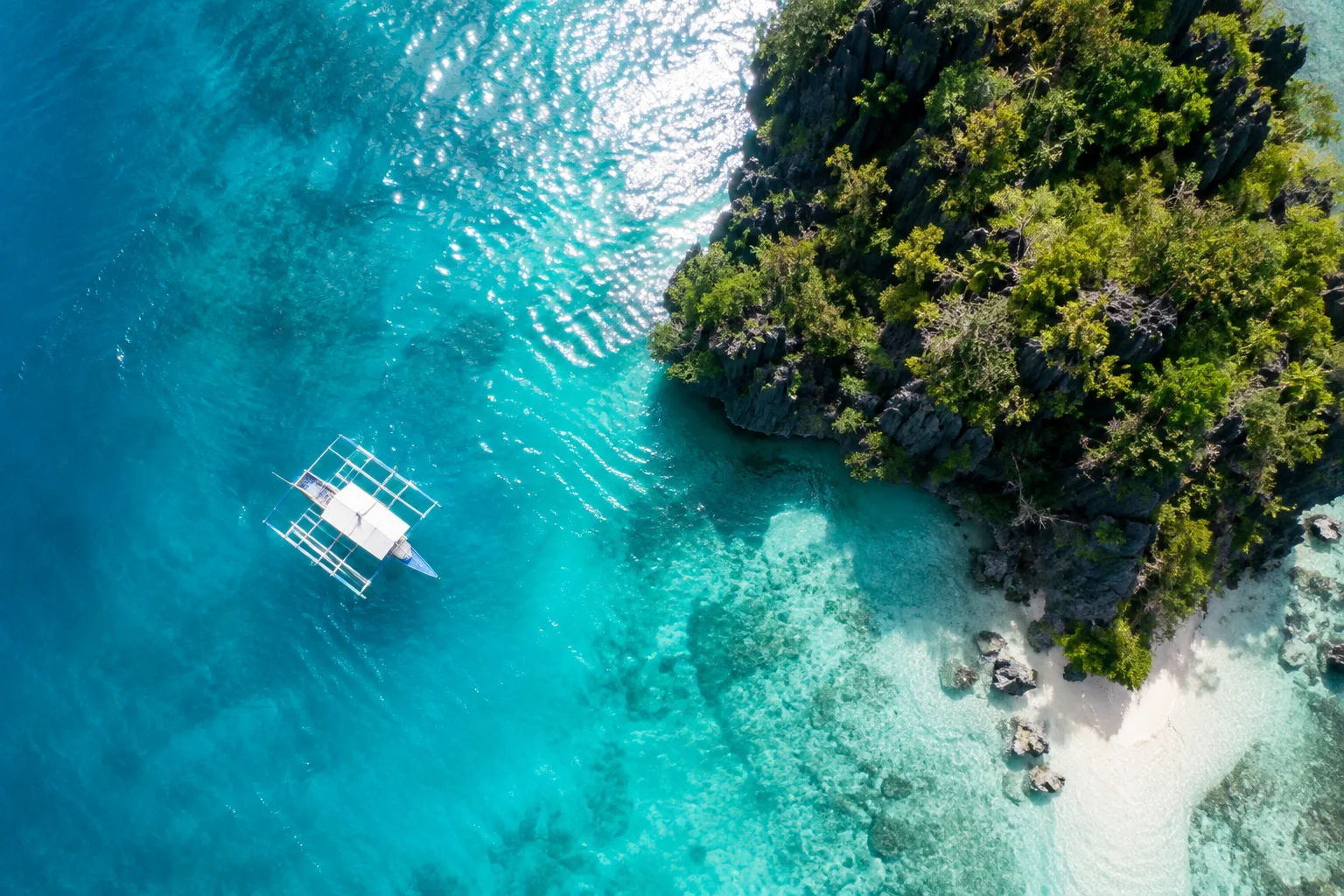
What Are the Top Tourist Attractions in the Philippines?
The Philippines is an archipelago of more than 7,000 islands, and its best-known attractions span diving destinations, centuries-old colonial architecture, active volcanoes, and rice terraces carved by hand over two millennia. Below are ten of the country’s most visited sites, what makes each one worth the trip, and — for the one destination where conditions have genuinely changed — what you need to know before you go.
1. Tubbataha Reef
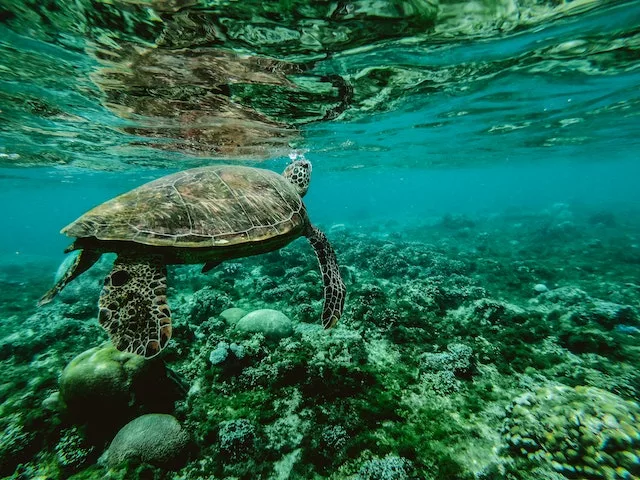
Tubbataha Reef is a UNESCO World Heritage Site in the Sulu Sea, protecting 97,030 hectares of coral atolls that hold over 600 species of fish, 360 species of coral, 11 species of shark, and several endangered sea turtles.
The reef is only accessible from mid-March to mid-June, when the waters are calm and visibility is at its best — the park is closed to visitors outside this window. Diving here is almost exclusively done via liveaboard boats out of Puerto Princesa, since there’s no land accommodation on the reef itself.
2. San Agustin Church, Manila
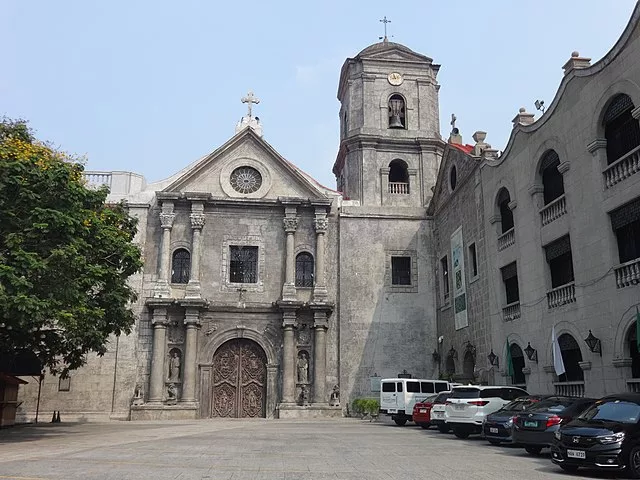
San Agustin Church, built by Spanish colonizers in the late 16th century, is one of the oldest stone churches in the Philippines and part of the UNESCO-listed “Baroque Churches of the Philippines.” It sits inside the historic walled city of Intramuros in Manila, with an interior of ornate murals and carvings, plus an on-site museum and courtyard.
Guided tours are available, and Sunday mass is open to visitors. Pair a visit here with the rest of Intramuros — Fort Santiago and the Manila Cathedral are both a short walk away.
3. Mayon Volcano
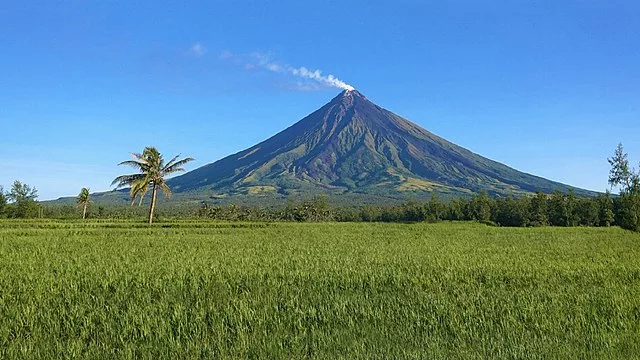
Current status: Mayon has been under PHIVOLCS Alert Level 3 (magmatic unrest) through much of 2026, with an active 6-kilometer Permanent Danger Zone (PDZ) around the summit. All hiking, trekking, and slope access — including the Green Lava Trail, Black Lava Trail, and Mayon Volcano Natural Park — are currently prohibited, and the Department of Tourism has advised against non-essential travel to the immediate area. Check the current PHIVOLCS alert level and DOT advisories before planning a visit, since conditions can change quickly.
Mayon’s near-perfect cone shape makes it one of the most photographed natural landmarks in the country, and it remains one of the most active volcanoes in the Philippines. Even under current restrictions, Albay province stays open to visitors, with designated safe viewing areas well outside the danger zone — Cagsawa Ruins Park and Daraga Church in Daraga, and Legazpi Boulevard, Sawangan Park, and Kalayaan Park in Legazpi City, all offer clear views of the volcano without entering restricted territory.
4. Malapascua Island
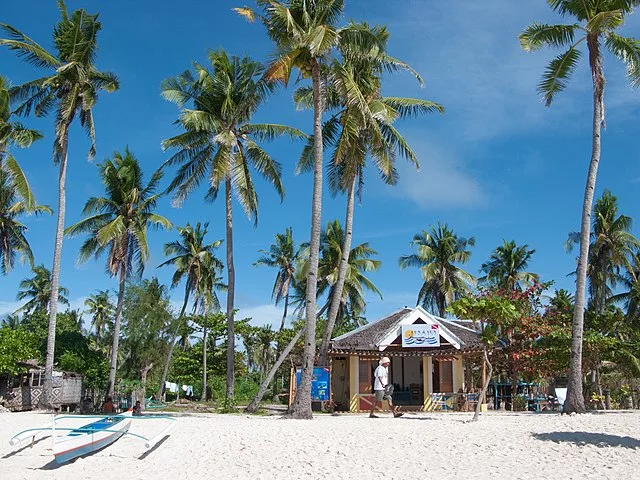
Malapascua Island, off the northern tip of Cebu, is best known among divers for Monad Shoal, one of the few places in the world where thresher sharks can be reliably spotted at dawn. Beyond diving, it’s a genuinely low-key island with white-sand beaches and a small, walkable resort strip.
If you’re building a Cebu itinerary, Malapascua pairs naturally with a wider northern Cebu route — see our guide to things to do in Cebu for how to fit it in alongside Moalboal and the rest of the island.
5. Puerto Galera
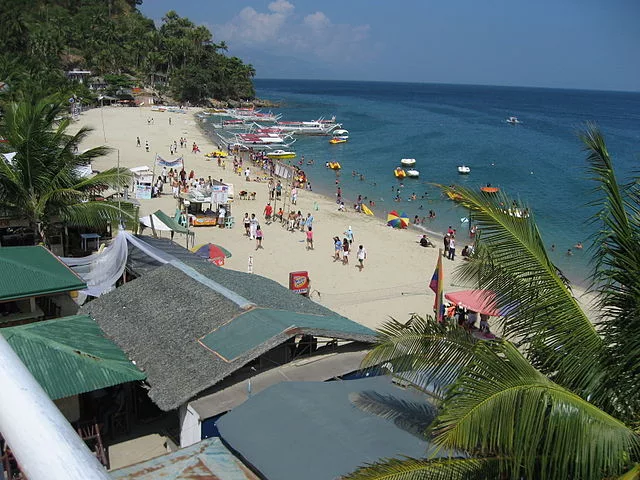
Puerto Galera, on Mindoro island, is one of the closest beach-and-dive destinations to Manila — a major reason it draws weekend visitors rather than only long-haul tourists. Snorkeling, scuba diving, kayaking, and island hopping are all easy to arrange through resorts along White Beach and Sabang.
6. Puerto Princesa Underground River
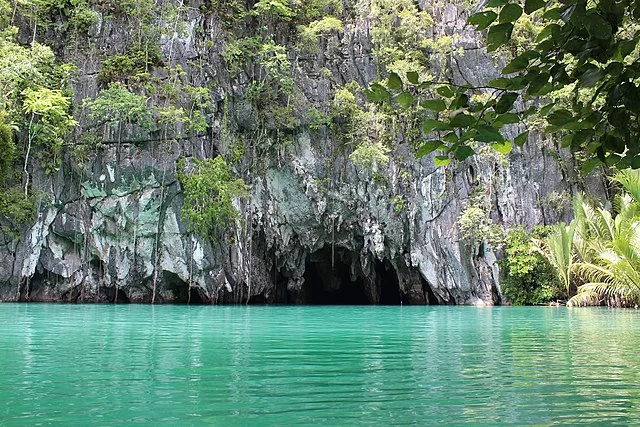
The Puerto Princesa Subterranean River, a UNESCO World Heritage Site on Palawan, runs through a cave system lined with stalactites and stalagmites, explored by guided boat tour. The surrounding national park also has forest trails where monkeys and native bird species are commonly spotted.
Boat tour slots are limited and often booked ahead in peak season — book the Puerto Princesa Underground River Tour on Klook to lock in a slot before you fly in.
7. Donsol, Sorsogon
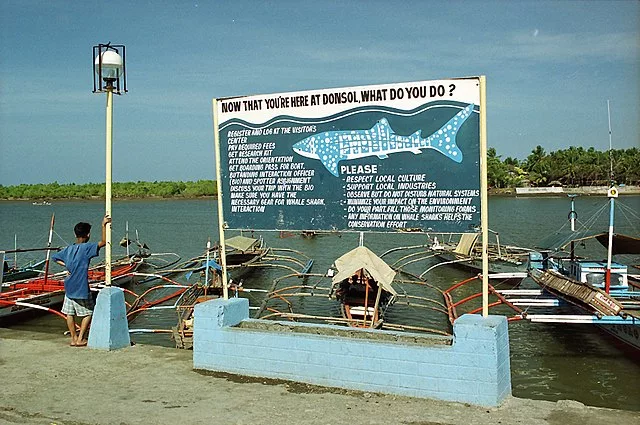
Donsol is known as the whale shark capital of the Philippines, with butanding (whale shark) interaction tours running roughly December through May when the waters are calmest and sightings are most reliable. Island hopping, kayaking, and mountain trekking round out the area beyond the whale sharks.
8. Chocolate Hills
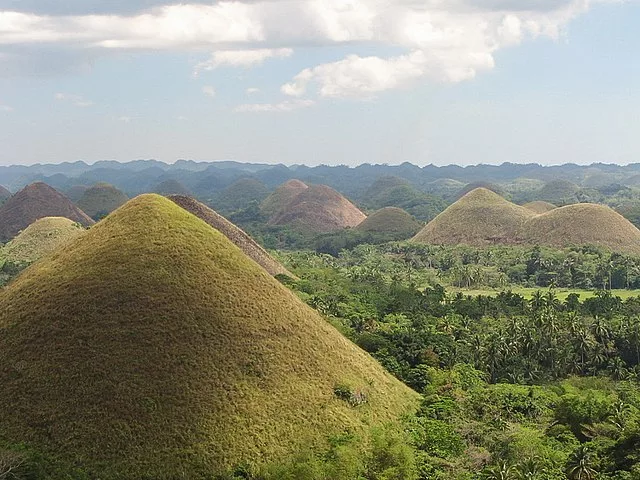
Bohol’s Chocolate Hills are more than 1,000 near-identical, cone-shaped mounds that turn brown in the dry season, giving them their namesake look. A viewing deck near Carmen town lets you see the full field at once, and the hills are usually paired with a day trip to the Tarsier Conservation Area and a Loboc River cruise.
For a full day-by-day plan, see our Bohol day trip guide.
9. Boracay

Boracay remains the Philippines’ most internationally recognized beach destination, known for White Beach’s fine sand and the island’s lively bar and restaurant strip. Water sports options run the full range — snorkeling, diving, parasailing, windsurfing, and island-hopping tours.
Planning a full trip? See our complete Boracay guide, or book a Boracay island hopping tour on Klook.
10. Banaue Rice Terraces
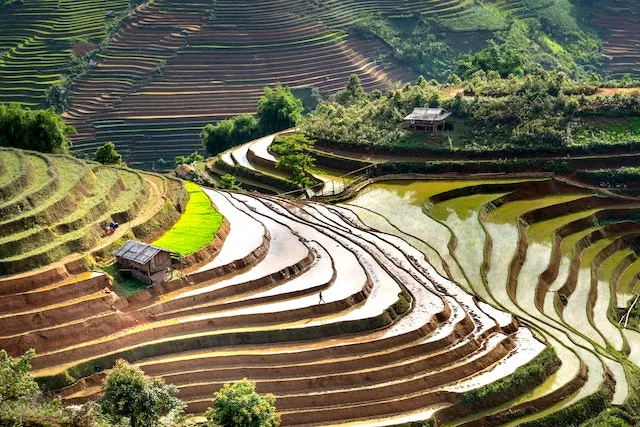
The Banaue Rice Terraces, a UNESCO World Heritage Site in the Cordillera Mountains of northern Luzon, were carved by the Ifugao people over roughly 2,000 years and are still farmed today. Guided hikes through the terraces and nearby Ifugao villages are the main way to see them up close, and the surrounding region holds several other cultural landmarks worth combining into a multi-day Cordillera trip.
Frequently Asked Questions (FAQs)
Is it safe to visit Mayon Volcano right now?
Albay province remains open to visitors, but the volcano itself has been under PHIVOLCS Alert Level 3 for much of 2026, with a strict 6-kilometer Permanent Danger Zone closed to all hiking and trekking. Visit designated safe viewing spots like Cagsawa Ruins or Legazpi Boulevard, and check the current PHIVOLCS alert level and DOT advisories before finalizing plans, since conditions can shift quickly.
What is the best time to visit Tubbataha Reef?
Tubbataha Reef is only open to visitors from mid-March to mid-June, when calm seas and clear visibility make diving conditions best. It’s closed to visitors outside this window.
When is the best time to see whale sharks in Donsol?
Whale shark sightings in Donsol are most reliable from December through May, when the water is calmer and the butanding are more abundant near the coast.
Are the Philippines’ UNESCO World Heritage Sites listed here?
Yes — Tubbataha Reef, San Agustin Church (part of the Baroque Churches of the Philippines), the Puerto Princesa Subterranean River, and the Banaue Rice Terraces (part of the Rice Terraces of the Philippine Cordilleras) are all UNESCO World Heritage Sites included in this list.