Category: philippines travel

  • things to do in the philippines

    things to do in the philippines

    things to do in the philippines 10 Top things to do list

    1 See some sites

    banaue rice terraces philippines
    Photo source https://theculturetrip.com/

    There are a lot to see in the Philippines. The country is blessed with a beautiful environment and skilful people whose talented hands created some of the most magnificent man-made structures in the world.

    The UNESCO World Heritage Site, Banaue Rice Terraces; The well-preserved Spanish-style architecture in the historic town of Vigan, Ilocos Sur;

    The Baroque-style Philippine World Heritage site churches: the San Agustin Church in Paoay, Ilocos Norte, the Nuestra Senora de la Asuncion Church in Santa Maria,

    Ilocos Sur, San Agustin Church in Intramuros, Manila, and the Santo Tomas de Villanueva Church in Miag-ao, Iloilo.

    The smallest active volcano in the world Taal Volcano in Batangas; the volcano with the most perfect cone, Mt. Mayon in Legazpi, Albay; the unique land formation that is the Chocolate Hills in Bohol.

    Marvel at the endemic Philippine fauna: Tamaraw, Tarsier, Phillipine Eagle.

    See Top Philippine World Heritage Sites

    2 Go on Beach Holidays

    boracay island
    Photo source: https://www.independent.co.uk/

    The Philippines is a tropical country with one of the longest coastlines in Asia at 36,289 kilometres. It has numerous beaches most with fine powdery white sand and clean, clear and cool blue waters.

    Be sure to bask in the warm tropical sun and get the perfect tan that will be the envy of your friends back home.

    Top Philippine beach locations: Boracay Island, Aklan; El Nido, Palawan; Camiguin Island; Pagudpud, Ilocos Norte; Puerto Galera, Mindoro; Nasugbu and Lian in Batangas; Ternate in Cavite.

    See Philippines’ Top Beaches

    3 Dive

    muck diving philippines

    muck diving philippines
    Photo source: http://www.boldtravel.com/

    The Philippines is Asia’s Dive Capital. If you are a diving enthusiast— amateur or professional, or someone who is looking for an underwater experience of a lifetime, then you must go to the Philippines if only for the reason that the country has the highest density of coral species in the world.

    Philippine seas are some of the most bio-diverse and marine-rich waters in the world and home to a diverse species of aquatic resources.

    Amateur divers can train and get their licenses at any of the diving training centers located in diving spots Anilao, Puerto Galera and Boracay, and once done with training, they can dive side-by-side with professional divers in the country’s other must-see diving spots: the UNESCO World Heritage Site

    Tubbataha Reef and the location of some of the best wreck diving sites in the world, Coron both in Palawan; Verde Island in Mindoro Oriental;

    Apo Reef National Park in Mindoro Occidental, the largest atoll-like reef in the Philippines which includes 285 species of fish and 197 species of corals

    (featured in the SHEDD Aquarium permanent Philippine reef display in Chicago, Illinois, USA) ;

    the Apo Island Marine Reserve & Fish Sanctuary in Dumaguete, Negros Oriental; Balicasag and Pamilacan Islands in Bohol; and Malapascua and Moalboal/Pescador Islands in Cebu.

    See Top Diving Destinations

    4 Engage in your favorite outdoor sports or activity

    philippine golf courses
    photo source: https://www.top100golfcourses.com/

    The Philippines offers a wide variety of sports adventures. Different locations cater to a specific activities: play a few rounds of golf in the different golf courses around the country designed by some of the most famous golf celebrities in the world;

    Snorkel and interact with the “gentle giants”— the whale sharks— in Donsol, Sorsogon; Surf in Siargao Island, Surigao del Norte, Baler, Aurora,

    Daet, Camarines Sur and in Catanduanes province; climb the country’s highest peak at 9,689 feet- Mt. Apo- in Davao City, Davao, trek Mt. Pinatubo

    or explore the Callao caves in Tuguegarao, Cagayan province; go white river rafting in Chico River or in Cagayan de Oro River; go kayaking and canoeing

    at the Bacuit Archipelago and at the St. Paul Subterranean Cave both in Palawan; windsurf in Lake Caliraya or in Taal Lake, kitesurf in Boracay, wakeboard in Pili, Camarines Sur.

    See Top Outdoor Activities

    5 Relax in a spa

    There is nothing more relaxing than enjoying the traditional Filipino “healing” massage or touch therapy called Hilot.

    The soothing touch of this massage relaxes and heals tired muscles and aching joints. Try this and other spa treatments at the Nurture Spa in

    Tagaytay, Mandala Spa in Boracay, Sanctuario Spa in Manila, Chi Spa Village in Shangri-La Mactan, Cebu, and at The Farm at San Benito in Batangas.

    6 Feast

    Be ready to put on a few extra pounds as you satisfy your cravings by indulging in a Filipino feast.

    Dishes to try: Lechon, spit-roast whole pig served with liver sauce; Adobo, pork, chicken or a combination of both, marinated in vinegar, soy sauce

    and garlic and stewed until tender; Kare-kare, meat and vegetables cooked with peanut sauce served with shrimp paste; Sinigang, pork, or seafood in

    tamarind soup; or the freshest seafoods— fish, squid, shrimp, lobsters— grilled to perfection.

    The more adventurous should try Balut or boiled duck eggs containing a partially formed embryo, and Dinuguan, the pork blood stew eaten with

    steamed rice or Puto, rice cakes. All around the country, there are restaurants offering different cuisines from American to Chinese, from Indian to Greek, from Japanese to French.

    7 Shop

    Shopping in the Philippines is an experience both in bargain and variety. Most shopping places or Malls in Manila, Makati, Cebu and Davao virtually have everything that you will need— from designer western brands to items specifically designed for the tourist market.

    Around the country, specifically in city centers, Tiangges or the Filipino version of flea markets abound offering quality items at bargain prices.

    In Manila shop at the third largest mall in the world Mall of Asia, Robinson Place, Balikbayan Handicrafts, Tutuban Center Mall and at the San Andres Market (for fresh fruits and other produce).

    In Makati and its surrounding areas, shop at Greenbelt, Glorietta, Landmark Department Store, Greenhills Shopping Center, Megamall, Shangri-La Mall and at Tiendecitas.

    In Cebu, check out the Ayala Center, the Gaisano Malls, Robinson’s Place, SM City, and for native delicacies, fresh produce and fresh and dried seafood, go to the Carbon and Tabo-an Markets.

    In Davao, shop at Aldevinco Shopping Center (for fabrics, batik, carvings) Victoria Plaza, Gaisano Mall and at the New City Commercial Center department store.

    An experience not to be missed in flea market-shopping in the Philippines is the ”bargaining” where shoppers can buy items with big discount, depending on charm and good bargaining skills.

    8 Experience Filipino Culture

    Philippine culture is best experienced in events and activities that highlight what Filipinos are passionate about— faith, love for country, family,

    beautiful women, and celebrations. Filipinos love to celebrate, and there is no better way of celebrating than by having festivals:

    Ati-atihan in Kalibo, Aklan, January, the best and biggest in the country, it commemorates the feast of the Sto Nino with a week-long street party.

    Groups of dancers dressed as the aboriginal Atis, representing different communities from the city participate in the festive weeklong street party

    that highlights during the feast of the patron saint; Pahiyas in Lucban, Quezon. May 15, the annual harvest festival and feast of San Isidro

    Labrador. Witness the colourful display of kiping and other thanksgiving offerings hung in the houses that line the street where the procession of the

    image of the patron saint will pass. Giant papier-mache effigies join the parade to add to the spectacle of a celebration;

    Masskara Festival in Bacolod City, October, coinciding with the city’s charter day celebration, the festival features carnivals, fairs and a mardi gras-style parade by costumed and masked street dancers.

    There are as many festivals as there are towns in the Philippines and when you attend and enjoy a Filipino celebration, you come closer to understanding the culture of the people.

    Other unique Philippine cultural events and activities include the cultural spectacle Santacruzan—a Maytime procession of beautiful Philippine

    maidens staged as a re-enactment of St. Helen’s quest for the Holy Cross; the awesome display of Filipino religiosity in the frenzied Black Nazarene

    procession during the Quiapo fiesta every January in Manila; the Holy Week rituals in San Fernando, Pampanga— proof of the Filipino’s and

    Philippine culture’s deep Catholic roots; and the displays (giant Christmas lanterns), rituals (dawn masses) and traditions (noche buena feasts) that mark the Filipinos’ celebration of Christmas.

    9 Night life

    There is an abundance of places to go to and enjoy a night out in the Philippines.

    Every major city of the country has a number of nightlife activity hubs with restaurants, cafes, bars, clubs and karaoke bars all promising a good time of fun and entertainment.

    In the country’s financial district Makati, there is the Greenbelt, Glorietta, The Fort, Jupiter St. and J. P. Rizal Street. In the city’s capital, Manila,

    nightlife is diverse.

    There is something for everybody in Malate, and in the newly revitalized Roxas Boulevard and its Baywalk.

    Quezon City is a popular destination of locals as the club prices are a little lower than those in Makati.

    Most clubs are close to each other so common to bar hop. Try the establishments along Timog & Tomas Morato Avenues and Quezon Boulevard, and in Eastwood City in Libis.

    Outside of Metro Manila, there are a number of popular places to go to. The nightlife of Subic in the province of Zambales, is known all over the world because of its history as a former rest and recreation center of the US Navy.

    The city is still teeming with nightlife activities as the Subic Free Trade Port is home to a lot of expatriates from other foreign countries as well and it is now a major Tourist hub.

    Foreign Navies still use the port as a rest and recreation spot every now and then.

    Check out Subic International Hotel and the Magsaysay Blvd. Angeles City in Pampanga, formerly the home of the US Air force in the Pacific, is also known for its Angeles City nightlife stayed almost the same as a lot of retired US and Australian citizens decided to make Angeles City their second home.

    Establishments in Balibago are still popular. The central Philippine city of Cebu is a popular destination among tourists because its nightlife is at par if not better than in Metro-Manila.

    Big development companies have opened up operations in the city as well as major club chain operators have set up their presence.

    Be sure to go to Ayala Mall and in the different establishments that abound Osmena Blvd.

    The ultimate island-nightlife location in the Philippines is Boracay Island in the province of Aklan.

    The island is known for its carefree attitude, and the island is home to a lot of clubs and bars on the beach: Bazzura, Hey Jude, D’ Mall, and the Station 2 establishments.

    10 Watch a performance of World-Class Filipino artist

    The Philippines is home to a number of world-class artists. Occasionally, the Cultural Center of the Philippines, show performances by the Ballet

    Philippines, the Philippine Madrigal Singers, and the Bayanihan Dance Troupe.

    World-renowned artists Lea Salonga and Cecile Licad, from time to time, give performances in big concert halls in Manila.

    The Center of Arts in San Antonio (CASA) in San Miguel, Zambales features violinist Alfonso “Coke” Bolipata and his Pundaquit talents.

    Other groups that showcase the Filipino performing talents are Repertory Philippines, the Loboc Children’s Choir, and the Amazing Philippines Theatre.

    In the Visual Arts, works of world-class Filipino masters Juan Luna, Felix Resurrection Hidalgo and Fabian de la Rosa, National Artists Fernando Amorsolo,

    Carlos Francisco, Victor Edades, Vicente Manansala, other Philippine painting greats and contemporary visual artists can be viewed at the Philippine National Museum,

    the Metropolitan Museum of Manila, the Ayala Museum and in some galleries and University museums around Metro Manila.

    Amorsolo, Carlos Francisco, Victor Edades, Vicente Manansala, other Philippine painting greats and contemporary visual artists can be viewed at

    the Philippine National Museum, the Metropolitan Museum of Manila, the Ayala Museum and in some galleries and University museums around Metro Manila.

    Colleges and universities in the Philippines are home to award-wining performance groups that have been recognized internationally for their artistry and excellence in the performing arts:

    Dulaang UP (student theatre group), the UP Concert Chorus, UP Singing Ambassadors of the University of the Philippines; Ateneo College Glee Club

    and the Ateneo Chamber Singers of the Ateneo de Manila University; the UST Singers and the Salinggawi Dance Troupe of the University of Santo Tomas.

    All around the country in simple stages, live bands and professional singers perform in clubs and music halls showcasing Filipino talent in entertaining.

    things to do in the philippines more informations

    things to do in clark philippines,

    things to do in laguna philippines,

    things to do in cebu philippines,

    things to do in tagaytay philippines,

    things to do in vigan philippines,

    things to do in la union philippines

    , things to do in manila philippines,

    things to do in makati philippines,

    things to do in bohol philippines,

    things to do in iloilo city philippines,

    things to do in tarlac philippines,

    things to do in bicol philippines,

    things to do in gensan philippines,

    things to do in cabanatuan city philippines,

    things to do in mactan island philippines,

    things to do in puerto princesa palawan philippines,

    boracay philippines things to do,

    things to do at subic bay philippines,

    things to do in coron palawan philippines,

    things to do iloilo philippines,

    things to do in mati philippines,

    things to do in pasig city philippines,

    things to do in pagudpud philippines,

    things to do in dipolog philippines,

    top things to do in coron philippines,

    things to do in siargao island philippines,

    things to do in angeles city philippines,

    things to do in isabela philippines,

    things to do in rizal philippines,

    things to do in bataan philippines,

    things to do in bacolod philippines,

    things to do in pasay city philippines,

    things to do in nueva vizcaya philippines

    , things to do in bulacan philippines

    https://bestphilippinestravelguide.com/pagadian-city/
  • Zamboanga Del Sur

    Zamboanga Del Sur

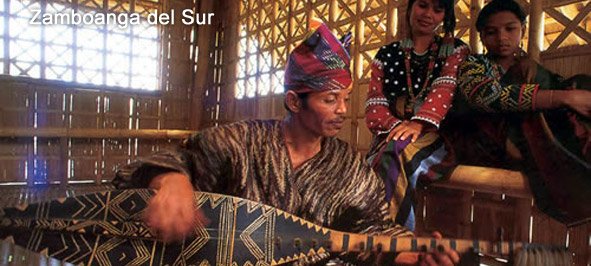
    Zamboanga Del Sur – The Colors Of Ethnic Zamboanga

    Looking for properties in Pagadian City, Contact Giovanni Carlo P Bagayas Globe 0916-336-35-18 and Smart 0949-919-05-45 Property consultant of Camella homes and Lumina homes Pagadian City

    BRIEF DESCRIPTION
    The province of Zamboanga del Sur is bounded on the north by the province of Zamboanga del Norte; on the south by the Moro Gulf; on the southwest by Zamboanga Sibugay; and on the east and northeast by Lanao del Norte, Misamis Occidental, and Panguil Bay.

    The original inhabitants of the Zamboanga peninsula were the Subanons, who settled along the riverbanks.

    The next group of settlers to arrive were Muslim migrants from the neighboring provinces.

    The Maguindanaoans and Kalibugans were farmers; the Tausugs, Samals, and Badjaos were fishermen; and the Maranaos were traders and artisans.

    The Muslim settlers also looked on mat weaving as its major occupation.

    Then came an exodus of migrants from nearby provinces. Historians say that majority of them came from the Visayas, Cebu, Bohol, Negros, and Siquijor.

    Together with the original settlers, these pioneers helped develop Zamboanga del Sur into the abundant and culturally diverse province that it is.

    Today the province comprises two congressional districts with 26 municipalities and one component city.

    Pagadian City, its capital, with a total of 681 barangays, has been declared as the new regional seat of Region IX.

    Geography
    Zamboanga del Sur occupies the southern section of the Zamboanga peninsula that forms the western part of the Island of Mindanao.

    It is located within a longitude of 122º 30″” and latitude of 7º 15″” north. It has a total land area of 473, 491hectares or 4,734.91 sq. m.

    Stretching northward from Sibugay in the southwest and running along the northern boundary to Salug Valley in the east is the province’s mountainous countryside.

    The coastal plains are extending regularly from south to west then spreading into wide flat lands when reaching the coastal plains of the Baganian peninsula in the southeast.


    POLITICAL SUBDIVISION
    Zamboanga del Sur consists of two congressional districts with 26 municipalities and one city, with a total of 681 barangays.

    LANGUAGE / DIALECT
    The major dialect is Cebuano, spoken by 61.31% of the population.

    Also spoken are Tagalog, Subanon, Chavacano, Ilonggo, Maguindanao, Tausug, Boholano, and Ilocano.

    POPULATION
    As of the year 2000 census, Zamboanga del Sur had reached a population of 836, 147.

    CLIMATE
    The province has a relatively high mean annual rainfall that varies from 1,599 millimeters in drier areas to 3,500 millimeters in the wettest portion.

    Temperature is relatively warm and constant throughout the year ranging from the minimum temperature of 22 to 35 degrees Celsius.

    TRADE AND INDUSTRY
    Agri-based manufacture of coco oil, livestock feed milling, rice/ corn milling, including the processing of fruits; gifts and housewares made from indigenous materials like handmade paper, roots, rattan, buri, and bamboo; wood-based manufacture of furniture and furniture components from wood, rattan, and bamboo; marine and aquaculture including support services; construction services and manufacture of marble, concrete, and wooden construction materials.

    Zamboanga Del Sur History

    Zamboanga Del Sur History
    The name Zamboanga was derived from the Malay word Jambangan, meaning a pot or place of flowers.

    Historically, Zamboanga was the capital of the Moro province, which comprised five districts, namely: Cotabato, Davao, Sulu, Lanao, and Zamboanga.

    In 1940, these districts became individual provinces. Zamboanga City became the capital of Zamboanga province.

    Soon after the Second World War, the provincial capital was transferred to Dipolog.

    After that, Molave was created as the provincial capital by virtue of RA 286 dated June 16, 1948.

    Zamboanga del Sur was carved out from the former Zamboanga province that encompassed the entire peninsula in the southwestern

    Mindanao on September 17, 1952 by virtue of Republic Act 711. As the 52nd province of the Philippine Republic, it originally consisted of 11 towns, which later expanded into 42 municipalities and one city, Pagadian, its capital.

    The province was sub-divided into three congressional districts, with 11 municipalities and one city in the first, 15 municipalities in the second, and six towns in the third.

    In 1990, Executive Order 429 reorganized the administrative setup of Region IX and identified Pagadian City as the new regional center.

    The actual transfer of the regional offices of national government agencies, however, has yet to be implemented.

    Political developments in February 2001 saw another major change in the territorial jurisdiction of Zamboanga del Sur.

    its inhabitants voted to create a new province out of the third congressional district, named Zamboanga Sibugay.

    The mother province is now left with 26 municipalities and one city with 681 barangays.

    Zamboanga Del Sur Is Famous For
    Megayon Festival

    Megayon Festival Zamboanga del sur


    It is an institutionalized tri-people festival to showcase the arts and crafts of Zamboanga del Sur.

    About Megayon Festival
    The festival is seven days in length gathering held in September to praise the solidarity among the three pioneers that add to the establishing of Zamboanga del Sur, the Subanons or Subanens, the Muslims, and the neighborhood pilgrims .

    The celebration is additionally held to commend the establishing of Zamboanga del Sur and, to a lesser degree, the rich reap of yields. In light of these reasons, the Megayen Festival is considered as Zamboanga del Sur’s authentic celebration.

    Initially began in 2001, the celebration features the social assorted iety of the three gatherings of individuals that populate Zamboanga del Sur.

    Primary staples of the festival incorporate the novel social moves of each gathering.

    Conventional ensembles and in addition expressions and artworks are also for the most part gladly showed, which flaunts the decent iety of every pilgrim gathering.

    As a rule, the festival has an all-encompassing subject that offers union to every festival, and these topics are quite a long time for instance, the topic for Megayon 2008 was “Dependable Usage of Natural Resources, Key to Sustainable Progress and Unity.

    Megayon Festival is a brilliant thanksgiving festival for rich gather of products held each 27th to 30th of September in Tigbao, Zamboanga del sur, Mindanao, took part in by a large number of members from the Subanean ethnic gathering.

    The festival depicts solidarity and solidarity as it exhibits, through road and ethnic move, the living convention and different culture of the region.

    Source: https://www.hellotravel.com/events/megayon-festival


    Buklog
    One of the religious rituals and ceremonies of the Subanens, it represents the social hierarchy of the Subanon community.


    Lapuyan Falls
    It is the favorite haunt of the fair Subanen maidens of Sitio Baga and all its neighboring areas.


    Lakewood
    Some 15 km. from Brgy. Tubod is a beautiful mountain lake, on the banks of which is located the town of Lakewood, a quiet and lovely place where the air is heavy with the scent of wild champakas and the fragrance of a thousand nameless herons.

    Lake Dasay
    The second largest mountain lake in the province, Lake Dasay is located in the town of San Miguel.

    Its luscious mouth is parted like the smile of a country damsel yet silent fury lurks beneath its innocent-looking waters.

    Sominot Cave
    Massive pillars and columns guard the entrance to Sominot Cave. Deep within, beautiful stalactites and stalagmites adorn wide spaces. The subterranean stream makes a long journey towards the coast and empties into the Tukuran River.


    Malindang Mountain Resort
    It is a favorite tourist destination of big groups who want to commune with nature.

    The resort is owned and managed by Rogelio Mabanag, one of the most outstanding farmers in Zamboanga del Sur.

    Aurora Mountain Resort
    The resort has been carved out of a hillside in Barangay Anonang, town of Aurora.

    It has a wide swimming pool, which is the favorite hunt of bathers from the nearby eastern municipalities.

    Lily’s Hidden Spring
    Along the rocky highlands and steep mountainside flows the lovely Lily’s Hidden Spring, endowed with splashing waters to the delight of nature lovers.
    spacer

    How to Get There
    Pagadian City is accessible by air from the major poiint of Cebu City.

    By sea, Pagadian is highly accessible fro Zamboanga City and Cotabato. At right is the schedule of vessels bound for Pagadian from Zamboanga City.

    With Pagadian at the crossroads of the highway network in the Zamboanga Peninsula, major bus companies carry out trips to major centers in the region daily.

    Zamboanga Del Sur Emergency Services

    Medical Facilities

    Aisah Medical Hospital, Pagadian City

    Address: B. Pulmones Street, San Pedro, Zamboanga del Sur
    Phone: 2154413

    Zamboanga del Sur Medical Center- ZDSMC
    Pagadian City

    Provincial Compound, Dao
    Pagadian City 7016


    Margosatubig Hospital
    Margiosubig, ZDSspacer


    Aurora Municipal Hospital
    Aurora, ZDSspacer


    Tambulig Hospital
    Tambulig, ZDSspacer


    JH Cerilles Hospital
    San Miguel, ZDSspacer


    Dinas Hospital
    Dinas, ZDSspacer


    Lakewood Hospital
    Lakewood, ZDSspacer


    Danlugan Hospital
    Pagadian Cityspacer


    Pagadian Medical Center
    Pagadian Cityspacer


    Saint Martin Clinic


    Jamelarin Community Hospital


    Cooperative Hospital


    Hofilena hospital pagadian city

    Address: F.S. Pajares Avenue, Pagadian City, Zamboanga del Sur
    Phone: (062) 214 1696


    Borbon Hospital
    Pagadian City


    Saint Francis Clinic
    Pagadian City


    Police


    Provincial Command of Zamboanga del Sur
    “Pagadian City Zamboanga del Sur PPO was then named as Zamboanga del Sur Philippine Constabulary Command.

    It is situated in Camp Abelon, Pagadian City. The defunct PC/INP Command previously covered three congressional districts.


    Pagadian City Police Station
    “Pagadian City Hotline 166″spacer


    Fire Station


    Provincial Fire Marshall Office
    Zamboanga del Surspacer

    spacer
    Aurora Fire Station


    Molave Fire Station


    Pagadian City Fire Station


    Brgy. Santiago Fire Station
    Pagadian Cityspacer


    Brgy. Lumbia Fire Station
    Pagadian Cityspacer


    Tourist Information and Assistance


    DOT Region IX
    MR. RICARDO A. SAN JUAN, Regional Director
    Lantaka Hotel By The Sea, Valderosa Street, Zamboanga City 700
    Tel.: (6362) 991 0218
    Fax: (6362) 993 0030
    E-Mail: dotr9@jetlink.com.ph
    spacer

    Police Stations and Outposts are located in all towns.

  • explore_phil/explore_main.asp

    explore_phil/explore_main.asp

    Philippines WOW Philippines W.O.W. Philippines wow philippines visit philippines Philippine Department of Tourism philippine department of tourism philippine tourism about philippines travel to the philippines regions provinces cities region

    1 ilocos norte ilocos sur la union pangasinan region

    2 cagayan isabela nueva vizcaya quirino batanes region

    3 bulacan nueva ecija pampanga tarlac zambales bataan aurora region

    4 batangas cavite laguna marinduque occidental mindoro oriental mindoro palawan quezon rizal romblon region

    5 camarines norte camarines sur catanduanes masbate sorsogon albay region

    6 capiz iloilo negros occidental guimaras aklan antique boracay region

    7 bohol cebu philippines negros oriental siquijor region

    8 eastern samar leyte northern samar western samar southern leyte biliran region

    9 zamboanga del norte zamboanga del sur zamboanga sibugay zamboanga city region

    10 bukidnon camiguin misamis occidental misamis oriental lanao del norte iligan city region

    11 davao del norte davao del sur davao oriental compostella valley region

    12 north cotabato sarangani sultan kudarat south cotabato kidapawan city koronadal city region

    13 agusan del norte agusan del sur surigao del norte surigao del sur butuan city surigao city cordillera abra benguet kalinga apayao mountain province ifugao baguio city ncr manila city quezon city caloocan city pasay city pasig city makati city mandaluyong city marikina city valenzuela city muntinlupa city parañaque city las piñas city malabon city navotas taguig pateros san juan armm basilan lanao del sur maguindanao tawi-tawi sulu philippine islands republic of the philippines tourists tours travels travel packages pilipinas filipinas philipines phillipines luzon vizayas visayas mindanao metro manila

    Magapit Suspension Bridge is the first of its kind in Asia. It spans the Cagayan River at Lallo and is 0.76 kilometers long.

    The hanging bridge links the first and second districts of Cagayan going towards the Ilocos Region via the scenic Patapat Road on the Ilocos Norte-Cagayan Inter-Provincial national highway.more…


    Magat Dam is Asia’s biggest dam project at the time of its construction. It serves the primary function of power generation and irrigation.more…