Christmas in the Philippines: A Festive Celebration of Traditions and Community Spirit 🎄🇵🇭
Christmas in the Philippines embodies a vibrant tapestry of customs, traditions, and a profound sense of community. Rooted deeply in history and culture, the Filipino Christmas season extends far beyond just a holiday—it’s a cherished and prolonged celebration that unites families and communities.
Introduction to Christmas in the Philippines 🎄🇵🇭
The origins of Christmas celebrations in the Philippines can be traced back to the Spanish colonial period, wherein the Spaniards introduced Christianity to the archipelago. The melding of Spanish influence with indigenous traditions led to the unique and deeply ingrained Filipino Christmas customs seen today.
Preparations and Festivities 🎉✨
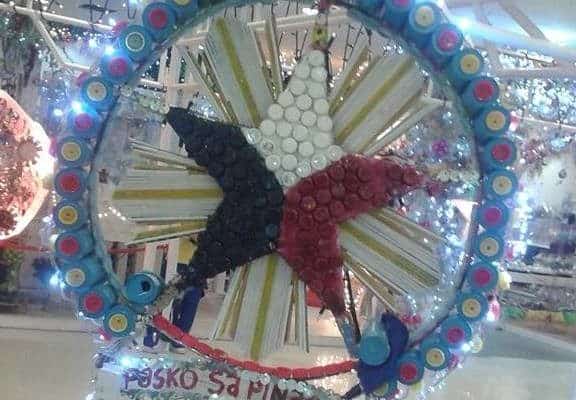
The Filipino Christmas season begins as early as September, during the ‘Ber’ months, signifying the start of a joyful countdown to the holiday. It’s a period of extensive preparations, with households adorning their homes with vibrant decorations, colorful lights, and intricate parols (lanterns). The atmosphere is brimming with excitement as Filipinos engage in gift shopping, culinary preparations, and festive gatherings with friends and family.
Evolution of Christmas Celebrations 🔄🎄
In contemporary times, Christmas celebrations in the Philippines have evolved with modern influences. While preserving traditional customs, Filipinos incorporate new elements, such as Christmas-themed events, pop-up markets, and innovative decorations, keeping the essence of the season alive while embracing change.
The Spirit of Bayanihan During Christmas 🤝❤️
One of the most profound aspects of Filipino Christmas is the spirit of Bayanihan—community spirit and unity. This time of year brings out acts of kindness and generosity, where communities come together to support those in need, exemplifying the heartwarming Filipino culture of helping one another.
Challenges and Adaptations During Pandemics 🦠💡
During challenging times, such as the global pandemic, Filipinos have adapted their celebrations. With restrictions on large gatherings, virtual Masses, online reunions, and innovative ways of gift-giving and charity drives became the norm, showcasing resilience and creativity amidst adversity.
Conclusion 🎉🌟
Christmas in the Philippines is not merely a holiday; it’s a profound celebration deeply embedded in traditions, faith, and the spirit of community. It’s a time of joy, reflection, and togetherness that unites hearts and exemplifies the Filipino values of resilience, generosity, and love.
The rich tapestry of customs, vibrant celebrations, and the warmth of Filipino hospitality make Christmas in the Philippines a truly unique and enchanting experience, drawing people from all corners of the globe to witness and partake in the festivities.
Unique FAQs Frequently ask questions
What makes Christmas in the Philippines unique?
The extensive celebrations, diverse traditions, and strong community spirit set it apart.
How long does the Filipino Christmas season last?
It kicks off in September and extends until January, encompassing various festivities.
What are some famous Filipino Christmas dishes?
Lechon, hamon, queso de bola, bibingka, and puto bumbong are popular during the season.
How do Filipinos celebrate New Year’s Day after Christmas?
They continue the festive spirit with gatherings, fireworks, and feasting to welcome the New Year.
What role does charity play during Filipino Christmas?
Charity holds a significant place, emphasizing the spirit of giving and sharing blessings.
Giovanni Carlo P. Bagayas is a seasoned travel guide, passionate explorer, and proud cat lover from the Philippines. Born in Cebu City and raised between Cebu and Dumaguete City, he now resides in Labangan, Zamboanga del Sur — where he spends his days writing about the Philippines and tending to his thriving collection of koi fish, guppies, tilapia, and a crayfish farm.
With years of experience uncovering the hidden gems of his homeland, Giovanni has dedicated his career to showcasing the beauty, culture, and adventure that the Philippines has to offer. As the author of Best Philippines Travel Guide, he combines his expertise and love for travel to provide insightful tips, detailed itineraries, and captivating stories for travelers seeking unforgettable experiences in the Philippines.
When he’s not exploring a new destination or writing a guide, you’ll find Gio feeding his koi pond, caring for his cats, or checking on his fish farm. Giovanni’s mission is to inspire wanderlust and help visitors — and fellow Filipinos — discover the true essence of their vibrant country.
Welcome to the new and improved Amaya View in Cagayan de Oro! If you haven’t visited lately, you’re in for a treat. The luxurious mountain resort has undergone a stunning transformation, with exciting new features and amenities that will leave you in awe.
As you enter the resort, you’ll be greeted by the stunning Pavilion, located near the parking area. The Pavilion is a spacious and elegant structure that exudes luxury and comfort. With its modern architecture and state-of-the-art facilities, the Pavilion is the perfect place to relax and unwind.
As you stroll along the colorful pathway, you’ll be mesmerized by the beauty of the surroundings. The colorful Amaya View Fountain is a sight to behold, with its vibrant colors and mesmerizing water display. The fountain serves as a beautiful centerpiece for the resort, and is a popular spot for photo opportunities.
The garden is another new addition to the resort, and it’s a true masterpiece. The lush greenery and colorful flowers create a serene and peaceful ambiance, and you’ll find yourself lost in its beauty. As you wander along the colorful pathway, you’ll come across the Amaya Feed the Koi Ammenities, which is a fun and interactive experience for all ages.
Amaya View Cagayan de Oro: Where Breathtaking Panoramas Meet Adventure and Leisure 🏞️🌟
Nestled amidst the lush hills of Indahag, Cagayan de Oro, lies Amaya View, a haven for travelers seeking the perfect blend of breathtaking vistas, thrilling activities, and laid-back relaxation. Whether you’re a nature enthusiast, adrenaline junkie, or simply looking for a scenic escape, Amaya View has something for everyone.
A Panoramic Paradise 🌄🌈
The moment you step onto the grounds of Amaya View, you’re greeted by a 360-degree panorama that will leave you awestruck. The majestic peaks of the Kitanglad mountain range pierce the cerulean sky, while the Cagayan River snakes its way through the verdant valley below. As the sun dips towards the horizon, the sky explodes in a kaleidoscope of colors, painting the clouds in hues of orange, pink, and purple. It’s a scene straight out of a postcard, and it’s yours to savor at Amaya View.
Entrance Fee and Accommodations 💸🏡
Good news! Entrance to Amaya View is free after 5:00 PM, allowing you to soak in the stunning sunset views without breaking the bank. If you’re planning on spending the day, the entrance fee is P150 for adults and P100 for children.
For those seeking a longer stay, Amaya View offers a variety of accommodation options, from cozy hobbit houses and charming lofts to spacious family suites and glamping tents. Each room is uniquely designed and decorated, blending modern comforts with rustic charm. Prices start at P1,500 per night for a hobbit house and can go up to P7,500 per night for a family suite.
Thrills and Chills for Every Seeker 🌉🚴♂️
Amaya View is more than just a pretty picture. It’s a playground for adventure enthusiasts. Get your adrenaline pumping with a zipline ride that soars through the treetops, offering unparalleled views of the landscape. Challenge yourself on the Sky Walk, a series of hanging bridges and obstacles suspended high above the ground. Take a dip in the infinity pool, seemingly merging with the endless horizon.
For a more leisurely experience, explore the scenic hiking trails, or rent a mountain bike to discover hidden gems along the slopes. Kids will love the petting zoo and the playground, while families can bond over a game of mini golf.
Amaya View Website and Booking 🖥️🏨
Planning your Amaya View adventure is easy. Head over to their website, Amaya View Facebook Page, where you can find detailed information about entrance fees, accommodation options, activities, and even book your stay online.
Unwind and Refuel 🍽️🔥
After a day of exploration, refuel at the Amaya View Restaurant. Savor delicious Filipino cuisine with a twist, enjoying fresh local ingredients and breathtaking views. The restaurant also offers a variety of international dishes, catering to every palate. In the evening, gather around the bonfire and share stories under the starlit sky.
Amaya feed the koi photos
If you’re looking for souvenirs to take home, be sure to check out the souvenir shop inside the Pavilion. You’ll find a wide range of items to choose from, including local handicrafts, jewelry, and other unique treasures.
The ticketing area inside the Pavilion is also a new addition, making it easier than ever to purchase tickets and access the resort’s many amenities. Whether you’re visiting for a day trip or an extended stay, the Pavilion is the perfect starting point for your Amaya View adventure.
Are you searching for a luxurious escape in Cagayan de Oro? Look no further than Villa Amaya View. This stunning property is situated on Indahag Road, in the tranquil Sitio Sto. Nino, Indahag Hillis, just 5.6 km from the city center.
At Amaya View, you’ll be treated to unparalleled luxury and comfort. The property is well-maintained, with lush greenery and pristine landscaping. Whether you’re sipping on a cup of coffee in the bar or indulging in a handcrafted cocktail, you’ll feel completely at ease in this tranquil oasis.
But don’t wait to book your stay at Villa Amaya View. This highly sought-after property fills up quickly, so be sure to plan your visit well in advance. Simply indicate your desired check-in and check-out dates and browse the available accommodation options.
With convenient payment options including American Express, Visa, and Mastercard, reserving your dream vacation has never been easier. Don’t miss out on the chance to experience the ultimate in luxury at Villa Amaya View – book your stay today!
Amaya View: An Enchanting Getaway That Will Leave You Spellbound
Nestled in the heart of Cagayan de Oro, Amaya View is a breathtaking haven that offers a blissful escape from the hustle and bustle of city life. Boasting a range of top-notch facilities and amenities, this stunning property provides the ultimate luxury experience for travelers seeking a memorable retreat.
Facilities that will Take Your Breath Away
Amaya View is packed with an array of facilities that will leave you awe-inspired. The bar offers a tantalizing range of food and drink options that will satisfy even the most discerning palate. The garden and terrace areas provide the perfect spot to relax and take in the natural beauty of the surroundings.
Every inch of the property has been thoughtfully designed with your comfort in mind. The non-smoking throughout policy ensures that your stay is as refreshing as possible. The air conditioning system will keep you cool and comfortable during your stay.
Discover the Ultimate Adventure: Noah’s Ark Perched on Cagayan de Oro’s Highest Peak
Are you ready to embark on an unforgettable journey to the highest peak of Cagayan de Oro, where a legendary biblical landmark awaits? Behold the stunning Noah’s Ark at Amaya View – a daring tourist spot that boasts pairs of animals from the iconic story of the Great Flood.
Get up close and personal with Max the Tiger and his friends as you explore this spectacular Ark, surrounded by breathtaking views of the city. Perfect for kids and educational field trips, visitors can marvel at farm animals and various species of birds, and immerse themselves in the story of Noah and his mission to save the world.
Inspired by the Bible’s Genesis, this awe-inspiring vessel is a must-see attraction that will leave you in awe. Experience the thrill of encountering different animals such as donkeys, ponies, llamas, monkeys, and more, and make memories that will last a lifetime. Don’t miss out on this once-in-a-lifetime adventure to Noah’s Ark at the Highest Peak of Cagayan de Oro!
Amaya view House Rules that Ensure a Comfortable Stay
At Amaya View, guests are welcomed with open arms. The check-in time is 14:00, and check-out is until 13:00, giving you plenty of time to make the most of your stay. While there is no internet access available, the property provides a peaceful respite from the digital world. Additionally, the hotel does not offer parking facilities, but the team will happily arrange transportation to and from the property.
Pets are not allowed on the premises, but children are more than welcome. While there is no capacity for cots or extra beds in the room, the team will do everything they can to ensure that your stay is as comfortable as possible.
Amaya view Frequently Asked Questions
What does it cost to stay at Amaya View?
The cost of staying at Amaya View depends on the date, rate, number of guests, and other factors. Enter your dates to get the latest prices and availability.
What are the check-in and check-out times at Amaya View?
Check-in at Amaya View is possible from 14:00, and check-out is until 13:00.
Does Amaya View have parking?
There is no parking available at Amaya View, but the team can assist with arranging transportation to and from the property.
How do I get to Amaya View?
Amaya View is located in Indahag, Cagayan de Oro. You can take a taxi, jeepney, or rent a car from the city center. The journey takes about 30 minutes.
What are the Hobbit House rates?
Hobbit House rates start at P1,500 per night.
Is there a restaurant at Amaya View?
Yes, the Amaya View Restaurant offers a variety of Filipino and international dishes.
What are the opening hours?
Amaya View is open daily from 8:00 AM to 8:00 PM.
What is the activities in Amaya View?
Located in Cagayan de Oro’s highest peak in Sitio Niño in Barangay Indahag, this hilltop recreational tourist destination offers a wide range of outdoor activities such as paragliding, rappelling, rope courses, a giant ball pit, and a 4×4 ATV adventure trail.
Conclusion
In conclusion, the new amenities and features of Amaya View in Cagayan de Oro are truly breathtaking. From the stunning Pavilion and colorful pathway to the beautiful garden and souvenir shop, there’s something for everyone at this luxurious mountain resort. So why wait? Plan your visit today and experience the magic of Amaya View for yourself.
Amaya View Cagayan de Oro is more than just a destination; it’s an experience. It’s a place to reconnect with nature, embrace adventure, and create memories that will last a lifetime. So, pack your bags, grab your sense of wonder, and head to Amaya View – your unforgettable escape awaits.
Giovanni Carlo P. Bagayas is a seasoned travel guide, passionate explorer, and proud cat lover from the Philippines. Born in Cebu City and raised between Cebu and Dumaguete City, he now resides in Labangan, Zamboanga del Sur — where he spends his days writing about the Philippines and tending to his thriving collection of koi fish, guppies, tilapia, and a crayfish farm.
With years of experience uncovering the hidden gems of his homeland, Giovanni has dedicated his career to showcasing the beauty, culture, and adventure that the Philippines has to offer. As the author of Best Philippines Travel Guide, he combines his expertise and love for travel to provide insightful tips, detailed itineraries, and captivating stories for travelers seeking unforgettable experiences in the Philippines.
When he’s not exploring a new destination or writing a guide, you’ll find Gio feeding his koi pond, caring for his cats, or checking on his fish farm. Giovanni’s mission is to inspire wanderlust and help visitors — and fellow Filipinos — discover the true essence of their vibrant country.
Food festivals in the Philippines have become significant cultural celebrations that showcase the country’s diverse culinary heritage. These gatherings are not only about food but also a reflection of the rich traditions and cultural influences that shape Filipino cuisine.
History of Food Festivals in the Philippines 📜🍽️
Exploring the origins of food festivals in the Philippines reveals a tapestry of indigenous practices, Spanish influences, and modern innovations. From ancient feasts honoring harvest deities to the integration of Spanish flavors during colonization, these festivals have evolved over centuries.
Indigenous Roots and Traditions 🌾🥘
The indigenous tribes across the Philippines have long held communal feasts, celebrating bountiful harvests and various occasions. These festivities often include rituals, dances, and special dishes prepared with local ingredients.
Spanish Influence and Festive Celebrations 🇪🇸🎊
The Spanish colonization introduced new ingredients like tomatoes, potatoes, and chili peppers, adding layers to Filipino cuisine. Many food festivals today still bear traces of Spanish influence, blending native flavors with European cooking techniques.
Popular Food Festivals in the Philippines 🎪🍛
The archipelago boasts an array of food festivals celebrated nationwide, each highlighting distinct regional flavors and specialties.
Photo source: Anton Diaz
Pahiyas Festival in Lucban, Quezon 🌈🥗
Renowned for vibrant decorations made from local produce, the Pahiyas Festival honors San Isidro Labrador, the patron saint of farmers. Colorful displays adorn houses, featuring kiping (decorative rice wafers) and various fruits and vegetables.
Masskara Festival in Bacolod City, Negros Occidental 🎭🍢
The Masskara Festival is a lively event filled with masked street dancers, music, and an abundance of local delicacies like chicken inasal, piaya, and seafood dishes. It symbolizes the city’s resilience and joy despite challenges.
Kadayawan Food Festival in Davao City
Kadayawan Festival in Davao City, Mindanao 🌺🥭
Celebrating the bountiful harvest of fruits, flowers, and indigenous cultures, the Kadayawan Festival showcases a fusion of flavors from the region. It features street parades, traditional music, and a showcase of exotic fruits.
Regional Diversity in Food Festivals 🌏🍲
The Philippines’ diverse regions exhibit a tapestry of culinary traditions, resulting in an assortment of unique food festivals.
Boodle Fight: A Symbol of Camaraderie 🍽️🤝
The Boodle Fight, commonly observed in military gatherings, has transcended into a cultural practice during festivals. It involves communal eating with dishes laid on banana leaves, encouraging camaraderie and unity.
Cebu’s Lechon Festival glorifies the famous roasted pig dish. The event showcases different styles of preparing and serving lechon, drawing crowds seeking the succulent and crispy skin.
A Gastronomic Adventure Awaits: Immerse Yourself in the Cebu Lechon Festival!
Embark on a sizzling journey filled with crackling skin, succulent meat, and vibrant cultural festivities at the Cebu Lechon Festival, a must-experience event for food lovers and cultural enthusiasts alike. Held annually in Mactan Newtown, Lapu-Lapu City, this three-day extravaganza celebrates the iconic Cebu lechon, a dish that has transcended culinary boundaries and become a symbol of Cebu’s rich heritage.
Indulge in a Pork Paradise:
Your taste buds will dance with delight as you explore a diverse array of lechon varieties. Renowned lechoneros from across the province gather to showcase their unique flavors and techniques. From the classic whole-roasted pig to innovative takes with herbs and spices, each bite promises an explosion of textures and tastes. Wander through the Pork Party lechon food park, a haven for foodies, and savor the distinct offerings of each stall. Witness the mastery of lechoneros during the “A Roast to Remember” live roasting session, where they transform whole pigs into delectable masterpieces.
Beyond the Plate:
Immerse yourself in the vibrant Cebuano culture as the festival extends beyond just food. Witness the majestic “Royalty of the Roast” parade, where intricately designed floats adorned with gleaming lechons snake through the streets. Be captivated by the “Waves of Tradition” showcasing mesmerizing dance performances that reflect the city’s heritage and spirit. Enjoy live music, local crafts, and engaging activities that paint a vivid picture of Cebuano life.
A Celebration for All:
Whether you’re a seasoned lechon aficionado or simply curious to discover its magic, the Cebu Lechon Festival promises an unforgettable experience. It’s a celebration of Cebu’s culinary pride, cultural heritage, and warm hospitality. Come join the festivities, connect with the locals, and create memories that will tantalize your taste buds and warm your heart long after the festival ends.
So, mark your calendars for the next Cebu Lechon Festival and prepare to be swept away by a whirlwind of flavors, culture, and Cebuano charm!
Impact on Tourism and Economy 🌐💼
These festivals play a pivotal role in driving tourism and boosting local economies.
Cultural Tourism and International Appeal 🌍👨👩👧👦
The vibrant and diverse food festivals attract both domestic and international tourists, fostering cultural exchange and creating a positive image of Filipino cuisine globally.
Economic Opportunities and Local Businesses 💰🏪
Food festivals provide opportunities for small-scale local producers and vendors to showcase their culinary skills, stimulating economic growth in rural areas.
Culinary Delights of Filipino Food Festivals 🍽️🎉
The gastronomic experience at these festivals offers a wide array of traditional and fusion dishes that tantalize the taste buds.
Signature Dishes and Street Food Delicacies 🥘🍢
From adobo and sinigang to balut and kwek-kwek, food festivals present a medley of Filipino comfort food alongside inventive street food offerings.
Fusion of International and Filipino Cuisine 🌍🍲
Modern food festivals often incorporate international culinary trends while staying rooted in Filipino flavors, creating a fusion that appeals to a diverse audience.
Fusion of Culture and Cuisine 🎭🍱
Food festivals in the Philippines celebrate not only food but also the cultural diversity and heritage of the nation.
Traditional Performances and Artisan Crafts 🎶🖼️
Beyond the culinary delights, these festivals feature traditional dances, music, and handicrafts, offering visitors a holistic cultural experience.
Culinary Workshops and Demonstrations 🍳👩🍳
Many festivals host cooking demonstrations and workshops, allowing attendees to learn traditional recipes and cooking methods from expert chefs.
Importance of Food Festivals in Filipino Culture 🌟🍲
These festivals hold deep cultural significance, preserving traditions and fostering community spirit.
Celebration of Heritage and Identity 🏞️👥
Food festivals serve as a platform to showcase and celebrate the diverse cultural heritage of the Philippines, reinforcing national identity.
Passing Down Generational Recipes 📜👩🍳
These events play a vital role in passing down ancestral recipes and cooking techniques from one generation to another, preserving culinary legacies.
Role of Social Media in Promoting Food Festivals 📱🌐
The digital era has amplified the reach and impact of food festivals through various social media platforms.
Visual Appeal and Influencer Engagement 📸🤳
Stunning visuals of mouth-watering dishes and vibrant festivities shared on social media platforms attract a wider audience and encourage participation.
Collaborations and Online Promotion 🤝💻
Collaborations with influencers, food bloggers, and online platforms amplify the visibility of these festivals, attracting more attendees and support.
Future of Food Festivals in the Philippines 🚀🥗
As culinary landscapes evolve, the future of food festivals in the Philippines holds promises of innovation and sustainability.
Embracing Sustainability Practices ♻️🌱
Festivals are increasingly adopting eco-friendly initiatives, promoting responsible consumption and reducing environmental impact.
Integration of Technology and Experiential Offerings 📲🎪
The integration of technology like augmented reality and interactive experiences enhances visitor engagement, promising a more immersive festival experience.
Sustainability Practices in Food Festivals 🌍🥘
Addressing environmental concerns, many festivals are implementing sustainable practices to reduce waste and promote eco-consciousness.
Waste Reduction and Recycling Efforts 🗑️♻️
Initiatives focusing on reducing single-use plastics, recycling materials, and promoting composting are becoming integral parts of festival planning.
Supporting Local and Ethical Sourcing 🌱🌾
Promoting local produce and supporting ethical sourcing practices contribute to the sustainability efforts of these festivals.
🍽️ Embark on a Delicious Journey: Food Festivals in the Philippines – A Gastronomic Adventure Awaits! 🌮
The Philippines, an archipelago nation cradled by turquoise waters and kissed by vibrant sunshine, boasts a culture rich in tradition, warmth, and most importantly, flavor. And what better way to experience this essence than through its food festivals, vibrant celebrations that tantalize your taste buds and immerse you in the heart of Filipino life?
🌈 Get ready to embark on a gastronomic adventure as we delve into the delectable world of Philippine Food Festivals. Buckle up, foodies, because this is not your average travel blog; it’s a sensory explosion waiting to be devoured! 🎉
🍲 A Kaleidoscope of Culinary Delights:
From the garlic-infused haven of Sinait’s Bawang Festival to the sweet symphony of Guimaras’ Manggahan Festival, each Philippine food festival is a unique celebration of a local specialty. Imagine indulging in succulent longganisa sausages at Vigan’s festive streets, savoring the freshness of Baler’s suman delicacies, or diving into a plate of perfectly roasted lechon during Balayan’s grand fiesta.
🎉 Beyond the Main Course:
But wait, the feast doesn’t stop there! Food festivals in the Philippines are cultural extravaganzas. Expect vibrant parades, lively music, traditional dances, and exhilarating competitions, all woven together to create an unforgettable experience. Witness the mastery of skilled chefs in cooking demonstrations, participate in fun-filled contests, and be swept away by the infectious Filipino hospitality.
🌍 A Dive into Regional Flavors:
The beauty of Philippine food festivals lies in their diversity. Each region showcases its distinctive culinary heritage, offering a glimpse into the unique ingredients, cooking styles, and flavors that define their identity. Explore the spicy delights of Bicol, the citrusy notes of Batangas, or the seafood specialties of Visayas. Every bite is a passport to a new culinary adventure!
🍽️ Festival Feasts for Every Foodie:
Whether you’re a seasoned adventurer seeking exotic tastes or a comfort food enthusiast looking for familiar favorites, there’s a Philippine food festival waiting to satisfy your cravings. Indulge in the sweetness of lanzones at Camiguin’s vibrant celebration, dive into the abundance of fish at General Santos’ Tuna Festival, or join the fruity fiesta of Davao’s Kadayawan.
🗺️ Planning Your Culinary Pilgrimage:
With so many options to choose from, planning your Philippine food festival adventure can be exciting. Here are some helpful tips:
Consider the season: Different festivals take place throughout the year, each offering unique seasonal specialties.
Explore regional offerings: Research festivals based on your preferred flavors and locations.
Embrace the experience: Immerse yourself in the cultural festivities, music, and traditions.
Be adventurous: Try new dishes and ingredients with an open mind!
So, are you ready to embark on this delicious journey? Pack your appetite, your sense of adventure, and an open heart. The food festivals of the Philippines await, promising an unforgettable experience that will tantalize your taste buds and leave you wanting more.
Bonus Tip: Don’t forget to document your culinary adventure! Share your photos, videos, and experiences on social media using relevant hashtags like #foodfestivalsph #philippinetravel #foodieheaven.
Remember, the Philippines is not just a destination; it’s an invitation to a flavor-filled fiesta! 🇵🇭 Unveiling the Gems: Spotlight on Must-Attend Food Festivals:
Now, let’s delve deeper into some of the crown jewels of Philippine food festivals, offering a taste of what awaits you:
Sinulog Festival (Cebu City): Immerse yourself in the electrifying energy of Cebu’s vibrant Sinulog Festival, featuring a grand parade showcasing colorful costumes, pulsating drumbeats, and the iconic “Sinulog” dance. While you’re there, don’t miss Cebu’s Lechon, a melt-in-your-mouth roasted pig, and freshly caught seafood dishes.
Dinagyang Festival (Iloilo City): Witness the fierce yet mesmerizing dance competition of tribes adorned with intricate costumes and vibrant body paint. Savor the distinct flavors of Iloilo’s Pancit Molo, a flavorful noodle soup, and the sweet and tangy chicken inasal.
Ati-Atihan Festival (Kalibo, Aklan): Travel back in time with this festival that reenacts the arrival of Aetas, the indigenous people of Panay. Immerse yourself in the lively street dancing, captivating costumes, and the distinct flavors of Kinilaw na Tuna, a refreshing raw tuna dish, and Tulingan, a flavorful fish paste.
MassKara Festival (Bacolod City): Get ready for a colorful explosion at Bacolod’s MassKara Festival, known for its vibrant masks and playful costumes. Feast on Chicken Inasal, a succulent charcoal-grilled chicken dish, and the creamy Piaya, a flatbread filled with various sweet fillings.
Panagbenga Flower Festival (Baguio City): Breathe in the fresh mountain air and marvel at the stunning floral floats and displays of Baguio’s Panagbenga Festival. Indulge in Strawberry Taho, a warm tofu pudding with fresh strawberries, and Kalinga Coffee, known for its rich and earthy flavor.
🌍 Travel Tips for Your Foodie Fiesta:
Book your accommodation well in advance: Popular festivals attract large crowds, especially during peak season.
Be prepared for the weather: Some festivals take place during the rainy season, so pack accordingly.
Carry cash: While some vendors may accept cards, having cash readily available is always helpful.
Learn basic Tagalog phrases: A few simple greetings and food-related words can go a long way in enhancing your experience.
Dress comfortably: Opt for casual attire and footwear suitable for walking and navigating crowds.
Respect local customs and traditions: Be mindful of cultural sensitivities and dress modestly, especially when visiting religious sites.
🎭 Beyond the Food: Exploring Cultural Gems:
Food festivals are just the starting point. Use them as an opportunity to delve deeper into the rich Filipino culture:
Visit historical landmarks and museums: Each region boasts unique heritage sites that tell the story of the Philippines.
Learn a traditional dance: Take a class or workshop to experience the rhythm and joy of Filipino dance forms.
Support local artisans: Browse handicraft markets and find unique souvenirs crafted with love and skill.
Connect with the locals: Strike up conversations with friendly Filipinos and learn about their way of life.
🇵🇭 The Philippines: A Feast for the Senses and Soul:
From the mouthwatering delights to the vibrant cultural tapestry, Philippine food festivals offer an unforgettable experience for all your senses. So, pack your bags, ignite your taste buds, and embark on a journey through the flavors and soul of this incredible nation. Remember, it’s not just about the food; it’s about the connections, memories, and stories you create along the way.
Ready to answer your call to adventure? Let the Philippine food festivals guide you on a journey of discovery! 🌏
Conclusion 🎉🥳
Food festivals in the Philippines encapsulate the heart and soul of Filipino culture, offering a delightful fusion of flavors, traditions, and celebrations. These events not only tantalize taste buds but also serve as vibrant showcases of heritage, fostering community spirit and enriching tourism. With a commitment to sustainability and innovation, these festivals continue to evolve, promising an exciting culinary journey for generations to come.
Frequently ask questions FAQs ❓🤔
Are food festivals in the Philippines suitable for vegetarians and vegans? 🥬🌱
Yes, many food festivals offer a variety of vegetarian and vegan options alongside traditional meat-based dishes.
How can one participate in cooking workshops during these festivals? 🍳👩🍳
Check the festival schedule for specific workshop timings and registration details. Some workshops may require prior registration or additional fees.
Do food festivals in the Philippines cater to international tastes? 🌍🍲
Absolutely, these festivals often feature a fusion of Filipino flavors with international cuisine to cater to diverse tastes.
Are food festivals family-friendly? 👨👩👧👦🎉
Yes, most food festivals in the Philippines are family-friendly, offering activities and dishes suitable for all ages.
What is the best time of the year to attend food festivals in the Philippines? 📆🎪
Food festivals occur throughout the year, but some popular ones are during summer and festive seasons. Check the specific festival dates for accurate timing.
Giovanni Carlo P. Bagayas is a seasoned travel guide, passionate explorer, and proud cat lover from the Philippines. Born in Cebu City and raised between Cebu and Dumaguete City, he now resides in Labangan, Zamboanga del Sur — where he spends his days writing about the Philippines and tending to his thriving collection of koi fish, guppies, tilapia, and a crayfish farm.
With years of experience uncovering the hidden gems of his homeland, Giovanni has dedicated his career to showcasing the beauty, culture, and adventure that the Philippines has to offer. As the author of Best Philippines Travel Guide, he combines his expertise and love for travel to provide insightful tips, detailed itineraries, and captivating stories for travelers seeking unforgettable experiences in the Philippines.
When he’s not exploring a new destination or writing a guide, you’ll find Gio feeding his koi pond, caring for his cats, or checking on his fish farm. Giovanni’s mission is to inspire wanderlust and help visitors — and fellow Filipinos — discover the true essence of their vibrant country.
Temple of Leah: A Captivating Marvel in Cebu City, Philippines 🏛️💫
Introduction to the Temple of Leah 🏛️💖
The Temple of Leah, a stunning architectural masterpiece, holds a special place in the heart of Cebu City, Philippines. Its origins trace back to a love story that transcends time, encapsulating history, romance, and artistic brilliance.
If you’re seeking a breathtaking cultural and historical site to add to your bucket list, look no further than Cebu City’s Temple of Leah. 🏛️💖 Dubbed the “Taj Mahal” of Cebu, this magnificent temple is more than just a tourist attraction. It’s a testament to a great love that transcends even death.
Built by Teodorico Soriano Adarna in honor of his late wife Leah Albino-Adarna, the Temple of Leah is a stunning mausoleum that embodies the Adarna family’s legacy of love, art, and culture. 🏰🎨 With its grandiose architecture, intricate details, and diverse collection of art and artifacts, the temple is a feast for the senses and a tribute to one of the greatest love stories in the Philippines.
But there’s more to the Temple of Leah than meets the eye. With 24 different chambers, each with its own unique theme and purpose, the temple is a treasure trove of hidden gems waiting to be discovered. From a library filled with rare books to an art gallery showcasing the works of local artists, from a bar that serves exotic cocktails to a museum that houses ancient artifacts, the temple has something for everyone. ✨🔍
As you explore the temple’s winding corridors and staircases, you’ll encounter a plethora of statues and sculptures that pay homage to different cultures and traditions. From majestic lions guarding the entrance to angelic figures perched on pedestals, from ancient gladiators frozen in time to modern-day heroes immortalized in stone, the temple is a fascinating blend of the old and the new, the local and the global. 🌟🔄
So, what are you waiting for? Take a journey back in time and experience the magic of the Temple of Leah. Discover the untold story of the Adarna family, their enduring love, and their profound impact on Philippine culture and history. With its rich heritage and breathtaking beauty, the temple is a true marvel that deserves to be seen and appreciated by all. 🎉🔚
Architecture and Design 🏰🎨
This monument is a symphony of architectural splendor, drawing inspiration from Greco-Roman aesthetics. The temple’s grandeur is evident in its Doric columns, intricate sculptures, and ornate details, reflecting an era of opulence and magnificence.
The design isn’t merely an exhibition of beauty; it carries symbolic elements embodying love, devotion, and eternal remembrance.
Legacy and Purpose 🌟💑
Commissioned by Teodorico Soriano Adarna, the temple was built in honor of his beloved wife, Leah Villa Albino-Adarna. This edifice symbolizes undying love, an everlasting tribute to Leah’s memory, leaving a legacy of eternal devotion.
Visiting the Temple 🚶♂️🌿
Stepping into this haven, visitors are greeted with panoramic views of Cebu. The Temple of Leah invites exploration, offering serene surroundings and well-kept amenities. It’s easily accessible, making it an ideal destination for those seeking tranquility and cultural enrichment.
The entrance, though not without a fee, is a nominal contribution to the preservation and maintenance of this historical gem.
Cultural Significance 🌍🔍
Beyond its architectural splendor, the Temple of Leah is a cornerstone of Cebu’s cultural identity. It serves as a beacon, drawing tourists to witness the fusion of art, history, and romance that permeates every inch of its structure.
Fascinating Features ✨🔍
As visitors navigate the temple grounds, they encounter an array of captivating features. The colossal bronze lion statues stand guard, while statues and carvings narrate stories of love and passion.
The Story of Love Behind the Temple ❤️📖
Leah and Teodorico’s love story, one steeped in devotion and commitment, serves as the driving force behind the temple’s existence. Their unwavering love inspires generations, immortalized within the temple’s walls.
Maintaining the Temple’s Grandeur 🏗️🌺
Preservation efforts remain steadfast, ensuring the temple retains its grandeur. This ongoing commitment ensures that future generations can marvel at its magnificence.
Tourist Recommendations 🗺️👍
To maximize the Temple of Leah experience, visitors are encouraged to delve into its history, appreciate the craftsmanship, and absorb the tranquility that envelops the surroundings.
Temple of Leah: A Photogenic Spot 📸🏞️
Photography enthusiasts find a haven here, capturing intricate details and stunning vistas, creating lasting memories.
Comparisons and Contrasts 🌟🔄
Compared to other landmarks, the Temple of Leah stands unique, blending historical significance, architectural opulence, and an enduring love story.
Local Community Impact 🏘️💼
The temple serves as a catalyst for community growth, bolstering tourism and contributing to the local economy. It stands not only as a symbol of love but also as a beacon of prosperity.
Future Prospects 🚀🔮
With ongoing interest and support, the future holds prospects for further developments or expansions, ensuring continuous enchantment for future generations.
Mythologies and Legends Associated 🌌📜
Whispers of intriguing myths and legends add an air of mystique, shrouding the temple in an aura of fascination and intrigue.
How to Get There 🚶♂️🌿
Getting to the Temple of Leah is easy and straightforward. Here’s a detailed guide on how to get there:
Start by heading to downtown Cebu City. You can take a taxi or any public transportation that passes through the area.
Look for a jeepney that has a route code of 04D, 04I, or 04H (Lahug-Busay). You can find these jeepneys at the Fuente Osmena Circle Terminal, located in the heart of Cebu City. If you’re unsure where to go, ask for directions from locals or transportation officials.
Once you’ve found the jeepney, board it and inform the driver that you’re going to Temple of Leah. They should know the location and can drop you off at the street leading to the attraction.
After the driver drops you off, the Temple of Leah is only a 5-minute walking distance away. You’ll see signs and landmarks that will guide you to the temple.
If you prefer a more convenient way of getting there, you can join a guided tour with transfers. There are several tour operators in Cebu that offer this service, and you can book them in advance or on the day of your visit.
Overall, getting to the Temple of Leah is hassle-free and accessible. Whether you choose to commute or join a tour, you’ll surely enjoy the breathtaking views and architectural grandeur of this temple.
Best Time to Visit 🌟💫
To visit the Temple of Leah in Cebu, follow these instructions:
Choose a time to visit: The Temple of Leah is an indoor attraction and can be visited throughout the year. However, the best time to visit is during the dry season in Cebu, which lasts from December to May.
Plan your visit during the dry season: If you plan to visit the Temple of Leah during the dry season, be sure to book your trip well in advance, as this is a popular time to travel to Cebu.
Check the weather forecast: Even during the dry season, there may be occasional rain showers, so it is important to check the weather forecast before you go.
Bring appropriate clothing: Since the Temple of Leah is an indoor attraction, you won’t need to worry about the weather inside the temple. However, be sure to bring appropriate clothing for the outside weather conditions.
Consider arriving early: The Temple of Leah is a popular tourist destination, so it can get crowded during peak hours. Consider arriving early in the day to avoid the crowds and have a more peaceful visit.
Respect the rules and regulations: The Temple of Leah is a sacred place, and visitors are expected to show respect and follow the rules and regulations. Be mindful of your behavior and dress appropriately while on the premises.
Entrance Fee 🎟️💸
To enter the Temple of Leah, please follow the instructions below:
Ensure that you have the entrance fee. There is a minimal entrance fee to enter the temple.
Children who are 10 years old and below can enter for free.
Plan your visit between 7 AM to 6 PM daily as those are the opening hours of the temple.
Arrive at the entrance of the temple during the opening hours.
Present your entrance fee to the staff at the entrance.
Once the staff confirms your payment, you can enter the temple and start your tour.
Please note that the temple is still under construction, but it is open to the public for visits.
Who Owns Temple of Leah in Cebu? 👤🏛️
The Temple of Leah in Cebu, one of the most famous landmarks and tourist destinations in the area, is owned by Teodorico Soriano Adarna. Mr. Adarna, the grandfather of actress and social media personality Ellen Adarna, is credited with conceptualizing and building the temple as a tribute to his beloved wife, Leah.
The temple, which was completed in 2012, is a massive, Greco-Roman-inspired structure that spans over five hectares of land on the hills of Busay, Cebu. It features ornate sculptures, fountains, and a grand staircase leading to the main entrance. Inside, visitors can admire an impressive collection of artwork, including paintings, statues, and other decorative pieces.
While the temple is a popular tourist attraction, it also serves as a personal homage to Mr. Adarna’s wife, who passed away in 2012. Mr. Adarna envisioned the temple as a lasting symbol of his undying love and devotion to Leah, who was a renowned philanthropist and civic leader in Cebu.
In conclusion, the Temple of Leah is owned by Teodorico Soriano Adarna, who built the impressive structure as a tribute to his late wife. The temple is a testament to the enduring love and commitment of the Adarna family, and a must-visit destination for tourists and locals alike.
Why is the Temple of Leah called the ‘Taj Mahal’ of Cebu? 🕌💎
The Temple of Leah, located in Cebu, is a remarkable structure that has garnered a reputation for being referred to as the ‘Taj Mahal’ of Cebu. This nickname is largely attributed to the temple’s stunning architectural design that is reminiscent of the Taj Mahal in India. The temple is a Roman-inspired architectural shrine that exudes grandeur, elegance, and beauty, and it has become one of the most popular tourist destinations in Cebu.
The temple’s design was inspired by the love of Teodorico Soriano Adarna, a wealthy businessman in Cebu, for his wife, Leah Villa Albino-Adarna. The temple was built as a symbol of Teodorico’s undying love and devotion to his late wife. The temple is a towering structure that stands at 98 feet tall and is adorned with various intricate details and beautiful sculptures that are reminiscent of ancient Roman architecture.
The Temple of Leah is a sight to behold, and its majestic design and breathtaking beauty have earned it comparisons to the Taj Mahal, which is one of the world’s most famous landmarks. The temple’s magnificent architecture, coupled with its rich history and sentimental value, have made it a popular destination for tourists and locals alike, and it continues to attract thousands of visitors every year.
In conclusion, the Temple of Leah is rightly referred to as the ‘Taj Mahal’ of Cebu because of its striking architectural design that mirrors the beauty and elegance of the Taj Mahal. The temple is a testament to undying love and devotion and is a must-visit destination for anyone visiting Cebu.
What are some of the nearby landmarks I can visit after Temple of Leah? 🏞️🗺️
After exploring the magnificent Temple of Leah, visitors can indulge in the many other nearby landmarks and attractions in Cebu City. One of the most popular landmarks is the Sirao Flower Farm, which is renowned for its stunning display of vibrant celosia flowers. The farm is just a short distance away from the temple and provides a picturesque backdrop for visitors looking to capture some breathtaking photos.
Another must-see landmark that’s worth a visit is the Taoist Temple, which is located just a few minutes from the Temple of Leah. This impressive temple boasts an intricate design that reflects the Chinese culture and traditions. It offers a serene environment for visitors to explore and learn about the Taoist religion.
Additionally, visitors can head to Magellan’s Cross, which is one of the oldest and most significant historical sites in Cebu City. The cross is believed to have been planted by the Portuguese explorer Ferdinand Magellan when he first arrived in the Philippines in the 16th century. It is located in the central square of the city and is an iconic symbol of the country’s colonial history.
There are many other nearby landmarks to explore, including the Cebu Taoist Cemetery, Fort San Pedro, and the Basilica del Santo Niño. These landmarks provide visitors with a glimpse of Cebu’s rich history, culture, and traditions, and are perfect for those looking to broaden their knowledge and experience of the city.
As you venture further into Cebu City’s cultural landscape, the next captivating landmark after the Temple of Leah is the Cebu Taoist Cemetery. 🏞️💀 This site, situated in Beverly Hills Subdivision, is a place of quiet reflection and spirituality. Visitors can witness the distinct Chinese-inspired architecture and gain insights into the customs and traditions of the Taoist community.
Fort San Pedro is another historical gem worth exploring. 🏰🌊 This centuries-old fortress, built by Spanish conquistadors, stands as a testament to Cebu’s colonial past. It’s a fascinating structure that allows visitors to step back in time and visualize Cebu’s rich history.
For those interested in religious heritage, the Basilica del Santo Niño is an essential stop. ⛪🙏 This basilica, constructed on the spot where the Santo Niño image was found in 1565, holds immense religious significance and showcases Spanish colonial architecture. Visitors often attend religious services or admire the historical artifacts displayed within its walls.
If you’re captivated by nature’s beauty, the Sirao Flower Farm, also known as the “Little Amsterdam of Cebu,” 🌷🌼 is a delightful destination. It boasts a kaleidoscope of colorful flowers that create a stunning backdrop for photos and a serene atmosphere for leisurely strolls.
Lastly, an intriguing site near the Temple of Leah is Magellan’s Cross, a symbol of Cebu’s rich colonial history. 🕊️🌍 This cross, planted by Ferdinand Magellan upon arriving in Cebu in the 16th century, marks the birth of Christianity in the Philippines. It’s a significant historical monument that draws both locals and tourists seeking to delve into the country’s cultural roots.
Conclusion 🎉🔚
The Temple of Leah, an embodiment of love and cultural heritage, captivates hearts with its architectural prowess and historical significance. Its allure remains timeless, beckoning visitors to immerse themselves in its rich history and unparalleled beauty.
In conclusion, the Temple of Leah in Cebu City stands as a testament to undying love, artistic brilliance, and cultural heritage. 🏛️💫 From its awe-inspiring architecture to the rich history it encapsulates, this iconic landmark beckons visitors from around the globe to witness its grandeur and unravel the beautiful love story behind its creation.
As you explore the Temple of Leah and its surrounding attractions, you’ll not only witness architectural wonders but also immerse yourself in the rich tapestry of Cebu’s history, culture, and traditions. It’s a journey that offers a blend of spiritual contemplation, historical enlightenment, and breathtaking scenery, making it a memorable experience for every visitor.
So, embark on this enchanting voyage through Cebu’s iconic landmarks and uncover the captivating tales that each site holds. 🗺️✨ Discover the heart and soul of this vibrant city, where the past intertwines seamlessly with the present, creating an unforgettable tapestry of cultural heritage and natural splendor.
Unique FAQs frequently ask questions
Is photography allowed inside the Temple of Leah? 📸🚫
Photography for personal use is generally permitted within the temple premises. However, there might be specific areas where photography could be restricted to preserve the sanctity of certain spaces. It’s advisable to check for any signage or guidance from the staff regarding photography rules.
Are there any dining options available at the Temple of Leah? 🍽️🥂
While the Temple of Leah doesn’t have an on-site restaurant, there are nearby food stalls or vendors where visitors can purchase snacks or beverages. However, visitors are encouraged to carry their refreshments for a more comfortable experience.
Are guided tours available at the Temple of Leah? 🚶♂️🔍
Yes, guided tours are available for visitors who prefer a more detailed and informative exploration of the temple. These tours, led by knowledgeable guides, offer insights into the temple’s history, architecture, and the love story behind its creation.
Is the Temple of Leah accessible for differently-abled individuals? ♿🏛️
The temple premises might have limitations in terms of accessibility for individuals with mobility challenges due to staircases and uneven terrain. However, some areas may be accessible, and staff members might provide assistance upon request.
Can visitors visit the Temple of Leah after sunset? 🌙🏛️
The Temple of Leah is generally open during the daytime, and visiting hours may vary. As of now, night visits might not be available due to operational hours, but it’s advisable to check the latest schedule or contact the temple administration for any special evening events or exceptions.
Giovanni Carlo P. Bagayas is a seasoned travel guide, passionate explorer, and proud cat lover from the Philippines. Born in Cebu City and raised between Cebu and Dumaguete City, he now resides in Labangan, Zamboanga del Sur — where he spends his days writing about the Philippines and tending to his thriving collection of koi fish, guppies, tilapia, and a crayfish farm.
With years of experience uncovering the hidden gems of his homeland, Giovanni has dedicated his career to showcasing the beauty, culture, and adventure that the Philippines has to offer. As the author of Best Philippines Travel Guide, he combines his expertise and love for travel to provide insightful tips, detailed itineraries, and captivating stories for travelers seeking unforgettable experiences in the Philippines.
When he’s not exploring a new destination or writing a guide, you’ll find Gio feeding his koi pond, caring for his cats, or checking on his fish farm. Giovanni’s mission is to inspire wanderlust and help visitors — and fellow Filipinos — discover the true essence of their vibrant country.
Pagadian tourist spot Exploring Pagadian: A Gem of Natural and Cultural Delights 🌟🏞️
Pagadian tourist spot Pagadian City, situated in the heart of the Philippines, is a breathtaking destination renowned for its diverse attractions and rich cultural heritage. As a prominent tourist spot in Mindanao, Pagadian offers an array of natural wonders, cultural landmarks, adventure activities, and delightful culinary experiences that captivate visitors from around the globe.
Pagadian tourist spot Pagadian City: Unveiling the Treasured Gems of Zamboanga del Sur
Pagadian tourist spot, Nestled amidst the vibrant tapestry of the Zamboanga Peninsula, Pagadian City beckons with a captivating blend of natural beauty, cultural heritage, and modern charm. Whether you’re a seasoned adventurer or a laid-back beach bum, this burgeoning metropolis promises an unforgettable journey, etched with the warmth of its people and the allure of its hidden wonders.
Pagadian tourist spot Embark on a Journey Through Pagadian City’s Tourist Gems:
Nature’s Playground:
Lison Valley Waterfalls: Cascading down verdant cliffs, these falls offer a refreshing respite and a glimpse into the city’s vibrant ecosystem. Hike through lush trails, swim in crystal-clear pools, and soak in the breathtaking panoramas.
Pulacan Falls: Immerse yourself in the grandeur of this multi-tiered waterfall, its cascading waters carving through the heart of the rainforest. Hike to hidden lagoons, kayak through serene waterways, and revel in the symphony of nature.
Dao-Dao Islands: Escape to a tropical paradise with pristine beaches, vibrant coral reefs, and abundant marine life. Snorkel amidst colorful fish, bask on the sun-kissed shores, and savor the tranquility of this island haven.
Puting Balas Sandbar: Untouched and pristine, this sandbar stretches like a pearl ribbon across the turquoise waters. Wade through the shallows, marvel at the vibrant seashells, and build sandcastles under the endless sky.
Historical Tapestry:
Rotonda Park: Perched atop Bulatoc Hill, this park offers panoramic vistas of the city and a glimpse into its rich history. Explore the WWII memorial, wander through the botanical gardens, and soak in the city’s vibrant spirit.
Kendis Cave: Embark on a spelunking adventure into this ancient cave, adorned with captivating rock formations and whispering stories of the past. Discover hidden chambers, marvel at the natural light show, and connect with the city’s ancestral roots.
Plaza Luz: Witness the beating heart of Pagadian in this vibrant plaza. Immerse yourself in the local culture, savor street food delights, and mingle with the friendly locals.
Modern Delights:
Unity Park: Unwind in this sprawling park, adorned with manicured lawns, a scenic lake, and playful fountains. Rent a bike, take a leisurely stroll, or simply relax under the shade of towering trees.
Agro-Tourism and Heritage Complex: Delve into the agricultural heritage of Pagadian at this complex. Witness traditional farming practices, savor local delicacies, and pick up unique souvenirs.
Pagadian tourist spot Beyond the City Limits:
Molave, Zamboanga del Sur: Discover the hidden gem of Molave, known for its enchanting waterfalls, lush rainforests, and rich biodiversity. Hike to the majestic Limbojo Falls, explore the mystical Dalisayan Cave, and encounter the gentle giants of the Molave Walk-in Aviary.
Pagadian tourist spot Where to Savor Pagadian’s Culinary Delights:
Kakaw Restaurant: Indulge in authentic Filipino cuisine with a modern twist. Savor fresh seafood dishes, flavorful stews, and mouthwatering desserts.
Café Fleur: Sip on aromatic coffee and indulge in delectable pastries at this cozy café. Enjoy the laid-back ambiance and soak in the local charm.
Pastil Street: Experience the city’s street food scene on Pastil Street. Sample local favorites like Pastil (sticky rice cake), Kinilaw (raw fish salad), and Inihaw (grilled skewers).
Rest and Recharge:
VM Hotel: Relax in style at this luxurious hotel, offering stunning views, modern amenities, and impeccable service.
Luminous Hotel: Experience Pagadian’s vibrant nightlife and modern comfort at this centrally located hotel.
La Vida Inn: Find peace and tranquility at this charming inn, nestled amidst lush greenery and offering a serene escape.
What Makes Pagadian City Unique?
Adventure Playground: Pagadian is a haven for nature lovers, offering diverse landscapes from cascading waterfalls to pristine beaches and hidden caves.
Cultural Tapestry: Immerse yourself in the city’s rich heritage, from WWII relics to ancestral caves and vibrant local traditions.
Modern Charm: Pagadian blends its cultural roots with modern amenities, offering a comfortable and dynamic urban experience.
Warm Hospitality: Experience the genuine warmth and welcoming smiles of the Pagadian people, making you feel right at home.
Natural Wonders in Pagadian 🌊🏞️
Exploring the Waterfalls 🌊💦
Pagadian boasts an impressive collection of picturesque waterfalls, such as the stunning Limbunan Falls and the enchanting Lourdes Falls. These cascading wonders not only provide scenic beauty but also offer opportunities for swimming and rejuvenation amidst nature’s splendor.
Embracing the Caves 🕳️🌄
The city is also home to remarkable caves, including the captivating Balas Cave and the mystical Lakewood Cave. Exploring these caverns unveils nature’s intricate formations and provides adventurers with thrilling spelunking experiences.
Cultural Attractions 🏰🎉
Religious Landmarks ⛪🕌
Pagadian showcases its religious heritage through landmarks like the iconic Pagadian City Hall, a fusion of modern architecture and cultural elements. Visitors also admire the beautiful cathedrals and temples that stand as testaments to the city’s spiritual diversity.
Local Festivals and Traditions 🎊🥁
Immerse yourself in the vibrant celebrations of Pagadian’s festivals like the Pasalamat Festival, highlighting thanksgiving rituals and showcasing the city’s local talents through lively performances, parades, and cultural exhibitions.
Adventure Activities 🚣♂️🏞️
Water-based Adventures 🌊🚤
From river cruises along the scenic Pagadian River to thrilling water sports at Lake Maragang, adventure seekers can indulge in activities like kayaking, jet skiing, and paddleboarding amidst breathtaking landscapes.
Land-based Activities 🚵♂️🏞️
For land enthusiasts, trekking through the verdant hills or exploring the city’s biking trails offer adrenaline-pumping experiences and panoramic views that leave a lasting impression.
Gastronomic Delights 🍲🥘
Local Cuisine Highlights 🍛🥢
Savor the unique flavors of Pagadian through its delectable cuisine, featuring dishes like pianggang (grilled coconut chicken) and pastil (steamed rice wrapped in banana leaves), showcasing a fusion of local ingredients and traditional recipes.
Must-try Food Spots 🍽️🍜
Delight your taste buds by visiting local eateries such as Baobei’s Grill and Carinderia, known for serving authentic Pagadian delicacies that satisfy every craving.
Accommodation and Transportation 🏨🚗
Lodging Options 🏘️🛏️
Pagadian offers a range of accommodations, from budget-friendly inns to luxurious resorts, ensuring a comfortable stay catering to diverse preferences and budgets.
Getting Around Pagadian 🚕🚲
Travel within the city is convenient, with various modes of transportation like tricycles, jeepneys, and taxis readily available, allowing visitors to explore the city’s attractions with ease.
Sustainable Tourism Initiatives 🌍♻️
Conservation Efforts 🌳🌱
The city actively promotes eco-tourism and conservation initiatives to preserve its natural beauty, encouraging responsible tourism practices among visitors to protect the environment.
Community Involvement 👫🤝
Engaging local communities in tourism-related activities fosters a sense of pride and ownership, ensuring sustainable development while preserving Pagadian’s cultural heritage.
Conclusion 🌟🎉
Pagadian City’s allure lies in its harmonious blend of natural wonders, cultural richness, thrilling adventures, and delectable cuisines, making it a must-visit destination for travelers seeking a memorable experience in the Philippines.
Pagadian City is a hidden gem waiting to be discovered. Whether you crave adrenaline-pumping adventures, cultural immersion, or simply a relaxing escape, Pagadian has something for everyone. So pack your bags, lace up your hiking boots, and prepare to embark on an unforgettable journey to this captivating city where nature and culture collide.
Frequently Asked Questions (FAQs)
What makes Pagadian City a unique tourist destination?
Pagadian’s unique mix of natural attractions, cultural landmarks, and adventure activities sets it apart as an enchanting tourist spot.
Are there accommodations suitable for different budgets in Pagadian?
Yes, Pagadian offers a range of lodging options, accommodating various budget preferences, from budget-friendly inns to luxurious resorts.
Which are the popular festivals celebrated in Pagadian?
Festivals like the Pasalamat Festival celebrate thanksgiving rituals and showcase local talents through vibrant performances and cultural exhibitions.
What are some must-try dishes in Pagadian’s cuisine?
Pianggang (grilled coconut chicken) and pastil (steamed rice wrapped in banana leaves) are among the must-try dishes that showcase Pagadian’s unique flavors.
How is Pagadian promoting sustainable tourism?
Pagadian actively promotes eco-tourism and engages in conservation efforts to preserve its natural beauty while involving local communities in tourism-related activities.
What is Pagadian city famous for?
Pagadian City is known for its unique, high-sided tricycles that navigate the city’s hilly terrain, as well as its stunning natural beauty, including waterfalls, caves, and islands.
What is the Little Hongkong of the Philippines?
That’s right! Pagadian City, with its hilly terrain, is often called the “Little Hongkong of the South.” 🇵🇭⛰️
What is the festival in Pagadian City?
The main festival in Pagadian City is the Pasalamat Festival, held annually in January to honor the Holy Child Jesus.
Why Mindanao is a good tourist destination?
From majestic peaks like Mount Apo to pristine beaches like Siargao, Mindanao beckons with diverse landscapes, rich culture, and warm hospitality.
Giovanni Carlo P. Bagayas is a seasoned travel guide, passionate explorer, and proud cat lover from the Philippines. Born in Cebu City and raised between Cebu and Dumaguete City, he now resides in Labangan, Zamboanga del Sur — where he spends his days writing about the Philippines and tending to his thriving collection of koi fish, guppies, tilapia, and a crayfish farm.
With years of experience uncovering the hidden gems of his homeland, Giovanni has dedicated his career to showcasing the beauty, culture, and adventure that the Philippines has to offer. As the author of Best Philippines Travel Guide, he combines his expertise and love for travel to provide insightful tips, detailed itineraries, and captivating stories for travelers seeking unforgettable experiences in the Philippines.
When he’s not exploring a new destination or writing a guide, you’ll find Gio feeding his koi pond, caring for his cats, or checking on his fish farm. Giovanni’s mission is to inspire wanderlust and help visitors — and fellow Filipinos — discover the true essence of their vibrant country.
Cebu, Philippines, an archipelagic province, is a jewel in the heart of the Philippines. With its blend of history, culture, and stunning landscapes, it’s a destination that beckons travelers worldwide.
Cebu Philippines: Dive into the Heart of the Visayas
Cebu, the “Queen City of the South,” beckons with its vibrant culture, stunning beaches, and rich history. Nestled in the heart of the Visayas region, this island paradise offers something for everyone, from adrenaline-seeking adventurers to laid-back culture enthusiasts.
Cebu Philippines Tourist Spots:
Kawasan Falls: Plunge beneath cascading waterfalls in the jungle paradise of Badian. Hike through lush greenery and swim in crystal-clear pools, or take a thrilling canyoneering adventure.
Osmeña Peak: Trek to the highest point in Cebu for breathtaking panoramas. Witness the sunrise paint the sky with hues of orange and pink, or challenge yourself with a bike ride down the winding mountain roads.
Moalboal Sardine Run: Witness a mesmerizing spectacle of millions of sardines swirling in a synchronized dance. Dive or snorkel alongside these shimmering fish and experience the magic of the underwater world.
Bantayan Island: Escape to a secluded haven with pristine beaches and crystal-clear waters. Relax under swaying coconut palms, go island hopping, or try your hand at windsurfing or kitesurfing.
Basilica Minore del Santo Niño: Immerse yourself in the spiritual heart of Cebu at this centuries-old church. Witness the revered Santo Niño statue, marvel at the intricate architecture, and soak in the vibrant religious atmosphere.
Cebu Philippines Map:
Cebu island itself is a tapestry of diverse landscapes, from rolling hills and lush valleys to rugged coastlines and hidden coves. A network of roads and ferries connects various towns and cities, making it easy to explore at your own pace.
Cebu Philippines Tourism:
Cebu boasts a thriving tourism industry, catering to all budgets and interests. Luxurious resorts, charming guesthouses, and budget-friendly hostels offer comfortable accommodations. Adventure tours, cultural experiences, and culinary delights await around every corner.
Cebu Philippines Beach:
Cebu’s beaches are legendary, offering everything from secluded havens to lively party spots. Whether you’re seeking powdery white sand, vibrant coral reefs, or gentle waves for swimming, there’s a perfect beach waiting for you.
What is Cebu Known For?:
Cebu’s identity is multifaceted. It’s known for:
Rich history: The island played a pivotal role in Philippine history, evident in landmarks like Fort San Pedro and Magellan’s Cross.
Vibrant culture: Immerse yourself in colorful festivals, traditional dances like Sinulog, and the warm hospitality of the Cebuano people.
Adventure playground: From spelunking in Kawasan Canyon to diving with thresher sharks in Malapascua, Cebu offers thrills for every adventurer.
Foodie paradise: Savor fresh seafood, indulge in local delicacies like Lechon Cebu, and discover a unique blend of Filipino and Spanish flavors.
Cebu City Barangays:
Cebu City, the bustling capital, is a melting pot of cultures and experiences. Explore diverse barangays (neighborhoods) like:
Pardo: Discover colonial architecture and historical gems like Casa Gorordo and Fort San Pedro.
Lahug: Immerse yourself in the modern vibe with high-rise buildings and Ayala Center Cebu.
Sto. Niño: Witness the religious fervor at the Basilica Minore del Santo Niño and experience local traditions.
Kamputhaw: Savor fresh seafood at the Carbon Market and explore the bustling streets.
Cebu Island:
Beyond Cebu City, the island offers a treasure trove of experiences. Explore charming towns like Oslob for whale shark encounters, Carmen for its heritage churches, and Dalaguete for its breathtaking coastal scenery.
Cebu City History:
Cebu’s history is a captivating tapestry of indigenous roots, Spanish colonization, American influence, and modern development. Witness the remnants of each era in historical landmarks, museums, and vibrant cultural traditions.
Cebu Philippines Nightlife:
Cebu comes alive after dark with a variety of nightlife options. Dance the night away at lively clubs in Fuente Osmeña, enjoy live music in Gastropubs, or sip cocktails on rooftop bars with panoramic views.
Cebu City Population:
Cebu City is a vibrant metropolis with a population exceeding 1 million. Its diverse mix of ethnicities and cultures creates a dynamic and welcoming atmosphere.
Cebu City Barangays:
The city is divided into 80 barangays, each with its own unique character and charm. Here are a few highlights:
Pardo: This historic district boasts colonial architecture like the Casa Gorordo Museum, a former Spanish family home turned cultural hub.Opens in a new windowwww.tripadvisor.comCasa Gorordo Museum, Cebu Philippines
Lahug: Immerse yourself in the modern pulse of Cebu at Ayala Center Cebu, a sprawling shopping and entertainment complex with international brands and local boutiques.Opens in a new windowen.wikipedia.orgAyala Center Cebu, Cebu Philippines
Sto. Niño: Witness the religious fervor at the Basilica Minore del Santo Niño, a centuries-old church housing the revered statue of the child Jesus.Opens in a new windowen.wikipedia.orgBasilica Minore del Santo Niño, Cebu Philippines
Kamputhaw: Wander through the vibrant Carbon Market, a sensory overload of fresh produce, seafood, and local crafts.Opens in a new windowen.wikipedia.orgCarbon Market, Cebu Philippines
Cebu Island Beyond the City:
Venture beyond Cebu City to discover the island’s hidden gems:
Oslob: Swim alongside majestic whale sharks in Oslob, a unique and unforgettable experience.Opens in a new windowwww.klook.comWhale shark encounter in Oslob, Cebu Philippines
Carmen: Explore the charming town of Carmen, known for its heritage churches and Spanish colonial architecture.Opens in a new windowtl.wikipedia.orgCarmen, Cebu Philippines
Dalaguete: Hike through lush rainforests and bask in the stunning coastal scenery of Dalaguete, a haven for nature lovers.Opens in a new windowen.wikipedia.orgDalaguete, Cebu Philippines
Cebu City History: A Journey Through Time:
Cebu’s rich history comes alive in its landmarks:
Fort San Pedro: Step back in time at Fort San Pedro, a 16th-century Spanish fortress offering panoramic views of the city.Opens in a new windowen.wikipedia.orgFort San Pedro, Cebu Philippines
Magellan’s Cross: Witness the iconic Magellan’s Cross, marking the arrival of the Spanish conquistador Ferdinand Magellan in 1521.Opens in a new windowen.wikipedia.orgMagellan’s Cross, Cebu Philippines
Taoist Temple: Experience the grandeur of the Cebu Taoist Temple, a colorful and ornate complex perched atop a hill.Opens in a new windowen.wikipedia.orgCebu Taoist Temple, Cebu Philippines
Cebu Philippines Nightlife: A City that Never Sleeps:
Cebu offers diverse nightlife experiences:
Fuente Osmeña: Dance the night away at lively clubs in Fuente Osmeña, the city’s entertainment district.
Gastropubs: Enjoy live music and craft beers in Gastropubs around the city, perfect for a relaxed evening.
Rooftop Bars: Sip cocktails and soak in breathtaking cityscapes from rooftop bars like Sky Bar at Radisson.Opens in a new windowwww.agoda.comSky Bar at Radisson, Cebu Philippines
Cebu City Population: A Melting Pot of Cultures:
Cebu City is a vibrant tapestry of over 1 million people, with diverse ethnicities like Cebuano, Visayan, and Chinese. This multicultural mix creates a dynamic and welcoming atmosphere for travelers from all walks of life.
Cebu City Area: Exploring the Urban Landscape:
Cebu City sprawls across 287.8 square kilometers, offering a diverse mix of urban landscapes. From the bustling streets of downtown to the quiet residential neighborhoods, each area has its own unique character.
Overview of Cebu and its Significance 🏝️🗺️
Cebu, often dubbed the “Queen City of the South,” holds immense historical and economic significance in the Philippines. Its strategic location made it a vital trading hub during ancient times, fostering cultural exchanges and growth.
Cebu Philippines 🏰🎉
Cebu’s allure lies in its diverse heritage, encompassing a rich history, breathtaking geography, and a vibrant cultural tapestry.
History, Geography, and Cultural Significance
Trace Cebu’s history from pre-colonial times, where it served as a pivotal trading center, to its colonial past, shaping its unique culture today.
Best Places to Visit 🏖️🏰
Explore the must-visit spots in Cebu – from pristine beaches like Bantayan Island to historical landmarks like Magellan’s Cross and the Basilica Minore del Santo Niño.
Cebu Cuisine 🍲🍍
Indulge in the flavors of Cebu through its local delicacies – lechon, sutukil, and dried mangoes – embodying the region’s culinary heritage.
Accommodation 🏨🏡
Discover a range of accommodation options in Cebu, from luxurious hotels to cozy homestays, ensuring a comfortable stay for every traveler.
Transportation 🚌🚕
Navigate Cebu’s bustling streets with ease, exploring the city via public transport or hiring private vehicles for a more personalized experience.
Festivals and Events 🎉🥁
Immerse yourself in Cebu’s vibrant culture by participating in festivals like Sinulog Festival and Kadaugan sa Mactan, pulsating with energy and traditions.
Outdoor Activities ⛰️🌊
Adrenaline junkies rejoice with Cebu’s adventure sports – diving in Moalboal, canyoneering in Badian, and hiking trails offering stunning vistas.
Shopping in Cebu 🛍️🏬
Embark on a shopping spree at Cebu’s markets and malls, offering unique souvenirs and a glimpse into the local lifestyle.
Nightlife 🍹🎶
Experience the vibrant nightlife of Cebu – from lively bars to pulsating clubs, offering entertainment for night owls.
Cebu for Families 👨👩👧👦🎠
Plan family-friendly activities in Cebu, visiting places like Cebu Safari & Adventure Park or enjoying a relaxing day at the beach.
Cebu Culture 🎭🌺
Immerse yourself in Cebu’s rich traditions, customs, and local lifestyle, gaining insights into the warm-hearted locals’ ways of life.
Healthcare in Cebu ⚕️🏥
Explore the healthcare facilities available in Cebu, ensuring a safe and secure trip with access to medical services if needed.
Education 📚🎓
Discover educational opportunities in Cebu, boasting quality schools, universities, and learning experiences for students.
Business and Economy 💼💰
Uncover the economic landscape of Cebu, showcasing its booming industries and entrepreneurial spirit.
Wildlife and Nature 🦜🌳
Connect with nature in Cebu’s reserves and sanctuaries, home to diverse wildlife and breathtaking natural landscapes.
Safety in Cebu 🛡️👍
Prioritize safety while exploring Cebu with essential tips and measures for travelers.
Local Transportation 🚖🚇
Learn about navigating Cebu’s streets efficiently, utilizing taxis, ridesharing, or other local commuting options.
Weather 🌤️⛱️
Plan your visit to Cebu with insights into its climate, ensuring the best times to experience the region’s beauty.
Language and Communication 🗣️📢
Get acquainted with local dialects and common phrases, facilitating smoother communication with the locals.
Volunteer Opportunities 🤝🌟
Engage in community involvement through volunteering programs, contributing positively to the local community.
Cebu’s Future 🚀🌆
Explore the growth prospects and upcoming developments shaping the future of Cebu.
Sports in Cebu ⚽🏟️
Delve into the sports culture of Cebu, showcasing popular sports, events, and stadiums hosting thrilling matches.
Arts and Culture 🖼️🎭
Immerse yourself in Cebu’s arts and culture scene, from museums to cultural performances celebrating its rich heritage.
Cebu for Digital Nomads 💻🌐
Discover Cebu’s appeal to digital nomads, offering work-friendly spaces and reliable internet connectivity.
Conclusion 📝🌟
In conclusion, Cebu Philippines is a multifaceted gem, offering a captivating blend of history, culture, and natural beauty. Whether you’re an adventure-seeker, a culture enthusiast, or a beach lover, Cebu welcomes you with open arms to experience its wonders.
Cebu, with its irresistible charm, historical significance, and endless adventures, is a destination that will leave you enchanted. Whether you’re seeking adrenaline-pumping activities, cultural immersion, or simply a relaxing beach escape, Cebu has something for everyone. So, pack your bags, book your flights, and prepare to experience the magic of Cebu!
FAQs Frequently ask questions 🤔🌟
What are the Best Times to Visit Cebu Philippines?
The ideal time to visit Cebu is between December and May when the weather is pleasant, and there’s minimal rainfall. These months offer optimal conditions for exploring the stunning landscapes and engaging in outdoor activities.
Is Cebu Philippines a Safe Travel Destination?
Cebu is generally a safe destination for travelers. However, like any other place, it’s advisable to practice caution and be mindful of your surroundings. Following standard safety measures can enhance your overall travel experience.
How do I get around Cebu?
Taxis, jeepneys (shared public vans), and ride-hailing apps are readily available. Ferries connect Cebu City to other islands.
Is Cebu safe?
Cebu is generally safe for travelers, but be cautious in crowded areas and take necessary precautions.
What language is spoken in Cebu?
Cebuano is the primary language, but English is widely spoken.
Giovanni Carlo P. Bagayas is a seasoned travel guide, passionate explorer, and proud cat lover from the Philippines. Born in Cebu City and raised between Cebu and Dumaguete City, he now resides in Labangan, Zamboanga del Sur — where he spends his days writing about the Philippines and tending to his thriving collection of koi fish, guppies, tilapia, and a crayfish farm.
With years of experience uncovering the hidden gems of his homeland, Giovanni has dedicated his career to showcasing the beauty, culture, and adventure that the Philippines has to offer. As the author of Best Philippines Travel Guide, he combines his expertise and love for travel to provide insightful tips, detailed itineraries, and captivating stories for travelers seeking unforgettable experiences in the Philippines.
When he’s not exploring a new destination or writing a guide, you’ll find Gio feeding his koi pond, caring for his cats, or checking on his fish farm. Giovanni’s mission is to inspire wanderlust and help visitors — and fellow Filipinos — discover the true essence of their vibrant country.
Mount Apo is the highest peak in the Philippines, standing at a majestic 9,692 feet (2,954 meters) above sea level. Located in Mindanao, the southernmost island of the Philippines, Mount Apo is a popular destination for adventure seekers and hikers from around the world. Here is a guide to hiking Mount Apo, including what to expect, when to go, and how to prepare.
Getting There The most popular starting point for a Mount Apo hike is from the town of Kidapawan in North Cotabato. You can easily get there by flying into the nearby city of Davao, and then taking a bus or hiring a private vehicle to Kidapawan. The trailhead is located in Barangay Ilomavis, about an hour’s drive from Kidapawan.
When to Go The best time to hike Mount Apo is during the dry season, which runs from November to May. During this time, the weather is relatively mild and there is less risk of rain or storms. The peak season is from February to April, so be sure to book your trip in advance.
Preparation Hiking Mount Apo requires a moderate to high level of fitness and endurance, so it’s important to prepare yourself physically and mentally. You should engage in regular exercise, such as cardio and strength training, in the months leading up to your hike. You should also acclimatize yourself to the altitude by spending a few days in the area before starting your hike.
You will need to bring the following equipment and supplies:
Hiking boots or sturdy shoes with good grip
Backpack
Sleeping bag and tent
Warm clothing (temperatures can drop to near freezing at night)
Rain jacket or poncho
Sun protection (hat, sunglasses, sunscreen)
Plenty of water (at least 3 liters per day)
Snacks and high-energy food (such as trail mix, nuts, and energy bars)
First aid kit
The Hike The hike up Mount Apo is typically done over three days and two nights. The trail is well-marked and maintained, but it can be steep and rocky in some sections. You will pass through a variety of landscapes, including rainforest, grassland, and rocky terrain.
On the first day, you will hike from the trailhead to Camp 1, which takes about 4-6 hours. Camp 1 is located at an elevation of 5,029 feet (1,533 meters), and is a good place to rest and set up camp for the night.
On the second day, you will hike from Camp 1 to Camp 2, which takes about 6-8 hours. Camp 2 is located at an elevation of 7,087 feet (2,160 meters), and offers stunning views of the surrounding mountains and valleys.
On the third day, you will start your ascent to the summit of Mount Apo, which takes about 4-5 hours. The final stretch is steep and rocky, but the views from the top are well worth the effort. From the summit, you can see as far as the Davao Gulf and the Celebes Sea.
After enjoying the views from the summit, you will hike back down to Camp 2 for lunch, and then continue on to Camp 1 for the night. On the fourth day, you will hike back down to the trailhead and return to Kidapawan.
Conclusion Hiking Mount Apo is an unforgettable experience that requires preparation, perseverance, and a love of adventure. With the right equipment, physical conditioning, and mental preparation, you can successfully summit the highest peak in the Philippines and enjoy stunning views of the surrounding landscapes. Just be sure to plan your trip
Giovanni Carlo P. Bagayas is a seasoned travel guide, passionate explorer, and proud cat lover from the Philippines. Born in Cebu City and raised between Cebu and Dumaguete City, he now resides in Labangan, Zamboanga del Sur — where he spends his days writing about the Philippines and tending to his thriving collection of koi fish, guppies, tilapia, and a crayfish farm.
With years of experience uncovering the hidden gems of his homeland, Giovanni has dedicated his career to showcasing the beauty, culture, and adventure that the Philippines has to offer. As the author of Best Philippines Travel Guide, he combines his expertise and love for travel to provide insightful tips, detailed itineraries, and captivating stories for travelers seeking unforgettable experiences in the Philippines.
When he’s not exploring a new destination or writing a guide, you’ll find Gio feeding his koi pond, caring for his cats, or checking on his fish farm. Giovanni’s mission is to inspire wanderlust and help visitors — and fellow Filipinos — discover the true essence of their vibrant country.
Chocolate hills of bohol, The Chocolate Hills of Bohol are undoubtedly one of the most fascinating geological formations in the world. Located on the island of Bohol in the Philippines, these mysterious hills are an extraordinary sight that has fascinated geologists and tourists alike for years.
The geological history of the Chocolate Hills is still a subject of debate among experts. However, it is widely believed that these hills were formed through a complex process of erosion, uplift, and weathering that took place over millions of years.
The Chocolate Hills are made up of a type of limestone rock that is rich in calcium carbonate. This type of rock is formed by the accumulation of marine organisms such as corals and shells on the ocean floor. Over time, as the sea level rose and fell, these layers of limestone were uplifted and exposed to the elements.
The uplifted limestone was then shaped by a combination of weathering and erosion, which created the unique conical shape of the Chocolate Hills. The rainwater that flowed through the porous limestone rock dissolved some of the calcium carbonate, creating small cracks and fissures in the rock. This, in turn, allowed more rainwater to penetrate, leading to further erosion.
The hills were also shaped by the action of underground rivers and streams that flowed through the limestone. As the water flowed through the rock, it eroded the softer layers of limestone, leaving behind the harder and more resistant layers that make up the Chocolate Hills.
Another interesting feature of the Chocolate Hills is their distinctive color. During the dry season, the hills turn brown, giving them the appearance of giant chocolate mounds. The reason for this color change is still a subject of debate, with some experts attributing it to the presence of iron and other minerals in the soil.
The Chocolate Hills are not only a geological wonder, but they are also home to a diverse range of flora and fauna. The hills are covered in grasses, shrubs, and trees that provide a habitat for a variety of bird species, including the Philippine eagle, the country’s national bird. Visitors can also spot other wildlife such as monkeys, bats, and reptiles.
One of the best ways to explore the Chocolate Hills is by taking a guided tour. Many tour operators offer packages that include transportation, entrance fees, and a knowledgeable guide who can provide insights into the geological history of the hills and the local flora and fauna.
Visitors can also choose to explore the Chocolate Hills on foot or by bicycle. There are several trails that wind their way through the hills, offering stunning views of the surrounding landscape. The trails vary in difficulty, so visitors can choose one that suits their level of fitness and experience.
For those seeking a more adrenaline-fueled adventure, there are several activities available that allow visitors to explore the Chocolate Hills from a different perspective. Ziplining is a popular activity that lets visitors soar above the hills and take in the breathtaking views from above. ATV rides are also available for those who prefer to explore the hills on four wheels.
Apart from the Chocolate Hills, Bohol has several other attractions that visitors can explore. One of the most popular is the Philippine Tarsier Sanctuary, where visitors can observe the smallest primates in the world in their natural habitat. The sanctuary is home to several tarsiers, which are nocturnal animals that are known for their distinctive large eyes.
Another must-see attraction in Bohol is the Baclayon Church, a UNESCO World Heritage Site that dates back to the 16th century. The church is one of the oldest stone churches in the Philippines and is an excellent example of Spanish colonial architecture.
The Loboc River Cruise is another popular attraction in Bohol. The cruise takes visitors on a leisurely boat ride down the Loboc River, which winds its way through lush jungle landscapes and past traditional Filipino villages. Along the way
5 Reasons Why You Should Visit the Chocolate hills of bohol
The Chocolate Hills in Bohol, Philippines is a unique and natural wonder that has captured the hearts and minds of visitors for generations. Named for their resemblance to chocolate mounds, these limestone formations are a sight to behold and are well worth a visit. Here are five reasons why you should put the Chocolate Hills on your travel itinerary:
Natural Beauty: The Chocolate Hills are a true natural wonder, and their unique geological formation is a sight to behold. These cone-shaped hills are covered in lush green grass, but during the dry season, the grass turns brown, giving the hills a chocolatey appearance. The landscape is unlike anything else in the world, and the view from the top of the hills is truly breathtaking.
Cultural Significance: The Chocolate Hills are more than just a beautiful natural formation; they are also an important part of Philippine culture and history. According to local folklore, the hills were created by two giants who had a massive rock-throwing competition. The hills were formed from the boulders that the giants threw at each other. The story has been passed down through generations, and the hills have become a symbol of Philippine folklore and mythology.
Adventure Activities: There are many ways to explore the Chocolate Hills, and adventure seekers will find plenty of activities to keep them busy. You can rent a bike or an ATV and explore the hills on your own, or you can take a guided tour that will take you to the best viewpoints and landmarks. For a more thrilling experience, you can also try ziplining over the hills, which offers a unique and exciting perspective of the landscape.
Wildlife Watching: The Chocolate Hills are home to a variety of wildlife, including many species of birds, mammals, and reptiles. The hills are also a popular spot for bird watching, and you can spot many different species of birds that are native to the area. The hills are also home to the Tarsier, one of the smallest primates in the world. These cute and curious creatures can be seen in their natural habitat in the nearby Tarsier Sanctuary.
Rich History and Culture: The Chocolate Hills are not just a natural wonder, but they are also rich in history and culture. The hills are part of the Bohol Province, which is known for its beautiful churches, historic landmarks, and vibrant culture. Visitors to the area can explore the local villages, taste traditional Filipino cuisine, and learn about the rich history and traditions of the area.
In conclusion, the Chocolate Hills in Bohol, Philippines, is a must-see destination for travelers who are looking for a unique and unforgettable experience. With its natural beauty, cultural significance, adventure activities, wildlife watching, and rich history and culture, the Chocolate Hills have something for everyone. Whether you are a nature lover, a history buff, or an adventure seeker, the Chocolate Hills will not disappoint. So, plan your trip to Bohol today and get ready for an experience of a lifetime!
Giovanni Carlo P. Bagayas is a seasoned travel guide, passionate explorer, and proud cat lover from the Philippines. Born in Cebu City and raised between Cebu and Dumaguete City, he now resides in Labangan, Zamboanga del Sur — where he spends his days writing about the Philippines and tending to his thriving collection of koi fish, guppies, tilapia, and a crayfish farm.
With years of experience uncovering the hidden gems of his homeland, Giovanni has dedicated his career to showcasing the beauty, culture, and adventure that the Philippines has to offer. As the author of Best Philippines Travel Guide, he combines his expertise and love for travel to provide insightful tips, detailed itineraries, and captivating stories for travelers seeking unforgettable experiences in the Philippines.
When he’s not exploring a new destination or writing a guide, you’ll find Gio feeding his koi pond, caring for his cats, or checking on his fish farm. Giovanni’s mission is to inspire wanderlust and help visitors — and fellow Filipinos — discover the true essence of their vibrant country.
Manila, the capital city of the Philippines, is a vibrant and bustling metropolis that offers a unique experience to its residents and visitors alike. From its diverse culture and heritage to its modern amenities and bustling nightlife, Manila has something for everyone.
One of the most striking aspects of life in Manila is its cultural diversity. As a former Spanish colony, Manila has a rich history and heritage that is reflected in its architecture, cuisine, and traditions. The city is home to a mix of different cultures, including Chinese, Malay, and Spanish, which have all left their mark on Manila’s unique culture.
One of the best ways to experience Manila’s culture is through its food. The city is famous for its street food, which can be found in markets and food stalls throughout the city. From savory dishes like adobo and sinigang to sweet treats like halo-halo and turon, Manila’s cuisine is a delicious fusion of different cultures and flavors.
Aside from its cultural offerings, Manila is also a hub of commerce and business, making it a popular destination for professionals and entrepreneurs. The city is home to several business districts, including Makati and Bonifacio Global City, which are known for their high-rise buildings, modern infrastructure, and bustling atmosphere.
Despite its modern amenities, Manila is not without its challenges. Traffic congestion and pollution are major issues that the city faces, with many residents spending hours on the road each day. However, the city is working towards addressing these issues through initiatives like the expansion of its public transportation system and the implementation of environmental policies.
In terms of entertainment, Manila has a lot to offer. The city is home to several world-class museums, galleries, and cultural centers, such as the National Museum of the Philippines, the Ayala Museum, and the Cultural Center of the Philippines. For those who enjoy a night out, the city has a lively nightlife scene, with numerous bars, clubs, and music venues to choose from.
Overall, life in Manila is a unique and exciting experience. The city’s cultural diversity, modern amenities, and bustling atmosphere make it a popular destination for both locals and foreigners alike. While there are certainly challenges to living in Manila, the city’s many offerings more than make up for them.
Giovanni Carlo P. Bagayas is a seasoned travel guide, passionate explorer, and proud cat lover from the Philippines. Born in Cebu City and raised between Cebu and Dumaguete City, he now resides in Labangan, Zamboanga del Sur — where he spends his days writing about the Philippines and tending to his thriving collection of koi fish, guppies, tilapia, and a crayfish farm.
With years of experience uncovering the hidden gems of his homeland, Giovanni has dedicated his career to showcasing the beauty, culture, and adventure that the Philippines has to offer. As the author of Best Philippines Travel Guide, he combines his expertise and love for travel to provide insightful tips, detailed itineraries, and captivating stories for travelers seeking unforgettable experiences in the Philippines.
When he’s not exploring a new destination or writing a guide, you’ll find Gio feeding his koi pond, caring for his cats, or checking on his fish farm. Giovanni’s mission is to inspire wanderlust and help visitors — and fellow Filipinos — discover the true essence of their vibrant country.
Palawan is an island paradise located in the westernmost part of the Philippines. With its crystal-clear waters, stunning limestone cliffs, and pristine white sand beaches, Palawan is a haven for travelers looking for a tropical getaway. One of the most popular activities to do in Palawan is island hopping. This activity allows visitors to explore the many beautiful islands and beaches around Palawan, each with its unique charm and appeal.
Island hopping in Palawan is an experience like no other. The turquoise waters and abundant marine life offer the perfect setting for snorkeling and diving. Palawan’s islands are also home to hidden lagoons, enchanting caves, and breathtaking rock formations, making island hopping a must-do activity for any traveler to this region.
One of the most popular island hopping destinations in Palawan is the Bacuit Archipelago. The archipelago is located near the town of El Nido and boasts over 45 islands and islets. The islands of Bacuit Archipelago are famous for their towering limestone cliffs, crystal-clear waters, and powdery white sand beaches. Island hopping in this area is a popular activity, and there are many tour operators that offer customized tours for visitors.
Another popular island hopping destination in Palawan is Coron. Located in the northern part of the province, Coron is famous for its World War II shipwrecks, which have since become home to a variety of marine life. Island hopping tours in Coron usually include visits to the Kayangan Lake, Twin Lagoon, and the Coral Garden, where visitors can snorkel or dive and marvel at the colorful corals and sea creatures.
One of the lesser-known island hopping destinations in Palawan is Balabac. This group of islands is located in the southernmost part of Palawan and is often called the “last ecological frontier.” Balabac is home to a diverse ecosystem, including sea turtles, dolphins, and dugongs. Island hopping in Balabac offers a chance to explore uninhabited islands, secluded beaches, and experience the local culture and traditions of the indigenous tribes living in the area.
Island hopping tours in Palawan usually last for a whole day, with lunch and snacks provided by the tour operator. The tours are often customizable, and visitors can choose which islands to visit and how long to stay on each island. Visitors should also bring their snorkeling gear, sunscreen, and towels.
In conclusion, island hopping in Palawan is an experience that should not be missed. The stunning beauty of the islands, combined with the rich marine life and pristine beaches, offers a unique and unforgettable experience. Whether you choose to explore the Bacuit Archipelago, Coron, or Balabac, island hopping in Palawan is sure to be one of the highlights of your trip to the Philippines.
Giovanni Carlo P. Bagayas is a seasoned travel guide, passionate explorer, and proud cat lover from the Philippines. Born in Cebu City and raised between Cebu and Dumaguete City, he now resides in Labangan, Zamboanga del Sur — where he spends his days writing about the Philippines and tending to his thriving collection of koi fish, guppies, tilapia, and a crayfish farm.
With years of experience uncovering the hidden gems of his homeland, Giovanni has dedicated his career to showcasing the beauty, culture, and adventure that the Philippines has to offer. As the author of Best Philippines Travel Guide, he combines his expertise and love for travel to provide insightful tips, detailed itineraries, and captivating stories for travelers seeking unforgettable experiences in the Philippines.
When he’s not exploring a new destination or writing a guide, you’ll find Gio feeding his koi pond, caring for his cats, or checking on his fish farm. Giovanni’s mission is to inspire wanderlust and help visitors — and fellow Filipinos — discover the true essence of their vibrant country.