This guide treats Siquijor’s healing traditions as living culture, with respect. It’s general travel information, not medical advice: folk healing isn’t a substitute for a doctor. This guide contains Klook affiliate links.
Yes, Siquijor is safe and is widely described as one of the calmest, friendliest islands in the Philippines. Its “witchcraft” reputation comes from a real, centuries-old tradition of folk healers called mananambal, who use herbs, oils and rituals; it’s culture, not a danger to visitors. The actual risks are ordinary ones: scooter accidents, dark roads at night, slippery rocks at Cambugahay Falls and sea currents. If you want to see the tradition up close, visit during the Healing Festival in Holy Week at Mount Bandilaan, expected around March 24–27, 2027.
Getting there from Dumaguete takes about an hour by fast ferry. Book ahead, especially for Holy Week.
Watch: Siquijor in under a minute. Open on YouTube.
Is Siquijor safe?
For travelers, Siquijor is one of the most relaxed places in the Philippines: small towns, friendly locals, little traffic and a slow island pace. Visitor numbers have grown steadily, from about 168,000 in 2019 to more than 271,000 in 2025, according to the provincial tourism office, without changing that reputation. There are no special government travel warnings for Siquijor beyond normal Philippines-wide precautions.
| Real risk | How to stay safe |
|---|---|
| Scooter accidents (the biggest one) | Wear a helmet and closed shoes, go slowly on gravel and curves, and don’t ride if you’re inexperienced; hire a tricycle tour instead |
| Dark roads at night | Few streetlights outside the towns; finish your loop before dark |
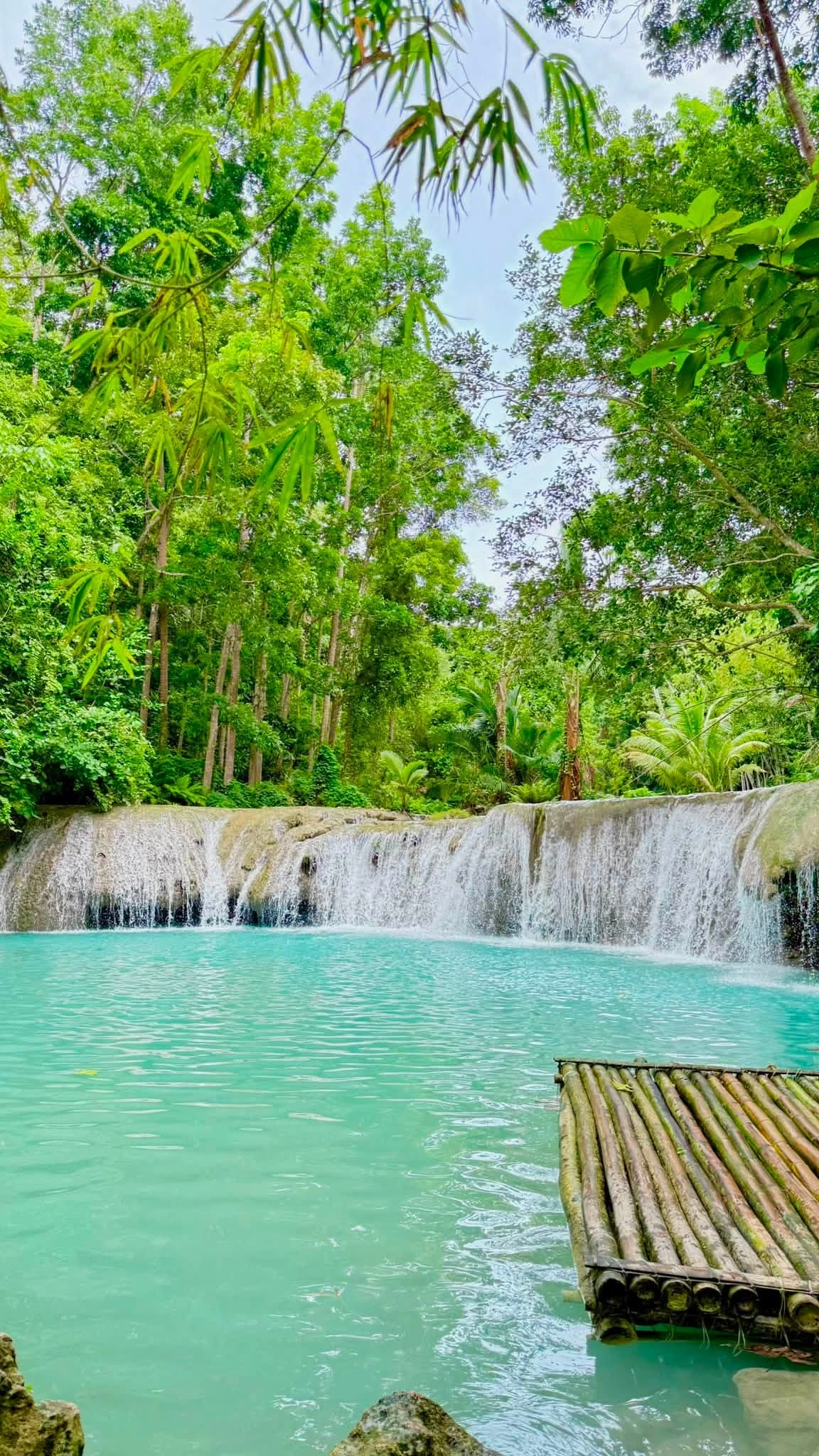
| Slippery rocks | Cambugahay Falls and other swimming spots are slick; wear water shoes and use the handrails |
| Cliff jumping and currents | Check water depth and conditions at Salagdoong and elsewhere; never jump alone |
| Petty theft | Rare, but don’t leave bags unattended on beaches or scooters |
| Weather | Ferries can be cancelled in storms; see our typhoon season guide |
For country-wide advice, see is the Philippines safe?
Is witchcraft in Siquijor real?
Siquijor’s reputation as the Philippines’ “mystic island” is real in the sense that folk belief and traditional healing are part of daily life for many residents. What visitors call “witchcraft” is mostly three things:
- Folk healing (the mananambal tradition): herbal remedies, oils and rituals, passed down within families, used mainly to help people.
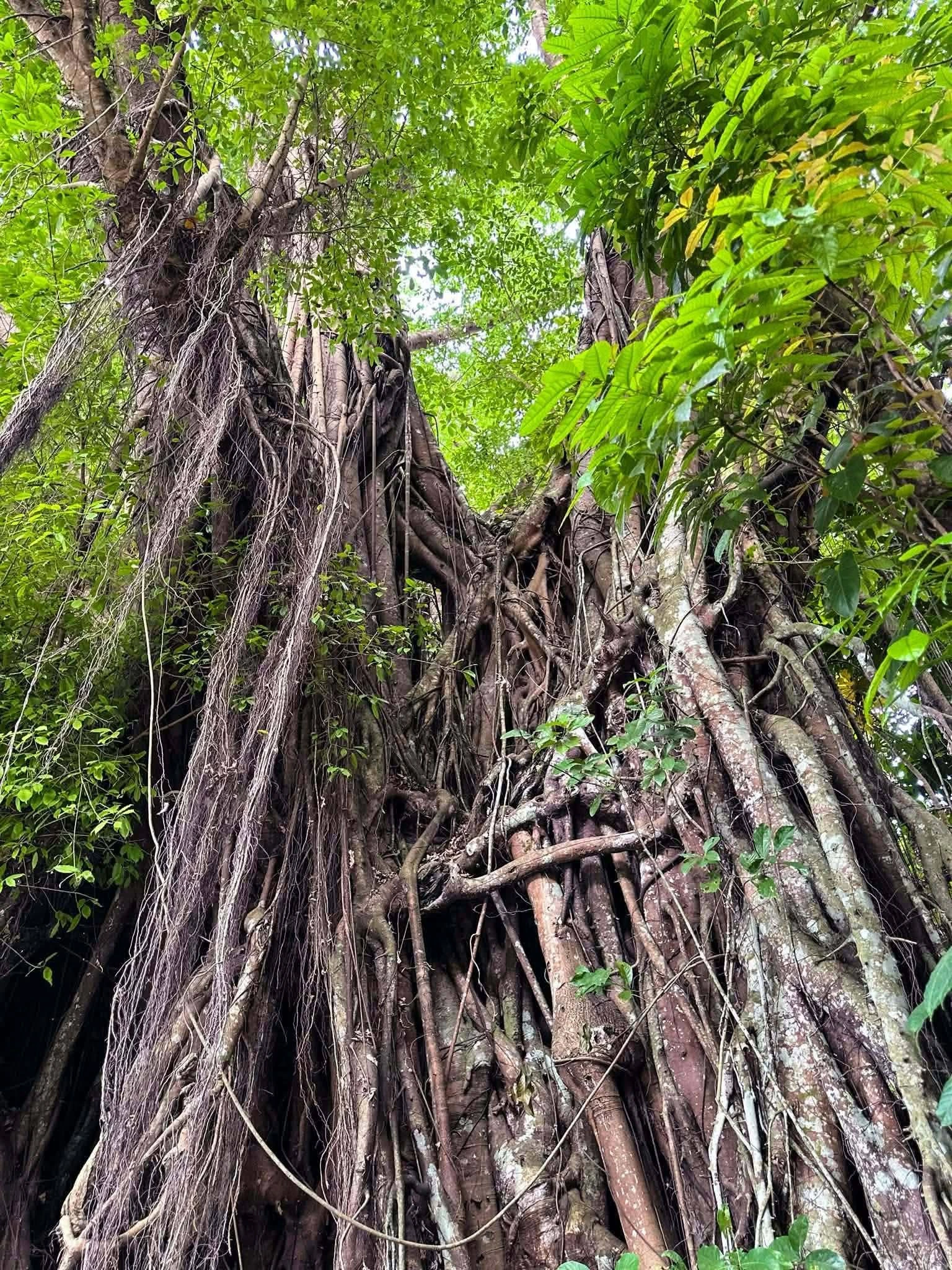
- Love potions (gayuma): small bottles of herbal oil sold at the old balete tree and in markets, mostly a cheerful souvenir for visitors.
- Folklore and stories: tales of curses (barang), spirits and creatures, the same kind of stories told across the Philippines. See our Philippine mythical creatures guide.
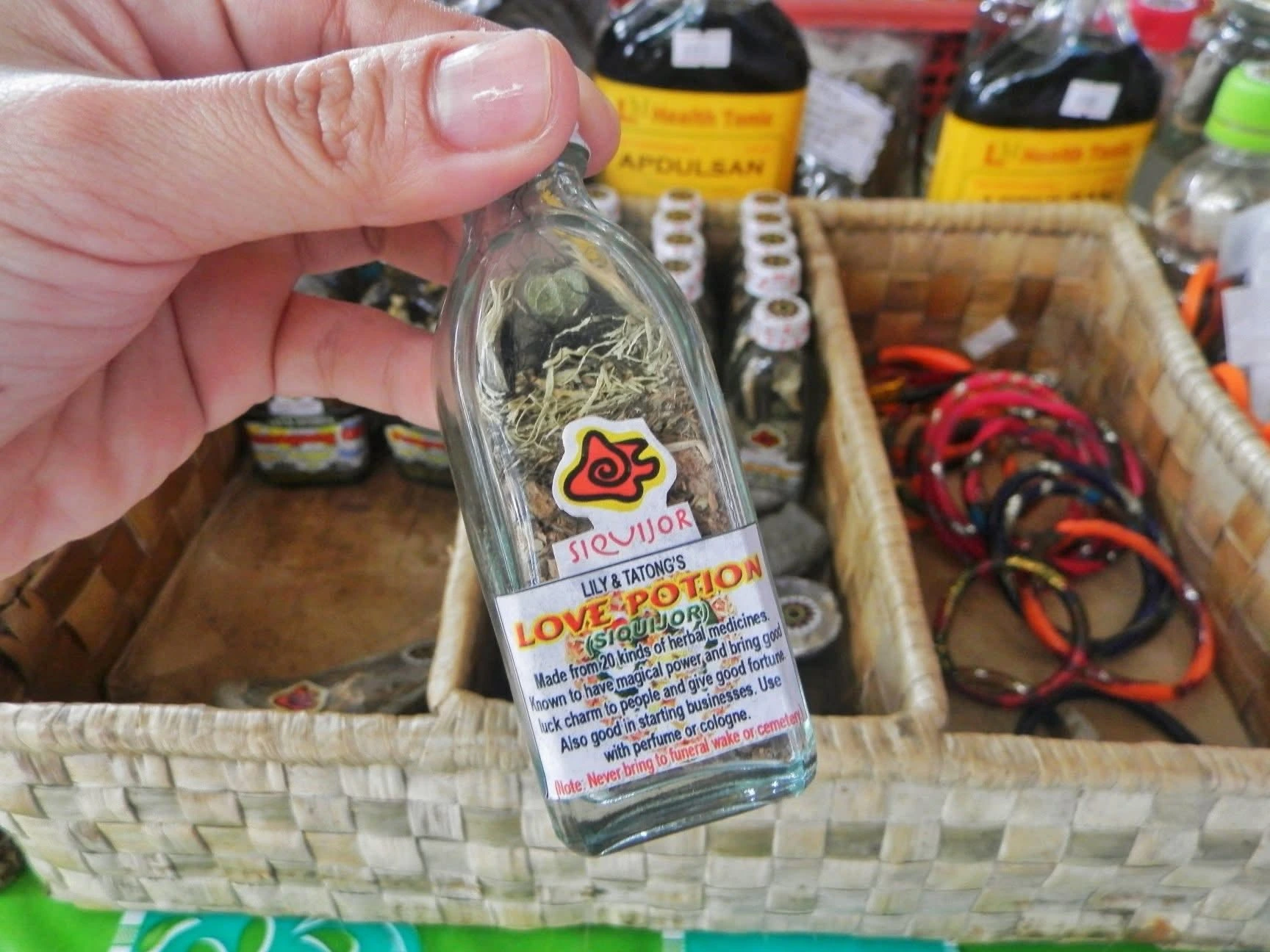
For visitors, the stories are part of the island’s charm, not a threat: nobody is targeting tourists with curses, and locals are proud to share their traditions respectfully.
Why Siquijor became known as the “witch island”
- “Isla del Fuego”: Spanish colonizers reportedly named it the Island of Fire, often linked to swarms of glowing fireflies (and sometimes bioluminescence) that made the island look mysterious from the sea. Unfamiliar local rituals added to the legend.
- A blend of beliefs: Siquijor’s healing traditions mix pre-colonial practices, such as reverence for nature spirits and plant medicine, with Catholic prayers and Holy Week rituals. That’s why the healers’ biggest gathering happens on Black Saturday.
- Isolation: for centuries, Siquijor was a small, hard-to-reach island with few doctors or hospitals, so traditional healers were the first line of care, and their knowledge stayed central to daily life.
- Stories travel: across the Visayas and Mindanao, people tell stories about Siquijor healers and curses, and media coverage keeps the “witch island” label alive.
“White” vs “black” magic: locals often distinguish healers who help (the mananambal) from the feared practice of barang, sorcery believed to cause harm. Belief in barang exists, but it’s part of folklore and local life, not something aimed at visitors.
What are Siquijor’s healers (mananambal)?
Mananambal are traditional folk healers; the word comes from the Visayan tambal, meaning “medicine,” so a mananambal is literally “one who heals with medicine.” Many live in the mountain villages around San Antonio, near Mount Bandilaan, the island’s highest point. Their knowledge is usually passed down within families over generations.
| Practice | What it is |
|---|---|
| Herbal oils and remedies | Oils made from roots, bark, leaves and herbs gathered on the island, used for aches, fevers and protection |
| Bolo-bolo | A healing ritual where the healer blows through a bamboo tube into a glass of water with a small stone, which is believed to show and draw out illness |
| Love potions (gayuma) | Bottled oils sold to visitors and locals; mostly a novelty for tourists |
| Protection amulets | Charms made from natural materials, believed to ward off harm |
What a visit to a mananambal is like
- Arranging it: most visitors go through their accommodation or a local guide, who knows which healers welcome visitors.
- The session: often a short conversation about what’s troubling you, then a ritual such as bolo-bolo, an herbal oil massage or a prayer, sometimes in a simple home or garden.
- Payment: usually a voluntary donation rather than a set fee; ask your guide what’s customary.
- Respect: dress modestly, ask before taking photos or videos, and don’t treat it as entertainment.
- Health: treat it as a cultural experience; for any real illness or injury, see a doctor.
If you visit a healer, go with a local guide or your accommodation’s recommendation, ask before taking photos, and offer a respectful donation if asked. Folk healing is a cultural experience, not a replacement for medical care.
The Siquijor Healing Festival (Holy Week)
| Festival | Details |
|---|---|
| When | Holy Week, Wednesday to Black Saturday; the 2026 festival ran April 1–4 |
| 2027 | Expected around March 24–27, 2027 (Holy Week); confirm with the Siquijor Provincial Tourism Office |
| Where | Mount Bandilaan National Park, San Antonio |
| What happens | Healers gather and chop herbs, prepare healing oils and potions, and share their traditions, with the main ritual on Black Saturday |
| Cost | Free, organized by the Provincial Tourism Office |
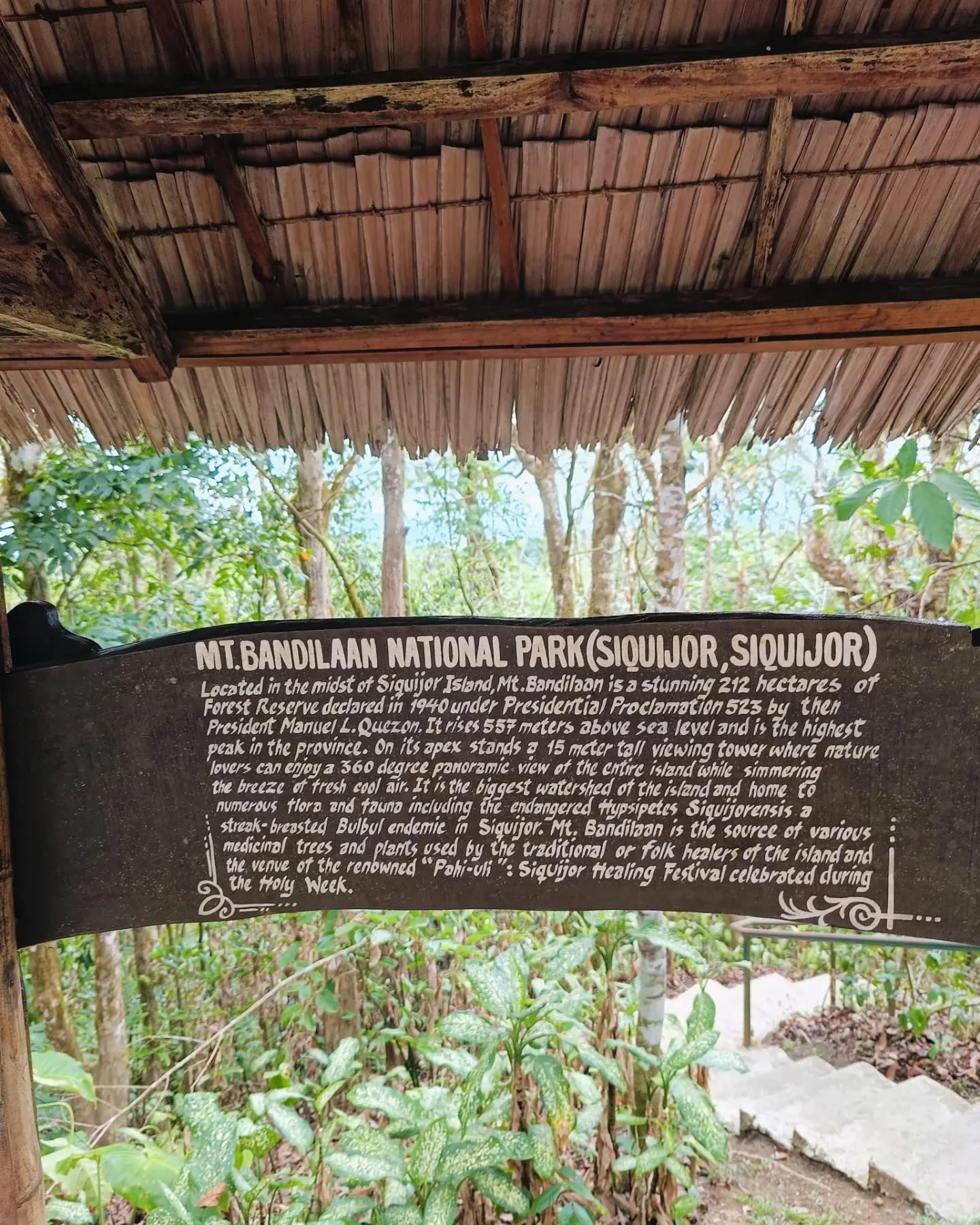
Treat it as a spiritual and cultural event, not a show: dress modestly, keep your voice down during rituals, and ask before photographing healers.
Tips for a safe, respectful visit
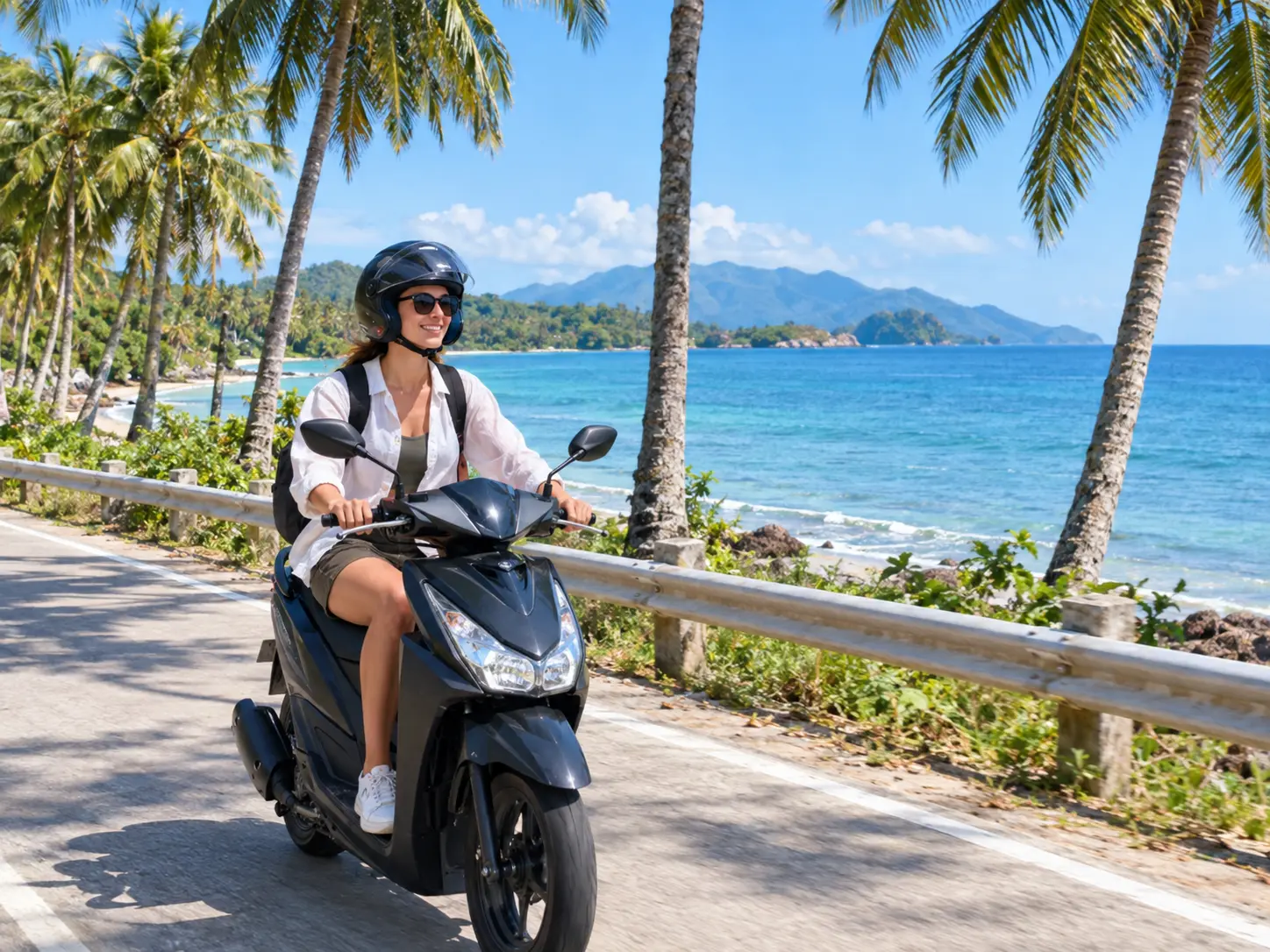
- Get travel insurance that covers scooter riding. See our travel insurance guide.
- Carry cash: ATMs are limited, and many places don’t take cards. See money in the Philippines.
- Respect the culture: don’t mock the traditions or take things from shrines, and ask before photographing healers or ceremonies.
- Get a local SIM or eSIM for maps; signal can be patchy in the hills.
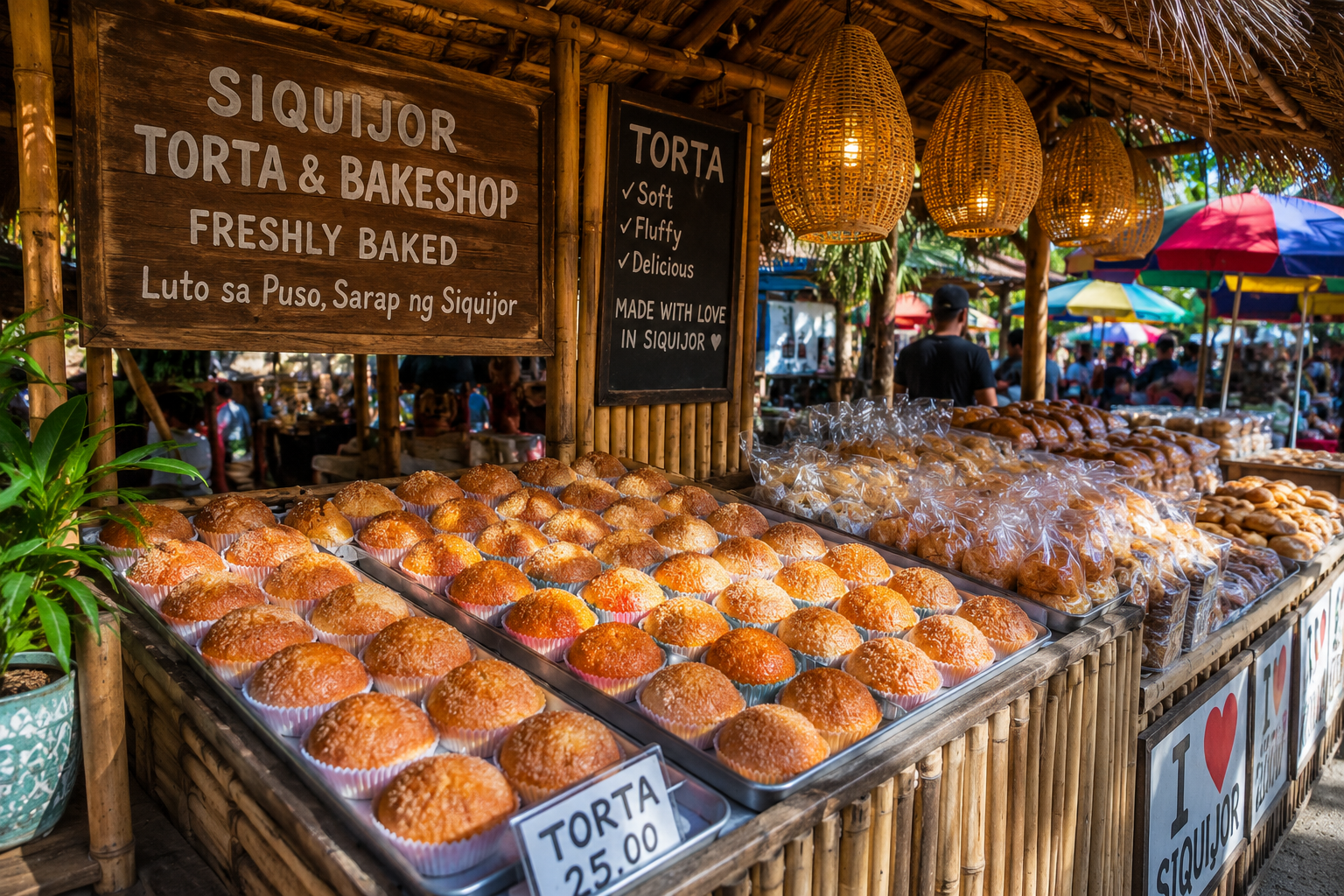
- Plan your route with our how to get to Siquijor guide, and try the island’s famous torta.
Plan your Siquijor trip
Ferries and tours around Dumaguete and Siquijor. Klook bookings often include free cancellation.
Is Siquijor safe? FAQ
Is Siquijor safe for tourists?
Yes. Siquijor is widely considered one of the calmest, friendliest islands in the Philippines. The main risks are scooter accidents, dark roads at night, slippery rocks and sea currents, not crime or witchcraft.
Is witchcraft in Siquijor real?
Folk belief and traditional healing are a real part of Siquijor’s culture. What visitors call witchcraft is mostly herbal healing by mananambal, love potions sold as souvenirs and local folklore. None of it is a danger to tourists.
What is a mananambal?
A mananambal is a traditional Filipino folk healer. In Siquijor, many live around San Antonio and Mount Bandilaan and use herbal oils, rituals like bolo-bolo and amulets, with knowledge passed down within families.
What does mananambal mean?
Mananambal comes from the Visayan word tambal, meaning medicine. A mananambal is a traditional folk healer who uses herbal remedies, rituals and prayer.
Why is Siquijor associated with witchcraft?
Spanish colonizers reportedly named it Isla del Fuego, the Island of Fire, after its glowing fireflies and unfamiliar rituals. Its long isolation kept traditional healers central to island life, and stories across the Visayas spread the “witch island” reputation.
How much does it cost to visit a healer in Siquijor?
Usually there’s no set fee; visitors give a voluntary donation. Ask your guide or accommodation what’s customary.
What is bolo-bolo?
Bolo-bolo is a Siquijor healing ritual in which a healer blows through a bamboo tube into a glass of water containing a small stone, a practice believed to reveal and draw out illness.
When is the Siquijor Healing Festival?
During Holy Week, from Wednesday to Black Saturday, at Mount Bandilaan National Park. The 2026 festival ran April 1 to 4; the 2027 festival is expected around March 24 to 27. Confirm with the provincial tourism office.
Why is Siquijor called the mystic island?
Because of its long tradition of folk healers, herbal potions and folklore. Spanish colonizers reportedly called it Isla del Fuego, the Island of Fire, often linked to fireflies glowing in its trees.
Can tourists visit a healer in Siquijor?
Yes, many visitors do, usually arranged through a local guide or their accommodation. Be respectful, ask before taking photos, and remember that folk healing isn’t a substitute for medical care.
Is it safe to ride a scooter in Siquijor?
It’s the most popular way to get around, but also the biggest risk. Wear a helmet and closed shoes, ride slowly, avoid riding after dark, and hire a tricycle tour if you’re not an experienced rider.
Born in Cebu City and raised in Dumaguete, Gio is Siquijodnon on his mother’s side and visits Siquijor regularly. He now lives in Zamboanga del Sur and writes Best Philippines Travel Guide to share the Visayas honestly and respectfully.