
This guide is independent and not affiliated with Grab. Fares, services and coverage change; the Grab app always shows the actual price before you book. This guide contains a Klook affiliate link.
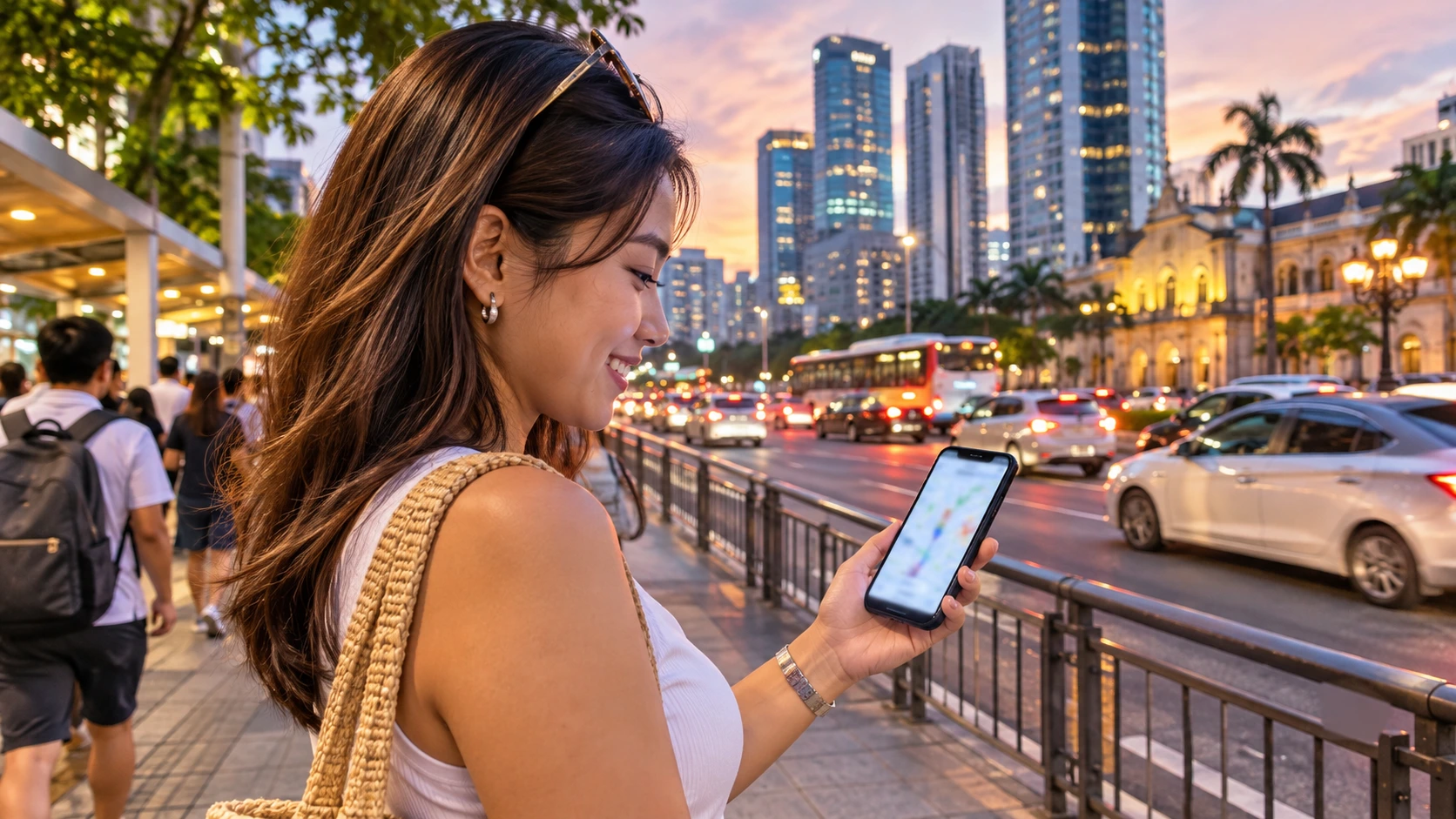
Yes, Grab works in the Philippines, and it’s the easiest way for visitors to get around the big cities. It’s widely available in Metro Manila, Metro Cebu and Davao, and in other major cities, but it’s limited or unavailable on smaller islands like El Nido, Siargao, Siquijor and Boracay. Since September 28, 2026, a standard GrabCar starts at ₱65, plus ₱15 per km and ₱2 per minute, with surge capped at 2x. A metered taxi is often cheaper, especially in surge, but Grab shows a fixed price upfront. You can also order GrabFood and pay by card, GrabPay or cash.
Grab needs mobile data to book. Set up an eSIM before you land.
Is Grab available in the Philippines?
Yes. Grab is the Philippines’ biggest ride-hailing app, accredited by the Land Transportation Franchising and Regulatory Board (LTFRB) as a transport network company. You book in the Grab app, see the price before confirming, and pay in the app or in cash.
| Grab service | What it is |
|---|---|
| GrabCar | Private car (sedan, hatchback or SUV) with a fixed, upfront fare |
| GrabCar 6-seater | Bigger vehicle for families and airport runs with luggage |
| GrabTaxi | A licensed taxi with a meter plus a booking fee, not subject to Grab’s surge pricing |
| GrabFood and GrabMart | Food and grocery delivery in many cities |
| GrabExpress | Same-day parcel delivery |
| Move It | A Grab-backed motorcycle taxi app, also bookable through Grab in some cities |
Which cities have Grab?
| Area | Grab rides | Notes |
|---|---|---|
| Metro Manila (and nearby Cavite, Laguna, Rizal, Bulacan) | Widely available | Most cars, fastest booking; heavy surge at rush hour and in rain |
| Metro Cebu (Cebu City, Mandaue, Lapu-Lapu / Mactan) | Widely available | Good for airport runs from Mactan-Cebu |
| Davao City | Available | Reliable in the city center |
| Other big cities (such as Iloilo, Bacolod, Cagayan de Oro, Clark and Angeles) | Available, fewer cars | Waits can be longer; check the app on arrival |
| Tourist islands (El Nido, Coron, Siargao, Siquijor, Boracay, Camiguin) | Limited or none | Use tricycles, e-trikes, vans and scooter rentals instead |
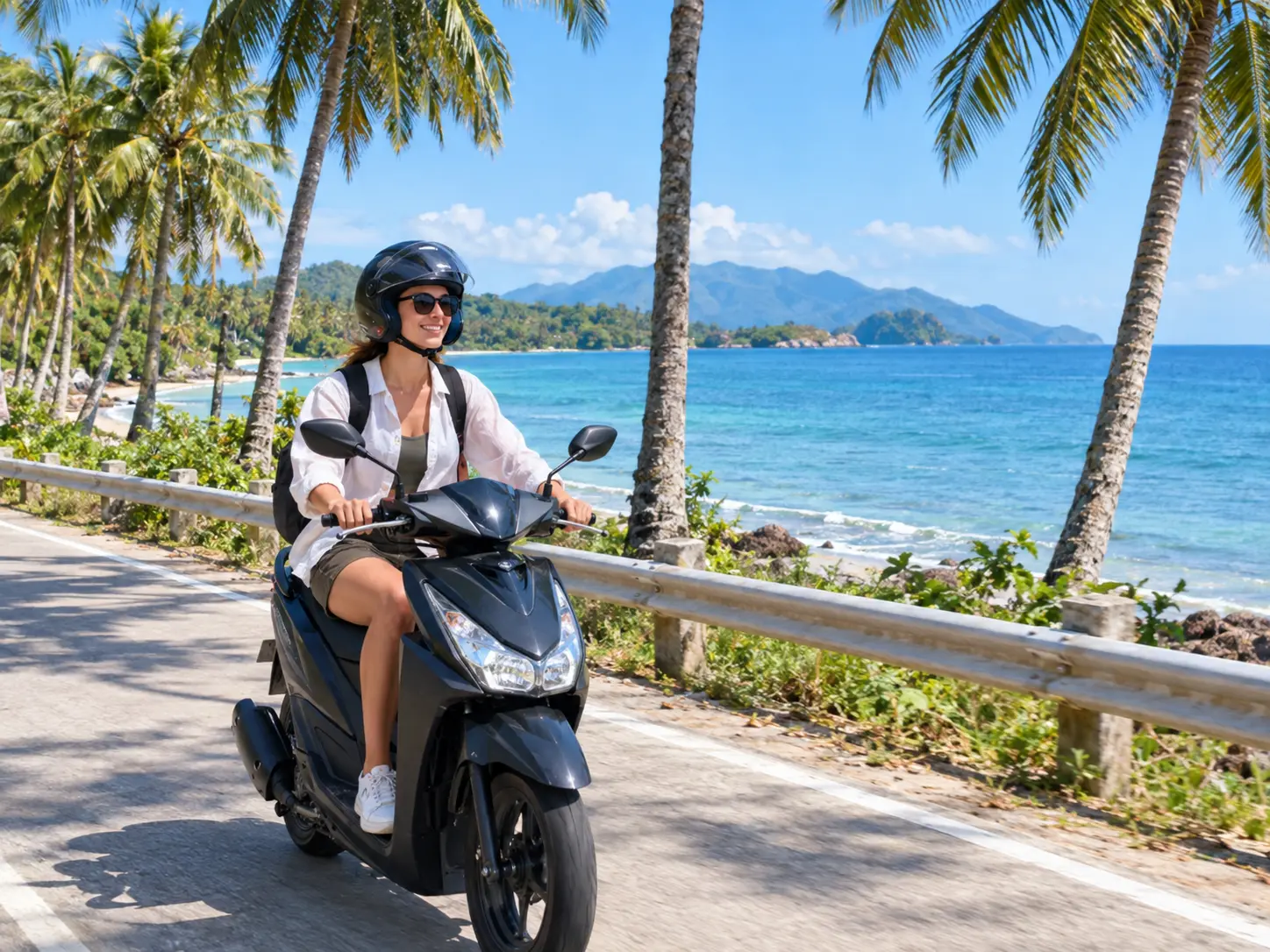
Coverage changes often, and GrabFood may work in places where rides don’t. Open the app at your destination to confirm. For island transport, see our car and scooter rental guide.
How much does Grab cost in the Philippines? (2026)
| Vehicle | Base fare | Per km | Per minute |
|---|---|---|---|
| Hatchback | ₱55 | ₱15 | ₱2 |
| Sedan (standard GrabCar) | ₱65 | ₱15 | ₱2 |
| AUV / SUV | ₱75 | Higher rates apply | — |
| Premium | ₱165 | Higher rates apply | — |
LTFRB-approved base fares that took effect on September 28, 2026 (up ₱20 from the previous rates). The per-km and per-minute rates for sedans didn’t change; the order also added a ₱15-per-km pickup charge. Surge is capped at 2x. In early October, the LTFRB ordered some platforms to explain why they hadn’t applied the new rates yet, so in-app prices may differ slightly; the app shows the final fare before you book.
- Short city hop (about 3–5 km): often about ₱150–₱250 in a car, more in surge.
- Airport to Makati or BGC: about ₱250–₱600, depending on traffic and surge. See our NAIA terminal guide.
- Book in the app, never at an airport booth or with a “Grab” tout; manual or booth bookings can cost much more.
Is Grab cheaper than a taxi?
| GrabCar | Metered taxi | GrabTaxi | |
|---|---|---|---|
| Price | Fixed upfront; can surge up to 2x | Usually cheapest if the meter is used | Meter plus a booking fee; no Grab surge |
| Best when | Normal hours, airport runs, late nights | Surge times, if you can find an honest cab | Rainy rush hours, when GrabCar surges |
| Watch out for | Surge in rain and rush hour | Drivers refusing the meter | Booking fee on short trips |
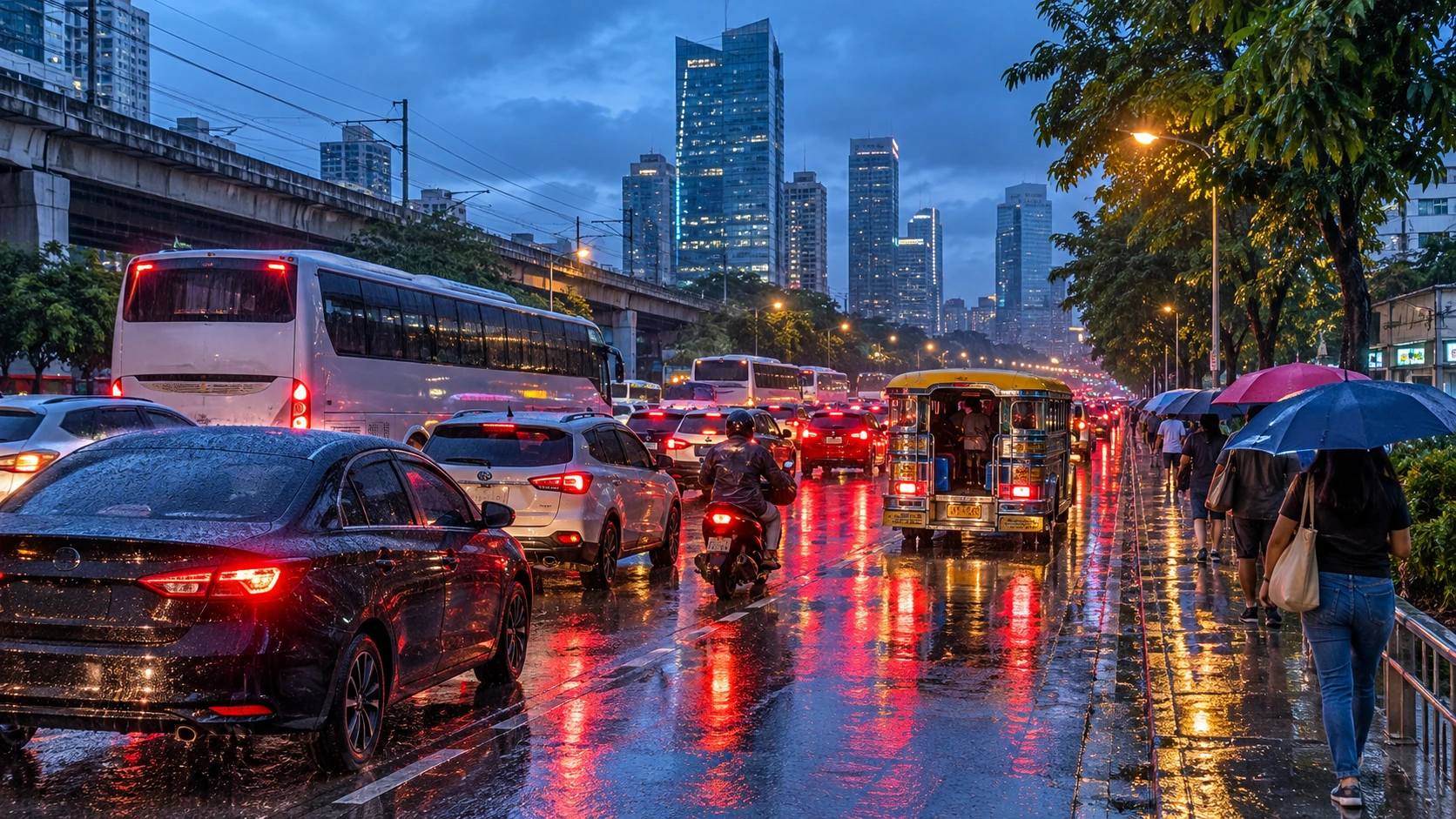
The honest answer: a metered taxi is often cheaper per trip, but Grab is more predictable: no haggling, a tracked route and a price you see before you go. When GrabCar is surging, check GrabTaxi in the same app; its meter isn’t affected by surge. For one person with a small bag, a motorcycle taxi (Move It, Angkas or JoyRide) is the cheapest and fastest through traffic.
How to use Grab in the Philippines
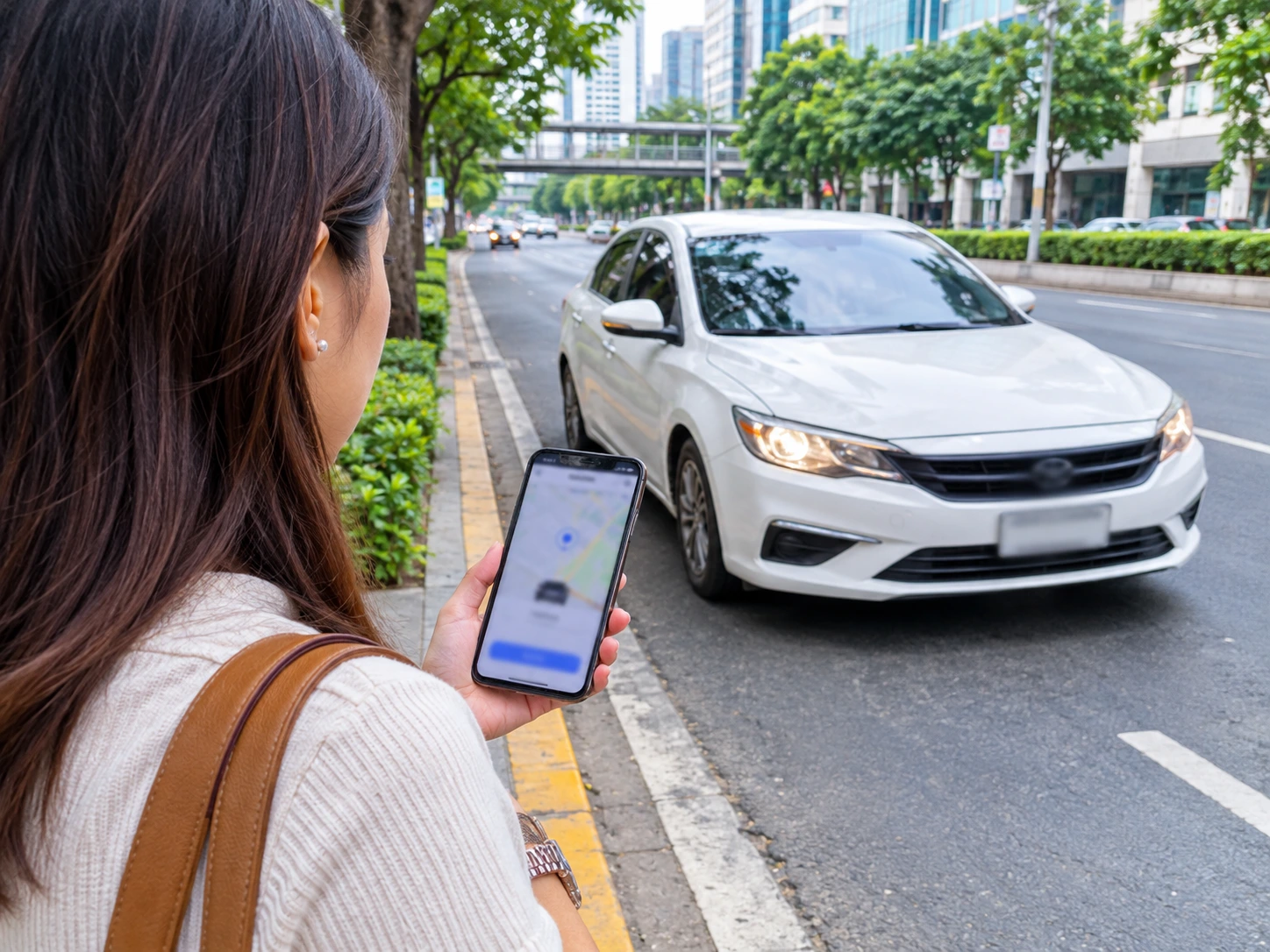
- Download the Grab app and sign up You can register with a foreign phone number; you’ll need data or Wi-Fi to verify.
- Add a payment method Link a credit or debit card, or choose cash. GrabPay works too if you top it up.
- Set your pickup point carefully Use landmarks or official pickup bays (malls and airports have them), and check the pin.
- Compare options Check GrabCar, GrabCar 6-seater and GrabTaxi; prices show before you book.
- Check the car before getting in Match the plate number, car model and driver photo in the app.
- Share your trip Use “Share my ride” with a friend, especially at night.
- Rate and tip if you like Tipping is optional but appreciated; see money in the Philippines.
GrabFood: ordering food in the Philippines
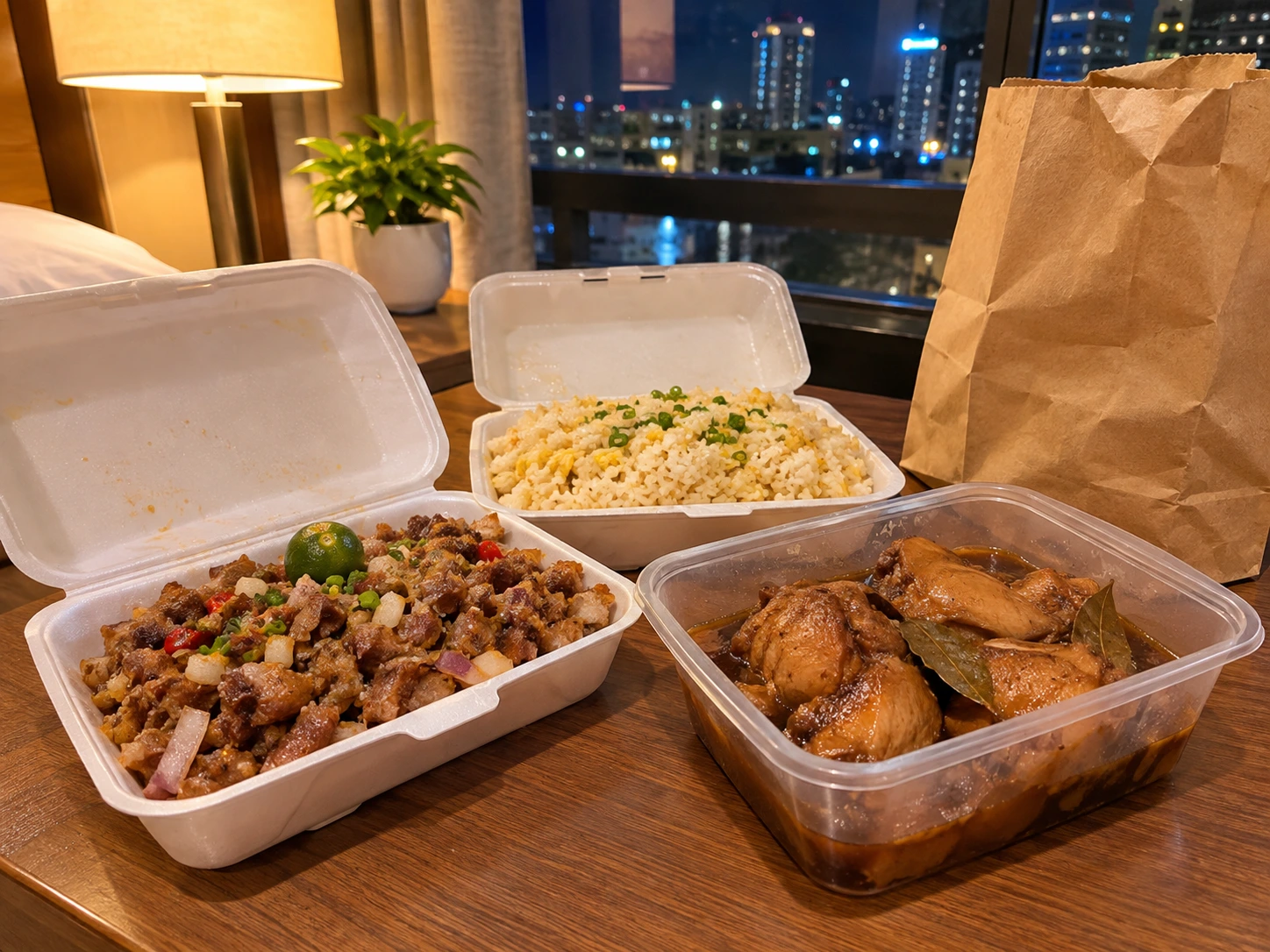
GrabFood delivers from restaurants, fast-food chains and local eateries in most cities, often well beyond where Grab rides operate. It’s handy for rainy days, late nights or trying Filipino dishes from your hotel. Look for local favorites like lechon, sisig and silog meals; see our Filipino food guide.
Grab alternatives in the Philippines
| App | Type | Good for |
|---|---|---|
| Move It | Motorcycle taxi (Grab-backed) | Cheap, fast solo trips in Metro Manila and some cities |
| Angkas | Motorcycle taxi | Beating traffic in Metro Manila and Cebu |
| JoyRide | Cars and motorcycles | An alternative when Grab surges |
| inDrive | Cars, with fares you can negotiate | Often cheaper than GrabCar in cities where it operates |
| Green GSM | Electric taxis | Clean, metered rides in Metro Manila |
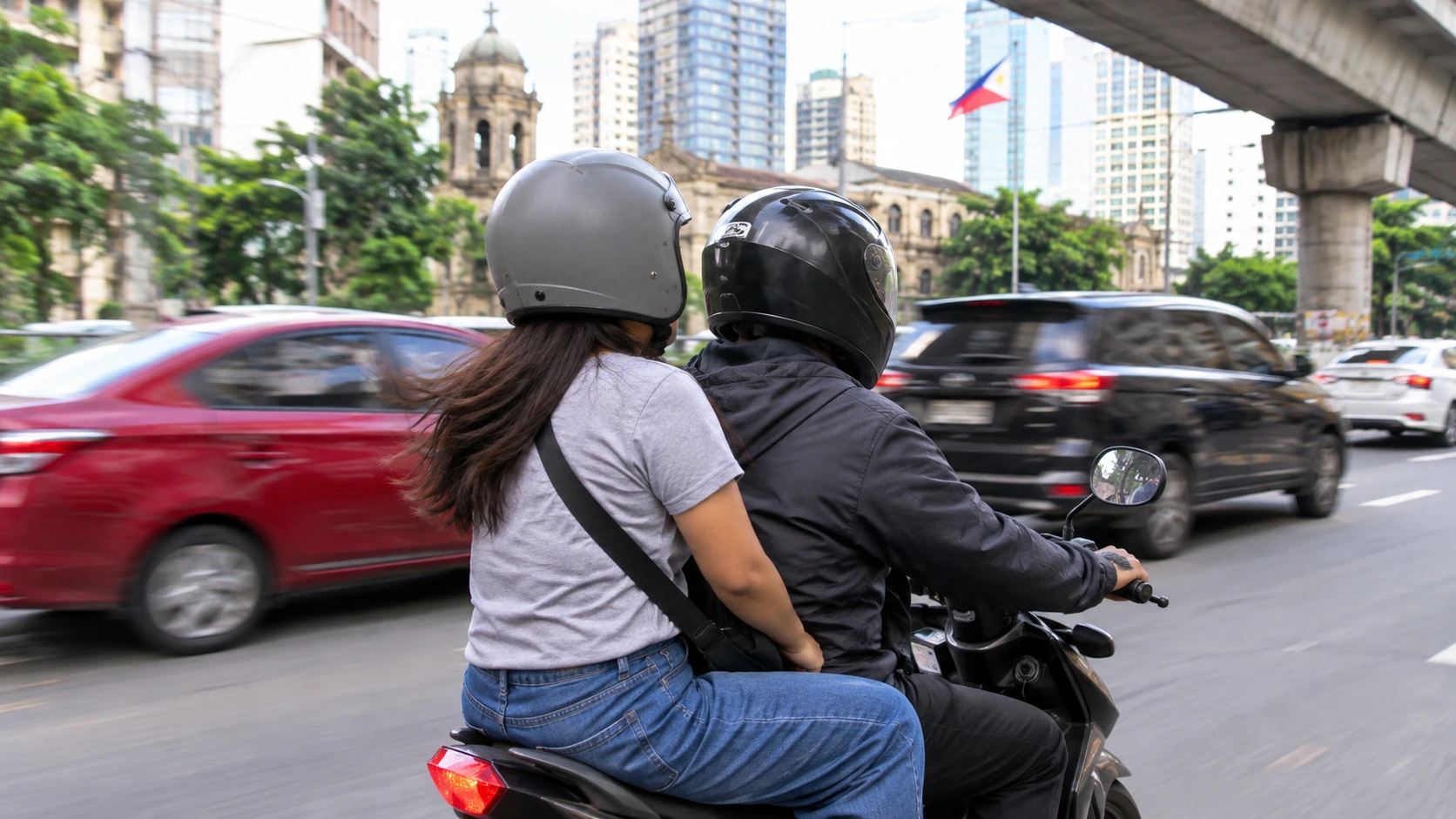
Motorcycle taxis operate under an LTFRB pilot program, and availability varies by city. Always wear the helmet provided.
Safety and tips
- Only book in the app; ignore drivers who approach you saying “Grab.”
- Avoid surge by waiting 10–15 minutes, walking to a less busy pickup point, or switching to GrabTaxi.
- Allow extra time in Metro Manila traffic, especially Friday evenings and rainy days.
- Keep valuables out of sight at pickup points. See is the Philippines safe?
- Carry small bills if paying cash, since drivers may not have change.
Add Grab rides, airport transfers and tours in our free trip budget calculator.
Grab in the Philippines: FAQ
Is Grab available in the Philippines?
Yes. Grab is the country’s biggest ride-hailing app, offering cars, taxis, food delivery and parcel delivery. It’s widely available in Metro Manila, Metro Cebu and Davao, and in other major cities.
Which cities have Grab in the Philippines?
Grab rides are widely available in Metro Manila, Metro Cebu and Davao City, and in other big cities such as Iloilo, Bacolod, Cagayan de Oro, Clark and Angeles. Smaller tourist islands like El Nido, Siargao, Siquijor and Boracay have little or no Grab.
Is Grab cheaper than a taxi in the Philippines?
A metered taxi is often cheaper, especially during Grab surge. Grab is more predictable, with a fixed upfront price and a tracked route. GrabTaxi, booked in the same app, uses the meter and isn’t affected by surge.
How much is the Grab base fare in the Philippines?
Since September 28, 2026, the LTFRB-approved base fare is ₱65 for a sedan, ₱55 for a hatchback, ₱75 for an AUV or SUV and ₱165 for premium, plus ₱15 per km and ₱2 per minute for sedans. Surge is capped at 2x.
Can tourists use Grab in the Philippines?
Yes. You can sign up with a foreign phone number and pay with a foreign credit or debit card or cash. You’ll need mobile data, so get an eSIM or local SIM on arrival.
Can I pay for Grab with cash?
Yes. Grab accepts cash, credit and debit cards, and GrabPay. Carry small bills if paying cash.
Is there Grab in Boracay, El Nido or Siargao?
Generally no Grab rides. On these islands, use tricycles, e-trikes, vans or scooter rentals, and check the app on arrival in case of changes.
Is Grab safe in the Philippines?
Grab is generally considered safe: drivers are accredited, trips are tracked and you can share your ride in real time. Always check the plate number and driver before getting in.

Born in Cebu City and raised in Dumaguete, Gio now lives in Zamboanga del Sur. He writes Best Philippines Travel Guide to make getting around the Philippines simple, with prices checked against official sources.