
The best delicacies in Siquijor include torta, peanut balls (chupa-chupa), pan bisaya, giant otap, banana crackers, and dried seafood. These are the island’s most popular pasalubong and are sold at roadside stalls, the Lazi market, and souvenir shops near Siquijor town proper. Siquijor, a small island province in Central Visayas, is known not just for its mystical reputation and white-sand beaches but also for its unique sweets and baked goods that you cannot find anywhere else in the Philippines.
QUICK REFERENCE TABLE (add right after opening paragraph)
| Delicacy | Type | Where to buy | Price range |
|---|---|---|---|
| Torta Siquijor | Dense flatbread / cake | Local bakeries, Siquijor town | ₱20–₱50 each |
| Peanut balls (chupa-chupa) | Caramel coconut candy | Roadside stalls, pasalubong shops | ₱5–₱10 each |
| Pan bisaya | Dense native bread | Bakeries, public market | ₱10–₱20 each |
| Giant otap | Oversized crumbly cookie | Pasalubong shops | ₱15–₱30 each |
| Banana crackers | Crispy banana chips | Duran’s Banana Products, Lazi | ₱50–₱100 per pack |
| Chupa-chupa | Coconut milk caramel balls | Pasalubong shops | ₱5–₱10 each |
| Honey | Local wildflower honey | Market stalls, souvenir shops | ₱150–₱300 per bottle |
| Dried seafood (bulad) | Sun-dried fish & squid | Public market, Siquijor town | ₱50–₱200 per pack |
| Kalamay | Sweet sticky coconut rice cake | Local makers, market | ₱20–₱40 |
| Nilagpang | Fresh seafood stew (dine-in only) | Local restaurants | ₱150–₱300 per bowl |
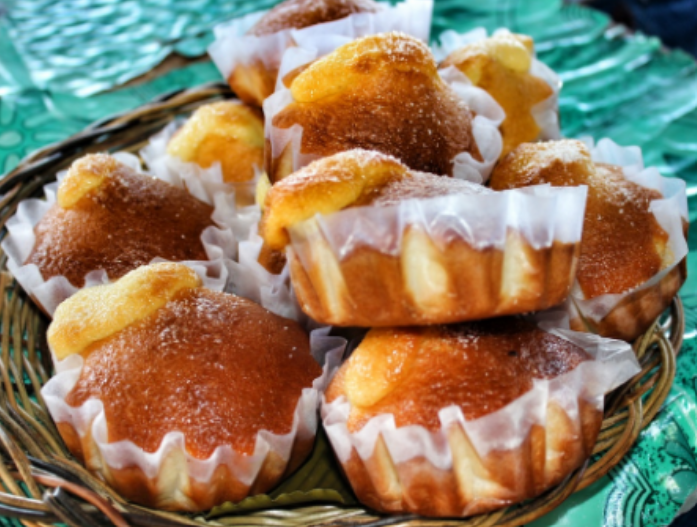
Torta Siquijor — the island’s most iconic delicacy
Torta is Siquijor’s most famous delicacy and the first thing locals will recommend as pasalubong. It is a dense, slightly sweet flatbread made from flour, eggs, sugar, and lard, with a texture somewhere between a pancake and a pound cake. Unlike the torta found in other Philippine provinces, Siquijor’s version is thicker, denser, and often flavored with coconut or banana. It is best eaten warm with a cup of hot chocolate or coffee.
Torta is available at local bakeries around Siquijor town proper and at pasalubong stalls near the port. Prices range from ₱20–₱50 per piece depending on size. It travels well and can last 2–3 days at room temperature, making it one of the best Siquijor pasalubong to bring home.
Key facts about Torta Siquijor:
- Made from flour, eggs, sugar, and lard
- Dense and moist texture, similar to a pound cake
- Often flavored with coconut, banana, or a hint of vanilla
- Best eaten warm; pairs well with hot chocolate or coffee
- Available at local bakeries and pasalubong shops near Siquijor port
- Price: ₱20–₱50 per piece
[keep any existing photos of torta here]
Peanut balls (chupa-chupa) — Siquijor’s unique caramel candy
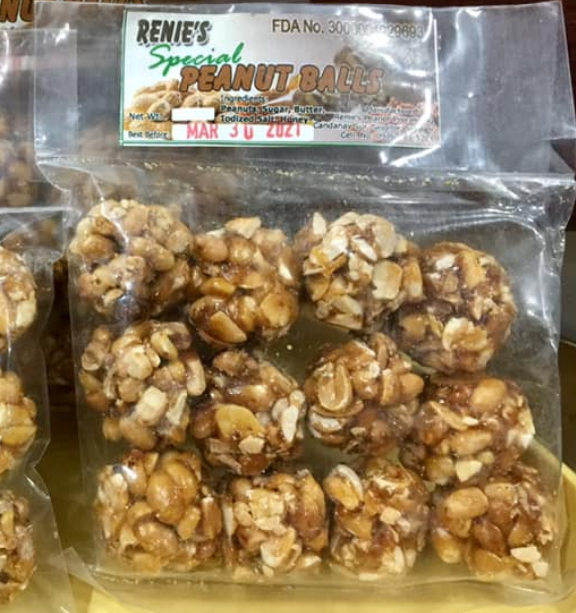
Peanut balls, locally called chupa-chupa, are small round candies made from peanuts, coconut milk, and brown sugar cooked down into a thick caramel. They are rolled into bite-sized balls and are one of the most distinctive sweets unique to Siquijor. The name “chupa-chupa” comes from the Filipino word for sucking or licking — these candies are meant to be savored slowly.
Chupa-chupa are sold in small bags at pasalubong shops throughout the island and at roadside stalls near popular tourist spots like Cambugahay Falls. They cost ₱5–₱10 each or around ₱50–₱80 per bag of 10–15 pieces.
Key facts:
- Made from peanuts, coconut milk, and brown sugar
- Sweet, chewy, and slightly sticky
- Unique to Siquijor — not commonly found elsewhere in the Philippines
- Sold in bags at pasalubong shops and roadside stalls
- Price: ₱50–₱80 per bag
[keep any existing photos here]
Pan bisaya — traditional Visayan bread
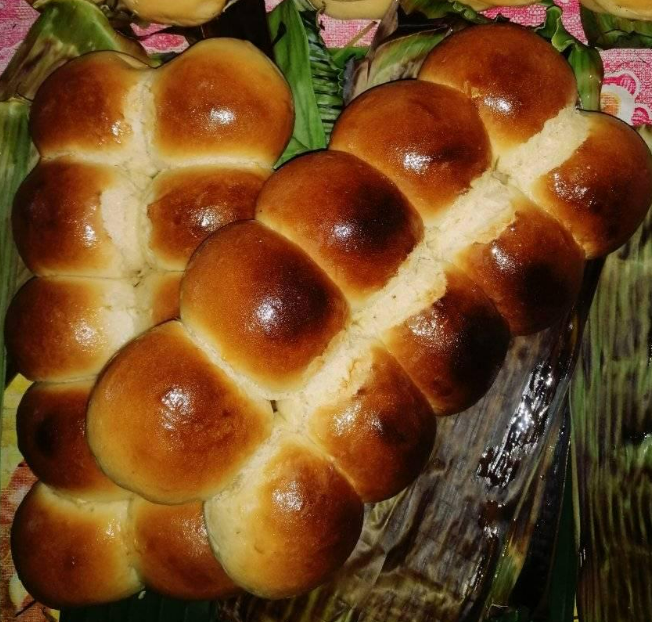
Pan bisaya is a dense, slightly sweet native bread that has been a staple in Visayan households for generations. In Siquijor, it is baked fresh daily by local bakeries and sold at the public market. The bread is compact and filling, with a firm crust and a soft interior. It is typically eaten plain or with butter and hot coffee for breakfast.
Pan bisaya is not as widely known as torta or peanut balls among tourists, but locals consider it an authentic taste of Siquijor’s everyday food culture. It is available at public markets and small bakeries across the island, priced at ₱10–₱20 per piece.
[keep any existing photos here]
H2: Giant otap — the oversized Siquijor cookie
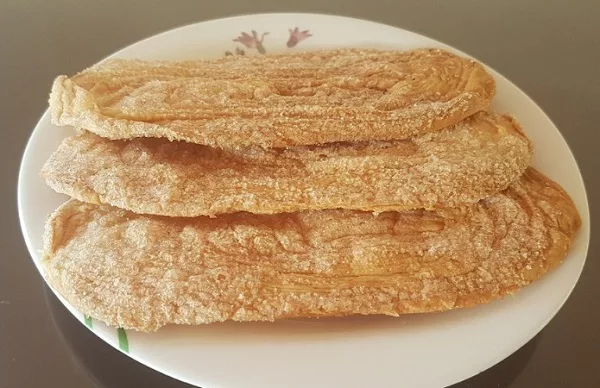
Giant otap is an oversized version of the classic Cebuano otap cookie. While the standard otap is a small, oval, crumbly pastry flavored with anise and sugar, Siquijor’s giant otap is noticeably larger — sometimes twice the size — and makes for an eye-catching and delicious pasalubong. It has a crispy, flaky texture and a lightly sweet flavor that pairs well with coffee or hot chocolate.
Giant otap is sold at most pasalubong shops in Siquijor town and near the ferry terminal. It is packaged in boxes or bags and travels well, making it one of the easiest Siquijor pasalubong to bring home. Price: ₱15–₱30 each, or ₱80–₱150 per box.
[keep any existing photos here]
Banana crackers — from Duran’s Banana Products, Lazi
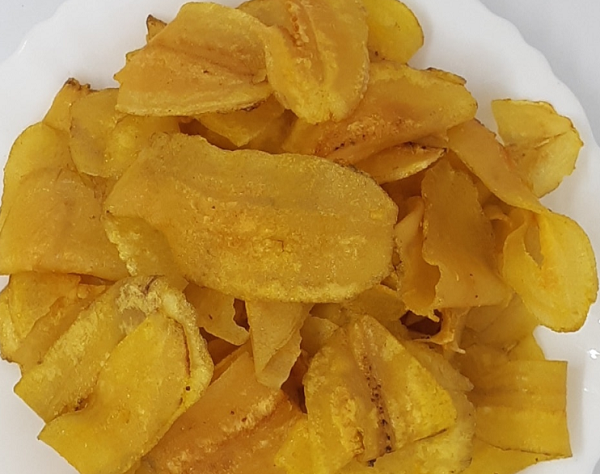
Banana crackers are one of Siquijor’s most popular packaged pasalubong. They are made from local Saba bananas that are peeled, sliced thin, and fried in fresh coconut oil until golden and crispy. The result is a light, crunchy snack with a natural banana sweetness and a subtle hint of coconut.
The most well-known producer is Duran’s Banana Products, located along the Siquijor Circumferential Road in Lazi. They are open daily from 7:00 AM to 5:00 PM and sell fresh banana crackers in various pack sizes. Duran’s has a 4.4-star rating on Google Maps and is a recommended stop on most Siquijor island tours.
Where to buy: Duran’s Banana Products, Lazi, Siquijor (along the circumferential road) Price: ₱50–₱100 per pack
[keep existing Duran’s photo here]
Honey — Siquijor wildflower honey
Siquijor produces local honey harvested from bees that feed on the island’s tropical wildflowers. The honey has a floral, slightly fruity flavor that is distinctly different from commercial honey. It is sold in small bottles at public markets and souvenir shops, and is commonly used as a drizzle over torta or mixed into hot drinks. A 250ml bottle costs around ₱150–₱300.
Dried seafood (bulad) — the local pantry staple
Siquijor’s surrounding waters are rich in fish and squid, and dried seafood (locally called bulad) is a everyday staple. Dried squid, danggit (rabbitfish), and dried pusit are sold at the Siquijor public market and make an affordable, flavorful pasalubong. They are best bought in the morning when the market is freshest. Prices range from ₱50–₱200 per pack depending on the type and quantity.
Kalamay — sweet sticky coconut rice cake
Kalamay is a traditional Filipino sweet made from glutinous rice flour, coconut milk, and brown sugar, cooked slowly until thick and sticky. In Siquijor, kalamay is made by local home producers and sold at the market, often packed in small coconut shells or banana leaves. It has a rich, coconut-heavy flavor and a dense, chewy texture. Price: ₱20–₱40 per serving.
Nilagpang — Siquijor’s signature seafood stew (dine-in)
Nilagpang is a savory seafood stew considered one of Siquijor’s most iconic local dishes. Fresh fish or crab is cooked in a broth flavored with lemongrass, ginger, green onions, and chilies. Unlike most Filipino soups, nilagpang uses very little seasoning — the flavor comes entirely from the freshness of the seafood and aromatics. It is a dine-in dish only and is available at local restaurants and eateries around Siquijor town. Price: ₱150–₱300 per bowl.
Best Siquijor pasalubong to bring home
Siquijor has a strong pasalubong culture, and most items are affordable, lightweight, and easy to pack. These are the best food souvenirs to bring home from the island:
1. Torta Siquijor — The definitive Siquijor pasalubong. Dense, moist, and unique to the island. Lasts 2–3 days at room temperature. Available at bakeries and pasalubong shops near the port. ₱20–₱50 each.
2. Peanut balls / chupa-chupa — Lightweight, inexpensive, and totally unique to Siquijor. Easy to pack in a bag. ₱50–₱80 per bag. Buy at any pasalubong stall.
3. Giant otap — Comes in a box, travels well, and has a long shelf life. Great for office or family pasalubong. ₱80–₱150 per box.
4. Banana crackers from Duran’s — Pre-packaged, sealed, and shelf-stable. One of the most popular tourist buys on the island. ₱50–₱100 per pack.
5. Local honey — A beautiful, unique gift. Bottled and sealed for travel. ₱150–₱300 per bottle.
Where to buy pasalubong in Siquijor:
- Pasalubong shops near Siquijor port / ferry terminal — widest variety, convenient before departure
- Duran’s Banana Products, Lazi — best for banana crackers
- Siquijor public market — best for dried seafood, kalamay, and fresh torta
- Roadside stalls near Cambugahay Falls — chupa-chupa and local sweets
Frequently asked questions about Siquijor delicacies
What are the most famous delicacies in Siquijor?
The most famous Siquijor delicacies are torta, peanut balls (chupa-chupa), pan bisaya, giant otap, and banana crackers. Torta is considered the island’s signature food — a dense, moist flatbread unique to Siquijor that is the most recommended pasalubong by locals.
What is the best pasalubong to buy in Siquijor?
The best pasalubong from Siquijor are torta, chupa-chupa (peanut balls), giant otap, and banana crackers from Duran’s in Lazi. All of these are lightweight, travel well, and are unique to Siquijor — you cannot easily find them in other parts of the Philippines.
Where can I buy Siquijor delicacies?
Siquijor delicacies are sold at pasalubong shops near the ferry terminal in Siquijor town, at the public market, and at Duran’s Banana Products in Lazi along the circumferential road. Most pasalubong shops are open daily from morning until early evening.
What is torta in Siquijor and how is it different from other torta?
Torta in Siquijor is a dense, slightly sweet flatbread made from flour, eggs, sugar, and lard. It is different from Cebuano torta (which is more cake-like) and from the Spanish-style torta (which is a sandwich). Siquijor’s torta is thicker and denser than most other versions, often flavored with coconut or banana, and is considered the island’s most iconic food souvenir.
What are peanut balls in Siquijor?
Peanut balls in Siquijor, locally called chupa-chupa, are small round candies made from peanuts, coconut milk, and brown sugar cooked into a caramel. They are rolled into bite-sized balls and sold in bags at pasalubong shops and roadside stalls across the island. They are unique to Siquijor and are one of the most popular cheap pasalubong from the island.
How much do Siquijor delicacies cost?
Siquijor delicacies are very affordable. Torta costs ₱20–₱50 per piece. Peanut balls (chupa-chupa) cost ₱50–₱80 per bag of 10–15 pieces. Giant otap costs ₱80–₱150 per box. Banana crackers from Duran’s cost ₱50–₱100 per pack. Local honey costs ₱150–₱300 per bottle.
Can I bring Siquijor delicacies on a plane?
Yes. Torta, giant otap, banana crackers, and peanut balls are all allowed in carry-on and checked baggage on domestic Philippine flights. They are dry or shelf-stable goods and will not be flagged at security. Honey in bottles over 100ml should be placed in checked baggage.
What is the famous food of Siquijor Island?
The most famous food of Siquijor Island is torta — a dense, moist native flatbread unique to the island. Other well-known Siquijor foods include chupa-chupa (peanut caramel balls), pan bisaya (traditional Visayan bread), giant otap (oversized crumbly cookies), nilagpang (fresh seafood stew), and banana crackers from Duran’s in Lazi.