
Disclosure: This page contains a Klook affiliate link. If you book through it, we earn a small commission at no extra cost to you.
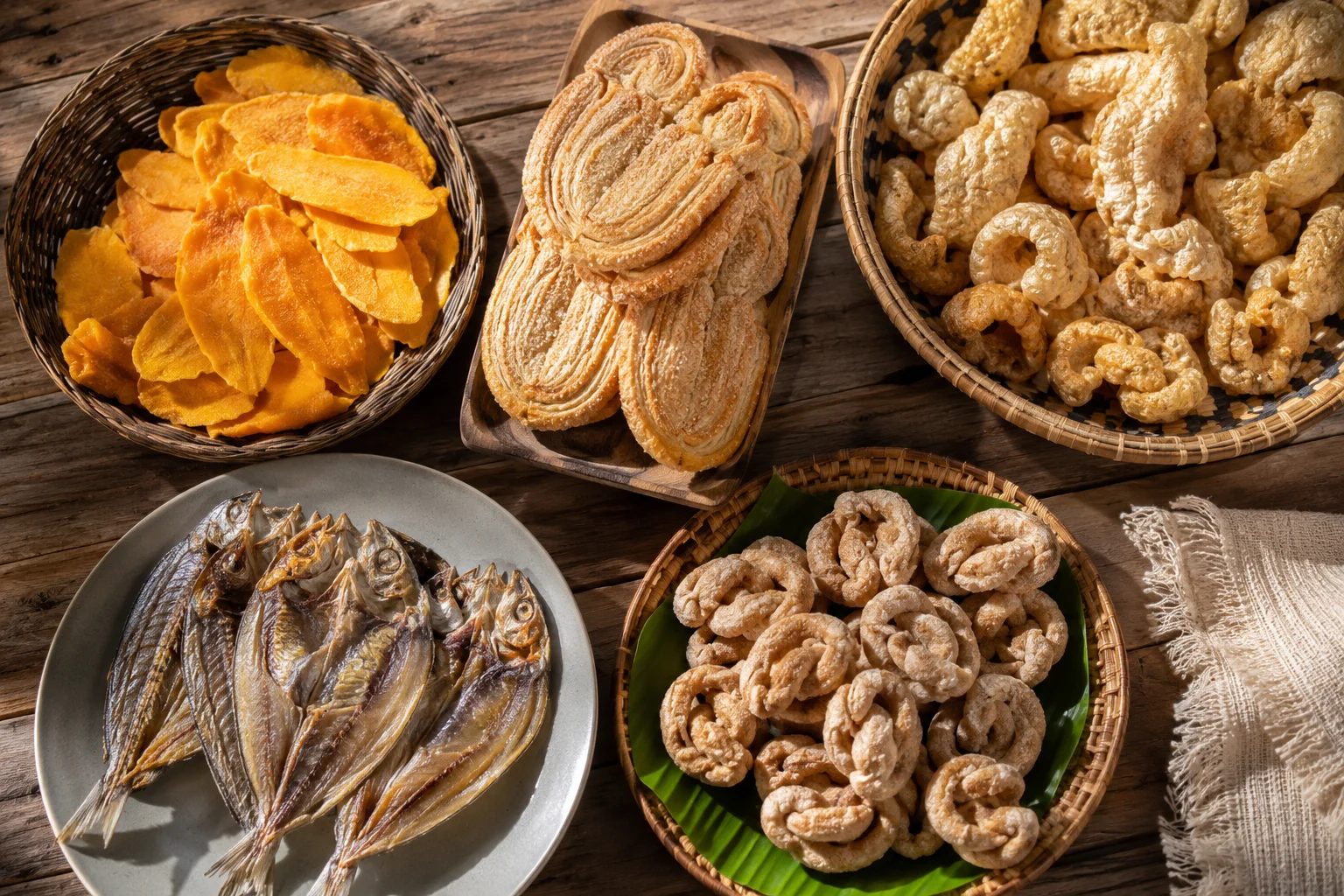
Quick answer: Cebu’s most famous delicacies are lechon (whole roasted pig), chicharon (crispy fried pork rinds, best from Carcar), dried danggit (sun-dried rabbitfish), and dried mangoes — the single most-purchased Cebu pasalubong item. For sweets, Titay’s rosquillos and pastel (over a century old, from Liloan) and otap are the classics. Taboan Market and Carbon Market have the best prices; SM malls and the airport are the most convenient but most expensive.
| Most purchased pasalubong | Dried mango |
| Most uniquely Cebuano | Chicharon (from Carcar) |
| Oldest continuously-run pasalubong shop | Titay’s (Liloan, since the early 1900s) |
| Cheapest place to buy | Taboan Market / Carbon Market |
| 2026 culinary milestone | Cebu’s first Michelin Guide recognition (18 restaurants, Oct 2025) |
I was born in Cebu City, and most of what’s on this list showed up on my own table growing up — not as tourist souvenirs, but as everyday food. This guide is organized the way Cebuanos actually think about it: what you eat while you’re here, what you dry out and bring home, and what you drink alongside it.
Savory Dishes & Street Food
These are eaten fresh, usually the same day, not packed for travel.
- Lechon — Cebu’s signature dish, a whole roasted pig stuffed with lemongrass and native herbs. See the full Best Lechon in Cebu guide for where to eat it and what to pay in 2026.
- Sutukil — a portmanteau of sugba (grilled), tuwa (stewed), and kilaw (raw, vinegar-marinated). You pick fresh seafood and choose how it’s cooked. Manna Sutukil in Mactan is a well-known spot for this.
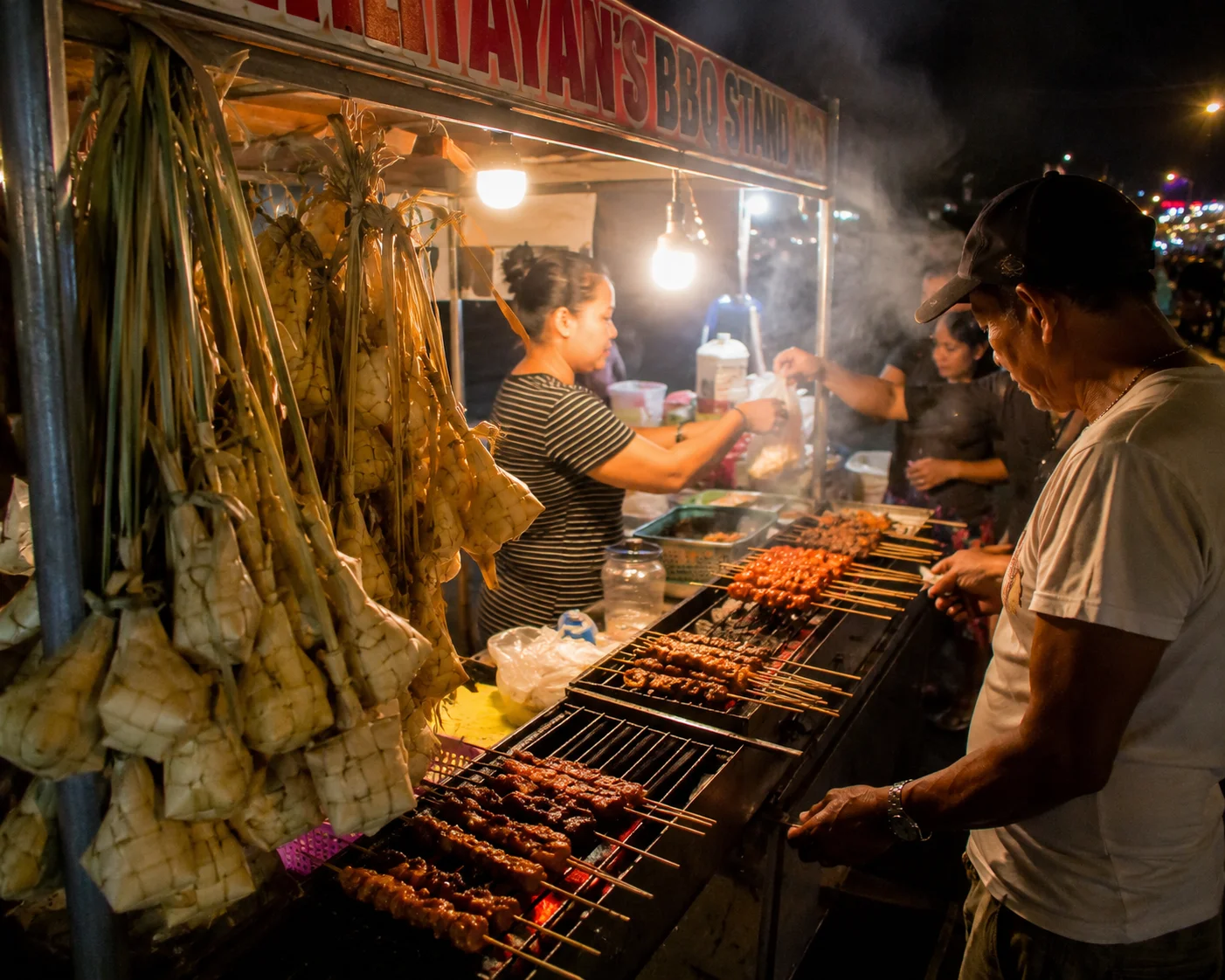
- Larsian BBQ — a cluster of grilling stalls near Fuente Osmeña, Cebu’s go-to for pork, chicken, seafood, and native chorizo skewers eaten with puso.
- Ngohiong — a Cebuano take on the Chinese five-spice roll: ground pork or beef and vegetables in a crispy wrapper, dipped in a thick, sweet-spicy sauce. Ngohiong Express on Junquera Street is considered the benchmark.
- Tuslob Buwa — pig’s brain and liver simmered into a thick, bubbling sauce, eaten by dipping puso directly into the communal pan. Popular spots include stalls around Guadalupe.
- Siomai sa Tisa — steamed pork dumplings that became a Cebu City institution in the Tisa neighborhood, served with soy-calamansi-chili dip.
- Pungko-pungko — deep-fried snacks (ginabot/chicharon bulaklak, dried fish, native chorizo) eaten squatting at low street-side benches, with puso and spiced vinegar.
- Balbacua — a rich, gelatinous beef stew (oxtail, skin, and cartilage) simmered for hours, closer to a soup than a dry dish.
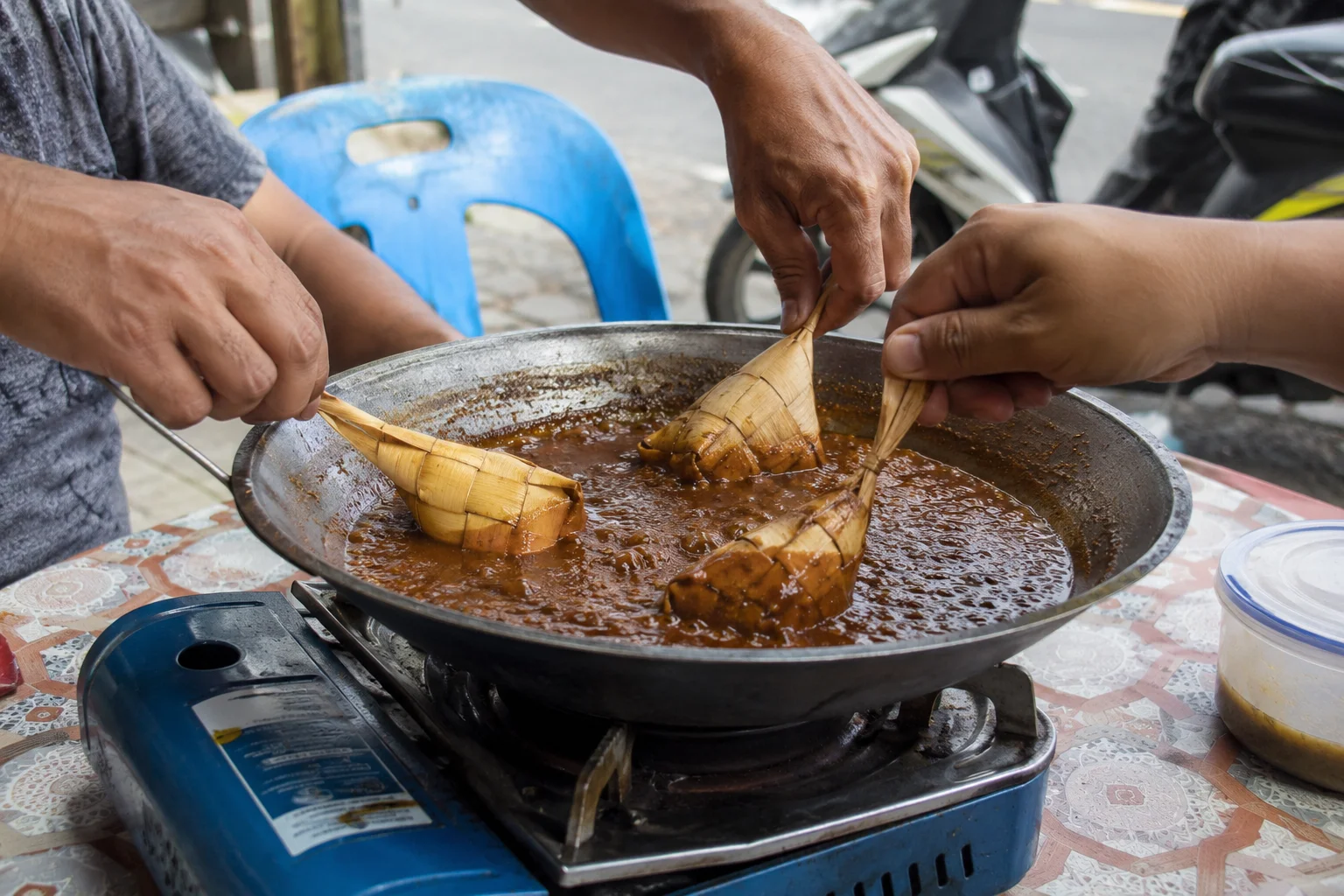
Puso: Cebu’s Hanging Rice
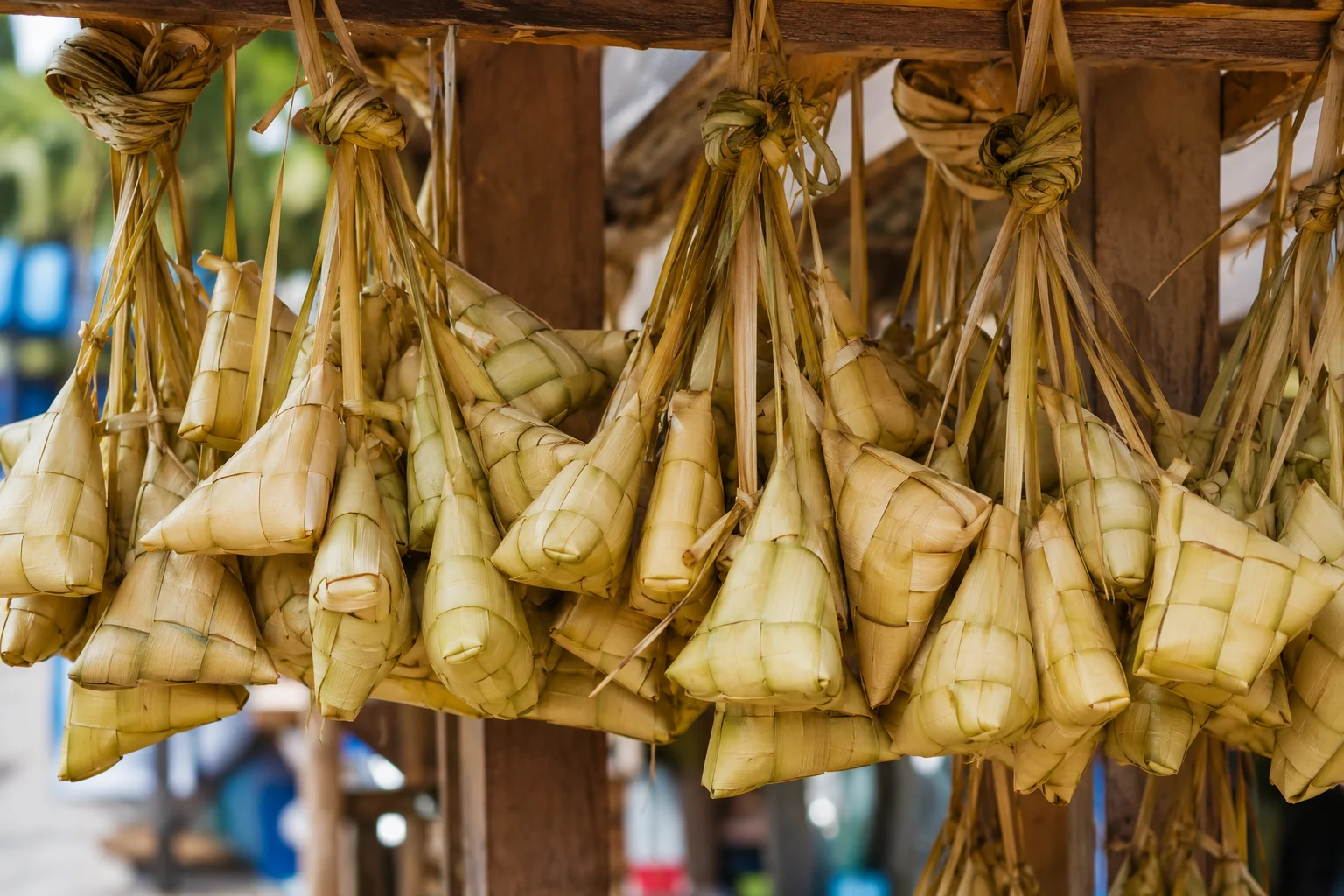
Puso is rice packed and boiled inside a woven coconut-leaf pouch — practical, portable, and the standard side to almost every grilled or sauced dish on this list. You’ll see it hanging in bunches at every carinderia and BBQ stall in the city; it’s less a “delicacy” on its own and more the backbone of how Cebuanos actually eat.
Dried & Salty Pasalubong
These travel well and are the ones locals actually buy in bulk to bring home.
| Delicacy | What it is | Approx. price (2026) | Where to buy |
|---|---|---|---|
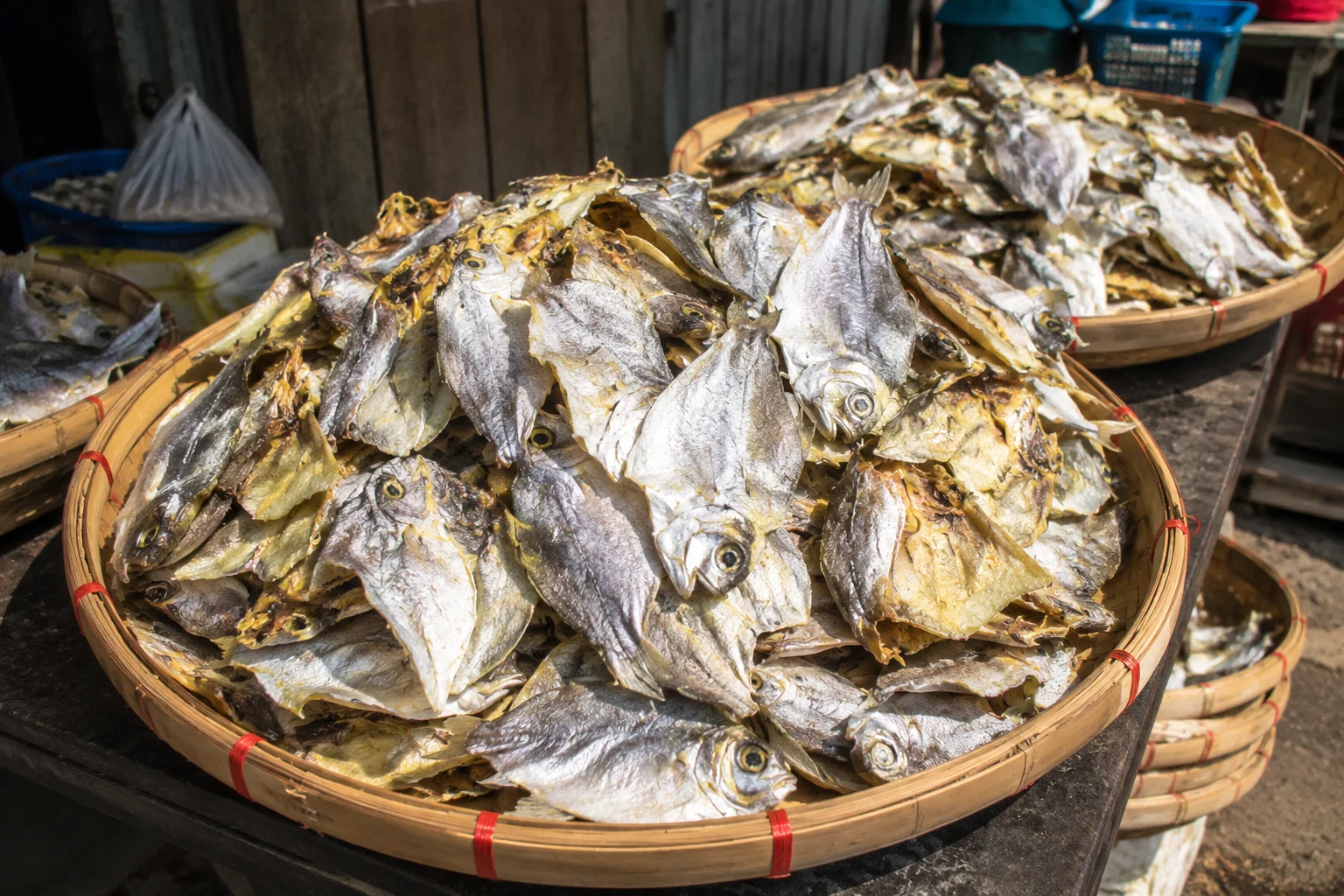
| Danggit | Sun-dried rabbitfish, butterflied and salted | ₱250–₱450/kilo | Taboan Market, Carbon Market |
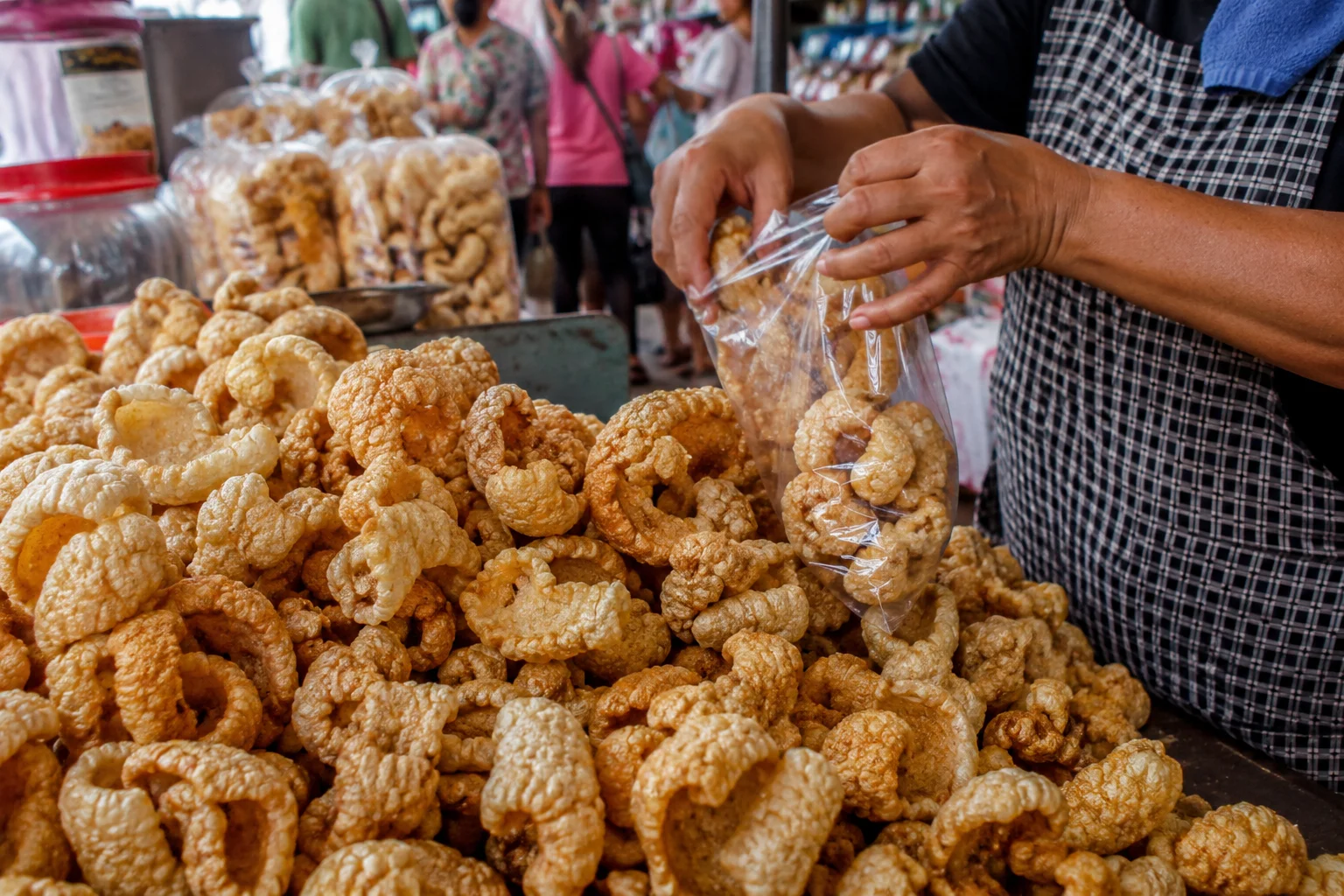
| Chicharon | Crispy fried pork rinds, Carcar’s version is the benchmark | ₱150–₱250/pack | Carcar Public Market |
| Ampao | Puffed rice bar, sweet and crunchy | ₱60–₱100/pack | Carcar Public Market |
| Bocarillo | Candied coconut strips | ₱60–₱100/pack | Carcar Public Market |
Danggit’s quality comes down to the rabbitfish species and the drying technique — Cebu’s coastal communities have been doing this the same way for generations, which is why it’s considered the best in the Philippines by most Filipino food writers.
Sweet Delicacies & Pasalubong
| Delicacy | What it is | Approx. price (2026) | Where to buy |
|---|---|---|---|
| Dried mango | Sweet, chewy dried carabao mango — Cebu’s most-bought pasalubong | ₱150–₱300/200g | Taboan Market (cheapest), SM malls, airport (priciest) |
| Otap | Flaky, sugar-dusted puff pastry | ₱100–₱150/pack | Supermarkets, Taboan Market |
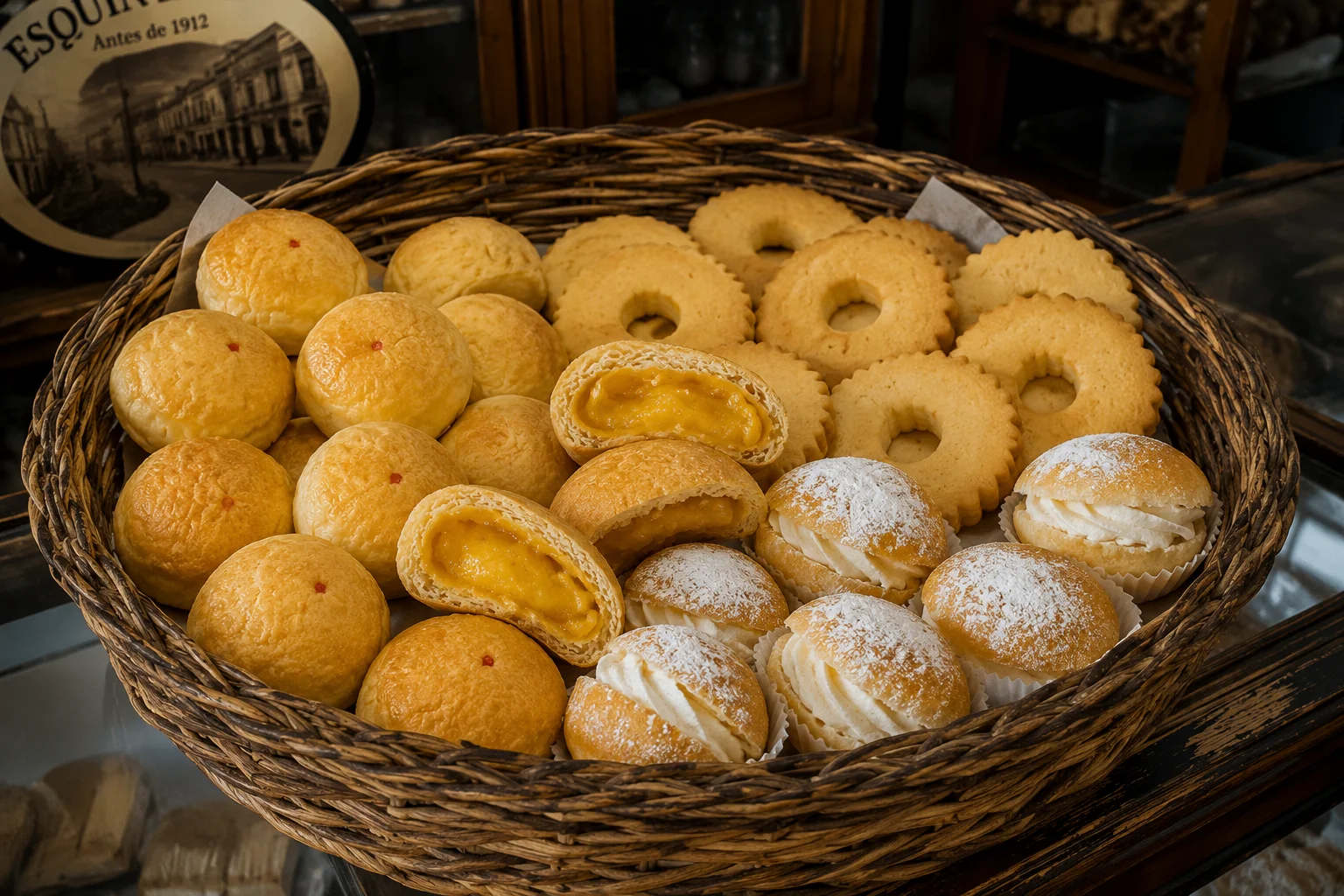
| Rosquillos & Pastel | Twisted sugar cookies and cream-filled pastries — Titay’s is the original | ₱120–₱200/box | Titay’s (Liloan original shop or supermarket branches) |
| Masareal | Peanut brittle made with molasses and sesame | ₱80–₱120/pack | Supermarkets, markets |
| Budbud Kabog | Millet-based suman, lighter than the rice version — from Bogo City | ₱80–₱150/bundle | Bogo City, some Cebu City markets |
| Peanut Kisses | Meringue-coated peanut candy | ₱100–₱150/pack | Supermarkets, pasalubong centers |
| Torta | Soft Cebuano breakfast cake | ₱150–₱250/box | Local bakeries, supermarkets |
| Binaki | Steamed corn cake wrapped in corn husk | ₱15–₱30 each | Local markets, street vendors |
💡 Gio’s tip: Titay’s is worth the actual detour to Liloan if you have time — it’s the same shop, same recipe, that’s been running for over a hundred years. The supermarket branches are convenient, but the original location has that “your great-grandparents could’ve eaten these” feeling that competitor guides keep bringing up, and for good reason.
Prices move around by shop and season — treat these as a 2026 ballpark, the same way we do on the lechon guide.
Cebu Drinks Worth Trying
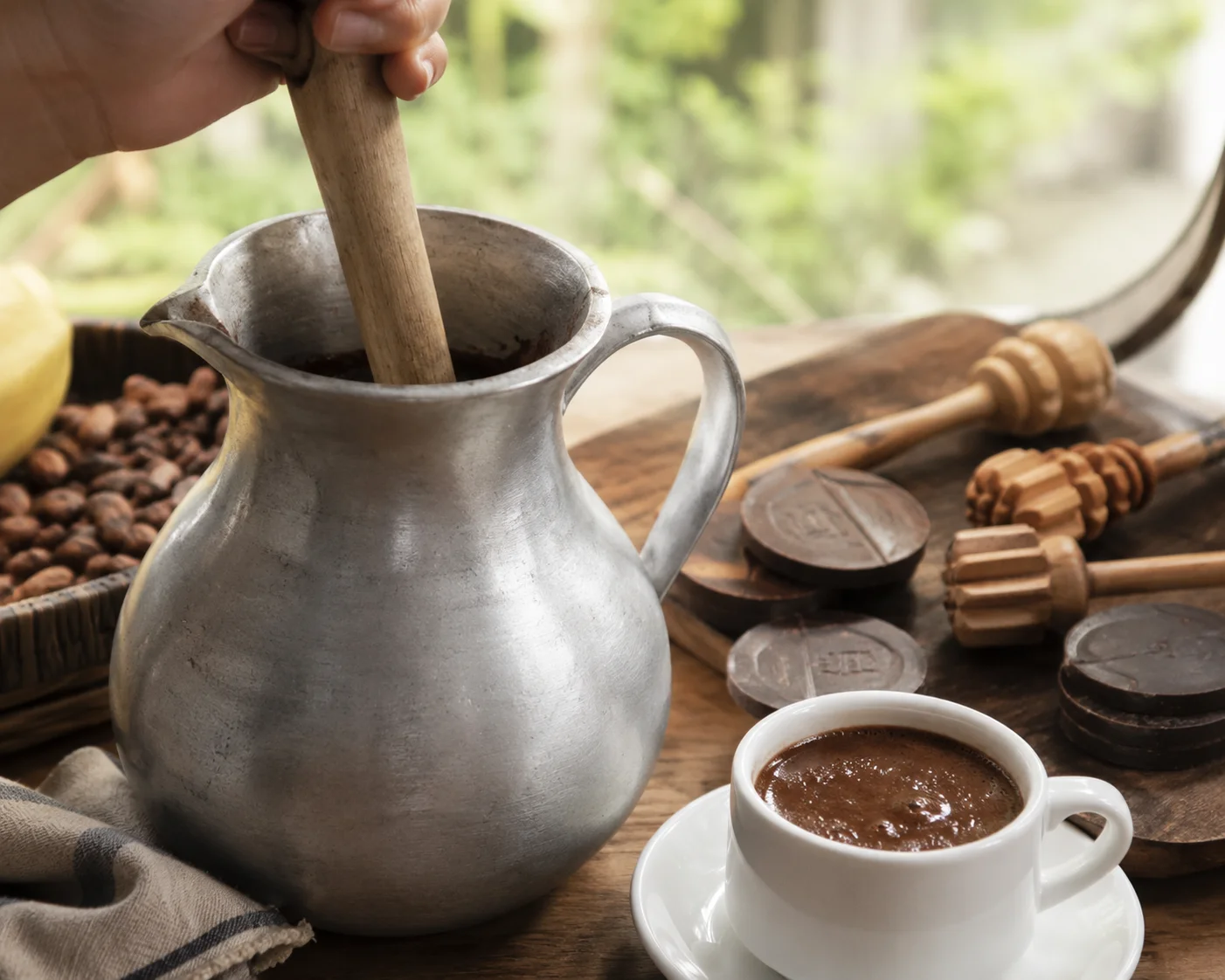
- Tablea & Sikwate — tablea are pure, unsweetened discs of ground local cacao. Sikwate is the traditional hot chocolate made from them, whisked frothy with a wooden batirol. Taboan Market sells tablea cheaply by the dozen.
- Mango shakes, float, and tarts — fresh Cebu mango desserts are everywhere; mango float (chilled, layered with cream and graham crackers) and mango tarts are the two most popular versions, widely available at cafés across the city.
- Sugarcane juice — a simple, cold Cebuano street drink, sometimes mixed with other fruits at dedicated stalls.
Where to Buy: Market Comparison
- Taboan Market — Cebu’s dedicated pasalubong market, best prices on dried mango, danggit, tablea, and other dried goods, bought in bulk by locals.
- Carbon Market — Cebu City’s oldest and largest public market, good for chicharon, dried fish, and general market-priced goods alongside fresh produce.
- SM City / SM Seaside food halls — one-stop shopping for packaged delicacies (dried mango, otap, tablea, peanut kisses) if you don’t have time for the markets, at a slight markup.
- Mactan-Cebu International Airport — most convenient, but consistently the most expensive; buy in the city first if you’re not pressed for time.
Can You Bring Cebu Delicacies Home on a Flight?
Most dried and packaged Cebu delicacies travel without issue: chicharon, dried mango, otap, rosquillos, tablea, peanut kisses, and dried danggit are all fine in carry-on or checked baggage on domestic flights. Vacuum-packed lechon (see the full lechon guide for that) needs to stay cold. If you’re flying internationally, check your destination country’s customs rules before packing anything meat- or dairy-based — dried fish and cured meats are commonly restricted.
Cebu’s 2026 Michelin Guide Moment
In October 2025, the Michelin Guide launched its first-ever Philippines edition, and Cebu was recognized for the first time alongside Manila — 18 Cebu establishments received either the Bib Gourmand distinction or a spot in the Michelin Selected category. One of the honorees was House of Lechon on Acacia Street, the same Carcar-style lechon spot covered in our lechon guide — proof that some of the delicacies on this list aren’t just tourist food, they’re internationally recognized cooking.
Eating Your Way Through Cebu on a Food Tour
If you’d rather try several of these in one afternoon with someone else handling the route, a guided food tour through Carbon Market and the historic city core covers a good cross-section of this list in a few hours.
🍴 Book the Cebu City Half-Day Historical & Street Food Tour on Klook →
Affiliate link — we earn a small commission at no extra cost to you.
More Cebu Tours & Activities
Klook.comFrequently Asked Questions
What is Cebu most famous for as a food destination?
Cebu is best known for lechon (whole roasted pig), chicharon, and dried mango — with chicharon and dried mango considered its two signature pasalubong products. In 2026, Cebu also gained its first Michelin Guide recognition, with 18 local restaurants honored.
What is the best pasalubong to buy from Cebu?
Dried mango is the single most-purchased Cebu pasalubong item. For something more distinctly Cebuano, danggit, Carcar chicharon, and Titay’s rosquillos and pastel are the classic choices locals actually buy for their own families.
Where is the cheapest place to buy Cebu delicacies?
Taboan Market and Carbon Market have the best prices on dried mango, danggit, tablea, and chicharon. SM malls are more convenient at a slight markup, and the airport is consistently the most expensive option.
Can I bring Cebu delicacies home on a plane?
Most dried and packaged items — chicharon, dried mango, otap, rosquillos, tablea, and dried danggit — are fine in carry-on or checked baggage on domestic flights. For international flights, check your destination’s customs rules on dried fish and cured meats first.
What is Titay’s and why is it famous?
Titay’s is a rosquillos and pastel shop from Liloan, Cebu, that has been making the same recipe for over a century. It’s one of the oldest continuously-run pasalubong businesses in the province and is widely considered the original source of Cebu’s rosquillos tradition.
Planning the rest of your trip? See the full Cebu Philippines travel guide, the Cebu City tour guide, the dedicated Best Lechon in Cebu guide, more pasalubong ideas, or the Lechon Manok Franchise guide and things to do in Cebu.
Giovanni Carlo Bagayas — Filipino, born in Cebu City | Travel writer at Best Philippines Travel Guide