
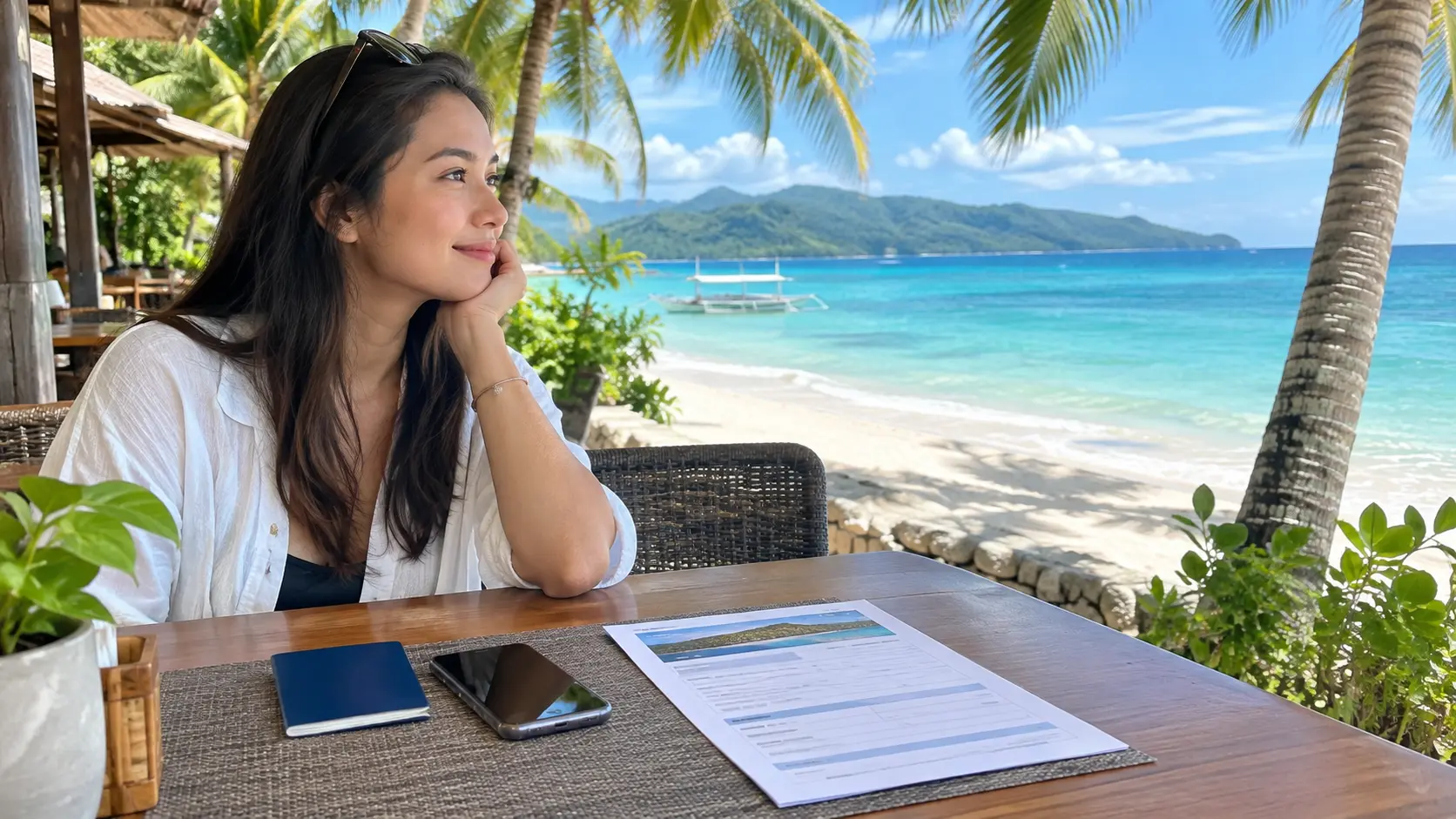
This guide may contain affiliate links. If you buy a policy through them, Best Philippines Travel Guide may earn a commission at no extra cost to you. This is general information, not financial or insurance advice. Always read the policy wording before you buy.
Travel insurance is not required to enter the Philippines, but it’s strongly recommended for visitors from the US, UK and Australia. Private hospitals often ask for payment or a deposit before treatment, serious cases on remote islands may need medical evacuation to Manila or Cebu, and typhoons regularly cancel flights and ferries. Choose a policy with strong emergency medical and evacuation cover, check that it includes the activities you’ll do, such as scuba diving, canyoneering or riding a scooter, and buy it as soon as you book your trip.
Is travel insurance required for the Philippines?
No. The Philippine Bureau of Immigration doesn’t list travel insurance among its entry requirements for tourists. Insurance was required temporarily during the COVID-19 period, but that rule ended. What every arriving traveler does need is a completed eTravel registration, a valid passport and, for most visitors, an onward or return ticket.
Governments in the main source countries still strongly recommend insurance. The US State Department advises travelers to have medical and evacuation coverage, and the UK and Australian governments recommend appropriate cover for every overseas trip.
Why you need it in the Philippines
| Risk | Why it matters here | What to look for in a policy |
|---|---|---|
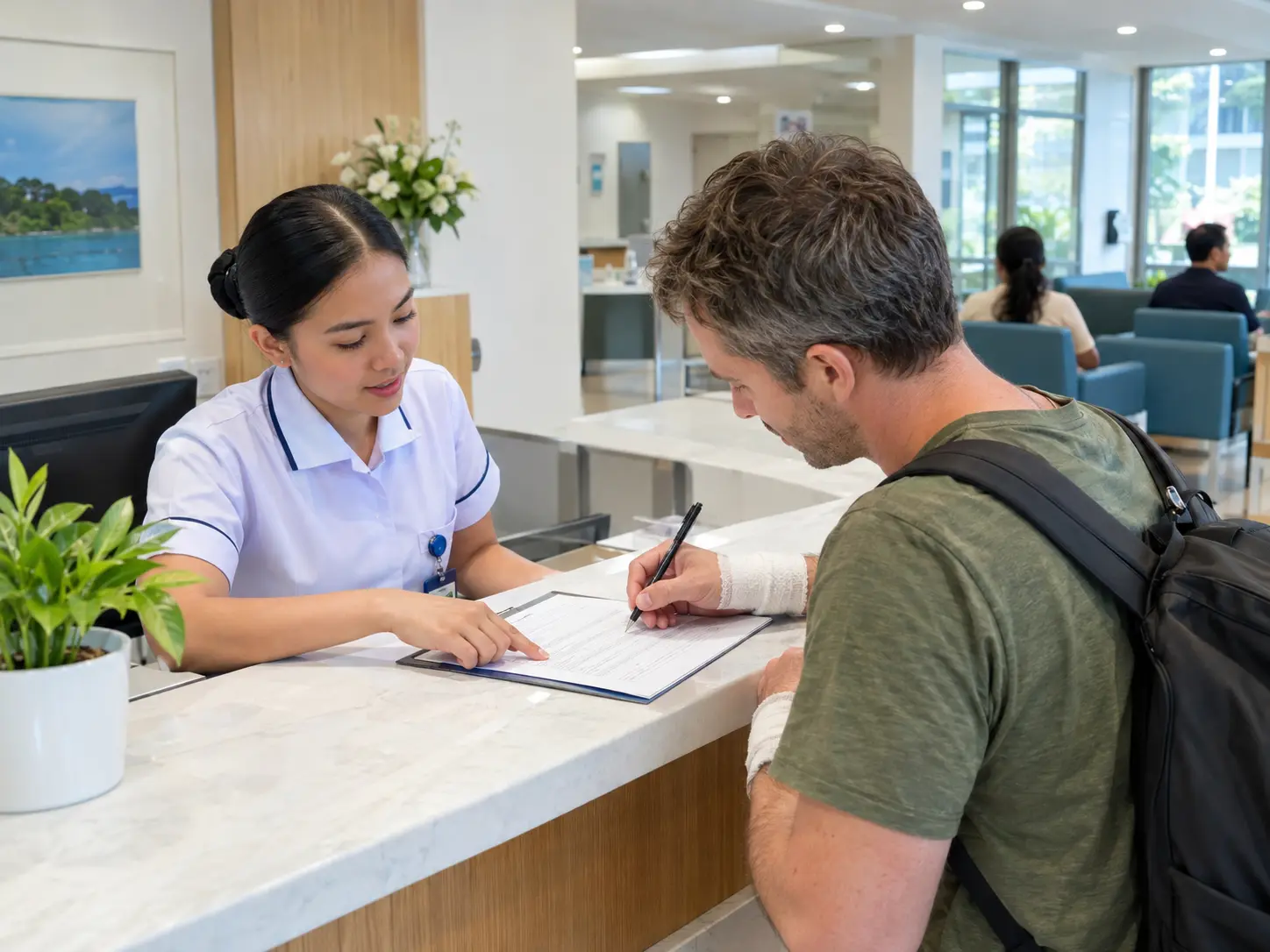
| Hospital costs | Private hospitals in Manila, Cebu and Davao offer good care but often require payment or a deposit before admission | High emergency medical limit; 24/7 assistance that can guarantee payment |
| Remote islands | Serious injuries in places like Siargao, Batanes or northern Palawan may need transfer to a bigger hospital | Emergency medical evacuation and repatriation |
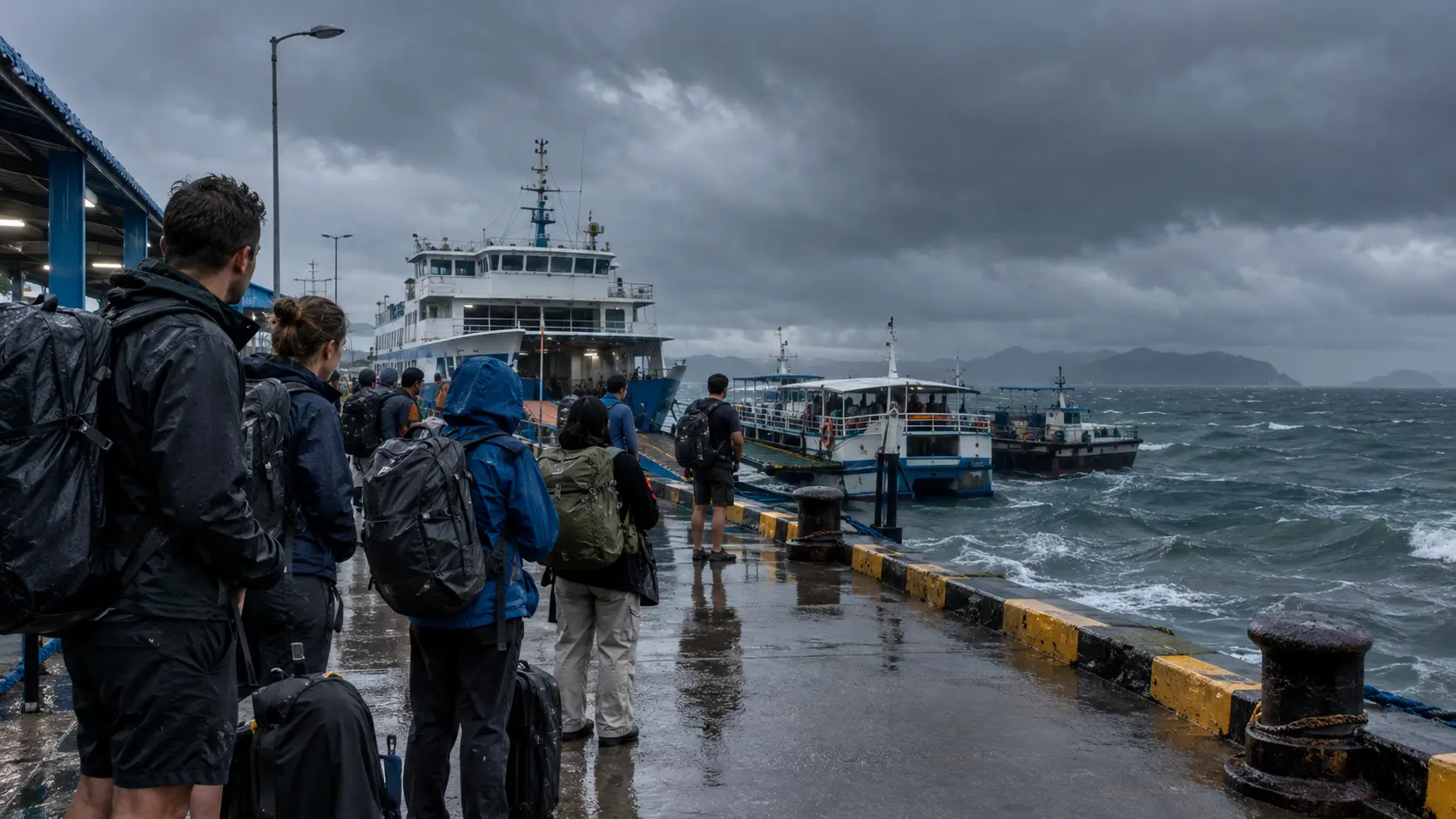
| Typhoons | About 20 tropical cyclones enter Philippine waters each year, mostly from June to November | Trip cancellation, interruption and delay cover for natural disasters |
| Flight and ferry cancellations | Weather and operational delays can strand you or cause missed connections | Travel delay and missed connection cover |
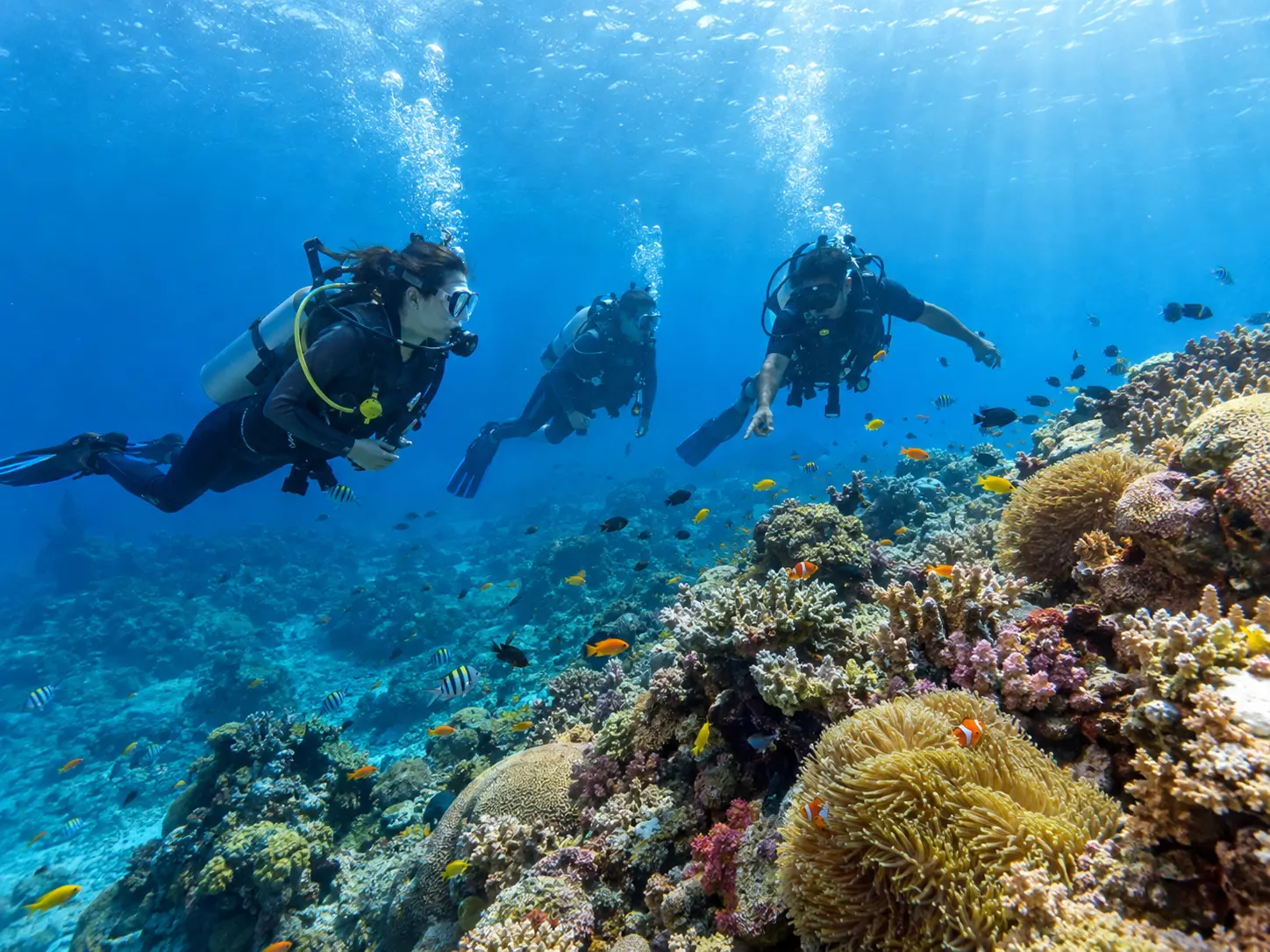
| Adventure activities | Diving, canyoneering, surfing and island hopping are the reasons many people visit | Activity cover that matches what you’ll actually do |
| Scooters and motorbikes | Renting a scooter is common in Siargao, Siquijor and Bohol, and accidents are frequent | Motorbike cover, often only with a valid license and a helmet |
| Mosquito-borne illness | Dengue is common, especially in the rainy season | Illness cover, including hospital stays |
| Theft and lost bags | Phones and cameras are tempting targets in crowds and on transport | Personal belongings and gadget cover with sensible single-item limits |
What a good Philippines travel insurance policy should cover
- Emergency medical expenses with a high limit, including hospital stays and surgery.
- Emergency evacuation and repatriation, essential if you’re visiting remote islands.
- 24/7 emergency assistance that can arrange or guarantee payment with hospitals.
- Trip cancellation and interruption, including cover for typhoons and natural disasters.
- Travel delay and missed connections for weather-hit flights and ferries.
- Adventure activities you plan to do: check scuba depth limits, canyoneering, surfing and hiking.
- Motorbike or scooter cover, with the license and helmet conditions clearly stated.
- Baggage and personal belongings, with gadget limits that match the value of your phone or camera.
- Pre-existing medical conditions, declared upfront if you have any.
Travel insurance options for US, UK and Australian visitors
There’s no single best policy for everyone. These are popular choices among travelers to the Philippines, each suited to a different kind of trip. Compare the current policy wording, limits and price for your age, home country and trip length before you buy.
Subscription-style travel medical cover you can keep running month to month, popular with long-term travelers and remote workers.
Known for covering a wide range of activities and for policies you can buy or extend while already traveling.
Medical-focused plans with an app for claims and 24/7 assistance, including access to doctors by chat.
Your local travel insurers, bank, credit card or comparison sites in the US, UK or Australia often offer strong single-trip cover for a short holiday.
| Your home country | What to check | Typical price guide |
|---|---|---|
| United States | US health plans and Medicare usually don’t cover you abroad. Look for medical plus evacuation cover. | Comprehensive plans with trip cancellation commonly cost around US$150–200 per trip; medical-only plans cost less |
| United Kingdom | The UK’s GHIC card doesn’t cover treatment in the Philippines. Choose “worldwide” cover. | Single-trip policies sold through a major UK comparison site averaged about £51 in 2026 |
| Australia | Medicare doesn’t cover you in the Philippines. Check that your policy covers the activities and region you’ll visit. | Varies widely by age, trip length and excess; compare several quotes |
Prices are rough guides from 2026 market data, not quotes. Your price depends on age, trip length, cover level, excess and pre-existing conditions.
Include insurance with your flights, hotels, food and tours in our free Philippines trip budget calculator.
Common exclusions to watch for
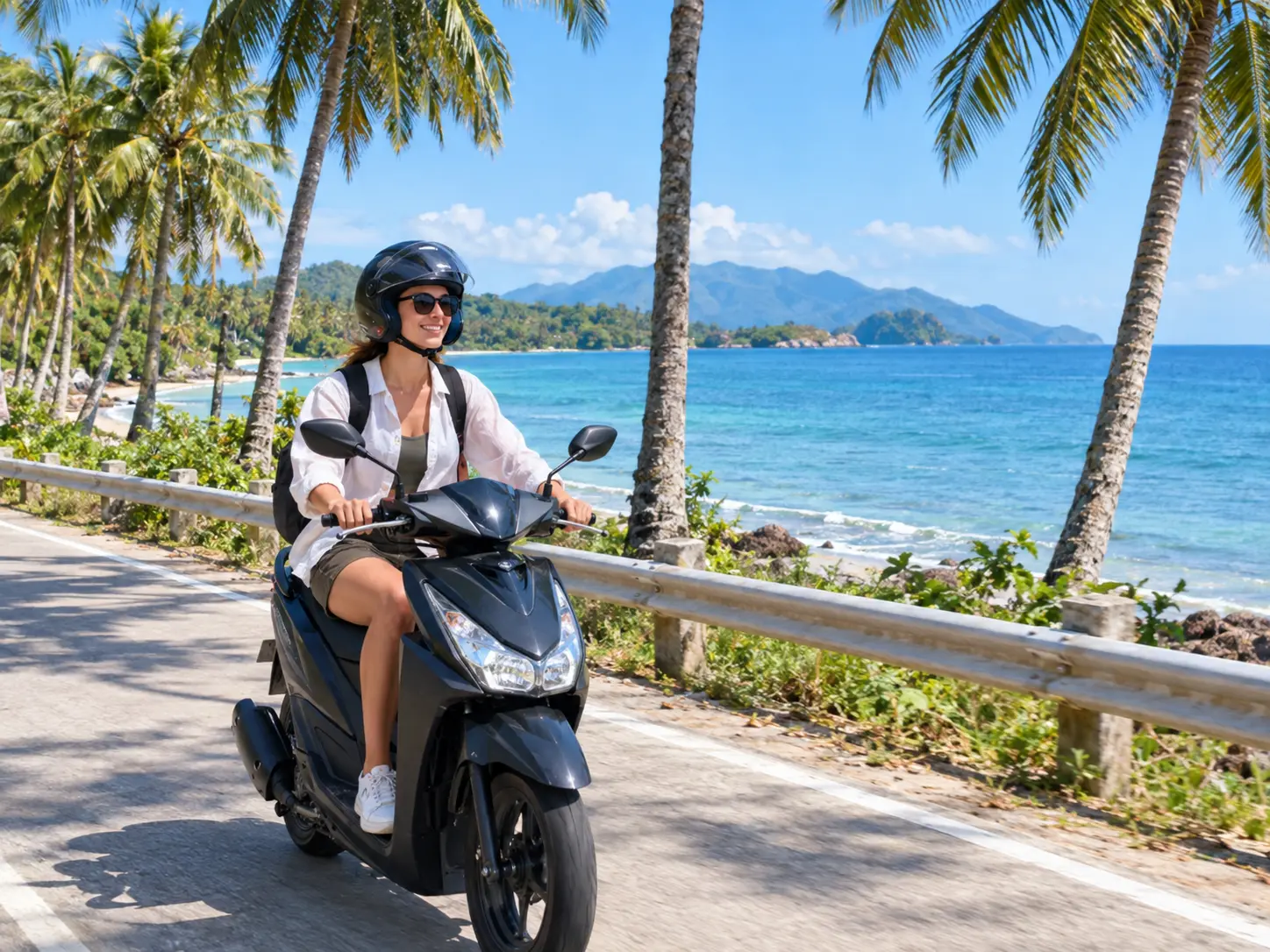
- Riding a scooter without a valid license or helmet, often excluded even if you have motorbike cover.
- Diving deeper than your certification or policy allows.
- Injuries while intoxicated, common after island-hopping parties.
- Typhoons that were already named before you bought the policy.
- Travel to areas your government advises against. Some parts of Mindanao carry “do not travel” advice from the US, UK or Australia, and visiting them can void your cover. Check your government’s latest advisory.
- Undeclared pre-existing conditions.
- Unattended belongings, like a phone left on the beach.
How to make a claim in the Philippines
- Call your insurer’s 24/7 assistance line as soon as possible for any hospital admission. They can often arrange payment directly.
- Keep every receipt, medical report and prescription. Ask the hospital for an itemized bill.
- Get a police report within 24 hours for theft, from the nearest police station or tourist police.
- Get written proof from the airline or ferry company for delays and cancellations.
- Submit your claim online with photos of all documents, and keep the originals.
Travel prepared
Stay reachable for your insurer, and book tours with free cancellation in case the weather turns.
Philippines travel insurance: FAQ
Do I need travel insurance to enter the Philippines?
No. Travel insurance isn’t an entry requirement for tourists. You do need a valid passport, eTravel registration and usually an onward or return ticket. Insurance is still strongly recommended.
How much is travel insurance for the Philippines?
It depends on your age, trip length and cover. As a rough 2026 guide, UK single-trip policies sold through a major comparison site averaged about £51, and US travelers commonly pay around US$150–200 for comprehensive plans with trip cancellation. Medical-only plans cost less.
Does travel insurance cover typhoons in the Philippines?
Many policies cover trip cancellation, interruption and delays caused by natural disasters, but usually only if you bought the policy before the storm was named or forecast. Buy insurance as soon as you book.
Does travel insurance cover scuba diving in the Philippines?
Some policies include recreational diving to a set depth, while others need an add-on. Check the maximum depth, your certification level, and whether you must dive with a licensed operator.
Am I covered if I rent a scooter in the Philippines?
Often only if you hold a valid motorcycle license (from home or an international driving permit) and wear a helmet. Many travelers are surprised to find scooter accidents excluded, so check the wording.
Does my UK GHIC or US Medicare cover me in the Philippines?
No. The UK’s GHIC card doesn’t apply in the Philippines, and US Medicare generally doesn’t cover care abroad. Australian Medicare also doesn’t cover you there. You need travel insurance.
Do hospitals in the Philippines accept travel insurance?
Major private hospitals deal with international insurers, but many ask for payment or a deposit upfront. Call your insurer’s 24/7 assistance line, which can often guarantee payment or arrange treatment.
When should I buy travel insurance for the Philippines?
Buy it as soon as you book your flights, so you’re covered for cancellations before you leave, including typhoons that form after you buy.
Insurance sorted? Plan the rest of your Philippines trip.

Cebu-born travel writer raised between Cebu and Dumaguete, now based in Zamboanga del Sur, Mindanao. Gio writes Best Philippines Travel Guide to help first-time visitors travel the islands with confidence.