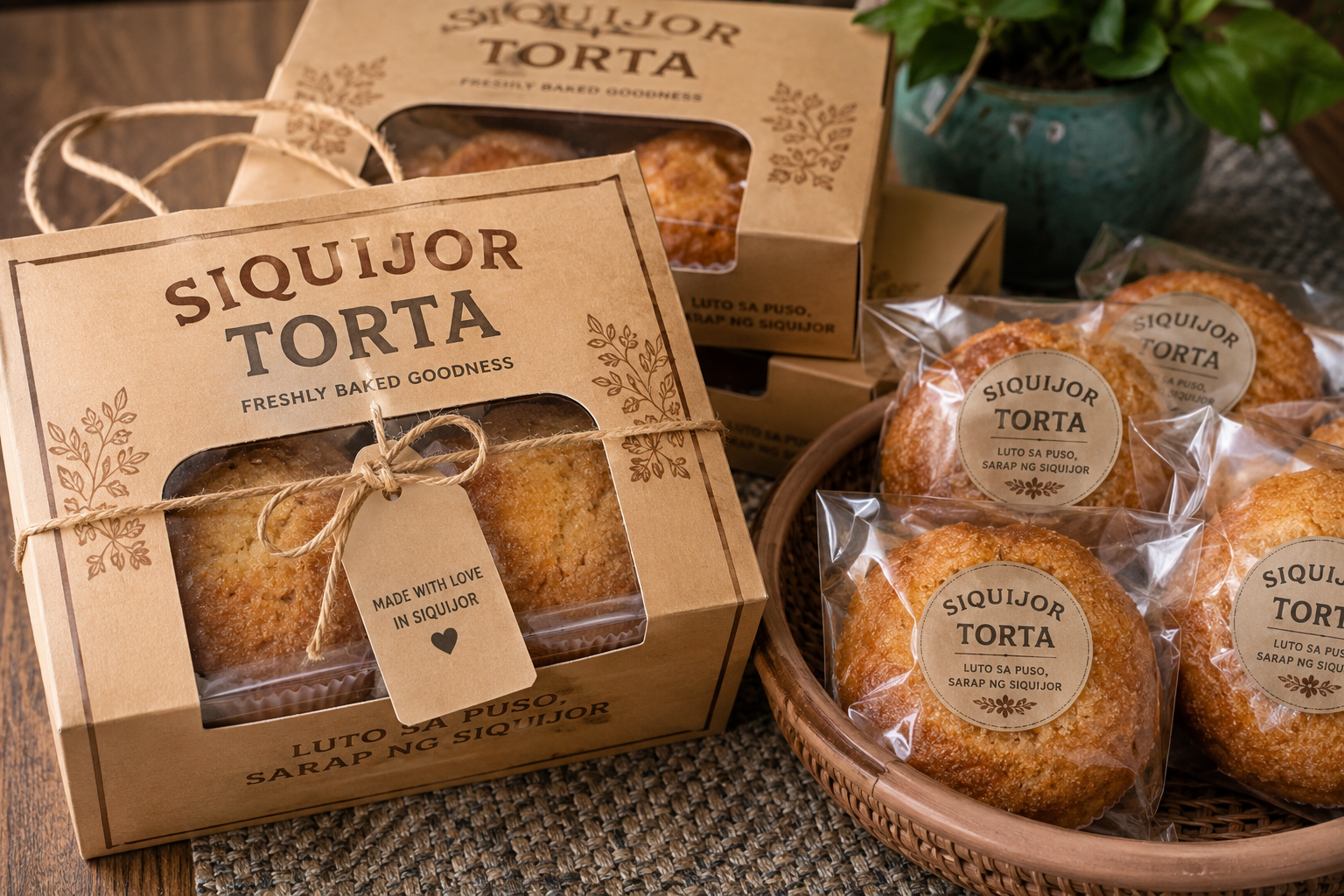
Torta Siquijor: The Golden Island Cake You Need to Try
Soft, mildly sweet, and leavened with tuba — this is not your ordinary sponge cake. Everything a visitor needs to know before arriving in Siquijor.
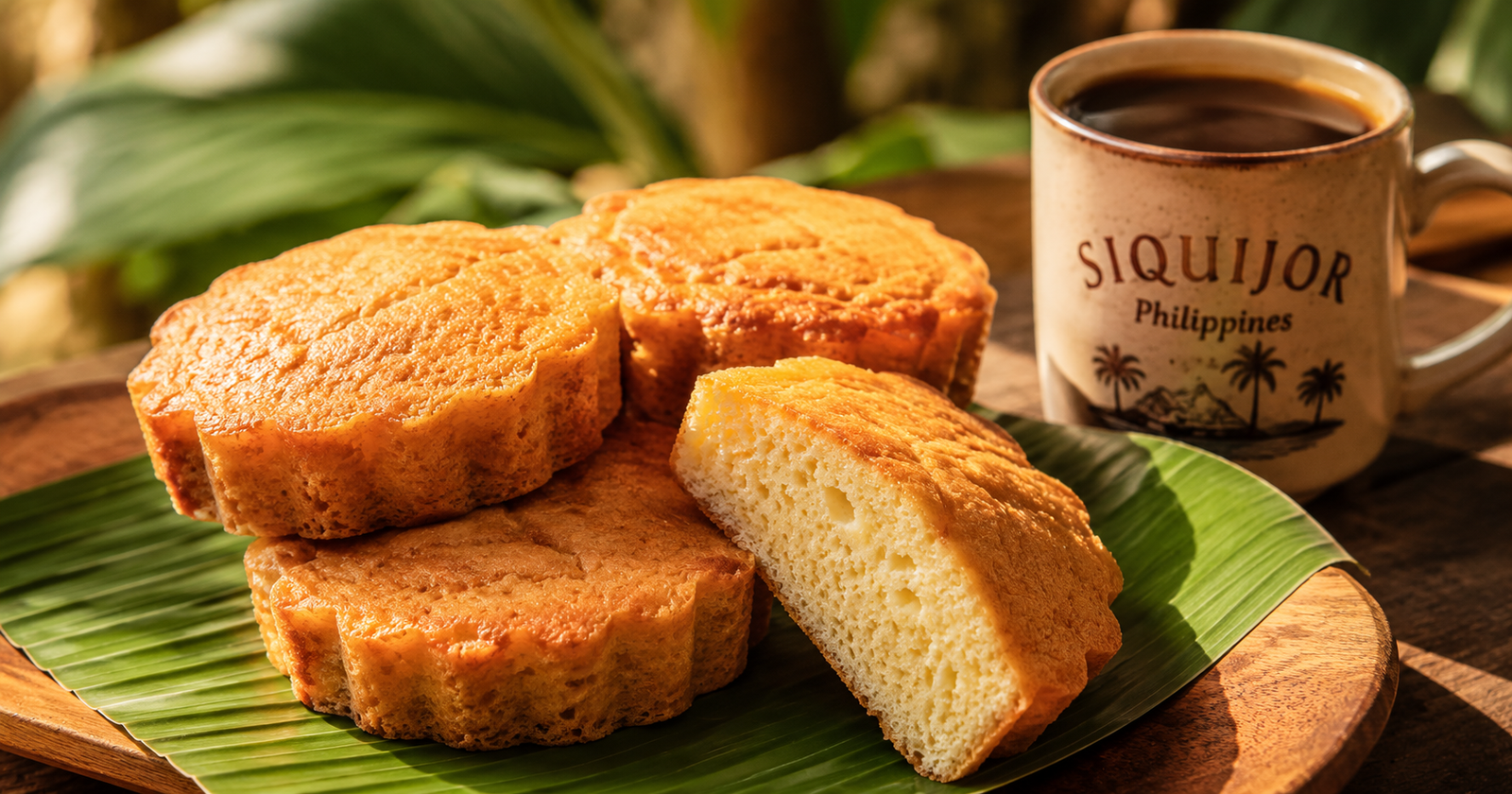
Torta Siquijor is a traditional Visayan sponge cake native to the island of Siquijor in the Philippines. Made from flour, sugar, eggs, milk, and tuba (freshly tapped coconut wine used as a natural leavening agent), it is soft, golden, and mildly sweet. Best eaten warm with a cup of barako coffee. It costs roughly ₱10–₱25 per piece at local roadside bakeries and is the most popular pasalubong from the island.
What is Torta Siquijor?
If you ask any local in Siquijor what to eat, torta will almost always be the first answer. It is the island’s signature baked delicacy — a sponge cake so deeply embedded in daily life that it serves as breakfast, afternoon merienda, and the most popular pasalubong visitors bring home.
The torta belongs to the family of Visayan sponge cakes found across the Central Visayas region, closely related to the famous Torta Argao of Cebu. But Siquijor’s version carries its own identity: baked by small home bakeries and market vendors who have passed down their formulas through generations.
What sets it apart from ordinary sponge cakes is the use of tuba — freshly tapped coconut wine — as the traditional leavening agent. This gives the torta not just its rise, but a subtle, complex flavor that no commercial yeast can replicate.
History and Origins of Torta in Siquijor
The torta’s roots in the Visayas trace back to Spanish colonial times, when the word torta entered the Filipino lexicon. While in northern Philippines the word came to mean a savory egg omelet, in the Visayas it evolved into something entirely different: a festive baked cake reserved for fiestas, weddings, and family celebrations.
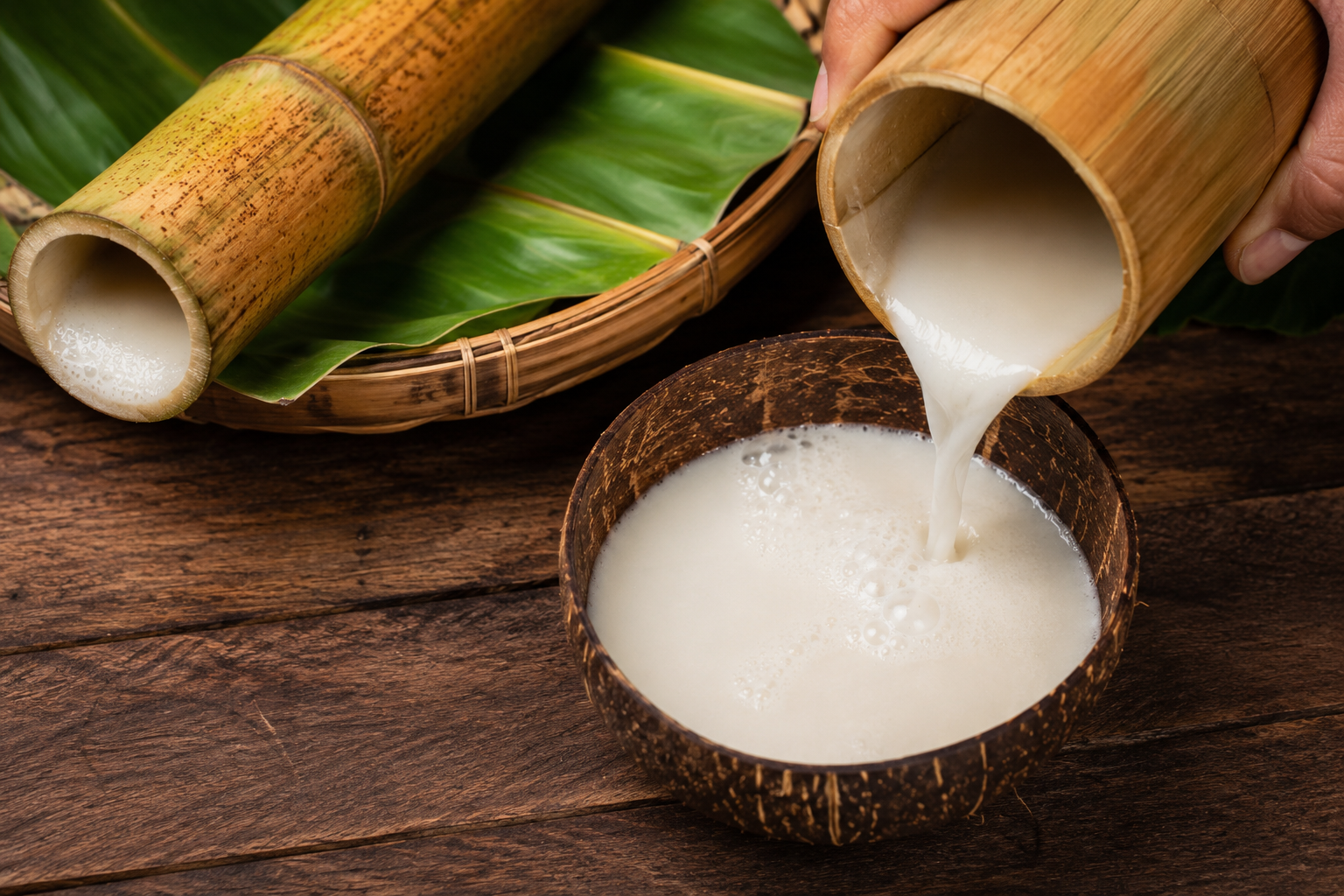
In Siquijor, the torta became a story of resourcefulness. Commercial yeast was historically scarce on a small, remote island. Local bakers turned to what the island had in abundance: coconut trees. From their sap came tuba — a freshly fermented coconut wine that triggers natural fermentation and gives the cake its distinctive rise and taste.
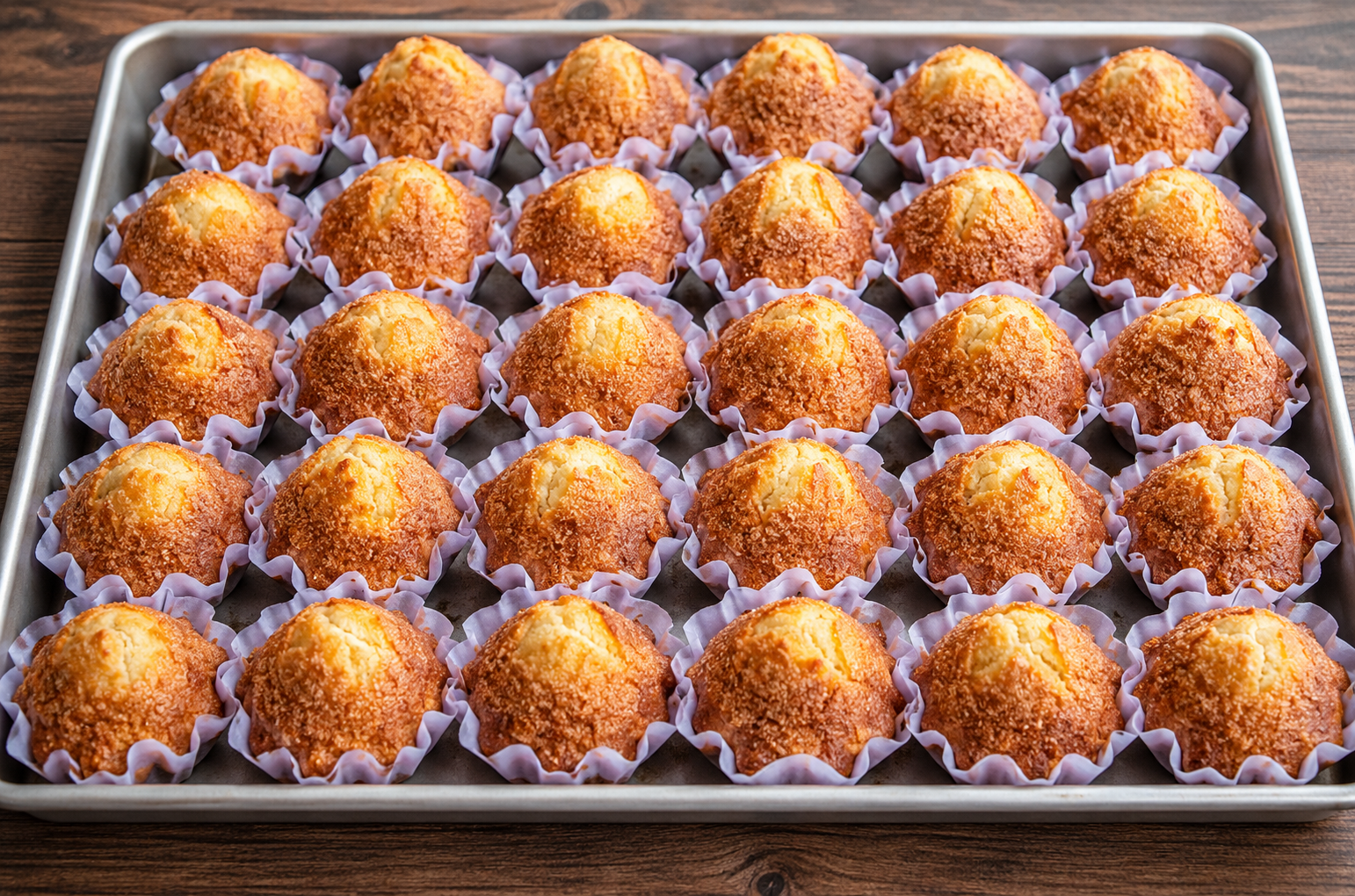
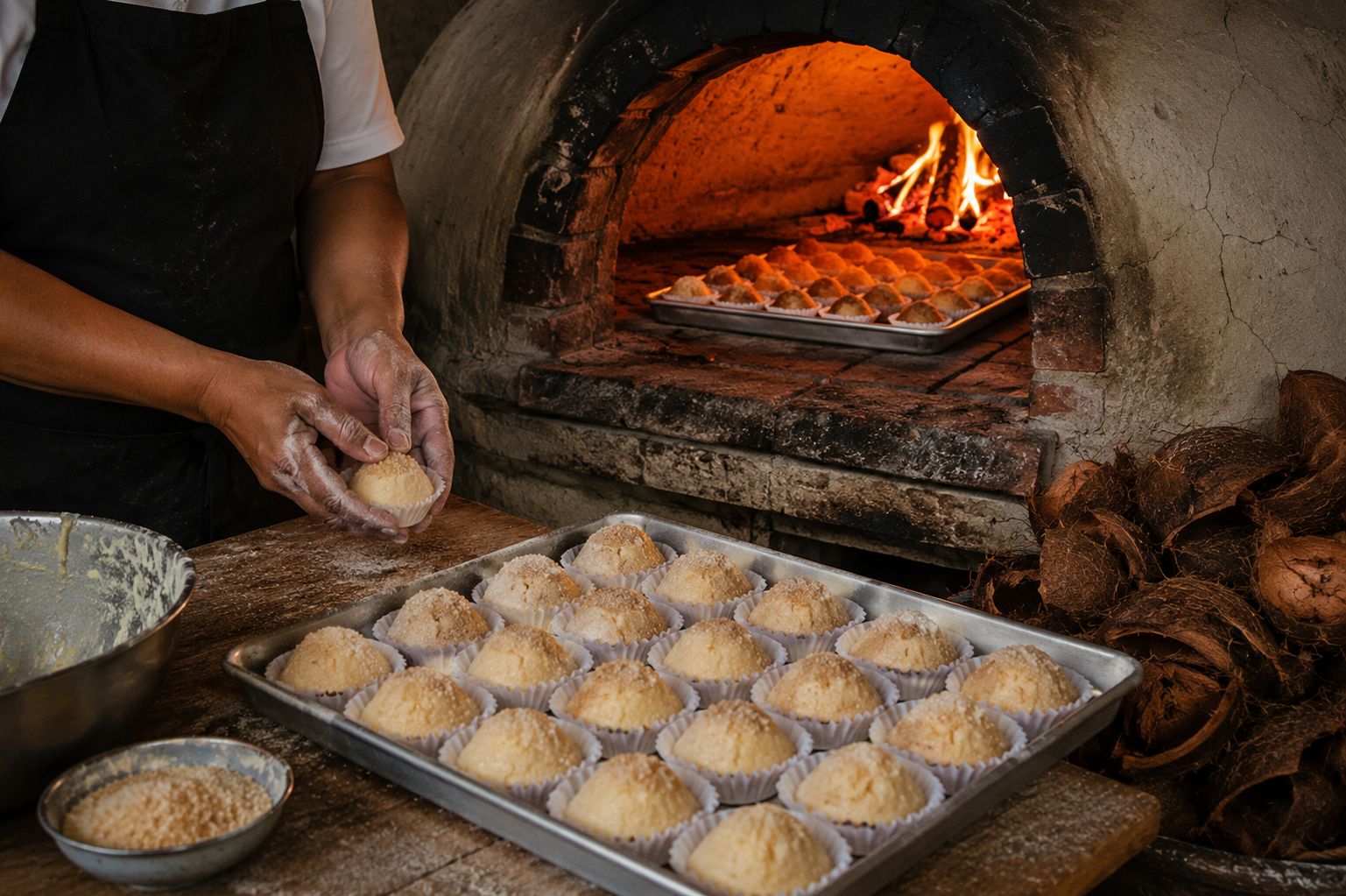
The baking method is equally traditional. Many older bakeries in Siquijor still use a hurno or pugon — a clay or metal oven fired with dried coconut husks. The cakes absorb the faint smokiness of the burning coconut charcoal, adding a layer of flavor that a modern electric oven simply cannot produce.
The very best torta in Siquijor is baked by small home bakeries that mix their batter before dawn and pull the cakes out by mid-morning. If you arrive at the market before 10 AM, you’ll catch them while they’re still warm — the way they’re meant to be eaten.
What Does Torta Siquijor Taste Like?
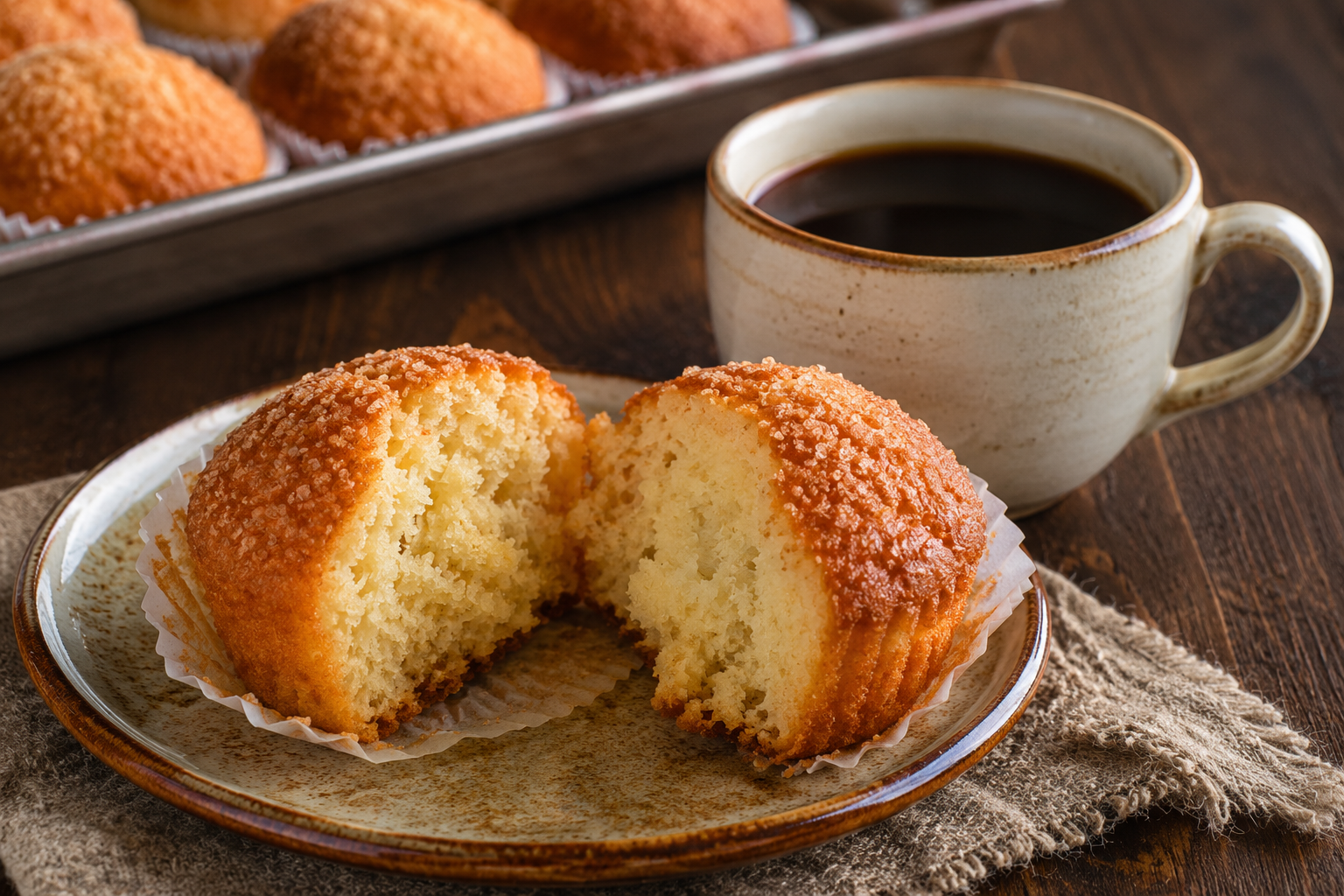
The first thing you notice is how different it is from a cupcake or muffin. Torta Siquijor is not sweet in the aggressive, frosting-laden way of Western pastries. It is mildly sweet — the kind of sweetness that lets the eggy richness and coconut undertones come through.
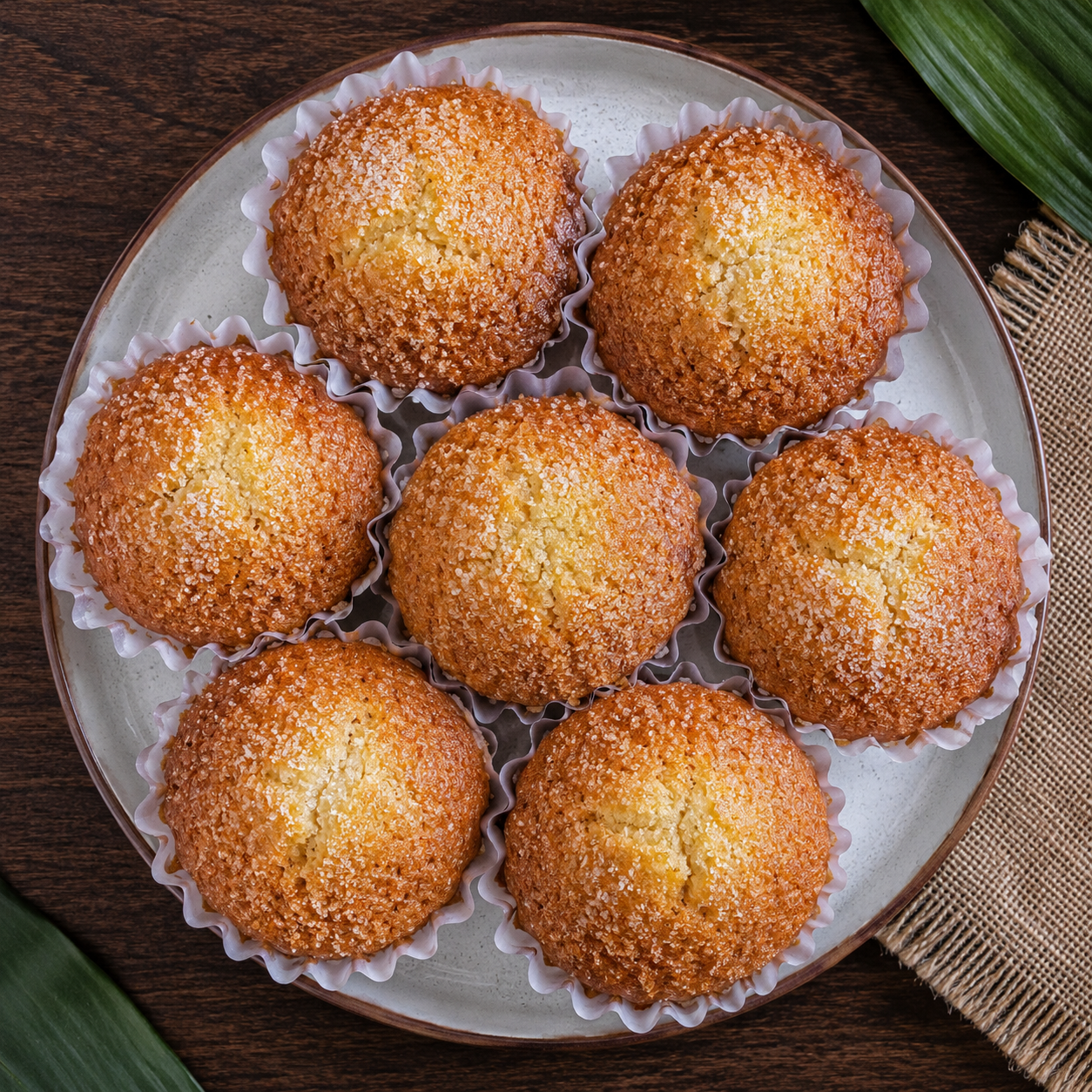
The texture is soft and dense. Each piece has a tender, close crumb — slightly firmer than ordinary chiffon, with a barely golden exterior brushed with butter and dusted with white sugar while still hot. That buttery-sweet top crust is, for many visitors, the best part.
The tuba leavening gives the cake a very faint tang — not sour, but alive. It’s a flavor you can’t quite name until you’re told what it is. It pairs beautifully with a strong cup of local Barako coffee or the sweetness of fresh buko juice.
Eat torta Siquijor with a hot cup of barako coffee — the bold, slightly bitter coffee cuts through the sweetness perfectly. It’s the classic Visayan afternoon merienda combination that locals swear by.
Key Ingredients in Torta Siquijor
The ingredients are simple and humble — which is the point. No buttercream, no fondant, no ganache. Just honest pantry staples transformed by technique and tradition.
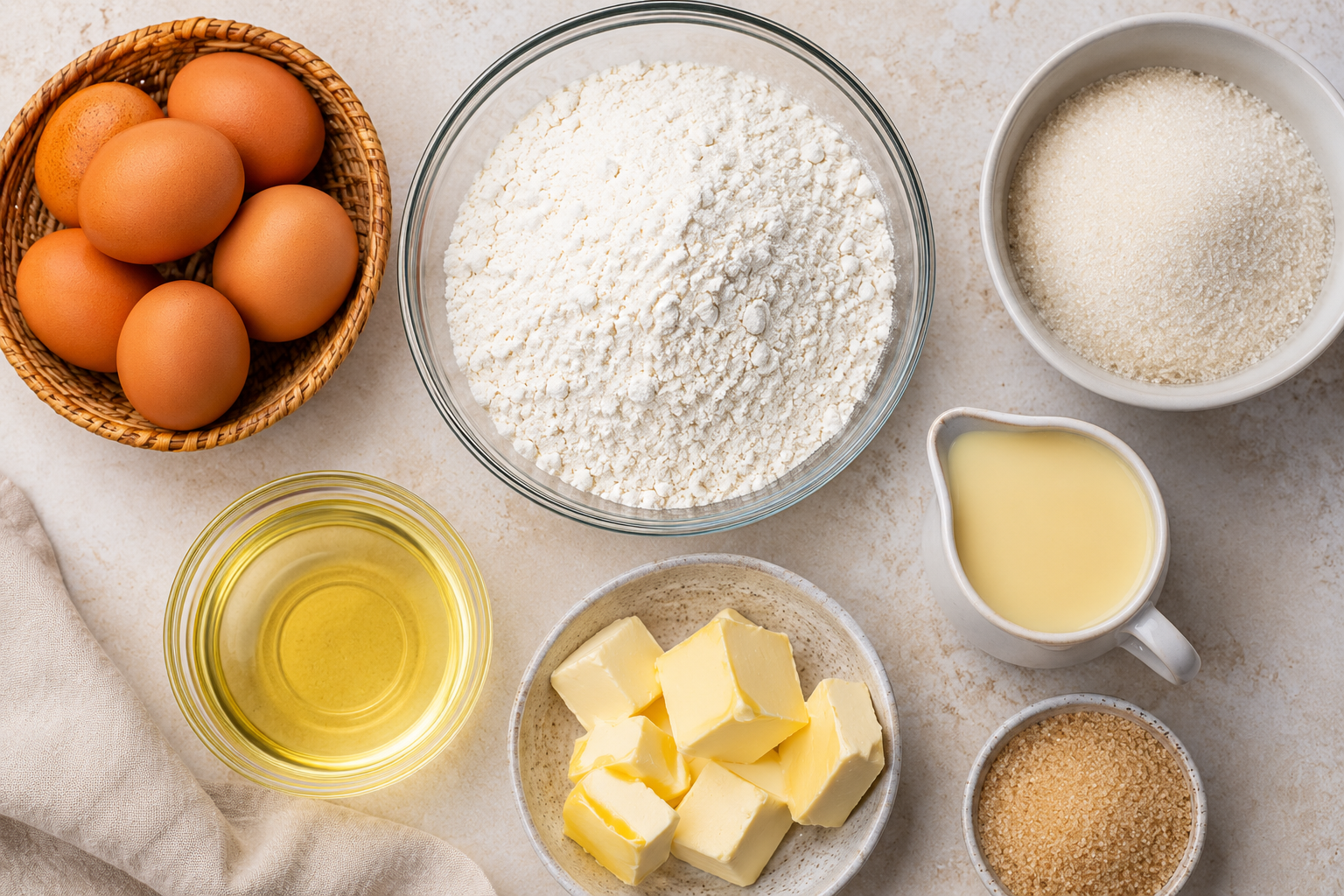
| Ingredient | Role in the torta |
|---|---|
| All-purpose flour | The structural base of the cake |
| Egg yolks (many!) | Richness, golden color, and tender crumb |
| White sugar | Mild sweetness; also used as a crunchy topping |
| Evaporated & condensed milk | Creaminess and depth of flavor |
| Vegetable oil & butter | Moisture and richness |
| Tuba (coconut wine) | Traditional natural leavening — gives unique rise and flavor |
| Vanilla extract | Subtle aromatic sweetness |
| Butter + sugar (topping) | The golden, slightly caramelized finish brushed on while hot |
Tuba is freshly tapped coconut wine from Philippine coconut palms. In Siquijor, it is harvested each morning and used the same day in baking — a living leavening agent. If you’re making torta outside the Philippines, substitute with baking powder, though the unique flavor profile will differ slightly. The torta is not alcoholic — the alcohol fully cooks off during baking.
How to Make Torta Siquijor at Home
This home version uses baking powder since tuba is not easy to find outside the Philippines. If you are in Siquijor, ask a local baker to show you the tuba version — it is worth the experience.
Ingredients (makes 12 pieces)
| Ingredient | Amount |
|---|---|
| All-purpose flour | 1¾ cups |
| Baking powder | 1 tbsp |
| Salt | ½ tsp |
| White sugar | 1½ cups |
| Egg yolks | 8 large |
| Vegetable oil | ¾ cup |
| Butter, melted | ¼ cup |
| Evaporated milk | ½ cup |
| Condensed milk | ½ cup |
| Vanilla extract | 1 tsp |
| Butter + white sugar | for topping |
Instructions
Preheat your oven to 350°F (175°C). Grease 12 torta molds, fluted ensaimada molds, or a muffin tin.
In a large bowl, whisk together the flour, baking powder, salt, and sugar until evenly combined.
In a separate bowl, whisk together the oil, melted butter, and egg yolks until smooth and slightly pale.
Add the evaporated milk, condensed milk, and vanilla to the wet mixture. Stir until fully incorporated.
Fold the wet mixture into the dry ingredients until the batter is smooth and flowing — not too thick, not watery.
Divide batter evenly among molds, filling each about ¾ full.
Bake for 25–30 minutes until tops are golden and a toothpick inserted in the center comes out clean.
While still hot, brush generously with butter and sprinkle white sugar over each piece. Let cool slightly before serving.
The secret to a moist torta is not overbaking. Pull the cakes out the moment the toothpick comes out clean — even two extra minutes will dry them out. The butter-and-sugar topping applied immediately after baking is non-negotiable: it creates the slightly caramelized crust that is the hallmark of a truly good torta.
Torta Siquijor vs Torta Argao: What’s the Difference?
If you’ve researched Philippine delicacies, you’ve likely encountered Torta Argao — the celebrated sponge cake from southern Cebu. The two are closely related, but not the same.
| Feature | Torta Siquijor | Torta Argao (Cebu) |
|---|---|---|
| Leavening | Tuba or baking powder | Tuba — traditionally mandatory |
| Fat used | Vegetable oil + butter | Aged lard (pork fat) |
| Baking method | Modern or clay oven | Clay oven + coconut husk fire |
| Texture | Soft, moist, lighter | Denser, richer, longer shelf life |
| Sweetness | Mild to medium | Mild — lard reduces sweetness |
| Availability | Fresh daily at roadside stalls | Packaged, nationally recognized |
The lard in Torta Argao gives it an unctuous richness that Siquijor’s lighter version doesn’t fully replicate. But Siquijor’s torta is often fresher and more accessible — you can find it still warm from the oven at local market stalls every morning.
Where to Buy Torta in Siquijor
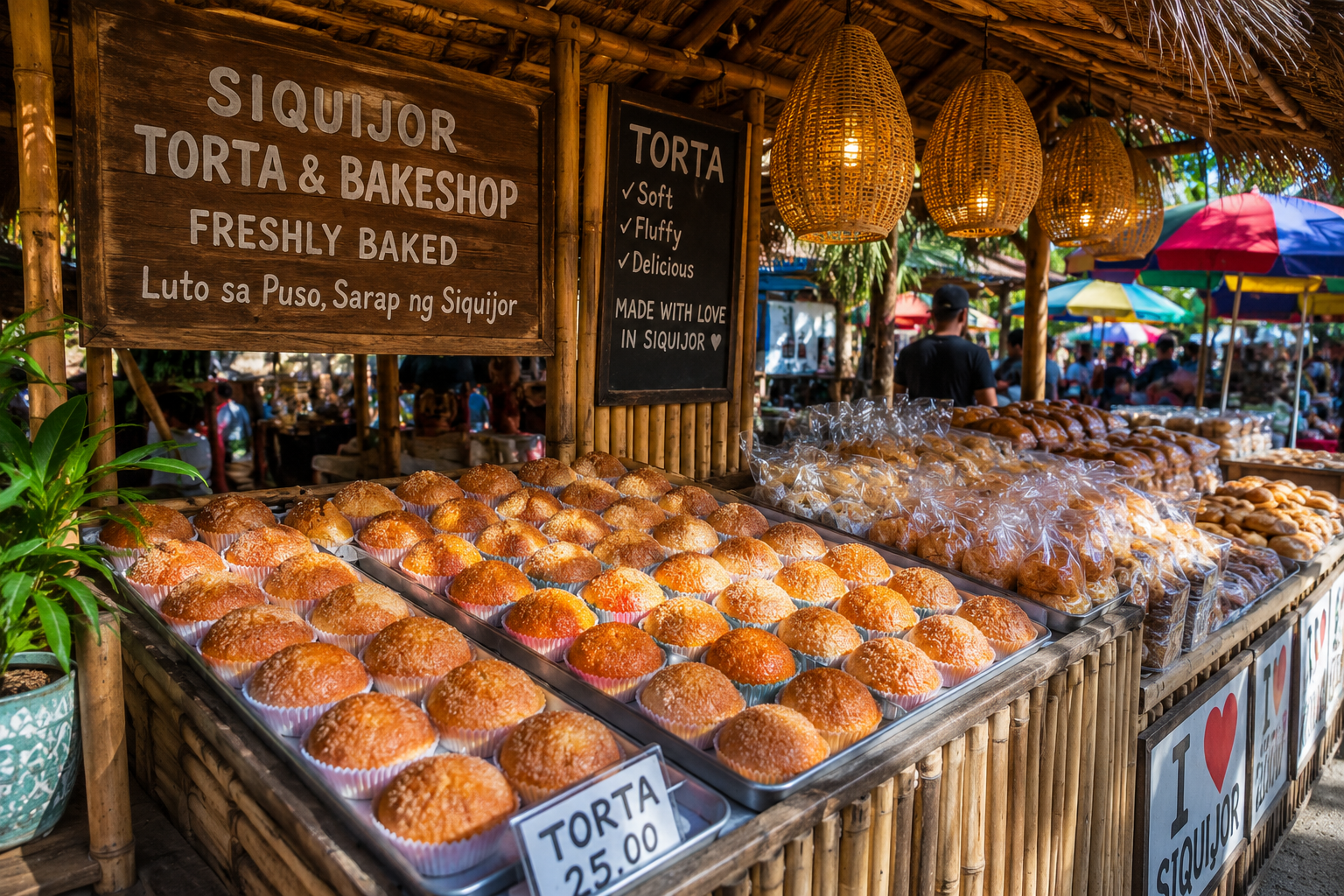
You won’t find torta inside a polished café. This is a street-level delicacy, and that’s exactly where the best versions live — at roadside bakeries, morning markets, and small kiosks run by local families.
Arrive between 7 AM and 10 AM. Most torta is baked before dawn and sells out by mid-morning. Going early means you get it still warm — the definitive way to eat it.
How Much Does Torta Siquijor Cost?
Torta Siquijor is one of the most affordable food experiences on the island.
A box of 12 pieces runs ₱120–₱280. For international visitors, that’s roughly $0.20–$0.45 USD per piece — one of the most authentic and affordable food experiences in the Philippines.
Bringing Torta Home as Pasalubong
Torta is the single most popular pasalubong (take-home gift) from Siquijor. Here’s what you need to know before packing it up:
Torta keeps well at room temperature for 2–3 days without refrigeration, and up to a week in the fridge. Its shelf life is one of the reasons it became the traditional choice for pasalubong — even before refrigeration existed, torta survived the journey home.
Most bakeries will wrap them in paper or cellophane. For larger quantities, ask the vendor for a box. Torta travels well in a carry-on bag — just keep them away from heavy items.
Torta Siquijor passes through airport security without issues — it is a solid baked good, not a liquid or paste. Carry it in cabin luggage on domestic flights, or in checked luggage for international flights. Wrap in an extra layer of paper to keep fresh.