
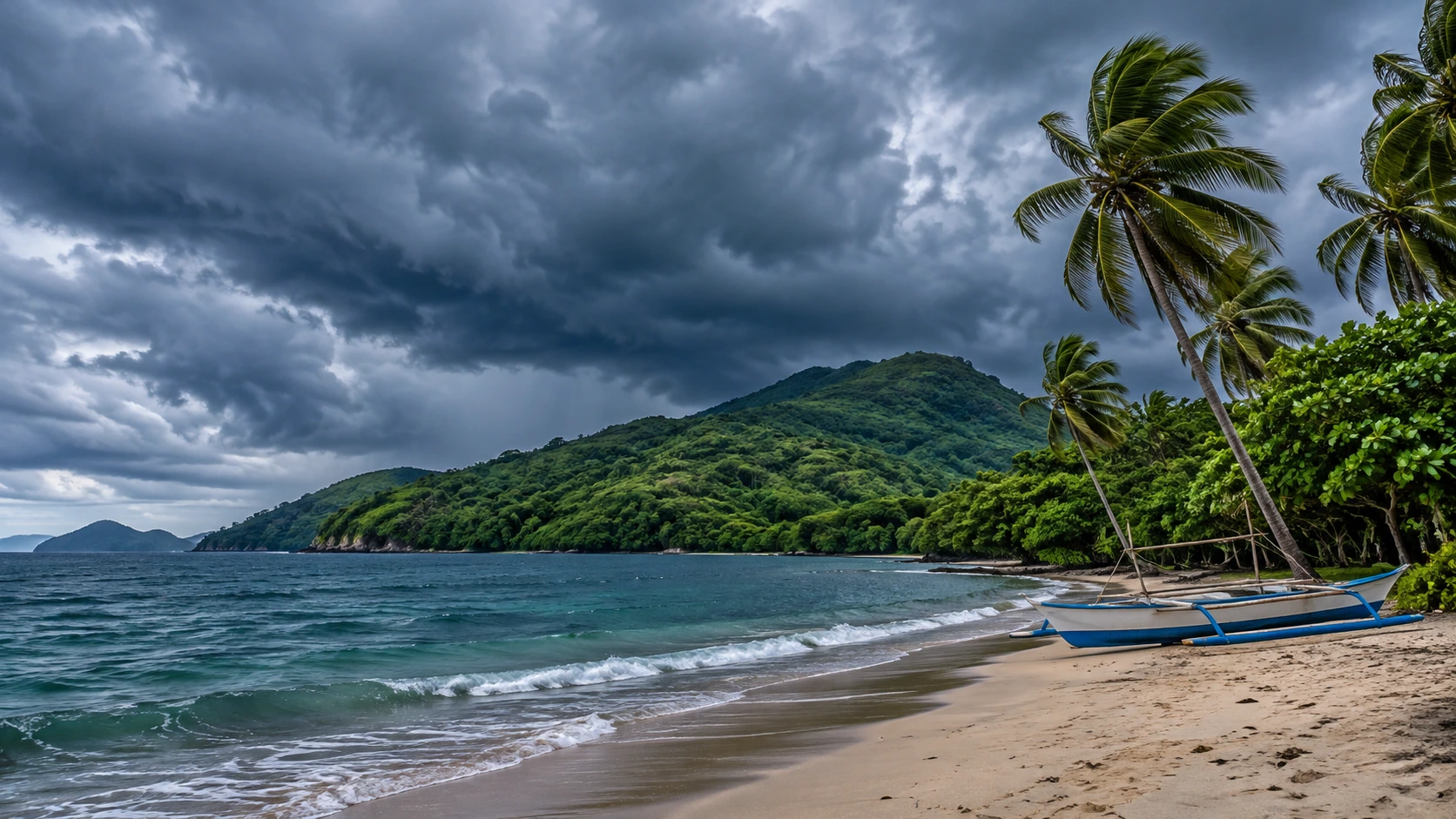
This guide is general travel information, not an official warning. During a storm, always follow PAGASA, local authorities and the Philippine Coast Guard. This guide contains a Klook affiliate link.
Typhoon season in the Philippines runs mainly from June to November, peaking from July to October, though storms can form in any month. On average, about 20 tropical cyclones enter the Philippine Area of Responsibility each year, and about 8–9 make landfall. The weather agency PAGASA raises wind signals 1 to 5 for affected areas; small boats are often stopped from Signal 1, ferries are commonly suspended from Signal 2, and Signal 3 and up means serious danger. If you travel in these months, build in buffer days, book flexible tickets, get travel insurance, and follow official advice.
Traveling in the rainy season? Get covered and stay connected for storm alerts.
When is typhoon season in the Philippines?
| Months | Typhoon risk | What to expect |
|---|---|---|
| December – May | Low | Mostly dry season; storms are rare but possible, especially in December |
| June | Moderate | Rainy season begins with the southwest monsoon (habagat) |
| July – October | High (peak) | The most storms and strongest typhoons; frequent flight and ferry disruptions |
| November | Moderate to high | Late-season typhoons can still be strong, especially in the Visayas and Bicol |
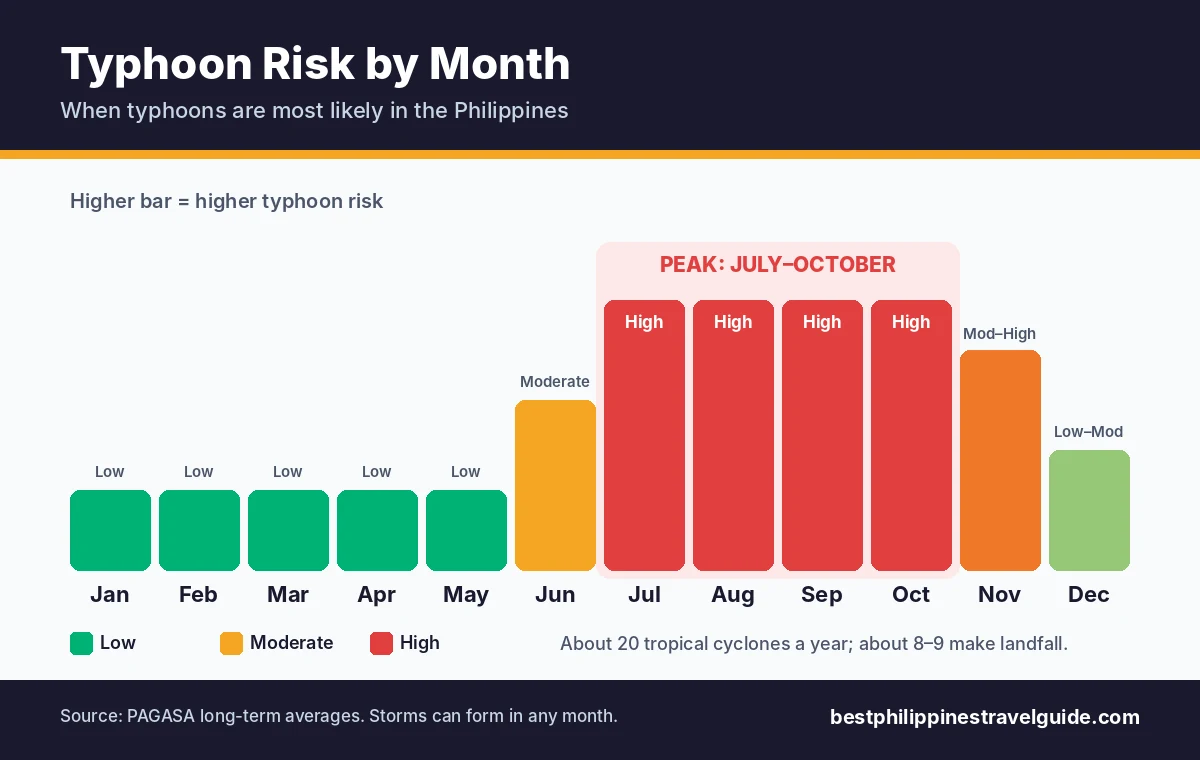
Based on PAGASA’s long-term averages. Every year is different, so watch real-time forecasts rather than the calendar. For month-by-month weather across the country, see our best time to visit guide.
PAGASA typhoon signals 1 to 5: what they mean for travelers
| Signal | Expected winds | Arriving within | What it means for your trip |
|---|---|---|---|
| Signal 1 | 39–61 km/h | 36 hours | Rain and wind. Small boats and island hopping are often stopped. Watch the forecast. |
| Signal 2 | 62–88 km/h | 24 hours | Ferries commonly suspended, some flights canceled. Stay put and prepare. |
| Signal 3 | 89–117 km/h | 18 hours | Damaging winds. Ports close, many flights grounded. Shelter in solid accommodation. |
| Signal 4 | 118–184 km/h | 12 hours | Very destructive winds. Follow evacuation orders. |
| Signal 5 | 185 km/h or more | 12 hours | Extreme danger. Follow all government orders. |
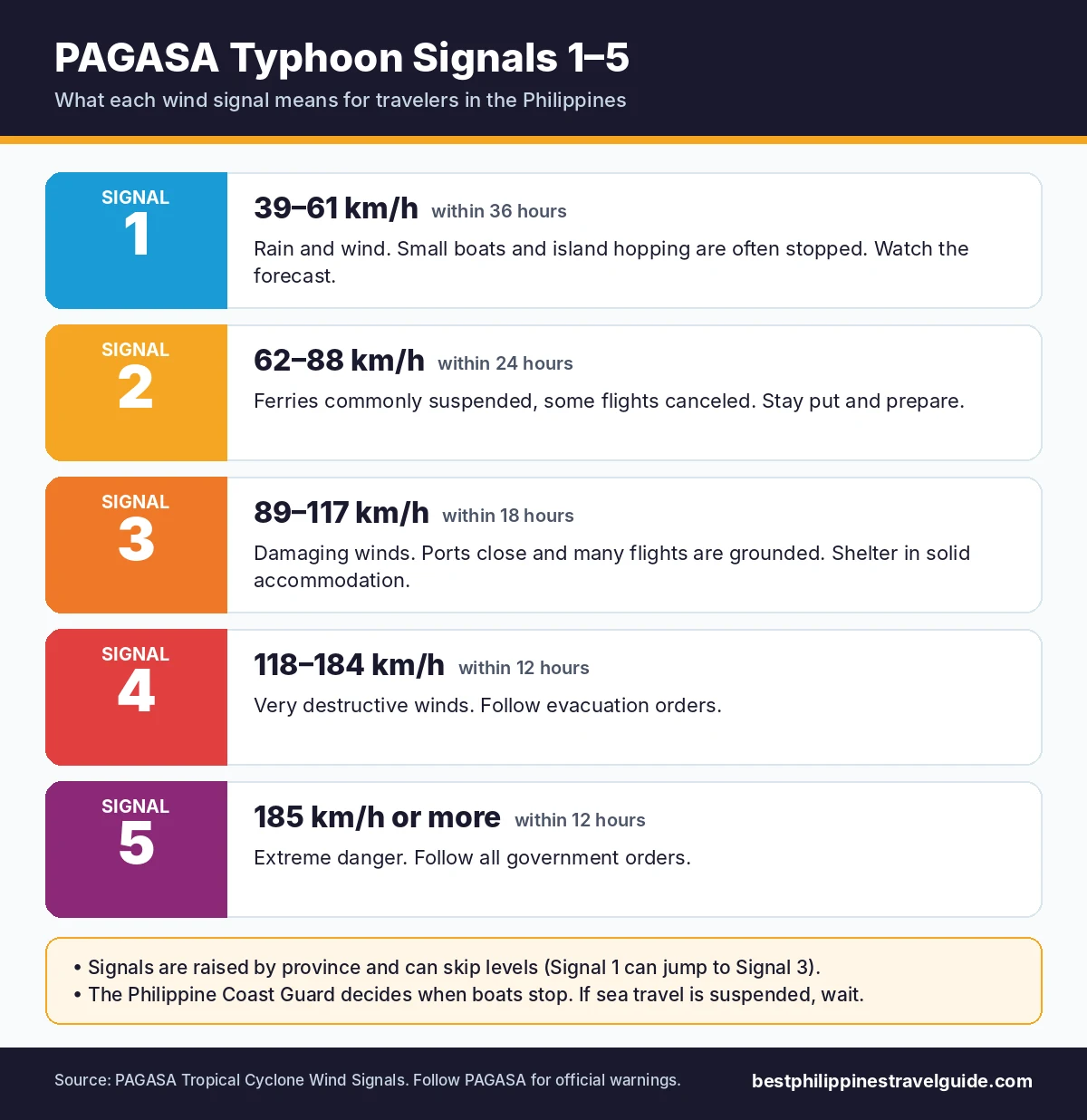
PAGASA raises signals by province, not nationwide, and a signal can skip levels (Signal 1 can jump to Signal 3). The signal describes the wind expected in your area, not the storm’s overall strength, so a distant super typhoon can still leave you under Signal 1.
Which parts of the Philippines get the most typhoons?
| Region | Typhoon exposure | Notes |
|---|---|---|
| Northern Luzon and Batanes | High | Often in the path of storms from the Pacific. Avoid Batanes in August; see our Batanes guide |
| Bicol and Eastern Visayas (Samar, Leyte) | High | Facing the Pacific; frequent landfalls |
| Metro Manila and Central Luzon | Moderate to high | Flooding from heavy monsoon rain is common |
| Central Visayas (Cebu, Bohol) | Moderate | Fewer direct hits, but strong late-season storms do happen |
| Palawan (El Nido, Coron) | Moderate | Boat tours often canceled in rough weather from June to October |
| Mindanao | Lower | Hit less often, especially the south, but not immune: past storms have caused deadly flooding |
Exposure is a general pattern, not a guarantee. Any part of the country can be affected in a given year.
Should you travel during typhoon season?
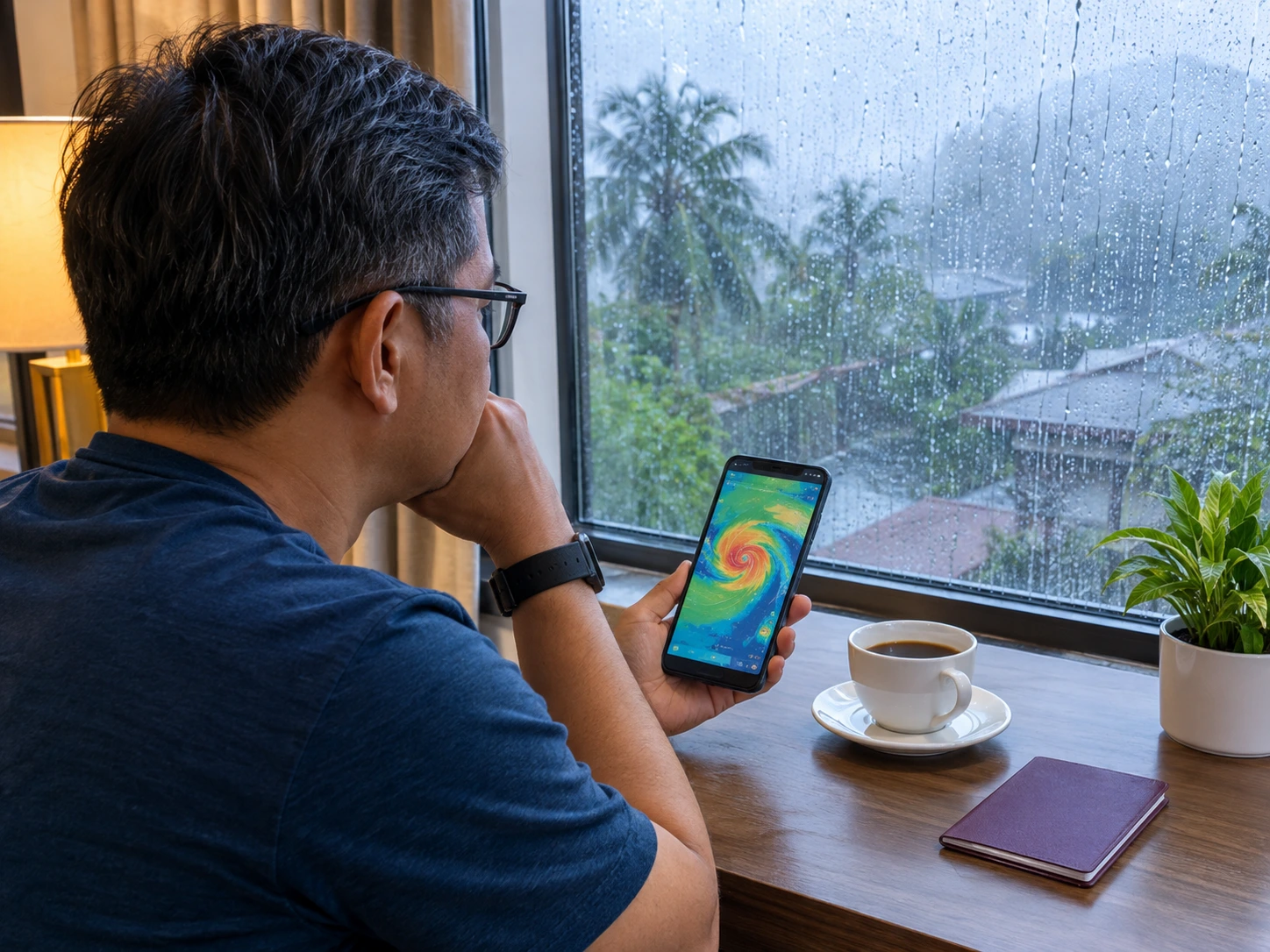
Many people do, and it can be a good time to visit: fewer crowds, lower prices and green landscapes. Most days are rainy rather than stormy. The risk is disruption: canceled flights and ferries, closed island-hopping tours and lost beach days. The key is flexibility.
- Build buffer days into your itinerary, especially before an international flight home.
- Avoid tight island-hopping routes that depend on several boat transfers. See our Philippines itinerary for routes you can adjust.
- Book flexible or refundable flights and hotels; airlines often offer rebooking when signals are raised. See our domestic flights guide.
- Get travel insurance that covers weather delays and cancellations, and buy it before a storm is named. See our travel insurance guide.
- Plan land-based backups like city tours, food trips and museums.
What to do if a typhoon hits during your trip
- Check official updates PAGASA’s website and social media, local government pages and your hotel. Your phone may receive emergency alerts.
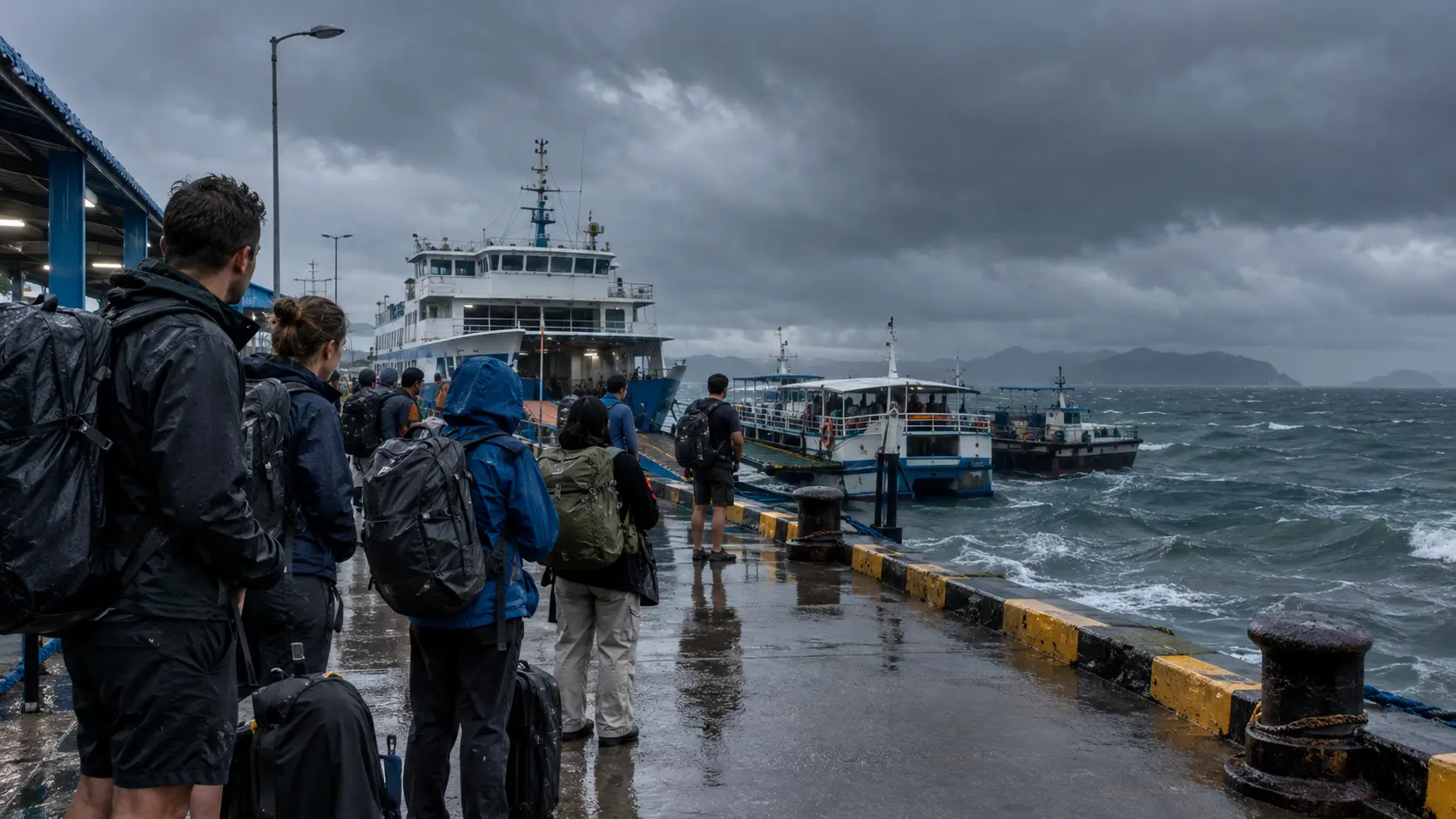
- Don’t travel by sea when boats are suspended Wait for the Coast Guard to lift the suspension. See our ferry guide.
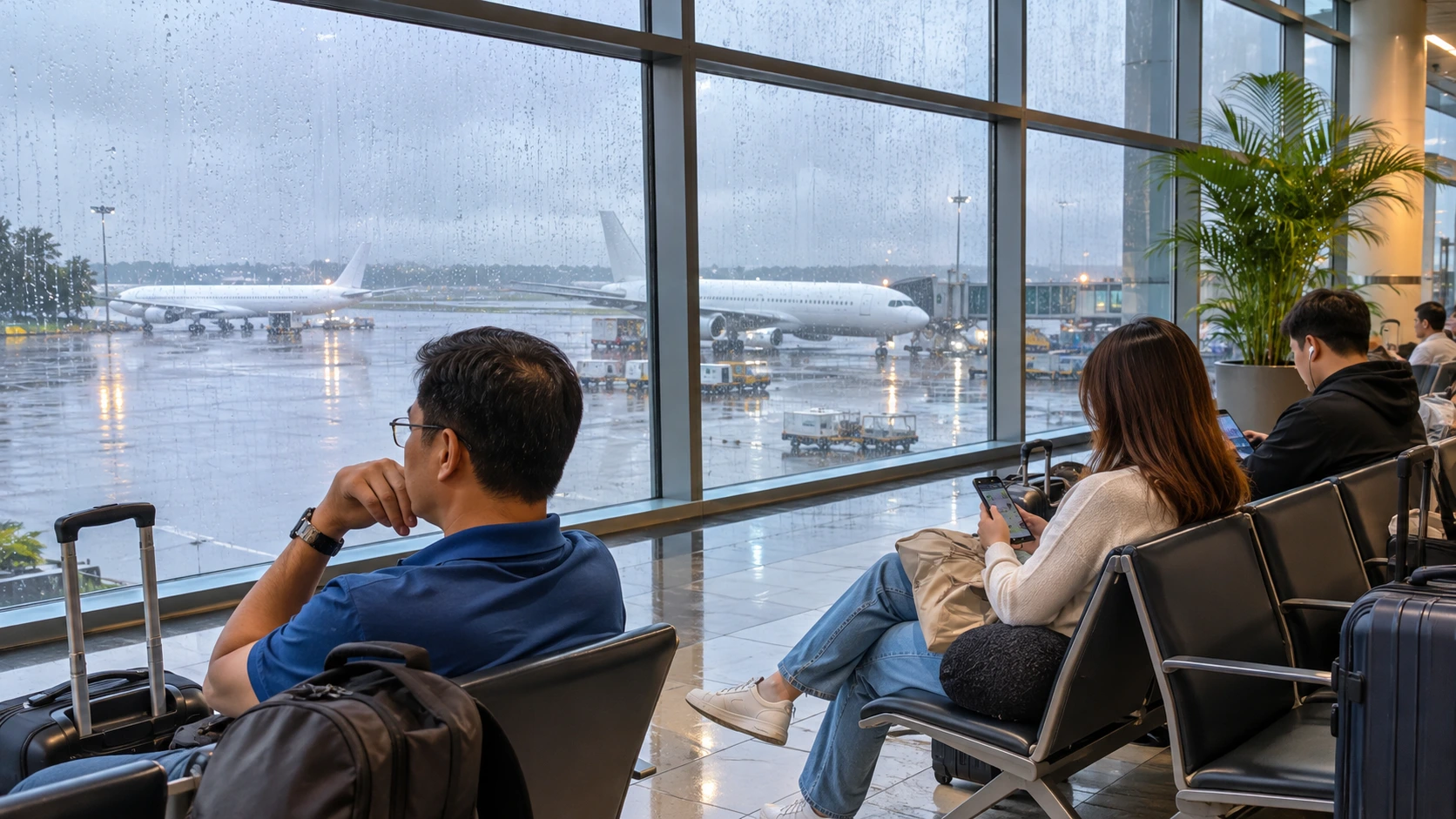
- Contact your airline early Rebook as soon as a signal is raised, before seats run out.

Rebook early; seats on the next flights fill fast after cancellations. Illustrative image. - Stay in solid accommodation away from the shoreline and rivers, and follow any evacuation orders.
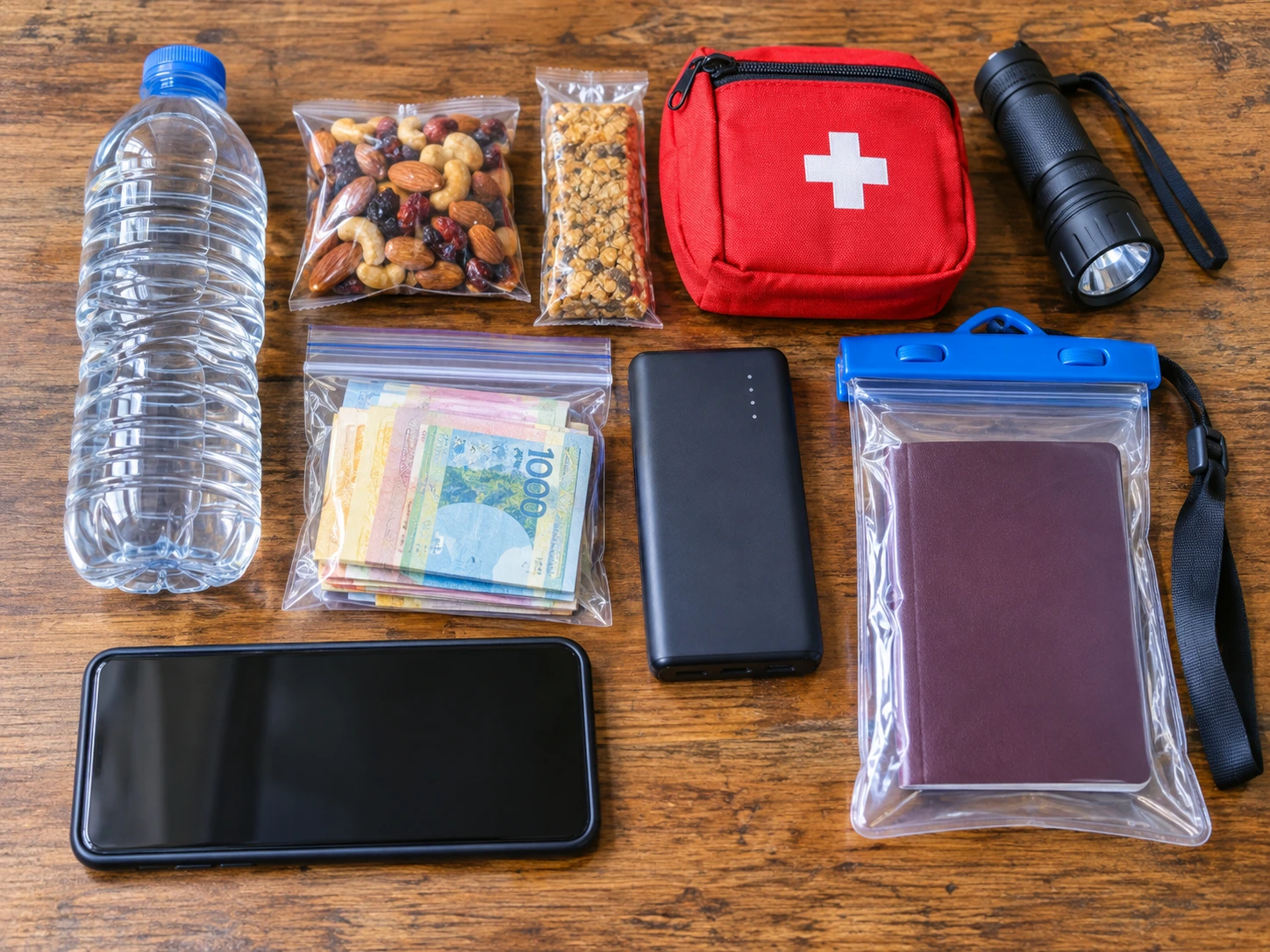
- Prepare a small kit Water, snacks, a power bank, a flashlight, cash, medicines and copies of your passport in a waterproof bag.
- Keep in touch Tell family or friends your location, and register with your embassy if possible.
- After the storm Expect power and water outages, flooded roads and delays for a day or more. Be patient and avoid floodwater.
Habagat vs amihan: the two monsoons
| Monsoon | Months | Weather |
|---|---|---|
| Habagat (southwest monsoon) | About June – October | Heavy rain, especially on the western side of the country; can be intensified by nearby typhoons |
| Amihan (northeast monsoon) | About November – February | Cooler, drier weather in much of the country, with rougher seas on east-facing coasts |
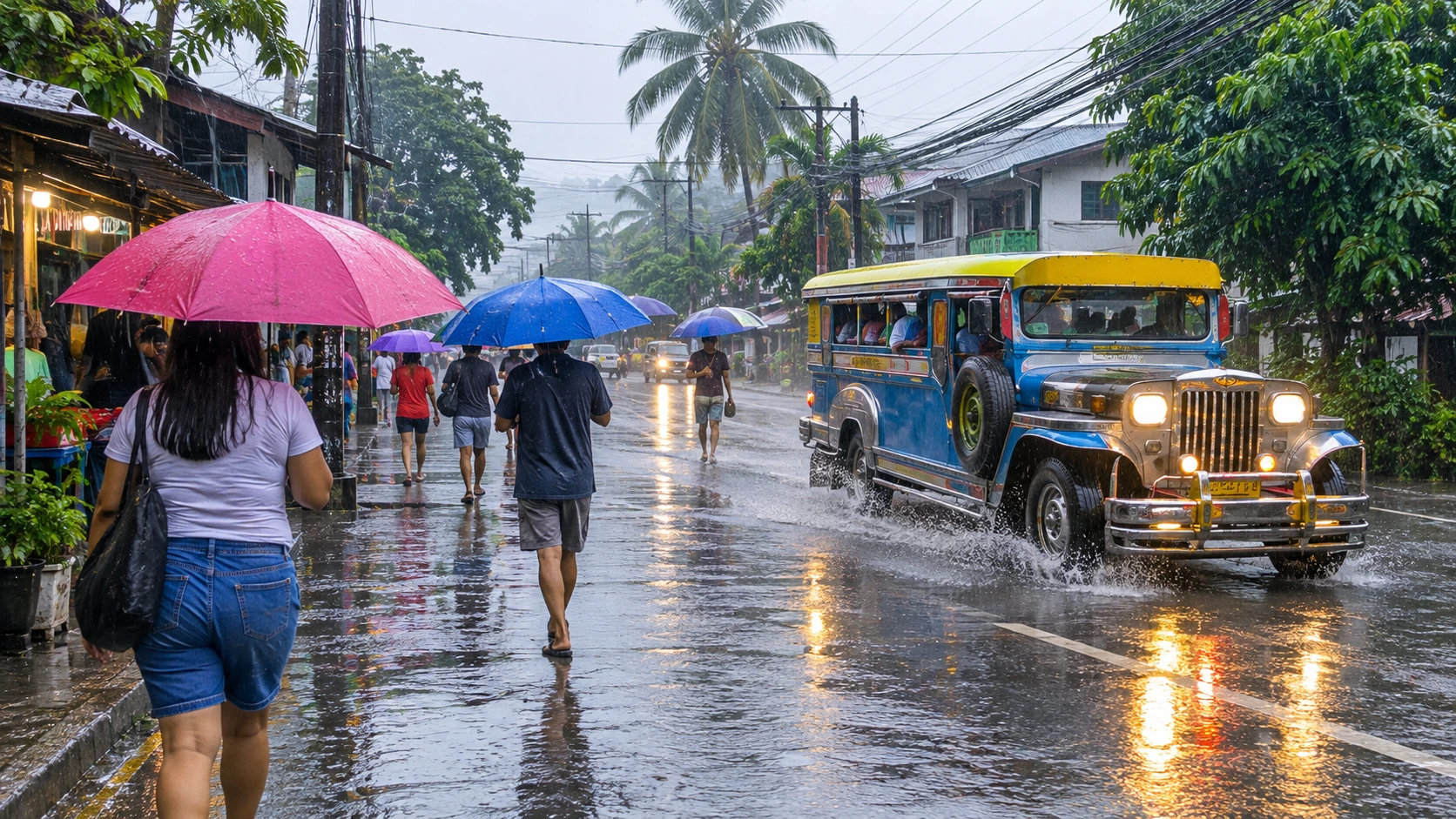
Even without a typhoon, a strong habagat can bring days of rain and flooding, so the same travel tips apply.
Add buffer nights, flexible fares and insurance in our free trip budget calculator.
Typhoon season in the Philippines: FAQ
What months are typhoon season in the Philippines?
Mainly June to November, with the peak from July to October. Tropical cyclones can form in any month, so check forecasts whenever you travel.
How many typhoons hit the Philippines each year?
About 20 tropical cyclones enter the Philippine Area of Responsibility each year on average, and about 8 to 9 make landfall, according to PAGASA data.
What does Signal No. 1 mean?
Winds of 39 to 61 km/h are expected within 36 hours. It usually brings rain and wind, and small boats and island-hopping tours are often stopped.
Are ferries canceled during typhoons?
Yes. The Philippine Coast Guard suspends sea travel when conditions are dangerous; small boats are often stopped from Signal 1, and ferries are commonly suspended from Signal 2.
Is it safe to travel to the Philippines during typhoon season?
Generally yes, if you stay flexible, follow official warnings and avoid sea travel during storms. Most days are rainy rather than dangerous, but disruptions are common, so build in buffer days and get travel insurance.
Which part of the Philippines has the fewest typhoons?
Mindanao, especially the south, is hit less often than Luzon and the Visayas, though it isn’t immune to storms and flooding.
What is the best month to avoid typhoons?
The dry months, roughly January to May, have the lowest typhoon risk. March and April are usually the driest.
Does travel insurance cover typhoons?
Many policies cover weather-related delays and cancellations, but only if you buy the policy before a storm is named or forecast. Check the policy wording.
Plan smart and the rainy season can still be a great time to visit.

Born in Cebu City and raised in Dumaguete, Gio now lives in Zamboanga del Sur, Mindanao, and has weathered many Philippine rainy seasons. He writes Best Philippines Travel Guide to help travelers plan safely and confidently.