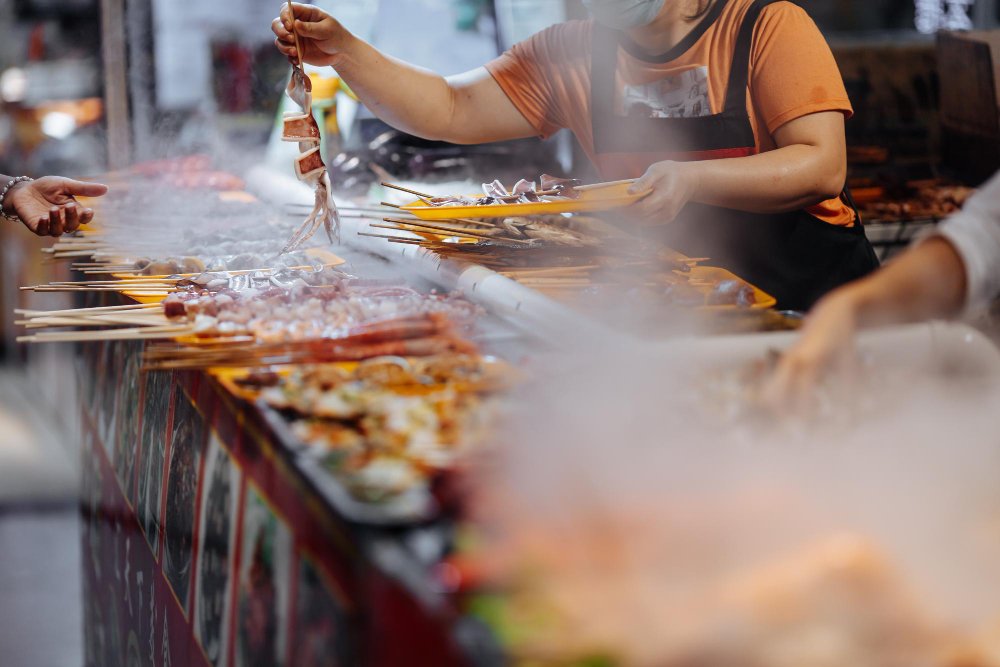
Cebuano dishes, Cebu, a bustling island province in the Philippines, is not only known for its pristine beaches and historical landmarks but also for its vibrant and diverse culinary heritage. Cebuano dishes are a delectable fusion of tradition, local ingredients, and time-tested cooking methods. Whether you are a food enthusiast or a curious traveler, Cebu’s cuisine promises an extraordinary gastronomic journey.
The Heart of Cebuano Cuisine
Key Ingredients
At the core of Cebuano dishes are ingredients that reflect the region’s abundance. These include:
Fresh seafood: Fish, shrimp, squid, and crabs sourced directly from Cebu’s coastal waters.
Coconut: Used in various forms such as coconut milk, shredded meat, and oil.
Tropical fruits: Mangoes, bananas, and pineapples lend sweetness to many recipes.
Aromatic spices: Garlic, onion, ginger, lemongrass, and chili add depth and warmth to dishes.
Rice: A staple in every Cebuano meal, served plain or as puso (hanging rice).
Cooking Techniques
Cebuano chefs and home cooks rely on traditional methods to bring out authentic flavors:
Grilling (Sugba): A popular method for cooking meat and seafood.
Slow cooking (Inun-unan): Ideal for stews and braised dishes.
Steaming: Used for desserts and rice-based treats.
Frying and sautéing: Perfect for snacks like ngohiong.
Signature Cebuano Dishes
Lechon Cebu
Arguably the crown jewel of Cebuano cuisine, Lechon Cebu is a roasted pig stuffed with herbs and spices. Its crispy skin and juicy meat have earned it global acclaim. To enjoy it fully, pair it with puso and a side of spicy vinegar.
Puso (Hanging Rice)
Puso, rice wrapped and cooked in woven coconut leaves, is not only delicious but also portable. This unique Cebuano creation is perfect for travelers and complements grilled dishes like barbeque and seafood.
Ngohiong
Ngohiong is a Cebuano take on the spring roll, filled with a mixture of vegetables and seasoned with five-spice powder. It’s fried to golden perfection and served with a tangy dipping sauce.
Seafood Specialties
Kinilaw
Kinilaw, a Filipino ceviche, is made with raw fish marinated in vinegar, ginger, chili, and onions. Cebu’s version often includes coconut milk, adding a creamy twist to this refreshing dish.
Tuslob Buwa
A street food favorite, tuslob buwa translates to “dip in bubbles.” Diners gather around a pan of simmering pork brain and liver sauce, dipping puso into the flavorful mixture.
Comforting Soups and Stews
Balbacua
Balbacua is a hearty oxtail stew slow-cooked for hours until the meat is tender and the broth is rich. Seasoned with a blend of spices, it’s a comforting dish perfect for family gatherings.
Tinola
This light chicken soup with ginger, green papaya, and malunggay leaves is a staple in Cebuano households. It’s both nutritious and flavorful.
Sweet Cebuano Delicacies
Budbud Kabog
Made from millet, budbud kabog is a unique rice cake often wrapped in banana leaves. It’s traditionally served with hot chocolate or ripe mangoes.
Otap
Otap, a crispy and flaky pastry coated in sugar, is a favorite Cebuano snack. Pair it with sikwate (native hot chocolate) for an indulgent treat.
Beverages and Noodle Dishes
Sikwate (Native Hot Chocolate)
Sikwate, made from pure cacao, is a rich and comforting drink often enjoyed during breakfast or merienda. It pairs wonderfully with traditional Cebuano snacks.
Bam-i
Bam-i
Bam-i is a flavorful noodle dish that combines canton and bihon noodles, mixed with meat, seafood, and vegetables. It’s a must-try for those attending Cebuano celebrations.
The Culture Behind Cebuano Cuisine
Festivals and Feasts
Food plays a central role in Cebuano celebrations, especially during the Sinulog Festival. Feasts often feature an array of dishes, showcasing the region’s culinary diversity.
Street Food Adventures
The bustling streets of Cebu are lined with vendors offering affordable yet mouthwatering dishes. From siomai sa Tisa to banana cue, the options are endless. Don’t miss Larsian’s Barbecue, a haven for grilled food lovers.
Conclusion
Cebuano cuisine is a vibrant tapestry of flavors and traditions, offering something for everyone. From the world-famous Lechon Cebu to unique street foods like tuslob buwa, every dish tells a story of the island’s rich heritage. Exploring Cebuano dishes isn’t just about satisfying your appetite; it’s about experiencing the culture and history of Cebu. So, the next time you visit Cebu, let your taste buds guide you through this culinary paradise.
FAQs
1. What is the best Cebuano dish for first-timers? Lechon Cebu is a must-try for its unparalleled flavor and cultural significance.
2. Where can I find authentic Cebuano food? Explore local eateries, street food markets, and restaurants specializing in Cebuano cuisine.
3. Are Cebuano dishes spicy? While some dishes have a mild kick, most are balanced to appeal to a wide range of palates.
4. What are some vegetarian Cebuano dishes? Vegetarian options include vegetable ngohiong, kinilaw with tofu, and grilled eggplant dishes.
5. How does Cebuano cuisine differ from other Filipino cuisines? Cebuano dishes emphasize fresh seafood, tropical flavors, and grilling techniques, setting them apart from other regional cuisines.
Filipino Birthday Recipes, When it comes to birthdays, Filipinos don’t just throw parties—they create feasts that linger in your memory long after the candles are blown. These celebrations aren’t merely about marking another year; they’re vibrant displays of culture, love, and, of course, mouthwatering food. Filipino birthday recipes are a delightful mix of tradition and innovation, designed to bring people together over shared plates and full hearts.
Every birthday table in the Philippines features pancit, a noodle dish symbolizing long life and prosperity. These savory noodles are a flavorful reminder of the celebrant’s enduring journey. From the rich Pancit Canton to the lighter Pancit Bihon, the variations ensure there’s something for everyone.
Lechon: The Grand Centerpiece
Nothing screams celebration like a lechon. Whether it’s a full-roasted pig or the more manageable lechon manok (roasted chicken), this dish represents abundance and joy.
Lumpiang Shanghai: Bite-sized Happiness
These crispy spring rolls are the ultimate party starter. With their savory filling and perfect crunch, they disappear from the table almost as soon as they’re served!
Popular Filipino Birthday Recipes
Pancit Canton: A Timeless Classic
Ingredients: Egg noodles, chicken or pork, carrots, cabbage, snow peas, soy sauce, oyster sauce, and calamansi.
Preparation Tips: Stir-fry meat and vegetables, toss in noodles, and coat everything with the savory sauce. A squeeze of calamansi adds a tangy finish.
Lechon Manok: Juicy and Flavorful
Ingredients: Whole chicken, lemongrass, garlic, soy sauce, and calamansi.
Tips: Marinate the chicken overnight to lock in flavor. Roast until golden, ensuring the meat stays moist and the skin turns irresistibly crispy.
Lumpiang Shanghai: Always a Crowd Favorite
Ingredients: Ground pork, minced garlic, carrots, onions, and spring roll wrappers.
How-To: Roll the filling tightly in wrappers, fry until golden brown, and serve with a sweet chili dipping sauce.
This silky dessert is made with egg yolks, condensed milk, and caramelized sugar. It’s rich, smooth, and always leaves guests asking for seconds.
Ube Halaya: Vibrant and Delicious
This sweet purple yam jam is not just visually stunning but also packed with a unique nutty sweetness. Garnish with coconut flakes or grated cheese for a touch of flair.
Bibingka and Puto
Traditional rice cakes like bibingka and puto are must-haves at any Filipino celebration, offering a perfect blend of sweetness and texture.
Refreshing Drinks for the Party
Sago’t Gulaman
This classic Filipino drink combines chewy tapioca pearls, jelly cubes, and sweet syrup over crushed ice for a refreshing pick-me-up.
Buko Pandan Juice
Made from young coconut, pandan leaves, and cream, this tropical beverage cools you down and pairs beautifully with savory dishes.
Modern Twists on Filipino Birthday Recipes
Fusion Pancit
Why not add an international flair? Try Pancit Canton with shrimp and garlic butter sauce or Pancit Bihon with a hint of curry for a fusion twist.
Lechon Variants
From crispy lechon kawali (fried pork belly) to plant-based options like jackfruit lechon, there’s something for every dietary preference.
Lumpia Innovations
Experiment with fillings like shrimp, cheese, or even vegetarian versions with tofu and mushrooms.
Crafting the Perfect Filipino Birthday Feast
Balancing the Menu
A great Filipino birthday spread balances traditional dishes like Pancit and Lechon with modern recipes to cater to diverse tastes. Include options for vegetarians and those with dietary restrictions to ensure everyone enjoys the feast.
Serving Family-Style
Filipino celebrations are all about sharing. Serving family-style dishes promotes a warm, communal vibe where everyone feels at home.
The Filipino Spirit of Sharing
In the Philippines, birthdays aren’t just about the celebrant—they’re about the community. The bayanihan spirit comes alive as family and friends share food, stories, and laughter. Food becomes a bridge, connecting people and creating memories that last a lifetime.
Conclusion
Filipino birthday recipes aren’t just dishes; they’re stories of love, culture, and togetherness. Whether it’s the savory goodness of pancit, the show-stopping lechon, or the sweet indulgence of leche flan, each recipe carries a piece of Filipino heritage. So, the next time you’re planning a celebration, dive into these delicious traditions and create a feast that’s as unforgettable as the occasion itself.
FAQs
What’s the most iconic Filipino birthday dish? The lechon is a quintessential centerpiece for Filipino birthday celebrations.
Can I make these dishes ahead of time? Absolutely! Many dishes like lumpiang shanghai can be prepared in advance and fried just before serving.
What are vegetarian alternatives for Filipino birthday recipes? Jackfruit lechon and tofu lumpia are excellent plant-based options.
How do I make my Filipino birthday menu unique? Add a modern twist to traditional dishes or incorporate fusion elements for a memorable spread.
Where can I buy authentic Filipino ingredients? Check Asian grocery stores or online retailers specializing in Filipino products.
budget travel in the philippines, The Philippines, an archipelago of over 7,000 islands, is renowned for its breathtaking landscapes, pristine beaches, and vibrant culture. It’s a dream destination for many travelers, but the perception of high costs can deter budget-minded adventurers. Fear not! With the right strategies, you can explore the beauty of the Philippines without breaking the bank. This guide will provide you with tips on affordable accommodations, local transportation, and budget-friendly activities, ensuring you experience the best the country has to offer while keeping your finances intact.
Affordable Accommodations budget travel in the philippines
Finding a place to stay is one of the most significant expenses when traveling. In the Philippines, however, there are numerous budget-friendly accommodation options that cater to different preferences and tastes.
Hostels and Guesthouses budget travel in the philippines
Hostels and guesthouses are popular among backpackers and budget travelers. They provide a social atmosphere, often featuring communal areas where you can meet other travelers. The average rate for a dormitory bed ranges from PHP 300 to PHP 800 ($6 to $15) per night, depending on the location and amenities.
Some recommended hostels include Mad Monkey Hostel in Cebu, which offers a vibrant social scene, and The Circle Hostel in La Union, known for its laid-back vibe and surf culture. Guesthouses often provide private rooms at reasonable rates, making them an excellent option for couples or small groups looking for a more intimate setting.
Home Stays and Local Rentals budget travel in the philippines
Home stays are another fantastic way to experience Filipino culture while saving money. Many locals offer their homes to travelers, providing a unique opportunity to immerse yourself in the community. Platforms like Airbnb and Couchsurfing make finding these options easy. Rates can start as low as PHP 500 ($10) per night, and you may also receive a home-cooked meal as part of your stay!
When choosing a home stay, look for places with good reviews and friendly hosts. These experiences not only support local families but also give you insight into daily life in the Philippines.
Camping Options budget travel in the philippines
For the adventurous traveler, camping can be a thrilling way to experience the natural beauty of the Philippines. Many beaches and national parks allow camping for a nominal fee. Locations such as Anawangin Cove in Zambales and Calaguas Islands in Camarines Norte are popular spots for camping enthusiasts.
Before setting off, ensure you have the right gear, and check local regulations regarding camping. This option not only saves money but also allows you to enjoy stunning sunrises and starry nights in an unparalleled setting.
Local Transportation Tips budget travel in the philippines
Getting around the islands can be a challenge, but the Philippines boasts various affordable transportation options that make traveling more accessible.
Getting Around by Jeepney budget travel in the philippines
Jeepneys are the iconic mode of transport in the Philippines, known for their colorful designs and friendly prices. They are a popular way for locals to commute and can be found in almost every city and town. Fares typically range from PHP 8 to PHP 20 ($0.15 to $0.40) per ride, depending on the distance.
Riding a jeepney not only saves money but also allows you to experience local culture. Just be prepared for a bit of a squeeze during peak hours, as these vehicles are often packed with passengers. Learning a few basic phrases in Tagalog can also enhance your experience and help you navigate your routes more efficiently.
Using Tricycles and Motorbikes budget travel in the philippines
Tricycles are another common form of transportation, especially in rural areas. They are motorbikes equipped with a sidecar that can accommodate a few passengers. A typical fare for a tricycle ride starts around PHP 10 ($0.20) and varies based on the distance and negotiation skills. While fares are generally affordable, it’s a good idea to agree on the price before starting your journey.
If you prefer more freedom, consider renting a motorbike. Prices generally range from PHP 300 to PHP 600 ($6 to $12) per day. This option allows you to explore at your own pace, discovering hidden gems off the beaten path. Just remember to wear a helmet and adhere to local traffic regulations to ensure your safety.
Ferries and Boats for Island Hopping
The Philippines is famous for its stunning islands and islets, and the best way to explore them is through island-hopping tours. Many local operators offer reasonably priced boat tours that can range from PHP 1,000 to PHP 3,000 ($20 to $60), depending on the number of islands included and the duration of the tour.
For those who prefer to travel independently, public ferries connect major islands and are an affordable way to hop from one destination to another. For example, the ferry from Cebu to Bohol costs around PHP 600 ($12) and takes about two hours. Make sure to book in advance during peak seasons, as seats tend to fill up quickly.
Budget-Friendly Activities
Free Beaches and Natural Wonders
The natural beauty of the Philippines is unparalleled, and many of its stunning beaches and natural landmarks are free to access. White Beach in Boracay, known for its powdery sand and vibrant atmosphere, is a must-visit. While you may need to pay for sunbeds or amenities, simply lounging on the beach or taking a dip in the crystal-clear waters is completely free.
Other notable mentions include the beaches of El Nido, Palawan, where you can hike to hidden lagoons or snorkel in vibrant coral gardens without spending a dime. Hiking trails, such as those in Mount Pulag or Mount Apo, also provide breathtaking views at no cost, aside from potential fees for entering parks.
Local Markets and Street Food Tours
Exploring local markets can be a delightful and budget-friendly way to experience Filipino culture. Markets, such as the Salcedo Saturday Market in Makati and the Davao Night Market, offer an array of fresh produce, handmade crafts, and local delicacies. Strolling through these markets is free, and you can sample delicious street food for as little as PHP 20 ($0.40) per item.
Street food is not only affordable but also a culinary adventure. Dishes like fish balls, sisig, and halo-halo are must-tries. Eating where the locals eat not only saves money but also allows you to savor authentic flavors and engage with the community.
Cultural Experiences and Festivals
Participating in local festivals can provide a unique insight into Filipino culture. Many festivals throughout the year are free to attend, showcasing traditional dances, music, and food. The Sinulog Festival in Cebu and the Ati-Atihan Festival in Kalibo are some of the most famous, drawing locals and tourists alike.
Additionally, many cultural sites, such as churches, museums, and heritage sites, offer affordable entrance fees. The Intramuros district in Manila, with its Spanish colonial architecture and rich history, is free to explore, making it an excellent option for history buffs on a budget.
Conclusion: Enjoying the Philippines on a Budget
Traveling in the Philippines on a budget is not only possible but can also lead to enriching experiences that are often missed by those who opt for more luxurious travel. From affordable accommodations and local transport to budget-friendly activities, the key lies in planning and embracing the local culture.
With its stunning natural beauty, warm hospitality, and vibrant culture, the Philippines offers something for every traveler. By following the tips outlined in this guide, you can create unforgettable memories without stretching your budget, ensuring that your adventure is as fulfilling as it is cost-effective.
FAQs
What is the best time to travel to the Philippines on a budget?
The best time to visit is during the shoulder seasons, which are generally from January to March and from June to October. During these months, prices for flights and accommodations are often lower, and you can avoid the crowds.
Is it safe to travel around the Philippines as a budget traveler?
Yes, the Philippines is generally safe for travelers. However, it’s essential to exercise common sense, avoid poorly lit areas at night, and stay informed about local conditions to ensure a safe trip.
How much should I budget for a day in the Philippines?
A daily budget of PHP 1,500 to PHP 3,000 ($30 to $60) should be sufficient for budget accommodations, meals, transport, and attractions. This amount can vary based on your personal preferences and travel style.
Are there any discounts available for students or seniors?
Many attractions and transport services offer discounts for students, seniors, and children. Always carry your identification to avail of these discounts when possible.
What are some must-try local dishes on a budget?
Some budget-friendly Filipino dishes to try include lumpia (spring rolls), adobo (marinated meat), sinigang (sour soup), and lechon (roasted pig). Street vendors often sell these dishes at very affordable prices.
Historical Significance philippines independence day
Origins of the Philippines Independence Day
philippines independence day, The Philippines Independence Day is celebrated annually on June 12, commemorating the declaration of independence from Spanish rule in 1898. The day marks a pivotal moment in Philippine history, symbolizing the struggle for freedom and sovereignty. The declaration was made by revolutionary leader Emilio Aguinaldo in Kawit, Cavite, where he read the Act of Philippine Independence after raising the Philippine flag for the first time. This act was not merely a ceremonial gesture; it represented the culmination of years of resistance against colonial oppression.
Prior to this declaration, the Philippines endured over three centuries of Spanish colonization, characterized by exploitation and cultural imposition. The desire for independence sparked numerous uprisings and movements, including the Propaganda Movement led by figures like José Rizal and Andres Bonifacio. Rizal’s novels, Noli Me Tangere and El Filibusterismo, fueled nationalistic sentiments among Filipinos, paving the way for a collective identity rooted in the longing for liberty.
Key Events Leading to Independence philippines independence day
The path to independence was fraught with challenges. The Philippine Revolution (1896-1898) laid the groundwork, as Filipinos organized themselves under groups like the Katipunan, which sought to overthrow Spanish rule. The revolution intensified with armed conflicts, notably the Battle of Manila, but it faced setbacks when the United States intervened in the Spanish-American War. The Treaty of Paris (1898) transferred control of the Philippines from Spain to the U.S., igniting further resistance among Filipinos who sought true self-governance.
Amidst these conflicts, Aguinaldo established a revolutionary government and sought recognition from other nations, fostering a sense of international support. However, the subsequent Philippine-American War (1899-1902) revealed the complexities of independence, as the U.S. attempted to assert control over the archipelago, leading to a protracted struggle that would shape the nation’s identity.
Notable Figures in Philippine History philippines independence day
Several key figures played instrumental roles in the fight for independence. Jose Rizal, revered as a national hero, used his writings to awaken the consciousness of Filipinos and inspire the quest for freedom. His execution in 1896 galvanized the revolutionary movement, making him a martyr for the cause. Andres Bonifacio, known as the Father of the Revolution, founded the Katipunan and was pivotal in organizing the initial uprisings against Spanish rule. His passion and bravery became a rallying point for those seeking liberation.
Emilio Aguinaldo, who later declared independence, emerged as a central figure in the struggle. His leadership during the revolution and the establishment of an independent government positioned him as a symbol of Filipino unity and resolve. These leaders, along with countless unsung heroes, contributed to the rich tapestry of Philippine history, each leaving a legacy that continues to resonate within the national consciousness.
Celebration Traditions philippines independence day
Festivities Across the Philippines
Independence Day is celebrated nationwide, with each region showcasing its unique customs and traditions. Major cities, including Manila, Cebu, and Davao, host grand festivities featuring parades, cultural presentations, and fireworks. The National Historical Commission of the Philippines organizes official ceremonies, which typically include flag-raising events and patriotic speeches by government officials. Schools and communities also participate by conducting programs that highlight Philippine history and the significance of freedom.
Local festivals often blend traditional practices with modern expressions of nationalism. For instance, in cities like Cavite, where the declaration occurred, reenactments and historical plays capture the spirit of the revolution. Additionally, many Filipinos take this opportunity to display their national pride by wearing traditional attire, such as the Barong Tagalog for men and the Terno for women, further emphasizing the rich cultural heritage of the Philippines.
Food and Cultural Events philippines independence day
No celebration is complete without food, and Independence Day is an occasion for Filipinos to indulge in traditional dishes that reflect their diverse culinary landscape. Popular foods include adobo, lechon, and lumpia, which are often prepared for family gatherings and community feasts. Street vendors set up stalls selling local delicacies, allowing attendees to savor the flavors of home while celebrating their national identity.
Cultural performances are integral to the festivities, with folk dances, musical shows, and artistic exhibits showcasing the vibrant heritage of the Philippines. Each region often features its local dance forms, such as Tinikling and Singkil, while contemporary artists may also participate to demonstrate the evolution of Filipino culture. These cultural events serve to educate the younger generation about their roots and foster a sense of pride in their heritage.
Parades and Public Gatherings philippines independence day
Parades are a hallmark of Independence Day celebrations, drawing large crowds who come to witness vibrant floats, marching bands, and cultural groups. The parades typically feature a procession of military personnel, symbolizing the nation’s defense of its sovereignty. These events are not only entertaining but also serve as a reminder of the sacrifices made by those who fought for freedom, instilling a sense of patriotism among attendees.
Public gatherings are organized in parks, town squares, and historical sites where speeches and programs are held to honor national heroes and reflect on the importance of independence. Community leaders, educators, and youth groups often take the stage to share stories of resilience and hope, reinforcing the message of national unity. These gatherings foster a spirit of camaraderie, as Filipinos come together to celebrate their shared history and aspirations for the future.
Modern-Day Reflections
Significance of Independence in Contemporary Society
In today’s fast-paced world, the importance of Independence Day extends beyond mere commemoration; it serves as a reminder of the ongoing quest for social justice, equality, and progress. Filipinos reflect on the sacrifices of past generations and contemplate how they can contribute to nation-building in contemporary society. The day emphasizes the value of civic engagement and encourages citizens to participate actively in democratic processes.
The celebration of independence also highlights the challenges that the nation continues to face, such as poverty, corruption, and environmental issues. By acknowledging these obstacles, Filipinos are inspired to unite and take collective action toward building a brighter future. Independence Day thus becomes a platform for advocacy, where citizens can voice their concerns and work together to effect meaningful change in their communities.
How the Youth Celebrate Today
The youth play an essential role in shaping how Independence Day is celebrated in the modern era. With the advent of social media and technology, younger generations are finding innovative ways to engage with their national identity. Online campaigns, hashtags, and virtual events have emerged, allowing young Filipinos to share their thoughts on freedom and express their pride in their heritage creatively.
Many schools now incorporate modern interpretations of historical events into their programs, such as multimedia presentations, art exhibits, and theater productions. These initiatives not only educate students about the nation’s history but also empower them to express their views on what independence means in the present day. The participation of youth in these activities ensures the continuity of cultural traditions while fostering a deeper understanding of their responsibilities as citizens.
Tourism Opportunities During Independence Day
Independence Day also presents unique opportunities for tourism, as both locals and international visitors seek to experience the vibrant celebrations across the country. Tourist-friendly events and programs are often organized, featuring guided tours of historical sites, cultural workshops, and traditional performances. Popular destinations during this time include Rizal Park in Manila, where large crowds gather for the official ceremonies, and Kawit, Cavite, where the declaration took place.
Local governments and tourism agencies often collaborate to promote special events, encouraging travelers to immerse themselves in the festivities and learn about Philippine history. This not only boosts the local economy but also fosters a sense of pride among the residents as they share their culture and heritage with the world. By participating in these celebrations, tourists gain a deeper appreciation for the country’s journey toward independence and the spirit of resilience that defines the Filipino people.
Conclusion
Philippines Independence Day stands as a powerful testament to the nation’s rich history, resilience, and collective identity. From the origins of the struggle for freedom to the modern-day celebrations that reflect its significance, this day serves as a reminder of the sacrifices made by countless individuals who fought for liberty. The vibrant festivities, rooted in cultural heritage, highlight the enduring spirit of the Filipino people and their commitment to nation-building.
As the nation reflects on its past and looks toward the future, the celebration of Independence Day remains a cornerstone of Filipino identity, uniting people from all walks of life in a shared appreciation for freedom, culture, and community. Embracing the lessons of history, Filipinos continue to strive for a society that honors the values of justice, equality, and progress.
FAQs
What is the significance of June 12 in the Philippines? June 12 marks the declaration of independence from Spanish colonial rule in 1898, symbolizing the Philippines’ quest for freedom.
How is Independence Day celebrated in the Philippines? Independence Day is celebrated with parades, cultural events, flag-raising ceremonies, and the sharing of traditional food across the country.
Who are the notable figures in Philippine history regarding independence? Key figures include José Rizal, Andres Bonifacio, and Emilio Aguinaldo, each contributing significantly to the struggle for independence.
What role do the youth play in Independence Day celebrations? The youth engage in modern interpretations of historical events through social media, educational programs, and creative expressions, shaping contemporary celebrations.
Are there tourism opportunities during Independence Day? Yes, many regions promote special events and activities to attract both local and international tourists to experience the cultural festivities.
La Mesa Dam, an essential water reservoir, is strategically situated in Quezon City, Philippines. It plays a pivotal role in supplying potable water to Metro Manila’s vast population, ensuring millions have access to clean water daily. As one of the primary sources for the region’s water supply, La Mesa Dam’s contribution to the local water management system is vital, especially for both water storage and flow regulation during heavy rainfall seasons.
History and Development of La Mesa Dam
Originally constructed in the 1920s to address Manila’s escalating water demands, La Mesa Dam has undergone numerous upgrades to meet the needs of a rapidly growing urban area. Its reservoir, La Mesa Reservoir, covers an extensive area, making it one of the largest water storage bodies in the Philippines. Managed by the Metropolitan Waterworks and Sewerage System (MWSS), the reservoir collects rainwater, which is treated and distributed to households and businesses across Metro Manila.
Ecological Significance and Environmental Role
Surrounding the dam is the La Mesa Watershed, a protected area crucial for ecological conservation. This watershed preserves the dam’s water quality and serves as a sanctuary for diverse wildlife species, enhancing the region’s biodiversity. The La Mesa Dam and its watershed thus contribute to both ecological preservation and water resource sustainability for the metropolis.
Current Weather Conditions and Water Levels
The recent influence of the southwest monsoon, intensified by Super Typhoon Carina, has caused prolonged heavy rainfall in the area, elevating La Mesa Dam’s water levels past its critical spilling point. According to PAGASA, rainfall levels have been unprecedented, reaching up to 200 millimeters in a single day, which has led the water level to surpass the safe threshold of 80.00 meters.
Such an increase requires the controlled release of excess water to protect the dam’s structure, thereby mitigating potential downstream flooding. Local residents have been advised to stay vigilant, as the heavy rains are expected to persist.
Impact on Local Communities
As the dam releases excess water, nearby communities in low-lying areas face the risk of flooding. To protect the affected residents, local government units have set up evacuation centers and mobilized relief resources. Health officials are also addressing potential health risks, such as waterborne diseases. The combined efforts of barangay officials, disaster response teams, and local authorities underscore the importance of community safety and preparedness in response to La Mesa Dam’s overflow.
Government and Local Authorities’ Response
In light of the elevated water levels, the government and various local authorities have activated emergency protocols. Agencies like the National Disaster Risk Reduction and Management Council (NDRRMC) and the MMDA are coordinating with local authorities to monitor water levels and issue timely public advisories. Controlled water release protocols are being implemented to prevent uncontrolled flooding, and relief efforts are underway to aid affected families.
Environmental and Ecological Impact of Overflow
The overflow from La Mesa Dam can have lasting effects on the surrounding ecosystems. Increased water flow can cause erosion, sediment displacement, and disruption of aquatic habitats, impacting both plant and animal species. Environmental experts note that pollutants and debris carried downstream can degrade water quality, further affecting biodiversity and local agriculture.
Historical Context and Future Recommendations
Throughout its history, La Mesa Dam has experienced significant water surges, especially during typhoon seasons. The 2009 Typhoon Ondoy incident led to widespread flooding in Metro Manila, resulting in extensive economic and environmental damage. Lessons from such events have led to upgrades in monitoring systems and improved emergency response protocols.
Future recommendations for La Mesa Dam include strengthening its structural resilience, updating emergency response plans, and enhancing community preparedness. By integrating advanced climate projections and regular monitoring, authorities can better manage the dam’s water levels, ultimately ensuring public safety and water supply continuity.
Conclusion
La Mesa Dam remains a vital lifeline for Metro Manila, serving as both a water supply reservoir and a flood mitigation tool. Its management, especially during extreme weather conditions, is crucial to the well-being of nearby communities and the city’s overall water security. Balancing water conservation with ecological preservation, La Mesa Dam’s continued development and strategic management are essential to Metro Manila’s resilience against climate challenges.
FAQs
What is the primary purpose of La Mesa Dam?
La Mesa Dam primarily serves as a reservoir for storing and supplying potable water to Metro Manila, particularly during dry seasons. It also plays a role in regulating water flow to prevent flooding during heavy rainfall periods.
Why is the La Mesa Watershed important to the dam’s function?
The La Mesa Watershed surrounds the dam and helps maintain water quality by filtering rainwater and preventing pollutants from entering the reservoir. It also serves as an ecological zone, supporting various plant and animal species that contribute to the region’s biodiversity.
What precautions do local authorities take during high water levels at La Mesa Dam?
When water levels exceed the safe threshold, authorities monitor the dam closely, conduct controlled water releases, issue public advisories, and set up evacuation centers for residents in affected areas. These actions help prevent uncontrolled flooding and protect community safety.
How does heavy rainfall impact the La Mesa Dam’s water level?
Heavy rainfall, especially during the southwest monsoon and typhoon season, raises water levels at La Mesa Dam. When it reaches the spilling point, excess water must be released to prevent overflow and structural strain.
What historical events have caused La Mesa Dam to reach critical water levels?
Notable instances include Typhoon Ondoy in 2009 and the heavy rains of 2018, both of which led to the dam reaching its spilling point. These events highlighted the need for enhanced infrastructure and better emergency response measures, prompting improvements in dam management.
The Manila Dam, a pivotal infrastructure project, stands as a testament to engineering prowess and community development. Strategically located in the province of Rizal, Philippines, this dam serves multiple purposes, including water supply, flood control, and hydroelectric power generation. Its inception was driven by a series of pressing needs, including the burgeoning water demands of Metro Manila and the surrounding regions, as well as the necessity to mitigate seasonal flooding.
The history of the Manila Dam dates back to the mid-20th century when the Philippine government, recognizing the critical need for a sustainable water source, initiated plans for its construction. The project gained momentum through the concerted efforts of key figures and organizations, most notably the National Power Corporation (NAPOCOR) and the Metropolitan Waterworks and Sewerage System (MWSS). These agencies played instrumental roles in both the planning and execution phases, ensuring that the dam met the highest standards of safety and efficiency.
One of the primary motivations behind the construction of the Manila Dam was to address the recurrent water shortages experienced in Manila and its environs. The dam’s reservoir, with its vast storage capacity, was designed to provide a reliable water supply, supporting both domestic consumption and agricultural activities. Additionally, the dam’s hydroelectric power plant contributes to the region’s energy needs, generating electricity that powers homes and industries alike.
The significance of the Manila Dam extends beyond its functional roles. It has also become a symbol of progress and resilience for the local communities. The dam’s construction provided numerous job opportunities, fostering economic growth and improving the standard of living for many residents. Moreover, the dam’s presence has enhanced the region’s disaster preparedness, offering a buffer against the devastating impacts of typhoons and flooding.
In essence, the Manila Dam exemplifies a successful integration of engineering innovation and community-centric development. Its enduring legacy continues to shape the lives of those it serves, underlining the importance of such infrastructure in fostering sustainable growth and resilience.
Engineering and Design
The Manila Dam stands as a testament to modern engineering prowess, encapsulating a blend of advanced design principles and robust materials. The dam’s design is characterized by its gravity type, which relies on its weight to hold back the water. This ensures stability and durability, critical for the safety of the surrounding areas. The structure spans an impressive length, with a height that commands attention, making it one of the most substantial infrastructure projects in the region.
Constructed primarily from concrete, the Manila Dam employs high-density materials to withstand immense hydrostatic pressure. The use of reinforced concrete further enhances its strength, ensuring that it can endure natural elements and the test of time. During its construction, engineers faced the formidable challenge of dealing with the region’s seismic activity. To address this, the dam was designed with expansion joints and flexible foundations that allow it to absorb and dissipate seismic energy, thereby minimizing potential damage during an earthquake.
The construction techniques utilized for the Manila Dam were nothing short of revolutionary. The project incorporated advanced methods such as roller-compacted concrete (RCC), which expedited the construction process while maintaining structural integrity. This technique involves layering compacted concrete with minimal water content, which cures rapidly and provides exceptional strength. Additionally, the dam’s spillway design is engineered to manage excessive water flow efficiently, preventing overtopping and ensuring the surrounding communities’ safety.
With a storage capacity that caters to the water needs of a vast population, the Manila Dam is not only a structural marvel but also a critical resource for the region. It harnesses water from several tributaries, storing millions of cubic meters, thereby guaranteeing a reliable water supply for agricultural, industrial, and domestic use. The dam also features advanced monitoring systems that track structural health and water levels, ensuring proactive maintenance and operational efficiency.
Construction Process
The construction of the Manila Dam commenced in the early 2000s, following years of rigorous planning and feasibility studies. Initial groundwork began with comprehensive geological surveys and environmental impact assessments to ensure the chosen site was optimal for a project of this magnitude. The actual construction was divided into several critical phases, each overseen by a dedicated team of engineers and project managers.
The first phase focused on the excavation and preparation of the dam foundation. This involved the use of heavy machinery such as bulldozers, excavators, and rock drills to carve out the necessary space in the mountainous terrain. With the foundation set, the project transitioned into the second phase, which was the construction of the dam’s core wall. The core wall, made from impervious materials, was crucial in preventing water seepage and ensuring structural stability.
During the third phase, extensive work was done on the dam’s spillway and outlet works. This phase required advanced hydraulic engineering to manage potential overflow and regulate water release. Concurrently, the construction of access roads and support infrastructure was carried out to facilitate the movement of materials and personnel. The workforce, comprising hundreds of skilled laborers, engineers, and technicians, often worked around the clock to meet project deadlines.
Significant milestones included the completion of the core wall and the installation of the spillway gates, which marked the transition to the final phase of filling the reservoir. However, the project was not without its challenges. Unforeseen geological conditions led to delays, necessitating additional reinforcement and adjustments to the original design. Advanced surveying equipment and computer-aided design (CAD) software played pivotal roles in overcoming these obstacles, allowing the project to proceed efficiently.
The Manila Dam’s construction was a testament to modern engineering prowess, blending traditional techniques with cutting-edge technology. Despite the challenges faced, the project was completed within a reasonable timeframe, showcasing the resilience and dedication of the workforce involved. Today, the dam stands as a symbol of engineering excellence and a vital resource for the community it serves.
Environmental Impact
The construction and operation of the Manila Dam have been undertaken with a keen awareness of environmental considerations, aiming to balance the benefits of the dam with the need to preserve local ecosystems. Before construction commenced, an extensive environmental impact assessment was conducted to understand the potential effects on the surrounding natural resources and wildlife. This assessment included detailed studies on the local flora and fauna, water quality, and geomorphological changes that might occur.
One of the primary concerns was the impact of the dam on local wildlife habitats. The Manila Dam’s location intersects with several natural ecosystems, prompting the implementation of measures designed to mitigate harm to these areas. For instance, wildlife corridors were established to ensure that animals could move freely between habitats without being obstructed by the dam’s structure. Additionally, specific breeding grounds for aquatic species were identified and protected to maintain biodiversity in the reservoir and downstream areas.
Water quality management has also been a significant focus. To prevent the degradation of water resources, the Manila Dam employs advanced filtration and sediment control systems. These measures are designed to reduce the accumulation of silt and other pollutants, ensuring that the water remains clean and usable for both human consumption and the support of aquatic life. Regular monitoring of water quality is conducted to promptly address any deviations from established environmental standards.
Furthermore, the dam’s operation incorporates sustainable water management practices. These practices include regulated water release schedules that mimic natural river flow patterns, thereby minimizing the disruption to downstream ecosystems. The dam also supports the recharge of groundwater aquifers, contributing to the overall health of the regional water cycle.
In summary, while the Manila Dam represents a significant engineering achievement, its construction and operation have been carefully managed to minimize environmental impacts. Through rigorous planning, ongoing monitoring, and the implementation of mitigation strategies, the dam aims to coexist harmoniously with the natural environment, ensuring the preservation of local ecosystems and the sustainable use of natural resources.
Economic Benefits
The construction and continuous operation of the Manila Dam have been pivotal in driving economic growth within the local and regional communities. One of the primary economic advantages has been the reliable water supply it ensures. By providing a consistent and controlled water source, the dam supports agricultural activities in the surrounding areas. The availability of water for irrigation has transformed previously arid land into fertile fields, enabling farmers to cultivate a variety of crops and thus boosting agricultural productivity and profitability.
Moreover, the Manila Dam has been instrumental in the generation of hydroelectric power, contributing to the region’s energy supply. The hydroelectric plant harnesses the dam’s water flow to produce a substantial amount of electricity, which is not only used locally but also distributed to neighboring regions. This renewable energy source reduces dependency on fossil fuels, decreases energy costs, and provides a steady revenue stream for the local government and businesses involved in the energy sector.
In addition to water supply and energy generation, the dam has also spurred regional economic development through job creation. The construction phase alone generated numerous employment opportunities, ranging from engineering and construction to administrative and support roles. Post-construction, the maintenance and operation of the dam, as well as associated industries such as agriculture and energy, continue to offer substantial employment prospects. This, in turn, has led to improved living standards and economic stability for many families in the region.
For instance, data from the local government indicates that the agricultural output has increased by 40% since the dam’s completion, while energy production has seen a 25% rise, translating to significant economic gains. Furthermore, the dam has attracted investment in infrastructure development, such as roads and transportation networks, enhancing connectivity and facilitating trade and commerce.
Overall, the Manila Dam’s multifaceted contributions—ranging from irrigation and water supply to hydroelectric power generation and job creation—highlight its role as a cornerstone of regional economic development. Its impacts underscore the symbiotic relationship between infrastructural projects and economic prosperity, benefiting both the community and the broader region.
Community and Social Impact
The construction and operation of the Manila Dam have significantly influenced the local communities, bringing about various improvements and challenges. Foremost among the benefits is the enhanced access to clean water for both residential and agricultural use. Prior to the dam’s completion, many communities faced severe water shortages, particularly during the dry season. Today, the dam ensures a consistent supply of potable water, which has improved public health and agricultural productivity.
Job creation has also been a notable positive outcome. The dam’s construction phase generated numerous employment opportunities for local residents, ranging from skilled engineering positions to general labor roles. Even post-construction, the dam continues to provide stable employment through maintenance and operational roles. This influx of job opportunities has stimulated the local economy, reducing poverty levels and enhancing the standard of living.
Infrastructure improvements are another significant benefit attributed to the Manila Dam. The development of roads, bridges, and other facilities necessary for the dam’s construction has improved connectivity and accessibility in the region. These enhancements have facilitated better access to education, healthcare, and market opportunities, further contributing to the community’s overall well-being.
Despite these positive impacts, the Manila Dam project has not been without its social challenges and controversies. One of the primary issues has been the displacement of local residents due to the flooding of certain areas to create the reservoir. This displacement necessitated the relocation of affected families, which initially led to social and economic disruptions. However, efforts have been made to address these challenges through comprehensive resettlement programs that provided new housing, compensation, and support to the displaced families.
Additionally, there have been environmental concerns regarding the dam’s impact on local ecosystems and wildlife. These issues have sparked debates and required the implementation of stringent environmental management plans to mitigate adverse effects. Ongoing monitoring and adaptive management strategies are in place to ensure the sustainability of both the dam and the surrounding natural environment.
Overall, while the Manila Dam has brought undeniable benefits to the local communities, it has also necessitated careful management of social and environmental challenges to ensure a balanced and sustainable development trajectory.
Current Status and Future Outlook
As of today, the Manila Dam stands as a critical infrastructure component, continuing to serve the community with efficiency and reliability. Regular maintenance activities are underway to ensure the dam’s structural integrity and operational performance. These maintenance efforts involve routine inspections, sediment removal, and reinforcement of critical sections to prevent wear and tear from environmental factors. The ongoing upkeep of the Manila Dam is crucial for its sustained functionality, given its significant role in water supply and flood control.
In addition to maintenance, there are several upgrades and expansions in progress aimed at enhancing the dam’s capacity and efficiency. One notable upgrade is the installation of advanced monitoring systems that leverage real-time data analytics. These systems are designed to improve the dam’s operational management, providing early warnings for potential issues and optimizing water resource allocation. Furthermore, there are plans to expand the reservoir’s storage capacity to accommodate the growing demands of the surrounding communities.
Looking ahead, the future outlook for the Manila Dam is promising, with several innovative projects on the horizon. Environmental sustainability is at the forefront of these initiatives, with efforts to integrate green technologies, such as solar panels, to power dam operations. Additionally, research is being conducted on the use of eco-friendly materials for structural enhancements and the implementation of fish ladders to support local aquatic ecosystems.
Moreover, potential developments include the construction of auxiliary spillways to enhance flood management capabilities and the exploration of smart dam technology. This technology aims to automate various dam functions, incorporating artificial intelligence to predict and respond to environmental conditions more effectively.
Overall, the Manila Dam remains a vital asset, with its current status reflecting ongoing dedication to maintenance and modernization. The future projects and technological advancements in the pipeline promise to further solidify its role in supporting the community and adapting to future challenges.
Conclusion and Reflections
The Manila Dam stands as a testament to human ingenuity and engineering prowess. Throughout this blog post, we have explored various facets of this monumental project, from its intricate engineering design to its profound economic, environmental, and social implications. The dam’s robust structure exemplifies advanced engineering techniques, ensuring not only the safe management of water resources but also the provision of hydroelectric power, contributing significantly to the region’s energy needs.
Economically, the Manila Dam has been a catalyst for growth, fostering agricultural productivity and enabling the expansion of local industries. The reliable water supply has enhanced irrigation systems, leading to increased crop yields and, consequently, boosting the livelihoods of farmers and their communities. Additionally, the dam has spurred job creation, both during its construction and ongoing maintenance, thereby contributing to regional economic stability.
From an environmental perspective, the Manila Dam has played a crucial role in flood control, protecting surrounding areas from the devastating effects of seasonal flooding. However, it is equally important to recognize the environmental trade-offs, such as alterations to local ecosystems and the displacement of communities. Balancing these aspects remains a critical concern for sustainable infrastructure development.
Socially, the dam has had a profound impact on local communities, providing a reliable source of clean water and electricity, which are essential for improving quality of life. The project has also fostered a sense of community resilience and adaptability, as residents have adjusted to the changes brought about by the dam’s presence.
In reflecting on the Manila Dam, it becomes evident that such infrastructure projects are not merely feats of engineering but are deeply intertwined with the broader tapestry of societal progress. The dam symbolizes the potential for sustainable development when executed with foresight and consideration for multifaceted impacts. As we look towards the future, the lessons learned from the Manila Dam can guide the development of infrastructure projects that prioritize sustainability, resilience, and the well-being of both people and the planet.
hidden gems in cagayan de oro, Cagayan de Oro, often referred to as the “City of Golden Friendship,” is a bustling urban center on the northern coast of Mindanao, Philippines. While many know it for its vibrant economy and as a gateway to the Northern Mindanao region, few are aware of the hidden gems that make it a must-visit destination. Let’s embark on a journey to uncover these lesser-known treasures that showcase the city’s unique charm and natural beauty.
Discovering the Charm of Cagayan de Oro
Historical Background
Cagayan de Oro’s rich history dates back to pre-colonial times, with its name originating from the word “Kagayhaan,” meaning “a place with a river.” The city has evolved from a quiet settlement into a thriving urban hub, blending tradition with modernity.
Cultural Significance
The city’s cultural fabric is woven from a mix of indigenous, Spanish, and contemporary influences. Festivals, traditional dances, and local cuisine reflect this diverse heritage, making Cagayan de Oro a cultural mosaic waiting to be explored.
Gardens of Malasag Eco-Tourism Village
Overview
Nestled on the slopes of Cugman, the Gardens of Malasag Eco-Tourism Village offers a serene escape from the city’s hustle and bustle. This 7-hectare village showcases the region’s rich cultural and natural heritage.
Unique Flora and Fauna
The gardens are home to various indigenous plants and animals, providing a glimpse into Mindanao’s diverse ecosystem. Walking through the village, you’ll encounter a vibrant array of flowers, trees, and birds, making it a nature lover’s paradise.
Activities Available
Visitors can enjoy guided tours, cultural presentations, and even workshops on traditional crafts. The village also offers accommodations, allowing guests to immerse themselves fully in this tranquil environment.
Mapawa Nature Park
Location and Accessibility
Located just a short drive from the city center, Mapawa Nature Park is a haven for adventure seekers. Its sprawling landscape offers a perfect blend of natural beauty and thrilling activities.
Adventure Activities
Mapawa is famous for its waterfall rappelling, zip-lining, and horseback riding. The park’s rugged terrain also provides excellent trails for hiking and mountain biking, catering to various skill levels.
Environmental Conservation Efforts
The park is dedicated to preserving its natural environment. It actively promotes sustainable tourism practices, ensuring that visitors can enjoy its beauty for generations to come.
Makahambus Cave and Adventure Park
History and Significance
Makahambus Cave holds historical significance as a battleground during the Philippine-American War. Today, it stands as a testament to the region’s resilience and bravery.
Activities and Attractions
The adventure park offers spelunking, a sky bridge, and a zip line, providing a mix of historical exploration and adrenaline-pumping fun. The cave’s unique formations and underground river add to its mystique.
Tips for Visitors
Wear comfortable clothing and sturdy shoes, and don’t forget to bring a flashlight for exploring the cave’s darker corners. It’s also advisable to go with a guide to fully appreciate the site’s historical context.
High Ridge
Scenic Views
High Ridge offers panoramic views of Cagayan de Oro, especially breathtaking at sunset. The vantage point provides a perfect backdrop for photos and a serene spot to unwind.
Dining Experience
The restaurant at High Ridge serves delicious local and international cuisine. Dining here is a treat for both the eyes and the palate, making it a must-visit for foodies and photographers alike.
Best Times to Visit
Visit during late afternoon to enjoy the sunset, followed by a delightful dinner under the stars. Reservations are recommended, especially on weekends.
White Water Rafting in Cagayan River
Overview of the Activity
Cagayan de Oro is renowned for its exhilarating white water rafting experiences. The Cagayan River offers varying levels of rapids, suitable for both beginners and seasoned rafters.
Safety Measures
Operators provide comprehensive safety briefings and equipment, including life vests and helmets. Trained guides accompany every trip, ensuring a safe and enjoyable adventure.
Best Seasons for Rafting
The best time for rafting is during the dry season, from November to June, when the river’s water levels are optimal. However, the activity can be enjoyed year-round, with different experiences depending on the season.
Museum of Three Cultures
Historical Artifacts
Located within the Capitol University campus, the Museum of Three Cultures houses artifacts from the indigenous tribes, Spanish colonial period, and contemporary era, offering a comprehensive overview of the region’s history.
Cultural Exhibits
The museum’s exhibits include traditional costumes, musical instruments, and religious artifacts. Interactive displays and guided tours enhance the educational experience.
Educational Tours
Ideal for students and history enthusiasts, the museum offers educational tours that delve deep into Mindanao’s cultural tapestry. It’s a perfect stop for those looking to enrich their knowledge of the area’s heritage.
Kagay-anon Restaurant
Local Cuisine
Kagay-anon Restaurant is a culinary institution in Cagayan de Oro, celebrated for its authentic local dishes. The menu features a variety of regional specialties, showcasing the rich flavors of Mindanao.
Must-Try Dishes
Don’t miss the chance to try binaki (corn pudding), sinuglaw (grilled pork and ceviche), and ostrich meat dishes. Each bite tells a story of the city’s culinary evolution.
Ambiance and Location
Located in the Limketkai Center, the restaurant offers a cozy, welcoming atmosphere. It’s the perfect place to relax and enjoy a meal after a day of exploring.
St. Augustine Metropolitan Cathedral
Architectural Beauty
The cathedral is a stunning example of Spanish colonial architecture, with its grand facade and intricate interior details. It stands as a symbol of the city’s enduring faith.
Historical Importance
Established in 1624, the cathedral has witnessed significant events in Cagayan de Oro’s history. It remains a central place of worship and a historical landmark.
Visiting Hours and Tips
The cathedral is open daily, with services held regularly. Visitors are advised to dress modestly and be respectful of ongoing religious activities.
Trekking in Mapawa Nature Reserve
Trails and Difficulty Levels
Mapawa Nature Reserve offers various trekking trails, ranging from easy walks to challenging hikes. Each trail promises scenic vistas and encounters with wildlife.
Scenic Spots
Key spots include waterfalls, natural pools, and panoramic viewpoints. These are perfect for taking breaks and capturing the beauty of the surroundings.
What to Bring
Pack light but essential items like water, snacks, a camera, and comfortable trekking shoes. A guide is recommended for those unfamiliar with the trails.
Vicente de Lara Park
Overview
This urban park is a green oasis in the heart of Cagayan de Oro. It’s a popular spot for locals to unwind and enjoy outdoor activities.
Activities and Amenities
The park features jogging paths, picnic areas, and playgrounds. It’s an ideal spot for a morning run, a family picnic, or simply relaxing under the shade of trees.
Best Time to Visit
Early mornings and late afternoons are the best times to visit, as the park is cooler and more serene. Weekends often see a lively crowd of locals.
Night Market at Divisoria
Local Products and Souvenirs
Divisoria’s night market is a bustling hub where you can find everything from handmade crafts to fresh produce. It’s a great place to pick up unique souvenirs.
Street Food Options
The market is also a culinary hotspot, offering a wide array of street food. Try local delicacies like grilled seafood, kwek-kwek (quail eggs), and halo-halo (dessert).
Vibrant Nightlife
Beyond shopping and eating, the night market buzzes with entertainment. Street performers and musicians add to the lively atmosphere, making it a must-visit spot.
Catanico Falls
Natural Beauty
Tucked away from the city, Catanico Falls is a hidden gem offering a serene escape. The falls cascade into a natural pool, surrounded by lush greenery.
How to Get There
The falls are accessible via a short trek from the main road. Local guides are available to assist and ensure a safe journey.
Best Activities
Swimming, picnicking, and photography are popular activities at Catanico Falls. The tranquil setting makes it a perfect spot for relaxation and nature appreciation.
Conclusion hidden gems in cagayan de oro
Cagayan de Oro is more than just a gateway to Mindanao; it’s a treasure trove of hidden gems waiting to be discovered. From natural wonders to cultural landmarks, the city offers a diverse array of attractions that cater to all interests. So, pack your bags and embark on an adventure to uncover the hidden gems of Cagayan de Oro.
FAQs hidden gems in cagayan de oro
What is the best time to visit Cagayan de Oro?
The best time to visit is during the dry season, from November to June, when the weather is pleasant and outdoor activities are most enjoyable.
Are these attractions family-friendly?
Yes, most of the attractions mentioned are family-friendly, offering activities suitable for all ages.
What are the must-try local dishes?
Must-try dishes include binaki, sinuglaw, and ostrich meat dishes at Kagay-anon Restaurant.
How to get around Cagayan de Oro?
Getting around is easy with taxis, jeepneys, and tricycles readily available. Renting a car is also a convenient option.
Are there guided tours available?
Yes, guided tours are available for many attractions, providing insightful information and enhancing the overall experience.
Sa panahon ngayon, ang pagiging wais sa pamimili at pagluluto ay mahalaga upang mapagkasya ang budget ng pamilya. Maraming pamilyang Pilipino ang naghahanap ng mga paraan upang makatipid ngunit hindi nais isakripisyo ang lasa at nutrisyon ng kanilang mga pagkain. Ang blog post na ito ay naglalayong magbigay ng inspirasyon at ideya sa pamamagitan ng mga masarap na ulam na kayang mabuo sa isang budget na 150 pesos lamang. Sakto ito para sa mga pamilyang nais maghain ng masarap at masustansiyang pagkain nang hindi lumalampas sa kanilang budget. Sa pamamagitan ng mga mungkahing ulam na ito, maari kayong makapili ng mga sangkap na hindi lamang mura kundi masusustansiya rin. Tunay ngang posible ang masarap na pagkain kahit sa 150 pesos na budget.
Mga Kailangang Sangkap
Sa paghahanda ng mga masarap na ulam na pasok sa 150 pesos budget, mahalaga ang pagpili ng wasto at abot-kayang mga sangkap. Narito ang ilan sa mga pangunahing sangkap na kakailanganin para sa ating 150 pesos ulam recipe, kasama ang ilang alternatibong sangkap upang mapanatili ang flexibility at affordability.
Una, ang karne ay pangunahing sangkap sa maraming ulam. Para sa mga nagtitipid, maaaring gumamit ng manok o baboy. Ang manok ay kadalasang mas mura kaysa sa ibang uri ng karne. Kung may mas murang parte ng manok tulad ng pakpak o leeg, maaari itong gamitin sa halip na dibdib o hita. Sa baboy naman, maaaring gamitin ang kasim o pigue na mas abot-kaya kaysa sa liyempo.
Pangalawa, ang mga gulay ay hindi lamang nagpapasarap kundi nagbibigay din ng sustansya sa ating mga ulam. Ang mga karaniwang gulay tulad ng sitaw, talong, at repolyo ay kadalasang mas mura at madaling hanapin sa mga palengke. Para sa mga gulay na medyo mahal, maaaring palitan ito ng mas murang alternatibo. Halimbawa, kung wala kang broccoli, maaari kang gumamit ng repolyo o kangkong.
Ang mga pampalasa tulad ng bawang, sibuyas, at luya ay hindi maaaring mawala sa ating listahan. Bagaman ito ay maliliit na sangkap lamang, nagbibigay ito ng malaking ambag sa lasa ng ating mga ulam. Kung nais magtipid, maaari ring bumili ng mga ito nang maramihan o sa wet market kung saan madalas mas mura kumpara sa mga grocery store.
Sa mga hindi karne, ang itlog ay isang magandang alternatibo. Madalas itong abot-kaya at maraming pwedeng gawin dito. Maaari itong iprito, ilaga, o ihalo sa iba pang mga sangkap para makagawa ng iba’t ibang ulam.
Sa pangkalahatan, ang halagang 150 pesos ay maaaring maging sapat upang makapaghanda ng masarap at masustansyang ulam. Ang tamang pagpili ng mga sangkap at pagiging malikhain ay susi sa pagbuo ng mga ulam na abot-kaya at masarap.
Mga Tip sa Pamimili
Ang tamang pamimili ay mahalaga upang makagawa ng masarap na 150 pesos ulam recipe. Una, isaalang-alang ang mga alternatibong sangkap na mas mura ngunit hindi nagkokompromiso sa lasa at kalidad ng ulam. Halimbawa, sa halip na bumili ng mamahaling karne, maaari kayong pumili ng mga mas abot-kayang cuts tulad ng pork belly o chicken thighs. Maaari rin kayong maghanap ng mga lokal na gulay na nasa season dahil kadalasan ay mas mura ito.
Isa pang epektibong paraan ay ang pagbili ng mga produkto sa palengke kaysa sa supermarket. Sa palengke, madalas na mas sariwa at mas mura ang mga sangkap. Maaari kayong makipagtawaran sa mga tindero upang makakuha ng mas magandang presyo. Kapag namimili, mainam na magdala ng listahan ng mga bibilhin upang maiwasan ang pag-overspend. Mag-stick sa budget at alamin kung ano talaga ang kailangan para sa inyong 150 pesos ulam recipe.
Pagdating sa budgeting, subukang maglaan ng tamang porsyento ng budget sa bawat kategorya ng sangkap. Halimbawa, maglaan ng 40% ng budget sa karne o isda, 30% sa gulay, 20% sa mga spices at condiments, at 10% para sa iba pang pangangailangan tulad ng mantika o suka. Sa ganitong paraan, masisiguro ninyong sakto ang inyong pera sa lahat ng kinakailangang sangkap.
Sa wakas, huwag kalimutang maghanap ng mga discount at promosyon. Maraming grocery stores at palengke ang nag-aalok ng buy one, take one o mga special discounts tuwing hapon bago sila magsara. Ang pagiging mapanuri at matalino sa pamimili ay makakatulong upang makakuha ng pinakamahusay na halaga sa inyong pera, at masigurong masarap at abot-kaya ang inyong 150 pesos ulam recipe.
Recipe 1: Adobong Manok
Ang Adobong Manok ay isang klasikong Filipino dish na kilala sa kanyang masarap at malasa na timpla. Ito ay madalas na hinahanda sa mga regular na hapag-kainan at kahit sa mga espesyal na okasyon. Bukod sa pagiging malasa, ang Adobong Manok ay abot-kaya at madaling lutuin, lalo na kung ikaw ay may budget na 150 pesos lamang. Narito ang step-by-step na gabay sa pagluluto ng Adobong Manok, kasama ang estimated na gastos ng bawat sangkap.
Para sa 150 pesos ulam recipe na ito, kakailanganin mo ang mga sumusunod na sangkap:
1/2 kilo ng manok (P70)
1/4 tasa ng toyo (P5)
1/4 tasa ng suka (P5)
2 piraso ng bawang, dinikdik (P3)
1 piraso ng sibuyas, hiniwa (P5)
1 piraso ng laurel (P3)
1 kutsarita ng paminta (P2)
1 kutsarita ng asin (P1)
1 kutsarita ng asukal (P1)
2 kutsara ng mantika (P5)
1 tasa ng tubig (libre)
Una, sa isang malaking kawali o kaldero, painitin ang mantika at igisa ang bawang at sibuyas hanggang sa maging golden brown. Idagdag ang manok at lutuin ito hanggang sa magkulay brown ang bawat gilid. Ibuhos ang toyo at suka, pagkatapos ay idagdag ang paminta, asin, asukal, at dahon ng laurel. Haluin mabuti ang mga sangkap upang masiguro na magkahalo ang lahat ng lasa.
Takpan ang kawali at hayaan itong kumulo sa mahinang apoy sa loob ng 30 minuto. Siguraduhing haluing paminsan-minsan upang hindi masunog ang ilalim. Kapag malambot na ang manok at halos natuyo na ang sabaw, maaari nang ihain ang inyong Adobong Manok. Tiyak na magugustuhan ng inyong pamilya ang masarap na ulam na ito na pasok sa 150 pesos na budget!
Recipe 2: Ginataang Gulay
Para sa mga naghahanap ng masustansiya at budget-friendly na ulam, ang ginataang gulay ay tiyak na magugustuhan ninyo. Sa halagang 150 pesos, makakagawa ka na ng isang masarap at masustansiyang ulam na swak sa budget. Narito ang proseso ng pagluluto, mga sangkap na kakailanganin, at ilang tips para mas mapasarap ang inyong lutuin.
Una, narito ang mga pangunahing sangkap na kakailanganin: 1/2 kilong kalabasa, 1/4 kilong sitaw, 1/4 kilong talong, 1/4 kilong kangkong, 1 sibuyas (hiniwa), 2 pirasong bawang (dinikdik), 1 tasa ng gata ng niyog, 2 kutsarita ng asin, 1 kutsaritang paminta, at 1 kutsaritang mantika. Ang mga sangkap na ito ay madaling matagpuan sa mga lokal na pamilihan at pasok sa 150 pesos budget.
Sa pagluluto ng ginataang gulay, magsimula sa pag-init ng mantika sa isang kawali. Igisa ang bawang at sibuyas hanggang sa mag-golden brown. Isunod ang hiniwang kalabasa at talong. Haluing mabuti at lutuin ng humigit-kumulang limang minuto bago idagdag ang sitaw at kangkong. Patuloy na haluin upang hindi masunog ang mga gulay. Kapag medyo malambot na ang mga gulay, ibuhos ang gata ng niyog. Timplahan ng asin at paminta ayon sa inyong panlasa. Hayaang kumulo ng sampung minuto o hanggang sa lumapot ang gata at maluto ang mga gulay.
Para sa mas malinamnam na ginataang gulay, maaaring magdagdag ng siling haba kung nais ninyo ng maanghang na lasa. Siguraduhing tama ang dami ng mga sangkap upang hindi lumagpas sa 150 pesos budget. Ang ginataang gulay ay hindi lamang masustansiya at abot-kaya, kundi masarap din at siguradong magugustuhan ng buong pamilya. Maaari rin itong ihain ng mainit kasama ng kanin upang mas lalong ma-enjoy ang bawat kagat.
Recipe 3: Tinolang Isda
Ang tinolang isda ay isa sa mga pinakapaboritong putahe ng maraming Pilipino dahil sa simpleng paraan ng pagluluto at masarap na lasa nito. Bukod dito, ito ay isang abot-kayang ulam na pasok sa 150 pesos budget. Narito ang detalyadong proseso kung paano magluto ng tinolang isda at ilang tips para sa pagpili ng tamang isda at mga sangkap.
Una, pumili ng sariwang isda tulad ng bangus, tilapia, o galunggong. Ang mga isdang ito ay hindi lamang masarap kundi abot-kaya rin sa budget. Siguraduhing malinis at walang amoy ang isda bago ito lutuin. Para sa isang 150 pesos ulam recipe, maaari kang bumili ng kalahating kilo ng isda na sapat na para sa buong pamilya.
Para sa mga sangkap, kakailanganin mo ng mga sumusunod: 3 tasa ng tubig, 1 pirasong luya (hiniwa ng pahaba), 2 pirasong sili (hindi hiwa), 2 pirasong kamatis (hiniwa), 1 sibuyas (hiniwa), at mga dahon ng malunggay o sili. Ang mga sangkap na ito ay madaling matagpuan sa mga palengke at hindi mahal, kaya pasok na pasok sa budget.
Sa pagluluto, pakuluan ang 3 tasa ng tubig sa isang kaserola. Kapag kumukulo na, idagdag ang luya, sibuyas, at kamatis. Hayaang kumulo ito ng mga 5 minuto upang lumabas ang lasa ng mga sangkap. Pagkatapos, idagdag ang isda at lutuin ito ng mga 10-15 minuto o hanggang sa maluto ang isda. Timplahan ng asin at paminta ayon sa inyong panlasa. Huling idagdag ang mga dahon ng malunggay o sili at hayaang kumulo pa ng mga 2 minuto.
Ang tinolang isda ay hindi lamang masarap at abot-kayang ulam, ito rin ay puno ng nutrisyon na tiyak na magugustuhan ng inyong pamilya. Ang simpleng paraan ng pagluluto at ang mga murang sangkap ay nagpapadali upang ito ay maisama sa inyong 150 pesos ulam recipe na listahan.
Mga Alternatibong Ulam
Sa paghahanap ng mga masarap na ulam na pasok sa 150 pesos na budget, marami pang alternatibong pwedeng subukan bukod sa mga nabanggit na recipe. Isa sa mga paborito ng mga Pilipino ang sinigang na baboy, na hindi lamang masustansya kundi abot-kaya rin. Para makatipid, maaaring palitan ang baboy ng mas murang karne gaya ng buto-buto o kaya naman ay gumamit ng mas maraming gulay tulad ng kangkong, sitaw, at labanos.
Isang pang magandang alternatibo ay ang pinakbet, isang klasikong Ilokano dish na puno ng iba’t ibang gulay. Sa halagang 150 pesos, maaaring makabili ng talong, ampalaya, kalabasa, at okra na sapat sa isang malaking serving ng pinakbet. Para mas makatipid, pwedeng gumamit ng bagoong na isda imbis na bagoong na alamang, at kung nais naman ng karne, pwedeng magdagdag ng kaunting pork belly o chicharon bilang pampalasa.
Para naman sa mga nagmamadaling magluto, ang ginisang munggo ay isang mabilis at murang alternatibo. Sa halagang 150 pesos, kayang-kayang makabili ng munggo, malunggay, at kaunting chicharon o tuyo bilang sahog. Pwede rin itong gawing special sa pamamagitan ng pagdaragdag ng hipon o tinapa kung may natitirang budget.
Kung gusto naman ng seafood, subukan ang ginataang tilapia. Sa isang 150 pesos na budget, maaaring makabili ng tilapia, gata ng niyog, at ilang pirasong sili. Simple lang ang pagluluto nito at siguradong masarap at pasok sa budget. Pwedeng palitan ang tilapia ng mas murang isda tulad ng galunggong kung nais pang makatipid.
Ang mga alternatibong ulam na ito ay nagpapakita lamang na sa halagang 150 pesos, pwedeng maghanda ng masarap at masustansyang pagkain para sa pamilya. Ang susi ay pagiging malikhain sa pagpili ng mga sangkap at pag-alam sa mga posibleng substitution upang masigurong pasok sa budget.
Konklusyon
Sa kabuuan, ang mga 150 pesos ulam recipe ay hindi lamang abot-kaya kundi masarap at masustansiya rin. Ipinakita ng bawat seksyon ng blog na ito na posible ang maghanda ng masasarap na ulam kahit sa limitadong budget. Ang mga recipe na aming ibinahagi ay naglalayon na makatipid at mapadali ang buhay ng bawat pamilyang Pilipino.
Hinihikayat namin ang bawat mambabasa na subukan ang mga simpleng recipe na ito at mag-explore pa ng iba pang budget-friendly na mga ulam. Ang pagiging wais sa pamimili at pagluluto ay susi upang makamit ang masarap at masustansiyang pagkain nang hindi kinakailangang gumastos ng malaki. Sa mga simpleng hakbang tulad ng tamang pagpili ng mga sangkap at pagsunod sa mga praktikal na tips sa pagluluto, makakamit natin ang balanseng pagkain na swak sa 150 pesos na budget.
Ang pagtataguyod ng ganitong mga praktikal na kaalaman ay makakatulong sa atin upang magamit nang husto ang ating mga resources. Sa pamamagitan ng pagsunod sa mga 150 pesos ulam recipe, hindi lamang natin natutulungan ang ating mga sarili kundi pati na rin ang ating mga pamilya sa pagkakaroon ng mas masayang pagsasalo-salo sa hapag-kainan. Nawa’y magsilbing inspirasyon ang blog na ito upang lumikha ng mga mas makabuluhang pagkain na puno ng pagmamahal at pag-aalaga.
Sa huli, ang pagiging malikhain at masipag sa kusina ay magbibigay daan sa atin upang makamit ang isang mas masaya at masustansiyang pamumuhay. Maraming salamat sa inyong pagbabasa at nawa’y nakatulong ang mga ideya at recipe na aming ibinahagi.
A Culinary Fiesta: Exploring the Delights of Filipino Party Food
Filipino celebrations are a vibrant explosion of joy, music, and, most importantly, food. The Philippines, with its rich tapestry of cultures and flavors, boasts a unique culinary tradition that takes center stage at every gathering. Food transcends mere sustenance in Filipino culture; it’s a way to express love, hospitality, and togetherness.
Traditional Treasures: A Taste of the Philippines
No Filipino party is complete without a spread of classic dishes. Lumpia, savory spring rolls filled with ground pork and vegetables, offer a delightful crunch in every bite. Pancit, a stir-fried noodle dish with endless variations, symbolizes longevity, making it a must-have for birthdays. Adobo, a tangy and garlicky stew of meat (chicken, pork, or seafood), is a quintessential Filipino dish, showcasing the love affair with bold flavors. And then there’s lechon, the undisputed king of Filipino feasts. This whole roasted pig, a symbol of prosperity, is a centerpiece that guarantees satisfied appetites.
These dishes are a testament to the common threads that bind Filipino cuisine. Garlic, soy sauce, vinegar, and citrus fruits like calamansi are staples, creating a symphony of sweet, salty, sour, and savory notes. The use of indigenous ingredients like coconut milk and banana blossoms further adds depth and complexity. These dishes, passed down through generations, hold a special place in Filipino celebrations, a comforting reminder of tradition and heritage.
A Culinary Archipelago: Regional Flavors
The beauty of Filipino cuisine lies in its regional diversity. Each province boasts its own specialties, influenced by geography, culture, and local ingredients. Bicol, known for its volcanic soil, offers spicy dishes like Bicol Express, a pork stew flavored with chilies and shrimp paste. Ilocos, along the northern coast, is famous for its rich and savory poqui poqui, a dish made with fermented fish innards. The Visayas region, a cluster of islands, showcases its seafood bounty with fresh fish dishes like Kinilaw, a ceviche-like preparation. Exploring regional specialties is a delicious way to embark on a culinary journey across the Philippines.
Modern Interpretations: A Twist on Tradition
Filipino cuisine is constantly evolving, embracing modern twists on beloved classics. Fusion cuisine takes center stage, with dishes like Sisig Tacos, combining the iconic sizzling pork dish with Mexican flair. Lumpia fillings get creative, incorporating ingredients like cheese and vegetables. These innovative takes cater to contemporary tastes while still retaining the essence of Filipino flavors.
A Celebration of Community
Filipino party food is a vibrant tapestry of flavors, traditions, and regional influences. It’s a testament to the warmth and generosity of Filipino culture, where food serves as a bridge that brings people together. So, the next time you’re planning a party, consider incorporating some of these delightful dishes. Explore the rich flavors of the Philippines and experience the joy of Filipino celebrations, one delicious bite at a time.
The Philippine Plateau, an extensive underwater feature, is situated in Southeast Asia, specifically within the bounds of the Philippine Sea. This plateau is a significant component of the complex geological structure that characterizes the Pacific Ring of Fire. Incorporating a vast expanse of seabed between the islands of Luzon, Mindanao, and Palawan, the Philippine Plateau plays a crucial role in the region’s tectonic and volcanic activity.
Geographically, the plateau is bordered by several trenches and basins, including the Philippine Trench to the east and the West Philippine Basin to the west. With its intricate network of underwater ridges and troughs, the plateau contributes to the dynamic nature of the Philippines’ underwater landscape. This unique positioning makes it a focal point for geological and oceanographic studies, offering insights into the processes that shape the earth’s crust in this active seismic zone.
The relevance of the Philippine Plateau extends beyond its geological significance. It is a vital part of the Philippines’ natural environment, influencing marine biodiversity and oceanographic patterns. The plateau’s varied topography creates diverse habitats for marine life, supporting a rich tapestry of ecosystems. This ecological wealth underscores the plateau’s importance not just as a geological feature but also as a cornerstone of the region’s environmental health.
Understanding the Philippine Plateau is essential for comprehending the broader geological dynamics of Southeast Asia and the Pacific. Its study helps predict seismic activity, inform disaster preparedness, and guide environmental conservation efforts. As we delve deeper into the wonders of the Philippine Plateau, it becomes evident that this underwater expanse is more than just a geographical entity; it is a critical piece of the natural puzzle that defines the Philippine archipelago.
Geological Formation and History
The Philippine Plateau is a fascinating geological structure that has captured the interest of geologists and researchers worldwide. Its formation is primarily attributed to a complex interplay of tectonic activities, volcanic events, and other natural phenomena that have shaped it over millions of years. The tectonic framework of the Philippine Plateau is predominantly influenced by the convergence of the Eurasian Plate and the Philippine Sea Plate. This tectonic interaction has resulted in significant geological activity, including subduction zones, fault lines, and volcanic arcs.
Approximately 50 million years ago, the Philippine Sea Plate began its subduction beneath the Eurasian Plate. This subduction process led to the creation of deep ocean trenches such as the Philippine Trench and the Manila Trench, which are integral features of the plateau’s geological landscape. Volcanic activity is another critical factor in the plateau’s formation. The region is part of the Pacific Ring of Fire, known for its high volcanic and seismic activity. Numerous volcanic eruptions over millions of years have contributed to the plateau’s development by depositing layers of volcanic material, which have gradually built up the landmass.
Throughout its history, the Philippine Plateau has undergone several phases of uplift and subsidence. These vertical movements have been driven by the dynamic tectonic forces at play. During periods of uplift, portions of the plateau emerged above sea level, leading to the formation of islands and elevated landforms. Conversely, subsidence has caused other areas to sink, creating basins and depressions. These processes have resulted in a diverse topography characterized by mountain ranges, valleys, and coastal plains.
In addition to tectonic and volcanic activities, other natural phenomena such as erosion and sedimentation have also played significant roles in shaping the plateau. Rivers and streams have carved out valleys and gorges, while wind and rain have weathered rocks and transported sediments to different areas. Over geological time scales, these processes have continually modified the landscape, contributing to the dynamic and ever-changing nature of the Philippine Plateau.
Ecological Significance
The Philippine Plateau is a critical ecological zone, home to unique ecosystems that support a diverse array of flora and fauna. This highland region is a sanctuary for numerous species, many of which are endemic to the area. The plateau’s varied topography and climate create a range of habitats, from lush forests to grasslands, each hosting specialized plant and animal communities.
Among the flora, one can find rare species of orchids, ferns, and hardwood trees that are not only vital to the local biodiversity but also hold significant cultural and economic value. These plants play essential roles in carbon sequestration, soil stabilization, and water regulation, contributing to the broader environmental health of the Philippines. The plateau’s vegetation also provides critical resources and habitats for the fauna.
The fauna of the Philippine Plateau is equally remarkable. It includes a variety of mammals, birds, reptiles, and insects. Notable among them are the Philippine Eagle, one of the world’s largest and most powerful birds of prey, and the Tarsier, a small primate known for its large eyes and nocturnal habits. These species are integral to the ecological balance, acting as predators and prey within their respective food webs.
Biodiversity on the Philippine Plateau is not just about the number of species but also about the interactions and relationships between them. This intricate web of life ensures the resilience of ecosystems against environmental stressors such as climate change and habitat destruction. By supporting such a wide range of life forms, the plateau plays a pivotal role in maintaining the ecological balance and overall environmental health of the Philippines.
Moreover, the plateau’s ecosystems provide essential services to local human populations. These include clean water, fertile soil for agriculture, and resources for traditional medicine and crafts. The ecological significance of the Philippine Plateau thus extends beyond its borders, underpinning both natural and human systems in the region.
Human Interaction and Cultural Importance
The Philippine Plateau has long been a crucial element in the lives of the local communities. Over centuries, human populations have developed a symbiotic relationship with this expansive plateau, shaping their agricultural practices, settlement patterns, and cultural narratives around its unique geography.
Agriculturally, the plateau’s fertile soils have served as an invaluable resource for farming. Indigenous groups have historically cultivated a variety of crops, utilizing traditional farming methods adapted to the plateau’s specific conditions. These practices, often passed down through generations, highlight a deep understanding of the local ecosystem. The resilient agricultural techniques not only ensure food security but also maintain ecological balance, demonstrating the plateau’s vital role in sustaining human life.
Settlement patterns on the Philippine Plateau have been influenced by its topography. Communities have strategically established their homes and villages in areas that provide natural protection and access to resources. The plateau’s elevated terrain offers vantage points for surveillance and defense, which historically safeguarded against potential threats. Additionally, the plateau’s rivers and streams have been central to community life, providing water for drinking, agriculture, and daily activities.
Culturally, the Philippine Plateau holds immense significance. It is embedded in the folklore, traditions, and spiritual beliefs of the indigenous populations. Many communities regard the plateau as a sacred space, with various myths and legends attributing it to divine origins. Rituals and ceremonies often take place on the plateau, reinforcing its status as a cultural and spiritual cornerstone.
In modern times, the interaction with the Philippine Plateau continues to evolve. Contemporary society engages with the plateau through sustainable tourism, conservation efforts, and scientific research. These activities aim to preserve the plateau’s natural beauty while promoting economic development and environmental stewardship. The enduring connection between humans and the Philippine Plateau underscores its multifaceted importance, from ancient traditions to modern innovations.
Economic Contributions
The Philippine Plateau is a significant contributor to the region’s economy, offering a diverse array of natural resources that play a vital role in both local and national development. Rich in minerals, the plateau is home to deposits of gold, copper, and nickel, which are extensively mined and have become key exports for the country. These mining activities not only generate substantial revenue but also provide employment opportunities for local communities, fostering economic growth and stability.
In addition to its mineral wealth, the Philippine Plateau is abundant in timber resources. The vast forests covering the plateau are sources of high-quality wood, which supports the country’s lumber and furniture industries. Sustainable logging practices are increasingly being implemented to ensure that these forests remain viable for future generations while continuing to contribute to the economy.
The Philippine Plateau also holds immense potential for tourism, thanks to its breathtaking landscapes, unique biodiversity, and cultural heritage sites. Ecotourism initiatives have been developed to attract visitors while promoting environmental conservation. These initiatives not only help preserve the natural beauty of the plateau but also generate income for local communities through eco-friendly lodging, guided tours, and other related services.
While the economic benefits of the Philippine Plateau are significant, there is a growing emphasis on balancing development with environmental conservation. Sustainable practices are being adopted across various sectors, from responsible mining operations to reforestation efforts in timber areas. These measures aim to minimize the ecological footprint and ensure that the plateau’s natural resources remain abundant and accessible for future generations.
Overall, the Philippine Plateau’s contribution to the economy is multifaceted, encompassing valuable minerals, timber, and tourism potential. By prioritizing sustainable practices, the region can continue to thrive economically while preserving its unique environmental and cultural heritage.
Current Environmental Challenges
The Philippine Plateau is experiencing significant environmental challenges that threaten its complex ecosystems and the livelihoods of local communities. One of the primary concerns is deforestation, driven by both legal and illegal logging activities. The extensive removal of trees not only disrupts the natural habitat of numerous species but also exacerbates soil erosion, leading to a loss of fertile land and increased sedimentation in rivers and streams.
Climate change is another pressing issue for the Philippine Plateau. Rising temperatures and altered precipitation patterns are impacting the delicate balance of the region’s ecosystems. These changes are manifested through more frequent and severe weather events, such as typhoons and droughts, which further stress the natural environment and the communities that depend on it.
Pollution, particularly from agricultural runoff and industrial waste, is contaminating the plateau’s water sources. This pollution degrades water quality, posing a threat to both human health and aquatic life. Habitat destruction, often a consequence of urban expansion and agricultural development, is also contributing to the decline in biodiversity. Many species are losing their natural habitats and are at risk of becoming endangered or extinct.
The impact of these challenges on the Philippine Plateau is profound. Ecosystems are becoming less resilient, and the biodiversity that once thrived in this region is dwindling. Local communities, whose livelihoods are intertwined with the health of the environment, are facing increased hardships. In response, various conservation efforts are underway, aiming to mitigate these adverse effects and promote sustainable management practices.
Initiatives such as reforestation projects, the establishment of protected areas, and community-based conservation programs are critical in preserving the rich natural heritage of the Philippine Plateau. These efforts require the active participation of local communities, government agencies, and non-governmental organizations to ensure long-term sustainability. By addressing the root causes of environmental degradation and fostering a culture of stewardship, there is hope for the future of the Philippine Plateau and its inhabitants.
Scientific Research and Discoveries
The Philippine Plateau, an underwater geological marvel, has been the subject of extensive scientific investigations. These studies, conducted by a diverse team of geologists, ecologists, and other scientists, have significantly enriched our understanding of its complex structure and ecological significance. A pivotal study by marine geologists utilized advanced seismic imaging techniques to unveil the intricate layering of the plateau’s crust. This research revealed a unique combination of volcanic and sedimentary formations, suggesting a dynamic geological history influenced by tectonic activity and oceanic processes.
Ecologists have also made remarkable strides in exploring the biodiversity of the Philippine Plateau. Using remotely operated vehicles (ROVs) and deep-sea submersibles, researchers have documented a plethora of marine species that thrive in this unique underwater habitat. These discoveries include several new species of deep-sea corals and sponges, which are critical to understanding deep-sea ecosystems. Moreover, the plateau’s unique topography creates diverse microhabitats, fostering a rich assemblage of marine life that contributes to the overall biodiversity of the Philippine Sea.
Technological advancements have been instrumental in these scientific endeavors. High-resolution bathymetric mapping has provided detailed topographical maps of the plateau, allowing for precise identification of geological features and ecological zones. Additionally, the use of autonomous underwater vehicles (AUVs) equipped with sophisticated sensors has enabled continuous monitoring of environmental conditions, such as water temperature, salinity, and nutrient levels, which are crucial for studying the health and dynamics of marine ecosystems.
These scientific studies have broader implications for our understanding of similar underwater plateaus around the world. The insights gained from the Philippine Plateau contribute to global knowledge of marine geology and ecology, aiding in the development of conservation strategies and informing climate change models. The ongoing research continues to uncover the secrets of this enigmatic region, highlighting its importance as a natural laboratory for scientific discovery.
Future Prospects and Conservation Efforts
The Philippine Plateau, with its unique geological and ecological attributes, stands as a critical area for conservation and sustainable development. Ongoing initiatives aim to preserve the plateau’s natural and cultural heritage, ensuring its resilience for generations to come. A significant focus is on bolstering research efforts to better understand the plateau’s diverse ecosystems and geological formations. Enhanced scientific inquiry will provide crucial insights, guiding effective conservation strategies.
Future prospects for the Philippine Plateau also hinge on the development of sustainable tourism. By promoting eco-friendly travel practices and responsible visitor behavior, the region can benefit economically while minimizing environmental impact. Sustainable tourism initiatives are integral in fostering appreciation for the plateau’s natural beauty and cultural significance, thereby encouraging public support for conservation efforts.
Community engagement is another cornerstone of preserving the Philippine Plateau. Empowering local communities through education and participation in conservation activities fosters a sense of stewardship. Programs that integrate traditional knowledge with modern conservation techniques can enhance the effectiveness of preservation efforts. Local stewardship ensures that conservation measures are culturally appropriate and sustainable in the long term.
International cooperation is paramount in safeguarding the Philippine Plateau. Collaborative efforts between governments, NGOs, and international organizations can provide the necessary resources and expertise to address conservation challenges. Global initiatives can also help in raising awareness about the plateau’s significance, garnering wider support for its protection.
In conclusion, the future of the Philippine Plateau depends on a multi-faceted approach that includes rigorous research, sustainable tourism, active community engagement, and robust international cooperation. By prioritizing these areas, we can ensure that the Philippine Plateau remains a thriving natural and cultural landscape, cherished and protected for future generations.