Blog

  • vigan philippines

    vigan philippines

    vigan philippines

    Introduction vigan philippines

    Vigan Philippines, is a charming city that takes visitors back in time with its well-preserved Spanish colonial architecture, cobblestone streets, and rich cultural heritage. Recognized as a UNESCO World Heritage Site, Vigan is one of the few places in the Philippines where you can witness a harmonious blend of history and modernity. Whether you’re a history buff, a foodie, or a cultural explorer, Vigan has something to offer.

    History of Vigan

    Spanish Influence

    Vigan’s history dates back to the 16th century when Spanish colonizers established it as a vital trading hub. The city became a melting pot of cultures, influenced by Chinese, Filipino, and Spanish traditions.

    UNESCO World Heritage Site Recognition

    In 1999, Vigan earned its UNESCO World Heritage status for being “an exceptionally intact and well-preserved example of a European trading town in East and Southeast Asia.” This recognition helped boost tourism and preservation efforts.

    Why Visit Vigan?

    Unique Colonial Architecture

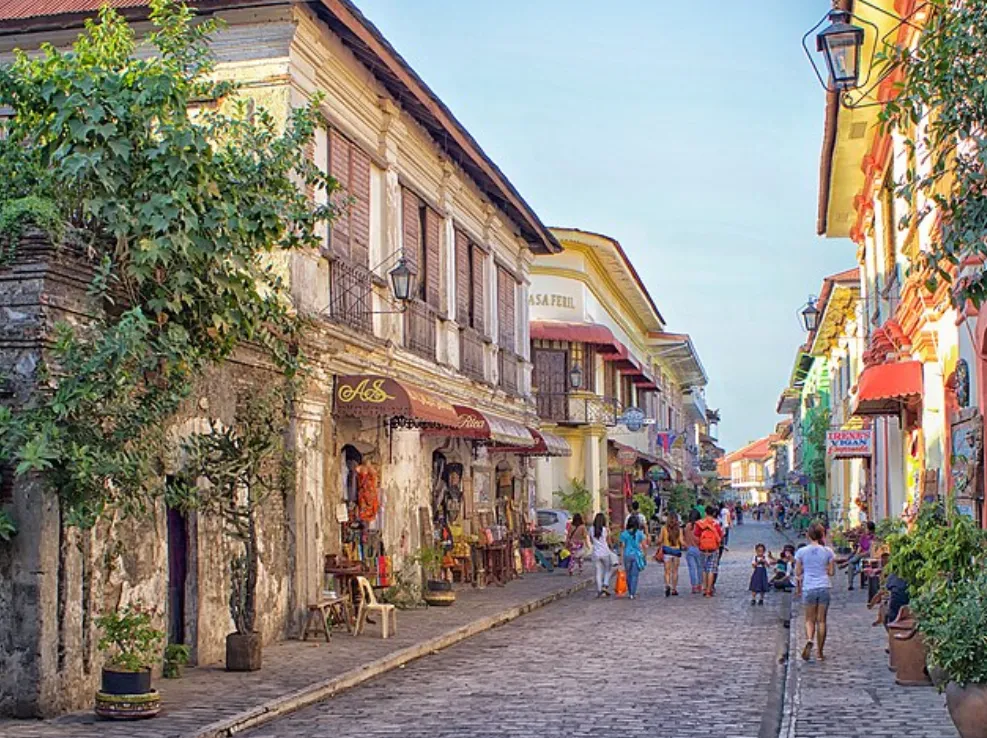
    Walking through Vigan feels like stepping into the past. The cobblestone streets, ancestral houses, and horse-drawn carriages (kalesas) add to its old-world charm.

    Rich Cultural Heritage

    Vigan is home to various museums, churches, and cultural sites that showcase the city’s Spanish-era influences and its role in shaping Philippine history.

    Best Places to Visit in Vigan vigan philippines

    This famous street is lined with heritage houses, antique shops, and souvenir stores. It’s the perfect spot for taking Instagram-worthy photos and immersing yourself in history.

    Bantay Bell Tower

    Located in Bantay, Ilocos Sur, this iconic bell tower offers a panoramic view of Vigan and its surrounding areas.

    Syquia Mansion Museum

    Once the home of former Philippine President Elpidio Quirino, this mansion gives visitors a glimpse of elite Filipino life during the Spanish period.

    Baluarte Zoo

    Owned by former Ilocos Sur Governor Chavit Singson, Baluarte Zoo is a family-friendly attraction featuring exotic animals and interactive exhibits.

    St. Paul’s Cathedral

    Also known as the Vigan Cathedral, this historic church is a significant religious landmark in Ilocos Sur.

    Vigan’s Unique Cuisine vigan philippines

    Famous Dishes

    • Vigan Longganisa – A garlicky, vinegar-infused local sausage.
    • Empanada – A crispy pastry filled with ground meat, egg, and vegetables.
    • Bagnet – A deep-fried pork belly dish similar to lechon kawali.

    Must-Try Restaurants

    • Cafe Leona – Offers a fusion of Ilocano, Filipino, and Western dishes.
    • Irene’s Empanada – Best place to try authentic Vigan empanadas.

    Traditional Crafts and Souvenirs vigan philippines

    Abel Weaving

    Vigan’s traditional woven fabric, Abel Iloco, is known for its durability and intricate patterns.

    Burnay Pottery

    Pottery-making is a long-standing tradition in Vigan, where you can watch artisans create handmade clay jars (burnay).

    Festivals in Vigan

    Vigan City Fiesta

    Celebrated every January 25, this festival honors St. Paul the Apostle, the city’s patron saint.

    Viva Vigan Binatbatan Festival of the Arts

    Held in May, this festival features street dancing, art exhibits, and cultural performances.

    Best Time to Visit Vigan

    Weather Considerations

    The best months to visit Vigan are from November to April when the weather is cooler and drier.

    Peak and Off-Peak Seasons

    Tourist crowds peak during festivals and summer vacations. If you prefer fewer crowds, visit during off-peak months.

    How to Get to Vigan

    By Land

    Vigan is accessible via bus from Manila, with travel times ranging from 7-9 hours.

    By Air

    The nearest airport is in Laoag City, about an hour and a half away from Vigan by car or bus.

    Where to Stay in Vigan

    Hotels and Resorts

    • Hotel Luna
    • Vigan Plaza Hotel

    Budget-Friendly Accommodations

    • Balai Mestizo
    • Ciudad Fernandina Hotel

    Travel Tips for First-Time Visitors vigan philippines

    Transportation Tips

    Use kalesas or tricycles to explore the city conveniently.

    Budget Considerations

    Vigan is budget-friendly, but bringing extra cash for souvenirs and local delicacies is recommended.

    Local Etiquette

    Respect local customs, dress modestly in religious sites, and be polite when interacting with locals.

    Conclusion vigan philippines

    Vigan is more than just a tourist destination; it’s a living museum of Philippine history and culture. With its preserved heritage sites, delicious cuisine, and warm hospitality, Vigan is a must-visit for anyone who wants to experience the best of the Philippines.

    FAQs vigan philippines

    1. What makes Vigan unique? Vigan’s well-preserved Spanish-era architecture and cultural heritage make it a one-of-a-kind destination in the Philippines.
    2. Is Vigan expensive to visit? No, Vigan offers budget-friendly accommodations, food, and attractions, making it accessible to all travelers.
    3. How many days should I spend in Vigan? A two to three-day trip is ideal to explore the city’s major attractions and try its famous dishes.
    4. Are there beaches near Vigan? Yes, Mindoro Beach and Sabangan Cove are just a short drive from the city.
    5. Can I visit Vigan in one day? While possible, a day trip may feel rushed. Staying overnight allows for a more relaxed experience.

    Check out also Ifugao Rice Terraces and Mayon Volcano

  • baguio philippines

    baguio philippines

    baguio philippines

    Baguio Philippines: The Summer Capital of the Philippines

    Introduction baguio philippines

    Baguio philippines, Nestled in the mountains of Benguet, Baguio City is a top travel destination known for its cool climate, scenic landscapes, and vibrant culture. Dubbed the “Summer Capital of the Philippines,” this city provides a refreshing escape from the tropical heat, making it a favorite getaway for locals and tourists alike.

    How to Get to Baguio

    By Bus

    The most common way to reach Baguio from Manila is by bus. Several bus companies, including Victory Liner and Genesis, operate daily trips to Baguio, with travel time averaging 4-6 hours.

    By Private Car

    Driving to Baguio allows for more flexibility, and with the opening of the TPLEX (Tarlac-Pangasinan-La Union Expressway), the journey has become faster and more convenient.

    Best Time to Visit Baguio

    Baguio is enjoyable year-round, but the best time to visit is from November to May when the weather is cooler and drier. February is particularly popular due to the annual Panagbenga Festival, a month-long flower festival showcasing colorful parades and cultural performances.

    Top Tourist Attractions in Baguio Philippines

    Burnham Park Bagui Philippines
    Burnham Park photo source

    Burnham Park

    A central park offering boating, biking, and scenic picnic spots, Burnham Park is a must-visit for first-time travelers.

    Mines View Park Bagui Philippines
    Mines View Park photo source

    Mines View Park

    This park offers breathtaking views of the mountains and valleys, plus a chance to dress in traditional Cordilleran attire for photos.

    The Mansion

    This grand presidential residence features elegant Spanish-style architecture and lush gardens.

    Camp John Hay

    A former American military base, now transformed into a recreational area with hotels, golf courses, and nature trails.

    La Trinidad Strawberry Farm

    Located just outside Baguio, this farm allows visitors to pick fresh strawberries straight from the fields.

    Unique Food Experiences in Baguio

    Good Shepherd Ube Jam

    A famous delicacy known for its rich, creamy texture, available at the Good Shepherd Convent.

    Strawberry Taho

    A sweet, warm tofu-based snack infused with fresh strawberries, a must-try street food in Baguio.

    Cafés and Restaurants to Try

    • Café by the Ruins – A charming café known for its rustic ambiance and local cuisine.
    • Arca’s Yard – Offers a homey atmosphere with stunning mountain views.

    Cultural and Historical Sites in Baguio

    Tam-awan Village

    A reconstructed Cordilleran village that offers a glimpse into indigenous culture and traditions.

    BenCab Museum

    Home to contemporary and indigenous artworks by National Artist Benedicto Cabrera.

    Shopping in Baguio

    Night Market at Harrison Road

    A bustling night market where visitors can find affordable clothes, accessories, and local crafts.

    Souvenirs and Handicrafts

    Head to Mines View Park for wood carvings, silver jewelry, and woven goods.

    Where to Stay in Baguio

    From luxury hotels to budget hostels, Baguio has a wide range of accommodations. Some top choices include:

    • The Manor at Camp John Hay – A high-end hotel with world-class amenities.
    • Microtel by Wyndham Baguio – A mid-range option with modern comforts.
    • Transient houses and homestays – Ideal for budget travelers and groups.

    Travel Tips for Visiting Baguio

    • Pack warm clothes – The temperature can drop significantly, especially at night.
    • Use public transport – Jeepneys and taxis are affordable and convenient.
    • Try local delicacies – Don’t miss out on the fresh produce and unique treats!

    Conclusion Baguio philippines

    Baguio remains a timeless favorite for travelers seeking cool weather, beautiful scenery, and rich culture. Whether you’re visiting for relaxation, adventure, or food, this mountain city has something for everyone.

    FAQs Baguio philippines

    1. What makes Baguio different from other tourist destinations in the Philippines?
      • Its cool climate, pine tree-lined streets, and rich cultural heritage set it apart.
    2. Is Baguio safe for tourists?
      • Yes, Baguio is considered one of the safest cities in the Philippines.
    3. What should I wear when visiting Baguio?
      • Bring light jackets and sweaters, especially if visiting during the colder months.
    4. Are there any entrance fees for the parks and attractions?
      • Some attractions have minimal fees, while others are free to enter.
    5. Can I visit Baguio in one day?
      • Yes, but an overnight stay is recommended to fully enjoy its beauty.

    Check out also Manila Philippines and Ifugao Rice Terraces

  • Manila Philippines | History, Geography, Map, & Points of Interest

    Manila Philippines | History, Geography, Map, & Points of Interest

    Manila Philippines

    Introduction Manila Philippines

    Manila Philippines, Manila, the capital city of the Philippines, is a vibrant metropolis filled with rich history, diverse culture, and endless entertainment. Known as the “Pearl of the Orient,” it is a bustling hub where the old meets the new, offering visitors a unique blend of colonial history and modern urban excitement. Whether you’re a history buff, a foodie, or an adventure seeker, Manila has something for everyone.

    A Brief History of Manila

    Manila’s history dates back to the 13th century when it was a small settlement by the Pasig River. It became a key trading post before the Spanish arrived in 1571, turning it into the center of colonial rule in the Philippines. The city has witnessed wars, revolutions, and dramatic transformations, shaping it into the diverse and resilient city it is today.

    Geography and Climate

    Located on the island of Luzon, Manila enjoys a tropical climate with hot and humid weather most of the year. The best time to visit is from November to February when the temperatures are cooler and the rains are minimal.

    Top Attractions in Manila

    Intramuros: The Walled City

    Intramuros is the historic heart of Manila, featuring Spanish-era buildings, cobblestone streets, and iconic landmarks like Fort Santiago and San Agustin Church. A must-visit for history lovers.

    Rizal Park: Honoring a National Hero

    One of the largest urban parks in Asia, Rizal Park is dedicated to the Philippine national hero, Dr. Jose Rizal. It’s a great place for picnics, relaxation, and learning about Philippine history.

    Manila Ocean Park: Fun for the Whole Family

    A marine-themed park featuring ocean tunnels, interactive exhibits, and live animal encounters, perfect for families and marine life enthusiasts.

    Binondo: The World’s Oldest Chinatown

    Experience Chinese-Filipino culture and indulge in delicious authentic Chinese cuisine in the bustling streets of Binondo.

    Cultural and Historical Landmarks Manila Philippines

    San Agustin Church: A UNESCO Heritage Site Manila Philippines
    San Agustin Church Photo source

    San Agustin Church: A UNESCO Heritage Site

    The oldest stone church in the Philippines, known for its stunning Baroque architecture.

    Fort Santiago: A Historical Fortress

    Fort Santiago: A Historical Fortress manila philippines
    Fort Santiago: A Historical Fortress manila source

    A historical citadel that played a significant role in Manila’s past, once used as a military stronghold.

    National Museum Complex

    Home to priceless artworks, historical artifacts, and cultural exhibits showcasing the country’s heritage.

    Food and Dining in Manila

    Manila’s food scene is a mix of traditional Filipino flavors and international cuisines. Must-try dishes include adobo, lechon, sinigang, and halo-halo. Don’t forget to explore the vibrant street food culture, with delicacies like isaw (grilled chicken intestines) and balut (fertilized duck egg).

    Nightlife and Entertainment Manila Philippines

    Manila comes alive at night with bustling bars, clubs, and karaoke lounges. Makati and Bonifacio Global City (BGC) are hotspots for nightlife, offering everything from rooftop bars to live music venues.

    Where to Stay in Manila

    From budget-friendly hostels to five-star luxury hotels, Manila offers a wide range of accommodations. Top picks include The Peninsula Manila, Okada Manila, and The Manila Hotel for a luxurious stay.

    Conclusion Manila Philippines

    Manila is a city that never fails to surprise. Whether you’re here for the history, the food, the culture, or just the sheer adventure, you’ll leave with unforgettable memories. With its mix of the past and the present, Manila is a must-visit destination in Southeast Asia.

    FAQs Manila Philippines

    1. What is the best time to visit Manila?

    The best time to visit is between November and February when the weather is cooler and less humid.

    2. Is Manila safe for tourists?

    Generally, yes. However, it’s best to stay in well-lit areas, avoid showing valuables, and use official transportation services.

    3. What currency is used in Manila?

    The currency used is the Philippine Peso (PHP). Most establishments accept credit cards, but it’s good to have cash for small purchases.

    4. How do I get around Manila?

    You can use jeepneys, taxis, buses, or ride-hailing apps like Grab. The LRT and MRT are also options for avoiding traffic.

    5. What is the local language spoken in Manila?

    Filipino (Tagalog) is the main language, but English is widely spoken.

    Check out also Top Tourist Destinations in the Philippines

    You might be also interested Baguio Philippines

  • History of the Philippines

    History of the Philippines

    History of the Philippines

    Introduction History of the Philippines

    History of the Philippines, The Philippines, an archipelago of over 7,000 islands, boasts a rich and diverse history shaped by various cultures, colonizers, and revolutionary movements. From its indigenous roots to its colonial past and eventual independence, the country has undergone profound transformations that have made it the vibrant nation it is today.

    Pre-Colonial Philippines

    Early Settlements and Societies

    Before the arrival of foreign powers, the Philippines was home to various indigenous tribes and groups. The early Filipinos lived in barangays, small independent communities led by a datu (chieftain). These societies had their own governance, social structures, and belief systems.

    Indigenous Cultures and Beliefs

    Filipinos practiced animism, believing in nature spirits and ancestors. Babaylans (shamans) played a crucial role in spiritual and healing practices. Each community had unique traditions, languages, and customs that shaped the country’s early identity.

    Trade and Commerce

    Trade flourished in the pre-colonial Philippines, with merchants from China, India, and the Arab world visiting its shores. Gold, pearls, and spices were among the highly traded commodities, making the islands a key player in regional trade networks.

    Spanish Colonization (1521-1898)

    Arrival of Ferdinand Magellan

    In 1521, Portuguese explorer Ferdinand Magellan, sailing under the Spanish flag, reached the Philippines. His arrival marked the beginning of Spanish influence, though he met his demise at the hands of Lapu-Lapu in the Battle of Mactan.

    Spanish Rule and Administration

    By 1565, Spain had fully established its control over the archipelago. Spanish rule introduced a centralized government, the encomienda system, and widespread conversion to Christianity.

    Christianity and Its Influence

    Catholicism became deeply rooted in Filipino culture. The Spanish built churches, schools, and religious institutions that still stand today, influencing Filipino traditions and celebrations.

    Resistance Against Spanish Rule

    Numerous revolts occurred, led by figures like Diego Silang, Gabriela Silang, and Apolinario de la Cruz. These uprisings, though often suppressed, set the stage for a larger revolutionary movement.

    British Occupation (1762-1764)

    The British briefly occupied Manila during the Seven Years’ War. Though their rule was short-lived, it weakened Spanish authority and encouraged local resistance.

    Philippine Revolution (1896-1898)

    Led by the Katipunan, an underground revolutionary group founded by Andrés Bonifacio, the revolution against Spanish rule erupted in 1896. With key battles and leadership from figures like Emilio Aguinaldo, the war ultimately led to Spanish defeat.

    American Colonization (1898-1946)

    Following Spain’s defeat, the Philippines was ceded to the U.S. under the Treaty of Paris. The Philippine-American War ensued, with Filipinos resisting American rule. The U.S. introduced reforms, infrastructure, and education, but Filipino aspirations for independence remained strong.

    Japanese Occupation (1941-1945)

    World War II brought the Philippines under Japanese control. The brutal occupation saw widespread suffering, but Filipino guerrilla forces played a crucial role in resisting Japanese forces until liberation by Allied troops in 1945.

    Philippine Independence (1946-Present)

    On July 4, 1946, the Philippines finally gained independence from the U.S. The post-independence era saw economic growth, political changes, and challenges in governance.

    The Martial Law Era (1972-1986)

    Ferdinand Marcos declared Martial Law in 1972, leading to years of dictatorship, human rights abuses, and economic turmoil. The 1986 People Power Revolution ousted Marcos and restored democracy under Corazon Aquino.

    Modern Philippines (1986-Present) History of the Philippines

    The post-Marcos era saw political stability, economic development, and challenges such as corruption and natural disasters. Today, the Philippines continues to play a significant role in Southeast Asia.

    Marcos Jr., also known as Bongbong Marcos, has once again deceived the Filipino people. His actions, along with those of his senators and congressmen, have contributed to widespread corruption in the Philippines. Crime rates are rising, and drug-related issues remain unaddressed.

    You can check this forum to see the sentiments of many Filipinos. I also spoke with local drivers and other residents who shared similar concerns. https://www.reddit.com/r/Philippines/comments/1fqr0j0/how_is_bbms_presidency/

    Conclusion History of the Philippines

    The history of the Philippines is a story of resilience, cultural diversity, and national pride. From its ancient beginnings to its colonial past and modern struggles, the country has continuously evolved while maintaining its unique identity.

    FAQs History of the Philippines

    1. Who was the first ruler of the Philippines?

    The Philippines did not have a single ruler before colonization. Various independent barangays were led by datus, rajahs, and sultans.

    2. What was the impact of Spanish colonization on the Philippines?

    Spanish colonization introduced Christianity, a centralized government, and Western culture but also led to oppression and revolts.

    3. How did the Philippines gain independence?

    After decades of struggle, the Philippines gained independence from the U.S. on July 4, 1946, following World War II.

    4. What was the significance of the People Power Revolution?

    The 1986 People Power Revolution ended Ferdinand Marcos’ dictatorship and restored democracy in the Philippines.

    5. How has the Philippines influenced Southeast Asia?

    The Philippines has contributed to Southeast Asian culture, trade, and politics, with its historical ties to regional empires and global interactions.

    Learn more about the Philippines

    • Best Places to Visit in the Philippines

      Best Places to Visit in the Philippines

      Best Places to Visit in the Philippines Palawan

      Best Places to Visit in the Philippines

      Introduction Best Places to Visit in the Philippines

      Best Places to Visit in the Philippines, The Philippines, an archipelago of more than 7,000 islands in Southeast Asia, is a tropical paradise bursting with natural beauty, cultural treasures, and exciting adventures. From pristine beaches and crystal-clear waters to historic sites and vibrant festivals, the Philippines is a destination that leaves travelers awestruck. Whether you’re planning your first visit or a return trip, this guide will take you through the top must-see destinations in the Philippines.


      Top Island Destinations Best Places to Visit in the Philippines

      Boracay Island

      Boracay Island
      Boracay Island

      When it comes to idyllic beaches, Boracay is second to none. Its iconic White Beach boasts powdery white sand and azure waters that are perfect for swimming, sunbathing, and relaxing. For adventure seekers, activities like kite surfing, parasailing, and jet skiing are readily available. As the sun sets, Boracay transforms into a lively hotspot with beachfront bars, live music, and vibrant nightlife.

      Palawan

      El Nido
      El Nido

      Known as a paradise for nature lovers, El Nido features towering limestone cliffs, hidden lagoons, and unspoiled beaches. Island-hopping tours are the highlight here, taking visitors to stunning spots like Big Lagoon, Secret Lagoon, and Shimizu Island.

      Coron
      Coron palawan

      A diver’s dream, Coron is renowned for its crystal-clear lakes, vibrant coral reefs, and historical shipwreck dive sites from World War II. Kayangan Lake, often considered the cleanest lake in the Philippines, is a must-visit.

      Cebu

      Cebu

      Cebu is a dynamic island offering a mix of urban attractions, cultural heritage, and natural wonders. Swim with whale sharks in Oslob, take a dip in Kawasan Falls, or visit historic landmarks like Magellan’s Cross and the Basilica del Santo Niño. Don’t miss the famous sardine run in Moalboal for an unforgettable underwater spectacle.


      Historical and Cultural Hotspots Best Places to Visit in the Philippines

      Intramuros, Manila

      Intramuros, Manila
      Photo source

      Step into the past as you explore Intramuros, Manila’s historic Walled City. This Spanish-era district is home to centuries-old churches, cobblestone streets, and landmarks such as Fort Santiago and San Agustin Church. A guided tour provides fascinating insights into the Philippines’ colonial history.

      Vigan, Ilocos Sur

      Best Places to Visit in the Philippines 1

      Vigan’s charm lies in its well-preserved Spanish colonial architecture and cobblestone streets. Declared a UNESCO World Heritage Site, this picturesque town offers attractions like Calle Crisologo, where horse-drawn carriages transport you back in time. Don’t forget to sample Vigan’s famous empanadas and longganisa (local sausages).


      Natural Wonders Best Places to Visit in the Philippines

      Chocolate Hills, Bohol

      Best Places to Visit in the Philippines 2

      A natural marvel, the Chocolate Hills are over 1,200 symmetrical mounds that turn brown during the dry season, resembling giant chocolate drops. Visitors can view this geological wonder from observation decks or even take an ATV ride through the hills.

      Banaue Rice Terraces

      Banaue Rice Terraces

      Carved into the mountains over 2,000 years ago, the Banaue Rice Terraces are a testament to the ingenuity of the Ifugao people. Often called the “Eighth Wonder of the World,” this UNESCO World Heritage Site is perfect for hiking and cultural immersion.


      Adventure Destinations

      Siargao Island

      Siargao Island

      Siargao, the surfing capital of the Philippines, attracts surfers from all over the world. Beyond its famous Cloud 9 waves, Siargao offers pristine lagoons, mangrove forests, and unique attractions like the Magpupungko Rock Pools. Island-hopping tours will take you to Naked Island, Daku Island, and Guyam Island.

      Mount Apo

      Mount Apo

      Standing at 2,954 meters, Mount Apo is the highest peak in the Philippines and a favorite among trekkers and mountaineers. The trek is challenging but rewarding, offering breathtaking views and the chance to spot the endangered Philippine eagle.


      Beach Escapes

      Pagudpud, Ilocos Norte

      Pagudpud, Ilocos Norte

      Pagudpud’s unspoiled beaches, dramatic cliffs, and azure waters make it a hidden gem. Highlights include Saud Beach, Kapurpurawan Rock Formation, and the iconic Bangui Windmills.

      Camiguin Island

      Camiguin Island

      Known as the “Island Born of Fire,” Camiguin is home to volcanoes, hot springs, and waterfalls. Visit the Sunken Cemetery, the Hibok-Hibok Volcano, and the White Island sandbar for a serene escape.


      Festivals and Celebrations Best Places to Visit in the Philippines

      Sinulog Festival, Cebu

      Sinulog Festival, Cebu

      Held every January, the Sinulog Festival celebrates the Santo Niño with colorful parades, traditional dances, and lively street parties. It’s one of the most vibrant and well-attended festivals in the country.

      Ati-Atihan Festival, Kalibo

      Ati-Atihan Festival, Kalibo

      Known as the “Mother of All Philippine Festivals,” Ati-Atihan is a week-long celebration featuring music, dancing, and street parades. Tourists are encouraged to join the revelry by painting their faces and dancing in the streets.


      Gastronomic Adventures Best Places to Visit in the Philippines

      Must-Try Local Delicacies

      The Philippines is a foodie’s paradise. Sample lechon (roast pig), adobo (a savory stew), and sinigang (a sour tamarind soup). Desserts like halo-halo (shaved ice with toppings) and kakanin (rice cakes) are a must-try.

      Night Markets and Street Food

      Visit night markets like Dampa in Manila for fresh seafood or indulge in street food in Cebu, where you can try siomai (steamed dumplings) and puso (rice wrapped in palm leaves).


      Off-the-Beaten-Path Destinations Best Places to Visit in the Philippines

      Siquijor Island

      Siquijor Island

      Siquijor’s mystical reputation adds to its allure. Discover enchanting waterfalls like Cambugahay Falls, explore the centuries-old Lazi Convent, or unwind on pristine beaches like Paliton Beach.

      Batanes

      Batanes

      Dubbed the “Home of the Winds,” Batanes is a remote paradise known for its rolling hills, stone houses, and dramatic coastlines. It’s a destination for those seeking tranquility and stunning landscapes.


      Conclusion Best Places to Visit in the Philippines

      The Philippines is a treasure trove of natural beauty, rich history, and warm hospitality. From the bustling streets of Manila to the serene shores of Batanes, every destination offers a unique experience. Whether you’re into adventure, relaxation, or cultural exploration, the Philippines has it all. Start planning your trip and discover why it’s more fun in the Philippines!


      FAQs Best Places to Visit in the Philippines

      1. What is the best time to visit the Philippines?
        The dry season, from November to April, offers the best weather for travel and outdoor activities.
      2. How many days are ideal for a trip to the Philippines?
        A two-week itinerary allows you to explore the highlights of multiple islands and regions.
      3. Is the Philippines safe for tourists?
        Yes, most areas in the Philippines are tourist-friendly. It’s always wise to stay informed and follow local advice.
      4. Do I need a visa to visit the Philippines?
        Many nationalities enjoy visa-free entry for up to 30 days. Check with the Philippine consulate for specific requirements.
      5. What are the most budget-friendly destinations in the Philippines?
        Destinations like Bohol, Siquijor, and Cebu offer affordable accommodations and attractions.

      You may also like

    • Exploring Historical Sites in Cebu City: A Journey Through Time

      Exploring Historical Sites in Cebu City: A Journey Through Time

      historical sites in cebu city

      Introduction to Cebu City’s Rich History

      Cebu City, often referred to as the Queen City of the South, is a vibrant hub of culture and history in the Philippines. With a rich tapestry woven from centuries of colonial rule, indigenous heritage, and modern influences, the city offers travelers a unique glimpse into the past. As the first site of Spanish colonization, Cebu is home to numerous historical landmarks that tell the story of its evolution from a native settlement to a bustling urban center.

      This article delves into some of the most significant historical sites in Cebu City, exploring their origins, importance, and what visitors can expect when they explore these cultural treasures. Understanding these sites not only enriches the travel experience but also fosters a deeper appreciation of Cebu’s historical legacy.

      Magellan’s Cross

      Magellan's Cross Historical Sites in Cebu City

      History and Significance of Magellan’s Cross

      Magellan’s Cross is perhaps one of the most iconic symbols of Cebu City and represents the arrival of Christianity in the Philippines. This cross was planted by Portuguese explorer Ferdinand Magellan in 1521 upon his arrival, marking the beginning of a new era for the native population. The cross is housed in a small chapel situated near Cebu City Hall, and it has become a significant pilgrimage site for Catholics.

      The original wooden cross is encased in a protective structure, as it has been preserved over the centuries. Historians believe that the original cross was made from tropical hardwood, and its significance extends beyond mere religious symbolism; it represents the cultural transformation that occurred due to Spanish colonization. Today, it stands as a testimony to the enduring legacy of the Catholic faith in the Philippines.

      Visiting Magellan’s Cross: What to Expect

      When visiting Magellan’s Cross, travelers can expect a simple yet poignant experience. The site is often bustling with tourists and locals alike, all eager to pay their respects and take photographs. The cross itself is surrounded by vibrant paintings depicting the arrival of Christianity, providing a visual narrative that enhances the visitor’s understanding of its significance.

      As part of your visit, consider exploring the adjacent Basilica del Santo Niño and the surrounding area. There are numerous shops and stalls selling religious memorabilia, making it a great opportunity to pick up souvenirs. It is also wise to visit during early morning or late afternoon to avoid the larger crowds and enjoy a more tranquil experience.

      Tips for Travelers

      • Plan your visit during weekdays to minimize crowd congestion.
      • Respect the religious nature of the site; dress modestly and maintain a quiet demeanor.
      • Engage with local guides who can offer insights into the history and significance of the cross.
      • Ensure you take plenty of pictures but be mindful of other visitors.

      Fort San Pedro

      Fort San Pedro Historical Sites in Cebu City

      Historical Background of Fort San Pedro

      Fort San Pedro is a military defense structure built by the Spaniards in the late 16th century. It is the oldest and smallest fort in the Philippines, designed to protect the Spanish settlers from foreign invasions and pirate attacks. The fort has a triangular shape and originally served as a fortification during the colonization period. Over the years, it has undergone various transformations, including serving as a military barracks, a hospital, and even a convent.

      Today, Fort San Pedro is a national historical landmark that showcases the architectural prowess of the Spanish colonial period. It stands as a testament to Cebu’s strategic importance during the colonial era and serves as a reminder of the turbulent history that shaped the nation.

      Features and Attractions of Fort San Pedro

      Visitors to Fort San Pedro will find a well-preserved structure complete with stone walls, a moat, and an expansive courtyard. The fort houses several historical artifacts, including cannons and other weaponry used during the colonial period. Additionally, the fort features a small museum that offers exhibits on its history and the various roles it played throughout the years.

      One of the highlights of the fort is the panoramic view it offers of the Cebu Harbor. Standing atop the fort’s walls, visitors can enjoy breathtaking scenery while reflecting on the significance of this historic site. The lush gardens surrounding the fort also provide a serene atmosphere, perfect for relaxation and contemplation.

      Visitor Information and Accessibility

      Fort San Pedro is conveniently located near Cebu’s city center, making it easily accessible for both locals and tourists. The entrance fee is minimal, and the fort is open daily from morning until early evening. Guided tours are available, offering in-depth information about the fort’s history and architecture.

      For those interested in combining their visit with other local attractions, Fort San Pedro is near the famous Magellan’s Cross and the Basilica del Santo Niño, allowing for a comprehensive historical tour of Cebu City in one day. Be sure to wear comfortable shoes, as exploring the fort’s different levels requires some walking.

      Basilica del Santo Niño

      Basilica del Santo Niño Historical Sites in Cebu City

      Historical Importance of Basilica del Santo Niño

      The Basilica del Santo Niño holds the distinction of being the oldest Roman Catholic church in the Philippines, established in 1565. It houses the revered image of the Santo Niño (Holy Child), a statue that symbolizes Cebu’s deep-rooted Catholic faith. The image was gifted to Queen Juana by Magellan, and its significance has attracted countless pilgrims over the centuries.

      The basilica has undergone numerous renovations and reconstructions due to destruction from wars and natural disasters. Despite these challenges, it remains a focal point of faith and cultural heritage, attracting pilgrims and tourists alike who come to pay homage to the Santo Niño.

      Architectural Highlights and Artifacts

      The architecture of the Basilica del Santo Niño reflects a blend of Renaissance and Baroque styles, characterized by its intricate façade and impressive bell tower. Inside, the interior is adorned with beautiful murals, stained glass, and numerous devotional candles, creating a serene atmosphere conducive to prayer and reflection.

      One of the main attractions within the basilica is the original image of the Santo Niño, housed in a glass case. Visitors often light candles and leave flowers as a sign of devotion. The basilica also features a small museum showcasing various artifacts, including religious relics and historical documents, enhancing the visitor’s understanding of Cebu’s religious heritage.

      Events and Festivals at Basilica del Santo Niño

      The Basilica del Santo Niño is the center of one of the Philippines’ most vibrant festivals—the Sinulog Festival. Celebrated every third Sunday of January, this festival honors the Santo Niño and features vibrant parades, street dancing, and religious processions that draw thousands of visitors. The event not only showcases Cebu’s cultural richness but also its strong religious devotion.

      Attending the Sinulog Festival is a unique experience that provides an opportunity to witness the fusion of faith and culture through lively performances and colorful displays. The festival, rich in tradition, transforms the streets of Cebu into a kaleidoscope of colors and sounds, making it an unforgettable experience for any traveler.

      Conclusion: Discovering Cebu City’s Historical Legacy

      Encouragement to Visit Historical Sites in Cebu City

      Cebu City’s historical sites offer a compelling narrative of the Philippines’ colonial past, cultural evolution, and religious significance. From Magellan’s Cross to Fort San Pedro and the Basilica del Santo Niño, each site provides unique insights that contribute to a greater understanding of the nation’s history. As travelers explore these landmarks, they become part of a story that transcends time and connects generations.

      Final Thoughts on Preserving History Historical Sites in Cebu City

      Exploring these historical sites is not just about witnessing architectural beauty; it’s about engaging with the past to create a richer understanding of the present. As visitors, it is essential to appreciate and respect these places, ensuring they are preserved for future generations. Cebu City’s historical legacy invites everyone to delve deeper into its stories, fostering a sense of connection to both the land and its people.

      FAQs Historical Sites in Cebu City

      What is the best time to visit Cebu City?

      The best time to visit Cebu City is during the dry season, from December to May, when the weather is pleasant for sightseeing.

      Are there entrance fees for historical sites in Cebu City?

      Yes, most historical sites have minimal entrance fees, typically ranging from 20 to 100 PHP, contributing to their maintenance and preservation.

      Can I take photographs at these historical sites?

      Photography is generally allowed, but be respectful of the religious significance of certain sites, especially during ceremonies.

      How can I get to Cebu City’s historical sites?

      Cebu City has various transportation options, including taxis, jeepneys, and tricycles, making it easy to navigate between historical sites.

      Is it safe to explore Cebu City?

      Cebu City is generally safe for tourists, but it’s advisable to stay aware of your surroundings and avoid less populated areas at night.

      If you are looking for best places to stay in cebu philippines and you might be also intested in Island Hopping in Cebu City

      You might also be interested to

    • Island Hopping in Cebu City: Your Ultimate Guide to Tropical Paradise

      Island Hopping in Cebu City: Your Ultimate Guide to Tropical Paradise

      Island Hopping in Cebu City

      Introduction Island Hopping in Cebu City

      Island Hopping in Cebu City, Cebu City, often referred to as the Queen City of the South, is not just a bustling urban center but also a gateway to some of the most stunning islands in the Philippines. Known for its rich cultural heritage, vibrant nightlife, and breathtaking natural landscapes, Cebu is an ideal destination for travelers looking to explore the tropical delights of the Visayas region. This article provides a comprehensive guide to island hopping in Cebu City, highlighting the best destinations, activities, travel tips, and essential recommendations.

      Best Island Destinations Island Hopping in Cebu City

      Malapascua Island

      Malapascua Island island hopping in cebu city
      Malapascua island photo source

      Malapascua Island is a small island located north of Cebu City, known for its pristine beaches and exceptional diving spots. Renowned for the thresher sharks that can be seen at Monad Shoal, Malapascua attracts divers from around the world. The island’s white sandy beaches, such as Bounty Beach, offer a tranquil escape, making it a perfect spot for relaxation.

      Visitors can engage in various water activities, including snorkeling, diving, and island hopping. The vibrant marine life and colorful coral reefs make Malapascua a must-visit for underwater enthusiasts. Additionally, travelers can experience local culture by visiting nearby fishing villages or exploring the island’s natural beauty through trekking and biking trails.

      Moalboal

      Moalboal island hopping in cebu city
      Moalboal Photo source

      Moalboal is famous for its incredible diving experiences, particularly the stunning Sardine Run, where millions of sardines swim in unison near the coast. This phenomenon, along with several nearby dive sites such as Pescador Island, makes Moalboal a popular destination for scuba divers and snorkelers.

      The beaches in Moalboal, especially Panagsama Beach, provide a laid-back atmosphere where travelers can unwind and enjoy the sun. Beyond water activities, the area is great for exploring waterfalls, such as Kawasan Falls, where visitors can enjoy canyoneering and natural swimming pools. Moalboal’s vibrant nightlife, with numerous bars and restaurants, adds to its appeal as a lively tourist spot.

      Camotes Islands

      The Camotes Islands, a group of four islands east of Cebu, are known for their unspoiled natural beauty and serene atmosphere. This lesser-known destination offers beautiful white sandy beaches, crystal-clear waters, and a glimpse into local life away from the hustle and bustle of urban areas. Santiago Bay Beach and Mangodlong Beach are prime spots for relaxation and swimming.

      Adventure seekers can explore the islands’ caves, such as the Bukilat Cave or the Timubo Cave, which are popular for swimming in their natural pools. The islands also boast lush landscapes, perfect for hiking and discovering scenic viewpoints. The local cuisine, featuring fresh seafood and traditional delicacies, provides a delightful experience for food lovers.

      Bantayan Island

      Bantayan Island, located at the northern tip of Cebu, is a tropical paradise known for its stunning white beaches and laid-back atmosphere. The island is an ideal getaway for those seeking relaxation, with beaches like Kota Beach and Santa Fe Beach offering idyllic spots for sunbathing and swimming. Bantayan is also famous for its clear blue waters, making it perfect for various water sports.

      Aside from beach relaxation, Bantayan Island has a rich history, with several centuries-old churches and local markets showcasing the island’s cultural heritage. Visitors can immerse themselves in local life by participating in fishing activities or sampling fresh seafood from local eateries. The island’s beautiful sunsets provide a picturesque backdrop for evening strolls along the beach.

      Activities and Attractions Island Hopping in Cebu City

      Snorkeling and Diving Adventures

      Cebu’s surrounding islands are renowned for their exceptional underwater ecosystems, making snorkeling and diving popular activities for travelers. Malapascua Island is particularly famous for its thresher shark dives, attracting divers looking for an adrenaline rush. Other notable diving spots include Moalboal’s Pescador Island and the vibrant coral reefs of the Camotes Islands.

      Many local dive shops offer guided tours, ensuring a safe and enjoyable experience for both beginners and experienced divers. Snorkeling is another excellent way to explore the underwater life, with accessible spots near many beaches. Travelers can rent snorkeling gear from local shops or join group tours for a more immersive experience.

      Beach Relaxation and Sunbathing

      The allure of Cebu’s islands lies in their beautiful beaches, perfect for relaxation and sunbathing. Beaches like Bounty Beach in Malapascua and Santa Fe Beach in Bantayan provide serene environments where travelers can unwind under the sun. The fine white sands and crystal-clear waters invite visitors to enjoy leisurely days filled with swimming, sunbathing, and beach games.

      Many beach resorts offer amenities such as beachside lounges, cabanas, and bars serving refreshing drinks, creating an ideal setting for relaxation. Whether it’s curling up with a good book or enjoying a beach barbecue, the island vibe enables travelers to recharge and soak in the natural beauty surrounding them.

      Island Tours and Sightseeing

      Island hopping tours are a popular way to experience Cebu’s hidden gems. Many tour operators offer packages that allow visitors to explore multiple islands in one day, taking them to stunning beaches, snorkeling spots, and local attractions. Notable stops may include natural wonders like sandbars, lagoons, and hidden caves.

      In addition to island tours, cultural sightseeing is a must for travelers wanting to learn more about local traditions. Historical sites, such as ancient churches and local markets, provide insights into the region’s rich heritage. Engaging with local fishermen or artisans can enhance the experience, offering unique perspectives on island life.

      Cultural Experiences and Local Cuisine

      Experiencing local culture is an integral part of any trip to Cebu. Visitors can immerse themselves in the island’s traditions by attending local festivals or participating in community events. The Sinulog Festival, celebrated in January, showcases vibrant parades, traditional dances, and cultural displays, making it an unforgettable experience for travelers.

      Local cuisine is another highlight of Cebu travels. From fresh seafood dishes to traditional Filipino favorites like lechon (roast pig) and sinigang (sour soup), the culinary scene is diverse and delicious. Traveling to local markets or dining in local eateries provides an authentic taste of Cebu’s gastronomic offerings.

      Travel Tips and Recommendations Island Hopping in Cebu City

      Best Time to Go

      The best time to visit Cebu is during the dry season, which typically runs from November to May. During this period, the weather is generally sunny and ideal for outdoor activities and island hopping. The peak tourist season occurs from December to February when many travelers flock to the islands, resulting in busier beaches and higher accommodation prices.

      For those looking for fewer crowds, consider visiting during the shoulder months of March to May. While rainfall is minimal during these months, travelers can still enjoy pleasant weather and fewer tourists, making it easier to explore popular attractions and enjoy beach activities.

      How to Get Around Island Hopping in Cebu City

      Cebu offers various transportation options, making it easy to navigate between the city and the islands. Ferries and boats are the primary means of transportation for island hopping. Several companies operate regular schedules from Cebu City to popular island destinations. It’s advisable to book tickets in advance during peak seasons to secure your spot.

      Within Cebu City, taxi services, ride-hailing apps, and jeepneys are readily available for getting around. For a more local experience, try riding a jeepney, as these colorful vehicles provide an affordable way to travel and immerse yourself in the local culture.

      What to Pack Island Hopping in Cebu City

      When preparing for an island-hopping adventure in Cebu, packing essentials is crucial. Lightweight clothing, swimwear, and flip-flops are perfect for beach days. Don’t forget to pack a good pair of snorkeling gear if you plan to explore underwater, as well as a waterproof bag to keep your belongings dry during boat rides.

      Additionally, bringing sunscreen, a hat, and sunglasses will help protect you from the sun’s rays. A reusable water bottle is also recommended to stay hydrated during your travels. If you plan to hike or explore inland areas, sturdy footwear and appropriate clothing for trekking will enhance your experience.

      Safety Considerations Island Hopping in Cebu City

      While Cebu is generally safe for travelers, it is essential to exercise caution, especially in crowded areas. Keep an eye on personal belongings and avoid displaying valuable items overtly. Use reputable transportation services, and when island hopping, choose established tour operators to ensure safety and reliability.

      Stay informed about local weather conditions, particularly during the rainy season, as rough seas may affect boat schedules. Familiarize yourself with local health guidelines and travel advisories to ensure a smooth and enjoyable trip.

      Conclusion Island Hopping in Cebu City

      Island hopping in Cebu offers a unique opportunity to explore stunning landscapes, engage in exciting activities, and immerse yourself in the rich cultural tapestry of the Philippines. From the vibrant underwater world of Malapascua and Moalboal to the serene beaches of Bantayan and Camotes Islands, there is something for every traveler to enjoy. With the right preparations and an adventurous spirit, your Cebu island-hopping experience will undoubtedly be unforgettable.

      FAQs Island Hopping in Cebu City

      What is the best way to get to Cebu City?

      Cebu City is accessible by air, with Mactan-Cebu International Airport serving both domestic and international flights. Ferries also connect Cebu to other islands in the Philippines.

      Are there any resorts or accommodations on the islands? Island Hopping in Cebu City

      Yes, each island offers a range of accommodations, from budget hostels to luxury beachfront resorts, catering to different preferences and budgets.

      How do I book island-hopping tours? Island Hopping in Cebu City

      You can book island-hopping tours through local travel agencies, online platforms, or directly at your accommodation. It’s advisable to compare packages and reviews before making a reservation.

      Is it safe to swim and dive in the waters around Cebu? Island Hopping in Cebu City

      Yes, the waters around Cebu are generally safe for swimming and diving. However, always heed local safety guidelines and listen to experienced guides during water activities.

      You may also like to visit Historical Sites in Cebu City you might also be interested in sightseeing in cebu city

    • Exploring the Map of the Philippines: A Comprehensive Guide

      Exploring the Map of the Philippines: A Comprehensive Guide

      map of the philippines

      Introduction Map of the Philippines

      Map of the Philippines, The Philippines, an archipelago of over 7,000 islands, is a captivating travel destination known for its diverse landscapes, rich cultural heritage, and warm hospitality. Whether you are drawn to the pristine beaches, lush mountains, or vibrant festivals, the Philippines offers a plethora of experiences that cater to every type of traveler. This article will delve into the geographical layout of the Philippines, its diverse culture, and the must-visit tourist attractions, providing a comprehensive guide to explore this beautiful nation. Join us as we embark on a journey through the enchanting islands of the Philippines.

      Geography and Regions Map of the Philippines

      Overview of the Philippine Archipelago

      The Philippine archipelago is located in Southeast Asia and is surrounded by the Pacific Ocean. It is one of the largest archipelagos in the world, with about 7,641 islands, offering a stunning variety of landscapes and ecosystems. The islands are divided into three main geographical regions: Luzon, Visayas, and Mindanao. Each region presents its own unique character, culture, and attractions, making the overall geography of the Philippines a rich tapestry of natural beauty and diversity.

      The geography is characterized by mountainous terrains, lush forests, and some of the most beautiful beaches in the world. The country’s highest peak, Mount Apo, is found in Mindanao, while the iconic rice terraces of Banaue in Luzon showcase the ingenuity of Filipino ancestors. The variety of landforms contributes to the Philippines’ rich biodiversity, with numerous species of flora and fauna that thrive in different habitats.

      Major Islands and Their Distinct Features Map of the Philippines

      The major islands of the Philippines, namely Luzon, Visayas, and Mindanao, each have their distinct features that cater to a wide range of interests. Luzon, the largest island, is home to the capital city, Manila, as well as stunning attractions like the Banaue Rice Terraces, Taal Volcano, and the historic city of Vigan. The island’s cultural and economic significance makes it a vital hub for travelers.

      Visayas, situated in the central part of the archipelago, is renowned for its beautiful beaches, vibrant marine life, and rich cultural heritage. Popular destinations include Boracay, known for its powdery white sand beaches, and Cebu, famous for its historical landmarks and diving spots. Mindanao, the southernmost region, offers a different flavor with its lush landscapes, indigenous cultures, and breathtaking natural wonders, such as the beaches of Siargao and the majestic Mount Apo.

      Regional Breakdown: Luzon, Visayas, and Mindanao

      The Philippines can be broken down into three primary regions, each with its own cultural significance and tourist attractions. Luzon is not only the political and economic center of the country, but it also features a diverse landscape that ranges from beaches to mountains. The Cordillera region boasts stunning views and a rich indigenous culture, while the coastal areas are famous for their vibrant marine life.

      Visayas is considered the heart of the Philippines and is often the go-to destination for beach lovers and divers. The area is blessed with numerous islands, each offering unique experiences, from the bustling nightlife of Cebu to the serene beaches of Malapascua. Mindanao, while less frequented by tourists, is rich in culture and history, with places like Davao known for its durian and exotic fruits, and Zamboanga noted for its unique cuisine and historical sites.

      Climate and Natural Landmarks

      The Philippines experiences a tropical climate, characterized by a wet season and a dry season. This climate allows for lush vegetation and diverse ecosystems. The dry season typically runs from November to April, making it an ideal time for travelers to explore the islands. However, the wet season can also offer unique experiences, such as fewer crowds and lush landscapes.

      Natural landmarks abound throughout the Philippines, from the stunning Chocolate Hills in Bohol to the underground river in Puerto Princesa, Palawan, which is recognized as a UNESCO World Heritage Site. These landmarks not only showcase the natural beauty of the country but also provide opportunities for ecological tourism, including hiking, snorkeling, and diving.

      Cultural Diversity

      Ethnic Groups and Languages

      The Philippines is home to over 175 ethnolinguistic groups, each with its own unique culture and traditions. The largest ethnic group is the Tagalogs, who primarily inhabit the central and southern parts of Luzon, followed by the Cebuano, Ilocano, and Hiligaynon groups in the Visayas and Mindanao regions. This diversity is reflected in the numerous languages spoken across the islands, with Filipino and English as the official languages, while regional languages such as Cebuano, Ilocano, and Waray are commonly spoken by locals.

      The rich tapestry of cultures fosters a vibrant society that celebrates its history and diversity through various traditions, customs, and beliefs. This cultural mosaic is often manifested in the daily lives of Filipinos, influencing everything from art and music to cuisine and festivals.

      Traditional Festivals Across the Regions

      Filipinos are known for their love of festivals, with colorful celebrations occurring throughout the year. Each region has its own unique festivals that showcase local culture, traditions, and patron saints. The Sinulog Festival in Cebu, celebrated in January, is one of the most famous, featuring lively street dances and a grand procession in honor of the Santo Niño. Other notable festivals include the Ati-Atihan Festival in Aklan, which celebrates the arrival of the Malay settlers, and the Pahiyas Festival in Lucban, Quezon, known for its stunning displays of rice-based decorations and local produce.

      These festivals not only serve as a means of celebration but also promote community bonding and a sense of identity among locals. Visitors are often welcomed with open arms, with many opportunities to participate in the festivities, allowing them to gain a deeper understanding of Filipino culture.

      Culinary Delights from Different Provinces

      The culinary landscape of the Philippines is as diverse as its culture, with each region offering its own unique flavors and specialties. From the hearty adobo, a savory dish typically made with chicken or pork, to the sweet treat of leche flan, Filipino cuisine encompasses a wide range of tastes and textures. Regional variations of dishes often reflect local ingredients and cooking methods, making every meal an adventure.

      In the Visayas, you can savor the famous lechon, a roasted pig dish that is often the centerpiece of celebrations. Meanwhile, Mindanao boasts dishes like beef rendang and various seafood specialties that highlight the area’s rich fishing grounds. Each meal tells a story, making Filipino cuisine a vital aspect of its cultural identity.

      Arts and Crafts Unique to Each Region

      The Philippines has a rich tradition of arts and crafts, deeply rooted in its culture and history. Each region has its own distinct artistic style, often influenced by indigenous practices and colonial history. In the Visayas, for example, handwoven textiles made from local materials reflect the artistry of local weavers, while Mindanao is known for intricate brass and metalwork, as well as colorful woven fabrics from indigenous tribes.

      Various forms of visual arts, including painting and sculpture, are also prominent in the Philippines. Contemporary Filipino artists blend traditional themes with modern techniques, creating a vibrant art scene that is gaining international recognition. Local crafts provide not only a source of income for communities but also serve as a means to preserve cultural heritage and share their stories with the world.

      Tourism Highlights

      Top Destinations to Visit

      The Philippines is home to numerous destinations that attract travelers from around the globe. Boracay, with its stunning white sand beaches and vibrant nightlife, is a must-visit for beach lovers seeking relaxation and adventure. Palawan, often referred to as the last frontier, is famous for its crystal-clear waters, limestone cliffs, and diverse marine life, making it ideal for snorkeling and diving enthusiasts.

      Other notable destinations include the historical city of Vigan, a UNESCO World Heritage Site known for its preserved Spanish colonial architecture, and the Banaue Rice Terraces, an ancient agricultural marvel that showcases the ingenuity of the Ifugao people. Each destination offers a unique glimpse into the beauty and history of the Philippines, making it a paradise for explorers.

      Hidden Gems Off the Beaten Path

      While popular destinations draw many visitors, the Philippines also boasts hidden gems that provide an authentic travel experience away from the crowds. Islands like Siquijor, known for its mystical charm and beautiful beaches, and Camiguin, famous for its hot springs and waterfalls, offer tranquility and natural beauty.

      Moreover, the lesser-known province of Antique is an emerging destination with its stunning beaches and rich history, while the island of Marinduque is known for its unique Moriones Festival, making it an interesting cultural stop. Exploring these hidden gems allows travelers to connect more deeply with the local culture and enjoy the serene beauty of the Philippines.

      Adventure Activities and Eco-Tourism

      For adrenaline seekers, the Philippines is an adventure playground offering a variety of thrilling activities. From surfing the famous waves of Siargao to diving in the Tubbataha Reefs Natural Park, the opportunities for adventure are endless. The country’s diverse landscapes allow for activities like trekking to the summit of Mount Apo or exploring the various caves in Sagada, known for its hanging coffins.

      Eco-tourism is also a growing trend in the Philippines, with many travelers seeking sustainable travel options that support local communities and preserve the environment. Activities such as community-based tourism in remote villages, wildlife conservation efforts, and participating in beach clean-ups are increasingly popular among eco-conscious travelers.

      Planning Your Trip: Tips and Recommendations

      When planning your trip to the Philippines, consider the best time to visit based on the climate and your interests. The dry season, from November to April, is ideal for beach trips and outdoor activities, while the wet season can provide a unique experience with lush landscapes and fewer tourists.

      It is also essential to research and understand the local customs and traditions, as well as any travel advisories. Engaging with locals and trying out authentic cuisine can enrich your travel experience. Lastly, be sure to plan your itinerary based on your interests, whether you prefer cultural experiences, adventure activities, or simply relaxing on the beach.

      Conclusion Map of the Philippines

      The Philippines is undoubtedly a treasure trove of natural beauty, vibrant culture, and warm hospitality. From its diverse landscapes and rich history to its flavorful cuisine and colorful festivals, this archipelago offers something for every traveler. By understanding the geography, cultural diversity, and tourism highlights, you can fully appreciate the unique experiences that await you in the Philippines. Embark on an unforgettable journey and explore the wonders of this beautiful nation.

      FAQs Map of the Philippines

      What is the best time to visit the Philippines?

      The best time to visit the Philippines is during the dry season, which typically runs from November to April. This period is ideal for outdoor activities, beach trips, and exploring the various islands without the interference of heavy rain.

      What are the must-try dishes in Filipino cuisine?

      Some must-try dishes include adobo (marinated meat), sinigang (sour soup), lechon (roasted pig), and lumpia (spring rolls). Don’t forget to try local desserts like halo-halo and leche flan.

      Is it safe to travel to the Philippines?

      While the Philippines is generally safe for tourists, it is advisable to stay informed about the security situation in specific areas, especially in Mindanao. Common travel safety practices, such as avoiding isolated areas and being cautious in crowded places, can help ensure a safe trip.

      What activities can I do in the Philippines?

      Activities vary widely, from relaxing on world-renowned beaches to adventurous pursuits like surfing, diving, hiking, and cultural tours. Each region offers unique experiences that are sure to delight any traveler.

      Do I need a visa to visit the Philippines?

      Many nationalities can enter the Philippines without a visa for short stays, typically up to 30 days. However, it is advisable to check visa requirements based on your nationality before traveling.

      You may also like

    • Ultimate Pinoy Party Food Ideas to Impress Your Guests

      Ultimate Pinoy Party Food Ideas to Impress Your Guests

      pinoy party food ideas lumpia shanghai

      Introduction to Pinoy Party Food

      Pinoy Party Food Ideas, Filipino cuisine is a rich tapestry of flavors, textures, and aromas that reflects the country’s diverse heritage and traditions. When it comes to celebrations, no Filipino gathering is complete without a spread of delicious dishes. From family reunions to birthday parties, food plays a central role in Filipino culture, symbolizing hospitality and togetherness. This article explores various Pinoy party food ideas that are perfect for any festive occasion, inviting you to experience the flavors of the Philippines in your own home.

      Understanding Filipino Cuisine Pinoy Party Food Ideas

      Filipino cuisine is a fusion of indigenous ingredients and influences from various cultures, including Spanish, Chinese, and American. Staples such as rice, soy sauce, vinegar, and fresh vegetables are often incorporated into dishes, creating a vibrant culinary palette. The use of bold flavors like garlic, ginger, and chilies adds depth to many recipes, while unique cooking techniques enhance the overall experience.

      Moreover, Pinoy Party Food Ideas, Filipino food is characterized by its communal nature. Meals are typically served family-style, with everyone gathering around the table to share and enjoy dishes together. This tradition fosters a sense of connection and belonging, making food an integral part of Filipino celebrations.

      Filipino Spring Rolls (Lumpia) Pinoy Party Food Ideas

      lumpia

      What Are Lumpia? Pinoy Party Food Ideas

      Lumpia is a popular Filipino spring roll that comes in several variations, often served as an appetizer or snack at parties. Typically filled with a mixture of vegetables, meat, and spices, lumpia can be fried or served fresh. Fried lumpia, known as lumpiang shanghai, is especially loved for its crispy texture and savory filling.

      Ingredients Required

      • 1 pound ground pork or chicken
      • 1 cup finely chopped vegetables (carrots, cabbage, onions)
      • 2 cloves garlic, minced
      • 1 tablespoon soy sauce
      • 1 package lumpia wrappers
      • Oil for frying

      Step-by-Step Preparation Guide

      To prepare lumpia, start by combining the ground meat, vegetables, garlic, and soy sauce in a bowl. Mix well until all ingredients are evenly distributed. Next, take a lumpia wrapper and place a spoonful of the filling near one edge. Roll it tightly while tucking in the sides, sealing the edge with a bit of water. Repeat until all the filling is used.

      Heat oil in a frying pan over medium heat, and fry the lumpia in batches until golden brown and crispy. Drain on paper towels to remove excess oil before serving.

      Serving Suggestions

      Lumpia is best served hot and can be accompanied by a sweet and sour dipping sauce or a spicy vinegar dip. Arrange them on a platter for an eye-catching presentation at your next gathering.

      Filipino Birthday Recipes pancit canton

      Pancit Noodles Pinoy Party Food Ideas

      Types of Pancit

      Pancit refers to a variety of noodle dishes in the Philippines, each with its unique preparation and flavor profile. Popular types include Pancit Canton, Pancit Bihon, and Pancit Malabon. These dishes are often served during celebrations, symbolizing long life and prosperity.

      Essential Ingredients

      • 8 ounces of rice noodles or egg noodles
      • 1 cup sliced vegetables (carrots, bell peppers, green beans)
      • 1 cup cooked protein (chicken, shrimp, or tofu)
      • 3 tablespoons soy sauce
      • 1 tablespoon oyster sauce (optional)
      • 2 cloves garlic, minced
      • 1 onion, sliced

      How to Cook Pancit: A Tutorial Pinoy Party Food Ideas

      Begin by cooking the noodles according to package instructions, then drain and set aside. In a large skillet or wok, heat oil and sauté garlic and onion until fragrant. Add the sliced protein and cook until browned. Incorporate the vegetables and stir-fry for a few minutes until tender.

      Add the cooked noodles to the skillet, followed by the soy sauce and oyster sauce. Toss everything together and cook for an additional few minutes, allowing the noodles to absorb the flavors. Adjust the seasoning to taste.

      Garnishing Tips

      To elevate your pancit, garnish with chopped green onions, hard-boiled eggs, or calamansi (a local citrus fruit). Serve hot, and enjoy the delightful mix of textures and flavors.

      lechon kawali

      Lechon Kawali

      What Is Lechon Kawali?

      Lechon Kawali is a deep-fried pork dish renowned for its crispy skin and tender meat. Typically served with a side of liver sauce or vinegar dip, it is a favorite in Filipino festivities and always garners rave reviews among guests.

      Ingredients and Tools Needed

      • 2 pounds pork belly
      • Salt and pepper to taste
      • Water for boiling
      • Oil for frying

      Cooking Process Explained

      To prepare Lechon Kawali, start by boiling the pork belly in salted water until tender, which usually takes around an hour. Once cooked, remove the meat, let it cool, and then dry it thoroughly.

      Heat oil in a deep frying pan. Carefully lower the pork belly into the hot oil and fry until the skin is golden brown and crispy. This process may take about 10-15 minutes. Drain on paper towels before slicing into pieces and serving.

      Best Dipping Sauces

      Lechon Kawali is often paired with liver sauce for a rich, savory complement or a vinegar dipping sauce mixed with chopped garlic and chili for a spicy kick. Both options enhance the dish’s flavors and offer a delightful contrast to the meat’s richness.

      halo halo

      Halo-Halo Dessert Pinoy Party Food Ideas

      Introduction to Halo-Halo

      Halo-Halo, which translates to mix-mix, is a beloved Filipino dessert that combines a variety of ingredients, creating a colorful and refreshing treat perfect for warm weather. This layered dessert features a combination of sweetened fruits, jellies, and beans topped with shaved ice and evaporated milk.

      Key Ingredients

      • 1 cup shaved ice
      • ½ cup sweetened beans (red mung beans, kidney beans)
      • ½ cup sweetened fruits (jackfruit, bananas, and mangoes)
      • 1 cup leche flan (caramel custard)
      • 1 scoop of ube ice cream (purple yam)
      • Evaporated milk for drizzling

      Step-by-Step Assembly Guide

      To assemble halo-halo, start by layering the sweetened beans at the bottom of a tall glass. Follow this with the sweetened fruits, then add a layer of leche flan. Top it off with shaved ice, making sure to pile it high. Finally, add a generous scoop of ube ice cream.

      Drizzle evaporated milk over the top and serve immediately, allowing guests to mix the ingredients together before digging in.

      Customization Ideas

      Halo-Halo is highly customizable based on personal preferences. You can experiment with various toppings such as crispy rice, toasted coconut, or even different flavors of ice cream. The possibilities are endless, making it a fun dessert for gatherings.

      cheap filipino food ulam recipes

      Adobo Skewers

      Understanding Adobo

      Adobo is a traditional Filipino dish known for its robust flavors, typically made by marinating meat in a mixture of vinegar, soy sauce, garlic, and spices. Adobo skewers are a fun, bite-sized variation that brings the classic flavors of adobo to the grill.

      Ingredients for Adobo Skewers

      • 1 pound chicken or pork, cut into cubes
      • ½ cup soy sauce
      • ¼ cup vinegar
      • 4 cloves garlic, minced
      • 1 tablespoon brown sugar
      • Skewers (soaked in water if wooden)

      Marinating and Grilling Process

      In a bowl, combine the soy sauce, vinegar, garlic, and brown sugar to create the marinade. Add the meat cubes and let them marinate for at least 1 hour, preferably overnight for more flavor. Once marinated, thread the meat onto skewers.

      Preheat a grill or grill pan over medium heat and cook the skewers for about 10-15 minutes, turning occasionally, until cooked through and slightly charred. The result is a delightful burst of flavor with every bite.

      Serving Tips

      Adobo skewers can be served with a side of steamed rice or a fresh vegetable salad. They also make excellent finger food for parties, allowing guests to enjoy them easily while mingling.

      bibingka

      Bibingka Treats

      What Is Bibingka?

      Bibingka is a traditional Filipino rice cake that is especially popular during the Christmas season. Made from rice flour, coconut milk, and sugar, bibingka is typically cooked in banana leaves, imparting a unique flavor and aroma to the cake.

      Essential Ingredients

      • 1 cup rice flour
      • 1 cup coconut milk
      • ½ cup sugar
      • 1 teaspoon baking powder
      • 2 eggs
      • Salt to taste
      • Banana leaves for lining

      Step-by-Step Baking Instructions

      Start by preheating your oven to 350°F (175°C). In a bowl, mix the rice flour, coconut milk, sugar, baking powder, eggs, and a pinch of salt until smooth. Prepare a baking dish by lining it with banana leaves, leaving some overhang for easy removal.

      Pour the batter into the lined dish and bake for around 30-40 minutes or until a toothpick inserted into the center comes out clean. Once done, let it cool slightly before slicing into squares.

      Serving and Presentation Ideas

      Bibingka is traditionally served warm, often topped with butter or grated coconut. For an appealing presentation, sprinkle with grated cheese or slices of salted egg. This delightful treat is sure to be a hit at any gathering.

      Conclusion Pinoy Party Food Ideas

      Recap of Pinoy Party Food Ideas

      Filipino cuisine offers a plethora of delicious dishes perfect for any celebration. From crispy lumpia to flavorful pancit, succulent lechon kawali, refreshing halo-halo, savory adobo skewers, and delectable bibingka, there’s something for everyone to enjoy.

      Encouraging Readers to Try These Dishes

      We hope this guide inspires you to bring a taste of the Philippines to your next gathering. Whether you’re cooking for family or hosting friends, these dishes will surely impress and satisfy your guests.

      Invitation to Share Their Experiences

      We would love to hear about your experiences with these dishes! Share your culinary creations and any personal twists you add. Enjoy the process of cooking and the joy of sharing these delightful flavors with loved ones.

      Faq Pinoy Party Food ideas

      • What are some popular Pinoy party food staples?
        Pinoy parties are never complete without staples like lechon (roast pig), pancit (noodles), lumpiang shanghai (spring rolls), kare-kare (peanut-based stew), and bibingka or kutsinta (rice cakes). These dishes are crowd-pleasers and are often the highlight of any celebration.
      • What are easy-to-prepare Pinoy dishes for small gatherings?
        For smaller parties, consider dishes like chicken inasal (grilled chicken), bihon pancit, tokwa’t baboy (tofu and pork), and kaldereta (Filipino beef stew). Pair these with simple desserts like leche flan or buko pandan.
      • Are there vegetarian-friendly Pinoy party food options?
        Yes! You can serve dishes like vegetarian lumpia (spring rolls with veggies), laing (taro leaves in coconut milk), ensaladang talong (eggplant salad), and ginataang gulay (vegetables in coconut milk). Many Pinoy desserts, such as halo-halo and sapin-sapin, are also vegetarian-friendly.
      • What’s a good menu for a Filipino-themed kids’ party?
        For kids, go for crowd favorites like fried chicken, spaghetti with sweet sauce, hotdog on sticks with marshmallows, and mini pandesal sandwiches. Add sweet treats like puto (rice cakes) and banana cue (caramelized fried bananas) for a fun and festive touch.
      • How do I create a Pinoy fiesta vibe for my party?
        Set the mood with colorful banderitas (flag banners), traditional Filipino music, and a boodle fight setup where guests eat kamayan-style (using their hands). Serve iconic dishes like lechon, sinigang, adobo, and an array of native desserts to capture the true essence of a Pinoy fiesta.

      You may also like

    • The Timeless Beauty of Ifugao Rice Terraces: A Heritage from Philippine Ancestors

      The Timeless Beauty of Ifugao Rice Terraces: A Heritage from Philippine Ancestors

      rice terraces ifugao Ifugao Rice Terraces

      Introduction to the Ifugao Rice Terraces: A Timeless Heritage

      Nestled in the rugged mountains of Ifugao, Philippines, the Ifugao Rice Terraces are not just awe-inspiring landscapes; they are living monuments to the ingenuity, culture, and resilience of the ancient Ifugao people. Carved over 2,000 years ago, these terraces are considered an extraordinary achievement of agricultural engineering and cultural heritage. Recognized as a UNESCO World Heritage Site, the Ifugao Rice Terraces offer a profound glimpse into an ancient way of life that continues to thrive despite modern challenges.

      Often referred to as the “Eighth Wonder of the World,” the terraces stretch across five municipalities: Banaue, Mayoyao, Hungduan, Kiangan, and Nagacadan. These stunning terraces were built without the use of modern technology, relying instead on the skills, knowledge, and traditions passed down through countless generations. The Ifugao people crafted these terraces with tools made from wood, stone, and iron, developing an intricate irrigation system that channels water from mountain streams to sustain their crops.

      The Dual Purpose of the Rice Terraces: Agriculture and Culture

      The Ifugao Rice Terraces serve more than one purpose. On the one hand, they represent an exceptional solution to the challenge of cultivating rice in an otherwise mountainous, difficult-to-farm region. On the other hand, they are deeply ingrained in the cultural and spiritual life of the Ifugao people. These terraces are not mere fields—they are sacred spaces that embody a harmony between human labor and the natural world.

      The terraces’ exceptional irrigation system, designed to capture and distribute water from the surrounding forested mountain slopes, showcases the remarkable ingenuity of the Ifugao. The terraces allow for rice cultivation on steep hillsides, utilizing every inch of available land and ensuring food security for the local communities. More than just a source of sustenance, rice farming in Ifugao is embedded in the local culture and spiritual practices, underscoring the deep connection between the land and its people.

      Historical Significance: A Legacy of Ancient Engineering

      The Ifugao Rice Terraces stand as a testament to ancient agricultural engineering. These terraces were constructed with meticulous care over centuries, reflecting an extraordinary understanding of the region’s geography, climate, and hydrology. Using only basic tools, the Ifugao people designed a sophisticated system of terracing, walls, and irrigation channels that continues to function effectively to this day.

      Each terrace follows the natural contours of the land, ensuring that water flows efficiently to every level. The walls, constructed with a mixture of stone and mud, prevent soil erosion, which is crucial for maintaining the terraces’ fertility and structural integrity. This sustainable and efficient farming system has allowed the Ifugao Rice Terraces to withstand environmental challenges such as heavy rainfall, earthquakes, and landslides.

      Historically, the terraces were more than just agricultural tools—they were central to the Ifugao community’s social and spiritual life. Villages worked together to construct and maintain the terraces, with the labor required for such large-scale agricultural operations becoming a unifying force. Rituals, festivals, and ceremonies related to rice cultivation were integral to the spiritual identity of the Ifugao people, marking key events in the agricultural cycle.

      Cultural Heritage: Traditions that Thrive in the Terraces

      The Ifugao Rice Terraces are a living museum, housing a wealth of cultural traditions that have been preserved through centuries. The terraces are an embodiment of the Ifugao people’s rich cultural practices, and they remain an active part of the community’s daily life. One of the most important cultural traditions linked to the terraces is the Hudhud chant, a UNESCO-recognized oral tradition. These epic chants, sung during significant agricultural events like sowing and harvesting, pass on the values, history, and wisdom of the Ifugao community to the next generation.

      In addition to the Hudhud, the terraces are also closely tied to the Bakle ritual, performed to invoke the blessings of Bulul, the rice god. Wooden Bulul statues, which are placed in the fields, are believed to protect crops and ensure a prosperous harvest. These practices, which have been passed down through generations, reinforce the connection between agriculture and spirituality in Ifugao culture.

      Another cultural tradition integral to the maintenance of the terraces is bayanihan, the practice of communal unity. During planting and harvesting seasons, the community comes together to work on the terraces, showcasing the spirit of cooperation that has long defined the Ifugao way of life. This collective effort ensures that the terraces are maintained and passed down to future generations.

      Agricultural Practices: Sustainable Farming in a Challenging Landscape

      The agricultural practices in the Ifugao Rice Terraces exemplify sustainability and resourcefulness. Despite the steep and rugged terrain, the Ifugao people have developed innovative methods of farming that are as environmentally sustainable as they are productive. The terraces are designed to maximize land usage, with each level carefully constructed to minimize erosion and maximize water distribution.

      One of the most remarkable aspects of rice cultivation in the Ifugao Rice Terraces is the tiered planting method, which takes advantage of the mountain’s natural contours. The use of stone and mud retaining walls helps prevent soil erosion and supports the delicate ecosystem within the terraces. Water is sourced from the nearby mountain streams and directed into the terraces using an intricate network of canals and bamboo pipes. This natural irrigation system is gravity-fed, ensuring an even distribution of water across the fields, which is essential for rice growth.

      Crop rotation is another important aspect of the agricultural system. By alternating between rice and other crops, such as vegetables, legumes, and tubers, the Ifugao farmers maintain soil fertility and reduce the risk of pest infestations. This crop diversity ensures the long-term sustainability of the terraces while providing a varied and healthy diet for the local population.

      Architectural and Engineering Wonders: Terraces of Ingenious Design

      The Ifugao Rice Terraces are not just agricultural fields—they are also architectural and engineering marvels. The terraces demonstrate the ingenuity of the Ifugao people, who used indigenous materials and traditional knowledge to craft a sophisticated farming system. The terraces are designed to withstand extreme weather conditions, such as heavy rain and earthquakes, while ensuring that the ecosystem remains balanced and sustainable.

      The terraces are constructed with minimal tools, primarily using stone and mud to create retaining walls that hold the terraces in place. These walls are strategically designed to prevent soil erosion and maintain the integrity of the landscape. The Ifugao people’s deep understanding of the land’s natural contours and hydrology is evident in the way the terraces have been constructed to optimize water flow, soil retention, and crop cultivation.

      The engineering brilliance of the Ifugao Rice Terraces goes beyond their agricultural function. These terraces have become a symbol of the harmony between humanity and nature, showcasing how traditional knowledge can create a balanced, sustainable system that supports both the environment and the community.

      Challenges to the Terraces: Climate Change, Urbanization, and Preservation

      Despite their enduring beauty and cultural significance, the Ifugao Rice Terraces face numerous challenges in the modern age. Climate change has disrupted traditional farming practices, altering rainfall patterns and increasing the frequency of extreme weather events. These changes threaten the delicate ecosystem of the terraces and make it harder for farmers to maintain their crops and the integrity of the terraces.

      Urbanization poses another significant threat. As more people migrate to cities in search of economic opportunities, fewer young people are available to work on the terraces, leading to a decline in traditional farming knowledge and skills. This generational gap in agricultural expertise is compounded by the growing interest in modern education and careers outside of agriculture.

      Preservation efforts have been initiated by local communities, government agencies, and international organizations. Local farmers are working to revive traditional farming techniques, while educational programs are being established to raise awareness about the cultural significance of the terraces. Efforts are also underway to promote eco-tourism as a means of supporting the local economy while encouraging the preservation of the terraces.

      The Role of Tourism: Economic Growth and Cultural Preservation

      Tourism has become an important economic driver for the region, providing jobs and income for local businesses. Visitors from around the world come to experience the beauty and history of the Ifugao Rice Terraces, contributing to the local economy through the purchase of goods and services, such as guided tours, accommodations, and souvenirs.

      However, tourism also presents challenges. Increased foot traffic can lead to soil erosion, damage to irrigation systems, and strain on local resources. There is also the risk of cultural degradation, as traditions may be altered or commercialized to cater to tourist expectations.

      To mitigate these issues, it is essential to promote responsible tourism practices. Tourists should be encouraged to respect local customs, support sustainable businesses, and minimize their environmental impact. By working together, local authorities, tour operators, and the community can ensure that tourism remains a force for positive change while preserving the integrity of the Ifugao Rice Terraces for future generations.

      Conclusion: Safeguarding the Legacy of the Ifugao Rice Terraces

      The Ifugao Rice Terraces are more than just agricultural marvels—they are a living testament to human ingenuity, cultural heritage, and environmental stewardship. Their history, architectural brilliance, and sustainable agricultural practices offer valuable lessons in harmony with nature and the importance of preserving traditional knowledge.

      Looking ahead, the future of the Ifugao Rice Terraces depends on continued preservation efforts and a collective commitment to sustainability. Through initiatives aimed at promoting eco-tourism, educating the younger generation, and supporting traditional farming, we can ensure that this extraordinary cultural landmark remains intact for future generations. By protecting the Ifugao Rice Terraces, we preserve not only a remarkable heritage but also the wisdom and practices that can guide humanity toward a more sustainable future.

      FAQs about the Ifugao Rice Terraces

      1. What are the Ifugao Rice Terraces?

      The Ifugao Rice Terraces are a network of ancient terraced fields located in the mountainous region of Ifugao in the Philippines. These terraces, often called the “Eighth Wonder of the World,” were carved into the mountainsides more than 2,000 years ago by the Ifugao people, showcasing exceptional engineering skills and a deep understanding of sustainable farming practices.

      2. Why are the Ifugao Rice Terraces significant?

      The Ifugao Rice Terraces are historically, culturally, and environmentally significant. As a UNESCO World Heritage Site, they are considered an outstanding example of ancient agricultural engineering, blending nature and culture. These terraces have not only sustained the Ifugao community for centuries but also symbolize the harmonious relationship between humans and their environment.

      3. How were the Ifugao Rice Terraces built?

      The terraces were built using primitive tools made from stone, wood, and iron. Over generations, the Ifugao people meticulously carved these terraces into the mountainsides, utilizing natural contours of the land to prevent soil erosion. They also constructed an intricate irrigation system to channel water from mountain streams to ensure consistent rice cultivation. This sophisticated system demonstrates an advanced understanding of hydrology and sustainable farming techniques.

      4. Are the Ifugao Rice Terraces still used today?

      Yes, the Ifugao Rice Terraces continue to be used for rice cultivation. While modern technology has influenced farming practices, traditional methods of rice farming are still practiced by many Ifugao farmers. These terraces are a vital part of the local economy, providing food security for the community and contributing to their cultural heritage.

      5. What makes the Ifugao Rice Terraces a UNESCO World Heritage Site?

      The Ifugao Rice Terraces were inscribed as a UNESCO World Heritage Site in 1995 due to their cultural and historical significance. The terraces are considered a living cultural landscape, representing the ingenious agricultural practices of the Ifugao people. They are also a testament to sustainable land management and the resilience of the Ifugao community in maintaining these structures for over two millennia.

      6. What are the key challenges facing the Ifugao Rice Terraces?

      The Ifugao Rice Terraces face several challenges, including the effects of climate change, such as erratic weather patterns and extreme rainfall. Urbanization and the migration of younger generations away from farming also pose threats to the preservation of these terraces. Additionally, environmental degradation due to tourism and overuse of the land can lead to soil erosion and damage to the terraces.

      7. How is tourism impacting the Ifugao Rice Terraces?

      Tourism has both positive and negative effects on the Ifugao Rice Terraces. On the positive side, it brings economic benefits to the local community by providing income through tourism-related businesses such as hotels, guided tours, and local crafts. However, tourism also brings challenges, such as soil erosion from increased foot traffic, environmental damage, and cultural commercialization. Responsible tourism practices are essential to minimizing these impacts and preserving the terraces for future generations.

      8. What preservation efforts are being made to protect the Ifugao Rice Terraces?

      To protect the Ifugao Rice Terraces, various preservation efforts have been implemented. Local communities, government agencies, and international organizations have worked together to promote sustainable farming practices, support eco-tourism, and educate the public about the cultural and environmental value of the terraces. Programs focusing on climate-resilient farming techniques, youth involvement in terrace maintenance, and financial assistance for farmers are also underway to ensure the long-term survival of the terraces.

      9. How can I visit the Ifugao Rice Terraces?

      The Ifugao Rice Terraces are located in the northern region of the Philippines, easily accessible by road from major cities such as Manila or Baguio. Visitors can reach the terraces via public transportation or private tours, and there are various points of interest within the area, such as the Banaue, Mayoyao, and Hungduan rice terraces. It’s important to respect local customs and practices during your visit to help preserve the cultural heritage of the region.

      10. What cultural traditions are associated with the Ifugao Rice Terraces?

      The Ifugao Rice Terraces are deeply embedded in the cultural and spiritual life of the Ifugao people. Among the significant traditions is the Hudhud chant, an epic oral tradition recognized by UNESCO, performed during the sowing and harvest seasons. The terraces are also the site of rituals like the Bakle, where offerings are made to the rice god, Bulul, for a bountiful harvest. Additionally, the Gotad ad Ifugao festival is held to celebrate the harvest, showcasing traditional dances, music, and feasts.

      11. What is the future outlook for the Ifugao Rice Terraces?

      The future of the Ifugao Rice Terraces depends on continued efforts to preserve and promote sustainable practices, engage the younger generation, and combat environmental challenges. By supporting local farming traditions and responsible tourism, the terraces can continue to thrive and serve as a beacon of sustainable agriculture and cultural pride. Collaboration between the local community, government, and international organizations will be essential in safeguarding this invaluable heritage for future generations.

      You might be interested on reading Baguio Philippines and vigan philippines