
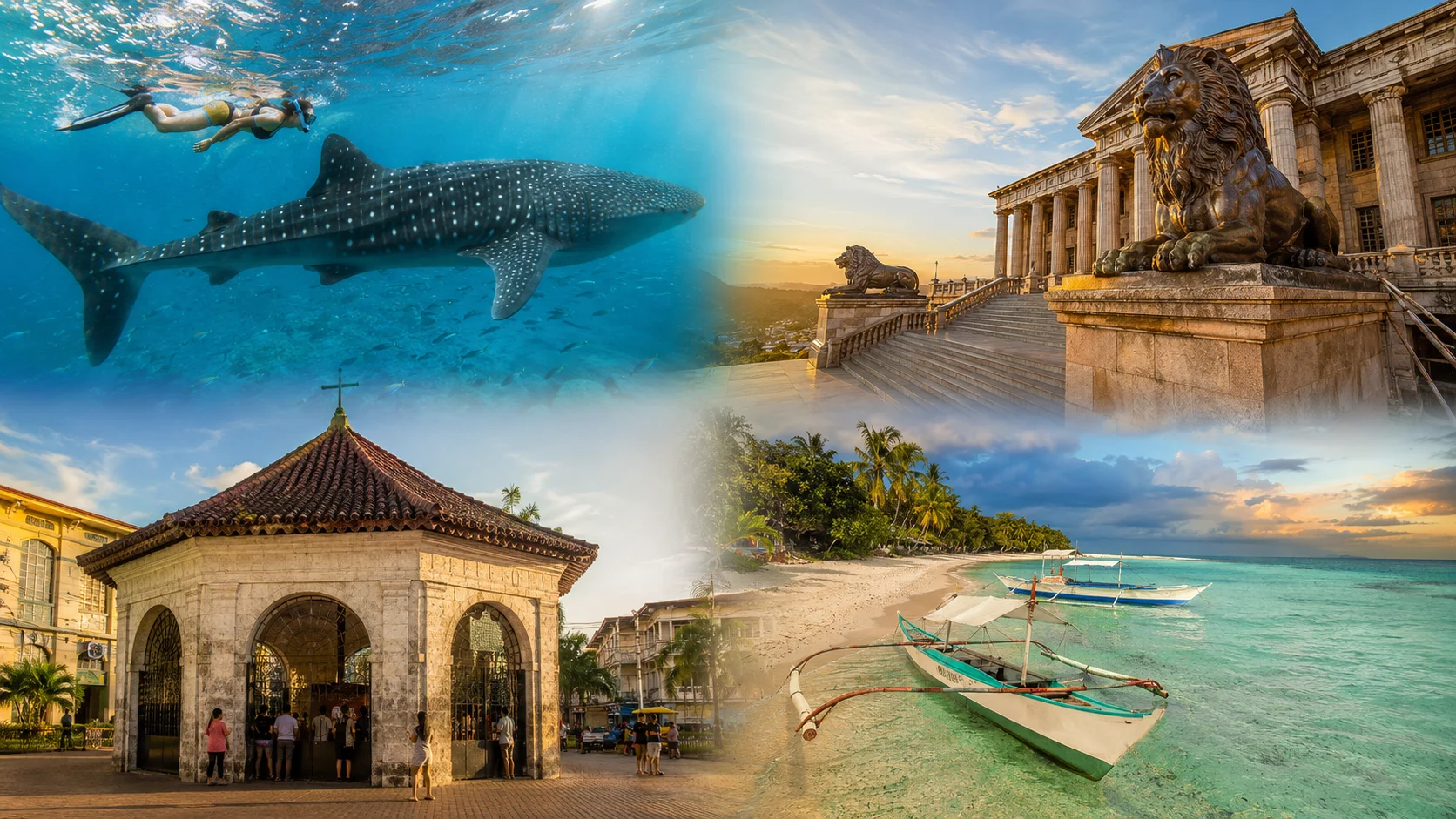
Cebu offers everything — whale sharks, waterfalls, colonial history, highland views, and pristine island beaches — all on one island.
Quick Answer
The best things to do in Cebu are whale shark watching in Oslob (₱500), Kawasan Falls canyoneering (₱1,500 — 2026 LGU fee), the Moalboal sardine run, Temple of Leah in Busay (₱120–150), Sirao Flower Garden, Tops Lookout, Osmeña Peak hiking, Magellan’s Cross and the Basilica del Santo Niño, Bantayan Island, and a Bohol day trip by fast ferry. Best visited November–May during the dry season.
I was born in Cebu City. Not just visited — born there. The Basilica del Santo Niño, the smell of lechon on Carbon Market mornings, the road up to Busay, the first time I saw the Kawasan Falls turquoise — these are not a traveler’s checklist for me. They are memory. This guide is built from that.
Cebu is one of the most underrated islands in Southeast Asia for international travelers. This guide covers everything — city, highlands, south coast, north coast, islands, and the day trips most guides miss — reorganized below so you can jump straight to what you’re planning.
📋 Jump to a section
🔥 Trending Cebu Experiences on Klook
Klook.com🦈 Top Adventure Experiences — Whale Sharks, Canyoneering & Islands
The most-booked activities in Cebu, ranked by what actually converts. These can be combined into 2–3 full days.
1. Whale Shark Watching — Oslob
Entrance: ₱500 + ₱300 snorkel (~USD 14) · Distance: ~3.5 hrs south of Cebu City · Best time: 6–9 AM
Oslob is where you swim alongside the world’s largest fish — whale sharks (butanding) that gather in the shallow cove of Tan-awan village every morning. The interaction is limited to 30 minutes per group, with swimmers at regulated distances while guides keep the encounter controlled and safe.
*Affiliate link — we earn a small commission at no extra cost to you.
2. Kawasan Falls Canyoneering — Badian
Fee (2026): ₱1,500 (~USD 26) · Duration: 4–5 hrs · Distance: ~3 hrs south of Cebu City
Three tiers of turquoise-blue water so vivid it looks digitally enhanced. The route runs through narrow river gorges, natural slides, and cliff jumps (max 10 m as of 2026), finishing at the main falls.
📖 Full guide: Kawasan Falls Canyoneering — Price, Route, Tips & Booking
🎟️ Book Kawasan Falls Canyoneering on Klook →*Affiliate link — we earn a small commission at no extra cost to you.
3. Moalboal Sardine Run & Turtle Point
Dive fee: ₱600–₱800 · Distance: ~2.5 hrs south of Cebu City
A permanent school of tens of millions of sardines lives just 15 metres offshore from Panagsama Beach — visible from the surface, no dive certification needed. Turtle Point nearby reliably has 3–5 sea turtles grazing on the reef.
📖 Full guide: Moalboal Cebu — Sardine Run, Diving & Beaches
🎟️ Book Moalboal Island Hopping & Canyoneering on Klook →*Affiliate link — we earn a small commission at no extra cost to you.
Bonus: Pescador Island Hopping & Mactan Water Sports
Two more add-ons worth booking ahead: a private Pescador Island hopping tour departing Cebu/Mactan/Mandaue, and quick-hit Mactan water sports (jet ski, banana boat, parasailing) right off the resort strip.
🎟️ Pescador Island Hopping → 🎟️ Mactan Water Sports →🏨 Where to Stay in Cebu
Every hotel below books instantly on Klook. Full comparison and area-by-area breakdown in the dedicated guide.
📖 Full guide: Best Hotels in Cebu 2026 — By Area, Budget & Traveler Type
| Hotel | Area / Vibe | From (USD) | Book |
|---|---|---|---|
| Fili Hotel Cebu | City · Upscale | $124.90 | Check rates → |
| Marco Polo Plaza Cebu | Nivel Hills · City views | $52.89 | Check rates → |
| bai Hotel Cebu | Mandaue · Business | $68.55 | Check rates → |
| Citadines Cebu City | City · Serviced apt | $78.40 | Check rates → |
| Waterfront Cebu City Hotel & Casino | City · Casino/nightlife | $65.59 | Check rates → |
| Red Planet Cebu | City · Budget | $30.59 | Check rates → |
| Cebu Mini Hotel | City · Ultra-budget | $19.99 | Check rates → |
Prices shown are sample nightly rates in USD at time of writing and change with dates/availability — always confirm on Klook. *Affiliate links — we earn a small commission at no extra cost to you.
Day-Use Resort Passes (no overnight needed)
If you just want a pool day, several Mactan/Cebu resorts sell day passes with lunch or F&B credits included:
🎟️ Dusit Thani Mactan Day Pass → 🎟️ Plantation Bay Day Pass → 🎟️ Solea Mactan Day Pass →🏔️ Busay Highlands — Temple of Leah, Sirao Garden & Tops Lookout
Three attractions within 15 minutes of each other above Cebu City — an easy half-day loop, best done in the morning.
4. Temple of Leah — Busay
Entrance: ₱120 (weekday) / ₱150 (weekend) · Hours: 6 AM–11 PM
A Roman and Greek-inspired memorial built for the late Leah Villa Albino-Adarna — bronze lions, marble staircase, and a terrace overlooking all of Cebu City. Often called the “Taj Mahal of the Philippines.”
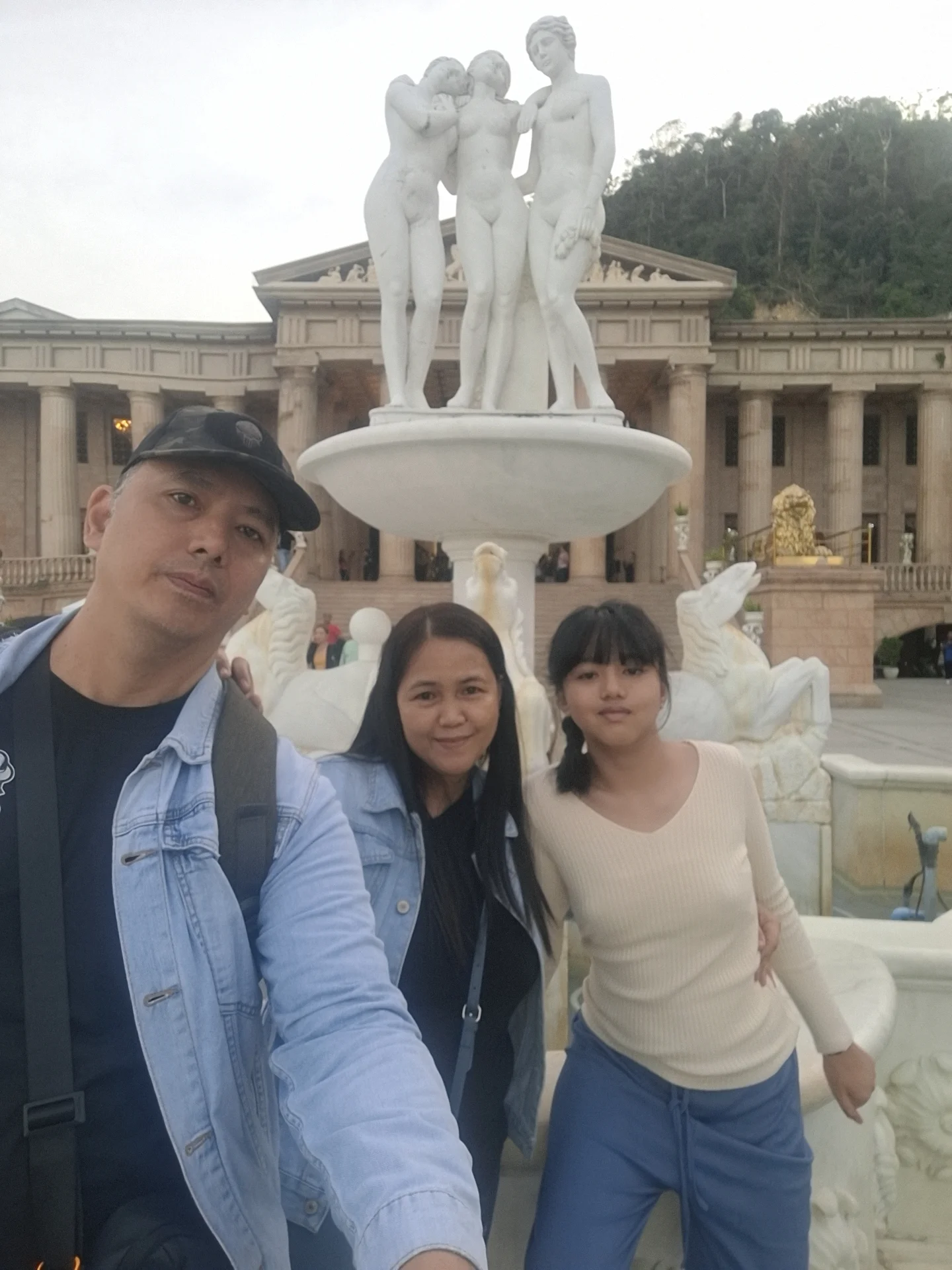
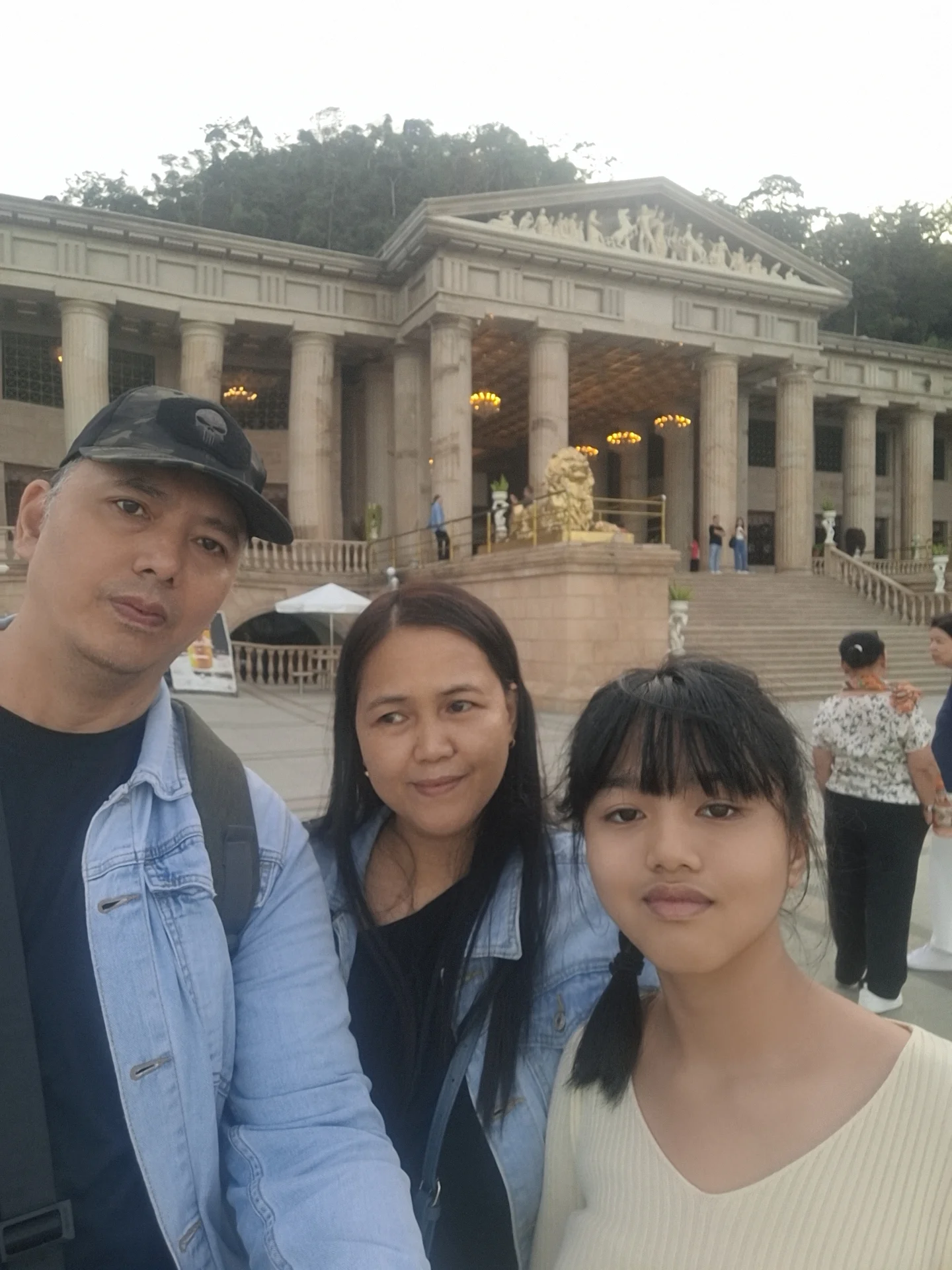
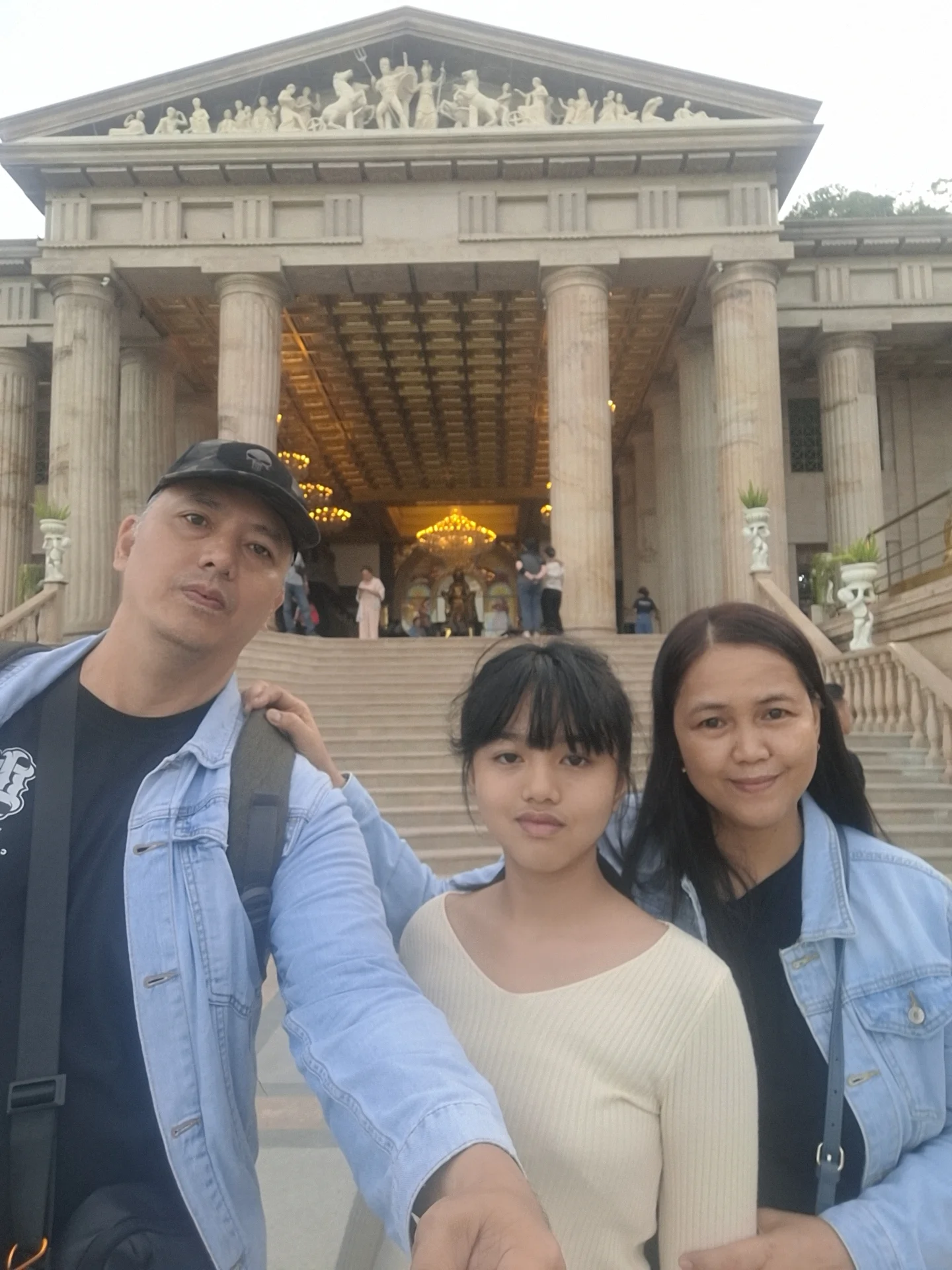
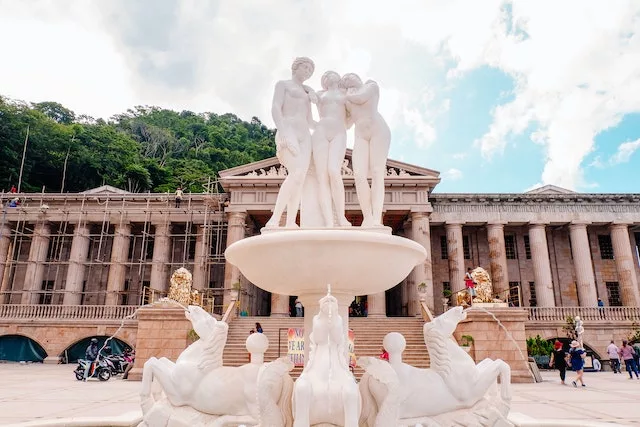
Temple of Leah — bronze lion staircase, Roman columns, panoramic Cebu City views, and the full façade of the monument Teodorico Adarna built for his late wife.
📖 Full guide: Temple of Leah Cebu — Complete Visitor Guide
🎟️ Book Temple of Leah Highland Tour on Klook →*Affiliate link — we earn a small commission at no extra cost to you.
5. Sirao Flower Garden — Little Amsterdam of Cebu
Entrance: ₱150 · Hours: 6 AM–5 PM
Terraced hillside fields of vibrant celosia flowers — best October–February when the blooms peak.
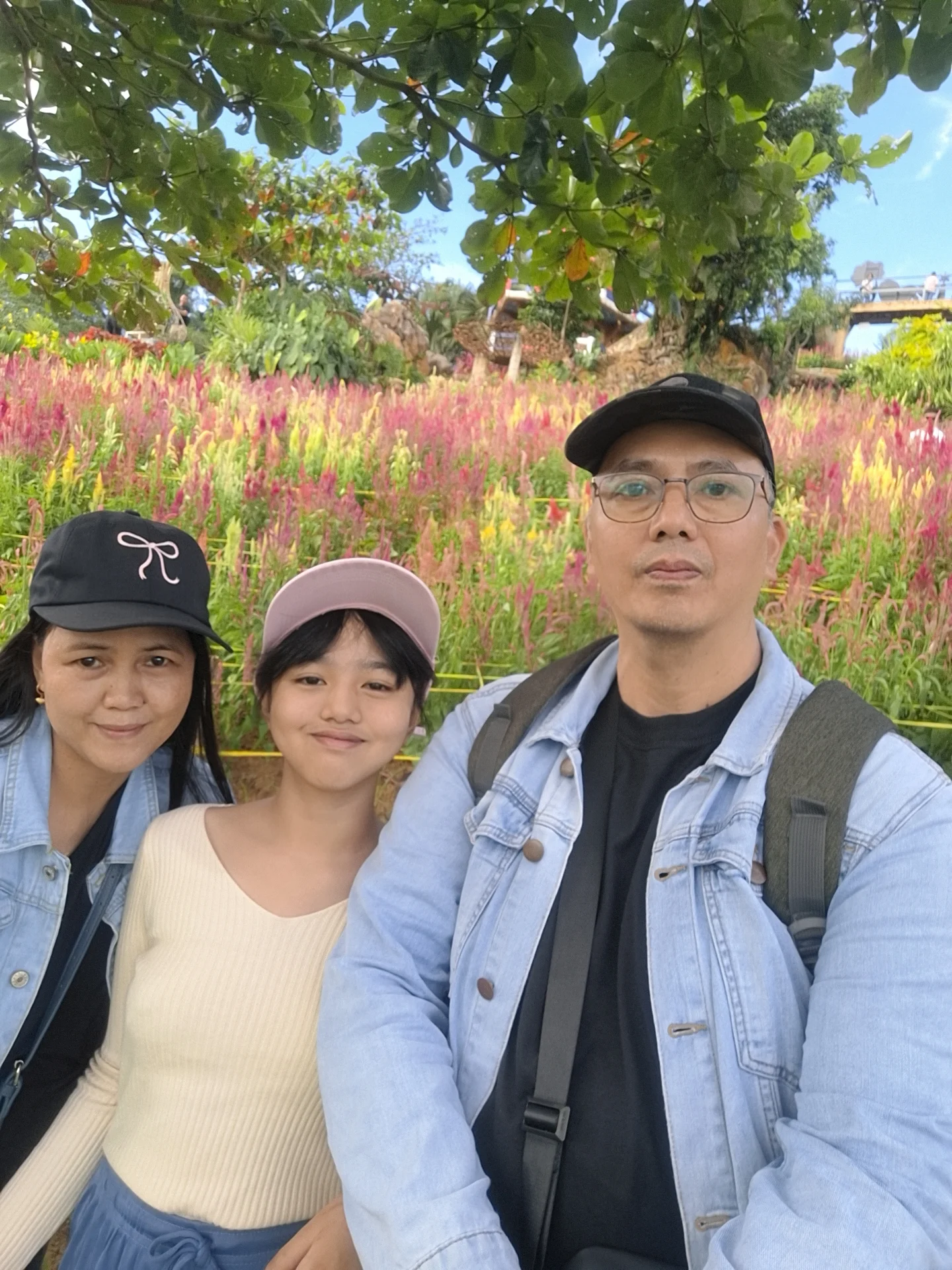
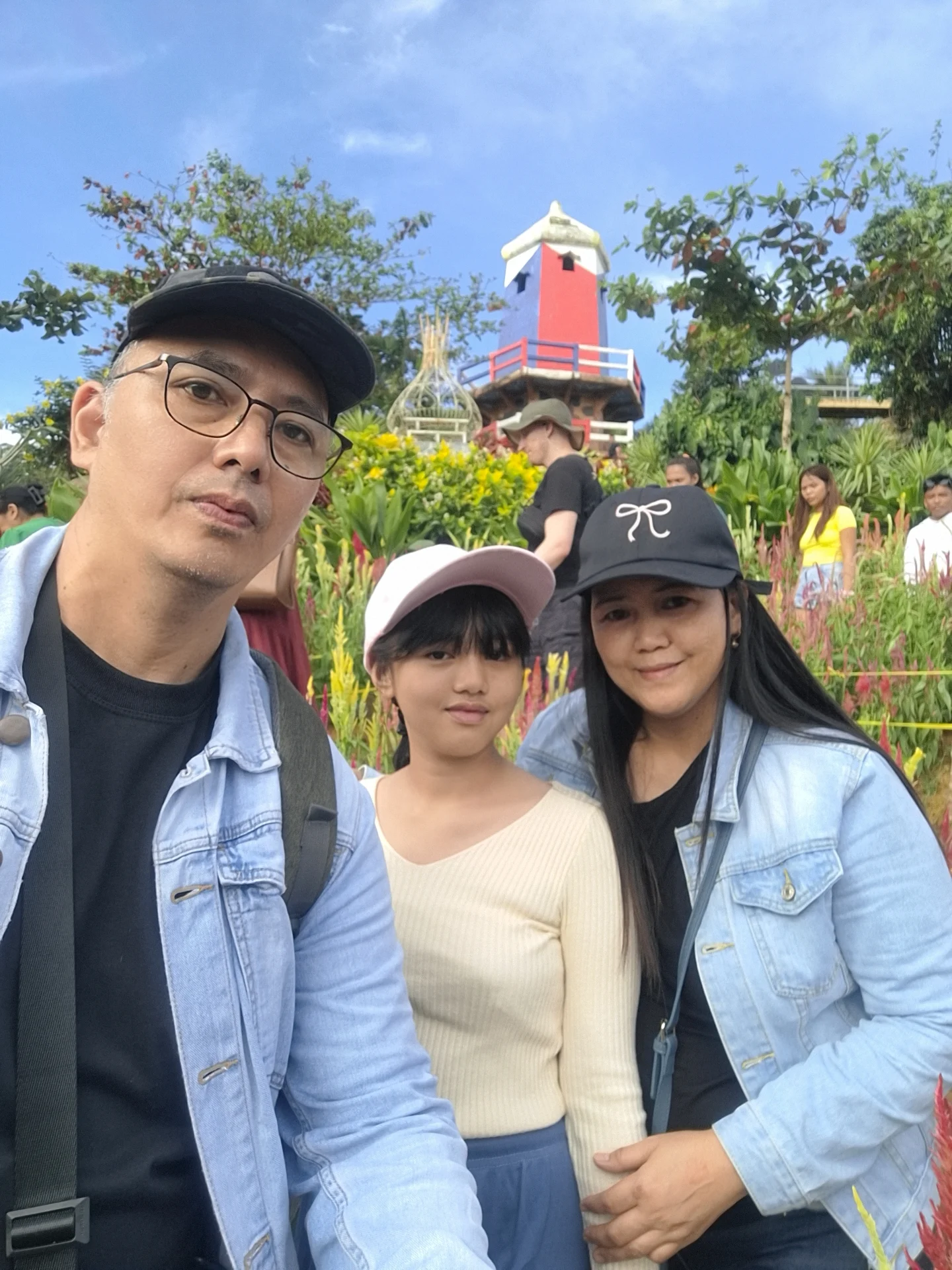
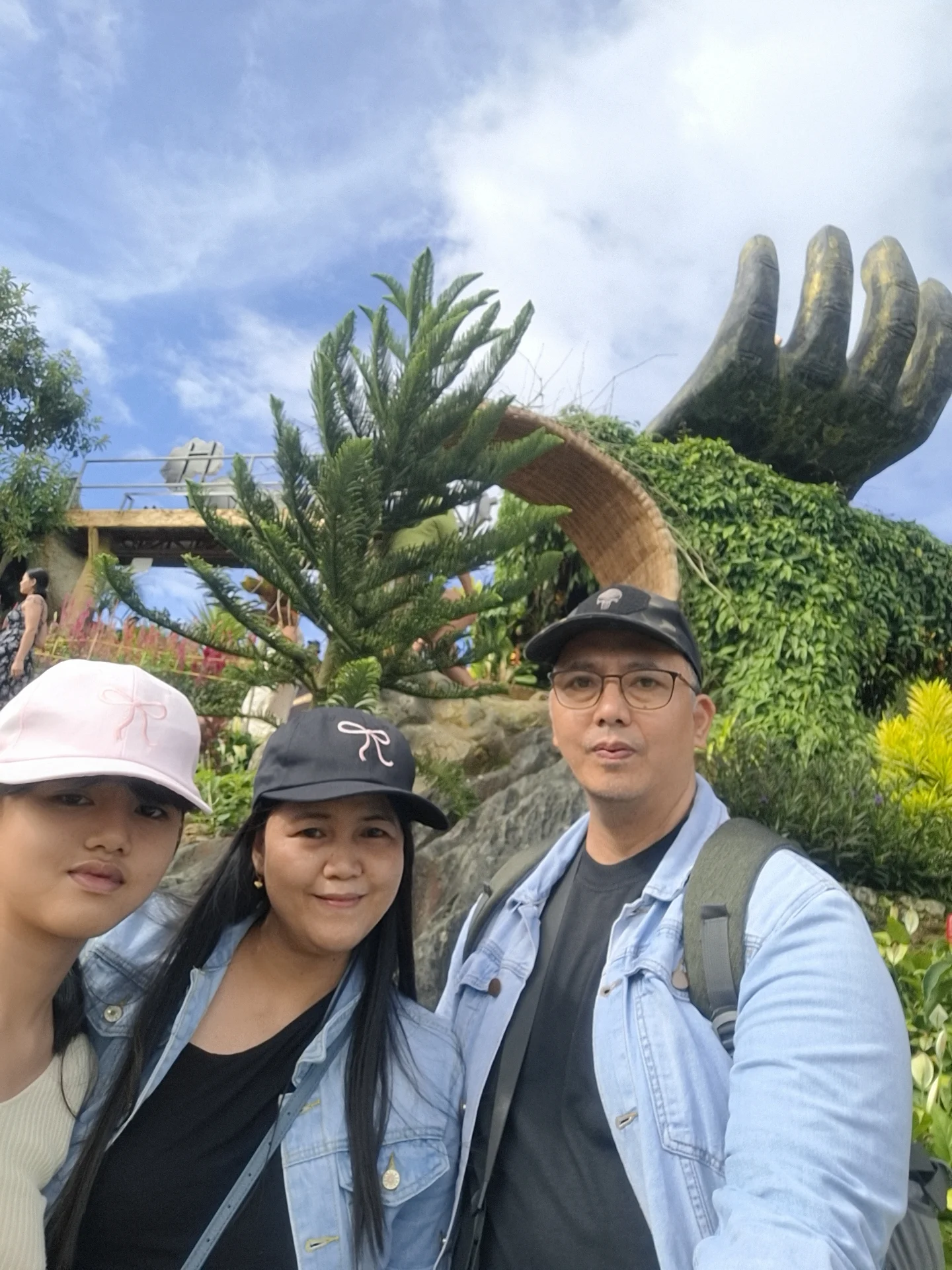
📖 Full guide: Sirao Garden Cebu — Visitor Guide & How to Get There
6. Tops Lookout — Best View in Cebu
Entrance: ₱100 · Hours: Best 4–7 PM
The highest accessible viewpoint above Cebu City — a 360° panorama including Mactan Island and, on clear days, Leyte.
⛪ Cebu City History — Magellan’s Cross, Basilica & Fort San Pedro
All walkable from each other in downtown Cebu City — a 2-hour history loop from any hotel in the city centre.
📖 Full guide: Cebu City Tour Guide 2026 — Historical Sites, Highlands & Street Food
7. Magellan’s Cross — 1521
Entrance: Free · Hours: 8 AM–9 PM
Marks the spot where Ferdinand Magellan planted a cross in April 1521 — the first act of Spanish colonization in the Philippines.
8. Basilica Minore del Santo Niño
Entrance: Free
The oldest Roman Catholic church in the Philippines, home to the Santo Niño de Cebu — centerpiece of every January’s Sinulog Festival.
9. Fort San Pedro
Entrance: ₱30 · Hours: 8 AM–8 PM
The oldest and smallest triangular bastion fort in the Philippines, built 1565 by Miguel López de Legazpi.
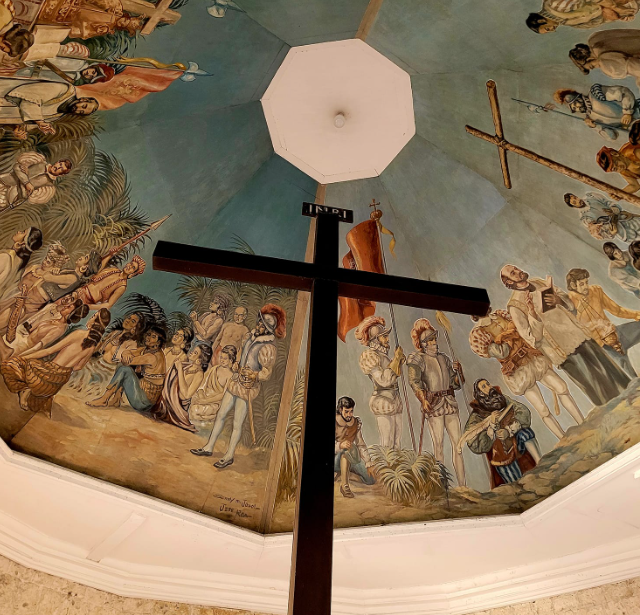
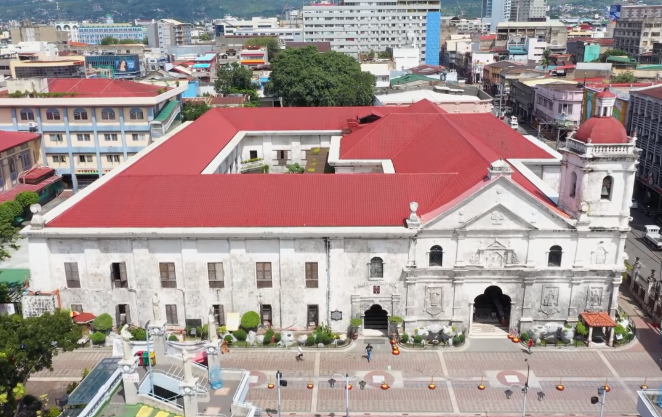
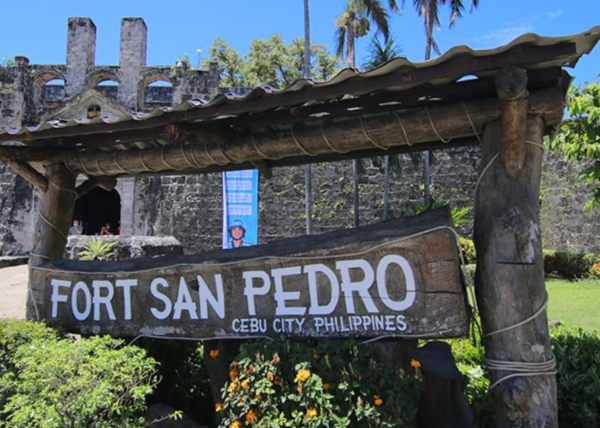
Cebu City’s historic Holy Trinity — Magellan’s Cross (1521), Basilica Minore del Santo Niño, and Fort San Pedro (1565). All within walking distance of each other in downtown Cebu.
10. Cebu Taoist Temple — Beverly Hills
Entrance: Free · Hours: 6 AM–6 PM
The most visually striking religious site in the city — pagodas, dragons, and 81 steps to the main shrine.
🌿 Nature & Family Adventure — Osmeña Peak, Simala & Cebu Safari
11. Osmeña Peak — Highest Point in Cebu ⭐
Entrance: ₱30 · Hike: 20–40 min · Distance: ~3 hrs south
1,013 m above sea level — jagged limestone pinnacles that look nothing like the lowlands below. Best combined with an Oslob whale shark morning.
12. Simala Shrine — Lindogon, Sibonga ⭐
Entrance: Free · Hours: 5:30 AM–9 PM
A fortress-like Marian chapel covered floor-to-ceiling with thousands of ex-voto letters and offerings. Modest dress required.
13. Cebu Safari and Adventure Park — Carmen
Entrance: ₱600–900 · Distance: ~1.5 hrs north
The Philippines’ first and largest safari park — 170 hectares, 300+ species, ziplines, ATVs, and a bird park. The best family option in Cebu.
🎟️ Book Cebu Safari & Adventure Park on Klook →*Affiliate link — we earn a small commission at no extra cost to you.
More family-friendly picks
Rounding out Cebu’s family attractions:
🎟️ Cebu Ocean Park → 🎟️ Anjo World & Snow World → 🎟️ Crown Regency Sky Experience → 🎟️ Pororo Park → 🎟️ Ice Skating at SM Seaside →🏝️ Islands — Bantayan, Malapascua, Sumilon & Mactan
14. Bantayan Island — White Sand Escape
Ferry: ₱170–220 from Hagnaya Port · Travel time: ~4 hrs
Powdery white sand at Santa Fe Beach with far fewer tourists than Boracay or Palawan.
📖 Full guide: Bantayan Island Cebu — Beaches, Ferry & Itinerary
15. Malapascua Island — World-Class Thresher Shark Diving
Ferry: ₱100–150 from Maya Port · Travel time: ~4 hrs
One of the only places on earth to reliably dive with thresher sharks at dawn on Monad Shoal.
16. Sumilon Island Sandbar
Day trip: ₱800–1,200 (snorkel + kayak incl.) · Near Oslob
A shifting sandbar and well-preserved marine sanctuary — 20 minutes by boat from Oslob.
🎟️ Book Bluewater Sumilon Day Pass on Klook →*Affiliate link — we earn a small commission at no extra cost to you.
17. Mactan Island — Beaches & Lapu-Lapu History
Resort day use: ₱800–2,500 · 30 min from Cebu City
Home to Cebu-Mactan International Airport, Lapu-Lapu Shrine, and a resort strip (Shangri-La, Crimson) with calm, family-friendly beaches.
⛴️ Day Trips from Cebu — Bohol
18. Bohol Day Trip from Cebu ⭐
Ferry: ₱300–500 each way · Crossing: ~2 hrs · Tour cost: ₱800–1,500 pp
Chocolate Hills, the Tarsier Sanctuary, the Loboc River Cruise, Panglao beaches, and Baclayon Church — all reachable in a single day via fast ferry from Pier 1.
*Affiliate link — we earn a small commission at no extra cost to you.
More Bohol tour options from Cebu
🎟️ 4D3N Cebu–Bohol Highlights → 🎟️ 2-Day South Cebu Highlights → 🎟️ Chocolate Hills + Tarsier + River Cruise → 🎟️ Cebu–Bohol OceanJet Ferry Only →🍖 Food & Culture — Lechon, Sinulog & Carbon Market
19. Cebu Lechon — Best Roasted Pig in the Philippines
Price: ₱600–800/kg · Best places: Zubuchon, CNT Lechon
Anthony Bourdain called it “the best pig I’ve ever had.” Stuffed with lemongrass, spring onions, and native spices, spit-roasted 3–5 hours.
📖 More: Famous Lechon in Cebu · Famous Cebu Delicacies · Pasalubong from Cebu
20. Sinulog Festival — January
When: 3rd Sunday of January · Free entry
The largest religious street festival in Asia. Book hotels 3–6 months ahead — prices triple.
21. Carbon Market — Cebu’s Oldest Public Market
Entrance: Free · Busiest: 5–9 AM
Cebu’s oldest, most authentic public market — dried mangoes, tablea, masareal, fresh produce and fish.
More City Highlights
22. Cebu Heritage Monument (Parian District, free) · 23. Fuente Osmeña Circle (city centrepiece, best at night) · 24. Cebu Ocean Park (largest oceanarium in the Philippines) · 25. Lapu-Lapu Shrine (Mactan Island, free).
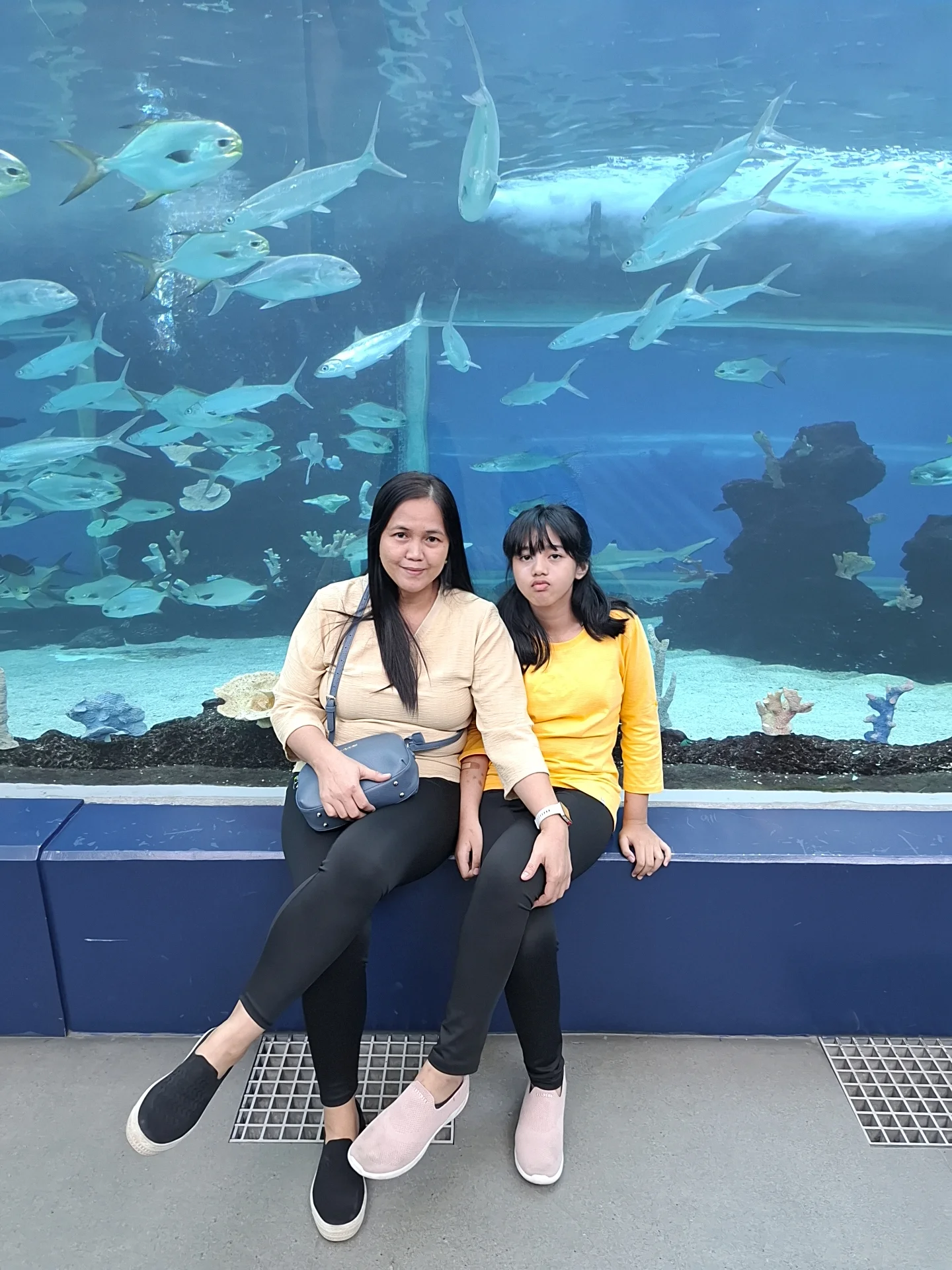
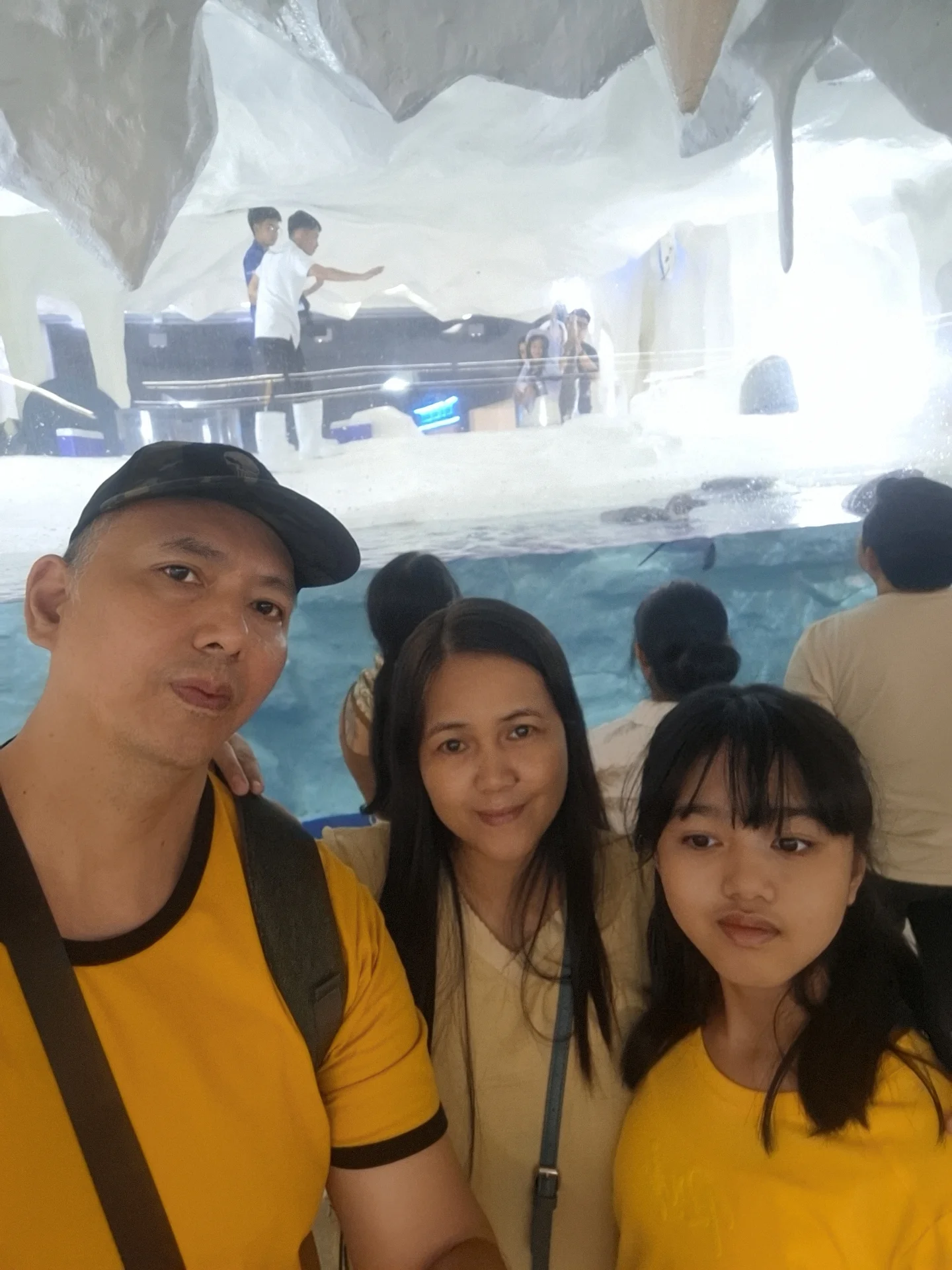
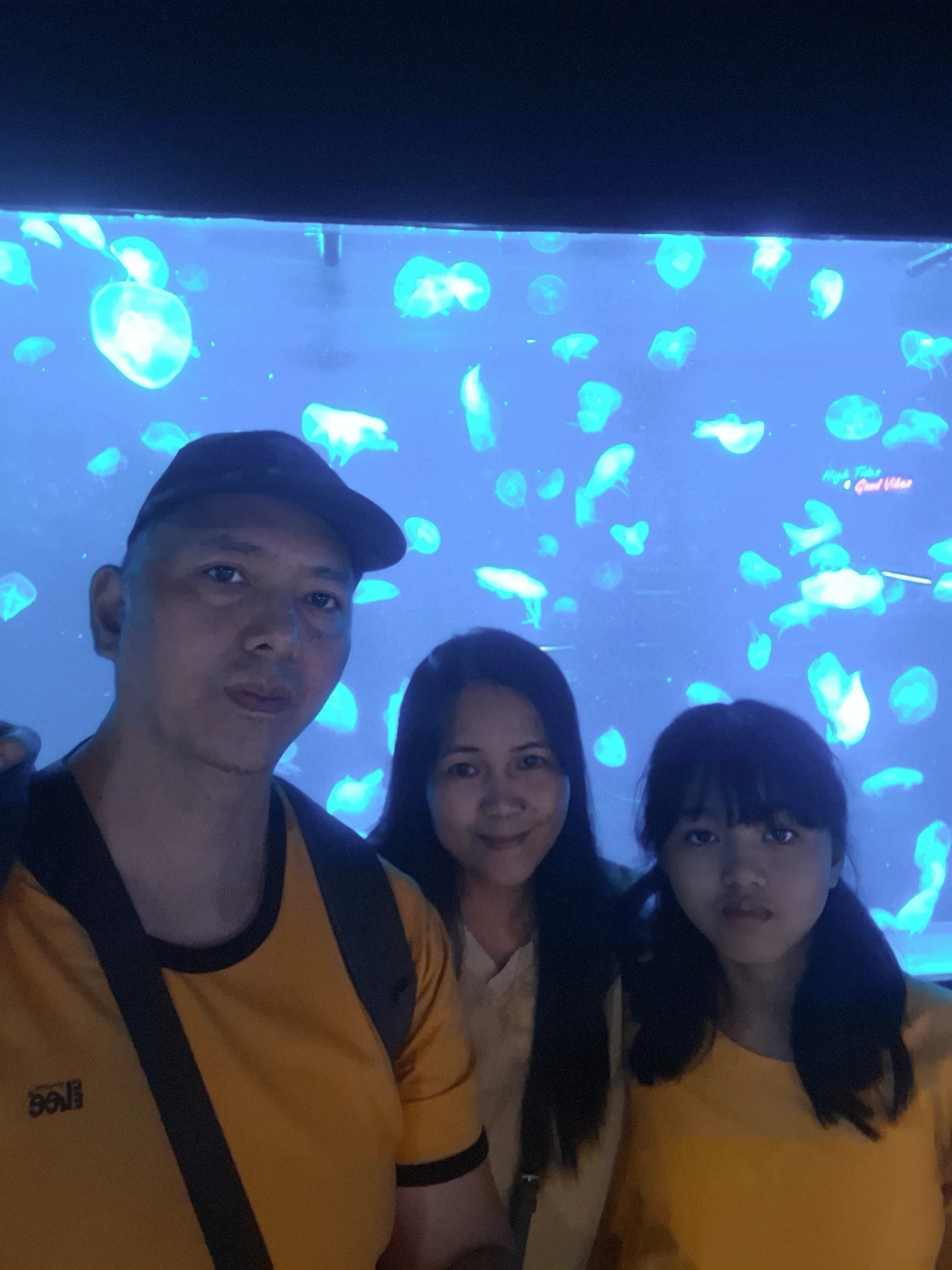
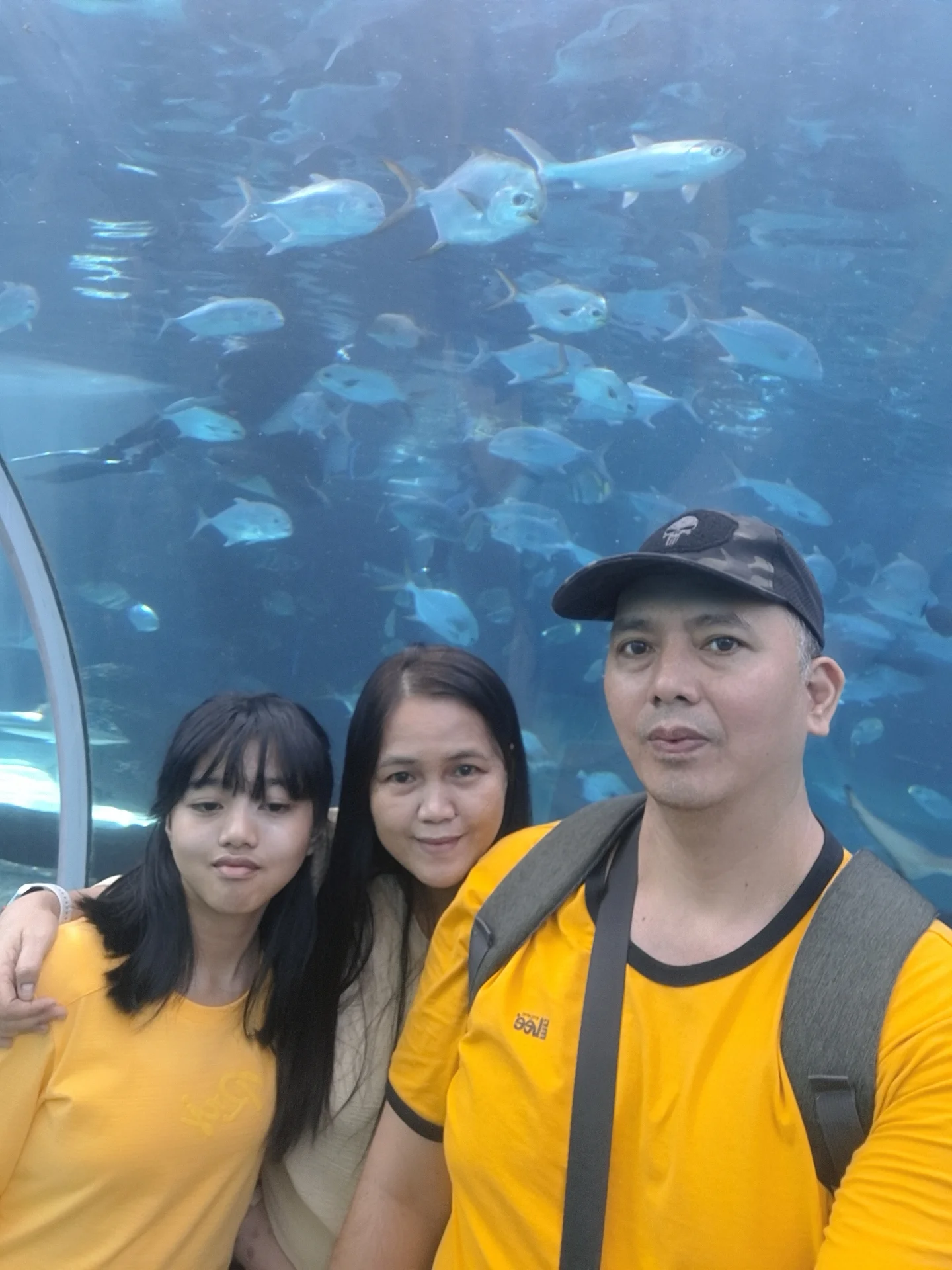
Cebu Ocean Park — shark tanks, underwater tunnel, penguin exhibit, and sea lion shows. The Philippines’ largest oceanarium at SM Seaside City, SRP Area, Cebu City. Entrance ₱700–₱1,200.
🗓️ Suggested Itineraries
3-Day Cebu Itinerary
| Day | Morning | Afternoon | Evening |
|---|---|---|---|
| Day 1 | Magellan’s Cross → Basilica → Fort San Pedro → Carbon Market | Taoist Temple → Fuente Osmeña walk | Lechon dinner at Zubuchon or CNT |
| Day 2 | Temple of Leah (early) → Sirao Garden | Tops Lookout at sunset | Dinner in the city |
| Day 3 | Depart 4 AM → Oslob whale sharks (6–9 AM) | Kawasan Falls canyoneering (11 AM–4 PM) | Return to Cebu City or stay in Moalboal |
7-Day Cebu Itinerary
| Day | Activity | Base |
|---|---|---|
| Day 1 | Cebu City historical loop | Cebu City |
| Day 2 | Busay highlands — Temple of Leah, Sirao, Tops | Cebu City |
| Day 3 | Oslob whale sharks + Osmeña Peak + Simala Shrine | Cebu City or Oslob |
| Day 4 | Moalboal sardine run + turtle point + Kawasan Falls | Moalboal |
| Day 5 | Bohol day trip | Cebu City (return) |
| Day 6 | Bantayan Island | Bantayan Island |
| Day 7 | Mactan Island resort beach, Lapu-Lapu Shrine, departure | Mactan Island |
🚗 Getting Around Cebu
📖 Full guide: Navigating Cebu City — Transportation Options
| Transport | Best for | Cost |
|---|---|---|
| Grab | City travel, airport, Busay | ₱80–350 |
| Taxi | Short city trips, airport | ₱80–250 |
| Habal-habal | Busay highlands, short routes | ₱50–200 |
| Jeepney | City routes | ₱12–20 |
| Car rental / van hire | South route day trips | ₱2,500–4,500/day |
| MyBus | Airport to city centre | ₱30 |
| Ferry | Bantayan, Malapascua, Bohol | ₱100–500 |
Book a private car with driver ahead of time — cleaner and often cheaper per person than a shared tour:
🎟️ Cebu Car Rental with Driver → 🎟️ Private Airport/Pier Transfer →❓ Frequently Asked Questions
What are the best things to do in Cebu?
Whale shark watching in Oslob (₱500), Kawasan Falls canyoneering (₱1,500), the Moalboal sardine run, Temple of Leah (₱120–150), Sirao Flower Garden, Tops Lookout, Osmeña Peak, Magellan’s Cross, Basilica del Santo Niño, Fort San Pedro, Bantayan Island, a Bohol day trip, and the Sinulog Festival. Best visited November–May.
How many days do you need in Cebu?
5–7 days covers the highlights comfortably. A 3-day visit should prioritize city + highlands (Day 1), whale sharks + Kawasan (Day 2), and Moalboal or Bantayan (Day 3).
What is Cebu famous for?
The oldest city in the Philippines (1565), lechon, whale shark watching in Oslob, the Sinulog Festival, Kawasan Falls canyoneering, diving at Malapascua and Moalboal, dried mangoes, and Magellan’s Cross.
How much does it cost to swim with whale sharks in Oslob?
₱500 entrance plus ₱300 snorkel rental. Tour packages from Cebu City including transport run ₱1,200–2,500 pp.
How much does Kawasan Falls canyoneering cost in 2026?
₱1,500 per person — the LGU-regulated fee includes guide, safety gear, life jacket, and lunch. Max cliff jump is now 10 metres.
What is the best time to visit Cebu?
November to May (dry season). January is best for Sinulog. June–October brings rain but lower prices.
Can you do a Bohol day trip from Cebu?
Yes — fast ferries from Pier 1 run hourly from 6 AM (₱300–500 each way, 2-hr crossing). A countryside day tour covering Chocolate Hills, Tarsier Sanctuary, Loboc River Cruise, and Panglao Beach costs ₱800–1,500 pp.
Is Cebu safe for tourists?
Yes. Use Grab instead of unmarked taxis at night, avoid displaying valuables in markets, and book adventure activities through registered operators.
📚 More Cebu Travel Guides
Every Cebu guide on Best Philippines Travel Guide, organized by category:
🦈 Adventure, Islands & Beaches
- Kawasan Falls Canyoneering — Complete Guide 2026
- Moalboal Cebu — Sardine Run, Diving & Beaches
- Bantayan Island Cebu — Beaches, Ferry & Itinerary
🏔️ Highlands, Sightseeing & Province
- Temple of Leah Cebu — Complete Visitor Guide
- Sirao Garden Cebu — Visitor Guide & How to Get There
- Sightseeing in Cebu City
- Exploring Cebu Province — Map & Treasures
- Cebu City, Philippines — City Overview
🍖 Food, Culture & Delicacies
- Famous Lechon in Cebu — The Ultimate Guide
- Best Lechon Manok in Cebu
- Cebuano Dishes — A Culinary Adventure
- Famous Cebu Delicacies — Pasalubong Guide
- Pasalubong from Cebu — What to Buy & Where
- Ang Kugtong sa Cebu (Bisaya)
🏨 Stay, Shop & Practical Info
- Best Hotels in Cebu 2026 — By Area, Budget & Traveler Type
- Cebu City Tour Guide 2026 — Historical Sites, Highlands & Street Food
- Navigating Cebu City — Transportation Options
- The Ultimate Guide to Shopping in Cebu City
- SM City Cebu — Movie Schedule
- City Sports Club Cebu — The Ultimate Guide
- Cebu City Nightlife Guide
- Cebu City Climate & Temperature
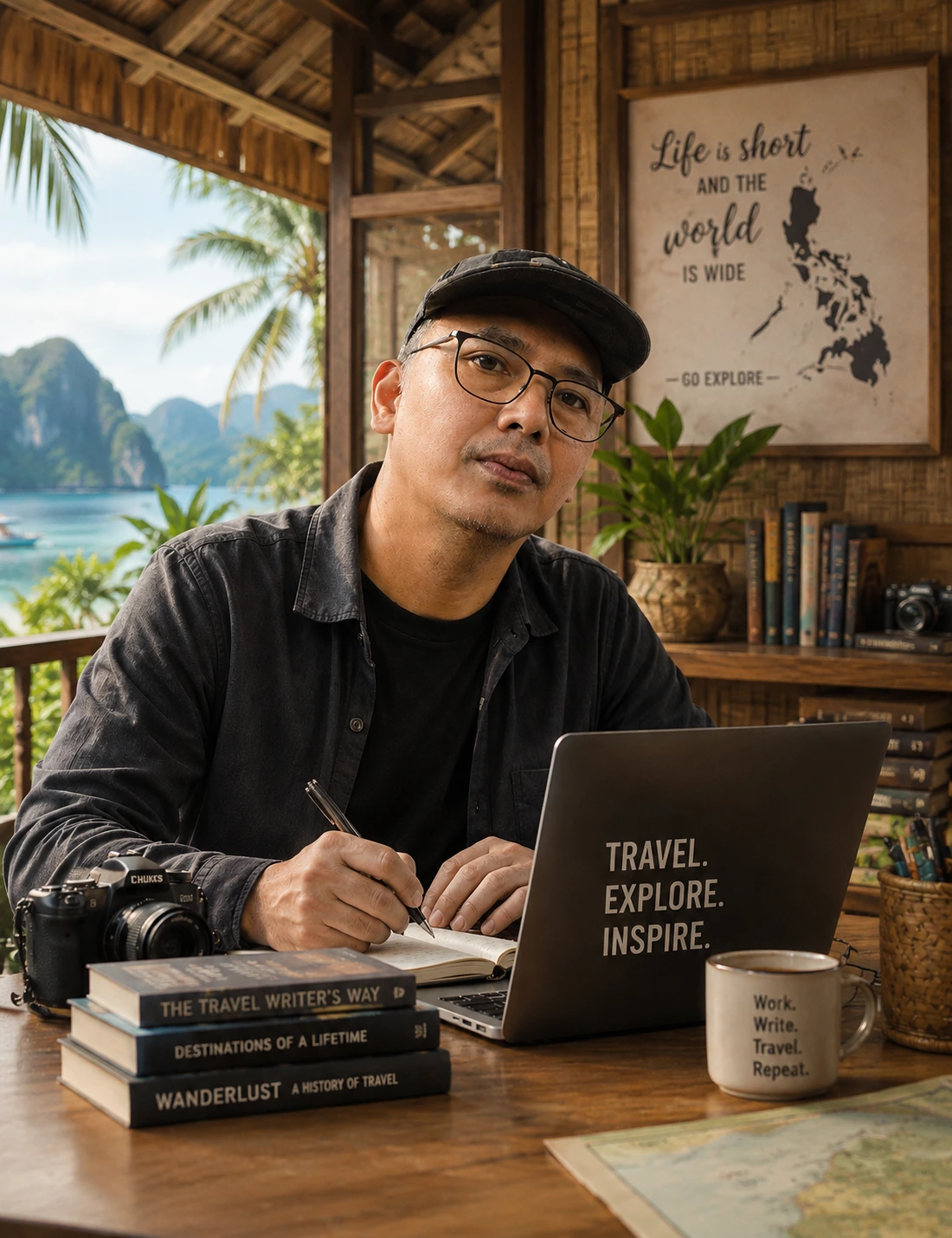
Giovanni Carlo Bagayas
Filipino · Born in Cebu City · Travel writer at Best Philippines Travel Guide
I was born in Cebu City — the oldest city in the Philippines and the city behind this entire guide. I now write about the Philippines for US, UK, and Australian travelers who want to go deeper than a surface itinerary. Follow my work at bestphilippinestravelguide.com.