25 Best Things to Do in Cebu, Philippines (2026 Guide)

By Giovanni Carlo Bagayas — Filipino, born in Cebu City  |  Updated: June 2026  |  📖 15 min read

Disclosure: This page contains links to tour operators and booking sites. Some links may be affiliate links — if you book through them, we may earn a small commission at no extra cost to you. All recommendations are based on firsthand experience and honest assessment.

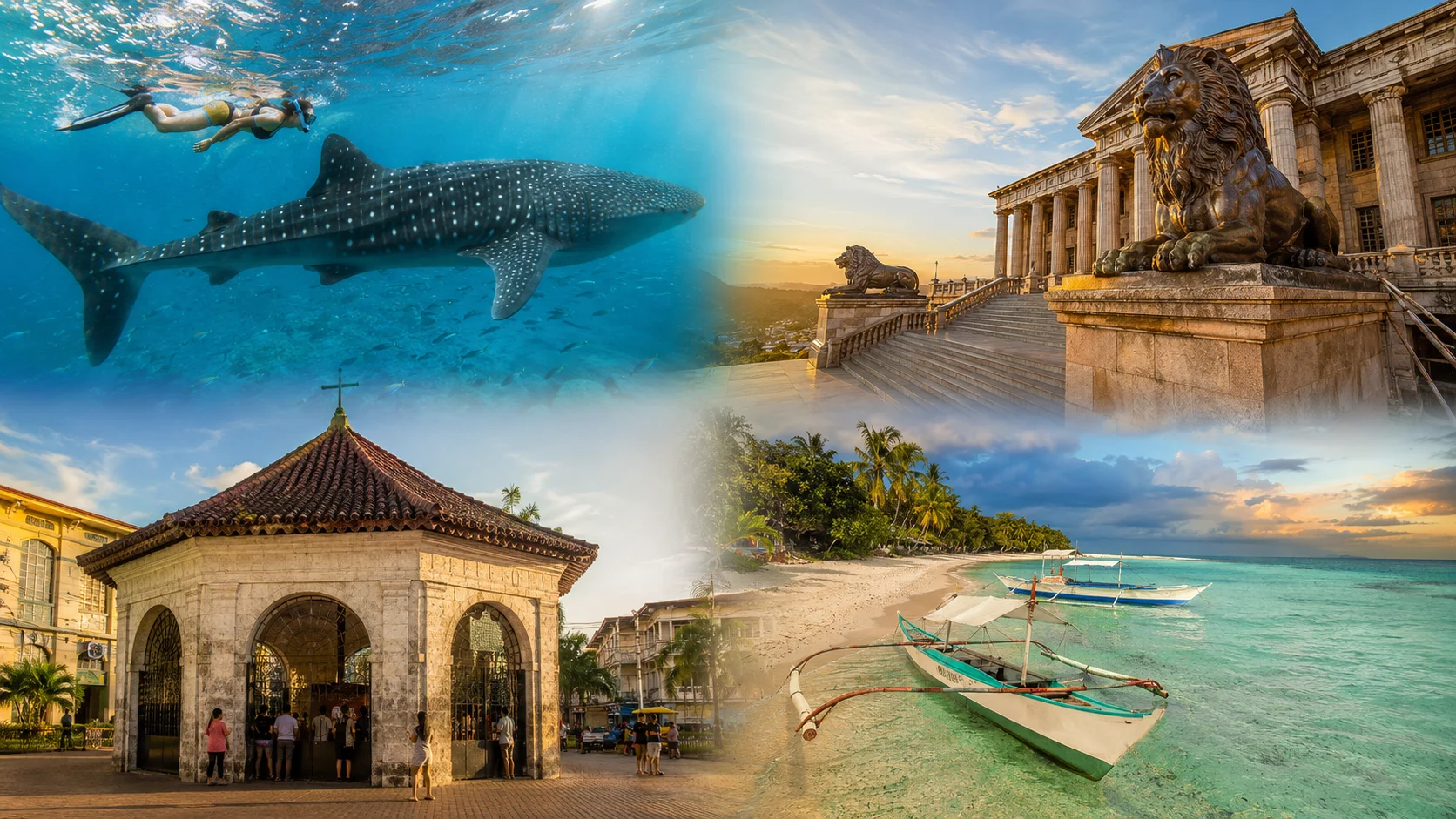
Things to do in Cebu Philippines — whale shark watching in Oslob, Kawasan Falls, Temple of Leah, and Magellan's Cross collage

Cebu offers everything — whale sharks, waterfalls, colonial history, highland views, and pristine island beaches — all on one island.

Quick answer

The best things to do in Cebu are whale shark watching in Oslob (₱500), Kawasan Falls canyoneering (₱1,500 — 2026 LGU-regulated fee), the Moalboal sardine run, Temple of Leah in Busay (₱120–150), Sirao Flower Garden, Tops Lookout, Osmeña Peak hiking, Magellan’s Cross and the Basilica del Santo Niño, Bantayan Island, and a Bohol day trip by fast ferry. Best visited November–May during the dry season.

OldestCity in the Philippines (1565)
3–4 hrsTo Oslob from Cebu City
₱1,500Kawasan canyoneering 2026
JanSinulog Festival — biggest in Asia
5–7Days recommended

I was born in Cebu City. Not just visited — born there. The Basilica del Santo Niño, the smell of lechon on Carbon Market mornings, the road up to Busay, the first time I saw the Kawasan Falls turquoise — these are not a traveler’s checklist for me. They are memory. This guide is built from that.

Cebu is one of the most underrated islands in Southeast Asia for international travelers. It has everything: colonial Spanish history from 1521, world-class diving, the Philippines’ most famous waterfalls, the most recognizable fried chicken (Sinulog Festival’s lechon is a category unto itself), and an airport directly connected to Singapore, Hong Kong, Tokyo, and Seoul. Most tourists only scratch the surface. This guide covers everything — city, highlands, south coast, north coast, islands, and the day trips most guides miss.

Adventure — Whale Sharks, Canyoneering & Sardines

The three most-booked activities in Cebu — all within the south and west coast. Can be combined into 2 full days.
1. Whale Shark Watching — Oslob
🦈 #1 Cebu experience
Entrance fee₱500 + ₱300 snorkel (~USD 14 / GBP 11)
Distance~3.5 hrs south of Cebu City
Best time6–9 AM (arrive early)

Oslob is where you swim alongside the world’s largest fish — whale sharks (butanding) that gather in the shallow cove of Tan-awan village every morning. The interaction is limited to 30 minutes per group, with swimmers staying at regulated distances from the animals while guides keep the encounter controlled and safe. What the photos cannot prepare you for is the scale — a whale shark is 8–12 metres long, wider than most cars, and moves with a slow, deliberate grace that is genuinely humbling.

The experience is ethically debated — whale sharks are attracted by fisher-guides who feed them to keep them near the cove, which disrupts natural feeding behaviour. If this is a concern for you, Donsol in Sorsogon (Luzon) offers a non-feeding wild encounter. Most visitors conclude that Oslob’s regulated, well-managed system is acceptable for a once-in-a-lifetime experience.

💡 Gio’s tip: Book the first time slot (6 AM departure from Cebu City = arrive Oslob by 9–9:30 AM). Afternoon visits are crowded with tour groups and the whale sharks become less active as feeding concludes. Drive south the night before and stay in Oslob — Tumalog Falls (20 min away) and Sumilon Island sandbar make a perfect same-day itinerary.
2. Kawasan Falls Canyoneering — Badian
🏞️ Best waterfall in Cebu
Fee (2026)₱1,500 (~USD 26 / GBP 20)
Duration4–5 hours full route
Distance~3 hrs south of Cebu City

Kawasan Falls is the most iconic waterfall in the Philippines — three tiers of turquoise-blue water so vivid it looks digitally enhanced until you are standing inside it. The canyoneering route from Matutinao takes you through narrow river gorges, natural slides, cliff jumps, and cascades, finishing at the main Kawasan Falls where you can swim in the natural pool under the falls.

The 2026 LGU-regulated fee is ₱1,500 per person — this includes a certified guide, safety gear, life jacket, and lunch at the falls. The 15-metre cliff jump is now permanently closed following safety incidents; the maximum jump height is 10 metres. Advance booking is required during peak season (December–May). Book through accredited operators at the Matutinao jump-off point or online in advance.

💡 Combine with Oslob whale sharks: depart Cebu City at 4 AM → Oslob 6–9 AM → drive to Badian → canyoneering 11 AM–4 PM → return to Cebu City evening. Long day but the Philippines’ two most famous wildlife and waterfall experiences in 12 hours.
3. Moalboal Sardine Run & Turtle Point
🐠 Unique underwater experience
Dive fee₱600–₱800 (shore dive)
Distance~2.5 hrs south of Cebu City
Best forSnorkelling, freediving, diving

Moalboal’s sardine run is one of the most extraordinary marine experiences in the Philippines — and one of the most underrated internationally. A permanent school of tens of millions of sardines lives just 15 metres offshore from Panagsama Beach, visible from the surface as a shimmering silver cloud that shape-shifts and spirals in response to predators and sunlight. You don’t need to dive — just snorkel.

The school is present year-round and accessible by shore entry (no boat needed), making it one of the most accessible marine wildlife encounters in Southeast Asia. Turtle Point, a few minutes further along the same shore, reliably has 3–5 sea turtles grazing on the reef at any given time — you can freedive down to within metres of them with no equipment beyond a mask and fins.

Moalboal’s Panagsama Beach area has good budget-friendly guesthouses, making it ideal as a 2-night base for combining the sardine run, turtle point, nearby Pescador Island diving, and a morning trip to Kawasan Falls.

💡 Moalboal is a competitor gap — no other Philippine travel blog for English-speaking audiences covers the sardine run with this level of practical detail. This is the most unique marine experience in Cebu that international tourists don’t know about.

Busay Highlands — Temple of Leah, Sirao Garden & Tops Lookout

Three attractions within 15 minutes of each other above Cebu City — easily combined into one half-day highland loop. Best done in the morning.
4. Temple of Leah — Busay
🏛️ Taj Mahal of the Philippines
Entrance fee₱120 (weekday) / ₱150 (weekend)
Hours6 AM – 11 PM daily
Distance8 km from Cebu City centre

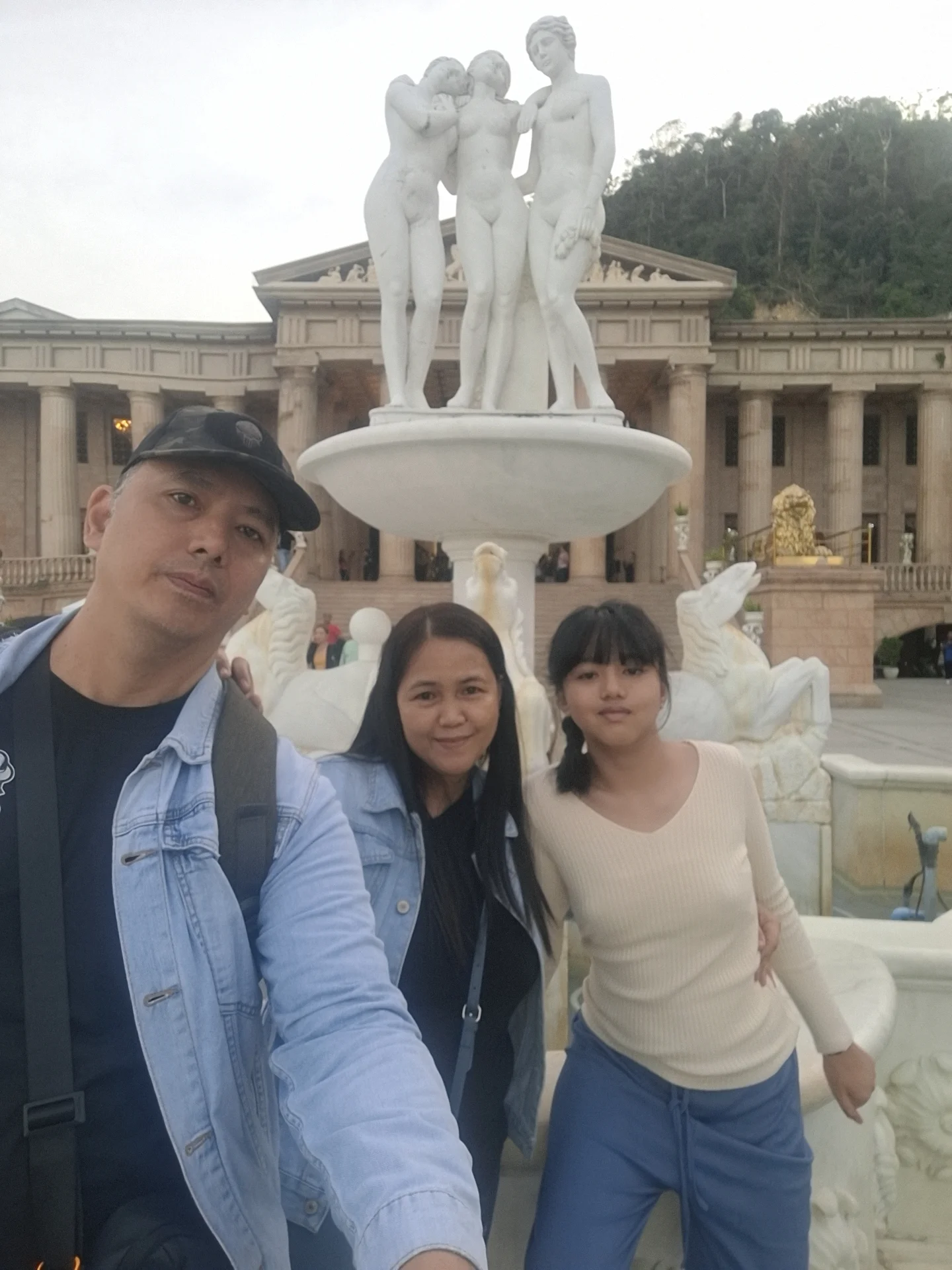
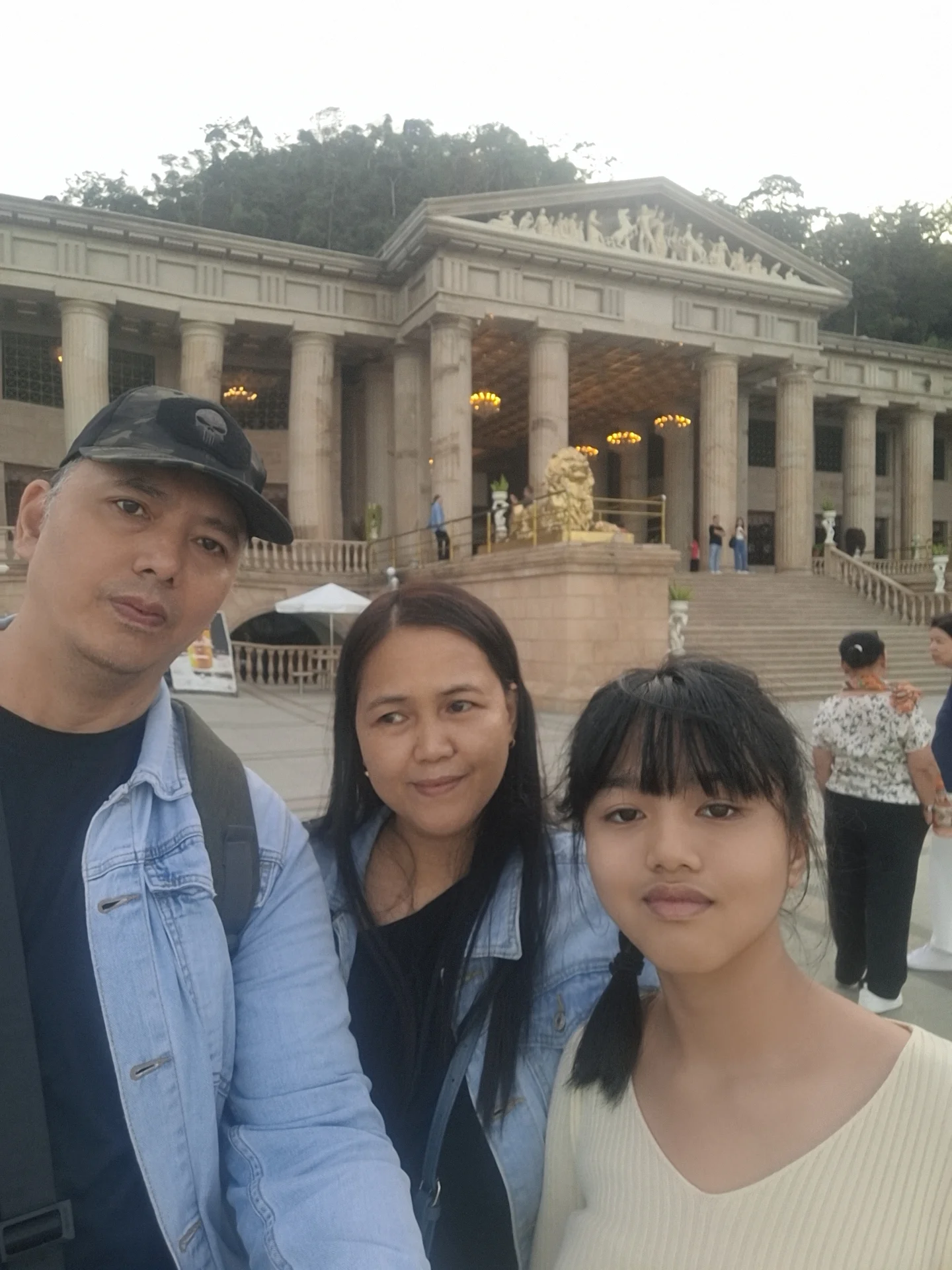
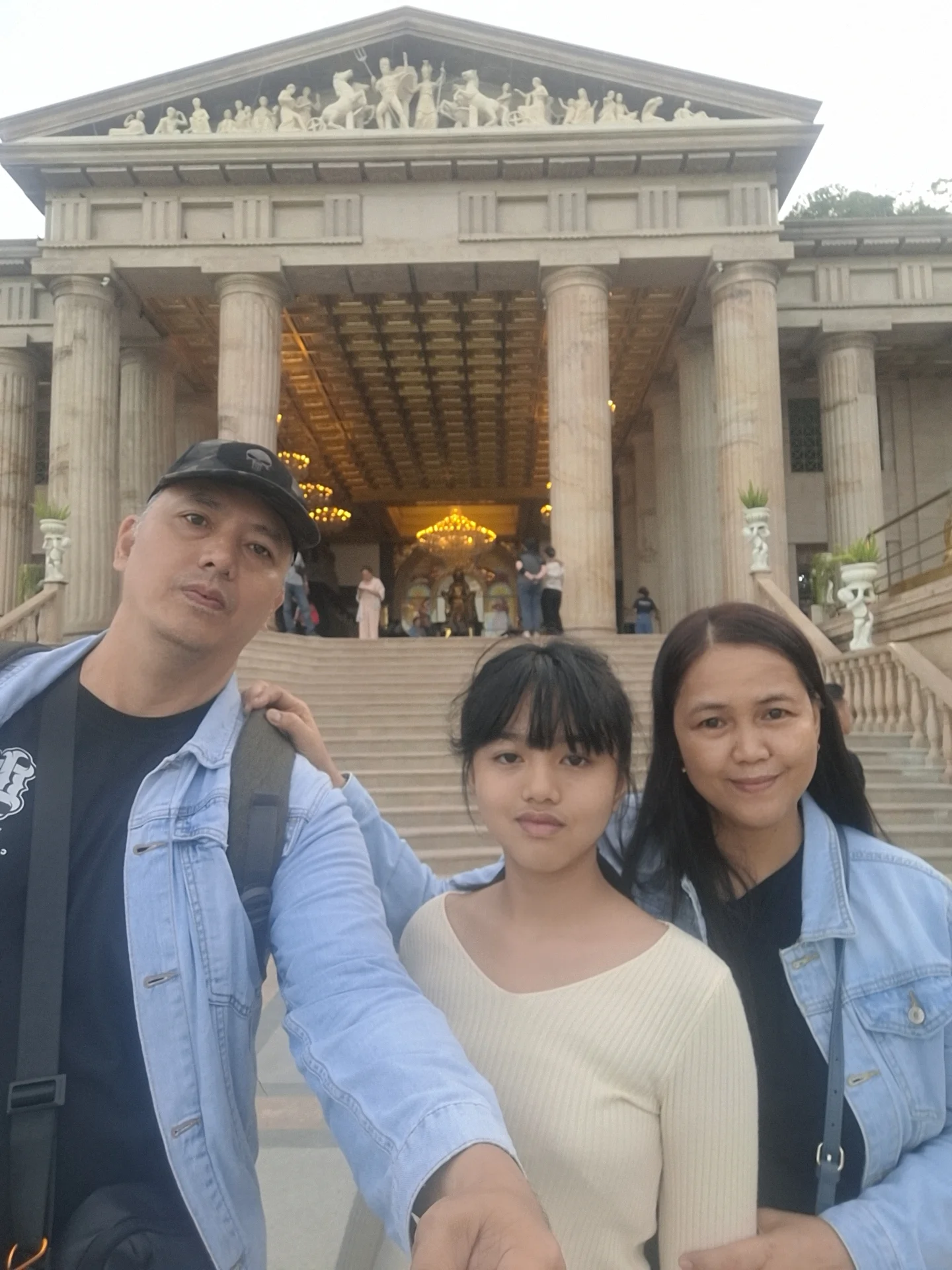
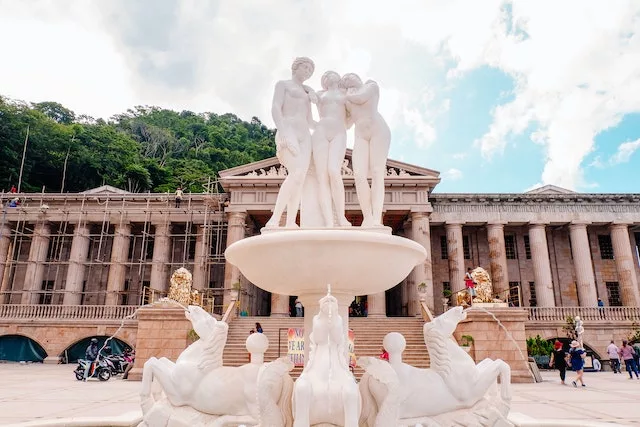
Temple of Leah is a Roman and Greek-inspired memorial built by businessman Teodorico Adarna in tribute to his late wife Leah Villa Albino-Adarna. Bronze lion statues guard the marble staircase, Roman columns frame a sweeping terrace overlooking all of Cebu City, and museum rooms preserve Leah’s personal belongings — her books, letters, and jewelry arranged as if she still uses them. Often called the “Taj Mahal of the Philippines” because both are monuments of grief transformed into architectural devotion.

At ₱120–150 entrance (~USD 2–3), it is one of the most affordable major attractions in Southeast Asia. Visit early morning for cooler temperatures and the lion staircase without queues. Get there by Grab (~₱250 from city centre) or habal-habal from JY Square Mall (~₱150).

Temple of Leah Cebu — grand Roman-inspired facade with massive bronze lion statues guarding the marble staircase in Barangay Busay
Temple of Leah Cebu — panoramic view of Cebu City skyline from the hilltop terrace of the temple Temple of Leah Cebu — Roman columns and marble staircase grand entrance, popular wedding photoshoot backdrop Temple of Leah Cebu — full exterior view of the Taj Mahal of the Philippines built by Teodorico Adarna for his wife Leah

Temple of Leah — bronze lion staircase, Roman columns, panoramic Cebu City views, and the full façade of the monument Teodorico Adarna built for his late wife. Entrance ₱120–₱150. Full visitor guide →

5. Sirao Flower Garden — Little Amsterdam of Cebu
🌸 Best photo spot in Cebu highlands
Entrance fee₱150 adult
Hours6 AM – 5 PM daily
Distance10 min from Temple of Leah

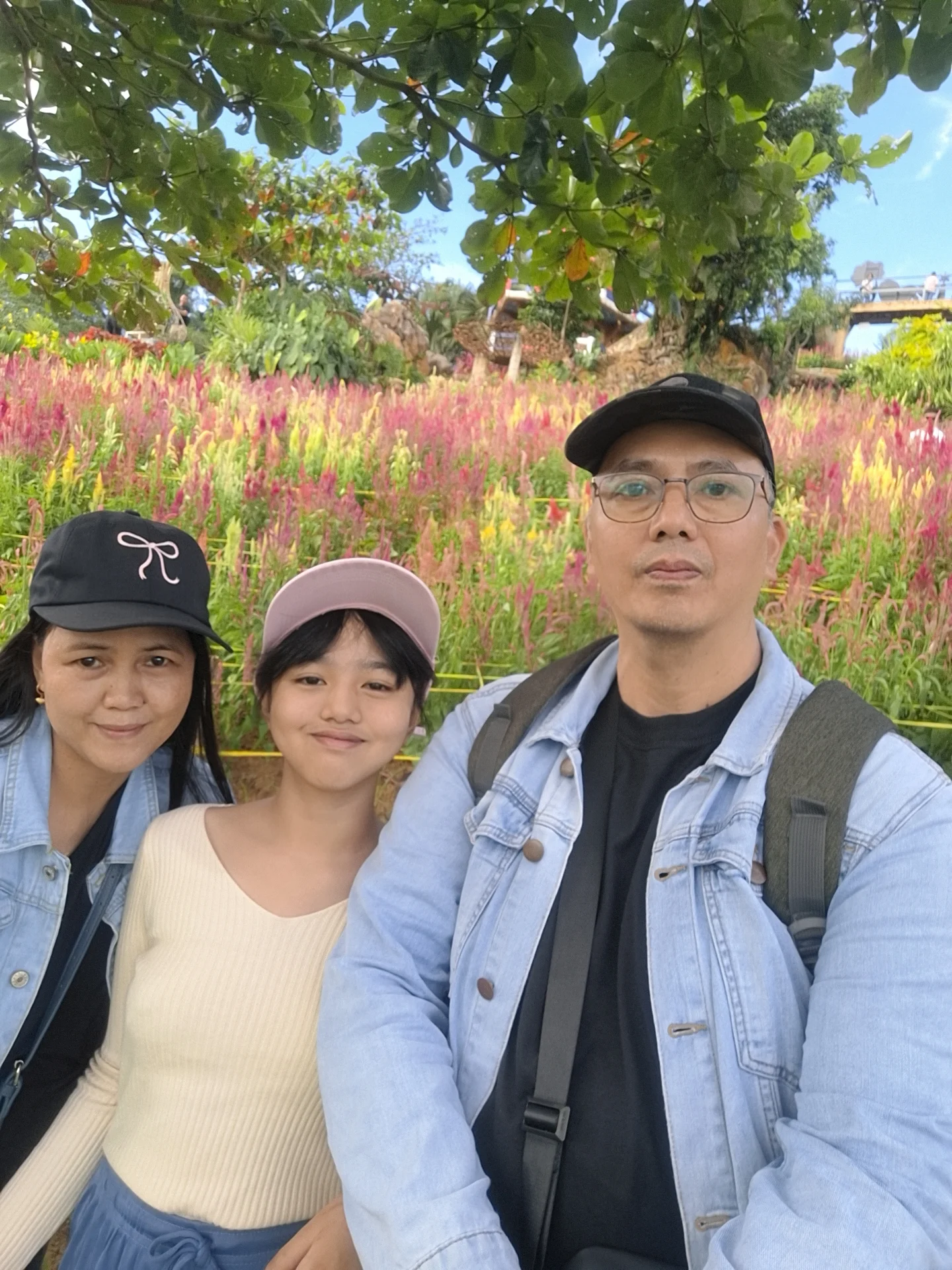
Sirao Flower Garden is Cebu’s most photographed nature destination — terraced hillside fields of vibrant celosia flowers in deep reds, oranges, and pinks that form a riot of colour visible from the road. Nicknamed the “Little Amsterdam of Cebu” for its Dutch-style flower-covered landscape (though the comparison is loose — think more of a permanent Philippine flower market arranged for maximum photographic effect).

The garden is at its best from October to February when the celosia blooms peak. Visit before 9 AM on weekdays for minimal crowds and the best light. Combine easily with Temple of Leah (10 min away) and Tops Lookout (15 min further up) as a single highland morning.

Sirao Flower Garden Cebu — terraced hillside fields of vibrant celosia flowers in red, orange and pink, the Little Amsterdam of Cebu Sirao Garden Cebu — tourists among rows of blooming celosia flowers at the famous flower farm in Barangay Sirao, Cebu City Sirao Flower Garden Cebu highlands — panoramic view of the celosia flower terraces with Cebu City visible in the valley below

Sirao Flower Garden — Cebu’s most-photographed nature destination. Celosia flowers at peak bloom create a sea of red, orange and pink terraces across the Busay hillside. Entrance ₱150 · open 6 AM–5 PM daily.

6. Tops Lookout — Best View in Cebu
🌅 Best sunset in Cebu City
Entrance fee₱100 adult
HoursOpen daily (best 4–7 PM)
Distance~15 min from Sirao Garden

Tops Lookout is the highest accessible viewpoint above Cebu City — a 360-degree panorama of the entire Cebu metropolitan area, Mactan Island, the Bohol Strait, and the mountains of Leyte visible on clear days. The best time is late afternoon as the sun drops behind the hills and the city begins to light up below you — one of the genuinely spectacular free-ish views in the Philippines.

There is a restaurant at the summit (Tops Resto) that is mediocre but functional — a cold beer at sunset up there is worth the ₱100 entrance regardless of what you eat. Accessible by Grab, habal-habal, or private car from the Busay highlands loop.

Cebu City History — Magellan’s Cross, Basilica & Fort San Pedro

All three are walkable from each other in downtown Cebu City — a 2-hour history loop from any hotel in the city centre.
7. Magellan’s Cross — 1521
✝️ Oldest landmark in the Philippines
Entrance feeFree
Hours8 AM – 9 PM daily
LocationP. Burgos St, Cebu City

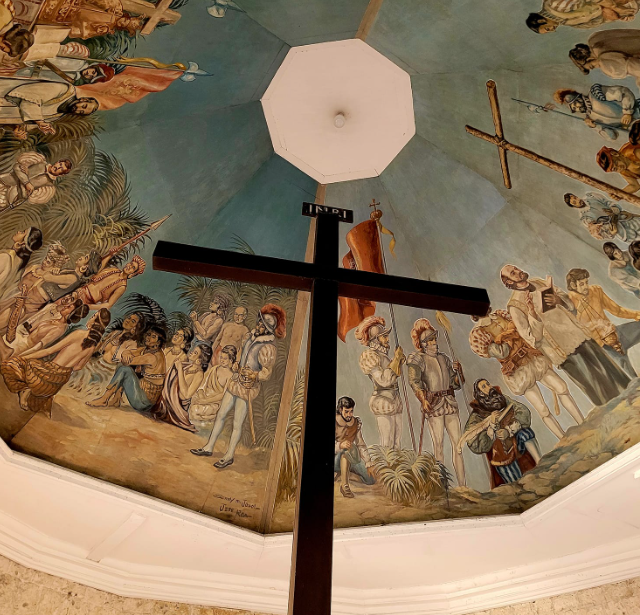
Magellan’s Cross marks the spot where Ferdinand Magellan planted a cross upon arriving in Cebu in April 1521 — the first permanent act of Spanish colonization in what would become the Philippines. The original cross is encased inside a larger wooden cross to protect it from relic-hunters who chipped pieces off over centuries. The small octagonal chapel beside it is painted with murals depicting Magellan’s arrival and the baptism of Rajah Humabon and Queen Juana — the event that began 333 years of Spanish rule.

Free entry, 5 minutes from the Basilica, and permanently relevant to understanding every subsequent thing you will see in the Philippines. Do not skip this because it looks small from the street.

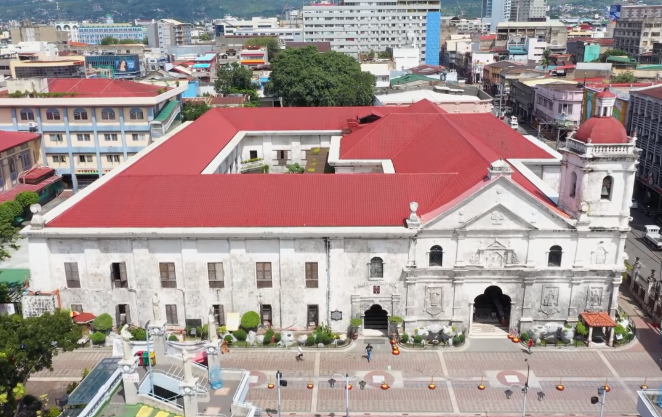
8. Basilica Minore del Santo Niño
🕍 Oldest church in the Philippines
Entrance feeFree
HoursOpen daily
LocationNext to Magellan’s Cross

The Basilica Minore del Santo Niño is the oldest Roman Catholic church in the Philippines, home to the Santo Niño de Cebu — a statue of the Child Jesus given by Magellan to Queen Juana during her baptism in 1521. This statue is the most venerated religious relic in the Philippines. The church itself is 16th-century Spanish colonial architecture on the outside and an overwhelming display of Catholic devotion on the inside — hundreds of votive candles, gold, and pilgrims praying on their knees.

Every January, the Santo Niño is the centerpiece of the Sinulog Festival — the largest street festival in Asia. If your visit coincides with the third Sunday of January, reorganize your entire itinerary around it.

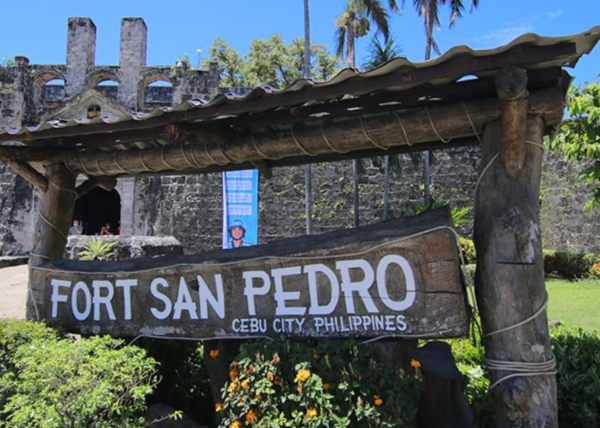
9. Fort San Pedro
🏰 Oldest fort in the Philippines
Entrance fee₱30 adult
Hours8 AM – 8 PM daily
LocationPlaza Independencia, Cebu City

Fort San Pedro is the oldest and smallest triangular bastion fort in the Philippines, built by Miguel López de Legazpi in 1565 to protect the Spanish settlement from Moro raiders and Dutch invaders. It served as a military garrison, a rebel camp during the Philippine Revolution, an American army base, a Japanese POW camp, and finally a public park. Few structures in Southeast Asia have absorbed as many layers of colonial history into their walls. The fort’s gardens are peaceful, the museum inside is informative, and the ₱30 entrance fee is the best historical value in Cebu.

Magellan's Cross Cebu City — octagonal chapel housing the 1521 cross planted by Ferdinand Magellan, oldest landmark in the Philippines Basilica Minore del Santo Niño Cebu City — oldest Roman Catholic church in the Philippines, home to the venerated Santo Niño de Cebu statue Fort San Pedro Cebu City — oldest triangular bastion fort in the Philippines built in 1565 by Miguel López de Legazpi

Cebu City’s historic Holy Trinity — Magellan’s Cross (1521), Basilica Minore del Santo Niño (oldest church in the Philippines), and Fort San Pedro (1565). All within walking distance of each other in downtown Cebu.

10. Cebu Taoist Temple — Beverly Hills
🏮 Most colourful in Cebu
Entrance feeFree
Hours6 AM – 6 PM daily
LocationBeverly Hills Subdivision, Cebu City

Built in 1972 by Cebu’s Chinese community, the Taoist Temple is the most visually striking religious site in Cebu City — a cascade of pagodas, red and gold dragons, and elaborate Chinese architectural details climbing up a Beverly Hills hillside. Visitors can climb 81 steps (representing the 81 chapters of the Tao Te Ching) to the main shrine, try a fortune-reading ceremony with bamboo sticks, and enjoy panoramic views of the city from the upper terraces. Free to enter — one of Cebu’s best-value stops.

Nature — Osmeña Peak, Simala & Cebu Safari

Competitor gap: Osmeña Peak and Simala Shrine are two of Cebu’s most visited attractions that most international travel blogs miss entirely.
11. Osmeña Peak — Highest Point in Cebu ⭐ Competitor gap
🏔️ Best hike in Cebu
Entrance fee₱30 per person
Hike duration20–40 min to summit
Distance from Cebu City~3 hrs south (near Dalaguete)

Osmeña Peak is the highest point in Cebu at 1,013 metres above sea level — a dramatic landscape of jagged limestone pinnacles and rolling green ridges that looks completely unlike the tropical lowlands below. The summit hike takes only 20–40 minutes from the jump-off in Brgy. Patong, Dalaguete, making it one of the most accessible summit hikes in the Philippines for non-experienced hikers. The 360-degree view from the top on a clear day shows the entire southern Cebu coastline, the Bohol Sea, and the mountains of Negros and Bohol.

Best combined with an Oslob whale shark morning — Dalaguete is 30 minutes further south from Oslob, making a sunrise summit + whale shark morning + Kawasan Falls afternoon a legendary Cebu south route day.

💡 Best visited at sunrise (arrive at jump-off by 4:30–5 AM for a 5:30 AM summit) — the clouds roll in by mid-morning and obscure the view. Bring a light jacket — the summit is genuinely cold by Philippine standards.
12. Simala Shrine — Lindogon, Sibonga ⭐ Competitor gap
🙏 Most visited shrine in Cebu
Entrance feeFree
Hours5:30 AM – 9 PM daily
Distance~2 hrs south of Cebu City

Simala Shrine is one of the most remarkable religious sites in the Philippines — a fortress-like Marian chapel perched on a hilltop in Sibonga, Cebu, built in 1998 by Marian Monks as a place of prayer and healing. Its architecture defies category — part Gothic, part Byzantine, part fairy-tale castle — and inside, the walls are covered floor-to-ceiling with thousands of letters, photos, medical records, and ex-voto offerings from devotees who credit the Our Lady of Simala with miraculous healing and answered prayers.

Simala draws hundreds of thousands of Filipino pilgrims annually — particularly on Sundays and feast days when the approach road is jammed with buses from across the Visayas. For international visitors, the combination of extraordinary architecture, living Catholic devotion, and the sheer wall of gratitude letters makes it one of the most emotionally affecting sites in Cebu. Free entry. Strict modest dress code enforced at the entrance — covered shoulders and knees required.

13. Cebu Safari and Adventure Park — Carmen
🦁 Best family attraction in Cebu
Entrance fee₱600–₱900 adult (check current)
Distance~1.5 hrs north of Cebu City
Hours8 AM – 5 PM daily

Cebu Safari and Adventure Park is the first and largest safari park in the Philippines — 170 hectares of wildlife habitat in Carmen, northern Cebu, with over 300 animal species including white lions, giraffes, zebras, and the Philippines’ indigenous wildlife. It is primarily designed as a family destination and is the best option in Cebu for travelers with children. The safari bus takes visitors through the open-range enclosures; additional activities include ziplines, ATV rides, and a bird park.

Islands — Bantayan, Malapascua, Sumilon & Mactan

Cebu is surrounded by some of the Philippines’ best islands — easily reached by ferry or speedboat for day trips or overnight stays.
14. Bantayan Island — White Sand Escape
🏝️ Best island getaway from Cebu
Ferry fare₱170–₱220 from Hagnaya Port
Travel time~4 hrs from Cebu City to Sta Fe
Best forRelaxed beach stay (2–3 nights)

Bantayan Island is where Cebu locals go when they want to escape Cebu. Long stretches of powdery white sand and shallow turquoise water at Santa Fe Beach, a quiet fishing-town atmosphere in Bantayan town proper, and far fewer international tourists than Boracay or Palawan make it one of the Philippines’ most authentically relaxed beach destinations. The island is best for beachcombing, cycling, and doing very little — which is exactly the point.

To get there: bus to Hagnaya Port (3 hours, ₱100) then ferry to Sta Fe, Bantayan (1 hour, ₱175). Total travel time approximately 4 hours from Cebu City. Best as a 2–3 night stay; day-tripping is possible but feels rushed.

15. Malapascua Island — World-Class Thresher Shark Diving
🦈 Best diving in Cebu
Ferry fare₱100–₱150 from Maya Port
Travel time~4 hrs from Cebu City to Maya
Best forDivers, snorkelers, thresher sharks

Malapascua is one of the only places in the world where divers can reliably see thresher sharks — deep-water sharks that ascend to Monad Shoal (30 metres) at dawn every morning to be cleaned by wrasses. The dive community around Malapascua is world-class, with experienced operators running thresher shark dives daily at 5:30 AM. The island also has beautiful beaches, good snorkelling, and a low-key backpacker atmosphere centred around Bounty Beach.

Non-divers go to Malapascua for the beach and the vibe — but Cebu has better beaches at Bantayan. Malapascua is specifically for divers who want the thresher shark experience. Plan 2–3 nights minimum for 2–3 dives at Monad Shoal plus exploring the other dive sites.

16. Sumilon Island Sandbar
🏖️ Most scenic sandbar in Cebu
Day trip fee₱800–₱1,200 (incl. snorkel, kayak)
DistanceNear Oslob, south Cebu
Best combined withOslob whale shark watching

Sumilon Island is a private island managed by Bluewater Sumilon Island Resort, featuring a famous shifting sandbar that changes shape and location with the tides and seasons. The marine sanctuary around the island is well-preserved — excellent snorkelling with sea turtles, diverse reef fish, and clear visibility. Easily combined with an Oslob whale shark morning (20 minutes by boat from Oslob) into a spectacular south Cebu day trip.

17. Mactan Island — Beaches & Lapu-Lapu History
🏖️ Airport island, beach resort hub
Resort day use₱800–₱2,500 depending on resort
Distance30 min from Cebu City by taxi
Best forResort beaches, island hopping

Mactan Island is where Cebu-Mactan International Airport is located — which means most visitors pass through without knowing they are already on an island with excellent beaches and a significant historical site. Lapu-Lapu Shrine marks the spot where Datu Lapu-Lapu defeated Ferdinand Magellan in the Battle of Mactan on April 27, 1521 — the battle that killed Magellan and remains one of the most significant moments in Filipino history. The free shrine and its giant bronze statue of Lapu-Lapu are a 10-minute taxi ride from the airport.

For beaches, Mactan’s resort strip (Maribago, Punta Engaño) has luxury properties including Shangri-La Mactan and Crimson Resort with pristine private beaches accessible on a day-use basis. The waters here are calmer than the open sea beaches further south, making Mactan ideal for families and leisure swimmers.

Day Trips from Cebu — Bohol

Competitor gap: every major competitor lists Bohol as a top Cebu activity. Your previous pages had nothing on this.
18. Bohol Day Trip from Cebu ⭐ Competitor gap
🌍 Most popular day trip from Cebu
Ferry fare₱300–₱500 each way
Crossing time~2 hrs (fast ferry)
Tour cost₱800–₱1,500 pp from Cebu

Bohol is one of the Philippines’ most famous destinations — and from Cebu City, it is just a 2-hour fast ferry ride away. Fast ferries run from Pier 1, Cebu City to Tagbilaran City, Bohol every hour from 6 AM — tickets cost ₱300–₱500 each way and should be booked online in advance during peak season.

A full Bohol countryside day tour from Cebu typically covers: the Chocolate Hills (1,776 perfectly symmetrical grass-covered mounds), the Tarsier Sanctuary (the world’s smallest primate, endemic to Southeast Asia), the Loboc River Cruise (floating restaurant lunch on the river), Panglao Island beaches (among the best in the Philippines), and Baclayon Church (1727, one of the oldest in the country).

Package tours from Cebu including ferry, land transport, guide, and lunch cost ₱800–₱1,500 per person. Independent travelers can do it cheaper but should book the ferry in advance.

💡 First ferry from Cebu departs at approximately 6 AM — take the earliest to maximise your time in Bohol. Book round-trip ferry tickets online at 2go.com.ph or oceanjet.net at least 2 days in advance during November–May peak season.

Food & Culture — Lechon, Sinulog & Carbon Market

19. Cebu Lechon — Best Roasted Pig in the Philippines
🍖 Anthony Bourdain called it the best
Price₱600–₱800 per kg
Best placeZubuchon, CNT Lechon, CnT
Also tryLechon manok, dried mangoes

Anthony Bourdain declared Cebu lechon “the best pig I’ve ever had in my life” on No Reservations in 2008 — a quote that has driven a pilgrimage of food travelers to Cebu ever since and remains one of the most famous food endorsements in Philippine culinary history. Cebu lechon is different from Manila lechon: the pig is stuffed with local herbs — lemongrass, spring onions, garlic, and native spices — and spit-roasted over charcoal for 3–5 hours until the skin crackles like glass and the meat pulls cleanly from the bone. The sauce is optional; Cebu lechon is the rare lechon good enough to eat without it.

The best lechon restaurants in Cebu City are Zubuchon (the restaurant Bourdain actually visited — multiple branches), CNT Lechon on Mango Avenue (old-school institution, ₱600/kg), and Rico’s Lechon (popular with locals, multiple outlets). For pasalubong, dried mangoes and masareal (peanut brittle) are the classic Cebu take-home items — available at Pasalubong Centers and Carbon Market.

20. Sinulog Festival — January
🎉 Asia’s biggest street party
When3rd Sunday of January
Free entryYes — street festival
Book hotels3–6 months in advance

Sinulog is the Philippines’ most famous street festival and one of the largest religious street festivals in Asia — held every third Sunday of January in honor of the Santo Niño de Cebu. Millions of costumed street dancers fill Cebu City’s main thoroughfares for 12+ hours, performing the Sinulog dance (a two-steps-forward, one-step-back movement mimicking the current of the Pahina River) to the continuous beat of drums and the chant of “Pit Señor!” The city is absolutely unrecognizable — and absolutely extraordinary.

Book hotels 3–6 months in advance for Sinulog weekend. Prices triple. Every guesthouse within 10 km of the city centre fills up. If you can plan your Cebu trip around the third Sunday of January, do it — this is one of the unmissable events in all of Southeast Asia.

21. Carbon Market — Cebu’s Oldest Public Market
🛒 Most authentic Cebu experience
Entrance feeFree
Hours24 hours (busiest 5–9 AM)
Best forDried mangoes, masareal, local food

Carbon Market is Cebu’s oldest and largest public market — a sprawling, chaotic, completely authentic city market selling everything from live animals and fresh fish to dried mangoes, tablea, masareal, and pasalubong. The early morning (5–9 AM) is when Carbon is most alive — the fish section is extraordinary, the produce stalls overflow onto the pavements, and the noise and smell are overwhelmingly, beautifully Filipino. Not a tourist attraction — a real market where Cebu City’s population shops daily. The dried mango vendors on the first floor are among the most competitive and cheapest in the city for bulk pasalubong buying.

More Cebu City Highlights

22. Cebu Heritage Monument — Parian District
🗿 Free outdoor art
Entrance feeFree
LocationPlaza Sugbo, Parian, Cebu City
Time needed20–30 minutes

A monumental bronze tableau depicting key moments in Cebu’s history — Magellan’s arrival, Rajah Humabon’s baptism, the Battle of Mactan — sculpted by Eduardo Castrillo and installed at Plaza Sugbo in the Parian Chinese district. Free, outdoors, and an ideal visual summary of everything you will learn visiting Magellan’s Cross, the Basilica, and Fort San Pedro. The Parian district itself (Cebu’s historical Chinatown) is worth exploring on foot — old Chinese heritage houses and the famous Sto. Rosario Church are nearby.

23. Fuente Osmeña Circle — City Centrepiece
🌿 City park landmark
Entrance feeFree
LocationOsmeña Blvd, Cebu City centre
Best timeEvening — lit fountain

Fuente Osmeña Circle is the geographic and social heart of Cebu City — a roundabout centred on a lush circular park and fountain, surrounded by the city’s major hotels, shopping centres, and restaurants. The park is pleasant for an evening stroll and the fountain is lit at night. More practically, it is the best landmark to orient yourself by when navigating Cebu City — most major streets radiate from or connect to Fuente.

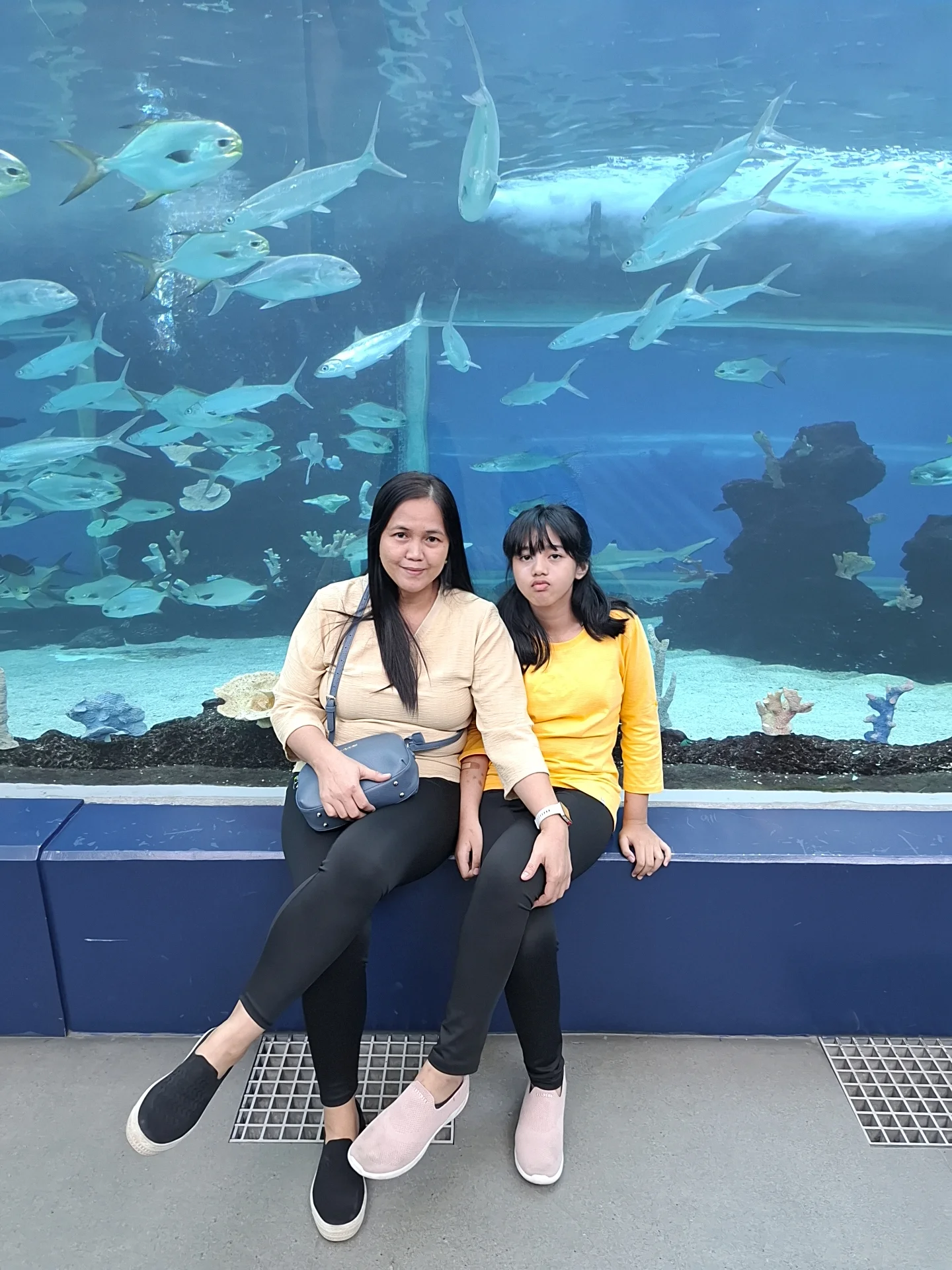
24. Cebu Ocean Park
🐟 Largest oceanarium in the Philippines
Entrance fee₱700–₱1,200 adult (check current)
LocationSM Seaside, SRP Area, Cebu City
Best forFamilies with children

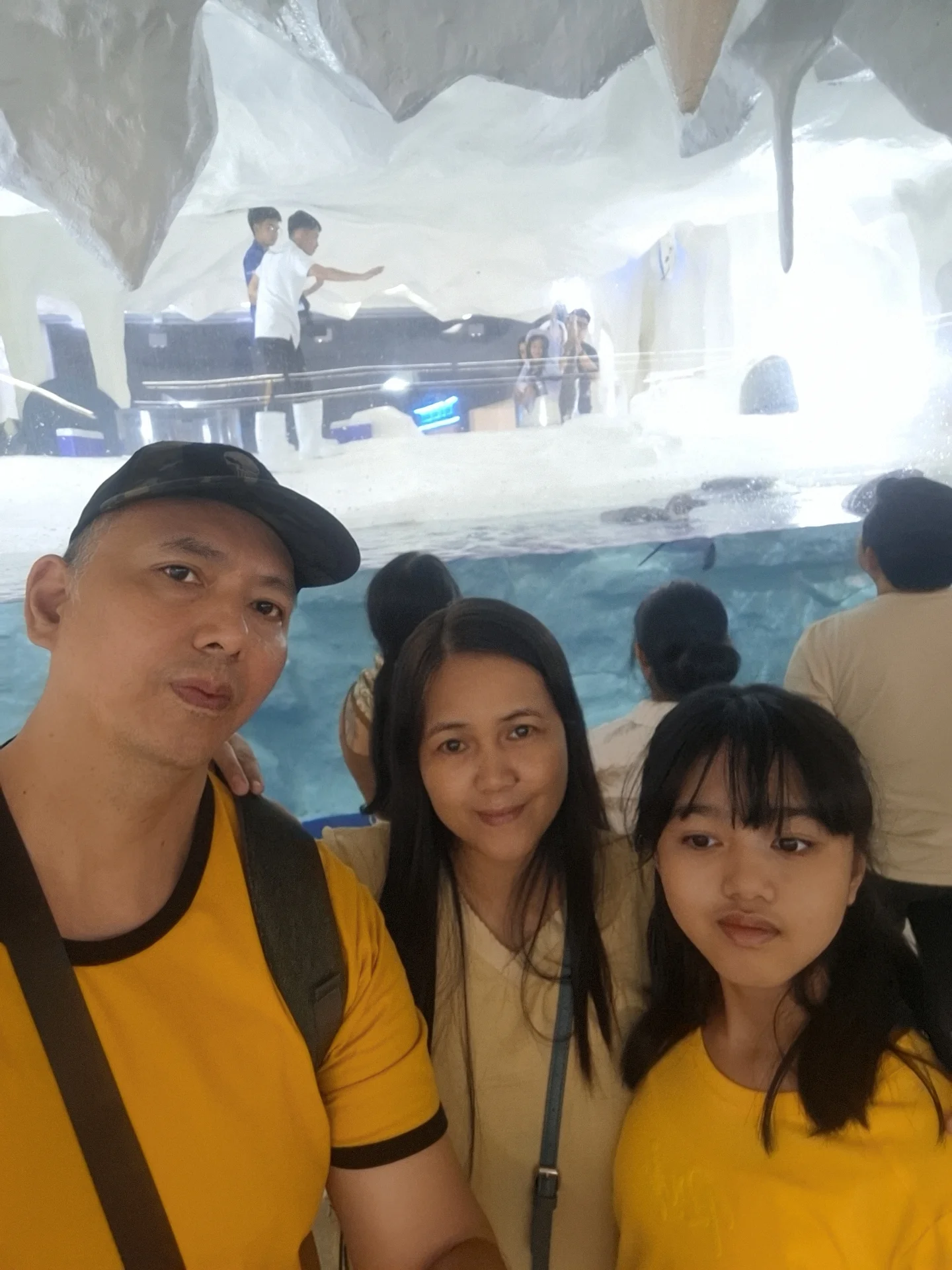
Cebu Ocean Park at SM Seaside is the largest oceanarium in the Philippines — a full marine theme park with shark tanks, a penguin exhibit, sea lion shows, a 4D theatre, and interactive marine exhibits. Best suited for families with young children or visitors who want to see Philippine marine life without getting wet. Located inside the SM Seaside City complex, easily combined with shopping and dining.

Cebu Ocean Park Philippines — shark tank exhibit at the largest oceanarium in the Philippines at SM Seaside City Cebu Ocean Park — underwater tunnel walkway with marine life visible overhead at the SM Seaside oceanarium Cebu Ocean Park penguin exhibit — live penguins on display at the Philippines largest marine theme park Cebu Ocean Park sea lion show — live performance at SM Seaside City Cebu, best family attraction in Cebu Philippines

Cebu Ocean Park — shark tanks, underwater tunnel, penguin exhibit, and sea lion shows. The Philippines’ largest oceanarium at SM Seaside City, SRP Area, Cebu City. Entrance ₱700–₱1,200.

25. Lapu-Lapu Shrine — Mactan Island
⚔️ Where Magellan was defeated
Entrance feeFree
LocationPunta Engaño, Mactan Island
Distance30 min from Cebu City

Lapu-Lapu Shrine marks the site where Datu Lapu-Lapu defeated and killed Ferdinand Magellan on April 27, 1521 — the first recorded defeat of European colonizers in Southeast Asia. A massive bronze statue of Lapu-Lapu dominates the park at Punta Engaño, Mactan Island. Free to enter, 10 minutes from Mactan-Cebu International Airport by taxi — easy to visit on the day of arrival or departure. The shrine sits on the waterfront directly across from where Magellan’s fleet landed. An ironic, satisfying counterpoint to everything you see at Magellan’s Cross in Cebu City.

Suggested Itineraries

3-Day Cebu Itinerary

DayMorningAfternoonEvening
Day 1Magellan’s Cross → Basilica → Fort San Pedro → Carbon MarketTaoist Temple → Fuente Osmeña walkLechon dinner at Zubuchon or CNT
Day 2Temple of Leah (early) → Sirao GardenTops Lookout at sunsetBack in city — dinner at Cebu City restaurants
Day 3Depart 4 AM → Oslob whale sharks (6–9 AM)Drive to Kawasan Falls canyoneering (11 AM–4 PM)Return to Cebu City or stay in Moalboal

7-Day Cebu Itinerary

DayActivityBase
Day 1Cebu City historical loop — Magellan’s Cross, Basilica, Fort San Pedro, Taoist Temple, Heritage Monument, Carbon MarketCebu City
Day 2Busay highlands — Temple of Leah, Sirao Garden, Tops Lookout at sunsetCebu City
Day 3South route — Oslob whale sharks (6–9 AM) + Osmeña Peak hike + Simala Shrine on the way backCebu City or Oslob
Day 4Moalboal — sardine run snorkelling, turtle point, Kawasan Falls canyoneeringMoalboal
Day 5Bohol day trip — fast ferry from Pier 1, Chocolate Hills, Tarsier Sanctuary, Loboc River Cruise, Panglao BeachCebu City (return)
Day 6Bantayan Island — ferry from Hagnaya Port, Santa Fe white sand beach, cycling the islandBantayan Island
Day 7Return to Cebu City — Mactan Island resort beach, Lapu-Lapu Shrine, airport departureMactan Island

Getting Around Cebu

TransportBest forCostNotes
GrabCity travel, airport, Busay highlands₱80–₱350Most reliable for tourists — use app, avoid fare haggling
TaxiShort city trips, airport₱80–₱250Always use metered taxis — refuse fixed-price offers
Habal-habalBusay highlands, short provincial routes₱50–₱200Motorcycle taxi — adventurous, affordable, standard in Cebu
JeepneyCity routes, SM to Carbon Market₱12–₱20Budget option — routes displayed on the front
Car rental / van hireSouth route (Oslob, Kawasan, Osmeña)₱2,500–₱4,500/dayBest value for groups of 3+ for day trips
MyBusAirport to city centre₱30Official airport bus — cheapest airport transfer
FerryBantayan, Malapascua, Bohol₱100–₱500Book online in advance for peak season
Gio’s transport tip: For the south route (Oslob + Kawasan + Osmeña in one day), hiring a private van with driver for ₱3,000–₱4,000 split between 3–4 people is far better value than a guided tour at ₱1,500 each. Your driver waits for you at each stop and the flexibility to linger or skip is worth the premium. Ask your hotel to arrange a trusted driver the night before.

Frequently Asked Questions

What are the best things to do in Cebu?
The best things to do in Cebu are whale shark watching in Oslob (₱500), Kawasan Falls canyoneering (₱1,500 — 2026 LGU fee), the Moalboal sardine run, Temple of Leah in Busay (₱120–150), Sirao Flower Garden, Tops Lookout at sunset, Osmeña Peak hiking, Magellan’s Cross, Basilica del Santo Niño, Fort San Pedro, Bantayan Island, a Bohol day trip by fast ferry, and the Sinulog Festival in January. Best visited during the dry season from November to May.
How many days do you need in Cebu?
5–7 days covers Cebu’s highlights comfortably. Day 1: City historical tour. Day 2: Busay highlands. Day 3: Oslob + Kawasan south route. Day 4: Moalboal sardine run + Osmeña Peak. Day 5: Mactan or Bantayan Island. Days 6–7: Bohol day trip or Malapascua. A 3-day visit should prioritize: city + highlands (Day 1), whale sharks + Kawasan (Day 2), and Moalboal or Bantayan (Day 3).
What is Cebu famous for?
Cebu is famous for being the oldest city in the Philippines (1565), lechon (Anthony Bourdain called it the best pig he ever had), whale shark watching in Oslob, the Sinulog Festival (one of Asia’s largest street festivals every January), Kawasan Falls canyoneering, world-class diving at Malapascua and Moalboal, dried mangoes, and Magellan’s Cross — marking the 1521 arrival of Christianity in Southeast Asia.
How much does it cost to swim with whale sharks in Oslob?
Swimming with whale sharks in Oslob costs ₱500 entrance plus ₱300 snorkel equipment rental. Watching only costs ₱200. Tour packages from Cebu City including transport typically run ₱1,200–₱2,500 per person. The interaction is 30 minutes per group, operating 6 AM–noon daily. Oslob is 3–4 hours south of Cebu City.
How much does Kawasan Falls canyoneering cost in 2026?
Kawasan Falls canyoneering costs ₱1,500 per person in 2026 — the LGU-regulated fee includes certified guide, safety gear, life jacket, and lunch at the falls. The 15-metre cliff jump is closed as of 2026; the maximum is 10 metres. Advance booking required during peak season. Route starts in Matutinao, Badian and ends at Kawasan Falls.
What is the best time to visit Cebu?
The best time to visit Cebu is November to May — the dry season ideal for beaches, diving, whale shark watching, and canyoneering. January is best for the Sinulog Festival. The wet season (June–October) brings rain and rougher seas but lower prices and fewer tourists. Typhoons can affect the Visayas between July and October.
Can you do a Bohol day trip from Cebu?
Yes — fast ferries from Pier 1, Cebu City to Tagbilaran, Bohol run hourly from 6 AM and cost ₱300–₱500 each way (2-hour crossing). A Bohol countryside day tour covering the Chocolate Hills, Tarsier Sanctuary, Loboc River Cruise, and Panglao Beach costs ₱800–₱1,500 per person. Book ferry tickets online at oceanjet.net or 2go.com.ph at least 2 days in advance during peak season.
Is Cebu safe for tourists?
Yes — Cebu is generally safe for tourists. Cebu City is modern, English-speaking, and tourist-friendly. Standard precautions apply: use Grab instead of unmarked taxis at night, avoid displaying valuables in crowded markets, and book adventure activities (canyoneering, diving) through registered operators. Bantayan Island, Mactan Island resorts, and the Busay highlands are particularly safe areas.
Giovanni Carlo Bagayas — Filipino travel writer, born in Cebu City
Giovanni Carlo Bagayas
Filipino · Born in Cebu City · Travel writer at Best Philippines Travel Guide

I was born in Cebu City — the oldest city in the Philippines and the city behind this entire guide. The Basilica del Santo Niño, Carbon Market, the road up to Busay, and the first time I swam at Bantayan Island are not a traveler’s research for me. They are memory. I now write about the Philippines at Best Philippines Travel Guide for US, UK, and Australian travelers who want to go deeper than a surface itinerary. Follow my work at bestphilippinestravelguide.com.