Blog

  • Discover the Rich Flavors of Filipino Food: Traditional and Modern Dishes

    Discover the Rich Flavors of Filipino Food: Traditional and Modern Dishes

    Filipino food adobong baboy

    Introduction

    Filipino food, known for its bold flavors and rich culinary traditions, reflects the diverse history and cultural heritage of the Philippines. This cuisine is a delicious amalgamation of indigenous flavors and influences from Spanish, Chinese, Malay, and American cultures. From hearty stews and savory grilled meats to sweet desserts and innovative fusion dishes, Filipino cuisine has something to offer every palate. This article delves into the essence of Filipino food, exploring its traditional dishes, culinary journey, cultural significance, and the rise of Filipino cuisine on the global stage.

    Traditional Filipino Dishes

    Overview

    Traditional Filipino dishes are the cornerstone of the country’s culinary identity. These dishes often highlight the use of fresh, local ingredients and time-honored cooking techniques. Filipino food is characterized by its vibrant flavors, which are typically a harmonious blend of sweet, sour, and salty tastes.

    filipino food ingredients

    Key Ingredients and Cooking Methods

    Filipino cuisine makes extensive use of ingredients such as rice, coconut, fish, pork, chicken, tropical fruits, and a variety of vegetables. Common cooking methods include grilling, frying, stewing, and fermenting. Spices and seasonings like garlic, onions, ginger, soy sauce, vinegar, and fish sauce are frequently used to enhance the flavors of dishes.

    1. Adobo: Often considered the unofficial national dish of the Philippines, Adobo is a savory stew made with chicken or pork, marinated in a mixture of vinegar, soy sauce, garlic, and spices. It is then simmered until tender, creating a flavorful and aromatic dish that is perfect with rice.
    2. Sinigang: This is a tangy and sour soup made with tamarind broth, featuring pork, shrimp, or fish, along with vegetables such as kangkong (water spinach), radish, and eggplant. The sourness of the tamarind gives Sinigang its distinctive and refreshing flavor.
    3. Kare-Kare: A rich and hearty stew, Kare-Kare is made with oxtail, tripe, and a thick peanut sauce. It is traditionally served with bagoong (fermented shrimp paste) and a variety of vegetables like eggplant, string beans, and banana blossoms.
    4. Lechon: A festive dish often served during special occasions, Lechon is a whole roasted pig known for its crispy skin and succulent meat. The pig is typically marinated and stuffed with herbs and spices before being slow-roasted over an open fire.
    5. Pancit: This term refers to a variety of noodle dishes in Filipino cuisine. Pancit Canton and Pancit Bihon are popular versions, often stir-fried with a mix of meat, seafood, and vegetables. Noodles are a symbol of longevity and are commonly served during birthdays and celebrations.
    Filipino food pancit

    Filipino Cuisine: A Culinary Journey

    Evolution of Filipino Cuisine Over Time

    The evolution of Filipino cuisine is a testament to the country’s rich history and the various cultures that have influenced its development. Each wave of colonization and trade brought new ingredients, techniques, and flavors that have been seamlessly integrated into Filipino cooking.

    Influences from Various Cultures

    • Spanish Influence: The Spanish colonization of the Philippines, which lasted for more than 300 years, left a significant mark on the country’s cuisine. The Spanish introduced new ingredients such as tomatoes, potatoes, and chili peppers, as well as cooking methods like braising and roasting. Dishes such as Adobo, Lechon, and Menudo (a tomato-based stew) have Spanish roots.
    • Chinese Influence: Chinese traders brought soy sauce, tofu, and noodles to the Philippines, which have become staples in Filipino cuisine. Popular dishes such as Pancit (noodles) and Siopao (steamed buns) are direct results of Chinese culinary influence.
    • Malay Influence: The use of coconut milk, turmeric, and rice in Filipino cooking can be traced back to Malay influence. Dishes like Bicol Express (a spicy pork dish with coconut milk) and various rice cakes known as Kakanin are examples of this heritage.
    • American Influence: The American colonization introduced convenience foods and new cooking methods, such as baking. The influence is evident in dishes like Fried Chicken and Spaghetti, which have been adapted to suit Filipino tastes.
    filipino food kinilaw

    Filipino food, Regional Variations in Filipino Cuisine

    The Philippines is an archipelago with over 7,000 islands, leading to a wide variety of regional cuisines. Each region has its own unique dishes and cooking styles, reflecting the local ingredients and cultural influences.

    • Luzon: In the northern part of the Philippines, the cuisine is known for its savory and hearty dishes. Examples include Bicol Express, which features pork cooked in coconut milk and chili, and Laing, made with taro leaves simmered in coconut milk.
    • Visayas: This region is famous for its seafood dishes, thanks to its proximity to the sea. Kinilaw (raw fish marinated in vinegar and spices) and La Paz Batchoy (a noodle soup with pork offal and crushed pork cracklings) are popular dishes from the Visayas.
    • Mindanao: The cuisine in Mindanao is influenced by the Muslim population, leading to the use of spices and ingredients such as turmeric and coconut. Dishes like Chicken Piaparan (chicken cooked with turmeric and coconut milk) and Beef Rendang (spicy beef stew) showcase the bold flavors of this region.

    Exploring Filipino Food Culture

    Importance of Food in Filipino Culture and Social Gatherings

    Food is an integral part of Filipino culture and plays a central role in social gatherings and celebrations. Meals are often a communal affair, with family and friends coming together to share food and enjoy each other’s company. This sense of community and hospitality is deeply ingrained in Filipino society.

    Significance of Hospitality and Sharing Meals

    Filipinos are known for their warm hospitality, and sharing meals is a way to express this. It is common for guests to be offered food and drink upon arrival, regardless of the time of day. This tradition of sharing food fosters a sense of belonging and strengthens social bonds.

    filipino food traditional noche buena in the philippines

    Festivals and Celebrations Centered Around Filipino Food

    • Fiesta: Fiestas are community celebrations held in honor of patron saints or to mark significant events. These festivities feature a lavish spread of traditional dishes, showcasing the best of Filipino cuisine. Lechon, Adobo, and various desserts are commonly served during fiestas.
    • Noche Buena: Celebrated on Christmas Eve, Noche Buena is a grand feast that brings families together to enjoy a special meal. Dishes like Lechon, Hamon (ham), and Queso de Bola (edam cheese) are staples of the Noche Buena table.
    • Pista ng Pagkain: Food festivals such as Pista ng Pagkain celebrate regional specialties and culinary diversity. These festivals provide an opportunity for locals and tourists to sample a wide range of Filipino dishes, from savory stews to sweet desserts.

    Filipino Delicacies and Street Food

    Introduction to Filipino Delicacies and Street Food

    Filipino delicacies and street food offer a unique glimpse into the everyday culinary delights enjoyed by locals. These foods are often affordable, flavorful, and readily available, making them a popular choice for snacks and quick meals.

    filipino food balut
    • Balut: A popular street food, Balut is a boiled fertilized duck egg that is enjoyed as a snack or appetizer. It is considered a delicacy and is often served with salt and vinegar.
    • Kakanin: Kakanin refers to a variety of rice-based sweets that are commonly enjoyed as snacks or desserts. Examples include Bibingka (a rice cake traditionally cooked in clay pots) and Puto (steamed rice cakes).
    • Halo-Halo: A refreshing dessert, Halo-Halo is a mix of shaved ice, evaporated milk, and various ingredients such as sweetened fruits, beans, and jellies. It is often topped with Leche Flan (caramel custard) and a scoop of ice cream.

    Street Food Favorites

    • Fish Balls: These skewered fish cakes are a popular street food snack, often served with a variety of dipping sauces, including sweet, spicy, and vinegar-based options.
    • Isaw: Grilled chicken or pork intestines, Isaw is a favorite among street food enthusiasts. The intestines are marinated, skewered, and grilled to perfection.
    • Taho: A sweet and silky treat, Taho is made from soft tofu, sweet syrup, and tapioca pearls. It is often sold by street vendors in the morning and enjoyed as a breakfast snack.

    Filipino Food in Everyday Life

    Filipino Breakfast, Lunch, and Dinner Traditions

    Meals in the Philippines are typically centered around rice, which is considered the staple food. A typical Filipino breakfast might include dishes like Tapsilog (cured beef with garlic rice and fried egg) or Pandesal (soft bread rolls). Lunch and dinner often feature a combination of meat, seafood, and vegetable dishes, always accompanied by rice.

    Common Ingredients in Filipino Cooking

    Filipino cooking makes use of a variety of fresh and flavorful ingredients. Common staples include garlic, onions, ginger, soy sauce, vinegar, and fish sauce. Coconut milk, rice, and tropical fruits like mangoes and bananas are also widely used.

    Filipino food, Quick and Easy Filipino Recipes for Everyday Meals

    • Adobo: This simple and delicious dish is perfect for beginners. Marinate chicken or pork in a mixture of vinegar, soy sauce, garlic, and bay leaves, then simmer until tender.
    • Sinigang: A comforting and tangy soup, Sinigang is made by simmering pork or shrimp with tamarind broth and vegetables. Serve with rice for a complete meal.
    • Tinola: A ginger-based chicken soup, Tinola is made with green papaya and chili leaves. It is a nourishing dish that is both easy to prepare and full of flavor.

    Filipino Food Culture in Restaurants

    Rise of Filipino Restaurants Worldwide

    In recent years, Filipino cuisine has gained recognition on the global culinary stage. Filipino restaurants are popping up in major cities around the world, introducing international audiences to the diverse flavors of the Philippines.

    Showcasing Filipino Culinary Talents on the International Stage

    Filipino chefs are making their mark in the culinary world, showcasing their skills and creativity. From traditional dishes to modern interpretations, these chefs are bringing the flavors of the Philippines to a wider audience.

    Fusion of Traditional and Modern Filipino Cuisine in Restaurant Menus

    Many Filipino restaurants are blending traditional ingredients and cooking techniques with modern culinary trends. This fusion creates innovative dishes that pay homage to the country’s culinary heritage while appealing to contemporary tastes.

    Filipino food, Culinary Tourism in the Philippines

    Increasing Interest in Culinary Tourism in the Philippines

    The Philippines has become a sought-after destination for culinary tourism, attracting food enthusiasts from around the world. Visitors are eager to explore the country’s diverse food culture and savor its unique flavors.

    Culinary Destinations and Food Tours Across the Archipelago

    Culinary tours offer travelers the chance to explore regional specialties and local ingredients. From the seafood markets of Cebu to the spice farms of Mindanao, these tours provide an immersive culinary experience.

    Showcasing the Diverse Flavors and Ingredients of Filipino Cuisine

    Culinary tourism highlights the wide range of flavors and ingredients that make Filipino cuisine unique. Visitors can sample everything from traditional dishes and street food to modern fusion creations.

    Conclusion Filipino food

    Filipino food culture is a vibrant and integral part of the country’s identity. Its rich and diverse culinary traditions reflect the Philippines’ history and the various cultures that have influenced its development. Whether you’re enjoying a traditional dish at a family gathering, exploring regional flavors, or dining at a modern Filipino restaurant, there’s always something new and exciting to discover. Embrace the opportunity to explore and appreciate the diverse and delicious world of Filipino cuisine, and you’ll gain a deeper understanding of the Philippines’ rich cultural heritage.

    Frequently ask questions (Faqs)

    What are popular Filipino foods?

    Popular Filipino foods include Adobo, Sinigang, Lechon, Kare-Kare, and Pancit. These dishes are staples in Filipino households and are often enjoyed during special occasions and everyday meals alike.

    What are your top ten Filipino dishes?

    Adobo
    Sinigang
    Lechon
    Kare-Kare
    Pancit
    Lumpia (Filipino spring rolls)
    Halo-Halo
    Bicol Express
    Chicken Inasal (grilled chicken)
    Laing (taro leaves in coconut milk)

    What are Filipino main dishes?

    Filipino main dishes are typically centered around meat or seafood and are usually served with rice. Examples include Adobo, Sinigang, Kare-Kare, Lechon, and Tinola. These dishes often feature rich and flavorful sauces, hearty ingredients, and a balance of savory, sour, and sweet tastes.

    What is the traditional Filipino diet?

    The traditional Filipino diet is largely based on rice, which is a staple food and is often consumed at every meal. This diet includes a variety of meats (pork, chicken, beef), seafood, vegetables, and tropical fruits. Cooking methods such as grilling, frying, stewing, and fermenting are commonly used. The traditional diet also emphasizes fresh ingredients and bold flavors, with a balanced combination of sweet, sour, and salty tastes.

    You may also like to check out tinola dish and Dumaguete delicacies

    • 100 pesos budget ulam recipe

      100 pesos budget ulam recipe

      100 pesos budget ulam recipe

      Introduction 100 pesos budget ulam recipe

      100 pesos budget ulam recipe, Cooking on a budget doesn’t mean sacrificing flavor or nutrition. In fact, some of the most delicious and beloved Filipino dishes can be made for just 100 pesos or less! Whether you’re a student, a busy professional, or simply looking to save some money, these budget-friendly ulam recipes are perfect for you.

      Understanding the Basics of Ulam 100 pesos budget ulam recipe

      Definition and Cultural Significance

      In the Philippines, “ulam” refers to the main dish that accompanies rice, which is the staple food. Ulam can range from simple sautéed vegetables to more elaborate meat dishes. It’s an integral part of Filipino cuisine and daily life.

      Common Ingredients Used

      Typical ingredients for ulam include various proteins (chicken, pork, fish), vegetables, and flavorings such as soy sauce, vinegar, garlic, and onions. These ingredients are not only affordable but also versatile, allowing for a wide range of dishes.

      Benefits of Budget-Friendly Cooking

      Economic Savings

      One of the primary benefits of budget-friendly cooking is the cost savings. By focusing on affordable ingredients and simple recipes, you can significantly reduce your grocery bill.

      Healthier Meal Options

      Cooking at home allows you to control the ingredients and cooking methods, making it easier to eat healthier. You can avoid processed foods and excessive amounts of salt, sugar, and unhealthy fats.

      Encourages Creativity in the Kitchen

      Working with a limited budget can spark creativity. You’ll find yourself experimenting with different ingredients and cooking techniques to create delicious meals without breaking the bank.

      Essential Ingredients for 100 Pesos Ulam

      Rice: The Staple

      Rice is a staple in Filipino cuisine and is usually very affordable. It’s the perfect base for any ulam dish.

      Protein Sources: Chicken, Fish, and Alternatives

      Chicken and fish are commonly used in budget ulam recipes. They’re relatively inexpensive and can be prepared in a variety of ways. You can also explore plant-based proteins like tofu and mung beans.

      Vegetables: Affordable and Nutritious Options

      Vegetables such as eggplant, bitter melon, and leafy greens are both nutritious and affordable. They add color, texture, and nutrients to your meals.

      Tips for Shopping on a Budget

      Where to Shop

      Look for local markets where fresh produce and other ingredients are often cheaper than in supermarkets. Buying directly from farmers can also save you money.

      Seasonal Buying

      Purchase fruits and vegetables that are in season. They’re usually less expensive and taste better.

      Bulk Purchasing

      Buying in bulk can be more cost-effective, especially for staples like rice, grains, and canned goods. Just make sure to store them properly to avoid spoilage.

      Meal Planning and Preparation

      Importance of Planning

      Planning your meals in advance can help you stay within your budget and reduce food waste. Make a shopping list and stick to it.

      Efficient Meal Prep Techniques

      Prepare ingredients in bulk and cook multiple meals at once. This not only saves time but also ensures you have ready-to-eat meals throughout the week.

      budget ulam pinoy adobong manok filipino food
      Chicken Adobo

      100 Pesos Ulam Recipe #1: Chicken Adobo

      Ingredients List

      • 500g chicken thighs or drumsticks
      • 1/2 cup soy sauce
      • 1/2 cup vinegar
      • 4 cloves garlic, minced
      • 1 onion, chopped
      • 1 bay leaf
      • 1 tsp peppercorns
      • 2 tbsp oil

      Step-by-Step Cooking Instructions

      1. In a pot, heat oil and sauté garlic and onions until fragrant.
      2. Add chicken and cook until browned on all sides.
      3. Pour in soy sauce and vinegar. Add bay leaf and peppercorns.
      4. Bring to a boil, then simmer for 30 minutes until chicken is cooked through and tender.
      5. Serve hot with rice.

      Serving Suggestions

      Chicken adobo is best served with a steaming bowl of rice and a side of pickled vegetables.

      tinolang manok ulam ideas for lunch
      Tinolang Manok

      100 Pesos Ulam Recipe #2: Tinolang Manok

      Ingredients List

      • 500g chicken pieces
      • 1 small green papaya, sliced
      • 1 bunch chili leaves (or malunggay leaves)
      • 1 thumb-sized ginger, sliced
      • 4 cloves garlic, minced
      • 1 onion, chopped
      • 6 cups water
      • 2 tbsp fish sauce
      • 2 tbsp oil

      Step-by-Step Cooking Instructions

      1. Heat oil in a pot and sauté garlic, onion, and ginger.
      2. Add chicken and cook until it turns white.
      3. Pour in water and bring to a boil. Simmer for 20 minutes.
      4. Add green papaya and cook until tender.
      5. Season with fish sauce and add chili leaves. Simmer for another 5 minutes.
      6. Serve hot with rice.

      Serving Suggestions

      Tinolang Manok is perfect for rainy days. Serve it with steamed rice and a dash of fish sauce on the side.

      ginisang mongo
      Ginisang Munggo

      100 Pesos Ulam Recipe #3: Ginisang Munggo 100 pesos budget ulam recipe

      Ingredients List

      • 1 cup mung beans
      • 200g pork, diced (optional)
      • 1 bunch spinach or malunggay leaves
      • 1 tomato, chopped
      • 4 cloves garlic, minced
      • 1 onion, chopped
      • 6 cups water
      • 2 tbsp fish sauce
      • 2 tbsp oil

      Step-by-Step Cooking Instructions

      1. Boil mung beans in water until soft, then set aside.
      2. In a pot, heat oil and sauté garlic, onion, and tomato.
      3. Add pork and cook until browned.
      4. Pour in boiled mung beans and simmer for 10 minutes.
      5. Season with fish sauce and add spinach. Cook for another 5 minutes.
      6. Serve hot with rice.

      Serving Suggestions 100 pesos budget ulam recipe

      Ginisang Munggo is a hearty dish that pairs well with fried fish and steamed rice.

      Paksiw na Bangus
      Paksiw na Bangus

      100 Pesos Ulam Recipe #4: Paksiw na Bangus

      Ingredients List

      • 1 medium-sized bangus (milkfish), cleaned and sliced
      • 1/2 cup vinegar
      • 4 cloves garlic, minced
      • 1 onion, sliced
      • 1 thumb-sized ginger, sliced
      • 1 cup water
      • 1 tsp peppercorns
      • 2 tbsp oil

      Step-by-Step Cooking Instructions

      1. In a pot, combine bangus, vinegar, garlic, onion, ginger, and peppercorns.
      2. Pour in water and bring to a boil.
      3. Lower heat and simmer for 20 minutes until fish is cooked.
      4. Drizzle with oil before serving.

      Serving Suggestions

      Paksiw na Bangus is delicious with steamed rice and a side of sautéed vegetables.

      150 pesos ulam recipe
      Tortang Talong

      100 Pesos Ulam Recipe #5: Tortang Talong 100 pesos budget ulam recipe

      Ingredients List

      • 3 large eggplants
      • 3 eggs, beaten
      • 1 onion, chopped
      • 4 cloves garlic, minced
      • Salt and pepper to taste
      • 2 tbsp oil

      Step-by-Step Cooking Instructions

      1. Grill or boil eggplants until soft. Peel off the skin and flatten the flesh with a fork.
      2. In a bowl, mix beaten eggs, garlic, and onion. Season with salt and pepper.
      3. Dip the flattened eggplants into the egg mixture.
      4. Heat oil in a pan and fry the eggplants until golden brown on both sides.
      5. Serve hot with rice.

      Serving Suggestions

      Tortang Talong is a versatile dish that can be enjoyed with ketchup or a soy sauce and calamansi dip.

      Maximizing Leftovers

      Creative Ways to Reuse Leftovers

      Turn leftover chicken adobo into adobo flakes or use them in a sandwich. Leftover munggo can be turned into a soup or a filling for lumpia.

      Storing Leftovers Properly

      Store leftovers in airtight containers and refrigerate within two hours of cooking. Properly stored, leftovers can last up to three days.

      Healthy Eating on a Budget 100 pesos budget ulam recipe

      Balancing Nutrition and Cost

      Focus on whole foods and minimize the use of processed ingredients. Incorporate a variety of vegetables and proteins to ensure a balanced diet.

      Avoiding Processed Foods

      Processed foods can be more expensive and less healthy. Opt for fresh, whole ingredients whenever possible.

      Conclusion 100 pesos budget ulam recipe

      Cooking delicious and nutritious meals on a budget is entirely possible with a bit of planning and creativity. These 100 pesos ulam recipes are not only affordable but also packed with flavor and nutrients. Give them a try and enjoy the satisfaction of a home-cooked meal without breaking the bank.

      FAQs 100 pesos budget ulam recipe

      What is the easiest 100 Pesos ulam recipe for beginners?

      Tortang Talong is one of the easiest recipes for beginners. It requires minimal ingredients and simple cooking techniques.

      Can I substitute ingredients in these recipes?

      Yes, you can substitute ingredients based on what you have available. For example, you can use different vegetables or proteins depending on your preference and budget.

      How do I store ulam leftovers?

      Store ulam leftovers in airtight containers and refrigerate them. They can typically be kept for up to three days.

      Are these recipes suitable for meal prepping?

      Absolutely! These recipes are great for meal prepping. You can cook in bulk and store individual portions for quick and easy meals throughout the week.

      Can these recipes be scaled for larger families?

      Yes, these recipes can be easily scaled up to accommodate larger families. Simply adjust the ingredient quantities accordingly.

      You may also like Filipino Birthday Recipes and also Cebuano Dishes

    • Ultimate Cebu City Travel Guide: Exploring the Queen City of the South

      Ultimate Cebu City Travel Guide: Exploring the Queen City of the South

      cebu city travel guide

      Introduction to Cebu City Travel Guide

      Cebu City, often called the “Queen City of the South,” is a vibrant destination rich in history, culture, and adventure. From Spanish-era landmarks to pristine beaches, delicious cuisine, and thrilling outdoor activities, this Cebu City Travel Guide will help every traveler explore its best offerings.

      Best Time to Visit Cebu City

      The ideal time to visit Cebu is during the dry season from December to May when the weather is sunny and perfect for sightseeing and beach trips. January is particularly exciting due to the Sinulog Festival, a grand celebration honoring the Santo Niño.

      Mactan-Cebu International Airport (MCIA) Cebu City Travel Guide
      Mactan-Cebu International Airport (MCIA)

      How to Get to Cebu City

      Where to Stay in Cebu City

      • Budget Hotels: Red Planet Cebu, ABC Hotel Cebu
      • Mid-Range Accommodations: Quest Hotel, Bayfront Hotel
      • Luxury Resorts: Shangri-La’s Mactan Resort, Crimson Resort & Spa
      historical sites in cebu city
      Magellans Cruz

      Top Attractions in Cebu City

      • Magellan’s Cross – A historic landmark marking the arrival of Christianity.
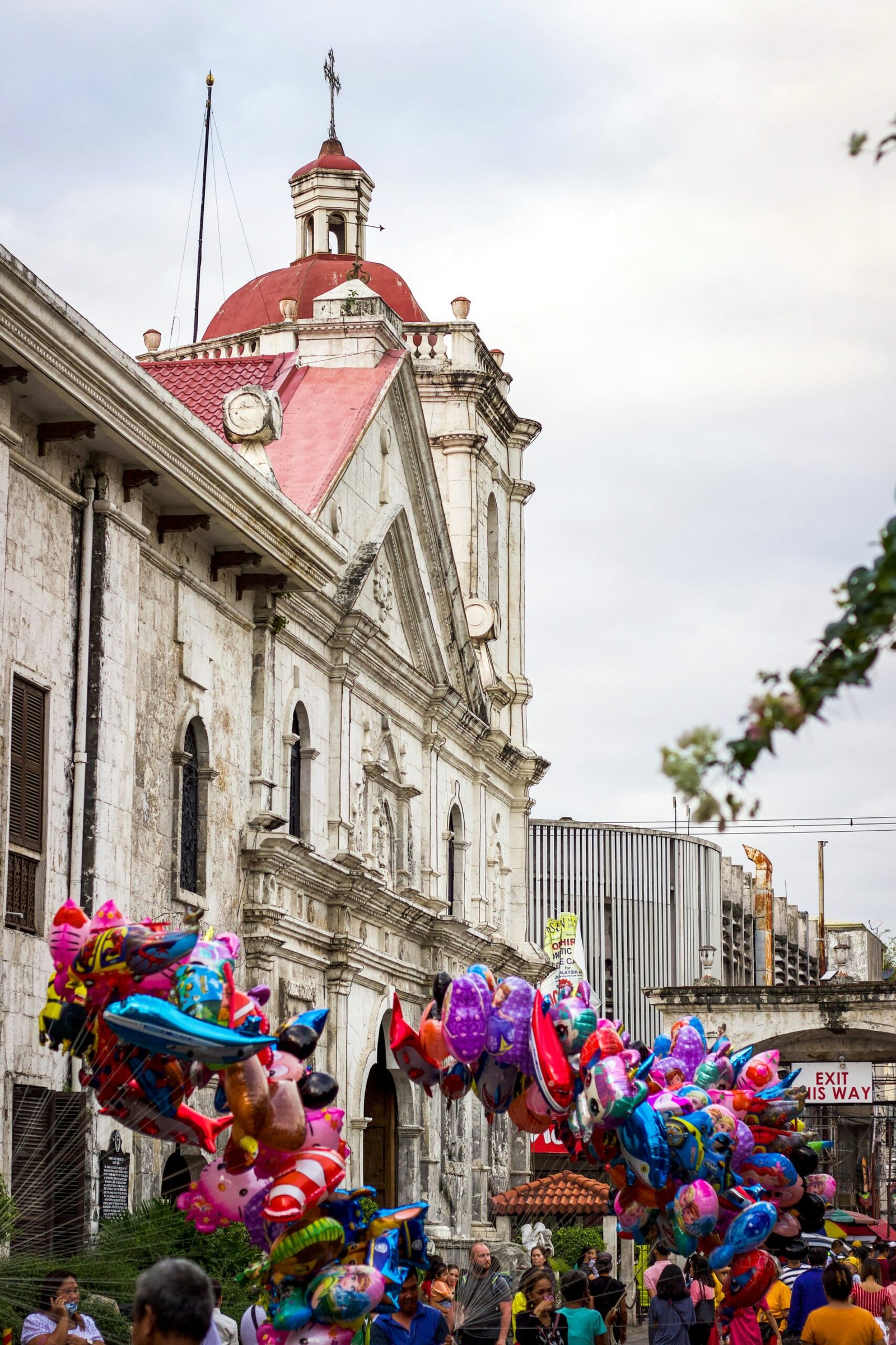
      • Basilica Minore del Santo Niño – The oldest Catholic church in the Philippines.
      • Fort San Pedro – A Spanish colonial fort offering a glimpse of Cebu’s past.
      • Cebu Taoist Temple – A peaceful sanctuary with stunning city views.
      • Temple of Leah – Cebu’s version of the Taj Mahal, built as a symbol of love.
      • Sirao Flower Garden – The “Little Amsterdam” of Cebu, perfect for Instagram-worthy shots.
      Mactan Island Cebu City Travel Guide

      Best Beaches Near Cebu City

      • Mactan Island – Easily accessible for a quick beach escape.
      • Nalusuan Island – Great for snorkeling and marine life encounters.
      • Camotes Islands – A serene paradise with white sand beaches and caves.

      Outdoor Adventures in Cebu

      • Kawasan Falls Canyoneering – An adrenaline-pumping activity.
      • Osmeña Peak Hiking – The highest peak in Cebu with panoramic views.
      • Sardine Run in Moalboal – Swim with millions of sardines.
      • Whale Shark Watching in Oslob – A bucket-list experience.

      Cebu City Travel Guide: Food Scene and What to Eat

      • Lechon Cebu – The best roasted pig in the Philippines.
      • Puso (Hanging Rice) – A Cebuano dining staple.
      • Pochero – A delicious beef stew.
      • Danggit – Dried fish, perfect with garlic rice.
      • SuTuKil Experience – A must-try seafood feast.

      Shopping in Cebu City

      • Ayala Center Cebu – A premier shopping mall with high-end brands and local boutiques.
      • SM Seaside City Cebu – One of the largest malls in the Philippines with dining, shopping, and entertainment.
      • Taboan Public Market – The best place to buy dried fish and other local delicacies.
      • Carbon Market – A bustling market where you can find fresh produce, souvenirs, and street food.

      Nightlife in Cebu City

      • Mango Avenue Bars & Clubs – The go-to party district for nightlife lovers.
      • IT Park Hangout Spots – A modern area filled with restaurants, cafes, and lounges.
      • Rooftop Bars with City Views – Enjoy a drink while overlooking the city skyline.

      Transportation Guide: Getting Around Cebu City

      • Jeepneys & Buses: The cheapest way to travel within the city.
      • Taxis & Grab: Convenient options for tourists.
      • Motorbikes & Scooters: Ideal for exploring off-the-beaten-path locations.

      Final Thoughts on Cebu City Travel Guide

      Cebu City is a mix of history, adventure, and relaxation, making it a top destination in the Philippines. Whether you’re a beach lover, a foodie, or a culture enthusiast, this Cebu City Travel Guide ensures you get the most out of your trip.

      FAQs About Cebu City Travel Guide

      1. Is Cebu City expensive to visit? – No, Cebu offers budget-friendly and luxury options.
      2. How many days do I need in Cebu City? – At least 3-5 days to explore the highlights.
      3. Do people in Cebu speak English? – Yes, English is widely spoken.
      4. What’s the best mode of transport in Cebu City? – Taxis and Grab for convenience; jeepneys for budget travelers.
      5. Can I visit Cebu City during the rainy season? – Yes, but outdoor activities might be limited.

      You might be also interested to explore the whole Cebu Province and Cebu city transportation

    • Siquijor Delicacies: 10 Best Local Foods & Pasalubong to Bring Home

      Siquijor Delicacies: 10 Best Local Foods & Pasalubong to Bring Home

      The best delicacies in Siquijor include torta, peanut balls (chupa-chupa), pan bisaya, giant otap, banana crackers, and dried seafood. These are the island’s most popular pasalubong and are sold at roadside stalls, the Lazi market, and souvenir shops near Siquijor town proper. Siquijor, a small island province in Central Visayas, is known not just for its mystical reputation and white-sand beaches but also for its unique sweets and baked goods that you cannot find anywhere else in the Philippines.


      QUICK REFERENCE TABLE (add right after opening paragraph)

      DelicacyTypeWhere to buyPrice range
      Torta SiquijorDense flatbread / cakeLocal bakeries, Siquijor town₱20–₱50 each
      Peanut balls (chupa-chupa)Caramel coconut candyRoadside stalls, pasalubong shops₱5–₱10 each
      Pan bisayaDense native breadBakeries, public market₱10–₱20 each
      Giant otapOversized crumbly cookiePasalubong shops₱15–₱30 each
      Banana crackersCrispy banana chipsDuran’s Banana Products, Lazi₱50–₱100 per pack
      Chupa-chupaCoconut milk caramel ballsPasalubong shops₱5–₱10 each
      HoneyLocal wildflower honeyMarket stalls, souvenir shops₱150–₱300 per bottle
      Dried seafood (bulad)Sun-dried fish & squidPublic market, Siquijor town₱50–₱200 per pack
      KalamaySweet sticky coconut rice cakeLocal makers, market₱20–₱40
      NilagpangFresh seafood stew (dine-in only)Local restaurants₱150–₱300 per bowl

      Torta Siquijor — the island’s most iconic delicacy

      Torta is Siquijor’s most famous delicacy and the first thing locals will recommend as pasalubong. It is a dense, slightly sweet flatbread made from flour, eggs, sugar, and lard, with a texture somewhere between a pancake and a pound cake. Unlike the torta found in other Philippine provinces, Siquijor’s version is thicker, denser, and often flavored with coconut or banana. It is best eaten warm with a cup of hot chocolate or coffee.

      Torta is available at local bakeries around Siquijor town proper and at pasalubong stalls near the port. Prices range from ₱20–₱50 per piece depending on size. It travels well and can last 2–3 days at room temperature, making it one of the best Siquijor pasalubong to bring home.

      Key facts about Torta Siquijor:

      • Made from flour, eggs, sugar, and lard
      • Dense and moist texture, similar to a pound cake
      • Often flavored with coconut, banana, or a hint of vanilla
      • Best eaten warm; pairs well with hot chocolate or coffee
      • Available at local bakeries and pasalubong shops near Siquijor port
      • Price: ₱20–₱50 per piece

      [keep any existing photos of torta here]


      Peanut balls (chupa-chupa) — Siquijor’s unique caramel candy

      Peanut balls, locally called chupa-chupa, are small round candies made from peanuts, coconut milk, and brown sugar cooked down into a thick caramel. They are rolled into bite-sized balls and are one of the most distinctive sweets unique to Siquijor. The name “chupa-chupa” comes from the Filipino word for sucking or licking — these candies are meant to be savored slowly.

      Chupa-chupa are sold in small bags at pasalubong shops throughout the island and at roadside stalls near popular tourist spots like Cambugahay Falls. They cost ₱5–₱10 each or around ₱50–₱80 per bag of 10–15 pieces.

      Key facts:

      • Made from peanuts, coconut milk, and brown sugar
      • Sweet, chewy, and slightly sticky
      • Unique to Siquijor — not commonly found elsewhere in the Philippines
      • Sold in bags at pasalubong shops and roadside stalls
      • Price: ₱50–₱80 per bag

      [keep any existing photos here]

      siquijor delicacies peanut balls chupa chupa

      Pan bisaya — traditional Visayan bread

      Pan bisaya is a dense, slightly sweet native bread that has been a staple in Visayan households for generations. In Siquijor, it is baked fresh daily by local bakeries and sold at the public market. The bread is compact and filling, with a firm crust and a soft interior. It is typically eaten plain or with butter and hot coffee for breakfast.

      Pan bisaya is not as widely known as torta or peanut balls among tourists, but locals consider it an authentic taste of Siquijor’s everyday food culture. It is available at public markets and small bakeries across the island, priced at ₱10–₱20 per piece.

      [keep any existing photos here]

      dumaguete delicacies list pan de bisayas

      Giant otap is an oversized version of the classic Cebuano otap cookie. While the standard otap is a small, oval, crumbly pastry flavored with anise and sugar, Siquijor’s giant otap is noticeably larger — sometimes twice the size — and makes for an eye-catching and delicious pasalubong. It has a crispy, flaky texture and a lightly sweet flavor that pairs well with coffee or hot chocolate.

      Giant otap is sold at most pasalubong shops in Siquijor town and near the ferry terminal. It is packaged in boxes or bags and travels well, making it one of the easiest Siquijor pasalubong to bring home. Price: ₱15–₱30 each, or ₱80–₱150 per box.

      [keep any existing photos here]

      giant otap in siquijor

      Banana crackers — from Duran’s Banana Products, Lazi

      Banana crackers are one of Siquijor’s most popular packaged pasalubong. They are made from local Saba bananas that are peeled, sliced thin, and fried in fresh coconut oil until golden and crispy. The result is a light, crunchy snack with a natural banana sweetness and a subtle hint of coconut.

      The most well-known producer is Duran’s Banana Products, located along the Siquijor Circumferential Road in Lazi. They are open daily from 7:00 AM to 5:00 PM and sell fresh banana crackers in various pack sizes. Duran’s has a 4.4-star rating on Google Maps and is a recommended stop on most Siquijor island tours.

      Where to buy: Duran’s Banana Products, Lazi, Siquijor (along the circumferential road) Price: ₱50–₱100 per pack

      [keep existing Duran’s photo here]

      duran banana cracker siquijor


      Honey — Siquijor wildflower honey

      Siquijor produces local honey harvested from bees that feed on the island’s tropical wildflowers. The honey has a floral, slightly fruity flavor that is distinctly different from commercial honey. It is sold in small bottles at public markets and souvenir shops, and is commonly used as a drizzle over torta or mixed into hot drinks. A 250ml bottle costs around ₱150–₱300.


      Dried seafood (bulad) — the local pantry staple

      Siquijor’s surrounding waters are rich in fish and squid, and dried seafood (locally called bulad) is a everyday staple. Dried squid, danggit (rabbitfish), and dried pusit are sold at the Siquijor public market and make an affordable, flavorful pasalubong. They are best bought in the morning when the market is freshest. Prices range from ₱50–₱200 per pack depending on the type and quantity.


      Kalamay — sweet sticky coconut rice cake

      Kalamay is a traditional Filipino sweet made from glutinous rice flour, coconut milk, and brown sugar, cooked slowly until thick and sticky. In Siquijor, kalamay is made by local home producers and sold at the market, often packed in small coconut shells or banana leaves. It has a rich, coconut-heavy flavor and a dense, chewy texture. Price: ₱20–₱40 per serving.


      Nilagpang — Siquijor’s signature seafood stew (dine-in)

      Nilagpang is a savory seafood stew considered one of Siquijor’s most iconic local dishes. Fresh fish or crab is cooked in a broth flavored with lemongrass, ginger, green onions, and chilies. Unlike most Filipino soups, nilagpang uses very little seasoning — the flavor comes entirely from the freshness of the seafood and aromatics. It is a dine-in dish only and is available at local restaurants and eateries around Siquijor town. Price: ₱150–₱300 per bowl.


      Best Siquijor pasalubong to bring home

      Siquijor has a strong pasalubong culture, and most items are affordable, lightweight, and easy to pack. These are the best food souvenirs to bring home from the island:

      1. Torta Siquijor — The definitive Siquijor pasalubong. Dense, moist, and unique to the island. Lasts 2–3 days at room temperature. Available at bakeries and pasalubong shops near the port. ₱20–₱50 each.

      2. Peanut balls / chupa-chupa — Lightweight, inexpensive, and totally unique to Siquijor. Easy to pack in a bag. ₱50–₱80 per bag. Buy at any pasalubong stall.

      3. Giant otap — Comes in a box, travels well, and has a long shelf life. Great for office or family pasalubong. ₱80–₱150 per box.

      4. Banana crackers from Duran’s — Pre-packaged, sealed, and shelf-stable. One of the most popular tourist buys on the island. ₱50–₱100 per pack.

      5. Local honey — A beautiful, unique gift. Bottled and sealed for travel. ₱150–₱300 per bottle.

      Where to buy pasalubong in Siquijor:

      • Pasalubong shops near Siquijor port / ferry terminal — widest variety, convenient before departure
      • Duran’s Banana Products, Lazi — best for banana crackers
      • Siquijor public market — best for dried seafood, kalamay, and fresh torta
      • Roadside stalls near Cambugahay Falls — chupa-chupa and local sweets

      Frequently asked questions about Siquijor delicacies

      What are the most famous delicacies in Siquijor?

      The most famous Siquijor delicacies are torta, peanut balls (chupa-chupa), pan bisaya, giant otap, and banana crackers. Torta is considered the island’s signature food — a dense, moist flatbread unique to Siquijor that is the most recommended pasalubong by locals.

      What is the best pasalubong to buy in Siquijor?

      The best pasalubong from Siquijor are torta, chupa-chupa (peanut balls), giant otap, and banana crackers from Duran’s in Lazi. All of these are lightweight, travel well, and are unique to Siquijor — you cannot easily find them in other parts of the Philippines.

      Where can I buy Siquijor delicacies?

      Siquijor delicacies are sold at pasalubong shops near the ferry terminal in Siquijor town, at the public market, and at Duran’s Banana Products in Lazi along the circumferential road. Most pasalubong shops are open daily from morning until early evening.

      What is torta in Siquijor and how is it different from other torta?

      Torta in Siquijor is a dense, slightly sweet flatbread made from flour, eggs, sugar, and lard. It is different from Cebuano torta (which is more cake-like) and from the Spanish-style torta (which is a sandwich). Siquijor’s torta is thicker and denser than most other versions, often flavored with coconut or banana, and is considered the island’s most iconic food souvenir.

      What are peanut balls in Siquijor?

      Peanut balls in Siquijor, locally called chupa-chupa, are small round candies made from peanuts, coconut milk, and brown sugar cooked into a caramel. They are rolled into bite-sized balls and sold in bags at pasalubong shops and roadside stalls across the island. They are unique to Siquijor and are one of the most popular cheap pasalubong from the island.

      How much do Siquijor delicacies cost?

      Siquijor delicacies are very affordable. Torta costs ₱20–₱50 per piece. Peanut balls (chupa-chupa) cost ₱50–₱80 per bag of 10–15 pieces. Giant otap costs ₱80–₱150 per box. Banana crackers from Duran’s cost ₱50–₱100 per pack. Local honey costs ₱150–₱300 per bottle.

      Can I bring Siquijor delicacies on a plane?

      Yes. Torta, giant otap, banana crackers, and peanut balls are all allowed in carry-on and checked baggage on domestic Philippine flights. They are dry or shelf-stable goods and will not be flagged at security. Honey in bottles over 100ml should be placed in checked baggage.

      What is the famous food of Siquijor Island?

      The most famous food of Siquijor Island is torta — a dense, moist native flatbread unique to the island. Other well-known Siquijor foods include chupa-chupa (peanut caramel balls), pan bisaya (traditional Visayan bread), giant otap (oversized crumbly cookies), nilagpang (fresh seafood stew), and banana crackers from Duran’s in Lazi.

      You may also like

    • sightseeing in cebu city

      sightseeing in cebu city

      sightseeing in cebu city tops lookout

      Introduction sightseeing in cebu city

      sightseeing in cebu city, Cebu City, known as the “Queen City of the South,” is a top destination in the Philippines. Whether you’re a history buff, a nature lover, or a foodie, sightseeing in Cebu City offers an unforgettable experience. From historical landmarks to breathtaking landscapes, the city has something for everyone.

      Top Attractions in Cebu City

      1. Magellan’s Cross

      historical sites in cebu city
      Magellan’s Cross

      One of the most iconic landmarks, Magellan’s Cross is a must-visit for history enthusiasts. Planted by Portuguese explorer Ferdinand Magellan in 1521, this site marks the introduction of Christianity to the Philippines.

      2. Basilica Minore del Santo Niño

      Basilica Minore del Santo Niño
      Basilica Minore del Santo Niño

      Located near Magellan’s Cross, this church is home to the revered Santo Niño statue, a symbol of Cebu’s rich religious history.

      3. Fort San Pedro

      Fort San Pedro
      Fort San Pedro

      Explore the oldest and smallest fort in the Philippines, built during the Spanish colonial era. This historical fortress offers a glimpse into Cebu’s past.

      4. Cebu Taoist Temple

      Cebu Taoist Temple
      Cebu Taoist Temple

      For a peaceful escape, visit the Cebu Taoist Temple. Perched on a hillside, this temple provides stunning views of the city and a serene atmosphere.

      Sirao Flower Garden
      Sirao Flower Garden

      5. Sirao Flower Garden

      Dubbed the “Little Amsterdam of Cebu,” Sirao Flower Garden is perfect for nature lovers and Instagram enthusiasts. The vibrant flowers and cool breeze make it an ideal spot for relaxation.

      Temple of Leah

      6. Temple of Leah

      This Roman-inspired temple was built as a symbol of love and devotion. It offers panoramic views of Cebu City and is a must-visit for architecture lovers.

      Colon Street Cebu
      Colon Street

      7. Colon Street

      As the oldest street in the Philippines, Colon Street is a bustling hub of local shops, theaters, and restaurants. It’s a great place to experience Cebu’s urban culture.

      Cebu Ocean Park
      Cebu Ocean Park

      8. Cebu Ocean Park

      A fun attraction for families, Cebu Ocean Park features diverse marine life, interactive exhibits, and even an underwater tunnel.

      Best Food Stops in Cebu City

      1. Larsian BBQ

      Enjoy Cebu’s famous grilled meats at Larsian, a street food haven that serves delicious barbecue at affordable prices.

      2. Casa Verde

      Known for its massive ribs and burgers, Casa Verde is a must-visit restaurant for meat lovers.

      3. La Vie Parisienne

      This charming French café offers a mix of European delicacies and fine wines, perfect for a romantic night out.

      Getting Around Cebu City

      Public transportation options include jeepneys, taxis, and ride-hailing services like Grab. For a more immersive experience, renting a motorbike or bicycle is a great option.

      Conclusion sightseeing in cebu city

      Sightseeing in Cebu City is a blend of history, nature, and culinary delights. Whether you’re exploring ancient landmarks, enjoying the vibrant culture, or indulging in local delicacies, Cebu City has something for every traveler.

      FAQs sightseeing in cebu city

      1. What is the best time to visit Cebu City?
      The best time to visit is from December to May when the weather is dry and ideal for sightseeing.

      2. How many days should I spend in Cebu City?
      A minimum of 3-4 days is recommended to explore the major attractions.

      3. Is Cebu City safe for tourists?
      Yes, Cebu City is generally safe for tourists, but it’s always best to stay aware of your surroundings.

      4. What is Cebu City known for?
      Cebu City is famous for its historical sites, beautiful beaches, and delicious food.

      5. How do I get to Cebu City?
      You can fly into Mactan-Cebu International Airport, which serves both domestic and international flights.

      You might also be interested in Island Hopping in Cebu City and Cebu Province

    • best places to stay in cebu philippines

      best places to stay in cebu philippines

      Introduction best places to stay in cebu philippines

      best places to stay in cebu philippines, Cebu, often called the “Queen City of the South,” is a top travel destination in the Philippines. Whether you’re a backpacker, luxury traveler, or digital nomad, Cebu has something to offer. From pristine beaches to bustling city life, finding the perfect place to stay can make your trip even more memorable. In this guide, we’ll explore the best places to stay in Cebu, catering to different budgets and travel preferences.


      Best Areas to Stay in Cebu best places to stay in cebu philippines

      1. Cebu City – Best for Urban Explorers

      If you love the hustle and bustle of city life, Cebu City is the perfect place to stay. This is where you’ll find top hotels, shopping malls, historical sites, and nightlife.

      Top Accommodations in Cebu City:

      Marco Polo Plaza Cebu best places to stay in cebu philippines
      • Luxury: Marco Polo Plaza Cebu – Panoramic views and world-class service. Address: Nivel Hills, Cebu Veterans Dr, Cebu City, 6000 CebuPhone: (032) 253 1111
      Quest Hotel & Conference Center best places to stay in cebu philippines
      • Mid-Range: Quest Hotel & Conference Center – Great balance between comfort and affordability. Address: Archbishop Reyes Ave, Cebu City, 6000 CebuPhone: (032) 230 5888

      • Budget: Cebu Guesthouse Fuente – A great option for budget travelers.

      2. Mactan Island – Best for Beach Lovers

      Mactan Island is home to some of Cebu’s best beach resorts and is conveniently close to the airport. It’s a haven for water sports enthusiasts and those seeking a relaxing vacation.

      Top Accommodations in Mactan:

      Shangri-La Mactan Resort & Spa best places to stay in cebu philippines
      Shangri-La Mactan Resort & Spa
      • Luxury: Shangri-La Mactan Resort & Spa – A stunning beachfront paradise. Address: Punta Engaño Rd, Lapu-Lapu City, Cebu, 6015 Cebu Phone: (032) 231 0288

      • Mid-Range: Crimson Resort and Spa – Beautiful villas and infinity pools.
      • Budget: Mactan Backpackers Inn – Affordable yet comfortable for backpackers.

      3. Moalboal – Best for Divers and Adventure Seekers

      Moalboal is a famous diving destination, known for its vibrant marine life and the spectacular sardine run.

      Top Accommodations in Moalboal:

      • Luxury: Dolphin House Resort Moalboal – A premium diving resort.
      • Mid-Range: Pescadores Seaview Suites – Affordable with great sea views.
      • Budget: Chief Mau Moalboal – A backpacker-friendly option.

      4. Oslob – Best for Whale Shark Watching best places to stay in cebu philippines

      Oslob is world-renowned for its whale shark encounters, making it a popular destination for nature lovers.

      Top Accommodations in Oslob:

      Seafari Resort Oslob best places to stay in cebu philippines
      Seafari Resort Oslob
      • Luxury: Seafari Resort Oslob – Exclusive and relaxing stay.Address: F9CM+G6X, Oslob, Cebu Phone: 0932 558 7108
      Bluewater Sumilon Island Resort best places to stay in cebu philippines
      Bluewater Sumilon Island Resort
      • Mid-Range: Bluewater Sumilon Island Resort – Close to the whale shark area. Address: Oslob, Cebu Phone: (032) 481 0801
      Germaroze Guesthouse best places to stay in cebu philippines
      Germaroze Guesthouse
      • Budget: Germaroze Guesthouse – Affordable and comfortable. Address: Poblacion, Camburong, Oslob, CebuPhone: (032) 425 7994

      5. Bantayan Island – Best for Tranquility

      Bantayan Island is perfect for those looking to escape the crowds and enjoy white sandy beaches.

      Top Accommodations in Bantayan:

      • Luxury: The Coral Blue Oriental Villas & Suites – Romantic beachfront villas.
      • Mid-Range: Anika Island Resort – A cozy beachfront stay.
      • Budget: Kota Beach Resort – Affordable yet stunning beach resort.

      6. Malapascua Island – Best for Diving and Island Life best places to stay in cebu philippines

      Malapascua Island is famous for its thresher shark dives and laid-back island vibes.

      Top Accommodations in Malapascua:

      • Luxury: Ocean Vida Beach and Dive Resort – High-end diving experience.
      • Mid-Range: Evolution Dive Resort – Perfect for divers and adventurers.
      • Budget: Malapascua Budget Inn – Cheap yet comfortable stay.

      How to Choose the Best Place to Stay in Cebu

      • Budget: Consider what you’re willing to spend on accommodations.
      • Purpose of Travel: Adventure, relaxation, diving, or nightlife?
      • Proximity to Attractions: Stay close to the places you want to visit.
      • Transportation: Check for easy access to public transport.

      Conclusion best places to stay in cebu philippines

      Cebu is a paradise with something for everyone. Whether you prefer the luxury of Mactan, the adventure of Moalboal, or the tranquility of Bantayan, there’s a perfect place for you. Plan your stay wisely, and you’ll have an unforgettable experience in this tropical gem.


      FAQs best places to stay in cebu philippines

      1. What is the best area to stay in Cebu for first-time visitors?
      Cebu City is the best for first-time visitors due to its accessibility to historical sites, malls, and transport options.

      2. Where should I stay in Cebu for the best beaches?
      Mactan Island, Bantayan Island, and Malapascua Island offer some of the best beach resorts.

      3. What is the best place to stay for diving in Cebu?
      Moalboal and Malapascua Island are top diving destinations in Cebu.

      4. Is Cebu safe for tourists?
      Yes, Cebu is generally safe, but it’s always best to stay aware of your surroundings and follow travel safety tips.

      5. How many days should I stay in Cebu?
      A minimum of 4-5 days is recommended to explore Cebu City, Mactan, and at least one island.

      Check out also affordable hotel in cebu city and also want to learn on Historical Sites in Cebu City

    • affordable hotel in cebu city

      affordable hotel in cebu city

      affordable hotel in cebu city

      Affordable Hotels in Cebu City: Where Comfort Meets Budget-Friendly Stays

      Introduction affordable hotel in cebu city

      affordable hotel in cebu city, Cebu City, the “Queen City of the South,” is a top destination in the Philippines, known for its stunning beaches, rich history, and bustling nightlife. Whether you’re visiting for leisure, business, or backpacking, finding an affordable hotel can help you save money while still enjoying a comfortable stay. This guide will help you discover budget-friendly accommodations that offer the best value for your money.

      Why Choose an Affordable Hotel in Cebu City?

      Staying in a budget hotel doesn’t mean sacrificing comfort. Here’s why booking an affordable stay in Cebu City is a smart move:

      • More money for experiences – Save your cash for island hopping, food trips, and shopping.
      • Budget-friendly yet comfortable – Many budget hotels offer clean, cozy rooms with essential amenities.
      • Great locations – Affordable hotels are often conveniently located near tourist spots, malls, and transportation hubs.

      Factors to Consider When Booking a Budget Hotel

      Location Matters

      Choose a hotel that’s close to major attractions, transport hubs, and food spots to save time and money on commuting.

      Amenities on a Budget

      Look for hotels that offer essentials like free Wi-Fi, breakfast, air conditioning, and 24-hour front desk service.

      Guest Reviews & Ratings

      Always check online reviews from previous guests to ensure quality service and cleanliness.

      Safety & Security

      Choose a hotel in a safe neighborhood with security features like CCTV and keycard access.

      Top Affordable Hotels in Cebu City

      Address: 36 Archbishop Reyes Ave, Cebu City, 6000 Cebu
Phone: (032) 232 0888 affordable hotel in cebu city
      Red Planet Cebu

      1. Red Planet Cebu

      • Price: Around PHP 1,500 per night
      • Highlights: Great location near Ayala Center Cebu, modern rooms, free Wi-Fi
      • Address: 36 Archbishop Reyes Ave, Cebu City, 6000 Cebu
      • Phone: (032) 232 0888
      Southpole Central Hotel affordable hotel in cebu city
      Southpole Central Hotel

      2. Southpole Central Hotel

      • Price: Around PHP 1,200 per night
      • Highlights: Budget-friendly rates, central location, free breakfast
      • Address: 29 Junquera St, Cebu City, 6000 Cebu
      • Phone: (032) 234 7777
      Express Inn Cebu affordable hotel in cebu city

      3. Express Inn Cebu

      • Price: Around PHP 1,442 per night
      • Highlights: Clean rooms, near SM City Cebu, affordable rates
      • 7VXW+MV6, Osmeña Blvd, Cebu City, 6000 Cebu•(032) 888 0088
      • M. J. Cuenco Ave, Cebu City, 6000 Cebu•(032) 266 7551
      Sugbutel Family hotel affordable hotel in cebu city

      4. Sugbutel Family Hotel

      • Price: Around PHP 800 per night (dormitory-style rooms)
      • Highlights: Perfect for backpackers, near the ferry terminal
      • Located in: DON ALFREDO D.GOTHONG CENTRE
      • Address: 8W48+WP9, Sergio Osmeña Jr Blvd, Cebu City, 6000 Cebu
      • Phone: (032) 266 9993
      Uncle Tom’s Cabin Hotel affordable hotel in cebu city

      5. Uncle Tom’s Cabin Hotel

      • Price: Around PHP 1,100 per night
      • Highlights: Cozy rooms, great value, friendly staff
      • Address: M. P. Yap St, Cebu City, 6000 Cebu
      • Phone: (032) 888 8667

      Best Areas to Stay in Cebu City on a Budget

      Cebu Business Park

      A lively area with malls, restaurants, and business hubs. Ideal for business travelers and shoppers.

      Fuente Osmeña Circle

      A budget-friendly location with plenty of affordable accommodations, food stalls, and nightlife.

      Mactan Island

      Close to the airport with beachside budget hotels, perfect for quick getaways.

      Booking Tips for Affordable Hotels in Cebu City

      Best Time to Book for Cheaper Rates

      Book during off-peak seasons (June-November) for lower rates.

      Use Hotel Booking Apps & Discounts

      Apps like Agoda, Booking.com, and Traveloka offer discounts and promo codes.

      Direct Booking vs. Third-Party Sites

      Sometimes, booking directly with the hotel can get you better rates or extra perks.

      How to Save More on Your Cebu City Trip

      • Use public transportation like jeepneys and MyBus instead of taxis.
      • Eat at local eateries (carinderias) for delicious yet affordable meals.
      • Visit free attractions like Magellan’s Cross and Fort San Pedro.

      Conclusion affordable hotel in cebu city

      Cebu City offers a variety of budget-friendly accommodations without compromising comfort and convenience. Whether you prefer a modern budget hotel or a cozy hostel, you can find the perfect place that fits your budget. Plan ahead, use booking apps, and enjoy a fantastic trip to Cebu without breaking the bank!

      FAQs affordable hotel in cebu city

      1. What is the average cost of a budget hotel in Cebu City?
        Most budget hotels range from PHP 800 to PHP 1,500 per night.
      2. Are budget hotels in Cebu City safe for solo travelers?
        Yes, as long as you choose well-reviewed hotels in safe locations.
      3. Which budget hotels in Cebu City offer free breakfast?
        Southpole Central Hotel and Uncle Tom’s Cabin Hotel provide free breakfast.
      4. How can I get discounts on hotel bookings in Cebu?
        Use booking apps, watch out for promo codes, and book during off-peak seasons.
      5. What’s the best area to stay in Cebu City for budget travelers?
        Fuente Osmeña Circle is a great choice due to its affordability and accessibility.

      Check out also hotel in cebu city cheap and best places to stay in cebu philippines

    • hotel in cebu city cheap

      hotel in cebu city cheap

      hotel in cebu city cheap

      Best Cheap Hotels in Cebu City: Affordable Stays for Every Traveler

      Introduction hotel in cebu city cheap

      hotel in cebu city cheap, Cebu City is one of the most exciting destinations in the Philippines, offering a mix of historical landmarks, modern attractions, and stunning beaches. Whether you’re a backpacker, business traveler, or simply on a budget, finding a cheap yet comfortable hotel is key to making your trip enjoyable without breaking the bank.

      Factors to Consider When Choosing a Cheap Hotel hotel in cebu city cheap

      Before booking a budget hotel in Cebu City, consider the following factors:

      • Location and Accessibility: Choose a hotel close to key attractions or transportation hubs.
      • Amenities and Services: Check if the hotel offers free Wi-Fi, breakfast, or airport transfers.
      • Guest Reviews and Ratings: Look at online reviews for insights into cleanliness, service, and value.
      • Safety and Security: Opt for hotels with good security and well-lit surroundings.

      Top Budget-Friendly Hotels in Cebu City hotel in cebu city cheap

      Red Planet Cebu hotel in cebu city cheap

      1. Red Planet Cebu

      Located near Ayala Center, Red Planet Cebu offers modern, air-conditioned rooms at an affordable price. It’s perfect for business travelers and tourists who want comfort without spending too much.

      Address: 36 Archbishop Reyes Ave, Cebu City, 6000 Cebu
      Phone: (032) 232 0888

      Express Inn Cebu hotel in cebu city cheap

      2. Express Inn Cebu

      This budget hotel is a great option for travelers looking for comfort at a low price. It’s situated near SM City Cebu, making shopping and dining convenient.

      M. J. Cuenco Ave, Cebu City, 6000 Cebu•(032) 266 7551

      Uncle Tom’s Cabin hotel in cebu city cheap

      3. Uncle Tom’s Cabin

      For a more homely feel, Uncle Tom’s Cabin is an excellent choice. It offers free breakfast, Wi-Fi, and comfortable rooms at very reasonable rates.

      Address: M. P. Yap St, Cebu City, 6000 Cebu

      Phone: (032) 888 8667

      hotel in cebu city cheap ABC Hotel Cebu

      4. ABC Hotel Cebu

      A stylish yet affordable hotel, ABC Hotel Cebu provides quality accommodations in the heart of Cebu City. Its modern design and strategic location make it a favorite among budget travelers.

      Address: 107 F. Ramos St, Cebu City, 6000 Cebu
      Phone: (032) 888 6899

      Cebu Guest Inn hotel in cebu city cheap

      5. Cebu Guest Inn

      Ideal for backpackers, this inn offers dormitory-style rooms at rock-bottom prices. If you’re traveling solo or with a group, it’s an excellent budget-friendly option.

      Address: 8VRR+MWF, Holy Family Rd, Cebu City, 6000 Cebu
      Phone: (032) 236 1839

      Tips for Booking the Best Cheap Hotels in Cebu City

      • Use hotel booking websites like Agoda and Booking.com for exclusive discounts.
      • Check for promotions on the hotel’s website or social media pages.
      • Consider alternative accommodations like hostels and Airbnbs for even cheaper options.
      • Book in advance to lock in the best rates before they rise due to high demand.

      Must-Visit Attractions Near Budget Hotels in Cebu hotel in cebu city cheap

      If you’re staying in a budget hotel, you’ll still have access to Cebu’s top attractions, including:

      • Magellan’s Cross – A historic landmark that marks Cebu’s colonial history.
      • Basilica Minore del Santo Niño – One of the oldest churches in the Philippines.
      • Fort San Pedro – A Spanish-era fort offering a glimpse into Cebu’s past.
      • Cebu IT Park – A bustling area filled with restaurants, cafes, and nightlife.

      Conclusion hotel in cebu city cheap

      Cebu City is packed with budget-friendly hotels that offer great value for money. Whether you prefer a modern stay near shopping centers or a cozy inn with free breakfast, there are plenty of options to suit your needs. So, pack your bags and explore the Queen City of the South without worrying about expensive accommodations!

      FAQs hotel in cebu city cheap

      1. What is the average price of a cheap hotel in Cebu City?

      The average price ranges from PHP 700 to PHP 1,500 per night, depending on the location and amenities.

      2. Are there any budget hotels near Mactan-Cebu International Airport?

      Yes, some affordable options near the airport include Hotel Cesario and The Bellavista Hotel.

      3. Which cheap hotels in Cebu City offer free breakfast?

      Hotels like Uncle Tom’s Cabin and ABC Hotel Cebu provide free breakfast for guests.

      4. How can I find the best hotel deals in Cebu City?

      Using hotel booking websites, checking for promotions, and booking in advance are the best ways to secure deals.

      5. Is it safe to stay in budget hotels in Cebu City?

      Yes, most budget hotels in Cebu City are safe, but always check guest reviews for additional assurance.

      Learn more about Best hotel in cebu and affordable hotel in cebu city

    • Best hotel in cebu

      Best hotel in cebu

      best hotel in cebu

      Best Hotel in Cebu: Your Ultimate Guide to Luxury and Comfort

      Introduction

      Cebu, the Queen City of the South, is a top tourist destination in the Philippines, known for its pristine beaches, rich history, and vibrant nightlife. Whether you’re visiting for leisure or business, choosing the best hotel in Cebu can elevate your experience. But with so many options, how do you decide? Don’t worry; we’ve got you covered. In this guide, we’ll explore the best hotels in Cebu that offer unparalleled comfort, excellent amenities, and world-class service.

      Why Cebu is a Must-Visit Destination

      • Stunning white-sand beaches and crystal-clear waters
      • Rich historical landmarks like Magellan’s Cross and Fort San Pedro
      • Thriving nightlife and gastronomic delights
      • A hub for business and commerce in the Visayas region

      Top Factors to Consider When Choosing a Hotel in Cebu

      Before booking your stay, consider these key factors to ensure a pleasant experience:

      1. Location

      • Proximity to tourist attractions
      • Accessibility to transport hubs
      • Nearby restaurants and shopping centers

      2. Amenities and Services

      • Free Wi-Fi and business facilities
      • Swimming pools, gyms, and spas
      • Dining options and room service

      3. Budget

      • Luxury vs. budget-friendly hotels
      • Value for money

      4. Guest Reviews and Ratings

      • Check online reviews for real guest experiences
      • Look for high ratings on platforms like TripAdvisor and Google Reviews

      Best Hotels in Cebu for Every Type of Traveler

      Best hotel in cebu Shangri-La’s Mactan Resort & Spa
      Shangri-la Mactan Resort & Spa Photos source Leslie

      1. Best Luxury Hotel: Shangri-La’s Mactan Resort & Spa

      • Location: Mactan Island
      • Highlights: Private beach, world-class spa, multiple dining options
      • Why Stay Here? Perfect for honeymooners and families seeking a lavish retreat.
      best hotel in cebu Best Business Hotel: Radisson Blu Cebu
      Radisson Blu Cebu

      2. Best Business Hotel: Radisson Blu Cebu

      • Location: Cebu City, near SM City Cebu
      • Highlights: Spacious rooms, executive lounges, conference facilities
      • Why Stay Here? Ideal for business travelers who need convenience and luxury.

      3. Best Budget Hotel: Quest Hotel & Conference Center

      Quest Hotel & Conference Center Best hotel in Cebu
      • Location: Cebu Business Park
      • Highlights: Affordable rates, excellent service, central location
      • Why Stay Here? A great choice for budget-conscious travelers who want comfort without breaking the bank.
      The Henry Hotel Cebu Best hotel in Cebu
      The Henry Hotel Cebu

      4. Best Boutique Hotel: The Henry Hotel Cebu

      • Location: Banilad, Cebu City
      • Highlights: Quirky design, personalized service, artsy vibe
      • Why Stay Here? Perfect for travelers who love unique, Instagram-worthy accommodations.
      Crimson Resort & Spa Mactan Best Hotel in Cebu
      Crimson Resort & Spa Mactan

      5. Best Beachfront Hotel: Crimson Resort & Spa Mactan

      • Location: Mactan Island
      • Highlights: Stunning beachfront, infinity pool, luxurious villas
      • Why Stay Here? Ideal for those looking for a tropical paradise escape.

      Tips for Booking the Best Hotel in Cebu

      • Book early, especially during peak seasons.
      • Check for discounts and promotions on travel websites.
      • Consider package deals that include tours and airport transfers.

      Conclusion

      Choosing the best hotel in Cebu depends on your travel needs, budget, and preferences. Whether you’re looking for five-star luxury, a budget-friendly stay, or a beachfront retreat, Cebu has something for everyone. With this guide, you’re now ready to book the perfect hotel for an unforgettable stay in Cebu!

      FAQs

      1. What is the best time to visit Cebu?
      The best time to visit Cebu is during the dry season from December to May when the weather is ideal for beach outings and sightseeing.

      2. Are there family-friendly hotels in Cebu?
      Yes! Hotels like Shangri-La’s Mactan Resort and Crimson Resort offer family-friendly amenities like kids’ clubs and pools.

      3. Which hotel in Cebu is best for nightlife?
      Hotels near IT Park and Mango Avenue, like Seda Ayala Center Cebu, are great for those who want to experience Cebu’s nightlife.

      4. Are Cebu hotels expensive?
      Cebu offers a range of hotels from budget to luxury. You can find accommodations that fit any budget.

      5. Do hotels in Cebu offer airport transfers?
      Many hotels provide airport transfers. It’s best to check with your chosen hotel in advance.

      Read more about travel tips in philippines and hotel in cebu city cheap

    • mayon volcano

      mayon volcano

      mayon volcano

      Introduction

      Mayon Volcano, the iconic natural wonder of the Philippines, is famous for its near-perfect conical shape. Located in Albay, Bicol Region, this active stratovolcano has mesmerized scientists, adventurers, and tourists alike. But beyond its breathtaking beauty lies a powerful and sometimes destructive force of nature.

      Geographical Location of Mayon Volcano

      Mayon Volcano stands majestically in the province of Albay on Luzon Island, Philippines. It is part of the Pacific Ring of Fire, a region notorious for frequent earthquakes and volcanic activity. The volcano’s prominence makes it a central landmark in the region.

      The Unique Perfect Cone Shape

      Unlike most volcanoes with irregular peaks, Mayon boasts a symmetrical cone that has remained almost intact for thousands of years. Its formation is due to the consistent flow of lava that hardens evenly over time, giving it its flawless structure.

      Formation and Geological Background

      Mayon Volcano was formed through subduction, where the Philippine Sea Plate is being pushed under the Eurasian Plate. This process creates magma, which rises to the surface, leading to volcanic eruptions. The continuous activity over centuries has shaped Mayon into what it is today.

      Volcanic Activity and Eruptions

      Historic Eruptions

      Mayon is one of the most active volcanoes in the Philippines, with over 50 recorded eruptions. The most devastating eruption occurred in 1814, when it buried the town of Cagsawa in lava, leaving only the famous Cagsawa Ruins as a reminder of its wrath.

      Recent Eruptions

      The volcano continues to be active, with eruptions in 2018 and 2023 causing evacuations and widespread ashfall. Scientists closely monitor Mayon to predict future eruptions and minimize risks.

      Impact on Surrounding Communities

      Evacuations and Damage

      Whenever Mayon erupts, thousands of residents are forced to evacuate. Lava flows, ashfall, and pyroclastic materials pose a danger to those living nearby.

      Economic Effects

      Eruptions disrupt local businesses, agriculture, and tourism. Farmers suffer losses, and the economy takes a hit due to evacuation and disaster response efforts.

      Mayon Volcano as a Tourist Attraction

      Despite its dangers, Mayon remains a top tourist destination. Visitors can enjoy the stunning views, thrilling activities, and cultural heritage surrounding the volcano.

      Sightseeing and Photography

      Mayon’s perfect cone shape makes it a favorite subject for photographers. The best viewpoints include Lignon Hill and Sumlang Lake.

      Adventure Activities

      Tourists can experience ATV rides on the lava trails, trekking to scenic spots, and even camping near designated safe zones.

      Flora and Fauna Around Mayon Volcano

      Mayon Volcano is home to diverse plant and animal species. Dense forests at its base provide habitat for endemic birds, mammals, and lush vegetation.

      Myths and Legends of Mayon Volcano

      Local folklore tells the tragic love story of Daragang Magayon and Panganoron, whose love ended in tragedy and is said to be reflected in the eruptions of Mayon.

      Conservation and Protection Efforts

      Authorities and environmental groups work to protect Mayon through reforestation, monitoring, and disaster preparedness programs.

      Mayon Volcano Natural Park

      The surrounding area is designated as a protected natural park, promoting eco-tourism and wildlife conservation while ensuring the safety of visitors.

      Safety Measures for Visitors and Residents

      Authorities impose exclusion zones to prevent accidents. Tourists must follow guidelines, and residents are encouraged to evacuate during alerts.

      Scientific Studies and Monitoring

      The Philippine Institute of Volcanology and Seismology (PHIVOLCS) closely monitors Mayon’s activity to predict eruptions and prevent disasters.

      How to Visit Mayon Volcano

      Travelers can reach Mayon via Legazpi City, where various tour packages offer guided trips to scenic viewpoints and adventure activities.

      Conclusion

      Mayon Volcano is a breathtaking yet powerful natural wonder. While it continues to pose risks, its beauty, cultural significance, and scientific importance make it one of the most fascinating places in the Philippines.

      FAQs

      1. Is Mayon Volcano active?

      Yes, Mayon is one of the most active volcanoes in the Philippines, with frequent eruptions.

      2. Can tourists climb Mayon Volcano?

      Climbing is restricted due to safety concerns, but tourists can explore surrounding trails and viewpoints.

      3. What is the best time to visit Mayon Volcano?

      The best time is during the dry season (November to May) for clear views and safe travel conditions.

      4. What precautions should visitors take when visiting Mayon?

      Follow safety advisories, stay in designated safe zones, and be prepared for sudden volcanic activity.

      5. What makes Mayon Volcano unique?

      Its nearly perfect cone shape, frequent eruptions, and cultural significance make it stand out among the world’s volcanoes.

      Check out also Vigan Philippines