
This guide contains Klook affiliate links. If you book through them, Best Philippines Travel Guide may earn a small commission at no extra cost to you. No coworking space or internet provider sponsored this guide.
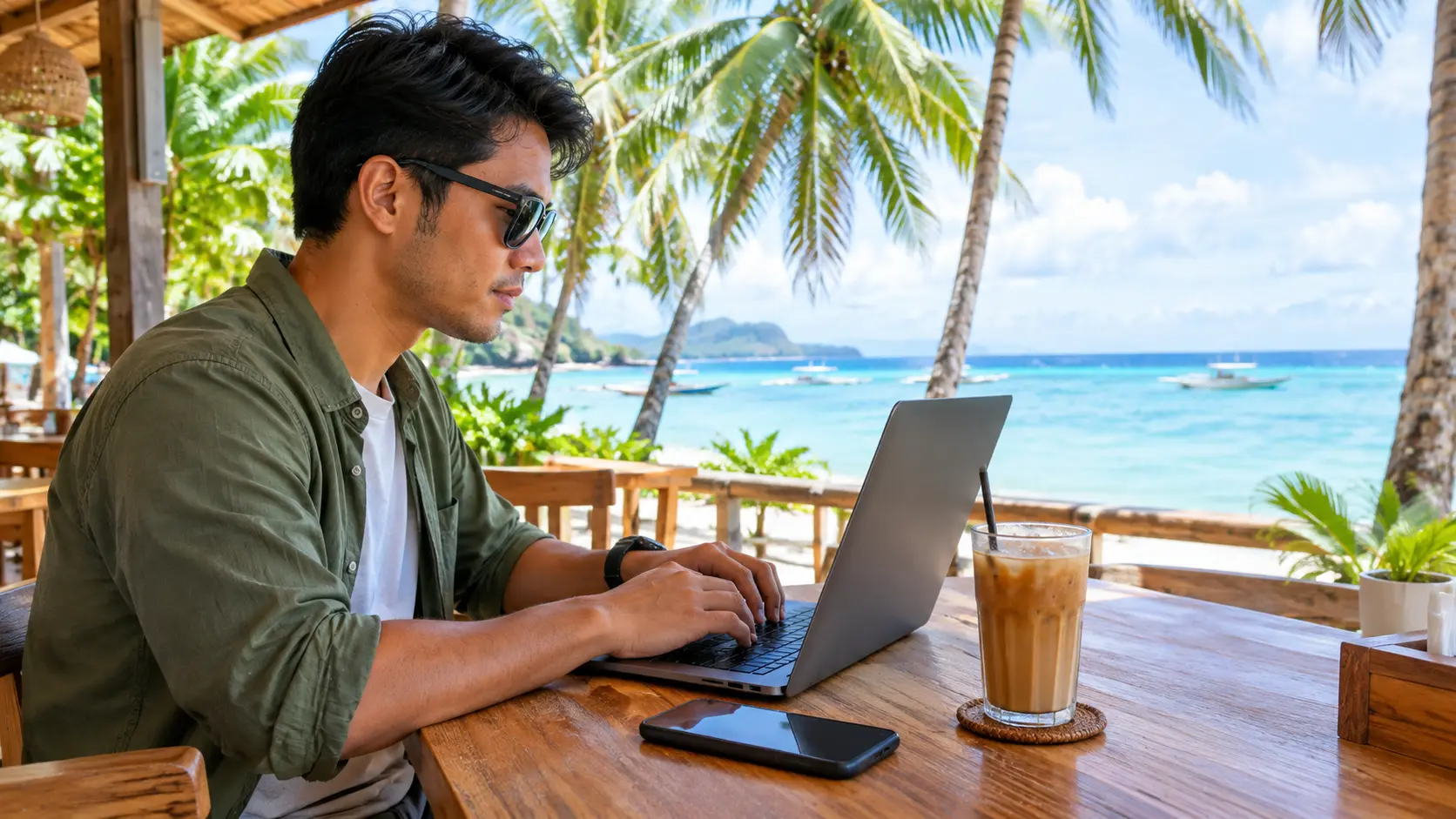
The Philippines works well for digital nomads in the big cities. Fixed broadband averages about 100 Mbps nationwide (Ookla), home fiber costs around ₱1,300–₱1,700 a month, and Starlink fills gaps on islands like Siargao. The best bases are Makati and BGC in Manila, Cebu IT Park, Dumaguete and Siargao. A Digital Nomad Visa was created by Executive Order 86 in April 2025, but as of October 2026 there’s still no confirmed way to apply, so most remote workers enter visa-free as tourists and extend their stay with the Bureau of Immigration.
Land connected: set up mobile data before your flight so you can work from day one.
Internet in the Philippines (2026)
| Connection | Typical speed | Typical cost | Best for |
|---|---|---|---|
| Home fiber (Converge, PLDT, Globe) | National average about 100 Mbps; plans of 100–400 Mbps are common | About ₱1,300–₱1,700/month | Long stays in cities |
| Mobile data (Smart, Globe, DITO) | National average about 50 Mbps, varies a lot by area | Cheap prepaid promos | Backup, short stays |
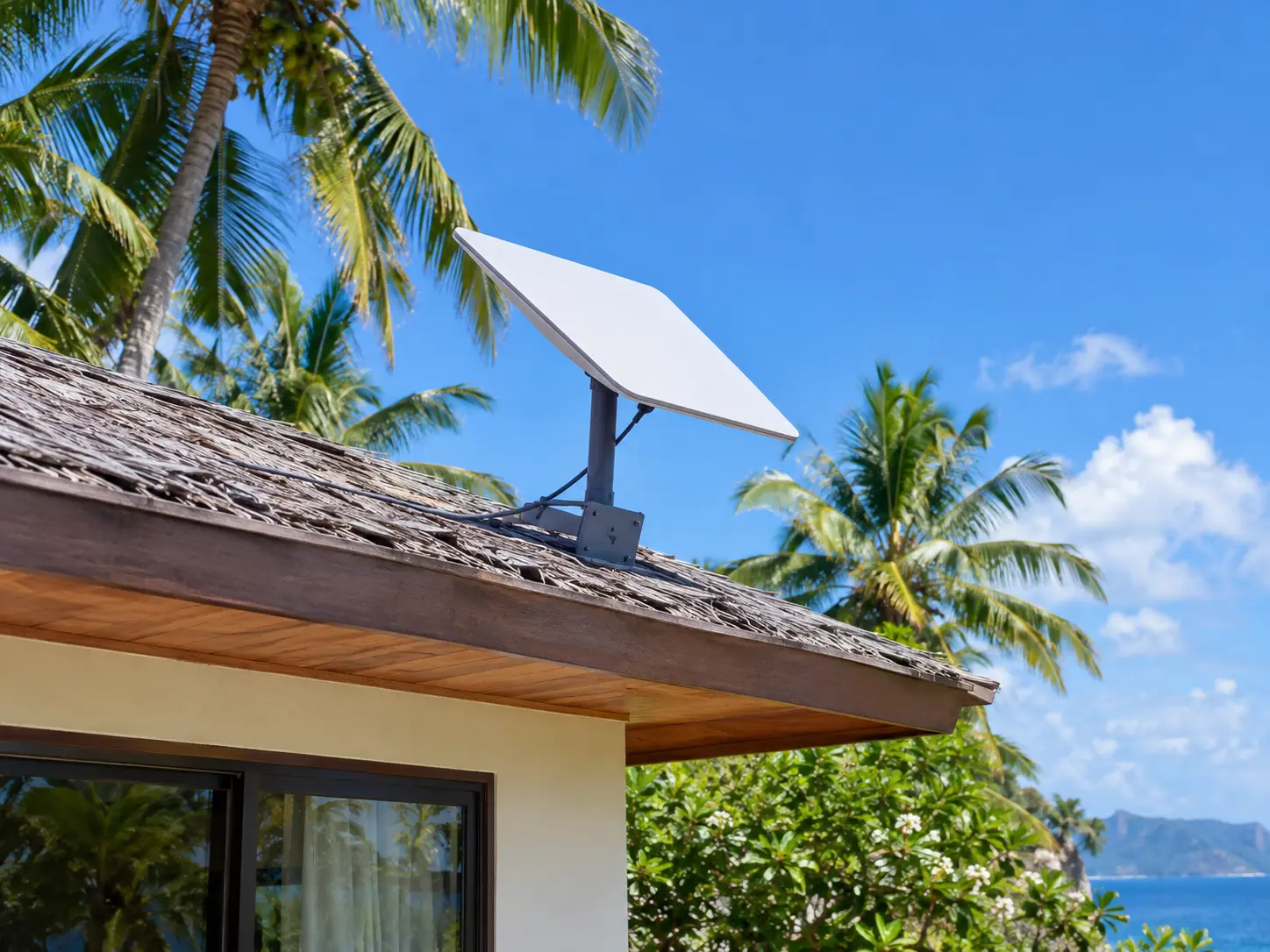
| Starlink | About 55 Mbps median in the Philippines | About ₱3,800/month residential; roaming plans cost more | Islands and rural areas without fiber |
| Coworking spaces | Business-grade, usually with backup lines | Day passes and monthly plans | Reliable calls and deadlines |
Speeds from Ookla’s Speedtest data; prices from 2026 provider plans and reports. Fiber is fastest and most reliable in Metro Manila, Cebu and other big cities, and slower in parts of the Visayas and Mindanao.
Best places in the Philippines for digital nomads
| Base | Internet | Cost | Lifestyle |
|---|---|---|---|
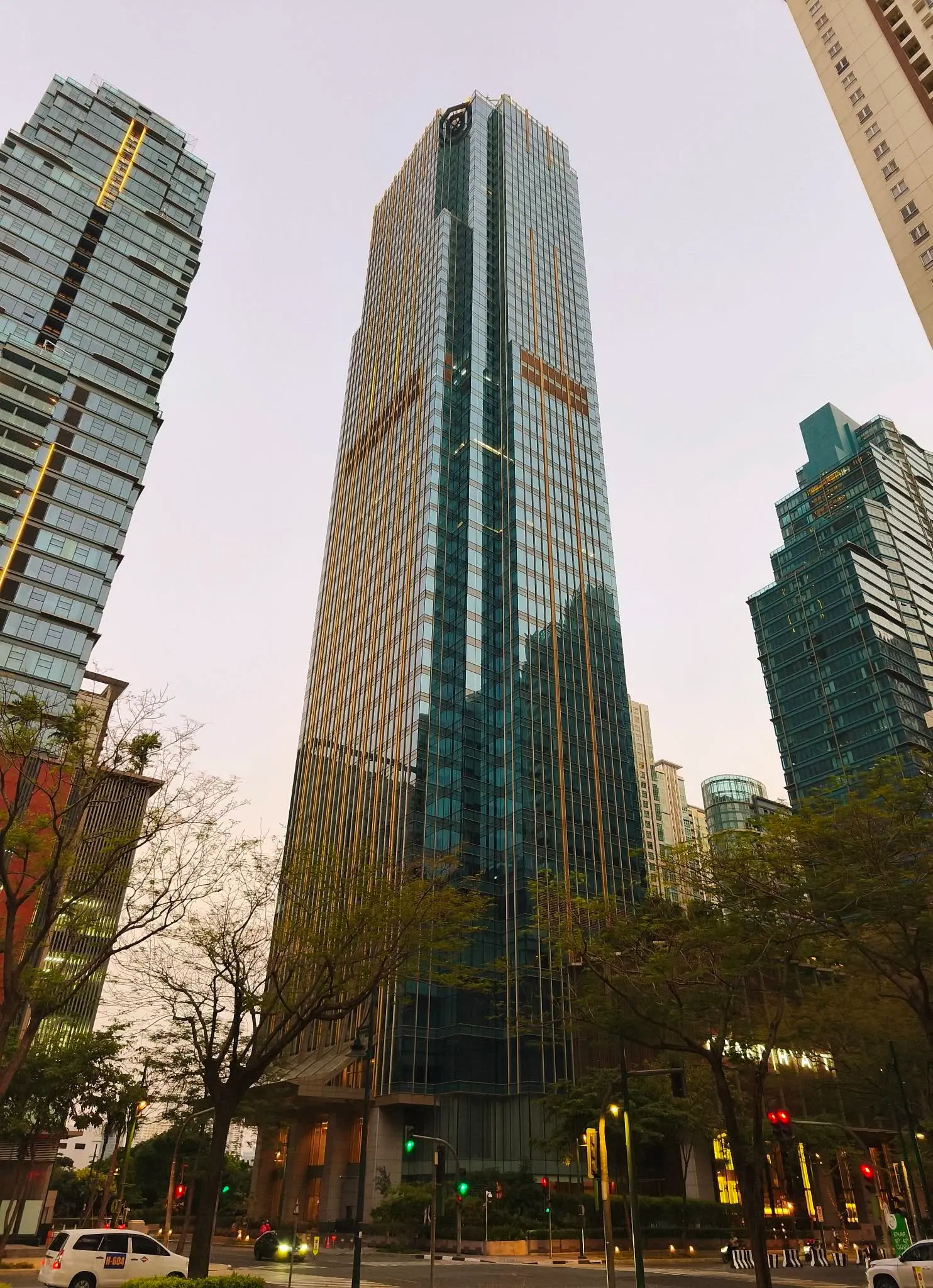
| Makati and BGC, Manila | Excellent | Highest | Big-city convenience, the most coworking spaces, nightlife, international hospitals |
| Cebu City (IT Park) and Mactan | Very good | Moderate | Tech hub, beaches and islands nearby, direct international flights |
| Dumaguete | Good in town | Low | Relaxed university town, diving at Apo Island, ferries to Siquijor |
| Siargao | Variable; many places use Starlink | Moderate | Surf town with a big nomad community |
| Davao City | Good | Low to moderate | Orderly, clean city with a strong Mindanao base |
| Baguio | Good | Low to moderate | Cool mountain climate, cafés, art scene |
| El Nido and Coron | Patchy | Moderate to high | Stunning but better for short work stints |

Guides to help you choose: Cebu, Dumaguete, Siargao, Davao and Baguio.
Coworking spaces

Coworking spaces are easy to find in Metro Manila and Cebu, and growing in Davao, Dumaguete, Baguio and Siargao. You’ll find:
- Big flexible-office providers such as KMC Solutions and international brands like Regus and Spaces, mainly in Makati, BGC, Ortigas and Cebu IT Park. They offer meeting rooms, reliable backup internet and monthly memberships.
- Independent coworking spaces and laptop-friendly cafés in every major city, often with day passes. Many cafés in Manila and Cebu stay open late or 24 hours, useful if you work US hours.
- Coliving spaces in places like Siargao and Cebu that combine a room, workspace and community.
Visas for remote workers
- Tourist entry (most common): citizens of many countries, including the US, UK and Australia, can enter visa-free for 30 days and extend their stay in stages through the Bureau of Immigration. You’ll need a completed eTravel registration and an onward ticket.
- Digital Nomad Visa (Executive Order 86): signed in April 2025 for remote workers earning from abroad: one year, renewable once. It requires reciprocity (your country must offer Filipinos a similar visa) and health insurance. Sources disagree on whether it’s open, and a mid-October 2026 check found no application option on the official e-Visa portal. Check the Department of Foreign Affairs before planning around it.
- Retirees: the Special Resident Retiree’s Visa (SRRV) is a separate long-stay option for older travelers.
Practical tips for working remotely
- Time zone: the Philippines is on UTC+8, convenient for Asian and Australian clients. US clients usually mean night shifts, which is why so many cafés stay open late.
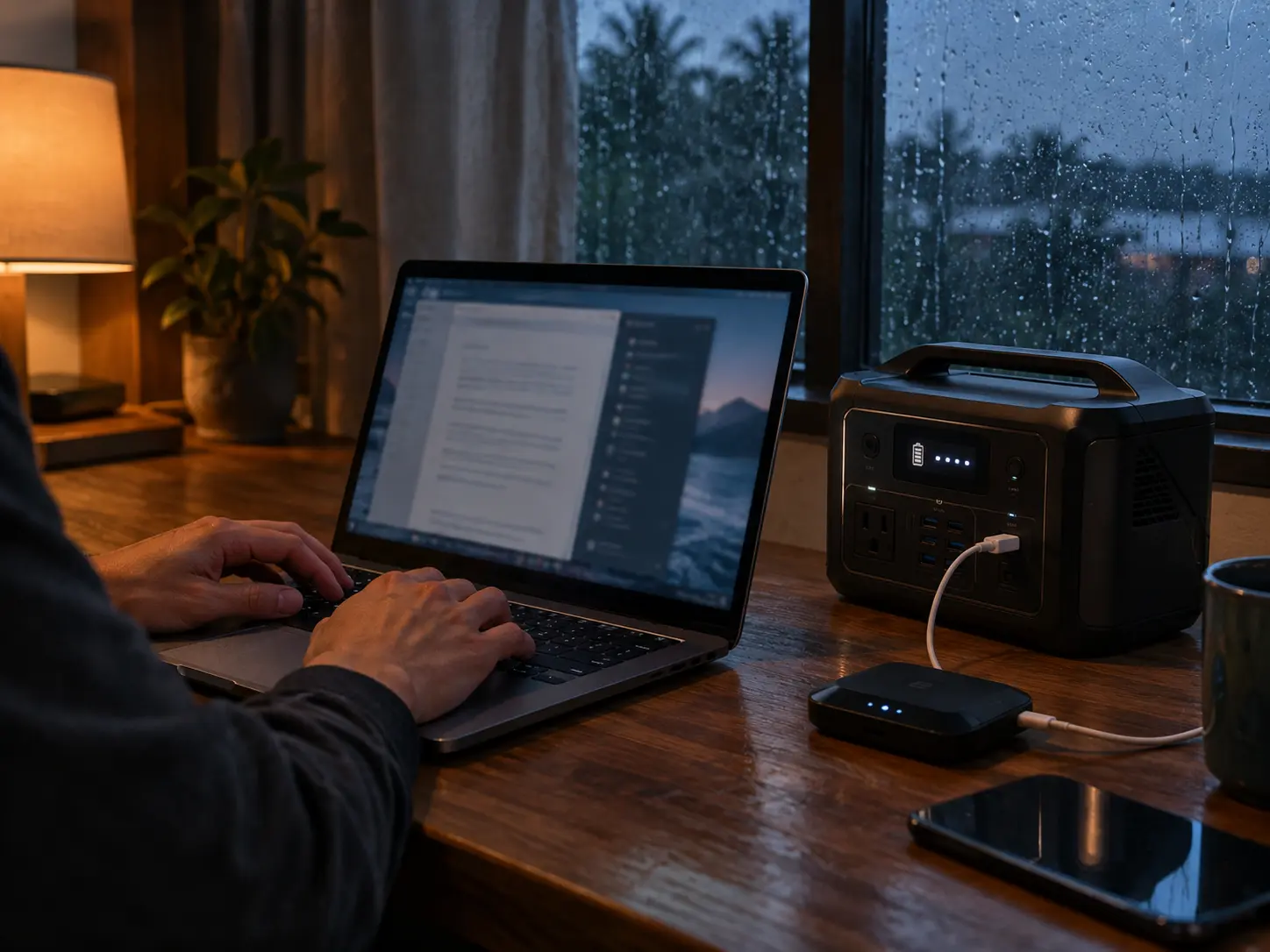
- Typhoons and brownouts: keep a power bank, laptop charger in your day bag, and a mobile data backup, especially from June to November. See our best time to visit guide.
- Health insurance: essential for long stays, and required for the Digital Nomad Visa. See our Philippines travel insurance guide.
- Money: use a low-fee card or multi-currency account for ATM withdrawals. See money in the Philippines.
- Cost of living: see our cost of living guide and calculator for rent, food and bills.
- Getting around: combine domestic flights and ferries to move between bases.
Add rent, coworking, internet, food and flights in our free Philippines trip budget calculator.
Work hard, explore on weekends
Stay connected and plan weekend trips from your base. Klook bookings often include free cancellation.
Digital nomads in the Philippines: FAQ
Is the Philippines good for digital nomads?
Yes, especially in Manila, Cebu, Dumaguete, Davao and Siargao. Fixed broadband averages about 100 Mbps, home fiber is affordable, English is widely spoken, and living costs are lower than in most Western countries. Rural areas and small islands have less reliable internet.
Does the Philippines have a digital nomad visa?
On paper, yes. Executive Order 86, signed in April 2025, created a Digital Nomad Visa of one year, renewable once, for remote workers paid from abroad. Sources disagree on whether it’s open, and as of mid-October 2026 no application option appeared on the official e-Visa portal. Check with the Department of Foreign Affairs before applying.
How fast is the internet in the Philippines?
Fixed broadband averages about 100 Mbps nationwide according to Ookla, with mobile data around 50 Mbps. Speeds are highest in Metro Manila and Cebu and lower in parts of the Visayas and Mindanao.
Is Starlink available in the Philippines?
Yes. Starlink is widely used, especially on islands and in rural areas without fiber. The residential plan costs about ₱3,800 a month, with a median speed of about 55 Mbps, slower than fiber in cities but far better than no fixed internet.
What is the best city for digital nomads in the Philippines?
Makati and BGC in Manila have the best infrastructure, Cebu City offers the best balance of internet, cost and beaches, Dumaguete is the most affordable, and Siargao has the liveliest nomad community.
How much does coworking cost in the Philippines?
Prices vary by city and brand. Day passes are widely available in independent spaces and cafés, while providers like KMC Solutions, Regus and Spaces offer monthly memberships, mainly in Manila and Cebu. Ask for a trial day before committing.
Can I work remotely on a tourist visa in the Philippines?
Many remote workers do, but it’s a gray area legally, and the Digital Nomad Visa isn’t confirmed open yet. For long stays, consult the Bureau of Immigration or an immigration professional.
What time zone is the Philippines in?
Philippine Standard Time, UTC+8. It overlaps well with Asia and Australia, while working with US clients usually means night shifts.

Cebu-born digital marketer and travel writer, raised between Cebu and Dumaguete and now working remotely from Zamboanga del Sur, Mindanao. Gio writes Best Philippines Travel Guide to help visitors and remote workers make the most of the islands.