Travel advisories change, sometimes quickly. This guide summarizes official advice as of November 2026; always check your own government’s latest advisory before you travel. This guide contains Klook affiliate links.
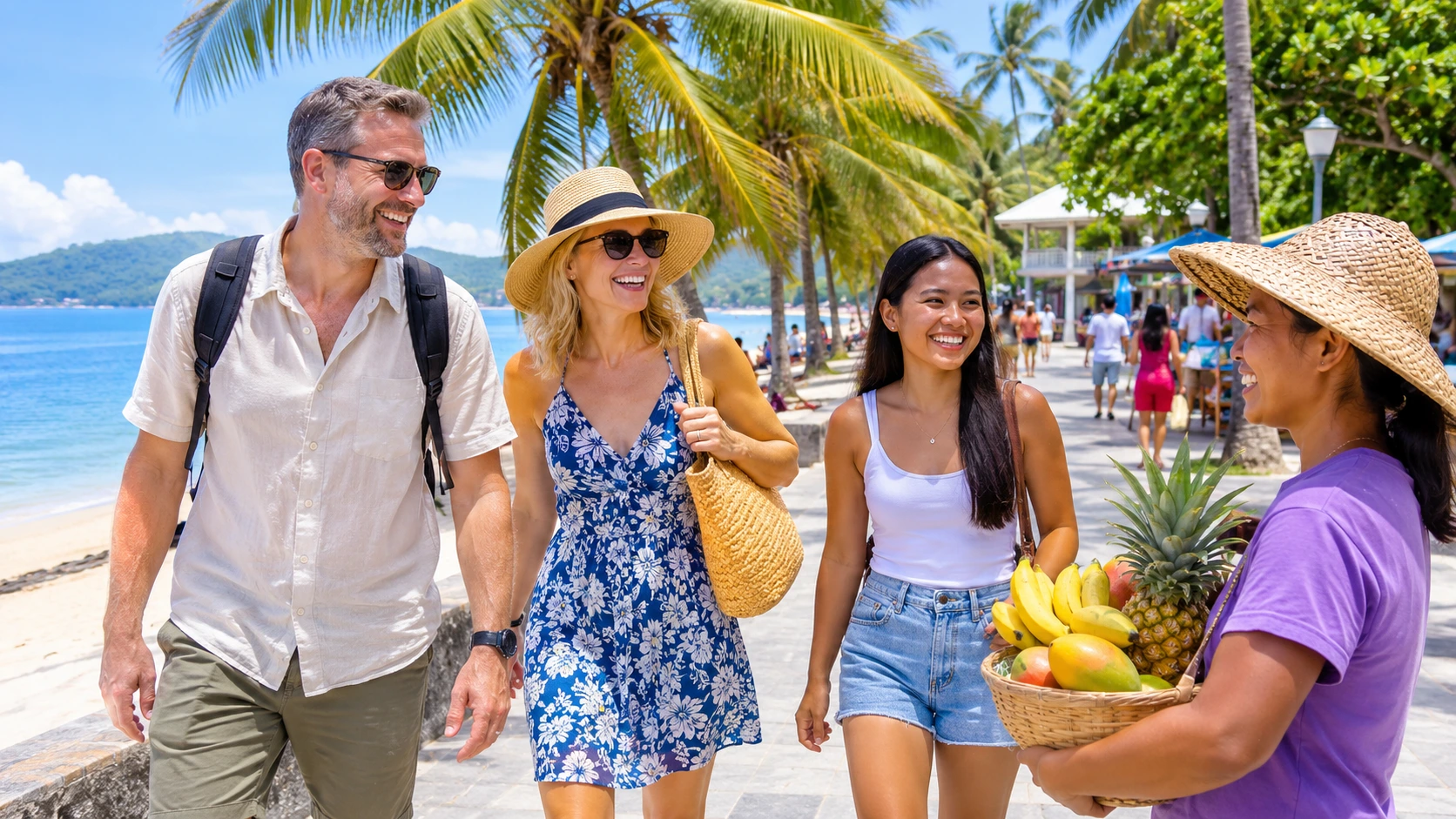
Yes, most of the Philippines is safe for tourists who take normal precautions. The US State Department rates the country Level 2, “Exercise Increased Caution,” the same level as many European countries, and that covers the main destinations: Manila’s tourist areas, Cebu, Bohol, Palawan, Boracay and Siargao. The serious warnings are limited to the Sulu Archipelago, Marawi City and parts of western and central Mindanao. The everyday risks for visitors are petty theft, scams, traffic and typhoons, not violent crime.
Travel prepared: get insurance that fits your route, and stay connected for maps and emergencies.
What the official travel advisories say (2026)
| Government | Overall Philippines | Highest warnings |
|---|---|---|
| United States (State Department) | Level 2: Exercise Increased Caution | Level 4 “Do Not Travel”: Sulu Archipelago (including the southern Sulu Sea) and Marawi City. Level 3 “Reconsider Travel”: most of Mindanao, with exceptions such as Siargao, the Dinagat Islands, Samal Island, Davao del Norte and Davao City’s central business district and airport |
| United Kingdom (FCDO) | No general warning for most of the country | Against all travel: western and central Mindanao and the Sulu archipelago. Against all but essential travel: the rest of Mindanao, except Camiguin, Dinagat and Siargao |
| Australia (Smartraveller) | Exercise a high degree of caution | Do not travel: central and western Mindanao (including the Zamboanga Peninsula), the Sulu Archipelago and the southern Sulu Sea |
Summary as of November 2026, based on the US advisory updated September 2026 and UK advice updated October 2026. Check travel.state.gov, gov.uk or smartraveller.gov.au for the latest.
Safest places to visit in the Philippines
These popular destinations fall under the routine “increased caution” level for US travelers and are well set up for tourism:
| Region | Destinations | Our guide |
|---|---|---|
| Palawan | El Nido, Coron, Puerto Princesa | El Nido guide |
| Visayas | Cebu, Bohol, Boracay, Dumaguete, Siquijor, Iloilo, Guimaras | Cebu · Iloilo |
| Northern Luzon | Baguio, Vigan, Ifugao, Batanes | Batanes guide |
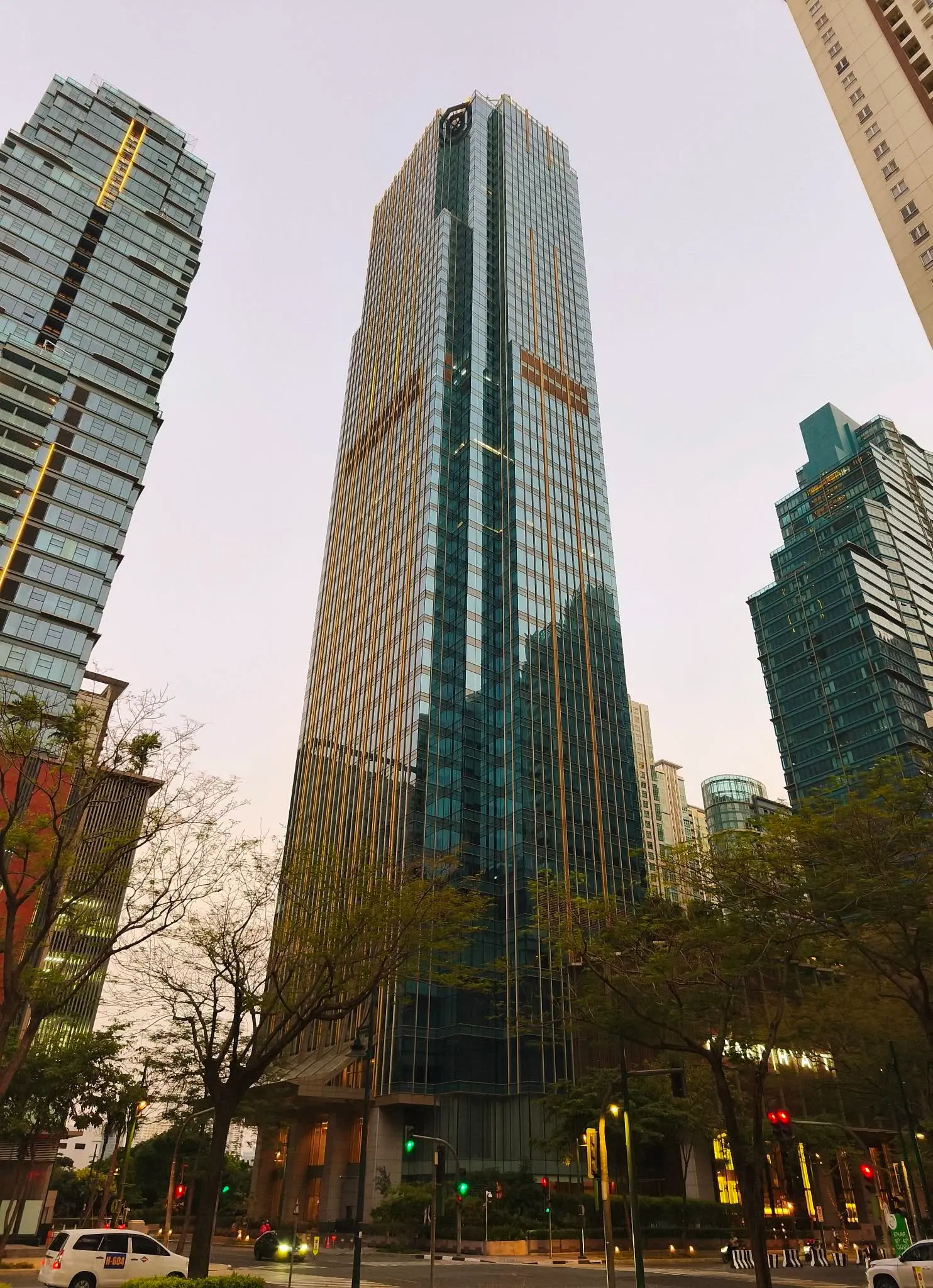
| Metro Manila | Makati, BGC, Intramuros, Pasay bayfront | Manila guide |
| Mindanao exceptions | Siargao and Camiguin (excepted by the US and UK), Samal Island and Davao City’s central areas (excepted by the US) | Siargao · Camiguin |
Planning a route? See our Philippines itinerary guide.
Is Mindanao safe?
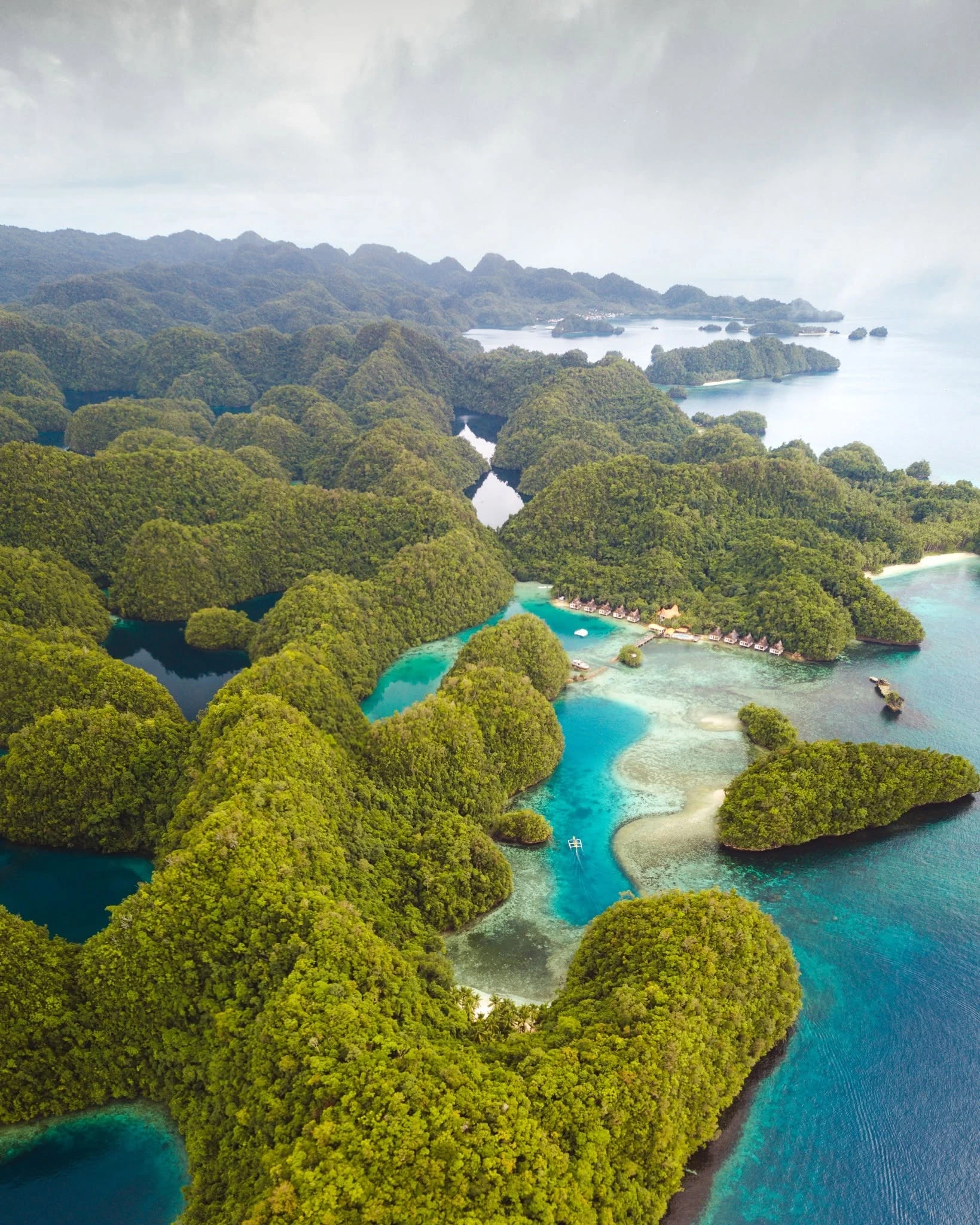
Mindanao is a huge island group, and the risk varies a lot by area. Millions of people live, work and travel there every day, and places like Siargao, Camiguin and Davao are popular with tourists. But the Sulu Archipelago, Marawi City and parts of western and central Mindanao carry the strictest warnings from the US, UK and Australia because of terrorism, kidnapping and armed conflict.
Other parts of Mindanao, including Cagayan de Oro, Bukidnon and the Zamboanga Peninsula, fall under Level 3 “reconsider travel” for the US, and “all but essential” or “against all travel” advice from the UK and Australia. If you’re planning to visit these areas, read your government’s advice in full, check your insurance, and travel with local contacts.
Everyday risks for tourists
| Risk | What happens | How to avoid it |
|---|---|---|
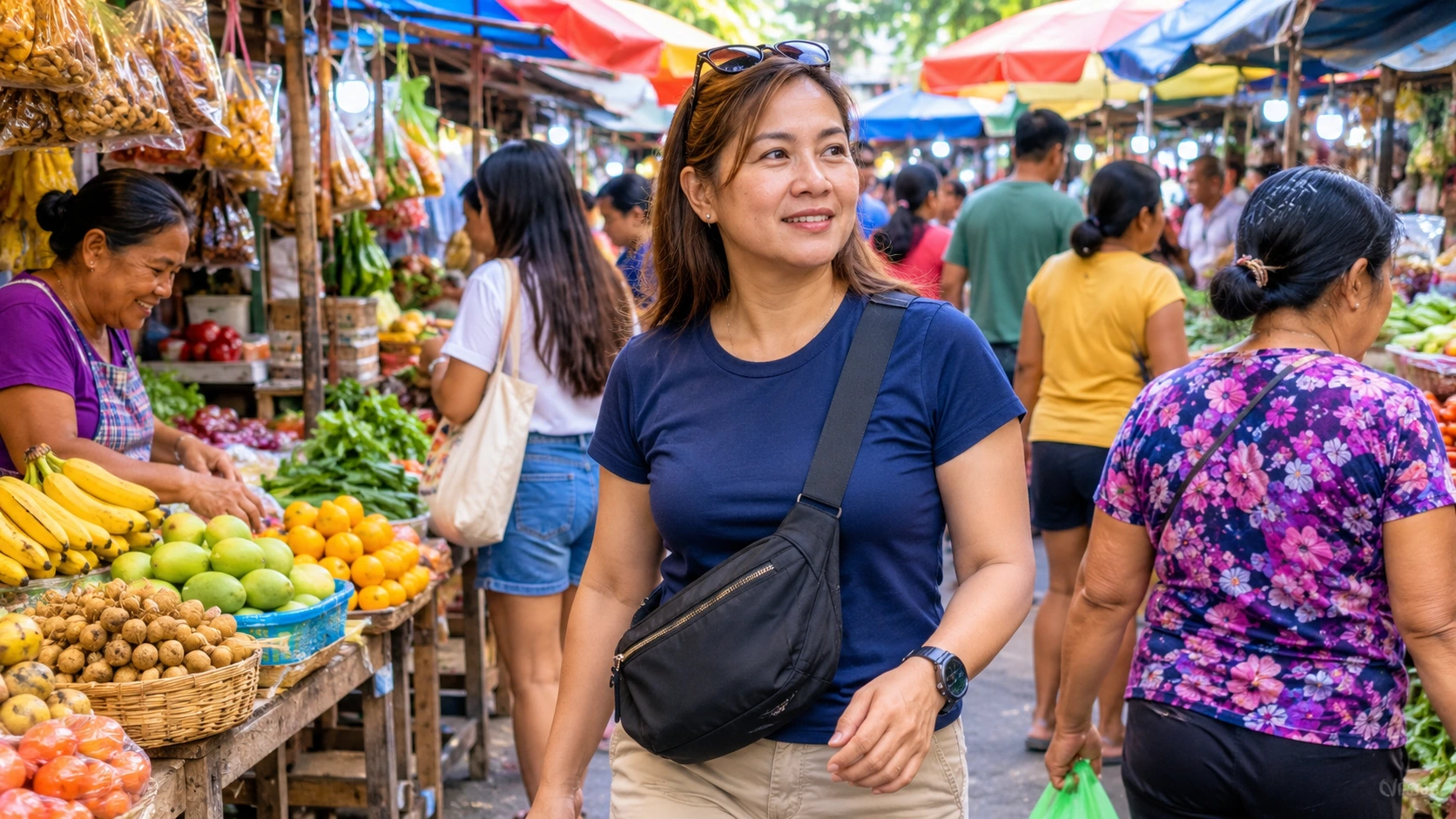
| Petty theft | Pickpocketing and phone snatching in crowds, jeepneys and malls | Use a front pocket or crossbody bag, and keep your phone out of reach in traffic |
| Taxi and transport scams | Drivers refusing the meter or overcharging | Use Grab or metered taxis, and agree on fares before riding tricycles |
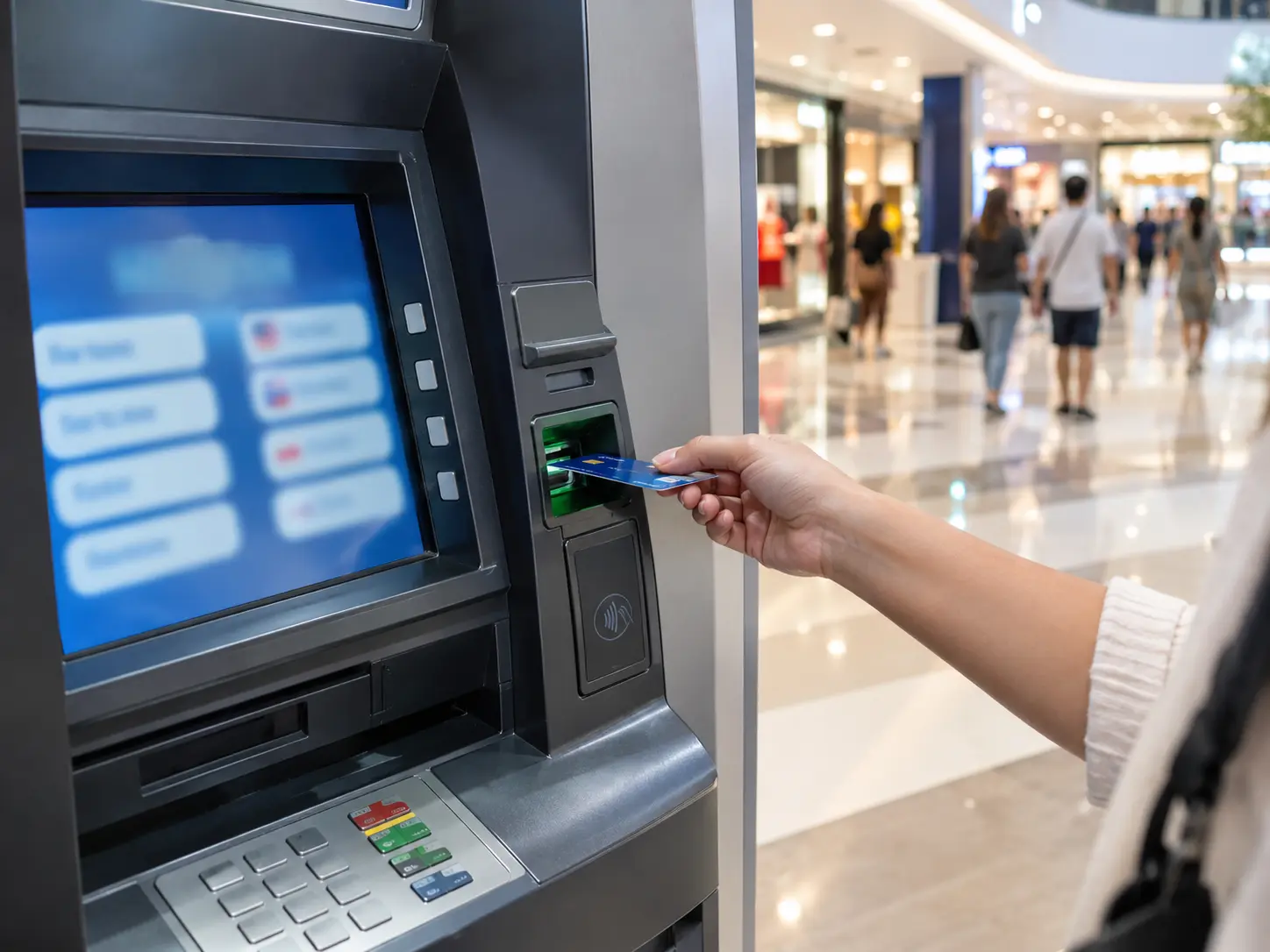
| Money and ATM scams | Card skimming and short-changing | Use ATMs inside malls and banks, and count change. See money in the Philippines |
| Drink spiking and nightlife | Rare, but reported in nightlife areas | Watch your drink and go out with people you trust |
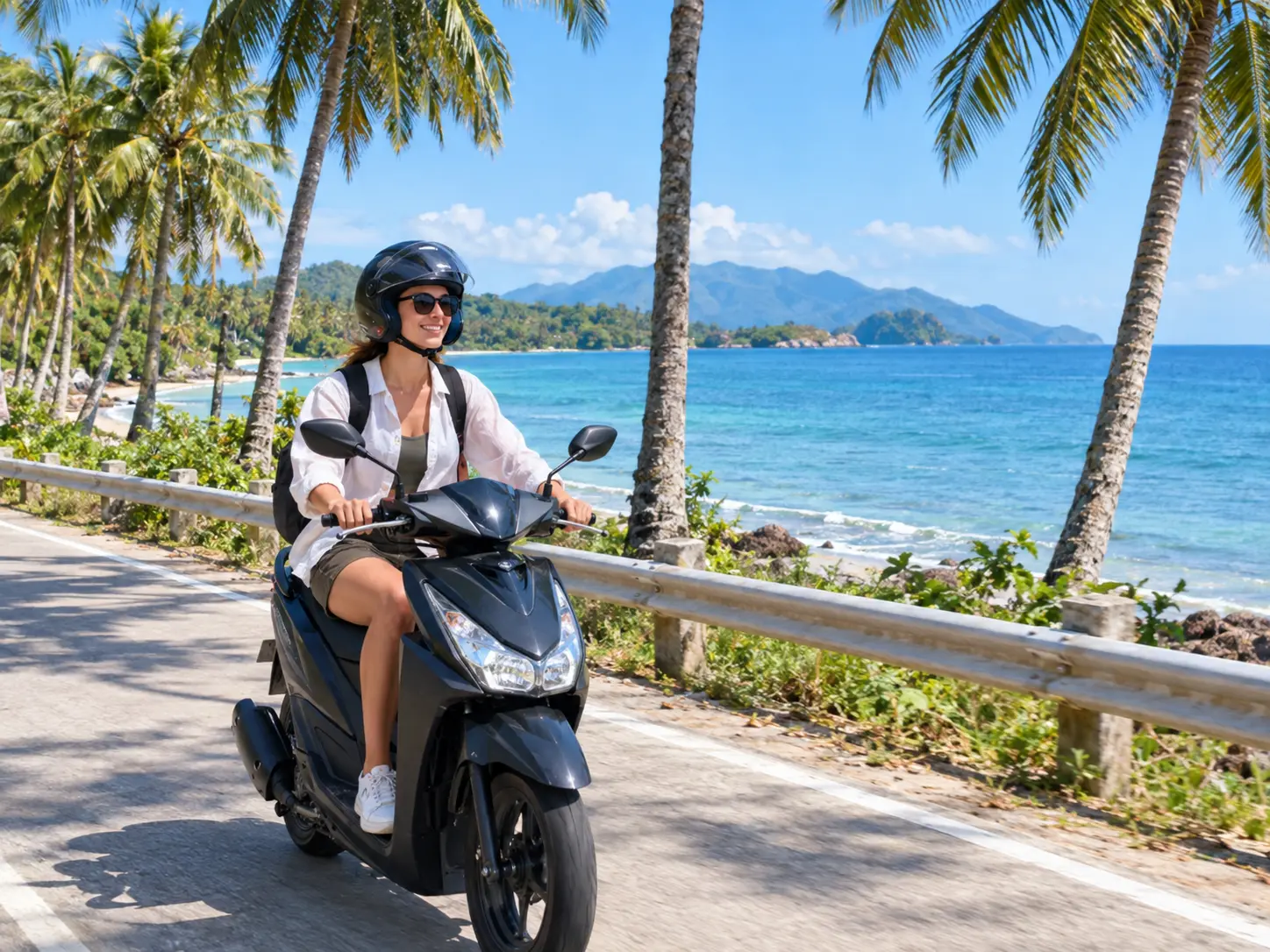
| Road safety | Chaotic traffic and motorbike accidents | Wear a helmet and avoid driving on unfamiliar roads at night. See our car and motorbike rental guide |
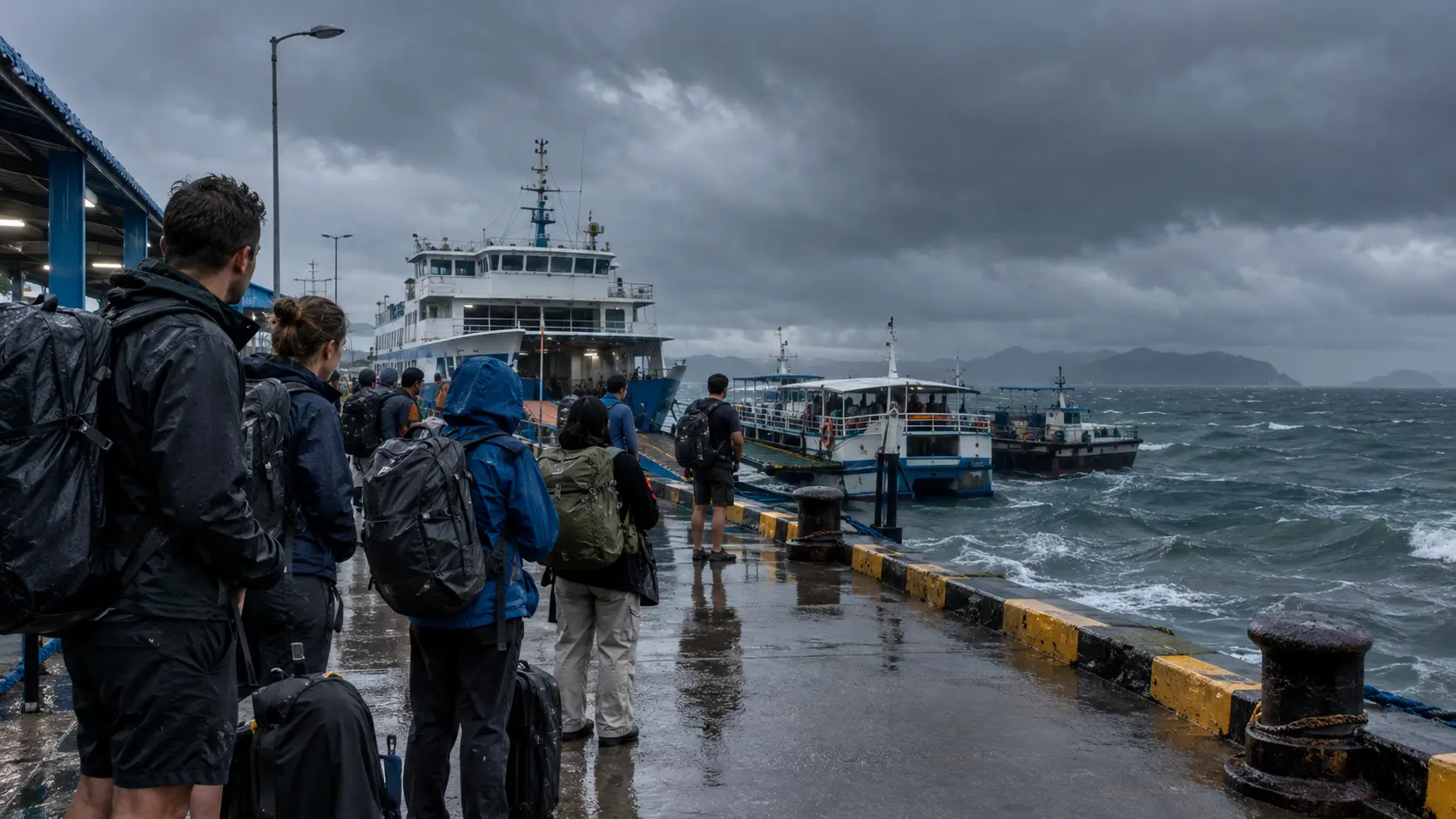
| Boats and sea conditions | Rough seas, overcrowded small boats | Use established operators, wear life vests and don’t sail when storm signals are up |
| Typhoons and natural hazards | Typhoons (mostly June–November), earthquakes and active volcanoes like Mayon | Follow PAGASA and PHIVOLCS updates, and build buffer days into your trip |
| Health | Dengue, heat, stray dogs (rabies) and stomach upsets | Use insect repellent, drink bottled or filtered water, and avoid touching stray animals |
Safety tips for traveling in the Philippines
- Check your government’s advisory before you book, and again before you travel.
- Get travel insurance that covers medical evacuation and your planned activities.
- Save emergency numbers: 911 is the national emergency hotline, and many tourist areas have tourist police.
- Register with your embassy (for example, the US STEP program) to get alerts.
- Keep copies of your passport and important documents in your email or cloud storage.
- Use official transport like Grab, metered taxis and established ferry operators. See our ferry guide.
- Stay connected with a local SIM or eSIM for maps, ride-hailing and emergencies.
- Respect local customs, dress modestly at churches and mosques, and stay calm in disputes.
Is the Philippines safe for solo, female and LGBTQ+ travelers?
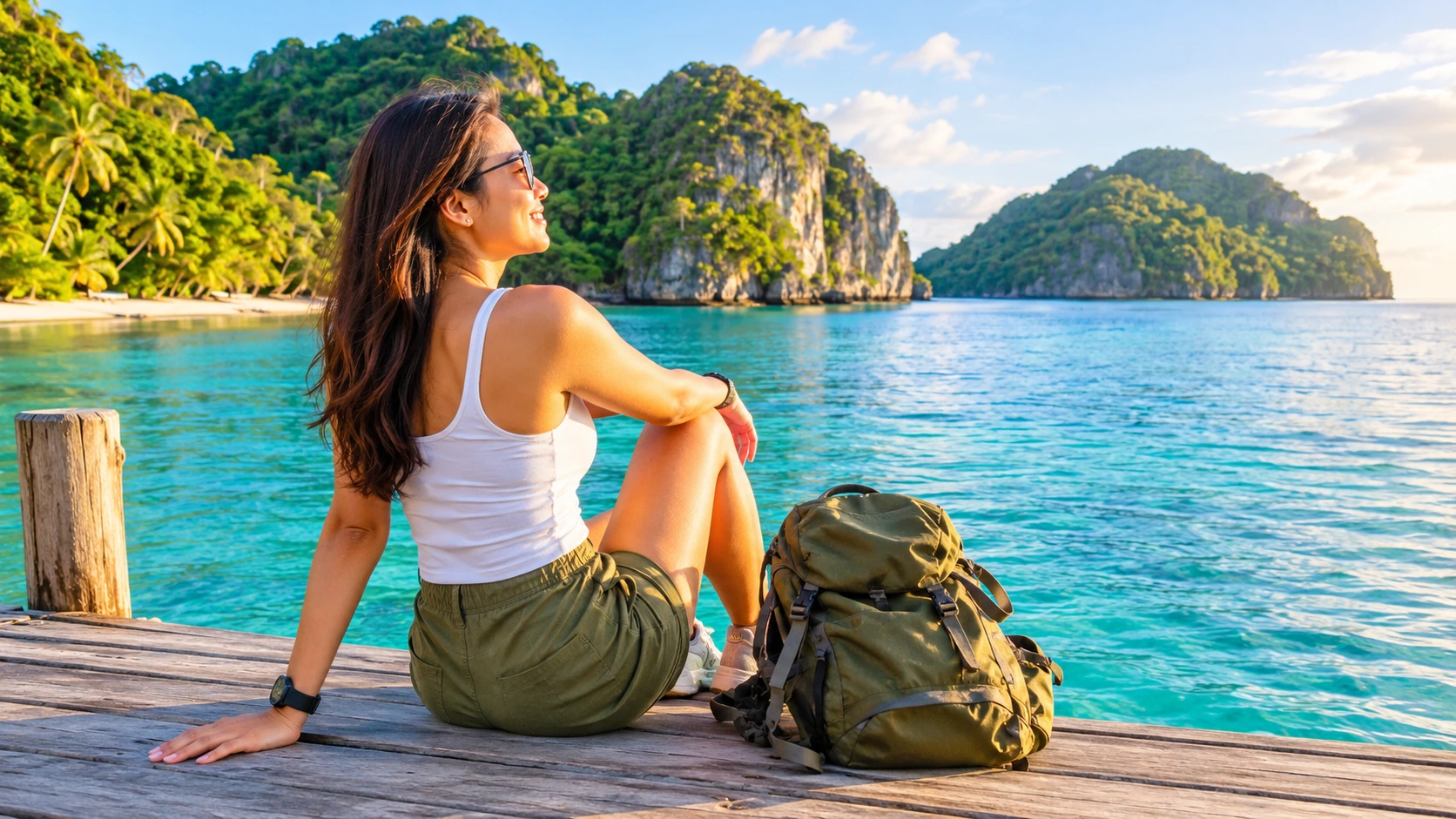
- Solo travelers: the main tourist routes are popular with solo backpackers, with plenty of hostels and group tours.
- Women: many women travel the Philippines alone without problems. Use the same precautions as anywhere: avoid walking alone late at night, watch your drink, and use ride-hailing apps.
- LGBTQ+ travelers: Filipinos are generally accepting, especially in cities and tourist areas, though attitudes can be more conservative in rural and religious communities.
- Families: Filipinos are famously child-friendly. See our kid-friendly resorts guide.
Add insurance, flights, hotels and tours in our free Philippines trip budget calculator.
Is the Philippines safe? FAQ
Is the Philippines safe for tourists in 2026?
Most of it is. The US State Department rates the Philippines Level 2, “Exercise Increased Caution,” and the main tourist areas like Manila, Cebu, Bohol, Palawan, Boracay and Siargao are visited by millions of travelers. The strictest warnings cover the Sulu Archipelago, Marawi City and parts of Mindanao.
What parts of the Philippines should I avoid?
The US, UK and Australia all warn against travel to the Sulu Archipelago and Marawi City, and the UK and Australia also advise against travel to western and central Mindanao. Check your own government’s advisory for the latest boundaries.
Is Manila safe for tourists?
Manila’s main tourist and business areas, such as Makati, BGC and Intramuros, are generally safe with normal precautions. Petty theft and scams are the main risks, so watch your belongings and use Grab or metered taxis.
Is Mindanao safe to visit?
It depends on where. Siargao and Camiguin are excepted from the strictest US and UK warnings, and Davao City’s central areas are excepted by the US. Other parts of Mindanao carry “reconsider travel” or “do not travel” advice, so check your government’s advisory and your insurance before going.
Is the Philippines safe for solo female travelers?
Yes, many women travel the Philippines solo. Stick to well-traveled areas, avoid walking alone late at night, watch your drink, and use ride-hailing apps or trusted transport.
What is the emergency number in the Philippines?
Dial 911, the national emergency hotline, for police, fire and medical emergencies. Many tourist destinations also have tourist police assistance desks.
Is it safe to drink tap water in the Philippines?
It’s best to drink bottled or filtered water. Most hotels and restaurants serve purified water, and refill stations are common.
Will my travel insurance cover me in areas with a do-not-travel warning?
Often not. Many policies exclude areas your government advises against all travel to. Check your policy wording before visiting any area with a high-level warning.
Travel smart, and the Philippines will reward you with some of the warmest hospitality in the world.
Cebu-born travel writer raised between Cebu and Dumaguete, now based in Zamboanga del Sur, Mindanao. Gio writes Best Philippines Travel Guide to help travelers explore the islands safely and with confidence.