
This guide contains Klook affiliate links. If you book through them, Best Philippines Travel Guide may earn a small commission at no extra cost to you.
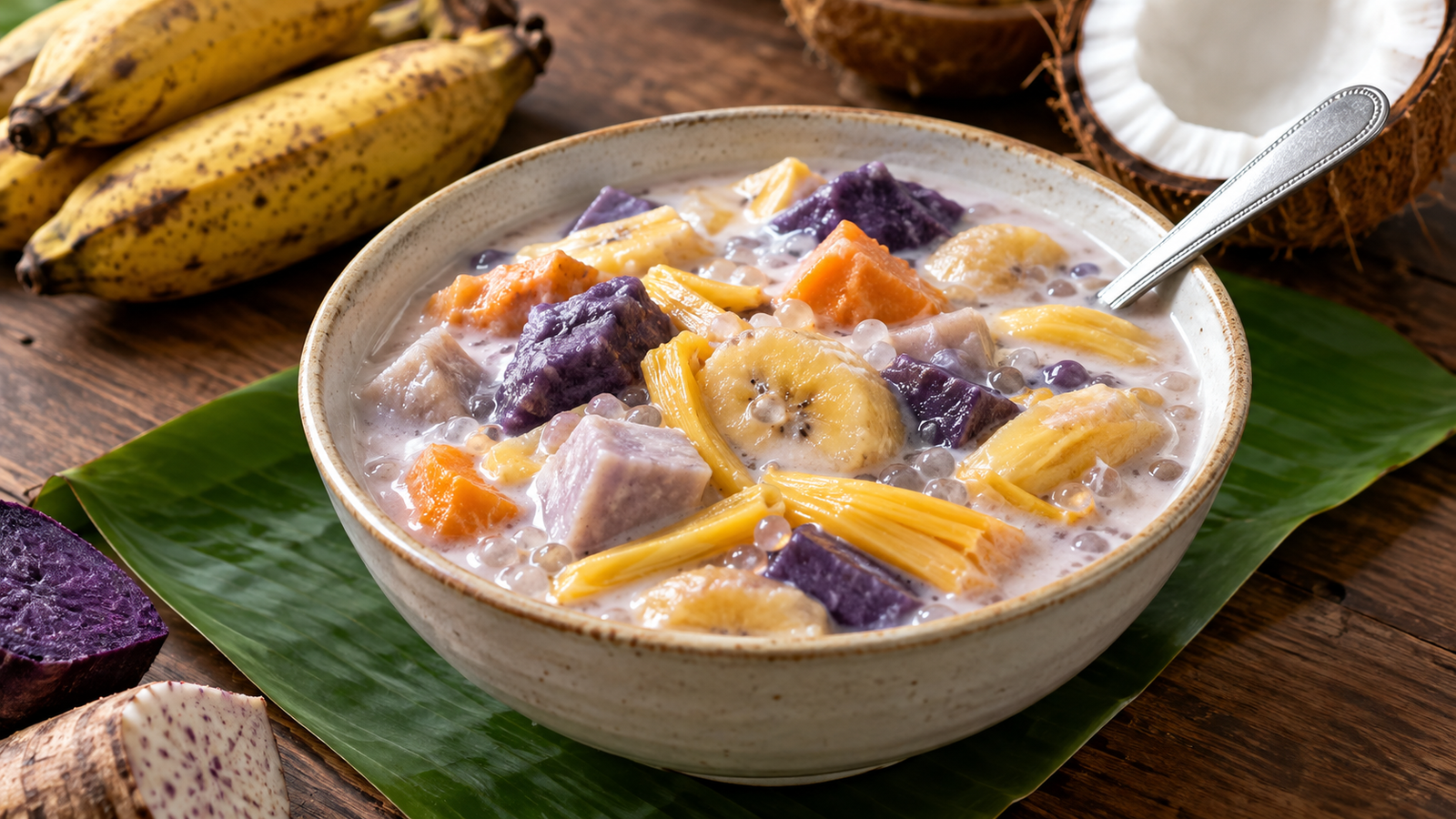
Binignit is a Visayan dessert soup from Cebu and the central Philippines, made with glutinous rice, coconut milk, root crops like taro, sweet potato and ube, saba bananas, jackfruit and tapioca pearls. It’s traditionally eaten during Holy Week, especially on Good Friday, when many families avoid meat. It takes about 1 hour to make and serves 6. In other parts of the Philippines, similar dishes are called ginataang halo-halo or ginataang bilo-bilo (Tagalog) and tambo-tambong (Ilocano).
What is binignit?
Binignit is a warm, thick, sweet stew that Cebuanos and other Visayans have made for generations. Glutinous rice cooks down in coconut milk until creamy, then root crops, bananas and jackfruit are added in stages so each one keeps its texture. It’s eaten warm as merienda (afternoon snack), and many people also love it chilled the next day.
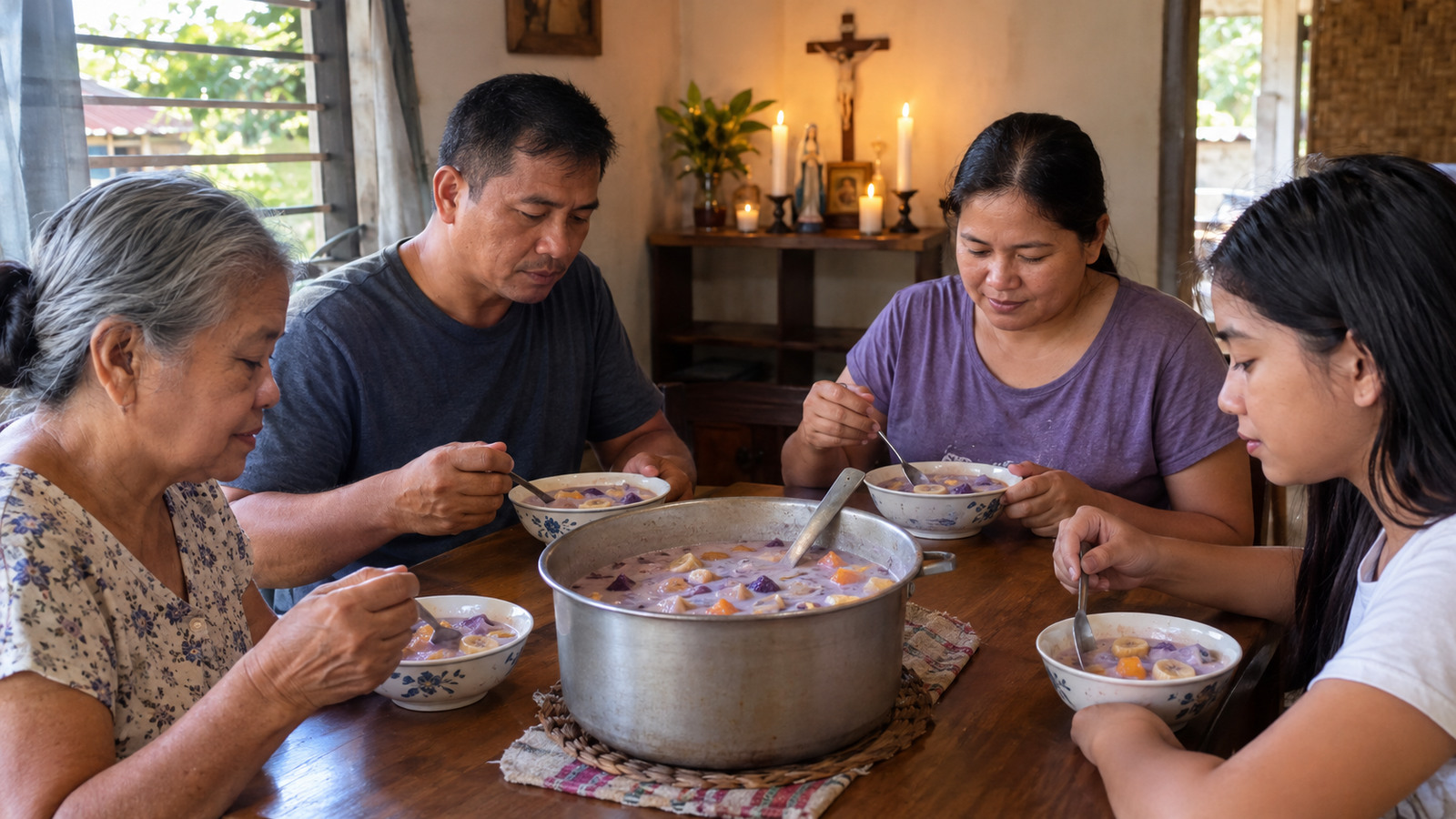
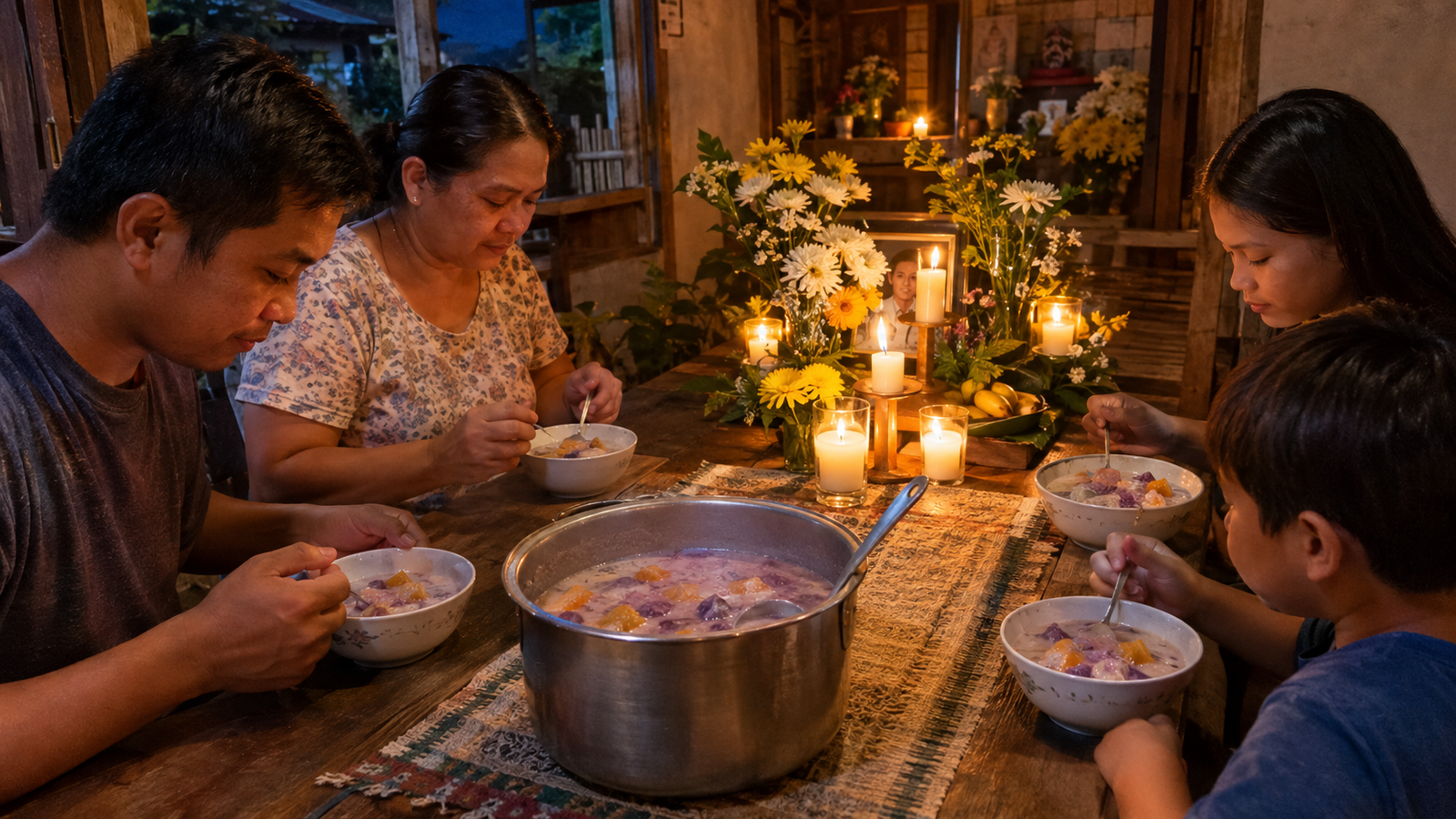
Its strongest association is with Holy Week. On Good Friday, when many Catholic families skip meat, pots of binignit are cooked at home and shared with neighbors and relatives. Many Visayan families also cook it for Undas (All Saints’ and All Souls’ Days, November 1–2), when relatives gather to remember their departed. Today it’s also sold year-round at markets and carinderias around Cebu.
What is binignit called in other parts of the Philippines?
Almost every region has its own version of this warm coconut-milk dessert, with slightly different ingredients:
| Region | Name | What makes it different |
|---|---|---|
| Cebu and the Visayas | Binignit | Thickened with glutinous rice; often includes landang; tied to Holy Week |
| Tagalog regions | Ginataang halo-halo | The “mixed” version, with root crops, saba, jackfruit and tapioca |
| Tagalog regions | Ginataang bilo-bilo | Focuses on chewy glutinous rice balls (bilo-bilo) |
| Ilocos | Tambo-tambong (tambo-tambo) | Ilocano-style ginataang bilo-bilo, with glutinous rice balls, root crops, saba and tapioca pearls in sweet coconut milk |
They’re all warm, comforting merienda dishes built on the same idea: whatever root crops and fruit are in season, simmered in sweet coconut milk.
Binignit recipe
Ingredients
- ½ cup (100 g) glutinous rice (pilit or malagkit), rinsed
- 4 cups (950 ml) water
- 2 cans (400 ml each) coconut milk, or 4 cups fresh gata, divided
- 1 cup taro (gabi), peeled and cubed
- 1 cup ube (purple yam), peeled and cubed
- 1 cup sweet potato (kamote), peeled and cubed
- 4 ripe saba bananas, sliced
- 1 cup ripe jackfruit (langka), cut into strips
- ½ cup small tapioca pearls or landang, cooked
- ¾ cup brown sugar, adjust to taste
- ¼ tsp salt
- 2 pandan leaves, knotted (optional)
Instructions
- Cook the pearls. Boil the tapioca pearls separately until translucent, then drain and set aside. Cooking them in the stew would make it too thick and starchy.
- Cook the glutinous rice. In a large pot, bring the water and 1 can (400 ml) of coconut milk to a gentle boil. Add the glutinous rice and simmer for about 15 minutes, stirring often so it doesn’t stick.
- Add the firmest root crops. Add the taro and ube. Simmer for about 10 minutes, until starting to soften.
- Add sweet potato and saba. Add the sweet potato and bananas. Simmer for another 10 minutes, until everything is tender but still holds its shape.
- Sweeten. Stir in the jackfruit, brown sugar, salt, pandan leaves and cooked tapioca pearls. Simmer for 5 minutes.
- Finish with coconut milk. Pour in the second can of coconut milk and heat gently for 3 to 5 minutes, without letting it boil hard so the coconut milk doesn’t separate. Remove the pandan leaves.
- Serve. Serve warm, or chill it in the refrigerator for a cold dessert. It thickens as it cools.
Tips for the best binignit
- Cook in stages. Add the ingredients from firmest to softest so nothing turns to mush.
- Use saba, not regular bananas. Saba (cooking bananas) stay firm and sweet. Dessert bananas fall apart.
- Save the thick coconut milk for last. If using fresh coconut, use the first press (kakang gata) to finish, and don’t boil it hard.
- Taste before sweetening fully. Ripe jackfruit and saba add a lot of sweetness on their own.
- Too thick? Binignit thickens as it sits. Stir in a little water or coconut milk when reheating.
- Storage: keep it covered in the refrigerator for up to 3 days.
Binignit ingredients: local names
| English | Cebuano / Filipino | Substitute if you’re abroad |
|---|---|---|
| Glutinous rice | Pilit / malagkit | Sweet or sticky rice from Asian shops |
| Coconut milk | Gata (first press: kakang gata) | Canned coconut milk |
| Taro | Gabi | Frozen taro cubes |
| Purple yam | Ube | Frozen grated or cubed ube |
| Sweet potato | Kamote | Any orange or yellow sweet potato |
| Cooking banana | Saba | Plantain (ripe, with black spots) |
| Jackfruit | Langka / nangka | Canned jackfruit in syrup, drained |
| Palm flour pearls | Landang | Small tapioca pearls (sago) |
Binignit vs ginataang halo-halo
| Binignit | Ginataang halo-halo | |
|---|---|---|
| Region | Visayas, especially Cebu | Tagalog regions of Luzon |
| Base | Glutinous rice cooked in coconut milk | Coconut milk with bilo-bilo (glutinous rice balls) |
| Common add-ins | Taro, ube, sweet potato, saba, jackfruit, landang | Similar root crops, saba, jackfruit, tapioca |
| Tradition | Strongly tied to Holy Week and Good Friday | Year-round merienda |
Popular binignit variations
- With bilo-bilo: add small glutinous rice balls for extra chew.
- With landang: the traditional Visayan palm flour pearls, chewy and slightly translucent.
- Without glutinous rice: a thinner, soup-like version that’s quicker to make.
- Chilled binignit: served cold from the fridge, popular in hot weather.
Want to taste binignit where it comes from? Cebu’s markets and carinderias serve it, especially around Holy Week.
Binignit: FAQ
What is binignit?
Binignit is a Visayan dessert soup made with glutinous rice, coconut milk, taro, sweet potato, ube, saba bananas, jackfruit and tapioca pearls. It’s especially popular in Cebu during Holy Week.
Why is binignit eaten during Holy Week?
Many Catholic families in the Visayas avoid meat on Good Friday, so binignit, a filling, meatless dish, became a Holy Week tradition. Families cook big pots and share them with neighbors and relatives.
What is the difference between binignit and ginataang halo-halo?
They’re similar dishes from different regions. Binignit is the Visayan version, usually thickened with glutinous rice and closely tied to Holy Week. Ginataang halo-halo is the Tagalog version, typically made with bilo-bilo rice balls and eaten year-round.
What is binignit called in Tagalog?
In Tagalog regions, similar dishes are called ginataang halo-halo or ginataang bilo-bilo. The Visayan binignit is usually thickened with glutinous rice, while ginataang bilo-bilo focuses on chewy rice balls.
What is tambo-tambong?
Tambo-tambong, also called tambo-tambo, is the Ilocano version of ginataang bilo-bilo: chewy glutinous rice balls, root crops, saba bananas and tapioca pearls simmered in sweet coconut milk.
Is binignit eaten during Undas?
Yes, many Visayan families cook binignit for Undas, All Saints’ and All Souls’ Days on November 1 and 2, when relatives gather to remember their departed. It’s also a Holy Week tradition, especially on Good Friday.
How long does binignit take to cook?
Binignit takes about 1 hour and 5 minutes in total: around 20 minutes to prepare the ingredients and 45 minutes of cooking.
Can binignit be eaten cold?
Yes. Binignit is delicious warm or chilled. It thickens in the refrigerator, so stir in a little water or coconut milk if you want it softer.
How long does binignit last in the fridge?
Binignit keeps for up to 3 days in a covered container in the refrigerator. Reheat it gently and add a splash of water or coconut milk if it gets too thick.
What can I use instead of saba bananas?
Ripe plantains are the best substitute for saba bananas outside the Philippines. Avoid regular dessert bananas, which fall apart when cooked.
What is landang?
Landang is a Visayan pearl made from palm flour, used in traditional binignit. Small tapioca pearls are the easiest substitute.

Cebu-born travel writer raised between Cebu and Dumaguete, now based in Zamboanga del Sur, Mindanao. Gio writes Best Philippines Travel Guide to help first-time visitors travel the islands with confidence.