This guide contains Klook affiliate links. If you book through them, Best Philippines Travel Guide may earn a small commission at no extra cost to you.
The history of the Philippines spans tens of thousands of years of human settlement, independent pre-colonial kingdoms and trading ports, 333 years of Spanish rule (1565–1898), the Philippine Revolution and declaration of independence on June 12, 1898, nearly five decades of American rule, Japanese occupation in World War II, and full independence on July 4, 1946. Since then, the country has lived through the Marcos Martial Law era (1972–1981), the 1986 People Power Revolution, and the democratic republic of today, governed under the 1987 Constitution.
See history where it happened: walk the old walled city of Manila or Cebu’s 1521 landmarks with a guide.
Philippine history timeline
| Year | Event |
|---|---|
| 50,000+ years ago | Homo luzonensis, an early human species discovered in Callao Cave, Cagayan, lived on Luzon |
| c. 320 AD onward | Seafaring communities build balangay plank boats; the oldest found in Butuan |
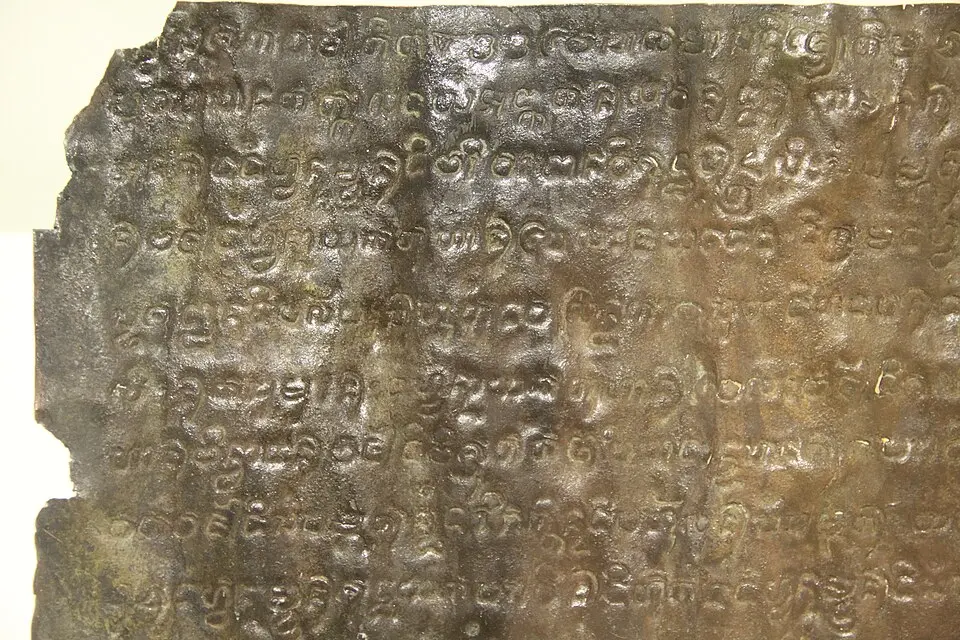
| 900 AD | The Laguna Copperplate Inscription, the oldest known written document from the Philippines |
| 14th–15th centuries | Islam spreads in the south; the Sultanate of Sulu is established |
| 1521 | Magellan’s expedition reaches Cebu; Lapu-Lapu wins the Battle of Mactan |
| 1565 | Miguel López de Legazpi establishes the first Spanish settlement in Cebu; the Manila–Acapulco galleon trade begins |
| 1571 | Manila becomes the capital of the Spanish colony |
| 1762–1764 | British occupation of Manila during the Seven Years’ War |
| 1872 | Execution of priests Gomez, Burgos and Zamora (GomBurZa), fueling reform movements |
| 1892 | Andrés Bonifacio founds the Katipunan |
| 1896 | The Philippine Revolution begins; José Rizal is executed on December 30 |
| June 12, 1898 | Emilio Aguinaldo declares independence in Kawit, Cavite |
| December 1898 | Treaty of Paris: Spain cedes the Philippines to the United States |
| 1899 | The First Philippine Republic is inaugurated in Malolos; the Philippine–American War begins |
| 1935 | The Commonwealth of the Philippines is established under Manuel L. Quezon |
| 1941–1945 | Japanese occupation in World War II; Bataan falls in 1942; the Battle of Manila devastates the capital in 1945 |
| July 4, 1946 | The United States recognizes Philippine independence |
| 1962 | Independence Day is moved to June 12 |
| September 1972 | President Ferdinand Marcos declares Martial Law |
| August 21, 1983 | Opposition leader Benigno “Ninoy” Aquino Jr. is assassinated |
| February 1986 | The People Power Revolution on EDSA ends the Marcos regime; Corazon Aquino becomes president |
| 1987 | The current Constitution is ratified |
| 1991 | Mount Pinatubo erupts; the Senate votes to end the US military bases agreement |
| 2001 | EDSA II removes President Joseph Estrada |
| 2013 | Typhoon Haiyan (Yolanda) devastates Eastern Visayas |
| 2016 | An international tribunal rules in the Philippines’ favor in its South China Sea case against China |
| 2022 | Ferdinand Marcos Jr. is elected president |
Pre-colonial Philippines
People have lived in the Philippines for tens of thousands of years. In 2019, scientists named a new human species, Homo luzonensis, from remains found in Callao Cave in Cagayan. Later, Austronesian seafarers settled the islands and spread across the Pacific.
Before colonization there was no single country. People lived in barangays, communities led by a datu, and larger trading polities grew in places like Cebu, Maynila, Tondo and Butuan. Traders came from China, the Malay world, India and the Middle East, exchanging gold, pottery and spices. The Laguna Copperplate Inscription of 900 AD shows that writing and law existed long before the Spanish. In the south, Islam arrived in the 14th century and the Sultanates of Sulu and Maguindanao became powerful states that resisted colonization for centuries.
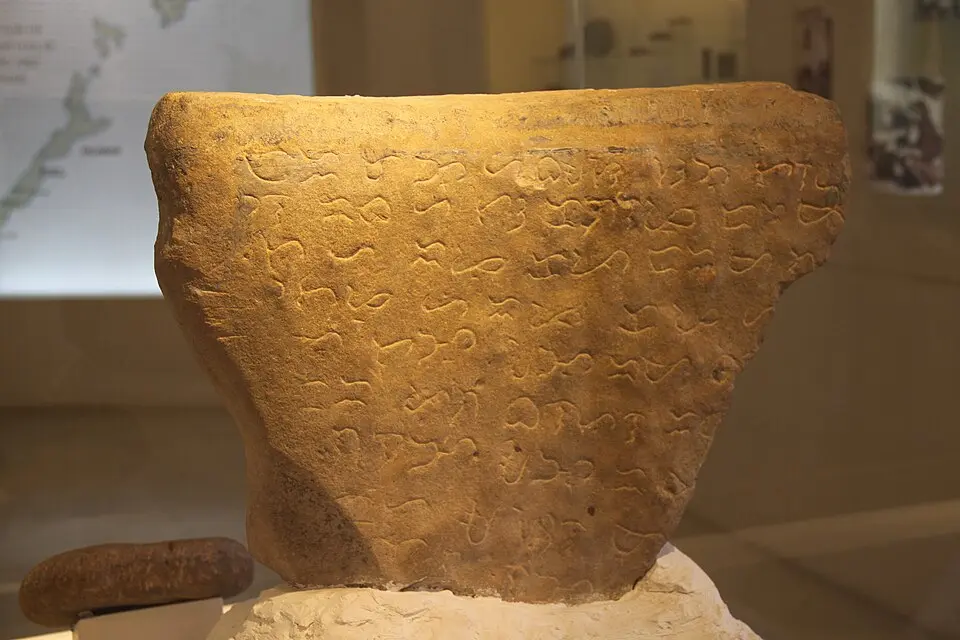
Spiritual life centered on ancestors and nature spirits, with babaylan (often women) as spiritual leaders and healers. Many communities wrote in Baybayin. See our guide to languages of the Philippines.
Spanish colonial period (1565–1898)
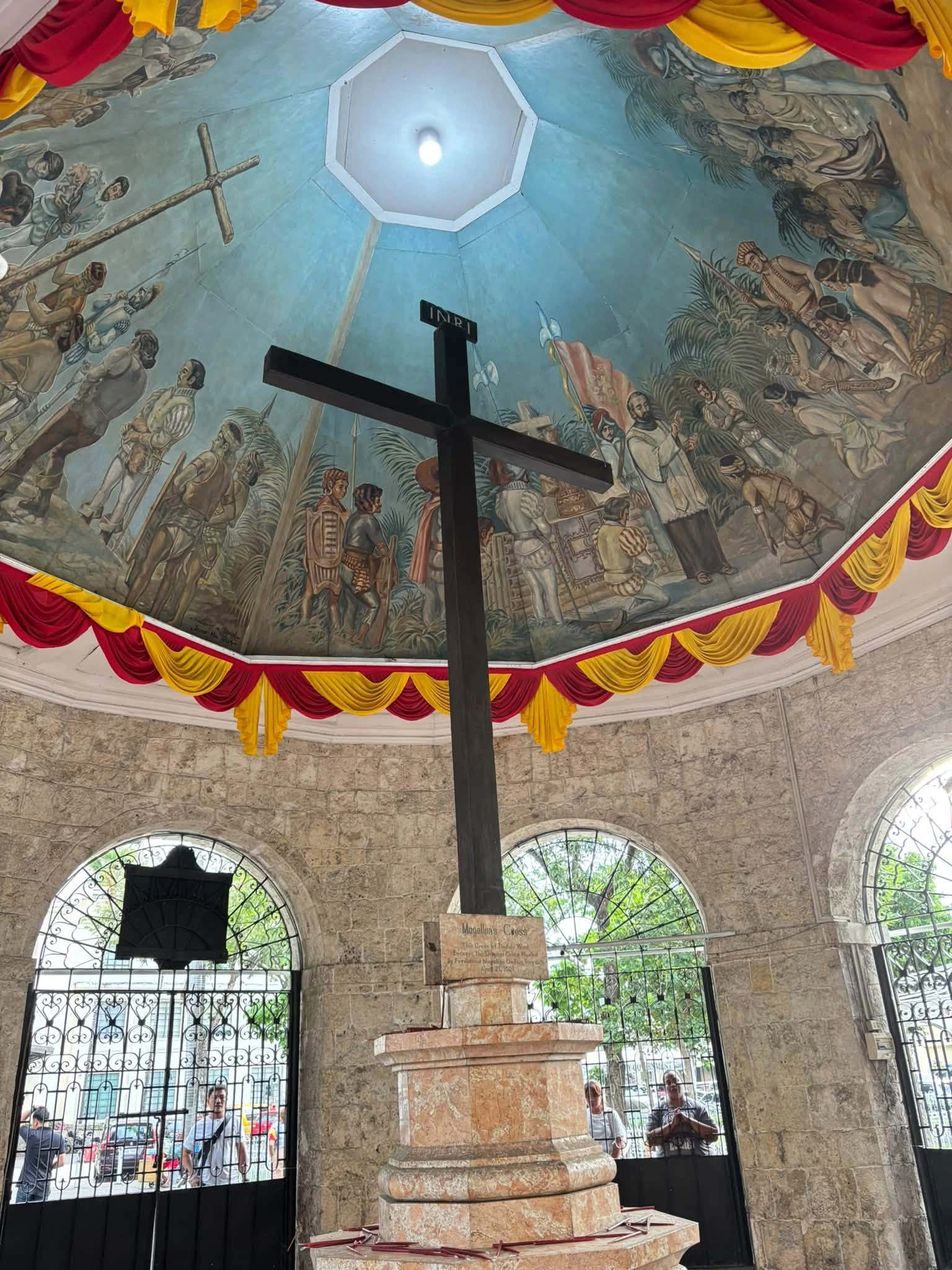
Ferdinand Magellan, a Portuguese explorer sailing for Spain, reached Cebu in 1521 and was killed by the forces of Lapu-Lapu at the Battle of Mactan. Spain returned in 1565 under Miguel López de Legazpi, who founded the first settlement in Cebu, and made Manila the capital in 1571.
For 250 years, the Manila–Acapulco galleon trade linked Asia and the Americas through Manila. Catholicism spread across most of the islands, and towns grew around stone churches and plazas. Spanish rule also brought forced labor, tribute and land grabs, and Filipinos rebelled many times. Among the best-known revolts was the one led by Diego and Gabriela Silang in Ilocos in the 1760s.
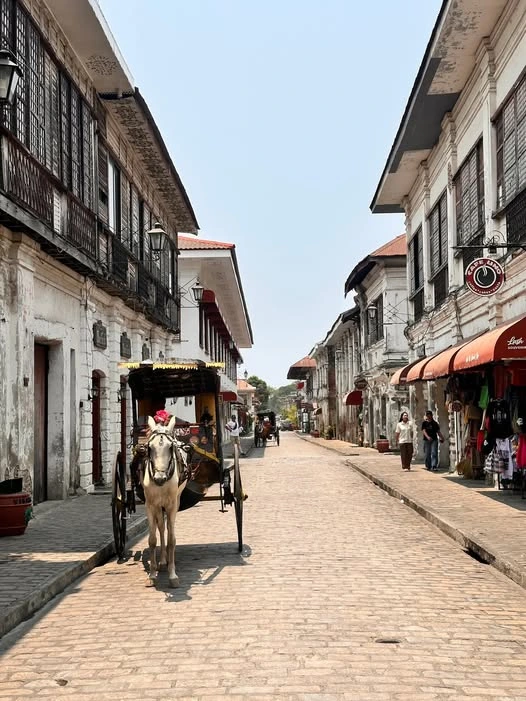
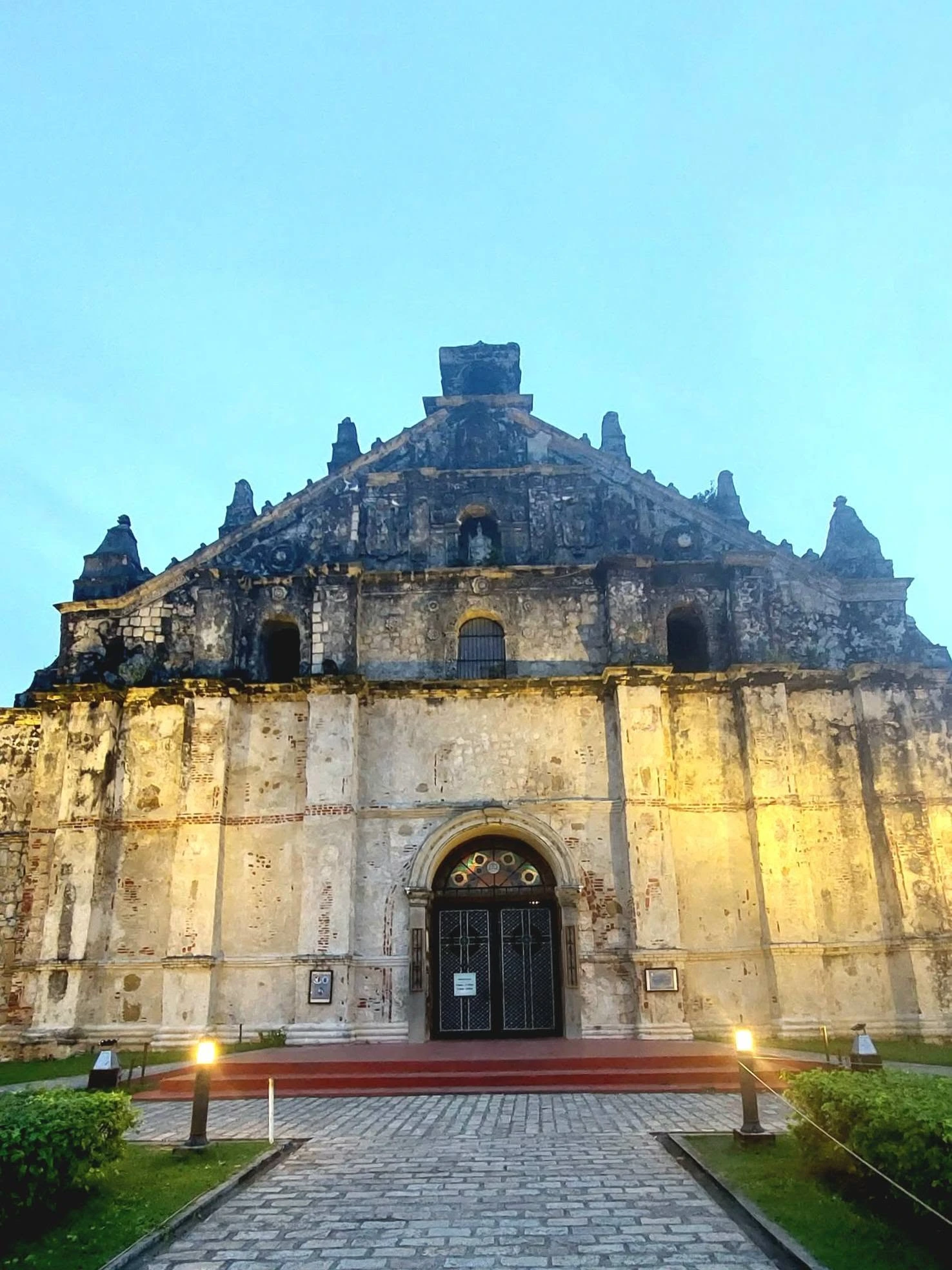
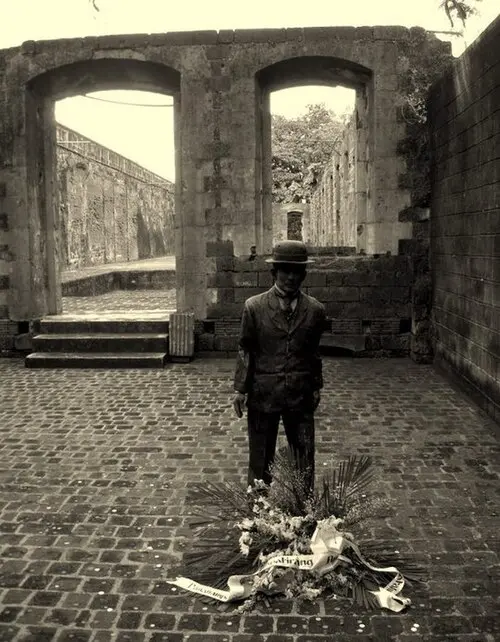
In the 19th century, educated Filipinos called ilustrados, including José Rizal, campaigned for reforms. The 1872 execution of three Filipino priests, known as GomBurZa, and Rizal’s novels Noli Me Tángere and El Filibusterismo fueled a growing national identity. See our guide to Dr. José Rizal.
The Philippine Revolution (1896–1898)
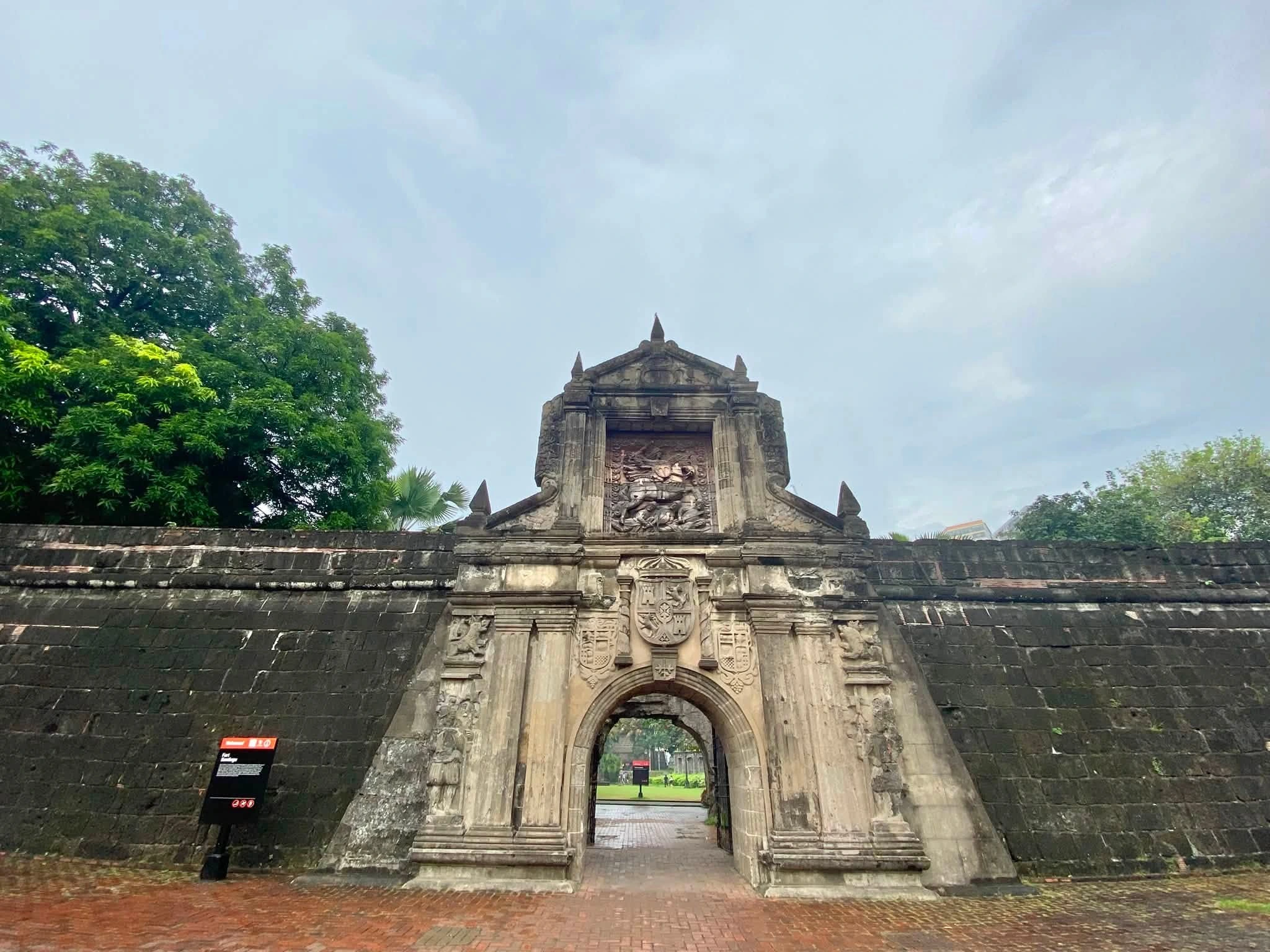
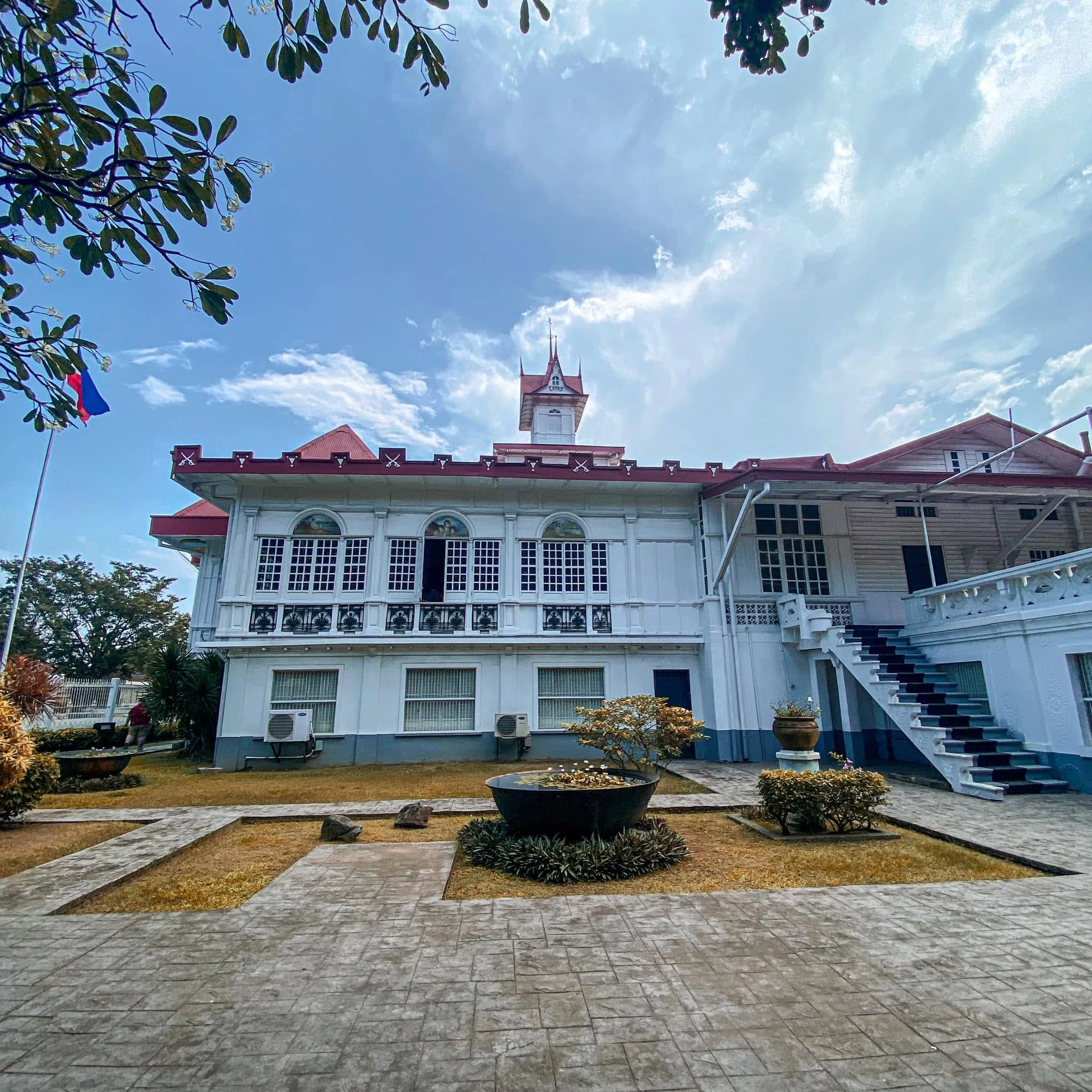
Andrés Bonifacio founded the secret society Katipunan in 1892, and the revolution against Spain broke out in August 1896. Rizal, though not part of the uprising, was executed in Manila on December 30, 1896. Leadership passed to Emilio Aguinaldo, who declared Philippine independence from his home in Kawit, Cavite, on June 12, 1898. In 1899, the First Philippine Republic was inaugurated in Malolos, often described as the first constitutional republic in Asia.
American period (1898–1946)
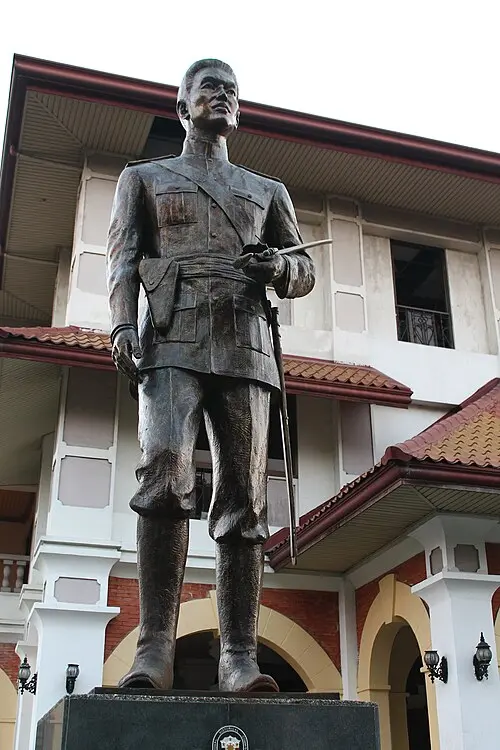
Under the Treaty of Paris in December 1898, Spain ceded the Philippines to the United States. Filipinos fought for their new republic in the Philippine–American War (1899–1902), at great human cost. The United States then built a public school system that spread English, along with roads, a civil service and elections. The Commonwealth was established in 1935 under President Manuel L. Quezon, as a 10-year transition to independence.
World War II and Japanese occupation (1941–1945)
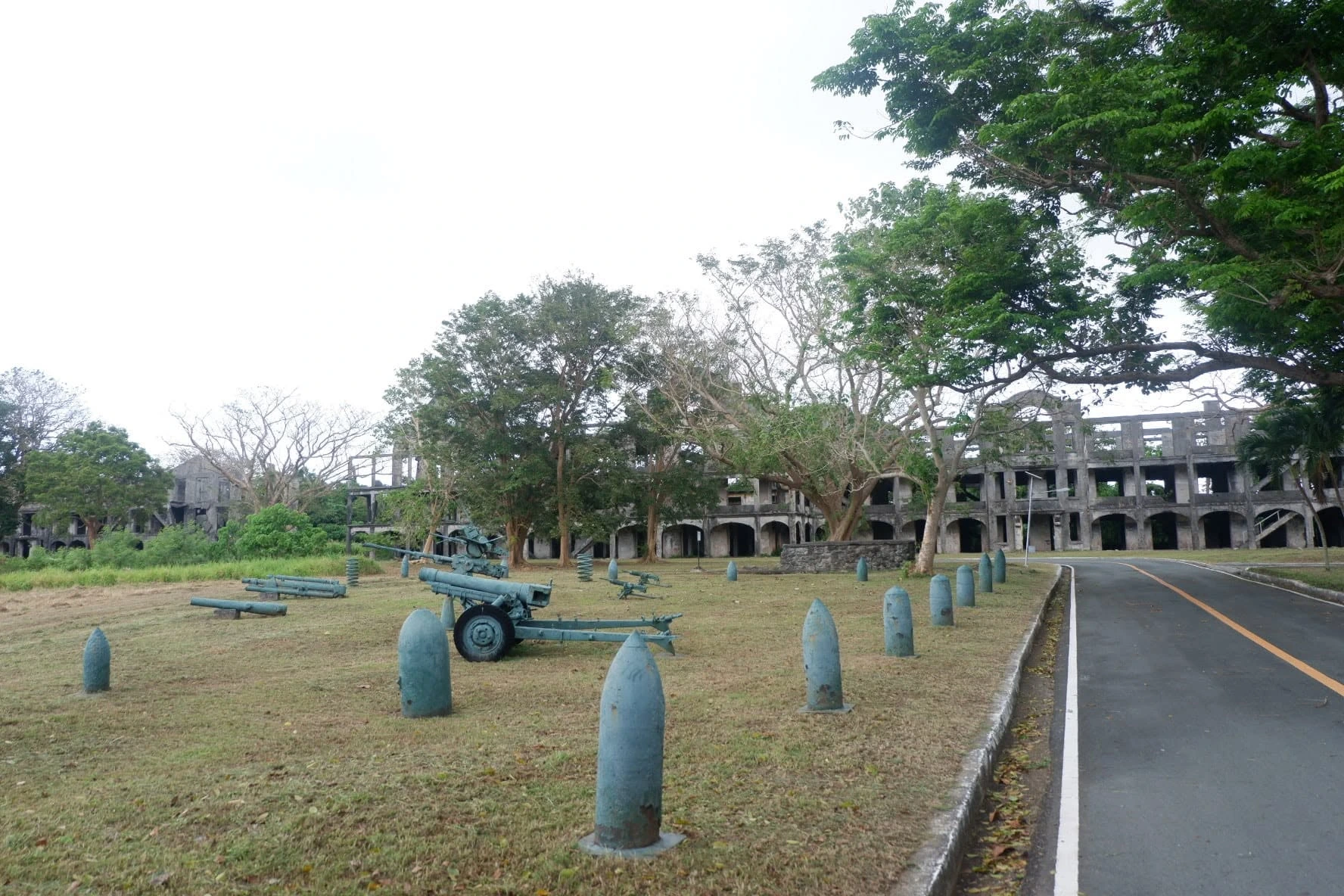
Japan invaded in December 1941. Filipino and American forces held out on Bataan and Corregidor until 1942, and thousands of prisoners died in the Bataan Death March. Guerrilla resistance continued throughout the occupation. General Douglas MacArthur’s forces landed in Leyte on October 20, 1944, and the Battle of Manila in 1945 left the capital in ruins. Japanese General Yamashita surrendered in Kiangan, Ifugao in September 1945.
Independence and the Third Republic (1946–1972)
The United States recognized Philippine independence on July 4, 1946, with Manuel Roxas as the first president of the new republic. The postwar years brought rebuilding, close ties with the United States and a series of elected presidents. In 1962, President Diosdado Macapagal moved Independence Day to June 12, the date of Aguinaldo’s 1898 declaration. See our guide to Philippine Independence Day.
Martial Law and People Power (1972–1986)
President Ferdinand Marcos, elected in 1965 and re-elected in 1969, declared Martial Law in September 1972. Congress was closed, the press was controlled, and thousands of people were detained, tortured or killed, which a 2013 law later formally recognized through a reparations program for victims. Martial Law was formally lifted in 1981, but Marcos kept broad powers.
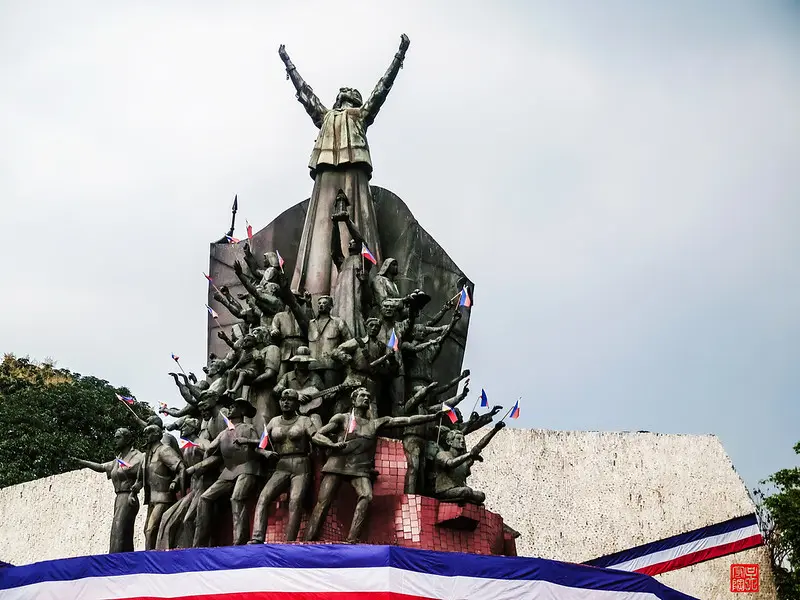
The assassination of opposition leader Benigno “Ninoy” Aquino Jr. in 1983 sparked mass protests. After a disputed snap election in February 1986, millions of Filipinos gathered on EDSA in the peaceful People Power Revolution. Marcos left for Hawaii, and Corazon Aquino became president.
The modern Philippines (1986–present)
The 1987 Constitution restored democratic institutions and limited presidents to a single six-year term. Major events since then include the 1991 eruption of Mount Pinatubo and the closure of US military bases, the 2001 EDSA II protests that removed President Joseph Estrada, Typhoon Haiyan in 2013, and a 2016 international arbitration ruling in the Philippines’ favor over the South China Sea.
Rodrigo Duterte served as president from 2016 to 2022, and his anti-drug campaign drew international scrutiny; in March 2025, he was arrested and handed over to the International Criminal Court, where his case is ongoing. Ferdinand Marcos Jr., son of the former president, won the 2022 election and is the current president. The next presidential election is scheduled for 2028.
Presidents of the Philippines
| # | President | Term |
|---|---|---|
| 1 | Emilio Aguinaldo | 1899–1901 |
| 2 | Manuel L. Quezon | 1935–1944 |
| 3 | José P. Laurel | 1943–1945 |
| 4 | Sergio Osmeña | 1944–1946 |
| 5 | Manuel Roxas | 1946–1948 |
| 6 | Elpidio Quirino | 1948–1953 |
| 7 | Ramon Magsaysay | 1953–1957 |
| 8 | Carlos P. Garcia | 1957–1961 |
| 9 | Diosdado Macapagal | 1961–1965 |
| 10 | Ferdinand Marcos | 1965–1986 |
| 11 | Corazon Aquino | 1986–1992 |
| 12 | Fidel V. Ramos | 1992–1998 |
| 13 | Joseph Estrada | 1998–2001 |
| 14 | Gloria Macapagal Arroyo | 2001–2010 |
| 15 | Benigno Aquino III | 2010–2016 |
| 16 | Rodrigo Duterte | 2016–2022 |
| 17 | Ferdinand Marcos Jr. | 2022–present |
José P. Laurel led the Japanese-sponsored Second Republic during the war, while Quezon and then Osmeña led the Commonwealth government in exile.
National heroes to know
- Lapu-Lapu: the Mactan chieftain who defeated Magellan in 1521, honored as the first Filipino hero.
- José Rizal: writer, doctor and reformer whose execution in 1896 inspired the revolution.
- Andrés Bonifacio: founder of the Katipunan and leader of the 1896 revolt.
- Emilio Aguinaldo: revolutionary general who declared independence in 1898.
- Apolinario Mabini: the “Brains of the Revolution,” adviser to Aguinaldo.
- Gabriela Silang: led the Ilocos revolt after her husband Diego’s death.
- Melchora Aquino (“Tandang Sora”): sheltered and fed Katipunan fighters.
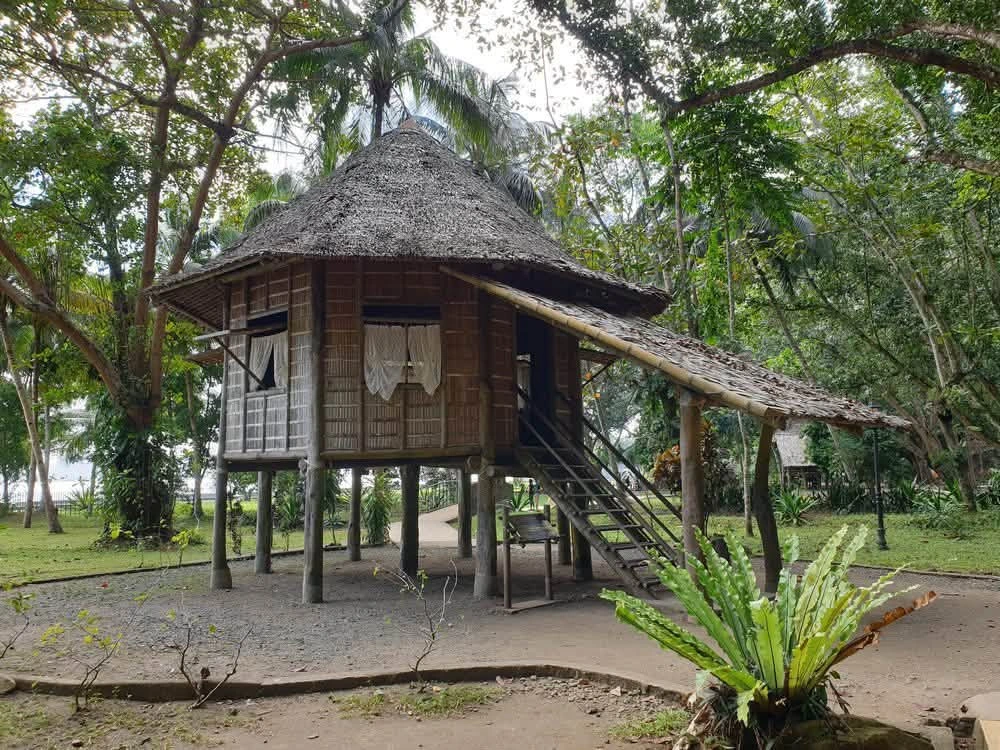
Where to see Philippine history
| Era | Where to go | Our guide |
|---|---|---|
| Pre-colonial | Ifugao rice terraces, Butuan balangay sites | Ifugao guide |
| 1521 and early Spanish | Magellan’s Cross, Fort San Pedro, Mactan Shrine (Cebu) | Cebu City museums |
| Spanish colonial | Intramuros, Vigan, the UNESCO Baroque Churches | Vigan guide |
| Revolution | Fort Santiago, Rizal Park, Aguinaldo Shrine, Barasoain Church | Historical sites guide |
| World War II | Corregidor, Mount Samat, MacArthur Landing Memorial | Historical sites guide |
Book a history tour
Guides bring the stories behind the stones to life. Klook bookings often include free cancellation.
History of the Philippines: FAQ
Who first colonized the Philippines?
Spain colonized the Philippines, starting with Miguel López de Legazpi’s settlement in Cebu in 1565. Magellan’s expedition had arrived earlier, in 1521, but Magellan was killed at the Battle of Mactan.
How long did Spain rule the Philippines?
Spain ruled the Philippines for about 333 years, from 1565 until 1898, when the Philippine Revolution and the Spanish–American War ended Spanish control.
When did the Philippines gain independence?
Emilio Aguinaldo declared independence from Spain on June 12, 1898. The United States recognized full independence on July 4, 1946. Since 1962, the Philippines has celebrated Independence Day on June 12.
Who was the first president of the Philippines?
Emilio Aguinaldo is recognized as the first president of the Philippines, leading the First Philippine Republic established in Malolos in 1899.
Why is the country called the Philippines?
The islands were named “Las Islas Filipinas” in 1543 by Spanish explorer Ruy López de Villalobos, after the future King Philip II of Spain.
What was the People Power Revolution?
The People Power Revolution was a largely peaceful mass protest on EDSA in Metro Manila in February 1986 that ended the rule of Ferdinand Marcos and brought Corazon Aquino to the presidency.
What was the Philippines like before colonization?
Before colonization, the islands were home to independent barangays led by datus, trading ports like Cebu, Maynila and Butuan, and the Muslim sultanates of Sulu and Maguindanao. People traded with China, the Malay world and beyond, and many wrote in Baybayin.
Who is the current president of the Philippines?
Ferdinand Marcos Jr. is the current president of the Philippines. He took office on June 30, 2022, for a single six-year term, and the next presidential election is scheduled for 2028.
Ready to walk through Philippine history? Start in Intramuros or Cebu, where it all began.
Cebu-born travel writer raised between Cebu and Dumaguete, now based in Zamboanga del Sur, Mindanao. Gio writes Best Philippines Travel Guide to help first-time visitors travel the islands with confidence.