
Quick Answer
Vigan is a UNESCO World Heritage Site in Ilocos Sur, famous for its intact Spanish colonial architecture along Calle Crisologo. Best visited November to April for cooler, drier weather, with 2-3 days ideal for exploring heritage sites, trying Vigan longganisa and empanada, and visiting nearby Mindoro Beach — a genuinely unusual black-sand beach colored by natural magnetite deposits.
Introduction
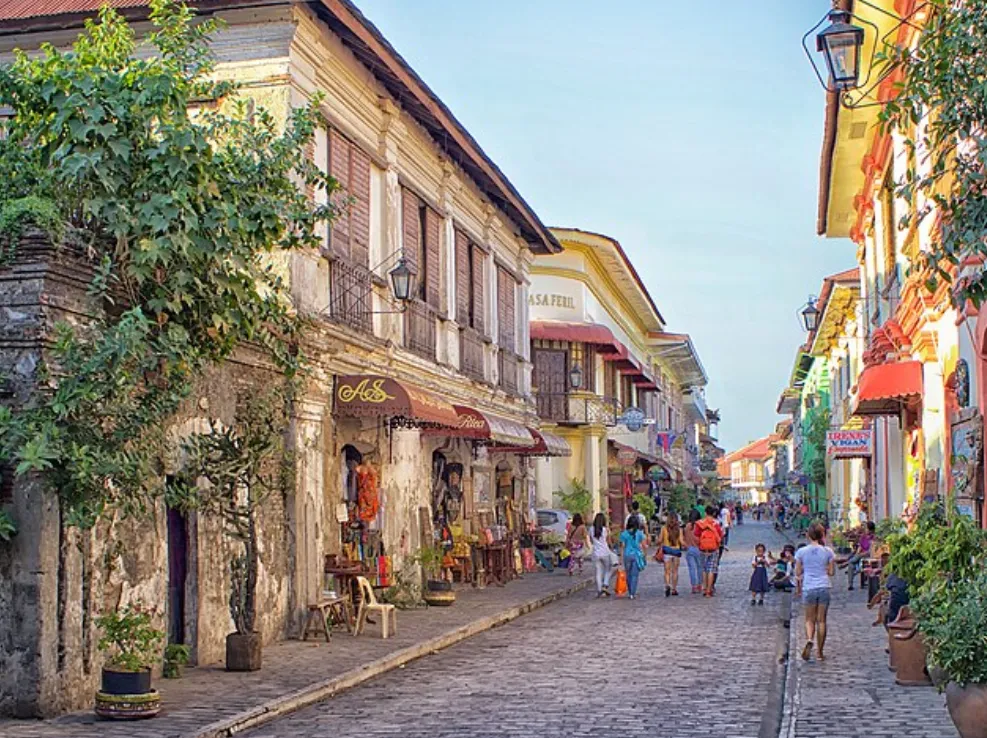
Vigan, Philippines, is a charming city that takes visitors back in time with its well-preserved Spanish colonial architecture, cobblestone streets, and rich cultural heritage. Recognized as a UNESCO World Heritage Site, Vigan is one of the few places in the Philippines where you can witness a harmonious blend of history and modernity. Whether you’re a history buff, a foodie, or a cultural explorer, Vigan has something to offer.
History of Vigan
Spanish Influence
Vigan’s history dates back to the 16th century when Spanish colonizers established it as a vital trading hub. The city became a melting pot of cultures, influenced by Chinese, Filipino, and Spanish traditions.
UNESCO World Heritage Site Recognition
In 1999, Vigan earned its UNESCO World Heritage status for being “an exceptionally intact and well-preserved example of a European trading town in East and Southeast Asia.” This recognition helped boost tourism and preservation efforts.
Why Visit Vigan?
Unique Colonial Architecture
Walking through Vigan feels like stepping into the past. The cobblestone streets, ancestral houses, and horse-drawn carriages (kalesas) add to its old-world charm.
Rich Cultural Heritage
Vigan is home to various museums, churches, and cultural sites that showcase the city’s Spanish-era influences and its role in shaping Philippine history.
Best Places to Visit in Vigan
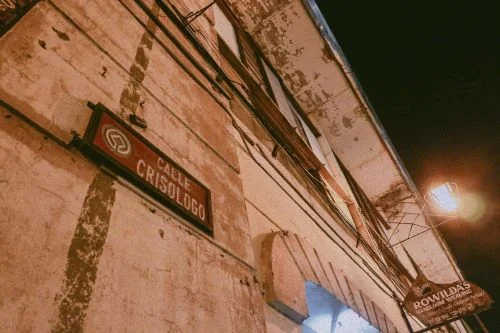
Calle Crisologo — this famous street is lined with heritage houses, antique shops, and souvenir stores. It’s the perfect spot for taking Instagram-worthy photos and immersing yourself in history.
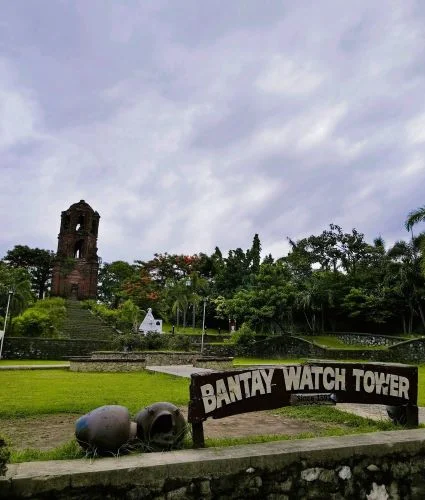
Bantay Bell Tower — located in Bantay, Ilocos Sur, this iconic bell tower offers a panoramic view of Vigan and its surrounding areas.
Syquia Mansion Museum — once the home of former Philippine President Elpidio Quirino, this mansion gives visitors a glimpse of elite Filipino life during the Spanish period.
Baluarte Zoo — owned by former Ilocos Sur Governor Chavit Singson, Baluarte Zoo is a family-friendly attraction featuring exotic animals and interactive exhibits.
St. Paul’s Cathedral — also known as the Vigan Cathedral, this historic church is a significant religious landmark in Ilocos Sur.
Book a Vigan City Tour
Vigan City & Juan Luna Full-Day Private City Tour — from $62.65, covering the heritage sites above in one guided day.
Vigan’s Unique Cuisine
Famous Dishes
- Vigan Longganisa — a garlicky, vinegar-infused local sausage.
- Empanada — a crispy pastry filled with ground meat, egg, and vegetables.
- Bagnet — a deep-fried pork belly dish similar to lechon kawali.
Must-Try Restaurants
- Cafe Leona — offers a fusion of Ilocano, Filipino, and Western dishes.
- Irene’s Empanada — the best place to try authentic Vigan empanadas.
Traditional Crafts and Souvenirs
Abel Weaving
Vigan’s traditional woven fabric, Abel Iloco, is known for its durability and intricate patterns.
Burnay Pottery
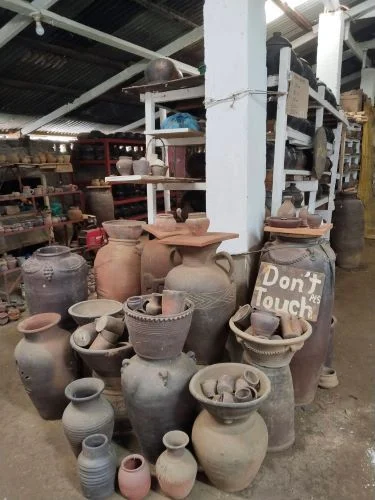
Pottery-making is a long-standing tradition in Vigan, where you can watch artisans create handmade clay jars (burnay).
Festivals in Vigan
Vigan City Fiesta — celebrated every January 25, this festival honors St. Paul the Apostle, the city’s patron saint.
Viva Vigan Binatbatan Festival of the Arts — held in May, this festival features street dancing, art exhibits, and cultural performances.
Best Time to Visit Vigan
The best months to visit Vigan are from November to April, when the weather is cooler and drier. Tourist crowds peak during festivals and summer vacations — if you prefer fewer crowds, visit during off-peak months.
How to Get to Vigan
By Land: Vigan is accessible via bus from Manila, with travel times ranging from 7-9 hours. By Air: the nearest airport is in Laoag City, about an hour and a half away from Vigan by car or bus.
Manila (Cubao) to Vigan/Laoag Bus Transfer — from $20.59, a straightforward way to book the overland route in advance.
Where to Stay in Vigan
Real, bookable options across budget ranges:
Paradores de Vigan — from $61.65/night.
La Casa Blanca de Vigan Hotel — from $75.29/night.
Grandpa’s Inn Vigan — from $30.59/night, a solid budget pick.
Happy Grey Hotel Vigan — from $16.65/night, the most budget-friendly option.
Travel Tips for First-Time Visitors
Transportation Tips: use kalesas or tricycles to explore the city conveniently. Budget Considerations: Vigan is budget-friendly, but bringing extra cash for souvenirs and local delicacies is recommended. Local Etiquette: respect local customs, dress modestly in religious sites, and be polite when interacting with locals.
Conclusion
Vigan is more than just a tourist destination; it’s a living museum of Philippine history and culture. With its preserved heritage sites, delicious cuisine, and warm hospitality, Vigan is a must-visit for anyone who wants to experience the best of the Philippines.
FAQs
What makes Vigan unique?
Vigan’s well-preserved Spanish-era architecture and cultural heritage make it a one-of-a-kind destination in the Philippines.
Is Vigan expensive to visit?
No, Vigan offers budget-friendly accommodations, food, and attractions, making it accessible to all travelers.
How many days should I spend in Vigan?
A two to three-day trip is ideal to explore the city’s major attractions and try its famous dishes.
Are there beaches near Vigan?
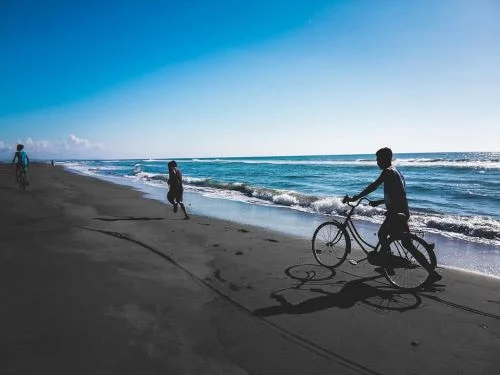
Yes — Mindoro Beach, right within Vigan City itself, is a genuinely unusual black-sand beach, with the dark color coming from natural magnetite (iron ore) deposits rather than pollution. Sta. Catalina Beach, a 10-15 minute drive away, is another good option with a quieter, less-developed shoreline.
Can I visit Vigan in one day?
While possible, a day trip may feel rushed. Staying overnight allows for a more relaxed experience.