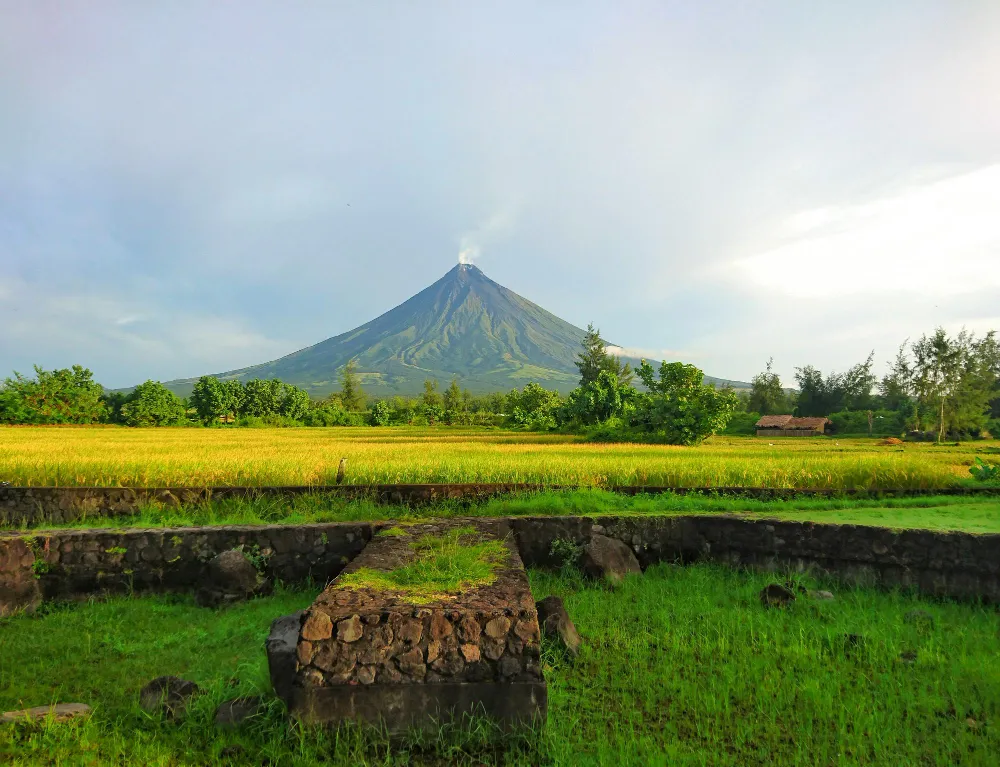
Mayon Volcano, the iconic natural wonder of the Philippines, is famous for its near-perfect conical shape. Located in Albay, Bicol Region, this active stratovolcano has mesmerized scientists, adventurers, and tourists alike. But beyond its breathtaking beauty lies a powerful and sometimes destructive force of nature.
Geographical Location of Mayon Volcano
Mayon Volcano stands majestically in the province of Albay on Luzon Island, Philippines. It is part of the Pacific Ring of Fire, a region notorious for frequent earthquakes and volcanic activity. The volcano’s prominence makes it a central landmark in the region.
The Unique Perfect Cone Shape
Unlike most volcanoes with irregular peaks, Mayon boasts a symmetrical cone that has remained almost intact for thousands of years. Its formation is due to the consistent flow of lava that hardens evenly over time, giving it its flawless structure.
Formation and Geological Background
Mayon Volcano was formed through subduction, where the Philippine Sea Plate is being pushed under the Eurasian Plate. This process creates magma, which rises to the surface, leading to volcanic eruptions. The continuous activity over centuries has shaped Mayon into what it is today.
Volcanic Activity and Eruptions
Historic Eruptions
Mayon is one of the most active volcanoes in the Philippines, with over 50 recorded eruptions. The most devastating eruption occurred in 1814, when it buried the town of Cagsawa in lava, leaving only the famous Cagsawa Ruins as a reminder of its wrath.
Recent Eruptions
The volcano continues to be active, with eruptions in 2018 and 2023 causing evacuations and widespread ashfall. Scientists closely monitor Mayon to predict future eruptions and minimize risks.
Impact on Surrounding Communities
Evacuations and Damage
Whenever Mayon erupts, thousands of residents are forced to evacuate. Lava flows, ashfall, and pyroclastic materials pose a danger to those living nearby.
Economic Effects
Eruptions disrupt local businesses, agriculture, and tourism. Farmers suffer losses, and the economy takes a hit due to evacuation and disaster response efforts.
Mayon Volcano as a Tourist Attraction
Despite its dangers, Mayon remains a top tourist destination. Visitors can enjoy the stunning views, thrilling activities, and cultural heritage surrounding the volcano.
Sightseeing and Photography
Mayon’s perfect cone shape makes it a favorite subject for photographers. The best viewpoints include Lignon Hill and Sumlang Lake.
Adventure Activities
Tourists can experience ATV rides on the lava trails, trekking to scenic spots, and even camping near designated safe zones.
Flora and Fauna Around Mayon Volcano
Mayon Volcano is home to diverse plant and animal species. Dense forests at its base provide habitat for endemic birds, mammals, and lush vegetation.
Myths and Legends of Mayon Volcano
Local folklore tells the tragic love story of Daragang Magayon and Panganoron, whose love ended in tragedy and is said to be reflected in the eruptions of Mayon.
Conservation and Protection Efforts
Authorities and environmental groups work to protect Mayon through reforestation, monitoring, and disaster preparedness programs.
Mayon Volcano Natural Park
The surrounding area is designated as a protected natural park, promoting eco-tourism and wildlife conservation while ensuring the safety of visitors.
Safety Measures for Visitors and Residents
Authorities impose exclusion zones to prevent accidents. Tourists must follow guidelines, and residents are encouraged to evacuate during alerts.
Scientific Studies and Monitoring
The Philippine Institute of Volcanology and Seismology (PHIVOLCS) closely monitors Mayon’s activity to predict eruptions and prevent disasters.
How to Visit Mayon Volcano
Travelers can reach Mayon via Legazpi City, where various tour packages offer guided trips to scenic viewpoints and adventure activities.
Conclusion
Mayon Volcano is a breathtaking yet powerful natural wonder. While it continues to pose risks, its beauty, cultural significance, and scientific importance make it one of the most fascinating places in the Philippines.
FAQs
1. Is Mayon Volcano active?
Yes, Mayon is one of the most active volcanoes in the Philippines, with frequent eruptions.
2. Can tourists climb Mayon Volcano?
Climbing is restricted due to safety concerns, but tourists can explore surrounding trails and viewpoints.
3. What is the best time to visit Mayon Volcano?
The best time is during the dry season (November to May) for clear views and safe travel conditions.
4. What precautions should visitors take when visiting Mayon?
Follow safety advisories, stay in designated safe zones, and be prepared for sudden volcanic activity.
5. What makes Mayon Volcano unique?
Its nearly perfect cone shape, frequent eruptions, and cultural significance make it stand out among the world’s volcanoes.
Giovanni Carlo P. Bagayas is a seasoned travel guide, passionate explorer, and proud cat lover from the Philippines. Born in Cebu City and raised between Cebu and Dumaguete City, he now resides in Labangan, Zamboanga del Sur — where he spends his days writing about the Philippines and tending to his thriving collection of koi fish, guppies, tilapia, and a crayfish farm.
With years of experience uncovering the hidden gems of his homeland, Giovanni has dedicated his career to showcasing the beauty, culture, and adventure that the Philippines has to offer. As the author of Best Philippines Travel Guide, he combines his expertise and love for travel to provide insightful tips, detailed itineraries, and captivating stories for travelers seeking unforgettable experiences in the Philippines.
When he’s not exploring a new destination or writing a guide, you’ll find Gio feeding his koi pond, caring for his cats, or checking on his fish farm. Giovanni’s mission is to inspire wanderlust and help visitors — and fellow Filipinos — discover the true essence of their vibrant country.
Vigan Philippines, is a charming city that takes visitors back in time with its well-preserved Spanish colonial architecture, cobblestone streets, and rich cultural heritage. Recognized as a UNESCO World Heritage Site, Vigan is one of the few places in the Philippines where you can witness a harmonious blend of history and modernity. Whether you’re a history buff, a foodie, or a cultural explorer, Vigan has something to offer.
History of Vigan
Spanish Influence
Vigan’s history dates back to the 16th century when Spanish colonizers established it as a vital trading hub. The city became a melting pot of cultures, influenced by Chinese, Filipino, and Spanish traditions.
UNESCO World Heritage Site Recognition
In 1999, Vigan earned its UNESCO World Heritage status for being “an exceptionally intact and well-preserved example of a European trading town in East and Southeast Asia.” This recognition helped boost tourism and preservation efforts.
Why Visit Vigan?
Unique Colonial Architecture
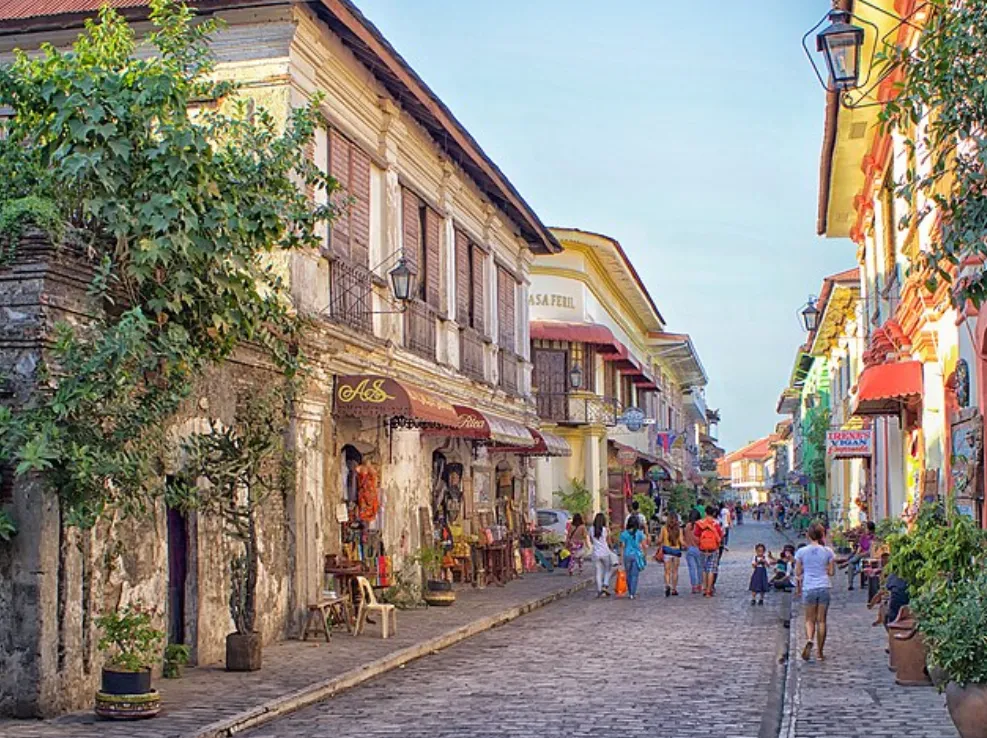
Walking through Vigan feels like stepping into the past. The cobblestone streets, ancestral houses, and horse-drawn carriages (kalesas) add to its old-world charm.
Rich Cultural Heritage
Vigan is home to various museums, churches, and cultural sites that showcase the city’s Spanish-era influences and its role in shaping Philippine history.
Best Places to Visit in Vigan vigan philippines
Calle Crisologo
This famous street is lined with heritage houses, antique shops, and souvenir stores. It’s the perfect spot for taking Instagram-worthy photos and immersing yourself in history.
Bantay Bell Tower
Located in Bantay, Ilocos Sur, this iconic bell tower offers a panoramic view of Vigan and its surrounding areas.
Syquia Mansion Museum
Once the home of former Philippine President Elpidio Quirino, this mansion gives visitors a glimpse of elite Filipino life during the Spanish period.
Baluarte Zoo
Owned by former Ilocos Sur Governor Chavit Singson, Baluarte Zoo is a family-friendly attraction featuring exotic animals and interactive exhibits.
St. Paul’s Cathedral
Also known as the Vigan Cathedral, this historic church is a significant religious landmark in Ilocos Sur.
Vigan’s Unique Cuisine vigan philippines
Famous Dishes
Vigan Longganisa – A garlicky, vinegar-infused local sausage.
Empanada – A crispy pastry filled with ground meat, egg, and vegetables.
Bagnet – A deep-fried pork belly dish similar to lechon kawali.
Must-Try Restaurants
Cafe Leona – Offers a fusion of Ilocano, Filipino, and Western dishes.
Irene’s Empanada – Best place to try authentic Vigan empanadas.
Traditional Crafts and Souvenirs vigan philippines
Abel Weaving
Vigan’s traditional woven fabric, Abel Iloco, is known for its durability and intricate patterns.
Burnay Pottery
Pottery-making is a long-standing tradition in Vigan, where you can watch artisans create handmade clay jars (burnay).
Festivals in Vigan
Vigan City Fiesta
Celebrated every January 25, this festival honors St. Paul the Apostle, the city’s patron saint.
Viva Vigan Binatbatan Festival of the Arts
Held in May, this festival features street dancing, art exhibits, and cultural performances.
Best Time to Visit Vigan
Weather Considerations
The best months to visit Vigan are from November to April when the weather is cooler and drier.
Peak and Off-Peak Seasons
Tourist crowds peak during festivals and summer vacations. If you prefer fewer crowds, visit during off-peak months.
How to Get to Vigan
By Land
Vigan is accessible via bus from Manila, with travel times ranging from 7-9 hours.
By Air
The nearest airport is in Laoag City, about an hour and a half away from Vigan by car or bus.
Where to Stay in Vigan
Hotels and Resorts
Hotel Luna
Vigan Plaza Hotel
Budget-Friendly Accommodations
Balai Mestizo
Ciudad Fernandina Hotel
Travel Tips for First-Time Visitors vigan philippines
Transportation Tips
Use kalesas or tricycles to explore the city conveniently.
Budget Considerations
Vigan is budget-friendly, but bringing extra cash for souvenirs and local delicacies is recommended.
Local Etiquette
Respect local customs, dress modestly in religious sites, and be polite when interacting with locals.
Conclusion vigan philippines
Vigan is more than just a tourist destination; it’s a living museum of Philippine history and culture. With its preserved heritage sites, delicious cuisine, and warm hospitality, Vigan is a must-visit for anyone who wants to experience the best of the Philippines.
FAQs vigan philippines
What makes Vigan unique? Vigan’s well-preserved Spanish-era architecture and cultural heritage make it a one-of-a-kind destination in the Philippines.
Is Vigan expensive to visit? No, Vigan offers budget-friendly accommodations, food, and attractions, making it accessible to all travelers.
How many days should I spend in Vigan? A two to three-day trip is ideal to explore the city’s major attractions and try its famous dishes.
Are there beaches near Vigan? Yes, Mindoro Beach and Sabangan Cove are just a short drive from the city.
Can I visit Vigan in one day? While possible, a day trip may feel rushed. Staying overnight allows for a more relaxed experience.
Giovanni Carlo P. Bagayas is a seasoned travel guide, passionate explorer, and proud cat lover from the Philippines. Born in Cebu City and raised between Cebu and Dumaguete City, he now resides in Labangan, Zamboanga del Sur — where he spends his days writing about the Philippines and tending to his thriving collection of koi fish, guppies, tilapia, and a crayfish farm.
With years of experience uncovering the hidden gems of his homeland, Giovanni has dedicated his career to showcasing the beauty, culture, and adventure that the Philippines has to offer. As the author of Best Philippines Travel Guide, he combines his expertise and love for travel to provide insightful tips, detailed itineraries, and captivating stories for travelers seeking unforgettable experiences in the Philippines.
When he’s not exploring a new destination or writing a guide, you’ll find Gio feeding his koi pond, caring for his cats, or checking on his fish farm. Giovanni’s mission is to inspire wanderlust and help visitors — and fellow Filipinos — discover the true essence of their vibrant country.
Baguio Philippines: The Summer Capital of the Philippines
Introduction baguio philippines
Baguio philippines, Nestled in the mountains of Benguet, Baguio City is a top travel destination known for its cool climate, scenic landscapes, and vibrant culture. Dubbed the “Summer Capital of the Philippines,” this city provides a refreshing escape from the tropical heat, making it a favorite getaway for locals and tourists alike.
How to Get to Baguio
By Bus
The most common way to reach Baguio from Manila is by bus. Several bus companies, including Victory Liner and Genesis, operate daily trips to Baguio, with travel time averaging 4-6 hours.
By Private Car
Driving to Baguio allows for more flexibility, and with the opening of the TPLEX (Tarlac-Pangasinan-La Union Expressway), the journey has become faster and more convenient.
Best Time to Visit Baguio
Baguio is enjoyable year-round, but the best time to visit is from November to May when the weather is cooler and drier. February is particularly popular due to the annual Panagbenga Festival, a month-long flower festival showcasing colorful parades and cultural performances.
This park offers breathtaking views of the mountains and valleys, plus a chance to dress in traditional Cordilleran attire for photos.
The Mansion
This grand presidential residence features elegant Spanish-style architecture and lush gardens.
Camp John Hay
A former American military base, now transformed into a recreational area with hotels, golf courses, and nature trails.
La Trinidad Strawberry Farm
Located just outside Baguio, this farm allows visitors to pick fresh strawberries straight from the fields.
Unique Food Experiences in Baguio
Good Shepherd Ube Jam
A famous delicacy known for its rich, creamy texture, available at the Good Shepherd Convent.
Strawberry Taho
A sweet, warm tofu-based snack infused with fresh strawberries, a must-try street food in Baguio.
Cafés and Restaurants to Try
Café by the Ruins – A charming café known for its rustic ambiance and local cuisine.
Arca’s Yard – Offers a homey atmosphere with stunning mountain views.
Cultural and Historical Sites in Baguio
Tam-awan Village
A reconstructed Cordilleran village that offers a glimpse into indigenous culture and traditions.
BenCab Museum
Home to contemporary and indigenous artworks by National Artist Benedicto Cabrera.
Shopping in Baguio
Night Market at Harrison Road
A bustling night market where visitors can find affordable clothes, accessories, and local crafts.
Souvenirs and Handicrafts
Head to Mines View Park for wood carvings, silver jewelry, and woven goods.
Where to Stay in Baguio
From luxury hotels to budget hostels, Baguio has a wide range of accommodations. Some top choices include:
The Manor at Camp John Hay – A high-end hotel with world-class amenities.
Microtel by Wyndham Baguio – A mid-range option with modern comforts.
Transient houses and homestays – Ideal for budget travelers and groups.
Travel Tips for Visiting Baguio
Pack warm clothes – The temperature can drop significantly, especially at night.
Use public transport – Jeepneys and taxis are affordable and convenient.
Try local delicacies – Don’t miss out on the fresh produce and unique treats!
Conclusion Baguio philippines
Baguio remains a timeless favorite for travelers seeking cool weather, beautiful scenery, and rich culture. Whether you’re visiting for relaxation, adventure, or food, this mountain city has something for everyone.
FAQsBaguio philippines
What makes Baguio different from other tourist destinations in the Philippines?
Its cool climate, pine tree-lined streets, and rich cultural heritage set it apart.
Is Baguio safe for tourists?
Yes, Baguio is considered one of the safest cities in the Philippines.
What should I wear when visiting Baguio?
Bring light jackets and sweaters, especially if visiting during the colder months.
Are there any entrance fees for the parks and attractions?
Some attractions have minimal fees, while others are free to enter.
Can I visit Baguio in one day?
Yes, but an overnight stay is recommended to fully enjoy its beauty.
Giovanni Carlo P. Bagayas is a seasoned travel guide, passionate explorer, and proud cat lover from the Philippines. Born in Cebu City and raised between Cebu and Dumaguete City, he now resides in Labangan, Zamboanga del Sur — where he spends his days writing about the Philippines and tending to his thriving collection of koi fish, guppies, tilapia, and a crayfish farm.
With years of experience uncovering the hidden gems of his homeland, Giovanni has dedicated his career to showcasing the beauty, culture, and adventure that the Philippines has to offer. As the author of Best Philippines Travel Guide, he combines his expertise and love for travel to provide insightful tips, detailed itineraries, and captivating stories for travelers seeking unforgettable experiences in the Philippines.
When he’s not exploring a new destination or writing a guide, you’ll find Gio feeding his koi pond, caring for his cats, or checking on his fish farm. Giovanni’s mission is to inspire wanderlust and help visitors — and fellow Filipinos — discover the true essence of their vibrant country.
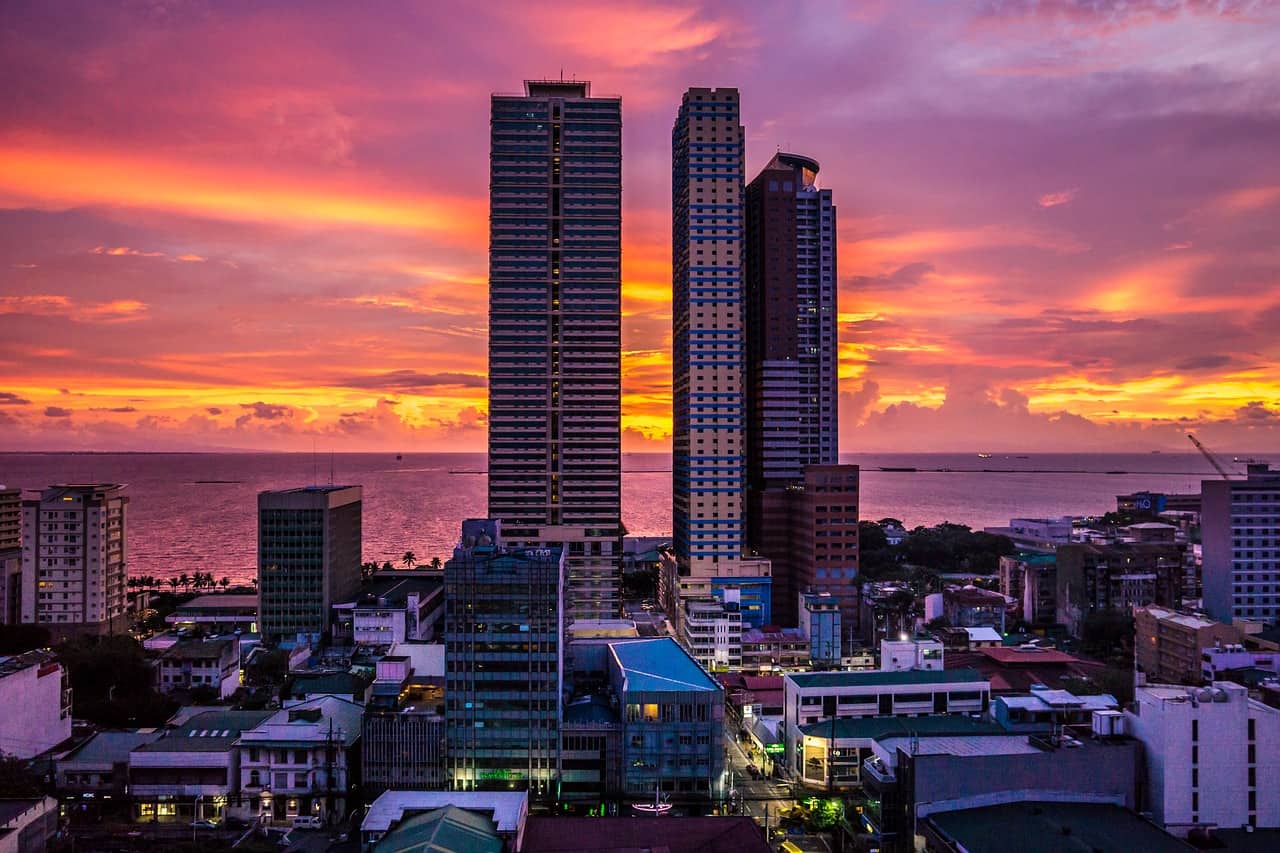
Manila Philippines, Manila, the capital city of the Philippines, is a vibrant metropolis filled with rich history, diverse culture, and endless entertainment. Known as the “Pearl of the Orient,” it is a bustling hub where the old meets the new, offering visitors a unique blend of colonial history and modern urban excitement. Whether you’re a history buff, a foodie, or an adventure seeker, Manila has something for everyone.
A Brief History of Manila
Manila’s history dates back to the 13th century when it was a small settlement by the Pasig River. It became a key trading post before the Spanish arrived in 1571, turning it into the center of colonial rule in the Philippines. The city has witnessed wars, revolutions, and dramatic transformations, shaping it into the diverse and resilient city it is today.
Geography and Climate
Located on the island of Luzon, Manila enjoys a tropical climate with hot and humid weather most of the year. The best time to visit is from November to February when the temperatures are cooler and the rains are minimal.
Top Attractions in Manila
Intramuros: The Walled City
Intramuros is the historic heart of Manila, featuring Spanish-era buildings, cobblestone streets, and iconic landmarks like Fort Santiago and San Agustin Church. A must-visit for history lovers.
Rizal Park: Honoring a National Hero
One of the largest urban parks in Asia, Rizal Park is dedicated to the Philippine national hero, Dr. Jose Rizal. It’s a great place for picnics, relaxation, and learning about Philippine history.
Manila Ocean Park: Fun for the Whole Family
A marine-themed park featuring ocean tunnels, interactive exhibits, and live animal encounters, perfect for families and marine life enthusiasts.
Binondo: The World’s Oldest Chinatown
Experience Chinese-Filipino culture and indulge in delicious authentic Chinese cuisine in the bustling streets of Binondo.
Cultural and Historical Landmarks Manila Philippines
San Agustin Church Photo source
San Agustin Church: A UNESCO Heritage Site
The oldest stone church in the Philippines, known for its stunning Baroque architecture.
Fort Santiago: A Historical Fortress
Fort Santiago: A Historical Fortress manila source
A historical citadel that played a significant role in Manila’s past, once used as a military stronghold.
National Museum Complex
Home to priceless artworks, historical artifacts, and cultural exhibits showcasing the country’s heritage.
Food and Dining in Manila
Manila’s food scene is a mix of traditional Filipino flavors and international cuisines. Must-try dishes include adobo, lechon, sinigang, and halo-halo. Don’t forget to explore the vibrant street food culture, with delicacies like isaw (grilled chicken intestines) and balut (fertilized duck egg).
Nightlife and Entertainment Manila Philippines
Manila comes alive at night with bustling bars, clubs, and karaoke lounges. Makati and Bonifacio Global City (BGC) are hotspots for nightlife, offering everything from rooftop bars to live music venues.
Where to Stay in Manila
From budget-friendly hostels to five-star luxury hotels, Manila offers a wide range of accommodations. Top picks include The Peninsula Manila, Okada Manila, and The Manila Hotel for a luxurious stay.
Conclusion Manila Philippines
Manila is a city that never fails to surprise. Whether you’re here for the history, the food, the culture, or just the sheer adventure, you’ll leave with unforgettable memories. With its mix of the past and the present, Manila is a must-visit destination in Southeast Asia.
FAQs Manila Philippines
1. What is the best time to visit Manila?
The best time to visit is between November and February when the weather is cooler and less humid.
2. Is Manila safe for tourists?
Generally, yes. However, it’s best to stay in well-lit areas, avoid showing valuables, and use official transportation services.
3. What currency is used in Manila?
The currency used is the Philippine Peso (PHP). Most establishments accept credit cards, but it’s good to have cash for small purchases.
4. How do I get around Manila?
You can use jeepneys, taxis, buses, or ride-hailing apps like Grab. The LRT and MRT are also options for avoiding traffic.
5. What is the local language spoken in Manila?
Filipino (Tagalog) is the main language, but English is widely spoken.
Giovanni Carlo P. Bagayas is a seasoned travel guide, passionate explorer, and proud cat lover from the Philippines. Born in Cebu City and raised between Cebu and Dumaguete City, he now resides in Labangan, Zamboanga del Sur — where he spends his days writing about the Philippines and tending to his thriving collection of koi fish, guppies, tilapia, and a crayfish farm.
With years of experience uncovering the hidden gems of his homeland, Giovanni has dedicated his career to showcasing the beauty, culture, and adventure that the Philippines has to offer. As the author of Best Philippines Travel Guide, he combines his expertise and love for travel to provide insightful tips, detailed itineraries, and captivating stories for travelers seeking unforgettable experiences in the Philippines.
When he’s not exploring a new destination or writing a guide, you’ll find Gio feeding his koi pond, caring for his cats, or checking on his fish farm. Giovanni’s mission is to inspire wanderlust and help visitors — and fellow Filipinos — discover the true essence of their vibrant country.
Introduction to the Ifugao Rice Terraces: A Timeless Heritage
Nestled in the rugged mountains of Ifugao, Philippines, the Ifugao Rice Terraces are not just awe-inspiring landscapes; they are living monuments to the ingenuity, culture, and resilience of the ancient Ifugao people. Carved over 2,000 years ago, these terraces are considered an extraordinary achievement of agricultural engineering and cultural heritage. Recognized as a UNESCO World Heritage Site, the Ifugao Rice Terraces offer a profound glimpse into an ancient way of life that continues to thrive despite modern challenges.
Often referred to as the “Eighth Wonder of the World,” the terraces stretch across five municipalities: Banaue, Mayoyao, Hungduan, Kiangan, and Nagacadan. These stunning terraces were built without the use of modern technology, relying instead on the skills, knowledge, and traditions passed down through countless generations. The Ifugao people crafted these terraces with tools made from wood, stone, and iron, developing an intricate irrigation system that channels water from mountain streams to sustain their crops.
The Dual Purpose of the Rice Terraces: Agriculture and Culture
The Ifugao Rice Terraces serve more than one purpose. On the one hand, they represent an exceptional solution to the challenge of cultivating rice in an otherwise mountainous, difficult-to-farm region. On the other hand, they are deeply ingrained in the cultural and spiritual life of the Ifugao people. These terraces are not mere fields—they are sacred spaces that embody a harmony between human labor and the natural world.
The terraces’ exceptional irrigation system, designed to capture and distribute water from the surrounding forested mountain slopes, showcases the remarkable ingenuity of the Ifugao. The terraces allow for rice cultivation on steep hillsides, utilizing every inch of available land and ensuring food security for the local communities. More than just a source of sustenance, rice farming in Ifugao is embedded in the local culture and spiritual practices, underscoring the deep connection between the land and its people.
Historical Significance: A Legacy of Ancient Engineering
The Ifugao Rice Terraces stand as a testament to ancient agricultural engineering. These terraces were constructed with meticulous care over centuries, reflecting an extraordinary understanding of the region’s geography, climate, and hydrology. Using only basic tools, the Ifugao people designed a sophisticated system of terracing, walls, and irrigation channels that continues to function effectively to this day.
Each terrace follows the natural contours of the land, ensuring that water flows efficiently to every level. The walls, constructed with a mixture of stone and mud, prevent soil erosion, which is crucial for maintaining the terraces’ fertility and structural integrity. This sustainable and efficient farming system has allowed the Ifugao Rice Terraces to withstand environmental challenges such as heavy rainfall, earthquakes, and landslides.
Historically, the terraces were more than just agricultural tools—they were central to the Ifugao community’s social and spiritual life. Villages worked together to construct and maintain the terraces, with the labor required for such large-scale agricultural operations becoming a unifying force. Rituals, festivals, and ceremonies related to rice cultivation were integral to the spiritual identity of the Ifugao people, marking key events in the agricultural cycle.
Cultural Heritage: Traditions that Thrive in the Terraces
The Ifugao Rice Terraces are a living museum, housing a wealth of cultural traditions that have been preserved through centuries. The terraces are an embodiment of the Ifugao people’s rich cultural practices, and they remain an active part of the community’s daily life. One of the most important cultural traditions linked to the terraces is the Hudhud chant, a UNESCO-recognized oral tradition. These epic chants, sung during significant agricultural events like sowing and harvesting, pass on the values, history, and wisdom of the Ifugao community to the next generation.
In addition to the Hudhud, the terraces are also closely tied to the Bakle ritual, performed to invoke the blessings of Bulul, the rice god. Wooden Bulul statues, which are placed in the fields, are believed to protect crops and ensure a prosperous harvest. These practices, which have been passed down through generations, reinforce the connection between agriculture and spirituality in Ifugao culture.
Another cultural tradition integral to the maintenance of the terraces is bayanihan, the practice of communal unity. During planting and harvesting seasons, the community comes together to work on the terraces, showcasing the spirit of cooperation that has long defined the Ifugao way of life. This collective effort ensures that the terraces are maintained and passed down to future generations.
Agricultural Practices: Sustainable Farming in a Challenging Landscape
The agricultural practices in the Ifugao Rice Terraces exemplify sustainability and resourcefulness. Despite the steep and rugged terrain, the Ifugao people have developed innovative methods of farming that are as environmentally sustainable as they are productive. The terraces are designed to maximize land usage, with each level carefully constructed to minimize erosion and maximize water distribution.
One of the most remarkable aspects of rice cultivation in the Ifugao Rice Terraces is the tiered planting method, which takes advantage of the mountain’s natural contours. The use of stone and mud retaining walls helps prevent soil erosion and supports the delicate ecosystem within the terraces. Water is sourced from the nearby mountain streams and directed into the terraces using an intricate network of canals and bamboo pipes. This natural irrigation system is gravity-fed, ensuring an even distribution of water across the fields, which is essential for rice growth.
Crop rotation is another important aspect of the agricultural system. By alternating between rice and other crops, such as vegetables, legumes, and tubers, the Ifugao farmers maintain soil fertility and reduce the risk of pest infestations. This crop diversity ensures the long-term sustainability of the terraces while providing a varied and healthy diet for the local population.
Architectural and Engineering Wonders: Terraces of Ingenious Design
The Ifugao Rice Terraces are not just agricultural fields—they are also architectural and engineering marvels. The terraces demonstrate the ingenuity of the Ifugao people, who used indigenous materials and traditional knowledge to craft a sophisticated farming system. The terraces are designed to withstand extreme weather conditions, such as heavy rain and earthquakes, while ensuring that the ecosystem remains balanced and sustainable.
The terraces are constructed with minimal tools, primarily using stone and mud to create retaining walls that hold the terraces in place. These walls are strategically designed to prevent soil erosion and maintain the integrity of the landscape. The Ifugao people’s deep understanding of the land’s natural contours and hydrology is evident in the way the terraces have been constructed to optimize water flow, soil retention, and crop cultivation.
The engineering brilliance of the Ifugao Rice Terraces goes beyond their agricultural function. These terraces have become a symbol of the harmony between humanity and nature, showcasing how traditional knowledge can create a balanced, sustainable system that supports both the environment and the community.
Challenges to the Terraces: Climate Change, Urbanization, and Preservation
Despite their enduring beauty and cultural significance, the Ifugao Rice Terraces face numerous challenges in the modern age. Climate change has disrupted traditional farming practices, altering rainfall patterns and increasing the frequency of extreme weather events. These changes threaten the delicate ecosystem of the terraces and make it harder for farmers to maintain their crops and the integrity of the terraces.
Urbanization poses another significant threat. As more people migrate to cities in search of economic opportunities, fewer young people are available to work on the terraces, leading to a decline in traditional farming knowledge and skills. This generational gap in agricultural expertise is compounded by the growing interest in modern education and careers outside of agriculture.
Preservation efforts have been initiated by local communities, government agencies, and international organizations. Local farmers are working to revive traditional farming techniques, while educational programs are being established to raise awareness about the cultural significance of the terraces. Efforts are also underway to promote eco-tourism as a means of supporting the local economy while encouraging the preservation of the terraces.
The Role of Tourism: Economic Growth and Cultural Preservation
Tourism has become an important economic driver for the region, providing jobs and income for local businesses. Visitors from around the world come to experience the beauty and history of the Ifugao Rice Terraces, contributing to the local economy through the purchase of goods and services, such as guided tours, accommodations, and souvenirs.
However, tourism also presents challenges. Increased foot traffic can lead to soil erosion, damage to irrigation systems, and strain on local resources. There is also the risk of cultural degradation, as traditions may be altered or commercialized to cater to tourist expectations.
To mitigate these issues, it is essential to promote responsible tourism practices. Tourists should be encouraged to respect local customs, support sustainable businesses, and minimize their environmental impact. By working together, local authorities, tour operators, and the community can ensure that tourism remains a force for positive change while preserving the integrity of the Ifugao Rice Terraces for future generations.
Conclusion: Safeguarding the Legacy of the Ifugao Rice Terraces
The Ifugao Rice Terraces are more than just agricultural marvels—they are a living testament to human ingenuity, cultural heritage, and environmental stewardship. Their history, architectural brilliance, and sustainable agricultural practices offer valuable lessons in harmony with nature and the importance of preserving traditional knowledge.
Looking ahead, the future of the Ifugao Rice Terraces depends on continued preservation efforts and a collective commitment to sustainability. Through initiatives aimed at promoting eco-tourism, educating the younger generation, and supporting traditional farming, we can ensure that this extraordinary cultural landmark remains intact for future generations. By protecting the Ifugao Rice Terraces, we preserve not only a remarkable heritage but also the wisdom and practices that can guide humanity toward a more sustainable future.
FAQs about the Ifugao Rice Terraces
1. What are the Ifugao Rice Terraces?
The Ifugao Rice Terraces are a network of ancient terraced fields located in the mountainous region of Ifugao in the Philippines. These terraces, often called the “Eighth Wonder of the World,” were carved into the mountainsides more than 2,000 years ago by the Ifugao people, showcasing exceptional engineering skills and a deep understanding of sustainable farming practices.
2. Why are the Ifugao Rice Terraces significant?
The Ifugao Rice Terraces are historically, culturally, and environmentally significant. As a UNESCO World Heritage Site, they are considered an outstanding example of ancient agricultural engineering, blending nature and culture. These terraces have not only sustained the Ifugao community for centuries but also symbolize the harmonious relationship between humans and their environment.
3. How were the Ifugao Rice Terraces built?
The terraces were built using primitive tools made from stone, wood, and iron. Over generations, the Ifugao people meticulously carved these terraces into the mountainsides, utilizing natural contours of the land to prevent soil erosion. They also constructed an intricate irrigation system to channel water from mountain streams to ensure consistent rice cultivation. This sophisticated system demonstrates an advanced understanding of hydrology and sustainable farming techniques.
4. Are the Ifugao Rice Terraces still used today?
Yes, the Ifugao Rice Terraces continue to be used for rice cultivation. While modern technology has influenced farming practices, traditional methods of rice farming are still practiced by many Ifugao farmers. These terraces are a vital part of the local economy, providing food security for the community and contributing to their cultural heritage.
5. What makes the Ifugao Rice Terraces a UNESCO World Heritage Site?
The Ifugao Rice Terraces were inscribed as a UNESCO World Heritage Site in 1995 due to their cultural and historical significance. The terraces are considered a living cultural landscape, representing the ingenious agricultural practices of the Ifugao people. They are also a testament to sustainable land management and the resilience of the Ifugao community in maintaining these structures for over two millennia.
6. What are the key challenges facing the Ifugao Rice Terraces?
The Ifugao Rice Terraces face several challenges, including the effects of climate change, such as erratic weather patterns and extreme rainfall. Urbanization and the migration of younger generations away from farming also pose threats to the preservation of these terraces. Additionally, environmental degradation due to tourism and overuse of the land can lead to soil erosion and damage to the terraces.
7. How is tourism impacting the Ifugao Rice Terraces?
Tourism has both positive and negative effects on the Ifugao Rice Terraces. On the positive side, it brings economic benefits to the local community by providing income through tourism-related businesses such as hotels, guided tours, and local crafts. However, tourism also brings challenges, such as soil erosion from increased foot traffic, environmental damage, and cultural commercialization. Responsible tourism practices are essential to minimizing these impacts and preserving the terraces for future generations.
8. What preservation efforts are being made to protect the Ifugao Rice Terraces?
To protect the Ifugao Rice Terraces, various preservation efforts have been implemented. Local communities, government agencies, and international organizations have worked together to promote sustainable farming practices, support eco-tourism, and educate the public about the cultural and environmental value of the terraces. Programs focusing on climate-resilient farming techniques, youth involvement in terrace maintenance, and financial assistance for farmers are also underway to ensure the long-term survival of the terraces.
9. How can I visit the Ifugao Rice Terraces?
The Ifugao Rice Terraces are located in the northern region of the Philippines, easily accessible by road from major cities such as Manila or Baguio. Visitors can reach the terraces via public transportation or private tours, and there are various points of interest within the area, such as the Banaue, Mayoyao, and Hungduan rice terraces. It’s important to respect local customs and practices during your visit to help preserve the cultural heritage of the region.
10. What cultural traditions are associated with the Ifugao Rice Terraces?
The Ifugao Rice Terraces are deeply embedded in the cultural and spiritual life of the Ifugao people. Among the significant traditions is the Hudhud chant, an epic oral tradition recognized by UNESCO, performed during the sowing and harvest seasons. The terraces are also the site of rituals like the Bakle, where offerings are made to the rice god, Bulul, for a bountiful harvest. Additionally, the Gotad ad Ifugao festival is held to celebrate the harvest, showcasing traditional dances, music, and feasts.
11. What is the future outlook for the Ifugao Rice Terraces?
The future of the Ifugao Rice Terraces depends on continued efforts to preserve and promote sustainable practices, engage the younger generation, and combat environmental challenges. By supporting local farming traditions and responsible tourism, the terraces can continue to thrive and serve as a beacon of sustainable agriculture and cultural pride. Collaboration between the local community, government, and international organizations will be essential in safeguarding this invaluable heritage for future generations.
Giovanni Carlo P. Bagayas is a seasoned travel guide, passionate explorer, and proud cat lover from the Philippines. Born in Cebu City and raised between Cebu and Dumaguete City, he now resides in Labangan, Zamboanga del Sur — where he spends his days writing about the Philippines and tending to his thriving collection of koi fish, guppies, tilapia, and a crayfish farm.
With years of experience uncovering the hidden gems of his homeland, Giovanni has dedicated his career to showcasing the beauty, culture, and adventure that the Philippines has to offer. As the author of Best Philippines Travel Guide, he combines his expertise and love for travel to provide insightful tips, detailed itineraries, and captivating stories for travelers seeking unforgettable experiences in the Philippines.
When he’s not exploring a new destination or writing a guide, you’ll find Gio feeding his koi pond, caring for his cats, or checking on his fish farm. Giovanni’s mission is to inspire wanderlust and help visitors — and fellow Filipinos — discover the true essence of their vibrant country.