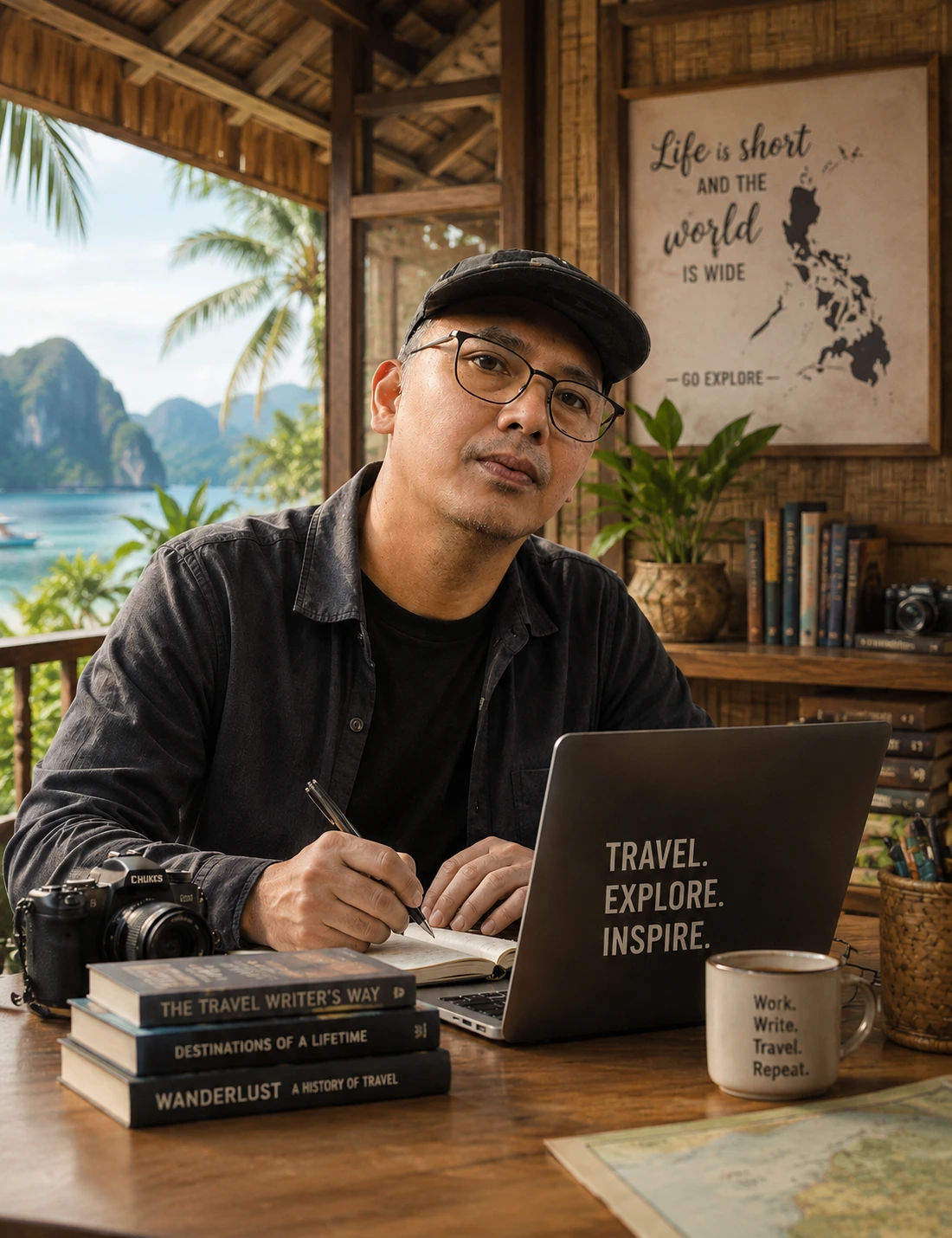
Quick Answer
Budget travel in the Philippines is genuinely achievable on ₱1,500–₱3,000 ($30-$60) a day, covering hostels (₱300-₱800/night), jeepneys and tricycles for local transport, and affordable island-hopping tours. Beyond accommodation and transport, factor in a tourist SIM/eSIM (around ₱1,750 for 80GB/30 days) and ATM fees (roughly ₱250 per foreign card withdrawal) — two costs most budget guides forget to mention.
Introduction to Budget Travel in the Philippines
The Philippines, an archipelago of over 7,000 islands, is renowned for its breathtaking landscapes, pristine beaches, and vibrant culture. It’s a dream destination for many travelers, but the perception of high costs can deter budget-minded adventurers. Fear not — with the right strategies, you can explore the beauty of the Philippines without breaking the bank.
Affordable Accommodations
Hostels and Guesthouses
Hostels and guesthouses are popular among backpackers and budget travelers, often featuring communal areas where you can meet other travelers. Dormitory beds average ₱300-₱800 ($6-$15) per night, depending on location and amenities. Recommended options include Mad Monkey Hostel in Cebu (a vibrant social scene) and The Circle Hostel in La Union (laid-back, surf culture). Guesthouses often provide private rooms at reasonable rates — a solid option for couples or small groups.
Home Stays and Local Rentals
Home stays let you experience Filipino culture while saving money, with many locals offering rooms via Airbnb or Couchsurfing. Rates can start as low as ₱500 ($10) per night, sometimes including a home-cooked meal. Look for hosts with good reviews — these stays support local families and give real insight into daily Filipino life.
Camping Options
For adventurous travelers, camping is a thrilling, low-cost way to experience the Philippines’ natural beauty. Many beaches and national parks allow camping for a nominal fee — Anawangin Cove in Zambales and the Calaguas Islands in Camarines Norte are popular spots. Ensure you have proper gear and check local regulations before heading out.
Staying Connected and Managing Money
Two costs that catch many budget travelers off guard, since they’re rarely covered in trip-planning guides:
SIM cards and data: Globe, Smart, and DITO all offer tourist SIM/eSIM plans. Globe’s Traveler eSIM (₱1,750 for 80GB, 30 days, with unlimited local calls and texts) is currently the most reliably available tourist option — Smart’s comparable tourist eSIM has had stock issues, so it’s worth checking availability before counting on it. SIMs are sold at airports (at a markup) or more cheaply at phone shops and convenience stores in city centers.
ATMs and cash: Expect a foreign-card withdrawal fee of roughly ₱250 at most major Philippine banks (BDO, Security Bank), plus whatever fee your home bank charges on top. Cash is essential outside Metro Manila, Cebu, and Boracay — jeepneys, tricycles, markets, and many small eateries don’t accept cards at all, so budget accordingly and don’t rely on finding an ATM everywhere.
Local Transportation Tips
Getting Around by Jeepney
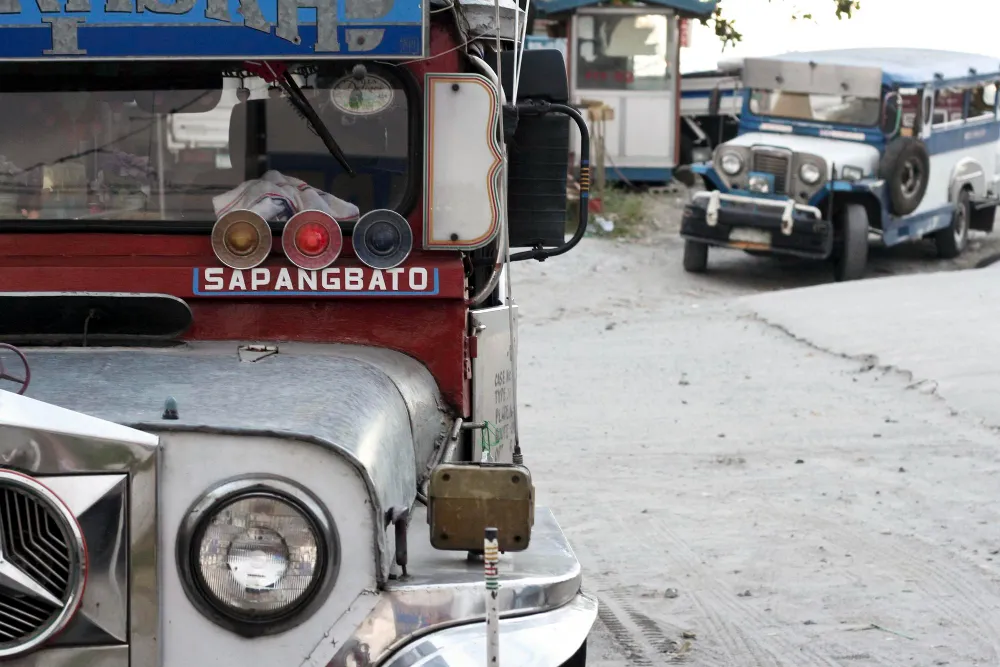
Jeepneys are the iconic mode of transport in the Philippines, with fares typically ₱8-₱20 ($0.15-$0.40) per ride. Riding one not only saves money but offers a genuine slice of local culture — just be prepared for a squeeze during peak hours. Learning a few basic Tagalog phrases helps with navigating routes.
Using Tricycles and Motorbikes
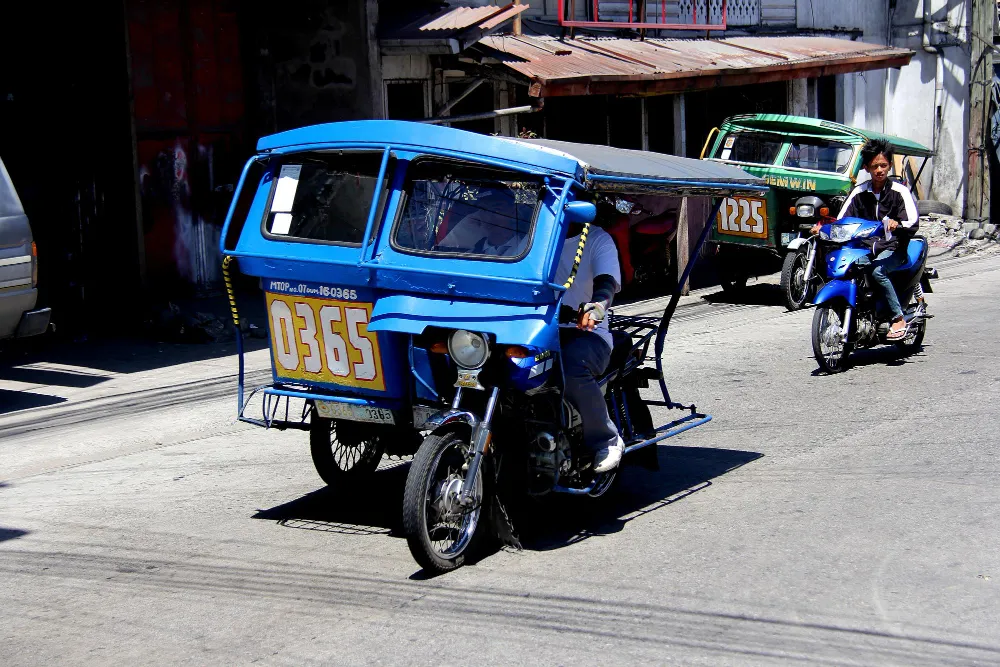
Tricycles (motorbikes with a sidecar) are common, especially in rural areas, with fares starting around ₱10 — agree on the price before starting your journey. Renting a motorbike yourself runs ₱300-₱600 ($6-$12) per day, giving you more freedom to explore off the beaten path. Wear a helmet and follow local traffic rules.
Ferries and Boats for Island Hopping
Local operators offer island-hopping boat tours ranging ₱1,000-₱3,000 ($20-$60), depending on the number of islands and tour duration. For independent travel, public ferries connect major islands affordably — the Cebu to Bohol ferry costs around ₱600 ($12) and takes about two hours. Book ahead during peak season, since seats fill up quickly.
Book These Activities Directly (Budget-Friendly Picks)
El Nido Tour A: Lagoons & Islands — from $15.15, covers the hidden lagoons mentioned above.
Bohol Countryside Tour — from $36.15, a natural add-on to the Cebu–Bohol ferry route above.
Boracay Crystal Kayak Experience — from $4.30, a genuinely cheap add-on if you’re already at White Beach.
Oslob Whale Shark Watching — from $57.95, pricier but one of the most sought-after single-day experiences in the country.
Budget-Friendly Activities
Free Beaches and Natural Wonders
Many of the Philippines’ stunning beaches and natural landmarks are free to access. White Beach in Boracay is a must-visit — lounging or swimming costs nothing, though sunbeds and amenities are extra. El Nido’s beaches offer free hikes to hidden lagoons and snorkeling in coral gardens. Hiking trails at Mount Pulag or Mount Apo offer breathtaking views for little more than a park entrance fee.
Local Markets and Street Food Tours
Exploring local markets is a free, delightful way to experience Filipino culture. Salcedo Saturday Market in Makati and the Davao Night Market both offer fresh produce, handmade crafts, and street food from as little as ₱20 ($0.40) per item — dishes like fish balls, sisig, and halo-halo are must-tries, and eating where locals eat saves money while delivering the most authentic flavors.
Cultural Experiences and Festivals
Many festivals throughout the year are free to attend, showcasing traditional dances, music, and food — the Sinulog Festival in Cebu and Ati-Atihan Festival in Kalibo are among the most famous. Cultural sites like churches, museums, and heritage areas often have affordable entrance fees, and Manila’s Intramuros district is free to explore entirely — an excellent option for history buffs on a budget.
Conclusion: Enjoying the Philippines on a Budget
Traveling in the Philippines on a budget is not only possible but can lead to enriching experiences often missed by those opting for more luxurious travel. From affordable accommodations and local transport to budget-friendly activities — and now accounting for SIM/data and ATM realities too — the key lies in planning and embracing the local culture.
Frequently Asked Questions
What is the best time to travel to the Philippines on a budget?
The shoulder seasons — generally January to March and June to October — offer lower flight and accommodation prices and fewer crowds.
Is it safe to travel around the Philippines as a budget traveler?
Yes, generally. Exercise common sense, avoid poorly lit areas at night, and stay informed about local conditions.
How much should I budget for a day in the Philippines?
₱1,500 to ₱3,000 ($30-$60) is generally sufficient for budget accommodations, meals, transport, and attractions, though this varies with personal travel style.
Are there any discounts available for students or seniors?
Many attractions and transport services offer discounts for students, seniors, and children — carry identification to avail of these when possible.
Do I need a local SIM card, and how much are ATM fees?
A tourist SIM or eSIM (around ₱1,750 for 80GB/30 days from Globe) is worth getting for navigation and staying connected. Budget roughly ₱250 per ATM withdrawal in fees, plus your home bank’s own charges, and carry cash for jeepneys, tricycles, and markets outside major cities.