
Quick Answer
Filipino street food is best experienced at night markets and public markets rather than random roadside carts — Salcedo Weekend Market and Divisoria in Manila, Carbon Market in Cebu, and Baguio’s Night Market are reliable, well-established places to try balut, isaw, kwek-kwek, and taho for typically ₱20–₱100 per item. Choose busy stalls with high turnover for both flavor and food safety.
Introduction to Filipino Street Food
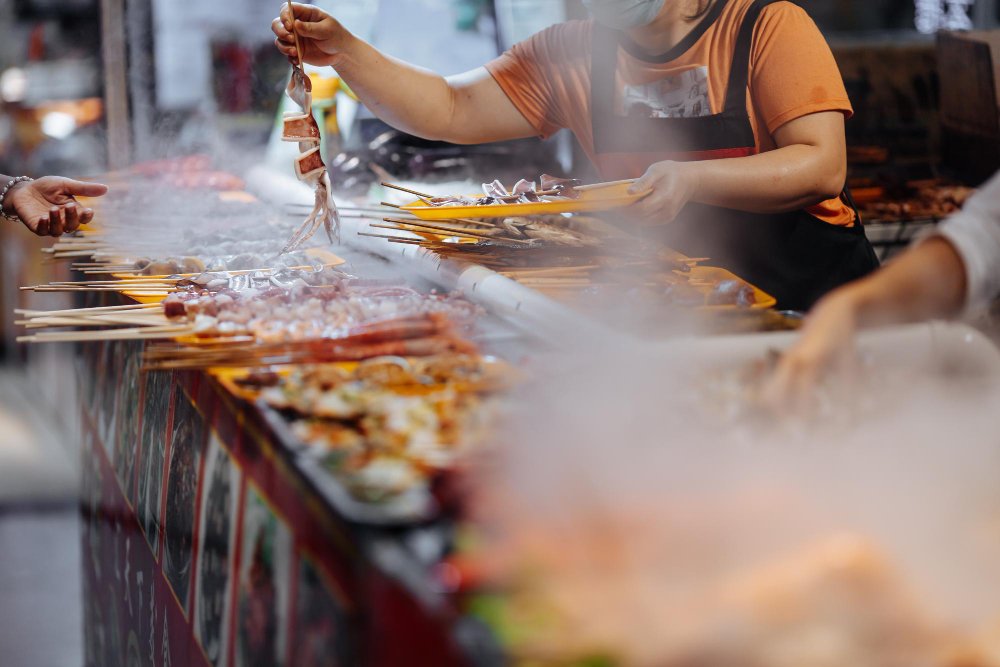
Filipino street food is a vibrant tapestry of flavors, colors, and aromas that capture the essence of the Philippines’ rich cultural heritage. This culinary phenomenon offers a unique window into the everyday lives of Filipinos, transcending mere sustenance to become a communal experience deeply embedded in the social fabric of the nation.
The roots of Filipino street food are intertwined with the country’s history, reflecting a confluence of indigenous traditions and external influences. Spanish colonization introduced new ingredients and cooking techniques, while American occupation left its mark with the introduction of fast food culture. Chinese and Malay traders contributed further to the diverse culinary landscape, resulting in the wide array of street food offerings enjoyed today.
Street food in the Philippines is not just about eating; it’s a social affair. Vendors set up stalls in bustling markets, busy streets, and neighborhood corners, creating vibrant hubs where people from all walks of life converge — making Filipino street food a genuinely democratic culinary experience.
Where to Actually Try It: Markets by City
Cultural context aside, here’s the practical part most guides skip — real, currently operating markets worth building a food crawl around:
- Manila — Salcedo Weekend Market (Jaime C. Velasquez Park, Salcedo Village, Makati, Saturdays only): a well-established, foodie-friendly market mixing Filipino street classics with international options — a good, approachable starting point.
- Manila — Divisoria / Quinta Market: for a rawer, more traditional palengke (wet market) experience with genuinely local prices — expect crowds, haggling, and no-frills authenticity.
- Manila — Dampa Seaside Market (Macapagal Blvd, Pasay): the go-to for fresh seafood cooked to order, alongside street food staples.
- Cebu — Carbon Market: Cebu’s oldest and largest public market, known for lechon-adjacent dishes and genuinely fresh produce, without the tourist markup.
- Baguio — Baguio Night Market (Harrison Road): a cold-weather street food scene worth bundling with thrift shopping, since both happen in the same stretch.
- Davao — Roxas Night Market: Davao’s main night market strip, strong for grilled street food and local specialties.
One note worth flagging: Mercato Centrale’s original Bonifacio Global City (BGC) location has permanently closed — if you see it recommended elsewhere as a current BGC destination, that’s outdated. Its food-market concept has continued at other Metro Manila locations (including Ortigas), so search for its current address before planning a visit around it specifically.
Popular Filipino Street Foods: A Culinary Tour
Among the most iconic street food items is balut, a fertilized duck egg that’s boiled and eaten directly from the shell, typically with a pinch of salt or a splash of vinegar. The texture is a mix of tender yolk and developed duck embryo — a genuinely adventurous bite for first-timers, and a rite of passage many visitors seek out specifically.
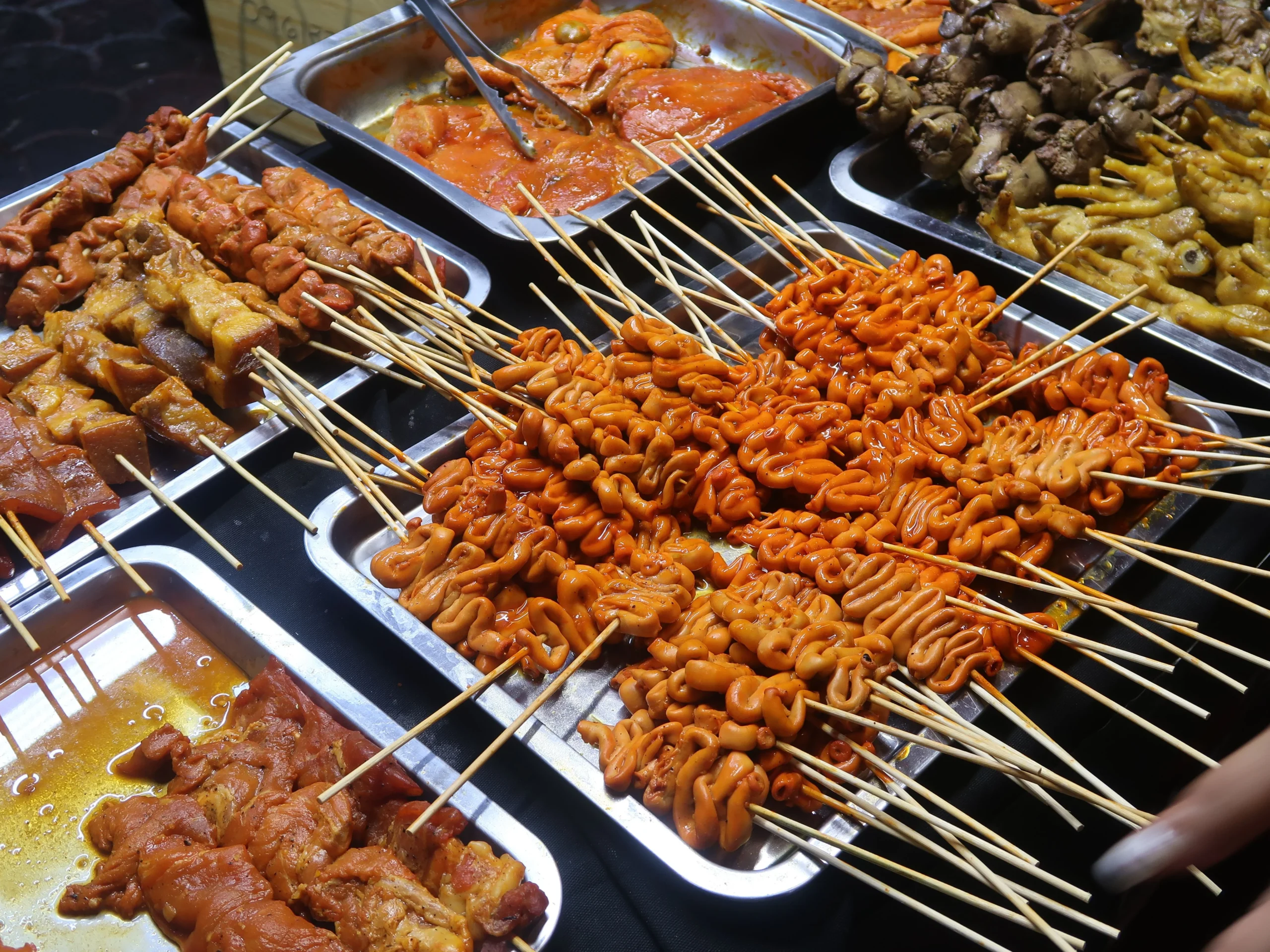
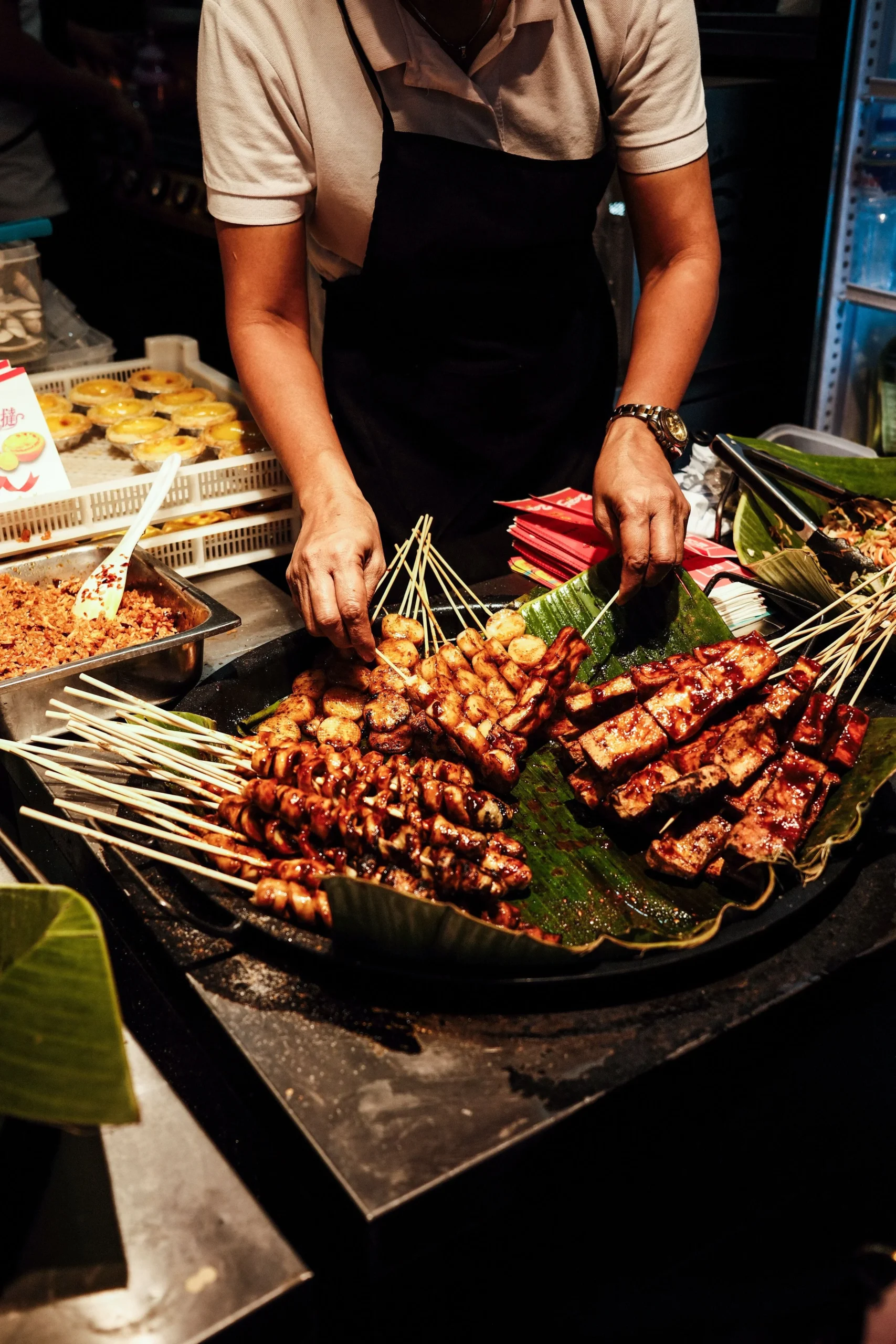
Isaw consists of grilled chicken or pork intestines, meticulously cleaned, marinated in soy sauce, vinegar, and spices, then skewered and grilled to a smoky, chewy finish — usually served with a vinegar-chili-garlic dip.
Kwek-kwek features quail eggs coated in an orange-tinted batter and deep-fried until crispy, paired with a tangy, spicy vinegar dip — a crowd favorite especially among younger Filipinos.
No exploration would be complete without taho — silken tofu, arnibal (caramelized sugar syrup), and sago pearls, served warm. The contrast of textures makes it a beloved everyday treat, often sold by vendors walking neighborhood streets with the classic “Tahoooo!” call.
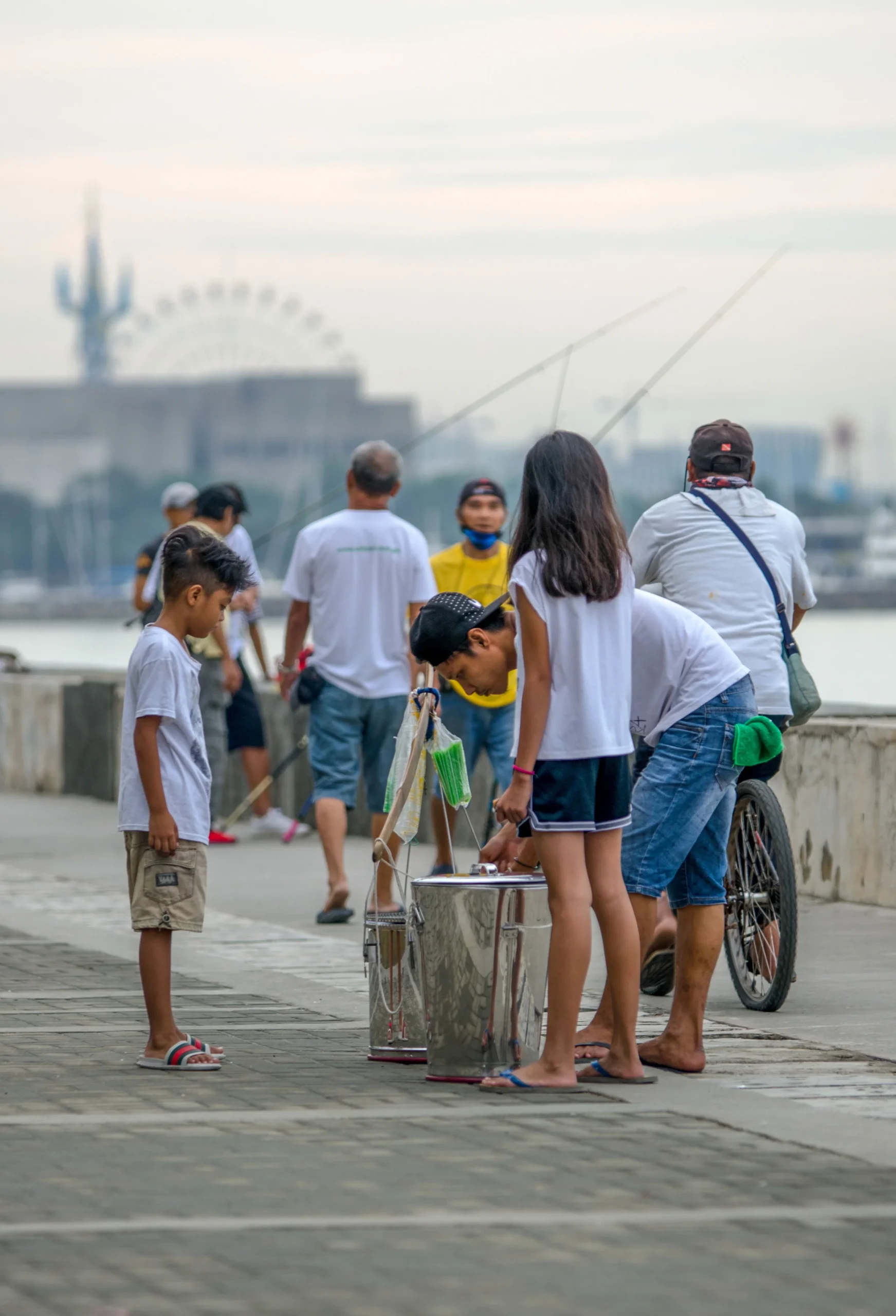
Expect to pay roughly ₱20–₱60 for most individual street food items (balut, isaw, kwek-kwek), with taho typically around ₱20–₱30 per cup — genuinely inexpensive even by Southeast Asian standards.
Regional Variations Across the Philippines
The Vigan empanada from the Ilocos region is renowned for its distinct orange-hued crust (from annatto seeds), filled with green papaya, mung bean sprouts, and Vigan longganisa.
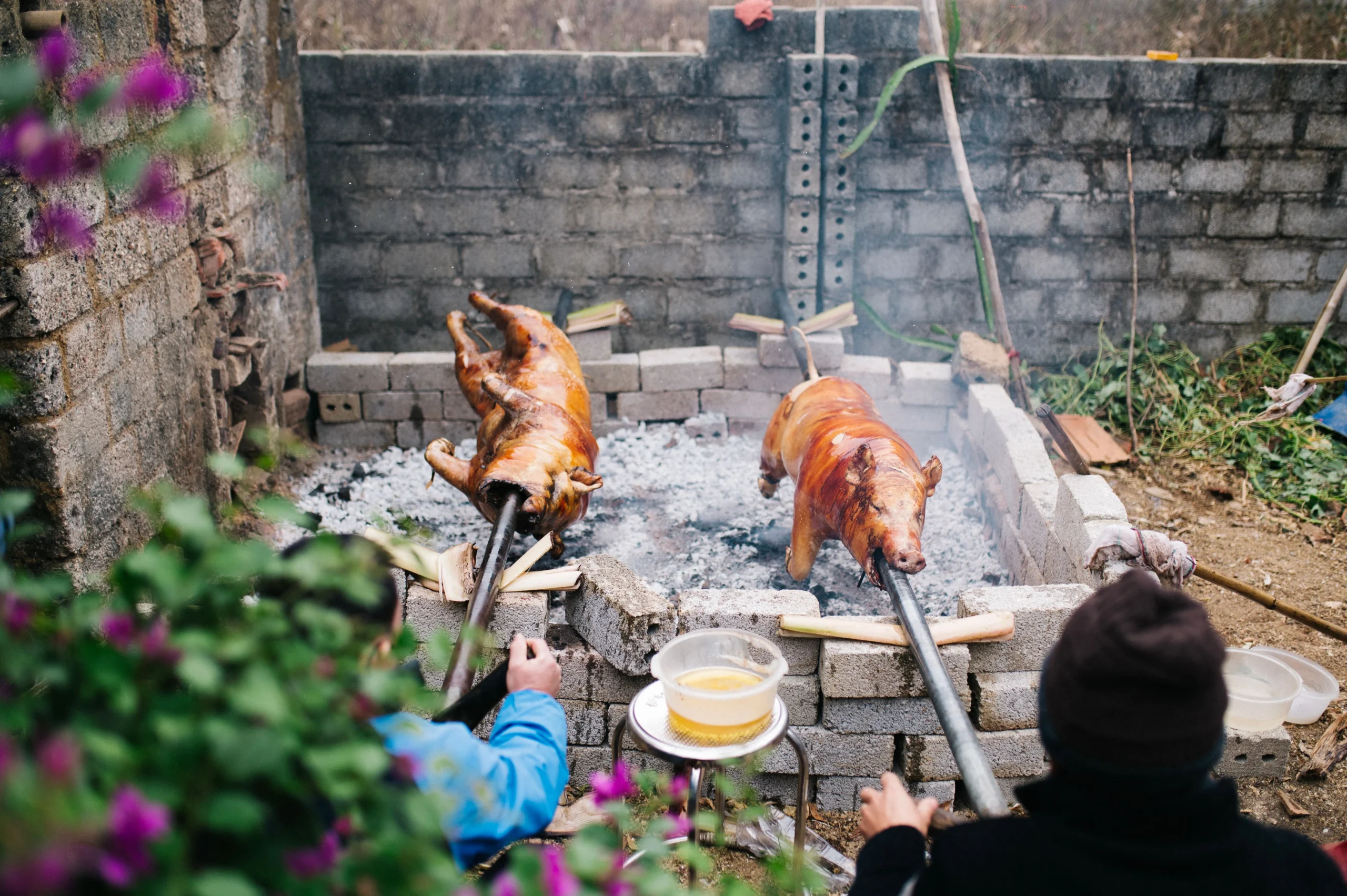
Cebu lechon — roasted pig marinated with lemongrass, garlic, and pepper, cooked over an open flame — is often considered the pinnacle of Filipino cuisine, and Carbon Market (listed above) is a genuine place to try it in its home city.
In Bacolod, chicken inasal is marinated in calamansi, vinegar, and annatto oil, then grilled and served with garlic rice — a specific regional flavor profile worth seeking out if you’re in the Visayas.
Health and Safety Considerations
Select reputable vendors — busy stalls with high customer turnover generally mean fresher ingredients and better hygiene practices. Look for vendors wearing gloves, using utensils rather than bare hands, and keeping a clean workspace. Ensure raw and cooked foods are kept separate, food is served hot and freshly cooked, and opt for bottled or sealed drinks over unfiltered local beverages if you’re unsure of the water source.
Book a Manila Food Tour or Activity
Klook.comStreet Food Innovations and Trends
Filipino street food continues to evolve, blending traditional flavors with modern trends — fusion dishes like “sushi bake” and “Filipino tacos” (adobo or sisig in a taco format), gourmet reinterpretations of humble classics like isaw and balut served with sophisticated plating, and new hybrid items like ube cheese pandesal gaining real popularity for their unique flavor and vibrant color.
Frequently Asked Questions
Is Filipino street food safe for tourists to eat?
Generally yes, if you choose busy, well-maintained stalls with visible hygiene practices and freshly cooked food. Avoid items that have been sitting out for extended periods, and stick to bottled or sealed drinks if you’re unsure of the water source.
How much does Filipino street food typically cost?
Most individual items (balut, isaw, kwek-kwek) run roughly ₱20–₱60, with taho around ₱20–₱30 per cup — genuinely affordable even for a full food-crawl afternoon.
What’s the best market to try Filipino street food in Manila?
Salcedo Weekend Market (Saturdays, Makati) is the most approachable starting point; Divisoria and Quinta Market offer a rawer, more traditional palengke experience for those wanting something less curated.