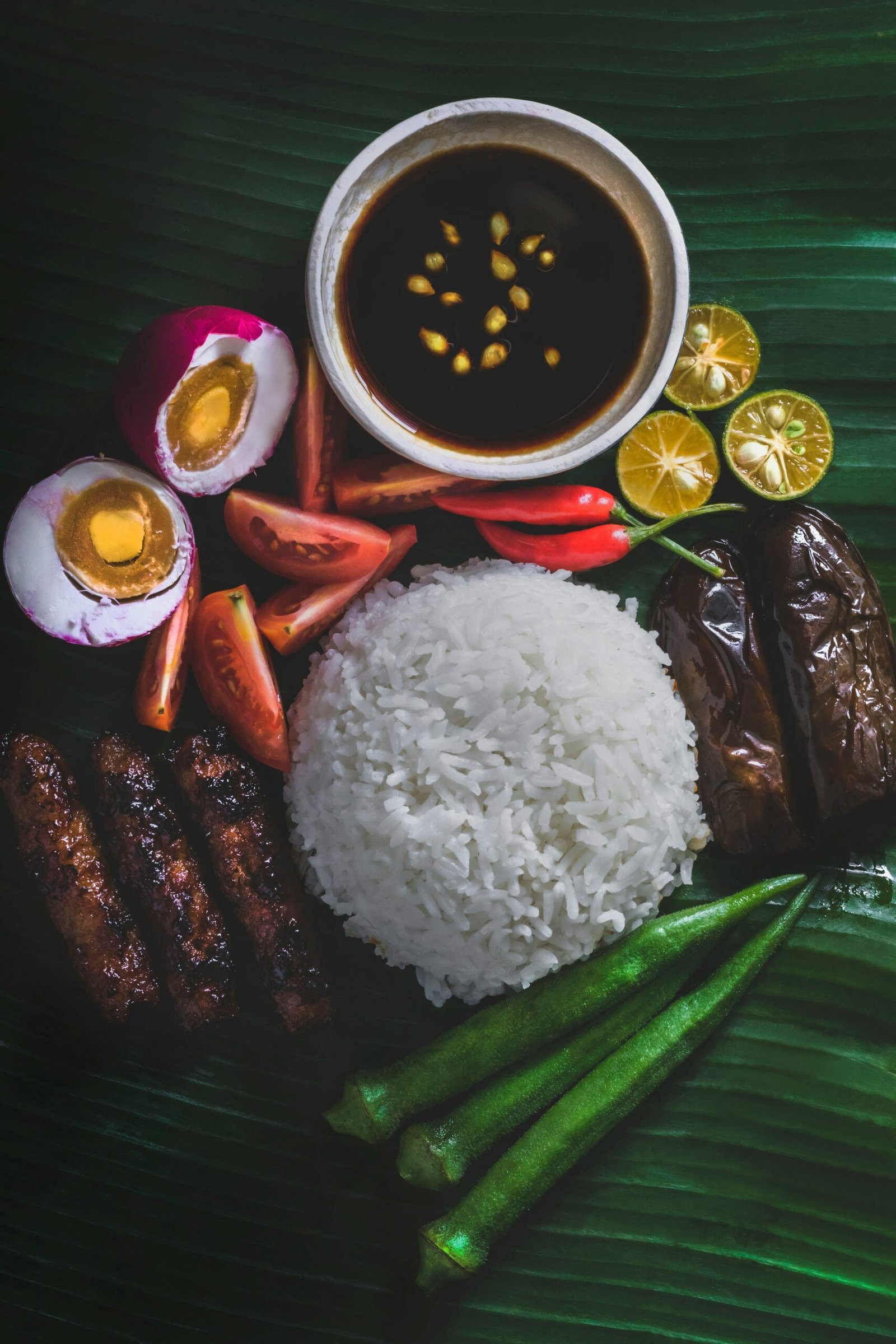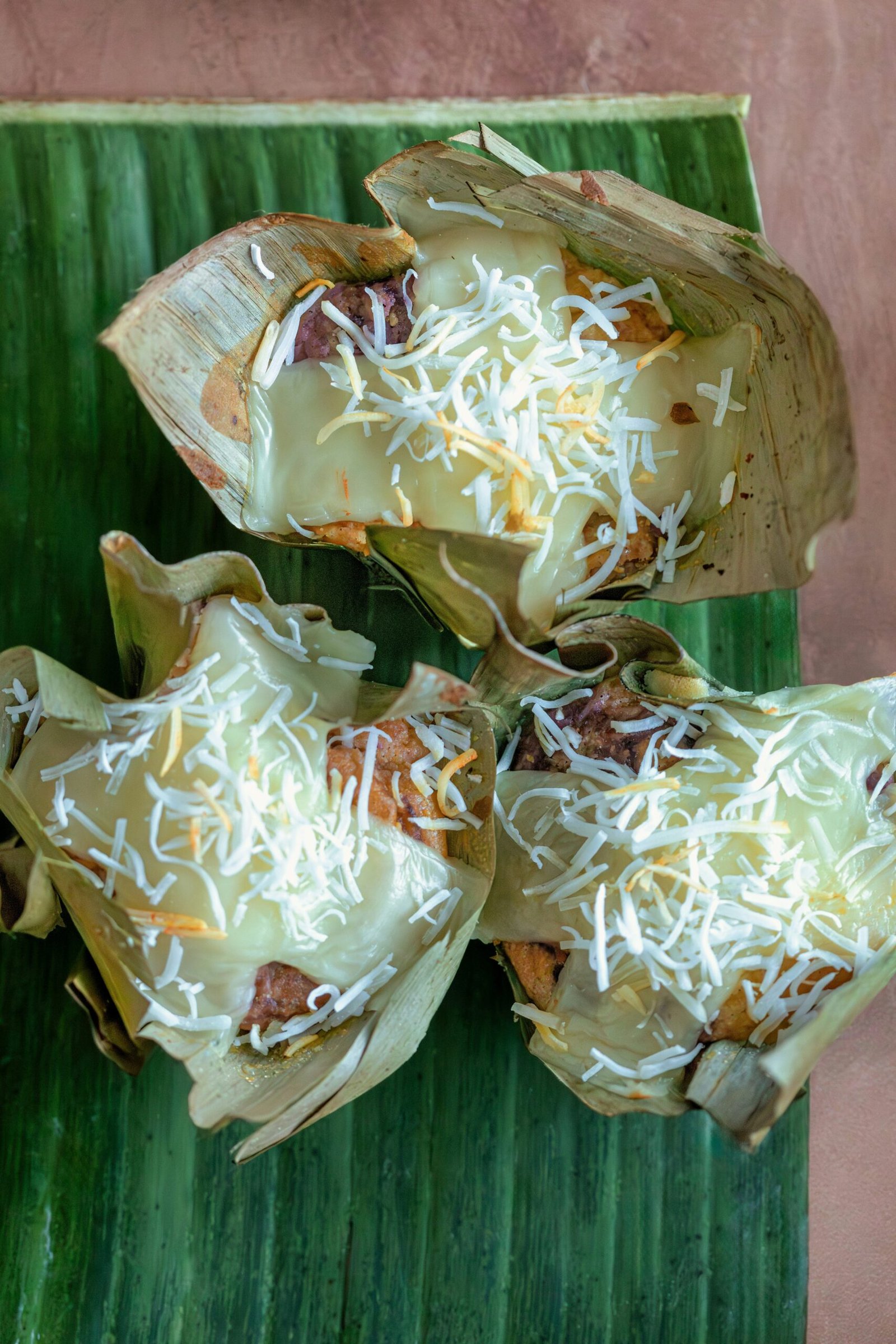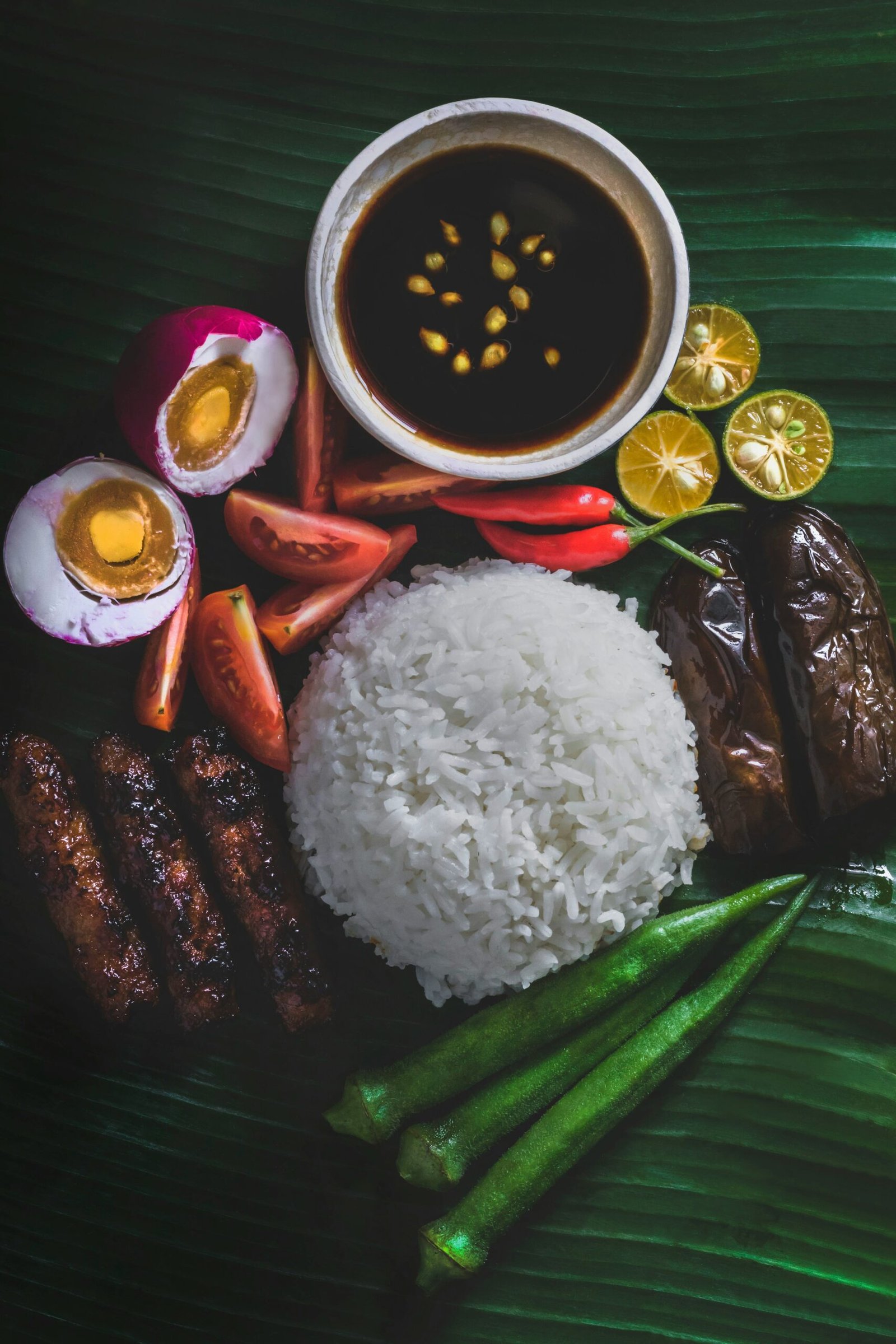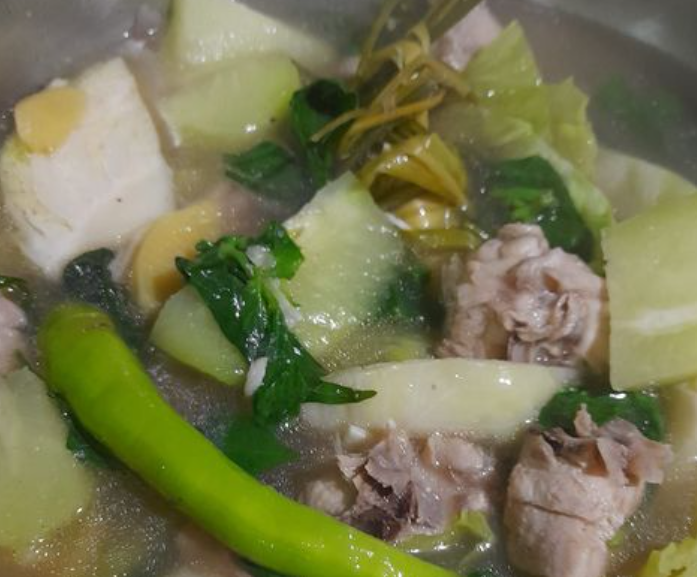

Torta Siquijor stands as a culinary gem within the vibrant tapestry of Filipino cuisine. Hailing from the picturesque province of Siquijor, this traditional delicacy has captured the hearts and palates of locals and visitors alike. In this exploration, we delve deep into the history, cultural significance, ingredients, preparation techniques, regional variations, and the cherished recipe of Torta Siquijor.
History and Cultural Significance
The origins of Torta Siquijor intertwine with the island’s rich history, reflecting a blend of indigenous practices and colonial influences. Legend has it that Spanish colonizers introduced the recipe to the locals, who then infused it with their own culinary traditions. Over time, Torta Siquijor evolved into a beloved delicacy that symbolizes unity, abundance, and the warmth of Filipino hospitality.
This delectable treat holds a special place in Siquijor’s culinary heritage, often gracing the tables during festive occasions, family gatherings, and religious celebrations. Its preparation and consumption are steeped in tradition, with each step carrying cultural significance. From the careful selection of ingredients to the communal act of baking and sharing, Torta Siquijor embodies the spirit of Filipino camaraderie and culinary craftsmanship.
Ingredients and Preparation
Crafting the perfect Torta Siquijor requires a harmonious blend of simple yet essential ingredients, each contributing to its distinctive flavor and texture. Here’s a detailed list of what you’ll need:
Ingredients:
2 cups all-purpose flour
1 cup sugar
4 eggs
1 cup evaporated milk
1/2 cup melted butter
1 teaspoon baking powder
1/2 teaspoon salt
1 teaspoon vanilla extract
Instructions:
Preheat your oven to 350ยฐF (175ยฐC). Grease and flour a round baking pan or two 9-inch cake pans.
In a mixing bowl, whisk together the flour, sugar, baking powder, and salt until well combined.
In a separate bowl, beat the eggs until frothy. Gradually add the melted butter, evaporated milk, and vanilla extract, mixing until smooth.
Gradually add the wet ingredients to the dry ingredients, stirring until the batter is smooth and free of lumps.
Pour the batter into the prepared baking pan(s), spreading it evenly.
Bake in the preheated oven for 30-35 minutes, or until the top is golden brown and a toothpick inserted into the center comes out clean.
Allow the Torta Siquijor to cool before slicing and serving.
Variations and Regional Influences
While the classic recipe remains timeless, variations of Torta Siquijor can be found across different regions and households, each adding its own unique twist to the beloved delicacy. Some may choose to incorporate local ingredients such as coconut, yam, or even cheese, enhancing the flavor profile and adding depth to the texture.
Regional influences also play a significant role in shaping the flavors and ingredients used in Torta Siquijor. In coastal areas, for example, the addition of fresh seafood may lend a hint of brininess to the dish, while in mountainous regions, the use of indigenous herbs and spices can elevate its aromatic qualities. Whether enjoyed plain or adorned with toppings such as salted eggs or grated cheese, Torta Siquijor offers a culinary journey that celebrates the diversity of Filipino cuisine.
Conclusion
In conclusion, Torta Siquijor serves as a testament to the Philippines’ rich culinary heritage, embodying centuries of tradition, culture, and flavor. Its popularity and significance in the province of Siquijor reflect its enduring appeal and universal acclaim. As we invite you to embark on your own culinary adventure, we encourage you to explore the delights of Torta Siquijor, whether through savoring its exquisite taste or attempting to recreate it in your own kitchen.
With each bite, you’ll experience a glimpse of Siquijor’s vibrant culture and the heartwarming hospitality of the Filipino people. So gather your ingredients, preheat your oven, and let the aroma of Torta Siquijor fill your home with warmth and joy. As you indulge in this culinary masterpiece, remember the centuries of tradition and heritage that have shaped its creation, and savor every moment of this truly unforgettable experience.
Frequently ask questions (FAQs)
What is torta in Siquijor?
Torta in Siquijor refers to a traditional Filipino cake or pastry, typically made with flour, sugar, eggs, milk, and butter. It is a beloved delicacy in the province, often enjoyed during special occasions and gatherings.
What does torta mean in the Philippines?
In the Philippines, “torta” generally refers to a cake or pastry, though the specific ingredients and preparations can vary by region. It is a versatile dish enjoyed throughout the country, both as a dessert and as a savory snack.
What is Filipino torta made of?
Filipino torta is typically made of basic ingredients such as flour, sugar, eggs, milk, and butter. The exact proportions and additional flavorings may vary depending on regional preferences and family recipes.
What is a torta Cebu?
Torta Cebu is a variation of the traditional Filipino torta that originates from the province of Cebu. It is often made with flour, sugar, eggs, and grated coconut, giving it a unique flavor and texture compared to other versions of torta found in the Philippines.
The Philippines, an archipelago of more than 7,000 islands, is a treasure trove of natural beauty, rich culture, and historical landmarks. Its diverse attractions draw millions of tourists each year, seeking adventure, relaxation, and cultural immersion.
Stunning Beaches and Islands
When one thinks of the Philippines, stunning beaches and pristine islands often come to mind. Boracay is particularly famous for its powdery white sand and clear blue waters, making it a premier destination for beach lovers. Palawanโs El Nido and Coron are also must-visits, known for their dramatic limestone cliffs, crystal-clear lagoons, and vibrant marine life.
Historical and Cultural Landmarks
The Philippines is not just about beaches; it also boasts a rich cultural heritage. Intramuros, the historic walled area in Manila, offers a glimpse into the country’s Spanish colonial past. The Banaue Rice Terraces, often referred to as the ‘Eighth Wonder of the World,’ showcase the ingenuity and agricultural prowess of the ancient Ifugao people. Additionally, Vigan City, with its well-preserved Spanish-era architecture, is a UNESCO World Heritage site worth exploring.
Natural Wonders and Adventure Spots
For nature enthusiasts and adventure seekers, the Philippines offers a plethora of options. Mount Mayon, known for its perfect cone shape, is a popular hiking destination. The Chocolate Hills in Bohol, with their unique geological formations, are a sight to behold. Donโt miss the chance to swim with whale sharks in Donsol or explore the underground river in Puerto Princesa, a UNESCO World Heritage site and one of the New7Wonders of Nature.
Conclusion
From idyllic beaches to historical landmarks and natural wonders, the Philippines has something for every traveler. Whether you are seeking relaxation, adventure, or cultural experiences, this Southeast Asian gem is sure to captivate your heart and soul.
Nestled in the heart of the Philippines lies the vibrant and historic metropolis of Cebu City. Renowned as the Queen City of the South, this urban gem stands as a testament to the rich tapestry of Filipino culture and heritage. Let’s delve into the essence of Cebu City, uncovering its significance and allure.
II. Geography and Location
Cebu City proudly sits on the Philippine map, commanding attention with its strategic location in the Visayas region. As the capital of Cebu province, it serves as a bustling hub of commerce, culture, and tourism. Positioned on the eastern part of Cebu, the city boasts a prime spot that offers both coastal charm and urban sophistication.
III. Historical Background
Steeped in history, Cebu City holds the distinction of being the oldest city in the Philippines. It bears witness to significant milestones, serving as the first Spanish settlement in the archipelago and the inaugural capital of the country. The annals of Cebu City’s history reflect a narrative of resilience, growth, and cultural fusion that continues to shape its identity.
IV. Government and Administration
Under the stewardship of its dynamic mayor and city council, Cebu City thrives as a beacon of governance and public service. The municipality’s administration is committed to fostering progress and inclusivity, ensuring the welfare of its residents and stakeholders. With efficient governance and transparent policies, Cebu City remains steadfast in its commitment to excellence.
V. Economy and Infrastructure
As an economic powerhouse, Cebu City plays a pivotal role in driving the nation’s prosperity. Boasting key infrastructures such as the iconic Cebu City Hall, it provides a conducive environment for business and investment. The city’s neighborhoods buzz with activity, reflecting a vibrant tapestry of commerce and culture.
VI. Demographics
With a burgeoning population that reflects the diverse mosaic of Filipino society, Cebu City stands as a melting pot of cultures and traditions. The demographic landscape is characterized by its dynamism and inclusivity, embodying the spirit of unity amidst diversity.
VII. Culture and Identity
Cebu City is synonymous with cultural richness and artistic flair. From its storied past to its contemporary vibrancy, it exudes a charm that captivates visitors and residents alike. As the Queen City of the South, it proudly showcases its heritage through iconic landmarks and festivities, earning its rightful place as a cultural epicenter.
VIII. Health and Education
Prioritizing the well-being and education of its populace, Cebu City places a premium on healthcare and learning. With state-of-the-art facilities and programs, it ensures access to quality services and opportunities for all.
IX. Key Attractions and Tourism
From historic landmarks to natural wonders, Cebu City beckons adventurers and culture enthusiasts alike. Discover its captivating landmarks, immerse yourself in its scenic beauty, and embark on an unforgettable journey through the Queen City of the South.
X. Miscellaneous
Cebu City’s allure extends far and wide, drawing admiration for its charm and hospitality. From intriguing facts to practical information, delve into the essence of this vibrant metropolis and uncover the myriad wonders it has to offer.
XI. Conclusion
In conclusion, Cebu City stands as a testament to the resilience, vitality, and beauty of the Philippines. As it charts a course towards the future, it remains steadfast in its commitment to excellence, embodying the spirit of progress and inclusivity. With its rich tapestry of culture, heritage, and opportunity, the Queen City of the South continues to captivate hearts and inspire minds, inviting all to explore its boundless wonders.
Frequently Asked Questions (FAQs)
What is Cebu City known for?
Cebu City is renowned for its rich history, vibrant culture, and breathtaking natural landscapes. As the oldest city in the Philippines, it holds a special place in the hearts of Filipinos and visitors alike. From its iconic landmarks such as Magellan’s Cross and Fort San Pedro to its lively festivals and delicious cuisine, Cebu City offers a tapestry of experiences that showcase the best of Filipino heritage and hospitality.
How expensive is Cebu Philippines?
Cebu City offers a range of options to suit various budgets, making it accessible to travelers with different spending capacities. While some areas and activities may be more expensive, particularly those catering to luxury travelers, there are plenty of affordable accommodations, dining options, and attractions available. With careful planning and research, visitors can enjoy the beauty and culture of Cebu without breaking the bank.
Why is Cebu most popular?
Cebu’s popularity stems from its diverse attractions and vibrant atmosphere. From stunning beaches and crystal-clear waters to historical sites and bustling markets, Cebu offers something for everyone. Its strategic location in the central Philippines also makes it a convenient base for exploring the surrounding islands. Additionally, Cebu’s warm climate, friendly locals, and rich cultural heritage contribute to its widespread appeal among travelers from around the world.
What is the difference between Cebu and Cebu City?
Cebu refers to both the province and the island in the Visayas region of the Philippines, while Cebu City specifically denotes the capital city of Cebu province. While Cebu City is a major urban center with a bustling population and vibrant economy, the province of Cebu encompasses a larger area that includes other municipalities, towns, and islands. Cebu City serves as the political, cultural, and economic hub of the province, but there are many other destinations within Cebu province that offer distinct experiences and attractions.
Cebu Province: The Queen Cityโs Kingdom of Wonders
Introduction
Cebu Province, also known as the Queen Province of the South, is one of the most stunning and historically significant places in the Philippines. It boasts breathtaking beaches, rich cultural heritage, and a vibrant urban center that perfectly blends the past and present. Whether youโre a history buff, an adventure seeker, or a foodie, Cebu has something to offer.
History of Cebu Province
Cebu holds a prestigious place in Philippine history as the countryโs oldest city. The province was where Portuguese explorer Ferdinand Magellan first arrived in 1521, marking the beginning of Spanish colonization. The Battle of Mactan, led by Lapu-Lapu, was a historic moment of resistance against foreign rule. Today, Cebu thrives as an economic powerhouse while preserving its rich historical roots.
Geography and Climate
Located in the Central Visayas region, Cebu consists of the main island and over 150 surrounding islands. It enjoys a tropical climate, making it a year-round destination, though the best time to visit is from December to May when rainfall is minimal.
Cebu City โ The Heart of the Province
Cebu City, the capital of the province, is a bustling metropolis filled with historical landmarks, modern attractions, and a dynamic nightlife scene. Some must-visit places include Magellanโs Cross, Fort San Pedro, and the Cebu Taoist Temple.
Top Tourist Attractions in Cebu Province
Magellanโs Cross and Basilica Minore del Santo Niรฑo โ Religious and historical icons of Cebu.
Kawasan Falls โ Famous for its turquoise waters and canyoneering adventures.
Oslob Whale Shark Watching โ Experience swimming with the gentle giants.
Moalboalโs Sardine Run โ A mesmerizing underwater spectacle.
Sumilon Island โ A stunning private island with white sand beaches.
Cultural and Religious Heritage
Cebuโs Sinulog Festival is a grand celebration held in January in honor of the Santo Niรฑo. The province is also known for its well-preserved Spanish-era churches and vibrant street food culture.
Cebuโs Best Beaches and Islands
Malapascua Island โ Famous for thresher shark diving.
Bantayan Island โ A laid-back paradise with powdery white sands.
Camotes Islands โ A quiet retreat with stunning natural landscapes.
Food and Cuisine of Cebu
Lechon Cebu โ Dubbed the best roasted pig in the Philippines.
Puso (Hanging Rice) โ A unique way of serving rice.
Dried Mangoes โ A world-famous Cebuano delicacy.
Adventure and Outdoor Activities in Cebu
Canyoneering in Badian โ A thrilling adventure through waterfalls and cliffs.
Trekking to Osmeรฑa Peak โ The highest point in Cebu, offering panoramic views.
Scuba Diving and Snorkeling โ Cebu has world-class dive spots with vibrant marine life.
Cebuโs Economy and Business Growth
Cebu is a major economic hub, with its IT and BPO industry booming. Tourism significantly contributes to the provinceโs economy, drawing millions of visitors annually.
How to Get to Cebu Province
Cebu is accessible via Mactan-Cebu International Airport, which connects the province to domestic and international destinations. Ferries also link Cebu to other parts of the Philippines.
Best Accommodations in Cebu
From luxury resorts like Shangri-Laโs Mactan to budget-friendly hostels, Cebu offers a variety of accommodations for all types of travelers.
Conclusion
Cebu Province is a destination that seamlessly blends history, adventure, culture, and natural beauty. Whether you’re exploring its bustling city, relaxing on pristine beaches, or enjoying local cuisine, Cebu is truly a gem in the Philippines.
FAQs
What is the best time to visit Cebu Province? โ The best months are December to May for dry weather.
Is Cebu safe for tourists? โ Yes, Cebu is generally safe, but always exercise caution.
What are the must-try Cebuano dishes? โ Lechon Cebu, puso, and dried mangoes are top picks.
How many days should I spend in Cebu? โ Ideally, 5-7 days to explore both the city and islands.
What are the best off-the-beaten-path destinations in Cebu? โ Camotes Islands, Dalaguete, and Alegria are worth visiting.
🌴 Dive into Paradise: Why the Philippines Should Be Your Next Dream Destination 🇵🇭 Why travel philippines
Why travel philippines, The Philippines, an archipelago nation cradled in Southeast Asia, beckons with turquoise waters, vibrant culture, and endless adventure. But why should it top your travel bucket list? Buckle up, because we’re diving deep into the heart of this beautiful country and unveiling 13 must-do experiences that will have you saying, “Mabuhay!” (Welcome!) 🌊🌺
Beyond Beaches: A Tapestry of Experiences 🏞️ Why travel philippines
While the Philippines boasts over 7,000 islands, each a gem waiting to be discovered, it’s more than just a beach paradise. Here’s what makes it truly unique:
Festival Frenzy: Immerse yourself in the kaleidoscope of colors and energy during festivals like Ati-Atihan (a vibrant tribal dance showcase) or Dinagyang (a vibrant street dance festival).
Nature’s Playground: Hike through the majestic Chocolate Hills in Bohol, kayak through the Puerto Princesa Underground River (a UNESCO World Heritage Site), or spelunk in Sagada’s stunning cave systems.
Cultural Kaleidoscope: Explore Spanish colonial architecture in Vigan, delve into indigenous traditions in Banaue’s rice terraces, or witness the fusion of Islam and Christianity in Mindanao.
Foodie Delights: Savor the unique blend of Malay, Spanish, and American influences in Filipino cuisine. From savory adobo to tangy sinigang, your taste buds will be in for a treat.
13 Must-Do’s for an Unforgettable Philippine Adventure (Ranked by Awesomeness!) 🌟 Why travel philippines
Island Hopping Bliss: Embark on a captivating journey through the turquoise waters of Palawan, El Nido, or Coron. These pristine islands boast hidden coves, secluded lagoons, and towering limestone cliffs that paint a picture of unparalleled natural beauty. Each stop on your island-hopping adventure reveals a new facet of paradise, inviting you to bask in the sun, snorkel in crystal-clear waters, and savor the untouched beauty of the Philippines.
Underground Wonder: Marvel at the Puerto Princesa Underground River, a UNESCO World Heritage Site that stands as a testament to nature’s artistry. As you navigate through its dark chambers, be awestruck by the intricate rock formations, stalactites, and stalagmites that create a subterranean landscape unlike any other. This mystical river, adorned with diverse ecosystems, offers a surreal and unforgettable underground experience.
Chocolate Hills Majesty: Lace up your hiking boots and traverse the iconic Chocolate Hills in Bohol. These geological wonders, resembling a sea of chocolate-colored mounds during the dry season, form a breathtaking landscape that captures the imagination. The trek unveils panoramic views, providing a unique perspective on the natural wonders that make Bohol a must-visit destination for nature enthusiasts.
Thrilling Dive: Plunge into the vibrant underwater world of Coron, Anilao, or Tubbataha Reefs, a UNESCO World Heritage Site. Explore coral reefs teeming with diverse marine life, from colorful fish to majestic sea turtles. Whether you’re a seasoned diver or a novice snorkeler, these underwater paradises offer an exhilarating encounter with the Philippines’ rich marine biodiversity.
Festival Fiesta: Immerse yourself in the electrifying energy of Ati-Atihan in Kalibo, Dinagyang in Iloilo, or Sinulog in Cebu. These vibrant cultural celebrations are a sensory feast, with music, dance, and elaborate costumes creating a spectacle of joy and tradition. Join the locals in the streets, and let the rhythmic beats and infectious energy of these festivals leave an indelible mark on your Philippine adventure.
Rice Terraces Majesty: Stand in awe before the Banaue Rice Terraces, a UNESCO World Heritage Site that showcases the ingenuity and resilience of the Ifugao people. Carved into the mountainsides centuries ago, these terraces form a breathtaking tapestry of agricultural mastery. Take a leisurely stroll through these ancient wonders, and marvel at the harmonious coexistence between nature and human craftsmanship.
Surf’s Up: Chase the thrill of the waves in Siargao, Cloud 9, or La Unionโrenowned surfer paradises that offer challenging breaks and laid-back vibes. Whether you’re a seasoned surfer or a first-timer, these destinations cater to all skill levels. Feel the rush as you ride the waves, and soak in the surf culture that defines the Philippines’ coastal charm.
Whale Shark Encounter: Embark on a magical journey in Donsol, Sorsogon, where you can swim alongside gentle giantsโthe majestic whale sharks. This unique opportunity allows you to witness these magnificent creatures in their natural habitat, creating a profound connection with the ocean’s wonders. It’s an experience that combines awe and humility, leaving you with memories of a lifetime.
Taal Volcano Majesty: Conquer the heights and hike or take a boat tour around Taal Volcano, one of the world’s most active volcanoes. Gaze into the breathtaking view of its crater lake, surrounded by dramatic landscapes. This adventure not only offers a thrilling ascent but also a chance to witness the raw power and beauty of nature in one of the Philippines’ iconic landmarks.
Firefly Spectacle: Witness the enchanting spectacle of thousands of fireflies illuminating the night sky in Puerto Princesa or Loboc River. Cruise along the gentle waters as the fireflies create a mesmerizing dance of light, turning the surrounding mangroves into a magical realm. This immersive experience allows you to connect with nature in a serene and captivating setting.
Underground River Adventure: Embark on a subterranean exploration in Bohol’s Hinagdanan Caveโa multi-chambered cave system with fascinating rock formations and historical significance. Traverse through chambers adorned with stalactites and stalagmites, and learn about the cave’s cultural importance in the local heritage. This underground journey offers a blend of adventure, education, and awe-inspiring beauty.
Indigenous Encounter: Immerse yourself in the rich culture and traditions of the indigenous communities by visiting a traditional village in Sagada or Banaue. Engage with locals, witness age-old rituals, and gain insights into their way of life. This cultural encounter provides a meaningful connection, allowing you to appreciate the diversity that defines the Philippines’ cultural landscape.
Manila Metropolis: Explore the vibrant capital city, Manila, where history, modernity, and gastronomy collide. Wander through historical landmarks, delve into the wealth of museums, and indulge in the delicious street food scene. From the historic walled city of Intramuros to the bustling markets of Quiapo, Manila offers a dynamic urban experience that complements the natural wonders found throughout the archipelago.
These 13 must-do experiences promise an adventure of a lifetime, offering a diverse tapestry of natural wonders, cultural richness, and thrilling encounters that make the Philippines a truly unforgettable destination.
Conclusion: Dive into the Heart of the Philippines ❤️ Why travel philippines
The Philippines is not just a destination; it’s an experience that lingers long after you leave. From the pristine beaches and vibrant festivals to the majestic landscapes and warm hospitality, this archipelago nation promises an adventure unlike any other. So, what are you waiting for? Pack your bags, book your flight, and get ready to discover the magic of the Philippines! ✈️
Bonus Tip Why travel philippines: Remember, the best time to visit the Philippines depends on your preferences. The dry season (November to May) offers sunshine and ideal beach conditions, while the wet season (June to October) brings lush greenery and fewer crowds.
Ready to start planning your dream Philippine adventure? Let us be your guide! We can help you create a personalized itinerary, answer your questions, and ensure you have an unforgettable experience. Contact us today and let’s make your Philippine dream a reality! 🌟🌴🇵🇭
FAQs: Unraveling the Magic of the Philippines 🌟 Why travel philippines
Why should tourists visit the Philippines?
The Philippines offers something for everyone: stunning beaches, diverse landscapes, rich culture, friendly locals, and delicious food. It’s an affordable destination with a unique blend of natural beauty and cultural heritage. 🏝️
What’s so special about the Philippines?
The Philippines is home to some of the most biodiverse ecosystems on Earth, with unique flora and fauna. Its warm and welcoming people, vibrant festivals, and delicious cuisine create an unforgettable travel experience. 🌏
Why is the Philippines a good place for vacation?
The Philippines offers a variety of activities and experiences, making it perfect for relaxation, adventure, cultural immersion, or a combination of all three. It’s also relatively affordable compared to other Southeast Asian destinations. 🌅
Why is the Philippines a top tourist destination?
The Philippines consistently ranks high on tourist lists due to its stunning natural beauty, diverse culture, friendly people, and affordability. It offers something for every type of traveler, making it a truly unique and unforgettable destination. 🌟
Guimaras Manggahan Festival: A Celebration of Culture, Mangoes, and More 🎉🥭
I. Introduction
Nestled in the heart of the Philippines, Guimaras Manggahan Festival stands as a testament to the rich cultural heritage and the bountiful harvest of mangoes in this picturesque province. This annual celebration has grown into a significant event, drawing locals and tourists alike to partake in its vibrant festivities.
🌞 Sweet Escape: Immerse Yourself in the Guimaras Manggahan Festival 🥭
The sun-kissed island of Guimaras, cradled between Panay and Negros, isn’t just a scenic paradise; it’s the undisputed “Mango Capital of the Philippines.” 🏝️ And what better way to celebrate this title than with the vibrant Manggahan Festival, a month-long extravaganza bursting with all things mango! 🎉
A Celebration of Sweetness and Culture
Held every May, the Manggahan Festival is a delightful fusion of cultural showcase, agricultural expo, and, of course, a delicious ode to the king of fruits. Immerse yourself in the electrifying atmosphere as streets transform into a kaleidoscope of mango-themed decorations. 🎊 Tricycles adorned in yellow and orange hues zoom by, while performers, armed with playful mango props, liven up the streets with energetic dances. 💃🚕
Indulge in Mango Mania
But the true heart of the festival lies in the delectable treats. From farm-fresh mangoes bursting with juicy sweetness to innovative mango-infused dishes, prepare to tantalize your taste buds. 🍕 Devour succulent mango pizza, savor creamy mango ice cream, or quench your thirst with refreshing mango shakes. The “Mango-Eat-All-You-Can” event is a must-do, offering a chance to gorge on the island’s finest mangoes until your heart’s content. 🥭🍦🍹
Beyond the Fruit
The Manggahan Festival isn’t just about mangoes. Dive into the rich culture of Guimaras through captivating parades showcasing vibrant costumes and lively music. 🎭 Witness the “Hubon” competition, where municipalities stage stunning presentations highlighting their unique heritage and traditions. Don’t miss the chance to support local artisans by browsing through stalls overflowing with handcrafted souvenirs and delectable treats. 🛍️
A Feast for the Senses
As the festival reaches its climax, the air thrums with excitement. The “Pasundayag sa Guimaras” grand parade features dazzling floats and energetic performances, culminating in a breathtaking fireworks display that paints the night sky with vibrant hues. 🎇
Experience the Sweet Life
The Manggahan Festival is more than just a festival; it’s an invitation to experience the heart and soul of Guimaras. Savor the sweetness of the island’s most prized fruit, immerse yourself in its vibrant culture, and create memories that will linger long after the last mango is devoured. So, pack your bags, mark your calendars for May, and get ready to embark on a delightful adventure in the “Mango Capital of the Philippines”! 🧳🗓️🌴
II. History of Guimaras Manggahan Festival
Origins and inception The roots of the Guimaras Manggahan Festival trace back to its humble beginnings, stemming from a desire to showcase the province’s exceptional mangoes and vibrant culture. Over the years, it has evolved into a grand celebration that not only highlights the delicious fruit but also embraces the community’s traditions.
Evolution over the years From its modest origins, the festival has grown in scale and significance, becoming a major cultural and economic event in Guimaras. The evolution reflects the dedication of the community to preserve its heritage while embracing modernity.
III. Significance of Mangoes in Guimaras
Mango industry in Guimaras Guimaras is renowned for producing some of the world’s sweetest mangoes. The festival serves as a platform to recognize and celebrate the local mango industry, contributing significantly to the region’s economy.
Economic impact Beyond the cultural celebration, the mango industry plays a crucial role in the economic landscape of Guimaras. The festival acts as a showcase, attracting investments and partnerships that benefit local businesses.
IV. Cultural Events during the Festival
Traditional dances and music One of the highlights of the festival is the vibrant display of traditional dances and music, captivating the audience with the province’s cultural richness.
Street parades Colorful street parades fill the air with excitement, featuring elaborate floats, traditional costumes, and enthusiastic participants expressing their love for their culture.
Beauty pageants Beauty pageants during the festival not only showcase elegance but also serve as a platform for empowering local women, promoting self-confidence and community involvement.
V. Mango-inspired Cuisine
Unique mango dishes The festival offers a gastronomic delight with a myriad of unique mango-inspired dishes, showcasing the versatility of this beloved fruit in culinary creations.
Culinary competitions Local chefs participate in friendly competitions, pushing the boundaries of creativity to craft delectable mango-infused masterpieces.
VI. Agro-Industrial Fair
Showcasing local products The Agro-Industrial Fair is a hub for local businesses to showcase their products, fostering economic growth within the community.
Promoting agricultural advancements The festival serves as a platform to introduce and promote advancements in agriculture, encouraging sustainable practices for a better future.
VII. Tourist Attractions in Guimaras
Natural wonders Apart from the festival, Guimaras boasts natural wonders, including pristine beaches and lush landscapes, making it a perfect destination for nature enthusiasts.
Historical sites Explore the rich history of Guimaras by visiting historical sites, offering a glimpse into the province’s past.
VIII. Environmental Initiatives
Eco-friendly practices during the festival Guimaras Manggahan Festival is committed to environmental sustainability, incorporating eco-friendly practices to minimize its ecological footprint.
Community involvement The festival actively involves the local community in environmental initiatives, fostering a sense of responsibility towards the province’s natural resources.
IX. Success Stories and Testimonials
Impact on local businesses Local businesses experience a surge in revenue during the festival, providing economic benefits and opportunities for growth.
Positive feedback from participants Participants and attendees share their positive experiences, emphasizing the festival’s role in preserving traditions and fostering a sense of community pride.
X. The Future of Guimaras Manggahan Festival
Potential improvements As the festival continues to evolve, there are opportunities for improvement, including enhanced cultural representation, sustainable practices, and increased participation.
Expanding reach and impact Guimaras Manggahan Festival envisions expanding its reach, attracting more visitors, and making a broader impact on the cultural and economic landscape.
XI. Manggahan Festival Date 2023 📅
The eagerly awaited Guimaras Manggahan Festival 2023 is scheduled to take place from [insert date]. Save the date for another exciting year of festivities, cultural richness, and the sweet aroma of ripe mangoes filling the air.
XII. Guimaras Festival 2023 🎊
In addition to the Manggahan Festival, Guimaras hosts various other festivals throughout the year. The Guimaras Festival 2023 promises a diverse range of cultural events, further solidifying the province’s reputation as a hub of vibrant celebrations.
XIII. Manggahan Festival History 📜
Tagalog Version: Kasaysayan ng Manggahan Festival Ang Manggahan Festival ay hindi lamang isang pagdiriwang ng matamis na mangga kundi isang pagtatanghal ng kasaysayan ng Guimaras. Mula sa mga unang yugto, ito ay naging mahalaga at sumisimbolo ng kultura at pamana ng probinsya.
XIV. Guimaras Festivals 🎉
Aside from the Manggahan Festival, Guimaras hosts several other festivals that showcase the province’s diverse traditions and cultural heritage. These events contribute to the overall charm of Guimaras as a festival-rich destination.
XV. Manggahan Festival Tagalog 🎭
Ang Kakaibang Kasaysayan ng Manggahan Festival Sa pangangalaga ng Guimaras, ito ay hindi lamang isang pagdiriwang kundi isang pagmumulat sa yaman ng kultura at kasaysayan ng probinsya.
XVI. Manggahan Festival Wikipedia 🌐
For those seeking in-depth information about the Manggahan Festival, a dedicated Wikipedia page offers a comprehensive overview, including its history, cultural significance, and the impact on Guimaras.
XVII. Manggahan Festival History Tagalog 📖
Ang Pagsusuri sa Kasaysayan ng Manggahan Festival Sa pangunguna ng mga tagapag-alaga ng tradisyon sa Guimaras, ang kasaysayan ng Manggahan Festival ay isinulat ng mga indibidwal na naging bahagi ng pag-unlad nito.
XVIII. Manggahan Festival Costume Mango Festival 👘
The vibrant and elaborate costumes worn during the Manggahan Festival reflect the creativity and craftsmanship of the local artisans. These costumes play a crucial role in enhancing the visual spectacle of the festivities.
XIX. Manggahan Festival Guimaras Mango 🥭
The star of the festival, the Guimaras mango, takes center stage in various events and competitions. Its unique taste and quality contribute significantly to the festival’s success and popularity.
XX. Mango Festival Place 📍
The festival not only celebrates Guimaras mangoes but also serves as a platform to promote the province as a unique and vibrant tourist destination, attracting mango enthusiasts and
cultural aficionados alike.
XXI. Mango Festival Place of Origin Manggahan Festival 🏡
As the birthplace of the renowned Guimaras mango, the festival pays homage to the province’s agricultural heritage and its role as the origin of the world’s sweetest mango. Visitors can delve into the history and cultivation techniques that have made Guimaras a global hub for mango production.
XXII. Guimaras Mango Festival 2023 🎉
Anticipate the Guimaras Mango Festival 2023 as an extension of the Manggahan Festival, promising an even grander celebration of the province’s most prized fruit. With an array of events, competitions, and cultural showcases, this edition is expected to attract mango enthusiasts, tourists, and locals alike.
XXIII. Conclusion 🌟
In conclusion, the Guimaras Manggahan Festival is more than just a celebration of mangoes; it’s a vibrant tapestry that weaves together culture, tradition, and the sweet essence of the province. As it continues to evolve, the festival stands as a beacon of pride for the community, fostering economic growth, environmental awareness, and a sense of identity.
Frequently ask questions FAQs 🤔
Is Guimaras Manggahan Festival only about mangoes?
No, the festival embraces a spectrum of cultural, culinary, and agricultural events, making it a well-rounded celebration.
How can I participate in the beauty pageants during the festival?
Participation details for beauty pageants are usually announced through official festival channels. Keep an eye on updates for registration information.
What are some must-try mango dishes during the festival?
Some must-try dishes include mango pizza, mango salad, and mango-infused desserts that showcase the fruit’s versatility.
Are there eco-friendly initiatives during the festival?
Yes, the festival actively promotes eco-friendly practices, emphasizing the importance of environmental sustainability.
Can I visit Guimaras outside of the festival season?
Absolutely! Guimaras offers its natural beauty and historical sites year-round, providing a wonderful experience beyond the festival.
Nestled in the heart of the Philippines, Olango Island stands as a testament to the country’s natural beauty and rich cultural heritage. This comprehensive guide explores the island’s diverse offerings, including its geographic features, historical significance, tourism attractions, local culture, challenges, and conservation efforts. In addition, we’ll delve into specific topics such as the Olango Island Bird Sanctuary, Olango Island Wildlife Sanctuary, resorts, map, accommodations, and practical information for visitors. 🌍
🏝️ Olango Island: A Paradise for Birdwatchers and Beach Lovers Alike 🐦🌊
Nestled amidst the turquoise waters of the Visayan Sea, Olango Island is a haven for nature enthusiasts and sun-seekers alike. This little gem, just a short boat ride from Cebu, boasts stunning beaches, vibrant coral reefs, and a sanctuary teeming with exotic birds. Whether you’re a seasoned traveler or a first-time adventurer, Olango Island has something to offer everyone.
A Birdwatcher’s Paradise 🦅
Olango Island is a haven for birdwatchers, with over 200 species recorded, including migratory birds from as far as Siberia and Australia. The Olango Island Wildlife Sanctuary, a protected area covering 10 hectares, is a must-visit for any bird enthusiast. Here, you can wander through mangrove forests and coastal habitats, spotting majestic eagles, playful hornbills, and iridescent kingfishers flitting through the trees.
For the Beach Bum in You ☀️
Beyond the birds, Olango Island’s beaches are a major draw. The island boasts pristine stretches of white sand, lapped by the gentle waves of the turquoise sea. Take a dip in the refreshing waters, soak up the sun on a secluded beach, or build sandcastles with your loved ones.
More Than Just Beaches and Birds 🏖️
While beaches and birds are the main attractions, Olango Island offers a variety of other activities to keep you entertained. Explore the island’s charming villages, where you can interact with the friendly locals and learn about their culture. Indulge in fresh seafood at beachfront restaurants, or try your hand at island hopping to discover nearby hidden coves.
Tips for Planning Your Olango Island Adventure 📅
The best time to visit Olango Island is during the dry season, from November to May. This is when the weather is sunny and the skies are clear for birdwatching.
Getting to Olango Island is easy. Take a ferry from Mactan Island or Lapu-Lapu City. The journey takes around 30 minutes.
Accommodation options on Olango Island range from budget-friendly guesthouses to luxurious resorts. Choose the one that best suits your budget and preferences.
Pack light and comfortable clothing, sunscreen, a hat, and a swimsuit. You might also want to bring binoculars and a camera if you’re a birdwatcher.
Olango Island is a hidden gem in the Philippines, waiting to be discovered. With its stunning natural beauty, diverse wildlife, and laid-back atmosphere, this island paradise is the perfect escape for anyone seeking a relaxing and unforgettable vacation. So, pack your bags, book your tickets, and get ready to experience the magic of Olango Island!
Additional Tips:
Hire a local guide to get the most out of your birdwatching experience. They can help you identify different species and show you the best places to spot them.
Be mindful of the environment. Leave no trace and respect the local wildlife.
Support the local community by buying souvenirs and eating at local restaurants.
I hope this article has helped you plan your trip to Olango Island. Have a wonderful time! 🌴✈️
Geographic Features
Location and Accessibility
Olango Island is strategically located near Cebu, accessible by boat or plane. Its proximity to major transportation hubs makes it an ideal destination for both domestic and international tourists. The island boasts diverse ecosystems, including mangrove forests, pristine beaches, and vibrant coral reefs, creating a haven for nature enthusiasts. 🚢🌳🏖️
Surrounding Ecosystems
Surrounded by crystal-clear waters, Olango Island is a biodiversity hotspot. The surrounding ecosystems support a wide array of marine life, making it a paradise for snorkeling and diving enthusiasts. The island’s mangrove forests also play a crucial role in maintaining ecological balance. 🐠🐚
Biodiversity
Olango Island is home to a diverse range of flora and fauna. With numerous bird species inhabiting the island, it has gained recognition as a vital bird sanctuary. The vibrant biodiversity on Olango Island offers a unique experience for eco-conscious travelers. 🦜🌿
Historical Significance
Cultural Heritage
The island’s cultural heritage is deeply rooted in its history. Olango Island is known for preserving its traditional practices and customs, providing visitors with a glimpse into the rich cultural tapestry of the Philippines. Local festivals showcase the islanders’ artistic talents and unwavering commitment to their heritage. 🎭🎉
Historical Events on Olango Island
Throughout history, Olango Island has been witness to various historical events. Exploring the remnants of ancient structures and learning about the island’s role in past narratives adds a layer of depth to the visitor’s experience. 🏰📜
Tourism Attractions
Beautiful Beaches
The beaches of Olango Island are a sight to behold. White sand, clear waters, and a tranquil atmosphere make these beaches ideal for relaxation and water activities. Whether it’s basking in the sun or engaging in water sports, Olango Island offers a perfect escape. ☀️🏖️🚣♀️
Wildlife Sanctuaries
Olango Island is renowned for its wildlife sanctuaries, providing a habitat for diverse species of birds. Birdwatchers can revel in the opportunity to observe migratory birds in their natural habitat, adding a unique dimension to the island’s allure. 🐦🌳
Local Festivities
Immersing oneself in local festivities offers a cultural experience like no other. Olango Island’s festivals, filled with vibrant colors, traditional dances, and local delicacies, showcase the warmth and hospitality of its residents. 🎊🍲
Olango Island Bird Sanctuary
A Haven for Bird Enthusiasts
The Olango Island Bird Sanctuary is a must-visit for bird enthusiasts. With its diverse avian population, the sanctuary provides a unique opportunity to witness migratory birds in their natural habitat. The serene surroundings and the melodic tunes of birds make it a peaceful retreat for nature lovers. 🦢🌲
Olango Island Wildlife Sanctuary
Exploring the Rich Biodiversity
The Olango Island Wildlife Sanctuary is a haven for biodiversity. Visitors can explore the sanctuary’s trails, encountering various species of flora and fauna. The conservation efforts here contribute to maintaining the delicate balance of Olango Island’s ecosystems. 🌳🦋
Olango Island Resorts
Luxurious Retreats
For those seeking luxury and comfort, Olango Island boasts a variety of resorts. These resorts offer not only splendid accommodations but also stunning views of the surrounding landscapes. Whether it’s a romantic getaway or a family vacation, the resorts on Olango Island cater to diverse preferences. 🏨🌴
Olango Island Map
Navigating the Island’s Wonders
A comprehensive map of Olango Island is a valuable tool for travelers. It aids in exploring the various attractions, planning itineraries, and ensuring a seamless journey around the island. Visitors can easily locate key points of interest, from beaches to wildlife sanctuaries, using a well-designed Olango Island map. 🗺️📍
Where to Stay in Olango Island
Accommodation Recommendations
Choosing the right accommodation is crucial for a pleasant stay on Olango Island. From beachfront resorts to cozy guesthouses, the island offers a range of options. Recommendations for comfortable and environmentally conscious lodgings ensure a delightful stay for every type of traveler. 🛌💚
Olango Island Wildlife Sanctuary Entrance Fee
Investing in Conservation
To support the conservation initiatives at the Olango Island Wildlife Sanctuary, a modest entrance fee is in place. This fee contributes to the maintenance of the sanctuary, ensuring the preservation of its natural wonders for generations to come. 🎟️🌿
Olango Island History
A Glimpse into the Past
Olango Island’s history is a tapestry woven with stories of ancient civilizations and cultural exchanges. Exploring the island’s historical sites provides a fascinating journey through time, offering insights into its role in shaping the region’s narrative. 📜⏳
How to Go to Olango Island
Convenient Transportation Options
Traveling to Olango Island is convenient, with various transportation options available. Whether by ferry or plane, visitors can choose the mode of transportation that suits their preferences and schedule. ✈️🚢
Olango Island Boat Schedule
Timely Transfers
Understanding the Olango Island boat schedule is essential for smooth travel. The schedule ensures that visitors can plan their journeys efficiently, allowing for timely arrivals and departures from the island. 🚤⏰
Olango Beach Resort
A Beachfront Paradise
Olango Beach Resort is a prime choice for those seeking a beachfront paradise. With comfortable accommodations and direct access to the island’s beautiful beaches, this resort offers an idyllic retreat for beach lovers and water sports enthusiasts. 🏖️🏨
Pandanon Island
Island Hopping Extravaganza
Pandanon Island, situated near Olango, is a popular destination for island hopping. Its white sand beaches and turquoise waters make it a picturesque spot for day trips and water-based activities. 🏝️🚤
Things to Do in Olango Island
Diverse Activities for Every Traveler
Olango Island offers a myriad of activities for visitors. From water sports and hiking trails to cultural experiences and wildlife watching, there’s something for every traveler to enjoy on this captivating island. 🚴♂️🏊♀️🏞️
Olango Island Beach Resort
Seaside Relaxation
For those desiring a tranquil seaside retreat, Olango Island Beach Resort is a top choice. With its comfortable accommodations and stunning ocean views, the resort provides the perfect setting for relaxation and unwinding. 🌊🏨
What to Do in Olango Island
Endless Possibilities
The possibilities for activities in Olango Island are endless. Whether it’s lounging on the beach, exploring historical sites, or engaging in water adventures, visitors can curate their experiences based on their preferences. 🌴🤿
Bird Sanctuary Olango Island
A Closer Look at Avian Wonders
The Olango Island Bird Sanctuary deserves special attention. Delve deeper into the sanctuary’s offerings, including guided birdwatching tours and the opportunity to witness rare and migratory bird species in their natural habitat. 🦜👀
How to Go to Olango Island from Cebu City
Easy Access from the Mainland
For those starting their journey in Cebu City, understanding how to go to Olango Island is crucial. Convenient transportation options, including ferry services and flights, make the journey from Cebu City to Olango Island seamless. 🚌✈️
Olango Island Lapu-Lapu City
Proximity to Lapu-Lapu City
Situated near Lapu-Lapu City, Olango Island is easily accessible. The proximity allows visitors to explore both the urban offerings of Lapu-Lapu City and the natural wonders of Olango Island during their stay. 🏙️🌴
Olango Island Tourist Spot
Must-Visit Attractions
Olango Island is dotted with tourist spots, from pristine beaches to cultural landmarks. Each spot contributes to the island’s charm, offering a diverse range of experiences for visitors. 📸🏰
Olango Island Beach Resorts
Sandy Retreats
Discover the various beach resorts on Olango Island, each offering its own unique charm. From budget-friendly options to luxury escapes, these resorts cater to different preferences, ensuring a memorable stay. 🏨🌊
How to Get to Olango Island from Mactan
Convenient Transportation from Mactan
Mactan Island serves as a gateway to Olango Island. Understanding the transportation options from Mactan ensures a smooth transition between these two stunning destinations. 🚕🛥️
Olango Island Overnight Stay
Immersive Experiences
Consider an overnight stay on Olango Island for a more immersive experience. This allows visitors to explore the island at their own pace, taking in its beauty both during the day and under the starlit skies. 🌌🏡
Olango Island Day Tour
Perfect for Quick Getaways
For those with limited time, an Olango Island day tour is an ideal option. Packed with activities and attractions, these day tours provide a snapshot of the island’s offerings in a condensed timeframe. 🚗🌅
San Vicente Olango Island
Exploring San Vicente
San Vicente is a notable area on Olango Island, known for its unique attractions and local culture. Exploring San Vicente adds depth to the overall Olango Island experience. 🏞️🏘️
Sustainable Tourism Practices
Eco-Friendly Initiatives
Olango Island is committed to sustainable tourism. From waste reduction programs to eco-friendly accommodations, the island’s initiatives aim to minimize the environmental footprint of tourism. ♻️🌱
Responsible Tourism Tips
Visitors can play a role in preserving Olango Island by adopting responsible tourism practices. Simple actions, such as respecting wildlife and minimizing waste, contribute to the island’s long-term sustainability. 🤲🌏
Future Developments
Plans for Infrastructure
As Olango Island attracts more visitors, plans for sustainable infrastructure development are in progress. Balancing the need for growth with environmental conservation is a key consideration. 🌐🏗️
Balancing Growth and Conservation
The challenge lies in finding a balance between promoting tourism for economic development and preserving Olango Island’s natural and cultural heritage. Collaborative efforts are essential for achieving this delicate equilibrium. 🌱🤝
Testimonials
Experiences from Visitors
“I was captivated by the pristine beaches and warm hospitality of Olango Island. It’s a hidden paradise that deserves recognition.”
Sarah, Travel Enthusiast
“The birdwatching experience on Olango Island was unparalleled. Witnessing migratory birds in their natural habitat was a once-in-a-lifetime opportunity.”
James, Nature Lover
Conclusion
In conclusion, Olango Island stands as a multifaceted destination that caters to a diverse range of interests. Whether it’s the serene beaches, wildlife sanctuaries, or cultural experiences, the island offers a unique blend of natural beauty and rich heritage. As you plan your visit, embrace the spirit of Olango Island and contribute to its preservation for future generations. 🌺🌏
Frequently ask questions FAQs
Is Olango Island suitable for family vacations?
Absolutely! Olango Island offers a range of family-friendly activities, from beach outings to cultural experiences. 👨👩👧👦
Are there guided tours available for exploring the island?
Yes, there are guided tours that provide insights into the island’s history, biodiversity, and local culture. 🚶♂️📸
What is the best time for birdwatching on Olango Island?
The best time for birdwatching is during the migratory season, typically from September to February. 🦅🗓️
How can visitors contribute to conservation efforts on the island?
Visitors can participate in beach clean-ups, support eco-friendly businesses, and engage in conservation programs offered by local organizations. 🌿
Filipino Breakfast: A Delightful Fusion of Flavors
Breakfast filipino food , Breakfast is said to be the most important meal of the day, and in the Philippines, it’s an affair to remember. Filipino breakfasts are a captivating blend of sweet, savory, and hearty dishes that guarantee to tickle any taste bud. Get ready to explore some of the most popular Filipino breakfast treats:
Sweet and Savory Staples:
Tocino: This sweet cured pork, marinated in sugar, salt, and spices, is a breakfast staple. Imagine crispy, caramelized slices served with fluffy garlic rice and a sunny-side-up egg.
Longganisa: Made with ground pork and seasoned with garlic, sugar, and vinegar, this flavorful sausage is another breakfast favorite. Enjoy it alongside garlic rice and a fried egg for a satisfying start to your day.
Breakfast filipino food Warm and Comforting Porridges:
Champorado: This sweet chocolate rice porridge is sure to warm your soul. Glutinous rice simmered with cocoa powder, sugar, and milk creates a thick, creamy concoction. Top it with evaporated milk and a side of dried fish, “tuyo,” for a uniquely Filipino experience.
Breakfast filipino food Breakfast on the Go:
Pandesal: These small, fluffy bread rolls are the perfect grab-and-go breakfast. Enjoy them plain, with butter and jam, or dip them in your favorite cheese. Freshly baked pan de sal, warm from the bakery, is an irresistible morning treat.
More Savory Delights:
Tapa: Similar to tocino, this thin-sliced beef dish is marinated in soy sauce, calamansi juice, sugar, and spices, then dried to perfection. Imagine savory, tender slices served with garlic rice and a fried egg for a truly satisfying breakfast.
Sinangag: Don’t underestimate the simplicity of this fried rice dish. Leftover rice stir-fried with garlic and oil until golden brown becomes a fragrant, flavorful breakfast staple. Pair it with a fried egg, tocino, or longganisa for a complete meal.
A Taste of Home:
Arroz Caldo: This comforting rice porridge resembles Chinese congee. Rice cooked in chicken broth until thick and creamy is infused with ginger, garlic, and onions. Top it with fried garlic, scallions, and a hard-boiled egg for a heartwarming breakfast classic.
A Symphony of Flavors:
Filipino breakfast is a delicious and satisfying ode to diverse flavors and textures. Whether you crave sweet or savory, Filipino cuisine offers something for everyone. So, the next time you find yourself in the Philippines or exploring Filipino food, be sure to indulge in the magic of these breakfast delights.
Breakfast Filipino Food: A Culinary Odyssey of Flavors 🍳🌅
I. Introduction Breakfast filipino food
A. Definition of Filipino Breakfast 🇵🇭
In the diverse tapestry of Filipino cuisine, breakfast stands as a vibrant expression of culture and tradition. This culinary journey explores not only the must-try breakfast dishes but also delves into the healthy options, top picks, menus, and the best Filipino breakfast destinations.
B. Importance of Breakfast in Filipino Culture ☀️
Filipinos understand the significance of a hearty breakfast, viewing it not just as a meal but as a celebration that sets the tone for the day. The morning table often showcases an array of flavors, reflecting the cultural richness ingrained in Filipino society.
II. Traditional Filipino Breakfast Staples
A. Tapsilog: The Classic Combination 🍽️
Tapsilog reigns supreme as a classic Filipino breakfast, harmonizing the robust flavors of tapa, sinangag (garlic fried rice), and itlog (fried egg). Its popularity showcases the perfect fusion of savory, aromatic, and satisfying elements.
B. Champorado: A Sweet Rice Porridge 🍫
A comforting bowl of champorado takes the breakfast experience to new heights. This sweet chocolate rice porridge, often paired with dried fish, exemplifies the Filipino penchant for blending sweet and savory flavors.
C. Longganisa: Filipino Sausage Delight 🌭
Longganisa, with its diverse regional styles, brings a burst of flavor to breakfast. Whether it’s the sweet variety or the garlicky version, longganisa adds a distinctive touch to the morning meal.
III. Regional Breakfast Variations Breakfast filipino food
A. Vigan Empanada: A Northern Delight 🥟
Venturing into the northern regions, Vigan empanada emerges as a crispy, flavorful breakfast option. Filled with seasoned meat and vegetables, it reflects the regional diversity present in Filipino breakfasts.
B. Silog Varieties: Regional Twists on Tapsilog 🌏
Filipinos love experimenting with silog variations, introducing unique combinations like tocilog (with tocino) and bangsilog (with bangus or milkfish). Each regional twist brings a new dimension to the beloved tapsilog formula.
C. Puto Bumbong: A Christmas Morning Tradition 🎄
While traditionally a Christmas treat, puto bumbong occasionally graces breakfast spreads, adding a festive touch to the morning routine. The purple sticky rice cakes, steamed in bamboo tubes, offer a unique flavor experience.
IV. Fusion Breakfast Delights Breakfast filipino food
A. Adobo Flakes and Eggs: A Modern Twist 🍳
Modernizing the classic adobo, adobo flakes and eggs present a contemporary take on a beloved flavor. The shredded adobo, crisped to perfection, pairs seamlessly with eggs for a satisfying breakfast.
B. Filipino-style Breakfast Burritos 🌯
Filipino-style breakfast burritos seamlessly blend Western and Filipino flavors. Stuffed with longganisa, eggs, and garlic rice, they provide a convenient and delicious option for those on the go.
C. Ube Pancakes: A Sweet Start 🥞
Ube pancakes, infused with the vibrant purple hue of the Filipino yam, offer a visually appealing and sweet departure from traditional pancakes. Drizzled with coconut syrup, they elevate the breakfast experience.
V. Street Food for Breakfast
A. Fish Ball Breakfast: A Popular Street Treat 🐟🍢
Taking street food to the morning hours, fish ball breakfast offers a savory and affordable option for those seeking a quick and flavorful start to the day.
B. Kwek-Kwek: Quail Eggs on the Go 🥚🍢
Kwek-kwek, quail eggs coated in orange batter and deep-fried, serve as a flavorful and convenient breakfast snack, often enjoyed with a tangy vinegar dipping sauce.
C. Turon: Sweet Banana Spring Rolls 🍌🍥
Originally a dessert, turonโbanana and sometimes jackfruit rolled in spring roll wrappers and caramelizedโmakes a delightful morning treat for those with a sweet tooth.
VI. Healthy Filipino Breakfast Options
A. Malunggay Smoothie: Nutrient-packed Goodness 🌿🥤
For health-conscious individuals, a malunggay smoothie offers a nutrient-packed blend of malunggay leaves, fruits, and yogurt. Rich in vitamins and minerals, it’s a refreshing and wholesome way to begin the day.
B. Arroz Caldo: Filipino Congee Comfort 🍚❤️
Arroz caldo, a rice congee with ginger, chicken, and sometimes a hard-boiled egg, provides warmth and comfort, making it an ideal choice for a nourishing and hearty breakfast.
C. Atsarang Papaya: Pickled Morning Delight 🥭
Atsarang papaya, pickled green papaya, adds a tangy and refreshing element to breakfast. Beyond its flavorful appeal, it offers digestive benefits, making it a wholesome addition to the morning spread.
VII. Top 10 Filipino Breakfast Dishes
Creating a list of the top 10 Filipino breakfast dishes involves considering not only popularity but also the cultural significance and flavor diversity. Here’s a curated selection:
Tapsilog
Champorado with Tuyo
Longganisa
Vigan Empanada
Tocilog
Adobo Flakes and Eggs
Ube Pancakes
Fish Ball Breakfast
Kwek-Kwek
Arroz Caldo
VIII. Filipino Breakfast Menu List with Price
Exploring a Filipino breakfast menu provides insight into the variety and affordability of these culinary delights. Prices can vary, but here’s an approximate menu list:
Tapsilog – $3.50
Champorado with Tuyo – $4.50
Longganisa Meal – $5.99
Vigan Empanada – $2.99
Tocilog – $4.25
Adobo Flakes and Eggs – $5.50
Ube Pancakes – $6.99
Fish Ball Breakfast – $2.00
**Kwek-Kwe
k – $1.50** 10. Arroz Caldo – $4.75
IX. Pinoy Almusal List
The term “almusal” is synonymous with breakfast in Filipino. Here’s a list of classic Pinoy almusal options that capture the essence of Filipino breakfast:
Tapsilog
Tocilog
Bangsilog
Pandesal with Tocino
Longsilog
Tuyo with Garlic Rice
Puto Bumbong
Adobo Flakes and Eggs
Kakanin Assortment
Arroz Caldo
X. What is the Best Filipino Breakfast?
Determining the best Filipino breakfast is subjective, as preferences vary. However, Tapsilog, with its perfect blend of savory tapa, garlic fried rice, and a fried egg, often takes the top spot. The combination of flavors and textures makes it a quintessential Filipino breakfast experience.
XI. Filipino Breakfast Restaurants
Exploring Filipino breakfast is not complete without mentioning the vibrant restaurants that specialize in these morning delights. Some notable establishments include:
Kanto Freestyle Breakfast
Hapag Heritage Cuisine
The Alley by Vikings
Breakfast Bin
Choco-late de Batirol
Sentro 1771
Tsokolateria
Cafe Juanita
Antonio’s Breakfast
Crisostomo
XII. Filipino Menu for Breakfast, Lunch, and Dinner
While our focus is on breakfast, Filipino cuisine offers a rich array of dishes for all meals. Some highlights include:
Creating a comprehensive list of breakfast menu items can inspire culinary adventures. Here’s a diverse list of Filipino breakfast options:
Tapsilog
Champorado with Tuyo
Longganisa
Vigan Empanada
Tocilog
Adobo Flakes and Eggs
Ube Pancakes
Fish Ball Breakfast
Kwek-Kwek
Arroz Caldo
Puto Bumbong
Malunggay Smoothie
Pandesal with Kesong Puti
Lechon Kawali with Garlic Rice
Tinapa Fried Rice with Salted Egg
XIV. Conclusion
Filipino breakfast is a delightful exploration of flavors, showcasing a blend of tradition and innovation. From the classic Tapsilog to the modern twists like Ube Pancakes, each dish narrates a unique story of Filipino culinary heritage.
As you embark on your journey through Filipino breakfast, whether at home or in a local restaurant, savor the rich tapestry of flavors that make it a truly exceptional experience.
Frequently Asked Questions
What makes Filipino breakfast unique compared to other cuisines?
Filipino breakfast stands out for its combination of sweet and savory flavors, regional diversity, and the use of unique ingredients like longganisa and ube.
Are these breakfast dishes only enjoyed in the Philippines?
While rooted in Filipino culture, these dishes have gained popularity globally, and variations can be found in Filipino communities worldwide.
What is the typical price range for Filipino breakfast dishes in restaurants?
Prices can vary, but on average, a Filipino breakfast meal at a restaurant may range from $3.00 to $7.00, depending on the dish and location.
Can I find Filipino ingredients for these dishes outside the Philippines?
Many grocery stores and online platforms offer Filipino ingredients globally. Explore local Asian markets for an authentic experience.
Are there vegetarian options for Filipino breakfast?
Yes, dishes like champorado, pandesal with kesong puti, and some smoothies offer delicious vegetarian alternatives. Substitute ingredients to suit your dietary preferences.
The Philippines, an archipelago nestled in Southeast Asia, is a nation that beckons travelers with its rich tapestry of geography, culture, and history. In this exploration of “Fun Facts About the Philippines,” we will delve into the nuances that make this country a unique and captivating destination. From its stunning landscapes to the warmth of its people, the Philippines offers an immersive experience that goes beyond the ordinary.
Fun facts about the philippines Geography and Biodiversity 🏞️🦩
Archipelagic Beauty 🏝️🌊
The Philippines stands as an archipelagic masterpiece, comprised of over 7,000 islands, each possessing its own charm. The crystal-clear waters and pristine beaches make it a haven for beach lovers, adventurers, and those seeking tranquility alike. From the bustling urbanity of Manila to the serene shores of Palawan, each island unfolds a different chapter in the story of this nation.
Fun facts about the philippines Rich Marine Life 🐠🐋
Dive beneath the surface, and the Philippines reveals an underwater paradise. Its seas are home to an astonishing variety of marine species, from the vibrant coral reefs to the majestic whale sharks. The Tubbataha Reefs Natural Park, a UNESCO World Heritage Site, exemplifies the nation’s commitment to preserving its marine biodiversity.
Fun facts about the philippines Unique Wildlife 🦎🌳
Beyond the ocean’s embrace, the Philippines shelters a remarkable array of wildlife. The big-eyed Philippine tarsier, one of the smallest primates globally, captures the hearts of visitors in Bohol. Meanwhile, the Tarsier Sanctuary stands as a testament to the nation’s dedication to the conservation of its unique fauna.
Fun facts about the philippines Cultural Diversity 🎭🌍
Influences from Various Countries 🌐🏰
The cultural landscape of the Philippines reflects centuries of influences from various countries. The Spanish colonial era left an indelible mark on the architecture, with old churches and ancestral homes dotting the landscapes. American influences are evident in the education system and the prevalence of English as a second language.
Festivals Showcasing Vibrant Culture 🎉🌈
Immerse yourself in the lively festivals that epitomize Filipino culture. The Sinulog Festival in Cebu and the Ati-Atihan Festival in Aklan are vibrant celebrations that showcase the Filipinos’ zest for life. These festivals are a kaleidoscope of colors, music, and dance, giving visitors a glimpse into the nation’s rich cultural heritage.
Culinary Delights 🍜🍍
Unique Filipino Dishes 🍲🥘
The Filipino palate is a delightful fusion of indigenous flavors and international influences. Adobo, a savory dish of meat marinated in soy sauce and vinegar, stands as a culinary icon. Meanwhile, the sweet and refreshing halo-halo is a testament to the Filipinos’ ability to create harmony from diverse ingredients.
Fusion of Flavors 🌮🍢
Venture into the bustling streets of Manila or Cebu, and you’ll encounter a symphony of flavors. Filipino street food is a culinary adventure, with vendors dishing out favorites like balut (fertilized duck egg) and isaw (grilled chicken or pork intestine). It’s a gastronomic journey where traditional tastes meet contemporary twists.
Historical Significance 🏛️📜
Colonial History 🇪🇸🏴
The Philippines’ history is intertwined with periods of colonization, primarily by the Spanish and Americans. The Spanish influence is evident in the Baroque churches scattered across the archipelago, with the San Agustin Church in Manila standing as a UNESCO World Heritage Site. The American era brought about significant changes, shaping the educational and political landscape.
Independence and National Heroes 🇵🇭🦸♂️
The quest for independence is a pivotal chapter in the Philippines’ narrative. National heroes like Jose Rizal, whose writings fueled the flames of revolution, and Andres Bonifacio, who founded the Katipunan, played crucial roles. The declaration of independence in 1898 marked a turning point, leading to the establishment of the First Philippine Republic.
Natural Wonders 🌄🏞️
Stunning Landscapes 🌋🌅
The Philippines is a visual feast of stunning landscapes, each offering a unique spectacle. The Banaue Rice Terraces, often referred to as the “Eighth Wonder of the World,” showcase the Filipinos’ ingenuity in agriculture. The Chocolate Hills in Bohol, a geological formation of over 1,200 perfectly cone-shaped hills, add a touch of whimsy to the natural panorama.
Hidden Gems 🏞️💎
Beyond the well-known attractions, the Philippines harbors hidden gems waiting to be discovered. The Enchanted River in Surigao del Sur, with its crystal-clear waters and mystical ambiance, is a testament to the country’s mystical allure. The Batanes group of islands, characterized by rolling hills and dramatic cliffs, offers a serene escape from the hustle and bustle.
Language Marvels 🗣️📜
Multilingual Nation 🌐🗣️
Language in the Philippines is a vibrant tapestry of diversity. The nation is home to numerous languages and dialects, with Tagalog, Cebuano, and Ilocano being widely spoken. This linguistic diversity reflects the country’s rich cultural heritage and is a testament to the Filipinos’ adaptability in communication.
Baybayin Script Revival 📜🖋️
The Baybayin script, a pre-colonial writing system, is experiencing a revival in contemporary Filipino culture. Efforts to reintegrate Baybayin into daily life symbolize a deep connection to the nation’s roots and a celebration of the cultural heritage that predates colonial influences.
Celebrations and Festivities 🎊🎈
Colorful and Lively Celebrations 🌈🎉
The Philippine calendar is marked by a multitude of celebrations, each with its unique charm. The MassKara Festival in Bacolod, with its vibrant masks and lively street parties, is a visual spectacle. Pahiyas Festival in Lucban, Quezon, transforms the town into a colorful tapestry of decorations made from local produce, celebrating the bounties of nature.
Traditional Dances and Music 💃🎶
Traditional dances and music are integral to Filipino celebrations. The Tinikling dance, characterized by intricate footwork between bamboo poles, and the kulintang, a traditional musical ensemble, showcase the artistic prowess of the Filipino people. These cultural expressions are a testament to the nation’s soul and history.
Modern Filipino Contributions 🌐🌟
Global Impact in Various Fields 🌏💪
Filipinos have made significant contributions on the global stage. From athletes like Manny Pacquiao and Hidilyn Diaz to scientists and engineers working internationally, the Philippines continues to produce individuals who excel in their respective fields. Their stories inspire pride and serve as a testament to the nation’s potential.
Filipino Talents in the Entertainment Industry 🎭🎤
The Philippines has become a breeding ground for talent in the entertainment industry. From Hollywood actors like Lea Salonga to K-pop sensations like Lisa of BLACKPINK, Filipino artists are making waves globally. This international recognition adds a layer of cultural richness to the global stage.
Sports Enthusiasts 🏀🥋
Passion for Basketball 🏀❤️
Basketball is not just a sport in the Philippines; it’s a cultural phenomenon. Basketball courts are ubiquitous, and the sport is played in streets, schools, and professional leagues. The fervor for basketball unites communities, creating a shared passion that transcends social boundaries.
Traditional and Indigenous Sports 🤼♂️🏸
Beyond basketball, the Philippines boasts a rich tradition of traditional and indigenous sports. Arnis, a martial art that originated in the archipelago, showcases a unique blend of self-defense and cultural expression. Sipa, a game involving a rattan ball and the feet, exemplifies the nation’s affinity for physical activities rooted in tradition.
Love for Karaoke 🎤🎉
Pervasive Karaoke Culture 🎶🎤
Karaoke is more than just a form of entertainment in the Philippines; it’s a cultural institution. Every corner, from urban karaoke bars to rural gatherings, resonates with the sound of people singing their hearts out. Karaoke is not merely a pastime; it’s a social bonding activity that transcends age and status.
Social Bonding Through Music 🎵👥
The social aspect of karaoke is a unique Filipino experience. Families, friends, and even strangers come together around the karaoke machine, creating an atmosphere of camaraderie. Music becomes a bridge that connects people, fostering relationships and shared memories.
Navigating the bustling streets of the Philippines is an adventure in itself, thanks to iconic modes of transportation like jeepneys and tricycles. Jeepneys, originally repurposed military vehicles, are colorful and adorned with unique designs. Tricycles, motorbikes with sidecars, weave through traffic with nimbleness, providing a convenient and authentic travel experience.
Communal Travel Experiences 🚌👥
Jeepneys, in particular, offer a communal travel experience. Strangers become friends during the journey, sharing stories and laughter as they navigate the winding roads. The laid-back atmosphere and friendly conversations make commuting not just a means of transportation but a unique adventure in itself.
Warm Hospitality 🤝🏡
Filipino Hospitality Values 🌐🤗
At the heart of the Philippines’ appeal is the warmth of its people. Filipinos are renowned for their hospitality, treating guests not just as visitors but as family. The concept of “kapwa,” emphasizing shared humanity, creates an atmosphere where everyone feels welcome and valued.
Bayanihan Spirit 🤝🌐
The Bayanihan spirit, rooted in the cultural tradition of communal unity, is a defining trait of Filipino society. In times of need, communities come together to lend a helping hand, embodying the spirit of bayanihan. This strong sense of community enhances the overall travel experience, fostering connections that go beyond the surface.
Ecotourism Initiatives 🌿🌳
Conservation Efforts 🌏🦜
The Philippines is not just a haven for tourists; it’s a nation committed to conservation. Various ecotourism initiatives aim to preserve the country’s natural beauty. Protected areas and wildlife sanctuaries, such as the Puerto Princesa Subterranean River National Park, provide a glimpse into the nation’s dedication to environmental stewardship.
Sustainable Tourism Practices 🌍🌱
Sustainable tourism is a key focus in the Philippines. From responsible beach tourism to community-led initiatives, the country strives to balance the influx of visitors with the need for environmental preservation. Initiatives like the Tarsier Conservation Area in Bohol exemplify a harmonious approach to tourism that benefits both travelers and the environment.
Conclusion 🎉🌏
In conclusion, the Philippines is not merely a travel destination; it’s an immersive journey through diverse landscapes, rich cultural heritage, and the warmth of its people. The fun facts woven into the fabric of this nation invite exploration, fostering a deep appreciation for its unique charm. Whether you’re captivated by the natural wonders, cultural celebrations, or the friendly faces you encounter, the Philippines leaves an indelible mark on every traveler’s heart.
Frequently ask questions FAQs ❓🤔
What makes the Philippines a unique travel destination?
The Philippines stands out with its stunning landscapes, diverse culture, and warm hospitality, offering a one-of-a-kind travel experience.
Are there any lesser-known places to visit in the Philippines?
Yes, hidden gems like the Enchanted River and Batanes provide a more secluded and enchanting experience for adventurous travelers.
How important is the Baybayin script to Filipino culture?
The revival of the Baybayin script holds cultural significance, symbolizing a connection to the pre-colonial roots of the Philippines.
Why is basketball so popular in the Philippines?
Basketball has become a cultural phenomenon, fostering community unity and serving as a passionate pursuit for sports enthusiasts.
How do Filipinos practice sustainable tourism?
Filipinos engage in ecotourism initiatives and promote sustainable practices to ensure the long-term preservation of their natural wonders.
Binignit is more than just a dessert; it’s a warm embrace of flavors and traditions deeply woven into the fabric of Filipino culture. This delightful stew of root vegetables, fruits, and tapioca pearls simmered in rich coconut milk is a delightful treat enjoyed during the Lenten season, religious festivals, and family gatherings alike.
A Mosaic of Sweet and Savory
Imagine a vibrant mosaic of textures and flavors dancing on your tongue. The chewy bite of tapioca pearls mingles with the soft sweetness of taro and purple yam, while the contrasting textures of jackfruit and banana add a playful touch. Each spoonful is a revelation, a harmonious blend of sweet and savory notes, all brought together by the comforting embrace of creamy coconut milk.
A Journey Through Filipino Heritage
The name “Binignit” itself whispers of its rich heritage. Derived from the Cebuano word for “mixed,” it perfectly captures the essence of this dish. It’s a culinary tapestry woven from generations-old recipes, passed down through families and communities. Each variation, with its unique blend of ingredients and flavors, tells a story of regional identity and personal preferences.
Beyond Deliciousness: A Nutritional Powerhouse
But Binignit isn’t just a delightful indulgence; it’s also a nutritional powerhouse. The root vegetables are packed with fiber, vitamins, and minerals, making them a healthy and satisfying treat. Coconut milk, with its creamy texture and rich flavor, adds a touch of healthy fats and lauric acid, known for its numerous health benefits.
A Taste of Home, Wherever You Are
Binignit transcends borders and generations. It’s a taste of home, a warm reminder of loved ones and cherished traditions, no matter where life takes you. Whether you’re savoring it in the heart of the Philippines or miles away, each spoonful transports you back to a place of laughter, community, and shared joy.
So, the next time you encounter this vibrant Filipino treasure, remember that it’s more than just a dessert. It’s a celebration of culture, a testament to tradition, and a delicious symbol of the Filipino spirit.
Binignit: A Hearty Filipino Dessert
Binignit is a warm and comforting dessert soup from the Philippines, traditionally enjoyed during the cold months or special occasions. Made with a vibrant medley of tropical fruits, sweet potatoes, and tapioca pearls, it’s a delightful symphony of textures and flavors.
Here’s a simple recipe to whip up a pot of this beloved Pinoy treat:
Ingredients:
1 cup taro, diced
1 cup purple yam, diced
1 cup sweet potato, diced
1 cup ripe jackfruit, diced
1 cup ripe bananas, sliced
1 cup cooked sago pearls
1 (13.5 oz) can coconut milk
2 cups water
1/2 cup to 1 cup brown sugar, to taste
Pandan leaves (optional)
Instructions:
Bring the water to a boil: In a large pot, bring the water to a rolling boil.
Simmer the root vegetables: Add the diced taro, purple yam, and sweet potato to the boiling water. Reduce heat to medium and simmer for 10-15 minutes, or until the vegetables are tender.
Incorporate the fruits and sago: Add the jackfruit, bananas, and cooked sago pearls to the pot. Let them simmer for another 5 minutes.
Enrich with coconut milk and sugar: Pour in the coconut milk and whisk in the brown sugar, starting with 1/2 cup and adjusting to your desired sweetness.
Infuse with pandan aroma (optional): If using, tie a couple of pandan leaves into a knot and toss them into the pot. Let the binignit simmer for another 5-10 minutes, allowing the pandan’s delicate fragrance to infuse the soup.
Cool and savor: Remove the pandan leaves (if used) and let the binignit cool down slightly. Serve warm or chilled, and enjoy the delightful mix of textures and flavors in every spoonful!
Tips:
Feel free to adjust the amount of sugar to your liking.
You can substitute canned jackfruit with fresh jackfruit, but be sure to cut it into bite-sized pieces and simmer it for a few minutes before adding it to the pot.
Get creative! Binignit is a versatile dish that welcomes other ingredients like pumpkin, langka (jackfruit blossom), or even ube (purple yam). Experiment and find your perfect combination!
I hope this simplified recipe helps you prepare a delicious pot of binignit and experience a taste of Filipino warmth and comfort. Mabuhay!
Binignit Recipe Visayas Philippines
Introduction 🌈
In the vibrant tapestry of Filipino cuisine, Binignit emerges as a radiant star, casting its flavors across the Visayan region. Let’s embark on a delightful journey into the heart of Binignit, exploring its roots, savoring its diverse ingredients, and understanding its significance in Filipino culture.
History and Origin 📜
Unraveling the threads of history, Binignit takes us back to ancient times in the Visayan islands. Its origins are steeped in tradition, weaving a narrative that reflects the cultural tapestry of the Philippines. Binignit isn’t merely a dish; it’s a living testament to the rich heritage of the Filipino people.
Ingredients for Binignit 🍠🍌
At the core of Binignit lies a harmonious blend of ingredients that paint a colorful palate. From the earthy sweetness of sweet potatoes to the tropical notes of jackfruit and the comforting chewiness of glutinous rice balls, each component plays a crucial role in creating this symphony of flavors.
Preparation Process 🍲
Cooking Binignit is a culinary dance, a rhythmic process that transforms raw ingredients into a delightful masterpiece. Join us as we guide you through the intricate steps, from the careful peeling of tubers to achieving the perfect consistency of coconut milk, ensuring your Binignit is a culinary triumph.
Flavors and Aromas 👃🍯
Close your eyes, take a bite, and let the flavors of Binignit transport you. The sweet potatoes add a subtle sweetness, the jackfruit introduces a tropical twist, and the coconut milk infuses a rich creaminess. Engage your senses as we delve into the enchanting aromas and tastes that make Binignit a sensory experience.
Binignit and Festivals 🎉
Picture a festival in the Visayan region, and you’ll likely find Binignit at its heart. Whether it’s the vibrant Sinulog or the colorful Pintados-Kasadyaan, Binignit takes center stage, symbolizing the abundance of harvest and the joy of communal feasting.
Health Benefits 🌱💪
Beyond its deliciousness, Binignit offers a healthful boost. Packed with essential vitamins, minerals, and fiber from its natural ingredients, Binignit becomes more than a dessertโit’s a nutritious contribution to a well-balanced diet.
Variations Across Visayas 🗺️
As you traverse the Visayan islands, you’ll encounter unique variations of Binignit. Each region puts its spin on the classic recipe, incorporating local fruits and introducing subtle differences that showcase the diversity of Filipino culinary traditions.
Binignit in Modern Cuisine 🌐👩🍳
In the ever-evolving world of culinary arts, Binignit has found its way into modern kitchens. Chefs worldwide experiment with contemporary adaptations, infusing Binignit flavors into ice creams, cakes, and other innovative desserts, showcasing the dish’s adaptability and universal appeal.
Culinary Traditions and Stories 📖👨👩👧👦
Binignit isn’t just a recipe; it’s a repository of stories and traditions. Families pass down their Binignit recipes, creating a connection between generations and preserving cultural heritage through the joy of cooking.
Popular Accompaniments 🍵🍰
Pairing Binignit with other Filipino delicacies elevates the dining experience. Whether it’s the classic bibingka or a contemporary dessert, these pairings complement and enhance the flavors of Binignit, creating a symphony of tastes on the palate.
Binignit: More Than a Dessert 🌟🍧
Beyond its status as a dessert, Binignit holds cultural significance. It serves as a centerpiece in social gatherings, fostering connections and creating lasting memories among family and friends. Binignit becomes a symbol of unity, bridging generations and celebrating the shared joy of good food.
Tips for Perfect Binignit 🌺👩🍳
Embarking on your Binignit journey? Learn from the experts as they share valuable tips, ensuring your Binignit is a delightful culinary masterpiece. From ingredient selection to cooking techniques, these insights will guide you towards achieving perfection in every bowl.
Binignit: A Family Tradition 👨👩👧👦❤️
In Filipino households, Binignit isn’t just a dish; it’s a family tradition. Explore the emotional connection people have with Binignit, as they cherish the memories of preparing and sharing this beloved dessert. Discover how Binignit becomes a vessel for family stories, uniting generations in the kitchen.
Conclusion 🌟🎊
In the mosaic of Filipino cuisine, Binignit stands as a vibrant masterpiece. As we conclude our journey through the history, flavors, and cultural significance of Binignit, we invite you to explore and savor this delightful dish. Let the spirit of Visayan culinary artistry inspire your next culinary adventure.
Frequently Asked Questions (FAQs)
Can I use canned coconut milk for Binignit?
While fresh coconut milk is preferred for an authentic flavor, canned coconut milk can be a convenient alternative.
Are there vegetarian variations of Binignit?
Absolutely! You can omit meat ingredients and focus on the array of fruits and tubers for a delicious vegetarian version.
Can I prepare Binignit in advance for a party?
Yes, Binignit can be prepared in advance. However, it’s best enjoyed fresh for optimal taste and texture.
What is the significance of Binignit during Lent?
Binignit is often associated with Lent as it traditionally avoids using meat, aligning with the Lenten tradition of abstinence.
Can I taste the authentic Binignit outside the Philippines?
While the authentic experience is best enjoyed in the Philippines, some Filipino restaurants worldwide may offer a taste of traditional Binignit.