
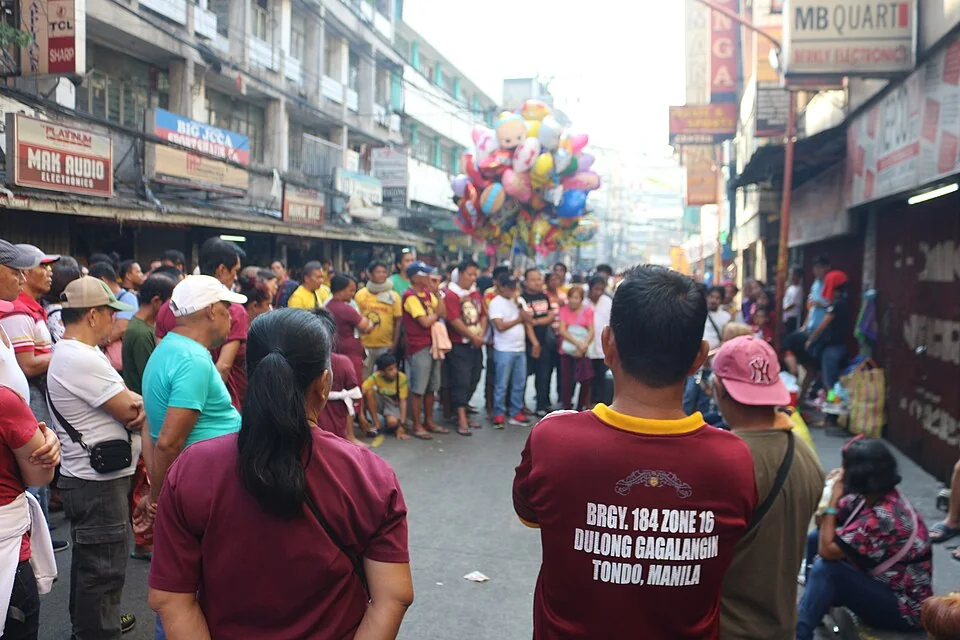
This guide is written with respect for one of the most important acts of faith in the Philippines. Schedules, routes and safety rules are announced by Quiapo Church and the Manila city government in late December; always follow their latest advisories. This guide contains a Klook affiliate link.
The Feast of the Black Nazarene 2027 falls on Saturday, January 9, 2027, in Quiapo, Manila. Its centerpiece, the Traslación, carries the centuries-old image of the Jesus Nazareno along a 5.8-kilometer route from the Quirino Grandstand back to Quiapo Church. In 2026 it drew a record 9.64 million devotees and lasted a record 30 hours and 50 minutes. It’s one of the world’s largest religious gatherings and is extremely crowded: visitors should watch from a safe distance, leave valuables behind and follow official advisories.
When is the Feast of the Black Nazarene 2027?
| Event | When | Status |
|---|---|---|
| Feast day and Traslación | Saturday, January 9, 2027; the procession traditionally starts in the early morning from the Quirino Grandstand | Fixed date every year |
| Fiesta Masses at Quiapo Church | Hourly Masses around the feast; in 2026 they ran from the afternoon of January 8 through the night of January 9 | 2027 schedule to be announced |
| Pahalik (venerating the image) | Usually in the days before the feast at the Quirino Grandstand | 2027 schedule to be announced |
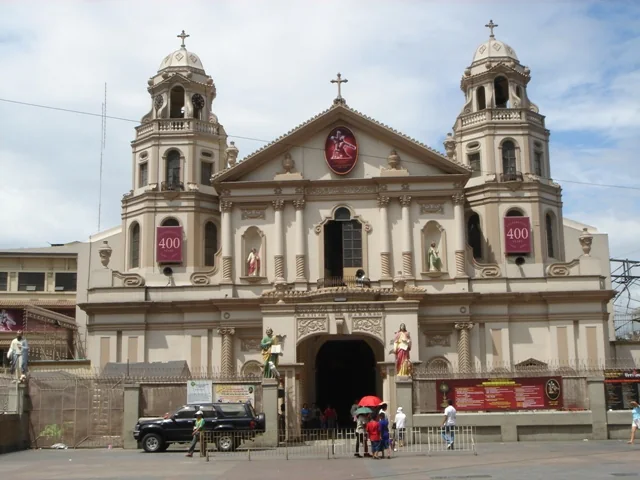
Quiapo Church and the Manila city government usually announce the full schedule, route and road closures in late December. Manila sometimes declares January 9 a local non-working day; it isn’t a national holiday. See our Philippine holidays 2027 guide.
What is the Traslación?
The Traslación (Spanish for “transfer”) reenacts the 1787 transfer of the image of the Black Nazarene from its original shrine in Bagumbayan, today’s Rizal Park, to Quiapo Church. The dark wooden image of Jesus carrying the cross is believed to have come from Mexico in the early 1600s, and devotees, many walking barefoot in maroon and yellow, pull its carriage (the andas) with thick ropes, hoping to touch the image or the rope as an act of faith and petition.
| Year | Devotees (official estimates) | Duration |
|---|---|---|
| 2026 | About 9.64 million (a record) | 30 hours 50 minutes (the longest ever) |
| 2025 | About 8.1 million | 20 hours 45 minutes |
| 2017 (previous record length) | — | 22 hours 19 minutes |
Figures from Quiapo Church and police estimates, as reported by Inquirer, Philstar and GMA News. In 2026, the procession left the Quirino Grandstand at 4 AM on January 9 and reached Quiapo Church at about 10:50 AM on January 10.
Is it safe to attend the Traslación?
For most visitors, the safest way is to watch from a distance, not to join the crowd around the carriage. In 2026, Quiapo Church recorded 1,057 medical cases during the procession, and deaths were reported. Crushing, heat, exhaustion and dehydration are the main risks.

- Stay away from the andas (the carriage) and the ropes, where the crowd is most intense.
- Leave valuables at your hotel; bring only a phone, ID and some cash in a front pocket. Large bags are usually not allowed.
- Wear closed shoes and light clothes; many devotees go barefoot, but visitors shouldn’t.
- Drink water and eat beforehand; the procession can run through the night.
- Know your exits and agree on a meeting point; mobile signals are often cut or overloaded around the route.
- Not suitable for children, older people or anyone with health conditions in the crowd itself.
- Follow official advisories on road closures, bag rules and signal shutdowns.
Where to watch and how to get there
- The route: about 5.8 km from the Quirino Grandstand in Rizal Park through the streets of Ermita, San Nicolas and Quiapo to Quiapo Church. The official 2027 route map is usually released in late December.
- Calmer viewing: early in the morning near the Quirino Grandstand, or along wider streets away from Quiapo, where crowds are thinner.
- Attend a Mass: Quiapo Church holds Masses around the clock during the feast, a meaningful way to take part without the crowd crush.
- Getting there: expect road closures and rerouted jeepneys; the LRT Line 1 (Carriedo and Central stations) is the usual way in, but stations can be crowded or closed. Grab and taxis can’t reach the closed streets. See our Grab guide.
- Where to stay: Ermita, Malate or Makati, away from the closures, with an early start. See our Manila guide and NAIA terminal guide.
Make it part of a January festival trip
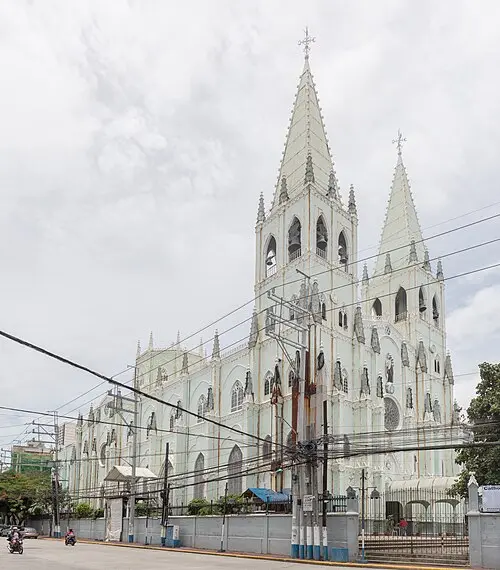
The Black Nazarene opens the Philippines’ busiest festival month. A week later, Sinulog in Cebu and Ati-Atihan in Kalibo both fall on January 17, 2027, and Dinagyang in Iloilo runs January 22–24. See our January festivals 2027 calendar, and more Manila churches in our churches in the Philippines guide.
Feast of the Black Nazarene 2027: FAQ
When is the Feast of the Black Nazarene 2027?
Saturday, January 9, 2027. The feast is held every January 9 in Quiapo, Manila, with the Traslación procession from the Quirino Grandstand to Quiapo Church.
How long is the Traslación?
The route is about 5.8 km, but the procession moves very slowly through the crowds. In 2026 it took a record 30 hours and 50 minutes; in 2025 it took 20 hours and 45 minutes.
How many people join the Traslación?
In 2026, Quiapo Church reported a record of about 9.64 million devotees, up from about 8.1 million in 2025.
Is it safe for tourists to attend the Black Nazarene procession?
It can be, if you watch from a safe distance. The crowd around the carriage is extremely dense; leave valuables behind, wear closed shoes, stay hydrated and follow official advisories. It’s not suitable for children or people with health conditions.
What is the Traslación?
It’s the annual procession reenacting the 1787 transfer of the Black Nazarene image from Bagumbayan, today’s Rizal Park, to Quiapo Church.
Is January 9 a holiday in the Philippines?
Not nationally, but Manila sometimes declares it a local special non-working day. Check the city’s announcement each year.
Why do devotees go barefoot?
Walking barefoot is a sign of humility and penance, recalling Jesus’ walk to Calvary. Visitors are advised to wear closed shoes for safety.
How do I get to Quiapo during the feast?
The LRT Line 1 to Carriedo or Central station is the usual route, but expect crowds, closures and rerouted jeepneys. Cars, taxis and Grab can’t enter closed streets, so plan to walk.
Before you go
Stay reachable and plan your Manila stay.

Born in Cebu City and raised in Dumaguete, Gio now lives in Zamboanga del Sur. He writes Best Philippines Travel Guide to help visitors experience the Philippines’ festivals and faith traditions with respect and safety in mind.