
Pagadian City is the capital of Zamboanga del Sur and one of Mindanao’s most underrated travel destinations. Known as the “Little Hong Kong of the South” for its dramatic hilly terrain, it offers a compelling mix of natural wonders — from the pristine Dao Dao Islands and the white-sand Puting Balas Sandbar to multi-tiered waterfalls and ancient caves — alongside rich Subanen indigenous culture, fresh Illana Bay seafood, the illuminated night-time promenade of Plaza Luz, and its iconic inclined tricycles that navigate the steep city streets. It is a city that rewards the curious traveler.
Pagadian City Tourist Spots — Quick Reference
| Tourist Spot | Category | Entrance | Best For |
|---|---|---|---|
| Dao Dao Islands Top Pick | Island / Beach | Boat fare + small fee | Swimming, snorkeling, relaxing |
| Puting Balas Sandbar | Sandbar | Boat hire | Photography, wading, low tide visits |
| Pagadian City Rotonda Free | Landmark / Viewpoint | Free | Panoramic views, sunset, photos |
| Plaza Luz Free | Town Square | Free | Night-time fountain, street food, local culture |
| Pulacan Falls | Waterfall | Small entrance fee | Swimming, nature walks |
| Lison Valley Waterfalls | Waterfall | Small entrance fee | Trekking, swimming, photography |
| Manga Falls | Waterfall / Cave | Small entrance fee | Twin cascade, white monkeys |
| Kendis Cave | Cave | Small entrance fee | Spelunking, rock formations |
| Guipos Cave | Cave / Underground river | Guided tour fee | Adventure, underground river |
| Hanging Bridges | Adventure / Nature | Free | Thrills, photography, trekking |
| Unity Park Free | Park / Religious | Free | Reflection, family, community |
| Agro-Tourism Complex | Heritage / Culture | Small fee | Subanen culture, farming heritage |
| Pagadian City Water Park | Recreation | Entrance fee | Families, splash zones, baywalk |
| Gaisano Capital Mall Free | Shopping / Dining | Free | Shopping, food court, cinema |
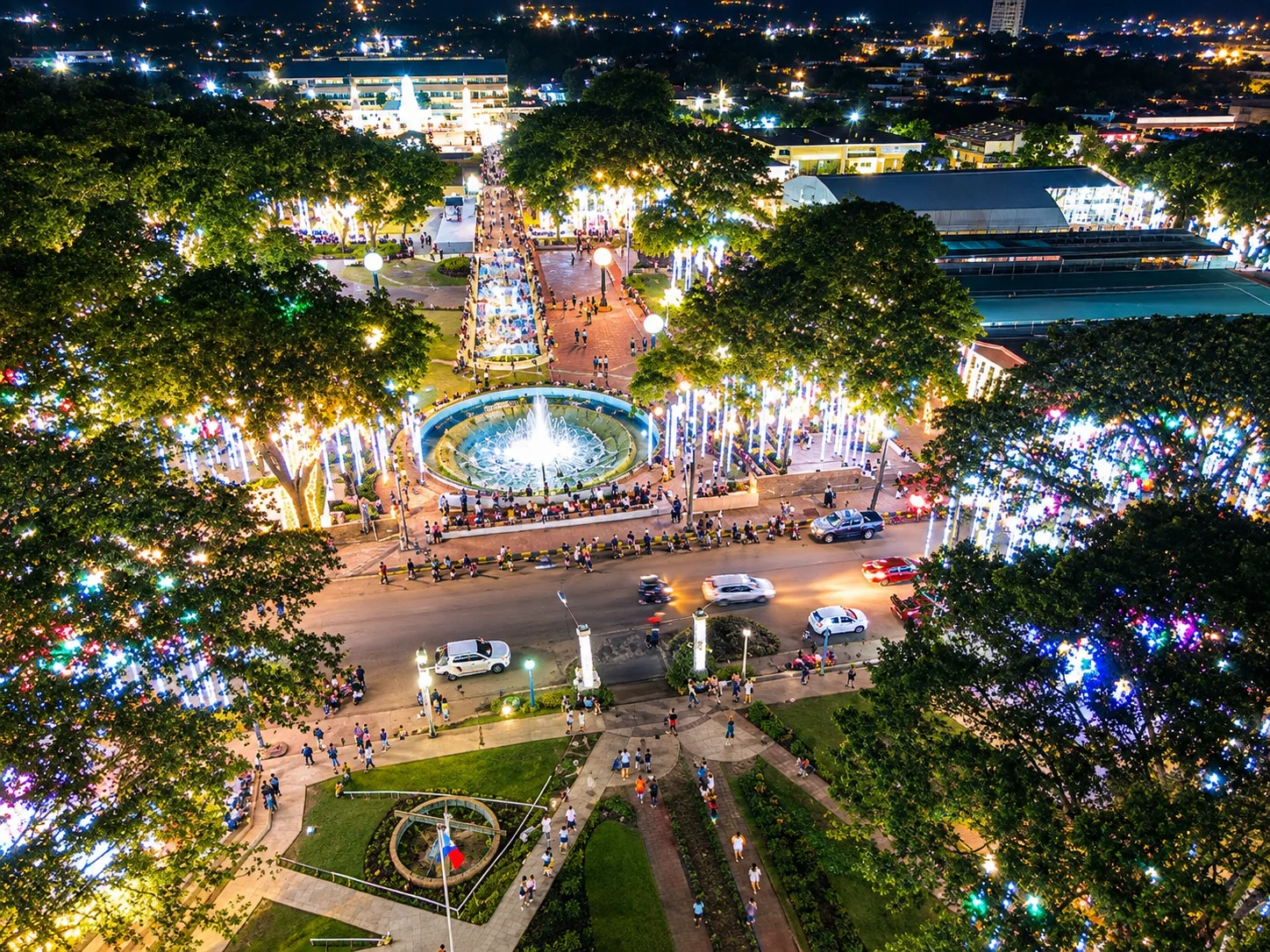
Plaza Luz comes alive after dark — a tree-lined promenade strung with lights, centered on a dancing fountain that draws families, couples, and street vendors every evening. It’s the kind of spot best experienced on foot: walk the length of the plaza, watch the fountain show, and grab a snack from one of the stalls that set up nearby. Free to visit, and an easy, relaxed way to end a day of sightseeing.
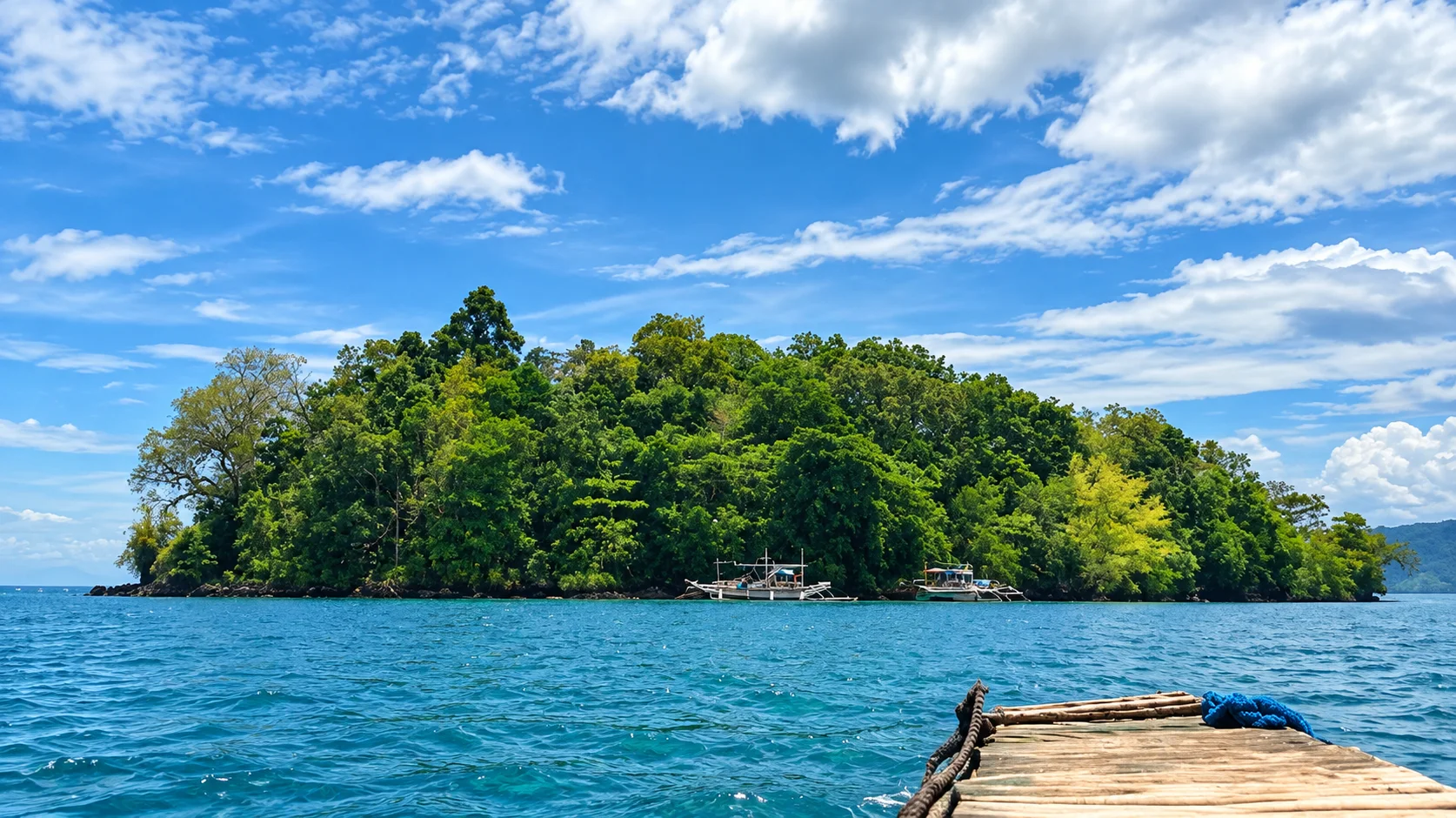
The Dao Dao Islands are the crown jewel of Pagadian’s natural attractions — a group of small islets in Illana Bay composed of Dao Dao Dako (Big) and Dao Dao Gamay (Small), which appear as a single landmass during low tide. The crystal-clear waters, vibrant coral reefs, and soft white sand make it a perfect destination for swimming, snorkeling, and simply unwinding away from the city. Colorful fish and starfish are visible in the shallows, and the calm of the bay makes it ideal for families and solo travelers alike.
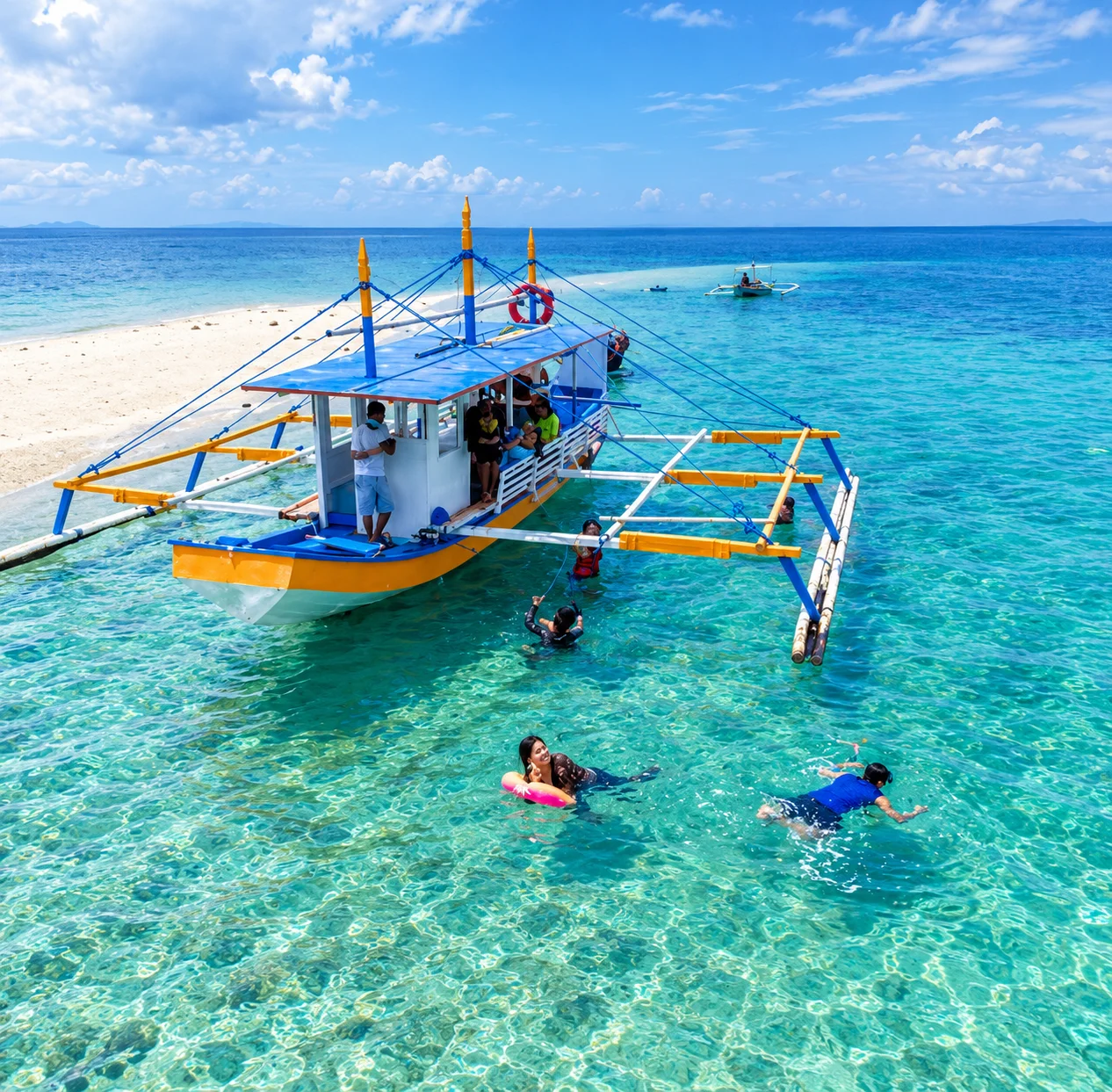
Puting Balas Sandbar is one of the most photogenic natural features near Pagadian — a pristine white strip of sand that emerges from the turquoise waters during low tide, stretching like a pearl ribbon across the bay. Wade through the shallows, hunt for vibrant seashells, take endless photos, or simply stand in the middle of the sea and watch the horizon. Hire a boat from the local port to get here — it is one of those spots that leaves a lasting impression on every visitor.
Pagadian City Rotonda — Best View in the City
Perched on the high ground of Bulatoc Hill, the Pagadian City Rotonda is the most iconic landmark in the city and offers the best panoramic view of the urban landscape cascading down to Illana Bay. It is particularly magical at sunset when the city lights begin to twinkle below and the bay glows orange and gold. Street snack vendors set up here in the evenings, making it a social hub for locals. Free to visit, open 24/7, and easily reached by the city’s famous inclined tricycles — it is the perfect first stop on any Pagadian itinerary.
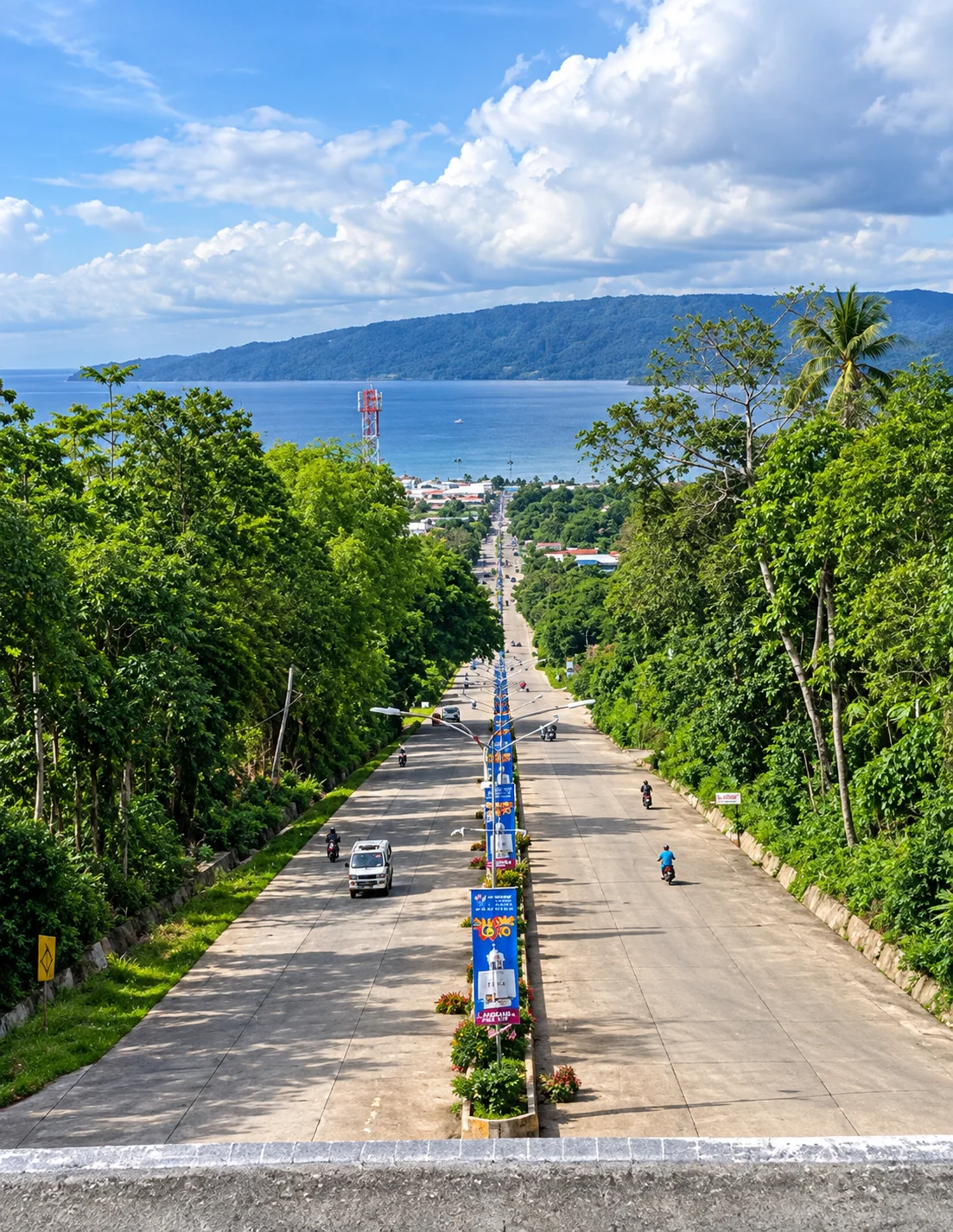
The view from Pagadian City Rotonda — the dramatic hillside cityscape that earned Pagadian its “Little Hong Kong of the South” nickname
Pagadian’s Waterfalls — A City Blessed by Nature
Pagadian is surrounded by some of the most impressive waterfalls in the Zamboanga Peninsula — most within a short drive or trek from the city center. Each has its own character, from the thundering twin-tiered Pulacan Falls to the jungle-hidden Lison Valley.
Pulacan Falls
Located about 12 kilometers from Pagadian City in the municipality of Labangan, Pulacan Falls is a two-tiered waterfall that drops into a pool of clear blue water surrounded by lush greenery. The falls covers an area of 400 square meters and serves as the source of water for the Labangan irrigation system. It is an excellent spot for swimming, nature photography, and family picnics. Hike through the surrounding forest, kayak through the waterways, or simply sit by the pool and let the sound of the falls do the rest.
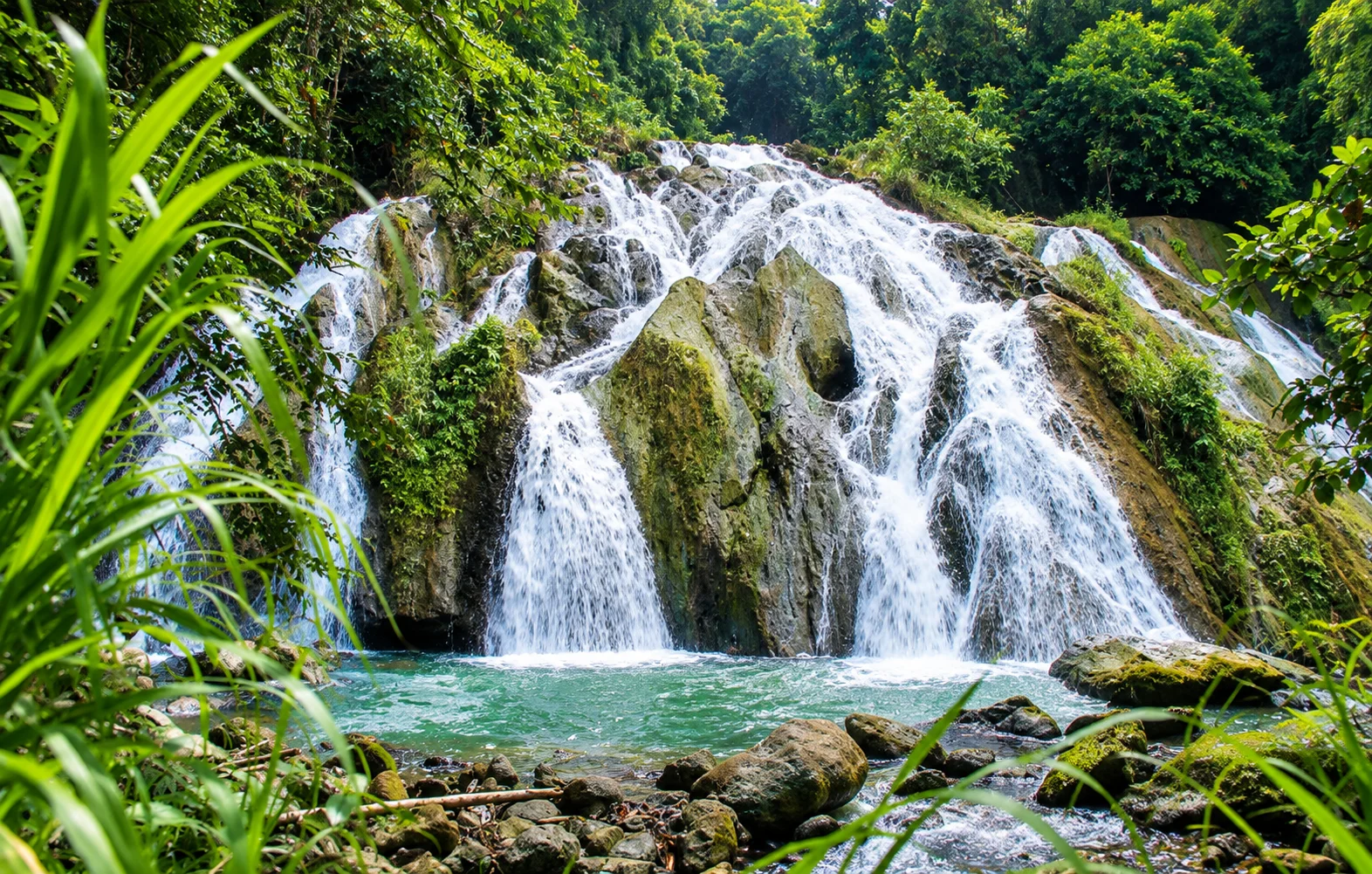
Lison Valley Waterfalls
The Lison Valley Waterfalls is a 20–25 meter cascade through a spherical basin of 20 meters in diameter, surrounded by lush foliage, giant ferns, and wild orchids. It is one of the most visually stunning waterfalls near Pagadian — a true jungle paradise that rewards those willing to hike through the verdant trails to reach it. Crystal-clear pools at the base are perfect for swimming, and the surrounding biodiversity makes it a dream destination for nature lovers and photographers.
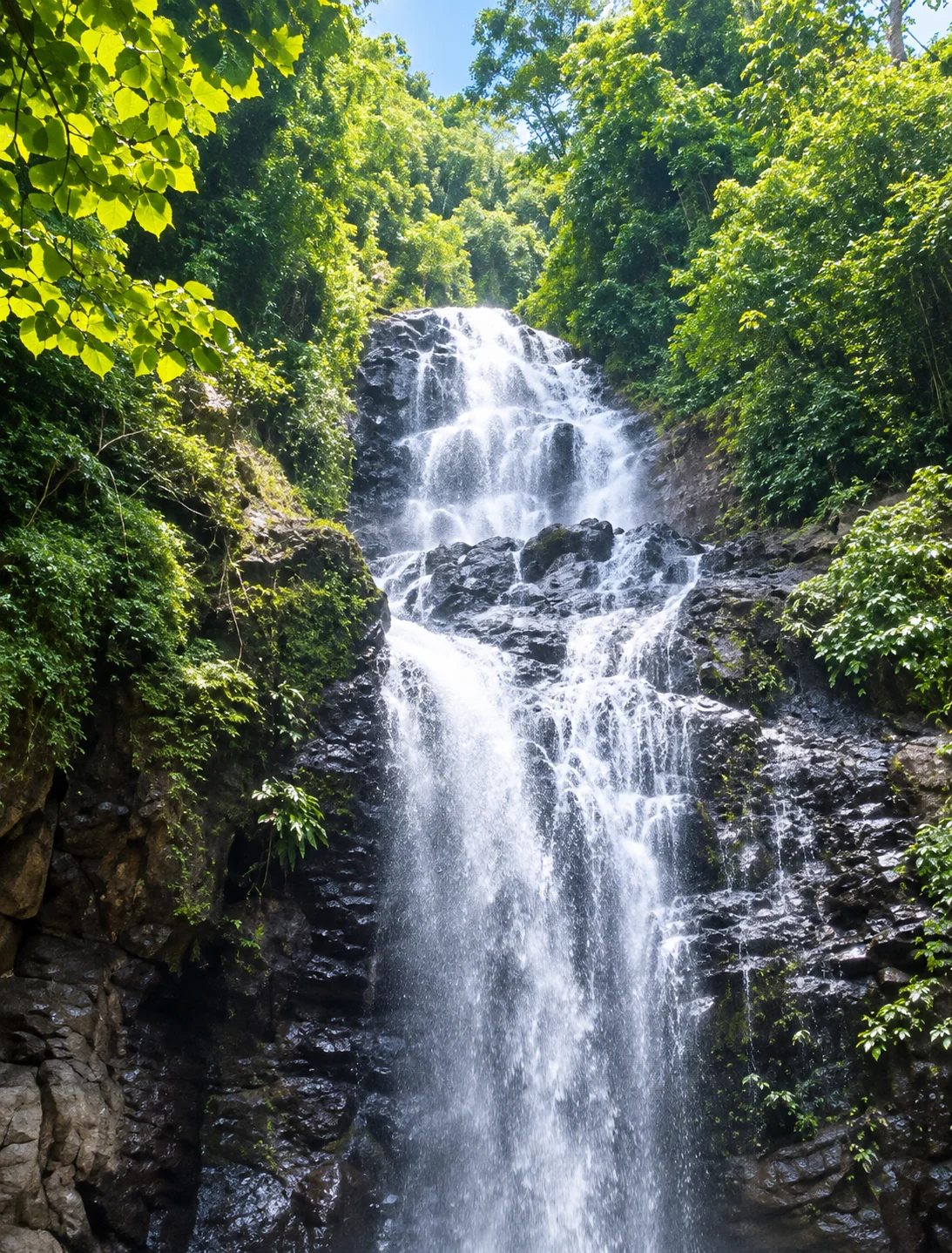
Manga Falls
Manga Falls is a twin cascade nestled in lush greenery with the added bonus of being located alongside the equally impressive Manga Caves. The area is known for its population of white monkeys — rare and memorable wildlife that can be spotted in the surrounding trees. The clear, refreshing water and peaceful forest atmosphere make it one of the most complete nature experiences near Pagadian.
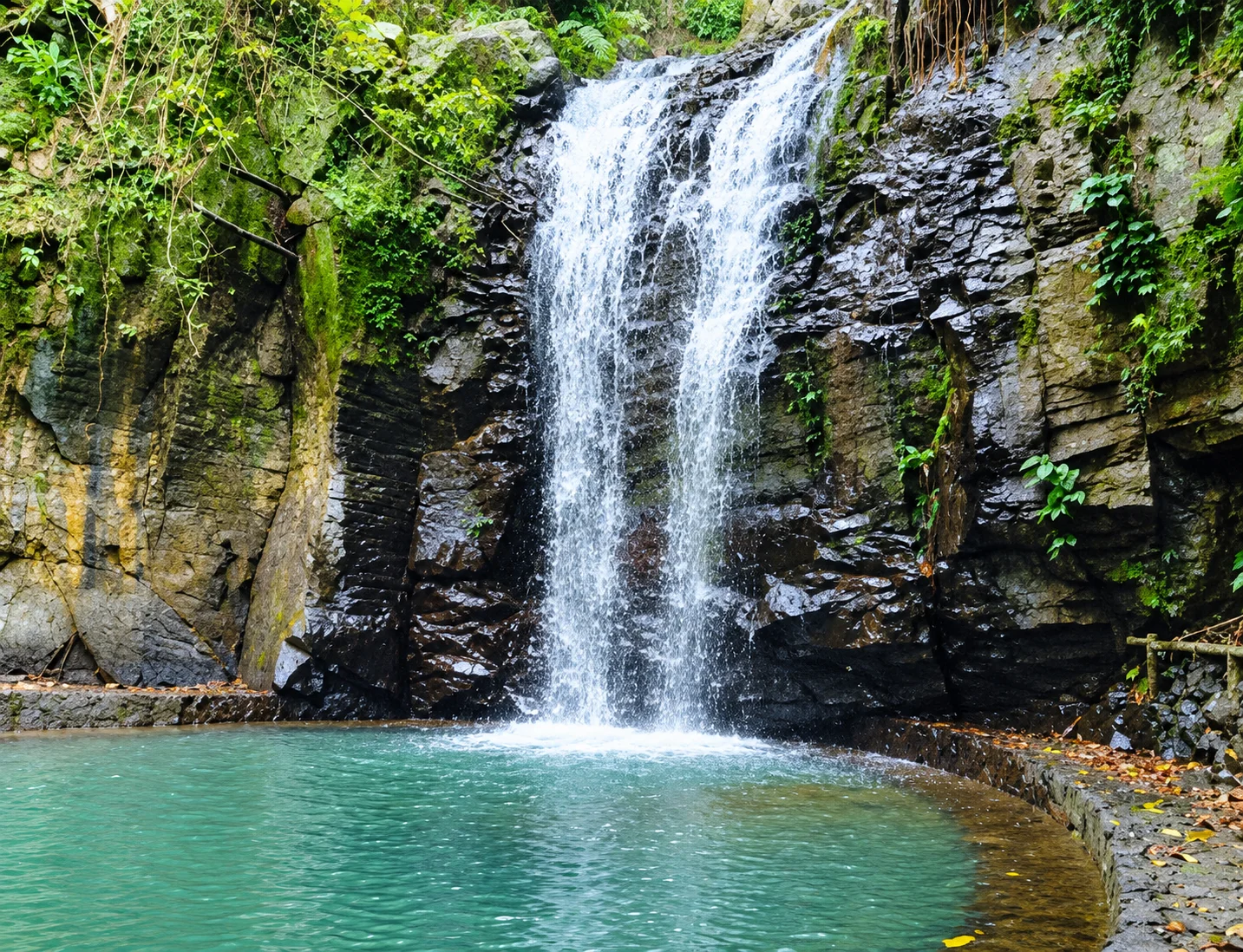
Pagadian’s Caves — For the Bold Explorer
Kendis Cave
Situated 14 kilometers from Pagadian City and 5 kilometers from Ditoray, Kendis Cave is an open-end cave adorned with captivating rock formations, vegetation, and large overhead crevices. It has two interior chambers filled with stalactites and stalagmites formed over thousands of years. It is a fascinating spelunking destination and one of the most accessible caves near Pagadian for first-time adventurers.
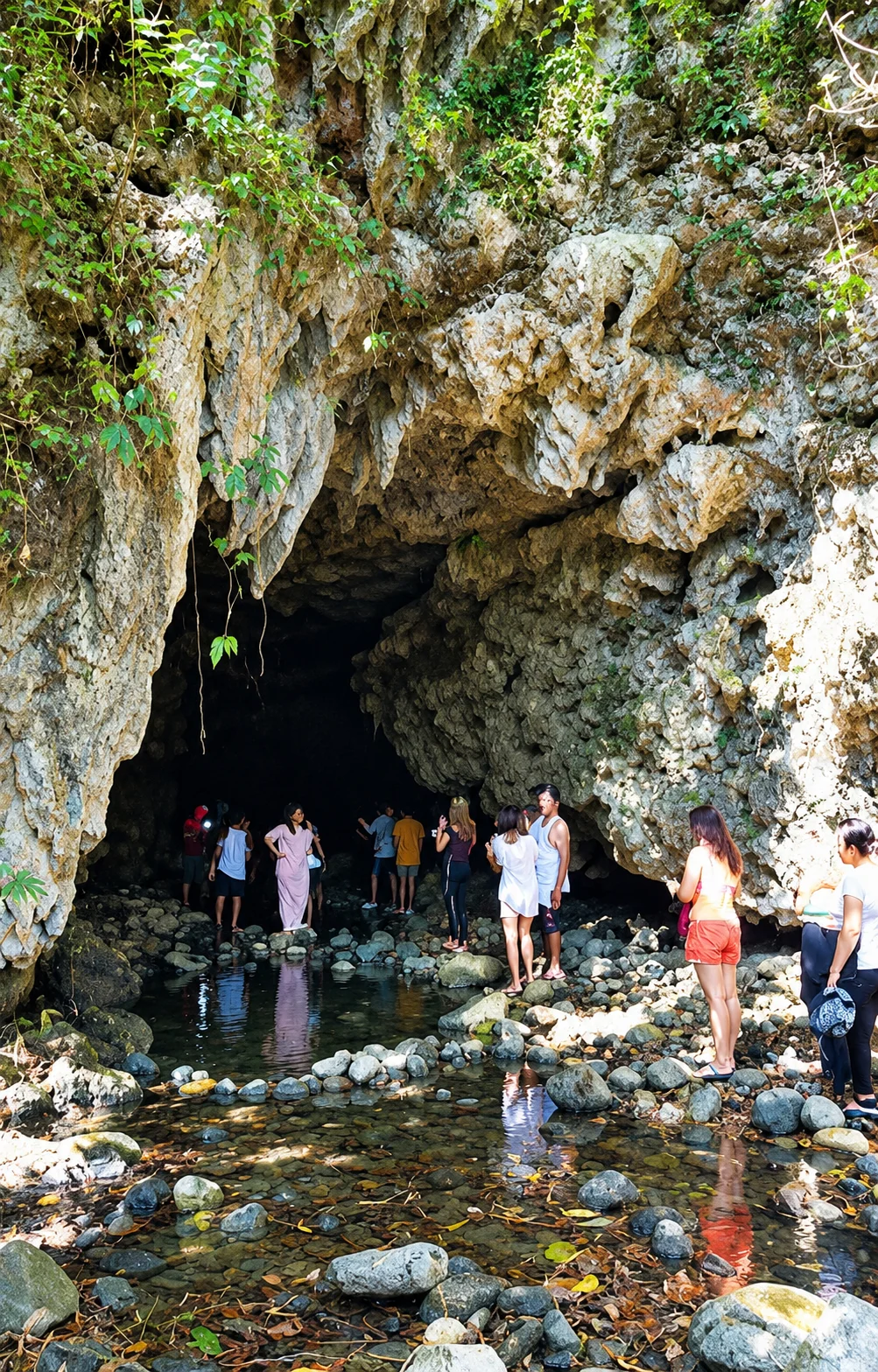
Guipos Cave
Guipos Cave is the more adventurous of Pagadian’s cave attractions — featuring striking rock formations and an underground river that adds a sense of mystery and grandeur to the experience. The trek to the cave can be challenging, but every step reveals new natural formations. Guided tours are recommended and available locally. It is ideal for travelers who want something genuinely off the beaten path.
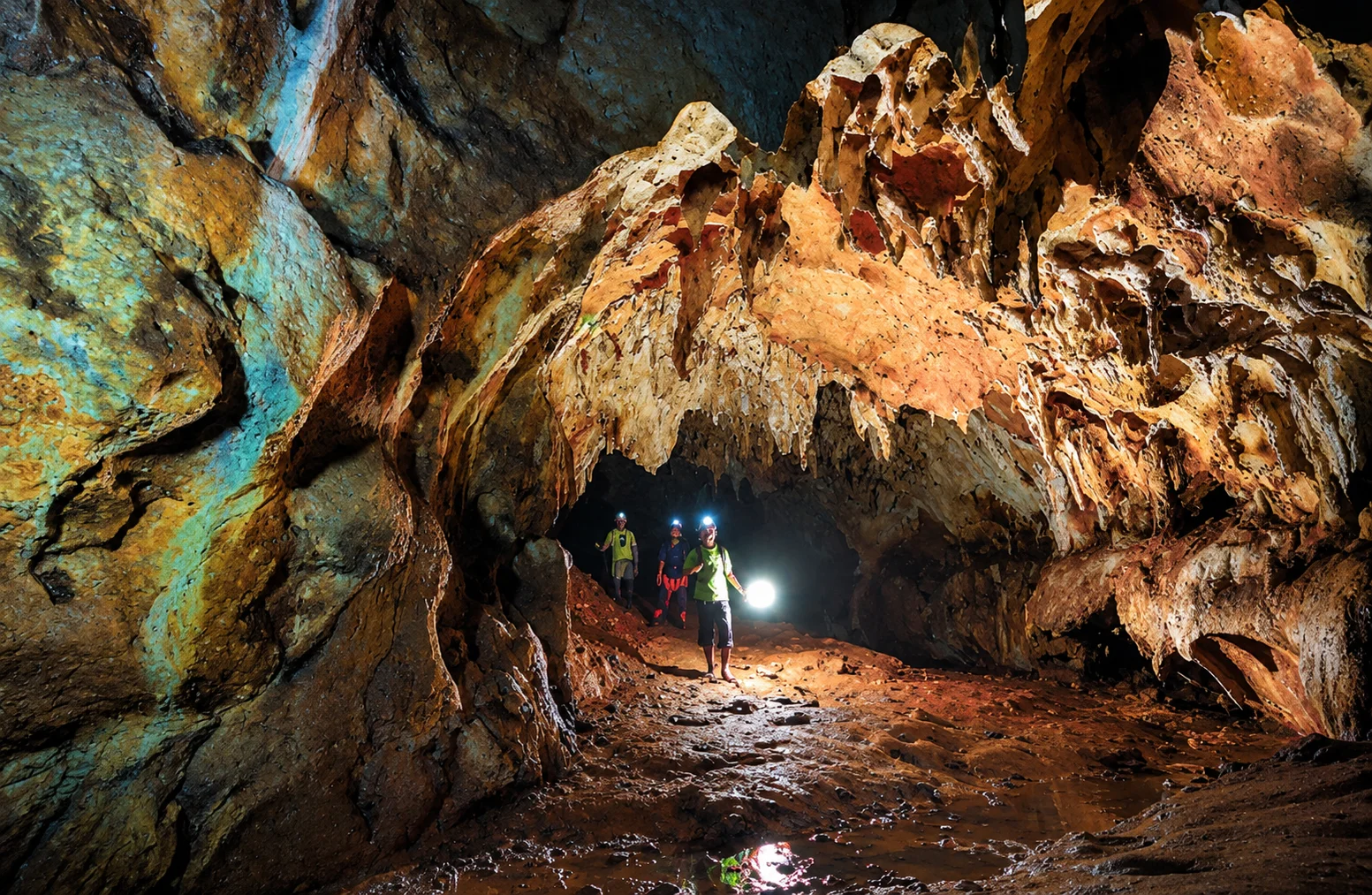
Manga Caves
Twin caves located alongside Manga Falls, the Manga Caves offer a combined waterfall-and-cave experience that makes for a full day of adventure. Explore both the natural chambers of the cave and take a swim in the falls — one of the most rewarding combinations of activities near Pagadian.
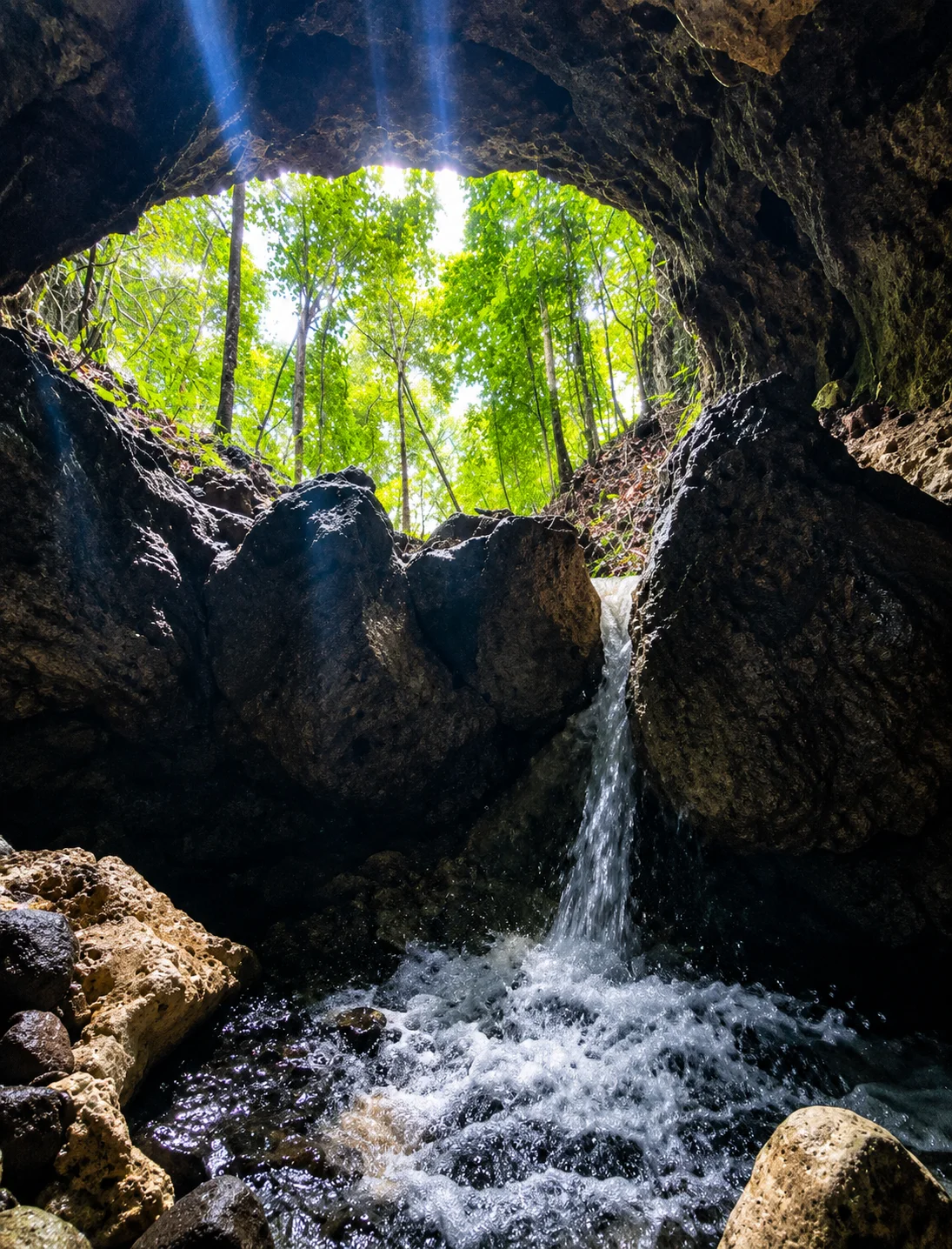
Pagadian’s Hanging Bridges
Pagadian has three notable hanging bridges that are among the most unique natural-adventure experiences in Zamboanga del Sur — each offering a different length and setting:
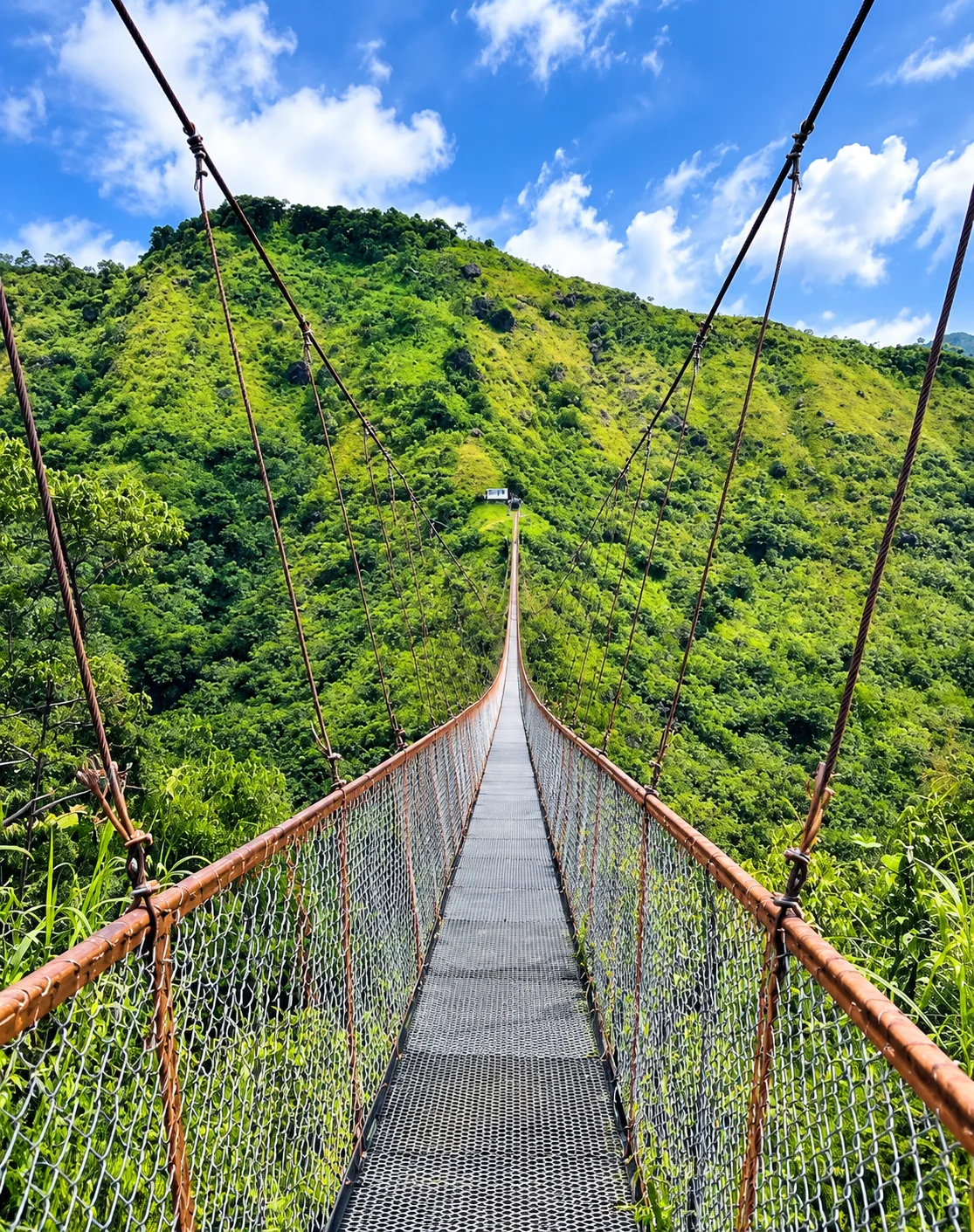
Located in Barangay Lourdes — wooden planks suspended by cables over a river gorge. A classic hanging bridge experience with lush surroundings.
Free27 meters in length — wooden planks on support cables. A thrilling crossing with river views below and forest on both sides.
FreeThe longest at 80 meters — an exhilarating crossing that is not for the faint of heart. All three bridges are safe and fully functional.
FreePagadian’s Inclined Tricycles — A Philippines First
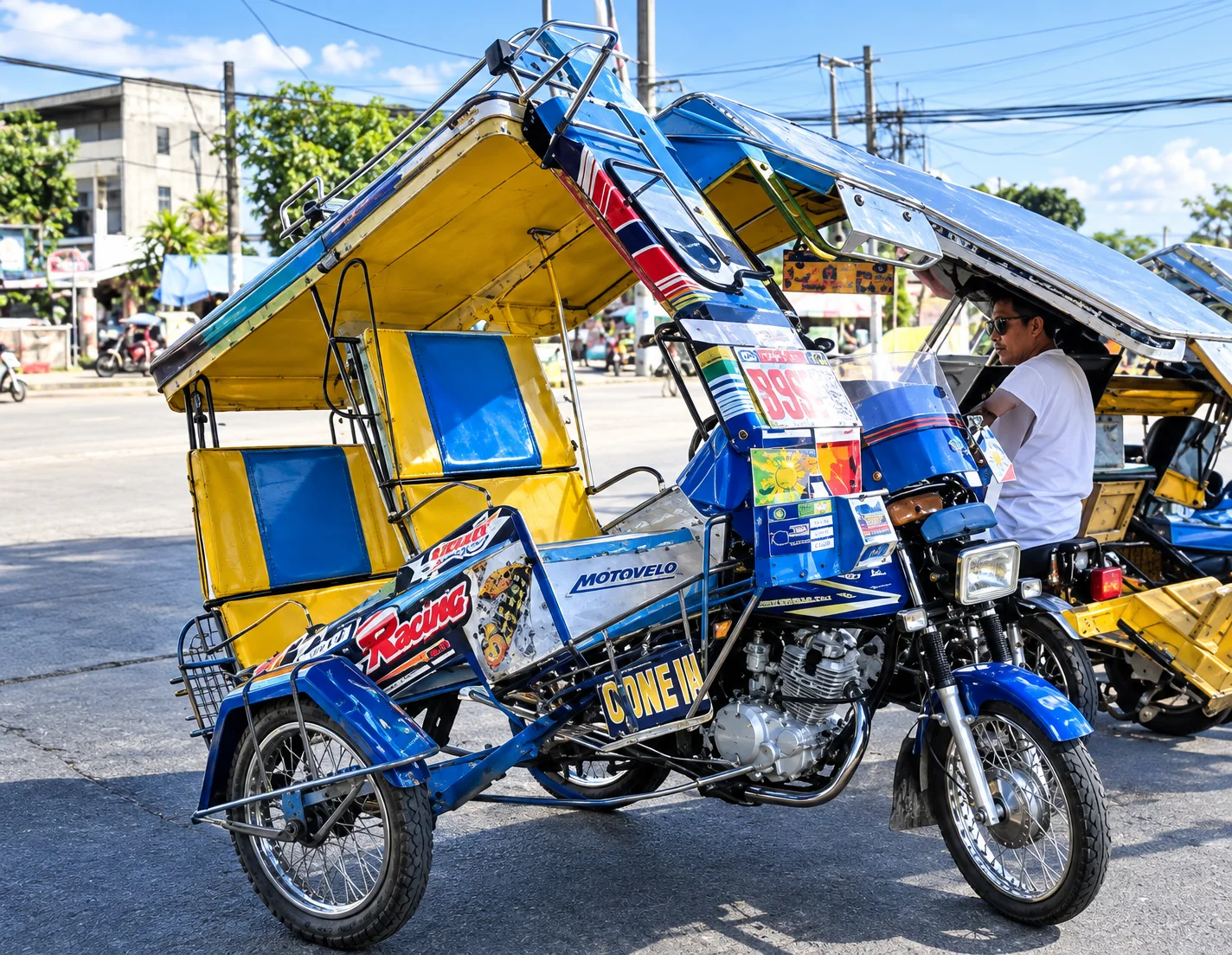
Pagadian’s dramatic hilly terrain — the reason behind its famous inclined tricycles and its “Little Hong Kong” nickname
No visit to Pagadian is complete without riding one of its famous inclined tricycles — a transportation experience found nowhere else in the Philippines. Because Pagadian is built on steep hills (hence the “Little Hong Kong” nickname), standard tricycles cannot safely navigate the grades. Local engineers and mechanics developed specially modified motorcycles with wider wheelbases, reinforced frames, and modified engines capable of climbing the city’s sharp inclines.
Riding an inclined tricycle up to the Rotonda or around the hilly barangays of Pagadian is not just a practical way to get around — it is a genuine cultural experience that connects you to the ingenuity and character of the city. Every visitor should ride one at least once.
Subanen Culture — The Soul of Zamboanga del Sur
The Subanen are the indigenous people of Zamboanga del Sur and the Zamboanga Peninsula — one of the largest indigenous groups in Mindanao. In Pagadian, their cultural heritage is woven into the fabric of daily life through local food traditions, crafts, festivals, and the Agro-Tourism and Heritage Complex, which is the best place to experience Subanen culture firsthand.
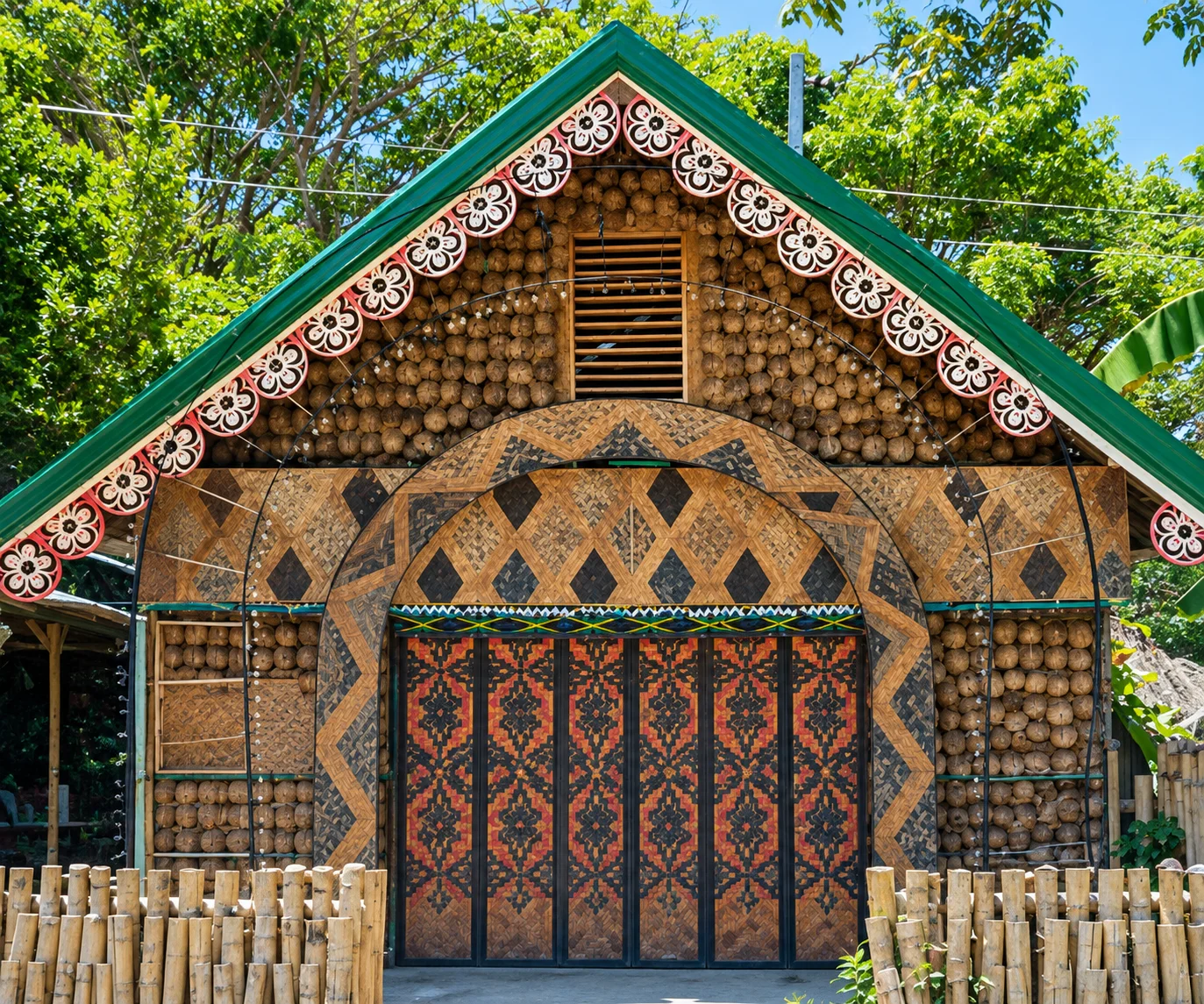
At the complex, visitors can witness traditional farming practices, observe indigenous weaving and pottery, explore ancestral houses, discover native crops, and taste authentic Subanen dishes. It is a hands-on, educational stop that is perfect for families, students, and anyone who wants to understand the deep roots of Zamboanga del Sur’s identity beyond the usual tourist circuit.
Local cuisineWhat to Eat in Pagadian City
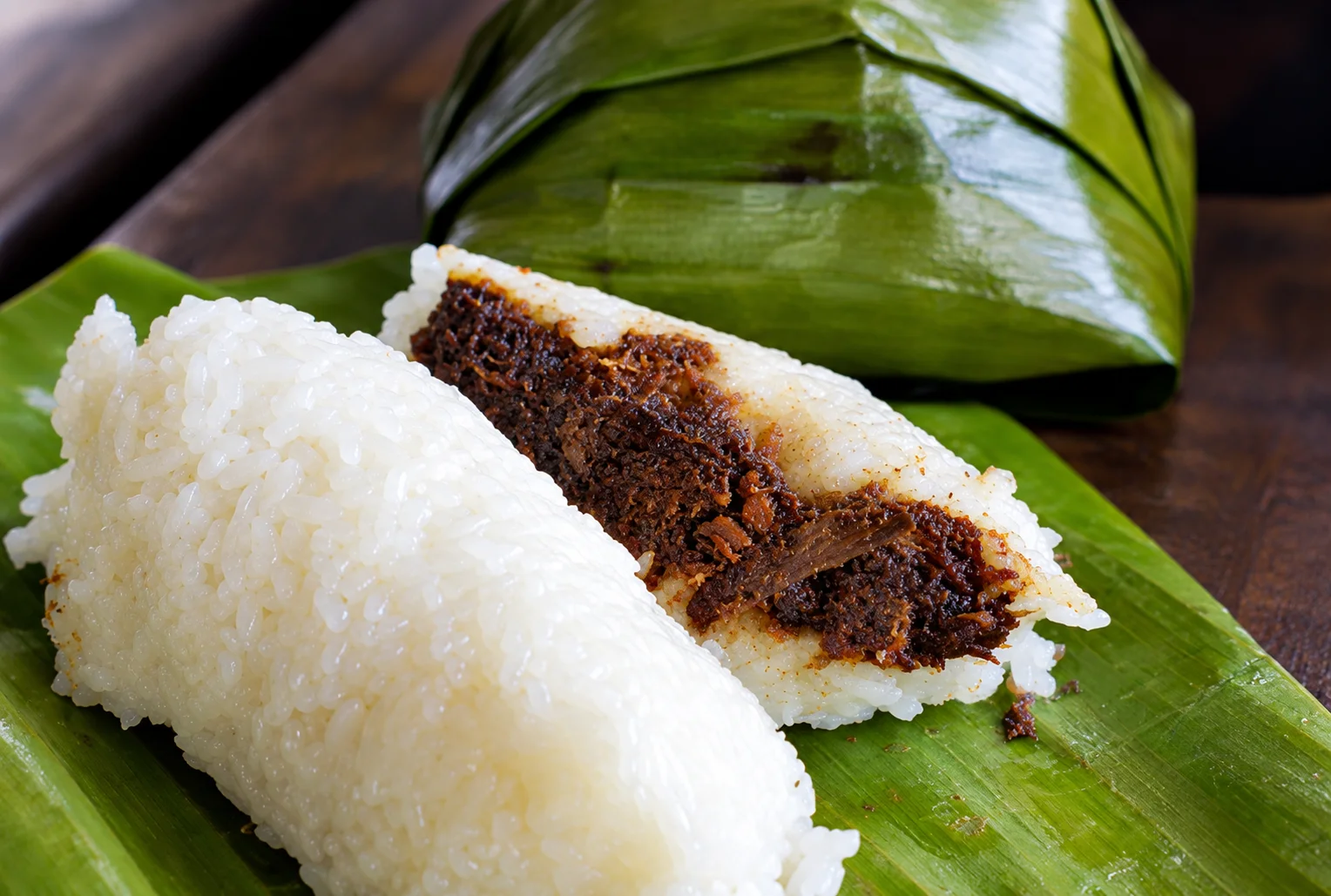
Pianggang and pastil — two of Pagadian’s signature street foods
Pagadian’s food culture is a delightful reflection of its coastal location and diverse cultural heritage — a blend of indigenous Subanen, Muslim, and Christian culinary traditions that results in some of the most unique and flavorful food in Western Mindanao. Seafood from Illana Bay plays a central role, and the street food scene near the wharf and baywalk is vibrant, especially at night.
| Food / Dish | Description | Where to Try |
|---|---|---|
| Pianggang Must-Try | Grilled coconut chicken — charred outside, smoky and sweet inside | Local restaurants, carinderia |
| Pastil | Steamed rice wrapped in banana leaves with spiced meat filling | Pastil Street, public market |
| Kinilaw | Raw fish marinated in vinegar and citrus — Zamboanga style | Seafood restaurants, wharf area |
| Illana Bay Seafood | Fresh daily catch — grilled, steamed, or kinilaw | Wharf-side eateries, baywalk stalls |
| BBQ Stalls | Inihaw na baboy, chicken, and seafood on skewers | Baywalk area at night |
- Pastil Street — The street food capital of Pagadian. Best for pastil, kinilaw, and inihaw. Lively from afternoon onwards.
- Kakaw Restaurant — Authentic Filipino cuisine with fresh seafood and local stews.
- Café Fleur — Cozy café for coffee and pastries with a local charm.
- Gaisano Capital Pagadian — Food court variety for travelers wanting familiar options in a comfortable air-conditioned setting.
- Baywalk barbecue stalls — Best at night, with grilled seafood and cold drinks by Illana Bay.
Where to Stay in Pagadian City
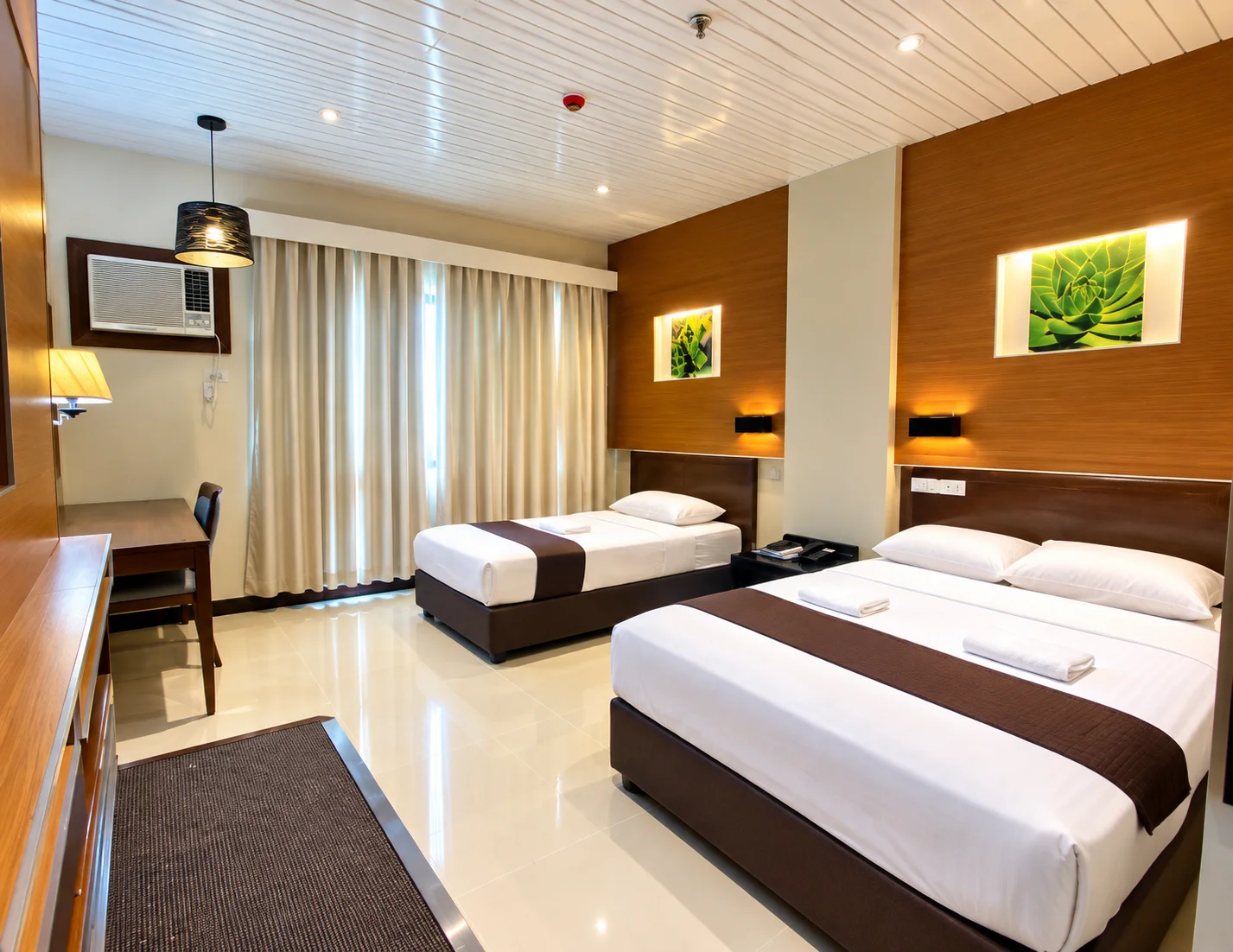
- Pagadian Bay Plaza Hotel — One of the most popular hotels in the city, well-located near major attractions.
- Four Queens Resort — Good mid-range option with comfortable rooms and easy city access.
- VM Hotel — Offers stunning views, modern amenities, and good service.
- Luminous Hotel — Centrally located, modern comfort, good for business and leisure travelers.
- GV Hotel Pagadian — Budget-friendly option strategically located near Pagadian Rotonda and city tourist spots.
- Uptown Pension House — Ideal for solo travelers and backpackers looking for clean, safe accommodation.
How to Get to Pagadian City
Book a direct flight from Manila or Cebu to Pagadian Airport (PAG). The airport is just 2.7 km from downtown — about 25 minutes by tricycle. This is the fastest and most convenient option.
If direct flights are unavailable, fly to Labo Airport in Ozamiz City (59 km away), then take a bus or van to Pagadian. Travel time is approximately 1.5–2 hours from Ozamiz.
Direct bus trips are available from Davao City, Cagayan de Oro, Dipolog, Dapitan, and Zamboanga City. Book with major Mindanao bus lines. Travel times vary from 3–8 hours depending on origin.
Ferry/RORO routes connect Pagadian to Zamboanga City and Cotabato City. Check schedules at the Pagadian City seaport. A scenic option for those coming from Zamboanga.
Best Time to Visit Pagadian City
The best time to visit Pagadian City is during the dry season from November to April. During this period, the weather is most suitable for island hopping to Dao Dao Islands, visiting Puting Balas Sandbar, and trekking to the waterfalls. December to February is the coolest and most comfortable for sightseeing. March to May offers the lowest hotel prices and is ideal for beach activities.
Avoid visiting during the rainy season (June to October) as heavy rainfall can make waterfalls inaccessible, rough seas can cancel boat trips to the islands, and the hanging bridges and hiking trails can become slippery and dangerous.
One-Day Pagadian City Itinerary
Start with pastil, kinilaw, or a warm carinderia breakfast near the market. Fresh and cheap.
Take a boat from the seaport (7–10 mins). Spend the morning swimming and snorkeling in the crystal-clear bay. Visit Puting Balas Sandbar if tide permits.
Fresh grilled seafood from Illana Bay. Try the kinilaw and pianggang.
Learn about Subanen culture, see traditional farming, and pick up handmade crafts as souvenirs.
The quintessential Pagadian experience. Ride up for the best sunset view over Illana Bay.
Watch the city light up below, then head down to Plaza Luz for the fountain show and evening street food.
Practical Travel Tips for Pagadian City
- Clothing: Pack light, breathable fabrics (cotton or linen) for the tropical climate. Bring a light rain jacket if visiting between May and November.
- Transport within the city: Inclined tricycles are the main mode of transport. Jeepneys cover medium distances and are the most affordable option. Habal-habal (motorcycle taxis) can reach spots harder to access by other means.
- Best value months: March to May offers the lowest hotel prices in Pagadian.
- Island trips: Bring sunscreen, a rash guard, and reef-safe products for Dao Dao Islands visits.
- Boat hire: Negotiate boat fares at the seaport before departing for the islands or sandbar. Agree on a round-trip rate.
- Cash: Bring enough cash — ATMs are available at Gaisano Capital and major banks, but remote areas and islands are cash-only.
- Guided tours: For caves like Guipos Cave, always hire a local guide for safety.
Pagadian City — Frequently Asked Questions
What is Pagadian City known for?
What are the top tourist spots in Pagadian City?
What is Plaza Luz in Pagadian City?
What are Pagadian’s inclined tricycles?
How do you get to Pagadian City?
What is the best time to visit Pagadian City?
Who are the Subanen people of Pagadian?
What food is Pagadian City known for?