
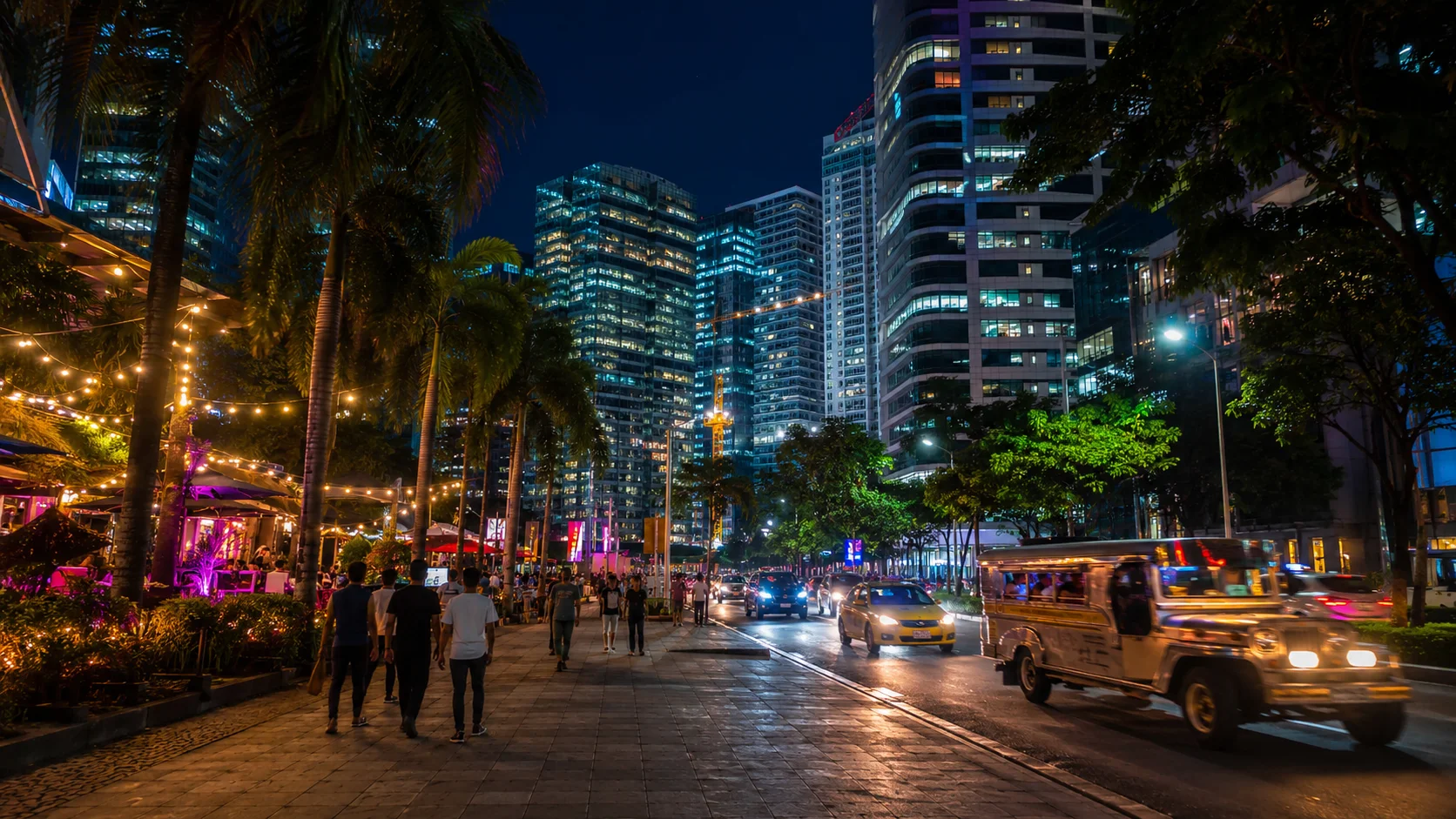
Quick Answer: Cebu City’s best nightlife splits into three areas — IT Park & Cebu Business Park for a modern, safe, walkable scene with rooftop bars and the Sugbo Mercado night market; Mango Avenue for old-school club-hopping and KTVs (approach with more caution); and Mandaue City for the biggest superclubs like Club Tipsy. Most first-time visitors should start in IT Park.
🌃 What Is Cebu City Nightlife Like?
Cebu City’s nightlife is social, affordable, and noticeably more relaxed than party hubs like Manila or Bangkok — you won’t find sprawling red-light districts, but you will find a genuine mix of superclubs, rooftop lounges, karaoke bars, live music venues, and a night market that’s busy at 11 PM on a Tuesday. The scene isn’t confined to one strip either: where you go after dark changes the entire experience, from the polished towers of IT Park to the grittier, louder stretch of Mango Avenue.
This guide breaks the city down by district first, since that’s the decision that actually matters, then covers clubs, rooftop bars, KTV lounges, live music, cultural nightlife, night markets, typical costs, and safety — everything you need to plan a night out in Cebu City.
🗺️ Which Nightlife Area in Cebu City Is Right for You?
Cebu City’s after-dark scene is really three distinct districts, and picking the right one matters more than picking the right venue.
| Area | Vibe | Best For |
|---|---|---|
| IT Park & Cebu Business Park | Modern, safe, walkable — upscale clubs, rooftop bars, 24-hour cafes, Sugbo Mercado | First-timers, solo travelers, couples, safety-conscious visitors |
| Mango Avenue (Gen. Maxilom Ave) | Cebu’s original nightlife strip — grittier, louder, dense with dive bars and KTVs | Traditional bar-hopping, groups wanting a raw, unfiltered night |
| Mandaue City | Home to Cebu’s biggest superclubs, a short Grab ride from the city center | Dedicated party nights, big dance floors |
🪩 Best Nightclubs in IT Park & Cebu Business Park
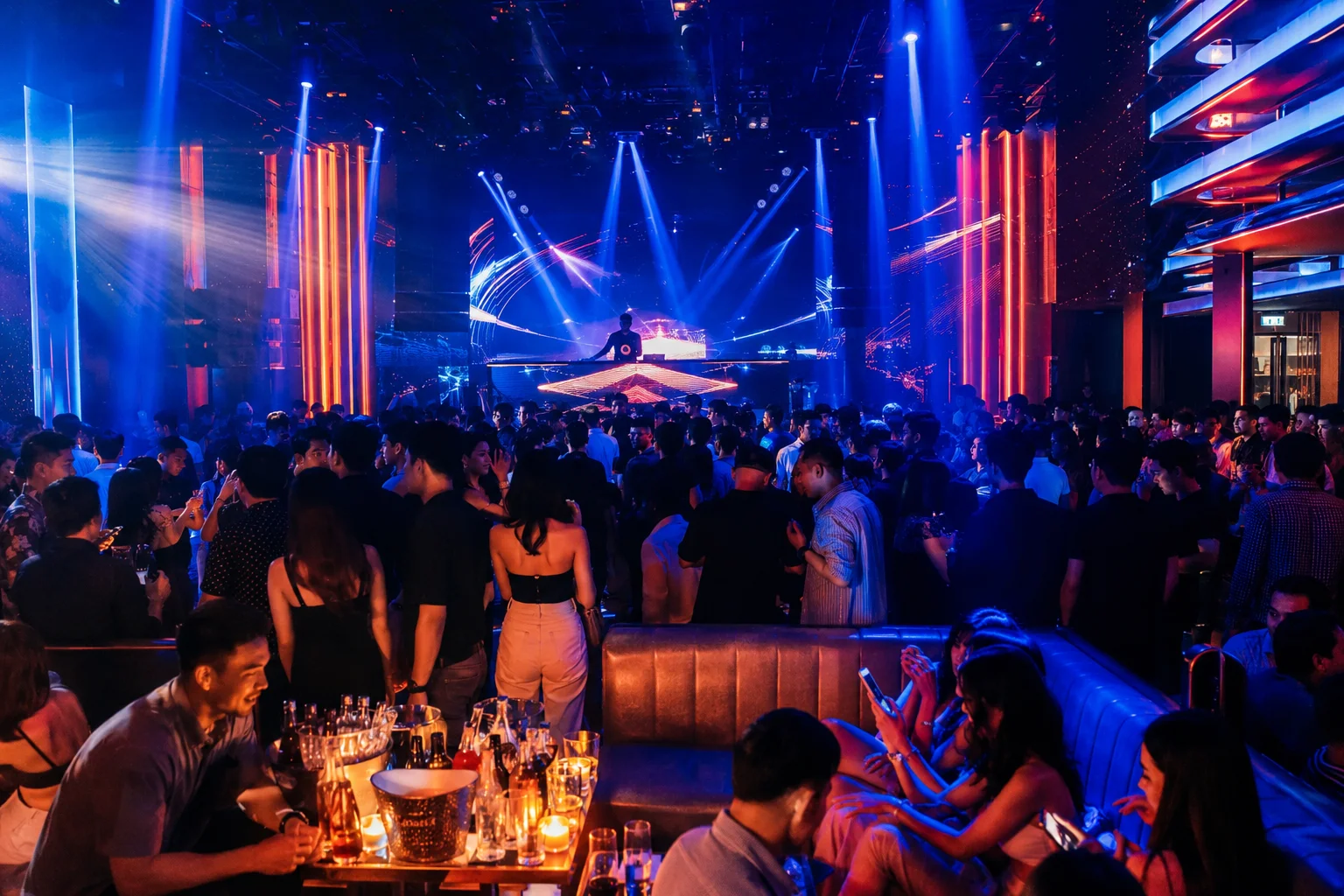
Liv Superclub remains Cebu’s premier clubbing destination, with state-of-the-art lighting and sound and a set list that swings from EDM and house to hip-hop. Smart casual dress is expected, and the floor doesn’t fill up until close to midnight.
The Distillery blends a laid-back atmosphere with high-energy nights, built around a deep list of imported beers, wines, and spirits. The crowd skews slightly older and the playlist leans retro, indie rock, and the occasional acoustic set — casual chic works fine here, and it fills up after 10 PM on weekends.
🍻 Best Bars and Clubs on Mango Avenue
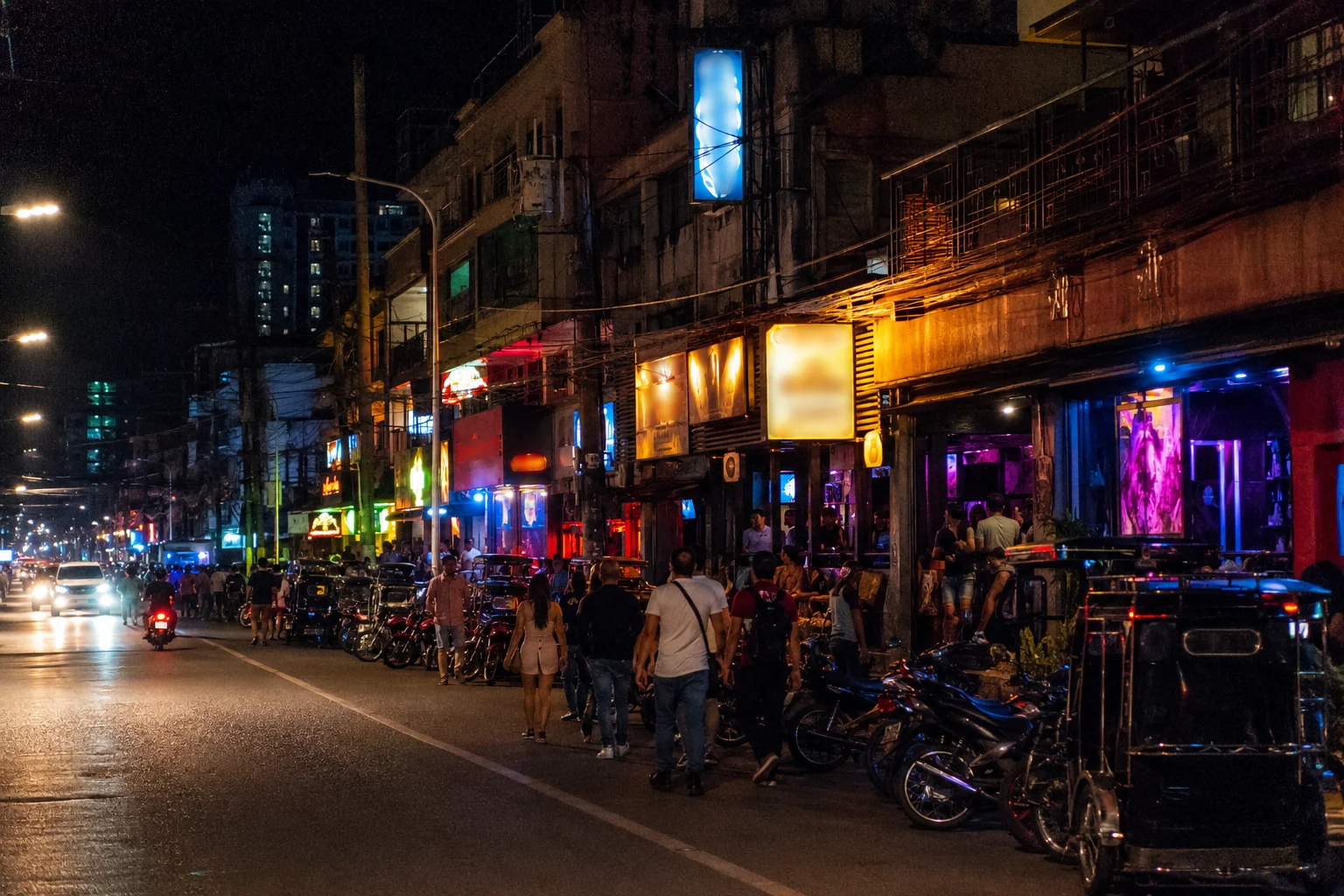
Mango Avenue (officially General Maxilom Avenue) is Cebu’s original party strip, and it earns its reputation: clubs sit side by side, making it easy to bar-hop, but the energy is louder and more chaotic than IT Park.
Club Holic, at Mango Square along Gen. Maxilom Ave, is a long-running fixture known for K-pop-heavy sets and themed nights, popular with a younger crowd. Trendy nightclub attire and an arrival around 11 PM will put you at the peak of the night. This strip also has Cebu’s highest concentration of KTV lounges — worth knowing if karaoke is more your speed than a dance floor. Because Mango Avenue is livelier and less tightly managed than IT Park, it’s best enjoyed in a group and with a bit more street awareness than a rooftop bar requires.
🔊 Best Superclubs in Mandaue City
Just a short ride from Cebu City proper, Mandaue is home to some of the region’s biggest superclubs, including Club Tipsy, which locals frequently name as one of the best large-scale clubs in the metro. If IT Park feels too polished and Mango Avenue too chaotic, Mandaue’s superclub scene is the middle ground built for a dedicated night of dancing.
🍸 Best Rooftop Bars in Cebu City
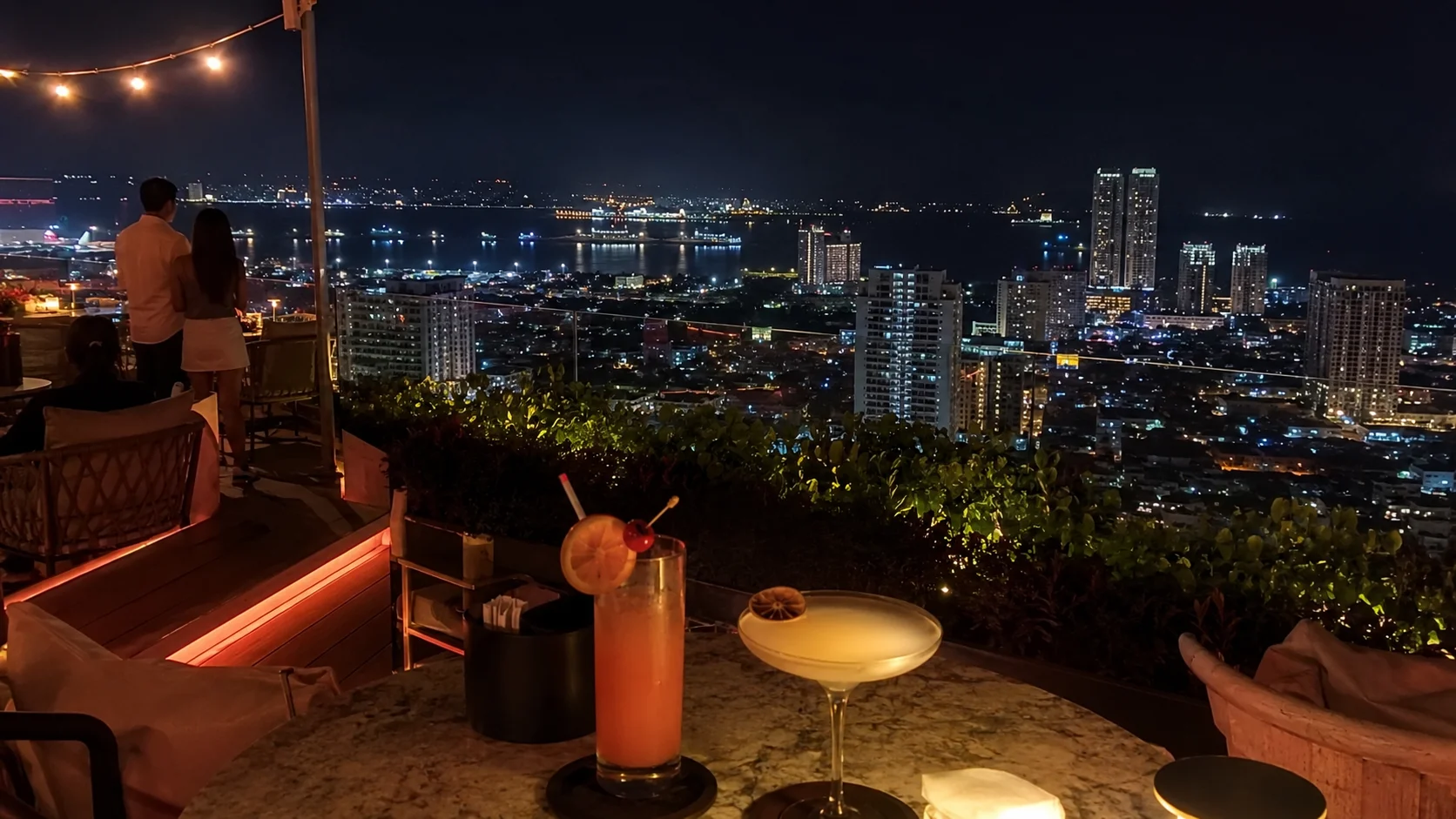
For a slower-paced, view-driven evening, Cebu’s rooftop scene clusters around IT Park and Cebu Business Park. Straight Up Rooftop Bar at Seda Central Bloc Cebu is a favorite for cocktails with a skyline backdrop. Blue Elephant Sky Lounge, on the top floor of the AppleOne Equicom Tower, pairs dinner with panoramic views. Ambiance Bar & Restaurant rounds out the IT Park rooftop circuit. Over in Mandaue, Twilight at bai Hotel Cebu offers one of the widest roofdeck views in the metro — and since it’s a hotel rooftop, staying there is the easiest way to end a Mandaue club night without a late Grab ride home. Rooftop bars are the pick for date nights, business meetups, or anyone who wants conversation over club noise — expect them to wind down earlier than the clubs, usually by midnight or 1 AM.
🎤 KTV and Karaoke Lounges
Karaoke is a genuine part of Cebu’s nightlife culture, not a novelty. KTV lounges are concentrated along Mango Avenue and inside malls near Crossroads, offering private rooms, a mostly Korean and anime-heavy video catalog, and food-and-drink packages that work well for birthdays, reunions, or a group that wants to sing rather than dance. Rooms are typically booked by the hour, so arriving with a set group and a plan makes for better value than walking in solo.
🎷 Live Music, Jazz & Comedy Venues
Jazz n’ Blues is the city’s go-to for a more intimate, laid-back night, with dim lighting, comfortable seating, and a lineup of local and international jazz and blues acts. For something lighter, 22nd St Comedy Bar has built a following for stand-up nights, and several IT Park bars run live-band sets covering everything from Western hits to OPM classics.
🏮 Cultural Nightlife Experiences
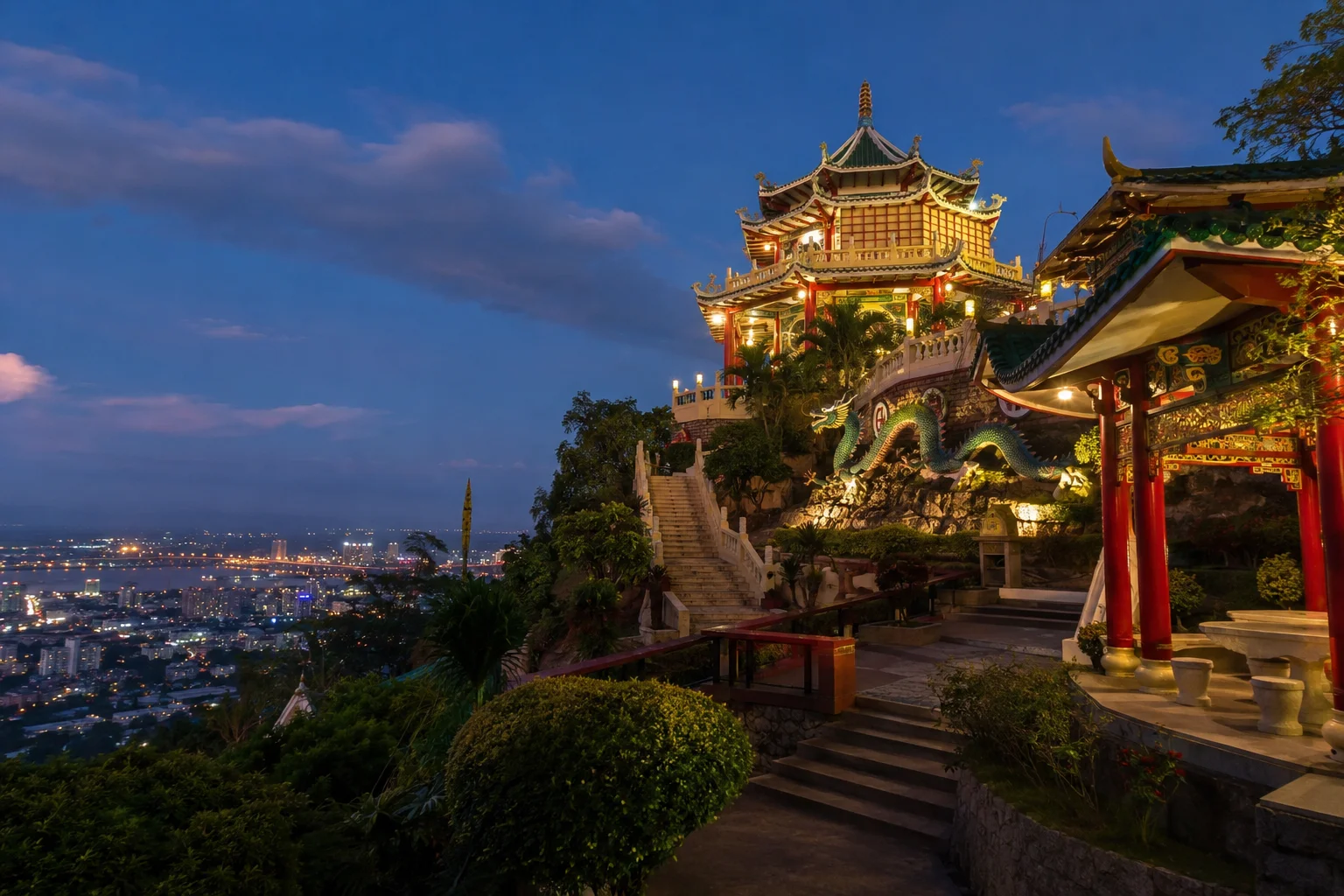
Cebu’s nightlife isn’t only about bars and clubs. Casa Gorordo Museum occasionally hosts evening tours with traditional dance and music performances inside a restored 19th-century house. The Cebu Taoist Temple is worth a twilight visit for its architecture and city views, and heritage walks through Colon Street and the Parian district offer a quieter, historical way to spend an evening.
🌙 Night Markets and Street Food
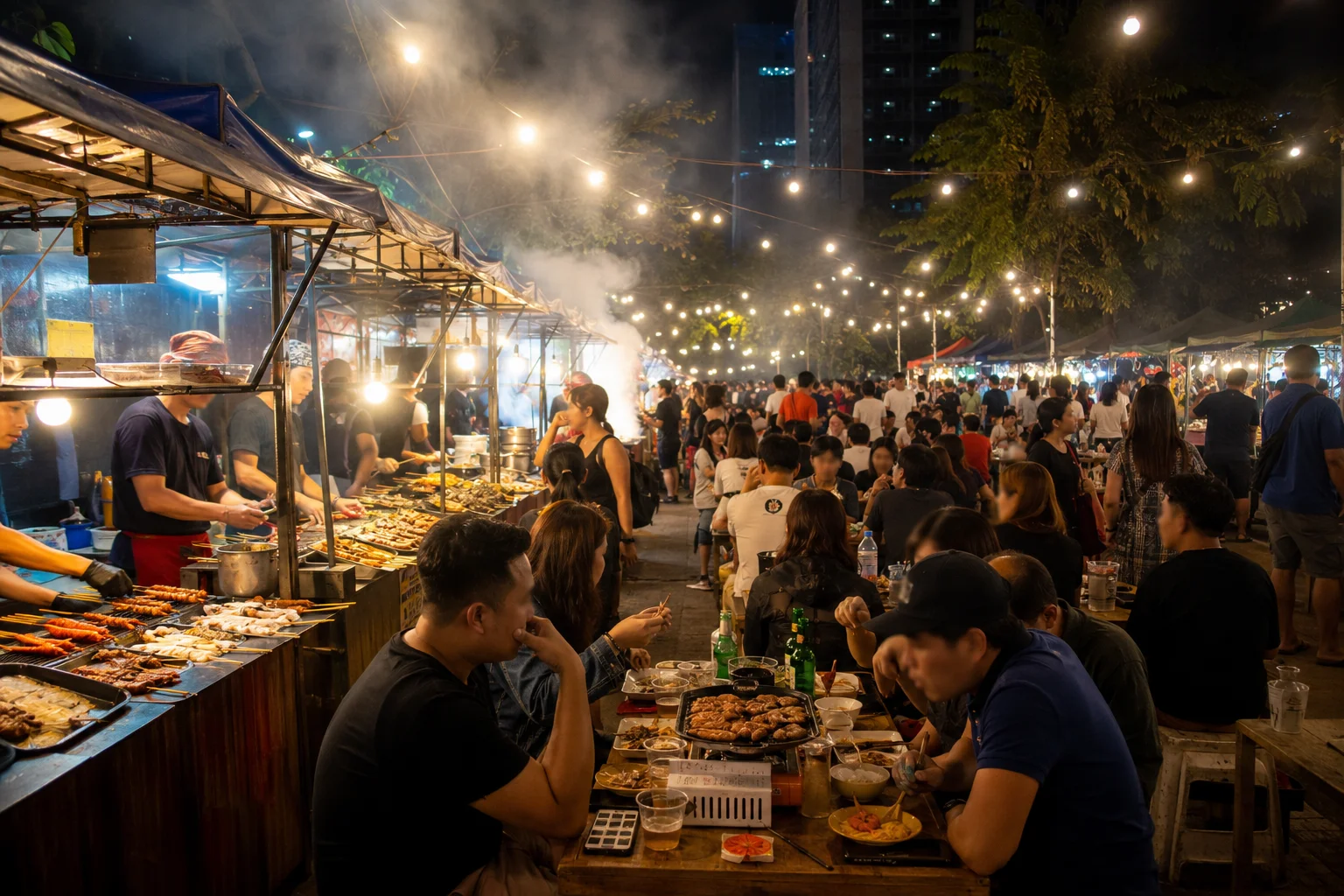
Sugbo Mercado, inside IT Park, is the city’s best-known night market — roughly 50 open-air stalls serving grilled seafood, Korean BBQ, Filipino rice meals, and halo-halo under string lights. It typically runs Tuesday through Sunday, about 4 PM to midnight, closed Mondays (some reports list a Wednesday-start week, so it’s worth checking the market’s Facebook page before you go). Entrance is free, and a full dinner with drinks usually lands around ₱200-500 (US$3.50-8.60) per person. Larsian BBQ, along Fuente Osmeña Circle, is the older, more legendary option — long communal tables, smoky skewers of chicken, pork, and seafood, and the kind of setup where strangers end up sharing a table. For a deeper dive into Cebu’s food scene, see our guide to Cebu’s famous lechon.
If you’d rather have a guide walk you through the food side of Cebu’s night scene, the Cebu City Half-Day Historical & Street Food Tour pairs Cebu’s heritage sites with a proper street food crawl, which works well as an early-evening warm-up before heading into IT Park or Mango Avenue.
💸 How Much Does a Night Out in Cebu City Cost?
A casual night at Sugbo Mercado or an IT Park bar runs roughly ₱500-1,000 (US$9-18) per person for food and a few drinks. Nightclub cover charges range from free to about ₱500 (US$9), and many venues waive it entirely before 10 or 11 PM. Expect beers around ₱100-150 and cocktails ₱250-450 at most bars and clubs; rooftop lounges sit slightly higher. KTV rooms are typically priced by the hour and split easily across a group.
🛡️ Is Cebu City Nightlife Safe?
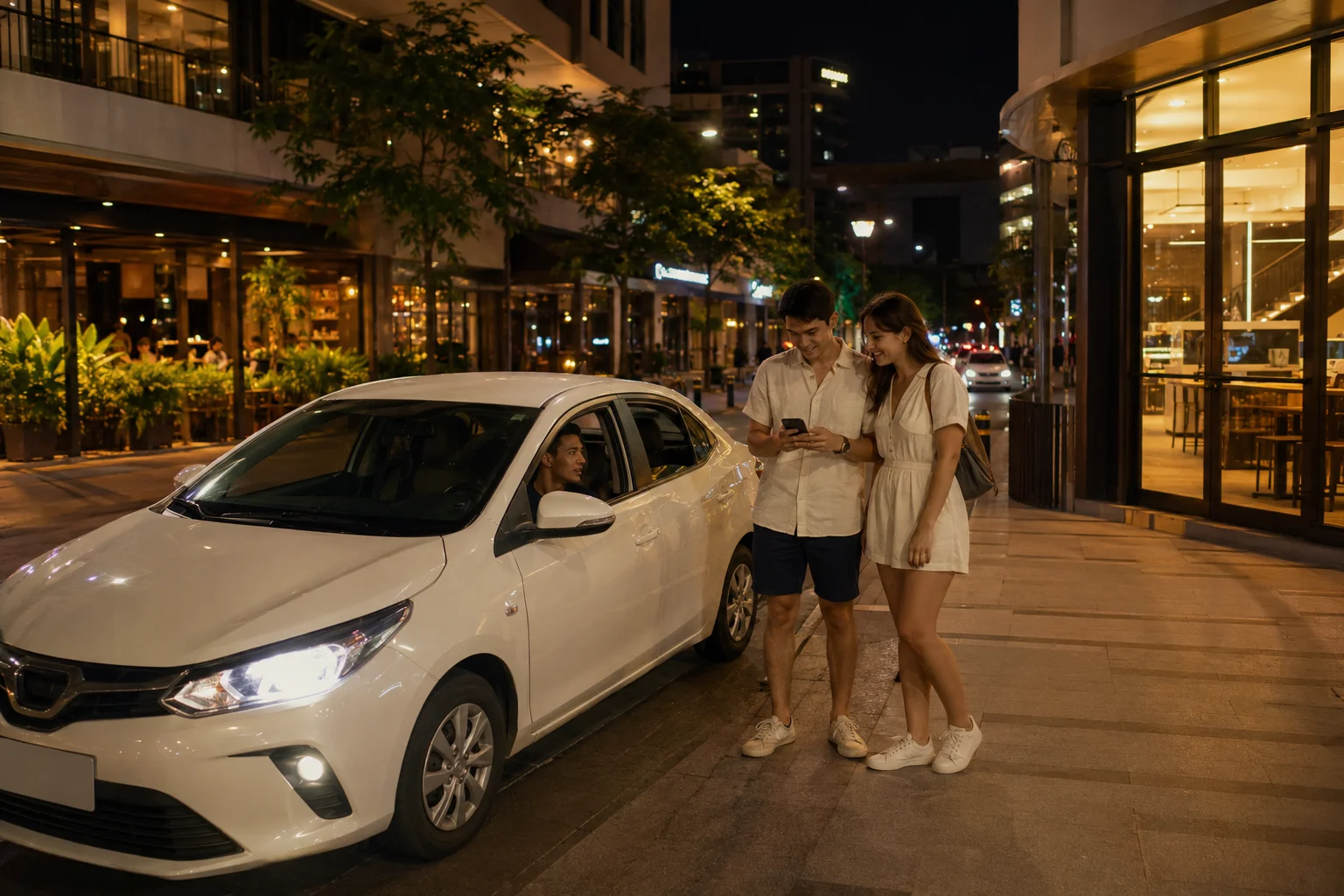
Yes, with the same precautions you’d use in any city center. Stick to registered taxis or Grab rather than hailing rides off the street, and confirm the driver and plate details before getting in. Keep valuables in a zipped crossbody bag and avoid flashing cash or jewelry. IT Park and Cebu Business Park are the most tourist-friendly and well-lit areas; Mango Avenue is safe in groups but calls for more street awareness late at night. Know the local rules around public smoking and alcohol, stick together if you’re bar-hopping, and use ATMs inside malls or well-lit establishments rather than standalone street units.
❓ Frequently Asked Questions
What is the best area for nightlife in Cebu City?
IT Park and Cebu Business Park suit most visitors best — modern, well-lit, and walkable, with rooftop bars, cafes, clubs, and Sugbo Mercado all within a few blocks. Mango Avenue is the classic club-hopping strip but needs more caution, and Mandaue has the biggest superclubs for a dedicated party night.
How much does a night out cost in Cebu City?
Expect roughly ₱500-1,000 (US$9-18) per person for food and drinks at a night market or bar. Club cover charges run free to about ₱500 (US$9), often waived before 10-11 PM, with beers around ₱100-150 and cocktails ₱250-450.
Is Cebu City nightlife safe for tourists?
Yes, with normal precautions. IT Park and Cebu Business Park are the safest, most tourist-friendly hubs. Mango Avenue is livelier but grittier — stick to well-lit, populated strips, use Grab over street taxis, and keep valuables secured.
What time do clubs and bars close in Cebu City?
Most nightclubs run until around 3-4 AM on weekends, peaking between 11 PM and midnight. Sugbo Mercado typically runs Tuesday to Sunday, 4 PM to midnight, closed Mondays. Rooftop bars usually close earlier, around midnight to 1 AM.
Where can I find rooftop bars in Cebu City?
Rooftop bars cluster around IT Park and Cebu Business Park — Straight Up Rooftop Bar at Seda Central Bloc, Blue Elephant Sky Lounge, and Ambiance Bar & Restaurant — plus Twilight at bai Hotel in Mandaue for wider skyline and sea views.
Written by Giovanni Carlo Bagayas
Gio is a Cebu-based travel writer and digital marketer who covers the Philippines’ islands, cities, and culture in depth. Read more about Gio →