Category: travel philippines

  • Life in manila city Life in Manila, Philippines: Navigating Challenges and Embracing Excitement

    life in manila city
    Image by AGDProductions from Pixabay

    Manila, the capital city of the Philippines, is a vibrant and bustling metropolis that offers a unique experience to its residents and visitors alike. From its diverse culture and heritage to its modern amenities and bustling nightlife, Manila has something for everyone.

    One of the most striking aspects of life in Manila is its cultural diversity. As a former Spanish colony, Manila has a rich history and heritage that is reflected in its architecture, cuisine, and traditions. The city is home to a mix of different cultures, including Chinese, Malay, and Spanish, which have all left their mark on Manila’s unique culture.

    One of the best ways to experience Manila’s culture is through its food. The city is famous for its street food, which can be found in markets and food stalls throughout the city. From savory dishes like adobo and sinigang to sweet treats like halo-halo and turon, Manila’s cuisine is a delicious fusion of different cultures and flavors.

    Aside from its cultural offerings, Manila is also a hub of commerce and business, making it a popular destination for professionals and entrepreneurs. The city is home to several business districts, including Makati and Bonifacio Global City, which are known for their high-rise buildings, modern infrastructure, and bustling atmosphere.

    Despite its modern amenities, Manila is not without its challenges. Traffic congestion and pollution are major issues that the city faces, with many residents spending hours on the road each day. However, the city is working towards addressing these issues through initiatives like the expansion of its public transportation system and the implementation of environmental policies.

    In terms of entertainment, Manila has a lot to offer. The city is home to several world-class museums, galleries, and cultural centers, such as the National Museum of the Philippines, the Ayala Museum, and the Cultural Center of the Philippines. For those who enjoy a night out, the city has a lively nightlife scene, with numerous bars, clubs, and music venues to choose from.

    Overall, life in Manila is a unique and exciting experience. The city’s cultural diversity, modern amenities, and bustling atmosphere make it a popular destination for both locals and foreigners alike. While there are certainly challenges to living in Manila, the city’s many offerings more than make up for them.

  • Island hopping in palawan Discover the Beauty of Palawan: Island Hopping Tours You Can’t Miss

    island hopping in palawan

    Palawan is an island paradise located in the westernmost part of the Philippines. With its crystal-clear waters, stunning limestone cliffs, and pristine white sand beaches, Palawan is a haven for travelers looking for a tropical getaway. One of the most popular activities to do in Palawan is island hopping. This activity allows visitors to explore the many beautiful islands and beaches around Palawan, each with its unique charm and appeal.

    Island hopping in Palawan is an experience like no other. The turquoise waters and abundant marine life offer the perfect setting for snorkeling and diving. Palawan’s islands are also home to hidden lagoons, enchanting caves, and breathtaking rock formations, making island hopping a must-do activity for any traveler to this region.

    One of the most popular island hopping destinations in Palawan is the Bacuit Archipelago. The archipelago is located near the town of El Nido and boasts over 45 islands and islets. The islands of Bacuit Archipelago are famous for their towering limestone cliffs, crystal-clear waters, and powdery white sand beaches. Island hopping in this area is a popular activity, and there are many tour operators that offer customized tours for visitors.

    Another popular island hopping destination in Palawan is Coron. Located in the northern part of the province, Coron is famous for its World War II shipwrecks, which have since become home to a variety of marine life. Island hopping tours in Coron usually include visits to the Kayangan Lake, Twin Lagoon, and the Coral Garden, where visitors can snorkel or dive and marvel at the colorful corals and sea creatures.

    One of the lesser-known island hopping destinations in Palawan is Balabac. This group of islands is located in the southernmost part of Palawan and is often called the “last ecological frontier.” Balabac is home to a diverse ecosystem, including sea turtles, dolphins, and dugongs. Island hopping in Balabac offers a chance to explore uninhabited islands, secluded beaches, and experience the local culture and traditions of the indigenous tribes living in the area.

    Island hopping tours in Palawan usually last for a whole day, with lunch and snacks provided by the tour operator. The tours are often customizable, and visitors can choose which islands to visit and how long to stay on each island. Visitors should also bring their snorkeling gear, sunscreen, and towels.

    In conclusion, island hopping in Palawan is an experience that should not be missed. The stunning beauty of the islands, combined with the rich marine life and pristine beaches, offers a unique and unforgettable experience. Whether you choose to explore the Bacuit Archipelago, Coron, or Balabac, island hopping in Palawan is sure to be one of the highlights of your trip to the Philippines.

  • 10 Romantic Getaways in the Philippines: A Guide to a Tropical Paradise

    Romantic Getaways in the Philippines

    The Philippines is a country of beauty, adventure, and romance. With its tropical climate, crystal-clear waters, and breathtaking landscapes, it’s no wonder that it’s a favorite destination for couples looking for a romantic getaway. Whether you’re looking for a beachside retreat or an adventurous escapade, the Philippines has something for everyone. In this article, we’ll explore the top romantic getaways in the Philippines and why you should consider them for your next trip.

    1. Palawan – The Last Ecological Frontier

    Palawan is often referred to as the last ecological frontier of the Philippines, and it’s easy to see why. With its stunning limestone cliffs, clear blue waters, and white sand beaches, Palawan is a paradise for nature lovers. The island boasts some of the most picturesque beaches in the world, including the famous El Nido, Coron, and the underground river, which is one of the new seven wonders of the world. Palawan is perfect for couples looking to unwind, relax and enjoy the natural beauty of the Philippines.

    1. Boracay – The Island Paradise

    Boracay is a tiny island in the Western Visayas region of the Philippines, known for its powdery white sand beaches, crystal clear waters, and vibrant nightlife. This island paradise is perfect for couples who love to lounge on the beach during the day and party at night. Boracay is also famous for its water sports activities, including kiteboarding, windsurfing, and diving. With so much to do and see, Boracay is an excellent destination for couples who want to experience everything the Philippines has to offer.

    1. Batanes – The Hidden Gem

    Batanes is a group of islands located in the northernmost part of the Philippines, known for its picturesque landscapes and unique culture. The islands are home to the Ivatan people, who have their distinct language, cuisine, and customs. The rugged terrain and rolling hills of Batanes offer a stunning backdrop for romantic getaways. The islands are also a haven for nature lovers, with many opportunities for hiking, snorkeling, and bird watching. If you’re looking for a unique and off-the-beaten-path destination for your romantic getaway, Batanes should be at the top of your list.

    1. Siargao – The Surfing Capital

    Siargao is a small island located in the province of Surigao del Norte in the southern part of the Philippines. It is known as the surfing capital of the Philippines, with waves that attract surfers from all over the world. However, Siargao is not just for surfers. The island is also home to some of the most beautiful beaches in the Philippines, including the stunning Sugba Lagoon. Siargao is a great destination for couples looking for adventure and excitement.

    1. Cebu – The Queen City of the South

    Cebu is a province in the central part of the Philippines, known for its rich history, culture, and natural beauty. The city is the oldest in the Philippines and is considered the “Queen City of the South.” Cebu is home to many historical sites, including Magellan’s Cross, which is a significant landmark in the history of the Philippines. The province is also known for its stunning beaches, including the famous Mactan Island. Cebu is an excellent destination for couples who want to immerse themselves in the history and culture of the Philippines while enjoying the natural beauty of the island.

    1. Tagaytay – The City in the Sky

    Tagaytay is a popular destination for couples looking for a romantic getaway near Metro Manila. The city is known for its cooler climate, stunning views of Taal Volcano, and excellent food. Tagaytay is also home to many parks and gardens,

    including the famous Picnic Grove and People’s Park in the Sky. Couples can enjoy a leisurely picnic or take a stroll through the parks while taking in the breathtaking views. Tagaytay is an ideal destination for a quick and relaxing escape from the hustle and bustle of the city.

    1. Bohol – The Chocolate Hills

    Bohol is an island province located in the Central Visayas region of the Philippines. The island is known for its unique geological formation called the Chocolate Hills, which are thousands of limestone mounds that turn brown during the dry season, giving them a chocolate-like appearance. Bohol is also home to the famous tarsiers, the smallest primates in the world. The island has many attractions, including beaches, waterfalls, and historical landmarks. Bohol is an excellent destination for couples who want to explore the natural wonders of the Philippines while learning about its history and culture.

    1. Davao – The Durian Capital

    Davao is a province located in the southern part of the Philippines, known for its durian fruit and wildlife sanctuaries. The city is the largest in the Philippines in terms of land area and is home to the famous Philippine Eagle, one of the largest eagles in the world. Davao has many attractions, including parks, beaches, and cultural landmarks. The city is also a gateway to many adventure destinations, including Mount Apo, the highest mountain in the Philippines. Davao is a great destination for couples who want to experience the natural beauty and adventure of the Philippines while enjoying its unique cuisine.

    1. Coron – The Wreck Diving Capital

    Coron is a municipality located in the northern part of Palawan, known for its wreck diving sites. The island is home to several World War II Japanese shipwrecks that have become popular dive sites. Coron is also known for its crystal-clear waters, pristine beaches, and stunning rock formations. The island has many attractions, including the Kayangan Lake, which is considered the cleanest lake in the Philippines. Coron is an ideal destination for couples who love to dive and explore the underwater world.

    1. Camiguin – The Island Born of Fire

    Camiguin is an island province located in the Bohol Sea, known for its volcanic landscapes and natural hot springs. The island is home to several volcanoes, including Mount Hibok-Hibok, which is still considered an active volcano. Camiguin is also known for its white sand beaches, waterfalls, and historic landmarks. The island is an excellent destination for couples who want to explore the natural wonders of the Philippines while enjoying its natural hot springs.

    In conclusion, the Philippines is an excellent destination for couples looking for a romantic getaway. With its stunning beaches, crystal-clear waters, and breathtaking landscapes, the Philippines offers something for everyone. Whether you’re looking for a beachside retreat or an adventurous escapade, the Philippines has it all. From Palawan to Camiguin, each destination has its unique charm and attraction. So why not book your next romantic getaway to the Philippines and experience the beauty and romance of this tropical paradise.

  • Spoken language in philippines The Rich and Diverse Spoken Language in the Philippines: A Comprehensive Guide

    spoken language in philippines

    Spoken Language in the Philippines: A Rich Tapestry of Diversity and Identity 🌏

    The Philippines, an archipelago of over 7,000 islands, is not only a mosaic of stunning landscapes but also a rich tapestry of spoken languages. As we delve into the heart of this linguistic kaleidoscope, we uncover the historical roots, cultural significance, and modern challenges that shape the spoken language in this captivating Southeast Asian nation.

    Historical Roots 🌍

    The evolution of spoken language in the Philippines is a fascinating journey through centuries of cultural interaction. Indigenous languages, influenced by Malay, Chinese, and Arabic, laid the foundation. The arrival of Spanish colonizers in the 16th century introduced new linguistic elements, creating a unique blend that echoes through Filipino dialects today.

    Major Filipino Dialects 🗣️

    The diversity of the Philippines extends to its languages, with over 170 dialects spoken. From the Ilocano in the north to the Cebuano in the Visayas, each region boasts its linguistic identity. This vast linguistic landscape reflects the country’s complex history and the amalgamation of diverse cultural influences.

    Tagalog: The National Language 🇵🇭

    While regional dialects thrive, Tagalog stands as the national language, fostering unity among the Filipino people. The decision to adopt Tagalog as the official language was a deliberate move to bridge the linguistic gap in this ethnically diverse nation. Its roots trace back to the Tagalog-speaking regions, emphasizing the need for a common language to facilitate communication across the archipelago.

    English as a Second Language 🌎

    In the Philippines, English is not merely a foreign language; it’s a second language deeply ingrained in the national fabric. Used in education, business, and governance, English plays a pivotal role in connecting Filipinos with the global community. This proficiency in English contributes to the country’s competitiveness on the international stage.

    The 170 Languages of the Philippines 🌏

    The linguistic landscape of the Philippines is incredibly diverse, with over 170 languages spoken across the archipelago. These languages vary from major dialects to smaller, region-specific tongues. Each language contributes to the country’s cultural richness, reflecting the historical influences and indigenous roots that have shaped Filipino identity.

    Twelve Prominent Languages in the Philippines 🎙️

    Within this vast array of languages, twelve stand out for their historical and cultural significance. These languages, including Cebuano, Ilocano, Hiligaynon, and Waray, play a crucial role in shaping regional identity and facilitating communication. Understanding these prominent languages provides insights into the cultural intricacies of different Filipino communities.

    How Many Languages in the Philippines in 2023? 📅

    The linguistic landscape of the Philippines is dynamic, with languages evolving and adapting to societal changes. As of 2023, the exact number of languages spoken may vary, influenced by factors such as migration, urbanization, and globalization. Keeping track of linguistic trends provides valuable insights into the evolving nature of communication in the Philippines.

    List of Dialects in the Philippines 📝

    To grasp the full spectrum of linguistic diversity, it’s essential to explore the myriad dialects spoken in the Philippines. From the intricate tones of Chavacano to the unique rhythm of Pangasinan, each dialect carries its own cultural nuances. A comprehensive list of dialects offers a glimpse into the linguistic richness that defines Filipino communication.

    Tagalog Language 📖

    As the national language, Tagalog holds a special place in Filipino culture. Its linguistic evolution from Old Tagalog to Modern Filipino reflects the country’s historical and cultural journey. Understanding Tagalog goes beyond mere communication; it unveils the essence of Filipino identity embedded in the language’s structure, expressions, and idioms.

    The Philippines Language Translator 🗣️💻

    In a nation with such linguistic diversity, language translation becomes a crucial bridge for effective communication. Language translators play a vital role in facilitating understanding between speakers of different dialects. The use of translation services has become increasingly prevalent, contributing to smoother interactions in various spheres of life.

    Filipino Language 🇵🇭

    The distinction between Tagalog and Filipino is an important aspect of linguistic understanding. While Tagalog serves as the foundation, Filipino encompasses a broader scope as the national lingua franca. Filipino bridges the linguistic gap, enabling communication among Filipinos with different native languages.

    How Many Dialects in the Philippines? 🤔

    The terminology surrounding languages and dialects can be complex. While the Philippines is home to numerous languages, the categorization of dialects adds another layer of linguistic richness. Understanding the distinctions between languages and dialects is essential for appreciating the complexity of Filipino communication.

    Dialects in the Philippines 🗣️

    Exploring specific dialects unveils the intricacies of communication in various regions. From the sing-song rhythm of Ilonggo to the melodic tones of Kapampangan, each dialect carries a unique cultural imprint. Dialects not only facilitate communication but also serve as cultural markers, preserving traditions and local identity.

    National Language of the Philippines 🇵🇭

    The concept of a national language is significant in fostering unity and identity. In the Philippines, the dual status of English and Filipino as official languages reflects the country’s commitment to linguistic inclusivity. This duality acknowledges the historical influences and the need for a common language for all Filipinos.

    Language in the Philippines 🗣️

    Language is not merely a tool for communication in the Philippines; it is a cultural marker and identity builder. The rich linguistic tapestry woven across the archipelago reflects the resilience, warmth, and diversity of the Filipino people. Language serves as a mirror, reflecting the values and traditions that define Filipino society.

    Native Language 🏡

    The importance of native languages cannot be overstated in preserving cultural heritage. Efforts to promote and protect native languages are vital for maintaining the unique identities of different Filipino communities. Native languages are not just a means of communication; they are the living repositories of traditions, stories, and shared experiences.

    First Language in the Philippines 🎓

    In a multilingual nation, the concept of a first language carries cultural implications. The first language, often the language spoken at home, shapes an individual’s worldview and sense of identity. Understanding the dynamics of multilingualism provides insights into the complex interplay of language and culture in the Philippines.

    Official Language of the Philippines 📜🇵🇭

    The Philippines stands out as a nation with two official languages, English and Filipino. This dual linguistic status reflects the historical influences of colonization and the subsequent quest for national identity. The coexistence of English and Filipino emphasizes the inclusivity and adaptability embedded in the Filipino approach to language.

    Modern Challenges 🌐

    The modern era brings both opportunities and challenges to spoken language in the Philippines. Globalization, technological advancements, and societal shifts influence the way Filipinos communicate. Navigating these challenges while preserving linguistic diversity requires a delicate balance between tradition and adaptation.

    Language Preservation Efforts 🌱

    Recognizing the importance of linguistic heritage, various initiatives are underway to preserve and promote indigenous languages. Community-based language programs, educational campaigns, and governmental support contribute to the ongoing efforts to safeguard the linguistic diversity of the Philippines.

    Influence of Media 📺

    In the digital age, media plays a significant role in shaping spoken language. Social media platforms, in particular, serve as dynamic arenas where language evolves and adapts. The influence of media on language extends beyond communication, impacting societal norms, expressions, and even the creation of new linguistic trends.

    Code-Switching Phenomenon 🔄

    Code-switching, the practice of alternating between two or more languages in conversation, is a common phenomenon in Filipino communication. Whether seamlessly moving between English and Tagalog or integrating regional dialects, Filipinos engage in code-switching to convey meaning with depth and nuance.

    Language in Education 📚

    The role of language in the Filipino education system is multifaceted. Bilingual education, where students learn in both Filipino and English, aims to equip them with language proficiency for diverse contexts. However, challenges such as resource allocation and teacher training highlight the need for continuous improvement in language education.

    Language and Identity 🤝

    Spoken language in the Philippines is intricately linked to individual and collective identity. Beyond facilitating communication, language serves as a marker of regional affiliations, cultural heritage, and social connections. The preservation of language is, therefore, not just a linguistic endeavor but a commitment to safeguarding the diverse identities that constitute Filipino society.

    Linguistic Diversity in Urban vs. Rural Areas 🏙️🏞️

    The contrast in language use between urban and rural settings adds another layer to the complexity of Filipino communication. Urbanization brings with it a fusion of languages, contributing to the emergence of urban dialects. In contrast, rural areas often maintain a stronger connection to traditional linguistic roots, showcasing the adaptability of language to different environments.

    Future Trends 🔮

    As the Philippines strides into the future, the trajectory of spoken language remains dynamic. Technological advancements, societal changes, and increased global interactions will continue to shape the linguistic landscape. Predicting future trends requires a nuanced understanding of the delicate balance between preserving heritage and embracing innovation.

    Conclusion 🌈

    In concluding our extensive exploration of spoken language in the Philippines, it becomes clear that the linguistic diversity is as vast as the nation’s geographical expanse. From the historical roots and the prominence of specific languages to the modern challenges and future trends, language in the Philippines is a dynamic and evolving force. As Filipinos continue to navigate the complexities of multilingualism, the preservation of linguistic heritage and the adaptability to global trends will play a pivotal role in maintaining the unique and vibrant spoken language of the Philippines.

    Frequently ask questionsFAQs ❓

    What are the 170 languages in the Philippines?

    The Philippines is home to over 170 languages, each contributing to the rich tapestry of linguistic diversity.

    What are the official languages of the Philippines?

    The Philippines has two official languages: English and Filipino. This dual status reflects the historical influences and the country’s commitment to linguistic inclusivity.

    How many languages are spoken in the Philippines?

    The Philippines boasts over 170 languages, reflecting its diverse cultural and historical influences.

    Can you provide a list of dialects in the Philippines?

    The Philippines has a multitude of dialects, each with its unique characteristics. A comprehensive list would include languages such as Cebuano, Ilocano, Hiligaynon, Waray, and more.

    What is the national language of the Philippines?

    The national language of the Philippines is Filipino, which is based on Tagalog. English also holds official status, emphasizing linguistic inclusivity.

  • Palawan beaches Discover the Breathtaking Beauty of Palawan’s Beaches

    palawan beaches

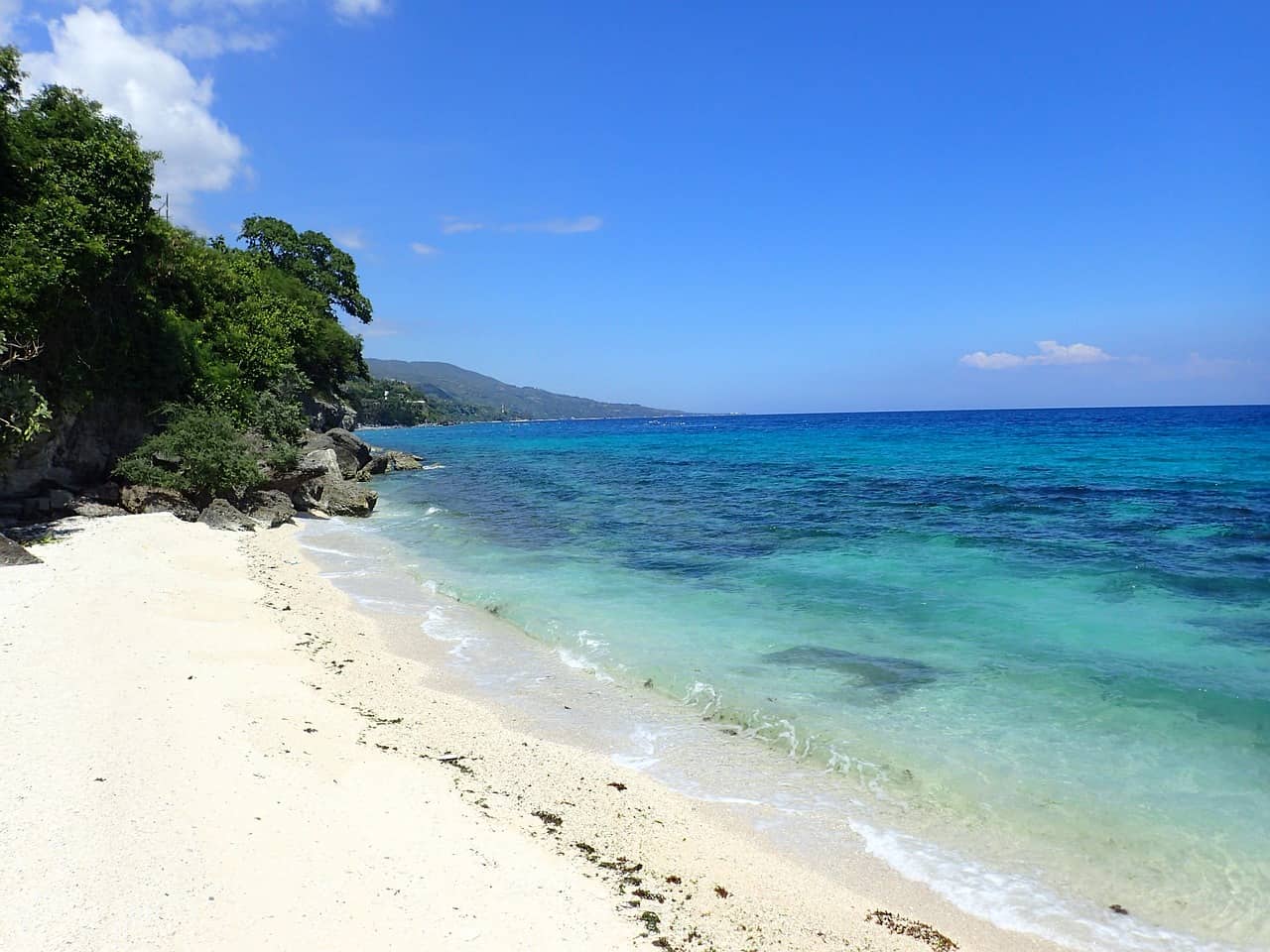
    Palawan, a province in the Philippines, is renowned for its breathtaking natural beauty, crystal-clear waters, and stunning beaches. This paradise on earth is home to some of the world’s most picturesque beaches, attracting tourists from all over the world. Palawan’s beaches are diverse, ranging from secluded coves to bustling, tourist-filled stretches of sand.

    One of the most famous beaches in Palawan is El Nido, located on the northernmost tip of Palawan Island. This beach boasts towering limestone cliffs, pristine waters, and an abundance of marine life. The beauty of El Nido’s beaches is unmatched, with fine white sand and turquoise waters that are perfect for swimming, snorkeling, or simply lounging on the beach.

    Another popular beach destination in Palawan is Coron, a group of islands located in the northern part of the province. Coron is known for its stunning underwater scenery, including World War II shipwrecks that attract divers from all over the world. The beaches in Coron are equally impressive, with soft, white sand and clear waters that are perfect for swimming and snorkeling.

    For those looking for a more secluded beach experience, Port Barton is an excellent option. This small fishing village is located on the western coast of Palawan and boasts some of the most pristine beaches in the region. The beaches in Port Barton are secluded and peaceful, with soft, white sand and clear waters that are perfect for swimming and snorkeling.

    Palawan’s beaches offer visitors a chance to escape the hustle and bustle of everyday life and immerse themselves in the natural beauty of the Philippines. Whether you are looking for a peaceful, secluded beach or a bustling, tourist-filled stretch of sand, Palawan has something for everyone.

    In conclusion, Palawan’s beaches are some of the most beautiful in the world, attracting visitors from all over the globe. From the towering cliffs and turquoise waters of El Nido to the pristine, secluded beaches of Port Barton, Palawan’s beaches are a must-visit destination for any traveler looking to experience the natural beauty of the Philippines.

  • philippine historical sites Discover the Best Philippine Historical Sites: Explore the Rich Cultural Heritage

    philippine historical sites intramuros

    The Philippines is a country with a rich history, and this is reflected in the numerous historical sites that can be found throughout the archipelago. These sites offer a glimpse into the country’s past and are a testament to the Philippines’ cultural and historical heritage. In this article, we will explore some of the most notable historical sites in the Philippines.

    Intramuros

    Intramuros, which means “within the walls” in Spanish, is a fortified city located in Manila. It was built by the Spanish in the 16th century and served as the center of Spanish colonial power in the Philippines. Today, Intramuros is a popular tourist destination, with visitors coming to explore its narrow streets, colonial-era architecture, and historic landmarks.

    One of the most notable landmarks in Intramuros is Fort Santiago, a military fortress that served as a prison during the Spanish colonial period. It was here that Philippine national hero Jose Rizal was imprisoned before his execution in 1896. Visitors can explore the fort’s barracks, prison cells, and ramparts, as well as a museum dedicated to Rizal’s life and legacy.

    Other notable attractions in Intramuros include the San Agustin Church, the oldest stone church in the Philippines; the Casa Manila Museum, a restored colonial-era mansion that offers a glimpse into the daily life of the Filipino elite during the Spanish period; and the Manila Cathedral, a stunning example of neo-Romanesque architecture that has been rebuilt several times over the centuries.

    Banaue Rice Terraces

    The Banaue Rice Terraces are a UNESCO World Heritage Site located in the Cordillera Mountains of northern Luzon. They are often referred to as the “eighth wonder of the world” and are considered one of the most impressive examples of terrace farming in the world.

    The rice terraces were built by the Ifugao people over 2,000 years ago and are still in use today, with farmers continuing to cultivate rice using traditional methods. Visitors can hike through the terraces and witness the impressive engineering and agricultural practices that have sustained the Ifugao people for centuries.

    Magellan’s Cross

    Magellan’s Cross is located in Cebu City and is one of the most important historical landmarks in the Philippines. It marks the spot where Ferdinand Magellan, the Portuguese explorer who led the first European expedition to the Philippines, planted a wooden cross in 1521.

    The cross is housed in a small chapel in downtown Cebu City and is considered a symbol of the country’s Catholic heritage. Visitors can view the cross and explore the surrounding area, which includes historic churches, museums, and colonial-era architecture.

    Tubbataha Reef

    Tubbataha Reef is a UNESCO World Heritage Site located in the Sulu Sea. It is one of the most biodiverse marine ecosystems in the world and is home to over 600 species of fish, 360 species of coral, and several species of sharks, dolphins, and turtles.

    The reef is a popular destination for snorkelers and divers, who can explore its crystal-clear waters and witness the vibrant marine life up close. However, the reef is also vulnerable to environmental threats such as climate change, pollution, and overfishing, and efforts are being made to protect and preserve this important ecosystem.

    Conclusion

    The Philippines is a country with a rich history and cultural heritage, and its historical sites offer a fascinating glimpse into its past. From the colonial-era architecture of Intramuros to the engineering marvels of the Banaue Rice Terraces, these sites are a testament to the resilience and ingenuity of the Filipino people. Whether you are a history buff or simply looking to explore the country’s natural beauty, the Philippines’ historical sites are definitely worth a visit.

  • top 5 waterfalls to visit in the philippines Discover the Best Waterfalls in the Philippines: Top 5 Must-Visit Cascades

    Tinuy-an Falls, Surigao del Sur top 5 waterfalls to visit in the philippines

    Top 5 waterfalls to visit in the philippines, The Philippines is home to some of the most beautiful waterfalls in the world. With over 7,000 islands, the country boasts a diverse landscape that includes lush rainforests, towering mountains, and cascading waterfalls. If you’re planning a trip to the Philippines, be sure to add these top 5 waterfalls to your itinerary.

    1 Kawasan Falls

    kawasan falls cebu

    Cebu Kawasan Falls is one of the most popular waterfalls in the Philippines, and for good reason. Located in the town of Badian in Cebu, this three-tiered waterfall is surrounded by lush greenery and turquoise blue waters. Visitors can swim in the cool, refreshing pool at the base of the falls, or hike up to the upper tiers for a breathtaking view.

    Kawasan Falls: A Natural Wonder in the Heart of Cebu

    Nestled in the lush jungle of the southern Philippine island of Cebu lies a breathtaking natural wonder known as Kawasan Falls. With its crystal-clear turquoise waters, stunning cascades, and verdant tropical foliage, this enchanting spot is a must-see destination for anyone seeking adventure, relaxation, or simply a break from the hustle and bustle of modern life.

    Located in the town of Badian, about three hours’ drive from Cebu City, Kawasan Falls is a three-tiered waterfall system that tumbles down from the mountains into a series of refreshing natural pools. The falls are fed by the Matutinao River and are surrounded by dense forest, making them a perfect spot for nature lovers and outdoor enthusiasts.

    Visitors to Kawasan Falls can take part in a range of activities, including swimming, cliff diving, and bamboo rafting. The water is refreshingly cool and the pools are deep enough to dive into safely. The cliffs around the falls range from 15 to 30 feet high, providing a thrilling opportunity for those brave enough to take the plunge.

    If you prefer a more leisurely pace, you can take a relaxing bamboo raft ride down the river to see the falls up close. The rafts are operated by local guides who will take you on a gentle journey through the lush jungle, pointing out the different plants and animals along the way.

    There are also several hiking trails in the area that lead to other waterfalls and scenic spots, including the nearby Lambug Beach. The hike to Kawasan Falls is relatively easy, with well-maintained trails and clear signage. The journey takes around 20 minutes and offers stunning views of the surrounding countryside.

    In addition to its natural beauty, Kawasan Falls is also home to a small community of locals who make a living from tourism. There are several small eateries and souvenir shops near the falls, offering traditional Filipino dishes and handicrafts. Visitors are encouraged to support the local economy by patronizing these businesses.

    While Kawasan Falls can get busy during peak tourist season, it is still possible to find moments of tranquility and solitude in the midst of its natural beauty. Whether you’re seeking adventure or relaxation, a visit to Kawasan Falls is an experience that should not be missed.

    In conclusion, Kawasan Falls is one of the Philippines’ hidden gems, a place of outstanding natural beauty and a perfect spot for anyone looking to escape the hustle and bustle of modern life. With its crystal-clear turquoise waters, stunning cascades, and verdant tropical foliage, it’s a must-see destination for anyone visiting Cebu. So pack your bags, grab your swimsuit, and get ready to experience the magic of Kawasan Falls!

    2 Tinuy-an Falls

    Tinuy-an Falls Sirogap del sur

    Surigao del Sur Tinuy-an Falls is known as the “Niagara Falls of the Philippines” because of its wide, curtain-like cascade. Located in the province of Surigao del Sur in Mindanao, Tinuy-an Falls is a popular spot for swimming, picnicking, and even rafting. The best time to visit is during the morning, when the sun shines through the mist and creates a rainbow.

    Tinuy-an Falls: A Majestic Waterfall in the Philippines

    Located in Bislig City, Surigao del Sur, Tinuy-an Falls is a majestic waterfall that attracts thousands of tourists every year. Known as the “Niagara Falls of the Philippines,” Tinuy-an Falls is a stunning natural wonder that offers breathtaking views and a refreshing experience for those who visit.

    The waterfall is situated in the middle of a lush rainforest, surrounded by towering trees and vibrant greenery. It is a three-tiered waterfall that spans 55 meters wide and 180 feet tall. The cascading water creates a misty veil that shimmers under the sunlight, creating a rainbow-like effect that is truly mesmerizing.

    To reach the waterfall, visitors need to hike a short trail through the forest, which takes about 10 to 15 minutes. The trek is relatively easy and well-paved, making it accessible to all ages and fitness levels.

    Upon reaching the falls, visitors can swim in the natural pool at the bottom of the waterfall, which is about 20 feet deep. The cool, crystal-clear water is perfect for a refreshing dip after the hike, and visitors can also rent rafts to get closer to the falls and feel the cool mist on their skin.

    Aside from swimming and rafting, visitors can also explore the surrounding forest and enjoy the peaceful ambiance of the area. The rainforest is home to a variety of wildlife, including exotic birds and butterflies, making it a perfect spot for nature lovers.

    Tinuy-an Falls is open to visitors from 6:00 AM to 5:00 PM, with an entrance fee of Php 50 for adults and Php 20 for children. There are also local guides available for hire, who can provide visitors with a more immersive experience and a deeper understanding of the history and culture of the area.

    Overall, Tinuy-an Falls is a must-visit destination for anyone traveling to the Philippines. Its natural beauty and tranquil ambiance make it a perfect escape from the hustle and bustle of city life. Whether you’re looking for an adventure, a relaxing getaway, or a chance to connect with nature, Tinuy-an Falls is a destination that will not disappoint.

    3Pagsanjan Falls

    Pagsanjan Falls

    Laguna Pagsanjan Falls, also known as Magdapio Falls, is located in the town of Pagsanjan in Laguna province. The falls can only be reached by a thrilling boat ride up the Pagsanjan River, which passes through narrow gorges and towering cliffs. Once you reach the falls, you can take a bamboo raft to the base of the falls and feel the cool mist on your skin.

    Pagsanjan Falls: A Natural Wonder in the Philippines

    The Philippines is home to a myriad of natural wonders, including one of its most famous waterfalls, Pagsanjan Falls. Located in the town of Pagsanjan in the province of Laguna, this stunning waterfall has been a popular tourist destination for decades, attracting visitors from all over the world.

    The falls, also known as Magdapio Falls, is a three-tiered waterfall that stands at over 120 meters high. It is nestled within a lush forest, surrounded by towering cliffs and rock formations, making it a breathtaking sight to behold. Visitors can take a boat ride down the Pagsanjan River to reach the falls, passing through scenic landscapes and rocky gorges before arriving at the base of the falls.

    The boat ride to the falls is an adventure in itself, with experienced boatmen expertly maneuvering the small boats through the river’s rapids and around boulders. The journey takes about an hour and a half, passing through dense vegetation and towering cliffs, giving visitors a glimpse of the region’s natural beauty.

    Upon arrival at the base of the falls, visitors can climb a staircase to reach a viewing deck that offers a stunning view of the falls. The roar of the water cascading down the cliffs is deafening, and the mist created by the falls is refreshing, providing a respite from the heat of the Philippine sun.

    Adventurous visitors can also take a bamboo raft to the base of the falls, where they can feel the full force of the cascading water. The experience is exhilarating, with the sound of the water pounding against the rocks and the mist enveloping visitors in a cool embrace.

    Aside from the falls, visitors can also explore the town of Pagsanjan, which has a rich history and culture. The town’s colonial-era architecture is well-preserved, and visitors can take a leisurely stroll through its streets to admire its beautiful old houses and buildings.

    Pagsanjan Falls is undoubtedly one of the Philippines’ natural wonders, attracting visitors from all over the world to experience its beauty and wonder. Its majestic cascading waterfalls, lush forests, and rugged cliffs are a testament to the country’s natural beauty and its people’s love for the land. If you’re looking for a natural wonder to explore on your next trip to the Philippines, then Pagsanjan Falls is definitely worth a visit.

    4 Aliwagwag Falls

    Aliwagwag Falls

    Davao Oriental Aliwagwag Falls is a series of more than 20 cascading waterfalls that span over 1,000 feet in height. Located in the province of Davao Oriental in Mindanao, this natural wonder is known for its unique stair-like formation and lush rainforest surroundings. Visitors can take a dip in the natural pools or hike up to the higher tiers for a panoramic view.

    Aliwagwag Falls: The Majestic Waterfall of Davao Oriental

    Located in the southern part of the Philippines, Davao Oriental is a province that is slowly gaining popularity among tourists. The province is known for its beautiful beaches, lush forests, and stunning waterfalls. One of the most famous waterfalls in the province is the Aliwagwag Falls, a majestic waterfall that stands out from the rest.

    Aliwagwag Falls is located in the town of Cateel, Davao Oriental, and is considered as one of the tallest waterfalls in the Philippines. It is a multi-tiered waterfall that consists of more than 130 cascading waterfalls, each with its own unique charm and beauty. The falls measures around 1,110 feet from the top to the bottom, making it one of the most spectacular waterfalls in the world.

    What makes Aliwagwag Falls unique is its staircase-like appearance. The waterfall cascades down into several tiers, forming natural pools that visitors can swim in. The water is crystal clear and refreshing, and the sound of the cascading water is soothing and calming.

    Aside from its natural beauty, Aliwagwag Falls also holds a special place in the hearts of the locals. The waterfall played a significant role in the lives of the people of Cateel. In 2012, the town was devastated by Typhoon Pablo, which caused massive floods and landslides that destroyed homes, farms, and livelihoods. Aliwagwag Falls, however, remained standing, and the locals saw it as a symbol of hope and resilience. The waterfall became a source of inspiration for the people of Cateel, and it was rebuilt as a testament to their strength and determination.

    Today, Aliwagwag Falls is a popular tourist destination in Davao Oriental. Visitors can go on a trek to the waterfall and enjoy the beautiful scenery along the way. The trek takes around 30 minutes to an hour, depending on the pace of the hiker. There are also tour guides available for those who want to learn more about the history and culture of the place.

    Visitors can also go swimming in the natural pools of Aliwagwag Falls. The water is cool and refreshing, and the natural surroundings provide a peaceful and relaxing environment. Visitors can also take a dip in the nearby rivers and streams, or try their hand at fishing.

    Overall, Aliwagwag Falls is a must-visit destination for anyone traveling to Davao Oriental. Its natural beauty, cultural significance, and inspiring history make it a truly unique and memorable experience. Whether you’re a nature lover, a history buff, or just looking for a relaxing getaway, Aliwagwag Falls has something to offer for everyone.

    5 Maria Cristina Falls

    Maria Cristina Falls

    Iligan City Maria Cristina Falls is a stunning twin waterfall located in Iligan City, Lanao del Norte. The falls supply power to the Agus VI Hydroelectric Plant, which provides electricity to parts of Mindanao. Visitors can take a boat tour to get up close to the falls and learn about its history and significance.

    Maria Cristina Falls: A Natural Wonder in the Philippines

    Maria Cristina Falls is a breathtaking natural wonder located in Iligan City, Lanao del Norte, Philippines. It is one of the most famous waterfalls in the country, and a must-visit destination for tourists who love nature and adventure.

    The falls is named after Maria Cristina, a Spanish princess who was known for her beauty and grace. The waterfall is 98 meters high and is considered as one of the most powerful falls in the Philippines. It is the main source of hydroelectric power for the city of Iligan, providing energy to numerous industries and households.

    The water that flows from Maria Cristina Falls is crystal clear, and its coolness provides a refreshing respite from the tropical heat. Visitors can witness the falls’ majestic beauty from a viewing deck located near the hydroelectric plant. From this vantage point, tourists can enjoy the panoramic view of the waterfall and the surrounding lush greenery.

    To get to the falls, visitors can take a scenic boat ride along the Agus River, which flows into the falls. The boat ride is an experience in itself, as visitors can marvel at the natural beauty of the riverbanks, and the wildlife that thrives in the area. The boat ride also provides a glimpse of the hydroelectric power plant that harnesses the power of the falls.

    For those who want to get up close and personal with the waterfall, there is a hiking trail that leads to a vantage point that offers a closer view of the falls. The trail is relatively easy, and the trek takes around 15 to 20 minutes. Along the way, visitors can admire the beauty of the forest, and the sound of the waterfall becomes louder as they get closer.

    Aside from its natural beauty, Maria Cristina Falls is also significant for its cultural and historical importance. The waterfall is considered sacred by the indigenous people of the area, and it is believed to be the dwelling place of spirits. The falls also played a role in the country’s history, as it was the site of a battle between Filipino and American soldiers during the Philippine-American War.

    Visiting Maria Cristina Falls is a must for those who appreciate nature’s beauty and want to experience the Philippines’ rich cultural and historical heritage. The falls offer a perfect combination of natural wonders, adventure, and history, making it an ideal destination for tourists of all ages and interests.

    In conclusion, Maria Cristina Falls is an awe-inspiring natural wonder that should not be missed by anyone visiting the Philippines. Its beauty, cultural significance, and historical importance make it a must-visit destination that will leave visitors in awe and wonder.

    Whether you’re an adventure seeker or a nature lover, the Philippines has something to offer for everyone. These top 5 waterfalls are just a few examples of the natural wonders waiting to be discovered in this beautiful country. Plan your trip today and experience the magic of the Philippines’ waterfalls firsthand.

  • Discover the Beauty and Rich History of Churches in the Philippines | Experience Spiritual and Cultural Treasures

    Discover the Beauty and Rich History of Churches in the Philippines | Experience Spiritual and Cultural Treasures

    The Philippines is a predominantly Christian country, with more than 80% of its population identifying as Roman Catholic. As a result, churches play a significant role in the daily lives of Filipinos, and they are considered sacred places of worship, spiritual refuge, and community gathering.

    The history of Christianity in the Philippines dates back to the 16th century, when Spanish colonizers arrived in the country and introduced Catholicism. Since then, the Catholic Church has become deeply ingrained in Philippine society, influencing not only religion but also politics and culture.

    The country is home to numerous churches that are not only religious landmarks but also cultural and historical treasures. One of the most notable churches in the Philippines is the Basilica Minore del Santo Niño in Cebu City. Built in the 16th century, this church is home to the miraculous Santo Niño de Cebu, a statue of the infant Jesus that is believed to have healing powers. Every year, millions of pilgrims flock to this church to pay homage to the Santo Niño during the Sinulog Festival, one of the country’s largest and most colorful festivals.

    Another iconic church in the Philippines is the San Agustin Church in Intramuros, Manila. This church was built in the 16th century and is considered one of the oldest stone churches in the country. It is also a UNESCO World Heritage site, recognized for its Baroque architecture and significant role in the country’s history.

    Aside from these famous churches, there are countless other churches throughout the Philippines that are worth visiting. Many of them are located in small towns and villages, and they offer a glimpse into the local culture and way of life. These churches are not only places of worship but also community centers, where locals gather for religious celebrations, festivals, and other events.

    In recent years, churches in the Philippines have faced numerous challenges. The COVID-19 pandemic has forced many churches to close their doors temporarily, and the country’s ongoing political and social issues have led to a decline in attendance and support for the Catholic Church. Despite these challenges, however, churches in the Philippines remain an important part of the country’s cultural and religious identity.

    In conclusion, churches in the Philippines are more than just places of worship. They are cultural and historical landmarks that play a significant role in the country’s identity and way of life. Whether you’re a devout Catholic or simply interested in exploring the country’s rich history and culture, visiting the Philippines’ churches is an experience you won’t soon forget.

    More informations about Churches in the Philippines

    MANILA CATHEDRAL

    Discover the Beauty and Rich History of Churches in the Philippines | Experience Spiritual and Cultural Treasures 1
    Photos from https://www.fabulousphilippines.com/manila-cathedral.html

    Located in the Plaza Roma, Intramuros, Manila Cathedral is the main Roman Catholic church in the Philippines.. Officially known as the Manila Metropolitan Cathedral-Basilica, it is the seat of the Archibishop of the Archdiocese of Manila, who is normally regarded as the Roman Catholic Primate of the Philippines.

    Manila Cathedral is actually the eighth cathedral to have been built on this site, the earlier ones having been destroyed by earthquake, fire, or war (including an almost compete destruction during the Second World War).

    History

    In its first years (1571-79), the site of the present-day Manila Cathedral was a parish church known as the Church of Manila and it was governed by the diocese of Mexico.

    In 1581 the first Manila Cathedral was built and consecrated on the site of the former Church of Manila. The materials used were nipa (palm used as thatch), wood and bamboo – readily available materials that were used in building houses at this time. This cathedral was damaged by a typhoon in 1582 and then was destroyed by fire just two years later in 1583. The fire began during the funeral mass for a Governor General in the nearby San Agustin Church. The fire burnt that church, and later the Manila Cathedral, the bishop’s residence, and many other buildings in Manila.

    learn more https://www.fabulousphilippines.com/manila-cathedral.html


    Plaza Roma, Intramuros, Manila

    The seat of the Catholic Archdiocese of Manila is presently the 6th cathedral to rise on the site since 1581. Previous structures were destroyed by typhoons, earthquakes, fire, and the last war. It was rebuilt on the second half of the 1950s through the efforts of Architect Fernando Ocampo and Archbishop Rufino J. Santos. The cathedral incorporated the stone carvings and rosette windows celebrating the Christianization of the Philippines. Light up with its clerestory. Mosaic artwork decorate three of its side chapels.


    SAN AGUSTIN CHURCH
    Gen. Luna cor. Real Street, Intramuros, Manila

    The oldest stone church in Metro Manila dates back to 1571. An intricately carved door opens to the church. Of great interest are the Baroque pulpit, molave choir stalls, and an 18th century pipe organ. Like an impregnable fortress, San Agustin has withstood the ravages of time wrought by both nature and by man.

    SAN SEBASTIAN CHURCH
    Plaza del Carmen, Quiapo, Manila

    This small jewel-box church is the first all-steel church in the Philippines and in Asia; and the second in the world. Design for the church was finished in 1883 and was prefabricated in Belgium. The completely knocked-down church was shipped backed to the Philippines in 6 ships. It weighed close to 50,000 tons while its stained-glass windows which are intact until now were, according to Father Ceniza, done in France.

    OUR LADY OF PEACE AND GOOD VOYAGE
    Antilopo, Rizal

    Antipolo is known to be the home of Our Lady of Peace and Good Voyage. History says that this miraculous icon has traveled back and forth between Manila and Acapulco eight times and on several occasions was credited with saving her galleon from destruction by warning the people about an impending disaster.

    BACLAYON CHURCH
    Baclayon town, Bohol
    spacer
    Located 6 kilometers from the city proper. The church is the oldest stone church in the country, built by the Jesuits in 1595.

    DAUIS CHURCH
    Dauis town, Bohol
    spacer
    Located 3 kilometers from the city proper. This is one of Bohol’s beautiful churches, which has retained its Spanish architecture although it has a semi-modern façade.

    LOBOC CHURCH
    Loboc town

    Located 24 kilometers from Tagbilaran City. The second oldest church in Bohol, built in 1608, with a three-storey convent.

    LOON CHURCH
    Loon town

    Located 25 kilometers from the city proper. The crowning glory of the Recollect churches in Bohol.

    MARIBOJOC CHURCH
    Maribojoc town
    spacer
    Located 14 kilometers from the city proper. This parish was founded in 1768, built in 1798, and fully constructed after 18 years.

    PAOAY CHURCH
    Laoag, Ilocos Norte

    This fortress-like church is probably the most popular in this area. Styled in “earthquake Baroque”, its walls are strongly fortified by sturdy posts.

    BASILICA MINORE DEL STO. NIÑO
    Cebu City

    Shrine of the oldest religious relic in the Philippines, the statue of the Child Jesus. A token of friendship by Magellan to Queen Juana in 1521, the Santo Niño de Cebu has survived fires and other catastrophes throughout the years.

    MIAG-AO CHURCH
    Iloilo
    spacer
    Located 40 km. southwest of Iloilo City; built in 1768, native façade; a unique explosion of botanical motif reminiscent of Aztec Art. It was declared a national landmark in 1973 and is listed in the UNESCO world heritage list.

    SAN JOAQUIN
    Iloilo
    spacer
    This is the only church in the Philippines with bas-reliefs of historic battles set in Tetuan, Morocco, between the Spanish Christians and the Moroccan Moors.

    VALLADOLID CHURCH
    Valladolid, Negros Occidental
    spacer
    The size of the church and the convent, which was built by the Recollect missionaries in 1851, support some views that the church authorities during those days were the most powerful in running the affairs of the government all throughout the country.

    CHURCH OF OUR LADY OF PEACE
    La Carlota City, Negros Occidental
    spacer
    In the heart of downtown La Carlota, this century-old church is a living witness to the devotion of the predominantly Catholic La Carlotenos. The church has the distinction of one of the very few churches of romanesque architectural design in the province.

    BAGUIO CATHEDRAL
    Baguio City
    spacer
    Rising above the city skyline are the pinkish hues of the Baguio Cathedral. The cathedral is but one of religious landmarks which dot the city. There is the Bell Temple, north of the city the Maryhurst Seminary with its brilliant gardens, and Lourdes Grotto with its 252 steps to heaven.

    SHRINE OF THE NUESTRA SEÑORA DE MANAOAG
    Pangasinan
    spacer
    The shrine of Nuestra Senora of “Apo Baket” is situated atop the hill. The shrine is known all over the Philippines. Devotees frequent the church especially on Saturdays and Sundays.

    CHURCH OF ST. JAMES
    Pangasinan
    spacer
    The church was built by the Augustinians in Bolinao in 1609. It houses wooden “santos,” nowadays a rarity, with the toll of time and the elements blurring their finely sculptured features. The antique size altar is flanked by two grinning, tongue-protruding aztec visages presumably of Mexican influence and brought over by the galleons trade.

    ST. MARTIN DE TOURS
    Taal, Batangas
    spacer
    Once the biggest church in all Southeast Asia, it was designed by a Spanish architect-priest and built in the mid-1800s. Taal also possesses a number of other sacred shrines, including the Wells of Santa Lucia, the water of which is reputed to have miraculous healing powers.

    SANTUARIO OF OUR LADY OF CAYSASAY
    Taal, Batangas
    spacer
    The image of the Blessed Virgin Mary who is said to be miraculously disappearing from any site where it is brought and appearing at the sanctuary.

    BORASOAIN CHURCH
    Malolos, Bulacan
    spacer
    The seat of the Revolutionary Congress where the First Filipino Constitution was drafted and ratified.

    DARAGA CATHOLIC CHURCH
    Albay
    spacer
    Built in 1773 by Franciscan missionaries. This is highly prized by art enthusiasts because of its rich baroque architecture. Its very huge structure is considered above-standard. At closer look, it contains archeological relics such as “santos” and religious seals carved articulately on volcanic rocks. These relics are considered priceless and collector’s items.

    oldest stone church in the philippines

    The Philippines is known for its rich cultural heritage and historical landmarks, one of which is the oldest stone church in the country. Located in the town of Baclayon in Bohol province, the Baclayon Church stands as a testament to the country’s rich Spanish colonial past.

    Built in the late 16th century by Jesuit priests, the Baclayon Church is considered one of the oldest stone churches in the Philippines. Its construction began in 1595 using coral stones and egg white as a binding agent. The church was completed in 1727 and has been standing for over 400 years.

    The church’s architecture is a blend of Spanish and Filipino influences, with its ornate façade and intricate details reflecting the Baroque style of the Spanish colonial period. The church’s bell tower stands separate from the main building and is said to have served as a watchtower during the Spanish colonial period.

    The interior of the church is just as impressive, with its high ceiling and grand altar featuring a large painting of the Assumption of the Virgin Mary. The church also houses a museum that displays religious artifacts and other historical items, giving visitors a glimpse into the church’s rich history.

    Over the centuries, the Baclayon Church has withstood numerous earthquakes and natural disasters. In 2013, the church suffered extensive damage during a 7.2 magnitude earthquake that struck Bohol province. Despite the damage, the church was quickly restored and reopened to the public in 2017.

    Today, the Baclayon Church remains an important landmark in the Philippines, attracting visitors from all over the world who come to marvel at its historical and architectural significance. It is a testament to the country’s rich cultural heritage and serves as a reminder of the enduring legacy of the Spanish colonial period in the Philippines.

    In conclusion, the Baclayon Church is a remarkable historical landmark in the Philippines that stands as a testament to the country’s rich cultural heritage. Its impressive architecture, ornate details, and rich history make it a must-see destination for visitors to the country, and a source of pride for Filipinos around the world.

    churches in the philippines people ask

    What is the oldest church in Philippines?
    San Agustin Church
    Completed in 1607, it is the oldest stone church in the country. In 1993, San Agustin Church was one of four Philippine churches constructed during the Spanish colonial period to be designated as a World Heritage Site by UNESCO, under the collective title Baroque Churches of the Philippines.

    What is the biggest church in the Philippines?
    It is considered to be the largest church in the Philippines and in Asia, standing 88.6 metres (291 ft) long and 48 metres (157 ft) wide. St. Martin of Tours is the patron saint of Taal, whose fiesta is celebrated every November 11

    how many catholic churches are there in the philippines,

    how many churches in the philippines,

    how many catholic churches are there in the philippines?,

    how many churches are in the philippines,

    when was the baroque churches in the philippines

    , what are there no lcms churches in the philippines?,

    how many christian churches in the philippines,

    how many churches of iglesia ni cristo in the philippines

    , how many christian churches are there in the philippines,

    how many baroque churches in the philippines

    four churches
    Baroque Churches of the Philippines. These four churches, the first of which was built by the Spanish in the late 16th century, are located in Manila, Santa Maria, Paoay and Miag-ao. Their unique architectural style is a reinterpretation of European Baroque by Chinese and Philippine craftsmen. learn more here https://whc.unesco.org/en/list/677/

    how many evangelical churches in the philippines

    how many baptist churches in the philippines

    If you are interested to live in the Philippines check out camella freya

    You may also like

  • what is the cost of living in the philippines Unlocking the Truth: Discover the Real Cost of Living in the Philippines Today

    what is the cost of living in the philippines

    The Philippines is a beautiful country known for its tropical climate, stunning beaches, friendly people, and rich cultural heritage. But one question that many people who are considering moving to or visiting the Philippines have is: what is the cost of living in the Philippines?

    The cost of living in the Philippines can vary greatly depending on a variety of factors such as location, lifestyle, and personal preferences. However, we can still provide some insight into what you can expect in terms of expenses in the country.

    Housing Costs

    Housing costs in the Philippines are relatively affordable, especially outside of major cities like Manila. Renting a one-bedroom apartment in a decent location can cost anywhere from $100 to $300 per month. If you are looking for a bigger place, expect to pay more, but still at a relatively lower cost than in western countries.

    If you are interested in buying a property, prices can vary greatly depending on the location, property type, and quality of the building. In Metro Manila, the average price for a 2-bedroom condo is around $100,000, but prices can be lower in other areas of the country.

    Food Costs

    Food in the Philippines is generally affordable, especially if you stick to local markets and street food. A meal at a local eatery can cost as little as $2, while a mid-range restaurant can cost anywhere from $5 to $15 per person. Western restaurants and fast-food chains are also available in the country, but expect to pay higher prices.

    For groceries, you can expect to spend around $100 to $150 per month for a basic food budget. However, if you prefer to buy imported goods, expect to pay more.

    Transportation Costs

    Transportation in the Philippines is relatively affordable. Jeepneys, tricycles, and buses are common forms of public transportation and can cost as little as $0.10 to $1 per ride, depending on the distance.

    Taxis and ride-hailing services like Grab are also available, with fares starting at around $2. However, traffic can be heavy in major cities, so expect travel times to be longer during rush hour.

    Utility Costs

    Utility costs in the Philippines are relatively low compared to western countries. Electricity costs around $0.15 to $0.25 per kilowatt-hour, while water costs around $0.25 to $0.40 per cubic meter. Internet and phone plans can cost as little as $20 per month for basic packages.

    Healthcare Costs

    Healthcare costs in the Philippines are generally affordable, but the quality of care can vary greatly depending on the location and facility. Public healthcare is available, but private healthcare is generally preferred for better facilities and shorter wait times. Consultation fees with private doctors usually cost around $20 to $30.

    Conclusion

    In conclusion, the cost of living in the Philippines is relatively affordable compared to western countries. However, costs can vary greatly depending on your lifestyle, location, and personal preferences. Generally, if you stick to local markets and transportation, you can live comfortably on a budget of around $800 to $1,200 per month.

    Overall, the Philippines offers an excellent quality of life with a low cost of living. Whether you are looking for a new place to call home or just visiting, the Philippines is definitely worth considering.

  • Backpacking in the Philippines: Unleashing Paradise on a Budget

    Backpacking in the Philippines
    Photo by Archie Binamira:

    Are you ready for an adventure of a lifetime? The Philippines is a backpacker’s paradise that offers breathtaking scenery, diverse cultures, and an affordable cost of living. From hiking through rice paddies to swimming in crystal-clear waters, there’s something for everyone in this Southeast Asian gem. In this article, we’ll explore the best backpacking destinations in the Philippines, tips for budget travel, and some of the unique cultural experiences you can have along the way.

    Destination #1: Palawan

    Palawan is often referred to as the “last ecological frontier” due to its stunning natural beauty and preservation efforts. This island paradise boasts crystal-clear waters, towering limestone cliffs, and a diverse array of marine life. Backpackers can explore the famous Underground River, which is one of the New 7 Wonders of Nature. Or, they can island-hop to El Nido and Coron to witness the breathtaking beauty of the Bacuit Archipelago and Kayangan Lake.

    To fully experience Palawan, we recommend budget accommodations such as hostels or guesthouses, which offer basic amenities at an affordable price. Backpackers can also opt for homestays to immerse themselves in the local culture and get to know the friendly locals.

    Destination #2: Siargao

    Known as the surfing capital of the Philippines, Siargao is a must-visit for adventure seekers. The island is home to the world-famous Cloud 9 surf break, which attracts surfers from all over the world. Beyond surfing, backpackers can explore the lush mangrove forests, go island hopping, or simply relax on the pristine white sand beaches.

    Siargao offers a range of budget-friendly accommodations, including hostels, guesthouses, and homestays. Travelers can also enjoy local street food at affordable prices or cook their own meals in hostels or guesthouses.

    Destination #3: Batanes

    For a unique cultural experience, head to the northernmost province of the Philippines, Batanes. This remote destination is a hidden gem, with picturesque rolling hills, stone houses, and a laid-back way of life. Backpackers can hike up Mount Iraya, explore the historic Ivatan villages, or simply take in the stunning views of the Pacific Ocean.

    Due to its remote location, accommodations in Batanes tend to be more expensive than other backpacking destinations in the Philippines. However, backpackers can still find affordable guesthouses or homestays if they plan in advance.

    Tips for Budget Backpacking in the Philippines

    1. Plan ahead: Research your destinations in advance to find the most affordable accommodations, transportation, and activities. Consider visiting during the low season to take advantage of lower prices.
    2. Eat like a local: Street food in the Philippines is not only delicious but also very affordable. Try popular dishes like adobo, sinigang, or lechon.
    3. Travel by public transportation: While it may take longer, traveling by public transportation such as buses or jeepneys is much more affordable than hiring a private car or taking a taxi.
    4. Negotiate prices: Don’t be afraid to negotiate prices for accommodations, transportation, or souvenirs. This is a common practice in the Philippines, and you can often get a better deal if you’re willing to bargain.

    Unique Cultural Experiences

    1. Attend a fiesta: The Philippines is known for its colorful and lively fiestas, which are held in almost every town and city throughout the year. These celebrations include parades, street dancing, and plenty of food and drinks.
    2. Try traditional Filipino dishes: Filipino cuisine is a fusion of Spanish, Chinese, and indigenous influences. Some popular dishes to try include adobo, sinigang, and kare-kare.
    3. Learn a traditional dance: The Philippines has a rich cultural heritage that includes a variety of traditional dances. You can join in the fun and learn a few moves by taking a dance class or attending a local performance.
    4. Visit a local market: The markets in the Philippines are a feast for the senses. They offer a chance to sample local food, buy souvenirs, and get a glimpse into everyday life in the country.
    5. Volunteer with a local organization: Many organizations in the Philippines are looking for volunteers to help with community projects. This is a great way to give back and learn more about the local culture.
    6. Final Thoughts
    7. Backpacking in the Philippines is an unforgettable experience that offers a unique blend of adventure, culture, and affordability. From the stunning beaches of Palawan to the cultural richness of Batanes, this country has something for every type of traveler. By following our budget tips and embracing the local culture, you can create memories that will last a lifetime. So, pack your bags and get ready to explore paradise!