Category: travel philippines

  • top 10 places to visit in philippines

    top 10 places to visit in philippines

    The Top 10 Reasons Why You Shouldn’t Miss a Visit to the Philippines

    This article provides facts on what beautiful things you can see in the Philippines that you haven’t seen to any other Asian countries. The Philippines islands are an archipelago of over 7,000 islands lying about 805 km off the southeast coast of Asia. It is the world’s second- largest archipelago.

    These are the top 10 reasons why you should not miss to visit the Philippines.

    1 The Philippines is very affordable to visit and have a vacation with family and friends by western standards.


    2 The Philippines have the astonishing beauty of Banaue Rice Terraces which are hands-made of the Ifugao tribe.


    3 The Philippines has the Asia’s one of the best beaches in the world by the BMW Tropical Beach Handbook, which is Boracay Island.


    4 The Philippines have different Filipino Cuisines that the Filipino people can offer.


    5 The Philippines has different sports and leisure to offer with accommodating services and places. Like diving, wake-boarding, etc., Anything that you wanted to do in the Philippines they have it all.


    6 The Philippines has rich marine life and considered as the most biodiverse marine life.


    7 You can enjoy the different colorful cultural events that draw tourists every year on a specified month.


    8 You can visit the Philippines historic past which are preserved by the Filipino people in different areas in the Philippines.


    9 The Philippines has good weather to visit especially when its summer in May.


    10 The Filipino people are considered one of the happiest people of the world.

    The Philippines have a very rich nature. If you are an environmental lover and wanted to stay in a very environmental place with soothing, romantic, cool and relaxing ambiance, you should try to visit the Philippines and feel the essence of being revived by its nature.

    Check out also pagadian city tourist spots

    top 10 places to visit in philippines people ask

    What is the most beautiful place in Philippines?
    15 of the Most Beautiful Places In The Philippines
    Nacpan Beach. …
    Bantayan Island. …
    Romblon. …
    Siargao Island. …
    Malapascua Island. …
    Kawasan Falls, Cebu. …
    Puerto Princesa. …
    Island hopping. Sailing in and around some of the smallest and most remote islets of the Philippines was truly awe-inspiring, island hopping at its finest.

    What are the best places to visit in the Philippines?
    12 Best Places to Visit in the Philippines
    1 Boracay. Boracay. Share: …
    2 Bohol. Tarsier. Share: …
    3 Cebu. Snorkeling with a whale shark. Share: …
    4 Banaue. Banaue. Share: …
    5 Vigan. Vigan | Photo Copyright: Akarat Phasura / Shutterstock.com. …
    6 Manila. Jeepney in Manila | Photo Copyright: saisnaps / Shutterstock.com. …
    7 Davao City. Philippine eagle. …
    8 Sagada. Hanging coffins of Sagada.

    What is the most exciting tourist spot in the Philippines?
    10 Top Tourist Attractions in the Philippines
    Tubbataha Reef. flickr/q phia. …
    San Agustin Church, Manila Where to Stay. flickr/benjieordonez. …
    Mayon Volcano. flickr/Storm Crypt. …
    Malapascua Island Where to Stay. flickr/Charles Van den Broek. …
    Puerto Galera Where to Stay. …
    Puerto Princesa Underground River Tours & Activities. …
    Donsol Where to Stay. …
    Chocolate Hills.

    When’s the best time to go to the Philippines?
    The Philippines are most popular during the dry season, between November and April. At this time the country is fully accessible, including its many beautiful islands and more remote areas. Temperatures are high during March and April, so it’s best to travel during the cooler months of December to February

  • top destinations in the philippines

    top destinations in the philippines

    top destinations in the philippines Where to go in The Philippines? Achieve your travel goals with this list of beautiful destinations, things to do, best places to visit, Philippines

    Banaue of Painterly Dreams

    Because of its high altitude, Banaue is often described as “where land merges with the clouds to meet the heavens” with the rice terraces as “the stairway to the sky.”

    Banaue is a place for nature adventures and cultural immersion. Days are for indulging in such activities as strolling, biking, and trekking. Evenings are for campfire chats at a village or warm indoor cosseting at the lodges and inns.

    A leading tourism destination in Asia, the Banaue rice terraces start from the base of the Cordilleras and reach up to several thousand feet high. Its length, if stretched from end to end, could encircle half of the globe.

    The rice paddies are fed by mountain springs and streams that are channeled into an irrigation canal that runs downhill through the terraces.

    In the village of Batad, the terraces take the shape of an amphitheater and can be reached by a 12-kilometer ride from Banaue Hotel and a 2-hour hike through mountain trails.

    After trekking through the terraces, cool retreats indeed are the spring-fed stream of Guihob and the magnificent Tappiya Waterfalls which has an enormous basin for swimming.

    Shopping takes a different twist in Banaue. While souvenir items are offered by curio stores, the more exciting way to shop, however, is to go on a village visit, watch a family demonstrate their native craft and then haggle for a better price on their product.

    Awesome Hills

    top destinations in the philippines chocolate hills

    Chocolate Hills is a series of 1,268 perfectly symmetrical, haycock-shaped hills that rise some 30 meters above the ground. A National Geologic Monument, these unique, rock formations were cast after million years of evolution.

    Spread out in the towns of Carmen, Batuan and Sagbayan, the hills are so-called because they resemble chocolate bonbons when their grass cover turns to brown at the onset of summer. Two of the hills have been developed and provided with facilities, including a viewdeck, a youth hostel and a restaurant.

    Other hills with a commanding view of the surrounding islands include Banat-I and Elly in the capital city of Tagbilaran, Himontagon in the town of Loay, Sampoangan in Calape and Ilihan in Jagna.

    Barefoot in the Beach

    top destinations in the philippines Boracay

    The code in Boracay is strictly informal.

    There is an undeniable easy atmosphere in Boracay where walking barefoot than shod is the rule rather than the exception. White Beach is so, soooo fine, it feels like treading on miles of baby powder! No wonder, even swinging discos have the beach for a floor, giving dance a new twist.

    There are no hang-ups either in this island. At daytime, tourists having a soothing massage under the shade of a coconut tree beside the shoreline is a common sight. And from dusk to dawn, Boracay turns into one big party place where everyone is welcome to join in…But first, let’s toast that sunset cocktail!

    Diversions are certainly no problem in this tropical eden with leisure activities calendared throughout the year and amenities offered by some 350 tourist establishments.

    The Isle of Your Tropical Dreams

    Cebu is the traveler’s fantasy of a tropical island come true – balmy weather, pristine beaches, crystalline waters, and luxurious resorts with all the frills of modern living.

    The island-province of Cebu was where the Portuguese navigator Ferdinand Magellan planted the Cross of Christianity in the name of Spain in 1521. But even before Cebu became the Occidental gateway to the Orient, it was already a popular entry point among Asian merchants.

    Cebu has since blossomed into a choice tourist destination, with many leisure establishments taking full advantage of its sea-valley-and-mountain location.

    Metropolitan Cebu, the country’s second biggest metropolis, is the political, economic, educational and cultural center of the Visayas. Hotels, shopping malls, entertainment halls, casinos and golf fairways are ever present in the metro to cater to every tourist’s whim.

    The rest of Cebu’s 166 islands and islets are fringed with sandy beaches and sapphire-clear waters teeming with marine life, perfect for divers.

    Land of Plenty

    “Kadayawan sa Dabaw” is Davao City’s premier festival and showcases the natural and cultural bounty of the land.

    A movable feast in August, the week-long merrymaking highlights the manifold tribal cultures of the region which are vividly expressed in traditional songs, dances, games and crafts. It is also on this occasion when a lively trade fair, capped by a flower-and-fruit float parade, takes place. Street dancing and popular entertainment complete the celebration.

    Agriculture-based industries thrive in the Davao region. A major exporter of bananas, citrus, mangosteen and other tropical fruits, it is also the biggest producer of cultured flowers in the country. Its surrounding waters are rich sources for commercial fishing.

    The world’s largest city in terms of land area, Davao covers all of 244,000 hectares.

    Manila

    The capital of the Philippines – its heart and soul — is Manila. It sets the rhythm of life in this archipelago and is a pulsating hub that blends the Oriental with the Occidental, the quaint with the modern, the mundane with the extraordinary.

    Manila was born out of the ashes of a once flourishing Malay settlement by the banks of the Pasig River. In 1571, Miguel Lopez de Legazpi established the Ever Loyal City of Manila which, until 1898, was the seat of Spanish colonial rule in Asia. He built the city within walls and called it Intramuros.

    An anchor tourist destination, Manila is the very core of the 7,000 times more islands that make up the Philippines. It is a center for the performing arts in Asia.

    The Last Frontier

    Unique to Palawan is its megadiversity.

    For a long time, Palawan’s bountiful resources, abundant wildlife and extraordinary natural beauty are known only to the many ethnic communities that thrive in these islands and a few other daring settlers who wanted to live in unpolluted surroundings.

    The island-province first attracted foreign attention in the 1970’s when it became a United Nations Vietnamese Refugee Center. At this time, a disturbance in Kenya also saw the transport of endangered animals from its savannas to the plains of Calauit Island.

    However, it was only a sea accident in 1979 that eventually led to the opening of Palawan into tourism big time.

    As the story goes, a tuna line disabled a dive boat’s propeller in the middle of the night forcing it to drop anchor in an inlet. The following morning, the divers woke up to an amazing scenery of skyscraping dark cliffs, thick green forest, white-sand beach, sparkling water and, rising above it, a series of magnificently sculpted jade islands. And thus was how El Nido was discovered.

    Ecology awareness is at a high level throughout the province. Puerto Princesa prides itself as the cleanest city in the Philippines. To protect its megadiversity, only eco-friendly programs are adhered to by tourist establishments. And there are strict ordinances against dynamite fishing, with only net and line fishing allowed.

    Palawan may have opened itself to tourism but it has also taken serious efforts to preserve this last frontier.

    Old World City

    Vigan, with its centuries-old edifices, is a breathing reminder of what was once a royal city.

    One of the earliest Spanish settlements in the country, Vigan was founded in 1572 by Juan de Salcedo who patterned its design to that of Intramuros (Old Manila). It became the seat of the Archdiocese of Nueva Segovia and was called Ciudad Fernandina in honor of King Ferdinand.

    Today, Vigan retains much of the patina of 18th century Castillan architecture as seen in some 150 stone houses which stand in the town’s Mestizo District, notably Mena Crisologo Street. Many of these ancestral homes are still in good condition and some have been turned into cozy inns, museums, and souvenir shops.

    Along with the homes are other vestiges of the town’s colonial past:

    The majestic St. Paul’s Cathedral was built by the Augustinian friars along the distinct “Earthquake Baroque” style of the Ilocos region and features Neo-Gothic and pseudo Romanesque motifs. Standing on an elevation west of the cathedral is Plaza Salcedo, the oldest monument in Northern Luzon. The Archbishop’s Palace is a rich repository of religious artifacts from the Ilocos region. Plaza Burgos was built in honor of Fr. Jose Burgos, one of three Filipino priests who were garroted by the Spaniards for espousing church reforms.

    But it is not only edifices which are preserved in this town inscribed in the World Heritage List. Viganos also remain steadfast in their traditional crafts, notably pottery (burnay) and handloom weaving (inabel).

    The horse-drawn calesa (rig) is as much a presence in the streets as motor vehicles.

    top destinations in the philippines people ask

    What is the most beautiful place in Philippines?
    15 of the Most Beautiful Places In The Philippines
    Nacpan Beach. …
    Bantayan Island. …
    Romblon. …
    Siargao Island. …
    Malapascua Island. …
    Kawasan Falls, Cebu. …
    Puerto Princesa. …
    Island hopping. Sailing in and around some of the smallest and most remote islets of the Philippines was truly awe-inspiring, island hopping at its finest

    Where’s the best place to go in the Philippines?
    Palawan. If you have the unfortunate dilemma of choosing only one place to visit in the Philippines, Palawan should be at the top of your list. …
    Cebu. Marcos at Osmeña Peak, Cebu. …
    Bohol. Sunrise at Bohol Chocolate Hills. …
    Dumaguete & Negros Oriental. Siliman University, Dumaguete City. …
    Surigao. …
    Cordillera Region. …
    Ilocos. …
    Bicol

    When’s the best time to go to the Philippines?
    The Philippines are most popular during the dry season, between November and April. At this time the country is fully accessible, including its many beautiful islands and more remote areas. Temperatures are high during March and April, so it’s best to travel during the cooler months of December to February

    Check out also the Little Hongkong of the Philippines pagadian city tourist spots

  • dr jose rizal

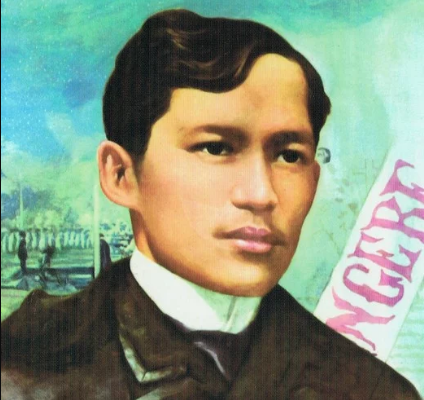
    dr jose rizal

    dr jose rizal was a supporter of peaceful reform whose 1896 execution In 1895, Rizal asked for permission to travel to Cuba as an army doctor.

    José Rizal, in full José Protasio Rizal Mercado y Alonso Realonda, (born June 19, 1861, Calamba, Philippines—died December 30, 1896, Manila), patriot, physician, and man of letters who was an inspiration to the Philippine nationalist movement. … The son of a prosperous landowner

    How to get to LAKBAY JOSE RIZAL @150 sites and location of stamp sites

    REGION VII

    DUMAGUETE
    Rizal’s boat, the S.S. España arrived in Dumaguete City. Dr. Rizal went ashore, visited Governor Regal of Negros Occidental, visited a classmate Herrero Regidor and operated on the captain of the Civil Guard

    Dumaguete city
    Photo source: https://dumaguete.com/

    The boat made its first stop in Dumaguete in Negros Oriental, then already one of the more progressive towns in the Visayas, in the early morning of the following day. In his diary, Rizal wrote about his impressions: “Dumaguete spreads out on the beach. There are big houses, some with galvanized iron roofing. The house of a lady whose name I have forgotten was outstanding … .”

    As cargoes were being loaded, Rizal, together with his relatives, went ashore. Being a prisoner, he was escorted by Captain Carnicero.

    Dumaguete

    Rizal paid a courtesy call on the governor, Emilio Regal, before seeing a friend and former classmate, Faustino Herrero Regidor, who was suffering from ophthalmia. That afternoon, Rizal, who underwent training as an ophthalmologist in Europe, operated on Regidor.

    Apparently, Rizal saw other people, including a woman identified in his diary as one “Mrs. Rufina.” In her house, he observed, “where after four years, I heard the piano expertly played.”

    Of all the things he saw in Dumaguete, he noted the people’s fondness for “decorating their houses with plants and flowers.”

    Read more: https://newsinfo.inquirer.net/426563/rizals-impressions-of-the-visayas#ixzz69vuMDjwE
    Follow us: @inquirerdotnet on Twitter | inquirerdotnet on Facebook

    How to get there:
    Dumaguete City

    By air: Travel by air takes an hour and a half. Cebu Pacific offers daily flights from Manila to Dumaguete City. Tricycles and jeepneys are available from the airport going to Quezon Park.

    By sea: There are ferries that offer travel from Manila to Dumaguete City. Travelling by sea takes 36 hours.

    Stamp Area:
    Dumaguete City Tourism Office

    Quezon Park, Sta. Catalina St., Dumaguete City, Negros Oriental

    Stamp Responsible Person/Entity:
    Mr. Audrey Noel Tumulak

    Quezon Park Tourism Officer

    (035) 422-9409

    (M-F, 8 am- 5 PM)

    SAN PEDRO FORT
    The S.S. España docked in Cebu on August 2, 1896 for a routine one-day stop over. After breakfast on board, Commander Carcinero took Rizal under custody to the Spanish Military Commander of Cebu, Gen. Adulfo Montero in the Military Headquarters located in Fort San Pedro.

    san pedro fort cebu
    Photo source: https://www.y101fm.com/

    How to get there:
    Cebu City

    By air: Cebu Pacific Air offers flights from Manila to Cebu City. Travel time is approx. an hour and a half. Taxis are available from the airport going to Fort San Pedro.

    By sea: There are ferries that offer travel from Manila to Cebu City.

    Fort San Pedro is located at Pier Area, Cebu City

    Stamp Area:
    On-site

    Daily: 8:00 AM to 7:00 PM

    Stamp Responsible Person/Entity:
    Ms. Lourdes Limpangog, Officer-In-Charge

    Fort San Pedro

    (032) 256-2284/

    (032) 416-7080

    talambuhay ni jose rizal

    Jose Rizal full name

    José Protacio Rizal Mercado y Alonso Realonda
    Jose Protacio Rizal Mercado y Alonso Realonda or popularly known as JOSE RIZAL was born on June 19, 1861 to Francisco Mercado and Teodora Alonso in Calamba, Laguna.

    jose rizal biography

    jose rizal family tree

    jose rizal family tree
    Source: https://philippinefolklifemuseum.org/

    The Rizals is considered one of the biggest families during their time. Domingo Lam-co, the family’s paternal ascendant was a full-blooded Chinese who came to the Philippines from Amoy, China in the closing years of the 17th century and married a Chinese half-breed by the name of Ines de la Rosa.

    Researchers revealed that the Mercado-Rizal family had also traces of Japanese, Spanish, Malay and Even Negrito blood aside from Chinese.

    Jose Rizal came from a 13-member family consisting of his parents, Francisco Mercado II and Teodora Alonso Realonda, and nine sisters and one brother.

    FRANCISCO MERCADO (1818-1898)
    Father of Jose Rizal who was the youngest of 13 offsprings of Juan and Cirila Mercado. Born in Biñan, Laguna on April 18, 1818; studied in San Jose College, Manila; and died in Manila.

    TEODORA ALONSO (1827-1913)
    Mother of Jose Rizal who was the second child of Lorenzo Alonso and Brijida de Quintos. She studied at the Colegio de Santa Rosa. She was a business-minded woman, courteous, religious, hard-working and well-read. She was born in Santa Cruz, Manila on November 14, 1827 and died in 1913 in Manila.

    SATURNINA RIZAL (1850-1913)
    Eldest child of the Rizal-Alonzo marriage. Married Manuel Timoteo Hidalgo of Tanauan, Batangas.

    PACIANO RIZAL (1851-1930)
    Only brother of Jose Rizal and the second child. Studied at San Jose College in Manila; became a farmer and later a general of the Philippine Revolution.

    NARCISA RIZAL (1852-1939)
    The third child. married Antonio Lopez at Morong, Rizal; a teacher and musician.

    OLYMPIA RIZAL (1855-1887)
    The fourth child. Married Silvestre Ubaldo; died in 1887 from childbirth.

    LUCIA RIZAL (1857-1919)
    The fifth child. Married Matriano Herbosa.

    MARIA RIZAL (1859-1945)
    The sixth child. Married Daniel Faustino Cruz of Biñan, Laguna.

    JOSE RIZAL (1861-1896)
    The second son and the seventh child. He was executed by the Spaniards on December 30,1896.

    CONCEPCION RIZAL (1862-1865)
    The eight child. Died at the age of three.

    JOSEFA RIZAL (1865-1945)
    The ninth child. An epileptic, died a spinster.

    TRINIDAD RIZAL (1868-1951)
    The tenth child. Died a spinster and the last of the family to die.

    SOLEDAD RIZAL (1870-1929)
    The youngest child married Pantaleon Quintero.

    dr jose rizal people ask

    jose rizal birthday

    jose rizal movie

    sino si jose rizal,

    who is jose rizal,

    kailan namatay si rizal

    Date of death: 30 December 1896

    Si Dr. Jose Rizal ay pinatay sa Bagumbayan sa pamamagitan ng firing squad noong December 30, 1896. Sya ay nahatulan ng kamatayan

    why rizal is our national hero

    Jose Rizal became the Philippine national hero because he fought for freedom in a silent but powerful way.

    He expressed his love for the Philippines through his novels, essays and articles rather than through the use of force or aggression.

    He was a very amazing person at his time.

    Who declared Rizal as a national hero?
    This was one of the first official steps taken by the Taft Commission to honor Rizal. Since then, Jose Rizal came to be known as the National Hero.

    It was also during the American times that Rizal’s death anniversary was made an official holiday.

    On February 1, 1902, the Philippine Commission enacted Act.

    When did Rizal became our national hero?
    1898,
    Dr. Jose Rizal became our National Hero not only because of his genius, his multiple talents but because of his unquenchable love of the Philippines.

    On December 20, 1898, almost two years after Rizal’s execution, Gen. Emilio Aguinaldo issued the first official Proclamation making December 30 “Rizal Day”.

    why did jose rizal wrote noli me tangere,

    bakit isinulat ni rizal ang noli me tangere,

    ano ang buong pangalan ni jose rizal,

    kailan ipinanganak si jose rizal,

    bakit naging bayani si jose rizal

  • things to do in the philippines

    things to do in the philippines

    things to do in the philippines 10 Top things to do list

    1 See some sites

    banaue rice terraces philippines
    Photo source https://theculturetrip.com/

    There are a lot to see in the Philippines. The country is blessed with a beautiful environment and skilful people whose talented hands created some of the most magnificent man-made structures in the world.

    The UNESCO World Heritage Site, Banaue Rice Terraces; The well-preserved Spanish-style architecture in the historic town of Vigan, Ilocos Sur;

    The Baroque-style Philippine World Heritage site churches: the San Agustin Church in Paoay, Ilocos Norte, the Nuestra Senora de la Asuncion Church in Santa Maria,

    Ilocos Sur, San Agustin Church in Intramuros, Manila, and the Santo Tomas de Villanueva Church in Miag-ao, Iloilo.

    The smallest active volcano in the world Taal Volcano in Batangas; the volcano with the most perfect cone, Mt. Mayon in Legazpi, Albay; the unique land formation that is the Chocolate Hills in Bohol.

    Marvel at the endemic Philippine fauna: Tamaraw, Tarsier, Phillipine Eagle.

    See Top Philippine World Heritage Sites

    2 Go on Beach Holidays

    boracay island
    Photo source: https://www.independent.co.uk/

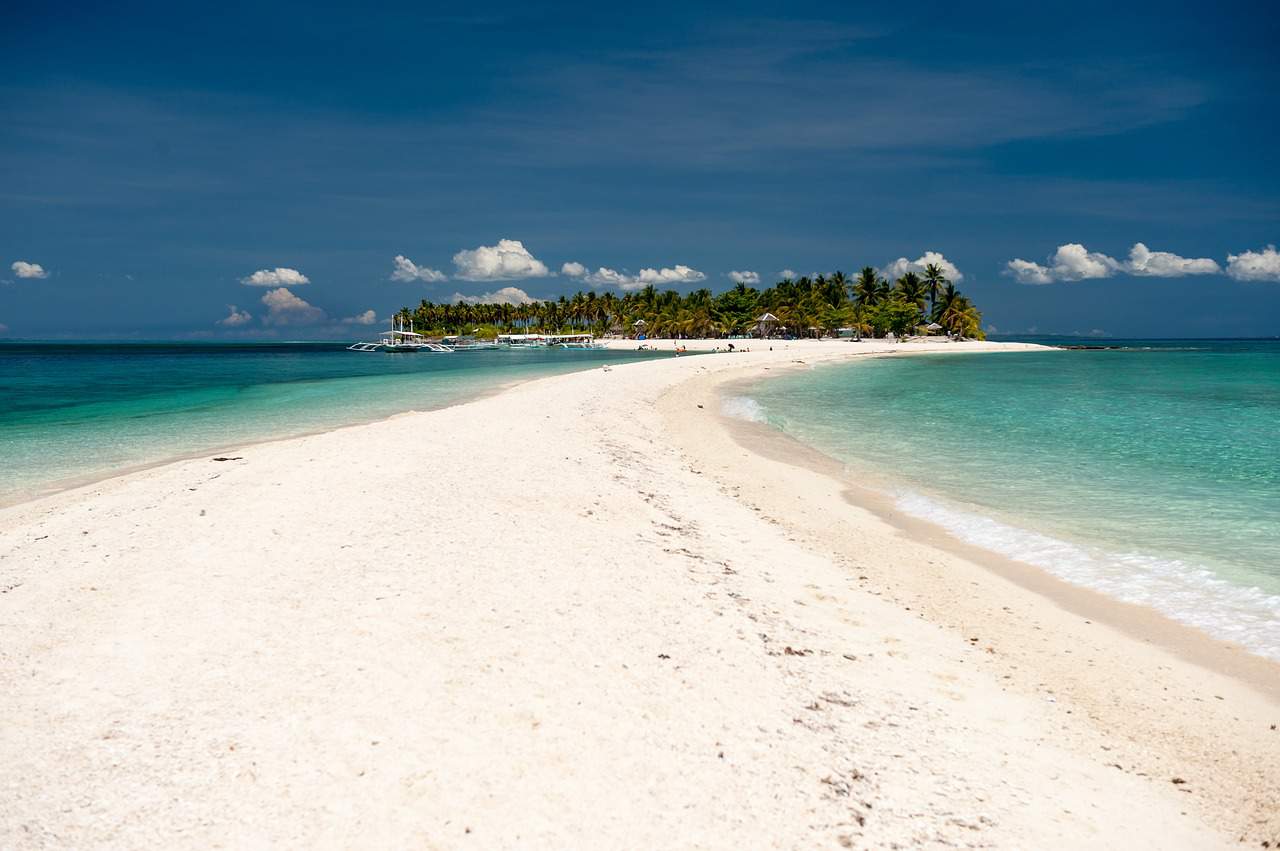
    The Philippines is a tropical country with one of the longest coastlines in Asia at 36,289 kilometres. It has numerous beaches most with fine powdery white sand and clean, clear and cool blue waters.

    Be sure to bask in the warm tropical sun and get the perfect tan that will be the envy of your friends back home.

    Top Philippine beach locations: Boracay Island, Aklan; El Nido, Palawan; Camiguin Island; Pagudpud, Ilocos Norte; Puerto Galera, Mindoro; Nasugbu and Lian in Batangas; Ternate in Cavite.

    See Philippines’ Top Beaches

    3 Dive

    muck diving philippines

    muck diving philippines
    Photo source: http://www.boldtravel.com/

    The Philippines is Asia’s Dive Capital. If you are a diving enthusiast— amateur or professional, or someone who is looking for an underwater experience of a lifetime, then you must go to the Philippines if only for the reason that the country has the highest density of coral species in the world.

    Philippine seas are some of the most bio-diverse and marine-rich waters in the world and home to a diverse species of aquatic resources.

    Amateur divers can train and get their licenses at any of the diving training centers located in diving spots Anilao, Puerto Galera and Boracay, and once done with training, they can dive side-by-side with professional divers in the country’s other must-see diving spots: the UNESCO World Heritage Site

    Tubbataha Reef and the location of some of the best wreck diving sites in the world, Coron both in Palawan; Verde Island in Mindoro Oriental;

    Apo Reef National Park in Mindoro Occidental, the largest atoll-like reef in the Philippines which includes 285 species of fish and 197 species of corals

    (featured in the SHEDD Aquarium permanent Philippine reef display in Chicago, Illinois, USA) ;

    the Apo Island Marine Reserve & Fish Sanctuary in Dumaguete, Negros Oriental; Balicasag and Pamilacan Islands in Bohol; and Malapascua and Moalboal/Pescador Islands in Cebu.

    See Top Diving Destinations

    4 Engage in your favorite outdoor sports or activity

    philippine golf courses
    photo source: https://www.top100golfcourses.com/

    The Philippines offers a wide variety of sports adventures. Different locations cater to a specific activities: play a few rounds of golf in the different golf courses around the country designed by some of the most famous golf celebrities in the world;

    Snorkel and interact with the “gentle giants”— the whale sharks— in Donsol, Sorsogon; Surf in Siargao Island, Surigao del Norte, Baler, Aurora,

    Daet, Camarines Sur and in Catanduanes province; climb the country’s highest peak at 9,689 feet- Mt. Apo- in Davao City, Davao, trek Mt. Pinatubo

    or explore the Callao caves in Tuguegarao, Cagayan province; go white river rafting in Chico River or in Cagayan de Oro River; go kayaking and canoeing

    at the Bacuit Archipelago and at the St. Paul Subterranean Cave both in Palawan; windsurf in Lake Caliraya or in Taal Lake, kitesurf in Boracay, wakeboard in Pili, Camarines Sur.

    See Top Outdoor Activities

    5 Relax in a spa

    There is nothing more relaxing than enjoying the traditional Filipino “healing” massage or touch therapy called Hilot.

    The soothing touch of this massage relaxes and heals tired muscles and aching joints. Try this and other spa treatments at the Nurture Spa in

    Tagaytay, Mandala Spa in Boracay, Sanctuario Spa in Manila, Chi Spa Village in Shangri-La Mactan, Cebu, and at The Farm at San Benito in Batangas.

    6 Feast

    Be ready to put on a few extra pounds as you satisfy your cravings by indulging in a Filipino feast.

    Dishes to try: Lechon, spit-roast whole pig served with liver sauce; Adobo, pork, chicken or a combination of both, marinated in vinegar, soy sauce

    and garlic and stewed until tender; Kare-kare, meat and vegetables cooked with peanut sauce served with shrimp paste; Sinigang, pork, or seafood in

    tamarind soup; or the freshest seafoods— fish, squid, shrimp, lobsters— grilled to perfection.

    The more adventurous should try Balut or boiled duck eggs containing a partially formed embryo, and Dinuguan, the pork blood stew eaten with

    steamed rice or Puto, rice cakes. All around the country, there are restaurants offering different cuisines from American to Chinese, from Indian to Greek, from Japanese to French.

    7 Shop

    Shopping in the Philippines is an experience both in bargain and variety. Most shopping places or Malls in Manila, Makati, Cebu and Davao virtually have everything that you will need— from designer western brands to items specifically designed for the tourist market.

    Around the country, specifically in city centers, Tiangges or the Filipino version of flea markets abound offering quality items at bargain prices.

    In Manila shop at the third largest mall in the world Mall of Asia, Robinson Place, Balikbayan Handicrafts, Tutuban Center Mall and at the San Andres Market (for fresh fruits and other produce).

    In Makati and its surrounding areas, shop at Greenbelt, Glorietta, Landmark Department Store, Greenhills Shopping Center, Megamall, Shangri-La Mall and at Tiendecitas.

    In Cebu, check out the Ayala Center, the Gaisano Malls, Robinson’s Place, SM City, and for native delicacies, fresh produce and fresh and dried seafood, go to the Carbon and Tabo-an Markets.

    In Davao, shop at Aldevinco Shopping Center (for fabrics, batik, carvings) Victoria Plaza, Gaisano Mall and at the New City Commercial Center department store.

    An experience not to be missed in flea market-shopping in the Philippines is the ”bargaining” where shoppers can buy items with big discount, depending on charm and good bargaining skills.

    8 Experience Filipino Culture

    Philippine culture is best experienced in events and activities that highlight what Filipinos are passionate about— faith, love for country, family,

    beautiful women, and celebrations. Filipinos love to celebrate, and there is no better way of celebrating than by having festivals:

    Ati-atihan in Kalibo, Aklan, January, the best and biggest in the country, it commemorates the feast of the Sto Nino with a week-long street party.

    Groups of dancers dressed as the aboriginal Atis, representing different communities from the city participate in the festive weeklong street party

    that highlights during the feast of the patron saint; Pahiyas in Lucban, Quezon. May 15, the annual harvest festival and feast of San Isidro

    Labrador. Witness the colourful display of kiping and other thanksgiving offerings hung in the houses that line the street where the procession of the

    image of the patron saint will pass. Giant papier-mache effigies join the parade to add to the spectacle of a celebration;

    Masskara Festival in Bacolod City, October, coinciding with the city’s charter day celebration, the festival features carnivals, fairs and a mardi gras-style parade by costumed and masked street dancers.

    There are as many festivals as there are towns in the Philippines and when you attend and enjoy a Filipino celebration, you come closer to understanding the culture of the people.

    Other unique Philippine cultural events and activities include the cultural spectacle Santacruzan—a Maytime procession of beautiful Philippine

    maidens staged as a re-enactment of St. Helen’s quest for the Holy Cross; the awesome display of Filipino religiosity in the frenzied Black Nazarene

    procession during the Quiapo fiesta every January in Manila; the Holy Week rituals in San Fernando, Pampanga— proof of the Filipino’s and

    Philippine culture’s deep Catholic roots; and the displays (giant Christmas lanterns), rituals (dawn masses) and traditions (noche buena feasts) that mark the Filipinos’ celebration of Christmas.

    9 Night life

    There is an abundance of places to go to and enjoy a night out in the Philippines.

    Every major city of the country has a number of nightlife activity hubs with restaurants, cafes, bars, clubs and karaoke bars all promising a good time of fun and entertainment.

    In the country’s financial district Makati, there is the Greenbelt, Glorietta, The Fort, Jupiter St. and J. P. Rizal Street. In the city’s capital, Manila,

    nightlife is diverse.

    There is something for everybody in Malate, and in the newly revitalized Roxas Boulevard and its Baywalk.

    Quezon City is a popular destination of locals as the club prices are a little lower than those in Makati.

    Most clubs are close to each other so common to bar hop. Try the establishments along Timog & Tomas Morato Avenues and Quezon Boulevard, and in Eastwood City in Libis.

    Outside of Metro Manila, there are a number of popular places to go to. The nightlife of Subic in the province of Zambales, is known all over the world because of its history as a former rest and recreation center of the US Navy.

    The city is still teeming with nightlife activities as the Subic Free Trade Port is home to a lot of expatriates from other foreign countries as well and it is now a major Tourist hub.

    Foreign Navies still use the port as a rest and recreation spot every now and then.

    Check out Subic International Hotel and the Magsaysay Blvd. Angeles City in Pampanga, formerly the home of the US Air force in the Pacific, is also known for its Angeles City nightlife stayed almost the same as a lot of retired US and Australian citizens decided to make Angeles City their second home.

    Establishments in Balibago are still popular. The central Philippine city of Cebu is a popular destination among tourists because its nightlife is at par if not better than in Metro-Manila.

    Big development companies have opened up operations in the city as well as major club chain operators have set up their presence.

    Be sure to go to Ayala Mall and in the different establishments that abound Osmena Blvd.

    The ultimate island-nightlife location in the Philippines is Boracay Island in the province of Aklan.

    The island is known for its carefree attitude, and the island is home to a lot of clubs and bars on the beach: Bazzura, Hey Jude, D’ Mall, and the Station 2 establishments.

    10 Watch a performance of World-Class Filipino artist

    The Philippines is home to a number of world-class artists. Occasionally, the Cultural Center of the Philippines, show performances by the Ballet

    Philippines, the Philippine Madrigal Singers, and the Bayanihan Dance Troupe.

    World-renowned artists Lea Salonga and Cecile Licad, from time to time, give performances in big concert halls in Manila.

    The Center of Arts in San Antonio (CASA) in San Miguel, Zambales features violinist Alfonso “Coke” Bolipata and his Pundaquit talents.

    Other groups that showcase the Filipino performing talents are Repertory Philippines, the Loboc Children’s Choir, and the Amazing Philippines Theatre.

    In the Visual Arts, works of world-class Filipino masters Juan Luna, Felix Resurrection Hidalgo and Fabian de la Rosa, National Artists Fernando Amorsolo,

    Carlos Francisco, Victor Edades, Vicente Manansala, other Philippine painting greats and contemporary visual artists can be viewed at the Philippine National Museum,

    the Metropolitan Museum of Manila, the Ayala Museum and in some galleries and University museums around Metro Manila.

    Amorsolo, Carlos Francisco, Victor Edades, Vicente Manansala, other Philippine painting greats and contemporary visual artists can be viewed at

    the Philippine National Museum, the Metropolitan Museum of Manila, the Ayala Museum and in some galleries and University museums around Metro Manila.

    Colleges and universities in the Philippines are home to award-wining performance groups that have been recognized internationally for their artistry and excellence in the performing arts:

    Dulaang UP (student theatre group), the UP Concert Chorus, UP Singing Ambassadors of the University of the Philippines; Ateneo College Glee Club

    and the Ateneo Chamber Singers of the Ateneo de Manila University; the UST Singers and the Salinggawi Dance Troupe of the University of Santo Tomas.

    All around the country in simple stages, live bands and professional singers perform in clubs and music halls showcasing Filipino talent in entertaining.

    things to do in the philippines more informations

    things to do in clark philippines,

    things to do in laguna philippines,

    things to do in cebu philippines,

    things to do in tagaytay philippines,

    things to do in vigan philippines,

    things to do in la union philippines

    , things to do in manila philippines,

    things to do in makati philippines,

    things to do in bohol philippines,

    things to do in iloilo city philippines,

    things to do in tarlac philippines,

    things to do in bicol philippines,

    things to do in gensan philippines,

    things to do in cabanatuan city philippines,

    things to do in mactan island philippines,

    things to do in puerto princesa palawan philippines,

    boracay philippines things to do,

    things to do at subic bay philippines,

    things to do in coron palawan philippines,

    things to do iloilo philippines,

    things to do in mati philippines,

    things to do in pasig city philippines,

    things to do in pagudpud philippines,

    things to do in dipolog philippines,

    top things to do in coron philippines,

    things to do in siargao island philippines,

    things to do in angeles city philippines,

    things to do in isabela philippines,

    things to do in rizal philippines,

    things to do in bataan philippines,

    things to do in bacolod philippines,

    things to do in pasay city philippines,

    things to do in nueva vizcaya philippines

    , things to do in bulacan philippines

    https://bestphilippinestravelguide.com/pagadian-city/
  • Zamboanga Del Sur

    Zamboanga Del Sur

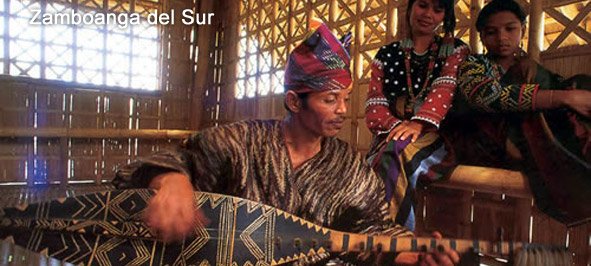
    Zamboanga Del Sur – The Colors Of Ethnic Zamboanga

    Looking for properties in Pagadian City, Contact Giovanni Carlo P Bagayas Globe 0916-336-35-18 and Smart 0949-919-05-45 Property consultant of Camella homes and Lumina homes Pagadian City

    BRIEF DESCRIPTION
    The province of Zamboanga del Sur is bounded on the north by the province of Zamboanga del Norte; on the south by the Moro Gulf; on the southwest by Zamboanga Sibugay; and on the east and northeast by Lanao del Norte, Misamis Occidental, and Panguil Bay.

    The original inhabitants of the Zamboanga peninsula were the Subanons, who settled along the riverbanks.

    The next group of settlers to arrive were Muslim migrants from the neighboring provinces.

    The Maguindanaoans and Kalibugans were farmers; the Tausugs, Samals, and Badjaos were fishermen; and the Maranaos were traders and artisans.

    The Muslim settlers also looked on mat weaving as its major occupation.

    Then came an exodus of migrants from nearby provinces. Historians say that majority of them came from the Visayas, Cebu, Bohol, Negros, and Siquijor.

    Together with the original settlers, these pioneers helped develop Zamboanga del Sur into the abundant and culturally diverse province that it is.

    Today the province comprises two congressional districts with 26 municipalities and one component city.

    Pagadian City, its capital, with a total of 681 barangays, has been declared as the new regional seat of Region IX.

    Geography
    Zamboanga del Sur occupies the southern section of the Zamboanga peninsula that forms the western part of the Island of Mindanao.

    It is located within a longitude of 122º 30″” and latitude of 7º 15″” north. It has a total land area of 473, 491hectares or 4,734.91 sq. m.

    Stretching northward from Sibugay in the southwest and running along the northern boundary to Salug Valley in the east is the province’s mountainous countryside.

    The coastal plains are extending regularly from south to west then spreading into wide flat lands when reaching the coastal plains of the Baganian peninsula in the southeast.


    POLITICAL SUBDIVISION
    Zamboanga del Sur consists of two congressional districts with 26 municipalities and one city, with a total of 681 barangays.

    LANGUAGE / DIALECT
    The major dialect is Cebuano, spoken by 61.31% of the population.

    Also spoken are Tagalog, Subanon, Chavacano, Ilonggo, Maguindanao, Tausug, Boholano, and Ilocano.

    POPULATION
    As of the year 2000 census, Zamboanga del Sur had reached a population of 836, 147.

    CLIMATE
    The province has a relatively high mean annual rainfall that varies from 1,599 millimeters in drier areas to 3,500 millimeters in the wettest portion.

    Temperature is relatively warm and constant throughout the year ranging from the minimum temperature of 22 to 35 degrees Celsius.

    TRADE AND INDUSTRY
    Agri-based manufacture of coco oil, livestock feed milling, rice/ corn milling, including the processing of fruits; gifts and housewares made from indigenous materials like handmade paper, roots, rattan, buri, and bamboo; wood-based manufacture of furniture and furniture components from wood, rattan, and bamboo; marine and aquaculture including support services; construction services and manufacture of marble, concrete, and wooden construction materials.

    Zamboanga Del Sur History

    Zamboanga Del Sur History
    The name Zamboanga was derived from the Malay word Jambangan, meaning a pot or place of flowers.

    Historically, Zamboanga was the capital of the Moro province, which comprised five districts, namely: Cotabato, Davao, Sulu, Lanao, and Zamboanga.

    In 1940, these districts became individual provinces. Zamboanga City became the capital of Zamboanga province.

    Soon after the Second World War, the provincial capital was transferred to Dipolog.

    After that, Molave was created as the provincial capital by virtue of RA 286 dated June 16, 1948.

    Zamboanga del Sur was carved out from the former Zamboanga province that encompassed the entire peninsula in the southwestern

    Mindanao on September 17, 1952 by virtue of Republic Act 711. As the 52nd province of the Philippine Republic, it originally consisted of 11 towns, which later expanded into 42 municipalities and one city, Pagadian, its capital.

    The province was sub-divided into three congressional districts, with 11 municipalities and one city in the first, 15 municipalities in the second, and six towns in the third.

    In 1990, Executive Order 429 reorganized the administrative setup of Region IX and identified Pagadian City as the new regional center.

    The actual transfer of the regional offices of national government agencies, however, has yet to be implemented.

    Political developments in February 2001 saw another major change in the territorial jurisdiction of Zamboanga del Sur.

    its inhabitants voted to create a new province out of the third congressional district, named Zamboanga Sibugay.

    The mother province is now left with 26 municipalities and one city with 681 barangays.

    Zamboanga Del Sur Is Famous For
    Megayon Festival

    Megayon Festival Zamboanga del sur


    It is an institutionalized tri-people festival to showcase the arts and crafts of Zamboanga del Sur.

    About Megayon Festival
    The festival is seven days in length gathering held in September to praise the solidarity among the three pioneers that add to the establishing of Zamboanga del Sur, the Subanons or Subanens, the Muslims, and the neighborhood pilgrims .

    The celebration is additionally held to commend the establishing of Zamboanga del Sur and, to a lesser degree, the rich reap of yields. In light of these reasons, the Megayen Festival is considered as Zamboanga del Sur’s authentic celebration.

    Initially began in 2001, the celebration features the social assorted iety of the three gatherings of individuals that populate Zamboanga del Sur.

    Primary staples of the festival incorporate the novel social moves of each gathering.

    Conventional ensembles and in addition expressions and artworks are also for the most part gladly showed, which flaunts the decent iety of every pilgrim gathering.

    As a rule, the festival has an all-encompassing subject that offers union to every festival, and these topics are quite a long time for instance, the topic for Megayon 2008 was “Dependable Usage of Natural Resources, Key to Sustainable Progress and Unity.

    Megayon Festival is a brilliant thanksgiving festival for rich gather of products held each 27th to 30th of September in Tigbao, Zamboanga del sur, Mindanao, took part in by a large number of members from the Subanean ethnic gathering.

    The festival depicts solidarity and solidarity as it exhibits, through road and ethnic move, the living convention and different culture of the region.

    Source: https://www.hellotravel.com/events/megayon-festival


    Buklog
    One of the religious rituals and ceremonies of the Subanens, it represents the social hierarchy of the Subanon community.


    Lapuyan Falls
    It is the favorite haunt of the fair Subanen maidens of Sitio Baga and all its neighboring areas.


    Lakewood
    Some 15 km. from Brgy. Tubod is a beautiful mountain lake, on the banks of which is located the town of Lakewood, a quiet and lovely place where the air is heavy with the scent of wild champakas and the fragrance of a thousand nameless herons.

    Lake Dasay
    The second largest mountain lake in the province, Lake Dasay is located in the town of San Miguel.

    Its luscious mouth is parted like the smile of a country damsel yet silent fury lurks beneath its innocent-looking waters.

    Sominot Cave
    Massive pillars and columns guard the entrance to Sominot Cave. Deep within, beautiful stalactites and stalagmites adorn wide spaces. The subterranean stream makes a long journey towards the coast and empties into the Tukuran River.


    Malindang Mountain Resort
    It is a favorite tourist destination of big groups who want to commune with nature.

    The resort is owned and managed by Rogelio Mabanag, one of the most outstanding farmers in Zamboanga del Sur.

    Aurora Mountain Resort
    The resort has been carved out of a hillside in Barangay Anonang, town of Aurora.

    It has a wide swimming pool, which is the favorite hunt of bathers from the nearby eastern municipalities.

    Lily’s Hidden Spring
    Along the rocky highlands and steep mountainside flows the lovely Lily’s Hidden Spring, endowed with splashing waters to the delight of nature lovers.
    spacer

    How to Get There
    Pagadian City is accessible by air from the major poiint of Cebu City.

    By sea, Pagadian is highly accessible fro Zamboanga City and Cotabato. At right is the schedule of vessels bound for Pagadian from Zamboanga City.

    With Pagadian at the crossroads of the highway network in the Zamboanga Peninsula, major bus companies carry out trips to major centers in the region daily.

    Zamboanga Del Sur Emergency Services

    Medical Facilities

    Aisah Medical Hospital, Pagadian City

    Address: B. Pulmones Street, San Pedro, Zamboanga del Sur
    Phone: 2154413

    Zamboanga del Sur Medical Center- ZDSMC
    Pagadian City

    Provincial Compound, Dao
    Pagadian City 7016


    Margosatubig Hospital
    Margiosubig, ZDSspacer


    Aurora Municipal Hospital
    Aurora, ZDSspacer


    Tambulig Hospital
    Tambulig, ZDSspacer


    JH Cerilles Hospital
    San Miguel, ZDSspacer


    Dinas Hospital
    Dinas, ZDSspacer


    Lakewood Hospital
    Lakewood, ZDSspacer


    Danlugan Hospital
    Pagadian Cityspacer


    Pagadian Medical Center
    Pagadian Cityspacer


    Saint Martin Clinic


    Jamelarin Community Hospital


    Cooperative Hospital


    Hofilena hospital pagadian city

    Address: F.S. Pajares Avenue, Pagadian City, Zamboanga del Sur
    Phone: (062) 214 1696


    Borbon Hospital
    Pagadian City


    Saint Francis Clinic
    Pagadian City


    Police


    Provincial Command of Zamboanga del Sur
    “Pagadian City Zamboanga del Sur PPO was then named as Zamboanga del Sur Philippine Constabulary Command.

    It is situated in Camp Abelon, Pagadian City. The defunct PC/INP Command previously covered three congressional districts.


    Pagadian City Police Station
    “Pagadian City Hotline 166″spacer


    Fire Station


    Provincial Fire Marshall Office
    Zamboanga del Surspacer

    spacer
    Aurora Fire Station


    Molave Fire Station


    Pagadian City Fire Station


    Brgy. Santiago Fire Station
    Pagadian Cityspacer


    Brgy. Lumbia Fire Station
    Pagadian Cityspacer


    Tourist Information and Assistance


    DOT Region IX
    MR. RICARDO A. SAN JUAN, Regional Director
    Lantaka Hotel By The Sea, Valderosa Street, Zamboanga City 700
    Tel.: (6362) 991 0218
    Fax: (6362) 993 0030
    E-Mail: dotr9@jetlink.com.ph
    spacer

    Police Stations and Outposts are located in all towns.

  • explore_phil/explore_main.asp

    explore_phil/explore_main.asp

    Philippines WOW Philippines W.O.W. Philippines wow philippines visit philippines Philippine Department of Tourism philippine department of tourism philippine tourism about philippines travel to the philippines regions provinces cities region

    1 ilocos norte ilocos sur la union pangasinan region

    2 cagayan isabela nueva vizcaya quirino batanes region

    3 bulacan nueva ecija pampanga tarlac zambales bataan aurora region

    4 batangas cavite laguna marinduque occidental mindoro oriental mindoro palawan quezon rizal romblon region

    5 camarines norte camarines sur catanduanes masbate sorsogon albay region

    6 capiz iloilo negros occidental guimaras aklan antique boracay region

    7 bohol cebu philippines negros oriental siquijor region

    8 eastern samar leyte northern samar western samar southern leyte biliran region

    9 zamboanga del norte zamboanga del sur zamboanga sibugay zamboanga city region

    10 bukidnon camiguin misamis occidental misamis oriental lanao del norte iligan city region

    11 davao del norte davao del sur davao oriental compostella valley region

    12 north cotabato sarangani sultan kudarat south cotabato kidapawan city koronadal city region

    13 agusan del norte agusan del sur surigao del norte surigao del sur butuan city surigao city cordillera abra benguet kalinga apayao mountain province ifugao baguio city ncr manila city quezon city caloocan city pasay city pasig city makati city mandaluyong city marikina city valenzuela city muntinlupa city parañaque city las piñas city malabon city navotas taguig pateros san juan armm basilan lanao del sur maguindanao tawi-tawi sulu philippine islands republic of the philippines tourists tours travels travel packages pilipinas filipinas philipines phillipines luzon vizayas visayas mindanao metro manila

    Magapit Suspension Bridge is the first of its kind in Asia. It spans the Cagayan River at Lallo and is 0.76 kilometers long.

    The hanging bridge links the first and second districts of Cagayan going towards the Ilocos Region via the scenic Patapat Road on the Ilocos Norte-Cagayan Inter-Provincial national highway.more…


    Magat Dam is Asia’s biggest dam project at the time of its construction. It serves the primary function of power generation and irrigation.more…

  • things to do in siargao during an Island Getaway

    things to do in siargao during an Island Getaway

    things to do in Siargao, siargao filipinas is one of the best gems the Philippines has for local and international tourists.

    That’s why you should learn what to do in Siargao through your island escapade.

    It was once a secluded and unpopular island a few decades ago. But it’s a popular and favorite spot for many tourists today.

    That’s because of its fascinating sea waves, which have lured surfers from different parts of the world to the Island.

    And there are more things to do in Siargao aside from riding breathtaking waves. These are attractions, many local and international tourists love when traveling to the Philippines. https://www.eligefilipinas.com/filipinas-guia-viaje/

    The landscapes of Siargao conquer even before landing or disembarking. It will greet you regardless of you traveling by plane from Cebu or Manila, or on a boat from Surigao. Its vibrant green color because of palms and mangroves is easily noticeable from a distance as you approach.

    Yes, Siargao has lots of stuff you should see and enjoy. But riding through its roads and villages would satisfy your escapade to the fullest. Infinite palm groves, sandy beaches, mangroves, lagoons, waterfalls, natural pools, desert islands, and, above all, a very cozy town are all waiting for you. That’s why we are addicted to Siargao and even visited it twice!

    And to provide all essential info and updates about Siargao, we’ve spent three days traveling through its roads for you. So, read on and learn what to do in Siargao, among other vital points.

    How many Days do you need in Siargao for a Satisfying Escapade?

    Visiting Siargao means spending enough time to enjoy the Island fully. The Island is so beautiful that short getaways often lead to dissatisfaction and regrets. Remember that it can easily captivate any visitors like you.

    Be sure to spend around 5 full days, or 4 days at least, on the Island.

    That’s regardless if you plan to hop on a surfboard or not. That’s enough to satisfy yourself through your vacation fully.


    Having doubts?

    We will give big reasons on why you should spend ample amount of time on the Island.

    Here’s our suggested distribution of days in Siargao:

    1. Go island-hopping through Daku + Guyam + Naked islands. You can include Mam’um and Corregidor islands as options too.
    2. Hop on an island motorcycle tour through Magpupungko + Boardwalk of Cloud 9
    3. Sugba Lagoon + Kawhagan Island + Sunset in Del Carmen
    4. Sohoton or Corregidor or Malinao Beaches. There are many other options too.
    5. Enjoy the beaches of General Luna or Malinao. Go surfing if you want as well.

    Also, it’s best to visit Siargao during July, August, and September. These months fall on the peak of the dry season in the Philippines with a favorable and pleasant climate. That’s what we’ve talked about in the articles “best time to travel to the Philippines”, “travel to the Philippines in July” to the Philippines in August”. And these weather factors make such months perfect for our suggested things to do in Siargao in a getaway.

    Now, read on, so you’d get some ideas about what to do in siargao filipinas while planning for your vacation.

    What to Do and What to See in Siargao – Guide 2019

    Rent a Motorcycle and Ride it through the Island
    There are so many things you have to do in Siargao. And you would fully appreciate its beauty when you enjoy it slowly through motorcycle tours. Thankfully, there are motorcycles for rent available in the Island, which is also the best way to see Siargao as a whole.

    Think of driving through roads lined with fascinating palm trees. That’s while viewing magnificent natural and town sceneries as well.

    You can drive to Alegria, which is the northernmost area of the Island, or go south to Del Carmen.

    Whichever route you’re planning to take, you’ll experience a smooth and comfortable ride because There is hardly any traffic and the roads are in good condition.

    There are two options in enjoying motorcycle rides in the Island. It’s either touring the whole Island quickly in a day, or divide your travel into a few days. And the latter is the better choice.

    If you choose the second option, you can begin by traveling from General Luna to the Taktak Falls, with a stop at the Palm Viewpoint (see location here), the Maasin River, and its famous palm tree on Instagram now, Pacific, Pilar, Magpupungko, Burgos and Joy. Definitely, you should include this in your list of what to do in Siargao. Also, Alegría is the best beach on the Island of Siargao and is unique because tides don’t affect its beach.

    A motorcycle in Siargao is available for around 350 pesos each day of rent. But you can negotiate its price a bit when you plan to bring it on the road for a few days.

    Enjoy Surf or Learn in Siargao
    Planning to go surfing in the Philippines? Siargao is the best spot to visit, which is the surfing capital of the country.

    It offers the best waves such as the Cloud 9, and other surfing spots such as the Cemetery, Pacific, Daku Reef, Stimpy’s, Rock Island, Quicksilver, and Secret Spot.

    Moreover, big international surfing events are also organized in the Island annually.

    Being a beginner isn’t a worry on the Island too. There are many surf schools and instructors who can help you learn.

    They usually charge 500 pesos for an hour of surfing lessons, which includes the board you’d use.

    And there are many surf spots for beginners in Siargao as well, such as the Daku Island, Jacking Horse, Tuason Point, and the Secret Spot.

    Also, you can rent a surfboard in Siargao if you haven’t brought your own. Prepare around 200 pesos for it. But you can pull down the rates if you lease it for a few days.

    September to November are the best months to enjoy the waves in Siargao. Go directly to Cloud 9, Burgos Bay, Pacifico, and Tuason

    Point during this season. Stimpy’s and Pilar are your best beaches from December to March.

    Finally, note that April to August usually has smaller waves but is still enjoyable for surfing if you want.

    Take a Dip in the Natural Pools of Magpupungko
    Another what to do in Siargao through an escapade. The natural pools of Magpupungko are accessible at low tide, so be sure to check your tide table before going. The rising water on a high tide would make the natural pools almost impossible to reach.

    Visiting the nearby beach is something to do in Siargao too. The natural pools have a beach nearby, which is perfect for relaxation even during low tide. Moreover, you can also spot a restaurant, snack stands, and sellers of bukos or coconuts around Magpupungko. So, you don’t have to worry about getting hungry or thirsty while in the area.

    As an important note, the entrance fee to the Natural Pools costs 50 pesos. Pay an additional 50 pesos to park your motorcycle as well.

    Enjoy Island Hopping: Naked, Daku and Guyam Islands
    Remember that the Philippines is made up of thousands of islands. So, no wonder why it’s best to know the surrounding islands of Siargao through your getaway. And the islands in the area are some of the best you should see all over the country.

    There are travel agencies that offer tours through the best islands around Siargao for 1000 pesos for each person. But when talking about what to do in Siargao, you should try checking out the Port of General Luna. There you can take a Bangka, which is the local boat, in the Philippines for only 1,500 pesos for up to 6 people. These boats can bring you to the wonderful Guyam, Daku, and Naked islands.

    There is a market near the port where you can purchase supplies conveniently. They can cook what you’ve bought for small rates as well. Also, note that you need to pay 100 pesos to reach Daku Island on full boat, and 50 pesos for Guyam.

    See more info about this in our article about Island Hopping in Siargao. https://www.eligefilipinas.com/island-hopping-siargao

    The tour usually kicks off from the Naked Island. It’s named such because it’s a mere lump of sand without any tree on it. So, you can’t find any shades while on it. But its calm water would easily lure you for a dip.

    Next, you’ll enjoy a long stopover at Daku Island. This fabulous island features many tree shades where you can lie down and relax. It also has cabins where you can eat. Of course, it has a stretch of beach as well.

    Finally, the last stop is at Guyam Island. This is a picturesque small island filled with palm trees. It also features small rocks and white sand by the beach. Think of little islands you often see on postcards.

    For around 3,000 pesos, you can ride on a bangka or local boat at the Port of General Luna. That will take you to the three islands mentioned earlier, plus to the less popular Mam’un Island. And when you think of what to do in Siargao while avoiding the crowd, this island hopping is your best option.

    Be Careful: These islands are popular choices for people during the Philippine holidays, and large crowds fill them quickly. Also, note that Siargao goes more and more popular each day, and we don’t want to give you any false expectations.
    Yes, we have enjoyed these spots before, but we know they change as time passes by. It’s best to do an updated search while using our guide as your reference. That would help you know about Siargao right before coming.

    Get to Know the Mangroves of Del Carmen, Sugba Lagoon and the Spectacular Kawhagan Island

    Thinking of the best excursions to do in Siargao? Be sure to put the town of Del Carmen on your list. Here you’d see a long expanse of mangroves while riding on a Bangka to reach the Sugba Lagoon—the most famous lagoon in the area. It features turquoise water cradled by huge limestone rock formations and is perfect for cliff diving, kayaking or to learn paddle surfing.

    But your trip wouldn’t be complete without reaching Kawhagan Island. This is the last stop for such a tour. It features a lump of sand in the midst of turquoise seawater, which makes it an alluring consideration for what to do in Siargao. Here you can enjoy lying under shades of palm trees, play volleyball and other beach activities, or have a great time in the water.

    You can enjoy this tour by booking in a travel agency. But it’s cheaper to do by yourself. Just go to the Del Carmen Pier, and pay around 1,500 pesos per boat, which can cater up to six people. You should pay an additional 100 pesos to reach Sugba Lagoon.

    If you want to add Kawhagan Island and Pamomoan Beach to your itinerary, pay 2,200 pesos. Plus, prepare 100 pesos for each person or 150 pesos for each boat.

    Are you interested in this excursion? Visit this Island Hopping https://www.eligefilipinas.com/island-hopping-siargao/ post in Siargao https://www.eligefilipinas.com/island-hopping-siargao to learn more.

    Try Coconut Bread
    Siargao is undeniably a gastronomic paradise that offers many different dishes. Different restaurants have emerged in the Island these past years, which cater to both local and international cuisines. And we’ve put them together in the section where to eat in Siargao. https://www.eligefilipinas.com/donde-comer-siargao/

    But don’t miss to try the coconut bread which is made through woodfired ovens. And these ovens are fired using coconut too. Go to the town of General Luna about 3:00 in the afternoon to buy before they run out.

    Pay a Visit to the Unknown Corregidor Island
    Probably you haven’t heard about Corregidor Island in Siargao yet since this is one of the new additions to excursions around the area. When you come, it’s hard not to notice its green slopes dotted with slender palm trees. You can explore around the area, and enjoy the scenic views of Siargao, Daku and Naked Islands. And if you’re curious about what to do in Siargao, be sure to enjoy the wonderful beach of Corregidor, which is perfect for snorkeling and swimming as well.

    To reach and enjoy Corregidor, you can book a trip to a travel agency which is about 1,500 pesos for each person. But you can make a more straightforward deal by going to the Dapa Pier, just beside the fishermen’s market. Here you can book a boat for only 1,500 pesos, which can carry a few people at once. Then, prepare 20 pesos for entrance fee to Corregidor Island, and 100 pesos for anchoring the boat.

    Be careful, however, because many have told us that they’re required to pay 300 pesos for a tour guide. But we haven’t paid such amount during our visit. You can check more about this island tour here. https://www.eligefilipinas.com/island-hopping-siargao/

    Discover Sohoton Cove National Park
    A trip to the Sohoton Cove in Bucas Grande (Socorro) is the farthest yet one of the best excursions Siargao can offer. The area features a group of magnificent caves and lagoons, cradled by limestone rocks. This makes the place look similar to the landscapes of El Nido and Del Carmen.

    The escapade includes other stops as well, such as in the Lake Tiktikan, which is a Blue Lagoon, Crystal Cave, Magkuku-ob or Bolitas Cave, and the Hagukan Cave.

    In the Tojoman Cave, you will meet the popular non-poisonous jellyfish—the Papuas Mastiffs. And if seeing them is included in your what to do in the Siargao list, you should note that they’re not present all-year-round. Be sure to time your trip from March to June. But the population of these creatures has dropped these days significantly. That’s why the management doesn’t allow many people to come near the jellyfish to avoid harm.

    The trip to Sohoton is undoubtedly one of the best things to do in Siargao. And you have three options for such a tour. Choose the most suitable choice for the number of people in your group.

    • Economic Option – Head to Dapa Pier and ride on a boat to Socorro, which only costs 100 pesos. But be sure to come to the port at 7:30 am to avoid missing the schedule of the visiting center. In Socorro, prepare around 2,000 pesos for a boat that can carry up to 10 people. Rates include 200 pesos for each person, 100 for the boat itself, 500 for entrance fee of the boat to Sohoton, 165 for each tour guide (each boat have two), and 20 for each cave you’d visit. We suggest spending overnight in Socorro before returning to Siargao the next day.
    • Intermediate Option – There are complete ships available from General Luna or Dapa, which can bring you to Sohoton. They cost around 3,500 pesos for a vessel that can carry up to 4 people, and won’t spend a night in the destination. Also, you should pay the additional rates mentioned earlier.
    • Face Option – You can book for a Sohoton tour in a travel agency. But it would cost you around 2,300 pesos for each person, although it’s inclusive of food and all fees.

    There are other things you should include in your list of what to do in Siargao while in Sohoton. The Tara Island Resort Club is one of the best choices, which is a picturesque resort with sea cabins. This is great for an affordable overnight stay.

    Go Deep into Bayangban Cave Pool
    Yes, Siargao has plenty of saltwater and beaches. But if you want to enjoy a different body of water, the Tayangban Cave Pool is a perfect option. It features a fresh, natural pool for only 120 pesos entrance fee, and you can reach it with the help of a guide. Consider including it in your itinerary to Magpupungko because it’s along the way.

    Take a Dip in Taktak Falls, the Siargao Waterfalls
    We’ve mentioned earlier that a motorcycle ride would let you enjoy Siargao to the fullest. But such a tour in Siargao wouldn’t be complete if you won’t travel from General Luna through the east coast. That’s because such a route would take you to Taktak Falls.

    This waterfall is a perfect spot for swimming and knowing more about the locals. Also, it’s quite developed so tourists can enjoy a more comfortable dip.

    Enjoy the Nights of the Island
    Siargao isn’t just about beaches and day trips. It’s a perfect spot for night enjoyment, as well. Here you can spot many places to have a drink until late at night. Also, you’d notice locals often take turns in coming up with nightlife.

    For example, Mondays and Wednesdays mean live music in rum bars. Jugle Disco is a must every Tuesdays and Fridays. Head to Hot Spot every Thursday, and the Wind of the Sea is also open on Fridays. Then, visit Bravo and Kityas during Sundays.

    Watch the Sunset from the Cloud 9 Pier
    There are many surfing spots in Siargao. But Cloud 9 is the center of attraction and is also the best wave all over the Philippines. That’s why you should see it even if you don’t have any plans of hopping on aboard. After all, you can watch it by the Boardwalk while expert surfers play on the waves.

    The spot is also a great place to watch the sunset by the shore. Before, you can come for free, but since 2018, you need to pay a small fee of 50 pesos.

    Contribute to Siargao Community
    It’s easy to love the fabulous Island of Siargao. And you can help with its development, or give some contributions to the locals. And there are a few great ways to do it through several associations and NGOs in the Island. These are groups that are formed for the welfare of the locals, and for maintenance and cleanliness of the environment.

    You can begin with your what to do in Siargao by communicating with the SEA Movement. They help by collecting garbage every week. Nature Kids and Siargao Masaya are both groups for kids. But the first aims to organize different children’s workshops, and they need more volunteers. While the latter aims to support the education of children, and they seek to provide school materials too.

    Enjoy the Beaches of Malinao Area
    Many beaches in Siargao are fabulous. But those in the south are mostly inconvenient to enjoy because you need to walk a considerable distance just for a dip, especially on low tide. It doesn’t mean, however, that beaches on the Island aren’t great for you, such as those in Alegria. Just be sure to choose the beaches in Malinao if you want to go south.

    Check out the shore from the Surfing Carabao to the Sandy Feet, especially on a high tide. Here you can spot magnificent rows of coconut trees and fascinating forest landscape. And you don’t have to worry about the large crowd too.

    Map of Siargao Island
    Keep this map while planning for your Siargao vacation. Here you can see the best things to do on the Island, and locations of the best hotels, restaurants and bars.

    Useful Information about Siargao you should Take Note
    How to Get to Siargao
    There are many options for you to reach Siargao. To guide you, check out our article about how to get to siargao filipinas. This would help you reach and enjoy the Island conveniently.

    Where to Sleep in Siargao
    Aside from knowing what to do in Siargao, you should know where to stay through your getaway, as well.

    The problem is, it’s quite difficult to find cozy yet affordable accommodations because of Siargao’s popularity for tourists.

    To help you, here are the best hotels we suggest you should check out:

    • Avocado Tree Hostel – This is a new hostel located in the town of General Luna. Note that such a town is one of the centers of attraction of Siargao, which means you’d have great accessibility to other sites. This hostel is perfect if you travel by yourself. 
    • Villa Pagoda Resort – Another great option sitting in the town of General Luna, which means you can reach other locations on the Island easily from here. As a bonus, this resort is located by the shore so you’d get to enjoy cool seawater easily. Some rooms even have stunning Seaview for you to enjoy and are equipped with terracita. And these are all large cozy rooms which are not that expensive.
    • Isla Cabana Resort – Another beachfront hotel you can go in Siargao. It also has its own two infinity pools for guests to enjoy. Moreover, it offers large and comfy modern cabins, which makes it one of our favorite recommendations.

    These are our top accommodation recommendations you should try.

    But these options usually go full easily because of the crowd of tourists in the Island.

    That’s why read our article on sleeping in Siargao filipinas you will https://eligefilipinas.com/Destinos/Siargao find the best accommodations to stay.

    This is important to help you enjoy your list of what to do in Siargao through your escapade.

    Learn more for complete philippine travel guides here

    things to do in siargao people ask

    What can you do in Siargao?
    For first-timers, here are 10 of the most popular activities you can do in Siargao.
    Enjoy the surf life.
    Explore on two wheels.
    Get a tan at Naked Island.
    Enjoy a seafood lunch at Daku Island.
    Relax at Guyam Island.
    Go island-hopping to Sohoton Cove.
    Swim at the tidal pools of Magpupungko.
    Visit Sugba Lagoon

    Where can I hang out in Siargao?
    10 Picture-Perfect Spots You Should Visit In Siargao
    Magpupungko Tidal and Rock Pool. A tourist favorite, the Magpupungko Tidal and Rock Pool boasts of the bluest waters and some awesome cliff jumping spots. …
    Sugba Lagoon. …
    Palm tree-lined roads. …
    Daku Island. …
    Naked Island. …
    Cloud 9 Boardwalk. …
    Tangbo Surfing Area. …
    Taktak Falls.

  • philippine travel guides

    philippine travel guides

    philippine travel guides Knowing best Budget Plan for a 2019 Philippine Travel

    Updated Ideal Budget to meet transportation, food, accommodation and living expenses

    Comparing Price Rates with Neighboring Countries

    Philippines generally have higher prices than many Southeast Asian countries, such as Vietnam, Thailand, Malaysia, Indonesia and Cambodia. And there are varying factors that can affect the budget price you should prepare for travel.

    Traveling between islands is quite inconvenient as well. You should ditch the usual buses, and go for ferries and small planes instead. That can help you cover longer distances easier. This factor also makes excursions much more expensive than other nearby countries, since you need to include ferry travel between islands in your calculations.

    Considering accommodations, rooms are generally a little bit pricier than in many Southeast Asian countries. The good thing is, you can find decent and cozy rooms to stay for 10 euros all over the archipelago.

    But aside from the two previous factors, prices of food and daily necessities are on the same rates with neighboring places. You can find convenience stores and groceries anywhere easily.

    Simple Examples of Travel Budget in Philippines

    Concept Price
    Spain to Philippines International Flight 700 euros
    Manila to Laoag Domestic Flight 85 euros
    One Double Room Accommodation 15 euros
    Price of a Main Dish in a Restaurant 2 euros
    1 ½ liter of bottled water 80 pesos
    Urban buses and jeepneys for transportation 20 pesos
    Ferry Travel between Islands 20 euros
    Safe for 3 weeks 65 euros
    San Miguel Beer (Local Beer) 0.85 euros
    1 Liter Diesel 0.60 euros
    McDonald’s Big Mac 172 Pesos
    Boat Day Trip to Island 25 euros
    1 hour of Surfing Lesson 5 euros
    Average budget per person 25 euros
    Travel budget for a week 400 euros

    Ideal Accommodation Budget in the Philippines

    As mentioned earlier, accommodation is a little bit pricier in Philippines compared to other Southeast Asian countries. But you can find cheap double rooms at 10 euros a night in many places all over the country. You can also take advantage of package deals and promotions when available.

    Transport Rate Average in Philippines

    Jeepneys are the cheapest travel options available in the Philippines. These are public vehicles that go throughout a city, depending on their routes, which will only cost you less than a euro for a 2-hour travel.

    However, it’s quite confusing to understand their way of advertising their route, and you should ride the correct jeepneys that will pass through your destination. Thus, it’s recommended to write your destination on a piece of paper, and show it to the driver before riding. That way, they can easily tell you if they can bring you to your destination or not.

    If you want to go from one island to another, plane travel is your best choice. Yes, it’s quite more expensive than ferries, but plane is much faster. For example, you can book a round trip flight from Manila to Palawan for 50 euros, which only takes around 1 and a half hour of travel. Moreover, note to book your flight at least 2 weeks before your travel to enjoy lesser price rates. Finally, note that you need to pay airport terminal fees each time you’re going on a plane, which is about 5 to 10 euros.

    And if you choose ferry travel, you need to prepare around 20 euros for nearby island travel. Also note that travel frequencies of ferries are limited, thus you need to plan your travel carefully beforehand. Moreover, traveling by ferries could take you few hours before arriving.

    Food Prices in Philippines

    There are many cheap food options in the country. For example, you can have a plate of rice with veggies and chicken for less than 1 euro. You can even find food stalls in the streets which offer dishes with quality comparable to restaurants. And you can find different food to suit your taste.

    Seafood is also great in Philippines. You can buy a kilogram of tuna for less than 3 euros, and a half kilogram of prawns for less than 2 euros. That’s definitely economical and affordable for you. Of course, be sure to enjoy barbecue on the beach as you travel from one island to another.

    Getting Visa to Enter the Philippines

    Philippines can issue you a visa for free upon arrival. And this is valid for 30 days, without the need for you to process it.  You can pay 27 euros if you want to extend your stay to 59 days, or 54 euros for a multiple entry in 6 months. Finally, you can pay 81 euros if you want to enjoy Philippines to the fullest, since you can get a 1 year visa with multiple entries.

    philippine travel guides people ask

    How do you get around the Philippines?
    How to Get Around the Philippines on Local Transport
    Uber or GrabCar around Metro Manila. …
    Walk inside the old Spanish-inspired cities. …
    Ride on top of a Jeepney if you’re going north. …
    Cross provinces with Deluxe Provincial Buses (with stewardess) …
    Ride a ferry going to the islands. …
    Hop on a tricycle if you’re in the rural areas. …
    Fly with budget airlines.

    Why Philippines is the best tourist destination?
    Tourism is an important sector for Philippine economy. … The country is known for having its rich biodiversity as its main tourist attraction. Its beaches, heritage towns and monuments, mountains, rainforests, islands and diving spots are among the country’s most popular tourist destinations.

    Is Philippines safe to travel?
    Like many other countries, the Philippines has pockets where more violence tends to occurs and areas that are generally considered safe. … There is an active travel warning for the Philippines, but only for some regions. Most other parts of the nation are generally considered as safe as other places in Southeast Asia

    Where is the best place to go in the Philippines?
    Palawan. If you have the unfortunate dilemma of choosing only one place to visit in the Philippines, Palawan should be at the top of your list. …
    Cebu. Marcos at Osmeña Peak, Cebu. …
    Bohol. Sunrise at Bohol Chocolate Hills. …
    Dumaguete & Negros Oriental. Siliman University, Dumaguete City. …
    Surigao.
    Cordillera Region Ifugao
    Ilocos. …
    Bicol.

    How many days do you need in the Philippines?
    While most of our guests stay for an average of 15-20 days, the shortest time we can recommend for a Philippine holiday is 7-10 days already including your day of arrival and departure.