Tourist attraction in cebu city Cebu City, located in the Philippines, is a captivating destination bursting with rich history, diverse culture, and breathtaking scenery. As one of the country’s oldest cities, it stands as a testament to the Philippines’ heritage and progress. Tourist attractions in Cebu City are a harmonious blend of historical landmarks, stunning beaches, vibrant markets, and delicious cuisine, promising an enriching experience for travelers from all walks of life.
Cebu City: Unveiling the Queen City’s Crown Jewels
Cebu City, the Philippines’ second-largest metropolis, pulsates with a vibrant rhythm. It’s a captivating tapestry woven from rich history, breathtaking landscapes, and infectious Cebuano warmth. Whether you’re a seasoned globetrotter or a curious first-timer, Cebu promises an unforgettable adventure.
But where do you begin in this bustling city? Buckle up, for we’re diving into the heart of Cebu, unveiling its top tourist attractions and crafting the perfect itinerary for your tropical sojourn.
Top 5 Tourist Spots in Cebu City:
Basilica del Santo Niño: Immerse yourself in the spiritual heart of Cebu at the Basilica del Santo Niño. This centuries-old church houses the revered Santo Niño statue, a symbol of Cebuano faith and resilience. Witness the vibrant Sinulog Festival in January, a riotous celebration honoring the miraculous child.
Fort San Pedro: Embark on a historical journey at Fort San Pedro, the oldest Spanish fort in the Philippines. Explore its ramparts and tunnels, imagining the whispers of conquistadors and pirates. Witness breathtaking sunsets from the fort, where time seems to stand still.
Temple of Leah: Ascend a mountain road and be transported to a Grecian masterpiece – the Temple of Leah. Inspired by the Taj Mahal, this majestic white marvel was built by a heartbroken Cebuano businessman as a tribute to his beloved wife. Wander the opulent halls, gaze at the panoramic city views, and feel the echo of love resonating through the air.
Tops Lookout: Reach for the sky at Tops Lookout, Cebu’s highest vantage point. Panoramic vistas of the cityscape, lush mountain ranges, and shimmering seas unveil themselves, leaving you breathless. Savor a delectable meal at the iconic Tops Restaurant, a local favorite, while basking in the panoramic glory.
Sirao Flower Garden: Dive into a kaleidoscope of colors at Sirao Flower Garden. Lose yourself amidst endless fields of vibrant blooms, from delicate orchids to towering sunflowers. Capture picture-perfect moments in this fragrant wonderland, a haven for photographers and nature enthusiasts alike.
Top 10 Tourist Destinations in Cebu:
Beyond the city limits, Cebu beckons with breathtaking natural wonders and island paradises. Explore these top 10 destinations:
Kawasan Canyoneering: Embark on an adrenaline-pumping adventure in Kawasan Canyoneering. Trek through lush jungles, plunge into turquoise pools, and rappel down cascading waterfalls. This eco-adventure will leave you invigorated and in awe of Cebu’s natural beauty.
Oslob Whale Shark Encounter: Witness the gentle giants of the sea on a whale shark encounter in Oslob. Swim alongside these majestic creatures, marveling at their grace and size. Remember, responsible ecotourism is crucial; prioritize the whale sharks’ well-being by following ethical guidelines.
Moalboal Sardine Run: Dive into a mesmerizing underwater spectacle at the Moalboal Sardine Run. Millions of shimmering sardines dance in synchronized formations, creating a breathtaking sight. Don your diving gear and witness this natural phenomenon firsthand.
Bantayan Island: Escape to the idyllic shores of Bantayan Island, renowned for its pristine beaches and laid-back island vibes. Swim with turtles, snorkel vibrant coral reefs, and unwind under swaying palm trees. Bantayan offers a slice of island paradise in Cebu’s crown jewels.
Malapascua Island: For the intrepid diver, Malapascua Island holds an underwater treasure trove. Discover thresher sharks, majestic creatures found gliding along the currents. Explore untouched dive sites and coral gardens, teeming with marine life.
Camotes Islands: Discover a cluster of charming islands just off Cebu’s mainland. Each island offers unique experiences, from spelunking in caves to feasting on fresh seafood. Island hop at your own pace, soaking in the tranquility and local charm.
Osmeña Peak: Hike to the peak of Cebu’s highest point, Osmeña Peak, and be rewarded with breathtaking 360-degree views. Embark on a challenging yet rewarding trek through pine forests and rugged landscapes. Witness cloud formations dancing around you, feeling like you’ve touched the heavens.
Cebu Taoist Temple: Immerse yourself in a fascinating cultural blend at the Cebu Taoist Temple. Explore the colorful and ornate temple complex, featuring pagodas, gardens, and statues. Appreciate the harmonious fusion of Chinese and Filipino architectural styles.
10,000 Roses of Cebu: Take a romantic stroll through the fragrant wonderland of the 10,000 Roses of Cebu. Breathe in the intoxicating aroma of thousands of roses in bloom, creating a picture-perfect setting for a memorable moment.
Ayala Center Cebu: If you crave a taste of city
Cebu Tourist Spots Itinerary:
With so much to see and do, crafting the perfect Cebu itinerary can be daunting. Worry not, for we’ve got you covered! Here’s a sample itinerary tailored for different interests:
History and Culture Enthusiast:
Day 1: Start your day at Fort San Pedro, then delve into the rich history at the Casa Gorordo Museum. Witness the grandeur of the Basilica del Santo Niño and witness the vibrant Sinulog Festival (if visiting in January).Opens in a new windowchevron_righten.wikipedia.orgBasilica del Santo Niño in Cebu
Day 2: Explore the Cebu Taoist Temple, a testament to cultural fusion. Immerse yourself in the local handicraft scene at the Tabo Street Market. Catch a cultural show at the Ayala Center Cebu, showcasing Cebuano artistry.Opens in a new windowchevron_righten.wikipedia.orgCebu Taoist Temple in Cebu
Day 3: Venture outside the city to the Temple of Leah, a monument to love and loss. Head to Mactan Island and pay homage to Lapu-Lapu, the hero who defeated Magellan.
Adventure Seeker:
Day 1: Get your adrenaline pumping with canyoneering in Kawasan Falls. Hike up Osmeña Peak, Cebu’s highest point, and be rewarded with panoramic vistas.Opens in a new windowguidetothephilippines.phKawasan Falls in Cebu
Day 2: Embark on a whale shark encounter in Oslob and swim alongside these gentle giants. Go diving in Moalboal and witness the mesmerizing Sardine Run.Opens in a new windowwww.klook.comWhale shark encounter in Oslob
Day 3: Island hop in Bantayan, exploring hidden coves, snorkeling vibrant reefs, and soaking up the sun on pristine beaches.
Nature Lover:
Day 1: Immerse yourself in the Sirao Flower Garden, a fragrant paradise blooming with vibrant colors. Hike through the Cebu Safari Park, encountering playful monkeys and exotic birds.Opens in a new windowbisayatraveler.comCebu Safari Park in Cebu
Day 2: Take a boat trip to Olango Island, a birdwatcher’s paradise teeming with diverse avian species. Explore the Busay Butterfly Sanctuary, a kaleidoscope of fluttering wings and vibrant colors.Opens in a new windowen.wikipedia.orgOlango Island in Cebu
Day 3: Spend the day at Tops Lookout, enjoying breathtaking city and mountain views. Go spelunking in Camotes Islands, discovering hidden caves and underground wonders.
Relaxation Seeker:
Day 1: Unwind on the pristine beaches of Mactan Island, sipping cocktails under swaying palm trees. Pamper yourself with a traditional hilot massage, a rejuvenating spa experience.Opens in a new windowwww.hotels.comMactan Island in Cebu
Day 2: Visit the Fuente Osmeña Circle, a lush oasis in the heart of the city. Enjoy a leisurely boat ride along the Mactan Channel, soaking in the tropical serenity.Opens in a new windowcebuinsights.comFuente Osmeña Circle in Cebu
Day 3: Explore the Ayala Center Cebu, indulging in retail therapy and delectable dining. Catch a sunset at Marina Seaview Restaurant, savoring fresh seafood and panoramic views.Opens in a new windowchevron_rightsugbo.phMarina Seaview Restaurant in Cebu
Things to Do in Cebu City at Night:
Cebu’s nightlife comes alive when the sun sets. Here are some options:
Live music: Catch a local band at The Distillery or Route 196, showcasing Filipino talent and pulsating vibes.Opens in a new windowchevron_rightfoursquare.comDistillery in Cebu
Rooftop bars: Sip cocktails under starry skies at SkyBar or 22 Degrees, enjoying breathtaking city views.Opens in a new windowyoorekka.comSkyBar in Cebu
Night markets: Hunt for souvenirs and local delicacies at Tabo Street Market or Night Market at IT Park.
Cultural shows: Immerse yourself in Cebuano culture at the Sinulog Cultural Shows, showcasing traditional dances and music.
Cebu Tourist Spots Near Airport:
If you’re short on time, fear not! These tourist spots are a quick hop from Mactan-Cebu International Airport:
Mactan Island: Beaches, snorkeling, historical sites like Lapu-Lapu Shrine.
Fuente Osmeña Circle: Lush park, ideal for a relaxing stroll.
Ayala Center Cebu: Shopping, dining, entertainment complex.
Sirao Flower Garden: A burst of vibrant colors and fresh air.
Top’s Lookout: Panoramic city and mountain views.
Cebu City’s Rich Historical Sites 🏰🗝️
Exploring Fort San Pedro
Fort San Pedro, a triangular bastion fort built during the Spanish colonial period, is a historical marvel. This attraction boasts impressive architecture and offers visitors a glimpse into Cebu City’s past. Stroll through its corridors, appreciating the breathtaking views it offers of the city and the sea.
Magellan’s Cross: A Symbol of Faith and Heritage
Magellan’s Cross stands as a significant religious artifact, commemorating the introduction of Christianity to the Philippines. Nestled in a small chapel, this iconic symbol represents Ferdinand Magellan’s historic arrival in 1521, making it a must-visit for history enthusiasts.
Cultural Wonders in Cebu City 🕌🎉
Basilica Minore del Santo Niño: Where Faith Meets Architecture
The Basilica Minore del Santo Niño is a remarkable religious site showcasing stunning Baroque-style architecture. Home to the revered image of the Child Jesus (Santo Niño), this basilica is a center of devotion and a testament to Cebuano spirituality.
Escape the city’s hustle at the Taoist Temple, a serene sanctuary atop Beverly Hills. Its traditional Chinese architecture and peaceful ambiance offer visitors a serene retreat, allowing for reflection and admiration of its cultural significance.
Natural Marvels of Cebu City 🌊🌴
Savoring the Beauty of Kawasan Falls
Kawasan Falls, a breathtaking three-tiered waterfall enveloped in lush greenery, offers a serene escape into nature’s embrace. Visitors can revel in the refreshing turquoise waters, creating an idyllic backdrop for relaxation and adventure.
Discovering the Pristine Beaches of Mactan Island
Mactan Island’s pristine beaches, with their crystal-clear waters and a plethora of water sports activities, captivate beach lovers. It’s an ideal destination for both relaxation and thrilling aquatic adventures.
Local Delicacies and Markets 🍲🛍️
Exploring Carbon Market: Cebu’s Bustling Hub
Carbon Market, Cebu’s oldest and largest market, pulsates with the city’s vibrant culture. Navigate through its lively alleys, indulge in local delicacies, and engage with friendly vendors offering an array of goods, creating an authentic local experience.
Culinary Delights: Lechon and Cebuano Cuisine
Cebu’s culinary scene boasts the renowned Lechon, a dish famed for its succulent meat and crispy skin. Dive into the local cuisine, a flavorful fusion of Spanish and Asian influences, promising a delightful gastronomic adventure.
Tourist Attraction in Cebu City: Insider Tips 🚖⏰
Navigating Around the City
For an authentic experience, consider using local transportation like jeepneys or tricycles. Alternatively, car rentals or ride-hailing services offer convenience for travelers exploring the city’s attractions.
Best Time to Visit
Plan your visit during the dry season, between December and May, to enjoy sunny days and explore outdoor attractions without rain interruptions, enhancing your overall experience in Cebu City.
Conclusion: Embrace the Magic of Cebu City
Exploring the tourist attractions in Cebu City offers a tapestry of history, culture, and natural beauty, creating an enchanting journey for every traveler. Whether indulging in historical landmarks, soaking up the beach vibes, or relishing local delicacies, Cebu City promises unforgettable experiences. Plan your adventure, immerse yourself in its wonders, and craft cherished memories in this vibrant destination.
Frequently ask questions? FAQs
What are the top three must-visit tourist attractions in Cebu City?
Fort San Pedro, Magellan’s Cross, and Basilica Minore del Santo Niño are essential historical and cultural landmarks.
Is it safe to explore Cebu City’s attractions alone?
Yes, Cebu City is generally safe for tourists. However, exercise caution and remain vigilant, especially in crowded areas.
Are there any entrance fees for visiting tourist spots in Cebu City?
Some attractions might have nominal entrance fees, while others, like Magellan’s Cross, are free for visitors.
What unique souvenirs can I buy in Cebu City?
Handcrafted accessories, woven items, and local delicacies make excellent souvenirs, showcasing Cebu’s craftsmanship and culture.
Are English speakers easily understood and helpful in Cebu City?
Yes, English is widely spoken and understood, facilitating communication between tourists and locals.
Can I find vegetarian or vegan food options easily in Cebu City?
Certainly! Numerous restaurants and eateries in Cebu City cater to vegetarian and vegan preferences, offering a diverse range of dishes.
Giovanni Carlo P. Bagayas is a seasoned travel guide, passionate explorer, and proud cat lover from the Philippines. Born in Cebu City and raised between Cebu and Dumaguete City, he now resides in Labangan, Zamboanga del Sur — where he spends his days writing about the Philippines and tending to his thriving collection of koi fish, guppies, tilapia, and a crayfish farm.
With years of experience uncovering the hidden gems of his homeland, Giovanni has dedicated his career to showcasing the beauty, culture, and adventure that the Philippines has to offer. As the author of Best Philippines Travel Guide, he combines his expertise and love for travel to provide insightful tips, detailed itineraries, and captivating stories for travelers seeking unforgettable experiences in the Philippines.
When he’s not exploring a new destination or writing a guide, you’ll find Gio feeding his koi pond, caring for his cats, or checking on his fish farm. Giovanni’s mission is to inspire wanderlust and help visitors — and fellow Filipinos — discover the true essence of their vibrant country.
Famous lechon in cebu, Lechon, a beloved Filipino dish, holds cultural significance and tantalizes taste buds across the archipelago. Nestled in the heart of the Philippines lies Cebu, famed for its mouthwatering Famous Lechon. Let’s embark on an explorative journey, uncovering its rich heritage and irresistible flavors.
Cebu’s Lechon: A Crackling Symphony of Flavor (Top 10 & Beyond)
Ah, Cebu. The Queen City of the South, known for its stunning beaches, vibrant culture, and… lechon. This isn’t just any roasted pig, mind you. Cebu’s lechon is a culinary masterpiece, a symphony of crackling skin, juicy meat, and perfectly balanced spices. It’s no wonder Anthony Bourdain himself declared it “the best pig ever.”
So, you’re in Cebu and ready to dive into this crispy, savory world? Buckle up, because we’re about to guide you through the crackling landscape of Cebu’s lechon, from its historical roots to your plate.
Top 10 Best Lechon in Cebu:
Rico’s Lechon: “Da best gyud!” as the locals say, Rico’s boasts perfectly crispy skin, flavorful meat, and convenient branches across the city.
House of Lechon: A Cebu institution, House of Lechon offers a classic lechon experience with a hint of sweetness. Their liempo is a must-try!
CnT Lechon: Known for its consistently good skin and juicy meat, CnT is a popular choice for both locals and tourists.
Zubuchon: Anthony Bourdain’s favorite, Zubuchon offers a unique lechon experience with a lighter flavor profile and emphasis on herbs.
Ayer’s Lechon: A family-run favorite, Ayer’s is known for its tender meat and generous portions. Their sisig is a local favorite too!
Tatang’s Lechon: Craving something salty? Tatang’s lechon delivers on the flavor punch with its perfectly seasoned skin and meat.
Kuzina Guadalupe: This restaurant at Sugbo Mercado offers a modern take on lechon, with creative dishes like lechon belly tacos.
Leslie’s Lechon: A hidden gem in Talisay, Leslie’s is known for its flavorful lechon and friendly service.
Bebie’s Special Lechon: Craving something different? Bebie’s offers a unique lechon with a hint of lemon grass, giving it a refreshing twist.
Alejo’s Lechon: A small batch lechon maker, Alejo’s focuses on quality ingredients and traditional methods, resulting in a truly special lechon experience.
Top 10 Famous Lechon in Cebu:
While the list above focuses on the “best,” it’s important to remember that “famous” and “best” are subjective. Here are some other iconic lechon makers in Cebu:
CnT Lechon Balamban: The original CnT, located in the town of Balamban, where their lechon recipe originated.
Chito’s Lechon: A local favorite in Carcar, known for its juicy meat and generous portions.
Mila’s Lechon: Another hidden gem in Talisay, Mila’s offers a unique lechon with a hint of pineapple, giving it a sweet and savory twist.
Mang Tomas Lechon: A legacy brand in Cebu, Mang Tomas offers a classic lechon experience.
Imelda’s Lechon: A popular choice for catering, Imelda’s is known for its consistent quality and large portions.
Famous Lechon in Cebu: A History in Every Bite
Cebu’s lechon tradition has its roots in the pre-colonial era, where roasted pigs were served during special occasions. The Spanish arrival brought new cooking techniques and spices, further refining the dish. Today, Cebu’s lechon is a cultural icon, a symbol of celebration and community.
Famous Lechon in Cebu for Sale:
So, you want to take a piece of this culinary experience home? You’re in luck! Most lechon makers sell whole roasted pigs or by the kilo. Prices vary depending on the size and cut, but expect to pay around ₱500-₱700 per kilo.
Where to Eat Lechon in Cebu City:
Beyond the specific restaurants, here are some popular areas to find lechon in Cebu City:
Colon Street: A foodie haven, Colon Street is home to several legendary lechon makers like CnT and Rico’s.
Baclaran Street: This street in Mabolo is known for its concentration of lechon restaurants and stalls.
Lahug: This district is a great place to find traditional lechon makers and small family-run businesses.
Sugbo Mercado: This food market offers a variety of lechon dishes from different vendors, perfect for trying a little bit of everything.
Cheapest Lechon in Cebu:
Lechon doesn’t have to break the bank! While the top contenders offer undeniable quality, many budget-friendly options exist for the adventurous eater. Look for these gems:
Pasil Market: This market is a treasure trove of local delicacies, including affordable lechon cuts like liempo (belly) and pata (trotter).
Carcar Lechon: Head to Carcar town, known for its lechon tradition and cheaper prices compared to the city center.
Street Vendors: Keep an eye out for street vendors selling lechon by the slice or skewer, perfect for a quick and budget-friendly bite.
Best Lechon in Talisay Cebu:
Talisay, Cebu’s southern neighbor, boasts its own lechon legends:
Leslie’s Lechon: As mentioned earlier, Leslie’s is a hidden gem with flavorful lechon and friendly service.
Mila’s Lechon: Don’t miss their unique lechon with a hint of pineapple for a sweet and savory surprise.
Chito’s Lechon: This local favorite in Carcar, just a quick hop from Talisay, offers juicy meat and generous portions.
Beyond the Big Names: Hidden Gems and Unique Experiences
For the truly adventurous, Cebu’s lechon scene offers more than just the established names. Here are some unique experiences to tantalize your taste buds:
Lechon Belly Tacos at Kuzina Guadalupe: This modern restaurant at Sugbo Mercado takes lechon to new heights with creative dishes like lechon belly tacos.
Lechon Sisig at Ayer’s Lechon: Ayer’s isn’t just famous for its lechon, their sisig made with lechon bits is a local favorite.
Lechon Tokwa at CnT Lechon: This unusual dish combines lechon and tofu, creating a textural and flavor contrast that’s surprisingly delightful.
Lechon Cooking Class: Immerse yourself in the lechon tradition by taking a cooking class with a local lechon maker. Learn the secrets of selecting the perfect pig, marinating, and roasting to crispy perfection.
Lechon: More Than Just a Meal, a Celebration of Cebu’s Spirit
Cebu’s lechon isn’t just a dish, it’s a cultural icon, a symbol of celebration and community. Every crackle of the skin, every juicy bite, tells a story of tradition, resilience, and shared joy. So, whether you’re a seasoned lechon enthusiast or a curious newcomer, come experience Cebu’s lechon for yourself. You’ll find more than just a delicious meal; you’ll discover the heart and soul of Cebu in every crackling bite.
Bon appétit!
We hope this comprehensive guide has helped you navigate the exciting world of Cebu’s lechon. Remember, the best lechon is the one that brings a smile to your face and warms your heart. So, grab your friends and family, head out, and let the crackling symphony of Cebu’s lechon guide you on a culinary adventure you won’t forget!
Beyond the Plate: Lechon’s Impact on Cebu and Beyond
The allure of Cebu’s lechon stretches far beyond the plate. It’s woven into the fabric of Cebuano culture, impacting the local economy, fostering a sense of community, and even shaping the city’s culinary landscape.
Economic Engine:
The lechon industry is a significant economic driver in Cebu, providing jobs for farmers, slaughterhouses, lechon makers, and vendors. It’s estimated that the industry generates billions of pesos annually and contributes to the livelihood of countless families.
Culinary Catalyst:
Lechon has birthed a wave of innovative dishes across Cebu. From lechon belly tacos to lechon sisig, chefs are constantly pushing the boundaries, using lechon as a base for creative and delicious interpretations. This culinary spirit has put Cebu on the map as a destination for adventurous foodies.
Community Builder:
Lechon is a constant presence at Cebuano celebrations, from birthdays and weddings to fiestas and religious gatherings. It serves as a unifying element, bringing people together to share a meal and laughter. The act of preparing and sharing lechon strengthens bonds and fosters a sense of community that transcends social and economic barriers.
Cultural Ambassador:
Cebu’s lechon has become a global phenomenon, thanks to its unique flavors and Anthony Bourdain’s iconic endorsement. Tourists from all over the world come to Cebu to experience this culinary treasure, promoting the city’s culture and tourism industry.
The Future of Cebu’s Lechon:
As Cebu continues to evolve, so too does its lechon tradition. Sustainable practices are being adopted, from using locally sourced ingredients to minimizing waste. Additionally, younger generations are reinterpreting the dish, experimenting with new flavors and cooking techniques. This continual evolution ensures that Cebu’s lechon remains a vibrant and dynamic culinary experience for generations to come.
So, the next time you savor a crackling piece of Cebu’s lechon, remember that you’re not just enjoying a delicious meal, you’re experiencing a piece of Cebuano culture, history, and community. It’s a testament to the city’s resilience, creativity, and unwavering love for good food and good company.
Lechon: A Culinary Canvas for Storytelling
Cebu’s lechon isn’t just a dish; it’s a blank canvas, waiting to be adorned with stories. Every crackle, every juicy bite, holds a narrative, whispered from generation to generation. Let’s peek into some of these stories, seasoned with history, tradition, and a touch of magic:
Grandma’s Secret Spice: Deep within the heart of Lahug, lives Lola Ester, a lechon legend with a twinkle in her eye and a secret spice blend passed down through generations. It’s said her lechon possesses an otherworldly aroma, drawing in hungry souls from miles around. Legend has it that a mischievous kapre (a forest creature) gifted her the spice, a reward for her kindness. Now, her lechon carries whispers of ancient forests and mischievous spirits, each bite a testament to the power of family recipes and folklore.
The Lechon Whisperer: In the bustling streets of Colon, lives Manong Juan, a lechon whisperer. He can coax perfect crackling from any pig, his touch as gentle as a lullaby. He claims to understand the language of pigs, their grunts and squeals revealing their desires for the perfect roast. Some say it’s just years of experience, others whisper of a pact with a fire elemental. Whatever the truth, Manong Juan’s lechon sings a symphony of fire and smoke, each bite a testament to the mastery of experience and a touch of the mystical.
The Lechon Fairy: In the sleepy village of Talisay, whispers swirl of a lechon fairy. This tiny, winged creature blesses lechon ovens with her touch, ensuring crispy skin and juicy meat. Farmers leave offerings of fresh herbs and flowers, hoping for her favor. Some say she’s a mischievous spirit, others a guardian of the roast. But one thing’s certain, her touch adds a touch of whimsy and magic to every bite, reminding us that even the most mundane can be touched by the extraordinary.
These are just a few glimpses into the stories woven into Cebu’s lechon. Every town, every family, every crackling bite holds its own tale, waiting to be discovered. So, the next time you savor Cebu’s lechon, listen closely. You might just hear whispers of history, tradition, and magic in the symphony of flavor.
Remember, Cebu’s lechon is more than just a meal. It’s a journey through time, a tapestry woven with stories, and a testament to the enduring spirit of Cebu.
Bon appétit, and happy lechon adventures!
Lechon: A Legacy for the Future
The savory symphony of Cebu’s lechon isn’t just a delicious treat of the present; it’s a legacy passed down through generations, and a promise for the future. As we savor its crackling skin and juicy meat, let’s consider the ways this culinary icon can continue to evolve and inspire:
Sustainable Lechon:
The future of lechon lies in responsible practices. Farmers can embrace organic and sustainable methods, raising pigs with respect for the environment. Lechon makers can minimize waste, using every part of the pig and finding creative ways to utilize leftovers. Consumers can support these efforts by choosing sustainably sourced lechon and being mindful of their consumption.
Lechon as Innovation Engine:
Cebu’s chefs are already pushing boundaries, but the future holds endless possibilities. Imagine lechon foam infused with exotic flavors, lechon croquettes bursting with savory surprises, or even lechon-inspired desserts! This spirit of innovation can keep Cebu’s lechon scene vibrant and relevant for generations to come.
Lechon as Cultural Bridge:
Cebu’s lechon has the power to connect people across cultures and backgrounds. Food festivals, lechon cooking classes, and cultural exchange programs can be platforms to share this culinary treasure with the world. By learning from each other and sharing our stories, we can build bridges of understanding and appreciation through the common language of lechon.
Lechon as a Force for Good:
Lechon can be a tool for social impact. Local restaurants can partner with farmers’ cooperatives to ensure fair prices and sustainable practices. Lechon feasts can be fundraisers for community initiatives, and lechon-making skills can be taught to disadvantaged individuals, empowering them with valuable skills and livelihoods.
So, as you savor your next bite of Cebu’s lechon, remember that you’re not just enjoying a delicious meal, you’re participating in a legacy. This iconic dish has the power to nourish body and soul, connect communities, and inspire innovation. Let’s work together to ensure that the symphony of Cebu’s lechon continues to crackle for generations to come, leaving a legacy of flavor, sustainability, and shared humanity in its wake.
Bon appétit, and may the future of lechon be as bright and crackling as its skin!
History of Lechon 🕰️🔥
Origin of Lechon in Cebu
Lechon’s legacy traces back centuries, introduced during Spanish colonization. Cebu, often dubbed the “Lechon Capital,” honed the art of roasting, elevating it to an integral part of local festivities.
Traditional Preparation Methods
The meticulous preparation involves marinating the entire pig with a medley of herbs and spices, followed by slow-roasting over charcoal, ensuring a delectable blend of crispy skin and tender meat.
Types of Lechon 🌎🎉
Regional Variations
Lechon varies across the Philippines, each region offering its distinct flavors and cooking techniques. Cebu’s rendition is renowned for its crispy texture and unparalleled taste.
Special Occasions for Serving
Lechon symbolizes abundance and is prominently featured in various celebrations, from weddings to grand fiestas, adding joy and festivity to every gathering.
Best Places to Enjoy Lechon 🏞️🍴
Cebu’s Renowned Lechon Spots
Cebu boasts a myriad of establishments celebrated for their exceptional lechon, such as Rico’s Lechon and Zubuchon, offering authentic flavors and culinary expertise.
Authenticity of Flavors
These esteemed spots take pride in preserving the authenticity of flavors and traditional cooking methods, guaranteeing an unforgettable dining experience.
Secrets to Delicious Lechon 🤫🧂
Ingredients and Seasoning
The perfect fusion of carefully selected herbs, spices, and seasoning contributes to the savory essence that defines exquisite lechon.
Cooking Techniques
Precise roasting techniques and temperature control play a pivotal role in achieving the ideal combination of crispy skin and succulent meat.
Health Aspects 🥗💪
Nutritional Aspects
While a delectable treat, moderation is key due to its high-calorie content. Nonetheless, it offers protein-rich, flavorful meat.
Moderation in Consumption
Balancing indulgence with a nutritious diet ensures relishing this savory delight without compromising one’s well-being.
Lechon and Filipino Culture 🎉🇵🇭
Lechon in Celebrations
Beyond being a dish, lechon embodies joyous occasions, symbolizing unity and shared happiness among Filipino communities.
Social Significance
More than a culinary delight, it serves as a cultural emblem, fostering camaraderie and reinforcing social bonds.
Famous Lechon in Cebu 🌟🍖
Most Iconic Lechon Spots
Cebu’s renowned spots like Carcar City Public Market and House of Lechon stand out for their culinary mastery and commitment to tradition.
Why They Stand Out
These establishments stand tall owing to their dedication to preserving tradition while adapting to evolving tastes.
How to Choose Quality Lechon 👀🔍
Signs of Good Quality
Recognizing superior lechon involves assessing its crispy skin, tender meat, and a harmonious blend of flavors.
What to Look For
Observing the roasting process, aroma, and even cooking aids in identifying and choosing the finest lechon.
Lechon: My Personal Experience 🤗👨👩👧👦
Fond Memories of Enjoying Lechon
Growing up in Cebu, relishing flavorful lechon during family gatherings etched unforgettable memories in my heart.
Impact on Local Culture
Lechon not only tantalizes taste buds but also weaves stories, shaping traditions and leaving an indelible mark on local heritage.
Evolution of Lechon 🔄🔮
Changes in Preparation Over Time
Modernization has introduced innovations, adapting certain aspects of lechon preparation while maintaining its essence.
Influence of Modern Techniques
Advancements in cooking technology have streamlined the process, preserving authenticity while catering to contemporary preferences.
Popular Side Dishes 🍚🥒
Complementary Dishes with Lechon
Lechon harmonizes flawlessly with Filipino staples like atchara (pickled papaya) and steamed rice, enhancing the overall dining experience.
Perfect Pairings
These side dishes complement lechon’s rich flavors, creating a delightful feast for the senses.
Sustainability in Lechon Industry ♻️🌱
Efforts Towards Sustainability
Efforts are underway to ensure sustainable sourcing and production practices, addressing environmental concerns in the lechon industry.
Environmental Impact
Promoting responsible consumption and waste management remains pivotal for a sustainable and eco-conscious lechon industry.
Lechon’s Influence Beyond Cebu 🌍🌟
Nationwide Popularity
Beyond Cebu, lechon has garnered nationwide adoration, becoming a beloved dish across the Philippines.
Global Recognition
Its unique taste and cultural significance have earned lechon recognition on the global culinary stage.
Lechon: A Culinary Delight 😋🎉
Taste and Texture Exploration
The fusion of crispy skin and succulent meat creates a sensory journey that captivates taste buds.
Exquisite Flavors
The harmonious blend of flavors and textures makes Famous Lechon in Cebu an unparalleled culinary delight.
Conclusion
Famous Lechon in Cebu stands not just as a culinary masterpiece but as a symbol of Filipino culture, celebrating tradition, and flavors that captivate hearts globally. Indulge in this culinary journey, savoring the rich heritage and irresistible taste of this beloved dish.
From the bustling streets of Cebu City to the sleepy villages of Talisay, the crackling symphony of lechon paints a vibrant picture of the Cebuano spirit. It’s more than just a dish; it’s a cultural cornerstone, a symbol of celebration, and a story told in every bite.
Whether you’re a seasoned lechon enthusiast or a curious newcomer, Cebu’s lechon promises an unforgettable experience. Dive into its rich history, explore its diverse flavors, and witness the passion of its makers. Let the crackling skin, the juicy meat, and the warm smiles of the locals guide you on a culinary adventure you won’t soon forget.
Remember, Cebu’s lechon isn’t just about the delicious present; it’s about a sustainable future, fostering innovation, and building bridges through shared appreciation. So, join the chorus of flavor, savor every bite, and be a part of the lechon legacy.
Bon appétit, and may your lechon adventures be as crackling as ever!
FAQs frequently ask quesitons❓🤔
What is the best lechon in Cebu?
There’s no single “best” lechon, as taste is subjective. However, some popular choices include Rico’s Lechon, House of Lechon, CnT Lechon, and Zubuchon. Each has its own unique flavor profile and strengths. Consider your budget, location preferences, and desired flavors when making your decision.
Where can I find lechon in Cebu City?
You can find lechon makers all over Cebu City, from major streets like Colon and Baclaran to smaller districts like Lahug and Mabolo. Sugbo Mercado is a great place to try a variety of lechon dishes from different vendors.
How much does lechon cost in Cebu?
Prices vary depending on the size and cut, but expect to pay around ₱500-₱700 per kilo for whole roasted pigs or lechon by the kilo. You can find cheaper options at street vendors or in smaller towns like Carcar and Talisay.
Can I learn how to make lechon?
Yes! Some lechon makers offer cooking classes where you can learn the secrets of selecting the perfect pig, marinating, and roasting to crispy perfection. It’s a great way to immerse yourself in the lechon tradition and impress your friends and family.
Is Cebu’s lechon healthy?
Lechon is a fatty and rich dish, so it should be enjoyed in moderation. However, you can find healthier options like lechon belly tacos or sisig made with leaner cuts of meat.
Giovanni Carlo P. Bagayas is a seasoned travel guide, passionate explorer, and proud cat lover from the Philippines. Born in Cebu City and raised between Cebu and Dumaguete City, he now resides in Labangan, Zamboanga del Sur — where he spends his days writing about the Philippines and tending to his thriving collection of koi fish, guppies, tilapia, and a crayfish farm.
With years of experience uncovering the hidden gems of his homeland, Giovanni has dedicated his career to showcasing the beauty, culture, and adventure that the Philippines has to offer. As the author of Best Philippines Travel Guide, he combines his expertise and love for travel to provide insightful tips, detailed itineraries, and captivating stories for travelers seeking unforgettable experiences in the Philippines.
When he’s not exploring a new destination or writing a guide, you’ll find Gio feeding his koi pond, caring for his cats, or checking on his fish farm. Giovanni’s mission is to inspire wanderlust and help visitors — and fellow Filipinos — discover the true essence of their vibrant country.
Cebu, known for its stunning beaches and vibrant culture, is also a haven for food enthusiasts. The province boasts a rich culinary heritage, with a diverse array of delicacies that reflect its cultural tapestry. These delicacies are not just food; they’re a celebration of tradition and a testament to the flavors that define Cebuano cuisine.
Dive into the Delectable Depths of Cebu’s Culinary Culture: A Foodie’s Paradise Awaits
Cebu, the Queen City of the South, beckons not only with its breathtaking landscapes and vibrant culture, but also with a symphony of flavors that will tantalize your taste buds and leave you wanting more. Embark on a gastronomic adventure through this haven of delectable treats, and discover the famous Cebu delicacies that have captivated hearts and stomachs for generations.
A Culinary Tapestry Woven with Flavor
Cebu’s culinary tapestry is intricately woven with influences from its rich history and diverse geography. Malay, Spanish, and Chinese flavors intermingle harmoniously, creating a unique and delectable fusion that’s both familiar and exciting. From savory sensations to sweet temptations, Cebu’s food scene is a vibrant kaleidoscope of textures and tastes.
Famous Cebu Delicacies to Eat:
Lechon de Cebu: The undisputed king of Cebu’s culinary crown, Lechon de Cebu is a masterpiece of slow-roasted pork. Crispy skin crackles with every bite, revealing succulent meat infused with aromatic herbs and spices. A true feast for the senses, Lechon de Cebu is a must-try for any food enthusiast. Opens in a new windowwww.beholdphilippines.comLechon de Cebu
Chicharon sa Carcar: Just a short drive from Cebu City, Carcar town boasts a chicharon (deep-fried pork rind) tradition that’s legendary. Made with a special blend of spices and twice-cooked for extra crunch, Carcar chicharon is a delightful snack or pulutan (drinking food) that’s guaranteed to satisfy. Opens in a new windowwww.mycebu.phChicharon sa Carcar
Chorizo de Cebu: Cebu’s take on chorizo is a revelation for sausage lovers. Garlicky, sweet, and bursting with paprika, this vibrant sausage is perfect for breakfast, grilled as an appetizer, or incorporated into a flavorful dish. Opens in a new windowwww.angsarap.netChorizo de Cebu
Puso Rice: Steamed glutinous rice nestled within intricately woven coconut leaves, Puso Rice is a delightful and convenient way to enjoy a filling meal. The fragrant rice pairs perfectly with savory viands or simply enjoyed on its own. Opens in a new windowen.wikipedia.orgPuso Rice
Dried Mangoes: Cebu’s sun-kissed mangoes are transformed into sweet and chewy masterpieces. Dried mangoes are a popular pasalubong (souvenir) and a perfect way to savor the island’s tropical bounty. Opens in a new windowequalexchange.coopDried Mangoes
Delicacies Best Pasalubong from Cebu:
When it comes to pasalubong, Cebu offers a treasure trove of options to delight your loved ones back home. From sweet treats like Masareal (peanut brittle) and Budbud (sticky rice cake) to savory delights like Otap (fried pastries) and Rosquillos (twisted cookies), Cebu’s delicacies are guaranteed to bring a smile to any face.
Top 5 Famous Food in Cebu:
Lechon de Cebu
Chicharon sa Carcar
Chorizo de Cebu
Pintos (Cebuano soup with pork offal)
Danggit (salted dried fish)
Cebu Delicacies List:
Masi (rice cake with sesame seeds)
Tablea (chocolate discs)
Puto Seko (steamed rice cakes)
Chicharon Bulaklak (deep-fried pork intestine)
Lechon Kawali (deep-fried pork belly)
Famous Products in Cebu:
Dried Seafood (including pusit, or dried cuttlefish)
Abaca Products (bags, mats, and other woven crafts)
Cebuano Jewelry (intricately designed earrings, necklaces, and bracelets)
Guitar (Cebu is known for its skilled luthiers and high-quality guitars)
Pasalubong from Cebu 2023:
The best pasalubong from Cebu are those that capture the essence of the island’s unique flavors and culture. Consider these options for your next trip:
Cebuano-made chocolates
Hand-painted souvenir items
Locally-sourced coffee
Crafts made from natural materials
Delicacies in Medellin Cebu:
Medellin, a charming town nestled in Cebu’s highlands, offers its own culinary delights. Don’t miss these Medellin specialties:
Chicharon Bulaklak
Lechon Kawali
Buko Pandan (coconut and pandan cake)
Freshly-caught seafood
Cebu Delicacies Images:
As you journey through Cebu’s culinary landscape, prepare to be dazzled by a kaleidoscope of colors, textures, and aromas. From the golden glow of Lechon de Cebu’s crispy skin to the vibrant hues of dried mangoes, each dish is a visual feast for the eyes before it tantalizes your taste buds.
Cebu Sweet Delicacies:
While Cebu excels in savory sensations, its sweet tooth is equally impressive. Dive into a world of Cebu sweet delicacies like:
Budbud: This glutinous rice cake, infused with coconut milk and ginger, is a delightful treat that’s both sweet and comforting.
Masareal: This peanut brittle, made with molasses and sesame seeds, offers a satisfying crunch and a rich, nutty flavor.
Otap: These flaky pastries, filled with sweet potato or yema (egg yolk custard), are a perfect blend of textures and flavors.
Rosquillos: These twisted cookies, dusted with sugar, are a light and airy treat that melts in your mouth.
Main Product of Cebu:
While Cebu boasts a diverse culinary scene, some products stand out as quintessential representations of the island’s flavors. One such gem is Tablea, a disc-shaped, unsweetened chocolate made from locally-grown cacao beans. This versatile ingredient can be used to make hot chocolate, cakes, or even savory dishes.
To bring a taste of Cebu back home, consider these Cebu pasalubong list options:
Dried mangoes: A classic pasalubong, these sun-kissed fruits offer a burst of tropical sweetness.
Chicharon: From Carcar’s legendary version to other local variations, chicharon is a satisfying snack that pleases any palate.
Cebuano-made crafts: Support local artisans by choosing beautifully woven abaca bags, intricate jewelry, or hand-painted souvenirs.
Lechon: The Pride of Cebu 🐖
In the realm of Cebuano gastronomy, Lechon stands tall as the undisputed star. This roasted pig, with its crackling skin and succulent meat, holds a revered place in local gatherings and festive occasions. The process of preparing Lechon is an art, taking hours of meticulous roasting over an open flame. Cebu is renowned for serving some of the best Lechon in the Philippines, drawing both locals and tourists seeking this flavorful delight.
Dried Mangoes: Cebu’s Sweet Treat 🥭
Cebu’s dried mangoes are an epitome of sweetness and tanginess packed in a small package. These chewy treats are a result of Cebu’s exceptional mangoes dried to perfection, preserving the tropical essence in every bite. Aside from their delectable taste, dried mangoes are a healthy snack loaded with vitamins and antioxidants.
Chorizo de Cebu: A Flavorful Sausage 🌭
The aroma of Chorizo de Cebu wafting through the air is a signature scent in the province. This savory sausage, crafted from well-seasoned ground pork, represents a blend of Spanish and Filipino flavors. Its unique taste and versatility make it a star ingredient in various Cebuano dishes.
Puso: Cebu’s Hanging Rice 🍚
Puso, or hanging rice, is a staple side dish that complements Cebuano meals. These rice packets wrapped in coconut leaves are cooked to perfection, embodying simplicity and practicality. Puso is not just food; it’s a cultural symbol ingrained in the Cebuano way of life.
Budbud Kabog and Bibingka: Cebu’s Rice Cakes 🍰
Budbud Kabog and Bibingka are delightful rice cakes that hold a special place in Cebu’s culinary scene. These sweet delicacies come in various flavors and are prepared using traditional methods, showcasing the artistry of Cebuano dessert-making. Whether enjoyed as a breakfast treat or during festive occasions, these rice cakes offer a delightful experience for the taste buds.
Ut-anon: Traditional Cebuano Side Dishes 🥗
Cebu’s cuisine is incomplete without its array of Ut-anon or side dishes. From tangy pickles to flavorful vegetable salads, these accompaniments add depth and variety to Cebuano meals. Ut-anon not only complements the main dishes but also enhances the overall dining experience with their distinct flavors.
Cebu’s Seafood Specialties 🦐
Being an island province, Cebu boasts an abundance of fresh seafood, reflecting in its delectable seafood specialties. From grilled fish to sumptuous seafood stews, these dishes showcase the bounties of the sea and the expertise of Cebuano chefs in crafting flavorful seafood delights.
Inasal: Cebu’s Grilled Delights 🔥
Inasal, a favorite grilled dish in Cebu, tantalizes taste buds with its perfectly marinated meats grilled to perfection. This flavorful dish, often infused with local spices and marinades, captures the essence of Cebuano cuisine’s bold and savory flavors.
Torta: Cebu’s Breakfast Cake 🍰
Torta, a beloved breakfast cake in Cebu, delights locals and visitors alike with its soft and fluffy texture. Made from simple ingredients, this cake exudes warmth and comfort, making it a delightful start to the day for many Cebuanos.
Conclusion
Cebu’s culinary landscape is a testament to the province’s rich heritage and diverse flavors. From the succulent Lechon to the sweet tanginess of dried mangoes, each delicacy embodies the essence of Cebuano culture. These dishes not only satisfy hunger but also tell stories of tradition, history, and a vibrant culinary legacy that continues to thrive.
Cebu’s culinary scene is a vibrant tapestry woven with history, culture, and passion. From the iconic Lechon de Cebu to the sweet temptations of Budbud and Masareal, each bite is an invitation to discover the soul of this island paradise. So, embark on your own gastronomic adventure, and let Cebu’s delectable delights tantalize your taste buds and create memories that will last a lifetime.
FAQs frequently ask questions?
What are the best places to try Cebu delicacies?
Cebu offers a plethora of culinary hotspots, from bustling street food stalls to charming local restaurants. For authentic experiences, try Carcar for its chicharon, Medellin for its highland specialties, and the many local markets that showcase diverse regional dishes.
How long can I store Cebu delicacies like dried mangoes and chicharon?
Dried mangoes can typically last for several weeks when stored in a cool, dry place. Chicharon, while best enjoyed fresh, can be kept in an airtight container for a few days.
Are there vegetarian or vegan options available in Cebu cuisine?
Absolutely! While Cebu’s culinary scene leans towards meat-based dishes, many vegetarian and vegan options exist. Look for dishes featuring fresh vegetables, tofu, and other plant-based ingredients.
How can I learn more about Cebu’s culinary traditions?
Many cooking classes and food tours are available in Cebu, offering insights into local ingredients, cooking techniques, and the cultural significance of different dishes.
Giovanni Carlo P. Bagayas is a seasoned travel guide, passionate explorer, and proud cat lover from the Philippines. Born in Cebu City and raised between Cebu and Dumaguete City, he now resides in Labangan, Zamboanga del Sur — where he spends his days writing about the Philippines and tending to his thriving collection of koi fish, guppies, tilapia, and a crayfish farm.
With years of experience uncovering the hidden gems of his homeland, Giovanni has dedicated his career to showcasing the beauty, culture, and adventure that the Philippines has to offer. As the author of Best Philippines Travel Guide, he combines his expertise and love for travel to provide insightful tips, detailed itineraries, and captivating stories for travelers seeking unforgettable experiences in the Philippines.
When he’s not exploring a new destination or writing a guide, you’ll find Gio feeding his koi pond, caring for his cats, or checking on his fish farm. Giovanni’s mission is to inspire wanderlust and help visitors — and fellow Filipinos — discover the true essence of their vibrant country.
Cebu, Philippines, an archipelagic province, is a jewel in the heart of the Philippines. With its blend of history, culture, and stunning landscapes, it’s a destination that beckons travelers worldwide.
Cebu Philippines: Dive into the Heart of the Visayas
Cebu, the “Queen City of the South,” beckons with its vibrant culture, stunning beaches, and rich history. Nestled in the heart of the Visayas region, this island paradise offers something for everyone, from adrenaline-seeking adventurers to laid-back culture enthusiasts.
Cebu Philippines Tourist Spots:
Kawasan Falls: Plunge beneath cascading waterfalls in the jungle paradise of Badian. Hike through lush greenery and swim in crystal-clear pools, or take a thrilling canyoneering adventure.
Osmeña Peak: Trek to the highest point in Cebu for breathtaking panoramas. Witness the sunrise paint the sky with hues of orange and pink, or challenge yourself with a bike ride down the winding mountain roads.
Moalboal Sardine Run: Witness a mesmerizing spectacle of millions of sardines swirling in a synchronized dance. Dive or snorkel alongside these shimmering fish and experience the magic of the underwater world.
Bantayan Island: Escape to a secluded haven with pristine beaches and crystal-clear waters. Relax under swaying coconut palms, go island hopping, or try your hand at windsurfing or kitesurfing.
Basilica Minore del Santo Niño: Immerse yourself in the spiritual heart of Cebu at this centuries-old church. Witness the revered Santo Niño statue, marvel at the intricate architecture, and soak in the vibrant religious atmosphere.
Cebu Philippines Map:
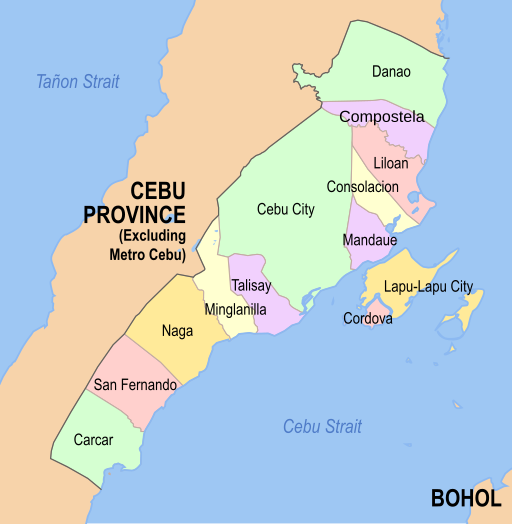
Cebu island itself is a tapestry of diverse landscapes, from rolling hills and lush valleys to rugged coastlines and hidden coves. A network of roads and ferries connects various towns and cities, making it easy to explore at your own pace.
Cebu Philippines Tourism:
Cebu boasts a thriving tourism industry, catering to all budgets and interests. Luxurious resorts, charming guesthouses, and budget-friendly hostels offer comfortable accommodations. Adventure tours, cultural experiences, and culinary delights await around every corner.
Cebu Philippines Beach:
Cebu’s beaches are legendary, offering everything from secluded havens to lively party spots. Whether you’re seeking powdery white sand, vibrant coral reefs, or gentle waves for swimming, there’s a perfect beach waiting for you.
What is Cebu Known For?:
Cebu’s identity is multifaceted. It’s known for:
Rich history: The island played a pivotal role in Philippine history, evident in landmarks like Fort San Pedro and Magellan’s Cross.
Vibrant culture: Immerse yourself in colorful festivals, traditional dances like Sinulog, and the warm hospitality of the Cebuano people.
Adventure playground: From spelunking in Kawasan Canyon to diving with thresher sharks in Malapascua, Cebu offers thrills for every adventurer.
Foodie paradise: Savor fresh seafood, indulge in local delicacies like Lechon Cebu, and discover a unique blend of Filipino and Spanish flavors.
Cebu City Barangays:
Cebu City, the bustling capital, is a melting pot of cultures and experiences. Explore diverse barangays (neighborhoods) like:
Pardo: Discover colonial architecture and historical gems like Casa Gorordo and Fort San Pedro.
Lahug: Immerse yourself in the modern vibe with high-rise buildings and Ayala Center Cebu.
Sto. Niño: Witness the religious fervor at the Basilica Minore del Santo Niño and experience local traditions.
Kamputhaw: Savor fresh seafood at the Carbon Market and explore the bustling streets.
Cebu Island:
Beyond Cebu City, the island offers a treasure trove of experiences. Explore charming towns like Oslob for whale shark encounters, Carmen for its heritage churches, and Dalaguete for its breathtaking coastal scenery.
Cebu City History:
Cebu’s history is a captivating tapestry of indigenous roots, Spanish colonization, American influence, and modern development. Witness the remnants of each era in historical landmarks, museums, and vibrant cultural traditions.
Cebu Philippines Nightlife:
Cebu comes alive after dark with a variety of nightlife options. Dance the night away at lively clubs in Fuente Osmeña, enjoy live music in Gastropubs, or sip cocktails on rooftop bars with panoramic views.
Cebu City Population:
Cebu City is a vibrant metropolis with a population exceeding 1 million. Its diverse mix of ethnicities and cultures creates a dynamic and welcoming atmosphere.
Cebu City Barangays:
The city is divided into 80 barangays, each with its own unique character and charm. Here are a few highlights:
Pardo: This historic district boasts colonial architecture like the Casa Gorordo Museum, a former Spanish family home turned cultural hub.Opens in a new windowwww.tripadvisor.comCasa Gorordo Museum, Cebu Philippines
Lahug: Immerse yourself in the modern pulse of Cebu at Ayala Center Cebu, a sprawling shopping and entertainment complex with international brands and local boutiques.Opens in a new windowen.wikipedia.orgAyala Center Cebu, Cebu Philippines
Sto. Niño: Witness the religious fervor at the Basilica Minore del Santo Niño, a centuries-old church housing the revered statue of the child Jesus.Opens in a new windowen.wikipedia.orgBasilica Minore del Santo Niño, Cebu Philippines
Kamputhaw: Wander through the vibrant Carbon Market, a sensory overload of fresh produce, seafood, and local crafts.Opens in a new windowen.wikipedia.orgCarbon Market, Cebu Philippines
Cebu Island Beyond the City:
Venture beyond Cebu City to discover the island’s hidden gems:
Oslob: Swim alongside majestic whale sharks in Oslob, a unique and unforgettable experience.Opens in a new windowwww.klook.comWhale shark encounter in Oslob, Cebu Philippines
Carmen: Explore the charming town of Carmen, known for its heritage churches and Spanish colonial architecture.Opens in a new windowtl.wikipedia.orgCarmen, Cebu Philippines
Dalaguete: Hike through lush rainforests and bask in the stunning coastal scenery of Dalaguete, a haven for nature lovers.Opens in a new windowen.wikipedia.orgDalaguete, Cebu Philippines
Cebu City History: A Journey Through Time:
Cebu’s rich history comes alive in its landmarks:
Fort San Pedro: Step back in time at Fort San Pedro, a 16th-century Spanish fortress offering panoramic views of the city.Opens in a new windowen.wikipedia.orgFort San Pedro, Cebu Philippines
Magellan’s Cross: Witness the iconic Magellan’s Cross, marking the arrival of the Spanish conquistador Ferdinand Magellan in 1521.Opens in a new windowen.wikipedia.orgMagellan’s Cross, Cebu Philippines
Taoist Temple: Experience the grandeur of the Cebu Taoist Temple, a colorful and ornate complex perched atop a hill.Opens in a new windowen.wikipedia.orgCebu Taoist Temple, Cebu Philippines
Cebu Philippines Nightlife: A City that Never Sleeps:
Cebu offers diverse nightlife experiences:
Fuente Osmeña: Dance the night away at lively clubs in Fuente Osmeña, the city’s entertainment district.
Gastropubs: Enjoy live music and craft beers in Gastropubs around the city, perfect for a relaxed evening.
Rooftop Bars: Sip cocktails and soak in breathtaking cityscapes from rooftop bars like Sky Bar at Radisson.Opens in a new windowwww.agoda.comSky Bar at Radisson, Cebu Philippines
Cebu City Population: A Melting Pot of Cultures:
Cebu City is a vibrant tapestry of over 1 million people, with diverse ethnicities like Cebuano, Visayan, and Chinese. This multicultural mix creates a dynamic and welcoming atmosphere for travelers from all walks of life.
Cebu City Area: Exploring the Urban Landscape:
Cebu City sprawls across 287.8 square kilometers, offering a diverse mix of urban landscapes. From the bustling streets of downtown to the quiet residential neighborhoods, each area has its own unique character.
Overview of Cebu and its Significance 🏝️🗺️
Cebu, often dubbed the “Queen City of the South,” holds immense historical and economic significance in the Philippines. Its strategic location made it a vital trading hub during ancient times, fostering cultural exchanges and growth.
Cebu Philippines 🏰🎉
Cebu’s allure lies in its diverse heritage, encompassing a rich history, breathtaking geography, and a vibrant cultural tapestry.
History, Geography, and Cultural Significance
Trace Cebu’s history from pre-colonial times, where it served as a pivotal trading center, to its colonial past, shaping its unique culture today.
Best Places to Visit 🏖️🏰
Explore the must-visit spots in Cebu – from pristine beaches like Bantayan Island to historical landmarks like Magellan’s Cross and the Basilica Minore del Santo Niño.
Cebu Cuisine 🍲🍍
Indulge in the flavors of Cebu through its local delicacies – lechon, sutukil, and dried mangoes – embodying the region’s culinary heritage.
Accommodation 🏨🏡
Discover a range of accommodation options in Cebu, from luxurious hotels to cozy homestays, ensuring a comfortable stay for every traveler.
Transportation 🚌🚕
Navigate Cebu’s bustling streets with ease, exploring the city via public transport or hiring private vehicles for a more personalized experience.
Festivals and Events 🎉🥁
Immerse yourself in Cebu’s vibrant culture by participating in festivals like Sinulog Festival and Kadaugan sa Mactan, pulsating with energy and traditions.
Outdoor Activities ⛰️🌊
Adrenaline junkies rejoice with Cebu’s adventure sports – diving in Moalboal, canyoneering in Badian, and hiking trails offering stunning vistas.
Shopping in Cebu 🛍️🏬
Embark on a shopping spree at Cebu’s markets and malls, offering unique souvenirs and a glimpse into the local lifestyle.
Nightlife 🍹🎶
Experience the vibrant nightlife of Cebu – from lively bars to pulsating clubs, offering entertainment for night owls.
Cebu for Families 👨👩👧👦🎠
Plan family-friendly activities in Cebu, visiting places like Cebu Safari & Adventure Park or enjoying a relaxing day at the beach.
Cebu Culture 🎭🌺
Immerse yourself in Cebu’s rich traditions, customs, and local lifestyle, gaining insights into the warm-hearted locals’ ways of life.
Healthcare in Cebu ⚕️🏥
Explore the healthcare facilities available in Cebu, ensuring a safe and secure trip with access to medical services if needed.
Education 📚🎓
Discover educational opportunities in Cebu, boasting quality schools, universities, and learning experiences for students.
Business and Economy 💼💰
Uncover the economic landscape of Cebu, showcasing its booming industries and entrepreneurial spirit.
Wildlife and Nature 🦜🌳
Connect with nature in Cebu’s reserves and sanctuaries, home to diverse wildlife and breathtaking natural landscapes.
Safety in Cebu 🛡️👍
Prioritize safety while exploring Cebu with essential tips and measures for travelers.
Local Transportation 🚖🚇
Learn about navigating Cebu’s streets efficiently, utilizing taxis, ridesharing, or other local commuting options.
Weather 🌤️⛱️
Plan your visit to Cebu with insights into its climate, ensuring the best times to experience the region’s beauty.
Language and Communication 🗣️📢
Get acquainted with local dialects and common phrases, facilitating smoother communication with the locals.
Volunteer Opportunities 🤝🌟
Engage in community involvement through volunteering programs, contributing positively to the local community.
Cebu’s Future 🚀🌆
Explore the growth prospects and upcoming developments shaping the future of Cebu.
Sports in Cebu ⚽🏟️
Delve into the sports culture of Cebu, showcasing popular sports, events, and stadiums hosting thrilling matches.
Arts and Culture 🖼️🎭
Immerse yourself in Cebu’s arts and culture scene, from museums to cultural performances celebrating its rich heritage.
Cebu for Digital Nomads 💻🌐
Discover Cebu’s appeal to digital nomads, offering work-friendly spaces and reliable internet connectivity.
Conclusion 📝🌟
In conclusion, Cebu Philippines is a multifaceted gem, offering a captivating blend of history, culture, and natural beauty. Whether you’re an adventure-seeker, a culture enthusiast, or a beach lover, Cebu welcomes you with open arms to experience its wonders.
Cebu, with its irresistible charm, historical significance, and endless adventures, is a destination that will leave you enchanted. Whether you’re seeking adrenaline-pumping activities, cultural immersion, or simply a relaxing beach escape, Cebu has something for everyone. So, pack your bags, book your flights, and prepare to experience the magic of Cebu!
FAQs Frequently ask questions 🤔🌟
What are the Best Times to Visit Cebu Philippines?
The ideal time to visit Cebu is between December and May when the weather is pleasant, and there’s minimal rainfall. These months offer optimal conditions for exploring the stunning landscapes and engaging in outdoor activities.
Is Cebu Philippines a Safe Travel Destination?
Cebu is generally a safe destination for travelers. However, like any other place, it’s advisable to practice caution and be mindful of your surroundings. Following standard safety measures can enhance your overall travel experience.
How do I get around Cebu?
Taxis, jeepneys (shared public vans), and ride-hailing apps are readily available. Ferries connect Cebu City to other islands.
Is Cebu safe?
Cebu is generally safe for travelers, but be cautious in crowded areas and take necessary precautions.
What language is spoken in Cebu?
Cebuano is the primary language, but English is widely spoken.
Giovanni Carlo P. Bagayas is a seasoned travel guide, passionate explorer, and proud cat lover from the Philippines. Born in Cebu City and raised between Cebu and Dumaguete City, he now resides in Labangan, Zamboanga del Sur — where he spends his days writing about the Philippines and tending to his thriving collection of koi fish, guppies, tilapia, and a crayfish farm.
With years of experience uncovering the hidden gems of his homeland, Giovanni has dedicated his career to showcasing the beauty, culture, and adventure that the Philippines has to offer. As the author of Best Philippines Travel Guide, he combines his expertise and love for travel to provide insightful tips, detailed itineraries, and captivating stories for travelers seeking unforgettable experiences in the Philippines.
When he’s not exploring a new destination or writing a guide, you’ll find Gio feeding his koi pond, caring for his cats, or checking on his fish farm. Giovanni’s mission is to inspire wanderlust and help visitors — and fellow Filipinos — discover the true essence of their vibrant country.
Nestled in the mountains of Cebu, Philippines, Sirao Garden is a colorful paradise that should definitely be on your bucket list. Known as the “Little Amsterdam” of Cebu, this charming flower farm boasts a picturesque landscape, with rows of bright red and yellow celosias that stretch as far as the eye can see.
What makes Sirao Garden so special?
Sirao Garden was once a humble flower farm, but in recent years, it has gained widespread popularity among tourists and locals alike. This is mainly due to the stunning display of celosia flowers that bloom annually in the garden. Celosias are known for their vibrant colors and unique texture, which make them a popular choice for floral arrangements and garden design.
But the real magic of Sirao Garden lies in the way these flowers are arranged. The rows of celosias are carefully plotted to create intricate patterns and shapes, which are best viewed from a high vantage point. This has led to the creation of several viewing decks and photo spots, where visitors can capture the beauty of the garden and its surroundings.
In addition to the stunning floral display, Sirao Garden also offers visitors a glimpse into the local culture and way of life. The garden is managed by a group of local farmers, who have been working the land for generations. Visitors can learn about the farming techniques used in the garden, and even purchase fresh produce and souvenirs from the on-site store.
How to get to Sirao Garden
Sirao Garden is located in Barangay Sirao, Busay, Cebu City, Philippines. It is approximately 30 minutes away from the city center by car or motorcycle. Visitors can opt to hire a taxi or motorcycle driver, or join a guided tour that includes transportation to and from the garden.
When to visit Sirao Garden
The best time to visit Sirao Garden is during the peak bloom season, which typically occurs from late November to early February. During this time, the celosia flowers are in full bloom and the garden is awash with color. However, visitors should be prepared for large crowds and long lines, as the garden is a popular destination for tourists and locals alike.
For those who prefer a quieter experience, it is recommended to visit Sirao Garden during the off-peak season, which runs from March to October. While the celosia flowers may not be in full bloom during this time, visitors can still enjoy the tranquil surroundings and beautiful scenery.
Tips for visiting Sirao Garden
Here are some tips to help you make the most of your visit to Sirao Garden:
Wear comfortable shoes, as the garden has several steep inclines and steps.
Bring a hat, sunscreen, and insect repellent, as the garden is exposed to the sun and insects.
Bring cash, as the on-site store only accepts cash payments.
Respect the plants and the local community by not picking the flowers or littering.
Visit early in the day or late in the afternoon to avoid the crowds and the heat.
In conclusion, Sirao Garden is a must-visit destination for nature lovers and photography enthusiasts. Whether you visit during peak bloom season or the off-peak season, you will be mesmerized by the beauty of the celosia flowers and the surrounding landscape. So why not add Sirao Garden to your bucket list and experience the magic of the “Little Amsterdam” of Cebu?
Giovanni Carlo P. Bagayas is a seasoned travel guide, passionate explorer, and proud cat lover from the Philippines. Born in Cebu City and raised between Cebu and Dumaguete City, he now resides in Labangan, Zamboanga del Sur — where he spends his days writing about the Philippines and tending to his thriving collection of koi fish, guppies, tilapia, and a crayfish farm.
With years of experience uncovering the hidden gems of his homeland, Giovanni has dedicated his career to showcasing the beauty, culture, and adventure that the Philippines has to offer. As the author of Best Philippines Travel Guide, he combines his expertise and love for travel to provide insightful tips, detailed itineraries, and captivating stories for travelers seeking unforgettable experiences in the Philippines.
When he’s not exploring a new destination or writing a guide, you’ll find Gio feeding his koi pond, caring for his cats, or checking on his fish farm. Giovanni’s mission is to inspire wanderlust and help visitors — and fellow Filipinos — discover the true essence of their vibrant country.
Uncovering the Best Eateries in Cebu: A Journey Through the Top 10 Famous Restaurants
Introduction: Cebu is known for its picturesque beaches, historical landmarks, and, most importantly, its culinary delights. From the world-renowned lechon to the fresh seafood, the cuisine in Cebu never fails to tantalize the taste buds of food enthusiasts. In this blog post, we will take you on a gastronomic journey through the top famous restaurants in Cebu, where you can experience the unique flavors and traditional cooking techniques that make Cebuano cuisine so special.
Larsian BBQ: Larsian BBQ is a popular food hub located in the heart of Cebu City. Known for its grilled skewers of meat and seafood, Larsian BBQ offers a unique dining experience where customers can grill their food on a charcoal grill. With a variety of options to choose from, including pork belly, chicken intestines, and squid, Larsian BBQ is a must-visit for food enthusiasts.
Manna Sutukil: Manna Sutukil is another famous restaurant in Cebu that serves traditional Cebuano cuisine. The restaurant’s name comes from the three types of dishes it offers: su (sugba or grilled), tu (tula or soup), and kil (kilaw or ceviche). The seafood is freshly caught and prepared right in front of the customers, ensuring that the food is of the highest quality.
Entoy’s Bakasihan: Entoy’s Bakasihan is a restaurant that specializes in grilled meat and seafood. The restaurant’s name comes from the traditional way of cooking the food, which is by using a bamboo grill or “bakasi.” The restaurant offers a wide selection of grilled dishes, including squid, fish, chicken, and pork belly.
The Pyramid: The Pyramid is a unique restaurant that is built in the shape of a pyramid. The restaurant offers a 360-degree view of Cebu City, making it an excellent place to enjoy a meal while taking in the stunning views. The restaurant’s menu features a variety of international cuisine, including Mediterranean, Asian, and American dishes.
Top of Cebu: Top of Cebu is another restaurant that offers breathtaking views of the city. Located at the tops of the hills in Busay, the restaurant is a popular destination for locals and tourists alike. The menu features a variety of dishes, including Filipino, Chinese, and American cuisine.
La Vie in the Sky and La Vie Parisienne Cebu: La Vie in the Sky and La Vie Parisienne Cebu are two sister restaurants that offer a unique dining experience. La Vie in the Sky is located on the rooftop of the Citadines Cebu City Hotel and offers stunning views of the city. La Vie Parisienne Cebu is a French-style bakery and cafe that offers a variety of pastries, bread, and coffee.
Casa Verde Cebu: Casa Verde Cebu is a household name when it comes to dining in Cebu. The restaurant is famous for its giant burgers, which are big enough to feed two or three people. The menu also features other American-style dishes, including ribs, steaks, and pasta.
Circa 1900 Casa Uno: Circa 1900 Casa Uno is a fine-dining restaurant that is housed in a beautifully restored colonial mansion. The restaurant’s menu features classic European dishes, including French, Italian, and Spanish cuisine.
Lantaw Native Floating Restaurant: Lantaw Native Floating Restaurant is located in the town of Cordova and offers a unique dining experience. The restaurant is situated on a floating platform and offers stunning views
Zubuchon is a chain of restaurants based in the Philippines that specializes in serving high-quality, locally-sourced roasted pig, also known as lechon. The company was founded by Chef Joel Binamira, who is passionate about promoting Filipino cuisine and supporting local farmers. Zubuchon’s menu features a range of dishes that highlight the flavors and ingredients of the Philippines, including classic Filipino comfort food and innovative fusion dishes. The restaurant’s commitment to sustainability and ethical sourcing has made it a popular choice for both locals and tourists, earning it numerous accolades and recognition in the food industry.
Giovanni Carlo P. Bagayas is a seasoned travel guide, passionate explorer, and proud cat lover from the Philippines. Born in Cebu City and raised between Cebu and Dumaguete City, he now resides in Labangan, Zamboanga del Sur — where he spends his days writing about the Philippines and tending to his thriving collection of koi fish, guppies, tilapia, and a crayfish farm.
With years of experience uncovering the hidden gems of his homeland, Giovanni has dedicated his career to showcasing the beauty, culture, and adventure that the Philippines has to offer. As the author of Best Philippines Travel Guide, he combines his expertise and love for travel to provide insightful tips, detailed itineraries, and captivating stories for travelers seeking unforgettable experiences in the Philippines.
When he’s not exploring a new destination or writing a guide, you’ll find Gio feeding his koi pond, caring for his cats, or checking on his fish farm. Giovanni’s mission is to inspire wanderlust and help visitors — and fellow Filipinos — discover the true essence of their vibrant country.
pasalubong from cebu Cebu, a province in the Philippines, is famous for its vibrant culture, rich history, and beautiful tourist destinations. One of the things that make Cebu stand out is its delicious and unique pasalubong (souvenir) options. From sweet delicacies to savory snacks, there are plenty of pasalubong choices to satisfy your taste buds. Here are the top 9 best pasalubong in Cebu that you should not miss.
Masareal Cebu
Masareal – This sweet delicacy is made from ground peanuts and sugar, molded into thin bars or flat shapes. Masareal is a popular pasalubong in Cebu and is perfect for those who have a sweet tooth.
Cebu Masareal, also known as masa real, is a delectable Filipino treat that originates from the province of Cebu. This delicacy is made by blending finely-ground boiled peanuts with sugar, creating a sweet and nutty mixture. The mixture is then dried and cut into rectangular bars, giving it a distinctive shape. The process of making Cebu Masareal requires skill and precision to achieve the perfect balance of flavors and the desired texture. This delightful snack offers a delightful combination of sweetness from the sugar and the rich taste of peanuts, making it a favorite among locals and tourists alike.
Here is a simple recipe to make Cebu Masareal:
Ingredients:
2 cups boiled peanuts, finely ground
1 cup white sugar
Instructions:
In a mixing bowl, combine the finely-ground boiled peanuts and sugar.
Mix well until the sugar is fully incorporated into the peanuts.
Once the mixture is well combined, transfer it onto a clean and flat surface.
Flatten and shape the mixture into a rectangular slab, about half an inch thick.
Allow the mixture to dry for several hours or until it becomes firm and solid.
Once dried, cut the mixture into rectangular bars, approximately 2 inches long and 1 inch wide.
Serve and enjoy!
Note: Cebu Masareal can be stored in an airtight container for several days, ensuring its freshness and taste.
Torta Cebu
Torta – A round, flat bread that is typically made with flour, eggs, sugar, and milk. Torta is a classic Cebuano breakfast food and is best eaten with butter or margarine. It’s also a popular pasalubong among locals and tourists alike.
Torta Cebu Mamon: A Sweet and Spongy Delight from Cebu’s Argao Municipality
Cebu, a province in the Philippines, is known for its rich culinary heritage and unique delicacies. Among the various treats that have captured the hearts and palates of locals and visitors alike is the Torta Cebu Mamon. This sweet and spongy pastry originated in Cebu, with its popularity reaching its peak in Argao, a picturesque municipality located in the southern part of the province.
The Torta Cebu Mamon is a delightful pastry that has become a staple in Cebuano households and a must-try for food enthusiasts exploring the region. This delectable treat is made from basic ingredients such as flour, eggs, sugar, and butter. However, what sets it apart is the unique technique and distinct recipe that has been passed down through generations.
To create the Torta Cebu Mamon, the ingredients are meticulously mixed and beaten until a smooth and fluffy batter is formed. This batter is then poured into individual molds, usually made of aluminum or silicone, and baked to perfection. The result is a golden brown pastry with a soft and spongy texture that simply melts in your mouth.
Argao, in particular, has become synonymous with Torta Cebu Mamon due to its long-standing tradition of baking this delicacy. The town’s bakers have perfected the art of making this sweet treat, using age-old recipes that have been preserved and passed on for centuries. The Argao-style Torta Cebu Mamon is characterized by its distinct flavor, which is slightly sweeter compared to other variations found in different parts of Cebu.
For those interested in recreating this delightful delicacy at home, here’s a simple recipe to try:
Ingredients:
2 cups all-purpose flour
1 1/2 cups white sugar
1/2 cup butter, melted
1 cup milk
1 teaspoon baking powder
1/2 teaspoon vanilla extract
6 large eggs
Instructions:
Preheat your oven to 350°F (175°C) and grease individual molds with butter or cooking spray.
In a mixing bowl, combine the flour and baking powder. Set aside.
In another bowl, beat the eggs until light and frothy. Gradually add the sugar while continuously beating the mixture.
Add the melted butter and milk to the egg and sugar mixture, then mix well.
Slowly incorporate the flour mixture into the wet ingredients, stirring until just combined. Avoid overmixing to maintain the fluffy texture.
Pour the batter into the greased molds, filling them about ¾ full.
Bake for approximately 20-25 minutes or until a toothpick inserted into the center comes out clean.
Once baked, remove the molds from the oven and let them cool on a wire rack.
Serve the Torta Cebu Mamon as a delightful snack or dessert, and enjoy the fluffy goodness!
Whether you’re a local looking for a nostalgic treat or a tourist seeking an authentic taste of Cebu’s culinary delights, Torta Cebu Mamon is a must-try. Its sweet and spongy texture, combined with the unique flavors developed in Argao, make this pastry a delightful and memorable experience for any food lover. So, don’t miss the chance to savor this delectable delight when visiting Cebu or try your hand at making it yourself using the provided recipe.
Cebu Bulad Danggit
Danggit – A type of salted and dried fish that is a staple in Cebuano cuisine. Danggit is crispy and flavorful and can be eaten as a snack or as a main dish paired with rice and vinegar.
Cebu’s Bulad Danggit: A Culinary Treasure of the Philippines
When it comes to Filipino cuisine, the vibrant flavors and unique dishes found in the country’s various regions are simply irresistible. In the heart of the Philippines lies the stunning province of Cebu, known for its rich cultural heritage and mouthwatering delicacies. Among the culinary treasures that Cebu has to offer, one standout is the famous Cebu bulad danggit. This article delves into the delectable world of Cebu’s bulad danggit, exploring its origins, preparation, and why it has become a beloved staple for locals and visitors alike.
Origins and Significance
Danggit, also known as rabbitfish, is a type of fish that thrives in the warm waters surrounding the Philippines. It has long been a popular seafood option in Cebu, and locals have perfected the art of preserving and transforming it into the beloved bulad danggit. The term “bulad” refers to the process of sun-drying or air-drying the fish, while “danggit” specifically refers to rabbitfish.
Cebu’s bulad danggit holds great significance in the local culinary scene. It is not only a delicious dish but also a source of pride for Cebuanos, showcasing their rich coastal heritage and their resourcefulness in preserving and enhancing the flavors of the sea. This delicacy has become synonymous with Cebu, and no visit to the province is complete without experiencing its savory delights.
Preparation and Flavor Profile
The preparation of Cebu bulad danggit is an intricate process that requires skill and patience. Fresh danggit fish are carefully cleaned, gutted, and then seasoned with salt before being laid out to dry under the tropical sun. The drying process can take several hours, allowing the fish to develop a distinct flavor and texture. The result is a thin, crispy, and flavorful fish that can be enjoyed as a snack or a main dish.
When cooked, Cebu bulad danggit releases an aroma that is both enticing and appetizing. Its crispy golden skin and delicate flesh provide a delightful contrast of textures. The fish itself boasts a unique umami flavor, with a hint of saltiness that enhances its natural taste. Each bite offers a burst of savory goodness that keeps people coming back for more.
Culinary Uses and Enjoyment
Cebu bulad danggit can be enjoyed in various ways, depending on personal preference. It is commonly pan-fried until crispy, resulting in a tantalizing aroma that fills the air. Locals often pair it with steamed rice, along with a side of fresh tomatoes, cucumber, and spicy vinegar as a dipping sauce. The combination of flavors creates a harmonious balance that satisfies the taste buds.
Apart from being a staple in local households, Cebu bulad danggit has also gained recognition beyond the shores of Cebu. It has become a popular souvenir item for visitors, who take home packs of this delicious delicacy as a taste of Cebu’s culinary heritage. It is not uncommon to find travelers carrying bulad danggit in their luggage, eagerly sharing it with friends and family as a token of their visit to the province.
Preserving Tradition and Sharing the Delight
As Cebu continues to evolve, the tradition of making and enjoying bulad danggit remains deeply rooted in the local culture. Families pass down their time-honored techniques from one generation to the next, ensuring that this culinary treasure lives on. Moreover, Cebuanos take pride in sharing their beloved bulad danggit with the world, allowing visitors to savor a piece of their vibrant culinary heritage.
Conclusion
Cebu’s bulad danggit
continues to captivate the palates of both locals and tourists, offering a unique and unforgettable dining experience. This delicacy, with its crispy texture, distinct flavor, and cultural significance, embodies the essence of Cebu’s rich coastal traditions and culinary excellence.
For those fortunate enough to visit Cebu, indulging in bulad danggit is a must. The bustling markets and roadside stalls offer an array of options, allowing visitors to choose from different sizes and brands of this delectable dried fish. The packaging, often adorned with vibrant designs and labels, adds to the charm of bringing a piece of Cebu’s culinary heritage back home.
In recent years, the popularity of Cebu bulad danggit has transcended local borders, reaching international markets and gaining recognition among food enthusiasts worldwide. The unique flavor and craftsmanship of Cebu’s dried rabbitfish have sparked curiosity and admiration among those seeking new and exciting culinary experiences.
Moreover, the rise of online platforms and e-commerce has made it easier for individuals outside of Cebu to access and enjoy bulad danggit. Numerous local producers and distributors have expanded their reach, shipping this beloved delicacy to different parts of the Philippines and even abroad. This accessibility allows people from diverse backgrounds to savor the flavors of Cebu’s culinary treasure.
The success of Cebu’s bulad danggit is a testament to the enduring appeal of traditional delicacies and the passion of the Cebuanos in preserving their cultural heritage. It serves as a reminder that in a world of rapid change and globalization, the roots of local cuisine can remain strong and celebrated.
In conclusion, Cebu’s bulad danggit stands as a shining example of the culinary treasures found throughout the Philippines. Its crispy texture, distinct flavor, and cultural significance have made it an iconic dish that represents the vibrant coastal traditions and rich heritage of Cebu. Whether enjoyed as a snack or a main dish, this beloved delicacy continues to captivate the taste buds of all who have the pleasure of experiencing its unique and delectable charm. So, if you ever find yourself in Cebu, be sure to indulge in the delightful flavors of bulad danggit and embark on a culinary journey through this remarkable province.
Ampaw sa Cebu
Ampaw – A crunchy and sweet rice cake that is made from popped rice, sugar, and coconut milk. Ampaw is a popular snack in Cebu and is often given as a pasalubong to friends and family.
Ampaw sa Cebu: A Delightful Filipino Rice Snack with a Crunch
Introduction: Filipino cuisine is known for its diverse array of delectable dishes, and one that stands out as a delightful snack is Ampaw sa Cebu. Originating from the beautiful island of Cebu in the Philippines, Ampaw is a traditional rice delicacy that offers a unique combination of sweetness and a satisfying crunch. In this article, we will delve into the rich history of Ampaw sa Cebu and share a simple recipe that you can try in the comfort of your own kitchen.
The History of Ampaw sa Cebu: Ampaw has long been a part of Filipino culture and is often associated with special occasions and festivities. It is said to have originated in the province of Cebu, known for its vibrant culinary scene and rich cultural heritage. Ampaw was traditionally prepared during celebrations, such as weddings, birthdays, and fiestas, to symbolize good luck and prosperity.
The name “Ampaw” is derived from the Cebuano word “ampao” or “ampaw,” which means “rice crispies” or “rice cakes” in English. The process of making Ampaw involves cooking glutinous rice until it becomes sticky and pliable. The rice is then mixed with sugar and shaped into small, bite-sized pieces. These pieces are then dried under the sun or in a low-temperature oven until they become crispy and golden brown.
Recipe for Ampaw sa Cebu: Ingredients:
2 cups glutinous rice
1 ½ cups granulated sugar
1 cup water
Vegetable oil for frying
Instructions:
Rinse the glutinous rice with water until the water runs clear. Drain well.
In a medium-sized pot, combine the glutinous rice and water. Cook over medium heat, stirring occasionally, until the rice becomes sticky and fully cooked.
Once the rice is cooked, add the granulated sugar and stir continuously until the sugar dissolves completely.
Reduce the heat to low and continue cooking, stirring constantly, until the mixture becomes thick and sticky. This process may take around 15-20 minutes.
Remove the pot from the heat and let the mixture cool slightly.
While the mixture is still warm, shape it into small bite-sized pieces using your hands or a small cookie cutter.
Place the shaped Ampaw on a baking sheet or tray lined with parchment paper and let them dry under the sun or in a low-temperature oven (around 150°C or 300°F) for several hours, or until they become crispy.
Once the Ampaw is thoroughly dried, heat vegetable oil in a deep pan or pot. Fry the Ampaw in batches until they turn golden brown and crispy. Make sure to flip them occasionally for even cooking.
Remove the fried Ampaw from the oil using a slotted spoon and drain on paper towels to remove excess oil.
Allow the Ampaw to cool completely before serving.
Enjoying Ampaw sa Cebu: Ampaw sa Cebu is best enjoyed when it is fresh and crispy. The delightful combination of sweetness and crunch makes it an irresistible snack for people of all ages. You can serve Ampaw on its own as a standalone snack or pair it with other Filipino delicacies like bibingka (rice cake) or hot chocolate for a more indulgent experience.
Conclusion: Ampaw sa Cebu is a beloved Filipino delicacy that has captured the hearts and taste buds of many. Its crunchy texture, combined with a subtle sweetness, makes it a delightful treat that can be enjoyed on any occasion. By following the simple recipe provided,
Pintos in cebu
Pintos – A type of cookie that is made with flour, butter, sugar, and eggs. Pintos are small and crispy, and are often given as a pasalubong during special occasions like weddings and birthdays.
Pintos: A Delicious Filipino Delicacy Wrapped in Tradition
In the vibrant culinary landscape of the Philippines, there are countless dishes that captivate the taste buds and reflect the rich cultural heritage of the nation. Among these delectable treats is a delightful delicacy known as pintos, also referred to as Binaki in some regions. Pintos are steamed corn sweet tamales that hail from two specific regions in the Philippines – Bukidnon and Bogo, Cebu. These mouthwatering treats are cherished for their unique flavor, distinctive presentation, and the sense of tradition they evoke.
Pintos are wrapped in corn husks, a nod to the bountiful corn fields that dot the landscapes of Bukidnon and Bogo. The preparation of pintos is a labor of love, often involving a meticulous process that has been passed down through generations. Families and communities come together to create these treats, turning it into a festive occasion filled with laughter and camaraderie.
The process of making pintos begins with corn kernels, which are soaked and ground to create a fine cornmeal. The cornmeal is mixed with sugar, coconut milk, and other flavorings such as vanilla or pandan essence. This mixture is then carefully spooned into corn husks, which are folded to encase the filling. The wrapped pintos are then steamed until cooked, resulting in a soft, moist, and slightly sweet treat that is sure to please any palate.
The taste of pintos is simply irresistible. The combination of the natural sweetness from the corn, the richness of the coconut milk, and the aromatic flavors of vanilla or pandan create a harmonious blend that is both comforting and indulgent. Each bite offers a delightful contrast between the tender, grainy texture of the corn and the smoothness of the coconut milk. The subtle sweetness lingers on the tongue, leaving a lasting impression of pure satisfaction.
Pintos hold a special place in Filipino culinary culture. They are commonly sold as pasalubong, which refers to edible souvenirs or gifts that travelers bring back to their loved ones from their journeys. The act of presenting pintos as pasalubong symbolizes a gesture of love and thoughtfulness. It signifies the desire to share a taste of the region’s flavors and traditions, allowing recipients to experience a slice of the local culture.
Furthermore, pintos are a beloved street food in Northern Mindanao and Cebu. You can often find vendors selling these delightful treats in bustling markets or along the busy streets. The aroma of steamed corn and coconut milk fills the air, enticing passersby to indulge in a moment of culinary bliss. The combination of convenience, affordability, and irresistible taste has made pintos a favorite snack among locals and tourists alike.
If you’re intrigued by the flavors of pintos and want to recreate this authentic Filipino delicacy in your own kitchen, here’s a simple recipe to get you started:
Binaki (Pintos) Recipe:
Ingredients:
2 cups corn kernels, soaked
1 cup sugar
1 cup coconut milk
1 teaspoon vanilla or pandan essence
Corn husks for wrapping
Instructions:
Drain the soaked corn kernels and grind them in a food processor until you achieve a fine cornmeal consistency.
In a mixing bowl, combine the cornmeal, sugar, coconut milk, and vanilla or pandan essence. Mix well until all the ingredients are fully incorporated.
Prepare the corn husks by soaking them in water to make them pliable.
Spoon a generous amount of the cornmeal mixture onto a corn husk and fold the husk to encase the filling, forming a small rectangular package.
Repeat the process until
all the cornmeal mixture is used. Make sure to secure the folded sides of the husk to keep the filling intact. 6. Prepare a steamer by filling it with water and bringing it to a boil.
Arrange the wrapped pintos in the steamer, making sure to leave space between them for the steam to circulate.
Steam the pintos for about 30-40 minutes or until they are fully cooked and firm to the touch.
Carefully remove the pintos from the steamer and let them cool slightly before serving.
Serve the pintos warm and enjoy their delightful flavors and textures.
Whether you’re enjoying pintos as a pasalubong from your travels or savoring them as a street food experience, these steamed corn sweet tamales are sure to captivate your taste buds and transport you to the heart of Filipino culinary tradition. The combination of corn, coconut milk, and sweetness is a testament to the rich agricultural heritage and cultural diversity of the Philippines. So, take a bite of pintos and embark on a culinary journey filled with flavors, stories, and the warmth of Filipino hospitality.
Chicharon cebu
Chicharon – A crispy and savory snack made from pork rinds that are deep-fried until golden brown. Chicharon is a popular snack in the Philippines, and Cebu is known for producing some of the best chicharon in the country.
Title: Chicharon Cebu: A Crunchy Delight from the Philippines
Introduction:
When it comes to iconic Filipino snacks, Chicharon Cebu stands out as a delectable treat that tickles the taste buds of locals and tourists alike. This crispy and flavorful dish originates from the province of Cebu in the Philippines, known for its rich culinary heritage. In this article, we will delve into the world of Chicharon Cebu, exploring its history, ingredients, cooking process, and a delightful recipe for you to try at home.
A Brief History:
Chicharon, or deep-fried pork rinds, has been enjoyed in various forms across different regions in the Philippines for centuries. However, Cebu is renowned for its unique and exceptional version. The dish gained popularity due to the exceptional quality of the pork rinds used and the expert craftsmanship of the local vendors who skillfully prepare it.
Ingredients for Chicharon Cebu:
To prepare Chicharon Cebu, you will need the following ingredients:
1 kg pork belly, with skin
1 tablespoon salt
1 tablespoon ground black pepper
1 tablespoon garlic powder
1 teaspoon baking powder
Cooking oil, for frying
Instructions:
Preparing the Pork:
Start by thoroughly cleaning the pork belly, ensuring it is free from any hair or debris. Rinse it under cold water and pat dry with paper towels.
With a sharp knife, score the pork skin in a crisscross pattern. This helps the skin to blister and renders the fat, resulting in a crispy texture.
Seasoning:
In a small bowl, combine salt, ground black pepper, garlic powder, and baking powder.
Rub the seasoning mixture generously over the pork belly, making sure to massage it into the cuts on the skin. Allow the seasoned pork to marinate for at least 1 hour, or preferably overnight in the refrigerator. This will enhance the flavors and tenderize the meat.
Frying:
In a deep, heavy-bottomed pot or deep fryer, heat cooking oil to around 180°C (350°F). Make sure the pot is deep enough to accommodate the pork belly, as it will splatter during frying.
Carefully lower the pork belly into the hot oil, skin side down. Fry for approximately 10-15 minutes until the skin puffs up and becomes golden brown and crispy.
Flip the pork belly and continue frying for another 10-15 minutes until the meat is cooked through and the skin is crunchy.
Once done, remove the Chicharon Cebu from the oil and place it on a wire rack or paper towels to drain excess oil.
Serving and Enjoying:
Allow the Chicharon Cebu to cool slightly before slicing it into bite-sized pieces.
Serve the crispy pork rinds with a vinegar dip, traditionally made with vinegar, chopped onions, garlic, and chili peppers. The tangy vinegar dip perfectly complements the savory and crunchy Chicharon Cebu.
Conclusion:
Chicharon Cebu is a beloved Filipino snack that offers an irresistible combination of crunch, flavor, and culinary craftsmanship. Whether you’re enjoying it as a standalone snack or pairing it with a cold beverage, this delectable dish will undoubtedly leave you craving for more. With the provided recipe, you can now recreate the magic of Chicharon Cebu in the comfort of your own kitchen. So, gather your ingredients, get frying, and experience the delightful taste of this iconic Filipino treat.
Budbud Kabog cebu
Budbud Kabog – A sweet rice cake made with millet and coconut milk, wrapped in banana leaves. Budbud Kabog is a traditional Cebuano delicacy that is often eaten for breakfast or as a midday snack.
Budbud Kabog: A Delectable Cebuano Delicacy with a Unique Twist
Introduction:
Cebu, known for its stunning beaches and vibrant culture, is also a treasure trove of mouthwatering culinary delights. Among the various delicacies that showcase the rich culinary heritage of the region, Budbud Kabog stands out as a unique and flavorful treat. This article explores the origins, ingredients, and preparation of Budbud Kabog, offering an authentic recipe for you to recreate this Cebuano delight in your own kitchen.
Origins and Significance:
Budbud Kabog, also known as Binignit Kabog, originates from the island of Cebu in the Philippines. It is a variation of the traditional Budbud, a sticky rice cake wrapped in banana leaves, but with a twist. What sets Budbud Kabog apart is the use of kabog, or millet, which replaces the typical glutinous rice. Millet is a cereal grain widely grown in the Philippines, and its inclusion adds a distinct texture and flavor to the dish.
The name “Budbud Kabog” itself reflects the essence of this delicacy. “Budbud” refers to the sticky rice cake, while “Kabog” pertains to the millet used in the recipe. Together, they create a harmonious combination that tantalizes the taste buds of both locals and visitors alike.
Ingredients:
To prepare Budbud Kabog, you will need the following ingredients:
2 cups millet (kabog)
1 cup glutinous rice
1 ½ cups coconut milk
1 cup water
1 cup brown sugar
1 ripe saba banana, sliced
1 cup ripe jackfruit strips
½ teaspoon vanilla extract
Banana leaves (for wrapping)
Cooking twine (for securing the wraps)
Recipe:
Step 1: Soak the millet and glutinous rice separately in water for about 1 to 2 hours. Drain them thoroughly before using.
Step 2: In a large pot, combine the soaked millet, glutinous rice, coconut milk, water, and brown sugar. Stir well until the sugar dissolves.
Step 3: Place the pot on medium heat and bring the mixture to a boil. Reduce the heat to low and simmer for about 15 to 20 minutes, or until the grains are cooked and tender.
Step 4: Stir in the sliced saba banana, jackfruit strips, and vanilla extract. Continue cooking for an additional 5 minutes, allowing the flavors to meld.
Step 5: While the mixture is simmering, prepare the banana leaves. Cut them into rectangular pieces, ensuring they are large enough to hold a portion of the Budbud Kabog.
Step 6: Take a portion of the mixture and place it onto a banana leaf. Fold the leaf over the mixture, creating a neat package. Secure the wraps with cooking twine, tying them tightly to prevent any leakage during cooking.
Step 7: Repeat the process until all the Budbud Kabog portions are wrapped.
Step 8: In a large steamer, arrange the wrapped Budbud Kabog, ensuring they are not crowded. Steam them for about 30 to 40 minutes, or until the rice is fully cooked and the aroma fills the air.
Step 9: Once cooked, remove the Budbud Kabog from the steamer and let them cool slightly before serving.
Enjoying Budbud Kabog:
Budbud Kabog is best enjoyed while still warm, offering a delightful blend of textures and flavors. Unwrap the banana leaf package to reveal the steamed sticky rice and millet infused with the natural sweetness of the fruits
otap cebu
Otap – A crispy and flaky biscuit that is often compared to puff pastry. Otap is a popular pasalubong in Cebu and is best eaten with coffee or tea.
Exploring the Wonders of OTAP in Cebu: A Tropical Paradise
Nestled in the heart of the Philippines, Cebu is a captivating island province that boasts stunning landscapes, rich cultural heritage, and a vibrant culinary scene. Among its many culinary treasures is a delightful local delicacy called “otap.” This article takes you on a mouthwatering journey to discover the charms of OTAP in Cebu, unraveling its origins, ingredients, and why it has become a must-try treat for visitors and locals alike.
A Taste of Tradition: Otap is a beloved sweet pastry that has become an icon of Cebuano cuisine. With origins deeply rooted in the province’s rich history, otap has been enjoyed for generations, and its popularity continues to grow. Traditionally, otap was made by the Chinese immigrants who settled in Cebu, blending their culinary techniques with local flavors. Over time, it has evolved into a unique delicacy that represents the fusion of cultures and the creativity of Cebuano culinary artisans.
Ingredients and Preparation: Otap is crafted from a few simple ingredients, including flour, sugar, shortening, and salt. The dough is meticulously kneaded until it reaches the perfect consistency. This process requires skill and precision, as achieving the ideal balance between tenderness and crispness is crucial to the success of the pastry. Once the dough is prepared, it is shaped into thin, oval discs and baked until golden brown. The result is a delightful treat that is both delicate and addictive.
A Flavorful Encounter: The allure of otap lies not only in its delicate texture but also in its distinct flavor. The pastry is known for its subtle sweetness, which is achieved through a careful balance of sugar and the use of high-quality ingredients. Some variations of otap also feature hints of cinnamon, giving it a delightful aromatic twist. The combination of the pastry’s flaky layers and the gentle sweetness creates a harmonious taste that keeps people coming back for more.
Savoring OTAP in Cebu: When visiting Cebu, indulging in otap is a must. You can find this delectable treat in various locations throughout the province. Cebu’s bustling markets, such as Carbon Market and Taboan Public Market, offer a wide selection of otap from different local bakeries. These markets provide an immersive experience, allowing you to witness the bustling energy of Cebu while exploring its culinary delights.
In addition to the markets, numerous pastry shops and delicacy stores specialize in producing and selling otap. One of the most well-known establishments is Shamrock Bakery, which has been serving otap since the 1950s. With multiple branches across Cebu, Shamrock Bakery has become synonymous with otap, offering visitors the opportunity to savor this delectable treat in a comfortable and friendly environment.
Conclusion: Cebu’s otap is a culinary gem that encapsulates the rich history and vibrant flavors of the province. Whether you are a food enthusiast, a history buff, or a traveler seeking authentic cultural experiences, indulging in otap should be high on your list. With its delicate layers, subtle sweetness, and fascinating origins, otap is a testament to the creativity and passion of Cebuano cuisine. So, the next time you find yourself in Cebu, make sure to treat yourself to a box of otap and experience the delightful taste of this tropical paradise.
dried mangoes cebu
Dried Mangoes – Cebu is known for producing some of the best dried mangoes in the world. These sweet and chewy treats are made from fresh mangoes that are sliced and dried under the sun. Dried mangoes are a must-try pasalubong in Cebu and are perfect for those who love fruity snacks.
Exploring the Tropical Delights of Dried Mangoes from Cebu: A Flavorful Recipe Included
Introduction:
If there’s one thing that captures the essence of the tropical paradise of Cebu in the Philippines, it’s the succulent and irresistible dried mangoes. Known as the “Queen City of the South,” Cebu is renowned for its vibrant culture, breathtaking beaches, and of course, its delectable dried mangoes. These sun-kissed golden strips of pure delight have gained popularity worldwide for their unique flavor and chewy texture. In this article, we delve into the fascinating history of dried mangoes in Cebu and provide you with a delightful recipe to savor this tropical delicacy at home.
The History and Process:
Dried mangoes have a rich history in Cebu, dating back to the late 1970s. The region’s fertile soil and favorable climate make it an ideal location for cultivating the famous Philippine mangoes, specifically the Carabao mango variety. Known for their sweet and tangy taste, these mangoes are carefully handpicked at their peak ripeness to ensure optimum flavor.
The process of transforming fresh mangoes into mouthwatering dried mangoes is a meticulous one. The mangoes are peeled, sliced, and then gently dried to preserve their natural sweetness. Cebu’s drying method involves a combination of air drying and low-temperature dehydrating, which helps retain the mangoes’ vibrant color and fruity taste. The result is a chewy and tangy treat that captures the essence of Cebu’s tropical allure.
Recipe: Homemade Dried Mangoes
Now that we have tantalized your taste buds with the history of dried mangoes from Cebu, let’s dive into a simple yet delightful recipe that allows you to enjoy this tropical delicacy at home.
Ingredients:
4 large ripe Carabao mangoes
2 tablespoons lemon juice
1 cup granulated sugar
Instructions:
Peel the mangoes and slice them into thin strips. The slices should be approximately ¼ inch thick and 2-3 inches long. You can adjust the size according to your preference.
In a bowl, combine the mango slices with lemon juice. The lemon juice adds a hint of tartness and helps prevent discoloration.
Coat each mango slice with a thin layer of granulated sugar. Ensure that each slice is evenly coated.
Place the sugared mango slices on a baking rack or parchment-lined baking sheet. Leave a small space between each slice to allow for airflow during the drying process.
Preheat your oven to its lowest temperature, usually around 140°F (60°C), or use a food dehydrator if available.
Bake the mango slices for approximately 6-8 hours, or until they are dried but still slightly chewy. Flip the slices halfway through the drying process to ensure even drying.
Once dried, remove the mango slices from the oven or dehydrator and let them cool completely. The dried mangoes should have a deep golden color and a slightly sticky texture.
Store the dried mangoes in an airtight container or resealable bag to maintain their freshness. They can be enjoyed for several weeks if stored properly, but we doubt they’ll last that long!
Enjoy the Tropical Bliss:
Congratulations! You have successfully recreated the mouthwatering dried mangoes from Cebu in the comfort of your own kitchen. Now, sit back, relax, and indulge in the tropical bliss that these delightful treats offer. Whether you savor them as a standalone snack or incorporate them into your favorite recipes, dried mangoes from Cebu are sure to transport you to the sun-soaked shores
In conclusion, Cebu is a food lover’s paradise, and these pasalubong options are just a small sample of the delicious delicacies that you can find in the province. Whether you’re looking for something sweet or savory, traditional or modern, Cebu has something for everyone. So the next time you visit Cebu, make sure to grab some of these pasalubong treats and share them with your loved ones. check out also tourist attraction in cebu
Famous pasalubong from Cebu
Cebu is known for its delicious delicacies, making it a popular destination for pasalubong (souvenirs) shopping. Here are some of the most famous pasalubong items from Cebu:
Dried mangoes: Cebu’s dried mangoes are some of the best in the world, thanks to the island’s sunny climate and fertile soil. They are available in a variety of flavors, including sweet, sour, and spicy.Opens in a new windowwww.lazada.com.phDried mangoes, Cebu pasalubong
Chicharon de Carcar: This crispy pork rind is made with a special recipe from the town of Carcar, Cebu. It is known for its thin, crunchy texture and flavorful seasoning.Opens in a new window2frenchinmanila.comChicharon de Carcar, Cebu pasalubong
Otap: This flaky biscuit is made with flour, sugar, eggs, and butter. It is often coated in sugar or grated coconut.Opens in a new windowwww.lazada.com.phOtap, Cebu pasalubong
Masareal: This sweet, nutty treat is made with peanuts, sugar, and milk. It is often wrapped in paper and tied with string.Opens in a new windowen.wikipedia.orgMasareal, Cebu pasalubong
Tablea: This pure chocolate is made from cacao beans that are roasted, ground, and pressed into solid bars. It is known for its rich flavor and aroma.Opens in a new windowwww.dekaphobe.comTablea, Cebu pasalubong
Where to buy pasalubong in Cebu Pasalubong from cebu
There are many places to buy pasalubong in Cebu, including:
Pasalubong centers: These shops specialize in pasalubong items and offer a wide variety of choices. Some popular pasalubong centers in Cebu include Titay’s Rosquillos, Shamrock Otap, and Didang’s Masareal.Opens in a new windowwww.tripadvisor.com.vnPasalubong centers in Cebu
Supermarkets: Most supermarkets in Cebu have a section dedicated to pasalubong items. This is a convenient option for travelers who are looking for a variety of choices.Opens in a new windowyoorekka.comSupermarkets in Cebu
Local markets: Cebu’s local markets are a great place to find authentic Cebuano delicacies at affordable prices. Some popular markets for pasalubong shopping include the Carbon Public Market and the Mandaue Public Market.Opens in a new windowtimetravelbee.comLocal markets in Cebu
Famous products in Cebu Pasalubong from cebu
In addition to pasalubong items, Cebu is also known for its other famous products, including:
Cebu Longganisa: This sweet and smoky sausage is a popular breakfast food in Cebu.Opens in a new windowsteakationph.comCebu Longganisa, Cebu famous product
Budbud Kabog: This sweet rice cake is made with millet seeds and coconut milk.Opens in a new windowpepsncoks.comBudbud Kabog, Cebu famous product
Pintos: These sweet tamales are made with glutinous rice, coconut milk, and sugar.Opens in a new windowsugbo.phPintos, Cebu famous product
Tablea: This pure chocolate is made from cacao beans that are roasted, ground, and pressed into solid bars.
Pasalubong SM City Cebu
SM City Cebu is a large shopping mall that has a wide variety of pasalubong items available. Here are some of the most popular pasalubong items that you can find at SM City Cebu:
Dried mangoes: SM City Cebu has several pasalubong shops that sell dried mangoes from different brands.Opens in a new windowpenfires.comDried mangoes pasalubong at SM City Cebu
Chicharon de Carcar: SM City Cebu has a store that sells Chicharon de Carcar from the town of Carcar itself.Opens in a new windowwww.marketmanila.comChicharon de Carcar pasalubong at SM City Cebu
Otap: Several pasalubong shops at SM City Cebu sell Otap, including Shamrock Otap and Titay’s Rosquillos.Opens in a new windowwww.tripadvisor.com.phOtap pasalubong at SM City Cebu
Masareal: Didang’s Masareal has a store at SM City Cebu where you can buy masareal.Opens in a new windowpenfires.comMasareal pasalubong at SM City Cebu
Tablea: SM City Cebu has several pasalubong shops that sell tablea from different brands.
Cebu delicacies Pasalubong from cebu
Cebu is known for its delicious and unique delicacies. Here are some of the most popular Cebu delicacies that you can try:
Dried mangoes: Cebu’s dried mangoes are some of the best in the world. They are available in a variety
🌴 A Taste of Cebu: The Ultimate Guide to Delicious Pasalubong 🌮 Pasalubong from cebu
Cebu, the Queen City of the South, isn’t just a breathtaking island paradise; it’s a haven for foodies and pasalubong hunters alike. Beyond the pristine beaches and vibrant culture, a treasure trove of delectable treats awaits, ready to be shared with loved ones back home. But with so many tempting options, where do you even begin?
This comprehensive guide dives into the delightful world of Cebu pasalubong, providing insights into must-try delicacies, hidden gems, and where to find them all.
A Tradition Steeped in Sweetness (and Spice) 🍍🌶️: Pasalubong from cebu
Pasalubong, a Filipino tradition deeply rooted in respect and affection, translates to “gift” or “souvenir.” It’s the act of bringing back little pieces of your travel experience to share with family and friends. Food, naturally, takes center stage in Cebu, where pasalubong becomes a delicious expression of your journey.
Delights for Every Palate 🍬🍜: Pasalubong from cebu
Cebu’s culinary landscape is as diverse as its people. From sweet and fruity to savory and smoky, there’s something for everyone. Here are some of the essential Cebu pasalubong you won’t want to miss:
The Undisputed King: Dried Mangoes 🥭 Cebu’s sun-kissed mangoes are legendary, and their dried counterparts are the undisputed pasalubong champion. Sliced thin and dried to perfection, these sweet, chewy treats capture the essence of Cebu’s sunshine in every bite. From classic plain varieties to innovative chocolate-dipped options, there’s a flavor for every craving.
Sweet Tooth Treats 🍪: For those with a sweet tooth, Cebu offers a delightful array of options. Otap, thin and flaky sesame crackers with a hint of sweetness, are perfect for dunking in coffee or tea. Rosquillos, delicate ring-shaped biscuits with a melt-in-your-mouth texture, are another local favorite. And don’t forget Pandesal de Cebu, slightly sweeter bread rolls with a unique flavor and aroma.
Savory Sensations 🥓: Craving something savory? Cebu delivers! Danggit, sun-dried rabbitfish known for its salty and smoky flavor, is a versatile snack or ingredient. Chicharon, deep-fried pork rinds, come in various textures and flavors, offering a satisfying crunch. For a taste of Cebu’s unique heritage, try Masareal, peanut brittle made with local honey and sesame seeds.
Specialty Delights 🍡: Beyond the classics, Cebu boasts several specialty pasalubong worth exploring. Torta, a flaky pastry filled with meat or vegetables, is a comforting and savory treat. Budbud Kabog, purple yam balls coated in coconut, offer a vibrant color and unique texture. For a taste of the sea, try Kinampay, dried baby squid with a chewy, salty texture.
Where to Find Your Perfect Pasalubong 🛍️: With so many tempting options, navigating the world of Cebu pasalubong can be overwhelming. Here are some helpful tips:
Local markets: Immerse yourself in the sights and sounds of Cebu’s vibrant markets, like Carbon Market and Tabo-an Market, where you’ll find a vast array of pasalubong at local prices.
Specialty stores: For specific delicacies or higher-quality products, head to specialty stores like Eng Bee Tin for their famous hopia mooncakes or Yolanda’s Pasalubong Center for curated gift boxes.
Supermarkets: Major supermarkets like SM Seaside City Cebu and Gaisano Country Mall offer a convenient one-stop shop for popular pasalubong brands.
Beyond the Food: Unique Cebu Finds 🎁: Pasalubong from cebu
While food takes center stage, Cebu offers other unique pasalubong options:
Handicrafts: Support local artisans by purchasing handcrafted souvenirs like woven bags, shell ornaments, or wood carvings.
Dried flowers: Bring the beauty of Cebu’s flora home with colorful dried flower arrangements.
Cebu shirts and accessories: Show your Cebu pride with locally-made clothing and accessories featuring vibrant designs and Cebuano phrases.
Choosing the Perfect Pasalubong 🎁: Pasalubong from cebu
Remember, the perfect pasalubong is a thoughtful gesture. Consider your recipients’ preferences, dietary restrictions, and travel time when making your selections. Opt for airtight packaging for longer shelf life and pack carefully to ensure safe transport.
More Than Just Souvenirs 🌏: Pasalubong from cebu
Cebu pasalubong is more than just souvenirs; it’s a way to share your travel experience and connect with loved ones back home. So, explore the vibrant stalls, indulge in delicious treats, and bring back a taste of Cebu that will linger long after your trip ends.
Bonus Tip: For an unforgettable experience, join a cooking class 🍳👩🍳 and dive into a world of unique and delectable treats that will tantalize your palate.
The Queen of Cakes: Biko 🍰 This sticky rice cake, studded with coconut and brown sugar, is a Cebuano classic. The caramelized topping adds a delightful crunch, while the chewy rice base offers a satisfying texture. Biko comes in various flavors, including jackfruit, langka, and even ube (purple yam).
A Tropical Delight: Pintos 🍌 This sweet tamale hails from Bogo City and features glutinous rice, coconut milk, and brown sugar wrapped in banana leaves. The result? A soft, flavorful treat with a hint of banana aroma. Pintos comes in different varieties, some filled with shredded ube or langka for an extra layer of taste.
Chocolate Lovers Rejoice: Tablea de Cebu 🍫 For the cocoa connoisseur, Cebu’s locally-produced tablea is a must-try. Made from pure, roasted cacao beans, this tablea offers a richer, darker chocolate flavor than commercially produced varieties. Enjoy it as a hot chocolate drink or use it for baking decadent treats.
A Taste of History: Champorado 🥣 This porridge-like dessert, made with chocolate and sticky rice, has deep roots in Cebu’s Spanish colonial past. Its rich, creamy texture and subtle sweetness make it a comforting and unique pasalubong. Pair it with dried mangoes or suman (glutinous rice cake) for an extra treat.
For the Adventurous Foodie: Pito 🍶 This fermented rice wine might not be for everyone, but it’s a unique and authentic Cebu experience. With a slightly sweet and bubbly taste, it’s best enjoyed chilled and shared with friends. Remember, responsible consumption is key!
Beyond the Sweet 🍤:
Cebu’s savory scene offers more than just danggit and chicharon. Explore these hidden gems:
A Seafood Surprise: Kinilaw na Tulingan 🐟 This vinegar-marinated tuna dish is a refreshing and tangy treat. The thinly sliced tuna is “cooked” by the acidity of the vinegar, retaining its delicate texture and fresh flavor. Pair it with garlic rice and chili peppers for a complete meal.
The Spice of Life: Cebu Chorizo 🌶️ Unlike its northern counterparts, Cebu chorizo is smaller and sweeter, with a distinct smoky flavor. Enjoy it sliced and pan-fried for breakfast, as an ingredient in stews, or simply snack on it like a savory sausage.
A Vegetarian Delight: Empanada Puso 🥟 This heart-shaped empanada is filled with mung bean sprouts, carrots, and other vegetables, offering a healthy and flavorful alternative. Its unique shape and savory filling make it a stand-out pasalubong option.
The Gift of Good Health: Dried Herbal Teas ☕ Cebu boasts a diverse range of medicinal plants and herbs. Opt for dried herbal teas like lagundi (for coughs and colds) or tawa-tawa (for digestive issues) to share the benefits of Cebu’s natural remedies.
Remember the Details 📦: Pasalubong from cebu
When choosing your pasalubong, keep these factors in mind:
Shelf life: Opt for items with longer shelf lives, especially if you have long travel times.
Packaging: Ensure airtight packaging to preserve freshness and prevent spills.
Travel restrictions: Be mindful of any restrictions on food items at your destination.
Personalization: Add a thoughtful touch by writing a personalized note or attaching a small handmade gift with your pasalubong.
From sweet treats to savory surprises, Cebu’s pasalubong scene offers something for everyone. With a little planning and these helpful tips, you’ll be able to share the taste of Cebu and create lasting memories for your loved ones.
Bonus Tip: For an unforgettable experience, join a cooking class and learn how to make some of these Cebu delicacies yourself. Not only will you gain valuable skills, but you’ll also create delicious memories to bring back home.
By following these suggestions and diving into the treasure trove of Cebu’s culinary offerings, you’ll be able to curate the perfect selection of pasalubong that reflects the warmth, generosity, and deliciousness of the Queen City of the South.
Conclusion: Sharing a Taste of Cebu Pasalubong from cebu
Cebu’s vibrant culture extends beyond its stunning beaches and captivating historical sites. It permeates the very flavors of its food, waiting to be discovered and shared through the tradition of pasalubong. So, whether you’re a seasoned traveler or a first-time visitor, embrace the spirit of pasalubong. Explore the bustling markets, engage with local artisans, and indulge in the unique flavors that Cebu has to offer. Remember, the perfect pasalubong is more than just a souvenir; it’s a gesture of love, appreciation, and a way to keep the magic of Cebu alive long after your trip ends.
Frequently ask questions FAQs: Unveiling the Mysteries of Cebu Pasalubong Pasalubong from cebu
What is the famous pasalubong in Cebu?
Famous Cebu pasalubong: Dried mangoes, lechon, and other sweet and savory treats.
What to bring from Cebu to Manila?
What to bring from Cebu to Manila: Anything from the list above, plus tablea and other local products.
What food is Cebu famous for?
Food Cebu is famous for: Lechon, dried mangoes, and other delicious local dishes.
What product is Cebu know for?
Product Cebu is known for: Dried mangoes, tablea, and other quality goods.
Giovanni Carlo P. Bagayas is a seasoned travel guide, passionate explorer, and proud cat lover from the Philippines. Born in Cebu City and raised between Cebu and Dumaguete City, he now resides in Labangan, Zamboanga del Sur — where he spends his days writing about the Philippines and tending to his thriving collection of koi fish, guppies, tilapia, and a crayfish farm.
With years of experience uncovering the hidden gems of his homeland, Giovanni has dedicated his career to showcasing the beauty, culture, and adventure that the Philippines has to offer. As the author of Best Philippines Travel Guide, he combines his expertise and love for travel to provide insightful tips, detailed itineraries, and captivating stories for travelers seeking unforgettable experiences in the Philippines.
When he’s not exploring a new destination or writing a guide, you’ll find Gio feeding his koi pond, caring for his cats, or checking on his fish farm. Giovanni’s mission is to inspire wanderlust and help visitors — and fellow Filipinos — discover the true essence of their vibrant country.