
This guide contains Klook affiliate links. If you book through them, Best Philippines Travel Guide may earn a small commission at no extra cost to you. Kalibo publishes its full festival calendar close to January; check official channels before you travel.
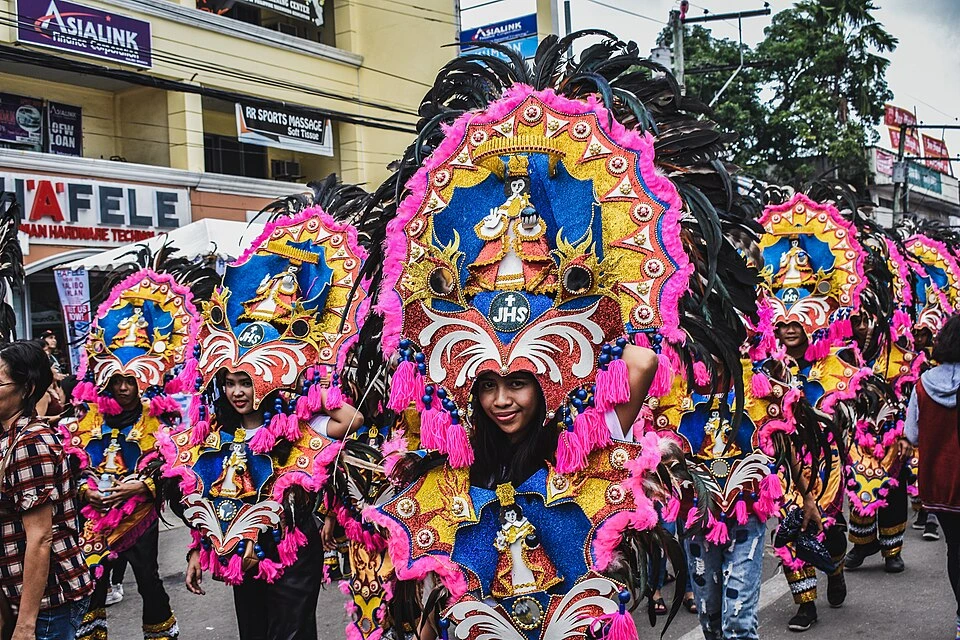
The Ati-Atihan Festival is held in Kalibo, Aklan, and its main day is the third Sunday of January, which falls on Sunday, January 17, 2027. The celebrations run for about 10–12 days before that, with street dancing (sadsad) to the chant of “Hala Bira!”, Masses and processions honoring the Santo Niño. Called the “Mother of All Philippine Festivals,” it’s the oldest of the big January festivals and the one where anyone can join the dancing. Kalibo is about 2 hours from Boracay, so many visitors stay on the island and day-trip in.
Pairing Ati-Atihan with Boracay? Book Boracay activities and your stay early for January.
When is Ati-Atihan 2027?
| Date | What happens |
|---|---|
| November 8, 2026 | Official opening salvo and countdown, with the Binibini ng Kalibo Ati-Atihan finalists presented |
| Sundays before the festival | The Paeapak tradition, now open to the faithful every Sunday for the first time |
| Early to mid-January 2027 | Festival week: street dancing, Masses, cultural shows and the tribal competitions (full calendar to be announced) |
| Saturday, January 16, 2027 (expected) | Big sadsad street parties and evening celebrations |
| Sunday, January 17, 2027 | Main day: Mass, the grand procession of the Santo Niño and the final day of street dancing |
The main day is set by tradition (the third Sunday of January) and listed for January 17, 2027 on the Tourism Promotions Board calendar. Recent festivals ran about 10–12 days (2026: January 7–18). Kalibo usually releases the detailed schedule in December; check the Municipality of Kalibo’s official pages before you book.
What is the history of Ati-Atihan?
Ati-Atihan means “to be like the Ati,” the Indigenous people of Panay. According to local legend, retold in the Maragtas tradition, the festival recalls a meeting centuries ago between Malay datus arriving from Borneo and the Ati, who agreed to share the land. Historians treat the story as legend, but it gave the festival its name and spirit.
The religious celebration of the Santo Niño in Kalibo dates back to at least the 17th century, during Spanish rule, when local traditions blended with Catholic devotion. The festival formally took the name Ati-Atihan in 1972. It later inspired similar festivals across the Visayas, including Iloilo’s Dinagyang (first called the “Iloilo Ati-Atihan”) and Cebu’s Sinulog, which is why it’s known as the “Mother of All Philippine Festivals.”
Taking part respectfully
Ati-Atihan is famous for its open street dancing: visitors are welcome to join the sadsad. Traditionally, participants darkened their faces with soot to imitate the Ati, a practice that has drawn debate about whether it stereotypes the Ati people. Many revelers today use bright, colorful face paint and costumes instead.
- Remember the Ati are a living community, not a costume. Follow the organizers’ and local community’s guidance.
- Choose colorful face paint rather than blackening your skin.
- Respect the religious moments: Masses, the procession and the Paeapak devotion, when devotees touch the Santo Niño image for blessing.
- Ask before photographing people up close, especially Ati participants and devotees.
Can I combine Ati-Atihan with Boracay?
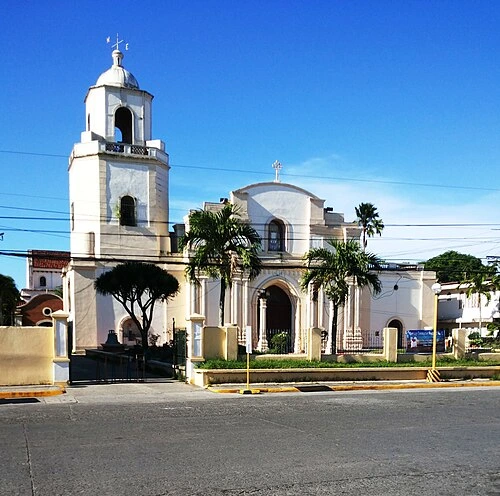
Yes, and it’s one of the best ways to do it. Kalibo is about 1.5–2 hours by road from Caticlan, the jump-off point for Boracay.
| Option | How it works | Best for |
|---|---|---|
| Stay in Boracay, day-trip to Kalibo | Boat to Caticlan, then van or bus to Kalibo (about 2 hours each way) | Beach lovers; easier to find rooms |
| Stay in Kalibo for the main days | Walk to the street dancing and night parties | Full festival experience; book very early |
| Split stay | Kalibo for the main weekend, Boracay before or after | The best of both |

Flying in: Kalibo International Airport is in town, and Caticlan (Godofredo P. Ramos) Airport is closest to Boracay. For the festival, flying into Kalibo is the most convenient. See our Boracay travel guide and domestic flights guide.
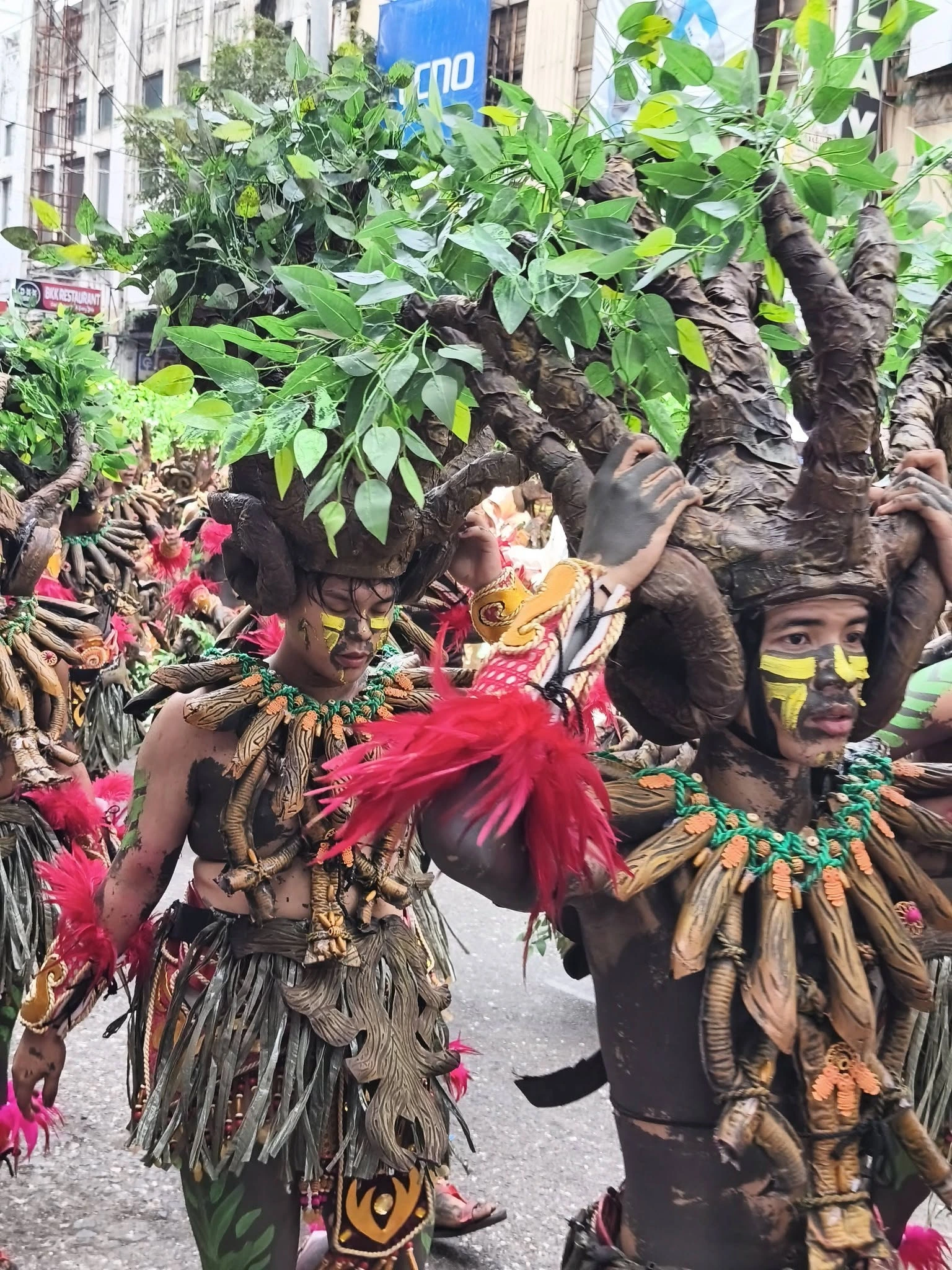
Ati-Atihan vs Sinulog vs Dinagyang
| Ati-Atihan | Sinulog | Dinagyang | |
|---|---|---|---|
| Where | Kalibo, Aklan | Cebu City | Iloilo City |
| 2027 main day | January 17 | January 17 | January 24 |
| Style | The oldest; open street dancing anyone can join | Huge grand parade and street parties | Precise, judged Ati tribe routines |
| Best for | Joining in | Big-city crowds and nightlife | Watching world-class choreography |
| Nearby | Boracay | Bohol, Moalboal, Oslob | Guimaras, Bacolod |

See our Sinulog 2027, Dinagyang 2027 and Philippine festivals guides.
Tips for Ati-Atihan
- Book early: Kalibo has limited hotels, and Boracay is busy in January, so book flights and rooms 2–3 months ahead.
- Dress to dance: light clothes you don’t mind getting paint on, comfortable shoes and a small waterproof bag.
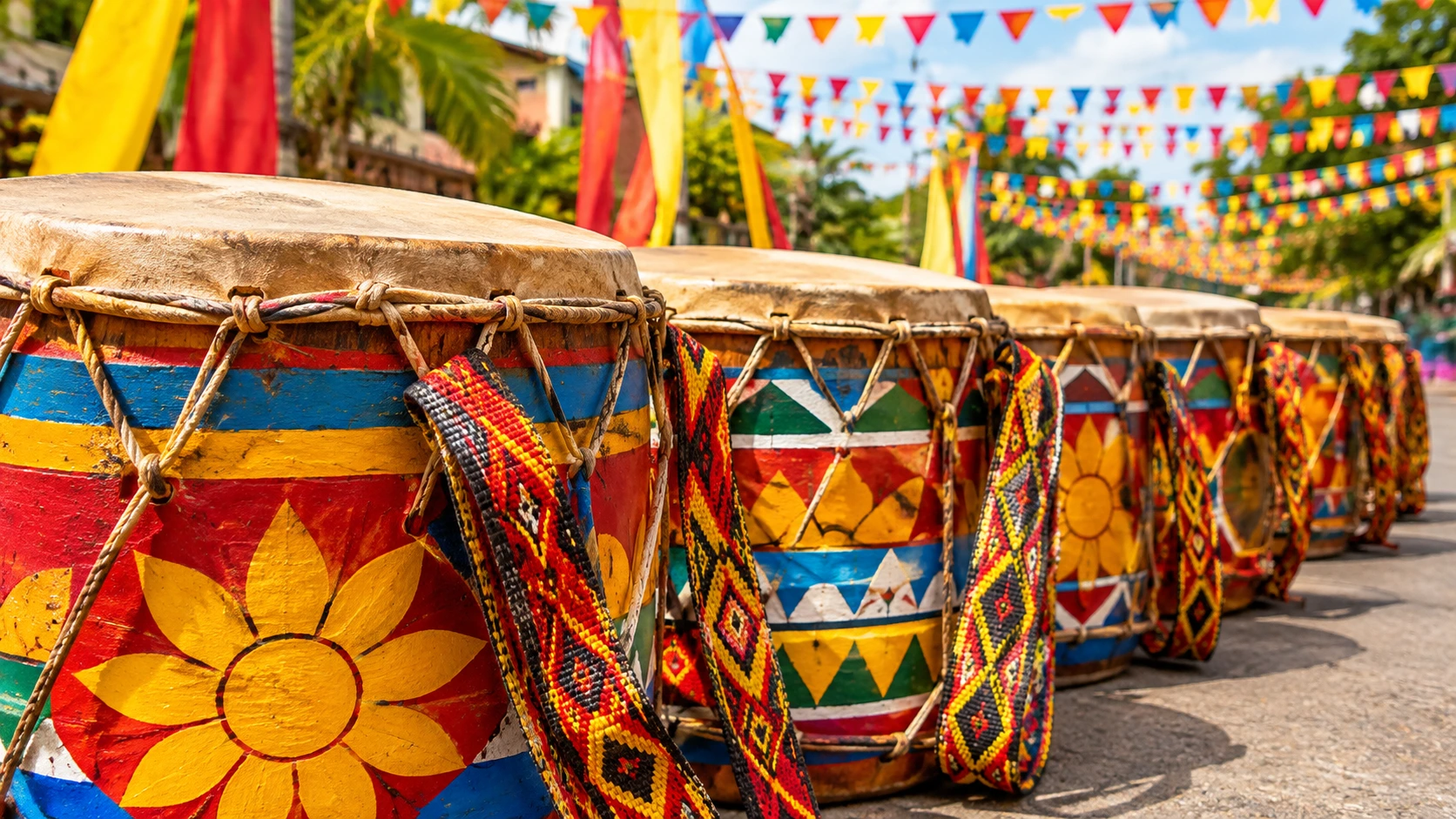
- Learn the chant: “Hala Bira! Puera Pasma!” roughly means “Keep going, no one gets tired!”
- Stay hydrated: it’s hot, and street dancing goes for hours.
- Protect your phone and wallet in the crowds. See is the Philippines safe?
- Bring cash for food stalls and small vendors. See money in the Philippines.
- Check the weather: January is usually dry, but rain is possible; see best time to visit.
Add festival-week flights, hotels, transfers and activities in our free trip budget calculator.
Plan your Ati-Atihan and Boracay trip
Activities near Kalibo. Klook bookings often include free cancellation.
Ati-Atihan Festival 2027: FAQ
When is Ati-Atihan 2027?
The main day is Sunday, January 17, 2027, the third Sunday of January, in Kalibo, Aklan. The festival runs for about 10 to 12 days before that; Kalibo publishes the full calendar closer to January.
What is the history of Ati-Atihan?
Ati-Atihan means “to be like the Ati,” the Indigenous people of Panay. Local legend links it to a meeting between Malay datus and the Ati; the Santo Niño celebration in Kalibo dates back to at least the 17th century, and the festival took the name Ati-Atihan in 1972.
Can I combine Ati-Atihan with Boracay?
Yes. Kalibo is about 1.5 to 2 hours by road from Caticlan, the jump-off point for Boracay, so you can stay in Boracay and day-trip to the festival, or split your stay between the two.
Why is Ati-Atihan called the “Mother of All Philippine Festivals”?
It’s considered the oldest of the big Santo Niño festivals and inspired others, including Iloilo’s Dinagyang (first called the Iloilo Ati-Atihan) and Cebu’s Sinulog.
Can tourists join the Ati-Atihan street dancing?
Yes. Unlike judged festivals, Ati-Atihan’s sadsad street dancing is open to everyone. Join in with colorful face paint, follow the drums and shout “Hala Bira!”
What does “Hala Bira” mean?
It’s the festival’s rallying cry, roughly “keep going!” The full chant, “Hala Bira! Puera Pasma!”, urges dancers on without tiring.
Are Ati-Atihan and Sinulog on the same day?
Yes, both fall on the third Sunday of January, which is January 17 in 2027. Iloilo’s Dinagyang follows a week later, on January 24.
How do I get to Kalibo?
Fly to Kalibo International Airport, which is in town. From Boracay, take the boat to Caticlan, then a van or bus to Kalibo, about 1.5 to 2 hours.

Born in Cebu City, home of Sinulog, and raised in Dumaguete, Gio now lives in Zamboanga del Sur. He writes Best Philippines Travel Guide to help travelers experience the Philippines’ festivals with respect and confidence.