Travel advisories for this region differ by country. Foreign visitors should read their own government’s latest advice and check their travel insurance before planning a trip; see the safety section below. Fees and opening hours change, so confirm with the Zamboanga City Tourism Office.
Zamboanga City, called “Asia’s Latin City,” is known for Chavacano, a Spanish-based creole language, the colorful vinta sailboats and the pink sand beach of Great Santa Cruz Island. The best tourist spots are Great Santa Cruz Island (day trips 7 AM–2 PM from Paseo del Mar), Fort Pilar with its shrine and free National Museum branch, Paseo del Mar, Pasonanca Park, the Yakan Weaving Village and Merloquet Falls. On safety: daily life is busy and normal for residents, but the US rates the area Level 3, and Australia and the UK advise against travel to the Zamboanga Peninsula, so foreign visitors should check their advisory and insurance first.
What is Zamboanga City known for?
| Known for | Why |
|---|---|
| “Asia’s Latin City” | Spanish colonial heritage that shaped its language, churches and fiestas |
| Chavacano | A Spanish-based creole spoken by most residents; “¿Cosa tal?” means “How are you?” |
| Pink sand beach | Great Santa Cruz Island’s sand gets its color from crushed red organ-pipe coral and tiny shell-bearing organisms |
| Vinta | Traditional boats with bright, striped sails, a symbol of the city |
| Cultural mix | Christian, Muslim and Indigenous communities, including the Yakan, Tausug and Sama |
| Food | Curacha (spanner crab) with Alavar sauce, satti and knickerbocker dessert |
Best tourist spots in Zamboanga City
- Great Santa Cruz Island (Pink Beach) A protected island 15–20 minutes by boat from Paseo del Mar, with pink sand, a mangrove lagoon and a sandbar on Little Santa Cruz. Day trips only, 7 AM to 2 PM, with a daily visitor cap of about 400; register at the Paseo del Mar terminal and join the short pre-trip briefing. Don’t take sand or shells, and avoid single-use plastic.
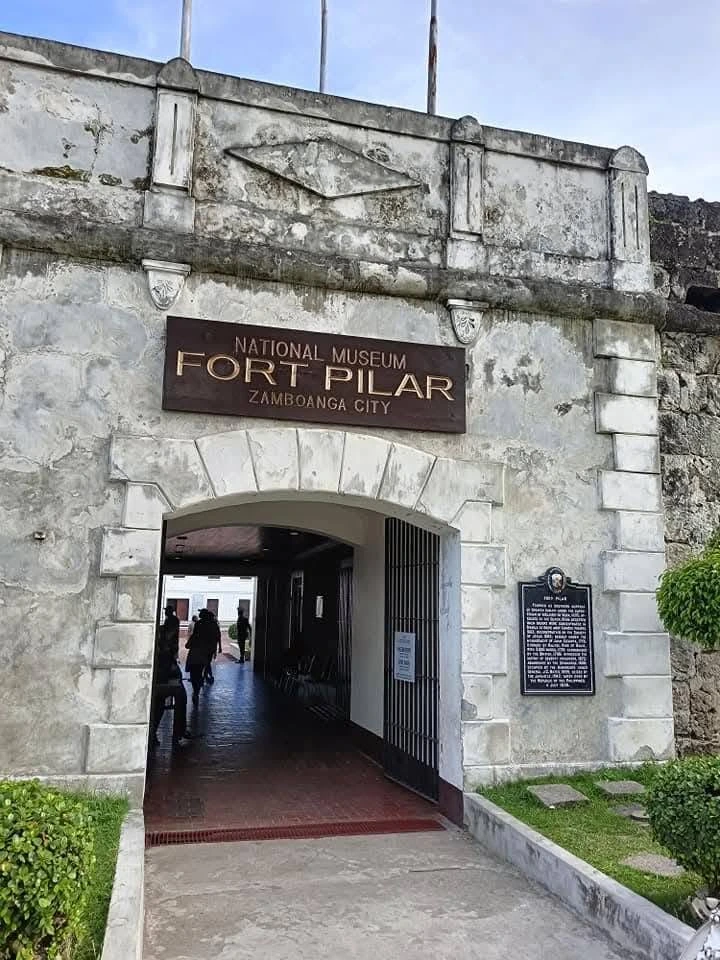
- Fort Pilar and the Our Lady of the Pillar Shrine A Spanish fort first built in 1635, with an open-air shrine where devotees pray daily. Inside is a branch of the National Museum of the Philippines, with free admission; check its current days (it reported Tuesday to Sunday in 2026).
- Paseo del Mar The seaside promenade next to Fort Pilar, with sunset views, food stalls and the boat terminal for Santa Cruz. Free.
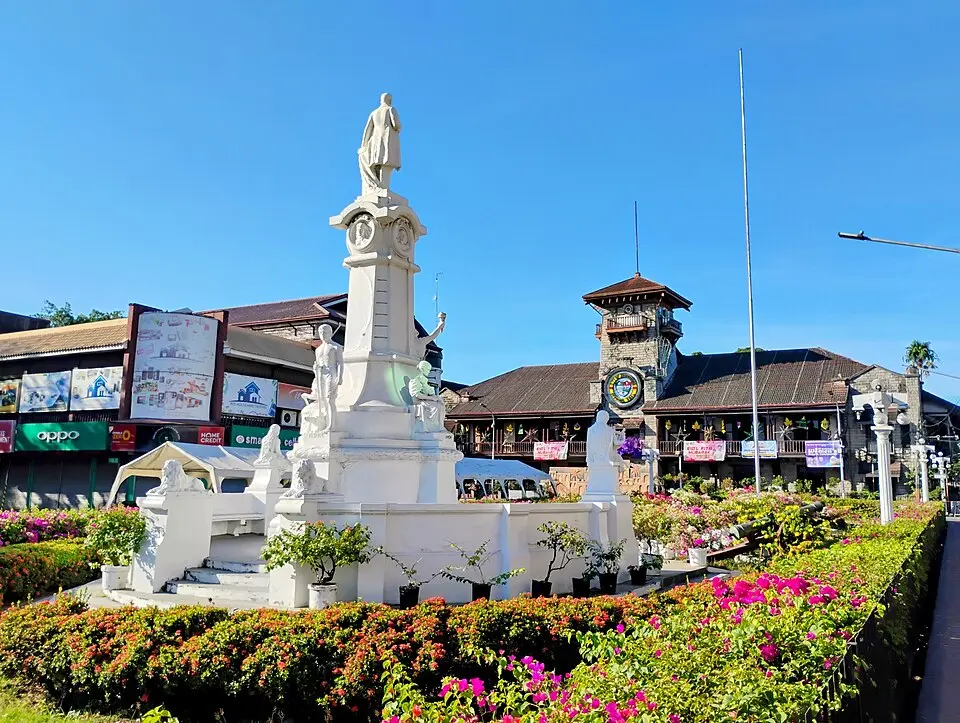
- Zamboanga City Hall and Plaza Pershing A handsome American-era city hall and the historic plaza nearby, easy to see on a walking tour of downtown.
- Metropolitan Cathedral of the Immaculate Conception A modern cathedral whose design is inspired by a candle, a striking downtown landmark.
- Pasonanca Park A cool, leafy park in the uplands with a famous tree house, picnic areas and nature trails.
- Yakan Weaving Village A center where Yakan weavers create bright geometric textiles on traditional looms; a good place to buy handwoven pieces directly.
- Canelar Barter Trade Center A market selling batik, brassware, pearls and imported goods, a nod to Zamboanga’s long trading history.
- Merloquet Falls A wide, two-tiered waterfall in the city’s east coast area, about 2 hours from downtown; go with a local guide and check access first.
Approximate 2026 costs for Santa Cruz: about ₱1,000–₱1,200 per boat for up to 10 people (so about ₱100–₱120 each in a full boat), plus about ₱30 per person in entrance and terminal fees. Cottages and the mangrove tour cost extra. Confirm at the terminal, since fees change.
Is Zamboanga City safe?
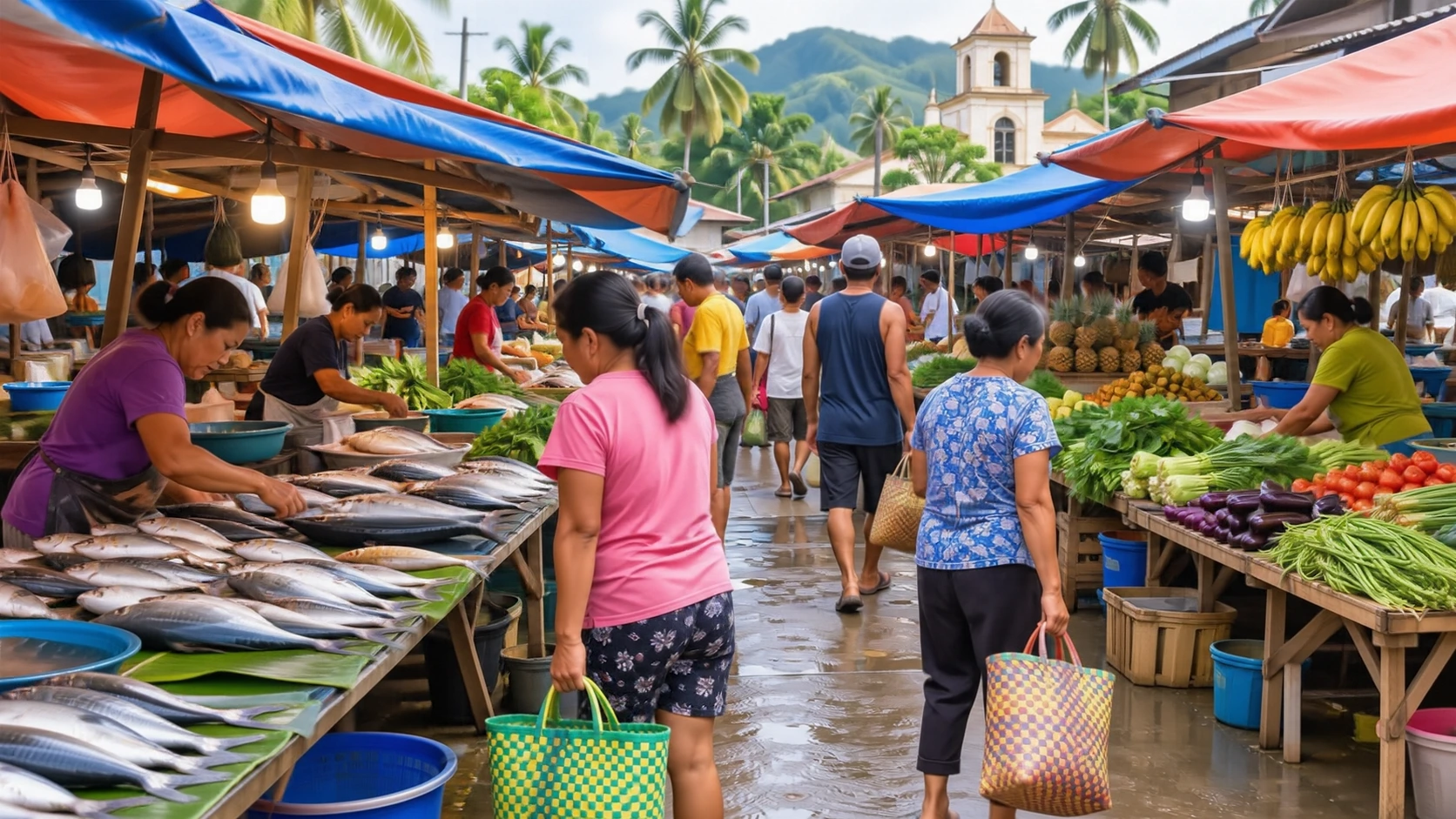
For residents and Filipino visitors, Zamboanga City is a busy, working city of around a million people, and daily life, markets, churches and the waterfront are part of normal routines. Foreign travel advice is much stricter, though, and it affects foreign visitors’ insurance and the consular help they can get:
| Government | Advice for the Zamboanga Peninsula (November 2026) |
|---|---|
| United States | Level 3: Reconsider Travel (most of Mindanao) |
| United Kingdom | Advises against all travel to western Mindanao |
| Australia | Do not travel to the Zamboanga Peninsula |
- Foreign visitors: read your government’s full advisory and map, and check your insurance, which may not cover areas you’re advised not to visit.
- The nearby Sulu Archipelago (Basilan, Sulu, Tawi-Tawi) carries the strictest “do not travel” warnings; don’t take onward boat trips there.
- If you go, travel with local contacts, keep a low profile, follow tourism office arrangements for Santa Cruz, and avoid posting your real-time location.
For the full region-by-region picture, read our Is Mindanao safe? guide, written by a Mindanao local, and our Philippines safety guide.
How to get to Zamboanga City
| From | How | Time |
|---|---|---|
| Manila | Flight to Zamboanga International Airport | About 1 hour 45 minutes |
| Cebu | Flight | About 1 hour 15 minutes |
| Pagadian or Dipolog | Bus or van along the peninsula | Several hours |
| Airport to downtown | Taxi or tricycle | About 10–15 minutes |
Getting around: tricycles and jeepneys cover downtown, and Fort Pilar, Paseo del Mar and City Hall are within walking distance of each other. See our domestic flights guide.
One-day Zamboanga City itinerary
| 6:30 AM | Register at Paseo del Mar and take an early boat to Great Santa Cruz Island |
| 11:30 AM | Back on the mainland for curacha or seafood lunch |
| 1:30 PM | Fort Pilar, the shrine and the National Museum |
| 3:30 PM | City Hall, Plaza Pershing and the cathedral |
| 5:00 PM | Sunset at Paseo del Mar, then knickerbocker for dessert |
With a second day, add Pasonanca Park, the Yakan Weaving Village and Canelar Barter Trade Center, or Merloquet Falls.
Food and festivals
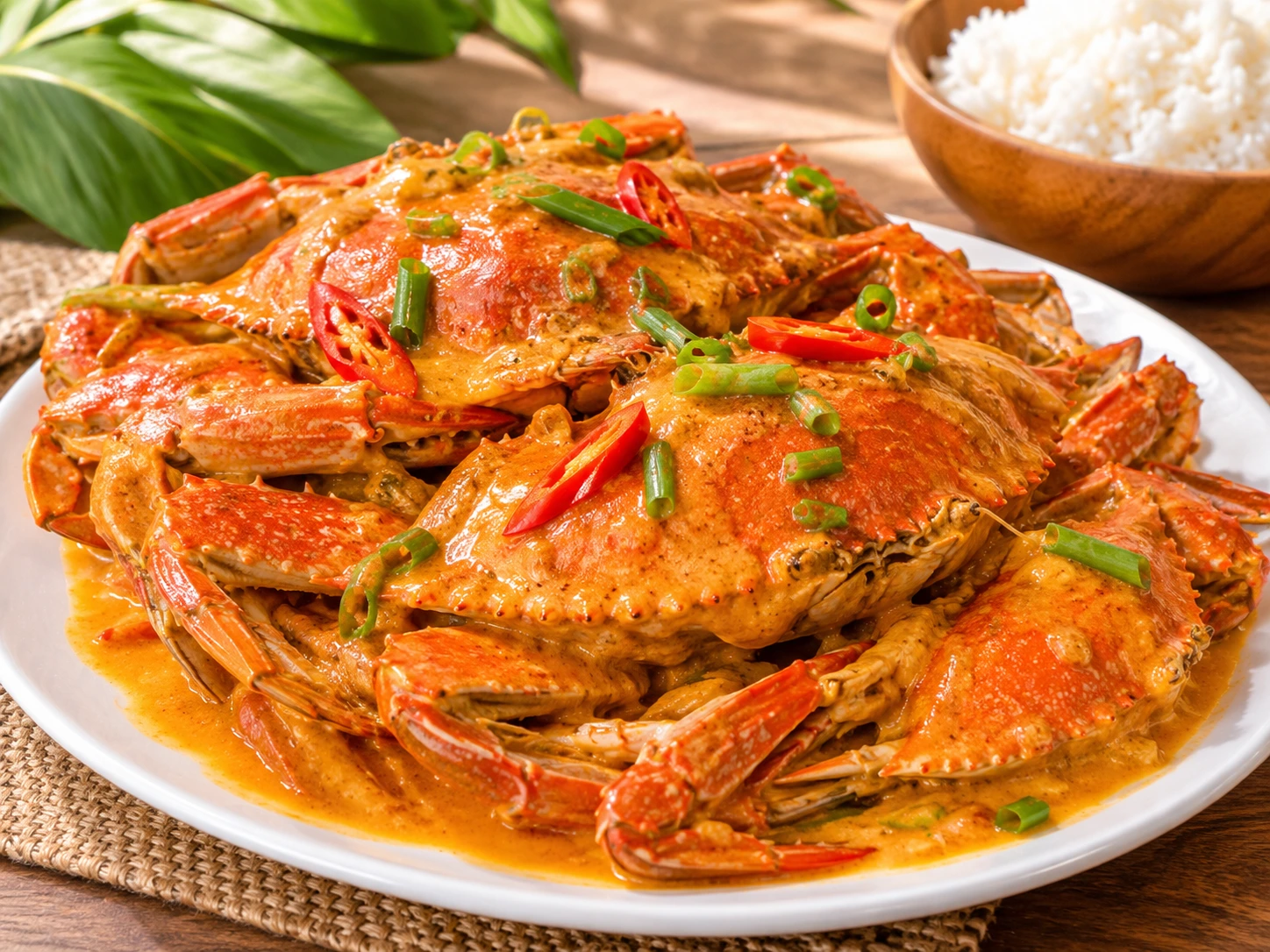

- Curacha with Alavar sauce: spanner crab in a rich, creamy coconut-based sauce.
- Satti: grilled meat skewers in a spicy-sweet sauce with rice cakes, a breakfast favorite.
- Knickerbocker: chopped fruit, jelly and ice cream, Zamboanga’s classic dessert.
- Zamboanga Hermosa Festival (Fiesta Pilar): every October, honoring Our Lady of the Pillar, with the feast on October 12 and the Regatta de Zamboanga, a vinta boat race. See our Philippine festivals guide.
Exploring more of the region? See our Zamboanga del Sur, Pagadian and Dapitan guides.
Zamboanga City tourist spots: FAQ
What is Zamboanga City known for?
Zamboanga City is known as “Asia’s Latin City” for its Spanish heritage and Chavacano language, for the pink sand beach of Great Santa Cruz Island, colorful vinta boats and food like curacha with Alavar sauce.
What are the best tourist spots in Zamboanga City?
Great Santa Cruz Island’s pink beach, Fort Pilar and its shrine and National Museum branch, Paseo del Mar, City Hall and Plaza Pershing, Pasonanca Park, the Yakan Weaving Village, Canelar Barter Trade Center and Merloquet Falls.
Is Zamboanga City safe?
Daily life is normal for residents, but foreign advisories are strict: the US rates most of Mindanao Level 3, the UK advises against all travel to western Mindanao, and Australia says do not travel to the Zamboanga Peninsula. Foreign visitors should check their advisory and insurance before going.
Why is the sand pink in Zamboanga?
Great Santa Cruz Island’s sand is mixed with crushed red organ-pipe coral and the shells of tiny marine organisms, which give it a pale pink color.
How much is the Santa Cruz Island tour?
About ₱1,000 to ₱1,200 per boat for up to 10 people, plus about ₱30 per person in entrance and terminal fees in 2026. Day trips run from 7 AM to 2 PM, and no overnight stays are allowed.
Is Fort Pilar free?
Yes. The Fort Pilar shrine and the National Museum branch inside are free. Check the museum’s current opening days before you go.
What language is spoken in Zamboanga City?
Chavacano, a Spanish-based creole, is the main local language, alongside Filipino, English and languages such as Tausug and Sama.
When is the best time to visit Zamboanga City?
The drier months, roughly December to May, are best for the beach. October brings the Zamboanga Hermosa Festival and the vinta regatta. Zamboanga lies south of the main typhoon belt.
Born in Cebu City and raised in Dumaguete, Gio now lives in Labangan, Zamboanga del Sur, on the same peninsula as Zamboanga City. He writes Best Philippines Travel Guide to give an honest local view of Mindanao, alongside the official advice travelers need to follow.