

Last updated: July 2026 | Written by Giovanni Carlo Bagayas, based in the Philippines
Quick Answer
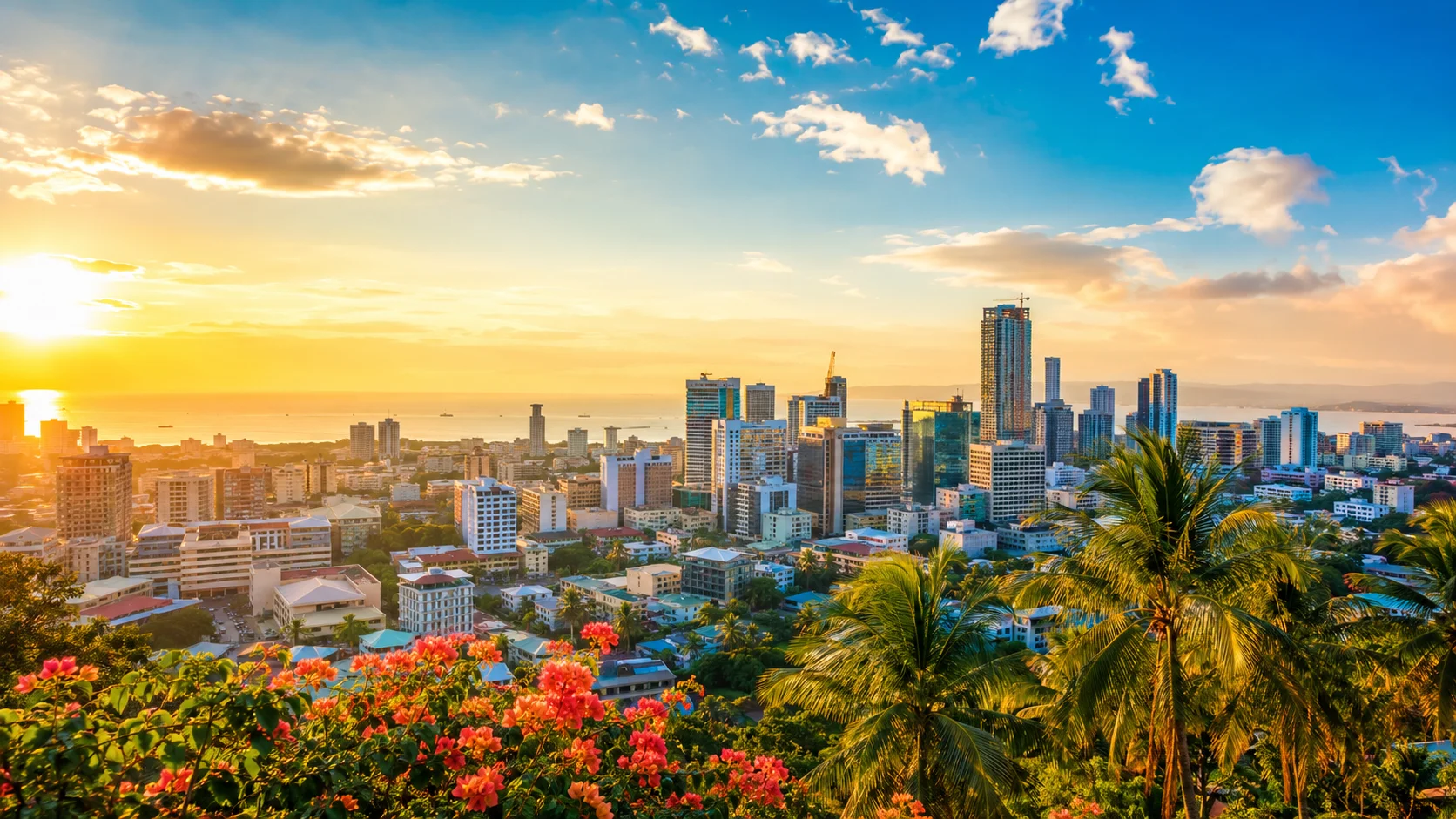
Cebu City has a tropical climate with year-round temperatures of 24–34°C (75–93°F) and an average of about 27°C (81°F). The dry season runs January to May (best time to visit), and the wet season runs June to December. The coolest, most comfortable months are December to February; March and April are the hottest.
What Is Cebu City’s Climate Classification?
Cebu City sits in the central Philippines, close enough to the equator that its weather stays warm and humid all year. Under the Köppen climate classification, it falls under a tropical climate (bordering rainforest and monsoon types), meaning consistently high temperatures and no true “cold” season — only wetter and drier stretches driven by monsoon winds.
Locally, Filipinos describe the year in two simple terms you’ll hear from Cebuanos themselves: tag-init (hot/dry season) and tag-ulan (rainy season). The shift between them is driven by two monsoon systems — the Amihan (northeast monsoon, roughly November–April, drier) and the Habagat (southwest monsoon, roughly May/June–October, wetter).
Cebu City Weather at a Glance
| Metric | Value |
|---|---|
| Average annual temperature | 27°C (81°F) |
| Hottest months | March–April (up to 33–34°C / 91–93°F) |
| Coolest months | December–January (lows around 23–24°C / 73–75°F) |
| Sea/water temperature | 27–29°C (81–84°F) year-round — comfortable for diving and swimming any month |
| Humidity range | 77% (April, lowest) to 84% (December, highest) |
| Driest month | March (~20mm rainfall) |
| Wettest months | September–November |
| Dry season | January–May (Amihan) |
| Wet season | June–December (Habagat) |
What Are the Monthly Average Temperatures in Cebu City?
Temperatures barely swing across the year — this is one of the most stable climates in the Philippines. Here’s the month-by-month breakdown:
| Month | High | Low | Rainfall | Humidity |
|---|---|---|---|---|
| January | 30°C | 23°C | Low | High |
| February | 31°C | 24°C | ~70mm | Moderate |
| March | 32°C | 24°C | ~20mm (driest) | Low |
| April | 33–34°C | 25°C | Low | 77% (lowest) |
| May | 33°C | 25°C | Rising | Rising |
| June | 31°C | 24°C | Increasing | Increasing |
| July–August | 30–31°C | 24°C | Moderate-high | High |
| September–November | 30–31°C | 24°C | Highest of the year | High |
| December | 30°C | 23°C | Tapering off | 84% (highest) |
Figures are seasonal averages compiled from historical Cebu City weather data; actual daily conditions vary.
Is Cebu Safe From Typhoons?
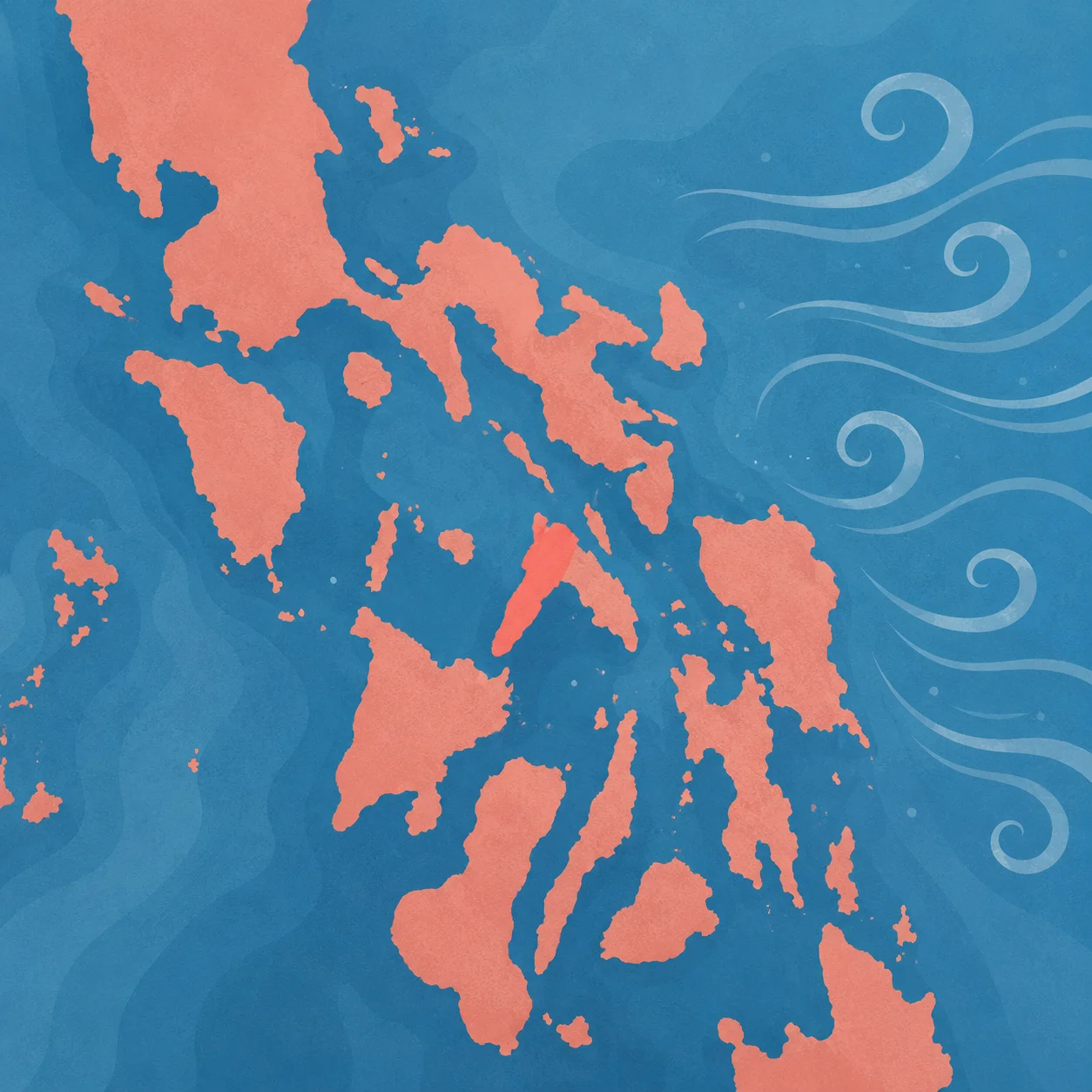
Quick answer: Cebu is relatively sheltered compared to Eastern Visayas, Bicol, and Northern Luzon, because surrounding islands like Leyte and Samar act as a natural buffer against typhoons coming from the Pacific. It isn’t typhoon-proof, but direct hits are less frequent and usually less severe than in more exposed provinces.
Typhoon season in the Philippines broadly runs June to December, peaking around July–October. Cebu can still experience heavy rain, flash flooding in low-lying areas, and occasional strong storms during this window, so it’s worth checking PAGASA advisories if you’re traveling between July and November. That said, most wet-season trips to Cebu proceed normally — the rain tends to arrive in bursts rather than washing out entire days.
When Is the Best Time to Visit Cebu City?
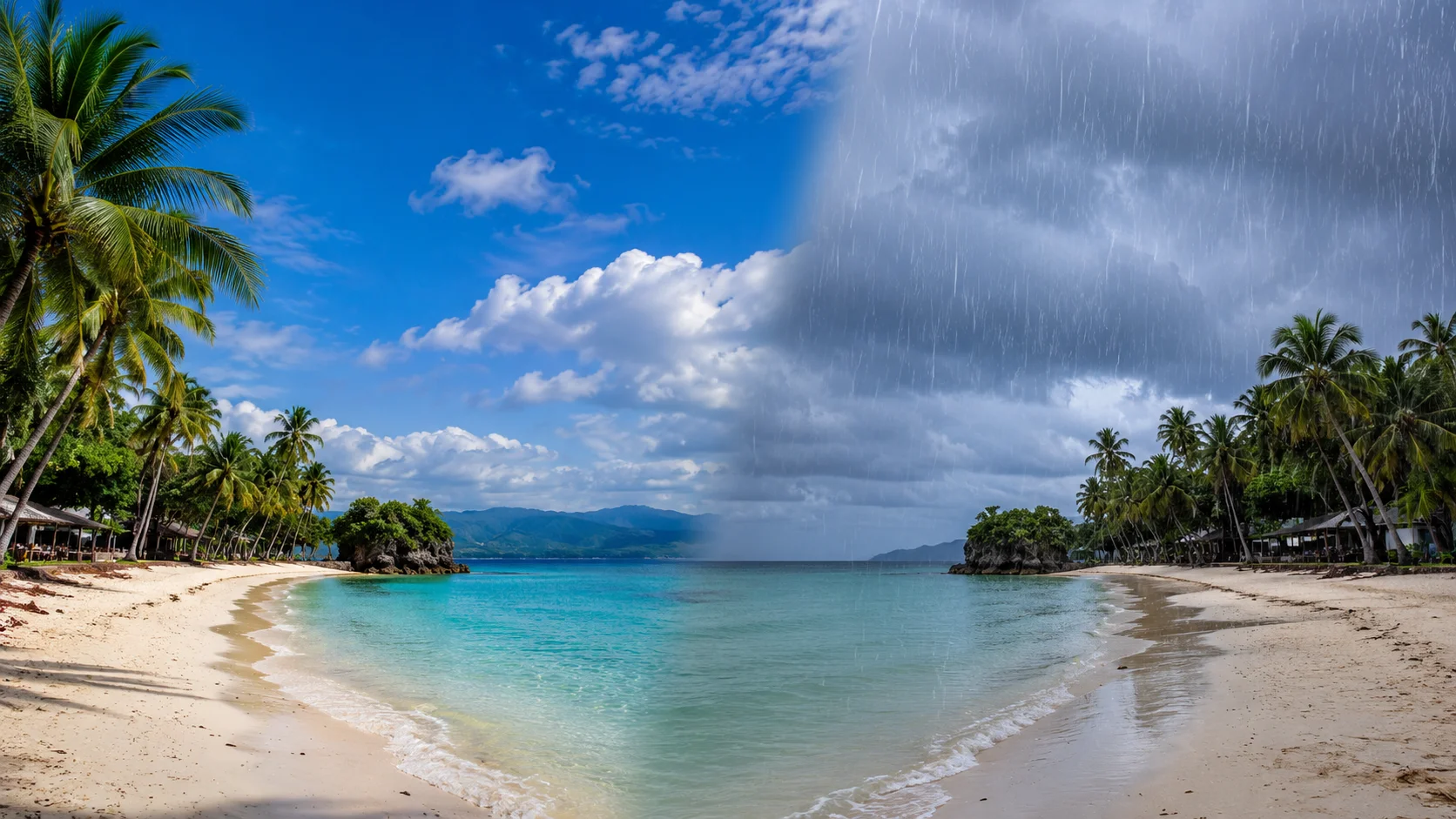
The answer depends on what you’re prioritizing — festivals, beach weather, or lower prices:
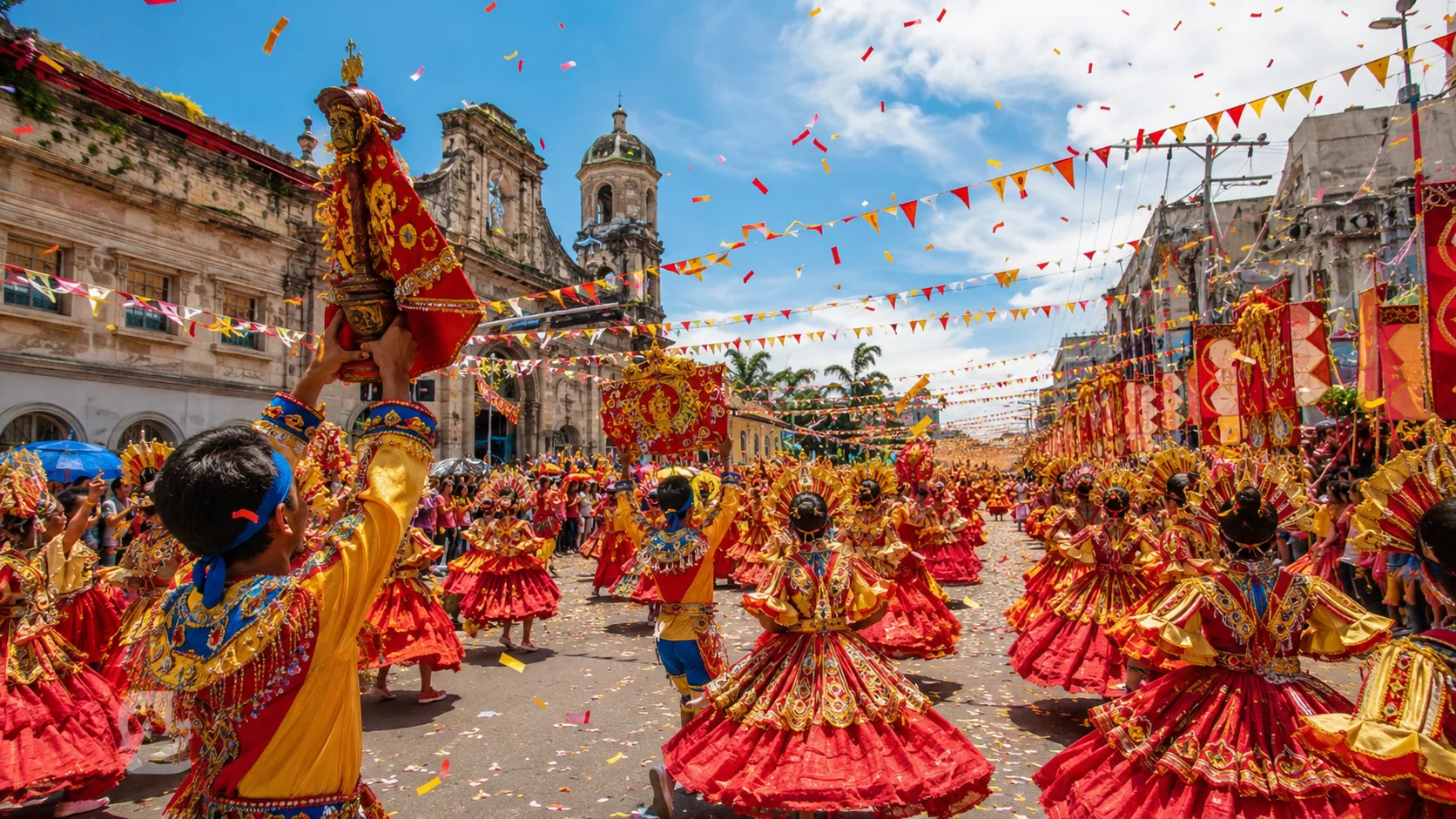
- January (peak recommendation): Dry, comfortable temperatures, and the Sinulog Festival — the Philippines’ biggest street festival, held on the third Sunday of January in Cebu City. Expect higher hotel rates and crowds during festival week.

- December–February: The most comfortable stretch overall — cooler nights, lower humidity, minimal rain. Ideal for city tours, historical sites, and day trips like the Cebu City Half-Day Historical & Street Food Tour.
- March–May: Hottest and driest months, best for beach days and island hopping, but midday heat can be intense. This is peak season for the Moalboal Island Hopping and Canyoneering Experience and day-use passes at beach resorts like Plantation Bay. Holy Week (Easter, usually April) is the busiest domestic travel period — book accommodations well ahead.
- June–November: Wet season with the highest chance of rain and (rarely) typhoon disruption, but also the lowest prices and thinner crowds. Sea temperatures stay warm, so Oslob Whale Shark Watching remains viable between showers — just check morning weather before heading out, since tours run early to catch calmer seas.
What Should You Pack for Cebu City by Season?

| Season | Pack |
|---|---|
| Dry season (Jan–May) | Lightweight breathable clothing, wide-brim hat, high-SPF sunscreen, refillable water bottle, swimwear |
| Wet season (Jun–Dec) | Compact umbrella or light rain jacket, quick-dry clothing, waterproof phone pouch, sandals that dry fast |
| Year-round essentials | Light jacket for air-conditioned malls/buses, insect repellent, electrolyte sachets or coconut water |
How Much Does Temperature Change From Day to Night?
Daytime highs typically reach 30–33°C (86–91°F), dropping to a cooler 24–26°C (75–79°F) after sunset. That night-time dip is enough to make evening walks, alfresco dining, and outdoor markets noticeably more comfortable than midday sightseeing — many locals schedule strenuous activities for early morning or late afternoon specifically to avoid the 11 a.m.–3 p.m. heat window.
Why Does Cebu City Feel Hotter Than the Thermometer Says?
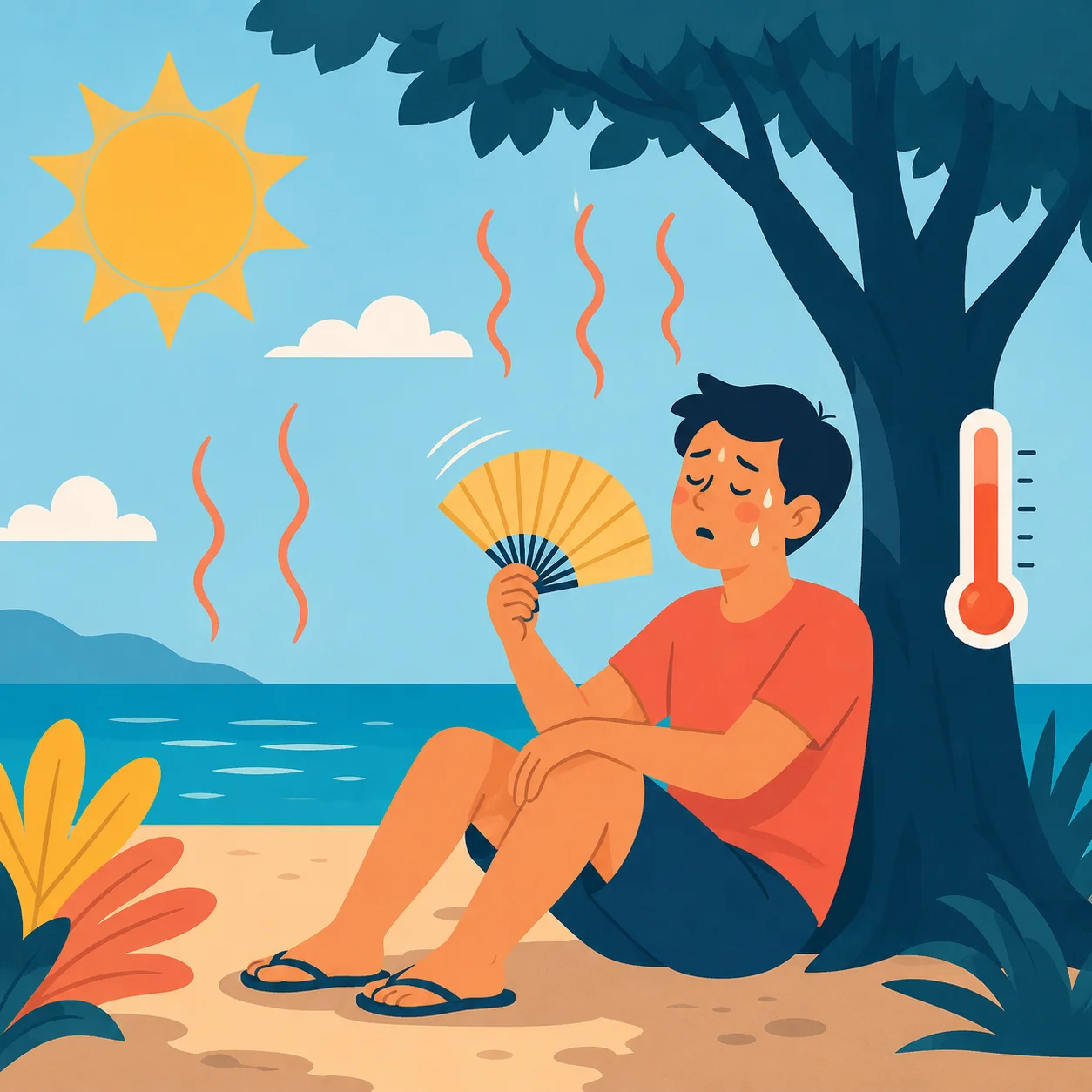
Humidity is the reason. At 30°C (86°F) with 70% relative humidity, the heat index — what the temperature actually feels like — can reach 36°C (97°F). High humidity slows sweat evaporation, which is your body’s main cooling mechanism, so it feels hotter than the air temperature alone suggests. This is worth planning around: seek shade or air conditioning during peak hours (10 a.m.–4 p.m.), and pace outdoor activity accordingly.
How Many Daylight Hours Does Cebu City Get?

Because Cebu sits close to the equator, daylight hours change very little across the year — roughly 11.5 to 12.5 hours of daylight year-round. June has the longest days; December the shortest, but the difference is minor compared to temperate destinations. Sunrise generally falls between 5:30–6:00 a.m. and sunset between 5:45–6:30 p.m. depending on the season.
How Is Climate Change Affecting Cebu City’s Weather?
Long-term shifts are becoming more visible: the wet season is starting to extend beyond its traditional window, dry-season heat is intensifying, and extreme rainfall events are becoming less predictable. Rising sea levels also add to coastal erosion risk and storm-surge vulnerability in low-lying parts of the metro area. Local government units have been investing in drainage upgrades and flood-response planning as part of broader climate adaptation efforts across Cebu.
Practical Tips for Handling Cebu City’s Heat and Humidity
- Dress light: loose, light-colored, breathable fabrics like cotton; avoid dark colors that absorb heat.
- Hydrate constantly: water plus a natural electrolyte source like coconut water; go easy on caffeine and alcohol.
- Protect from sun: high-SPF sunscreen reapplied every two hours, hats, sunglasses, shade during 10 a.m.–4 p.m.
- Cool your space: fans or air conditioning indoors; lightweight bedding at night.
- Eat for the heat: mangoes, pineapple, watermelon, light meals, and halo-halo for an authentic way to cool down.
Book Weather-Ready Cebu Activities
Timing your booking around Cebu’s weather makes a real difference — outdoor parks and marine tours are far more enjoyable on dry-season days. A few options worth planning around the seasons above:
- Cebu Ocean Park Ticket — mostly covered, so a solid option even on cloudy or light-rain days
- Cebu Safari and Adventure Park Ticket — largely outdoors, best enjoyed January–May
- Bluewater Sumilon Island Resort Day Use — pair with a dry-season trip for calm seas
Frequently Asked Questions About Cebu City’s Climate
What is the average temperature in Cebu City?
The average annual temperature is about 27°C (81°F), with daily highs of 30–33°C (86–91°F) and nighttime lows of 23–26°C (73–79°F).
What is the best month to visit Cebu City?
January is generally considered the best month — dry weather, comfortable temperatures, and the Sinulog Festival. December and February are close runners-up for travelers who want to skip the festival crowds.
Does Cebu City get typhoons?
Yes, but less severely than Eastern Visayas or Luzon. Typhoon season runs roughly June–December, peaking July–October; surrounding islands give Cebu partial natural shelter.
Is Cebu City hot all year round?
Yes — temperatures rarely drop below 23°C (73°F) or exceed 34°C (93°F). There’s no cold season, only drier and wetter stretches.
What is the sea temperature in Cebu?
Sea temperatures stay between 27–29°C (81–84°F) year-round, making diving and swimming comfortable in every month.
What should I pack for a trip to Cebu City?
Lightweight breathable clothing and sun protection year-round, plus a compact umbrella or rain jacket if traveling June through December.
Giovanni Carlo Bagayas is a Philippines-based travel writer and digital marketer who has covered Cebu’s climate, transportation, and attractions extensively for Best Philippines Travel Guide. Data compiled from historical Cebu City climate records, PAGASA seasonal patterns, and on-the-ground travel experience.