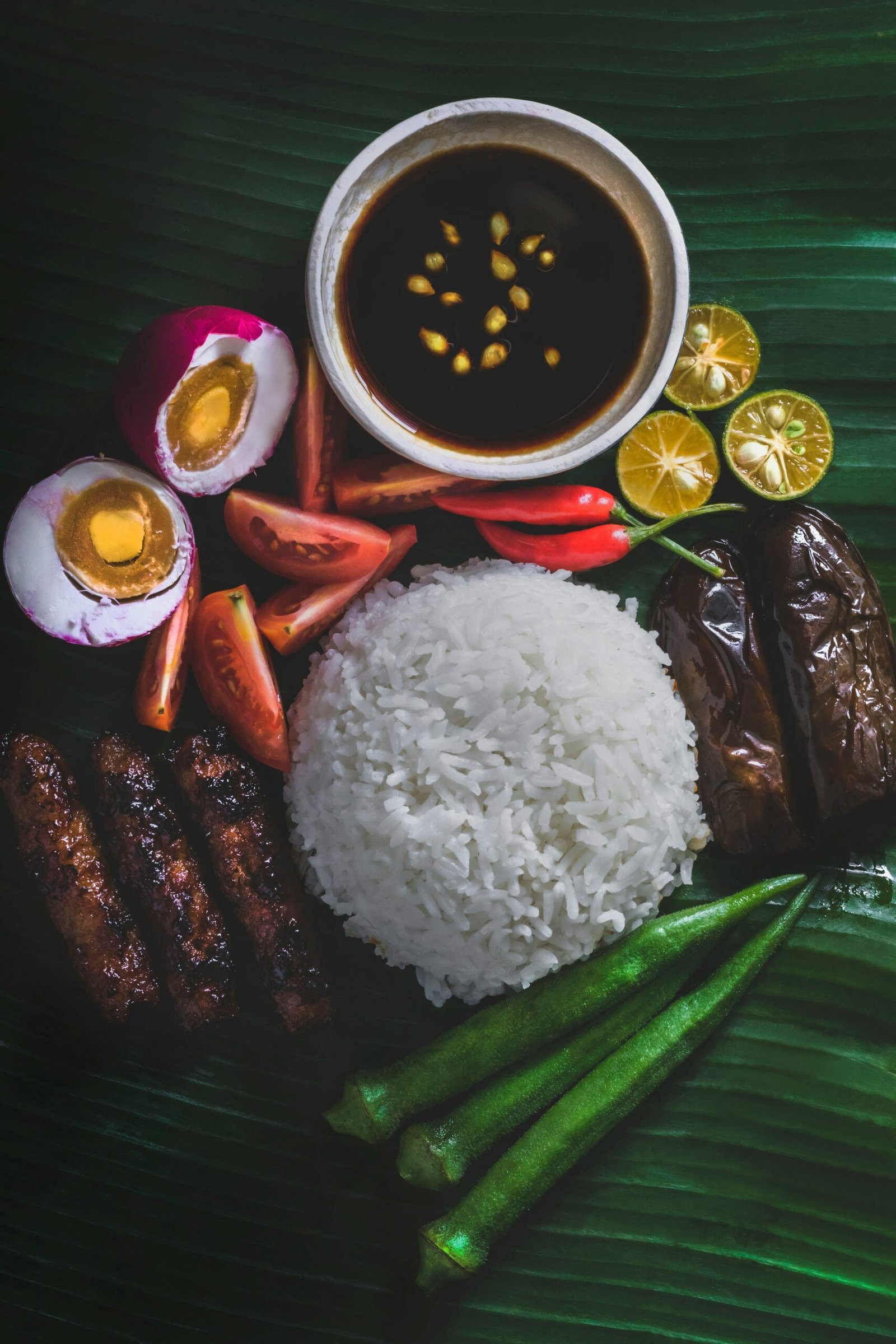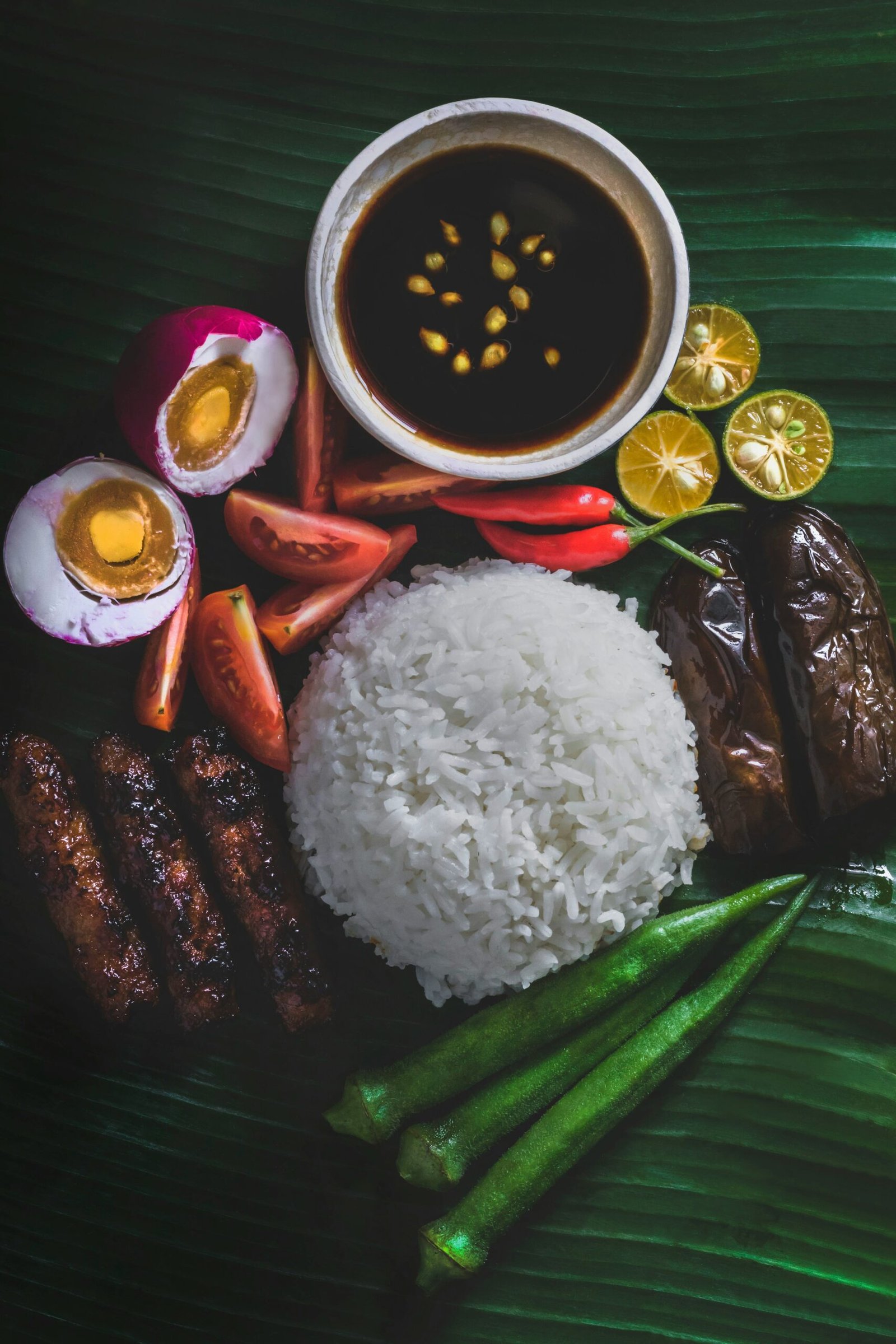
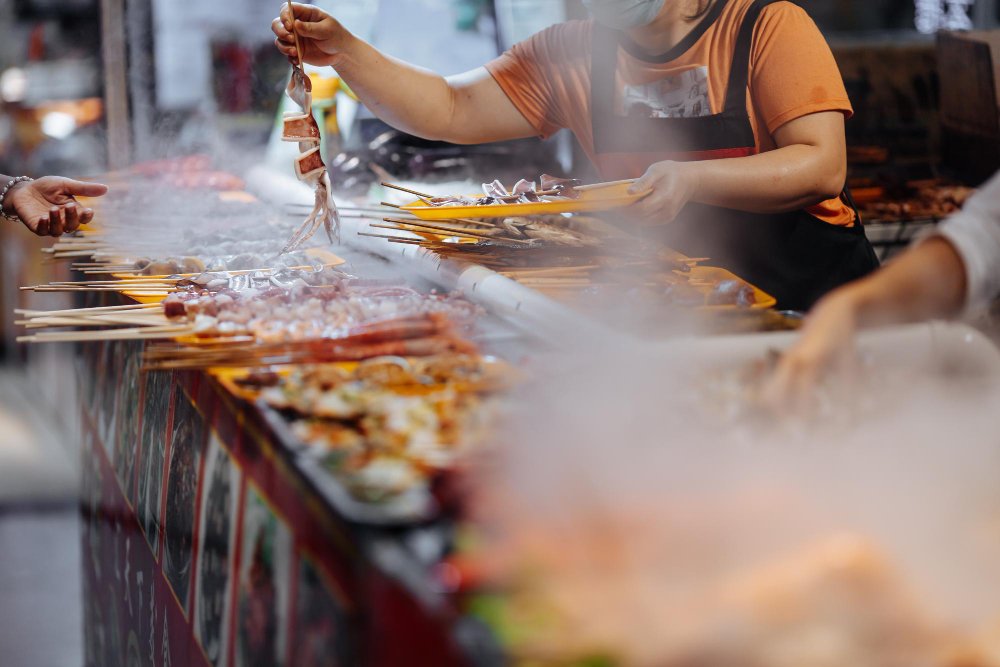
Tag: Filipino Cuisine

  • Discovering the Best Lechon Manok in Cebu: A Culinary Journey

    Discovering the Best Lechon Manok in Cebu: A Culinary Journey

    best lechon manok in cebu

    Introduction to Lechon Manok

    Lechon Manok, known as roasted chicken in English, holds a special place in the hearts and kitchens of Filipinos, particularly in Cebu. This delectable dish is a testament to the rich culinary heritage of the Philippines, embodying both tradition and flavor. Lechon Manok is not just a meal; it is a celebration of Filipino culture, often gracing family gatherings, fiestas, and special occasions with its presence.

    The preparation of Lechon Manok is an art form that has been passed down through generations. The process begins with a whole chicken, which is meticulously marinated with a blend of spices and herbs. Common ingredients include lemongrass, garlic, soy sauce, and calamansi juice, which infuse the meat with a robust and aromatic flavor. The marination period, which can last several hours or overnight, ensures that every bite of the chicken is succulent and bursting with taste.

    What sets Lechon Manok apart is its traditional cooking method. The marinated chicken is skewered on a bamboo stick and roasted over an open charcoal fire. This method not only imparts a smoky flavor but also ensures that the chicken is evenly cooked with a crispy skin and tender, juicy meat. The slow-roasting process is carefully monitored, with the chicken being basted periodically to enhance its flavor and moisture.

    In Cebu, finding the best lechon manok is a culinary adventure. Numerous local vendors and eateries proudly offer their unique takes on this beloved dish, each with its secret marinade recipes and roasting techniques. The quest for the best lechon manok in Cebu is not just about savoring a delicious meal; it is about experiencing a slice of Filipino tradition and hospitality.

    The History of Lechon Manok in Cebu

    Lechon Manok, a beloved Filipino dish, has a storied history that traces back to the heart of Cebu. This delectable roast chicken has become a staple in Cebuano cuisine, revered for its unique flavor and preparation style. The origins of Lechon Manok in Cebu can be linked to traditional methods of roasting pork, specifically lechon, which was adapted to chicken over time. The term “lechon” itself is derived from the Spanish word for roasted suckling pig, highlighting the Spanish influence on Filipino culinary traditions.

    The rise of Lechon Manok in Cebu began in earnest during the late 20th century when local entrepreneurs started to innovate by roasting chicken in the manner similar to traditional lechon. This new take on an old favorite quickly captured the hearts and palates of Cebuanos. The process involved marinating the chicken in a blend of local spices and herbs, skewering it, and then slow-roasting it over an open flame or in specially designed rotisseries. This method ensures that the chicken is cooked evenly, resulting in a crispy skin and juicy, flavorful meat.

    Over the years, the recipe and preparation methods for Lechon Manok have evolved, incorporating regional ingredients and techniques. Key milestones in its history include the establishment of several famous outlets known for serving the best lechon manok in Cebu. Notable among these are the likes of “Manok ni Mang Juan” and “Ayer Lechon Manok,” which have become household names, celebrated for their distinctive and mouth-watering renditions of this dish.

    The popularity of Lechon Manok has also led to its widespread availability across Cebu, from street vendors to fine dining restaurants, each offering their own unique twist on the classic recipe. This culinary evolution not only underscores the dish’s versatility but also reflects the rich cultural tapestry of Cebuano cuisine. Today, Lechon Manok continues to be an integral part of celebrations and everyday meals, a testament to its enduring appeal and the island’s vibrant food culture.

    Criteria for the Best Lechon Manok

    When it comes to identifying the best lechon manok in Cebu, several key factors come into play. The excellence of this beloved Filipino dish hinges on a combination of high-quality ingredients, meticulous marination, precise cooking methods, and impeccable presentation.

    First and foremost, the choice of ingredients is critical. Fresh, free-range chicken is often preferred for its superior flavor and texture. The bird must be well-cleaned and prepared to ensure that each bite is both safe and delicious. The seasoning mix, which usually includes garlic, lemongrass, soy sauce, and a variety of local spices, needs to be balanced and fresh to impart the authentic taste of Cebu’s lechon manok.

    Marination is another essential aspect that cannot be overlooked. A good lechon manok is marinated for an adequate amount of time, allowing the flavors to deeply penetrate the meat. The marination process involves not just coating the chicken but ensuring that the flavors seep into the meat, making each bite burst with taste. This marination period is crucial for achieving the desired level of tenderness and juiciness.

    Cooking methods also play a pivotal role. Traditional lechon manok is cooked over an open flame or in a specially-designed rotisserie, which allows for even cooking and a delectable smoky flavor. The process requires constant attention to ensure that the chicken is cooked through without drying out, maintaining its juicy core and crispy skin.

    Finally, presentation adds the finishing touch to this culinary masterpiece. The best lechon manok is served golden brown with a glistening, crispy skin, ready to entice the senses. The aroma should be inviting, signaling a well-cooked and flavorful dish. The first cut should reveal tender, juicy meat, demonstrating the skill and care that went into its preparation.

    In essence, the best lechon manok in Cebu is a harmonious blend of quality ingredients, expert marination, precise cooking, and alluring presentation. These criteria collectively ensure an unforgettable dining experience that showcases the rich culinary traditions of Cebu.

    Top Lechon Manok Spots in Cebu

    In the vibrant culinary landscape of Cebu, several establishments have garnered a reputation for serving the best lechon manok. These spots are celebrated not just for their perfectly roasted chicken but also for their unique approaches and storied histories. Here, we delve into some of the most renowned places that have become synonymous with top-tier lechon manok in Cebu.

    One of the most iconic names in Cebu’s lechon manok scene is Alejo’s Lechon Manok. Established in the early 1980s, Alejo’s has become a household name due to its secret marinade recipe, which has been passed down through generations. The combination of perfectly balanced spices and traditional roasting methods has earned Alejo’s numerous local awards, solidifying its status as a must-visit culinary destination.

    Chooks-to-Go, although a nationwide chain, has a special place in the hearts of Cebuanos. Known for its tagline “Masarap kahit walang sauce,” Chooks-to-Go prides itself on offering lechon manok that is flavorful even without additional condiments. Their innovative approach to flavor infusion has made them a favorite, earning them widespread recognition and several accolades for culinary excellence.

    Balamban Liempo is another standout, with its unique twist on the traditional lechon manok. While originally famous for its liempo (pork belly), their lechon manok has also gained a dedicated following. The secret lies in their special marinade and the use of charcoal grilling, which imparts a distinct smoky flavor that sets it apart. Balamban Liempo’s consistent quality has won them numerous food awards, making them a staple for lechon manok enthusiasts.

    These establishments, among others, contribute to Cebu’s rich culinary tapestry, each offering a unique take on the beloved lechon manok. Whether it’s the heritage recipes of Alejo’s, the innovative flavors of Chooks-to-Go, or the smoky goodness from Balamban Liempo, Cebu boasts some of the best lechon manok spots that continue to delight both locals and tourists alike.

    Customer Reviews and Testimonials

    When embarking on a quest to find the best lechon manok in Cebu, customer reviews and testimonials offer invaluable insights. Both locals and tourists contribute to the conversation, sharing their experiences and opinions on various establishments. These reviews are instrumental in guiding potential diners to the most talked-about locations.

    One highly recommended spot is “Manok King,” praised for its succulent, flavorful chicken. A local reviewer noted, “The lechon manok here is consistently delicious, with a perfect balance of spices.” Another tourist mentioned, “Manok King’s chicken is incredibly tender and juicy. I make it a point to visit every time I’m in Cebu.” Despite the overwhelming positive feedback, some customers suggested improvements in service speed during peak hours.

    Another favorite among reviewers is “Lechon Master.” Known for its crispy skin and well-marinated meat, this place has garnered a loyal following. A reviewer from the area wrote, “Lechon Master’s chicken has the perfect crunch and flavor. It’s my go-to for family gatherings.” A visitor from abroad added, “The best lechon manok in Cebu, hands down. The flavors are authentic, and the portions are generous.” However, a few patrons mentioned that the waiting time can be lengthy during weekends.

    “Cebuano Grill” is also frequently highlighted in reviews for its unique take on lechon manok. One satisfied customer said, “Their lechon manok stands out because of the distinctive smoky flavor. It’s a must-try!” Another echoed this sentiment, saying, “Every bite was a delight. The seasoning is spot on.” On the downside, some reviews indicated inconsistencies in quality on busy days.

    The consensus among these testimonials is clear: while each establishment has its strengths and areas for improvement, the quest for the best lechon manok in Cebu is a rewarding culinary journey. Whether you prefer the tenderness at Manok King, the crunchy delight at Lechon Master, or the smoky goodness at Cebuano Grill, the vibrant flavors of Cebu’s lechon manok scene await you.

    The Secret Recipes and Techniques

    The quest for the best lechon manok in Cebu unveils a world of culinary secrets and age-old techniques that have been passed down through generations. The hallmark of Cebu’s lechon manok lies in its meticulously balanced flavors and the intricate processes involved in its preparation. To uncover these secrets, we spoke with several renowned chefs and local cooks, each with their own unique approach to this beloved dish.

    One of the foundational elements of Cebu’s lechon manok is the marinade. Chefs often emphasize the importance of using fresh, high-quality ingredients such as soy sauce, calamansi juice, garlic, and a variety of local herbs and spices. The chicken is typically marinated for several hours, allowing the flavors to deeply penetrate the meat. Some chefs add a twist by incorporating unexpected ingredients like lemongrass or coconut milk, which infuse the chicken with a subtle, yet distinctive, aroma.

    The cooking method is another critical aspect that sets Cebu’s lechon manok apart. Traditionally, the chicken is slowly roasted over charcoal, which imparts a smoky flavor and ensures that the meat remains tender and juicy. The process requires constant attention, with the chicken being frequently basted in its own juices or a specially prepared sauce to maintain its moisture and enhance its flavor. This technique not only achieves the perfect crispy skin but also locks in the savory goodness that Cebu’s lechon manok is famous for.

    Regional variations and unique twists are plentiful in Cebu. Some establishments prefer a sweeter marinade, while others might use a spicier blend. Additionally, there are variations in the type of wood used for roasting, with certain types imparting different flavors to the chicken. These subtle differences contribute to the rich tapestry of flavors that one can experience when sampling the best lechon manok in Cebu.

    In summary, the secret to Cebu’s exceptional lechon manok lies in the harmonious blend of time-honored recipes and meticulous cooking techniques. Each chef’s unique take adds another layer to the culinary journey, making the search for the best lechon manok in Cebu a delightful and flavorful endeavor.

    Pairing and Serving Suggestions

    To truly savor the best lechon manok in Cebu, thoughtful pairing and serving suggestions are essential. The rich flavors of lechon manok, characterized by its tender, juicy meat and crispy skin, call for accompaniments that enhance and complement the dish.

    Traditional Filipino pairings often include steamed white rice or garlic fried rice, which absorb the savory juices of the roasted chicken. For a burst of tangy flavor, a side of atchara (pickled papaya) offers a refreshing contrast to the rich and savory lechon manok. Another classic accompaniment is ensaladang talong (eggplant salad), which provides a smoky and slightly tart profile that pairs beautifully with the chicken.

    For those seeking modern twists, consider serving lechon manok with roasted vegetables such as carrots, bell peppers, and potatoes. These vegetables, seasoned with herbs, can be roasted in the same pan as the chicken to soak up its delicious drippings. Additionally, a quinoa salad with a citrus vinaigrette can add a light and healthy element to the meal.

    Sauces play a crucial role in elevating the lechon manok experience. A traditional toyomansi (soy sauce with calamansi) dip is a staple, offering a perfect blend of salty and tangy flavors. For a spicier kick, a vinegar-based sauce with crushed garlic and chili peppers can be an excellent choice. Alternatively, a honey mustard or barbecue sauce can add a touch of sweetness that complements the savory notes of the chicken.

    Beverage pairings should not be overlooked. A cold, refreshing glass of calamansi juice or an ice-cold beer can enhance the dining experience. For special occasions, consider serving a light white wine such as Sauvignon Blanc, which pairs well with the flavors of roasted chicken.

    When serving lechon manok for gatherings or special occasions, presentation is key. Carve the chicken into manageable pieces and arrange them on a large platter, garnished with fresh herbs such as parsley or cilantro. Providing a variety of dips and sides in separate bowls allows guests to customize their plates. Whether enjoyed traditionally or with a modern twist, lechon manok is sure to be the centerpiece of any meal, bringing people together with its irresistible flavors.

    Conclusion: The Ultimate Lechon Manok Experience

    Throughout this blog post, we’ve embarked on a delectable journey to uncover the best lechon manok in Cebu, delving into its rich flavors, cultural significance, and the top spots to savor this quintessential Filipino dish. From the succulent, perfectly roasted chicken infused with a blend of traditional spices to the delightful aroma that tantalizes the senses, lechon manok stands out as a must-try culinary delight when visiting Cebu.

    The diverse range of lechon manok offerings in Cebu caters to every palate, ensuring that each bite is an unforgettable experience. Whether you prefer a classic, time-honored recipe or a modern twist on this beloved dish, Cebu has something for everyone. The passion and dedication of local chefs and vendors shine through in every serving, making it a true representation of Cebu’s vibrant food culture.

    Lechon manok is more than just a meal; it’s a celebration of Cebu’s culinary heritage and a testament to the island’s love for good food. As you explore the streets of Cebu, you’ll find countless stalls and restaurants each boasting their unique take on lechon manok, inviting you to indulge in a flavorful adventure.

    We encourage you to embark on your own culinary journey to discover your favorite lechon manok spot in Cebu. Taste, compare, and savor the various renditions of this iconic dish. Share your experiences and recommendations with fellow food enthusiasts, contributing to the ever-growing community of lechon manok aficionados.

    Your insights and stories are invaluable in helping others find the best lechon manok in Cebu. Join us in celebrating this culinary gem and make your next trip to Cebu a truly memorable gastronomic adventure.

  • Exploring the World of Healthy Filipino Food

    Exploring the World of Healthy Filipino Food

    pinakbet ulam ideas for lunch

    Introduction to Filipino Cuisine

    Filipino cuisine is a vibrant tapestry woven from the threads of its rich history and diverse cultural influences. The culinary landscape of the Philippines is a delightful blend of indigenous traditions and the myriad influences from centuries of Spanish, Chinese, and American colonization. This fusion has given rise to a unique and flavorful cuisine that holds a special place in the hearts of Filipinos and food enthusiasts around the world.

    Central to Filipino cuisine is the ubiquitous presence of rice, serving as the staple food for the majority of the population. Rice is often paired with a variety of dishes, from savory meat and vegetable stews to grilled seafood. Seafood, in particular, plays a significant role due to the archipelagic nature of the Philippines, providing an abundance of fresh fish, shrimp, crabs, and other marine delights that are integral to many traditional recipes.

    Tropical fruits such as mangoes, bananas, and coconuts also contribute to the richness of Filipino culinary traditions. These fruits are not only enjoyed fresh but are also incorporated into various dishes and desserts, adding natural sweetness and flavor. The use of herbs and spices like garlic, onion, ginger, and lemongrass further enhances the aromatic and healthful qualities of Filipino food.

    While Filipino cuisine is often celebrated for its bold and diverse flavors, it is also important to recognize its potential for being both delicious and healthy. Many traditional Filipino dishes are prepared using fresh, whole ingredients, and cooking methods like steaming, grilling, and boiling that preserve nutrients. For instance, dishes such as “tinola” (a ginger-based chicken soup with vegetables) and “sinigang” (a sour tamarind-based soup with various meats and vegetables) exemplify the balance of flavor and nutrition inherent in healthy Filipino food.

    As we delve deeper into the world of Filipino cuisine, it becomes evident that this culinary tradition offers a wealth of options for those seeking both taste and health benefits. The harmonious blend of flavors, textures, and nutritional values makes Filipino food a compelling choice for anyone interested in exploring healthy eating habits.

    Nutritious Staples in Filipino Diet

    The Filipino diet is rich with nutritious staples that not only provide essential nutrients but also contribute to the vibrant flavors of Filipino cuisine. One of the most notable staples is brown rice. Brown rice is a whole grain that retains its bran and germ, making it high in fiber, vitamins, and minerals. It is an excellent source of magnesium, phosphorus, selenium, thiamine, niacin, and vitamin B6, all of which play crucial roles in maintaining overall health. Brown rice can be used as a substitute for white rice in various traditional dishes like adobo or sinigang to enhance the nutritional profile.

    Another key component of a healthy Filipino diet is the sweet potato, locally known as “kamote.” Sweet potatoes are packed with vitamins A and C, manganese, and fiber. Their natural sweetness and versatility make them suitable for various dishes, from savory stews to sweet desserts. Roasting sweet potatoes with a touch of olive oil and herbs can make for a delightful side dish, while adding them to soups and salads can boost both flavor and nutrition.

    Whole grains such as quinoa, barley, and buckwheat are also becoming more popular in Filipino kitchens. These grains are rich in fiber, antioxidants, and essential nutrients like iron, magnesium, and zinc. Incorporating whole grains into meals can be as simple as adding quinoa to a vegetable stir-fry, using barley in sopas (Filipino noodle soup), or making buckwheat pancakes for breakfast. These grains not only support digestive health but also help in managing weight and reducing the risk of chronic diseases.

    Integrating these nutritious staples into the Filipino diet can be done seamlessly with traditional recipes or by exploring new culinary creations. By choosing brown rice, sweet potatoes, and whole grains, individuals can enjoy the rich heritage of Filipino food while promoting a healthier lifestyle.

    Healthy Filipino Breakfast Options

    Traditional Filipino breakfasts are a delightful blend of flavors and textures, often characterized by their hearty and satisfying nature. However, with a few thoughtful substitutions, these beloved dishes can be transformed into even healthier options without sacrificing taste. Let’s delve into some classic Filipino breakfast dishes and explore how to make them more nutritious.

    One beloved breakfast dish is Champorado, a chocolate rice porridge typically made with glutinous rice and sweetened with sugar. To create a healthier version, consider using brown rice or quinoa instead of glutinous rice. These grains are high in fiber and have a lower glycemic index, contributing to a more sustained energy release. Additionally, opt for using dark cocoa powder and natural sweeteners like stevia or coconut sugar to reduce the overall sugar content. This nutritious take on Champorado will still satisfy your chocolate cravings while providing more essential nutrients.

    Taho is another popular breakfast choice, consisting of soft soybean curd topped with syrup and sago pearls. To enhance its health benefits, use organic, non-GMO soybeans to make fresh tofu. Instead of the traditional sugary syrup, a low-sugar alternative made from agave or honey can be used. Adding chia seeds instead of sago pearls can increase the fiber content and provide a dose of omega-3 fatty acids, making this a wholesome start to your day.

    For those who enjoy bread in the morning, Pandesal is a staple in Filipino households. This slightly sweet bread roll can be made healthier by using whole wheat flour instead of white flour, increasing its fiber content and making it more filling. Incorporating seeds like flax or chia into the dough can add extra nutrients and healthy fats. Additionally, opting for a low-sugar or sugar-free recipe can further enhance its nutritional profile.

    Incorporating these healthier ingredients into traditional Filipino breakfast dishes allows you to enjoy the flavors of your heritage while maintaining a balanced diet. By making simple substitutions, you can create meals that are both nourishing and delicious, ensuring a great start to your day.

    Wholesome Filipino Meals for Lunch and Dinner

    Filipino cuisine is renowned for its rich flavors and diverse ingredients, but traditional dishes can often be high in fat and sodium. However, with a few modifications, these meals can be transformed into healthier options without compromising their authentic taste. Here, we explore some popular Filipino lunch and dinner dishes that can be made healthier, focusing on ‘Sinigang,’ ‘Pinakbet,’ and ‘Adobo.’

    Sinigang is a beloved sour soup, traditionally made with tamarind to give it a tangy flavor. To make this dish healthier, use a generous amount of vegetables like kangkong (water spinach), radish, eggplant, and okra. Opt for lean meats such as chicken breast or fish instead of pork. Reduce the amount of fish sauce or salt to lower the sodium content, and consider adding more herbs and spices to enhance the flavor naturally.

    Pinakbet is a colorful and nutritious vegetable dish, typically made with a mix of local vegetables such as squash, bitter melon, okra, eggplant, and string beans, sautéed with shrimp paste. To make a healthier version, reduce the quantity of shrimp paste or replace it with a lower-sodium alternative. Use minimal oil for sautéing, or opt for steaming the vegetables to retain their nutrients. Adding a variety of colorful vegetables not only enhances the dish’s aesthetic appeal but also boosts its nutritional value.

    Adobo, perhaps the most iconic Filipino dish, is a marinated meat stew traditionally made with soy sauce, vinegar, garlic, and bay leaves. To reduce the fat content, choose lean cuts of meat like chicken breast or lean pork. Use a low-sodium soy sauce and balance the flavors with herbs and spices such as peppercorns and garlic. Cooking the meat slowly will allow it to absorb the flavors deeply while requiring less oil.

    By making these small adjustments, you can enjoy healthy Filipino food that is both delicious and nutritious. These modifications ensure that the authentic flavors are preserved while making the dishes suitable for a healthier lifestyle.

    Healthy Filipino Snacks and Appetizers

    Filipino cuisine is renowned for its vibrant flavors and diverse array of dishes, and this extends to its snacks and appetizers. Many traditional Filipino snacks are not only delicious but also offer nutritional benefits, making them excellent choices for those seeking healthy Filipino food options.

    A quintessential example is Lumpia, or Filipino spring rolls. Typically, lumpia is filled with a variety of vegetables such as cabbage, carrots, and green beans. This vegetable-filled version can be a healthy snack option, providing essential vitamins and minerals while being low in calories. When baked instead of fried, lumpia becomes an even healthier option, offering a crisp texture without the added oils.

    Another popular snack is Banana Cue, which consists of caramelized bananas. Traditionally, this treat is made with deep-fried bananas coated in caramelized brown sugar. However, for a healthier twist, the bananas can be grilled or baked with a minimal amount of sugar or even natural sweeteners like honey. Bananas themselves are rich in potassium, fiber, and vitamins, making banana cue a nutritious snack when prepared with health-conscious modifications.

    Ukoy, or shrimp fritters, are another delightful appetizer that can be made healthier. Traditionally, ukoy is made with shrimp and a batter of rice flour. For a more nutritious version, whole grain flours such as brown rice flour or quinoa flour can be used. These flours add more fiber and nutrients to the dish. Including vegetables like sweet potatoes and carrots in the batter can also enhance its nutritional profile. Ukoy can be enjoyed baked instead of fried, reducing the fat content while retaining its delicious flavor.

    Incorporating these traditional snacks and appetizers into a balanced diet is not only gratifying but also nutritious. By making slight modifications to the preparation methods and ingredients, these healthy Filipino food options can be enjoyed without compromising on taste. Whether enjoyed as a midday snack or a prelude to a meal, these dishes reflect the rich culinary heritage of the Philippines while supporting a healthy lifestyle.

    Delectable Desserts with a Healthy Twist

    Filipino cuisine is renowned for its rich and flavorful desserts, but many of these traditional treats can be high in sugar and calories. However, there are ways to enjoy these beloved sweets without compromising on health. By making a few simple adjustments, you can indulge in healthy Filipino food that satisfies your sweet tooth while also being mindful of your well-being.

    One iconic dessert that has been reinvented for a healthier lifestyle is the ‘Halo-Halo,’ a delightful mixed dessert. Traditionally, Halo-Halo is prepared with various sweetened fruits, jellies, and a generous amount of sugar and milk. To create a healthier version, consider using fresh fruits like mango, banana, and pineapples, which add natural sweetness. Substitute the sugary syrups with a light drizzle of honey or agave nectar. For the creamy component, opt for almond or coconut milk instead of evaporated milk to reduce fat and calorie content.

    ‘Bibingka,’ a popular Filipino rice cake, also benefits from a nutritious makeover. The traditional recipe uses white rice flour, but whole grain rice flour is a more fiber-rich alternative that retains the cake’s delightful texture. To further enhance its health profile, replace refined sugar with coconut sugar or stevia, which are lower on the glycemic index. Adding a sprinkle of chia seeds or flaxseeds can boost the cake’s nutritional value without altering its delicious taste.

    Another classic dessert that can be made healthier is ‘Leche Flan,’ a rich and creamy custard. Instead of using condensed milk, which is high in sugar and fat, substitute with coconut milk. Coconut milk not only reduces the calorie content but also adds a subtle, exotic flavor. For the caramel sauce, use a small amount of coconut sugar, which has a lower glycemic index compared to regular sugar, providing a healthier way to enjoy this indulgent treat.

    Incorporating natural sweeteners like honey, agave nectar, and coconut sugar can significantly lower the sugar content in these desserts. By making these simple yet effective changes, you can enjoy traditional Filipino sweets that align with a healthier lifestyle, proving that deliciousness and nutrition can indeed go hand in hand.

    Incorporating Superfoods into Filipino Diet

    Filipino cuisine is rich and diverse, offering a myriad of flavors and textures. Incorporating superfoods into traditional Filipino meals can significantly enhance their nutritional value. Superfoods such as moringa (malunggay), turmeric, ginger, and coconut oil are not only packed with essential nutrients but also blend seamlessly into a variety of dishes, infusing them with added health benefits without compromising on taste.

    Moringa, commonly known as malunggay, is a nutritional powerhouse. It is high in vitamins A, C, and E, and is also a good source of calcium, potassium, and protein. Malunggay can be effortlessly added to traditional Filipino soups like tinola or monggo, enhancing both their flavor and nutritional profile. The leaves can also be included in smoothies or turned into a powder to sprinkle over dishes, providing an easy way to boost daily nutrient intake.

    Turmeric, with its vibrant yellow hue, is renowned for its anti-inflammatory and antioxidant properties. It has been used in Filipino culinary practices for generations, particularly in dishes like adobo and curry. Adding a touch of turmeric to these recipes not only enhances the color but also contributes to better digestion and overall health. Turmeric can also be used in tea or mixed into rice, offering a simple yet effective way to reap its benefits.

    Ginger, another staple in Filipino kitchens, is celebrated for its medicinal properties, including its ability to aid digestion and reduce nausea. Its sharp, spicy flavor complements many Filipino dishes such as sinigang and tinola. Fresh ginger can be grated into sauces or broths, or even steeped in hot water to create a soothing tea, making it a versatile addition to a healthy Filipino diet.

    Coconut oil, derived from the fruit of the coconut tree, is widely used in Filipino cooking. It is rich in medium-chain triglycerides (MCTs), which are known to boost metabolism and support heart health. Coconut oil can be used for frying, sautéing, or even as a substitute for butter in baking. Its mild flavor ensures that it enhances dishes without overwhelming them, making it a perfect fit for various Filipino recipes.

    By incorporating these superfoods into traditional Filipino meals, individuals can enjoy delicious, familiar dishes while simultaneously enhancing their nutritional intake. Whether it’s adding moringa to a hearty soup, mixing turmeric into a savory adobo, infusing ginger into a tangy sinigang, or cooking with coconut oil, these superfoods can easily be integrated into everyday diets, promoting a healthier lifestyle without sacrificing the rich flavors of Filipino cuisine.

    Tips for Maintaining a Healthy Filipino Diet

    Adopting a healthy Filipino diet involves a balance of mindful eating practices and an appreciation for traditional flavors. To start, meal planning is a crucial step. Planning meals ahead of time allows you to make healthier choices and avoid last-minute, less nutritious options. Incorporate a variety of foods to ensure a balanced intake of macronutrients—proteins, carbohydrates, and fats. Lean proteins such as fish, chicken, and tofu can be paired with complex carbohydrates like brown rice and sweet potatoes, and healthy fats from sources such as avocados and olive oil.

    Portion control is another essential aspect. Filipino dishes are often served in generous portions, which can lead to overeating. To maintain a balanced diet, use smaller plates and serve reasonable portions of each food group. This approach helps in consuming fewer calories while still enjoying the rich and diverse flavors of healthy Filipino food. Additionally, paying attention to hunger and fullness cues can prevent overeating and promote better digestion.

    Cooking methods play a significant role in preserving the nutritional value of food. Steaming and grilling are excellent techniques for maintaining the integrity of vitamins and minerals in vegetables and proteins. For instance, steaming vegetables like kangkong (water spinach) retains more nutrients compared to boiling. Grilling fish, such as bangus (milkfish), enhances the flavor without the need for excessive oil, making it a healthier option.

    Exploring traditional Filipino recipes and adapting them to be healthier is both enjoyable and beneficial. Classic dishes like sinigang can be made with leaner cuts of meat and a variety of vegetables to boost their nutritional content. Similarly, using natural seasonings and herbs instead of high-sodium condiments can enhance the taste while being mindful of overall health. The essence of healthy Filipino food lies in its ability to marry tradition with nutrition, ensuring a wholesome and flavorful culinary experience.

  • Delicious and Affordable Filipino Ulam Recipes

    Delicious and Affordable Filipino Ulam Recipes

    cheap filipino food ulam recipes

    Introduction to cheap filipino food ulam recipes

    Ulam holds a central place in Filipino cuisine, representing the array of dishes that form the heart of a meal. Typically served with rice, ulam is the main course, providing the primary flavors and sustenance for the dining experience. The term ‘ulam’ encompasses a vast variety of dishes, each reflecting the rich culinary heritage of the Philippines. From meat and seafood to vegetables and legumes, the diversity of ulam is a testament to the resourcefulness and creativity of Filipino cooks.

    In the context of daily Filipino dining, ulam is indispensable. It is not merely food; it is an expression of culture, tradition, and familial bonds. Every Filipino meal revolves around the ulam, and the act of sharing these dishes with loved ones is a cherished social ritual. Whether it’s a simple dish cooked in a rural household or a complex recipe prepared for a festive occasion, ulam connects people through the universal language of food.

    This blog post aims to introduce you to a selection of cheap Filipino food ulam recipes that are both budget-friendly and easy to prepare. Despite their affordability, these recipes do not compromise on flavor, ensuring that you can enjoy the rich tastes of Filipino cuisine without breaking the bank. From hearty stews to savory sautés, these ulam dishes are perfect for those seeking delicious and economical meal options.

    Adobo: The Quintessential Filipino Dish

    Chicken Adobo stands as a cornerstone in the realm of Filipino cuisine, renowned for its rich, savory flavor and simplicity in preparation. The dish combines basic yet flavorful ingredients, making it a staple in many households. The core components include vinegar, soy sauce, garlic, bay leaves, and peppercorns. These ingredients meld together to create a harmonious balance of tangy, salty, and slightly sweet notes, defining the essence of Adobo.

    To prepare Chicken Adobo, start by marinating chicken thighs, which are both affordable and tender, in a mixture of soy sauce and minced garlic for at least 30 minutes. This step ensures that the chicken absorbs the full depth of the flavors. Next, heat oil in a pot and sauté additional garlic until fragrant. Add the marinated chicken and cook until it is browned on all sides. Pour in the marinade, along with vinegar, bay leaves, and peppercorns. Allow the mixture to simmer, covered, until the chicken is fully cooked and tender. This usually takes about 30 minutes. To enhance the flavor, some might add a little sugar or even a splash of coconut milk towards the end of the cooking process.

    One of the reasons Adobo is beloved is its versatility. While chicken is a popular choice, pork belly can also be used, providing a richer, more indulgent version of the dish. Vegetarians can enjoy Adobo by substituting tofu or a medley of vegetables such as potatoes, carrots, and green beans. This adaptability makes Adobo an excellent option for those seeking cheap Filipino food ulam recipes. Additionally, the ingredients for Adobo are generally inexpensive and readily available, further cementing its status as a budget-friendly dish.

    Adobo’s simplicity does not compromise its depth of flavor, making it a beloved dish not only in the Philippines but also among those who appreciate a hearty, economical meal. Whether you’re a seasoned cook or a beginner in the kitchen, Chicken Adobo offers a delightful culinary experience that is both accessible and satisfying.

    Sinigang: A Comforting Sour Soup

    Sinigang is a quintessential Filipino ulam that perfectly embodies the unique flavor profile of Filipino cuisine. This beloved sour soup is typically made with pork, shrimp, or fish, and is known for its distinctive tanginess, derived predominantly from tamarind. The perfect balance of sour and savory makes it a comforting meal for many families. It is also a dish that can be both affordable and nutritious, especially when utilizing local, seasonal vegetables.

    To prepare a traditional Sinigang, you will need the following ingredients: 1 kilogram of pork ribs or belly, 1 medium-sized onion, 2 medium-sized tomatoes, 1 radish, 1 bunch of kangkong (water spinach), 2 tablespoons of fish sauce, 1 pack of tamarind soup base, and 1 liter of water. Optional ingredients that can enhance the flavor include green chili peppers and eggplant.

    Here is a step-by-step guide to cooking Sinigang:

    1. Begin by boiling the water in a large pot. Once boiling, add the pork and let it cook until tender, skimming off any impurities that rise to the surface.

    2. Add the chopped onions and tomatoes to the pot and continue to simmer. This will help to build a rich base flavor for the soup.

    3. Incorporate the tamarind soup base into the pot, stirring well to ensure it dissolves completely.

    4. Add the radish, sliced into thin rounds, and cook until it begins to soften. If using additional vegetables like eggplant, add them at this stage.

    5. Season the soup with fish sauce to taste. For a bit of heat, you can also add green chili peppers.

    6. Finally, add the kangkong and let it cook for another 2-3 minutes, just until the leaves wilt.

    Using local, seasonal vegetables not only keeps costs low but also ensures that the ingredients are fresh and full of flavor. For example, substituting kangkong with other leafy greens available in your area can maintain the dish’s nutritional value while keeping it affordable. Sinigang’s flexibility and reliance on readily available ingredients make it an excellent option for those seeking cheap Filipino food ulam recipes that do not compromise on taste or health benefits.

    Tinola: A Nourishing Chicken Soup

    Tinola is a classic Filipino ulam recipe that epitomizes comfort and nourishment. This hearty chicken soup features tender chicken pieces, green papaya, and malunggay (moringa leaves), creating a flavorful and nutritious meal. The traditional preparation of Tinola highlights the simplicity and affordability of Filipino cuisine, making it a staple dish for many households.

    The health benefits of Tinola are substantial. Chicken provides a good source of protein, while green papaya is rich in vitamins A and C, aiding in digestion and boosting the immune system. Malunggay leaves, often referred to as a superfood, are packed with essential nutrients, including iron, calcium, and antioxidants. Together, these ingredients make Tinola not only a delicious but also a highly nutritious option for any meal.

    To prepare Tinola, start by sautéing garlic, onions, and ginger in a pot until aromatic. Add chicken pieces and cook until they turn golden brown. Pour in water or chicken broth and bring it to a boil. Once boiling, lower the heat and let it simmer until the chicken is cooked through. Add sliced green papaya and continue to simmer until the papaya becomes tender. Finally, stir in malunggay leaves and season with fish sauce and pepper to taste.

    For those seeking even more budget-friendly alternatives, chayote can be used in place of green papaya. Chayote, also known as vegetable pear, is often more affordable and equally nutritious. It absorbs the flavors of the soup well, making it a great substitute without compromising the dish’s quality.

    Tinola is an excellent example of cheap Filipino food ulam recipes that do not sacrifice taste or nutritional value. Its straightforward preparation and the use of inexpensive ingredients make it a go-to meal for families looking to enjoy traditional Filipino flavors without breaking the bank.

    Ginisang Munggo: A Hearty Mung Bean Stew

    Ginisang Munggo is a beloved Filipino ulam that embodies the essence of affordable and nutritious home-cooked meals. Made primarily from mung beans, this dish is not only budget-friendly but also packed with essential nutrients, making it an excellent choice for anyone looking to enjoy cheap Filipino food ulam recipes without compromising on health.

    The ingredients for Ginisang Munggo are simple and easy to find. You will need:

    • 1 cup mung beans
    • 3 cloves garlic, minced
    • 1 onion, chopped
    • 2 tomatoes, diced
    • 2 cups leafy greens (e.g., spinach or malunggay leaves)
    • Salt and pepper to taste
    • Optional: 200 grams pork or shrimp for added flavor

    To prepare this hearty mung bean stew, follow these steps:

    1. First, rinse the mung beans thoroughly under running water. Place them in a pot, cover with water, and bring to a boil. Reduce the heat and let the mung beans simmer until they are tender, approximately 30-40 minutes. Drain and set aside.
    2. In a separate pan, heat a tablespoon of oil over medium heat. Sauté the minced garlic until it becomes fragrant, then add the chopped onions and cook until they are translucent.
    3. Add the diced tomatoes to the pan and cook until they soften, releasing their juices.
    4. If using pork or shrimp, add them to the pan at this stage and cook until the meat or seafood is cooked through.
    5. Combine the cooked mung beans with the sautéed mixture. Stir well to ensure that the flavors meld together.
    6. Add the leafy greens and cook for an additional 5-7 minutes, allowing them to wilt and integrate into the stew.
    7. Season with salt and pepper to taste. Serve hot, preferably with a side of steamed rice.

    Ginisang Munggo is a testament to how simple ingredients can create a delicious and nourishing dish. This recipe is a prime example of cheap Filipino food ulam recipes that do not sacrifice taste or nutritional value. Whether you are looking to stretch your budget or enjoy a wholesome meal, Ginisang Munggo is a delightful choice that brings both comfort and satisfaction to the table.

    Paksiw na Isda: A Tangy Fish Stew

    Paksiw na Isda is a classic Filipino ulam recipe known for its tangy and savory flavors. This dish makes use of affordable ingredients yet delivers a rich taste that is both comforting and satisfying. The primary components of Paksiw na Isda include vinegar, garlic, and ginger, which come together to create a distinctive, tangy broth that enhances the natural flavor of the fish.

    Commonly, bangus (milkfish) and tilapia are the preferred types of fish for this dish due to their affordability and availability. These fish types are not only budget-friendly but also absorb the flavors of the stew exceptionally well, making them ideal choices for this recipe.

    Ingredients:

    • 1 medium-sized bangus (milkfish) or tilapia, cleaned and sliced
    • 1 cup vinegar
    • 1 cup water
    • 5 cloves garlic, crushed
    • 1 thumb-sized piece of ginger, sliced
    • 2 medium-sized eggplants, sliced
    • 2 green chili peppers (optional, for added spice)
    • Salt and pepper to taste
    • 1 tablespoon cooking oil

    Instructions:

    1. In a large pot, heat the cooking oil over medium heat. Add the garlic and ginger, sautéing until they become aromatic.
    2. Pour in the vinegar and water, then bring the mixture to a boil. Allow it to boil for about 2-3 minutes to reduce the acidity of the vinegar.
    3. Carefully add the fish slices to the pot, ensuring they are submerged in the liquid. Season with salt and pepper.
    4. Add the sliced eggplants and green chili peppers (if using). Ensure all the ingredients are well-integrated into the broth.
    5. Lower the heat and let the stew simmer for 15-20 minutes, or until the fish is cooked through and the eggplants are tender.
    6. Adjust the seasoning with additional salt and pepper if necessary, then remove the pot from heat.

    Serve the Paksiw na Isda hot with steamed rice. This simple yet flavorful dish is a testament to how inexpensive ingredients can be transformed into a delightful meal. By following this recipe, you can enjoy a delicious and affordable Filipino ulam that brings a taste of the Philippines to your table.

    Pinakbet: A Flavorful Vegetable Medley

    Pinakbet, a staple in Filipino cuisine, hails from the northern region of the Philippines and offers a delightful medley of vegetables. This dish is not only a burst of flavors but also an economical and nutritious option for families. Pinakbet typically includes a variety of locally sourced vegetables such as eggplant, bitter melon, okra, and squash. The key to its authentic taste lies in the use of bagoong, a fermented shrimp paste that adds a distinctive savory depth.

    To prepare Pinakbet, begin by gathering the following ingredients:

    • 1 medium eggplant, sliced
    • 1 bitter melon, sliced
    • 200 grams of okra, trimmed
    • 1 small squash, cubed
    • 200 grams of string beans, cut into 2-inch pieces
    • 2 medium tomatoes, chopped
    • 1 onion, chopped
    • 2 cloves of garlic, minced
    • 2 tablespoons of bagoong (fermented shrimp paste)
    • 1-2 tablespoons of cooking oil
    • 1 cup of water

    Follow these steps to create this delicious and affordable Filipino ulam recipe:

    1. Heat the cooking oil in a large pan over medium heat. Sauté the garlic and onions until they become fragrant and translucent.
    2. Add the chopped tomatoes and cook until they soften.
    3. Stir in the bagoong, allowing it to blend well with the tomatoes, garlic, and onions.
    4. Add the squash and cook for about 5 minutes or until it starts to soften.
    5. Add the eggplant, bitter melon, and okra. Pour in the water and bring the mixture to a gentle simmer.
    6. Cover the pan and let the vegetables cook for approximately 10-15 minutes, stirring occasionally to ensure even cooking.
    7. Finally, add the string beans and cook for an additional 5 minutes or until all the vegetables are tender.

    Pinakbet is a versatile dish that allows for the incorporation of seasonal vegetables, which can further reduce costs. This makes it an ideal choice for budget-conscious families looking to enjoy healthy and flavorful meals. The combination of various vegetables not only provides a vibrant array of colors on your plate but also ensures a rich intake of essential nutrients.

    Conclusion: Enjoying Filipino Cuisine on a Budget

    Throughout this blog post, we have explored various delicious and nutritious Filipino ulam recipes that are not only flavorful but also budget-friendly. These recipes, which include classic dishes like adobo, sinigang, and tinola, demonstrate that enjoying authentic Filipino cuisine does not have to be expensive. By utilizing affordable ingredients and simple cooking techniques, you can prepare meals that are both satisfying and economical.

    We encourage you to try the recipes provided and to experiment with your own variations. Filipino cuisine is known for its adaptability and creativity, allowing you to tailor each dish to your personal taste preferences and available ingredients. Whether you are a seasoned cook or a beginner in the kitchen, these recipes offer a great starting point for exploring the diverse flavors of the Philippines.

    Moreover, the cultural richness and diversity of Filipino cuisine bring a unique and vibrant taste experience to your dining table. Each dish tells a story of the Philippines’ history, traditions, and regional specialties. By incorporating these cheap Filipino food ulam recipes into your meal planning, you can enjoy a culinary journey through the Philippines without breaking the bank.

    In conclusion, Filipino ulam recipes offer a wonderful way to enjoy delicious and nutritious meals while staying within your budget. We hope this blog post has inspired you to explore the world of Filipino cuisine and to bring a taste of the Philippines into your home. Happy cooking!

  • Exploring the Vibrant World of Filipino Street Food

    Exploring the Vibrant World of Filipino Street Food

    filipino street food

    Introduction to Filipino Street Food

    Filipino street food is a vibrant tapestry of flavors, colors, and aromas that capture the essence of the Philippines’ rich cultural heritage. This culinary phenomenon offers a unique window into the everyday lives of Filipinos, transcending mere sustenance to become a communal experience deeply embedded in the social fabric of the nation.

    The roots of Filipino street food are intertwined with the country’s history, reflecting a confluence of indigenous traditions and external influences. Spanish colonization introduced new ingredients and cooking techniques, while American occupation left its mark with the introduction of fast food culture. Additionally, Chinese and Malay traders contributed to the diverse culinary landscape. This blend of influences has resulted in a diverse array of street food offerings, from the savory to the sweet, and everything in between.

    Street food in the Philippines is not just about eating; it is a social affair. Vendors set up their stalls in bustling markets, busy streets, and neighborhood corners, creating vibrant hubs where people from all walks of life converge. These stalls offer an array of affordable and accessible delicacies, making Filipino street food a democratic culinary experience. Whether it’s the smoky aroma of grilled skewers or the inviting scent of freshly fried snacks, street food stalls are focal points of social interaction, where conversations flow as freely as the food.

    Moreover, the communal nature of Filipino street food fosters a sense of community and shared identity. It is common to see groups of friends, families, and even strangers bonding over a shared love for these delightful treats. The accessibility of street food ensures that it is enjoyed by both the young and the old, the affluent and the less privileged, making it an integral part of Filipino culture.

    In essence, Filipino street food is a living testament to the country’s rich culinary heritage and its ability to adapt and evolve while retaining its unique identity. It is a celebration of flavors that brings people together, creating an experience that is as much about community as it is about cuisine.

    Popular Filipino Street Foods: A Culinary Tour

    Filipino street food offers a vibrant and diverse culinary experience, with each region showcasing its unique flavors and specialties. Among the most iconic street food items is balut, a fertilized duck egg that is boiled and eaten directly from the shell. Balut is typically consumed with a pinch of salt or a splash of vinegar, providing a rich, savory flavor that appeals to adventurous eaters. The texture is a mix of tender yolk and developed duck embryo, making it a truly unique delicacy enjoyed by locals and tourists alike.

    Another popular street food is isaw, which consists of grilled chicken or pork intestines. These intestines are meticulously cleaned, marinated in a blend of soy sauce, vinegar, and spices, and then skewered onto bamboo sticks. Grilled to a smoky perfection, isaw offers a chewy texture and a savory, slightly charred taste that is often complemented with a dipping sauce of vinegar, chili, and garlic.

    Kwek-kwek is a crowd favorite, particularly among younger Filipinos. This snack features quail eggs that are coated in an orange-tinted batter and deep-fried until crispy. Kwek-kwek is typically served with a tangy and spicy vinegar-based dipping sauce, which balances the richness of the deep-fried coating. The combination of the soft egg inside and the crunchy exterior makes kwek-kwek an irresistible treat.

    No exploration of Filipino street food would be complete without mentioning taho. This beloved snack is a comforting and sweet concoction of silken tofu, arnibal (a syrup made from caramelized sugar and vanilla), and sago pearls. Vendors typically carry taho in large containers, serving it warm and fresh to eager customers. The contrast between the smooth tofu, the sweetness of the syrup, and the chewiness of the sago pearls creates a harmonious blend of textures and flavors.

    These dishes not only highlight the ingenuity and resourcefulness of Filipino cooking but also reflect the rich cultural heritage of the Philippines. Whether you’re a daring foodie or someone with a sweet tooth, the variety of Filipino street food ensures there’s something for everyone to savor and enjoy.

    Filipino street food offers a rich tapestry of flavors deeply rooted in the diverse regions of the Philippines. Each locality boasts its unique culinary identity, shaped by local ingredients, climate, and cultural influences. One cannot discuss regional variations without mentioning the iconic Vigan empanada. Hailing from the Ilocos region, this savory pastry is renowned for its distinct orange-hued crust, achieved through the use of annatto seeds. Filled with a mixture of green papaya, mung bean sprouts, and Vigan longganisa (a type of local sausage), Vigan empanada offers a delightful crunch with every bite.

    Moving southward, Cebu’s street food scene is dominated by the legendary Cebu lechon. Celebrated for its crispy skin and succulent meat, this roasted pig is marinated with a blend of spices, including lemongrass, garlic, and pepper, and cooked over an open flame. The distinct flavor profile of Cebu lechon is attributed to the region’s meticulous preparation methods and the use of native herbs, which infuse the meat with a unique aroma and taste. This dish is often considered the pinnacle of Filipino cuisine, frequently featured in festivals and special occasions.

    In the Visayas region, particularly in Bacolod, chicken inasal stands out as a must-try street food specialty. Marinated in a mixture of calamansi (Philippine lime), vinegar, and annatto oil, the chicken is grilled to perfection, resulting in a flavorful and aromatic dish. Bacolod’s chicken inasal is traditionally served with garlic rice and a dipping sauce made from soy sauce, vinegar, and chili, reflecting the region’s penchant for bold and tangy flavors.

    The regional variations of Filipino street food underscore the country’s culinary diversity. From the savory delights of Vigan empanada and the mouthwatering Cebu lechon to the tangy and aromatic chicken inasal of Bacolod, each region offers a unique gastronomic experience. These specialties not only highlight the local ingredients and traditional cooking methods but also provide a glimpse into the rich cultural tapestry that defines Filipino cuisine.

    The Street Food Experience: Atmosphere and Culture

    The bustling markets and lively stalls of Filipino street food scenes are nothing short of captivating. As you enter these vibrant spaces, your senses are immediately greeted by a symphony of sounds, sights, and smells that define the essence of Filipino street food. The tantalizing aroma of grilled meats, simmering stews, and freshly cooked delicacies wafts through the air, drawing you in with an irresistible promise of gastronomic delight.

    Every corner is a feast for the eyes, with colorful displays of various street food offerings. From the deep golden hues of crispy lumpia to the bright, fresh greens of ensaladang talong, the visual appeal of these dishes is a testament to the artistry and passion of Filipino street food vendors. The sight of skewers sizzling over open flames, pots bubbling with rich broths, and vendors skillfully preparing their specialties adds to the dynamic atmosphere.

    The sounds of the street food markets are equally enchanting. The rhythmic chopping of ingredients, the sizzle of food hitting hot griddles, and the lively banter between vendors and patrons create a soundtrack that is synonymous with communal dining. Friendly vendors, often with warm smiles and engaging conversations, add a personal touch to the experience, making you feel like a welcome guest rather than just a customer.

    Night markets, in particular, come alive with a unique energy. The glow of lanterns and string lights, the hum of conversation, and the clinking of utensils create a convivial atmosphere that encourages social interaction. Long communal tables are a common sight, where strangers become friends over shared plates of pancit, barbecue, and halo-halo. It’s not just about the food; it’s about the connections forged and memories made in these vibrant settings.

    In the realm of Filipino street food, the experience is as important as the cuisine itself. The culture of street food in the Philippines is steeped in traditions of hospitality, community, and celebration, making each visit to a street food market a delightful journey into the heart of Filipino life.

    Health and Safety Considerations

    When indulging in the diverse and flavorful offerings of Filipino street food, it is essential to prioritize health and safety. Concerns about hygiene and food safety are common, but with a few practical tips, you can enjoy these culinary delights with confidence.

    First and foremost, selecting reputable vendors is crucial. Look for stalls that are well-maintained and have a high turnover of customers, as this often indicates fresh ingredients and good hygiene practices. Observing the vendor’s cleanliness, such as wearing gloves, using utensils instead of hands, and maintaining a clean workspace, can also provide assurance of safe food handling.

    Pay attention to how the food is stored and prepared. Ensure that raw and cooked foods are kept separate to avoid cross-contamination. Additionally, food should be cooked thoroughly and served hot. Avoid items that have been sitting out for too long, as they may be exposed to bacteria. Freshly cooked dishes are generally a safer bet.

    Hydration is vital, but caution should be exercised with street beverages. Opt for bottled water or drinks from sealed containers to prevent waterborne illnesses. If you choose to enjoy local beverages, ensure they are prepared with clean, filtered water.

    Vendors often take various measures to ensure food safety, such as sourcing ingredients from reliable suppliers and adhering to local health regulations. Many street food stalls in the Philippines are subject to regular inspections, which helps maintain a standard of hygiene and quality.

    By being mindful of these health and safety considerations, you can savor the vibrant and authentic experience of Filipino street food without compromising your well-being. Enjoy the rich flavors and unique dishes that this culinary tradition has to offer, while staying safe and healthy.

    The Economic Impact of Street Food Vendors

    Street food vendors play a crucial role in the local economy, particularly in the vibrant Filipino street food scene. These small businesses contribute significantly to economic growth by providing affordable and accessible dining options for a broad demographic. The proliferation of street food vendors creates a dynamic market environment that fosters entrepreneurship and encourages innovation in food offerings. Importantly, these vendors often serve as a stepping stone for aspiring chefs and culinary entrepreneurs who lack the capital to start a traditional restaurant.

    Employment opportunities generated by street food vendors are substantial. Not only do these vendors create jobs for themselves, but they also often employ family members, friends, and other local residents. This employment helps to alleviate poverty and reduce unemployment rates in urban and rural areas. Additionally, the demand for ingredients and supplies sourced from local markets and farms supports local agriculture and stimulates the broader economy. By purchasing produce and other goods locally, street food vendors help sustain the livelihoods of farmers and small-scale suppliers, creating a ripple effect of economic benefits.

    Despite their contributions, street food vendors face several challenges. Competition is fierce, with numerous vendors vying for customers in crowded marketplaces. This competition can drive innovation but also puts pressure on vendors to keep prices low, affecting their profit margins. Regulatory hurdles present another significant challenge. Street food vendors must navigate complex and often inconsistent regulations concerning permits, health and safety standards, and zoning laws. Compliance with these regulations can be costly and time-consuming, particularly for smaller vendors with limited resources. Economic instability, such as fluctuations in food prices or economic downturns, further exacerbates these challenges, making it difficult for vendors to sustain their businesses.

    In conclusion, the economic impact of Filipino street food vendors is multifaceted. They contribute to local economic growth, provide vital employment opportunities, and support local agriculture. However, they also face significant challenges that require attention and support from policymakers and the community to ensure their continued success and sustainability.

    Street Food Innovations and Trends

    In recent years, Filipino street food has undergone a dynamic transformation, blending traditional flavors with modern culinary trends. This evolution is largely driven by the influence of social media, which has become a powerful platform for showcasing the vibrant and diverse world of Filipino street food. Food bloggers and influencers frequently highlight unique and innovative food items, creating a buzz that attracts food enthusiasts from around the globe.

    One of the most notable trends is the fusion of Filipino street food with international cuisines. This fusion cuisine trend has led to the creation of exciting dishes such as “sushi bake” inspired by traditional Japanese sushi, and “Filipino tacos,” which combine the flavors of classic street foods like adobo or sisig with the popular Mexican taco format. These inventive combinations not only appeal to local palates but also introduce Filipino street food to a wider audience.

    The rise of gourmet street food is another significant trend. Chefs and food entrepreneurs are reimagining traditional street food dishes, elevating them with high-quality ingredients and sophisticated presentation. For instance, the humble “isaw” (grilled chicken intestines) is now being served with gourmet dipping sauces and intricate plating, transforming it into a dish that can be enjoyed in upscale settings. Similarly, the classic “balut” (fertilized duck egg) is being reinvented with creative twists, such as being served in a fine-dining style with complementary flavors and textures.

    New and exciting food items are continuously emerging in the Filipino street food scene. One such innovation is the “ube cheese pandesal,” a sweet bread roll filled with purple yam and cheese, which has gained immense popularity for its unique flavor profile and vibrant color. Additionally, traditional dishes are being modernized to cater to contemporary tastes, such as “kwek-kwek” (quail eggs coated in an orange batter) now being offered with a variety of dipping sauces and garnishes.

    Overall, the ongoing innovations and trends in Filipino street food reflect a dynamic culinary landscape that respects tradition while embracing creativity and modernity. This evolution not only enhances the appeal of Filipino street food but also ensures its continued relevance in a rapidly changing world.

    Conclusion: Celebrating Filipino Street Food

    Filipino street food offers a vibrant and diverse culinary experience that reflects the rich culture and traditions of the Philippines. From the savory delights of “isaw” and “balut” to the sweet treats of “taho” and “halo-halo,” the variety of flavors and textures is a testament to the creativity and resourcefulness of Filipino vendors. Each dish is a celebration of local ingredients and cooking techniques passed down through generations.

    The importance of street food in Filipino culture cannot be overstated. It serves as a unifying force, bringing together people from all walks of life to share in the joy of eating. Street food stalls are often hubs of social interaction, where conversations flow as freely as the food and drinks. For both locals and visitors, indulging in Filipino street food is not just a culinary adventure but also a cultural immersion.

    Moreover, Filipino street food plays a crucial role in the local economy, providing livelihoods to countless vendors and contributing to the vibrancy of public spaces. These food stalls and markets are more than just places to eat; they are integral parts of the community, fostering a sense of belonging and camaraderie.

    We encourage readers to explore and experience Filipino street food for themselves. Whether you find yourself wandering the bustling streets of Manila or attending a Filipino street food festival abroad, the unique flavors and warm hospitality are sure to leave a lasting impression. Embrace the opportunity to taste the essence of Filipino culture through its street food, and discover the stories and traditions that make each dish special.

  • Exploring Traditional Filipino Food: A Culinary Journey Through the Philippines

    Exploring Traditional Filipino Food: A Culinary Journey Through the Philippines

    Introduction to Filipino Cuisine

    Filipino cuisine is a vibrant tapestry woven from a history rich with diverse influences. This culinary tradition embodies the confluence of Malay, Spanish, Chinese, and American cultures, each contributing unique flavors, ingredients, and cooking techniques. As an archipelago comprising over 7,000 islands, the Philippines offers a wide array of regional dishes, each reflecting the geographical and cultural diversity of its people.

    The Malay influence is evident in the use of coconut milk, rice, and an array of tropical fruits, while Spanish colonization introduced methods such as sautéing and braising, along with ingredients like tomatoes, garlic, and onions. Chinese traders brought noodles, soy sauce, and dim sum, further enriching the culinary landscape. American occupation left its mark with the introduction of convenience foods and techniques, such as frying and grilling.

    Geography plays a pivotal role in shaping traditional Filipino food. Coastal regions boast an abundance of seafood, while inland areas offer a wealth of agricultural produce. The tropical climate allows for year-round cultivation of a variety of fruits, vegetables, and spices, ensuring that Filipino dishes are always fresh and flavorful. Common ingredients include rice, fish, pork, chicken, and an array of vegetables and spices that are often combined to create complex and harmonious flavors.

    Food holds immense cultural significance in the Philippines, serving as a central element in family gatherings, celebrations, and festivals. Meals are often communal, with dishes placed in the center of the table for everyone to share. This practice fosters a sense of unity and togetherness, making food an integral part of Filipino social life. Festivals and fiestas, which are abundant throughout the year, feature traditional Filipino food as a highlight, showcasing the country’s rich culinary heritage to both locals and visitors alike.

    Staple Ingredients in Filipino Cooking

    Traditional Filipino food is a vibrant tapestry woven from a diverse array of staple ingredients, each playing a crucial role in defining the unique flavors of the cuisine. Central to Filipino cooking is rice, a ubiquitous staple that accompanies nearly every meal. Rice is often sourced locally from the country’s fertile plains, cultivated through generations of farming expertise. This grain forms the foundation of everyday dishes, from simple steamed rice to more elaborate preparations like “sinigang” and “adobo.”

    Coconut, in various forms, is another cornerstone of Filipino cuisine. Coconut milk, extracted from the grated flesh of mature coconuts, adds a rich and creamy texture to dishes such as “ginataan.” Coconut vinegar, derived from the sap of the coconut tree, is integral to many marinades and dipping sauces, imparting a distinctively tangy flavor.

    Vinegar also comes in other varieties, with each type contributing its unique character to recipes. Cane vinegar and palm vinegar are frequently used to achieve the perfect balance of acidity in dishes like “kinilaw,” a Filipino-style ceviche. Soy sauce and fish sauce are indispensable in Filipino pantries, providing umami depth and saltiness to countless recipes. Fish sauce, in particular, is sourced from the coastal regions, where it is traditionally fermented to achieve its robust flavor.

    The Filipino diet is further enriched by an abundance of tropical fruits and vegetables. Bananas, mangoes, and pineapples are not only enjoyed fresh but also incorporated into savory dishes and desserts. Vegetables like eggplant, bitter melon, and water spinach are commonly used, reflecting the country’s agricultural heritage.

    Regional variations in ingredient use highlight the diversity within Filipino cooking. For instance, the northern regions might favor the use of “bagoong” (fermented fish paste) and “patis” (fish sauce), while southern regions might lean towards spicy dishes enriched with coconut milk. These regional preferences underscore the adaptability and richness of traditional Filipino food, showcasing the nation’s culinary ingenuity.

    Iconic Filipino Dishes

    Traditional Filipino food is renowned for its rich flavors and diverse ingredients, which are a testament to the Philippines’ vibrant cultural heritage. Among the many iconic dishes, a few stand out as quintessential to understanding Filipino cuisine.

    Adobo is perhaps the most famous Filipino dish. It is a savory stew made with chicken, pork, or both, marinated in a mixture of vinegar, soy sauce, garlic, bay leaves, and black peppercorns. The dish is then simmered until the meat is tender and the sauce is reduced to a rich, flavorful glaze. Adobo’s origins trace back to Spanish colonial times, but it has been fully embraced and adapted into the local culinary tradition.

    Sinigang is a beloved Filipino sour soup, typically made with pork, shrimp, or fish. The key to its distinct taste is the use of tamarind as a souring agent, though other fruits like green mango or calamansi can also be used. Vegetables such as kangkong (water spinach), radish, and string beans are commonly added. Sinigang is prized for its refreshing and tangy flavor, making it a comforting dish for many Filipinos.

    Lechon is a highlight at Filipino celebrations and festivities. This dish features a whole pig roasted over an open fire until the skin is crispy and the meat is succulent. The preparation of Lechon is an elaborate process, often involving marinating the pig with a mixture of spices and herbs. Lechon is typically served with a liver-based sauce and has become a symbol of Filipino hospitality and communal gatherings.

    Kare-Kare is a rich and hearty stew made with oxtail, tripe, and vegetables like eggplant and banana blossom. Its signature flavor comes from a thick, peanut-based sauce, often enhanced with annatto seeds for a vibrant color. Traditionally, Kare-Kare is served with bagoong (fermented shrimp paste), which adds a salty contrast to the dish’s creamy texture.

    Pancit refers to a variety of noodle dishes in the Philippines. One of the most popular versions is Pancit Canton, which features stir-fried egg noodles mixed with vegetables, meat, and seafood. Another variant, Pancit Malabon, uses thick rice noodles and is known for its rich, seafood-based sauce. Noodles were introduced to the Philippines by Chinese immigrants and have since become an integral part of Filipino culinary culture, representing longevity and prosperity.

    These iconic dishes offer a glimpse into the rich tapestry of traditional Filipino food, each carrying its unique history and cultural significance. Through these flavors, one can embark on a culinary journey that reflects the Philippines’ diverse influences and deep-rooted traditions.

    The street food culture in the Philippines is a vibrant and integral part of the nation’s culinary tapestry. Bursting with flavors, aromas, and colors, traditional Filipino food found on the streets offers a unique experience that appeals to both locals and tourists alike. One of the most iconic street food items is Balut, a fertilized duck egg that is boiled and eaten with a dash of salt. Though it may be an acquired taste, Balut is cherished for its rich, savory flavor and is believed to be packed with nutrients.

    Another popular street food is Isaw, which consists of skewered and grilled chicken or pig intestines. Marinated in a savory-sweet sauce, Isaw is a favorite snack among Filipinos, often enjoyed with a side of vinegar dip. Similarly, Kwek-Kwek, hard-boiled quail eggs coated in bright orange batter and deep-fried, offers a delightful crunch and is typically served with a tangy, spicy sauce.

    For those with a sweet tooth, Halo-Halo is a must-try. This refreshing dessert is a medley of shaved ice, sweetened beans, fruits, jellies, and leche flan, all topped with a scoop of ube (purple yam) ice cream. The name “Halo-Halo” translates to “mix-mix,” and it perfectly captures the dish’s essence – a vibrant mix of textures and flavors that come together to create a delightful treat.

    Street food in the Philippines is more than just a culinary adventure; it is a social experience. Street vendors often set up their stalls in bustling areas where people gather, creating a lively atmosphere. Eating street food is typically a communal activity, where friends, families, and even strangers share bites and stories over a casual meal. This aspect of street dining fosters a sense of community and adds to the charm of the experience.

    Overall, the street food scene in the Philippines is a testament to the country’s rich culinary heritage and the creativity of its people. Whether you’re savoring traditional Filipino food for the first time or are a seasoned foodie, the streets of the Philippines offer an unforgettable gastronomic journey.

    Regional Specialties

    Filipino cuisine is a vibrant tapestry woven from the diverse regional specialties that reflect the country’s rich cultural heritage and geographical diversity. Each region boasts its own unique dishes, shaped by locally sourced ingredients and historical influences, making traditional Filipino food a delightful exploration of flavors.

    In the northern region of Ilocos, the culinary landscape is defined by robust and earthy flavors. Ilocos is renowned for its Bagnet, a crispy pork belly dish, and Vigan Longganisa, a garlicky sausage that showcases the region’s love for bold tastes. The use of local garlic and vinegar in these dishes underscores the Ilocano preference for tangy and savory profiles.

    Moving to the heart of Luzon, Pampanga is often heralded as the culinary capital of the Philippines. Kapampangan cuisine is known for its sophisticated and indulgent dishes such as Sisig, a sizzling plate of chopped pig’s head and liver, and Bringhe, a local version of paella. The region’s fertile lands provide an abundance of ingredients, allowing for a rich variety of flavors and textures.

    In the Bicol region, the cuisine is distinguished by its liberal use of coconut milk and chili peppers. Signature dishes like Laing (taro leaves cooked in coconut milk) and Bicol Express (pork in spicy coconut sauce) reflect the region’s penchant for creamy and spicy fare. The abundance of coconuts and the influence of Spanish colonization are evident in Bicolano cooking.

    The Visayas, an island group in the central Philippines, offer a different set of culinary delights. Notable dishes include Inasal from Bacolod, a flavorful grilled chicken marinated in a unique blend of spices, and Batchoy from Iloilo, a hearty noodle soup enriched with pork innards, liver, and bone marrow. The Visayan cuisine is characterized by its simplicity and reliance on fresh, local ingredients.

    In the southernmost region of Mindanao, the culinary scene is influenced by its proximity to Malaysia and Indonesia. Mindanaoan dishes like Rendang (spicy beef stew) and Piaparan (chicken cooked in coconut milk and turmeric) showcase the region’s affinity for aromatic spices and bold flavors. The diverse cultural influences, including indigenous, Muslim, and migrant communities, contribute to the region’s distinct culinary identity.

    These regional specialties highlight the incredible diversity of traditional Filipino food, each dish telling a story of the land and its people, making the Philippines a true culinary treasure trove.

    Traditional Filipino Desserts

    Delving into traditional Filipino food, one cannot overlook the enticing realm of Filipino desserts, which offer a delightful blend of flavors and textures. These sweet treats, often enjoyed during festive occasions and holidays, are a testament to the rich cultural heritage of the Philippines.

    Bibingka is a quintessential Filipino dessert traditionally enjoyed during the Christmas season. Made from glutinous rice flour, coconut milk, and sugar, this baked rice cake is often topped with salted duck eggs, cheese, or grated coconut. The unique cooking process, which involves baking the batter in clay pots lined with banana leaves, imparts a distinct aroma and flavor to the Bibingka, making it a beloved holiday treat.

    Another popular dessert is Puto, a type of steamed rice cake. Puto is often served during celebrations and can be enjoyed on its own or paired with savory dishes like Dinuguan. The basic ingredients for Puto include rice flour, coconut milk, and sugar. Variations of Puto may include toppings such as cheese or salted eggs, adding a delightful contrast to its slightly sweet taste.

    Turon, a favorite Filipino snack, features ripe bananas and jackfruit wrapped in spring roll wrappers and fried until golden brown. This crispy and sweet treat is often coated with caramelized sugar, providing an irresistible crunch and a burst of flavor with every bite. Turon is commonly sold by street vendors and is a staple in many Filipino households.

    Leche Flan, a rich and creamy custard dessert, is a staple at Filipino gatherings. This dessert is made from a mixture of egg yolks, condensed milk, evaporated milk, and caramelized sugar. The smooth, velvety texture of Leche Flan and its luscious sweetness make it a favorite among Filipinos, often served during special occasions such as birthdays and holidays.

    Lastly, Ube Halaya, a vibrant purple yam dessert, is a beloved Filipino delicacy. Ube, or purple yam, is boiled and mashed, then cooked with coconut milk, condensed milk, and butter until it achieves a thick, creamy consistency. Ube Halaya is often enjoyed on its own or used as a filling in various pastries and ice creams, adding a unique and delightful flavor to any dish.

    These traditional Filipino desserts not only satisfy the sweet tooth but also provide a glimpse into the cultural significance and festive spirit that define Filipino cuisine. Each dessert tells a story of heritage and tradition, making them an integral part of the culinary journey through the Philippines.

    Festive Foods and Celebrations

    Traditional Filipino food plays a pivotal role during the numerous festivals and celebrations that are deeply embedded in Filipino culture. These events, such as Christmas, New Year, and various local fiestas, are marked by lavish spreads of unique and delicious dishes that bring families and communities together. At the heart of these celebrations is the communal aspect of sharing meals, which strengthens familial and communal bonds.

    One of the most anticipated celebrations is Christmas, which features the Noche Buena feast. This special dinner, held on Christmas Eve, includes a variety of traditional dishes. At the center, you often find a lechon, a whole roasted pig that symbolizes abundance and festivity. Alongside lechon, there are other staples like hamonado, a sweet and savory ham, queso de bola, a ball of Edam cheese, and an array of desserts such as bibingka and puto bumbong, which are rice cakes enjoyed with butter, sugar, and coconut.

    The New Year celebration is equally festive with the Media Noche feast. This meal is believed to bring prosperity and good luck for the coming year. Typical dishes include pancit, a noodle dish symbolizing long life, and twelve round fruits representing wealth and good fortune. Other popular items include morcon, a beef roulade, and buko salad, a refreshing dessert made with young coconut and mixed fruits.

    Local fiestas, or town festivals, are also significant events where traditional Filipino food is prominently featured. Each region has its own specialties, but common feast dishes include kare-kare, an oxtail stew in peanut sauce, and lumpiang shanghai, crispy spring rolls filled with seasoned ground pork. These foods are prepared in large quantities, reflecting the Filipinos’ generosity and the spirit of bayanihan, or community cooperation.

    The communal aspect of these feasts is integral to Filipino celebrations. Sharing food with family, friends, and neighbors not only satisfies the palate but also strengthens social ties. The preparation and enjoyment of traditional Filipino food during these occasions reflect the deep-rooted cultural values of unity, hospitality, and gratitude that are cherished across the archipelago.

    Modern Takes on Traditional Recipes

    In recent years, traditional Filipino food has seen a renaissance, not just within the Philippines but also on the global culinary stage. Contemporary chefs and home cooks alike are breathing new life into classic dishes, blending time-honored flavors with modern techniques and international influences. This fusion creates a unique gastronomic experience that honors Filipino heritage while appealing to global palates.

    One notable example is the transformation of the humble adobo, a staple in Filipino households. Traditionally, adobo is a savory dish made with meat marinated in vinegar, soy sauce, garlic, bay leaves, and peppercorns. Chefs around the world are now experimenting with this classic by incorporating ingredients like coconut milk, which adds a creamy dimension, or even infusing it with regional spices such as turmeric for an added layer of complexity. These modern interpretations maintain the essence of adobo’s rich, tangy flavor while introducing innovative twists that appeal to contemporary tastes.

    Another traditional Filipino food that has been reimagined is the beloved kare-kare, a peanut-based stew typically made with oxtail and vegetables. Modern variations have emerged, utilizing seafood or even going vegetarian with tofu and mushrooms. The core elements of the dish, such as its distinctive peanut sauce, remain intact, ensuring that the soul of kare-kare is preserved even as it evolves to meet diverse dietary preferences.

    Desserts are not exempt from this wave of innovation. The classic halo-halo, a colorful and refreshing dessert made with shaved ice, sweetened beans, fruits, and leche flan, has been given a gourmet makeover in many high-end restaurants. Some versions use artisanal ingredients like ube (purple yam) ice cream or incorporate exotic fruits, elevating this traditional treat to new culinary heights.

    The growing popularity of Filipino food globally is a testament to its rich and versatile culinary heritage. As chefs continue to experiment and innovate, traditional Filipino food gains new dimensions, ensuring that these beloved dishes remain relevant and exciting for future generations. This modern approach not only showcases the adaptability of Filipino cuisine but also highlights its potential to delight food enthusiasts worldwide.

  • The Ultimate Filipino Birthday Party Menu: Traditional Dishes to Elevate Your Celebration

    The Ultimate Filipino Birthday Party Menu: Traditional Dishes to Elevate Your Celebration

    menu for birthday party filipino

    Introduction to Filipino Birthday Celebrations

    In the Philippines, birthdays are more than just personal milestones; they are cherished cultural events that bring family and friends together. These celebrations are often grand affairs, characterized by the warmth of communal gatherings, lively entertainment, and most importantly, a sumptuous spread of traditional Filipino dishes. The act of sharing a meal is deeply ingrained in Filipino culture, symbolizing hospitality, unity, and the joy of togetherness.

    Food plays a central role in these gatherings, serving as a bridge that connects generations and preserves culinary traditions. The menu for a birthday party in the Philippines is carefully curated to include a variety of dishes that cater to diverse tastes and preferences. From savory entrees to sweet desserts, each dish is selected not only for its flavor but also for its cultural significance.

    The Filipino practice of ‘salu-salo,’ or communal eating, is a testament to the value placed on family and social bonds. During these celebrations, large tables are adorned with an array of traditional dishes, encouraging guests to share and enjoy the meal together. This practice fosters a sense of community and belonging, making birthdays a time for creating lasting memories.

    As we delve deeper into the ultimate Filipino birthday party menu, we will explore an assortment of traditional dishes that elevate the celebration. Each dish, with its unique flavors and textures, contributes to the festive atmosphere, ensuring that the birthday is not just an occasion to mark another year, but a celebration of life, love, and heritage.

    menu for birthday party filipino Pancit

    Pancit: The Symbol of Long Life

    In Filipino culture, Pancit is more than just a dish; it is a symbol of long life and good health, making it an essential part of any birthday celebration. The tradition of serving Pancit during birthdays stems from the belief that the long noodles represent longevity and prosperity. This cultural significance ensures that Pancit holds a revered place on every menu for a birthday party Filipino style.

    There are various types of Pancit, each offering a unique taste and texture, ensuring there is something to please every palate at your celebration. Pancit Canton, for instance, features stir-fried egg noodles combined with a mix of vegetables, meat, and seafood. Its rich and savory flavor profile makes it a crowd favorite. On the other hand, Pancit Bihon uses thin rice noodles and is often cooked with chicken, shrimp, and a medley of vegetables. This variant is lighter and offers a more delicate taste, perfect for guests who prefer a less heavy dish.

    Another popular variant is Pancit Malabon, which is distinct for its thick rice noodles and rich, flavorful sauce made from shrimp broth and annatto oil. Topped with chicharron, hard-boiled eggs, and a variety of seafood, Pancit Malabon offers a burst of flavors that can elevate any birthday party menu. Each type of Pancit brings its own set of textures and flavors, allowing hosts to cater to diverse tastes and preferences.

    To prepare Pancit for a birthday party, it is crucial to ensure that the noodles are cooked to perfection, neither too soft nor too firm. Fresh ingredients, particularly vegetables and proteins, should be used to enhance the dish’s flavor and nutritional value. Serving Pancit with lemon or calamansi on the side allows guests to add a zesty kick to their liking, making the dish even more enjoyable.

    Incorporating Pancit into your birthday party menu not only adheres to tradition but also offers a delicious and meaningful dish that guests will appreciate. The variety of Pancit ensures that there is something for everyone, making it a versatile and indispensable addition to any Filipino birthday celebration.

    menu for birthday party filipino Lumpia

    Lumpia: The Crowd-Pleasing Appetizer

    No Filipino birthday party menu is complete without the presence of Lumpia, a beloved appetizer that is sure to delight guests of all ages. Lumpia, often referred to as Filipino spring rolls, comes in various forms, each offering a distinct taste and texture. The two most popular types are Lumpiang Shanghai and Lumpiang Sariwa, both of which are staples at Filipino gatherings.

    Lumpiang Shanghai is the fried variant of Lumpia and is often filled with a savory mixture of ground pork, minced vegetables, and seasonings. The filling is wrapped in thin, delicate wrappers and then deep-fried to golden perfection. The result is a crispy, flavorful bite that pairs wonderfully with a sweet and tangy dipping sauce. Preparing Lumpiang Shanghai involves finely chopping ingredients like carrots, onions, and garlic, mixing them with ground meat and seasonings, and carefully rolling them in spring roll wrappers. Frying them in hot oil until they achieve a golden-brown color ensures they are both crispy and delicious.

    On the other hand, Lumpiang Sariwa, or fresh Lumpia, offers a healthier and equally delightful alternative. This variety features a fresh vegetable filling typically consisting of lettuce, carrots, and green beans, sometimes accompanied by shrimp or other proteins. The filling is wrapped in a soft, crepe-like wrapper and usually served with a sweet peanut sauce. To prepare Lumpiang Sariwa, vegetables are julienned and lightly sautéed, then rolled into a fresh wrapper made from a batter of flour, eggs, and water. The fresh and vibrant flavors make it a refreshing addition to any birthday party spread.

    Both types of Lumpia can be prepared ahead of time, making them convenient for party hosts. Whether you choose the crispy delight of Lumpiang Shanghai or the fresh, vibrant taste of Lumpiang Sariwa, these appetizers are sure to be a hit. Serve them with dipping sauces like sweet chili or peanut sauce to elevate their flavors and ensure your menu for a birthday party Filipino style is truly unforgettable.

    menu for birthday party filipino Lechon

    Lechon: The Grand Centerpiece

    Lechon, a whole roasted pig, stands as the grand centerpiece of any traditional Filipino birthday party menu. This iconic dish is not merely a culinary delight but a symbol of festivity and abundance deeply rooted in Filipino culture. The preparation of Lechon is an elaborate process that begins with selecting a young pig, ideally between 15 to 25 kilograms, ensuring tender and succulent meat.

    Marination is a crucial step in the preparation of Lechon. The pig is typically marinated with a mixture of spices, which often includes a blend of garlic, onions, lemongrass, bay leaves, and peppercorns. Some recipes also incorporate soy sauce, vinegar, or calamansi juice to enhance the flavor profile. The marination process can take several hours to overnight, allowing the flavors to penetrate deeply into the meat.

    Roasting the pig is an art in itself. Traditionally, Lechon is cooked over an open charcoal pit, with the pig skewered on a bamboo pole and rotated slowly for several hours. This slow-cooking technique ensures that the skin becomes incredibly crispy while the meat remains juicy and flavorful. Mastering the perfect balance of heat and timing is essential to achieve the signature crackling skin and tender meat that Lechon is known for.

    The significance of Lechon in Filipino culture cannot be overstated. It embodies the spirit of communal celebration and is often the highlight of any gathering, from birthdays to weddings and fiestas. When it comes to presenting Lechon at a birthday party, it is usually placed at the center of the dining table, often garnished with fruits and vegetables for an eye-catching display.

    Carving Lechon is a ceremonial act that adds to the festive atmosphere. It is typically done by a designated person, often the head of the family or a respected guest. The key is to use a sharp knife to slice through the crispy skin, revealing the tender meat underneath. Guests are served portions of both the skin and meat, often accompanied by a dipping sauce made from vinegar, soy sauce, and crushed garlic.

    Incorporating Lechon into your menu for a birthday party Filipino style not only elevates the culinary experience but also honors a cherished tradition that brings people together in joyous celebration.

    menu for birthday party filipino Kare-kare

    Kare-Kare: A Hearty Stew for Celebrations

    Kare-Kare is a quintessential dish in any Filipino menu for birthday party celebrations, known for its rich and flavorful peanut-based sauce that captures the essence of Filipino cuisine. This traditional stew is often reserved for special occasions, making it a beloved highlight among the array of dishes served.

    The key ingredients of Kare-Kare include oxtail, tripe, and a variety of vegetables such as eggplant, banana blossoms, and string beans. The rich, savory sauce is crafted from ground peanuts, annatto seeds, and a hint of garlic, which lend the dish its distinctive color and taste. To prepare Kare-Kare, the oxtail and tripe are typically pre-cooked until tender, then simmered together with the vegetables in the peanut sauce.

    Here’s a basic recipe to create this delectable stew:

    Ingredients:
    – 1 kg oxtail, cut into serving pieces
    – 500 g tripe, cleaned and cut into strips
    – 1 cup ground peanuts
    – 1/4 cup annatto seeds
    – 4 cloves garlic, minced
    – 1 onion, chopped
    – 2 eggplants, sliced
    – 1 bunch string beans, cut into 2-inch pieces
    – 1 banana blossom, sliced
    – 4 cups water
    – Salt and pepper to taste

    Instructions:
    1. Boil the oxtail and tripe in water until tender. Set aside.
    2. In a pot, heat annatto seeds in oil until oil is colored, then remove seeds.
    3. Sauté garlic and onion in the annatto oil until fragrant.
    4. Add the ground peanuts and 4 cups of water. Stir until well combined.
    5. Add the cooked oxtail and tripe, and simmer for 30 minutes.
    6. Add the vegetables and cook until tender.
    7. Season with salt and pepper to taste.

    To enhance the dining experience, Kare-Kare is traditionally served with bagoong, a fermented shrimp paste that adds a savory, umami punch, alongside steamed rice. The combination of the rich peanut sauce, tender meat, and crisp vegetables, complemented by the unique flavor of bagoong, makes Kare-Kare a truly memorable dish for any Filipino birthday party. This hearty stew not only satisfies the palate but also embodies the warmth and festivity of Filipino celebrations.

    menu for birthday party filipino Puto

    Bibingka and Puto: Traditional Desserts

    Sweet treats hold a cherished place in Filipino birthday celebrations, with Bibingka and Puto being among the most beloved. These traditional desserts not only satisfy the sweet tooth but also add a touch of cultural heritage to the menu for birthday parties Filipino style. The rich flavors and unique textures of these rice-based delicacies make them essential for any celebratory spread.

    Bibingka, a classic Filipino rice cake, is traditionally made from glutinous rice flour, coconut milk, and sugar. The batter is poured into banana leaf-lined molds and baked until golden brown. A key feature of Bibingka is its topping, which often includes salted egg slices, grated coconut, and sometimes cheese. The combination of sweet and savory flavors, along with the aromatic banana leaf, results in a delightful dessert that is both festive and comforting.

    Puto, on the other hand, is a steamed rice cake that is light, fluffy, and slightly sweet. The basic ingredients include rice flour, sugar, and coconut milk, which create a smooth batter that is then steamed in small molds. Puto comes in various flavors and colors, often achieved by adding natural food colorings or flavorings such as pandan, ube (purple yam), or even cheese. The versatility of Puto makes it a favorite at Filipino birthday parties, as it can easily complement other dishes on the menu.

    When presenting these desserts, consider using traditional serving methods to enhance the authenticity of your celebration. For Bibingka, serve it on a banana leaf platter and garnish with additional grated coconut or a drizzle of coconut milk for extra richness. Puto can be arranged in a colorful display, with each piece placed in a mini cupcake liner to maintain its shape and softness.

    Incorporating Bibingka and Puto into your birthday party menu not only honors Filipino culinary traditions but also provides guests with a delightful and memorable treat. These desserts, with their unique textures and flavors, are bound to leave a lasting impression on everyone at the celebration.

    menu for birthday party filipino Gulaman

    Refreshing Drinks: Sago’t Gulaman and Buko Juice

    When planning a menu for a birthday party Filipino style, it’s essential to include beverages that not only quench the thirst but also add a touch of tradition to the celebration. Two popular choices are Sago’t Gulaman and Buko Juice, both of which are crowd-pleasers and perfect companions to the rich flavors of Filipino dishes.

    Sago’t Gulaman is a beloved Filipino drink made with tapioca pearls and gelatin served in a sweet syrup. To prepare Sago’t Gulaman, start by cooking the tapioca pearls until they become translucent. Simultaneously, prepare the gelatin according to package instructions. Once both components are ready, combine them in a large pitcher. For the syrup, dissolve brown sugar in water, and bring it to a boil until it thickens. Mix the syrup with the tapioca and gelatin, and chill the drink before serving. For an added layer of flavor, you can include a splash of vanilla extract or pandan essence. Serve Sago’t Gulaman over ice to keep your guests cool and refreshed.

    Buko Juice, or coconut water, is another refreshing beverage that pairs well with the Filipino birthday party menu. To make this drink, start by sourcing fresh young coconuts. Carefully crack them open and pour the coconut water into a pitcher. Scoop out the tender coconut meat and add it to the juice. For a slightly sweeter taste, you can mix in a bit of simple syrup or honey. Chill the Buko Juice before serving, and present it over ice with a slice of lime or a sprig of mint for a refreshing twist.

    Both Sago’t Gulaman and Buko Juice are not only delicious but also provide a refreshing contrast to the savory and sweet dishes typically found in a Filipino birthday party menu. By offering these traditional beverages, you ensure that your guests remain hydrated and satisfied, enhancing their overall experience at the celebration.

    Putting It All Together: Tips for a Successful Filipino Birthday Party

    Planning a Filipino birthday party can be a delightful yet demanding task. To ensure a memorable celebration, it is crucial to pay attention to various elements including the menu, decorations, and entertainment. A thoughtfully curated menu for birthday party Filipino style is the cornerstone of the event. Balancing traditional dishes with modern twists can cater to a diverse guest list and elevate the culinary experience.

    Begin by selecting key traditional Filipino dishes such as Lechon, Pancit, and Lumpia. These staples are not just crowd-pleasers but also embody the essence of Filipino cuisine. To add a contemporary flair, consider modern interpretations like Lechon Kawali Tacos or Pancit Canton with a fusion twist. This approach can intrigue guests and offer a fresh take on beloved classics.

    When planning your menu, ensure there’s a variety of options to accommodate different dietary preferences, including vegetarian and gluten-free choices. This inclusivity not only shows thoughtfulness but also ensures all guests can enjoy the feast. For dessert, traditional sweets like Halo-Halo and Leche Flan can be complemented with trendy treats such as Ube Cheesecake or Mango Float.

    Decorations play a significant role in setting the mood. Incorporate elements that reflect Filipino culture, such as colorful banderitas (bunting) and bamboo accents. Fresh flowers, particularly Sampaguita, can add an authentic touch. Personalized banners and photo booths with traditional props can also enhance the festive atmosphere.

    Entertainment is another vital component. Traditional Filipino games like Pabitin, Sipa, and Tumbang Preso can provide nostalgic fun for both adults and children. To keep the energy high, consider hiring a local band to play OPM (Original Pilipino Music) or curate a playlist of classic and contemporary Filipino hits.

    Finally, Filipino hospitality is all about making guests feel welcomed and valued. A warm greeting at the entrance, interactive activities, and heartfelt toasts can add a personal touch to the celebration. By balancing traditional elements with modern twists, and focusing on creating an inclusive and festive environment, you can ensure a successful Filipino birthday party that leaves lasting memories for all attendees.

  • Exploring the Rich Flavors of Filipino Cuisine

    Exploring the Rich Flavors of Filipino Cuisine

    filipino cuisine

    Introduction to Filipino Cuisine

    Filipino cuisine stands as a testament to the rich tapestry of cultural influences that have shaped the Philippines over centuries. The archipelago’s culinary landscape is a vibrant blend of indigenous traditions and various foreign influences, each contributing to the unique and diverse nature of its dishes. This fusion results in a gastronomic tradition that is both deeply rooted in history and continually evolving.

    Spanish colonization, which spanned over three centuries, has left an indelible mark on Filipino food. Many beloved Filipino dishes, such as adobo and lechon, bear the unmistakable imprint of Spanish culinary techniques and ingredients. The Spanish influence is evident in the use of garlic, vinegar, and the practice of marinating meats, which are now quintessential aspects of Filipino cooking.

    Similarly, Chinese traders introduced a variety of ingredients and cooking methods that have become integral to Filipino cuisine. Staples such as noodles, soy sauce, and the concept of stir-frying are all contributions from Chinese culture. Dishes like pancit and lumpia are direct descendants of these interactions, showcasing the seamless integration of Chinese flavors into the Filipino palate.

    The American colonial period also brought significant changes to Filipino food culture. The introduction of canned goods, breakfast cereals, and fast food items like hamburgers and fried chicken have all found their place in the modern Filipino diet. This period also saw the popularization of sweet desserts and snacks, adding another layer of variety to the culinary scene.

    Indigenous Filipino traditions, however, remain the cornerstone of the country’s culinary identity. Ingredients like coconut, rice, and an array of tropical fruits are staples in many traditional dishes. Methods such as grilling, roasting, and steaming are time-honored practices that continue to be prevalent. Local delicacies often highlight the bounty of the land and sea, celebrating the natural flavors of the Philippines.

    Overall, Filipino cuisine is a dynamic and flavorful mosaic, continually enriched by its historical and cultural heritage. This blend of influences has resulted in a culinary tradition that is both diverse and uniquely Filipino, offering a rich array of flavors and textures that are sure to captivate any food enthusiast.

    Staple Ingredients in Filipino Cooking

    Filipino cuisine is renowned for its rich flavors and diverse textures, largely attributed to its staple ingredients. Central to Filipino cooking is rice, the backbone of most meals. Whether steamed, fried, or transformed into delicacies like bibingka (rice cake) and suman (rice dessert), rice is indispensable. Its versatility allows it to complement a wide range of dishes, making it a fundamental ingredient in Filipino households.

    Coconut, in its various forms, also plays a significant role in Filipino cuisine. Coconut milk and cream add depth and richness to stews, curries, and desserts. Dishes such as ginataang kalabasa (squash in coconut milk) and buko pie (young coconut pie) showcase the ingredient’s ability to enhance both savory and sweet creations. Additionally, coconut oil is often used for frying and sautéing, imparting a subtle flavor to the food.

    Fish sauce, locally known as patis, is another cornerstone of Filipino cooking. This salty, umami-rich condiment is used to season various dishes, from soups and stews to marinades. It adds a distinct taste that is quintessential to Filipino flavors. Similarly, vinegar, particularly the native palm vinegar, is used extensively. Vinegar’s acidic tang is crucial in dishes like adobo, where it tenderizes meat and balances other flavors.

    Tropical fruits such as mangoes, pineapples, and bananas are also integral to Filipino cuisine. These fruits are used in both savory and sweet dishes, providing natural sweetness and a burst of freshness. For instance, green mangoes are a common ingredient in salads, while ripe mangoes are used in desserts like mango float and halo-halo.

    Globally, these ingredients can be sourced from Asian supermarkets, specialty stores, and online retailers. The international availability of these staples allows food enthusiasts worldwide to recreate the vibrant and unique tastes of Filipino cuisine in their own kitchens.

    Popular Filipino Dishes

    Filipino cuisine, renowned for its rich and diverse flavors, boasts an array of dishes that have captured the hearts and palates of many. One of the most iconic dishes is Adobo, often considered the national dish of the Philippines. Adobo is a savory and slightly tangy stew made with meat, usually chicken or pork, marinated in soy sauce, vinegar, garlic, and spices. Its origins can be traced back to the Spanish colonial period, with the term “adobo” derived from the Spanish word “adobar,” meaning “to marinate.” This dish is beloved for its simplicity, adaptability, and the perfect balance of salty and sour flavors.

    Another beloved Filipino dish is Sinigang, a tamarind-based soup known for its sour and savory taste. Sinigang can be made with various types of meat, such as pork, beef, shrimp, or fish, and is often loaded with vegetables like kangkong (water spinach), radish, and eggplant. This dish reflects the Filipino flair for combining fresh, local ingredients to create a comforting and nourishing meal. The tanginess of Sinigang is what sets it apart, making it a staple in Filipino households.

    Lechon, another iconic dish, is a whole roasted pig that is a centerpiece at festive occasions and celebrations. The practice of roasting a whole pig dates back to pre-colonial times, and it has become a symbol of Filipino hospitality and generosity. Lechon is characterized by its crispy, golden-brown skin and tender, flavorful meat, often seasoned with aromatics like lemongrass, garlic, and bay leaves. It is typically served with a liver-based sauce or a vinegar dip to enhance its savory profile.

    Kare-Kare is a rich and hearty stew made with oxtail, tripe, and a variety of vegetables simmered in a thick peanut sauce. This dish is traditionally served with bagoong (fermented shrimp paste) on the side, adding a savory depth to its nutty flavor. Kare-Kare’s roots can be traced to the Pampanga region, known for its culinary heritage. The unique combination of ingredients and the labor-intensive preparation make Kare-Kare a cherished dish in Filipino cuisine.

    For dessert, Halo-Halo stands out as a quintessential Filipino treat. The name “halo-halo” means “mix-mix” in Tagalog, reflecting the dessert’s diverse ingredients. It typically includes a medley of sweetened fruits, jellies, beans, and shaved ice, topped with evaporated milk and sometimes ice cream or leche flan. Halo-Halo is a refreshing and colorful dessert that showcases the Filipino love for blending different textures and flavors into a harmonious and delightful experience.

    Filipino cuisine offers a rich tapestry of flavors, and nowhere is this more vibrantly showcased than in the bustling streets of the Philippines. The art of Filipino street food is a culinary tradition that brings together locals and tourists alike, offering a taste of the country’s diverse and flavorful heritage.

    One of the most iconic street food items is Isaw, which consists of grilled chicken intestines. This delicacy is marinated in a mixture of vinegar, soy sauce, and various spices before being skewered and grilled to perfection. The result is a savory treat with a unique texture that is both crispy and tender. Isaw is often enjoyed with a dipping sauce made from vinegar and chili, adding an extra layer of flavor.

    Another quintessential street food is Balut, a fertilized duck egg that is boiled and eaten directly from the shell. While it may seem unusual to some, Balut is a beloved snack in the Philippines, known for its rich, umami flavor and nutritional benefits. It is typically enjoyed with a sprinkling of salt and a dash of vinegar, and is often considered a must-try for adventurous eaters.

    For those with a sweet tooth, Taho is a popular choice. This sweet tofu snack is made from silken tofu, arnibal (a syrup made from caramelized sugar and vanilla), and sago pearls. Vendors often serve Taho in the morning, calling out to passersby with the distinctive cry of “Taho!” It is a comforting and nutritious breakfast or snack that appeals to both young and old.

    Street food plays a significant role in Filipino culture and daily life. It is not just about satisfying hunger but also about fostering community and celebrating Filipino identity. During festivals and celebrations, street food stalls become bustling hubs of activity, bringing people together to share in the joy of good food and good company. In essence, the art of Filipino street food is a testament to the country’s culinary creativity and its deep-rooted cultural traditions.

    Regional Variations in Filipino Cuisine

    Filipino cuisine is a tapestry of flavors, reflecting the country’s rich cultural heritage and geographical diversity. Each region of the Philippines boasts unique culinary traditions, shaped by local ingredients, historical influences, and indigenous techniques. This regional diversity is a testament to the adaptability and creativity of Filipino culinary practices.

    Luzon

    Luzon, the largest and most populous island, offers a wide variety of dishes that highlight its abundant natural resources. One of Luzon’s most iconic dishes is Adobo, a flavorful stew made with pork or chicken, simmered in vinegar, soy sauce, garlic, and spices. The Bicol Region in southern Luzon is famous for its spicy coconut-based dishes, such as Laing and Bicol Express, which utilize local chili peppers and coconut milk. The northern part, known for its fertile lands, produces the well-loved Bagnet, a crispy pork belly specialty, and Pinakbet, a vegetable dish cooked with fermented shrimp paste.

    Visayas

    The Visayas region, an archipelago in the central part of the country, is known for its seafood-centric cuisine. Cebu, a province in Visayas, is celebrated for its Lechon, a whole roasted pig that is a staple at festive gatherings. The island of Iloilo offers the hearty noodle soup La Paz Batchoy, made with pork organs, shrimp, and beef. Visayan cuisine also features Kinilaw, a raw fish dish marinated in vinegar and spiced with ginger, onions, and chili, showcasing the region’s love for fresh and tangy flavors.

    Mindanao

    In Mindanao, the southernmost major island, the cuisine is heavily influenced by Malay and Muslim cultures. Dishes such as Beef Rendang and Chicken Piaparan incorporate aromatic spices and creamy coconut milk. The Maranao people of Mindanao are known for their vibrant and flavorful Palapa, a condiment made from coconut, ginger, and chili, which is often used to enhance various dishes. The island’s proximity to the sea also means an abundance of seafood, with dishes like Sinuglaw, a combination of grilled pork and marinated fish, exemplifying the region’s culinary ingenuity.

    These regional variations in Filipino cuisine not only highlight the country’s diverse cultural landscape but also offer a culinary journey through the archipelago’s distinct flavors and traditions.

    Filipino Desserts and Sweets

    Filipino cuisine is renowned for its rich and diverse array of desserts and sweets, each offering a unique blend of flavors and textures that reflect the country’s rich cultural heritage. Among the most beloved treats is Bibingka, a traditional rice cake that is especially popular during the Christmas season. Bibingka is typically made from glutinous rice flour and coconut milk, and it is traditionally cooked in a clay pot lined with banana leaves, which imparts a subtle, aromatic flavor. Topped with salted duck eggs and cheese, Bibingka offers a delightful contrast of sweet and savory that is emblematic of Filipino culinary innovation.

    Another staple in the Filipino dessert repertoire is Puto, a type of steamed rice cake that is often enjoyed during breakfast or merienda (afternoon snack). Puto is made from rice flour, sugar, and coconut milk, producing a soft, fluffy texture that pairs perfectly with savory dishes like dinuguan (pork blood stew). These steamed rice cakes are available in various flavors and colors, often reflecting local ingredients and regional preferences. Puto’s simplicity and versatility make it a beloved treat across the archipelago.

    Leche Flan, a rich and creamy caramel custard, is another iconic Filipino dessert that graces many festive tables. This decadent treat, made from egg yolks, condensed milk, and caramelized sugar, has its roots in Spanish colonial influence but has been adapted to suit Filipino tastes. Leche Flan is often served during special occasions such as birthdays, weddings, and fiestas, symbolizing the sweetness of life and the joy of celebration.

    These desserts are more than just culinary delights; they hold significant cultural importance, often playing central roles in various festivals and celebrations. Whether it’s the warm, comforting flavors of Bibingka during Simbang Gabi (night masses leading up to Christmas), the communal enjoyment of Puto during family gatherings, or the indulgent pleasure of Leche Flan at a fiesta, Filipino desserts and sweets encapsulate the spirit of Filipino cuisine – a harmonious blend of flavors, traditions, and communal joy.

    Filipino Cuisine in the Global Scene

    In recent years, Filipino cuisine has garnered substantial acclaim on the global stage, owing to its rich and diverse flavors. This rise in popularity can be largely attributed to several key factors. One significant contributor is the Filipino diaspora, which has spread the culinary traditions of the Philippines across various continents. As Filipinos establish their presence in different parts of the world, they also introduce their unique gastronomic heritage, sparking curiosity and appreciation among local populations.

    Another crucial element propelling Filipino cuisine into the international limelight is the influence of social media. Platforms such as Instagram, YouTube, and TikTok have become vital tools for food enthusiasts and chefs to showcase the vibrant and intricate dishes of the Philippines. These platforms enable users to share recipes, cooking techniques, and food reviews, making Filipino dishes more accessible and enticing to a global audience.

    Notable Filipino chefs and restaurants have also played a pivotal role in elevating the status of Filipino cuisine globally. Chefs like Margarita Fores, who was named Asia’s Best Female Chef in 2016, and Jordan Andino, a rising star in the New York culinary scene, have brought Filipino flavors to the forefront of fine dining. Restaurants such as “Bad Saint” in Washington D.C., which has received critical acclaim and was named one of the best new restaurants in America by Bon Appétit magazine, demonstrate the growing recognition and respect for Filipino culinary artistry.

    The combination of cultural dissemination through the Filipino diaspora, the visibility provided by social media, and the efforts of distinguished chefs and restaurants, has significantly contributed to the global embrace of Filipino cuisine. This newfound appreciation not only celebrates the rich flavors and traditions of the Philippines but also fosters a greater understanding and appreciation of its cultural heritage.

    Conclusion: Embracing Filipino Culinary Heritage

    Throughout this blog post, we have delved into the vibrant and diverse world of Filipino cuisine, uncovering its rich flavors and cultural significance. From the historical influences that have shaped its unique dishes to the essential ingredients that define its character, Filipino cuisine stands as a testament to the country’s rich heritage and resilient spirit. The fusion of indigenous, Spanish, Chinese, and American culinary traditions has given rise to a gastronomic experience that is both familiar and exotic.

    It is crucial to preserve and celebrate these culinary traditions, as they represent more than just food; they are a gateway to understanding the Filipino way of life, values, and communal bonds. Each dish tells a story of the past, reflecting the historical journey and cultural amalgamation that have defined the Philippines. By exploring and appreciating Filipino cuisine, we not only savor delicious flavors but also honor the legacy of generations who have contributed to its evolution.

    We encourage readers to immerse themselves in the world of Filipino cuisine. Whether by visiting local Filipino restaurants to experience authentic dishes, cooking traditional recipes at home, or participating in cultural events that showcase Filipino food, there are countless ways to engage with and enjoy this rich culinary heritage. Embracing Filipino cuisine is an invitation to celebrate diversity, learn about different cultures, and connect with a global community through the universal language of food.

    Ultimately, Filipino cuisine offers more than just nourishment; it provides a meaningful connection to the Philippines’ cultural roots and a delicious way to experience the warmth and hospitality of its people. As we continue to explore and share these culinary treasures, we contribute to the preservation and appreciation of a heritage that is as flavorful as it is profound.