Tag: Cultural Heritage

  • Exploring Historical Sites in Cebu City: A Journey Through Time

    Exploring Historical Sites in Cebu City: A Journey Through Time

    historical sites in cebu city

    Introduction to Cebu City’s Rich History

    Cebu City, often referred to as the Queen City of the South, is a vibrant hub of culture and history in the Philippines. With a rich tapestry woven from centuries of colonial rule, indigenous heritage, and modern influences, the city offers travelers a unique glimpse into the past. As the first site of Spanish colonization, Cebu is home to numerous historical landmarks that tell the story of its evolution from a native settlement to a bustling urban center.

    This article delves into some of the most significant historical sites in Cebu City, exploring their origins, importance, and what visitors can expect when they explore these cultural treasures. Understanding these sites not only enriches the travel experience but also fosters a deeper appreciation of Cebu’s historical legacy.

    Magellan’s Cross

    Magellan's Cross Historical Sites in Cebu City

    History and Significance of Magellan’s Cross

    Magellan’s Cross is perhaps one of the most iconic symbols of Cebu City and represents the arrival of Christianity in the Philippines. This cross was planted by Portuguese explorer Ferdinand Magellan in 1521 upon his arrival, marking the beginning of a new era for the native population. The cross is housed in a small chapel situated near Cebu City Hall, and it has become a significant pilgrimage site for Catholics.

    The original wooden cross is encased in a protective structure, as it has been preserved over the centuries. Historians believe that the original cross was made from tropical hardwood, and its significance extends beyond mere religious symbolism; it represents the cultural transformation that occurred due to Spanish colonization. Today, it stands as a testimony to the enduring legacy of the Catholic faith in the Philippines.

    Visiting Magellan’s Cross: What to Expect

    When visiting Magellan’s Cross, travelers can expect a simple yet poignant experience. The site is often bustling with tourists and locals alike, all eager to pay their respects and take photographs. The cross itself is surrounded by vibrant paintings depicting the arrival of Christianity, providing a visual narrative that enhances the visitor’s understanding of its significance.

    As part of your visit, consider exploring the adjacent Basilica del Santo Niño and the surrounding area. There are numerous shops and stalls selling religious memorabilia, making it a great opportunity to pick up souvenirs. It is also wise to visit during early morning or late afternoon to avoid the larger crowds and enjoy a more tranquil experience.

    Tips for Travelers

    • Plan your visit during weekdays to minimize crowd congestion.
    • Respect the religious nature of the site; dress modestly and maintain a quiet demeanor.
    • Engage with local guides who can offer insights into the history and significance of the cross.
    • Ensure you take plenty of pictures but be mindful of other visitors.

    Fort San Pedro

    Fort San Pedro Historical Sites in Cebu City

    Historical Background of Fort San Pedro

    Fort San Pedro is a military defense structure built by the Spaniards in the late 16th century. It is the oldest and smallest fort in the Philippines, designed to protect the Spanish settlers from foreign invasions and pirate attacks. The fort has a triangular shape and originally served as a fortification during the colonization period. Over the years, it has undergone various transformations, including serving as a military barracks, a hospital, and even a convent.

    Today, Fort San Pedro is a national historical landmark that showcases the architectural prowess of the Spanish colonial period. It stands as a testament to Cebu’s strategic importance during the colonial era and serves as a reminder of the turbulent history that shaped the nation.

    Features and Attractions of Fort San Pedro

    Visitors to Fort San Pedro will find a well-preserved structure complete with stone walls, a moat, and an expansive courtyard. The fort houses several historical artifacts, including cannons and other weaponry used during the colonial period. Additionally, the fort features a small museum that offers exhibits on its history and the various roles it played throughout the years.

    One of the highlights of the fort is the panoramic view it offers of the Cebu Harbor. Standing atop the fort’s walls, visitors can enjoy breathtaking scenery while reflecting on the significance of this historic site. The lush gardens surrounding the fort also provide a serene atmosphere, perfect for relaxation and contemplation.

    Visitor Information and Accessibility

    Fort San Pedro is conveniently located near Cebu’s city center, making it easily accessible for both locals and tourists. The entrance fee is minimal, and the fort is open daily from morning until early evening. Guided tours are available, offering in-depth information about the fort’s history and architecture.

    For those interested in combining their visit with other local attractions, Fort San Pedro is near the famous Magellan’s Cross and the Basilica del Santo Niño, allowing for a comprehensive historical tour of Cebu City in one day. Be sure to wear comfortable shoes, as exploring the fort’s different levels requires some walking.

    Basilica del Santo Niño

    Basilica del Santo Niño Historical Sites in Cebu City

    Historical Importance of Basilica del Santo Niño

    The Basilica del Santo Niño holds the distinction of being the oldest Roman Catholic church in the Philippines, established in 1565. It houses the revered image of the Santo Niño (Holy Child), a statue that symbolizes Cebu’s deep-rooted Catholic faith. The image was gifted to Queen Juana by Magellan, and its significance has attracted countless pilgrims over the centuries.

    The basilica has undergone numerous renovations and reconstructions due to destruction from wars and natural disasters. Despite these challenges, it remains a focal point of faith and cultural heritage, attracting pilgrims and tourists alike who come to pay homage to the Santo Niño.

    Architectural Highlights and Artifacts

    The architecture of the Basilica del Santo Niño reflects a blend of Renaissance and Baroque styles, characterized by its intricate façade and impressive bell tower. Inside, the interior is adorned with beautiful murals, stained glass, and numerous devotional candles, creating a serene atmosphere conducive to prayer and reflection.

    One of the main attractions within the basilica is the original image of the Santo Niño, housed in a glass case. Visitors often light candles and leave flowers as a sign of devotion. The basilica also features a small museum showcasing various artifacts, including religious relics and historical documents, enhancing the visitor’s understanding of Cebu’s religious heritage.

    Events and Festivals at Basilica del Santo Niño

    The Basilica del Santo Niño is the center of one of the Philippines’ most vibrant festivals—the Sinulog Festival. Celebrated every third Sunday of January, this festival honors the Santo Niño and features vibrant parades, street dancing, and religious processions that draw thousands of visitors. The event not only showcases Cebu’s cultural richness but also its strong religious devotion.

    Attending the Sinulog Festival is a unique experience that provides an opportunity to witness the fusion of faith and culture through lively performances and colorful displays. The festival, rich in tradition, transforms the streets of Cebu into a kaleidoscope of colors and sounds, making it an unforgettable experience for any traveler.

    Conclusion: Discovering Cebu City’s Historical Legacy

    Encouragement to Visit Historical Sites in Cebu City

    Cebu City’s historical sites offer a compelling narrative of the Philippines’ colonial past, cultural evolution, and religious significance. From Magellan’s Cross to Fort San Pedro and the Basilica del Santo Niño, each site provides unique insights that contribute to a greater understanding of the nation’s history. As travelers explore these landmarks, they become part of a story that transcends time and connects generations.

    Final Thoughts on Preserving History Historical Sites in Cebu City

    Exploring these historical sites is not just about witnessing architectural beauty; it’s about engaging with the past to create a richer understanding of the present. As visitors, it is essential to appreciate and respect these places, ensuring they are preserved for future generations. Cebu City’s historical legacy invites everyone to delve deeper into its stories, fostering a sense of connection to both the land and its people.

    FAQs Historical Sites in Cebu City

    What is the best time to visit Cebu City?

    The best time to visit Cebu City is during the dry season, from December to May, when the weather is pleasant for sightseeing.

    Are there entrance fees for historical sites in Cebu City?

    Yes, most historical sites have minimal entrance fees, typically ranging from 20 to 100 PHP, contributing to their maintenance and preservation.

    Can I take photographs at these historical sites?

    Photography is generally allowed, but be respectful of the religious significance of certain sites, especially during ceremonies.

    How can I get to Cebu City’s historical sites?

    Cebu City has various transportation options, including taxis, jeepneys, and tricycles, making it easy to navigate between historical sites.

    Is it safe to explore Cebu City?

    Cebu City is generally safe for tourists, but it’s advisable to stay aware of your surroundings and avoid less populated areas at night.

    If you are looking for best places to stay in cebu philippines and you might be also intested in Island Hopping in Cebu City

    You might also be interested to

  • Exploring the Map of the Philippines: A Comprehensive Guide

    Exploring the Map of the Philippines: A Comprehensive Guide

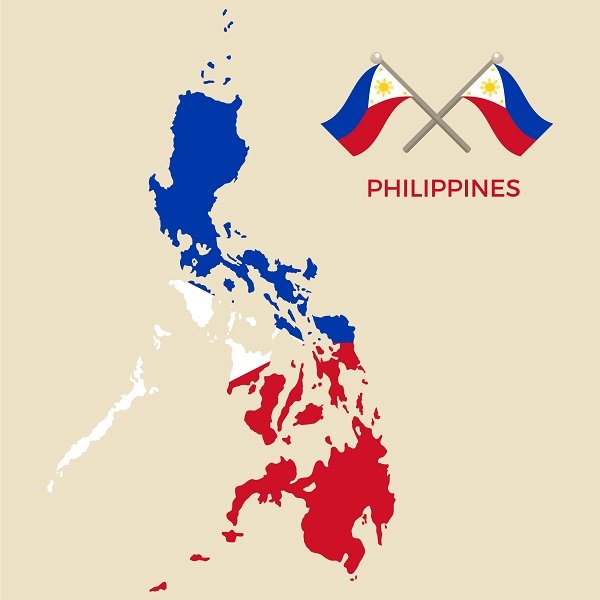
    map of the philippines

    Introduction Map of the Philippines

    Map of the Philippines, The Philippines, an archipelago of over 7,000 islands, is a captivating travel destination known for its diverse landscapes, rich cultural heritage, and warm hospitality. Whether you are drawn to the pristine beaches, lush mountains, or vibrant festivals, the Philippines offers a plethora of experiences that cater to every type of traveler. This article will delve into the geographical layout of the Philippines, its diverse culture, and the must-visit tourist attractions, providing a comprehensive guide to explore this beautiful nation. Join us as we embark on a journey through the enchanting islands of the Philippines.

    Geography and Regions Map of the Philippines

    Overview of the Philippine Archipelago

    The Philippine archipelago is located in Southeast Asia and is surrounded by the Pacific Ocean. It is one of the largest archipelagos in the world, with about 7,641 islands, offering a stunning variety of landscapes and ecosystems. The islands are divided into three main geographical regions: Luzon, Visayas, and Mindanao. Each region presents its own unique character, culture, and attractions, making the overall geography of the Philippines a rich tapestry of natural beauty and diversity.

    The geography is characterized by mountainous terrains, lush forests, and some of the most beautiful beaches in the world. The country’s highest peak, Mount Apo, is found in Mindanao, while the iconic rice terraces of Banaue in Luzon showcase the ingenuity of Filipino ancestors. The variety of landforms contributes to the Philippines’ rich biodiversity, with numerous species of flora and fauna that thrive in different habitats.

    Major Islands and Their Distinct Features Map of the Philippines

    The major islands of the Philippines, namely Luzon, Visayas, and Mindanao, each have their distinct features that cater to a wide range of interests. Luzon, the largest island, is home to the capital city, Manila, as well as stunning attractions like the Banaue Rice Terraces, Taal Volcano, and the historic city of Vigan. The island’s cultural and economic significance makes it a vital hub for travelers.

    Visayas, situated in the central part of the archipelago, is renowned for its beautiful beaches, vibrant marine life, and rich cultural heritage. Popular destinations include Boracay, known for its powdery white sand beaches, and Cebu, famous for its historical landmarks and diving spots. Mindanao, the southernmost region, offers a different flavor with its lush landscapes, indigenous cultures, and breathtaking natural wonders, such as the beaches of Siargao and the majestic Mount Apo.

    Regional Breakdown: Luzon, Visayas, and Mindanao

    The Philippines can be broken down into three primary regions, each with its own cultural significance and tourist attractions. Luzon is not only the political and economic center of the country, but it also features a diverse landscape that ranges from beaches to mountains. The Cordillera region boasts stunning views and a rich indigenous culture, while the coastal areas are famous for their vibrant marine life.

    Visayas is considered the heart of the Philippines and is often the go-to destination for beach lovers and divers. The area is blessed with numerous islands, each offering unique experiences, from the bustling nightlife of Cebu to the serene beaches of Malapascua. Mindanao, while less frequented by tourists, is rich in culture and history, with places like Davao known for its durian and exotic fruits, and Zamboanga noted for its unique cuisine and historical sites.

    Climate and Natural Landmarks

    The Philippines experiences a tropical climate, characterized by a wet season and a dry season. This climate allows for lush vegetation and diverse ecosystems. The dry season typically runs from November to April, making it an ideal time for travelers to explore the islands. However, the wet season can also offer unique experiences, such as fewer crowds and lush landscapes.

    Natural landmarks abound throughout the Philippines, from the stunning Chocolate Hills in Bohol to the underground river in Puerto Princesa, Palawan, which is recognized as a UNESCO World Heritage Site. These landmarks not only showcase the natural beauty of the country but also provide opportunities for ecological tourism, including hiking, snorkeling, and diving.

    Cultural Diversity

    Ethnic Groups and Languages

    The Philippines is home to over 175 ethnolinguistic groups, each with its own unique culture and traditions. The largest ethnic group is the Tagalogs, who primarily inhabit the central and southern parts of Luzon, followed by the Cebuano, Ilocano, and Hiligaynon groups in the Visayas and Mindanao regions. This diversity is reflected in the numerous languages spoken across the islands, with Filipino and English as the official languages, while regional languages such as Cebuano, Ilocano, and Waray are commonly spoken by locals.

    The rich tapestry of cultures fosters a vibrant society that celebrates its history and diversity through various traditions, customs, and beliefs. This cultural mosaic is often manifested in the daily lives of Filipinos, influencing everything from art and music to cuisine and festivals.

    Traditional Festivals Across the Regions

    Filipinos are known for their love of festivals, with colorful celebrations occurring throughout the year. Each region has its own unique festivals that showcase local culture, traditions, and patron saints. The Sinulog Festival in Cebu, celebrated in January, is one of the most famous, featuring lively street dances and a grand procession in honor of the Santo Niño. Other notable festivals include the Ati-Atihan Festival in Aklan, which celebrates the arrival of the Malay settlers, and the Pahiyas Festival in Lucban, Quezon, known for its stunning displays of rice-based decorations and local produce.

    These festivals not only serve as a means of celebration but also promote community bonding and a sense of identity among locals. Visitors are often welcomed with open arms, with many opportunities to participate in the festivities, allowing them to gain a deeper understanding of Filipino culture.

    Culinary Delights from Different Provinces

    The culinary landscape of the Philippines is as diverse as its culture, with each region offering its own unique flavors and specialties. From the hearty adobo, a savory dish typically made with chicken or pork, to the sweet treat of leche flan, Filipino cuisine encompasses a wide range of tastes and textures. Regional variations of dishes often reflect local ingredients and cooking methods, making every meal an adventure.

    In the Visayas, you can savor the famous lechon, a roasted pig dish that is often the centerpiece of celebrations. Meanwhile, Mindanao boasts dishes like beef rendang and various seafood specialties that highlight the area’s rich fishing grounds. Each meal tells a story, making Filipino cuisine a vital aspect of its cultural identity.

    Arts and Crafts Unique to Each Region

    The Philippines has a rich tradition of arts and crafts, deeply rooted in its culture and history. Each region has its own distinct artistic style, often influenced by indigenous practices and colonial history. In the Visayas, for example, handwoven textiles made from local materials reflect the artistry of local weavers, while Mindanao is known for intricate brass and metalwork, as well as colorful woven fabrics from indigenous tribes.

    Various forms of visual arts, including painting and sculpture, are also prominent in the Philippines. Contemporary Filipino artists blend traditional themes with modern techniques, creating a vibrant art scene that is gaining international recognition. Local crafts provide not only a source of income for communities but also serve as a means to preserve cultural heritage and share their stories with the world.

    Tourism Highlights

    Top Destinations to Visit

    The Philippines is home to numerous destinations that attract travelers from around the globe. Boracay, with its stunning white sand beaches and vibrant nightlife, is a must-visit for beach lovers seeking relaxation and adventure. Palawan, often referred to as the last frontier, is famous for its crystal-clear waters, limestone cliffs, and diverse marine life, making it ideal for snorkeling and diving enthusiasts.

    Other notable destinations include the historical city of Vigan, a UNESCO World Heritage Site known for its preserved Spanish colonial architecture, and the Banaue Rice Terraces, an ancient agricultural marvel that showcases the ingenuity of the Ifugao people. Each destination offers a unique glimpse into the beauty and history of the Philippines, making it a paradise for explorers.

    Hidden Gems Off the Beaten Path

    While popular destinations draw many visitors, the Philippines also boasts hidden gems that provide an authentic travel experience away from the crowds. Islands like Siquijor, known for its mystical charm and beautiful beaches, and Camiguin, famous for its hot springs and waterfalls, offer tranquility and natural beauty.

    Moreover, the lesser-known province of Antique is an emerging destination with its stunning beaches and rich history, while the island of Marinduque is known for its unique Moriones Festival, making it an interesting cultural stop. Exploring these hidden gems allows travelers to connect more deeply with the local culture and enjoy the serene beauty of the Philippines.

    Adventure Activities and Eco-Tourism

    For adrenaline seekers, the Philippines is an adventure playground offering a variety of thrilling activities. From surfing the famous waves of Siargao to diving in the Tubbataha Reefs Natural Park, the opportunities for adventure are endless. The country’s diverse landscapes allow for activities like trekking to the summit of Mount Apo or exploring the various caves in Sagada, known for its hanging coffins.

    Eco-tourism is also a growing trend in the Philippines, with many travelers seeking sustainable travel options that support local communities and preserve the environment. Activities such as community-based tourism in remote villages, wildlife conservation efforts, and participating in beach clean-ups are increasingly popular among eco-conscious travelers.

    Planning Your Trip: Tips and Recommendations

    When planning your trip to the Philippines, consider the best time to visit based on the climate and your interests. The dry season, from November to April, is ideal for beach trips and outdoor activities, while the wet season can provide a unique experience with lush landscapes and fewer tourists.

    It is also essential to research and understand the local customs and traditions, as well as any travel advisories. Engaging with locals and trying out authentic cuisine can enrich your travel experience. Lastly, be sure to plan your itinerary based on your interests, whether you prefer cultural experiences, adventure activities, or simply relaxing on the beach.

    Conclusion Map of the Philippines

    The Philippines is undoubtedly a treasure trove of natural beauty, vibrant culture, and warm hospitality. From its diverse landscapes and rich history to its flavorful cuisine and colorful festivals, this archipelago offers something for every traveler. By understanding the geography, cultural diversity, and tourism highlights, you can fully appreciate the unique experiences that await you in the Philippines. Embark on an unforgettable journey and explore the wonders of this beautiful nation.

    FAQs Map of the Philippines

    What is the best time to visit the Philippines?

    The best time to visit the Philippines is during the dry season, which typically runs from November to April. This period is ideal for outdoor activities, beach trips, and exploring the various islands without the interference of heavy rain.

    What are the must-try dishes in Filipino cuisine?

    Some must-try dishes include adobo (marinated meat), sinigang (sour soup), lechon (roasted pig), and lumpia (spring rolls). Don’t forget to try local desserts like halo-halo and leche flan.

    Is it safe to travel to the Philippines?

    While the Philippines is generally safe for tourists, it is advisable to stay informed about the security situation in specific areas, especially in Mindanao. Common travel safety practices, such as avoiding isolated areas and being cautious in crowded places, can help ensure a safe trip.

    What activities can I do in the Philippines?

    Activities vary widely, from relaxing on world-renowned beaches to adventurous pursuits like surfing, diving, hiking, and cultural tours. Each region offers unique experiences that are sure to delight any traveler.

    Do I need a visa to visit the Philippines?

    Many nationalities can enter the Philippines without a visa for short stays, typically up to 30 days. However, it is advisable to check visa requirements based on your nationality before traveling.

    You may also like

  • Exploring Cagayan de Oro City: The Heart of Northern Mindanao

    Exploring Cagayan de Oro City: The Heart of Northern Mindanao

    cagayan de oro city

    Introduction to Cagayan de Oro City

    Nestled in the heart of Northern Mindanao, Cagayan de Oro City, often known as the ‘City of Golden Friendship,’ emerges as a vibrant confluence of culture, commerce, and adventure. Serving as a pivotal regional economic hub, the city stands out not only for its bustling urban landscape but also for its warm, hospitable residents. This inviting atmosphere extends a unique charm that distinguishes Cagayan de Oro City from other urban centers in the Philippines.

    The city’s strategic location along the northern coastline of Mindanao positions it as a gateway to the island’s rich natural resources and tourism destinations. With its well-developed infrastructure, Cagayan de Oro City is a focal point for trade, education, and industry, drawing in business ventures and investments from various sectors. The dynamic economic activity is complemented by a progressive urban environment, featuring modern amenities and facilities that cater to both locals and visitors.

    However, Cagayan de Oro City’s allure goes beyond its economic vitality. The city is renowned for its plethora of adventure tourism opportunities, which attract thrill-seekers and nature enthusiasts alike. From the adrenaline-pumping white-water rafting along the Cagayan de Oro River to the serene beauty of its surrounding landscapes, the city’s natural attractions offer a harmonious blend of excitement and tranquility.

    As you explore Cagayan de Oro City, you’ll discover a seamless integration of urban development and natural beauty. The city’s skyline, punctuated by contemporary buildings, coexists with verdant parks and scenic vistas, providing a picturesque backdrop to everyday life. This unique juxtaposition underscores the city’s role as a burgeoning metropolis that remains deeply connected to its natural roots.

    In essence, Cagayan de Oro City embodies a dynamic community where economic progress, cultural richness, and natural splendor converge, making it a standout destination in Northern Mindanao. Whether you are a business traveler, a tourist, or a resident, the city extends an open invitation to experience its diverse offerings and the genuine warmth of its people.

    Historical Background

    Cagayan de Oro City, often referred to as the “City of Golden Friendship,” boasts a vibrant history that dates back to pre-colonial times. Indigenous groups, notably the Higaonon, were the original settlers of the area, thriving through their agrarian and hunting practices. The arrival of Spanish colonizers in the 17th century marked the beginning of significant changes, with the city becoming a vital mission area. The construction of St. Augustine Cathedral in 1624 stands as a testament to Spanish influence, serving as a cornerstone of Catholicism in the region.

    During the American occupation in the early 20th century, Cagayan de Oro experienced further transformation. The introduction of new educational systems, infrastructure, and governance helped modernize the city. American missionaries also established institutions that contributed to the community’s development. This period laid the groundwork for the city’s eventual economic and social progress.

    The Japanese occupation during World War II brought hardship and resistance in Cagayan de Oro. The local population endured significant struggles, but their resilience led to a strong sense of community and nationalism. Post-war reconstruction efforts ushered in a new era of growth and modernization, paving the way for Cagayan de Oro to emerge as a key economic hub in Northern Mindanao.

    Today, historical landmarks such as the Museo de Oro offer a window into the city’s rich past. The museum houses artifacts and exhibits that chronicle the region’s history, from its indigenous roots to its colonial and wartime experiences. These landmarks not only preserve the historical narrative but also enrich the cultural and social fabric of Cagayan de Oro, making it a city that honors its past while forging ahead into the future.

    Cultural Heritage and Festivals

    Cagayan de Oro City is a melting pot of diverse cultural influences, reflecting the rich heritage of Northern Mindanao. The city’s cultural tapestry is woven with traditions, arts, and crafts that have been preserved and celebrated through generations. As you stroll through Cagayan de Oro, the vibrant cultural heritage is palpable, from the intricate handwoven textiles to the soulful melodies of traditional music.

    One of the most anticipated events in Cagayan de Oro is the Higalaay Festival, held annually in August. This festival is a grand celebration of friendship and camaraderie, embodying the spirit of “Higalaay” or friendship, which the city is known for. The festival features a myriad of activities, including colorful parades, street dancing, and various cultural performances. These events are a testament to the city’s rich cultural heritage and provide a platform for local artists to showcase their talents.

    The street dancing, known as “Kuyamis Festival,” is a highlight of the Higalaay Festival, where participants don vibrant costumes and perform traditional dances that narrate the history and legends of Cagayan de Oro. The parade is a visual feast, with floats adorned with intricate designs and motifs that reflect the city’s multicultural influences.

    In addition to its lively festivals, Cagayan de Oro is also renowned for its local culinary specialties. The city’s cuisine is a fusion of various cultural influences, resulting in unique and flavorful dishes. Visitors can savor local delicacies such as “binaki,” a sweet corn cake wrapped in corn husks, and “pastel,” a soft bun filled with sweet yema. These dishes not only tantalize the taste buds but also offer a glimpse into the city’s rich cultural mosaic.

    Cagayan de Oro City’s dedication to preserving its cultural heritage is evident in its vibrant festivals and culinary traditions. These cultural expressions serve as a bridge to the past, allowing both locals and visitors to connect with the city’s history and traditions in a meaningful way.

    Outdoor Adventures and Activities

    Cagayan de Oro City stands as a beacon for adventure enthusiasts, offering an array of thrilling outdoor activities that cater to both novices and seasoned adventurers. One of the most exhilarating experiences in the city is white-water rafting on the Cagayan River. Known for its challenging rapids and breathtaking scenery, this activity attracts tourists from around the globe. The river’s stretches are categorized into different difficulty levels, ensuring that there is something for everyone, from beginners to expert rafters. Numerous tour operators, such as Kagay and Great White Water Tours, provide guided rafting experiences, complete with necessary safety gear and professional instructors.

    For those who prefer heights over rapids, zip-lining in Cagayan de Oro City offers an unparalleled adrenaline rush. The city is home to several zip-line parks, but the Dahilayan Adventure Park in nearby Bukidnon is particularly noteworthy. It boasts Asia’s longest dual zip-line, spanning 840 meters, and offers a panoramic view of the lush landscape. The park ensures the highest safety standards with well-maintained equipment and trained staff, making it a must-visit for thrill-seekers.

    Trekking enthusiasts will find solace in the serene trails of Mapawa Nature Park. Located just a short drive from Cagayan de Oro, this park is a haven of waterfalls, natural pools, and diverse flora and fauna. It offers various trails catering to different fitness levels, from easy walks to more strenuous hikes. Guided tours are available, providing insights into the park’s biodiversity and ensuring a safe trekking experience.

    When engaging in these outdoor activities, safety should always be a priority. It is essential to choose reputable tour operators who are certified and have good reviews. Wearing appropriate gear, staying hydrated, and understanding one’s fitness limitations can significantly enhance the experience and ensure a safe adventure in Cagayan de Oro City.

    Economic Growth and Development

    Cagayan de Oro City stands as a pivotal commercial and industrial hub in Northern Mindanao, driving regional economic growth and development. The city’s strategic location, combined with its robust infrastructure, has positioned it as an attractive destination for various industries. Agriculture remains a cornerstone of the local economy, with Cagayan de Oro serving as a key trading and distribution center for agricultural products from surrounding areas. The city’s fertile lands support diverse crops, making it a vital supplier of food not only within Mindanao but also to other parts of the Philippines.

    Manufacturing is another significant sector, bolstered by Cagayan de Oro’s well-developed industrial zones. These zones house a range of manufacturing activities, from food processing to the production of consumer goods. The city’s accessibility through its port and extensive road networks facilitates efficient movement of goods, enhancing its appeal to manufacturers. Furthermore, the local government has been proactive in implementing policies that streamline business processes, making it easier for enterprises to set up and operate within the city.

    In recent years, Cagayan de Oro has also emerged as a burgeoning center for information technology and business process outsourcing (BPO). The city’s growing pool of skilled professionals and competitive operational costs have attracted numerous IT firms and BPO companies. This influx of technology-driven businesses has spurred job creation and contributed to the city’s dynamic economic landscape. To support this growth, educational institutions in Cagayan de Oro are aligning their programs to meet the demands of the IT and BPO sectors, ensuring a steady supply of qualified graduates.

    Major infrastructure projects are continually enhancing Cagayan de Oro’s economic appeal. The ongoing development of roads, bridges, and public transportation systems is improving connectivity within the city and to other regions. Additionally, the city’s efforts to modernize its port facilities are set to boost trade and commerce further. These developments, coupled with a favorable business environment, are drawing both local and foreign investments. The local government is also fostering entrepreneurship through various initiatives, such as providing financial support and training programs for small and medium-sized enterprises (SMEs).

    Educational Institutions and Opportunities

    Cagayan de Oro City stands as a pivotal educational hub in Northern Mindanao, offering a broad spectrum of educational opportunities ranging from primary to tertiary levels. The city is home to illustrious institutions such as Xavier University – Ateneo de Cagayan, which is renowned for its comprehensive academic programs and commitment to forming leaders dedicated to service. Another prominent institution, Capitol University, also plays a significant role in shaping the academic landscape with its diverse curriculum and focus on holistic student development.

    Primary and secondary education in Cagayan de Oro City is robust, supported by both public and private schools that ensure quality education for young learners. These schools are dedicated to cultivating foundational skills and knowledge crucial for students’ academic progression. Among these, institutions like St. Mary’s School and Corpus Christi School are noted for their rigorous academic standards and extracurricular programs that foster well-rounded development.

    At the tertiary level, Cagayan de Oro City offers a variety of options. Besides Xavier University and Capitol University, other notable higher education institutions include Mindanao University of Science and Technology and Liceo de Cagayan University. These universities provide a wide range of undergraduate and graduate programs, catering to diverse interests and career aspirations. Additionally, vocational training centers in the city offer specialized courses that equip students with practical skills directly applicable to the labor market, thereby enhancing employability.

    The city’s educational institutions are also engaged in unique programs and international partnerships. For instance, Xavier University has established collaborations with universities abroad, facilitating student exchanges and joint research initiatives that enrich the academic experience. Such partnerships not only elevate the educational standards but also prepare students to thrive in a globalized world.

    In shaping the future workforce, education in Cagayan de Oro City is pivotal. The city’s commitment to providing quality education across all levels ensures that its graduates are well-prepared to contribute effectively to the region’s economic and social development. Through continuous investment in education, Cagayan de Oro City remains dedicated to fostering a knowledgeable and skilled populace ready to meet the challenges of the future.

    Travel Tips and Accommodations

    Cagayan de Oro City, often referred to as the “City of Golden Friendship,” offers a variety of experiences for every traveler. To make the most of your visit, consider planning your trip between December and February, when the weather is cooler and less humid. The city is accessible via Laguindingan Airport, approximately 45 minutes away, with regular flights from major Philippine cities such as Manila and Cebu. Upon arrival, taxis and jeepneys are readily available for getting around the city, and ride-hailing services like Grab can provide an added convenience.

    When it comes to accommodations, Cagayan de Oro City caters to all budgets. For those seeking luxurious stays, Limketkai Luxe Hotel and Seda Centrio offer top-notch amenities and proximity to shopping centers. Budget travelers might opt for affordable yet comfortable hostels like The Pacifico Boutique Hotel or Red Planet Cagayan de Oro. Mid-range hotels such as Mallberry Suites Business Hotel and N Hotel strike a balance between cost and comfort.

    Local dining options in Cagayan de Oro City are diverse and flavorful. For an authentic taste of Mindanao cuisine, head to Kagay-anon Restaurant, known for its traditional dishes such as sinuglaw and ostrich salpicao. For an international palate, Cucina Higala offers a fusion of local flavors with a modern twist. Don’t miss the famous night market at Divisoria, where you can sample a variety of street food.

    Shopping enthusiasts will find a mix of local and international brands at Centrio Mall and SM CDO Downtown Premier. For a more cultural shopping experience, visit the souvenir shops at Museo de Oro or the Misamis Oriental Farmers Market for locally-made crafts and delicacies.

    Must-visit attractions include the Cagayan de Oro River for white-water rafting adventures, the historic Gaston Park, and the serene Gardens of Malasag Eco-Tourism Village. Engaging with the local community is easy; the Kagay-anons are known for their hospitality and friendliness. Basic Filipino phrases and a warm smile go a long way in creating meaningful interactions.

    Future Prospects and Vision

    Cagayan de Oro City, often referred to as the “City of Golden Friendship,” is poised for significant development and transformation in the coming years. The city’s strategic location in Northern Mindanao positions it as a key economic and cultural hub, driving both regional and national growth. Local government and private sector stakeholders have laid out comprehensive plans to ensure that Cagayan de Oro City not only sustains its current momentum but also evolves as a model of progress and innovation.

    One of the primary focus areas is urban development. Several infrastructure projects are underway, aimed at improving transportation, housing, and public utilities. The construction of new roads, bridges, and the expansion of the existing seaport and airport facilities are expected to enhance connectivity and accessibility, fostering economic activities. Additionally, mixed-use developments and modern residential areas are being planned to accommodate the growing population, ensuring that the city remains both livable and vibrant.

    Environmental conservation is another pillar of Cagayan de Oro City’s vision for the future. Efforts are being made to balance development with sustainability. Projects such as the rehabilitation of the Cagayan de Oro River and the establishment of green spaces and parks are critical components of this initiative. These efforts aim to mitigate the impact of urbanization on the environment while promoting a healthier and more sustainable lifestyle for residents.

    Community building and social development are also at the forefront of the city’s agenda. Programs aimed at enhancing education, healthcare, and social services are being rolled out to ensure that all residents benefit from the city’s growth. Initiatives to support local businesses, particularly in the IT and service sectors, are being promoted to create job opportunities and drive economic inclusivity.

    As Cagayan de Oro City looks to the future, it faces challenges such as managing rapid urbanization and addressing climate change. However, with a clear vision and collaborative efforts from all sectors of society, the city is well-positioned to overcome these obstacles. The goal is to transform Cagayan de Oro City into a beacon of sustainable development and a leading model of innovation in the region.

  • Exploring the Vibrant World of Filipino Street Food

    Exploring the Vibrant World of Filipino Street Food

    filipino street food

    Introduction to Filipino Street Food

    Filipino street food is a vibrant tapestry of flavors, colors, and aromas that capture the essence of the Philippines’ rich cultural heritage. This culinary phenomenon offers a unique window into the everyday lives of Filipinos, transcending mere sustenance to become a communal experience deeply embedded in the social fabric of the nation.

    The roots of Filipino street food are intertwined with the country’s history, reflecting a confluence of indigenous traditions and external influences. Spanish colonization introduced new ingredients and cooking techniques, while American occupation left its mark with the introduction of fast food culture. Additionally, Chinese and Malay traders contributed to the diverse culinary landscape. This blend of influences has resulted in a diverse array of street food offerings, from the savory to the sweet, and everything in between.

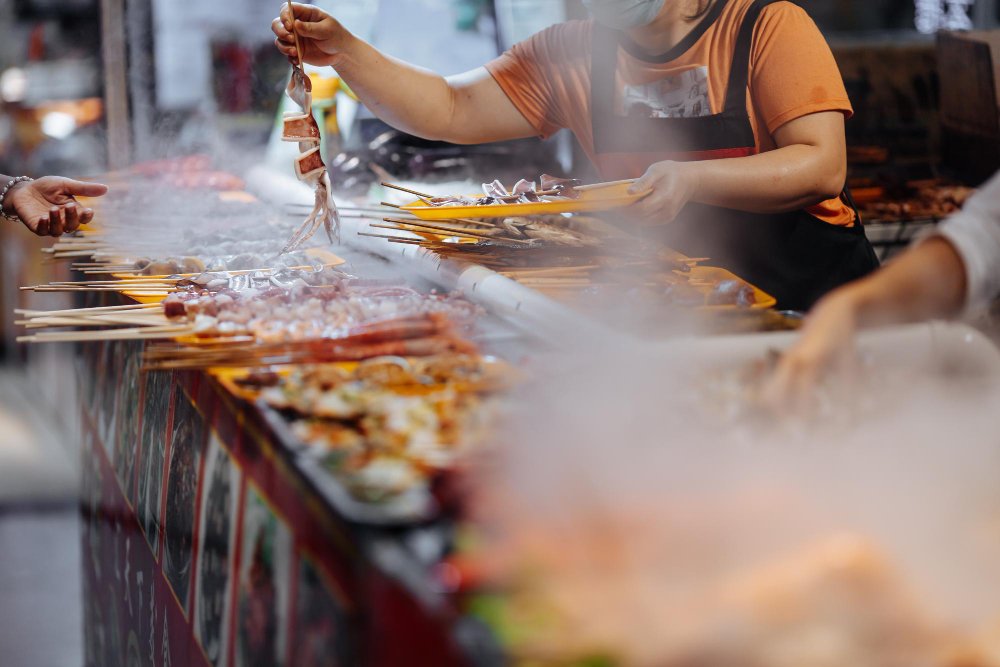
    Street food in the Philippines is not just about eating; it is a social affair. Vendors set up their stalls in bustling markets, busy streets, and neighborhood corners, creating vibrant hubs where people from all walks of life converge. These stalls offer an array of affordable and accessible delicacies, making Filipino street food a democratic culinary experience. Whether it’s the smoky aroma of grilled skewers or the inviting scent of freshly fried snacks, street food stalls are focal points of social interaction, where conversations flow as freely as the food.

    Moreover, the communal nature of Filipino street food fosters a sense of community and shared identity. It is common to see groups of friends, families, and even strangers bonding over a shared love for these delightful treats. The accessibility of street food ensures that it is enjoyed by both the young and the old, the affluent and the less privileged, making it an integral part of Filipino culture.

    In essence, Filipino street food is a living testament to the country’s rich culinary heritage and its ability to adapt and evolve while retaining its unique identity. It is a celebration of flavors that brings people together, creating an experience that is as much about community as it is about cuisine.

    Popular Filipino Street Foods: A Culinary Tour

    Filipino street food offers a vibrant and diverse culinary experience, with each region showcasing its unique flavors and specialties. Among the most iconic street food items is balut, a fertilized duck egg that is boiled and eaten directly from the shell. Balut is typically consumed with a pinch of salt or a splash of vinegar, providing a rich, savory flavor that appeals to adventurous eaters. The texture is a mix of tender yolk and developed duck embryo, making it a truly unique delicacy enjoyed by locals and tourists alike.

    Another popular street food is isaw, which consists of grilled chicken or pork intestines. These intestines are meticulously cleaned, marinated in a blend of soy sauce, vinegar, and spices, and then skewered onto bamboo sticks. Grilled to a smoky perfection, isaw offers a chewy texture and a savory, slightly charred taste that is often complemented with a dipping sauce of vinegar, chili, and garlic.

    Kwek-kwek is a crowd favorite, particularly among younger Filipinos. This snack features quail eggs that are coated in an orange-tinted batter and deep-fried until crispy. Kwek-kwek is typically served with a tangy and spicy vinegar-based dipping sauce, which balances the richness of the deep-fried coating. The combination of the soft egg inside and the crunchy exterior makes kwek-kwek an irresistible treat.

    No exploration of Filipino street food would be complete without mentioning taho. This beloved snack is a comforting and sweet concoction of silken tofu, arnibal (a syrup made from caramelized sugar and vanilla), and sago pearls. Vendors typically carry taho in large containers, serving it warm and fresh to eager customers. The contrast between the smooth tofu, the sweetness of the syrup, and the chewiness of the sago pearls creates a harmonious blend of textures and flavors.

    These dishes not only highlight the ingenuity and resourcefulness of Filipino cooking but also reflect the rich cultural heritage of the Philippines. Whether you’re a daring foodie or someone with a sweet tooth, the variety of Filipino street food ensures there’s something for everyone to savor and enjoy.

    Filipino street food offers a rich tapestry of flavors deeply rooted in the diverse regions of the Philippines. Each locality boasts its unique culinary identity, shaped by local ingredients, climate, and cultural influences. One cannot discuss regional variations without mentioning the iconic Vigan empanada. Hailing from the Ilocos region, this savory pastry is renowned for its distinct orange-hued crust, achieved through the use of annatto seeds. Filled with a mixture of green papaya, mung bean sprouts, and Vigan longganisa (a type of local sausage), Vigan empanada offers a delightful crunch with every bite.

    Moving southward, Cebu’s street food scene is dominated by the legendary Cebu lechon. Celebrated for its crispy skin and succulent meat, this roasted pig is marinated with a blend of spices, including lemongrass, garlic, and pepper, and cooked over an open flame. The distinct flavor profile of Cebu lechon is attributed to the region’s meticulous preparation methods and the use of native herbs, which infuse the meat with a unique aroma and taste. This dish is often considered the pinnacle of Filipino cuisine, frequently featured in festivals and special occasions.

    In the Visayas region, particularly in Bacolod, chicken inasal stands out as a must-try street food specialty. Marinated in a mixture of calamansi (Philippine lime), vinegar, and annatto oil, the chicken is grilled to perfection, resulting in a flavorful and aromatic dish. Bacolod’s chicken inasal is traditionally served with garlic rice and a dipping sauce made from soy sauce, vinegar, and chili, reflecting the region’s penchant for bold and tangy flavors.

    The regional variations of Filipino street food underscore the country’s culinary diversity. From the savory delights of Vigan empanada and the mouthwatering Cebu lechon to the tangy and aromatic chicken inasal of Bacolod, each region offers a unique gastronomic experience. These specialties not only highlight the local ingredients and traditional cooking methods but also provide a glimpse into the rich cultural tapestry that defines Filipino cuisine.

    The Street Food Experience: Atmosphere and Culture

    The bustling markets and lively stalls of Filipino street food scenes are nothing short of captivating. As you enter these vibrant spaces, your senses are immediately greeted by a symphony of sounds, sights, and smells that define the essence of Filipino street food. The tantalizing aroma of grilled meats, simmering stews, and freshly cooked delicacies wafts through the air, drawing you in with an irresistible promise of gastronomic delight.

    Every corner is a feast for the eyes, with colorful displays of various street food offerings. From the deep golden hues of crispy lumpia to the bright, fresh greens of ensaladang talong, the visual appeal of these dishes is a testament to the artistry and passion of Filipino street food vendors. The sight of skewers sizzling over open flames, pots bubbling with rich broths, and vendors skillfully preparing their specialties adds to the dynamic atmosphere.

    The sounds of the street food markets are equally enchanting. The rhythmic chopping of ingredients, the sizzle of food hitting hot griddles, and the lively banter between vendors and patrons create a soundtrack that is synonymous with communal dining. Friendly vendors, often with warm smiles and engaging conversations, add a personal touch to the experience, making you feel like a welcome guest rather than just a customer.

    Night markets, in particular, come alive with a unique energy. The glow of lanterns and string lights, the hum of conversation, and the clinking of utensils create a convivial atmosphere that encourages social interaction. Long communal tables are a common sight, where strangers become friends over shared plates of pancit, barbecue, and halo-halo. It’s not just about the food; it’s about the connections forged and memories made in these vibrant settings.

    In the realm of Filipino street food, the experience is as important as the cuisine itself. The culture of street food in the Philippines is steeped in traditions of hospitality, community, and celebration, making each visit to a street food market a delightful journey into the heart of Filipino life.

    Health and Safety Considerations

    When indulging in the diverse and flavorful offerings of Filipino street food, it is essential to prioritize health and safety. Concerns about hygiene and food safety are common, but with a few practical tips, you can enjoy these culinary delights with confidence.

    First and foremost, selecting reputable vendors is crucial. Look for stalls that are well-maintained and have a high turnover of customers, as this often indicates fresh ingredients and good hygiene practices. Observing the vendor’s cleanliness, such as wearing gloves, using utensils instead of hands, and maintaining a clean workspace, can also provide assurance of safe food handling.

    Pay attention to how the food is stored and prepared. Ensure that raw and cooked foods are kept separate to avoid cross-contamination. Additionally, food should be cooked thoroughly and served hot. Avoid items that have been sitting out for too long, as they may be exposed to bacteria. Freshly cooked dishes are generally a safer bet.

    Hydration is vital, but caution should be exercised with street beverages. Opt for bottled water or drinks from sealed containers to prevent waterborne illnesses. If you choose to enjoy local beverages, ensure they are prepared with clean, filtered water.

    Vendors often take various measures to ensure food safety, such as sourcing ingredients from reliable suppliers and adhering to local health regulations. Many street food stalls in the Philippines are subject to regular inspections, which helps maintain a standard of hygiene and quality.

    By being mindful of these health and safety considerations, you can savor the vibrant and authentic experience of Filipino street food without compromising your well-being. Enjoy the rich flavors and unique dishes that this culinary tradition has to offer, while staying safe and healthy.

    The Economic Impact of Street Food Vendors

    Street food vendors play a crucial role in the local economy, particularly in the vibrant Filipino street food scene. These small businesses contribute significantly to economic growth by providing affordable and accessible dining options for a broad demographic. The proliferation of street food vendors creates a dynamic market environment that fosters entrepreneurship and encourages innovation in food offerings. Importantly, these vendors often serve as a stepping stone for aspiring chefs and culinary entrepreneurs who lack the capital to start a traditional restaurant.

    Employment opportunities generated by street food vendors are substantial. Not only do these vendors create jobs for themselves, but they also often employ family members, friends, and other local residents. This employment helps to alleviate poverty and reduce unemployment rates in urban and rural areas. Additionally, the demand for ingredients and supplies sourced from local markets and farms supports local agriculture and stimulates the broader economy. By purchasing produce and other goods locally, street food vendors help sustain the livelihoods of farmers and small-scale suppliers, creating a ripple effect of economic benefits.

    Despite their contributions, street food vendors face several challenges. Competition is fierce, with numerous vendors vying for customers in crowded marketplaces. This competition can drive innovation but also puts pressure on vendors to keep prices low, affecting their profit margins. Regulatory hurdles present another significant challenge. Street food vendors must navigate complex and often inconsistent regulations concerning permits, health and safety standards, and zoning laws. Compliance with these regulations can be costly and time-consuming, particularly for smaller vendors with limited resources. Economic instability, such as fluctuations in food prices or economic downturns, further exacerbates these challenges, making it difficult for vendors to sustain their businesses.

    In conclusion, the economic impact of Filipino street food vendors is multifaceted. They contribute to local economic growth, provide vital employment opportunities, and support local agriculture. However, they also face significant challenges that require attention and support from policymakers and the community to ensure their continued success and sustainability.

    Street Food Innovations and Trends

    In recent years, Filipino street food has undergone a dynamic transformation, blending traditional flavors with modern culinary trends. This evolution is largely driven by the influence of social media, which has become a powerful platform for showcasing the vibrant and diverse world of Filipino street food. Food bloggers and influencers frequently highlight unique and innovative food items, creating a buzz that attracts food enthusiasts from around the globe.

    One of the most notable trends is the fusion of Filipino street food with international cuisines. This fusion cuisine trend has led to the creation of exciting dishes such as “sushi bake” inspired by traditional Japanese sushi, and “Filipino tacos,” which combine the flavors of classic street foods like adobo or sisig with the popular Mexican taco format. These inventive combinations not only appeal to local palates but also introduce Filipino street food to a wider audience.

    The rise of gourmet street food is another significant trend. Chefs and food entrepreneurs are reimagining traditional street food dishes, elevating them with high-quality ingredients and sophisticated presentation. For instance, the humble “isaw” (grilled chicken intestines) is now being served with gourmet dipping sauces and intricate plating, transforming it into a dish that can be enjoyed in upscale settings. Similarly, the classic “balut” (fertilized duck egg) is being reinvented with creative twists, such as being served in a fine-dining style with complementary flavors and textures.

    New and exciting food items are continuously emerging in the Filipino street food scene. One such innovation is the “ube cheese pandesal,” a sweet bread roll filled with purple yam and cheese, which has gained immense popularity for its unique flavor profile and vibrant color. Additionally, traditional dishes are being modernized to cater to contemporary tastes, such as “kwek-kwek” (quail eggs coated in an orange batter) now being offered with a variety of dipping sauces and garnishes.

    Overall, the ongoing innovations and trends in Filipino street food reflect a dynamic culinary landscape that respects tradition while embracing creativity and modernity. This evolution not only enhances the appeal of Filipino street food but also ensures its continued relevance in a rapidly changing world.

    Conclusion: Celebrating Filipino Street Food

    Filipino street food offers a vibrant and diverse culinary experience that reflects the rich culture and traditions of the Philippines. From the savory delights of “isaw” and “balut” to the sweet treats of “taho” and “halo-halo,” the variety of flavors and textures is a testament to the creativity and resourcefulness of Filipino vendors. Each dish is a celebration of local ingredients and cooking techniques passed down through generations.

    The importance of street food in Filipino culture cannot be overstated. It serves as a unifying force, bringing together people from all walks of life to share in the joy of eating. Street food stalls are often hubs of social interaction, where conversations flow as freely as the food and drinks. For both locals and visitors, indulging in Filipino street food is not just a culinary adventure but also a cultural immersion.

    Moreover, Filipino street food plays a crucial role in the local economy, providing livelihoods to countless vendors and contributing to the vibrancy of public spaces. These food stalls and markets are more than just places to eat; they are integral parts of the community, fostering a sense of belonging and camaraderie.

    We encourage readers to explore and experience Filipino street food for themselves. Whether you find yourself wandering the bustling streets of Manila or attending a Filipino street food festival abroad, the unique flavors and warm hospitality are sure to leave a lasting impression. Embrace the opportunity to taste the essence of Filipino culture through its street food, and discover the stories and traditions that make each dish special.

  • A Deep Dive into the Rich and Diverse Culture of the Philippines

    A Deep Dive into the Rich and Diverse Culture of the Philippines

    philippines culture

    Introduction to Filipino Culture

    The culture of the Philippines is a vibrant tapestry woven from the threads of various influences, reflecting its complex history and diverse geographical setting. Located in Southeast Asia, the Philippine archipelago consists of over 7,000 islands, each contributing to the nation’s rich cultural mosaic. The Philippines culture is characterized by a blend of indigenous traditions and external influences, primarily Spanish, American, and other Asian cultures, which have left indelible marks on the nation’s cultural landscape.

    The indigenous roots of Filipino culture are deeply embedded in the customs, languages, and traditions of its earliest inhabitants. These native influences are visible in the country’s traditional dances, music, and rituals, which are still celebrated with fervor in many communities. The arrival of Spanish colonizers in the 16th century introduced Christianity, reshaping religious practices and leaving a lasting impact on Filipino architecture, cuisine, and even the Filipino language, with numerous Spanish words integrated into everyday vocabulary.

    The American period in the early 20th century further diversified the cultural scene, introducing new educational systems, modern infrastructure, and elements of Western lifestyle. This era brought about significant changes, especially in urban areas, where American pop culture, fashion, and entertainment began to merge with existing traditions, creating a unique cultural hybrid. Additionally, exchanges with neighboring Asian countries have enriched the Philippines’ cultural fabric, making it a melting pot of various traditions and practices.

    Understanding and appreciating the Philippines culture is essential for grasping the essence of the Filipino people. This cultural diversity is not just a historical artifact but a living, evolving part of everyday life, influencing everything from social norms to artistic expressions. By delving into this rich cultural heritage, one gains a deeper appreciation for the resilience, creativity, and warmth that define the Filipino spirit.

    Historical Influences on Filipino Culture

    The culture of the Philippines is a vibrant tapestry woven through centuries of historical influences. Each era, from pre-colonial times to the period of Japanese occupation, has left an indelible mark on Filipino culture, shaping its unique identity and societal norms.

    During the pre-colonial period, the islands that now constitute the Philippines were home to various indigenous tribes, each with its own distinct traditions, languages, and belief systems. These early Filipinos practiced animism, worshipping nature spirits and ancestors, a belief system that continues to influence certain cultural practices today. The societal structure was organized into barangays, small communities led by chieftains known as datus.

    The Spanish colonization, which began in 1521 and lasted for over 300 years, brought profound changes to the Philippines. The Spanish introduced Christianity, and today, the Philippines is predominantly Roman Catholic, with religious festivals and practices deeply embedded in the culture. The Spanish influence is also evident in the Filipino language, with many Spanish loanwords integrated into Tagalog and other regional languages. Additionally, Spanish colonization brought about significant changes in societal norms, including the introduction of formal education and the concept of centralized governance.

    The American period, beginning in 1898 following the Spanish-American War, introduced new cultural elements to the Philippines. English became a second official language, significantly influencing education and communication. The American influence extended to various aspects of daily life, including the legal system, fashion, and even culinary preferences, with the introduction of fast food and other American-style dining options.

    The Japanese occupation during World War II, although brief, also left its mark on Filipino culture. The period was marked by hardship and resistance, fostering a sense of resilience and national identity among Filipinos. Post-war, the influence of Japanese culture can be seen in certain aspects of Filipino cuisine and popular culture.

    Each of these historical periods has contributed to the rich and diverse tapestry that is the culture of the Philippines today. From language and religion to societal norms and daily practices, the historical influences on Filipino culture are profound and enduring, creating a unique blend of indigenous and foreign elements that define the Filipino identity.

    Language and Communication

    The linguistic landscape of the Philippines is a testament to its rich and diverse culture. The country boasts over 170 languages, with Tagalog, Cebuano, and Ilocano among the most widely spoken. Tagalog, in particular, is the basis of Filipino, the national language, which serves as a unifying medium in this archipelagic nation. Cebuano, predominantly spoken in the Visayas and parts of Mindanao, and Ilocano, common in northern Luzon, further highlight the regional linguistic diversity.

    English plays a significant role in the Philippines, serving as an official language alongside Filipino. It is widely used in government, business, education, and media, making the country one of the largest English-speaking nations in the world. This prominence of English is a remnant of American colonial influence and a marker of the Philippines’ global connectivity.

    Spanish, although less prevalent today, has left an indelible mark on the Filipino language and culture. Many Spanish words have been integrated into Filipino languages, and the influence is evident in place names, surnames, and certain customs. This reflects the lengthy period of Spanish colonization and its impact on the nation’s cultural fabric.

    Beyond spoken languages, the Philippines has unique body language and communication styles that are integral to its culture. Filipinos are known for their warm and polite demeanor, often using non-verbal cues to convey respect and understanding. The “mano” gesture, where younger people take the hand of an elder and press it to their forehead, is a traditional sign of respect. Eye contact is generally polite and moderate, avoiding potential signs of aggression or disrespect.

    In Filipino communication, indirectness is often preferred to maintain harmony and avoid conflict. This is evident in the use of euphemisms and a tendency to avoid saying “no” directly. Such communication styles reflect deep-seated cultural values of “pakikisama” (smooth interpersonal relations) and “hiya” (a sense of shame or propriety).

    Understanding these linguistic and non-verbal communication intricacies offers a window into the Philippines culture, revealing how language and communication are woven into the social and historical tapestry of the nation.

    Festivals and Traditions

    The Philippines culture is renowned for its vibrant festivals and deeply-rooted traditions, each reflecting the country’s rich history and diverse heritage. Among the most celebrated festivals is the Sinulog Festival, held annually in Cebu City. This event honors the Santo Niño, or the Child Jesus, and features a grand parade with participants donned in colorful costumes, dancing to the rhythmic beat of drums. The Sinulog Festival’s historical roots trace back to the Spanish colonial period, symbolizing the Filipino people’s embrace of Christianity.

    Another prominent festival is the Ati-Atihan, celebrated in Kalibo, Aklan. Known as the “Mother of All Philippine Festivals,” Ati-Atihan commemorates the arrival of Malay settlers and their peaceful assimilation with the indigenous Ati people. Participants paint their faces with soot and wear elaborate tribal attire, dancing in the streets to the beat of indigenous music. This festival is a vivid representation of the Philippines culture’s emphasis on unity and inclusivity.

    The Pahiyas Festival, held in Lucban, Quezon, showcases the Filipinos’ agricultural abundance and gratitude. Celebrated every May, locals adorn their homes with vibrant, elaborate decorations made from agricultural produce like rice, fruits, and vegetables. This tradition stems from the ancient practice of offering harvests to San Isidro Labrador, the patron saint of farmers, as a gesture of thanks for a bountiful harvest.

    Beyond these grand festivals, everyday life in the Philippines is steeped in traditional customs and practices. The concept of “bayanihan,” or communal unity, is a cornerstone of Filipino culture. This practice involves the community coming together to help a family move their house, literally carrying it on their shoulders, which exemplifies the spirit of cooperation and mutual assistance.

    Another notable tradition is “pagmamano,” a gesture of respect where younger individuals bow to touch the back of an elder’s hand to their forehead. This practice underscores the deep respect for elders ingrained in Filipino society. Additionally, various regional dances, music, and culinary traditions further enrich the cultural tapestry of the Philippines, making it a nation with a truly unique and multifaceted identity.

    Religion and Spirituality

    Religion plays a pivotal role in shaping the cultural landscape of the Philippines. As a predominantly Catholic nation, the influence of Catholicism is deeply entrenched in Filipino culture. This can be traced back to the Spanish colonization in the 16th century, which introduced Christianity to the archipelago. Today, over 80% of the Filipino population identifies as Roman Catholic, and this faith permeates daily life, from religious holidays and festivals to family traditions and community events.

    Significant Catholic celebrations such as Simbang Gabi and the Feast of the Black Nazarene attract millions of devotees, showcasing the profound religious fervor of the Filipino people. Additionally, many Filipinos incorporate religious symbols into their homes and daily routines, reflecting the pervasive nature of their faith.

    While Catholicism dominates, the Philippines is also home to other religious practices that contribute to its diverse cultural tapestry. Islam, for instance, is the second-largest religion in the country, predominantly practiced in the Mindanao region. The presence of Islam dates back to the 14th century, prior to Spanish colonization, and continues to influence the cultural and social dynamics of the southern Philippines.

    Protestantism, introduced by American missionaries in the early 20th century, is another significant religious presence. Various Protestant denominations have established a foothold, contributing to the religious pluralism of the nation. These denominations often engage in charitable activities, education, and healthcare, further embedding themselves within the community.

    Indigenous beliefs and practices also persist, particularly among the various ethnic groups. These belief systems often emphasize a harmonious relationship with nature and ancestors, integrating spiritual rituals into everyday life. These indigenous traditions coexist with mainstream religions, creating a unique blend of spiritual practices that enriches the cultural heritage of the Philippines.

    The integration of religious practices with cultural traditions is evident in numerous aspects of Filipino life. Festivals, rituals, and community gatherings often reflect a fusion of religious and cultural elements, illustrating how deeply intertwined religion is with the broader spectrum of Philippines culture.

    Cuisine and Culinary Traditions

    The Philippines culture is vividly reflected in its rich and diverse culinary traditions. Filipino cuisine is a tapestry of flavors, techniques, and ingredients, mirroring the country’s history and the myriad of influences from its neighboring regions. One of the most iconic dishes is adobo, a savory stew typically made with chicken or pork marinated in vinegar, soy sauce, garlic, and spices. Its origin dates back to the pre-colonial era, and it remains a staple in Filipino households, symbolizing the ingenuity of traditional cooking methods.

    Another cornerstone of Filipino culinary heritage is lechon, a whole roasted pig that holds a place of honor in festive and communal events. The preparation of lechon is an elaborate process, often involving the entire community, and it serves as a testament to the Filipino spirit of bayanihan or communal unity. Similarly, sinigang, a tangy and savory soup, is beloved for its comforting qualities and versatility, often featuring a variety of meats and vegetables flavored with tamarind or other souring agents.

    The diversity in Filipino cuisine is also evident in the regional specialties that highlight local ingredients and traditions. For instance, the Bicol region is known for its spicy coconut milk dishes, while the Ilocos region boasts unique offerings like pinakbet, a vegetable stew seasoned with fermented fish sauce. Each region’s culinary practices contribute to the mosaic of flavors that define Filipino gastronomy.

    Foreign influences, particularly from Spanish, Chinese, and American cuisines, have further enriched Filipino food. Spanish colonization introduced dishes such as paella and caldereta, while Chinese traders brought noodles and dumplings, known locally as pancit and siomai. American influence is seen in the popularity of fried chicken and fast food.

    Food plays a pivotal role in social and familial gatherings in the Philippines. Feasts and fiestas are central to Filipino life, with food serving as the centerpiece of celebrations and a means of expressing hospitality and warmth. Whether it’s a simple family dinner or a grand festival, the sharing of meals fosters a sense of community and belonging, underscoring the importance of food in the Filipino way of life.

    Arts and Crafts

    The Philippines culture is profoundly mirrored in its rich tradition of arts and crafts, which embody the nation’s historical and cultural heritage. Weaving, pottery, and indigenous art forms are integral to Filipino identity, showcasing a remarkable blend of creativity and craftsmanship. Weaving, for instance, is not merely a craft but a cultural narrative passed down through generations. The intricate patterns of the T’nalak cloth, woven by the T’boli women in Mindanao, narrate stories and traditions that are unique to their tribe. Similarly, the Inabel textile from the Ilocos region reflects the ingenuity and meticulous skill of its weavers.

    Pottery also holds a significant place in the Philippines culture. The tradition of pottery dates back to pre-colonial times, with artifacts such as earthenware jars, cooking pots, and ritualistic vessels unearthed across various archaeological sites. The Kalinga and Ifugao tribes, known for their beautiful and functional pottery, continue to preserve these ancient techniques. Their earthenware not only serves practical purposes but also acts as a medium to express their artistic prowess and cultural legacy.

    Indigenous art forms, including the intricate carvings of the Ifugao and the vibrant tattoos of the Kalinga, further illustrate the depth of Filipino artistic expression. These art forms are deeply intertwined with the cultural and spiritual beliefs of the communities, serving as symbols of identity, status, and heritage.

    Notable Filipino artists have significantly contributed to both traditional and contemporary art. For example, National Artist for Visual Arts, Fernando Amorsolo, is celebrated for his masterful portrayal of rural Philippine landscapes and everyday scenes that capture the essence of Filipino life. Contemporary artists like Rodel Tapaya and Elmer Borlongan continue to explore and expand Filipino identity through their works, reflecting on socio-political themes and the evolving cultural landscape.

    In essence, the arts and crafts of the Philippines are a testament to the country’s rich cultural heritage. They not only preserve traditional practices but also adapt to contemporary influences, ensuring that the cultural identity of the Philippines remains vibrant and dynamic.

    Contemporary Filipino Culture

    The evolution of Filipino culture in the modern era is a fascinating interplay between tradition and innovation, influenced significantly by globalization and technological advancements. While the Philippines has a rich historical tapestry, its contemporary culture reflects an amalgamation of indigenous traditions and foreign influences, creating a unique and dynamic cultural landscape.

    Globalization has introduced new perspectives and lifestyles, influencing various aspects of Philippine society. Yet, there is a conscious effort to preserve traditional practices and values. Festivals such as the Sinulog, Ati-Atihan, and Pahiyas continue to thrive, showcasing the nation’s vibrant heritage and communal spirit. These events are not just cultural relics but living traditions that adapt to modern sensibilities while retaining their core essence.

    Modern Filipino culture is also expressed through contemporary music, film, fashion, and social media. The music scene, for instance, is a blend of traditional OPM (Original Pilipino Music) and international genres like pop, rock, and hip-hop. Filipino artists are gaining global recognition, bringing a unique Filipino flavor to the international stage. Similarly, the Philippine film industry, known as ‘Pinoy Cinema,’ produces a wide range of films that reflect both local stories and global narratives, earning accolades at international film festivals.

    Fashion in the Philippines is another area where traditional meets modern. Designers often incorporate indigenous textiles and techniques into contemporary designs, creating a fusion that appeals to both local and global markets. The popularity of social media platforms has also given rise to a new wave of influencers and content creators, who play a crucial role in shaping and reflecting contemporary Filipino culture. These digital natives are adept at navigating the global digital landscape while remaining rooted in their cultural identity.

    In essence, contemporary Filipino culture is a testament to the resilience and adaptability of the Philippine people. It is a vibrant and evolving expression of their identity, reflecting a harmonious balance between preserving traditional practices and embracing modernity.

  • Exploring the Rich Flavors of Filipino Cuisine

    Exploring the Rich Flavors of Filipino Cuisine

    filipino cuisine

    Introduction to Filipino Cuisine

    Filipino cuisine stands as a testament to the rich tapestry of cultural influences that have shaped the Philippines over centuries. The archipelago’s culinary landscape is a vibrant blend of indigenous traditions and various foreign influences, each contributing to the unique and diverse nature of its dishes. This fusion results in a gastronomic tradition that is both deeply rooted in history and continually evolving.

    Spanish colonization, which spanned over three centuries, has left an indelible mark on Filipino food. Many beloved Filipino dishes, such as adobo and lechon, bear the unmistakable imprint of Spanish culinary techniques and ingredients. The Spanish influence is evident in the use of garlic, vinegar, and the practice of marinating meats, which are now quintessential aspects of Filipino cooking.

    Similarly, Chinese traders introduced a variety of ingredients and cooking methods that have become integral to Filipino cuisine. Staples such as noodles, soy sauce, and the concept of stir-frying are all contributions from Chinese culture. Dishes like pancit and lumpia are direct descendants of these interactions, showcasing the seamless integration of Chinese flavors into the Filipino palate.

    The American colonial period also brought significant changes to Filipino food culture. The introduction of canned goods, breakfast cereals, and fast food items like hamburgers and fried chicken have all found their place in the modern Filipino diet. This period also saw the popularization of sweet desserts and snacks, adding another layer of variety to the culinary scene.

    Indigenous Filipino traditions, however, remain the cornerstone of the country’s culinary identity. Ingredients like coconut, rice, and an array of tropical fruits are staples in many traditional dishes. Methods such as grilling, roasting, and steaming are time-honored practices that continue to be prevalent. Local delicacies often highlight the bounty of the land and sea, celebrating the natural flavors of the Philippines.

    Overall, Filipino cuisine is a dynamic and flavorful mosaic, continually enriched by its historical and cultural heritage. This blend of influences has resulted in a culinary tradition that is both diverse and uniquely Filipino, offering a rich array of flavors and textures that are sure to captivate any food enthusiast.

    Staple Ingredients in Filipino Cooking

    Filipino cuisine is renowned for its rich flavors and diverse textures, largely attributed to its staple ingredients. Central to Filipino cooking is rice, the backbone of most meals. Whether steamed, fried, or transformed into delicacies like bibingka (rice cake) and suman (rice dessert), rice is indispensable. Its versatility allows it to complement a wide range of dishes, making it a fundamental ingredient in Filipino households.

    Coconut, in its various forms, also plays a significant role in Filipino cuisine. Coconut milk and cream add depth and richness to stews, curries, and desserts. Dishes such as ginataang kalabasa (squash in coconut milk) and buko pie (young coconut pie) showcase the ingredient’s ability to enhance both savory and sweet creations. Additionally, coconut oil is often used for frying and sautéing, imparting a subtle flavor to the food.

    Fish sauce, locally known as patis, is another cornerstone of Filipino cooking. This salty, umami-rich condiment is used to season various dishes, from soups and stews to marinades. It adds a distinct taste that is quintessential to Filipino flavors. Similarly, vinegar, particularly the native palm vinegar, is used extensively. Vinegar’s acidic tang is crucial in dishes like adobo, where it tenderizes meat and balances other flavors.

    Tropical fruits such as mangoes, pineapples, and bananas are also integral to Filipino cuisine. These fruits are used in both savory and sweet dishes, providing natural sweetness and a burst of freshness. For instance, green mangoes are a common ingredient in salads, while ripe mangoes are used in desserts like mango float and halo-halo.

    Globally, these ingredients can be sourced from Asian supermarkets, specialty stores, and online retailers. The international availability of these staples allows food enthusiasts worldwide to recreate the vibrant and unique tastes of Filipino cuisine in their own kitchens.

    Popular Filipino Dishes

    Filipino cuisine, renowned for its rich and diverse flavors, boasts an array of dishes that have captured the hearts and palates of many. One of the most iconic dishes is Adobo, often considered the national dish of the Philippines. Adobo is a savory and slightly tangy stew made with meat, usually chicken or pork, marinated in soy sauce, vinegar, garlic, and spices. Its origins can be traced back to the Spanish colonial period, with the term “adobo” derived from the Spanish word “adobar,” meaning “to marinate.” This dish is beloved for its simplicity, adaptability, and the perfect balance of salty and sour flavors.

    Another beloved Filipino dish is Sinigang, a tamarind-based soup known for its sour and savory taste. Sinigang can be made with various types of meat, such as pork, beef, shrimp, or fish, and is often loaded with vegetables like kangkong (water spinach), radish, and eggplant. This dish reflects the Filipino flair for combining fresh, local ingredients to create a comforting and nourishing meal. The tanginess of Sinigang is what sets it apart, making it a staple in Filipino households.

    Lechon, another iconic dish, is a whole roasted pig that is a centerpiece at festive occasions and celebrations. The practice of roasting a whole pig dates back to pre-colonial times, and it has become a symbol of Filipino hospitality and generosity. Lechon is characterized by its crispy, golden-brown skin and tender, flavorful meat, often seasoned with aromatics like lemongrass, garlic, and bay leaves. It is typically served with a liver-based sauce or a vinegar dip to enhance its savory profile.

    Kare-Kare is a rich and hearty stew made with oxtail, tripe, and a variety of vegetables simmered in a thick peanut sauce. This dish is traditionally served with bagoong (fermented shrimp paste) on the side, adding a savory depth to its nutty flavor. Kare-Kare’s roots can be traced to the Pampanga region, known for its culinary heritage. The unique combination of ingredients and the labor-intensive preparation make Kare-Kare a cherished dish in Filipino cuisine.

    For dessert, Halo-Halo stands out as a quintessential Filipino treat. The name “halo-halo” means “mix-mix” in Tagalog, reflecting the dessert’s diverse ingredients. It typically includes a medley of sweetened fruits, jellies, beans, and shaved ice, topped with evaporated milk and sometimes ice cream or leche flan. Halo-Halo is a refreshing and colorful dessert that showcases the Filipino love for blending different textures and flavors into a harmonious and delightful experience.

    Filipino cuisine offers a rich tapestry of flavors, and nowhere is this more vibrantly showcased than in the bustling streets of the Philippines. The art of Filipino street food is a culinary tradition that brings together locals and tourists alike, offering a taste of the country’s diverse and flavorful heritage.

    One of the most iconic street food items is Isaw, which consists of grilled chicken intestines. This delicacy is marinated in a mixture of vinegar, soy sauce, and various spices before being skewered and grilled to perfection. The result is a savory treat with a unique texture that is both crispy and tender. Isaw is often enjoyed with a dipping sauce made from vinegar and chili, adding an extra layer of flavor.

    Another quintessential street food is Balut, a fertilized duck egg that is boiled and eaten directly from the shell. While it may seem unusual to some, Balut is a beloved snack in the Philippines, known for its rich, umami flavor and nutritional benefits. It is typically enjoyed with a sprinkling of salt and a dash of vinegar, and is often considered a must-try for adventurous eaters.

    For those with a sweet tooth, Taho is a popular choice. This sweet tofu snack is made from silken tofu, arnibal (a syrup made from caramelized sugar and vanilla), and sago pearls. Vendors often serve Taho in the morning, calling out to passersby with the distinctive cry of “Taho!” It is a comforting and nutritious breakfast or snack that appeals to both young and old.

    Street food plays a significant role in Filipino culture and daily life. It is not just about satisfying hunger but also about fostering community and celebrating Filipino identity. During festivals and celebrations, street food stalls become bustling hubs of activity, bringing people together to share in the joy of good food and good company. In essence, the art of Filipino street food is a testament to the country’s culinary creativity and its deep-rooted cultural traditions.

    Regional Variations in Filipino Cuisine

    Filipino cuisine is a tapestry of flavors, reflecting the country’s rich cultural heritage and geographical diversity. Each region of the Philippines boasts unique culinary traditions, shaped by local ingredients, historical influences, and indigenous techniques. This regional diversity is a testament to the adaptability and creativity of Filipino culinary practices.

    Luzon

    Luzon, the largest and most populous island, offers a wide variety of dishes that highlight its abundant natural resources. One of Luzon’s most iconic dishes is Adobo, a flavorful stew made with pork or chicken, simmered in vinegar, soy sauce, garlic, and spices. The Bicol Region in southern Luzon is famous for its spicy coconut-based dishes, such as Laing and Bicol Express, which utilize local chili peppers and coconut milk. The northern part, known for its fertile lands, produces the well-loved Bagnet, a crispy pork belly specialty, and Pinakbet, a vegetable dish cooked with fermented shrimp paste.

    Visayas

    The Visayas region, an archipelago in the central part of the country, is known for its seafood-centric cuisine. Cebu, a province in Visayas, is celebrated for its Lechon, a whole roasted pig that is a staple at festive gatherings. The island of Iloilo offers the hearty noodle soup La Paz Batchoy, made with pork organs, shrimp, and beef. Visayan cuisine also features Kinilaw, a raw fish dish marinated in vinegar and spiced with ginger, onions, and chili, showcasing the region’s love for fresh and tangy flavors.

    Mindanao

    In Mindanao, the southernmost major island, the cuisine is heavily influenced by Malay and Muslim cultures. Dishes such as Beef Rendang and Chicken Piaparan incorporate aromatic spices and creamy coconut milk. The Maranao people of Mindanao are known for their vibrant and flavorful Palapa, a condiment made from coconut, ginger, and chili, which is often used to enhance various dishes. The island’s proximity to the sea also means an abundance of seafood, with dishes like Sinuglaw, a combination of grilled pork and marinated fish, exemplifying the region’s culinary ingenuity.

    These regional variations in Filipino cuisine not only highlight the country’s diverse cultural landscape but also offer a culinary journey through the archipelago’s distinct flavors and traditions.

    Filipino Desserts and Sweets

    Filipino cuisine is renowned for its rich and diverse array of desserts and sweets, each offering a unique blend of flavors and textures that reflect the country’s rich cultural heritage. Among the most beloved treats is Bibingka, a traditional rice cake that is especially popular during the Christmas season. Bibingka is typically made from glutinous rice flour and coconut milk, and it is traditionally cooked in a clay pot lined with banana leaves, which imparts a subtle, aromatic flavor. Topped with salted duck eggs and cheese, Bibingka offers a delightful contrast of sweet and savory that is emblematic of Filipino culinary innovation.

    Another staple in the Filipino dessert repertoire is Puto, a type of steamed rice cake that is often enjoyed during breakfast or merienda (afternoon snack). Puto is made from rice flour, sugar, and coconut milk, producing a soft, fluffy texture that pairs perfectly with savory dishes like dinuguan (pork blood stew). These steamed rice cakes are available in various flavors and colors, often reflecting local ingredients and regional preferences. Puto’s simplicity and versatility make it a beloved treat across the archipelago.

    Leche Flan, a rich and creamy caramel custard, is another iconic Filipino dessert that graces many festive tables. This decadent treat, made from egg yolks, condensed milk, and caramelized sugar, has its roots in Spanish colonial influence but has been adapted to suit Filipino tastes. Leche Flan is often served during special occasions such as birthdays, weddings, and fiestas, symbolizing the sweetness of life and the joy of celebration.

    These desserts are more than just culinary delights; they hold significant cultural importance, often playing central roles in various festivals and celebrations. Whether it’s the warm, comforting flavors of Bibingka during Simbang Gabi (night masses leading up to Christmas), the communal enjoyment of Puto during family gatherings, or the indulgent pleasure of Leche Flan at a fiesta, Filipino desserts and sweets encapsulate the spirit of Filipino cuisine – a harmonious blend of flavors, traditions, and communal joy.

    Filipino Cuisine in the Global Scene

    In recent years, Filipino cuisine has garnered substantial acclaim on the global stage, owing to its rich and diverse flavors. This rise in popularity can be largely attributed to several key factors. One significant contributor is the Filipino diaspora, which has spread the culinary traditions of the Philippines across various continents. As Filipinos establish their presence in different parts of the world, they also introduce their unique gastronomic heritage, sparking curiosity and appreciation among local populations.

    Another crucial element propelling Filipino cuisine into the international limelight is the influence of social media. Platforms such as Instagram, YouTube, and TikTok have become vital tools for food enthusiasts and chefs to showcase the vibrant and intricate dishes of the Philippines. These platforms enable users to share recipes, cooking techniques, and food reviews, making Filipino dishes more accessible and enticing to a global audience.

    Notable Filipino chefs and restaurants have also played a pivotal role in elevating the status of Filipino cuisine globally. Chefs like Margarita Fores, who was named Asia’s Best Female Chef in 2016, and Jordan Andino, a rising star in the New York culinary scene, have brought Filipino flavors to the forefront of fine dining. Restaurants such as “Bad Saint” in Washington D.C., which has received critical acclaim and was named one of the best new restaurants in America by Bon Appétit magazine, demonstrate the growing recognition and respect for Filipino culinary artistry.

    The combination of cultural dissemination through the Filipino diaspora, the visibility provided by social media, and the efforts of distinguished chefs and restaurants, has significantly contributed to the global embrace of Filipino cuisine. This newfound appreciation not only celebrates the rich flavors and traditions of the Philippines but also fosters a greater understanding and appreciation of its cultural heritage.

    Conclusion: Embracing Filipino Culinary Heritage

    Throughout this blog post, we have delved into the vibrant and diverse world of Filipino cuisine, uncovering its rich flavors and cultural significance. From the historical influences that have shaped its unique dishes to the essential ingredients that define its character, Filipino cuisine stands as a testament to the country’s rich heritage and resilient spirit. The fusion of indigenous, Spanish, Chinese, and American culinary traditions has given rise to a gastronomic experience that is both familiar and exotic.

    It is crucial to preserve and celebrate these culinary traditions, as they represent more than just food; they are a gateway to understanding the Filipino way of life, values, and communal bonds. Each dish tells a story of the past, reflecting the historical journey and cultural amalgamation that have defined the Philippines. By exploring and appreciating Filipino cuisine, we not only savor delicious flavors but also honor the legacy of generations who have contributed to its evolution.

    We encourage readers to immerse themselves in the world of Filipino cuisine. Whether by visiting local Filipino restaurants to experience authentic dishes, cooking traditional recipes at home, or participating in cultural events that showcase Filipino food, there are countless ways to engage with and enjoy this rich culinary heritage. Embracing Filipino cuisine is an invitation to celebrate diversity, learn about different cultures, and connect with a global community through the universal language of food.

    Ultimately, Filipino cuisine offers more than just nourishment; it provides a meaningful connection to the Philippines’ cultural roots and a delicious way to experience the warmth and hospitality of its people. As we continue to explore and share these culinary treasures, we contribute to the preservation and appreciation of a heritage that is as flavorful as it is profound.

  • Exploring Cebu Province: A Comprehensive Guide to the Map and Its Treasures

    Exploring Cebu Province: A Comprehensive Guide to the Map and Its Treasures

    map of cebu province

    Cebu Province: The Queen City’s Kingdom of Wonders

    Introduction

    Cebu Province, also known as the Queen Province of the South, is one of the most stunning and historically significant places in the Philippines. It boasts breathtaking beaches, rich cultural heritage, and a vibrant urban center that perfectly blends the past and present. Whether you’re a history buff, an adventure seeker, or a foodie, Cebu has something to offer.

    History of Cebu Province

    Cebu holds a prestigious place in Philippine history as the country’s oldest city. The province was where Portuguese explorer Ferdinand Magellan first arrived in 1521, marking the beginning of Spanish colonization. The Battle of Mactan, led by Lapu-Lapu, was a historic moment of resistance against foreign rule. Today, Cebu thrives as an economic powerhouse while preserving its rich historical roots.

    Geography and Climate

    Located in the Central Visayas region, Cebu consists of the main island and over 150 surrounding islands. It enjoys a tropical climate, making it a year-round destination, though the best time to visit is from December to May when rainfall is minimal.

    Cebu City – The Heart of the Province

    Cebu City, the capital of the province, is a bustling metropolis filled with historical landmarks, modern attractions, and a dynamic nightlife scene. Some must-visit places include Magellan’s Cross, Fort San Pedro, and the Cebu Taoist Temple.

    Top Tourist Attractions in Cebu Province

    • Magellan’s Cross and Basilica Minore del Santo Niño – Religious and historical icons of Cebu.
    • Kawasan Falls – Famous for its turquoise waters and canyoneering adventures.
    • Oslob Whale Shark Watching – Experience swimming with the gentle giants.
    • Moalboal’s Sardine Run – A mesmerizing underwater spectacle.
    • Sumilon Island – A stunning private island with white sand beaches.

    Cultural and Religious Heritage

    Cebu tourist spots sinulog fiesteval

    Cebu’s Sinulog Festival is a grand celebration held in January in honor of the Santo Niño. The province is also known for its well-preserved Spanish-era churches and vibrant street food culture.

    Cebu’s Best Beaches and Islands

    • Malapascua Island – Famous for thresher shark diving.
    • Bantayan Island – A laid-back paradise with powdery white sands.
    • Camotes Islands – A quiet retreat with stunning natural landscapes.
    lechon cebu

    Food and Cuisine of Cebu

    • Lechon Cebu – Dubbed the best roasted pig in the Philippines.
    • Puso (Hanging Rice) – A unique way of serving rice.
    • Dried Mangoes – A world-famous Cebuano delicacy.

    Adventure and Outdoor Activities in Cebu

    • Canyoneering in Badian – A thrilling adventure through waterfalls and cliffs.
    • Trekking to Osmeña Peak – The highest point in Cebu, offering panoramic views.
    • Scuba Diving and Snorkeling – Cebu has world-class dive spots with vibrant marine life.

    Cebu’s Economy and Business Growth

    Cebu is a major economic hub, with its IT and BPO industry booming. Tourism significantly contributes to the province’s economy, drawing millions of visitors annually.

    How to Get to Cebu Province

    Cebu is accessible via Mactan-Cebu International Airport, which connects the province to domestic and international destinations. Ferries also link Cebu to other parts of the Philippines.

    Best Accommodations in Cebu

    From luxury resorts like Shangri-La’s Mactan to budget-friendly hostels, Cebu offers a variety of accommodations for all types of travelers.

    Conclusion

    Cebu Province is a destination that seamlessly blends history, adventure, culture, and natural beauty. Whether you’re exploring its bustling city, relaxing on pristine beaches, or enjoying local cuisine, Cebu is truly a gem in the Philippines.

    FAQs

    1. What is the best time to visit Cebu Province? – The best months are December to May for dry weather.
    2. Is Cebu safe for tourists? – Yes, Cebu is generally safe, but always exercise caution.
    3. What are the must-try Cebuano dishes? – Lechon Cebu, puso, and dried mangoes are top picks.
    4. How many days should I spend in Cebu? – Ideally, 5-7 days to explore both the city and islands.
    5. What are the best off-the-beaten-path destinations in Cebu? – Camotes Islands, Dalaguete, and Alegria are worth visiting.

    You might want to check on sightseeing in cebu city and Cebu City Travel Guide