

This guide contains Klook affiliate links. If you book through them, Best Philippines Travel Guide may earn a small commission at no extra cost to you.
Most Filipino food isn’t very spicy; the main flavors are sour, salty and savory, and diners add heat themselves with chili vinegar. The big exception is the Bicol Region, where coconut milk and chilies go into almost everything. The most famous spicy Filipino dishes are Bicol Express, laing, pinangat, kinunot, spicy sisig, kinilaw and the Visayan halang-halang. The heat comes from siling labuyo, the small, fiery Philippine bird’s eye chili, and the milder long green siling haba.
Spicy Filipino dishes ranked by heat
| Dish | What it is | Region | Heat |
|---|---|---|---|
| Bicol Express | Pork in coconut milk, shrimp paste and lots of chilies | Bicol | 🌶️🌶️🌶️🌶️ |
| Kinunot | Flaked stingray or shark in coconut milk with chili and malunggay | Bicol | 🌶️🌶️🌶️ |
| Laing | Dried taro leaves simmered in coconut milk with chilies | Bicol | 🌶️🌶️🌶️ |
| Pinangat | Taro leaves wrapped around meat or fish, cooked in coconut milk and chili | Bicol | 🌶️🌶️🌶️ |
| Spicy sisig | Sizzling chopped pork face with extra chilies | Pampanga | 🌶️🌶️🌶️ |
| Halang-halang | Chicken in coconut milk with ginger and chili | Visayas and Mindanao | 🌶️🌶️ |
| Kinilaw | Raw fish cured in vinegar with chili, ginger and onion | Visayas and Mindanao | 🌶️🌶️ |
| Binagoongang baboy | Pork cooked in shrimp paste, often with chilies | Nationwide | 🌶️🌶️ |
| Insarabasab | Grilled pork tossed with onions, chili and vinegar | Ilocos | 🌶️🌶️ |
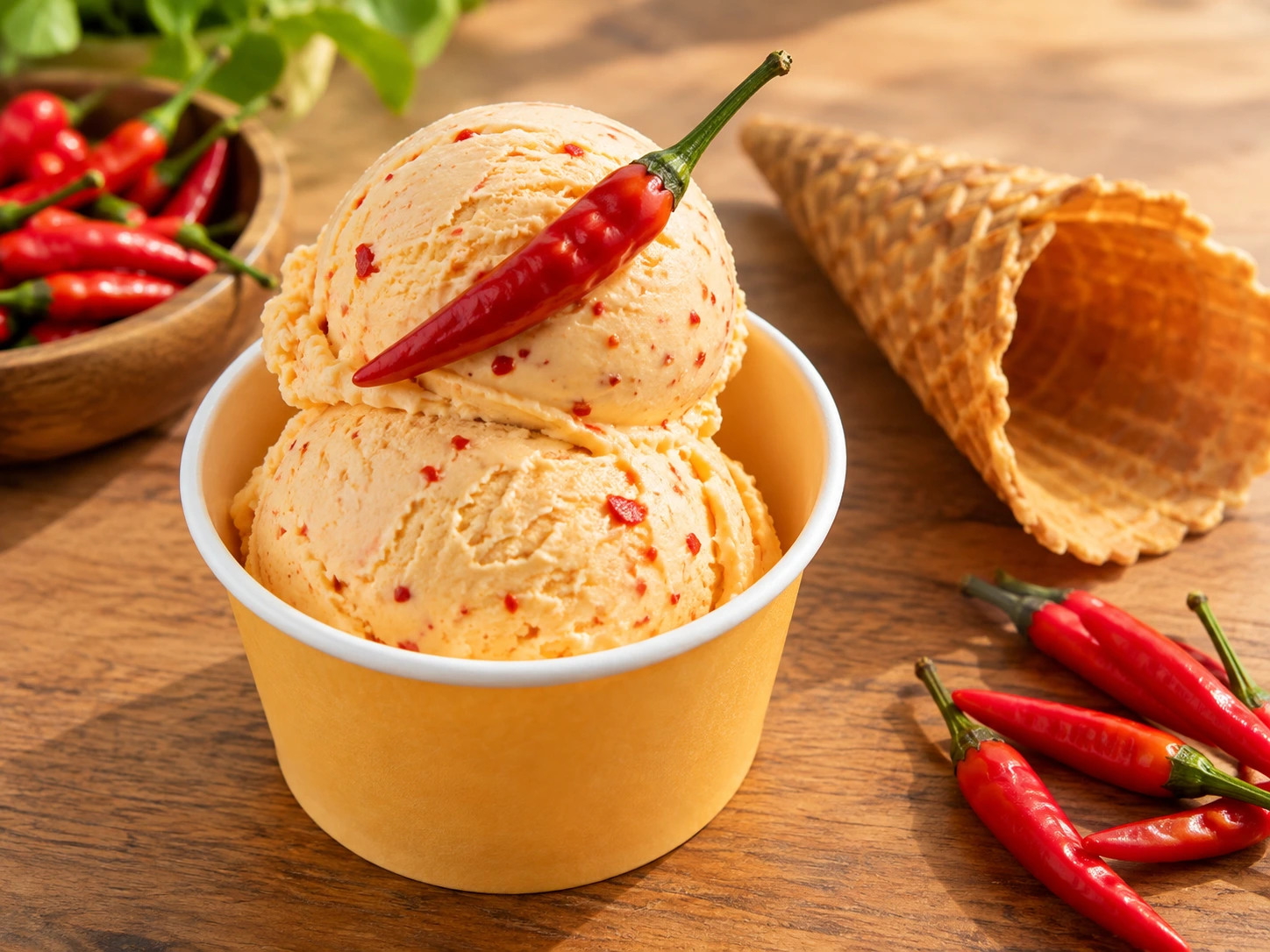
| Sili ice cream | Ice cream made with chili | Bicol | 🌶️ |
Heat varies by cook. Ask for “maanghang” (spicy) or “hindi maanghang” (not spicy) in Tagalog, or “halang” in Bisaya.
The best spicy Filipino dishes
- Bicol Express Pork belly simmered in coconut milk with shrimp paste and plenty of chilies. Despite the name, it’s widely credited to a Bicolano cook in Manila in the 1960s and named after the Manila–Bicol train. It’s the country’s best-known spicy dish.
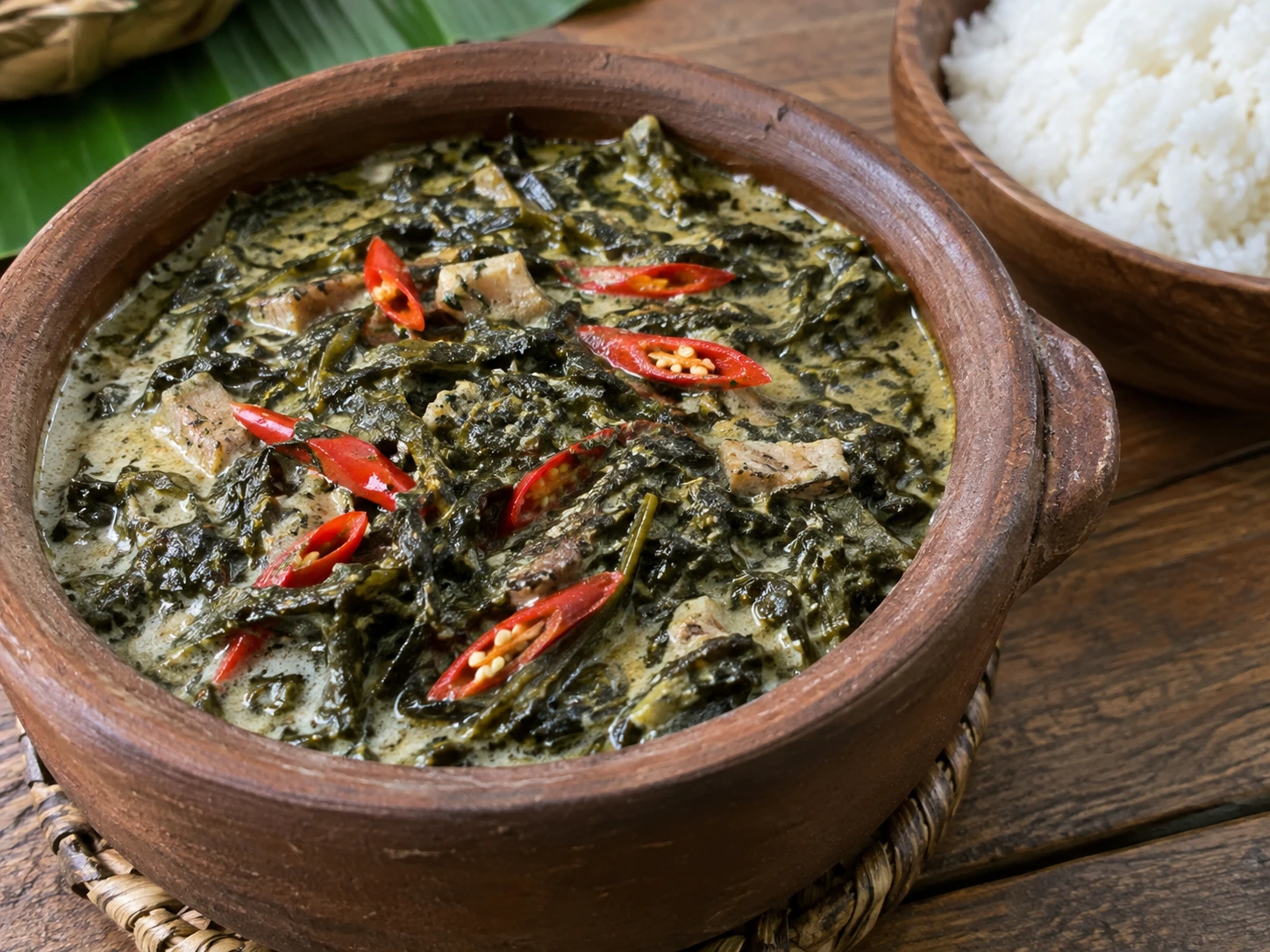
- Laing Dried taro leaves slowly cooked in coconut milk with chilies, ginger and often shrimp paste or pork, so it isn’t automatically vegetarian. Creamy, earthy and fiery.

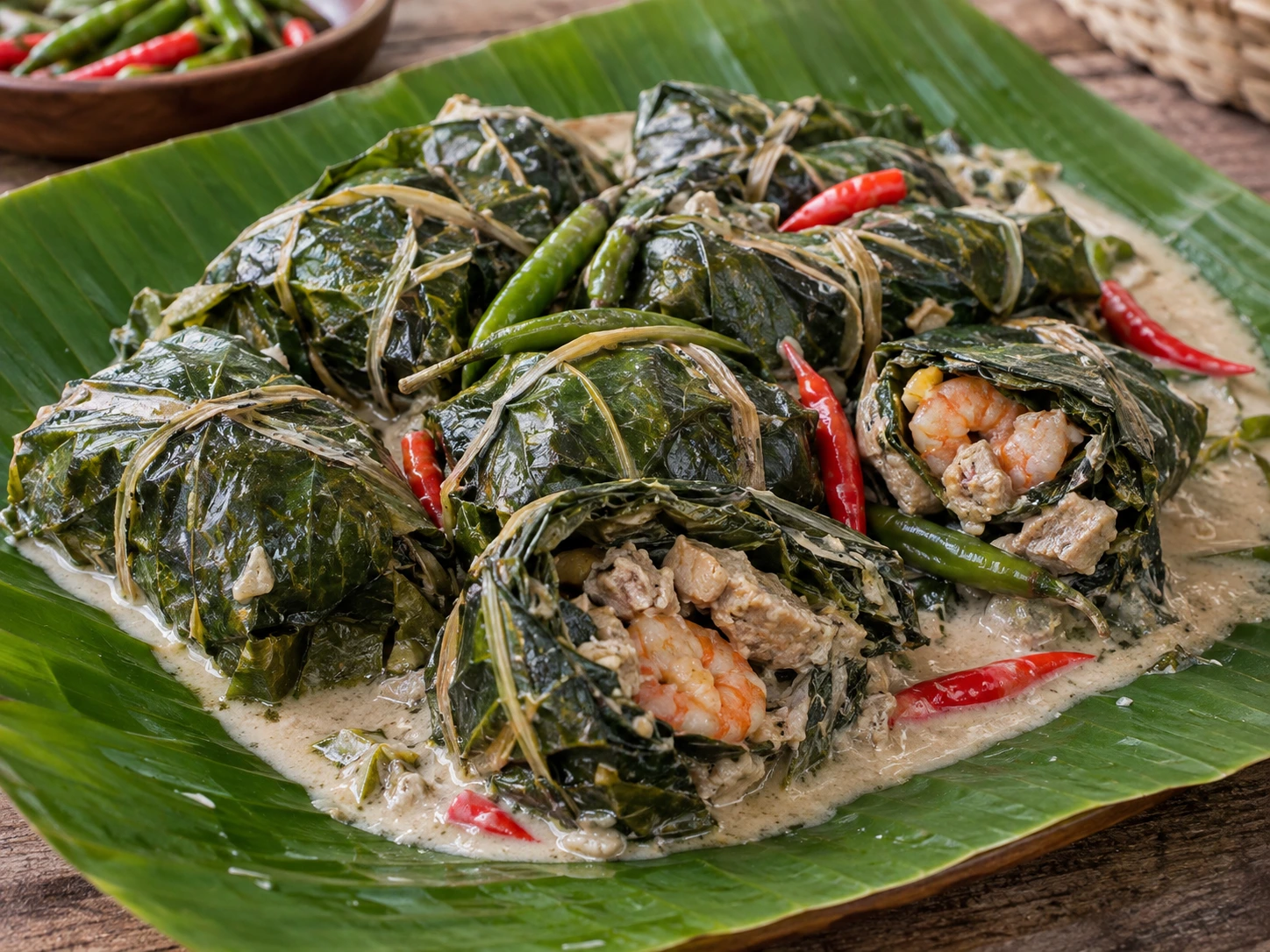
Laing, creamy and fiery. Illustrative image. - Pinangat Bundles of taro leaves wrapped around meat, fish or shrimp, cooked in coconut milk and chili. A specialty of Camalig, Albay, near Mayon Volcano.
Pinangat bundles in coconut milk. Illustrative image. - Kinunot Flaked stingray or shark simmered in coconut milk with chili and malunggay leaves, a Bicol coastal favorite.
- Spicy sisig Pampanga’s sizzling chopped pork, turned up with extra siling labuyo. See our Pampanga delicacies guide.
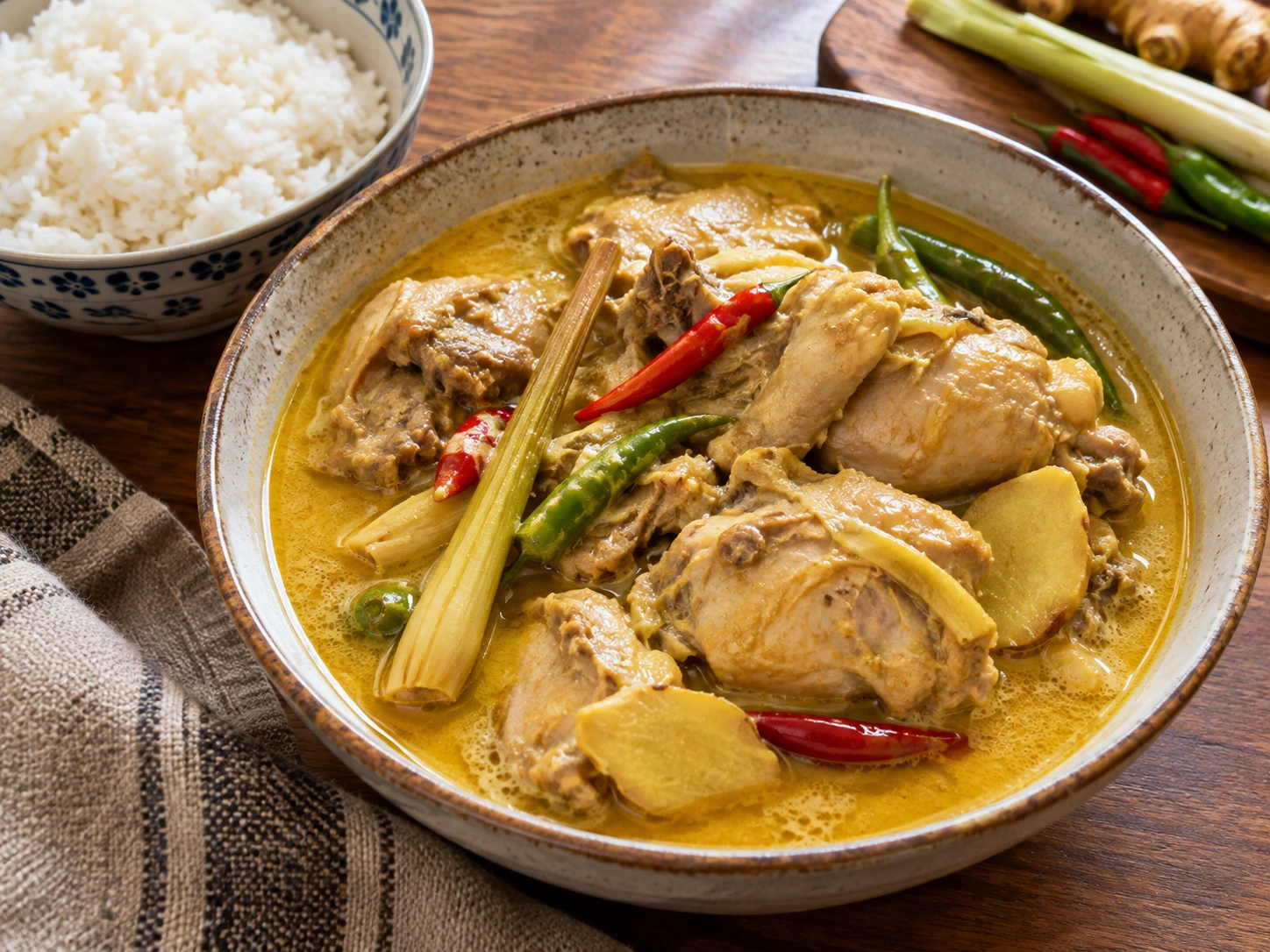
- Halang-halang Visayan and Mindanao chicken stew in coconut milk with ginger, lemongrass and chili. Halang means “spicy” in Bisaya.
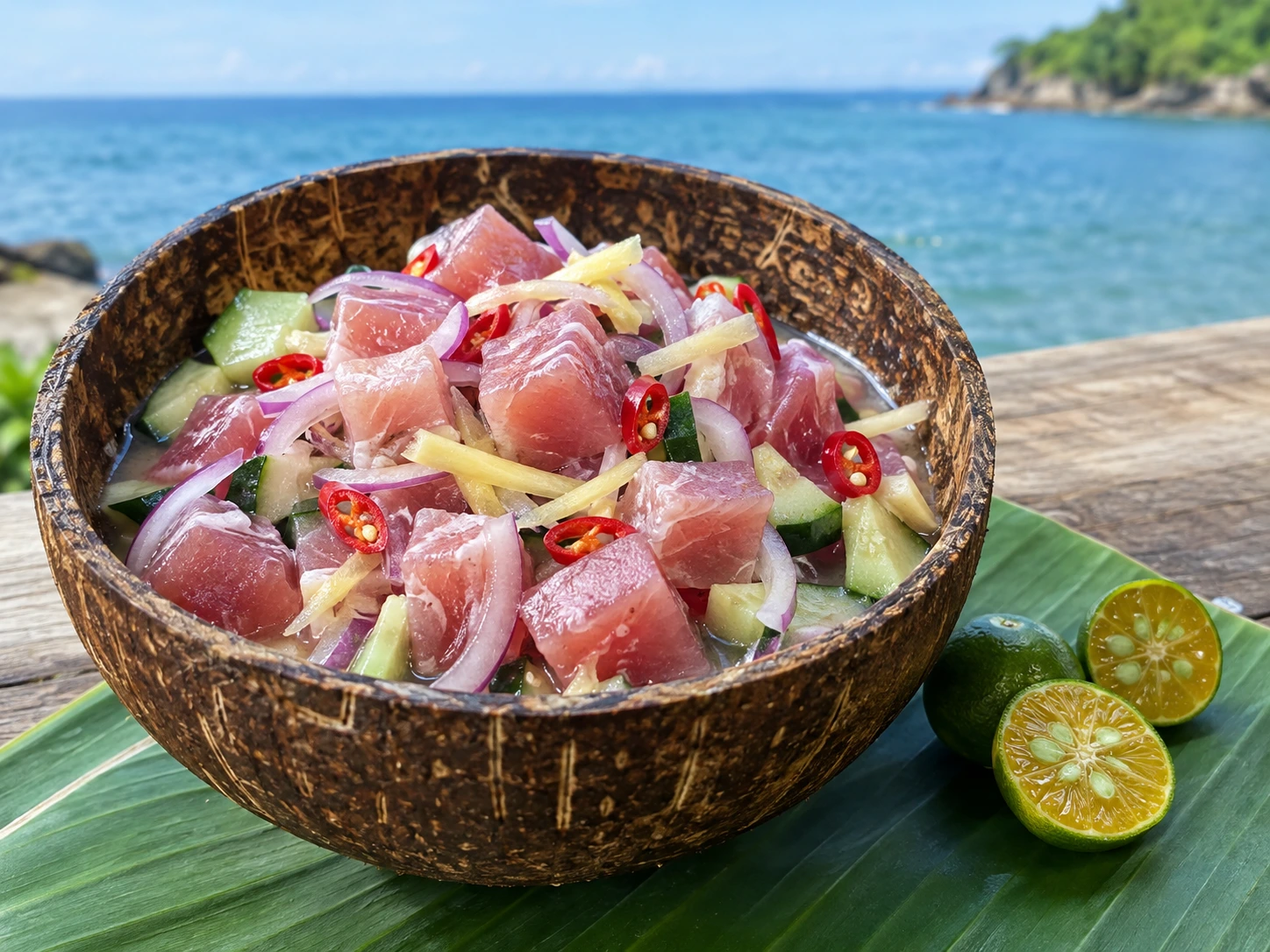
Halang-halang, the Bisaya chicken stew. Illustrative image. - Kinilaw Fresh raw fish cured in vinegar or citrus with chili, ginger and onion, the Filipino answer to ceviche.
Kinilaw with chili, ginger and onion. Illustrative image. - Binagoongang baboy Pork cooked in fermented shrimp paste, often with green chilies, for a salty, funky, spicy kick.
- Insarabasab An Ilocano grilled-pork salad with onions, tomatoes, chili and vinegar.
- Spicy fried chicken Crispy fried chicken in a chili glaze, a popular modern favorite.
- Sili ice cream Bicol’s famous chili ice cream: sweet first, then a slow burn.
Sili ice cream: sweet first, then the heat. Illustrative image.


Filipino chilies and spicy condiments
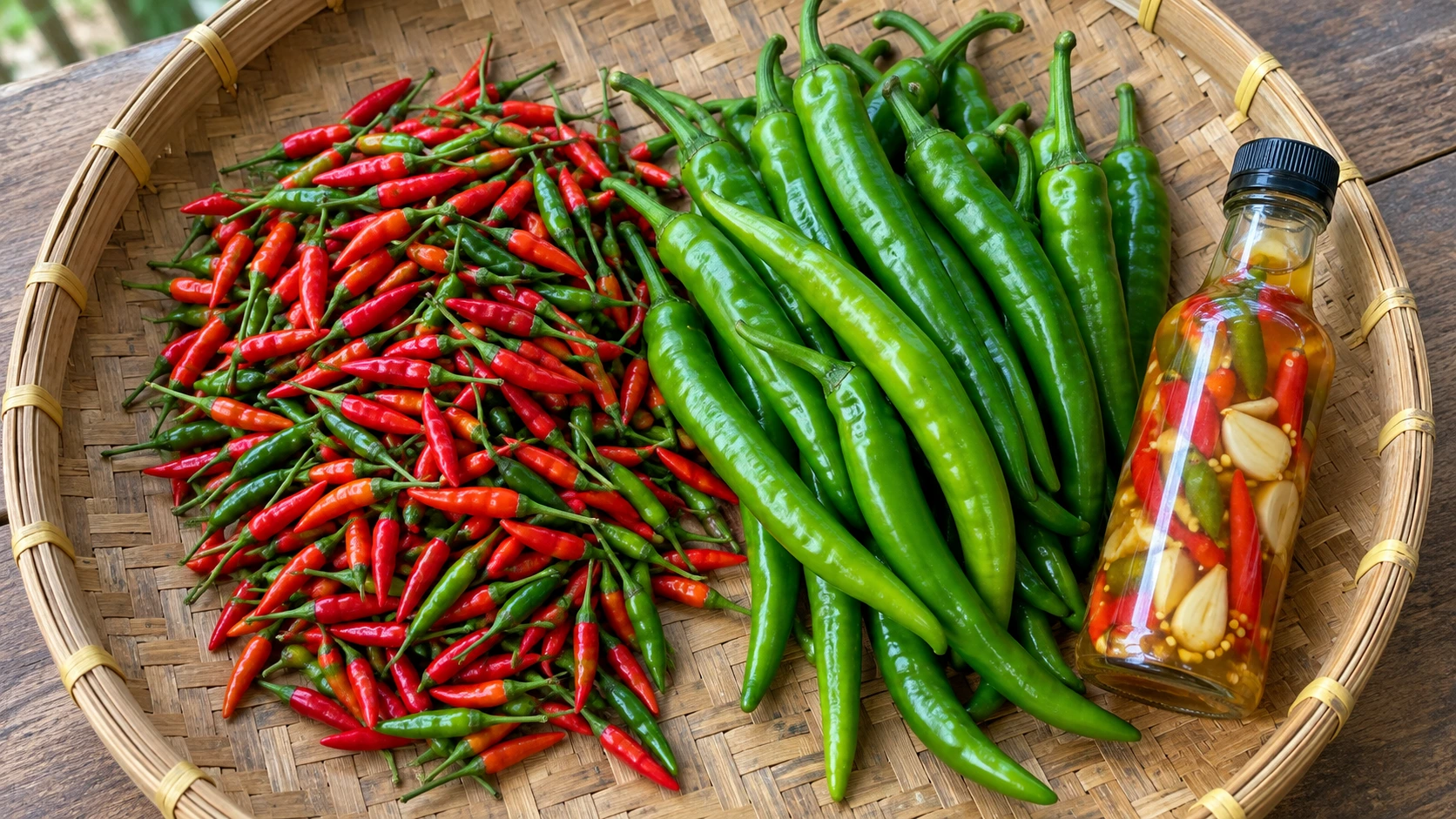
- Siling labuyo: the small, very hot Philippine bird’s eye chili, the main source of heat.
- Siling haba: the long green chili, milder and used whole in stews like sinigang and Bicol Express.
- Spiced vinegar: vinegar with chili, garlic and onion, on almost every table. The Visayan version is called sinamak.
- Chili garlic oil: served with siomai and noodles.
- Palapa: a Maranao condiment from Mindanao made with sakurab (a native scallion), ginger and chili.
Learn more in our guide to Filipino sauces and condiments.
Bicol Express recipe
Ingredients
- 500 g pork belly, cut into thin strips
- 1 can (400 ml) coconut milk
- 1 cup (240 ml) coconut cream
- 2 tbsp shrimp paste (bagoong alamang)
- 6 cloves garlic, minced
- 1 onion, chopped
- 1 thumb ginger, minced
- 6–8 siling haba (long green chilies), sliced
- 3–6 siling labuyo (bird’s eye chilies), chopped, to taste
- Salt and pepper, to taste
Instructions
- Render the pork. Cook the pork belly in a pan over medium heat until lightly browned and some fat is rendered, about 8–10 minutes.
- Add aromatics. Add the garlic, onion and ginger, and sauté until soft and fragrant.
- Add shrimp paste. Stir in the bagoong alamang and cook for 2 minutes.
- Simmer in coconut milk. Pour in the coconut milk, bring to a gentle simmer, and cook for about 20 minutes until the pork is tender and the sauce reduces.
- Add chilies and cream. Add the siling haba, siling labuyo and coconut cream. Simmer 5–8 minutes more until thick and creamy.
- Season and serve. Season with salt and pepper, and serve hot with steamed rice.
Want it milder? Remove the seeds from the chilies, or skip the siling labuyo.
Where to eat spicy Filipino food
- Bicol Region: Legazpi, Naga and the towns around Mayon Volcano serve the real thing, and Legazpi is known for sili ice cream. See our Mayon Volcano guide.
- Bicolano restaurants in Manila and carinderias nationwide serve Bicol Express and laing.
- Visayas and Mindanao markets for fresh kinilaw and halang-halang.
- Pampanga for sizzling sisig. See our Pampanga guide.
Eat Bicol Express where it comes from
Combine a Bicol food trip with Mayon Volcano. Klook bookings often include free cancellation.
Spicy Filipino food: FAQ
Is Filipino food spicy?
Mostly not. Filipino food is usually sour, salty and savory, and people add heat at the table with chili vinegar. The Bicol Region is the big exception, known for coconut-milk dishes full of chilies.
What is the spiciest Filipino dish?
Bicol Express is usually considered the spiciest well-known Filipino dish, with pork, coconut milk, shrimp paste and lots of chilies. Laing, pinangat and kinunot from Bicol are also very spicy.
Which region in the Philippines has the spiciest food?
The Bicol Region in southeastern Luzon, including Albay, Camarines Sur and Sorsogon, is famous for spicy food cooked with coconut milk and chilies.
What is siling labuyo?
Siling labuyo is the small, very hot Philippine bird’s eye chili. It’s the main source of heat in spicy Filipino dishes and in the chili vinegar on most tables.
Is Bicol Express from Bicol?
Its flavors are Bicolano, but the dish is widely credited to a Bicolano cook in Manila in the 1960s and named after the Manila–Bicol train.
Is laing vegetarian?
Not always. Laing is made with taro leaves and coconut milk, but it’s often cooked with shrimp paste or pork. Ask for a version without them if you’re vegetarian.
What is sili ice cream?
Sili ice cream is a Bicol specialty made with chili, sweet at first with a slow, spicy finish. It’s a popular treat for visitors to Legazpi.
How do you say spicy in Filipino?
Spicy is “maanghang” in Tagalog and “halang” in Bisaya. To ask for no spice, say “hindi maanghang.”
Ready for the heat? Plan a Bicol food trip around Mayon Volcano.

Cebu-born travel writer raised between Cebu and Dumaguete, now based in Zamboanga del Sur, Mindanao. Gio writes Best Philippines Travel Guide to help first-time visitors travel the islands with confidence.