Category: Food & Drink

  • Filipino Birthday Recipes: A Feast of Tradition and Flavor

    Filipino Birthday Recipes: A Feast of Tradition and Flavor

    Cebu lechon filipino food Filipino Birthday Recipes

    Introduction Filipino Birthday Recipes

    Filipino Birthday Recipes, When it comes to birthdays, Filipinos don’t just throw parties—they create feasts that linger in your memory long after the candles are blown. These celebrations aren’t merely about marking another year; they’re vibrant displays of culture, love, and, of course, mouthwatering food. Filipino birthday recipes are a delightful mix of tradition and innovation, designed to bring people together over shared plates and full hearts.


    Filipino Birthday Food Traditions

    pancit  Filipino Birthday Recipes
    Pancit photo source

    Pancit: The Dish of Longevity

    Every birthday table in the Philippines features pancit, a noodle dish symbolizing long life and prosperity. These savory noodles are a flavorful reminder of the celebrant’s enduring journey. From the rich Pancit Canton to the lighter Pancit Bihon, the variations ensure there’s something for everyone.

    Lechon: The Grand Centerpiece

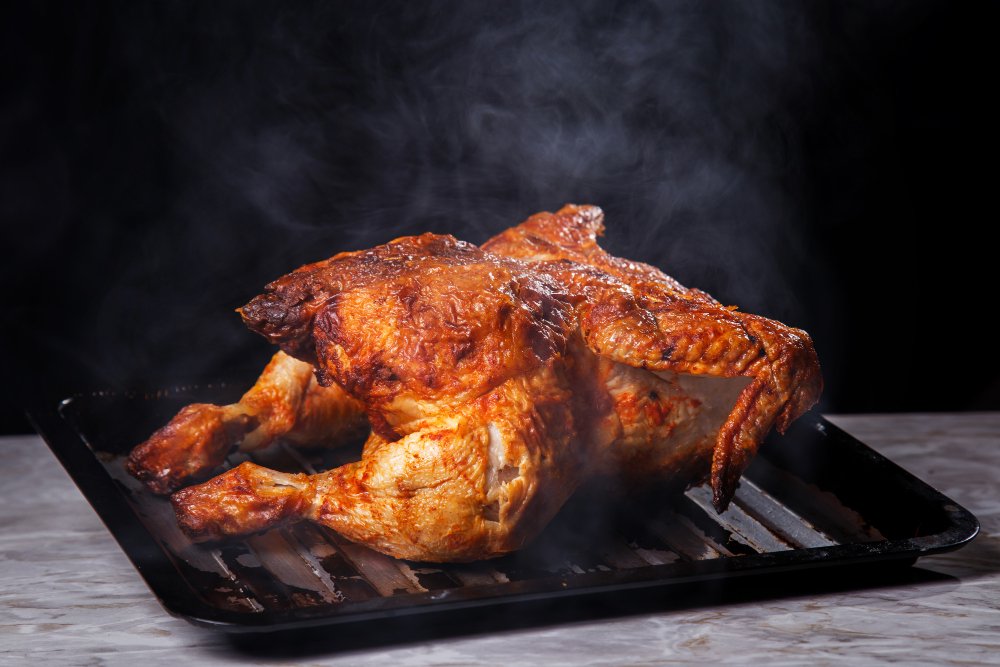
    Nothing screams celebration like a lechon. Whether it’s a full-roasted pig or the more manageable lechon manok (roasted chicken), this dish represents abundance and joy.

    Lumpiang Shanghai: Bite-sized Happiness

    These crispy spring rolls are the ultimate party starter. With their savory filling and perfect crunch, they disappear from the table almost as soon as they’re served!


    Pancit Canton: A Timeless Classic

    • Ingredients: Egg noodles, chicken or pork, carrots, cabbage, snow peas, soy sauce, oyster sauce, and calamansi.
    • Preparation Tips: Stir-fry meat and vegetables, toss in noodles, and coat everything with the savory sauce. A squeeze of calamansi adds a tangy finish.

    Lechon Manok: Juicy and Flavorful

    • Ingredients: Whole chicken, lemongrass, garlic, soy sauce, and calamansi.
    • Tips: Marinate the chicken overnight to lock in flavor. Roast until golden, ensuring the meat stays moist and the skin turns irresistibly crispy.

    Lumpiang Shanghai: Always a Crowd Favorite

    • Ingredients: Ground pork, minced garlic, carrots, onions, and spring roll wrappers.
    • How-To: Roll the filling tightly in wrappers, fry until golden brown, and serve with a sweet chili dipping sauce.

    Sweet Treats to End the Celebration

    leche flan  Filipino Birthday Recipes
    Leche flan photo source

    Leche Flan: Creamy Custard Perfection

    This silky dessert is made with egg yolks, condensed milk, and caramelized sugar. It’s rich, smooth, and always leaves guests asking for seconds.

    ube halaya Filipino Birthday Recipes

    Ube Halaya: Vibrant and Delicious

    This sweet purple yam jam is not just visually stunning but also packed with a unique nutty sweetness. Garnish with coconut flakes or grated cheese for a touch of flair.

    Bibingka and Puto

    Traditional rice cakes like bibingka and puto are must-haves at any Filipino celebration, offering a perfect blend of sweetness and texture.


    Refreshing Drinks for the Party

    Sago’t Gulaman

    This classic Filipino drink combines chewy tapioca pearls, jelly cubes, and sweet syrup over crushed ice for a refreshing pick-me-up.

    Buko Pandan Juice

    Made from young coconut, pandan leaves, and cream, this tropical beverage cools you down and pairs beautifully with savory dishes.


    Modern Twists on Filipino Birthday Recipes

    Fusion Pancit

    Why not add an international flair? Try Pancit Canton with shrimp and garlic butter sauce or Pancit Bihon with a hint of curry for a fusion twist.

    Lechon Variants

    From crispy lechon kawali (fried pork belly) to plant-based options like jackfruit lechon, there’s something for every dietary preference.

    Lumpia Innovations

    Experiment with fillings like shrimp, cheese, or even vegetarian versions with tofu and mushrooms.


    Crafting the Perfect Filipino Birthday Feast

    Balancing the Menu

    A great Filipino birthday spread balances traditional dishes like Pancit and Lechon with modern recipes to cater to diverse tastes. Include options for vegetarians and those with dietary restrictions to ensure everyone enjoys the feast.

    Serving Family-Style

    Filipino celebrations are all about sharing. Serving family-style dishes promotes a warm, communal vibe where everyone feels at home.


    The Filipino Spirit of Sharing

    In the Philippines, birthdays aren’t just about the celebrant—they’re about the community. The bayanihan spirit comes alive as family and friends share food, stories, and laughter. Food becomes a bridge, connecting people and creating memories that last a lifetime.


    Conclusion

    Filipino birthday recipes aren’t just dishes; they’re stories of love, culture, and togetherness. Whether it’s the savory goodness of pancit, the show-stopping lechon, or the sweet indulgence of leche flan, each recipe carries a piece of Filipino heritage. So, the next time you’re planning a celebration, dive into these delicious traditions and create a feast that’s as unforgettable as the occasion itself.


    FAQs

    1. What’s the most iconic Filipino birthday dish?
      The lechon is a quintessential centerpiece for Filipino birthday celebrations.
    2. Can I make these dishes ahead of time?
      Absolutely! Many dishes like lumpiang shanghai can be prepared in advance and fried just before serving.
    3. What are vegetarian alternatives for Filipino birthday recipes?
      Jackfruit lechon and tofu lumpia are excellent plant-based options.
    4. How do I make my Filipino birthday menu unique?
      Add a modern twist to traditional dishes or incorporate fusion elements for a memorable spread.
    5. Where can I buy authentic Filipino ingredients?
      Check Asian grocery stores or online retailers specializing in Filipino products.

    You may also like Siquijor delicacies and 100 pesos budget ulam recipe

  • Paano Magsimula ng Lechon Manok Business sa Pilipinas

    Paano Magsimula ng Lechon Manok Business sa Pilipinas

    lechon manok business

    Bakgrawnd ng Lechon Manok Business

    Ang lechon manok ay isa sa mga pinakapaboritong pagkain ng mga Pilipino. May malalim itong kasaysayan na naka-ugat sa kultura ng Pilipinas. Ang lechon manok, na isang inasal na manok na niluluto sa pamamagitan ng pag-ikot sa isang uling o gas grill, ay hindi lamang isang simpleng pagkain kundi isang simbolo ng pagsasama-sama at pagtitipon. Simula noong ipinakilala ito sa merkado, mabilis itong naging paborito ng mga tao dahil sa kakaibang lasa at aroma nito.

    Ang popularidad ng lechon manok ay lalo pang tumaas noong dekada ’80 at ’90, nang maraming negosyo ang nagtayo ng mga tindahan na nagbebenta ng inasal na manok sa iba’t ibang bahagi ng bansa. Ang mga kalye at kanto ng Pilipinas ay napuno ng mga tindahan ng lechon manok, na nagbigay ng pagkakataon sa mga tao na makatikim ng lutong bahay na pagkain kahit nasa labas sila ng kanilang tahanan. Ang pagiging abot-kaya at ang natatanging timpla ng mga pampalasa ay nagbigay-daan upang ito’y maging patok na negosyo.

    Ang lechon manok business ay hindi lamang sumasalamin sa pagkahilig ng mga Pilipino sa lutong bahay na pagkain ngunit nagpapakita rin ng kanilang pagkakaisa sa harap ng hapag-kainan. Sa bawat kagat ng lechon manok, naaalala ng marami ang mga alaala ng pagtitipon at kasiyahan kasama ang pamilya at mga kaibigan. Ang cultural significance na ito ang nagiging dahilan kung bakit patuloy na tinatangkilik at sinusuportahan ng mga Pilipino ang ganitong uri ng negosyo.

    Sa kabila ng mga pagbabago sa industriya ng pagkain, nanatiling matibay ang lechon manok business sa Pilipinas. Ito ay isang testamento sa walang kupas na pagmamahal ng mga Pilipino sa kanilang tradisyonal na pagkain. Sa paglipas ng panahon, ang lechon manok ay hindi lamang nananatiling isang pagkain kundi isang bahagi ng buhay ng bawat Pilipino.

    Paghahanda sa Pagsimula ng Negosyo

    Ang pagsisimula ng lechon manok business ay nangangailangan ng masusing paghahanda upang matiyak ang tagumpay nito. Ang unang hakbang ay ang paggawa ng isang komprehensibong business plan. Ang business plan ay magsisilbing gabay sa lahat ng aspeto ng iyong negosyo, mula sa operasyon hanggang sa marketing. Dito, ilalarawan mo ang mga layunin ng iyong lechon manok business, ang target market, mga estratehiya sa pagpepresyo, at mga inaasahang kita at gastos. Mahalaga rin na maglaan ng oras sa pag-aaral ng kompetisyon at mga trend sa merkado upang maiposisyon nang maayos ang iyong produkto.

    Kasunod ng paggawa ng business plan, kinakailangang magsagawa ng masusing pag-aaral ng market. Ang market research ay tutulong sa iyo na maunawaan ang pangangailangan at kagustuhan ng mga potensyal na kustomer. Maaari kang magsagawa ng surveys, focus groups, o kaya’y mag-analyze ng data mula sa mga existing na negosyo. Sa pamamagitan nito, malalaman mo kung saan ka dapat magtayo ng iyong lechon manok business at kung anong mga serbisyong karagdagan ang maaari mong ialok upang maging kaakit-akit sa mga kustomer.

    Hindi rin dapat kaligtaan ang pagkuha ng mga kinakailangang permits at licenses bago magsimula ng negosyo. Sa Pilipinas, may mga partikular na dokumento at clearances na kailangang makuha upang legal na makapag-operate ng isang lechon manok business. Kabilang dito ang Mayor’s Permit, Barangay Clearance, Sanitary Permit, at iba pa. Siguraduhing kumpleto at tama ang lahat ng mga papeles upang maiwasan ang anumang legal na problema sa hinaharap.

    Ang masusing paghahanda sa mga aspetong ito ay magbibigay sa iyo ng mas mataas na tsansa ng tagumpay sa iyong lechon manok business. Huwag magmadali at bigyan ng sapat na oras at pansin ang bawat hakbang upang matiyak na handa ka sa anumang hamon na maaaring harapin sa iyong negosyo.

    Kagamitan at Pasilidad

    Ang pagsisimula ng lechon manok business ay nangangailangan ng tamang kagamitan at pasilidad upang matiyak ang mataas na kalidad ng produkto at kaligtasan ng pagkain. Isa sa mga pangunahing kagamitan na kailangan ay ang rotisserie o grill, na siyang magbibigay-daan sa tamang pagluluto ng lechon manok. Ang rotisserie ay gumagamit ng umiikot na espeto upang tiyakin na pantay ang pagkakaluto ng manok, habang ang grill naman ay nagbibigay ng kinakailangang init upang ma-achieve ang crispy at flavorful na balat.

    Bukod sa rotisserie at grill, kakailanganin din ang iba pang cooking utensils tulad ng tongs, meat thermometers, at malalaking kutsilyo para sa tamang paghiwa ng manok. Mahalaga rin ang pagkakaroon ng chopping boards na gawa sa food-safe materials upang maiwasan ang cross-contamination. Ang mga trays at serving platters ay dapat ding magagamit para sa maayos na presentasyon at pagbebenta ng lechon manok.

    Ang pagkakaroon ng maayos at malinis na pasilidad ay hindi lamang para sa kaligtasan ng pagkain kundi pati na rin sa kalinisan at kaayusan ng buong operasyon ng lechon manok business. Dapat tiyakin na ang lugar ng pagluluto ay laging malinis at walang mga pesteng maaaring magdulot ng kontaminasyon. Ang mga kagamitan at pasilidad ay dapat regular na sinisiyasat at nililinis upang mapanatili ang mataas na antas ng sanitasyon.

    Ang mga storage areas para sa mga sangkap at lutong manok ay dapat ding tama ang temperatura at laging malinis. Mahalaga ang proper waste disposal system upang mapanatili ang kalinisan at kaligtasan ng kapaligiran. Sa pamamagitan ng pagkakaroon ng tamang kagamitan at pasilidad, ang lechon manok business ay magkakaroon ng mas mataas na pagkakataong magtagumpay at magbigay ng de-kalidad na produkto sa mga mamimili.

    Paano Pumili ng Sariwang Manok at Sangkap

    Ang pagpili ng mataas na kalidad na manok at mga sangkap para sa marinade ay isang mahalagang aspeto ng pagsisimula ng lechon manok business. Upang makapaghatid ng de-kalidad na produkto sa iyong mga kustomer, kinakailangan na maging masusi at maingat sa pagpili ng manok at sangkap.

    Sa pagpili ng sariwang manok, tiyakin na ito ay galing sa mga mapagkakatiwalaang supplier. Ang sariwang manok ay dapat malinis, walang amoy, at may makinis na balat. Ang kulay nito ay dapat puti o mapusyaw na pink, at dapat na may firm ngunit hindi matigas na laman. Kung ikaw ay mamimili sa mga pamilihan, mas mainam na pumili ng manok na hindi pa nakaproseso o frozen upang matiyak ang kasariwaan nito.

    Pagdating naman sa uri ng manok, maaari kang pumili mula sa iba’t ibang klase tulad ng broiler, native, o organic. Ang broiler ay madalas gamitin dahil sa mabilis nitong paglaki at malambot na karne. Ang native na manok naman ay mas matagal lumaki ngunit kilala sa mas masarap at malinamnam na lasa. Ang organic na manok ay isang pagpipilian din, lalo na para sa mga kustomer na mas pinapahalagahan ang kalusugan at kalikasan. Anuman ang iyong piliin, siguraduhin na ito ay may kalidad at sariwa.

    Sa paggawa ng marinade, mahalagang gumamit ng sariwa at de-kalidad na sangkap. Ang pangunahing sangkap ng marinade ay maaaring binubuo ng toyo, suka, bawang, sibuyas, paminta, at iba’t ibang pampalasa. Huwag kalimutang magdagdag ng mga herbs at spices na magbibigay ng kakaibang lasa at aroma sa iyong lechon manok. Ang sikreto sa masarap na marinade ay ang tamang balanse ng alat, asim, at tamis, pati na rin ang sapat na oras ng pagbabad ng manok upang manuot ang lasa.

    Sa pagsisimula ng iyong lechon manok business, ang pagpili ng sariwang manok at tamang sangkap para sa marinade ay isang mahalagang hakbang tungo sa tagumpay. Maging masinop at maingat upang makapaghatid ng masarap at de-kalidad na produkto na tiyak na magugustuhan ng iyong mga kustomer.

    Tamang Paraan ng Pagluluto

    Ang pagluluto ng lechon manok ay isang sining na nangangailangan ng tamang proseso upang makamit ang perpektong lasa at lutong. Una sa lahat, siguraduhing sariwa at malinis ang manok bago ito simulan lutuin. Ang unang hakbang ay ang pag-marinate ng manok sa mga tradisyonal na sangkap tulad ng toyo, bawang, paminta, at calamansi. Hayaan itong mababad ng hindi bababa sa isang oras upang mas lumasa ang karne.

    Pagkatapos ng marination, ihanda ang ihawan at tiyaking may sapat na uling na magbibigay ng consistent na init. Ilagay ang manok sa rotisserie o bamboo skewer at siguraduhing pantay ang pagkakabit upang hindi ito malaglag o mag-slide habang iniikot. Simulan ang pag-ihaw sa medium heat. Regular na iikot ang manok upang masigurong pantay ang pagkakaluto ng balat at karne. Ang ideal na oras ng pag-ihaw ay nasa 1.5 hanggang 2 oras, depende sa laki ng manok at sa init ng ihawan.

    Upang maiwasan ang overcooking, mahalagang gumamit ng meat thermometer. Tiyaking umabot ang internal temperature ng manok sa 165 degrees Fahrenheit bago ito alisin sa ihawan. Ang tamang temperatura ay nagsisiguro na ligtas kainin ang manok at nananatiling juicy ang karne. Huwag kalimutang magpahinga ang manok ng ilang minuto bago ito hiwain upang mas lumabas ang katas at lasa.

    Isang mahalagang tip ay ang pag-spray ng manok ng mantikilya o cooking oil habang iniihaw. Nakakatulong ito upang mas maging crispy ang balat at masarap ang lasa. Iwasan din ang sobrang init na maaaring magdulot ng pagkasunog ng balat habang hilaw pa ang loob. Sa tamang pag-aalaga at pagmamanman sa proseso, makakamit ang perpektong lechon manok na tiyak na papatok sa mga customer at magbibigay ng magandang pangalan sa iyong lechon manok business.

    Pagpepresyo at Pagbenta

    Ang tamang pagpepresyo ng lechon manok ay mahalaga upang matiyak ang kita at tagumpay ng iyong negosyo. Upang magsimula, mahalagang gawin ang isang masusing cost analysis. Isaalang-alang ang lahat ng gastusin, mula sa pagkuha ng manok, mga sangkap, hanggang sa packaging at promotion. Dapat mo ring isama ang operational costs tulad ng kuryente, gas, at sahod ng mga empleyado kung mayroon. Ang lahat ng ito ay makatutulong upang makuha ang tunay na cost per unit ng iyong produkto.

    Pagkatapos ng cost analysis, maaari ka nang mag-set ng presyo. Isa sa mga epektibong pricing strategy ay ang cost-plus pricing, kung saan idinadagdag mo ang isang porsyento ng markup sa iyong total cost per unit. Halimbawa, kung ang cost per unit ay PHP 150, at nais mo ang 30% markup, ang retail price ay magiging PHP 195. Maaari rin namang gamitin ang value-based pricing, kung saan ang presyo ay ibinabatay sa perceived value ng mga customers. Mahalagang alamin ang market demand at competitive pricing sa iyong lugar upang makapag-set ng competitive yet profitable price point.

    Pagdating sa pagbebenta ng lechon manok, maraming pwedeng pagpilian. Ang pagkakaroon ng food stall sa mga mataong lugar tulad ng mga palengke, terminal, at kalsada ay isang mabisang paraan para makakuha ng maraming customers. Ang online selling ay isa ring magandang opsyon; maaari kang magbenta sa pamamagitan ng social media platforms, food delivery apps, at sariling website. Kung nais mong palawakin pa ang iyong market, subukan ang catering services para sa mga events tulad ng birthdays, weddings, at corporate gatherings.

    Ang paggamit ng iba’t ibang sales channels ay makatutulong upang maabot ang mas maraming customers at mapalago ang iyong lechon manok business. Mainam na pag-ibayuhin din ang customer service upang makabuo ng loyal customer base na patuloy na susuporta sa iyong negosyo.

    Marketing at Pagpapalawak ng Negosyo

    Ang epektibong marketing strategy ay mahalaga sa tagumpay ng isang lechon manok business. Upang makilala at mapalago ang negosyo, kinakailangan ang paggamit ng iba’t ibang pamamaraan upang makuha ang atensyon ng mga potensyal na kustomer. Isa sa mga pangunahing paraan ay ang paggamit ng social media platforms gaya ng Facebook, Instagram, at Twitter. Sa pamamagitan ng mga ito, maaaring mag-post ng mga nakakatakam na larawan ng lechon manok, mga special promotions, at mga positive customer reviews upang makabuo ng online presence na magpapaengganyo sa mga tao.

    Ang paggamit ng online advertising ay isa pang mabisang paraan. Ang pag-invest sa targeted ads sa social media at search engines ay makatutulong upang maabot ang mas maraming audience na posibleng maging regular na kustomer. Sa ganitong paraan, mas magiging visible ang lechon manok business sa mga taong naghahanap ng masarap at abot-kayang pagkain.

    Hindi rin dapat kalimutan ang kahalagahan ng customer engagement. Ang pagbibigay ng excellent customer service ay magreresulta sa mga loyal na kustomer na magre-recommend ng negosyo sa kanilang mga kaibigan at pamilya. Ang pakikipag-ugnayan sa mga kustomer sa pamamagitan ng pag-like at pag-comment sa kanilang mga post, pagtanggap ng feedback, at pagbibigay ng mga loyalty rewards ay ilan lamang sa mga paraan upang mapanatili ang magandang relasyon sa mga kustomer.

    Para sa pagpapalawak ng lechon manok business, maaaring isaalang-alang ang pagbubukas ng mga additional branches o pag-ooffer ng franchising opportunities. Ang pagsali sa mga food festivals at local events ay isa ring magandang paraan upang makilala ang negosyo at makabuo ng bagong customer base. Higit sa lahat, ang patuloy na inobasyon at pag-aadapt sa mga bagong trends ay magpapanatili ng competitiveness ng negosyo sa merkado.

    Pagpapanatili ng Kalidad at Serbisyo

    Ang pagpapanatili ng mataas na kalidad ng lechon manok ay isang mahalagang aspeto sa tagumpay ng anumang lechon manok business. Upang masiguro na laging masarap at sariwa ang inyong produkto, mahalaga ang tamang pagpili ng mga sangkap, tamang proseso ng pagluluto, at wastong pamamaraan ng pag-iimbak. Siguraduhing ang manok na ginagamit ay mula sa mapagkakatiwalaang supplier at palaging sariwa. Ang mga pampalasa at iba pang sangkap ay dapat din na mataas ang kalidad upang mapanatili ang lasa at aroma ng lechon manok.

    Isa pang mahalagang aspeto ay ang wastong proseso ng pagluluto. Ang paggamit ng tamang temperatura at oras ng pagluluto ay makakatulong upang makamit ang tamang lutong at lasa ng manok. Regular na suriin ang inyong mga kagamitan upang masiguro na ang mga ito ay nasa mabuting kondisyon. Ang wastong pag-iimbak ng mga sangkap at lutong manok ay makakatulong upang mapanatili ang kalidad ng inyong produkto at maiwasan ang pagkasira nito.

    Ang magandang serbisyo ay hindi lamang nagtatapos sa kalidad ng produkto kundi pati na rin sa pakikitungo sa mga customer. Ang customer feedback ay isang mahalagang tool upang mapabuti ang inyong lechon manok business. Makinig sa kanilang mga komento at suhestiyon at gamitin ito upang mapabuti ang inyong produkto at serbisyo. Ang pagbibigay ng mabilis at magalang na serbisyo ay makakatulong upang makuha ang tiwala at kasiyahan ng inyong mga customer.

    Gumamit ng mga paraan upang masukat at subaybayan ang kasiyahan ng mga customer, tulad ng mga survey o feedback forms. Ang pagkakaroon ng aktibong presensya sa social media ay makakatulong din upang makipag-ugnayan sa inyong mga customer at malaman ang kanilang mga opinyon. Sa pamamagitan ng patuloy na pagsisikap na mapabuti ang kalidad at serbisyo, mapapalago ninyo ang inyong lechon manok business at makakamit ang tagumpay.

  • Ang Kasaysayan at Tagumpay ng Don.C Lechon Manok

    Ang Kasaysayan at Tagumpay ng Don.C Lechon Manok

    don.c lechon manok

    Panimula

    Ang Don.C Lechon Manok ay isang kilalang pangalan sa industriya ng pagkain sa Pilipinas, na nag-aalok ng masarap at natatanging lechon manok sa kanilang mga kostumer. Sa bawat kagat ng kanilang lechon manok, nararamdaman ang pagmamahal at dedikasyon na inilalagay nila sa bawat piraso ng pagkain. Ang lechon manok ay hindi lamang isang pagkain; ito ay isang bahagi ng kulturang Pilipino na nagiging sentro ng mga pagtitipon at selebrasyon.

    Ang lechon manok, na isang inihaw na manok na puno ng iba’t ibang pampalasa, ay nagmula sa tradisyon ng pag-ihaw ng baboy o lechon sa Pilipinas. Sa paglipas ng panahon, ang pagkakaroon ng lechon manok ay naging mas praktikal at abot-kaya para sa maraming Pilipino, kaya’t ito ay naging isang paboritong ulam sa iba’t ibang okasyon. Sa mga simpleng salu-salo hanggang sa malalaking pagdiriwang, ang lechon manok ay isang staple na pagkain na hindi mawawala sa mesa.

    Ang Don.C Lechon Manok ay nagbigay ng bagong kahulugan sa lechon manok sa pamamagitan ng kanilang inobatibong pamamaraan ng pagluluto at natatanging timpla ng pampalasa. Sa bawat sangkap na ginagamit, tinitiyak nila ang kalidad at kasariwaan upang matugunan ang mataas na pamantayan ng kanilang mga kostumer. Dahil dito, naging bahagi na ng buhay ng maraming Pilipino ang Don.C Lechon Manok, isang patunay ng kanilang tagumpay at dedikasyon sa industriya ng pagkain.

    Sa paglipas ng mga taon, ang Don.C Lechon Manok ay nagpatuloy na magbigay ng kasiyahan at kahusayan sa kanilang mga produkto, na nagbigay-daan upang sila ay makilala hindi lamang sa lokal na merkado kundi pati na rin sa mga Pilipino sa ibang bansa. Ang kanilang kwento ay isang magandang halimbawa ng kung paano ang tradisyon at inobasyon ay maaaring magsama upang lumikha ng isang matagumpay na negosyo.

    Kasaysayan ng Don.C Lechon Manok

    Ang Don.C Lechon Manok ay nagsimula bilang isang simpleng pangarap ng mag-asawang sina Don at Carla Cruz noong dekada ’90. Mula sa kanilang maliit na tahanan sa probinsya ng Bulacan, nagsumikap silang lumikha ng isang natatanging recipe para sa lechon manok. Nagsimula ang lahat sa pamamagitan ng pagluluto ng manok na may espesyal na timpla, na unti-unting nakakuha ng papuri mula sa kanilang mga kaibigan at kapitbahay. Ang kanilang lechon manok ay kilala sa kakaibang lasa, malutong na balat, at malambot na laman.

    Sa kanilang pagnanais na mapalago ang kanilang negosyo, nagpasya ang mag-asawa na magtayo ng maliit na tindahan sa kanilang bayan. Sa simula, sila mismo ang nagluluto at nagbebenta ng kanilang lechon manok. Hindi nagtagal, lumawak ang kanilang kliyente at nagsimulang magdagsaan ang mga tao upang matikman ang kanilang espesyal na lechon manok. Ang Don.C Lechon Manok ay naging tanyag hindi lamang sa kanilang bayan kundi pati na rin sa mga kalapit na lugar.

    Sa kabila ng kanilang tagumpay, hindi rin naiwasan ng Don.C Lechon Manok ang mga pagsubok. Noong unang bahagi ng 2000s, nagkaroon ng mga problema sa suplay ng pangunahing sangkap at tumaas ang presyo ng manok. Ngunit sa pamamagitan ng kanilang determinasyon at kakayahan sa pagnenegosyo, nagawa nilang malampasan ang mga hamon na ito. Kasama ang suporta ng kanilang mga mahal sa buhay at ang kanilang dedikasyon sa kalidad, patuloy na lumago ang kanilang negosyo.

    Ngayon, ang Don.C Lechon Manok ay isa nang kilalang pangalan sa industriya ng pagkain sa Pilipinas. Ang kanilang matagumpay na paglalakbay ay nagsilbing inspirasyon sa maraming nais magnegosyo. Ang kanilang kwento ay patunay na sa tamang timpla ng talento, sipag, at determinasyon, ang simpleng pangarap ay maaaring maging isang matagumpay na negosyo.

    Sikreto ng Masarap na Lechon Manok

    Ang Don.C Lechon Manok ay kilala hindi lamang sa kanilang masarap na produkto kundi pati na rin sa kanilang natatanging pamamaraan sa pagluluto. Isa sa mga pangunahing sekreto ng kanilang tagumpay ay ang espesyal na timpla ng mga sangkap na ginagamit nila. Ang mga sangkap na ito ay hindi lamang nagbibigay ng masarap na lasa, kundi nagdaragdag din ng tamang balanse ng tamis, alat, at anghang. Ang tamang kombinasyon ng mga pampalasa ay napakahalaga upang makamit ang perpektong lasa ng lechon manok na kinagigiliwan ng marami.

    Ang proseso ng pagluluto ng Don.C Lechon Manok ay isa pang mahalagang aspeto na nagtatakda ng kanilang produkto mula sa iba. Mula sa marinating hanggang sa aktwal na pagluluto, ang bawat hakbang ay maingat na pinaplanong mabuti. Ang manok ay binababad sa espesyal na marinade nang ilang oras upang masiguradong tumatagos ang lasa sa bawat himaymay ng karne. Pagkatapos, ito ay niluluto sa tamang temperatura at sa tamang haba ng oras upang makuha ang tamang pagkakaluto—malutong sa labas ngunit nananatiling malambot at makatas sa loob.

    Ang natatanging recipe ng Don.C Lechon Manok ay isa ring malaking aspeto ng kanilang kasikatan. Ang kanilang recipe ay pinapasa-pasa mula sa isang henerasyon patungo sa susunod, na may kaunting pagbabago upang mapanatili ang tradisyonal na lasa habang inaangkop sa modernong panlasa. Ang kanilang pangako sa kalidad ay hindi nagbabago. Ang bawat batch ng lechon manok ay sinusuri upang masiguradong ito ay pumapasa sa kanilang mataas na pamantayan ng kalidad at lasa.

    Sa kabuuan, ang kombinasyon ng mga espesyal na sangkap, maingat na pamamaraan ng pagluluto, at natatanging recipe ay nag-aambag sa masarap at de-kalidad na produktong Don.C Lechon Manok. Ang kanilang dedikasyon sa pagpapanatili ng mataas na kalidad ay nagpapakita ng kanilang tunay na pagmamahal sa kanilang produkto at sa kanilang mga kustomer.

    Mga Sangkap at Pamamaraan ng Pagluluto

    Isa sa mga dahilan ng tagumpay ng Don.C Lechon Manok ay ang natatanging timpla ng kanilang mga sangkap. Ang pangunahing sangkap, syempre, ay ang sariwang manok na may tamang sukat at timbang upang masigurado ang pagkakapareho ng luto. Ang manok ay pinipili mula sa mga lokal na supplier na kilala sa mataas na kalidad ng kanilang mga produkto.

    Ang mga pampalasa na ginagamit ng Don.C ay isang lihim na pinaghalong mga sangkap na nagbibigay ng kakaibang lasa at aroma. Kabilang dito ang asin, paminta, bawang, sibuyas, tanglad, at ilang espesyal na herbs at spices na tanging sila lamang ang nakakaalam. Ang mga sangkap na ito ay masusing hinahalo upang makuha ang tamang balanse ng lasa.

    Sa proseso ng pagluluto, ang bawat manok ay sinusuri at nililinis ng mabuti bago simulan ang marinating. Ang manok ay ibinababad sa espesyal na timpla ng mga pampalasa sa loob ng ilang oras upang masiguradong ang lasa ay tumatalab sa bawat hibla ng karne. Pagkatapos ng marinating, ang manok ay isinasalang sa ihawan na pinapainitan gamit ang tradisyunal na uling. Ang paraan ng pag-ihaw na ito ay nagbibigay ng natural na usok na nagdaragdag sa malinamnam na lasa ng lechon manok.

    Ang pag-iihaw ay isang maselang proseso na nangangailangan ng tamang temperatura at oras. Ang bawat manok ay iniikot sa ihawan upang masiguradong pantay ang pagkakaluto ng balat at karne. Ang tamang oras ng pag-iihaw ay mahalaga upang makuha ang crispy na balat at juicy na laman ng manok.

    Sa bawat hakbang ng pagluluto, ang kalidad ay binibigyang-pansin upang masiguradong ang bawat lechon manok na nagmumula sa Don.C ay may pare-parehong lasa at kalidad. Ang maingat na pagpili ng sangkap at masusing proseso ng pagluluto ay ilan lamang sa mga dahilan kung bakit patok ang Don.C Lechon Manok sa mga mamimili.

    Mga Sanga at Paglawak ng Negosyo

    Ang Don.C Lechon Manok ay nagsimula bilang isang maliit na negosyo na may simpleng layunin: maghatid ng masarap na lechon manok sa kanilang komunidad. Sa pamamagitan ng dedikasyon at kalidad ng kanilang produkto, mabilis na nakilala ang Don.C Lechon Manok sa lokal na merkado. Ang positibong pagtanggap ng mga mamimili ay nagbigay-daan upang palawakin nila ang kanilang operasyon at magbukas ng mga bagong sanga sa iba’t ibang lugar sa Pilipinas.

    Sa simula, nagtuon ang Don.C Lechon Manok sa pagbubukas ng mga sanga sa mga pangunahing lungsod tulad ng Maynila, Cebu, at Davao. Ang estratehiyang ito ay nagbigay ng pagkakataon sa mas maraming tao na makatikim ng kanilang espesyal na lechon manok. Ang bawat bagong sangay ay maingat na pinili upang matiyak na ito ay nasa lugar na may mataas na demand at sapat na suporta mula sa komunidad.

    Isa sa mga susi sa kanilang matagumpay na paglawak ay ang pagpapanatili ng mataas na kalidad ng kanilang produkto. Ang Don.C Lechon Manok ay kilala sa kanilang masarap na timpla at malutong na balat, na siyang naging tatak ng kanilang lechon manok. Sa bawat sangay na kanilang binubuksan, tiniyak nila na ang parehong kalidad at lasa ay napananatili, na nagbigay ng kumpiyansa sa mga mamimili na ang kanilang inaasahan ay matutugunan.

    Bukod sa pisikal na paglawak, sinimulan din ng Don.C Lechon Manok ang kanilang online presence. Ang paggamit ng social media at iba pang digital platforms ay nagbigay-daan upang mas maraming tao ang makaalam tungkol sa kanilang produkto. Ang kanilang online marketing campaigns ay naging epektibo sa pag-abot sa mas malawak na audience, na nagresulta sa mas mataas na benta at mas maraming sanga.

    Sa kabuuan, ang paglago ng Don.C Lechon Manok mula sa isang maliit na negosyo patungo sa isang malawakang operasyon ay isang patunay ng kanilang dedikasyon sa kalidad at serbisyo. Ang kanilang patuloy na paglawak ay hindi lamang nagdudulot ng tagumpay sa kanilang negosyo, kundi nagbibigay din ng inspirasyon sa iba pang mga negosyante sa bansa.

    Mga Inobasyon at Bagong Produkto

    Ang Don.C Lechon Manok ay patuloy na nagiging isang pangunahing pangalan sa industriya ng lechon manok sa Pilipinas, salamat sa kanilang walang tigil na inobasyon at pagpapakilala ng mga bagong produkto. Upang makasabay sa pabago-bagong interes ng mga konsyumer, ang Don.C Lechon Manok ay naglalabas ng mga bagong offerings na hindi lamang nakasasatisfy sa panlasa kundi pati na rin sa pangangailangan ng mas malusog na pagpipilian.

    Isa sa mga pangunahing inobasyon ng Don.C Lechon Manok ay ang kanilang pag-adapt sa mga modernong teknolohiya sa pagluluto. Gumagamit sila ng mga state-of-the-art rotisserie ovens na nagbibigay-daan sa mas pantay na pagkakaluto ng manok, nagreresulta sa mas masarap at malutong na balat. Bukod dito, pinagsisikapan din ng Don.C na gumamit ng mga natural na sangkap at pampalasa upang mapanatili ang pagiging healthy ng kanilang mga produkto, habang iniingatan ang tradisyonal na lasa na inaasam-asam ng mga mamimili.

    Pagdating sa mga bagong produkto, ang Don.C Lechon Manok ay nagpapatuloy na magpakilala ng iba’t ibang variations ng kanilang mga offerings. Halimbawa, inilunsad nila ang mga espesyal na flavors tulad ng garlic butter, spicy, at honey glazed lechon manok, na nagbibigay ng iba’t ibang pagpipilian para sa kanilang mga kliyente. Mayroon din silang mga healthier options tulad ng lechon manok na may mas kaunting asin at walang MSG, na perfect para sa mga health-conscious na konsyumer.

    Hindi rin sila nagkukulang sa pag-innovate pagdating sa kanilang mga side dishes at sauces. Ang kanilang homemade gravy at special dipping sauces ay patuloy na nagbibigay ng karagdagang flavor sa kanilang signature lechon manok. Sa pamamagitan ng patuloy na pag-improve at pag-develop ng kanilang mga produkto, ang Don.C Lechon Manok ay napanatili ang kanilang reputasyon bilang isa sa mga pinakamagaling na brand sa larangan ng lechon manok sa bansa.

    Mga Testimonya ng Kostumer

    Ang Don.C Lechon Manok ay naging bahagi ng maraming okasyon at pang-araw-araw na buhay ng kanilang mga kostumer. Ayon kay Maria Santos, “Tuwing may espesyal na okasyon sa aming pamilya, hindi pwedeng mawala ang Don.C Lechon Manok. Ang crispy na balat at juicy na laman nito ay palaging inaabangan ng lahat.” Ang mga ganitong kwento ay nagpapakita kung gaano kahalaga ang Don.C sa iba’t ibang selebrasyon.

    Isa pang loyal na kostumer, si Juan Dela Cruz, ay nagbahagi ng kanyang karanasan: “Simula nang matikman ko ang lechon manok ng Don.C, hindi na ako tumikim ng iba. Ang lasa nito ay hindi mapapantayan. Kahit sa araw-araw na pagkain, lagi kong hinahanap-hanap.” Ang ganitong uri ng pagsang-ayon mula sa mga kostumer ay nagpapakita ng natatanging kalidad ng produkto.

    Hindi lamang sa mga espesyal na okasyon, kundi pati na rin sa mga simpleng pagtitipon, ang Don.C Lechon Manok ay nagiging sentro ng kasiyahan. Ayon kay Ana Lopez, “Tuwing nagkakaroon kami ng reunion ng barkada, laging may order na Don.C Lechon Manok. Sobrang saya namin kapag magkakasama at may dalang ganitong sarap na pagkain.” Ang mga testimonya na ito ay nagpapakita kung paano naging bahagi ng pang-araw-araw na buhay ang lechon manok ng Don.C.

    Marami pang ibang kwento ng kasiyahan at kasiyahan mula sa iba’t ibang kostumer. Ang bawat kagat ng Don.C Lechon Manok ay nagdadala ng saya at alaala sa bawat okasyon. Sa bawat handaan, ang kanilang lechon manok ay hindi lamang isang pagkain kundi isang bahagi ng masayang pagsasama-sama ng pamilya at kaibigan.

    Konklusyon at Hinaharap ng Don.C Lechon Manok

    Sa pagtatapos ng ating paglalakbay sa kasaysayan at tagumpay ng Don.C Lechon Manok, malinaw na ang dedikasyon ng kompanya sa kalidad at serbisyong pangkustomer ang mga susi sa kanilang tagumpay. Mula sa kanilang simpleng simula hanggang sa pagiging isang kilalang pangalan sa industriya ng pagkain, ang Don.C Lechon Manok ay patuloy na nagbibigay ng natatanging lasa at karanasan sa bawat Pilipino.

    Ang hinaharap ng Don.C Lechon Manok ay puno ng pag-asa at mga ambisyosong plano. Sa darating na mga taon, inaasahang magpapalawak pa ang kompanya ng kanilang mga sangay upang mas marami pang Pilipino ang makatikim ng kanilang tanyag na lechon manok. Kasama sa kanilang mga plano ang pagbubukas ng mga bagong lokasyon sa iba’t ibang bahagi ng bansa at posibleng pagpasok sa pandaigdigang merkado upang ipakalat ang kanilang natatanging produkto.

    Hindi lang pagpapalawak ang plano ng Don.C Lechon Manok. Ang kompanya ay nagbabalak din na magpakilala ng mga bagong produkto na tiyak na magugustuhan ng kanilang mga kustomer. Sa pamamagitan ng patuloy na inobasyon at pagsasaliksik, layunin nilang magbigay ng mas maraming pagpipilian ng pagkain na parehong mataas ang kalidad at abot-kaya sa presyo.

    Kasabay ng pagpapalawak at pagdaragdag ng mga bagong produkto, ang Don.C Lechon Manok ay nagpaplano ring paghusayin pa ang kanilang serbisyo. Ang kompanya ay naglalayong magpatupad ng mga bagong inisyatiba upang masiguro na ang bawat kustomer ay makatatanggap ng pinakamahusay na karanasan, mula sa kalidad ng pagkain hanggang sa serbisyong ibinibigay ng kanilang mga empleyado.

    Sa kabuuan, ang Don.C Lechon Manok ay patuloy na magiging mahalaga sa puso ng mga Pilipino dahil sa kanilang walang sawang dedikasyon sa kalidad, serbisyong pangkustomer, at inobasyon. Sa kanilang patuloy na pag-unlad at mga bagong plano, tiyak na ang Don.C Lechon Manok ay mananatiling isang haligi ng kulturang Pilipino pagdating sa pagkain.

  • Exploring the Vibrant World of Filipino Street Food

    Exploring the Vibrant World of Filipino Street Food

    filipino street food

    Introduction to Filipino Street Food

    Filipino street food is a vibrant tapestry of flavors, colors, and aromas that capture the essence of the Philippines’ rich cultural heritage. This culinary phenomenon offers a unique window into the everyday lives of Filipinos, transcending mere sustenance to become a communal experience deeply embedded in the social fabric of the nation.

    The roots of Filipino street food are intertwined with the country’s history, reflecting a confluence of indigenous traditions and external influences. Spanish colonization introduced new ingredients and cooking techniques, while American occupation left its mark with the introduction of fast food culture. Additionally, Chinese and Malay traders contributed to the diverse culinary landscape. This blend of influences has resulted in a diverse array of street food offerings, from the savory to the sweet, and everything in between.

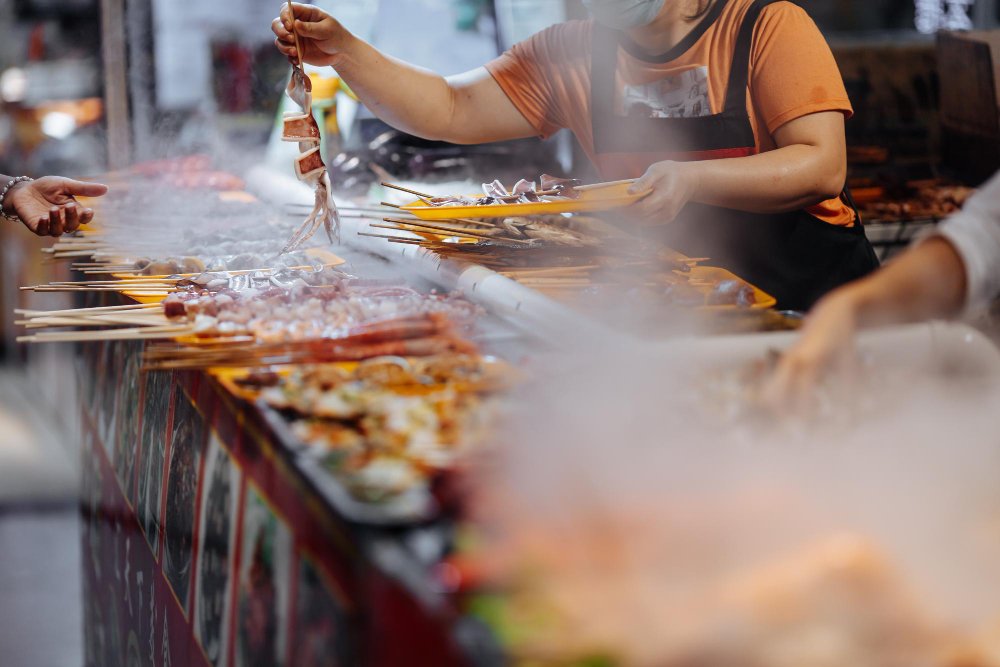
    Street food in the Philippines is not just about eating; it is a social affair. Vendors set up their stalls in bustling markets, busy streets, and neighborhood corners, creating vibrant hubs where people from all walks of life converge. These stalls offer an array of affordable and accessible delicacies, making Filipino street food a democratic culinary experience. Whether it’s the smoky aroma of grilled skewers or the inviting scent of freshly fried snacks, street food stalls are focal points of social interaction, where conversations flow as freely as the food.

    Moreover, the communal nature of Filipino street food fosters a sense of community and shared identity. It is common to see groups of friends, families, and even strangers bonding over a shared love for these delightful treats. The accessibility of street food ensures that it is enjoyed by both the young and the old, the affluent and the less privileged, making it an integral part of Filipino culture.

    In essence, Filipino street food is a living testament to the country’s rich culinary heritage and its ability to adapt and evolve while retaining its unique identity. It is a celebration of flavors that brings people together, creating an experience that is as much about community as it is about cuisine.

    Popular Filipino Street Foods: A Culinary Tour

    Filipino street food offers a vibrant and diverse culinary experience, with each region showcasing its unique flavors and specialties. Among the most iconic street food items is balut, a fertilized duck egg that is boiled and eaten directly from the shell. Balut is typically consumed with a pinch of salt or a splash of vinegar, providing a rich, savory flavor that appeals to adventurous eaters. The texture is a mix of tender yolk and developed duck embryo, making it a truly unique delicacy enjoyed by locals and tourists alike.

    Another popular street food is isaw, which consists of grilled chicken or pork intestines. These intestines are meticulously cleaned, marinated in a blend of soy sauce, vinegar, and spices, and then skewered onto bamboo sticks. Grilled to a smoky perfection, isaw offers a chewy texture and a savory, slightly charred taste that is often complemented with a dipping sauce of vinegar, chili, and garlic.

    Kwek-kwek is a crowd favorite, particularly among younger Filipinos. This snack features quail eggs that are coated in an orange-tinted batter and deep-fried until crispy. Kwek-kwek is typically served with a tangy and spicy vinegar-based dipping sauce, which balances the richness of the deep-fried coating. The combination of the soft egg inside and the crunchy exterior makes kwek-kwek an irresistible treat.

    No exploration of Filipino street food would be complete without mentioning taho. This beloved snack is a comforting and sweet concoction of silken tofu, arnibal (a syrup made from caramelized sugar and vanilla), and sago pearls. Vendors typically carry taho in large containers, serving it warm and fresh to eager customers. The contrast between the smooth tofu, the sweetness of the syrup, and the chewiness of the sago pearls creates a harmonious blend of textures and flavors.

    These dishes not only highlight the ingenuity and resourcefulness of Filipino cooking but also reflect the rich cultural heritage of the Philippines. Whether you’re a daring foodie or someone with a sweet tooth, the variety of Filipino street food ensures there’s something for everyone to savor and enjoy.

    Filipino street food offers a rich tapestry of flavors deeply rooted in the diverse regions of the Philippines. Each locality boasts its unique culinary identity, shaped by local ingredients, climate, and cultural influences. One cannot discuss regional variations without mentioning the iconic Vigan empanada. Hailing from the Ilocos region, this savory pastry is renowned for its distinct orange-hued crust, achieved through the use of annatto seeds. Filled with a mixture of green papaya, mung bean sprouts, and Vigan longganisa (a type of local sausage), Vigan empanada offers a delightful crunch with every bite.

    Moving southward, Cebu’s street food scene is dominated by the legendary Cebu lechon. Celebrated for its crispy skin and succulent meat, this roasted pig is marinated with a blend of spices, including lemongrass, garlic, and pepper, and cooked over an open flame. The distinct flavor profile of Cebu lechon is attributed to the region’s meticulous preparation methods and the use of native herbs, which infuse the meat with a unique aroma and taste. This dish is often considered the pinnacle of Filipino cuisine, frequently featured in festivals and special occasions.

    In the Visayas region, particularly in Bacolod, chicken inasal stands out as a must-try street food specialty. Marinated in a mixture of calamansi (Philippine lime), vinegar, and annatto oil, the chicken is grilled to perfection, resulting in a flavorful and aromatic dish. Bacolod’s chicken inasal is traditionally served with garlic rice and a dipping sauce made from soy sauce, vinegar, and chili, reflecting the region’s penchant for bold and tangy flavors.

    The regional variations of Filipino street food underscore the country’s culinary diversity. From the savory delights of Vigan empanada and the mouthwatering Cebu lechon to the tangy and aromatic chicken inasal of Bacolod, each region offers a unique gastronomic experience. These specialties not only highlight the local ingredients and traditional cooking methods but also provide a glimpse into the rich cultural tapestry that defines Filipino cuisine.

    The Street Food Experience: Atmosphere and Culture

    The bustling markets and lively stalls of Filipino street food scenes are nothing short of captivating. As you enter these vibrant spaces, your senses are immediately greeted by a symphony of sounds, sights, and smells that define the essence of Filipino street food. The tantalizing aroma of grilled meats, simmering stews, and freshly cooked delicacies wafts through the air, drawing you in with an irresistible promise of gastronomic delight.

    Every corner is a feast for the eyes, with colorful displays of various street food offerings. From the deep golden hues of crispy lumpia to the bright, fresh greens of ensaladang talong, the visual appeal of these dishes is a testament to the artistry and passion of Filipino street food vendors. The sight of skewers sizzling over open flames, pots bubbling with rich broths, and vendors skillfully preparing their specialties adds to the dynamic atmosphere.

    The sounds of the street food markets are equally enchanting. The rhythmic chopping of ingredients, the sizzle of food hitting hot griddles, and the lively banter between vendors and patrons create a soundtrack that is synonymous with communal dining. Friendly vendors, often with warm smiles and engaging conversations, add a personal touch to the experience, making you feel like a welcome guest rather than just a customer.

    Night markets, in particular, come alive with a unique energy. The glow of lanterns and string lights, the hum of conversation, and the clinking of utensils create a convivial atmosphere that encourages social interaction. Long communal tables are a common sight, where strangers become friends over shared plates of pancit, barbecue, and halo-halo. It’s not just about the food; it’s about the connections forged and memories made in these vibrant settings.

    In the realm of Filipino street food, the experience is as important as the cuisine itself. The culture of street food in the Philippines is steeped in traditions of hospitality, community, and celebration, making each visit to a street food market a delightful journey into the heart of Filipino life.

    Health and Safety Considerations

    When indulging in the diverse and flavorful offerings of Filipino street food, it is essential to prioritize health and safety. Concerns about hygiene and food safety are common, but with a few practical tips, you can enjoy these culinary delights with confidence.

    First and foremost, selecting reputable vendors is crucial. Look for stalls that are well-maintained and have a high turnover of customers, as this often indicates fresh ingredients and good hygiene practices. Observing the vendor’s cleanliness, such as wearing gloves, using utensils instead of hands, and maintaining a clean workspace, can also provide assurance of safe food handling.

    Pay attention to how the food is stored and prepared. Ensure that raw and cooked foods are kept separate to avoid cross-contamination. Additionally, food should be cooked thoroughly and served hot. Avoid items that have been sitting out for too long, as they may be exposed to bacteria. Freshly cooked dishes are generally a safer bet.

    Hydration is vital, but caution should be exercised with street beverages. Opt for bottled water or drinks from sealed containers to prevent waterborne illnesses. If you choose to enjoy local beverages, ensure they are prepared with clean, filtered water.

    Vendors often take various measures to ensure food safety, such as sourcing ingredients from reliable suppliers and adhering to local health regulations. Many street food stalls in the Philippines are subject to regular inspections, which helps maintain a standard of hygiene and quality.

    By being mindful of these health and safety considerations, you can savor the vibrant and authentic experience of Filipino street food without compromising your well-being. Enjoy the rich flavors and unique dishes that this culinary tradition has to offer, while staying safe and healthy.

    The Economic Impact of Street Food Vendors

    Street food vendors play a crucial role in the local economy, particularly in the vibrant Filipino street food scene. These small businesses contribute significantly to economic growth by providing affordable and accessible dining options for a broad demographic. The proliferation of street food vendors creates a dynamic market environment that fosters entrepreneurship and encourages innovation in food offerings. Importantly, these vendors often serve as a stepping stone for aspiring chefs and culinary entrepreneurs who lack the capital to start a traditional restaurant.

    Employment opportunities generated by street food vendors are substantial. Not only do these vendors create jobs for themselves, but they also often employ family members, friends, and other local residents. This employment helps to alleviate poverty and reduce unemployment rates in urban and rural areas. Additionally, the demand for ingredients and supplies sourced from local markets and farms supports local agriculture and stimulates the broader economy. By purchasing produce and other goods locally, street food vendors help sustain the livelihoods of farmers and small-scale suppliers, creating a ripple effect of economic benefits.

    Despite their contributions, street food vendors face several challenges. Competition is fierce, with numerous vendors vying for customers in crowded marketplaces. This competition can drive innovation but also puts pressure on vendors to keep prices low, affecting their profit margins. Regulatory hurdles present another significant challenge. Street food vendors must navigate complex and often inconsistent regulations concerning permits, health and safety standards, and zoning laws. Compliance with these regulations can be costly and time-consuming, particularly for smaller vendors with limited resources. Economic instability, such as fluctuations in food prices or economic downturns, further exacerbates these challenges, making it difficult for vendors to sustain their businesses.

    In conclusion, the economic impact of Filipino street food vendors is multifaceted. They contribute to local economic growth, provide vital employment opportunities, and support local agriculture. However, they also face significant challenges that require attention and support from policymakers and the community to ensure their continued success and sustainability.

    Street Food Innovations and Trends

    In recent years, Filipino street food has undergone a dynamic transformation, blending traditional flavors with modern culinary trends. This evolution is largely driven by the influence of social media, which has become a powerful platform for showcasing the vibrant and diverse world of Filipino street food. Food bloggers and influencers frequently highlight unique and innovative food items, creating a buzz that attracts food enthusiasts from around the globe.

    One of the most notable trends is the fusion of Filipino street food with international cuisines. This fusion cuisine trend has led to the creation of exciting dishes such as “sushi bake” inspired by traditional Japanese sushi, and “Filipino tacos,” which combine the flavors of classic street foods like adobo or sisig with the popular Mexican taco format. These inventive combinations not only appeal to local palates but also introduce Filipino street food to a wider audience.

    The rise of gourmet street food is another significant trend. Chefs and food entrepreneurs are reimagining traditional street food dishes, elevating them with high-quality ingredients and sophisticated presentation. For instance, the humble “isaw” (grilled chicken intestines) is now being served with gourmet dipping sauces and intricate plating, transforming it into a dish that can be enjoyed in upscale settings. Similarly, the classic “balut” (fertilized duck egg) is being reinvented with creative twists, such as being served in a fine-dining style with complementary flavors and textures.

    New and exciting food items are continuously emerging in the Filipino street food scene. One such innovation is the “ube cheese pandesal,” a sweet bread roll filled with purple yam and cheese, which has gained immense popularity for its unique flavor profile and vibrant color. Additionally, traditional dishes are being modernized to cater to contemporary tastes, such as “kwek-kwek” (quail eggs coated in an orange batter) now being offered with a variety of dipping sauces and garnishes.

    Overall, the ongoing innovations and trends in Filipino street food reflect a dynamic culinary landscape that respects tradition while embracing creativity and modernity. This evolution not only enhances the appeal of Filipino street food but also ensures its continued relevance in a rapidly changing world.

    Conclusion: Celebrating Filipino Street Food

    Filipino street food offers a vibrant and diverse culinary experience that reflects the rich culture and traditions of the Philippines. From the savory delights of “isaw” and “balut” to the sweet treats of “taho” and “halo-halo,” the variety of flavors and textures is a testament to the creativity and resourcefulness of Filipino vendors. Each dish is a celebration of local ingredients and cooking techniques passed down through generations.

    The importance of street food in Filipino culture cannot be overstated. It serves as a unifying force, bringing together people from all walks of life to share in the joy of eating. Street food stalls are often hubs of social interaction, where conversations flow as freely as the food and drinks. For both locals and visitors, indulging in Filipino street food is not just a culinary adventure but also a cultural immersion.

    Moreover, Filipino street food plays a crucial role in the local economy, providing livelihoods to countless vendors and contributing to the vibrancy of public spaces. These food stalls and markets are more than just places to eat; they are integral parts of the community, fostering a sense of belonging and camaraderie.

    We encourage readers to explore and experience Filipino street food for themselves. Whether you find yourself wandering the bustling streets of Manila or attending a Filipino street food festival abroad, the unique flavors and warm hospitality are sure to leave a lasting impression. Embrace the opportunity to taste the essence of Filipino culture through its street food, and discover the stories and traditions that make each dish special.

  • The Ultimate Filipino Birthday Party Menu: Traditional Dishes to Elevate Your Celebration

    The Ultimate Filipino Birthday Party Menu: Traditional Dishes to Elevate Your Celebration

    menu for birthday party filipino

    Introduction to Filipino Birthday Celebrations

    In the Philippines, birthdays are more than just personal milestones; they are cherished cultural events that bring family and friends together. These celebrations are often grand affairs, characterized by the warmth of communal gatherings, lively entertainment, and most importantly, a sumptuous spread of traditional Filipino dishes. The act of sharing a meal is deeply ingrained in Filipino culture, symbolizing hospitality, unity, and the joy of togetherness.

    Food plays a central role in these gatherings, serving as a bridge that connects generations and preserves culinary traditions. The menu for a birthday party in the Philippines is carefully curated to include a variety of dishes that cater to diverse tastes and preferences. From savory entrees to sweet desserts, each dish is selected not only for its flavor but also for its cultural significance.

    The Filipino practice of ‘salu-salo,’ or communal eating, is a testament to the value placed on family and social bonds. During these celebrations, large tables are adorned with an array of traditional dishes, encouraging guests to share and enjoy the meal together. This practice fosters a sense of community and belonging, making birthdays a time for creating lasting memories.

    As we delve deeper into the ultimate Filipino birthday party menu, we will explore an assortment of traditional dishes that elevate the celebration. Each dish, with its unique flavors and textures, contributes to the festive atmosphere, ensuring that the birthday is not just an occasion to mark another year, but a celebration of life, love, and heritage.

    menu for birthday party filipino Pancit

    Pancit: The Symbol of Long Life

    In Filipino culture, Pancit is more than just a dish; it is a symbol of long life and good health, making it an essential part of any birthday celebration. The tradition of serving Pancit during birthdays stems from the belief that the long noodles represent longevity and prosperity. This cultural significance ensures that Pancit holds a revered place on every menu for a birthday party Filipino style.

    There are various types of Pancit, each offering a unique taste and texture, ensuring there is something to please every palate at your celebration. Pancit Canton, for instance, features stir-fried egg noodles combined with a mix of vegetables, meat, and seafood. Its rich and savory flavor profile makes it a crowd favorite. On the other hand, Pancit Bihon uses thin rice noodles and is often cooked with chicken, shrimp, and a medley of vegetables. This variant is lighter and offers a more delicate taste, perfect for guests who prefer a less heavy dish.

    Another popular variant is Pancit Malabon, which is distinct for its thick rice noodles and rich, flavorful sauce made from shrimp broth and annatto oil. Topped with chicharron, hard-boiled eggs, and a variety of seafood, Pancit Malabon offers a burst of flavors that can elevate any birthday party menu. Each type of Pancit brings its own set of textures and flavors, allowing hosts to cater to diverse tastes and preferences.

    To prepare Pancit for a birthday party, it is crucial to ensure that the noodles are cooked to perfection, neither too soft nor too firm. Fresh ingredients, particularly vegetables and proteins, should be used to enhance the dish’s flavor and nutritional value. Serving Pancit with lemon or calamansi on the side allows guests to add a zesty kick to their liking, making the dish even more enjoyable.

    Incorporating Pancit into your birthday party menu not only adheres to tradition but also offers a delicious and meaningful dish that guests will appreciate. The variety of Pancit ensures that there is something for everyone, making it a versatile and indispensable addition to any Filipino birthday celebration.

    menu for birthday party filipino Lumpia

    Lumpia: The Crowd-Pleasing Appetizer

    No Filipino birthday party menu is complete without the presence of Lumpia, a beloved appetizer that is sure to delight guests of all ages. Lumpia, often referred to as Filipino spring rolls, comes in various forms, each offering a distinct taste and texture. The two most popular types are Lumpiang Shanghai and Lumpiang Sariwa, both of which are staples at Filipino gatherings.

    Lumpiang Shanghai is the fried variant of Lumpia and is often filled with a savory mixture of ground pork, minced vegetables, and seasonings. The filling is wrapped in thin, delicate wrappers and then deep-fried to golden perfection. The result is a crispy, flavorful bite that pairs wonderfully with a sweet and tangy dipping sauce. Preparing Lumpiang Shanghai involves finely chopping ingredients like carrots, onions, and garlic, mixing them with ground meat and seasonings, and carefully rolling them in spring roll wrappers. Frying them in hot oil until they achieve a golden-brown color ensures they are both crispy and delicious.

    On the other hand, Lumpiang Sariwa, or fresh Lumpia, offers a healthier and equally delightful alternative. This variety features a fresh vegetable filling typically consisting of lettuce, carrots, and green beans, sometimes accompanied by shrimp or other proteins. The filling is wrapped in a soft, crepe-like wrapper and usually served with a sweet peanut sauce. To prepare Lumpiang Sariwa, vegetables are julienned and lightly sautéed, then rolled into a fresh wrapper made from a batter of flour, eggs, and water. The fresh and vibrant flavors make it a refreshing addition to any birthday party spread.

    Both types of Lumpia can be prepared ahead of time, making them convenient for party hosts. Whether you choose the crispy delight of Lumpiang Shanghai or the fresh, vibrant taste of Lumpiang Sariwa, these appetizers are sure to be a hit. Serve them with dipping sauces like sweet chili or peanut sauce to elevate their flavors and ensure your menu for a birthday party Filipino style is truly unforgettable.

    menu for birthday party filipino Lechon

    Lechon: The Grand Centerpiece

    Lechon, a whole roasted pig, stands as the grand centerpiece of any traditional Filipino birthday party menu. This iconic dish is not merely a culinary delight but a symbol of festivity and abundance deeply rooted in Filipino culture. The preparation of Lechon is an elaborate process that begins with selecting a young pig, ideally between 15 to 25 kilograms, ensuring tender and succulent meat.

    Marination is a crucial step in the preparation of Lechon. The pig is typically marinated with a mixture of spices, which often includes a blend of garlic, onions, lemongrass, bay leaves, and peppercorns. Some recipes also incorporate soy sauce, vinegar, or calamansi juice to enhance the flavor profile. The marination process can take several hours to overnight, allowing the flavors to penetrate deeply into the meat.

    Roasting the pig is an art in itself. Traditionally, Lechon is cooked over an open charcoal pit, with the pig skewered on a bamboo pole and rotated slowly for several hours. This slow-cooking technique ensures that the skin becomes incredibly crispy while the meat remains juicy and flavorful. Mastering the perfect balance of heat and timing is essential to achieve the signature crackling skin and tender meat that Lechon is known for.

    The significance of Lechon in Filipino culture cannot be overstated. It embodies the spirit of communal celebration and is often the highlight of any gathering, from birthdays to weddings and fiestas. When it comes to presenting Lechon at a birthday party, it is usually placed at the center of the dining table, often garnished with fruits and vegetables for an eye-catching display.

    Carving Lechon is a ceremonial act that adds to the festive atmosphere. It is typically done by a designated person, often the head of the family or a respected guest. The key is to use a sharp knife to slice through the crispy skin, revealing the tender meat underneath. Guests are served portions of both the skin and meat, often accompanied by a dipping sauce made from vinegar, soy sauce, and crushed garlic.

    Incorporating Lechon into your menu for a birthday party Filipino style not only elevates the culinary experience but also honors a cherished tradition that brings people together in joyous celebration.

    menu for birthday party filipino Kare-kare

    Kare-Kare: A Hearty Stew for Celebrations

    Kare-Kare is a quintessential dish in any Filipino menu for birthday party celebrations, known for its rich and flavorful peanut-based sauce that captures the essence of Filipino cuisine. This traditional stew is often reserved for special occasions, making it a beloved highlight among the array of dishes served.

    The key ingredients of Kare-Kare include oxtail, tripe, and a variety of vegetables such as eggplant, banana blossoms, and string beans. The rich, savory sauce is crafted from ground peanuts, annatto seeds, and a hint of garlic, which lend the dish its distinctive color and taste. To prepare Kare-Kare, the oxtail and tripe are typically pre-cooked until tender, then simmered together with the vegetables in the peanut sauce.

    Here’s a basic recipe to create this delectable stew:

    Ingredients:
    – 1 kg oxtail, cut into serving pieces
    – 500 g tripe, cleaned and cut into strips
    – 1 cup ground peanuts
    – 1/4 cup annatto seeds
    – 4 cloves garlic, minced
    – 1 onion, chopped
    – 2 eggplants, sliced
    – 1 bunch string beans, cut into 2-inch pieces
    – 1 banana blossom, sliced
    – 4 cups water
    – Salt and pepper to taste

    Instructions:
    1. Boil the oxtail and tripe in water until tender. Set aside.
    2. In a pot, heat annatto seeds in oil until oil is colored, then remove seeds.
    3. Sauté garlic and onion in the annatto oil until fragrant.
    4. Add the ground peanuts and 4 cups of water. Stir until well combined.
    5. Add the cooked oxtail and tripe, and simmer for 30 minutes.
    6. Add the vegetables and cook until tender.
    7. Season with salt and pepper to taste.

    To enhance the dining experience, Kare-Kare is traditionally served with bagoong, a fermented shrimp paste that adds a savory, umami punch, alongside steamed rice. The combination of the rich peanut sauce, tender meat, and crisp vegetables, complemented by the unique flavor of bagoong, makes Kare-Kare a truly memorable dish for any Filipino birthday party. This hearty stew not only satisfies the palate but also embodies the warmth and festivity of Filipino celebrations.

    menu for birthday party filipino Puto

    Bibingka and Puto: Traditional Desserts

    Sweet treats hold a cherished place in Filipino birthday celebrations, with Bibingka and Puto being among the most beloved. These traditional desserts not only satisfy the sweet tooth but also add a touch of cultural heritage to the menu for birthday parties Filipino style. The rich flavors and unique textures of these rice-based delicacies make them essential for any celebratory spread.

    Bibingka, a classic Filipino rice cake, is traditionally made from glutinous rice flour, coconut milk, and sugar. The batter is poured into banana leaf-lined molds and baked until golden brown. A key feature of Bibingka is its topping, which often includes salted egg slices, grated coconut, and sometimes cheese. The combination of sweet and savory flavors, along with the aromatic banana leaf, results in a delightful dessert that is both festive and comforting.

    Puto, on the other hand, is a steamed rice cake that is light, fluffy, and slightly sweet. The basic ingredients include rice flour, sugar, and coconut milk, which create a smooth batter that is then steamed in small molds. Puto comes in various flavors and colors, often achieved by adding natural food colorings or flavorings such as pandan, ube (purple yam), or even cheese. The versatility of Puto makes it a favorite at Filipino birthday parties, as it can easily complement other dishes on the menu.

    When presenting these desserts, consider using traditional serving methods to enhance the authenticity of your celebration. For Bibingka, serve it on a banana leaf platter and garnish with additional grated coconut or a drizzle of coconut milk for extra richness. Puto can be arranged in a colorful display, with each piece placed in a mini cupcake liner to maintain its shape and softness.

    Incorporating Bibingka and Puto into your birthday party menu not only honors Filipino culinary traditions but also provides guests with a delightful and memorable treat. These desserts, with their unique textures and flavors, are bound to leave a lasting impression on everyone at the celebration.

    menu for birthday party filipino Gulaman

    Refreshing Drinks: Sago’t Gulaman and Buko Juice

    When planning a menu for a birthday party Filipino style, it’s essential to include beverages that not only quench the thirst but also add a touch of tradition to the celebration. Two popular choices are Sago’t Gulaman and Buko Juice, both of which are crowd-pleasers and perfect companions to the rich flavors of Filipino dishes.

    Sago’t Gulaman is a beloved Filipino drink made with tapioca pearls and gelatin served in a sweet syrup. To prepare Sago’t Gulaman, start by cooking the tapioca pearls until they become translucent. Simultaneously, prepare the gelatin according to package instructions. Once both components are ready, combine them in a large pitcher. For the syrup, dissolve brown sugar in water, and bring it to a boil until it thickens. Mix the syrup with the tapioca and gelatin, and chill the drink before serving. For an added layer of flavor, you can include a splash of vanilla extract or pandan essence. Serve Sago’t Gulaman over ice to keep your guests cool and refreshed.

    Buko Juice, or coconut water, is another refreshing beverage that pairs well with the Filipino birthday party menu. To make this drink, start by sourcing fresh young coconuts. Carefully crack them open and pour the coconut water into a pitcher. Scoop out the tender coconut meat and add it to the juice. For a slightly sweeter taste, you can mix in a bit of simple syrup or honey. Chill the Buko Juice before serving, and present it over ice with a slice of lime or a sprig of mint for a refreshing twist.

    Both Sago’t Gulaman and Buko Juice are not only delicious but also provide a refreshing contrast to the savory and sweet dishes typically found in a Filipino birthday party menu. By offering these traditional beverages, you ensure that your guests remain hydrated and satisfied, enhancing their overall experience at the celebration.

    Putting It All Together: Tips for a Successful Filipino Birthday Party

    Planning a Filipino birthday party can be a delightful yet demanding task. To ensure a memorable celebration, it is crucial to pay attention to various elements including the menu, decorations, and entertainment. A thoughtfully curated menu for birthday party Filipino style is the cornerstone of the event. Balancing traditional dishes with modern twists can cater to a diverse guest list and elevate the culinary experience.

    Begin by selecting key traditional Filipino dishes such as Lechon, Pancit, and Lumpia. These staples are not just crowd-pleasers but also embody the essence of Filipino cuisine. To add a contemporary flair, consider modern interpretations like Lechon Kawali Tacos or Pancit Canton with a fusion twist. This approach can intrigue guests and offer a fresh take on beloved classics.

    When planning your menu, ensure there’s a variety of options to accommodate different dietary preferences, including vegetarian and gluten-free choices. This inclusivity not only shows thoughtfulness but also ensures all guests can enjoy the feast. For dessert, traditional sweets like Halo-Halo and Leche Flan can be complemented with trendy treats such as Ube Cheesecake or Mango Float.

    Decorations play a significant role in setting the mood. Incorporate elements that reflect Filipino culture, such as colorful banderitas (bunting) and bamboo accents. Fresh flowers, particularly Sampaguita, can add an authentic touch. Personalized banners and photo booths with traditional props can also enhance the festive atmosphere.

    Entertainment is another vital component. Traditional Filipino games like Pabitin, Sipa, and Tumbang Preso can provide nostalgic fun for both adults and children. To keep the energy high, consider hiring a local band to play OPM (Original Pilipino Music) or curate a playlist of classic and contemporary Filipino hits.

    Finally, Filipino hospitality is all about making guests feel welcomed and valued. A warm greeting at the entrance, interactive activities, and heartfelt toasts can add a personal touch to the celebration. By balancing traditional elements with modern twists, and focusing on creating an inclusive and festive environment, you can ensure a successful Filipino birthday party that leaves lasting memories for all attendees.

  • Exploring the Rich Flavors of Filipino Cuisine

    Exploring the Rich Flavors of Filipino Cuisine

    filipino cuisine

    Introduction to Filipino Cuisine

    Filipino cuisine stands as a testament to the rich tapestry of cultural influences that have shaped the Philippines over centuries. The archipelago’s culinary landscape is a vibrant blend of indigenous traditions and various foreign influences, each contributing to the unique and diverse nature of its dishes. This fusion results in a gastronomic tradition that is both deeply rooted in history and continually evolving.

    Spanish colonization, which spanned over three centuries, has left an indelible mark on Filipino food. Many beloved Filipino dishes, such as adobo and lechon, bear the unmistakable imprint of Spanish culinary techniques and ingredients. The Spanish influence is evident in the use of garlic, vinegar, and the practice of marinating meats, which are now quintessential aspects of Filipino cooking.

    Similarly, Chinese traders introduced a variety of ingredients and cooking methods that have become integral to Filipino cuisine. Staples such as noodles, soy sauce, and the concept of stir-frying are all contributions from Chinese culture. Dishes like pancit and lumpia are direct descendants of these interactions, showcasing the seamless integration of Chinese flavors into the Filipino palate.

    The American colonial period also brought significant changes to Filipino food culture. The introduction of canned goods, breakfast cereals, and fast food items like hamburgers and fried chicken have all found their place in the modern Filipino diet. This period also saw the popularization of sweet desserts and snacks, adding another layer of variety to the culinary scene.

    Indigenous Filipino traditions, however, remain the cornerstone of the country’s culinary identity. Ingredients like coconut, rice, and an array of tropical fruits are staples in many traditional dishes. Methods such as grilling, roasting, and steaming are time-honored practices that continue to be prevalent. Local delicacies often highlight the bounty of the land and sea, celebrating the natural flavors of the Philippines.

    Overall, Filipino cuisine is a dynamic and flavorful mosaic, continually enriched by its historical and cultural heritage. This blend of influences has resulted in a culinary tradition that is both diverse and uniquely Filipino, offering a rich array of flavors and textures that are sure to captivate any food enthusiast.

    Staple Ingredients in Filipino Cooking

    Filipino cuisine is renowned for its rich flavors and diverse textures, largely attributed to its staple ingredients. Central to Filipino cooking is rice, the backbone of most meals. Whether steamed, fried, or transformed into delicacies like bibingka (rice cake) and suman (rice dessert), rice is indispensable. Its versatility allows it to complement a wide range of dishes, making it a fundamental ingredient in Filipino households.

    Coconut, in its various forms, also plays a significant role in Filipino cuisine. Coconut milk and cream add depth and richness to stews, curries, and desserts. Dishes such as ginataang kalabasa (squash in coconut milk) and buko pie (young coconut pie) showcase the ingredient’s ability to enhance both savory and sweet creations. Additionally, coconut oil is often used for frying and sautéing, imparting a subtle flavor to the food.

    Fish sauce, locally known as patis, is another cornerstone of Filipino cooking. This salty, umami-rich condiment is used to season various dishes, from soups and stews to marinades. It adds a distinct taste that is quintessential to Filipino flavors. Similarly, vinegar, particularly the native palm vinegar, is used extensively. Vinegar’s acidic tang is crucial in dishes like adobo, where it tenderizes meat and balances other flavors.

    Tropical fruits such as mangoes, pineapples, and bananas are also integral to Filipino cuisine. These fruits are used in both savory and sweet dishes, providing natural sweetness and a burst of freshness. For instance, green mangoes are a common ingredient in salads, while ripe mangoes are used in desserts like mango float and halo-halo.

    Globally, these ingredients can be sourced from Asian supermarkets, specialty stores, and online retailers. The international availability of these staples allows food enthusiasts worldwide to recreate the vibrant and unique tastes of Filipino cuisine in their own kitchens.

    Popular Filipino Dishes

    Filipino cuisine, renowned for its rich and diverse flavors, boasts an array of dishes that have captured the hearts and palates of many. One of the most iconic dishes is Adobo, often considered the national dish of the Philippines. Adobo is a savory and slightly tangy stew made with meat, usually chicken or pork, marinated in soy sauce, vinegar, garlic, and spices. Its origins can be traced back to the Spanish colonial period, with the term “adobo” derived from the Spanish word “adobar,” meaning “to marinate.” This dish is beloved for its simplicity, adaptability, and the perfect balance of salty and sour flavors.

    Another beloved Filipino dish is Sinigang, a tamarind-based soup known for its sour and savory taste. Sinigang can be made with various types of meat, such as pork, beef, shrimp, or fish, and is often loaded with vegetables like kangkong (water spinach), radish, and eggplant. This dish reflects the Filipino flair for combining fresh, local ingredients to create a comforting and nourishing meal. The tanginess of Sinigang is what sets it apart, making it a staple in Filipino households.

    Lechon, another iconic dish, is a whole roasted pig that is a centerpiece at festive occasions and celebrations. The practice of roasting a whole pig dates back to pre-colonial times, and it has become a symbol of Filipino hospitality and generosity. Lechon is characterized by its crispy, golden-brown skin and tender, flavorful meat, often seasoned with aromatics like lemongrass, garlic, and bay leaves. It is typically served with a liver-based sauce or a vinegar dip to enhance its savory profile.

    Kare-Kare is a rich and hearty stew made with oxtail, tripe, and a variety of vegetables simmered in a thick peanut sauce. This dish is traditionally served with bagoong (fermented shrimp paste) on the side, adding a savory depth to its nutty flavor. Kare-Kare’s roots can be traced to the Pampanga region, known for its culinary heritage. The unique combination of ingredients and the labor-intensive preparation make Kare-Kare a cherished dish in Filipino cuisine.

    For dessert, Halo-Halo stands out as a quintessential Filipino treat. The name “halo-halo” means “mix-mix” in Tagalog, reflecting the dessert’s diverse ingredients. It typically includes a medley of sweetened fruits, jellies, beans, and shaved ice, topped with evaporated milk and sometimes ice cream or leche flan. Halo-Halo is a refreshing and colorful dessert that showcases the Filipino love for blending different textures and flavors into a harmonious and delightful experience.

    Filipino cuisine offers a rich tapestry of flavors, and nowhere is this more vibrantly showcased than in the bustling streets of the Philippines. The art of Filipino street food is a culinary tradition that brings together locals and tourists alike, offering a taste of the country’s diverse and flavorful heritage.

    One of the most iconic street food items is Isaw, which consists of grilled chicken intestines. This delicacy is marinated in a mixture of vinegar, soy sauce, and various spices before being skewered and grilled to perfection. The result is a savory treat with a unique texture that is both crispy and tender. Isaw is often enjoyed with a dipping sauce made from vinegar and chili, adding an extra layer of flavor.

    Another quintessential street food is Balut, a fertilized duck egg that is boiled and eaten directly from the shell. While it may seem unusual to some, Balut is a beloved snack in the Philippines, known for its rich, umami flavor and nutritional benefits. It is typically enjoyed with a sprinkling of salt and a dash of vinegar, and is often considered a must-try for adventurous eaters.

    For those with a sweet tooth, Taho is a popular choice. This sweet tofu snack is made from silken tofu, arnibal (a syrup made from caramelized sugar and vanilla), and sago pearls. Vendors often serve Taho in the morning, calling out to passersby with the distinctive cry of “Taho!” It is a comforting and nutritious breakfast or snack that appeals to both young and old.

    Street food plays a significant role in Filipino culture and daily life. It is not just about satisfying hunger but also about fostering community and celebrating Filipino identity. During festivals and celebrations, street food stalls become bustling hubs of activity, bringing people together to share in the joy of good food and good company. In essence, the art of Filipino street food is a testament to the country’s culinary creativity and its deep-rooted cultural traditions.

    Regional Variations in Filipino Cuisine

    Filipino cuisine is a tapestry of flavors, reflecting the country’s rich cultural heritage and geographical diversity. Each region of the Philippines boasts unique culinary traditions, shaped by local ingredients, historical influences, and indigenous techniques. This regional diversity is a testament to the adaptability and creativity of Filipino culinary practices.

    Luzon

    Luzon, the largest and most populous island, offers a wide variety of dishes that highlight its abundant natural resources. One of Luzon’s most iconic dishes is Adobo, a flavorful stew made with pork or chicken, simmered in vinegar, soy sauce, garlic, and spices. The Bicol Region in southern Luzon is famous for its spicy coconut-based dishes, such as Laing and Bicol Express, which utilize local chili peppers and coconut milk. The northern part, known for its fertile lands, produces the well-loved Bagnet, a crispy pork belly specialty, and Pinakbet, a vegetable dish cooked with fermented shrimp paste.

    Visayas

    The Visayas region, an archipelago in the central part of the country, is known for its seafood-centric cuisine. Cebu, a province in Visayas, is celebrated for its Lechon, a whole roasted pig that is a staple at festive gatherings. The island of Iloilo offers the hearty noodle soup La Paz Batchoy, made with pork organs, shrimp, and beef. Visayan cuisine also features Kinilaw, a raw fish dish marinated in vinegar and spiced with ginger, onions, and chili, showcasing the region’s love for fresh and tangy flavors.

    Mindanao

    In Mindanao, the southernmost major island, the cuisine is heavily influenced by Malay and Muslim cultures. Dishes such as Beef Rendang and Chicken Piaparan incorporate aromatic spices and creamy coconut milk. The Maranao people of Mindanao are known for their vibrant and flavorful Palapa, a condiment made from coconut, ginger, and chili, which is often used to enhance various dishes. The island’s proximity to the sea also means an abundance of seafood, with dishes like Sinuglaw, a combination of grilled pork and marinated fish, exemplifying the region’s culinary ingenuity.

    These regional variations in Filipino cuisine not only highlight the country’s diverse cultural landscape but also offer a culinary journey through the archipelago’s distinct flavors and traditions.

    Filipino Desserts and Sweets

    Filipino cuisine is renowned for its rich and diverse array of desserts and sweets, each offering a unique blend of flavors and textures that reflect the country’s rich cultural heritage. Among the most beloved treats is Bibingka, a traditional rice cake that is especially popular during the Christmas season. Bibingka is typically made from glutinous rice flour and coconut milk, and it is traditionally cooked in a clay pot lined with banana leaves, which imparts a subtle, aromatic flavor. Topped with salted duck eggs and cheese, Bibingka offers a delightful contrast of sweet and savory that is emblematic of Filipino culinary innovation.

    Another staple in the Filipino dessert repertoire is Puto, a type of steamed rice cake that is often enjoyed during breakfast or merienda (afternoon snack). Puto is made from rice flour, sugar, and coconut milk, producing a soft, fluffy texture that pairs perfectly with savory dishes like dinuguan (pork blood stew). These steamed rice cakes are available in various flavors and colors, often reflecting local ingredients and regional preferences. Puto’s simplicity and versatility make it a beloved treat across the archipelago.

    Leche Flan, a rich and creamy caramel custard, is another iconic Filipino dessert that graces many festive tables. This decadent treat, made from egg yolks, condensed milk, and caramelized sugar, has its roots in Spanish colonial influence but has been adapted to suit Filipino tastes. Leche Flan is often served during special occasions such as birthdays, weddings, and fiestas, symbolizing the sweetness of life and the joy of celebration.

    These desserts are more than just culinary delights; they hold significant cultural importance, often playing central roles in various festivals and celebrations. Whether it’s the warm, comforting flavors of Bibingka during Simbang Gabi (night masses leading up to Christmas), the communal enjoyment of Puto during family gatherings, or the indulgent pleasure of Leche Flan at a fiesta, Filipino desserts and sweets encapsulate the spirit of Filipino cuisine – a harmonious blend of flavors, traditions, and communal joy.

    Filipino Cuisine in the Global Scene

    In recent years, Filipino cuisine has garnered substantial acclaim on the global stage, owing to its rich and diverse flavors. This rise in popularity can be largely attributed to several key factors. One significant contributor is the Filipino diaspora, which has spread the culinary traditions of the Philippines across various continents. As Filipinos establish their presence in different parts of the world, they also introduce their unique gastronomic heritage, sparking curiosity and appreciation among local populations.

    Another crucial element propelling Filipino cuisine into the international limelight is the influence of social media. Platforms such as Instagram, YouTube, and TikTok have become vital tools for food enthusiasts and chefs to showcase the vibrant and intricate dishes of the Philippines. These platforms enable users to share recipes, cooking techniques, and food reviews, making Filipino dishes more accessible and enticing to a global audience.

    Notable Filipino chefs and restaurants have also played a pivotal role in elevating the status of Filipino cuisine globally. Chefs like Margarita Fores, who was named Asia’s Best Female Chef in 2016, and Jordan Andino, a rising star in the New York culinary scene, have brought Filipino flavors to the forefront of fine dining. Restaurants such as “Bad Saint” in Washington D.C., which has received critical acclaim and was named one of the best new restaurants in America by Bon Appétit magazine, demonstrate the growing recognition and respect for Filipino culinary artistry.

    The combination of cultural dissemination through the Filipino diaspora, the visibility provided by social media, and the efforts of distinguished chefs and restaurants, has significantly contributed to the global embrace of Filipino cuisine. This newfound appreciation not only celebrates the rich flavors and traditions of the Philippines but also fosters a greater understanding and appreciation of its cultural heritage.

    Conclusion: Embracing Filipino Culinary Heritage

    Throughout this blog post, we have delved into the vibrant and diverse world of Filipino cuisine, uncovering its rich flavors and cultural significance. From the historical influences that have shaped its unique dishes to the essential ingredients that define its character, Filipino cuisine stands as a testament to the country’s rich heritage and resilient spirit. The fusion of indigenous, Spanish, Chinese, and American culinary traditions has given rise to a gastronomic experience that is both familiar and exotic.

    It is crucial to preserve and celebrate these culinary traditions, as they represent more than just food; they are a gateway to understanding the Filipino way of life, values, and communal bonds. Each dish tells a story of the past, reflecting the historical journey and cultural amalgamation that have defined the Philippines. By exploring and appreciating Filipino cuisine, we not only savor delicious flavors but also honor the legacy of generations who have contributed to its evolution.

    We encourage readers to immerse themselves in the world of Filipino cuisine. Whether by visiting local Filipino restaurants to experience authentic dishes, cooking traditional recipes at home, or participating in cultural events that showcase Filipino food, there are countless ways to engage with and enjoy this rich culinary heritage. Embracing Filipino cuisine is an invitation to celebrate diversity, learn about different cultures, and connect with a global community through the universal language of food.

    Ultimately, Filipino cuisine offers more than just nourishment; it provides a meaningful connection to the Philippines’ cultural roots and a delicious way to experience the warmth and hospitality of its people. As we continue to explore and share these culinary treasures, we contribute to the preservation and appreciation of a heritage that is as flavorful as it is profound.