Category: Food & Cooking

  • Filipino Birthday Recipes: A Feast of Tradition and Flavor

    Filipino Birthday Recipes: A Feast of Tradition and Flavor

    Cebu lechon filipino food Filipino Birthday Recipes

    Introduction Filipino Birthday Recipes

    Filipino Birthday Recipes, When it comes to birthdays, Filipinos don’t just throw parties—they create feasts that linger in your memory long after the candles are blown. These celebrations aren’t merely about marking another year; they’re vibrant displays of culture, love, and, of course, mouthwatering food. Filipino birthday recipes are a delightful mix of tradition and innovation, designed to bring people together over shared plates and full hearts.


    Filipino Birthday Food Traditions

    pancit  Filipino Birthday Recipes
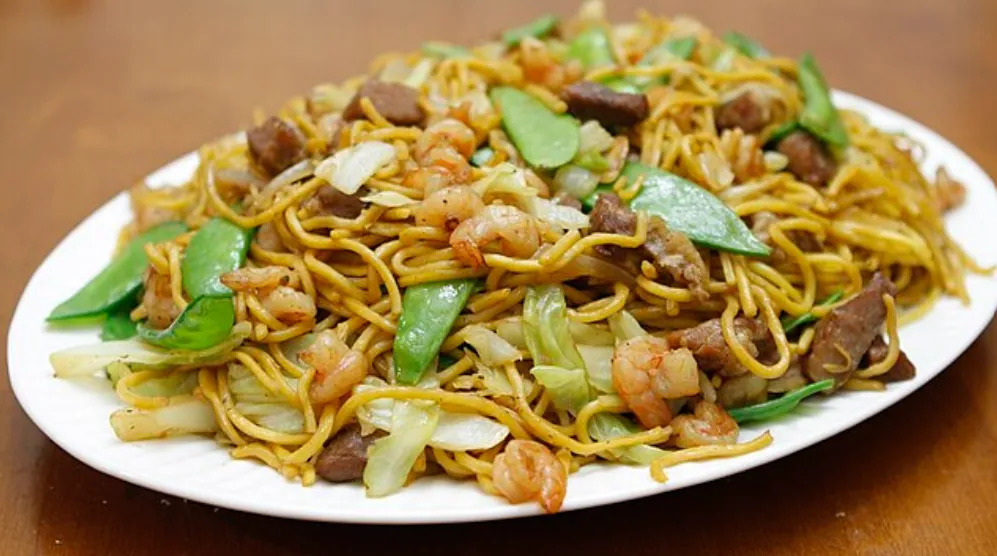
    Pancit photo source

    Pancit: The Dish of Longevity

    Every birthday table in the Philippines features pancit, a noodle dish symbolizing long life and prosperity. These savory noodles are a flavorful reminder of the celebrant’s enduring journey. From the rich Pancit Canton to the lighter Pancit Bihon, the variations ensure there’s something for everyone.

    Lechon: The Grand Centerpiece

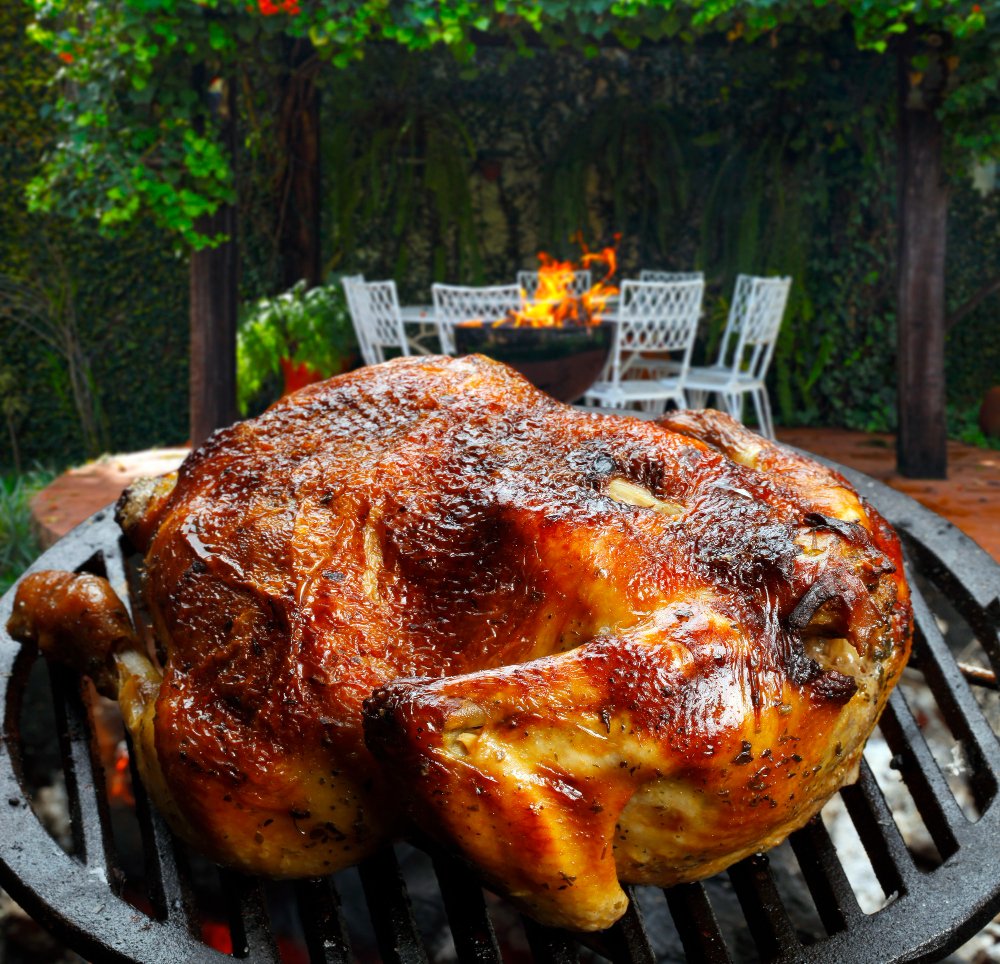
    Nothing screams celebration like a lechon. Whether it’s a full-roasted pig or the more manageable lechon manok (roasted chicken), this dish represents abundance and joy.

    Lumpiang Shanghai: Bite-sized Happiness

    These crispy spring rolls are the ultimate party starter. With their savory filling and perfect crunch, they disappear from the table almost as soon as they’re served!


    Pancit Canton: A Timeless Classic

    • Ingredients: Egg noodles, chicken or pork, carrots, cabbage, snow peas, soy sauce, oyster sauce, and calamansi.
    • Preparation Tips: Stir-fry meat and vegetables, toss in noodles, and coat everything with the savory sauce. A squeeze of calamansi adds a tangy finish.

    Lechon Manok: Juicy and Flavorful

    • Ingredients: Whole chicken, lemongrass, garlic, soy sauce, and calamansi.
    • Tips: Marinate the chicken overnight to lock in flavor. Roast until golden, ensuring the meat stays moist and the skin turns irresistibly crispy.

    Lumpiang Shanghai: Always a Crowd Favorite

    • Ingredients: Ground pork, minced garlic, carrots, onions, and spring roll wrappers.
    • How-To: Roll the filling tightly in wrappers, fry until golden brown, and serve with a sweet chili dipping sauce.

    Sweet Treats to End the Celebration

    leche flan  Filipino Birthday Recipes
    Leche flan photo source

    Leche Flan: Creamy Custard Perfection

    This silky dessert is made with egg yolks, condensed milk, and caramelized sugar. It’s rich, smooth, and always leaves guests asking for seconds.

    ube halaya Filipino Birthday Recipes

    Ube Halaya: Vibrant and Delicious

    This sweet purple yam jam is not just visually stunning but also packed with a unique nutty sweetness. Garnish with coconut flakes or grated cheese for a touch of flair.

    Bibingka and Puto

    Traditional rice cakes like bibingka and puto are must-haves at any Filipino celebration, offering a perfect blend of sweetness and texture.


    Refreshing Drinks for the Party

    Sago’t Gulaman

    This classic Filipino drink combines chewy tapioca pearls, jelly cubes, and sweet syrup over crushed ice for a refreshing pick-me-up.

    Buko Pandan Juice

    Made from young coconut, pandan leaves, and cream, this tropical beverage cools you down and pairs beautifully with savory dishes.


    Modern Twists on Filipino Birthday Recipes

    Fusion Pancit

    Why not add an international flair? Try Pancit Canton with shrimp and garlic butter sauce or Pancit Bihon with a hint of curry for a fusion twist.

    Lechon Variants

    From crispy lechon kawali (fried pork belly) to plant-based options like jackfruit lechon, there’s something for every dietary preference.

    Lumpia Innovations

    Experiment with fillings like shrimp, cheese, or even vegetarian versions with tofu and mushrooms.


    Crafting the Perfect Filipino Birthday Feast

    Balancing the Menu

    A great Filipino birthday spread balances traditional dishes like Pancit and Lechon with modern recipes to cater to diverse tastes. Include options for vegetarians and those with dietary restrictions to ensure everyone enjoys the feast.

    Serving Family-Style

    Filipino celebrations are all about sharing. Serving family-style dishes promotes a warm, communal vibe where everyone feels at home.


    The Filipino Spirit of Sharing

    In the Philippines, birthdays aren’t just about the celebrant—they’re about the community. The bayanihan spirit comes alive as family and friends share food, stories, and laughter. Food becomes a bridge, connecting people and creating memories that last a lifetime.


    Conclusion

    Filipino birthday recipes aren’t just dishes; they’re stories of love, culture, and togetherness. Whether it’s the savory goodness of pancit, the show-stopping lechon, or the sweet indulgence of leche flan, each recipe carries a piece of Filipino heritage. So, the next time you’re planning a celebration, dive into these delicious traditions and create a feast that’s as unforgettable as the occasion itself.


    FAQs

    1. What’s the most iconic Filipino birthday dish?
      The lechon is a quintessential centerpiece for Filipino birthday celebrations.
    2. Can I make these dishes ahead of time?
      Absolutely! Many dishes like lumpiang shanghai can be prepared in advance and fried just before serving.
    3. What are vegetarian alternatives for Filipino birthday recipes?
      Jackfruit lechon and tofu lumpia are excellent plant-based options.
    4. How do I make my Filipino birthday menu unique?
      Add a modern twist to traditional dishes or incorporate fusion elements for a memorable spread.
    5. Where can I buy authentic Filipino ingredients?
      Check Asian grocery stores or online retailers specializing in Filipino products.

    You may also like Siquijor delicacies and 100 pesos budget ulam recipe

  • filipino party food

    filipino party food

    cheap filipino food ulam recipes

    A Culinary Fiesta: Exploring the Delights of Filipino Party Food

    Filipino celebrations are a vibrant explosion of joy, music, and, most importantly, food. The Philippines, with its rich tapestry of cultures and flavors, boasts a unique culinary tradition that takes center stage at every gathering. Food transcends mere sustenance in Filipino culture; it’s a way to express love, hospitality, and togetherness.

    Traditional Treasures: A Taste of the Philippines

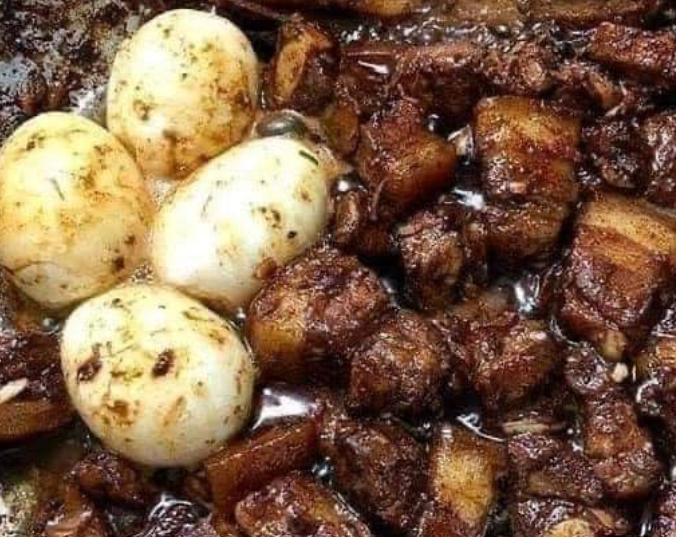
    No Filipino party is complete without a spread of classic dishes. Lumpia, savory spring rolls filled with ground pork and vegetables, offer a delightful crunch in every bite. Pancit, a stir-fried noodle dish with endless variations, symbolizes longevity, making it a must-have for birthdays. Adobo, a tangy and garlicky stew of meat (chicken, pork, or seafood), is a quintessential Filipino dish, showcasing the love affair with bold flavors. And then there’s lechon, the undisputed king of Filipino feasts. This whole roasted pig, a symbol of prosperity, is a centerpiece that guarantees satisfied appetites.

    These dishes are a testament to the common threads that bind Filipino cuisine. Garlic, soy sauce, vinegar, and citrus fruits like calamansi are staples, creating a symphony of sweet, salty, sour, and savory notes. The use of indigenous ingredients like coconut milk and banana blossoms further adds depth and complexity. These dishes, passed down through generations, hold a special place in Filipino celebrations, a comforting reminder of tradition and heritage.

    A Culinary Archipelago: Regional Flavors

    The beauty of Filipino cuisine lies in its regional diversity. Each province boasts its own specialties, influenced by geography, culture, and local ingredients. Bicol, known for its volcanic soil, offers spicy dishes like Bicol Express, a pork stew flavored with chilies and shrimp paste. Ilocos, along the northern coast, is famous for its rich and savory poqui poqui, a dish made with fermented fish innards. The Visayas region, a cluster of islands, showcases its seafood bounty with fresh fish dishes like Kinilaw, a ceviche-like preparation. Exploring regional specialties is a delicious way to embark on a culinary journey across the Philippines.

    Modern Interpretations: A Twist on Tradition

    Filipino cuisine is constantly evolving, embracing modern twists on beloved classics. Fusion cuisine takes center stage, with dishes like Sisig Tacos, combining the iconic sizzling pork dish with Mexican flair. Lumpia fillings get creative, incorporating ingredients like cheese and vegetables. These innovative takes cater to contemporary tastes while still retaining the essence of Filipino flavors.

    A Celebration of Community

    Filipino party food is a vibrant tapestry of flavors, traditions, and regional influences. It’s a testament to the warmth and generosity of Filipino culture, where food serves as a bridge that brings people together. So, the next time you’re planning a party, consider incorporating some of these delightful dishes. Explore the rich flavors of the Philippines and experience the joy of Filipino celebrations, one delicious bite at a time.

  • affordable budget ulam pinoy

    affordable budget ulam pinoy

    affordable budget ulam pinoy

    Introduction

    When it comes to Filipino cuisine, “ulam” holds a special place in every household. Ulam refers to the main dish served alongside rice, which is a staple in every Filipino meal. Given the economic considerations and the size of Filipino families, creating budget-friendly yet delicious and nutritious ulam is a priority. This guide will delve into affordable ulam recipes that you can easily prepare, ensuring you can enjoy the rich flavors of Filipino cuisine without breaking the bank.

    Why Budget Ulam is Important

    In many Filipino homes, the need for budget-friendly meals is driven by economic factors. The cost of living, coupled with large family sizes, makes it essential to find ways to prepare affordable yet satisfying dishes. Budget ulam not only helps in saving money but also encourages creativity in using available ingredients to create delightful meals.

    Staple Ingredients in Filipino Budget Ulam

    To create affordable ulam, understanding staple ingredients is key. These include:

    • Rice: The foundation of any Filipino meal.
    • Vegetables: Commonly used vegetables include eggplant, squash, bitter melon, and water spinach.
    • Affordable Proteins: Fish, chicken, and pork are often used due to their availability and affordability.

    Top Affordable Budget Ulam Recipes

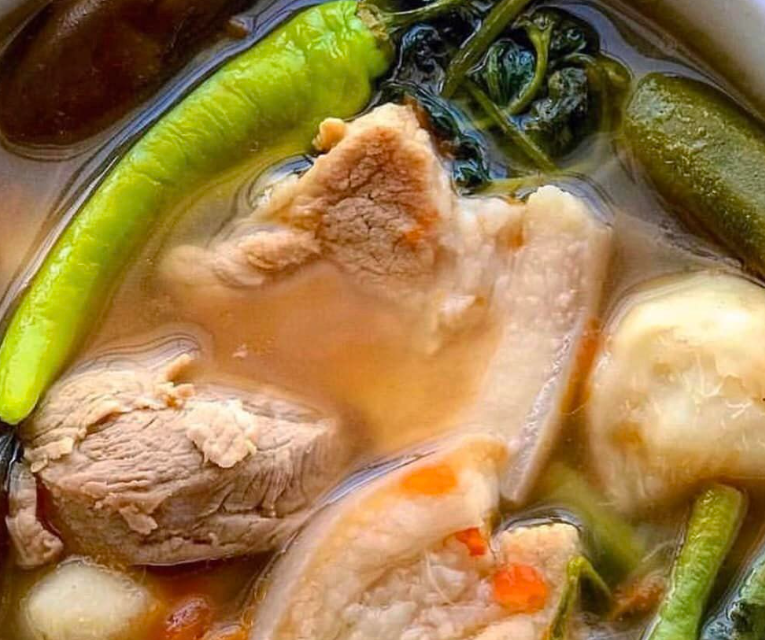
    Sinigang na Baboy

    Ingredients:

    • 1 kg pork ribs
    • 1 packet sinigang mix
    • 1 radish, sliced
    • 2 tomatoes, quartered
    • 1 onion, quartered
    • 1 bunch kangkong (water spinach)
    • 2-3 pieces gabi (taro), peeled and halved
    • 2 liters water
    • Salt to taste

    Preparation Steps:

    1. Boil pork ribs in water until tender.
    2. Add tomatoes, onion, and gabi. Simmer until gabi is soft.
    3. Mix in the sinigang mix and radish. Cook for 5-7 minutes.
    4. Add kangkong and cook for another 2 minutes. Serve hot.
    Adobong Manok

    Ingredients:

    • 1 kg chicken, cut into pieces
    • 1/2 cup soy sauce
    • 1/2 cup vinegar
    • 1 head garlic, crushed
    • 1 onion, chopped
    • 2 bay leaves
    • 1 tsp peppercorns
    • 2-3 potatoes, quartered
    • Water
    • Salt and pepper to taste

    Preparation Steps:

    1. Marinate chicken in soy sauce, vinegar, and garlic for at least 30 minutes.
    2. Sauté onion and garlic until fragrant. Add chicken and marinade.
    3. Add bay leaves and peppercorns. Simmer until chicken is tender.
    4. Add potatoes and cook until soft. Adjust seasoning and serve.
    Tinolang Manok

    Ingredients:

    • 1 kg chicken, cut into serving pieces
    • 1 small green papaya, sliced
    • 1 bunch chili leaves or malunggay
    • 1 thumb-sized ginger, sliced
    • 1 onion, quartered
    • Fish sauce to taste
    • Water

    Preparation Steps:

    1. Sauté ginger and onion until fragrant.
    2. Add chicken and cook until it turns white.
    3. Pour in water and bring to a boil. Simmer until chicken is tender.
    4. Add papaya and cook until tender.
    5. Season with fish sauce and add chili leaves. Serve hot.
    Pinakbet

    Ingredients:

    • 1/2 kg pork belly, cubed
    • 1 bitter melon, sliced
    • 1 eggplant, sliced
    • 1 small squash, cubed
    • 1 bunch string beans, cut into 2-inch pieces
    • 2 tomatoes, chopped
    • 1 onion, chopped
    • 3 cloves garlic, minced
    • 2-3 tbsp shrimp paste
    • Water

    Preparation Steps:

    1. Sauté garlic, onion, and tomatoes until soft.
    2. Add pork belly and cook until browned.
    3. Stir in shrimp paste and mix well.
    4. Add all vegetables and a bit of water. Cover and simmer until vegetables are tender.
    Ginisang Munggo

    Ingredients:

    • 1 cup mung beans
    • 1/4 kg pork, sliced
    • 2 tomatoes, chopped
    • 1 onion, chopped
    • 3 cloves garlic, minced
    • 1 bunch ampalaya leaves or spinach
    • Fish sauce to taste
    • Water

    Preparation Steps:

    1. Boil mung beans in water until tender. Set aside.
    2. Sauté garlic, onion, and tomatoes until soft.
    3. Add pork and cook until browned.
    4. Add cooked mung beans and simmer. Season with fish sauce.
    5. Add ampalaya leaves or spinach. Serve hot.
    Tortang Talong

    Ingredients:

    • 4 eggplants
    • 3 eggs, beaten
    • 1/4 kg ground pork (optional)
    • 2 tomatoes, chopped
    • 1 onion, chopped
    • 3 cloves garlic, minced
    • Salt and pepper to taste

    Preparation Steps:

    1. Grill or boil eggplants until skin is charred and soft.
    2. Peel off skin and flatten the flesh.
    3. Sauté garlic, onion, and tomatoes. Add ground pork if using.
    4. Dip eggplants in beaten eggs and fry until golden brown.
    5. Serve with sautéed mixture on top.
    Paksiw na Isda

    Ingredients:

    • 1 kg fish (tilapia or bangus)
    • 1/2 cup vinegar
    • 1 head garlic, crushed
    • 1 thumb-sized ginger, sliced
    • 2-3 pcs green chili
    • Water
    • Salt to taste

    Preparation Steps:

    1. Arrange fish in a pot with garlic, ginger, and green chili.
    2. Pour vinegar and a bit of water. Season with salt.
    3. Bring to a boil and simmer until fish is cooked through. Serve hot.

    Tips for Making Budget Ulam Even More Affordable

    1. Buying in Bulk: Purchase rice, vegetables, and proteins in larger quantities to save money.
    2. Utilizing Local Markets: Fresh produce and meats are often cheaper at local markets compared to supermarkets.
    3. Reducing Food Waste: Plan meals to use leftovers creatively and avoid throwing away food.

    Healthy Substitutions in Budget Ulam

    • Use less oil by opting for boiling or grilling instead of frying.
    • Incorporate more vegetables to add nutrients and reduce costs.
    • Choose lean cuts of meat to make meals healthier.

    Meal Planning and Preparation

    1. Weekly Meal Plans: Plan your meals for the week to ensure you have all ingredients ready.
    2. Batch Cooking: Prepare large batches of ulam and store portions in the freezer for later use.
    3. Proper Food Storage: Keep ingredients and cooked meals in airtight containers to extend their shelf life.

    Cultural Significance of Ulam in Filipino Society

    Ulam is more than just food; it is an integral part of Filipino culture and daily life. It represents family, tradition, and the communal nature of Filipino dining. Ulam dishes are present in everyday meals as well as during special occasions, highlighting their importance in Filipino society.

    Conclusion

    Affordable budget ulam allows you to enjoy the richness of Filipino cuisine without spending too much. With a bit of planning and creativity, you can create delicious, nutritious meals that bring joy to your dining table. Try out these recipes and see how easy it is to make budget-friendly ulam a part of your regular menu.

    FAQs

    1. What are some quick and easy Filipino budget ulam dishes?
      • Ginisang Munggo and Tortang Talong are quick and easy to prepare.
    2. Can I make Filipino ulam vegetarian?
      • Yes, you can substitute meat with tofu or more vegetables.
    3. How can I store leftover ulam?
      • Store leftovers in airtight containers in the refrigerator for up to three days or freeze for longer storage.
    4. What are some tips for meal prepping Filipino dishes?
      • Batch cook, portion meals, and use proper storage techniques to keep food fresh.
    5. Are there any regional variations of budget ulam?
      • Yes, each region in the Philippines has its own version of ulam, using locally available ingredients.
  • affordable pinoy ulam

    affordable pinoy ulam

    Bistek Tagalog
    Bistek Tagalog

    Introduction

    The Heart of Pinoy Cuisine

    Imagine coming home after a long day and being greeted by the tantalizing aroma of a hearty, home-cooked meal. That’s the magic of Pinoy ulam, the staple dishes that form the heart of Filipino cuisine. But wait, what if I told you these delightful meals won’t burn a hole in your pocket? Welcome to the world of affordable Pinoy ulam!

    Why Affordable Pinoy Ulam?

    Let’s be real: eating out or ordering takeout can be a real wallet drainer. Affordable Pinoy ulam not only saves you money but also brings the comfort of home-cooked goodness right to your table. Plus, it’s a fantastic way to explore the rich tapestry of Filipino flavors without breaking the bank.

    The Essence of Ulam

    What is Ulam?

    “Ulam” refers to the main dish or viand in a Filipino meal, typically enjoyed with rice. It’s the star of the show, the reason we all look forward to mealtime. Whether it’s meat, fish, or vegetables, ulam is all about variety and flavor.

    Cultural Significance

    In the Philippines, ulam isn’t just food—it’s a celebration of culture and family. It’s about gathering around the table, sharing stories, and savoring each bite. Affordable ulam ensures that everyone, regardless of budget, can partake in this cherished tradition.

    Staple Ingredients in Affordable Pinoy Ulam

    Basic Ingredients

    Stocking up on essentials can make your ulam both delicious and budget-friendly. Think soy sauce, vinegar, garlic, onions, tomatoes, and various spices. These staples are the building blocks of countless Pinoy dishes.

    Budget-Friendly Tips

    Shop local markets for fresh produce, buy in bulk, and opt for cheaper cuts of meat. Trust me, with the right cooking techniques, even the most humble ingredients can turn into culinary masterpieces.

    Popular Affordable Pinoy Ulam Dishes

    Adobo

    The undisputed king of Filipino cuisine, adobo is a savory, tangy dish made with chicken or pork simmered in soy sauce, vinegar, garlic, and spices. It’s incredibly versatile and, better yet, easy on the wallet.

    Sinigang

    A sour soup made with tamarind, tomatoes, and various vegetables, sinigang can be made with pork, shrimp, or fish. Its refreshing, tangy flavor is perfect for a comforting meal.

    Tinola

    This ginger-based chicken soup with green papaya and leafy greens is both nutritious and delicious. It’s a staple in many Filipino households and is super easy to prepare.

    Ginisang Munggo

    Mung beans sautéed with garlic, onions, and tomatoes, often paired with bits of pork or shrimp. This hearty dish is not only affordable but also packed with nutrients.

    Paksiw na Isda

    Fish stewed in vinegar with garlic and spices—simple, tangy, and perfect with a steaming bowl of rice.

    Affordable Pinoy Ulam for Breakfast

    Tapsilog

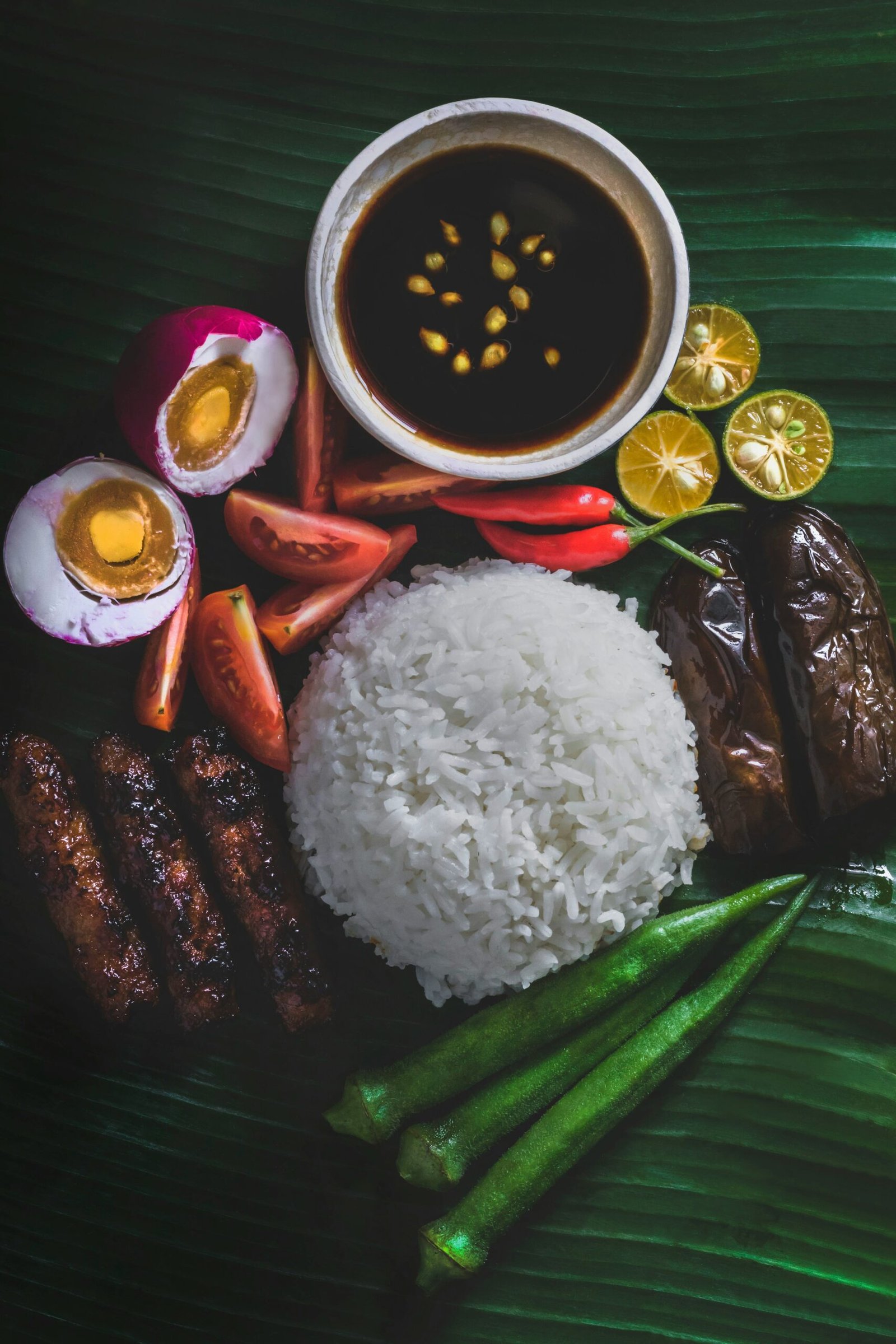
    A breakfast favorite consisting of tapa (cured beef), sinangag (garlic fried rice), and itlog (fried egg). It’s a delicious and filling way to start the day.

    Longsilog

    Similar to tapsilog but with longganisa (sweet Filipino sausage) instead of tapa. It’s a sweet and savory treat that’s hard to resist.

    Tosilog

    Tosilog swaps in tocino (sweet cured pork) for a delightful breakfast combo that’s sure to satisfy your morning cravings.

    Lunch and Dinner Ulam Ideas

    Kare-Kare

    A rich and creamy peanut stew made with oxtail, tripe, and vegetables. While it sounds fancy, you can make an affordable version using cheaper cuts of meat and still achieve that delectable flavor.

    Pinakbet

    A vegetable medley cooked with bagoong (fermented shrimp paste). This dish is healthy, budget-friendly, and bursting with umami goodness.

    Chicken Inasal

    Grilled chicken marinated in a mixture of vinegar, calamansi, garlic, and spices. It’s smoky, tangy, and absolutely mouthwatering.

    Vegetarian and Vegan Options

    Laing

    Taro leaves cooked in coconut milk with chilies and shrimp paste. Skip the shrimp paste for a vegan version that’s just as delicious.

    Gising-Gising

    A spicy dish made with green beans and coconut milk. It’s simple, flavorful, and a great way to get your veggies in.

    Ensaladang Talong

    Grilled eggplant salad mixed with tomatoes, onions, and a tangy dressing. It’s a refreshing side dish that pairs well with any meal.

    Cooking Techniques for Ulam

    Sautéing and Stir-Frying

    Quick and easy methods perfect for vegetables and smaller cuts of meat. It’s all about high heat and minimal cooking time to retain the freshness and crunch.

    Stewing

    Great for tougher cuts of meat and hearty dishes. This slow-cooking method allows flavors to meld beautifully, resulting in rich and comforting meals.

    Grilling

    Perfect for meats like chicken and pork. The high heat adds a smoky flavor that’s simply irresistible.

    Meal Planning with Pinoy Ulam

    Weekly Meal Plan

    Plan your meals ahead to save time and money. Prepare a mix of quick dishes and those that can be cooked in bulk.

    Batch Cooking

    Cook larger portions and store them for later. This is perfect for busy weeks and ensures you always have a home-cooked meal ready.

    Saving Money While Enjoying Ulam

    Shopping Tips

    Buy seasonal produce, take advantage of sales, and don’t be afraid to haggle at local markets. Every peso counts!

    Cooking in Bulk

    Double your recipes and freeze leftovers. This reduces waste and ensures you get the most out of your ingredients.

    Making Ulam More Exciting

    Fusion Recipes

    Mix traditional Pinoy flavors with international cuisine. Think adobo tacos or sinigang ramen—fusion dishes can be a fun way to spice up your meals.

    Spicing It Up

    Experiment with different spices and herbs. A little tweak can turn a familiar dish into something new and exciting.

    Health Benefits of Pinoy Ulam

    Nutritional Value

    Many ulam dishes are packed with protein, fiber, and essential vitamins and minerals. They’re not just tasty—they’re good for you too!

    Balanced Diet

    Incorporating a variety of ulam ensures you get a balanced diet. From meat to vegetables, there’s something for everyone.

    Kid-Friendly Ulam Recipes

    Sweet and Sour Meatballs

    A sweet and tangy dish that’s sure to be a hit with the kids. It’s also an easy way to sneak in some veggies.

    Chicken Adobo Flakes

    Crispy and flavorful, these flakes are perfect for picky eaters. They can be served over rice or as a sandwich filling.

    Ulam for Special Occasions

    Lechon Kawali

    Crispy fried pork belly that’s perfect for celebrations. It’s a bit indulgent, but oh-so-worth it.

    Bistek Tagalog

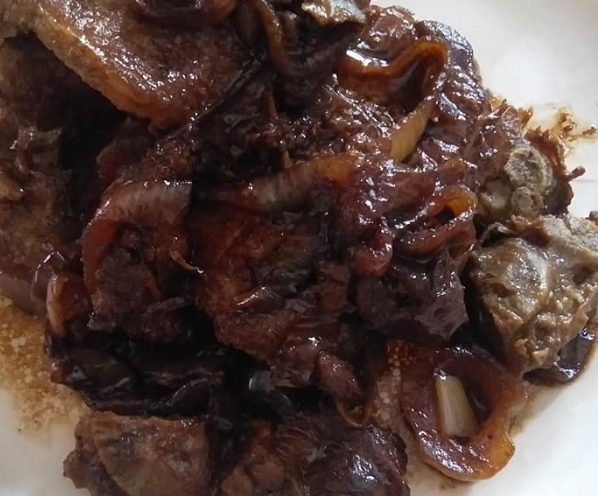
    A savory beef dish marinated in soy sauce and calamansi juice. It’s a crowd-pleaser and ideal for special gatherings.

    Conclusion

    Embracing the Affordability and Flavor of Pinoy Ulam

    Affordable Pinoy ulam is a testament to the ingenuity and rich culinary heritage of the Philippines. It proves that you don’t need to spend a fortune to enjoy delicious, heartwarming meals. So, grab your apron, gather your ingredients, and embark on a flavorful journey through the world of Pinoy ulam!

    FAQs

    What is the most affordable Pinoy ulam?

    Ginisang munggo and paksiw na isda are among the most affordable options. They use simple, inexpensive ingredients yet deliver incredible flavors.

    Can I make vegetarian Pinoy ulam?

    Absolutely! Dishes like laing, gising-gising, and ensaladang talong are perfect vegetarian options. You can also modify traditional recipes to suit a vegetarian diet.

    How can I make Pinoy ulam healthier?

    Opt for leaner cuts of meat, increase the amount of vegetables, and reduce the use of oil and salt. Steaming and grilling are healthier cooking methods compared to frying.

    What are some quick ulam recipes?

    Tapsilog, ginisang munggo, and tinola are quick and easy to prepare. They require minimal ingredients and can be ready in under 30 minutes.

    Where can I buy ingredients for Pinoy ulam?

    Local markets and grocery stores typically carry all the ingredients you need. For specialty items, Asian grocery stores or online retailers can be great resources.

  • lechon manok The Juicy Tale of Lechon Manok: A Filipino Delightlechon manok

    lechon manok The Juicy Tale of Lechon Manok: A Filipino Delightlechon manok

    lechon manok

    Introduction

    Picture this: a sizzling hot chicken, golden-brown and glistening with savory juices, its aroma teasing your senses from blocks away. This, my hungry friends, is the enchanting story of lechon manok — a beloved Filipino favorite that’s not just a dish, but a cultural icon.

    What is Lechon Manok?

    Lechon manok isn’t just any roasted chicken; it’s a culinary masterpiece that Filipinos have perfected over generations. The term “lechon” refers to a style of cooking that involves roasting over an open flame, typically with flavorsome marinades.

    Cultural Significance in the Philippines

    In the Philippines, lechon manok isn’t just food; it’s a celebration. Whether it’s a fiesta, a family gathering, or a simple Sunday meal, you’ll find this juicy bird at the heart of the table, bringing people together with its irresistible aroma and flavors.

    Popularity and Variations

    From bustling city streets to remote provincial towns, you’ll find variations of lechon manok everywhere. Each region boasts its own twist, from traditional recipes handed down through families to modern spins that incorporate local ingredients and global influences.

    The Basics of Lechon Manok

    Definition and Translation

    Lechon manok, translated to English, simply means roasted chicken. But to Filipinos, it means so much more — it’s a taste of home, comfort, and celebration all rolled into one crispy, flavorful package.

    Ingredients of Lechon Manok

    What makes lechon manok tick? Well, it starts with the star of the show: a plump, juicy chicken. Add in a marinade of soy sauce, calamansi, garlic, and spices, and you’ve got yourself a recipe for mouthwatering success. Optional twists like lemongrass or even a splash of soda can take it to the next level of deliciousness.

    How to Cook Lechon Manok

    Ah, the moment of truth — how do you turn a plain chicken into a lechon manok masterpiece? It’s all about preparation and technique. From prepping the bird to infusing it with flavors and choosing your cooking method (grilling, roasting, or turbo broiling), every step counts toward that perfect golden crunch.

    Lechon Manok Recipes

    Dive into the Deliciousness

    Ready to roll up your sleeves? Here are a few recipes to get you started:

    • Classic Lechon Manok Recipe: Straightforward, delicious, and guaranteed to impress.
    • Lechon Manok Recipe with a Twist: Try adding Sprite for a hint of sweetness, or turbo charge it with tanglad (lemongrass) for that extra zing.

    Lechon Manok for Business

    Dreaming of starting your own lechon manok empire? We’ve got tips for you too! From secret recipes to scaling up production, learn how to turn your passion for poultry into a thriving business, just like Sr. Pedro did.

    Nutritional Information

    Wondering about the health perks? While it’s not exactly a salad, lechon manok offers protein-packed goodness with a side of indulgence. Count those calories if you must, but don’t forget to savor every crispy, succulent bite.

    Lechon Manok Sauce and Plating

    What’s a roast chicken without its trusty sidekick — the sauce? Learn how to whip up the perfect dip to complement your lechon manok, and don’t forget to plate it like a pro for that Instagram-worthy presentation.

    Lechon Manok in Filipino Culture

    This isn’t just about food; it’s about history, tradition, and community. Discover how lechon manok weaves its way through Filipino celebrations, from birthdays to Christmas feasts, and why it’s more than just a meal — it’s a memory.

    Tips and Tricks

    Ready to take your lechon manok game to the next level? We’ve got insider tips on marinating techniques, injection secrets for flavor bombs, and how to serve it up with flair.

    Conclusion

    And there you have it — the tantalizing tale of lechon manok. Whether you’re a seasoned chef or a curious foodie, we invite you to try your hand at making this Filipino classic at home. It’s not just about the flavors; it’s about the experience. So, fire up that grill, gather your loved ones, and let the magic of lechon manok bring joy to your table.

    Remember, it’s not just food; it’s a celebration. Cheers to good food, great company, and the stories we share over a plate of perfectly roasted lechon manok.

    FAQs about Lechon Manok

    What is the English of lechon manok?

    In English, lechon manok translates simply to roasted chicken. However, its cultural richness and flavor go beyond mere translation.

    Where did Lechon Manok originate?

    Lechon manok originated in the Philippines, where it has become a staple in Filipino cuisine and culture, cherished for its delicious taste and communal significance.

    How much is lechon manok?

    The price of lechon manok can vary depending on where you buy it and the size of the chicken. Generally, it’s affordable and well worth the taste experience.

    How much is the Lechon Manok franchise?

    Interested in franchising a lechon manok business? Prices can vary, but it’s a flavorful investment if you’re passionate about sharing this Filipino delight with others.

    You may also like

  • Mga Masarap na Ulam na Pwedeng Lutuin sa Halagang 150 Pesos

    Mga Masarap na Ulam na Pwedeng Lutuin sa Halagang 150 Pesos

    150 pesos ulam recipe

    Panimula: Ang Hamon ng Budget-Friendly na Pagluluto

    Ang paghahanda ng masarap at masustansyang ulam sa halagang 150 pesos ay isang hamon na maraming pamilyang Pilipino ang kinakaharap araw-araw. Sa gitna ng tumataas na presyo ng bilihin, mahalagang matutunan kung paano maghanda ng mga pagkain na hindi lamang abot-kaya kundi pati na rin masustansya at masarap. Maraming pamilyang Pilipino ang umaasa sa budget-friendly na mga ulam upang masiguro na lahat ng miyembro ng kanilang pamilya ay nakakakain ng sapat at masustansyang pagkain.

    Ang budget-friendly na pagluluto ay hindi lamang tungkol sa pagtitipid ng pera, kundi pati na rin sa pagpili ng mga sangkap na puno ng nutrisyon na kayang makapagbigay ng tamang sustansya sa katawan. Sa pamamagitan ng maingat na pagpaplano at tamang pagpili ng mga sangkap, posible ang makagawa ng 150 pesos ulam recipe na magugustuhan ng buong pamilya. Mahalaga ang pagiging mapamaraan sa kusina upang makalikha ng mga ulam na abot-kaya, lalo na sa mga panahong ang bawat sentimo ay mahalaga.

    Sa blog post na ito, tatalakayin namin ang iba’t ibang 150 pesos ulam recipes na puwedeng subukan sa inyong tahanan. Ang mga ulam na ito ay idinisenyo upang maging simple, masustansya, at siyempre, pasok sa budget. Ipapakita rin namin kung paano makakatulong ang ganitong uri ng pagluluto sa pag-aalaga ng kalusugan ng pamilya sa pamamagitan ng pag-aalok ng mga pagkain na puno ng bitamina at mineral. Sa tulong ng tamang kaalaman at diskarteng ito, makakamit ang layunin ng bawat pamilya na maghain ng masarap at masustansyang pagkain sa araw-araw.

    Pagpili ng mga Sangkap: Ano ang Dapat Bilhin?

    Sa paghahanda ng isang masarap na ulam sa halagang 150 pesos, mahalaga ang tamang pagpili ng mga sangkap. Una sa lahat, kinakailangan nating isaalang-alang ang presyo at kalidad ng mga ito. Sa limitadong budget, makakabili tayo ng iba’t ibang sariwang gulay tulad ng kangkong, sitaw, patola, at talong. Ang mga gulay na ito ay hindi lamang abot-kaya kundi masustansya rin.

    Para sa karne, maaaring pumili ng mga alternatibo sa mamahaling cuts. Ang manok ay isang magandang halimbawa—ang mga parte tulad ng pakpak o dibdib ay madalas mas mura kumpara sa iba. Gayundin, ang isda tulad ng galunggong o tilapia ay maaari ring maging abot-kaya at masustansya. Kung nais naman ng karne ng baboy, ang mga parte tulad ng liempo ay pwede rin, basta’t tamang pamimili at pagtitipid ang gagawin.

    Huwag kalimutan ang mga pampalasa tulad ng bawang, sibuyas, luya, at sili. Ang mga ito ay hindi lamang mura kundi nagbibigay din ng dagdag na lasa at sustansya sa ulam. Ang pamimili sa mga pamilihan tulad ng palengke kaysa supermarket ay makakatulong upang makakuha ng mas murang sangkap. Karaniwan, mas sariwa rin ang mga produktong mabibili sa palengke.

    Isang mahalagang tip sa pamimili ay ang pag-iwas sa mga pre-packaged na produkto. Ang mga ito ay madalas mas mahal kumpara sa sariwang binibili. Maaari ring magtanong sa mga tindera kung kailan ang delivery ng mga sariwang produkto upang makuha ang pinakamahusay na kalidad ng mga sangkap.

    Sa halagang 150 pesos, maaari nang makapaghanda ng isang masarap at masustansyang ulam basta’t tamang pagpili ng mga sangkap ang gagawin. Siguraduhing sariwa at de-kalidad ang mga binibili upang masigurong masarap at masustansya ang inyong lutuin.

    Mga Resipe: Ulam na Swak sa Budget

    Ang pagtitipid sa pagkain ay hindi nangangahulugan ng pagsakripisyo sa lasa. Narito ang ilang mga resipe na masarap at abot-kaya, na maaaring lutuin sa halagang 150 pesos lamang. Sa pamamagitan ng simpleng mga sangkap at madaliang proseso, maaari kang makapaghanda ng masarap na ulam para sa pamilya.

    Adobong Manok

    Isa sa pinakakilalang lutong bahay na ulam ay ang adobong manok. Kailangan mo lamang ng kalahating kilo ng manok, toyo, suka, bawang, paminta, at laurel. Una, igisa ang bawang hanggang mag-golden brown, pagkatapos ay idagdag ang manok at haluin hanggang magkulay puti. Ilagay ang toyo, suka, paminta, at dahon ng laurel. Pakuluan sa mahinang apoy hanggang sa lumambot ang manok at maghalo ang lahat ng lasa. Sa halagang 150 pesos, tiyak na makakagawa ka ng isang masarap at masustansiyang adobong manok.

    Ginisang Monggo

    Ang ginisang monggo ay isang simple ngunit masustansiyang ulam. Kailangan lamang ng monggo, malunggay, kamatis, sibuyas, bawang, at konting baboy o tuyo na isda. Magpakulo ng monggo hanggang lumambot. Sa isang kawali, igisa ang bawang, sibuyas, at kamatis, pagkatapos ay idagdag ang baboy o tuyo. Kapag luto na, ihalo ang monggo at malunggay. Pakuluin sa loob ng ilang minuto hanggang sa lumambot ang lahat ng sangkap. Sa halagang 150 pesos, makakagawa ka ng ginisang monggo na sapat na sa buong pamilya.

    Tortang Talong

    Ang tortang talong ay isang simple ngunit masarap na ulam. Kailangan mo ng tatlong pirasong talong, itlog, sibuyas, bawang, at konting mantika. Ihawin o ilaga ang talong hanggang lumambot, pagkatapos ay balatan. Sa isang bowl, batihin ang itlog kasama ang tinadtad na bawang at sibuyas. Ibabad ang talong sa itlog at iprito sa kawali hanggang sa mag-golden brown. Sa halagang 150 pesos, makakagawa ka ng tortang talong na tiyak na magugustuhan ng lahat.

    Sa pamamagitan ng mga resipe na ito, makakagawa ka ng masarap at masustansiyang ulam na swak sa budget. Hindi kailangang gumastos ng malaki upang makapaghanda ng masarap na pagkain para sa pamilya.

    Mga Teknik sa Pagluluto: Paano Mapapasarap ang Murang Ulam

    Ang pagluluto ng masarap na ulam sa halagang 150 pesos ay hindi lamang tungkol sa tamang pagpili ng mga sangkap kundi pati na rin sa tamang teknik sa pagluluto. Isa sa mga pangunahing teknik ay ang tamang pag-gisa. Sa pag-gisa, mahalagang initin ang langis sa tamang temperatura bago ilagay ang mga sangkap tulad ng bawang, sibuyas, at kamatis. Ang maayos na pag-gisa ay nagpapalabas ng natural na lasa ng mga sangkap at nagdaragdag ng aroma sa ulam.

    Isa pang mahalagang teknik ay ang pag-marinate. Ang pag-marinate ng karne o isda bago lutuin ay nagbibigay ng dagdag na lasa at nagpapalambot dito. Gumamit ng mga simpleng sangkap tulad ng toyo, suka, bawang, at paminta upang makabuo ng masarap na marinate. Iwanan ang karne sa marinate nang hindi bababa sa 30 minuto upang masipsip ng husto ang lasa.

    Ang paggamit ng mga pampalasa ay isa rin sa mga susi sa pagpapasarap ng murang ulam. Ang mga lokal na pampalasa tulad ng pamintang durog, laurel, at asin ay madaling mahanap at abot-kaya. Subukang mag-eksperimento sa iba’t ibang kombinasyon ng pampalasa upang makabuo ng kakaibang lasa. Tandaan na ang tamang dami ng pampalasa ay makakatulong upang hindi maging overpowering ang lasa ng ulam.

    Sa tamang temperatura at oras ng pagluluto, masisiguro mong malasa at malambot ang ulam. Halimbawa, sa pagluluto ng adobo, panatilihin ang mababang init upang dahan-dahang lumambot ang karne habang sumisipsip ng lasa mula sa sabaw. Sa pagprito naman, siguraduhing mainit na mainit ang mantika bago ilagay ang isda o karne upang maging crispy ito sa labas ngunit juicy sa loob. Ang tamang oras ng pagluluto ay magpapanatili ng tamang texture ng bawat sangkap.

    Sa pamamagitan ng mga teknik na ito, makakabuo ka ng masarap na 150 pesos ulam recipe na tiyak na magugustuhan ng iyong pamilya.

    Mga Alternatibong Sangkap: Paano Mag-Adjust Ayon sa Budget

    Sa paghahanda ng 150 pesos ulam recipe, mahalaga na maging malikhain at maparaan. Isang epektibong paraan upang magkasya sa budget ay ang paggamit ng mga alternatibong sangkap na mas mura ngunit masustansya pa rin. Ang pagpapalit ng karne ng mas abot-kayang mga gulay o tokwa ay isang praktikal na hakbang, lalo na sa harap ng tumataas na presyo ng karne.

    Halimbawa, sa halip na gumamit ng baboy o baka sa inyong adobo, maaari itong palitan ng tokwa. Ang tokwa ay hindi lamang mas mura kundi mataas din sa protina, kaya’t ito ay isang magandang alternatibo. Maaari rin itong haluan ng mga gulay tulad ng sitaw at talong upang mas mapalawak ang ulam at madagdagan ang sustansya.

    Ang mga butil tulad ng munggo ay isa pang magandang halimbawa ng alternatibong sangkap. Ang munggo ay abot-kaya at puno ng protina at iba pang bitamina. Maaari itong lutuing may kaunting piraso ng karne para sa dagdag na lasa, ngunit pwede rin itong haluan ng iba’t ibang gulay upang maging isang masarap at masustansyang ulam.

    Sa paggawa ng sinigang, maaari ring palitan ang karne ng isda gamit ang mas abot-kayang mga uri ng isda tulad ng tilapia o galunggong. Ang mga isdang ito ay hindi lamang mas mura kundi mayaman din sa omega-3 fatty acids na mahalaga sa ating kalusugan. Maaari ring gamitin ang mga gulay tulad ng kangkong at labanos upang mapalawak ang nilulutong sinigang.

    Ang paggamit ng mga alternatibong sangkap ay hindi lamang nakakatulong sa pag-abot ng budget, kundi nagiging daan din upang mas maging malusog ang inyong mga pagkain. Sa tamang pag-aadjust ng mga sangkap, makakalikha ng iba’t ibang masarap at masustansyang 150 pesos ulam recipe na tiyak na magugustuhan ng inyong pamilya.

    Ang tamang pagbabadyet at paggamit ng mga simpleng tipid tips sa pagluluto ay makakatulong upang makapagluto ng masarap na ulam sa halagang 150 pesos lamang. Upang makapagtipid, isa sa mga pangunahing hakbang ay ang pagbili ng mga sangkap sa palengke. Mas mura ang mga bilihin dito kumpara sa mga supermarket, at madalas ay mas sariwa pa ang mga produkto.

    Isa pang praktikal na tip ay ang paggamit ng mga leftover na pagkain. Sa halip na itapon ang mga natirang ulam, maaari itong gamitin bilang pangunahing sangkap sa bagong recipe. Halimbawa, ang natirang adobo ay maaaring gawing adobo flakes o isahog sa fried rice. Ang pagiging malikhain sa paggamit ng mga natirang pagkain ay hindi lamang makakatulong sa pagtitipid, kundi makakalikha rin ng mga bagong putaheng kakaiba at masarap.

    Mahalaga rin ang tamang pagtatabi ng mga sangkap upang hindi agad masira. Ang mga gulay ay dapat na nakalagay sa tamang lalagyan at inilalagay sa tamang temperatura sa refrigerator. Ang mga karne at isda naman ay dapat na nakabalot ng maayos at inilalagay sa freezer kung hindi agad lulutuin upang mapanatili ang pagiging sariwa nito. Sa ganitong paraan, mas tatagal ang mga sangkap at makakaiwas sa pag-aaksaya ng pagkain.

    Sa huli, ang tamang pagbabadyet ay susi upang makapagluto ng masarap na ulam na swak sa budget. Ang paggawa ng listahan ng mga kakailanganing sangkap bago pumunta sa palengke ay makakatulong upang maiwasan ang impulsive na pagbili ng mga hindi kinakailangang produkto. Ang pagkakaroon ng plano sa bawat pagkain ay makakatulong upang mapanatili sa tamang budget at makapagluwal ng masarap at masustansiyang mga ulam sa bawat araw.

    Mga Karagdagang Ulam: Mga Paborito ng Pamilya

    Ang paghahanap ng mga masarap na ulam na paborito ng pamilya at pasok sa budget na 150 pesos ay isang hamon, ngunit hindi imposible. Maraming mga ulam ang madaling lutuin at hindi nangangailangan ng maraming sangkap. Narito ang ilang halimbawa na siguradong magugustuhan ng buong pamilya.

    1. Adobong Manok – Isa sa pinakasikat na ulam sa Pilipinas, ang Adobong Manok ay simple lamang ihanda. Kailangan mo lamang ng manok, toyo, suka, bawang, paminta, at dahon ng laurel. Sa halagang 150 pesos, maaari kang makapagluto ng sapat para sa buong pamilya. Pakuluin lamang ang manok kasama ang mga sangkap at hayaang lumambot at ma-absorb ang lasa.

    2. Ginataang Kalabasa at Sitaw – Ang kombinasyon ng kalabasa at sitaw sa gata ay isa pang abot-kayang ulam. Kailangan lamang ng kalabasa, sitaw, gata ng niyog, sibuyas, bawang, at asin. Igisa ang sibuyas at bawang, idagdag ang kalabasa at sitaw, at lagyan ng gata. Pakuluan hanggang sa lumambot ang mga gulay.

    3. Tortang Talong – Ang tortang talong ay isang simpleng ulam na mababa ang gastos. Kailangan mo lamang ng talong, itlog, asin, at paminta. Lutuin sa kawali ang binati na itlog kasama ang talong na inihaw na at dinikdik. Ang resulta ay isang masarap at malusog na putahe.

    4. Sinigang na Baboy – Para sa mga naghahanap ng masarap at maasim na ulam, ang Sinigang na Baboy ay perpekto. Sa halagang 150 pesos, maaari kang makabili ng sapat na sangkap tulad ng baboy, kamatis, sampalok mix, kangkong, at labanos. Pakuluin ang baboy hanggang lumambot, idagdag ang mga gulay, at hayaang kumulo para lumabas ang natural na lasa ng mga sangkap.

    Ang mga ulam na ito ay hindi lamang masarap kundi pasok din sa budget na 150 pesos. Sa simpleng paghahanda at mga abot-kayang sangkap, maaari kang makapagluto ng mga paboritong ulam na tiyak na ikatutuwa ng buong pamilya.

    Konklusyon: Ang Kahalagahan ng Praktikal na Pagluluto

    Sa kabuuan ng ating talakayan, natutunan natin na ang praktikal na pagluluto ay hindi lamang nagtitipid ng pera kundi nagbibigay din ng masustansyang alternatibo sa mga ready-made na pagkain. Ang mga 150 pesos ulam recipe ay hindi kailangang maging komplikado o mahal upang maging masarap at masustansya. Sa tulong ng mga simpleng sangkap at tamang pamamaraan ng pagluluto, maaaring makalikha ng iba’t-ibang putahe na tiyak na magugustuhan ng buong pamilya.

    Ang kaalaman sa mga abot-kayang resipe tulad ng mga aming ibinahagi ay mahalaga lalo na sa panahon ngayon kung saan ang presyo ng mga bilihin ay patuloy na tumataas. Sa pamamagitan ng mga tips at resipe na ito, mapapanatili nating balanse ang ating budget nang hindi isinasakripisyo ang kalidad at sustansya ng ating mga pagkain. Sa bawat pagsubok ng mga resipe, hindi lamang tayo natututo ng bagong mga putahe, kundi nagiging mas mapanuri rin tayo sa ating mga binibili at ginagamit sa pagluluto.

    Hinihikayat namin ang lahat ng mambabasa na subukan ang iba’t-ibang 150 pesos ulam recipe na aming ibinahagi. Ang pag-eeksperimento sa kusina ay isang masayang paraan upang matutunan ang tamang balanse ng lasa at sustansya, at madiskubre ang mga bagong paborito ng pamilya. Huwag matakot mag-eksperimento at mag-adjust ayon sa inyong panlasa at pangangailangan. Ang mahalaga ay malaman nating kayang makagawa ng masarap at masustansyang pagkain sa abot-kayang halaga.

    Sa huli, ang praktikal na pagluluto ay isang mahalagang kasanayan na magagamit sa pang-araw-araw na pamumuhay. Ito ay isang hakbang tungo sa mas matipid, mas masustansya, at mas masayang pamumuhay. Maraming salamat sa inyong pagbabasa at sana ay nag-enjoy kayo sa ating mga ibinahaging ulam recipe. Patuloy na magluto at alagaan ang inyong kalusugan sa pamamagitan ng mga masustansyang pagkain.

  • Exploring the Vibrant World of Filipino Street Food

    Exploring the Vibrant World of Filipino Street Food

    filipino street food

    Introduction to Filipino Street Food

    Filipino street food is a vibrant tapestry of flavors, colors, and aromas that capture the essence of the Philippines’ rich cultural heritage. This culinary phenomenon offers a unique window into the everyday lives of Filipinos, transcending mere sustenance to become a communal experience deeply embedded in the social fabric of the nation.

    The roots of Filipino street food are intertwined with the country’s history, reflecting a confluence of indigenous traditions and external influences. Spanish colonization introduced new ingredients and cooking techniques, while American occupation left its mark with the introduction of fast food culture. Additionally, Chinese and Malay traders contributed to the diverse culinary landscape. This blend of influences has resulted in a diverse array of street food offerings, from the savory to the sweet, and everything in between.

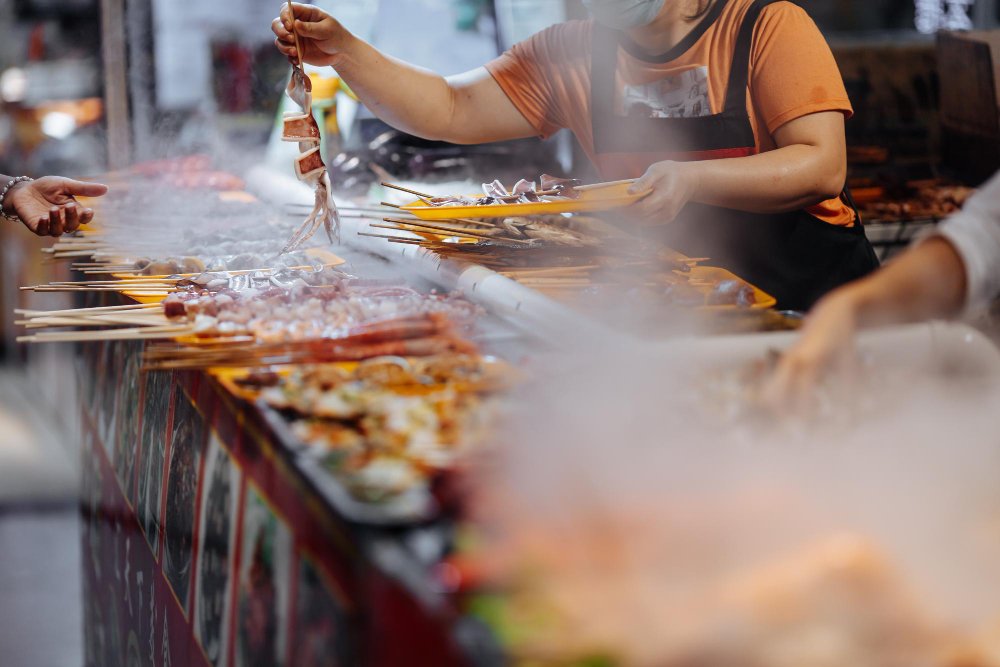
    Street food in the Philippines is not just about eating; it is a social affair. Vendors set up their stalls in bustling markets, busy streets, and neighborhood corners, creating vibrant hubs where people from all walks of life converge. These stalls offer an array of affordable and accessible delicacies, making Filipino street food a democratic culinary experience. Whether it’s the smoky aroma of grilled skewers or the inviting scent of freshly fried snacks, street food stalls are focal points of social interaction, where conversations flow as freely as the food.

    Moreover, the communal nature of Filipino street food fosters a sense of community and shared identity. It is common to see groups of friends, families, and even strangers bonding over a shared love for these delightful treats. The accessibility of street food ensures that it is enjoyed by both the young and the old, the affluent and the less privileged, making it an integral part of Filipino culture.

    In essence, Filipino street food is a living testament to the country’s rich culinary heritage and its ability to adapt and evolve while retaining its unique identity. It is a celebration of flavors that brings people together, creating an experience that is as much about community as it is about cuisine.

    Popular Filipino Street Foods: A Culinary Tour

    Filipino street food offers a vibrant and diverse culinary experience, with each region showcasing its unique flavors and specialties. Among the most iconic street food items is balut, a fertilized duck egg that is boiled and eaten directly from the shell. Balut is typically consumed with a pinch of salt or a splash of vinegar, providing a rich, savory flavor that appeals to adventurous eaters. The texture is a mix of tender yolk and developed duck embryo, making it a truly unique delicacy enjoyed by locals and tourists alike.

    Another popular street food is isaw, which consists of grilled chicken or pork intestines. These intestines are meticulously cleaned, marinated in a blend of soy sauce, vinegar, and spices, and then skewered onto bamboo sticks. Grilled to a smoky perfection, isaw offers a chewy texture and a savory, slightly charred taste that is often complemented with a dipping sauce of vinegar, chili, and garlic.

    Kwek-kwek is a crowd favorite, particularly among younger Filipinos. This snack features quail eggs that are coated in an orange-tinted batter and deep-fried until crispy. Kwek-kwek is typically served with a tangy and spicy vinegar-based dipping sauce, which balances the richness of the deep-fried coating. The combination of the soft egg inside and the crunchy exterior makes kwek-kwek an irresistible treat.

    No exploration of Filipino street food would be complete without mentioning taho. This beloved snack is a comforting and sweet concoction of silken tofu, arnibal (a syrup made from caramelized sugar and vanilla), and sago pearls. Vendors typically carry taho in large containers, serving it warm and fresh to eager customers. The contrast between the smooth tofu, the sweetness of the syrup, and the chewiness of the sago pearls creates a harmonious blend of textures and flavors.

    These dishes not only highlight the ingenuity and resourcefulness of Filipino cooking but also reflect the rich cultural heritage of the Philippines. Whether you’re a daring foodie or someone with a sweet tooth, the variety of Filipino street food ensures there’s something for everyone to savor and enjoy.

    Filipino street food offers a rich tapestry of flavors deeply rooted in the diverse regions of the Philippines. Each locality boasts its unique culinary identity, shaped by local ingredients, climate, and cultural influences. One cannot discuss regional variations without mentioning the iconic Vigan empanada. Hailing from the Ilocos region, this savory pastry is renowned for its distinct orange-hued crust, achieved through the use of annatto seeds. Filled with a mixture of green papaya, mung bean sprouts, and Vigan longganisa (a type of local sausage), Vigan empanada offers a delightful crunch with every bite.

    Moving southward, Cebu’s street food scene is dominated by the legendary Cebu lechon. Celebrated for its crispy skin and succulent meat, this roasted pig is marinated with a blend of spices, including lemongrass, garlic, and pepper, and cooked over an open flame. The distinct flavor profile of Cebu lechon is attributed to the region’s meticulous preparation methods and the use of native herbs, which infuse the meat with a unique aroma and taste. This dish is often considered the pinnacle of Filipino cuisine, frequently featured in festivals and special occasions.

    In the Visayas region, particularly in Bacolod, chicken inasal stands out as a must-try street food specialty. Marinated in a mixture of calamansi (Philippine lime), vinegar, and annatto oil, the chicken is grilled to perfection, resulting in a flavorful and aromatic dish. Bacolod’s chicken inasal is traditionally served with garlic rice and a dipping sauce made from soy sauce, vinegar, and chili, reflecting the region’s penchant for bold and tangy flavors.

    The regional variations of Filipino street food underscore the country’s culinary diversity. From the savory delights of Vigan empanada and the mouthwatering Cebu lechon to the tangy and aromatic chicken inasal of Bacolod, each region offers a unique gastronomic experience. These specialties not only highlight the local ingredients and traditional cooking methods but also provide a glimpse into the rich cultural tapestry that defines Filipino cuisine.

    The Street Food Experience: Atmosphere and Culture

    The bustling markets and lively stalls of Filipino street food scenes are nothing short of captivating. As you enter these vibrant spaces, your senses are immediately greeted by a symphony of sounds, sights, and smells that define the essence of Filipino street food. The tantalizing aroma of grilled meats, simmering stews, and freshly cooked delicacies wafts through the air, drawing you in with an irresistible promise of gastronomic delight.

    Every corner is a feast for the eyes, with colorful displays of various street food offerings. From the deep golden hues of crispy lumpia to the bright, fresh greens of ensaladang talong, the visual appeal of these dishes is a testament to the artistry and passion of Filipino street food vendors. The sight of skewers sizzling over open flames, pots bubbling with rich broths, and vendors skillfully preparing their specialties adds to the dynamic atmosphere.

    The sounds of the street food markets are equally enchanting. The rhythmic chopping of ingredients, the sizzle of food hitting hot griddles, and the lively banter between vendors and patrons create a soundtrack that is synonymous with communal dining. Friendly vendors, often with warm smiles and engaging conversations, add a personal touch to the experience, making you feel like a welcome guest rather than just a customer.

    Night markets, in particular, come alive with a unique energy. The glow of lanterns and string lights, the hum of conversation, and the clinking of utensils create a convivial atmosphere that encourages social interaction. Long communal tables are a common sight, where strangers become friends over shared plates of pancit, barbecue, and halo-halo. It’s not just about the food; it’s about the connections forged and memories made in these vibrant settings.

    In the realm of Filipino street food, the experience is as important as the cuisine itself. The culture of street food in the Philippines is steeped in traditions of hospitality, community, and celebration, making each visit to a street food market a delightful journey into the heart of Filipino life.

    Health and Safety Considerations

    When indulging in the diverse and flavorful offerings of Filipino street food, it is essential to prioritize health and safety. Concerns about hygiene and food safety are common, but with a few practical tips, you can enjoy these culinary delights with confidence.

    First and foremost, selecting reputable vendors is crucial. Look for stalls that are well-maintained and have a high turnover of customers, as this often indicates fresh ingredients and good hygiene practices. Observing the vendor’s cleanliness, such as wearing gloves, using utensils instead of hands, and maintaining a clean workspace, can also provide assurance of safe food handling.

    Pay attention to how the food is stored and prepared. Ensure that raw and cooked foods are kept separate to avoid cross-contamination. Additionally, food should be cooked thoroughly and served hot. Avoid items that have been sitting out for too long, as they may be exposed to bacteria. Freshly cooked dishes are generally a safer bet.

    Hydration is vital, but caution should be exercised with street beverages. Opt for bottled water or drinks from sealed containers to prevent waterborne illnesses. If you choose to enjoy local beverages, ensure they are prepared with clean, filtered water.

    Vendors often take various measures to ensure food safety, such as sourcing ingredients from reliable suppliers and adhering to local health regulations. Many street food stalls in the Philippines are subject to regular inspections, which helps maintain a standard of hygiene and quality.

    By being mindful of these health and safety considerations, you can savor the vibrant and authentic experience of Filipino street food without compromising your well-being. Enjoy the rich flavors and unique dishes that this culinary tradition has to offer, while staying safe and healthy.

    The Economic Impact of Street Food Vendors

    Street food vendors play a crucial role in the local economy, particularly in the vibrant Filipino street food scene. These small businesses contribute significantly to economic growth by providing affordable and accessible dining options for a broad demographic. The proliferation of street food vendors creates a dynamic market environment that fosters entrepreneurship and encourages innovation in food offerings. Importantly, these vendors often serve as a stepping stone for aspiring chefs and culinary entrepreneurs who lack the capital to start a traditional restaurant.

    Employment opportunities generated by street food vendors are substantial. Not only do these vendors create jobs for themselves, but they also often employ family members, friends, and other local residents. This employment helps to alleviate poverty and reduce unemployment rates in urban and rural areas. Additionally, the demand for ingredients and supplies sourced from local markets and farms supports local agriculture and stimulates the broader economy. By purchasing produce and other goods locally, street food vendors help sustain the livelihoods of farmers and small-scale suppliers, creating a ripple effect of economic benefits.

    Despite their contributions, street food vendors face several challenges. Competition is fierce, with numerous vendors vying for customers in crowded marketplaces. This competition can drive innovation but also puts pressure on vendors to keep prices low, affecting their profit margins. Regulatory hurdles present another significant challenge. Street food vendors must navigate complex and often inconsistent regulations concerning permits, health and safety standards, and zoning laws. Compliance with these regulations can be costly and time-consuming, particularly for smaller vendors with limited resources. Economic instability, such as fluctuations in food prices or economic downturns, further exacerbates these challenges, making it difficult for vendors to sustain their businesses.

    In conclusion, the economic impact of Filipino street food vendors is multifaceted. They contribute to local economic growth, provide vital employment opportunities, and support local agriculture. However, they also face significant challenges that require attention and support from policymakers and the community to ensure their continued success and sustainability.

    Street Food Innovations and Trends

    In recent years, Filipino street food has undergone a dynamic transformation, blending traditional flavors with modern culinary trends. This evolution is largely driven by the influence of social media, which has become a powerful platform for showcasing the vibrant and diverse world of Filipino street food. Food bloggers and influencers frequently highlight unique and innovative food items, creating a buzz that attracts food enthusiasts from around the globe.

    One of the most notable trends is the fusion of Filipino street food with international cuisines. This fusion cuisine trend has led to the creation of exciting dishes such as “sushi bake” inspired by traditional Japanese sushi, and “Filipino tacos,” which combine the flavors of classic street foods like adobo or sisig with the popular Mexican taco format. These inventive combinations not only appeal to local palates but also introduce Filipino street food to a wider audience.

    The rise of gourmet street food is another significant trend. Chefs and food entrepreneurs are reimagining traditional street food dishes, elevating them with high-quality ingredients and sophisticated presentation. For instance, the humble “isaw” (grilled chicken intestines) is now being served with gourmet dipping sauces and intricate plating, transforming it into a dish that can be enjoyed in upscale settings. Similarly, the classic “balut” (fertilized duck egg) is being reinvented with creative twists, such as being served in a fine-dining style with complementary flavors and textures.

    New and exciting food items are continuously emerging in the Filipino street food scene. One such innovation is the “ube cheese pandesal,” a sweet bread roll filled with purple yam and cheese, which has gained immense popularity for its unique flavor profile and vibrant color. Additionally, traditional dishes are being modernized to cater to contemporary tastes, such as “kwek-kwek” (quail eggs coated in an orange batter) now being offered with a variety of dipping sauces and garnishes.

    Overall, the ongoing innovations and trends in Filipino street food reflect a dynamic culinary landscape that respects tradition while embracing creativity and modernity. This evolution not only enhances the appeal of Filipino street food but also ensures its continued relevance in a rapidly changing world.

    Conclusion: Celebrating Filipino Street Food

    Filipino street food offers a vibrant and diverse culinary experience that reflects the rich culture and traditions of the Philippines. From the savory delights of “isaw” and “balut” to the sweet treats of “taho” and “halo-halo,” the variety of flavors and textures is a testament to the creativity and resourcefulness of Filipino vendors. Each dish is a celebration of local ingredients and cooking techniques passed down through generations.

    The importance of street food in Filipino culture cannot be overstated. It serves as a unifying force, bringing together people from all walks of life to share in the joy of eating. Street food stalls are often hubs of social interaction, where conversations flow as freely as the food and drinks. For both locals and visitors, indulging in Filipino street food is not just a culinary adventure but also a cultural immersion.

    Moreover, Filipino street food plays a crucial role in the local economy, providing livelihoods to countless vendors and contributing to the vibrancy of public spaces. These food stalls and markets are more than just places to eat; they are integral parts of the community, fostering a sense of belonging and camaraderie.

    We encourage readers to explore and experience Filipino street food for themselves. Whether you find yourself wandering the bustling streets of Manila or attending a Filipino street food festival abroad, the unique flavors and warm hospitality are sure to leave a lasting impression. Embrace the opportunity to taste the essence of Filipino culture through its street food, and discover the stories and traditions that make each dish special.

  • Exploring Traditional Filipino Food: A Culinary Journey Through the Philippines

    Exploring Traditional Filipino Food: A Culinary Journey Through the Philippines

    Introduction to Filipino Cuisine

    Filipino cuisine is a vibrant tapestry woven from a history rich with diverse influences. This culinary tradition embodies the confluence of Malay, Spanish, Chinese, and American cultures, each contributing unique flavors, ingredients, and cooking techniques. As an archipelago comprising over 7,000 islands, the Philippines offers a wide array of regional dishes, each reflecting the geographical and cultural diversity of its people.

    The Malay influence is evident in the use of coconut milk, rice, and an array of tropical fruits, while Spanish colonization introduced methods such as sautéing and braising, along with ingredients like tomatoes, garlic, and onions. Chinese traders brought noodles, soy sauce, and dim sum, further enriching the culinary landscape. American occupation left its mark with the introduction of convenience foods and techniques, such as frying and grilling.

    Geography plays a pivotal role in shaping traditional Filipino food. Coastal regions boast an abundance of seafood, while inland areas offer a wealth of agricultural produce. The tropical climate allows for year-round cultivation of a variety of fruits, vegetables, and spices, ensuring that Filipino dishes are always fresh and flavorful. Common ingredients include rice, fish, pork, chicken, and an array of vegetables and spices that are often combined to create complex and harmonious flavors.

    Food holds immense cultural significance in the Philippines, serving as a central element in family gatherings, celebrations, and festivals. Meals are often communal, with dishes placed in the center of the table for everyone to share. This practice fosters a sense of unity and togetherness, making food an integral part of Filipino social life. Festivals and fiestas, which are abundant throughout the year, feature traditional Filipino food as a highlight, showcasing the country’s rich culinary heritage to both locals and visitors alike.

    Staple Ingredients in Filipino Cooking

    Traditional Filipino food is a vibrant tapestry woven from a diverse array of staple ingredients, each playing a crucial role in defining the unique flavors of the cuisine. Central to Filipino cooking is rice, a ubiquitous staple that accompanies nearly every meal. Rice is often sourced locally from the country’s fertile plains, cultivated through generations of farming expertise. This grain forms the foundation of everyday dishes, from simple steamed rice to more elaborate preparations like “sinigang” and “adobo.”

    Coconut, in various forms, is another cornerstone of Filipino cuisine. Coconut milk, extracted from the grated flesh of mature coconuts, adds a rich and creamy texture to dishes such as “ginataan.” Coconut vinegar, derived from the sap of the coconut tree, is integral to many marinades and dipping sauces, imparting a distinctively tangy flavor.

    Vinegar also comes in other varieties, with each type contributing its unique character to recipes. Cane vinegar and palm vinegar are frequently used to achieve the perfect balance of acidity in dishes like “kinilaw,” a Filipino-style ceviche. Soy sauce and fish sauce are indispensable in Filipino pantries, providing umami depth and saltiness to countless recipes. Fish sauce, in particular, is sourced from the coastal regions, where it is traditionally fermented to achieve its robust flavor.

    The Filipino diet is further enriched by an abundance of tropical fruits and vegetables. Bananas, mangoes, and pineapples are not only enjoyed fresh but also incorporated into savory dishes and desserts. Vegetables like eggplant, bitter melon, and water spinach are commonly used, reflecting the country’s agricultural heritage.

    Regional variations in ingredient use highlight the diversity within Filipino cooking. For instance, the northern regions might favor the use of “bagoong” (fermented fish paste) and “patis” (fish sauce), while southern regions might lean towards spicy dishes enriched with coconut milk. These regional preferences underscore the adaptability and richness of traditional Filipino food, showcasing the nation’s culinary ingenuity.

    Iconic Filipino Dishes

    Traditional Filipino food is renowned for its rich flavors and diverse ingredients, which are a testament to the Philippines’ vibrant cultural heritage. Among the many iconic dishes, a few stand out as quintessential to understanding Filipino cuisine.

    Adobo is perhaps the most famous Filipino dish. It is a savory stew made with chicken, pork, or both, marinated in a mixture of vinegar, soy sauce, garlic, bay leaves, and black peppercorns. The dish is then simmered until the meat is tender and the sauce is reduced to a rich, flavorful glaze. Adobo’s origins trace back to Spanish colonial times, but it has been fully embraced and adapted into the local culinary tradition.

    Sinigang is a beloved Filipino sour soup, typically made with pork, shrimp, or fish. The key to its distinct taste is the use of tamarind as a souring agent, though other fruits like green mango or calamansi can also be used. Vegetables such as kangkong (water spinach), radish, and string beans are commonly added. Sinigang is prized for its refreshing and tangy flavor, making it a comforting dish for many Filipinos.

    Lechon is a highlight at Filipino celebrations and festivities. This dish features a whole pig roasted over an open fire until the skin is crispy and the meat is succulent. The preparation of Lechon is an elaborate process, often involving marinating the pig with a mixture of spices and herbs. Lechon is typically served with a liver-based sauce and has become a symbol of Filipino hospitality and communal gatherings.

    Kare-Kare is a rich and hearty stew made with oxtail, tripe, and vegetables like eggplant and banana blossom. Its signature flavor comes from a thick, peanut-based sauce, often enhanced with annatto seeds for a vibrant color. Traditionally, Kare-Kare is served with bagoong (fermented shrimp paste), which adds a salty contrast to the dish’s creamy texture.

    Pancit refers to a variety of noodle dishes in the Philippines. One of the most popular versions is Pancit Canton, which features stir-fried egg noodles mixed with vegetables, meat, and seafood. Another variant, Pancit Malabon, uses thick rice noodles and is known for its rich, seafood-based sauce. Noodles were introduced to the Philippines by Chinese immigrants and have since become an integral part of Filipino culinary culture, representing longevity and prosperity.

    These iconic dishes offer a glimpse into the rich tapestry of traditional Filipino food, each carrying its unique history and cultural significance. Through these flavors, one can embark on a culinary journey that reflects the Philippines’ diverse influences and deep-rooted traditions.

    The street food culture in the Philippines is a vibrant and integral part of the nation’s culinary tapestry. Bursting with flavors, aromas, and colors, traditional Filipino food found on the streets offers a unique experience that appeals to both locals and tourists alike. One of the most iconic street food items is Balut, a fertilized duck egg that is boiled and eaten with a dash of salt. Though it may be an acquired taste, Balut is cherished for its rich, savory flavor and is believed to be packed with nutrients.

    Another popular street food is Isaw, which consists of skewered and grilled chicken or pig intestines. Marinated in a savory-sweet sauce, Isaw is a favorite snack among Filipinos, often enjoyed with a side of vinegar dip. Similarly, Kwek-Kwek, hard-boiled quail eggs coated in bright orange batter and deep-fried, offers a delightful crunch and is typically served with a tangy, spicy sauce.

    For those with a sweet tooth, Halo-Halo is a must-try. This refreshing dessert is a medley of shaved ice, sweetened beans, fruits, jellies, and leche flan, all topped with a scoop of ube (purple yam) ice cream. The name “Halo-Halo” translates to “mix-mix,” and it perfectly captures the dish’s essence – a vibrant mix of textures and flavors that come together to create a delightful treat.

    Street food in the Philippines is more than just a culinary adventure; it is a social experience. Street vendors often set up their stalls in bustling areas where people gather, creating a lively atmosphere. Eating street food is typically a communal activity, where friends, families, and even strangers share bites and stories over a casual meal. This aspect of street dining fosters a sense of community and adds to the charm of the experience.

    Overall, the street food scene in the Philippines is a testament to the country’s rich culinary heritage and the creativity of its people. Whether you’re savoring traditional Filipino food for the first time or are a seasoned foodie, the streets of the Philippines offer an unforgettable gastronomic journey.

    Regional Specialties

    Filipino cuisine is a vibrant tapestry woven from the diverse regional specialties that reflect the country’s rich cultural heritage and geographical diversity. Each region boasts its own unique dishes, shaped by locally sourced ingredients and historical influences, making traditional Filipino food a delightful exploration of flavors.

    In the northern region of Ilocos, the culinary landscape is defined by robust and earthy flavors. Ilocos is renowned for its Bagnet, a crispy pork belly dish, and Vigan Longganisa, a garlicky sausage that showcases the region’s love for bold tastes. The use of local garlic and vinegar in these dishes underscores the Ilocano preference for tangy and savory profiles.

    Moving to the heart of Luzon, Pampanga is often heralded as the culinary capital of the Philippines. Kapampangan cuisine is known for its sophisticated and indulgent dishes such as Sisig, a sizzling plate of chopped pig’s head and liver, and Bringhe, a local version of paella. The region’s fertile lands provide an abundance of ingredients, allowing for a rich variety of flavors and textures.

    In the Bicol region, the cuisine is distinguished by its liberal use of coconut milk and chili peppers. Signature dishes like Laing (taro leaves cooked in coconut milk) and Bicol Express (pork in spicy coconut sauce) reflect the region’s penchant for creamy and spicy fare. The abundance of coconuts and the influence of Spanish colonization are evident in Bicolano cooking.

    The Visayas, an island group in the central Philippines, offer a different set of culinary delights. Notable dishes include Inasal from Bacolod, a flavorful grilled chicken marinated in a unique blend of spices, and Batchoy from Iloilo, a hearty noodle soup enriched with pork innards, liver, and bone marrow. The Visayan cuisine is characterized by its simplicity and reliance on fresh, local ingredients.

    In the southernmost region of Mindanao, the culinary scene is influenced by its proximity to Malaysia and Indonesia. Mindanaoan dishes like Rendang (spicy beef stew) and Piaparan (chicken cooked in coconut milk and turmeric) showcase the region’s affinity for aromatic spices and bold flavors. The diverse cultural influences, including indigenous, Muslim, and migrant communities, contribute to the region’s distinct culinary identity.

    These regional specialties highlight the incredible diversity of traditional Filipino food, each dish telling a story of the land and its people, making the Philippines a true culinary treasure trove.

    Traditional Filipino Desserts

    Delving into traditional Filipino food, one cannot overlook the enticing realm of Filipino desserts, which offer a delightful blend of flavors and textures. These sweet treats, often enjoyed during festive occasions and holidays, are a testament to the rich cultural heritage of the Philippines.

    Bibingka is a quintessential Filipino dessert traditionally enjoyed during the Christmas season. Made from glutinous rice flour, coconut milk, and sugar, this baked rice cake is often topped with salted duck eggs, cheese, or grated coconut. The unique cooking process, which involves baking the batter in clay pots lined with banana leaves, imparts a distinct aroma and flavor to the Bibingka, making it a beloved holiday treat.

    Another popular dessert is Puto, a type of steamed rice cake. Puto is often served during celebrations and can be enjoyed on its own or paired with savory dishes like Dinuguan. The basic ingredients for Puto include rice flour, coconut milk, and sugar. Variations of Puto may include toppings such as cheese or salted eggs, adding a delightful contrast to its slightly sweet taste.

    Turon, a favorite Filipino snack, features ripe bananas and jackfruit wrapped in spring roll wrappers and fried until golden brown. This crispy and sweet treat is often coated with caramelized sugar, providing an irresistible crunch and a burst of flavor with every bite. Turon is commonly sold by street vendors and is a staple in many Filipino households.

    Leche Flan, a rich and creamy custard dessert, is a staple at Filipino gatherings. This dessert is made from a mixture of egg yolks, condensed milk, evaporated milk, and caramelized sugar. The smooth, velvety texture of Leche Flan and its luscious sweetness make it a favorite among Filipinos, often served during special occasions such as birthdays and holidays.

    Lastly, Ube Halaya, a vibrant purple yam dessert, is a beloved Filipino delicacy. Ube, or purple yam, is boiled and mashed, then cooked with coconut milk, condensed milk, and butter until it achieves a thick, creamy consistency. Ube Halaya is often enjoyed on its own or used as a filling in various pastries and ice creams, adding a unique and delightful flavor to any dish.

    These traditional Filipino desserts not only satisfy the sweet tooth but also provide a glimpse into the cultural significance and festive spirit that define Filipino cuisine. Each dessert tells a story of heritage and tradition, making them an integral part of the culinary journey through the Philippines.

    Festive Foods and Celebrations

    Traditional Filipino food plays a pivotal role during the numerous festivals and celebrations that are deeply embedded in Filipino culture. These events, such as Christmas, New Year, and various local fiestas, are marked by lavish spreads of unique and delicious dishes that bring families and communities together. At the heart of these celebrations is the communal aspect of sharing meals, which strengthens familial and communal bonds.

    One of the most anticipated celebrations is Christmas, which features the Noche Buena feast. This special dinner, held on Christmas Eve, includes a variety of traditional dishes. At the center, you often find a lechon, a whole roasted pig that symbolizes abundance and festivity. Alongside lechon, there are other staples like hamonado, a sweet and savory ham, queso de bola, a ball of Edam cheese, and an array of desserts such as bibingka and puto bumbong, which are rice cakes enjoyed with butter, sugar, and coconut.

    The New Year celebration is equally festive with the Media Noche feast. This meal is believed to bring prosperity and good luck for the coming year. Typical dishes include pancit, a noodle dish symbolizing long life, and twelve round fruits representing wealth and good fortune. Other popular items include morcon, a beef roulade, and buko salad, a refreshing dessert made with young coconut and mixed fruits.

    Local fiestas, or town festivals, are also significant events where traditional Filipino food is prominently featured. Each region has its own specialties, but common feast dishes include kare-kare, an oxtail stew in peanut sauce, and lumpiang shanghai, crispy spring rolls filled with seasoned ground pork. These foods are prepared in large quantities, reflecting the Filipinos’ generosity and the spirit of bayanihan, or community cooperation.

    The communal aspect of these feasts is integral to Filipino celebrations. Sharing food with family, friends, and neighbors not only satisfies the palate but also strengthens social ties. The preparation and enjoyment of traditional Filipino food during these occasions reflect the deep-rooted cultural values of unity, hospitality, and gratitude that are cherished across the archipelago.

    Modern Takes on Traditional Recipes

    In recent years, traditional Filipino food has seen a renaissance, not just within the Philippines but also on the global culinary stage. Contemporary chefs and home cooks alike are breathing new life into classic dishes, blending time-honored flavors with modern techniques and international influences. This fusion creates a unique gastronomic experience that honors Filipino heritage while appealing to global palates.

    One notable example is the transformation of the humble adobo, a staple in Filipino households. Traditionally, adobo is a savory dish made with meat marinated in vinegar, soy sauce, garlic, bay leaves, and peppercorns. Chefs around the world are now experimenting with this classic by incorporating ingredients like coconut milk, which adds a creamy dimension, or even infusing it with regional spices such as turmeric for an added layer of complexity. These modern interpretations maintain the essence of adobo’s rich, tangy flavor while introducing innovative twists that appeal to contemporary tastes.

    Another traditional Filipino food that has been reimagined is the beloved kare-kare, a peanut-based stew typically made with oxtail and vegetables. Modern variations have emerged, utilizing seafood or even going vegetarian with tofu and mushrooms. The core elements of the dish, such as its distinctive peanut sauce, remain intact, ensuring that the soul of kare-kare is preserved even as it evolves to meet diverse dietary preferences.

    Desserts are not exempt from this wave of innovation. The classic halo-halo, a colorful and refreshing dessert made with shaved ice, sweetened beans, fruits, and leche flan, has been given a gourmet makeover in many high-end restaurants. Some versions use artisanal ingredients like ube (purple yam) ice cream or incorporate exotic fruits, elevating this traditional treat to new culinary heights.

    The growing popularity of Filipino food globally is a testament to its rich and versatile culinary heritage. As chefs continue to experiment and innovate, traditional Filipino food gains new dimensions, ensuring that these beloved dishes remain relevant and exciting for future generations. This modern approach not only showcases the adaptability of Filipino cuisine but also highlights its potential to delight food enthusiasts worldwide.