Tag: Travel Tips

  • 2024 Holidays in the Philippines: A Comprehensive Guide

    2024 Holidays in the Philippines: A Comprehensive Guide

    2024 holidays philippines
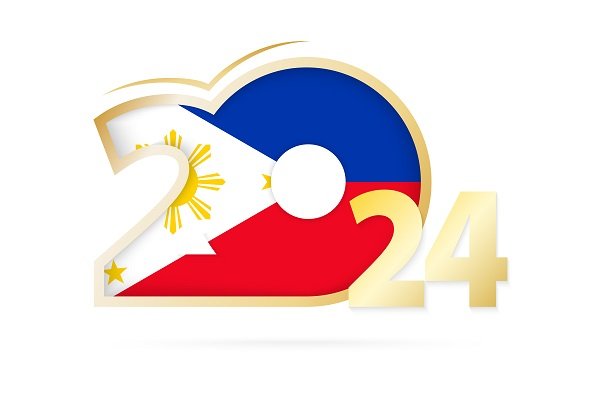
    Year 2024 with Philippines Flag pattern. Vector Illustration.

    Introduction to Philippine Holidays in 2024

    The Philippines, an archipelago rich in culture and history, celebrates a myriad of holidays throughout the year. These holidays are more than just days off; they are integral to the nation’s identity, reflecting its historical milestones, cultural heritage, and socio-economic dynamics. The 2024 holidays in the Philippines offer a unique glimpse into the country’s vibrant traditions and events that shape its society.

    Understanding the holiday calendar is crucial for both locals and visitors. For Filipinos, holidays often mean family gatherings, religious observances, and community celebrations. These occasions provide a pause from the daily grind, allowing people to reconnect with loved ones and partake in cultural rituals. For tourists, these holidays offer an immersive experience into the local way of life, presenting opportunities to witness festivals, parades, and other special events that are deeply rooted in Filipino traditions.

    The year 2024 will feature several key holidays, each with its own significance. Among these are national holidays like Independence Day on June 12, which commemorates the Philippines’ declaration of independence from Spanish rule in 1898, and Bonifacio Day on November 30, honoring the birth of national hero Andrés Bonifacio. Religious holidays such as Holy Week, which includes Maundy Thursday and Good Friday, reflect the country’s predominantly Catholic faith, bringing profound spiritual significance to these dates. Additionally, regional festivals like the Sinulog in Cebu and the Ati-Atihan in Aklan showcase the diverse cultural tapestry of the nation.

    By familiarizing oneself with the 2024 holidays in the Philippines, one can better appreciate the cultural richness and historical depth that these days represent. Whether planning a visit or simply looking to understand Filipino culture more deeply, acknowledging these holidays is a step towards a more enriched experience of the Philippines.

    Regular Holidays in 2024

    The year 2024 brings a plethora of regular holidays in the Philippines, each with its unique historical significance and traditional celebrations. These holidays are observed nationwide and offer an opportunity to experience the rich culture and heritage of the country.

    New Year’s Day (January 1): Celebrated on the first day of the year, New Year’s Day is a festive occasion marked by family gatherings, fireworks, and various celebrations. It is a time for Filipinos to reflect on the past year and make resolutions for the year ahead.

    Maundy Thursday (March 28) and Good Friday (March 29): These two holidays are part of the Holy Week, a significant religious observance for Filipinos. Maundy Thursday commemorates the Last Supper of Jesus Christ, while Good Friday marks His crucifixion. Many Filipinos participate in religious rites, processions, and church services during this period.

    Araw ng Kagitingan (April 9): Also known as Day of Valor, this holiday honors the bravery and sacrifices of Filipino and American soldiers during World War II. The day is marked by ceremonies and wreath-laying activities at historical sites such as the Mount Samat National Shrine in Bataan.

    Labor Day (May 1): Labor Day in the Philippines is dedicated to the contributions of workers across the nation. It is often marked by rallies, parades, and other activities organized by labor unions and government institutions.

    Independence Day (June 12): One of the most significant holidays, Independence Day commemorates the Philippines’ declaration of independence from Spanish rule in 1898. The day is celebrated with flag-raising ceremonies, parades, and cultural programs showcasing Filipino history and heritage.

    National Heroes Day (August 26): This holiday honors the heroes who fought for Philippine freedom and democracy. Various activities, including commemorative events and educational programs, are held to pay tribute to these national figures.

    Bonifacio Day (November 30): Celebrated in honor of Andres Bonifacio, a revolutionary leader who played a crucial role in the Philippine Revolution against Spanish colonization. The day is marked by ceremonies and events that highlight Bonifacio’s contributions to the nation.

    Christmas Day (December 25): Christmas is one of the most anticipated holidays in the Philippines. Filipinos celebrate with family gatherings, feasts, and the traditional “Simbang Gabi” (night masses). The festive spirit is evident in the elaborate decorations and various Christmas activities across the country.

    These regular holidays in 2024 provide a glimpse into the Philippines’ vibrant culture and historical milestones. Whether you’re planning your 2024 holidays in the Philippines or simply looking to understand the significance of these dates, each holiday offers a unique experience and insight into the nation’s rich heritage.

    Special (Non-Working) Holidays in 2024

    Special non-working holidays in the Philippines are observed with deep cultural and historical significance. These holidays offer Filipinos an opportunity to reflect on their heritage, honor notable figures, and practice longstanding traditions. In 2024, several special non-working holidays stand out, including Ninoy Aquino Day, All Saints’ Day, and Black Saturday.

    Ninoy Aquino Day, observed on August 21, commemorates the assassination of Benigno “Ninoy” Aquino Jr., a key figure in the opposition against the Marcos dictatorship. The day serves to honor his legacy and the pivotal role he played in restoring democracy in the Philippines. Typically, Filipinos participate in various activities such as commemorative ceremonies and public discussions about democracy and human rights.

    All Saints’ Day, celebrated on November 1, is a deeply rooted tradition in Filipino culture. Known locally as “Undas” or “Todos los Santos,” it is a time when families gather to remember and honor their deceased loved ones. People often visit cemeteries to clean and decorate graves, offer prayers, and light candles. This day is marked by a somber yet communal atmosphere, with some regions even hosting festivals and parades to celebrate the lives of the departed.

    Black Saturday, which falls on the day before Easter Sunday, is part of the Holy Week observance and reflects the country’s strong Catholic heritage. It is a day of mourning and reflection, symbolizing the time when Jesus Christ lay in the tomb. Many Filipinos partake in religious services, processions, and vigils. In various regions, unique customs and rituals are practiced, adding a local flavor to the observance.

    Understanding these special non-working holidays is crucial for appreciating the rich cultural tapestry of the Philippines. Whether it is through solemn remembrance or communal celebration, these days offer a profound insight into the values and traditions that shape the Filipino way of life.

    Local Holidays and Festivals

    In the vibrant tapestry of Philippine culture, local holidays and festivals play a significant role, offering a unique glimpse into the nation’s rich heritage. Among the myriad celebrations, few stand out as prominently as the Sinulog Festival in Cebu, Ati-Atihan in Aklan, and the Pahiyas Festival in Lucban. Each of these events is steeped in history and cultural significance, drawing both local and international visitors eager to partake in the festivities.

    The Sinulog Festival, held every January in Cebu City, is one of the most spectacular celebrations in the Philippines. This festival honors the Santo Niño, or the Child Jesus, with a grand parade featuring colorful costumes, rhythmic dance, and lively music. The roots of Sinulog trace back to pre-colonial times, when locals performed rituals to honor their animist gods. Today, it has evolved into a vibrant display of faith and culture, culminating in a procession and street dancing that captivates all who attend.

    Meanwhile, the Ati-Atihan Festival in Kalibo, Aklan, also takes place in January and is often dubbed the “Mother of All Philippine Festivals.” This celebration commemorates the arrival of Malay settlers in the Philippines and their subsequent pact with the indigenous Ati people. Participants paint their faces with black soot and don elaborate costumes to mimic the Ati, dancing to the beat of drums in a display of unity and gratitude. The festival’s highlight is the street dancing, where visitors are encouraged to join in the revelry.

    In May, the town of Lucban in Quezon Province comes alive with the Pahiyas Festival. This celebration of the bountiful harvest is marked by the decoration of houses with colorful, intricate displays of kiping, rice wafers shaped into flowers and other designs. Pahiyas is a feast for the senses, with vibrant visuals, traditional music, and local delicacies adding to the festive atmosphere. The festival is deeply rooted in the community’s agrarian traditions, thanking the patron saint, San Isidro Labrador, for a fruitful harvest.

    These festivals not only highlight the diverse cultural heritage of the Philippines but also provide an immersive experience for visitors. Whether you are planning your trip around the 2024 holidays in the Philippines or looking to explore specific local events, these festivals offer a unique window into the nation’s soul.

    Holiday Traditions and Customs

    The Philippines is a country rich in traditions and customs, especially when it comes to celebrating holidays. One such tradition is Simbang Gabi, a nine-day series of dawn masses that begins on December 16 and culminates on Christmas Eve. This practice, deeply rooted in the country’s Christian heritage, serves as a spiritual preparation for Christmas. Attending these masses is not only a religious observance but also a community event, where friends and families gather, strengthening communal bonds.

    Another significant tradition is Flores de Mayo, a festival held throughout the month of May in honor of the Virgin Mary. This celebration, characterized by processions, flower offerings, and colorful costumes, reflects the deep Marian devotion prevalent in Filipino culture. Communities come together to organize and participate in these events, reinforcing a sense of unity and shared faith.

    One cannot discuss Philippine holiday traditions without mentioning the iconic Parol-making tradition. A Parol is a star-shaped lantern that symbolizes the Star of Bethlehem, guiding the Three Wise Men to the manger. These lanterns are made from simple materials like bamboo and paper, yet they hold profound meaning. The process of creating Parols brings families and communities together, fostering creativity and collaboration. During the Christmas season, streets and homes are adorned with these vibrant lanterns, creating a festive and welcoming atmosphere.

    These traditions are more than mere customs; they are integral components of Filipino culture. They provide opportunities for community engagement, spiritual reflection, and cultural expression. As we look forward to the 2024 holidays in the Philippines, these time-honored practices will undoubtedly continue to play a crucial role in shaping the holiday experience, offering both locals and visitors a glimpse into the rich cultural tapestry of the nation.

    Travel Tips for the Holiday Season

    Planning a trip to the Philippines during the holiday season can be an exciting yet challenging endeavor. The 2024 holidays in the Philippines are expected to draw large crowds, making it essential to plan ahead to ensure a smooth and enjoyable experience. Here are some practical tips to help you navigate this festive period effectively.

    Best Times to Visit: The holiday season in the Philippines, particularly during major events like Christmas and New Year, is incredibly busy. If you prefer to avoid large crowds, consider visiting during the early part of December or after the New Year celebrations. Nevertheless, experiencing the vibrant local festivities can be rewarding, so balance your travel plans accordingly.

    Navigating Holiday Crowds: Major cities such as Manila, Cebu, and Davao are bustling hubs during the holidays. To navigate these areas efficiently, plan your itineraries to visit popular tourist spots during off-peak hours. Booking accommodations and transportation well in advance can also help you avoid last-minute hassles.

    Must-See Events and Places: The Philippines offers a plethora of events and attractions during the holidays. Attend the Simbang Gabi (Night Mass), a nine-day series of early morning masses leading up to Christmas. Visiting the colorful Giant Lantern Festival in San Fernando, Pampanga, is also a must. Additionally, exploring the beautiful beaches of Palawan or the historical sites in Vigan can make your trip memorable.

    Safety Tips: While the Philippines is generally safe for tourists, it is always wise to exercise caution. Keep your belongings secure and avoid carrying large amounts of cash. Be aware of your surroundings, especially in crowded places. Additionally, staying updated on local travel advisories can help you make informed decisions.

    Local Etiquette: Understanding local customs and etiquette can enhance your travel experience. Filipinos are known for their hospitality, so reciprocating with respect and politeness is appreciated. Dress modestly when visiting religious sites and always ask for permission before taking photographs of locals or their property.

    By following these travel tips, you can make the most of your visit during the 2024 holidays in the Philippines, ensuring a delightful and culturally enriching experience.

    Impact of Holidays on Business and Economy

    The 2024 holidays in the Philippines present a significant impact on the business landscape and overall economy. One of the most noticeable effects is seen in the retail sector. During holiday seasons, consumer spending typically increases as people purchase gifts, food, and other goods for celebrations. Retailers often experience a surge in sales, which can contribute positively to their annual revenue. However, this spike in demand also necessitates careful inventory management and staffing adjustments to accommodate the increased foot traffic and transactions.

    Tourism is another critical area influenced by the 2024 holidays Philippines. The various holidays provide opportunities for both domestic and international tourists to explore the country’s diverse destinations. Hotels, restaurants, and transportation services often see a boost in business during these periods. Consequently, this influx of tourists can significantly contribute to the local economy, providing income for small businesses and increasing overall economic activity in tourist hotspots.

    Other industries are also affected by the holiday schedule. For instance, manufacturing and other production-based sectors may face challenges in maintaining productivity levels due to the holidays. Companies often need to plan for potential downtime and manage schedules to ensure that operations continue smoothly. This might involve offering incentives for employees to work during holidays or adjusting production timelines to meet demands without compromising on quality or deadlines.

    On the employee side, managing holiday schedules is crucial. Employees look forward to the breaks, but businesses must balance this with operational needs. Some companies implement flexible work arrangements or offer additional paid leave to retain employee satisfaction while ensuring that business processes remain uninterrupted.

    Economically, holidays present both opportunities and challenges. While consumer spending and tourism can boost the economy, businesses must navigate the complexities of maintaining productivity and managing costs during these periods. The 2024 holidays in the Philippines thus play a pivotal role in shaping the economic landscape, influencing a wide range of sectors and requiring strategic planning from both businesses and policymakers.

    Conclusion and Reflections

    Holidays play a pivotal role in shaping the cultural and social fabric of the Philippines. As we have explored the 2024 holidays in the Philippines, it becomes clear that these days are more than mere breaks from routine. They are deeply embedded in the Filipino way of life, reflecting traditions, historical milestones, and communal values. Whether it is the exuberance of Sinulog, the solemnity of Holy Week, or the patriotism of Independence Day, each holiday carries its own significance and charm.

    For locals, the 2024 holiday calendar offers ample opportunities to reconnect with family, partake in community events, and preserve age-old traditions. The holidays serve as moments of collective reflection and celebration, fostering a sense of unity and belonging. For visitors, these holidays provide a unique window into the vibrant culture and heritage of the Philippines. Participating in these festivities can enhance their travel experience, offering insights that transcend typical tourist activities.

    As we look ahead to the 2024 holidays in the Philippines, it is essential both for locals and tourists to plan thoughtfully. Observing public holidays and local customs can enrich one’s understanding and appreciation of Filipino society. Engaging with these celebrations respectfully and enthusiastically can lead to memorable experiences and a deeper connection with the culture.

    In conclusion, the holidays in the Philippines are not just days off from work or school; they are a testament to the country’s rich cultural diversity and communal spirit. Whether you are a local resident or a visitor, embracing these holidays can offer a profound appreciation for the Filipino way of life. Make the most out of the 2024 holiday calendar by immersing yourself in the celebrations, and you will undoubtedly walk away with cherished memories and a deeper understanding of this beautiful archipelago.

  • Exploring the Journey: Manila to Cagayan de Oro

    Exploring the Journey: Manila to Cagayan de Oro

    manila to cagayan de oro

    Introduction to the Journey

    The journey from Manila to Cagayan de Oro represents not just a geographical transition but an exploration of the contrasting yet complementary essences of the Philippines. As the nation’s capital, Manila is a bustling metropolis teeming with energy, history, and modernity. It serves as the primary gateway for both domestic and international travelers, offering a myriad of experiences ranging from its vibrant nightlife to its rich cultural heritage.

    Traveling to Cagayan de Oro, on the other hand, transports you to the heart of Northern Mindanao, a region renowned for its scenic landscapes, adventure tourism, and warm hospitality. Known as the “City of Golden Friendship,” Cagayan de Oro is a dynamic urban center that seamlessly blends natural beauty with urban sophistication. Its strategic location along the Cagayan River and proximity to various natural attractions make it a prime destination for those seeking both relaxation and excitement.

    Whether the purpose of your journey is tourism, business, or visiting family and friends, the route from Manila to Cagayan de Oro offers diverse and enriching experiences. For tourists, Cagayan de Oro presents a plethora of attractions such as the white-water rafting adventures on the Cagayan River, the serene beauty of Mapawa Nature Park, and the historical charm of Gaston Park. Business travelers will find a thriving commercial hub with ample opportunities for networking and growth, while those visiting loved ones will appreciate the city’s welcoming atmosphere and community spirit.

    This blog post aims to delve into the various facets of this journey, providing insights and practical information to help you make the most of your trip. From travel options and tips to must-see sights and local delicacies, we will explore everything you need to know about traveling from Manila to Cagayan de Oro. Join us as we embark on this captivating journey, discovering the unique experiences that await in this vibrant city of Northern Mindanao.

    Travel Options: Flights and Ferries

    Traveling from Manila to Cagayan de Oro offers two primary modes of transportation: flights and ferries. Each option caters to different preferences, whether you prioritize speed and convenience or a more scenic and leisurely journey. Understanding the pros and cons of each can help you make an informed decision based on your travel needs and budget.

    For those seeking the quickest and most convenient way to reach Cagayan de Oro, direct flights are the optimal choice. Several major airlines, including Philippine Airlines, Cebu Pacific, and AirAsia, operate frequent flights between Manila and Cagayan de Oro. The flight duration is approximately 1.5 to 2 hours, making it the fastest way to travel between these cities. Prices for flights can vary significantly depending on the time of booking, with the cheapest rates typically found during non-peak seasons. To secure the best deals, it is advisable to book tickets well in advance and keep an eye out for airline promotions. Additionally, consider flying mid-week as weekends and holidays often see higher prices.

    On the other hand, taking a ferry from Manila to Cagayan de Oro offers a distinct travel experience, albeit a longer one. Major ferry companies like 2GO Travel provide this service, with the journey taking approximately 32 to 36 hours. While considerably slower than flying, ferries offer the advantage of scenic sea views and the opportunity to relax during the voyage. Ferry tickets are generally more affordable than flights, making them a budget-friendly alternative. However, it’s important to consider the longer travel time and potential for sea sickness. For those who enjoy leisurely travel and have the time to spare, ferries can be a delightful way to journey between these two destinations.

    When planning your trip from Manila to Cagayan de Oro, it’s essential to weigh the convenience and cost of flights against the leisurely pace and scenic nature of ferry travel. Book your tickets early, especially during peak travel seasons such as Christmas and summer holidays, to ensure availability and secure the best prices. Whether you opt for the speed of air travel or the relaxed pace of a ferry, both options offer unique experiences to enhance your journey.

    Preparing for the Trip

    Embarking on a journey from Manila to Cagayan de Oro requires thorough preparation to ensure a smooth travel experience. This entails several key considerations, starting with packing essentials. Given Cagayan de Oro’s tropical climate, lightweight, breathable clothing is advisable. Don’t forget to pack a hat, sunscreen, and insect repellent to protect yourself from the sun and any pesky insects. If you plan on participating in outdoor activities such as river rafting or hiking, appropriate gear such as water-resistant shoes and quick-dry attire should be included in your luggage.

    Travel documents are another crucial aspect. Ensure you carry a valid ID, boarding passes, and any necessary travel permits. Given the ongoing global health situation, it is imperative to stay updated on travel advisories and health protocols. This may include presenting proof of vaccination or a negative COVID-19 test result, depending on current regulations.

    Health and safety should be a priority. Pack a basic first aid kit, including band-aids, antiseptic wipes, and any personal medications. Hand sanitizers and face masks are essential to maintain hygiene during your journey. It is also wise to check the latest weather forecasts for Cagayan de Oro, as this will help you pack appropriately and plan your activities accordingly.

    Several apps and tools can aid in your travel planning and organization. Flight tracking apps can provide real-time updates on your flight status, while weather apps can keep you informed about the latest weather conditions. Additionally, maps and navigation apps can assist you in exploring Cagayan de Oro efficiently, ensuring you do not miss out on any attractions.

    By meticulously preparing for your trip, you can enjoy a seamless experience as you travel from Manila to Cagayan de Oro, ready to explore all that this vibrant city has to offer.

    What to Expect During the Journey

    Traveling from Manila to Cagayan de Oro can be an enriching experience, whether you choose to fly or take a ferry. Each mode of transportation offers its own unique set of expectations, comforts, and challenges.

    If you opt for a flight, expect a streamlined process starting at Ninoy Aquino International Airport (NAIA). Arrive early to navigate through security checks and boarding procedures efficiently. Flights from Manila to Cagayan de Oro typically last about an hour and a half. During the flight, airlines often provide in-flight amenities such as snacks, beverages, and entertainment options, depending on the carrier. Common layovers may include Cebu or Davao, but direct flights are also available for a more convenient journey.

    For those who prefer a more scenic and leisurely journey, taking a ferry can be a captivating alternative. Boarding usually takes place at Manila North Harbor. Arriving early is advisable to handle ticketing and boarding smoothly. Ferries traveling from Manila to Cagayan de Oro offer various classes of accommodation, from economy to more comfortable cabins with private amenities. Onboard facilities often include dining areas, restrooms, and sometimes entertainment lounges. The journey typically takes around 28 to 32 hours, providing ample time to enjoy the picturesque seascapes and coastal views.

    Regardless of the mode of transportation, travelers should be prepared for some common challenges. Flights may experience delays due to weather conditions or air traffic, while ferry journeys might be affected by rough seas. Packing essentials like snacks, water, and entertainment can make the trip more comfortable. Understanding these elements can help you better prepare and ensure a smoother journey from Manila to Cagayan de Oro.

    Exploring Cagayan de Oro: Must-See Attractions

    Cagayan de Oro, often referred to as the “City of Golden Friendship,” offers a diverse array of attractions and activities for visitors. One of the most thrilling experiences in the region is white water rafting on the Cagayan River. Known for its challenging rapids, this adventure is a must-do for adrenaline junkies. Tours typically start at around PHP 1,500 per person, and it’s advisable to book in advance. The best time to go rafting is during the rainy season, from June to December, when the river is at its most dynamic.

    For those seeking a more serene experience, the Gardens of Malasag Eco-Tourism Village offers a glimpse into the region’s rich cultural heritage. This 7-hectare village is home to various indigenous tribes, showcasing their traditional crafts, dances, and rituals. The village is open daily from 8:00 AM to 5:00 PM, with an entrance fee of PHP 50 for adults and PHP 20 for children. Guided tours are available, providing deeper insight into the local customs and traditions.

    Nature enthusiasts will find Mapawa Nature Park a haven of natural beauty. Spanning over 2,500 hectares, the park features waterfalls, trekking trails, and horseback riding. Entrance fees are PHP 50 per person, with additional costs for guided tours and activities. The park is open from 7:00 AM to 5:00 PM, making it an ideal day-trip destination.

    History buffs should not miss the iconic St. Augustine Metropolitan Cathedral, one of the oldest churches in Mindanao. Established in 1624, the cathedral is a testament to the city’s colonial past. Nearby, the City Museum of Cagayan de Oro provides further insights into the local history and culture. The museum is open from Tuesday to Sunday, 9:00 AM to 5:00 PM, with a nominal entrance fee.

    Cagayan de Oro is also renowned for its vibrant festivals, such as the Higalaay Festival, celebrated every August. This week-long event features street dancing, parades, and various cultural performances, offering visitors a unique opportunity to immerse themselves in local traditions.

    Whether you’re seeking adventure, culture, or history, the journey from Manila to Cagayan de Oro promises a rich and varied experience. Plan your trip accordingly to make the most of these must-see attractions and activities.

    Local Cuisine and Dining Experiences

    Embarking on a journey from Manila to Cagayan de Oro not only opens up a realm of scenic beauty but also a treasure trove of culinary delights. Cagayan de Oro, fondly called the City of Golden Friendship, offers a delectable array of traditional dishes that are sure to tantalize your taste buds. Among these, the must-try delicacies include Sinuglaw, Pastel, and a unique take on Lechon.

    Sinuglaw, a harmonious blend of grilled pork (sinugba) and raw fish marinated in vinegar (kinilaw), is one of the city’s signature dishes. This refreshing and flavorful dish captures the essence of local culinary traditions. Another local favorite is Pastel, a soft bun filled with yema, a sweet custard-like filling. Often enjoyed as a snack, Pastel is a delightful treat that reflects the city’s penchant for sweet flavors.

    Cagayan de Oro’s rendition of Lechon, a roasted pig, is another highlight. Unlike the traditional Lechon, the local version often features a stuffing of lemongrass and other aromatic herbs, imparting a distinctive taste that sets it apart. For breakfast, you might want to try the local tapsilog, a combination of cured beef, fried rice, and egg, providing a hearty start to your day.

    When it comes to dining out, Cagayan de Oro offers a plethora of choices catering to various budgets and dietary preferences. For an upscale dining experience, restaurants like Cucina Higala and Kagay-Anon Restaurant offer a refined take on local cuisine. Street food enthusiasts will find Divisoria Night Market a haven, where stalls brim with an array of affordable and delicious street food, from grilled skewers to local delicacies.

    For lunch and dinner, whether you prefer seafood, meat, or vegetarian options, the city’s diverse culinary landscape has something for everyone. Local eateries such as Missy Bon Bon and Boy Zugba offer a fusion of traditional and contemporary dishes, ensuring a memorable dining experience.

    From breakfast to dinner, and snacks in between, Cagayan de Oro promises a rich and varied culinary journey that complements the adventure from Manila to Cagayan de Oro, making it a destination worth exploring for every food enthusiast.

    Accommodation Options in Cagayan de Oro

    When journeying from Manila to Cagayan de Oro, choosing the right accommodation can significantly enhance your travel experience. Cagayan de Oro offers a diverse range of lodging options to cater to various preferences and budgets, from luxury hotels to budget-friendly hostels and guesthouses.

    For travelers seeking luxury and comfort, the city boasts several top-tier hotels. Limketkai Luxe Hotel, situated in the bustling Limketkai Center, is a prime example. It offers modern amenities, including a spa, fitness center, and an outdoor pool. Another notable mention is Seda Centrio, located in the heart of the city, which provides a seamless blend of business and leisure facilities. These luxury accommodations typically range from PHP 4,000 to PHP 8,000 per night.

    Mid-range travelers have a plethora of options as well. Red Planet Cagayan de Oro is a popular choice, offering clean, comfortable rooms at reasonable rates, typically around PHP 1,500 to PHP 2,500 per night. Another excellent option is Mallberry Suites Business Hotel, known for its convenient location and business-friendly amenities, including conference rooms and high-speed internet.

    For those on a tighter budget, Cagayan de Oro has numerous hostels and guesthouses that provide basic comforts without breaking the bank. Places like GC Suites and Casa Marga are well-regarded for their affordability and hospitable environment, with prices ranging from PHP 500 to PHP 1,200 per night.

    Family-friendly accommodations are plentiful, with properties like Chali Beach Resort and Hotel offering spacious rooms and recreational activities suitable for all ages. Meanwhile, couples seeking a romantic getaway might consider staying at Apple Tree Resort and Hotel, which features serene beachfront views and private dining options.

    To secure the best deals, it is advisable to book in advance, especially during peak travel seasons. Utilizing online booking platforms can also help in comparing prices and reading reviews to ensure a pleasant stay.

    Tips for a Memorable Visit

    When embarking on a journey from Manila to Cagayan de Oro, a few thoughtful tips can significantly enhance your travel experience. First and foremost, prioritize safety by keeping your belongings secure and remaining vigilant in crowded areas. While Cagayan de Oro is generally safe, it’s always wise to be cautious, especially when exploring unfamiliar places.

    Understanding and respecting local cultural etiquette can also enrich your visit. The people of Cagayan de Oro are known for their warmth and hospitality. Greeting locals with a smile, using polite language, and showing respect for their customs will go a long way in fostering positive interactions. Learning a few basic phrases in the local language can also be a delightful way to connect with residents.

    Timing your visit can make a significant difference. The best time to travel from Manila to Cagayan de Oro is during the dry season, typically from November to May, when the weather is more predictable and conducive to outdoor activities. Avoiding the monsoon season, which runs from June to October, will help you steer clear of heavy rains and potential disruptions.

    Getting around Cagayan de Oro is relatively straightforward. Public transportation options such as jeepneys and taxis are readily available, but renting a car can offer more flexibility, especially if you plan to explore areas beyond the city. For a more immersive experience, consider walking or biking in certain parts of the city to discover hidden gems and interact with locals.

    While the city’s popular attractions are certainly worth visiting, don’t hesitate to venture off the beaten path. Explore lesser-known spots like the Mapawa Nature Park or the Gardens of Malasag Eco-Tourism Village for a unique perspective. Engaging with the local community through markets, festivals, and small eateries can provide an authentic taste of Cagayan de Oro’s vibrant culture.

    By following these tips, you can ensure a memorable and enriching journey from Manila to Cagayan de Oro, uncovering the city’s hidden treasures and creating lasting memories.