Tag: Traditional Recipes

  • Exploring the World of Healthy Filipino Food

    Exploring the World of Healthy Filipino Food

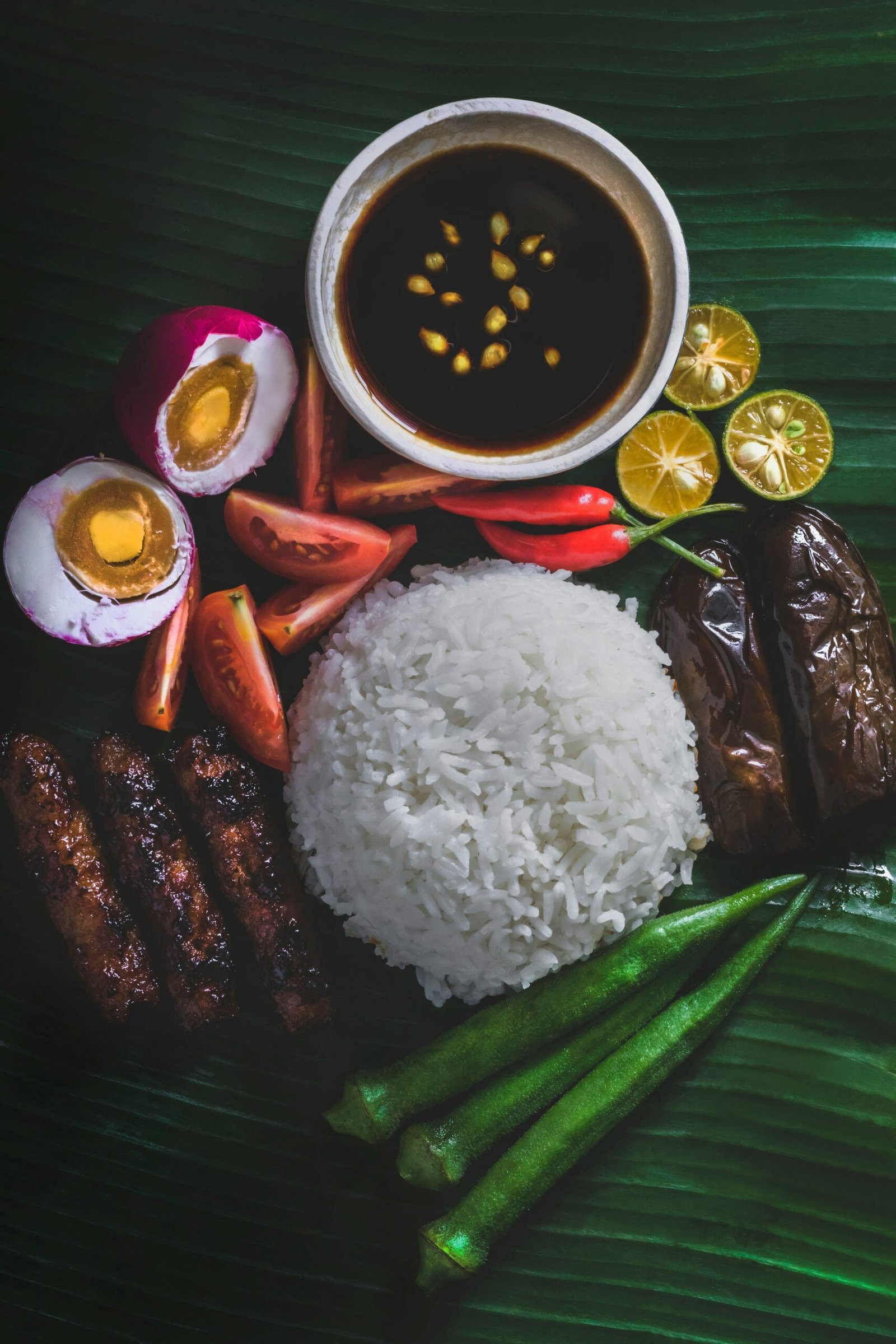
    pinakbet ulam ideas for lunch

    Introduction to Filipino Cuisine

    Filipino cuisine is a vibrant tapestry woven from the threads of its rich history and diverse cultural influences. The culinary landscape of the Philippines is a delightful blend of indigenous traditions and the myriad influences from centuries of Spanish, Chinese, and American colonization. This fusion has given rise to a unique and flavorful cuisine that holds a special place in the hearts of Filipinos and food enthusiasts around the world.

    Central to Filipino cuisine is the ubiquitous presence of rice, serving as the staple food for the majority of the population. Rice is often paired with a variety of dishes, from savory meat and vegetable stews to grilled seafood. Seafood, in particular, plays a significant role due to the archipelagic nature of the Philippines, providing an abundance of fresh fish, shrimp, crabs, and other marine delights that are integral to many traditional recipes.

    Tropical fruits such as mangoes, bananas, and coconuts also contribute to the richness of Filipino culinary traditions. These fruits are not only enjoyed fresh but are also incorporated into various dishes and desserts, adding natural sweetness and flavor. The use of herbs and spices like garlic, onion, ginger, and lemongrass further enhances the aromatic and healthful qualities of Filipino food.

    While Filipino cuisine is often celebrated for its bold and diverse flavors, it is also important to recognize its potential for being both delicious and healthy. Many traditional Filipino dishes are prepared using fresh, whole ingredients, and cooking methods like steaming, grilling, and boiling that preserve nutrients. For instance, dishes such as “tinola” (a ginger-based chicken soup with vegetables) and “sinigang” (a sour tamarind-based soup with various meats and vegetables) exemplify the balance of flavor and nutrition inherent in healthy Filipino food.

    As we delve deeper into the world of Filipino cuisine, it becomes evident that this culinary tradition offers a wealth of options for those seeking both taste and health benefits. The harmonious blend of flavors, textures, and nutritional values makes Filipino food a compelling choice for anyone interested in exploring healthy eating habits.

    Nutritious Staples in Filipino Diet

    The Filipino diet is rich with nutritious staples that not only provide essential nutrients but also contribute to the vibrant flavors of Filipino cuisine. One of the most notable staples is brown rice. Brown rice is a whole grain that retains its bran and germ, making it high in fiber, vitamins, and minerals. It is an excellent source of magnesium, phosphorus, selenium, thiamine, niacin, and vitamin B6, all of which play crucial roles in maintaining overall health. Brown rice can be used as a substitute for white rice in various traditional dishes like adobo or sinigang to enhance the nutritional profile.

    Another key component of a healthy Filipino diet is the sweet potato, locally known as “kamote.” Sweet potatoes are packed with vitamins A and C, manganese, and fiber. Their natural sweetness and versatility make them suitable for various dishes, from savory stews to sweet desserts. Roasting sweet potatoes with a touch of olive oil and herbs can make for a delightful side dish, while adding them to soups and salads can boost both flavor and nutrition.

    Whole grains such as quinoa, barley, and buckwheat are also becoming more popular in Filipino kitchens. These grains are rich in fiber, antioxidants, and essential nutrients like iron, magnesium, and zinc. Incorporating whole grains into meals can be as simple as adding quinoa to a vegetable stir-fry, using barley in sopas (Filipino noodle soup), or making buckwheat pancakes for breakfast. These grains not only support digestive health but also help in managing weight and reducing the risk of chronic diseases.

    Integrating these nutritious staples into the Filipino diet can be done seamlessly with traditional recipes or by exploring new culinary creations. By choosing brown rice, sweet potatoes, and whole grains, individuals can enjoy the rich heritage of Filipino food while promoting a healthier lifestyle.

    Healthy Filipino Breakfast Options

    Traditional Filipino breakfasts are a delightful blend of flavors and textures, often characterized by their hearty and satisfying nature. However, with a few thoughtful substitutions, these beloved dishes can be transformed into even healthier options without sacrificing taste. Let’s delve into some classic Filipino breakfast dishes and explore how to make them more nutritious.

    One beloved breakfast dish is Champorado, a chocolate rice porridge typically made with glutinous rice and sweetened with sugar. To create a healthier version, consider using brown rice or quinoa instead of glutinous rice. These grains are high in fiber and have a lower glycemic index, contributing to a more sustained energy release. Additionally, opt for using dark cocoa powder and natural sweeteners like stevia or coconut sugar to reduce the overall sugar content. This nutritious take on Champorado will still satisfy your chocolate cravings while providing more essential nutrients.

    Taho is another popular breakfast choice, consisting of soft soybean curd topped with syrup and sago pearls. To enhance its health benefits, use organic, non-GMO soybeans to make fresh tofu. Instead of the traditional sugary syrup, a low-sugar alternative made from agave or honey can be used. Adding chia seeds instead of sago pearls can increase the fiber content and provide a dose of omega-3 fatty acids, making this a wholesome start to your day.

    For those who enjoy bread in the morning, Pandesal is a staple in Filipino households. This slightly sweet bread roll can be made healthier by using whole wheat flour instead of white flour, increasing its fiber content and making it more filling. Incorporating seeds like flax or chia into the dough can add extra nutrients and healthy fats. Additionally, opting for a low-sugar or sugar-free recipe can further enhance its nutritional profile.

    Incorporating these healthier ingredients into traditional Filipino breakfast dishes allows you to enjoy the flavors of your heritage while maintaining a balanced diet. By making simple substitutions, you can create meals that are both nourishing and delicious, ensuring a great start to your day.

    Wholesome Filipino Meals for Lunch and Dinner

    Filipino cuisine is renowned for its rich flavors and diverse ingredients, but traditional dishes can often be high in fat and sodium. However, with a few modifications, these meals can be transformed into healthier options without compromising their authentic taste. Here, we explore some popular Filipino lunch and dinner dishes that can be made healthier, focusing on ‘Sinigang,’ ‘Pinakbet,’ and ‘Adobo.’

    Sinigang is a beloved sour soup, traditionally made with tamarind to give it a tangy flavor. To make this dish healthier, use a generous amount of vegetables like kangkong (water spinach), radish, eggplant, and okra. Opt for lean meats such as chicken breast or fish instead of pork. Reduce the amount of fish sauce or salt to lower the sodium content, and consider adding more herbs and spices to enhance the flavor naturally.

    Pinakbet is a colorful and nutritious vegetable dish, typically made with a mix of local vegetables such as squash, bitter melon, okra, eggplant, and string beans, sautéed with shrimp paste. To make a healthier version, reduce the quantity of shrimp paste or replace it with a lower-sodium alternative. Use minimal oil for sautéing, or opt for steaming the vegetables to retain their nutrients. Adding a variety of colorful vegetables not only enhances the dish’s aesthetic appeal but also boosts its nutritional value.

    Adobo, perhaps the most iconic Filipino dish, is a marinated meat stew traditionally made with soy sauce, vinegar, garlic, and bay leaves. To reduce the fat content, choose lean cuts of meat like chicken breast or lean pork. Use a low-sodium soy sauce and balance the flavors with herbs and spices such as peppercorns and garlic. Cooking the meat slowly will allow it to absorb the flavors deeply while requiring less oil.

    By making these small adjustments, you can enjoy healthy Filipino food that is both delicious and nutritious. These modifications ensure that the authentic flavors are preserved while making the dishes suitable for a healthier lifestyle.

    Healthy Filipino Snacks and Appetizers

    Filipino cuisine is renowned for its vibrant flavors and diverse array of dishes, and this extends to its snacks and appetizers. Many traditional Filipino snacks are not only delicious but also offer nutritional benefits, making them excellent choices for those seeking healthy Filipino food options.

    A quintessential example is Lumpia, or Filipino spring rolls. Typically, lumpia is filled with a variety of vegetables such as cabbage, carrots, and green beans. This vegetable-filled version can be a healthy snack option, providing essential vitamins and minerals while being low in calories. When baked instead of fried, lumpia becomes an even healthier option, offering a crisp texture without the added oils.

    Another popular snack is Banana Cue, which consists of caramelized bananas. Traditionally, this treat is made with deep-fried bananas coated in caramelized brown sugar. However, for a healthier twist, the bananas can be grilled or baked with a minimal amount of sugar or even natural sweeteners like honey. Bananas themselves are rich in potassium, fiber, and vitamins, making banana cue a nutritious snack when prepared with health-conscious modifications.

    Ukoy, or shrimp fritters, are another delightful appetizer that can be made healthier. Traditionally, ukoy is made with shrimp and a batter of rice flour. For a more nutritious version, whole grain flours such as brown rice flour or quinoa flour can be used. These flours add more fiber and nutrients to the dish. Including vegetables like sweet potatoes and carrots in the batter can also enhance its nutritional profile. Ukoy can be enjoyed baked instead of fried, reducing the fat content while retaining its delicious flavor.

    Incorporating these traditional snacks and appetizers into a balanced diet is not only gratifying but also nutritious. By making slight modifications to the preparation methods and ingredients, these healthy Filipino food options can be enjoyed without compromising on taste. Whether enjoyed as a midday snack or a prelude to a meal, these dishes reflect the rich culinary heritage of the Philippines while supporting a healthy lifestyle.

    Delectable Desserts with a Healthy Twist

    Filipino cuisine is renowned for its rich and flavorful desserts, but many of these traditional treats can be high in sugar and calories. However, there are ways to enjoy these beloved sweets without compromising on health. By making a few simple adjustments, you can indulge in healthy Filipino food that satisfies your sweet tooth while also being mindful of your well-being.

    One iconic dessert that has been reinvented for a healthier lifestyle is the ‘Halo-Halo,’ a delightful mixed dessert. Traditionally, Halo-Halo is prepared with various sweetened fruits, jellies, and a generous amount of sugar and milk. To create a healthier version, consider using fresh fruits like mango, banana, and pineapples, which add natural sweetness. Substitute the sugary syrups with a light drizzle of honey or agave nectar. For the creamy component, opt for almond or coconut milk instead of evaporated milk to reduce fat and calorie content.

    ‘Bibingka,’ a popular Filipino rice cake, also benefits from a nutritious makeover. The traditional recipe uses white rice flour, but whole grain rice flour is a more fiber-rich alternative that retains the cake’s delightful texture. To further enhance its health profile, replace refined sugar with coconut sugar or stevia, which are lower on the glycemic index. Adding a sprinkle of chia seeds or flaxseeds can boost the cake’s nutritional value without altering its delicious taste.

    Another classic dessert that can be made healthier is ‘Leche Flan,’ a rich and creamy custard. Instead of using condensed milk, which is high in sugar and fat, substitute with coconut milk. Coconut milk not only reduces the calorie content but also adds a subtle, exotic flavor. For the caramel sauce, use a small amount of coconut sugar, which has a lower glycemic index compared to regular sugar, providing a healthier way to enjoy this indulgent treat.

    Incorporating natural sweeteners like honey, agave nectar, and coconut sugar can significantly lower the sugar content in these desserts. By making these simple yet effective changes, you can enjoy traditional Filipino sweets that align with a healthier lifestyle, proving that deliciousness and nutrition can indeed go hand in hand.

    Incorporating Superfoods into Filipino Diet

    Filipino cuisine is rich and diverse, offering a myriad of flavors and textures. Incorporating superfoods into traditional Filipino meals can significantly enhance their nutritional value. Superfoods such as moringa (malunggay), turmeric, ginger, and coconut oil are not only packed with essential nutrients but also blend seamlessly into a variety of dishes, infusing them with added health benefits without compromising on taste.

    Moringa, commonly known as malunggay, is a nutritional powerhouse. It is high in vitamins A, C, and E, and is also a good source of calcium, potassium, and protein. Malunggay can be effortlessly added to traditional Filipino soups like tinola or monggo, enhancing both their flavor and nutritional profile. The leaves can also be included in smoothies or turned into a powder to sprinkle over dishes, providing an easy way to boost daily nutrient intake.

    Turmeric, with its vibrant yellow hue, is renowned for its anti-inflammatory and antioxidant properties. It has been used in Filipino culinary practices for generations, particularly in dishes like adobo and curry. Adding a touch of turmeric to these recipes not only enhances the color but also contributes to better digestion and overall health. Turmeric can also be used in tea or mixed into rice, offering a simple yet effective way to reap its benefits.

    Ginger, another staple in Filipino kitchens, is celebrated for its medicinal properties, including its ability to aid digestion and reduce nausea. Its sharp, spicy flavor complements many Filipino dishes such as sinigang and tinola. Fresh ginger can be grated into sauces or broths, or even steeped in hot water to create a soothing tea, making it a versatile addition to a healthy Filipino diet.

    Coconut oil, derived from the fruit of the coconut tree, is widely used in Filipino cooking. It is rich in medium-chain triglycerides (MCTs), which are known to boost metabolism and support heart health. Coconut oil can be used for frying, sautéing, or even as a substitute for butter in baking. Its mild flavor ensures that it enhances dishes without overwhelming them, making it a perfect fit for various Filipino recipes.

    By incorporating these superfoods into traditional Filipino meals, individuals can enjoy delicious, familiar dishes while simultaneously enhancing their nutritional intake. Whether it’s adding moringa to a hearty soup, mixing turmeric into a savory adobo, infusing ginger into a tangy sinigang, or cooking with coconut oil, these superfoods can easily be integrated into everyday diets, promoting a healthier lifestyle without sacrificing the rich flavors of Filipino cuisine.

    Tips for Maintaining a Healthy Filipino Diet

    Adopting a healthy Filipino diet involves a balance of mindful eating practices and an appreciation for traditional flavors. To start, meal planning is a crucial step. Planning meals ahead of time allows you to make healthier choices and avoid last-minute, less nutritious options. Incorporate a variety of foods to ensure a balanced intake of macronutrients—proteins, carbohydrates, and fats. Lean proteins such as fish, chicken, and tofu can be paired with complex carbohydrates like brown rice and sweet potatoes, and healthy fats from sources such as avocados and olive oil.

    Portion control is another essential aspect. Filipino dishes are often served in generous portions, which can lead to overeating. To maintain a balanced diet, use smaller plates and serve reasonable portions of each food group. This approach helps in consuming fewer calories while still enjoying the rich and diverse flavors of healthy Filipino food. Additionally, paying attention to hunger and fullness cues can prevent overeating and promote better digestion.

    Cooking methods play a significant role in preserving the nutritional value of food. Steaming and grilling are excellent techniques for maintaining the integrity of vitamins and minerals in vegetables and proteins. For instance, steaming vegetables like kangkong (water spinach) retains more nutrients compared to boiling. Grilling fish, such as bangus (milkfish), enhances the flavor without the need for excessive oil, making it a healthier option.

    Exploring traditional Filipino recipes and adapting them to be healthier is both enjoyable and beneficial. Classic dishes like sinigang can be made with leaner cuts of meat and a variety of vegetables to boost their nutritional content. Similarly, using natural seasonings and herbs instead of high-sodium condiments can enhance the taste while being mindful of overall health. The essence of healthy Filipino food lies in its ability to marry tradition with nutrition, ensuring a wholesome and flavorful culinary experience.

  • Exploring the Rich Flavors of Filipino Cuisine

    Exploring the Rich Flavors of Filipino Cuisine

    filipino cuisine

    Introduction to Filipino Cuisine

    Filipino cuisine stands as a testament to the rich tapestry of cultural influences that have shaped the Philippines over centuries. The archipelago’s culinary landscape is a vibrant blend of indigenous traditions and various foreign influences, each contributing to the unique and diverse nature of its dishes. This fusion results in a gastronomic tradition that is both deeply rooted in history and continually evolving.

    Spanish colonization, which spanned over three centuries, has left an indelible mark on Filipino food. Many beloved Filipino dishes, such as adobo and lechon, bear the unmistakable imprint of Spanish culinary techniques and ingredients. The Spanish influence is evident in the use of garlic, vinegar, and the practice of marinating meats, which are now quintessential aspects of Filipino cooking.

    Similarly, Chinese traders introduced a variety of ingredients and cooking methods that have become integral to Filipino cuisine. Staples such as noodles, soy sauce, and the concept of stir-frying are all contributions from Chinese culture. Dishes like pancit and lumpia are direct descendants of these interactions, showcasing the seamless integration of Chinese flavors into the Filipino palate.

    The American colonial period also brought significant changes to Filipino food culture. The introduction of canned goods, breakfast cereals, and fast food items like hamburgers and fried chicken have all found their place in the modern Filipino diet. This period also saw the popularization of sweet desserts and snacks, adding another layer of variety to the culinary scene.

    Indigenous Filipino traditions, however, remain the cornerstone of the country’s culinary identity. Ingredients like coconut, rice, and an array of tropical fruits are staples in many traditional dishes. Methods such as grilling, roasting, and steaming are time-honored practices that continue to be prevalent. Local delicacies often highlight the bounty of the land and sea, celebrating the natural flavors of the Philippines.

    Overall, Filipino cuisine is a dynamic and flavorful mosaic, continually enriched by its historical and cultural heritage. This blend of influences has resulted in a culinary tradition that is both diverse and uniquely Filipino, offering a rich array of flavors and textures that are sure to captivate any food enthusiast.

    Staple Ingredients in Filipino Cooking

    Filipino cuisine is renowned for its rich flavors and diverse textures, largely attributed to its staple ingredients. Central to Filipino cooking is rice, the backbone of most meals. Whether steamed, fried, or transformed into delicacies like bibingka (rice cake) and suman (rice dessert), rice is indispensable. Its versatility allows it to complement a wide range of dishes, making it a fundamental ingredient in Filipino households.

    Coconut, in its various forms, also plays a significant role in Filipino cuisine. Coconut milk and cream add depth and richness to stews, curries, and desserts. Dishes such as ginataang kalabasa (squash in coconut milk) and buko pie (young coconut pie) showcase the ingredient’s ability to enhance both savory and sweet creations. Additionally, coconut oil is often used for frying and sautéing, imparting a subtle flavor to the food.

    Fish sauce, locally known as patis, is another cornerstone of Filipino cooking. This salty, umami-rich condiment is used to season various dishes, from soups and stews to marinades. It adds a distinct taste that is quintessential to Filipino flavors. Similarly, vinegar, particularly the native palm vinegar, is used extensively. Vinegar’s acidic tang is crucial in dishes like adobo, where it tenderizes meat and balances other flavors.

    Tropical fruits such as mangoes, pineapples, and bananas are also integral to Filipino cuisine. These fruits are used in both savory and sweet dishes, providing natural sweetness and a burst of freshness. For instance, green mangoes are a common ingredient in salads, while ripe mangoes are used in desserts like mango float and halo-halo.

    Globally, these ingredients can be sourced from Asian supermarkets, specialty stores, and online retailers. The international availability of these staples allows food enthusiasts worldwide to recreate the vibrant and unique tastes of Filipino cuisine in their own kitchens.

    Popular Filipino Dishes

    Filipino cuisine, renowned for its rich and diverse flavors, boasts an array of dishes that have captured the hearts and palates of many. One of the most iconic dishes is Adobo, often considered the national dish of the Philippines. Adobo is a savory and slightly tangy stew made with meat, usually chicken or pork, marinated in soy sauce, vinegar, garlic, and spices. Its origins can be traced back to the Spanish colonial period, with the term “adobo” derived from the Spanish word “adobar,” meaning “to marinate.” This dish is beloved for its simplicity, adaptability, and the perfect balance of salty and sour flavors.

    Another beloved Filipino dish is Sinigang, a tamarind-based soup known for its sour and savory taste. Sinigang can be made with various types of meat, such as pork, beef, shrimp, or fish, and is often loaded with vegetables like kangkong (water spinach), radish, and eggplant. This dish reflects the Filipino flair for combining fresh, local ingredients to create a comforting and nourishing meal. The tanginess of Sinigang is what sets it apart, making it a staple in Filipino households.

    Lechon, another iconic dish, is a whole roasted pig that is a centerpiece at festive occasions and celebrations. The practice of roasting a whole pig dates back to pre-colonial times, and it has become a symbol of Filipino hospitality and generosity. Lechon is characterized by its crispy, golden-brown skin and tender, flavorful meat, often seasoned with aromatics like lemongrass, garlic, and bay leaves. It is typically served with a liver-based sauce or a vinegar dip to enhance its savory profile.

    Kare-Kare is a rich and hearty stew made with oxtail, tripe, and a variety of vegetables simmered in a thick peanut sauce. This dish is traditionally served with bagoong (fermented shrimp paste) on the side, adding a savory depth to its nutty flavor. Kare-Kare’s roots can be traced to the Pampanga region, known for its culinary heritage. The unique combination of ingredients and the labor-intensive preparation make Kare-Kare a cherished dish in Filipino cuisine.

    For dessert, Halo-Halo stands out as a quintessential Filipino treat. The name “halo-halo” means “mix-mix” in Tagalog, reflecting the dessert’s diverse ingredients. It typically includes a medley of sweetened fruits, jellies, beans, and shaved ice, topped with evaporated milk and sometimes ice cream or leche flan. Halo-Halo is a refreshing and colorful dessert that showcases the Filipino love for blending different textures and flavors into a harmonious and delightful experience.

    Filipino cuisine offers a rich tapestry of flavors, and nowhere is this more vibrantly showcased than in the bustling streets of the Philippines. The art of Filipino street food is a culinary tradition that brings together locals and tourists alike, offering a taste of the country’s diverse and flavorful heritage.

    One of the most iconic street food items is Isaw, which consists of grilled chicken intestines. This delicacy is marinated in a mixture of vinegar, soy sauce, and various spices before being skewered and grilled to perfection. The result is a savory treat with a unique texture that is both crispy and tender. Isaw is often enjoyed with a dipping sauce made from vinegar and chili, adding an extra layer of flavor.

    Another quintessential street food is Balut, a fertilized duck egg that is boiled and eaten directly from the shell. While it may seem unusual to some, Balut is a beloved snack in the Philippines, known for its rich, umami flavor and nutritional benefits. It is typically enjoyed with a sprinkling of salt and a dash of vinegar, and is often considered a must-try for adventurous eaters.

    For those with a sweet tooth, Taho is a popular choice. This sweet tofu snack is made from silken tofu, arnibal (a syrup made from caramelized sugar and vanilla), and sago pearls. Vendors often serve Taho in the morning, calling out to passersby with the distinctive cry of “Taho!” It is a comforting and nutritious breakfast or snack that appeals to both young and old.

    Street food plays a significant role in Filipino culture and daily life. It is not just about satisfying hunger but also about fostering community and celebrating Filipino identity. During festivals and celebrations, street food stalls become bustling hubs of activity, bringing people together to share in the joy of good food and good company. In essence, the art of Filipino street food is a testament to the country’s culinary creativity and its deep-rooted cultural traditions.

    Regional Variations in Filipino Cuisine

    Filipino cuisine is a tapestry of flavors, reflecting the country’s rich cultural heritage and geographical diversity. Each region of the Philippines boasts unique culinary traditions, shaped by local ingredients, historical influences, and indigenous techniques. This regional diversity is a testament to the adaptability and creativity of Filipino culinary practices.

    Luzon

    Luzon, the largest and most populous island, offers a wide variety of dishes that highlight its abundant natural resources. One of Luzon’s most iconic dishes is Adobo, a flavorful stew made with pork or chicken, simmered in vinegar, soy sauce, garlic, and spices. The Bicol Region in southern Luzon is famous for its spicy coconut-based dishes, such as Laing and Bicol Express, which utilize local chili peppers and coconut milk. The northern part, known for its fertile lands, produces the well-loved Bagnet, a crispy pork belly specialty, and Pinakbet, a vegetable dish cooked with fermented shrimp paste.

    Visayas

    The Visayas region, an archipelago in the central part of the country, is known for its seafood-centric cuisine. Cebu, a province in Visayas, is celebrated for its Lechon, a whole roasted pig that is a staple at festive gatherings. The island of Iloilo offers the hearty noodle soup La Paz Batchoy, made with pork organs, shrimp, and beef. Visayan cuisine also features Kinilaw, a raw fish dish marinated in vinegar and spiced with ginger, onions, and chili, showcasing the region’s love for fresh and tangy flavors.

    Mindanao

    In Mindanao, the southernmost major island, the cuisine is heavily influenced by Malay and Muslim cultures. Dishes such as Beef Rendang and Chicken Piaparan incorporate aromatic spices and creamy coconut milk. The Maranao people of Mindanao are known for their vibrant and flavorful Palapa, a condiment made from coconut, ginger, and chili, which is often used to enhance various dishes. The island’s proximity to the sea also means an abundance of seafood, with dishes like Sinuglaw, a combination of grilled pork and marinated fish, exemplifying the region’s culinary ingenuity.

    These regional variations in Filipino cuisine not only highlight the country’s diverse cultural landscape but also offer a culinary journey through the archipelago’s distinct flavors and traditions.

    Filipino Desserts and Sweets

    Filipino cuisine is renowned for its rich and diverse array of desserts and sweets, each offering a unique blend of flavors and textures that reflect the country’s rich cultural heritage. Among the most beloved treats is Bibingka, a traditional rice cake that is especially popular during the Christmas season. Bibingka is typically made from glutinous rice flour and coconut milk, and it is traditionally cooked in a clay pot lined with banana leaves, which imparts a subtle, aromatic flavor. Topped with salted duck eggs and cheese, Bibingka offers a delightful contrast of sweet and savory that is emblematic of Filipino culinary innovation.

    Another staple in the Filipino dessert repertoire is Puto, a type of steamed rice cake that is often enjoyed during breakfast or merienda (afternoon snack). Puto is made from rice flour, sugar, and coconut milk, producing a soft, fluffy texture that pairs perfectly with savory dishes like dinuguan (pork blood stew). These steamed rice cakes are available in various flavors and colors, often reflecting local ingredients and regional preferences. Puto’s simplicity and versatility make it a beloved treat across the archipelago.

    Leche Flan, a rich and creamy caramel custard, is another iconic Filipino dessert that graces many festive tables. This decadent treat, made from egg yolks, condensed milk, and caramelized sugar, has its roots in Spanish colonial influence but has been adapted to suit Filipino tastes. Leche Flan is often served during special occasions such as birthdays, weddings, and fiestas, symbolizing the sweetness of life and the joy of celebration.

    These desserts are more than just culinary delights; they hold significant cultural importance, often playing central roles in various festivals and celebrations. Whether it’s the warm, comforting flavors of Bibingka during Simbang Gabi (night masses leading up to Christmas), the communal enjoyment of Puto during family gatherings, or the indulgent pleasure of Leche Flan at a fiesta, Filipino desserts and sweets encapsulate the spirit of Filipino cuisine – a harmonious blend of flavors, traditions, and communal joy.

    Filipino Cuisine in the Global Scene

    In recent years, Filipino cuisine has garnered substantial acclaim on the global stage, owing to its rich and diverse flavors. This rise in popularity can be largely attributed to several key factors. One significant contributor is the Filipino diaspora, which has spread the culinary traditions of the Philippines across various continents. As Filipinos establish their presence in different parts of the world, they also introduce their unique gastronomic heritage, sparking curiosity and appreciation among local populations.

    Another crucial element propelling Filipino cuisine into the international limelight is the influence of social media. Platforms such as Instagram, YouTube, and TikTok have become vital tools for food enthusiasts and chefs to showcase the vibrant and intricate dishes of the Philippines. These platforms enable users to share recipes, cooking techniques, and food reviews, making Filipino dishes more accessible and enticing to a global audience.

    Notable Filipino chefs and restaurants have also played a pivotal role in elevating the status of Filipino cuisine globally. Chefs like Margarita Fores, who was named Asia’s Best Female Chef in 2016, and Jordan Andino, a rising star in the New York culinary scene, have brought Filipino flavors to the forefront of fine dining. Restaurants such as “Bad Saint” in Washington D.C., which has received critical acclaim and was named one of the best new restaurants in America by Bon Appétit magazine, demonstrate the growing recognition and respect for Filipino culinary artistry.

    The combination of cultural dissemination through the Filipino diaspora, the visibility provided by social media, and the efforts of distinguished chefs and restaurants, has significantly contributed to the global embrace of Filipino cuisine. This newfound appreciation not only celebrates the rich flavors and traditions of the Philippines but also fosters a greater understanding and appreciation of its cultural heritage.

    Conclusion: Embracing Filipino Culinary Heritage

    Throughout this blog post, we have delved into the vibrant and diverse world of Filipino cuisine, uncovering its rich flavors and cultural significance. From the historical influences that have shaped its unique dishes to the essential ingredients that define its character, Filipino cuisine stands as a testament to the country’s rich heritage and resilient spirit. The fusion of indigenous, Spanish, Chinese, and American culinary traditions has given rise to a gastronomic experience that is both familiar and exotic.

    It is crucial to preserve and celebrate these culinary traditions, as they represent more than just food; they are a gateway to understanding the Filipino way of life, values, and communal bonds. Each dish tells a story of the past, reflecting the historical journey and cultural amalgamation that have defined the Philippines. By exploring and appreciating Filipino cuisine, we not only savor delicious flavors but also honor the legacy of generations who have contributed to its evolution.

    We encourage readers to immerse themselves in the world of Filipino cuisine. Whether by visiting local Filipino restaurants to experience authentic dishes, cooking traditional recipes at home, or participating in cultural events that showcase Filipino food, there are countless ways to engage with and enjoy this rich culinary heritage. Embracing Filipino cuisine is an invitation to celebrate diversity, learn about different cultures, and connect with a global community through the universal language of food.

    Ultimately, Filipino cuisine offers more than just nourishment; it provides a meaningful connection to the Philippines’ cultural roots and a delicious way to experience the warmth and hospitality of its people. As we continue to explore and share these culinary treasures, we contribute to the preservation and appreciation of a heritage that is as flavorful as it is profound.