Tag: Philippines

  • Navigating Cebu City: A Comprehensive Guide to Transportation Options

    Navigating Cebu City: A Comprehensive Guide to Transportation Options

    transportation in cebu city

    Cebu City, a bustling urban hub in the Philippines, boasts an intricate transportation network that caters to its ever-growing population and thriving tourism industry. As one of the country’s key cities, Cebu City transportation infrastructure plays a crucial role in ensuring the smooth movement of people and goods, thereby fostering economic growth and social development. The city’s layout, characterized by a mix of modern and historical elements, sets the stage for a diverse array of transportation options tailored to meet various needs and preferences.

    Historically, Cebu City transportation system has undergone significant transformations. In the early days, the primary modes of transportation were horse-drawn carriages and small boats navigating along its coastal areas. With the advent of modernization during the American colonial period, the introduction of motorized vehicles revolutionized the way people traveled within Cebu City. The post-World War II era saw further advancements, including the construction of wider roads and the proliferation of jeepneys, which became an iconic symbol of Philippine urban transportation.

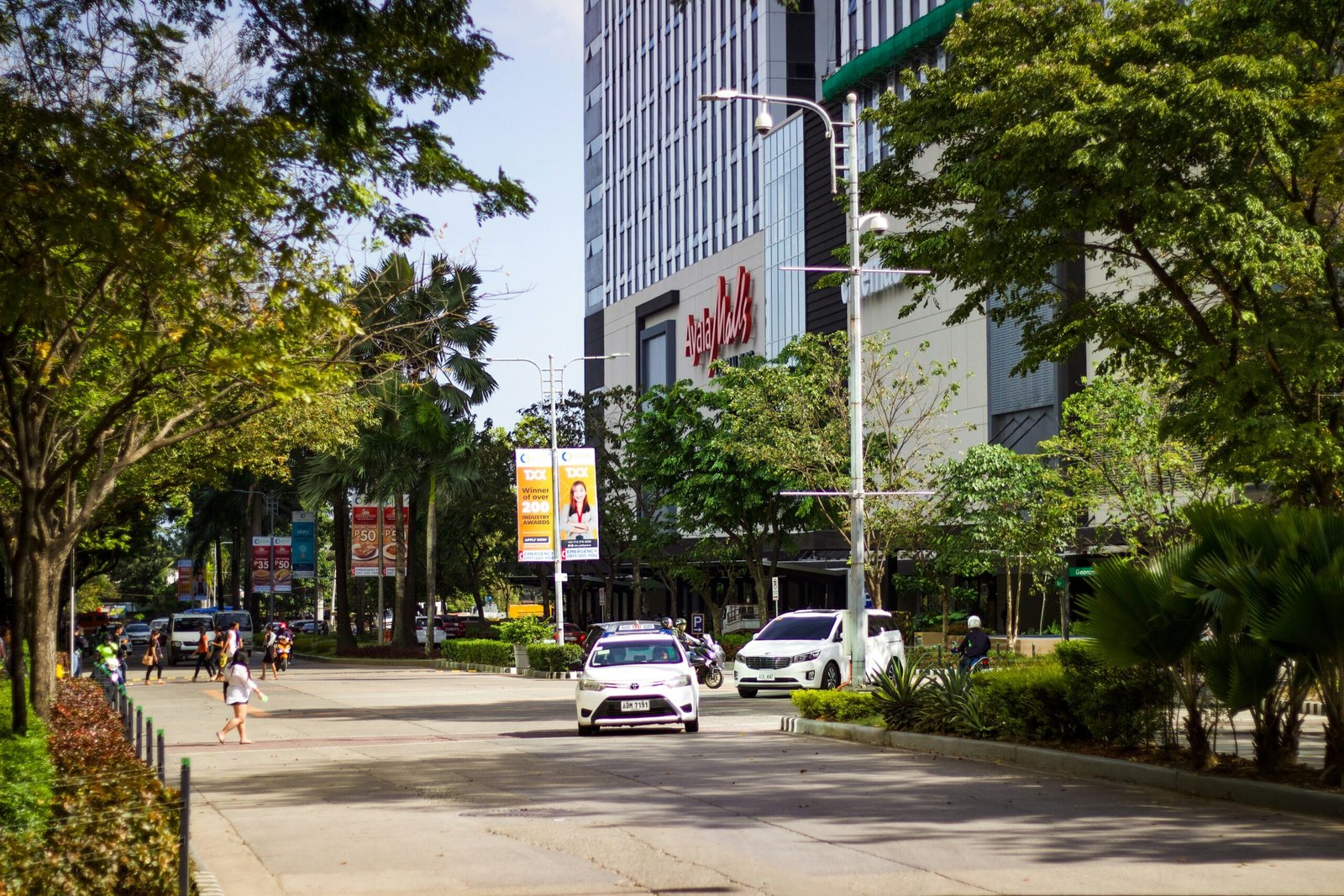
    In recent years, Cebu City’s transportation network has expanded and diversified to accommodate its burgeoning population and the increasing number of tourists. The city now offers a variety of transportation options, from traditional jeepneys and buses to modern ride-hailing services and taxis. Additionally, the implementation of infrastructure projects, such as the Cebu-Cordova Link Expressway and the Bus Rapid Transit (BRT) system, aims to enhance connectivity and reduce traffic congestion in Cebu City transportation.

    Understanding the transportation options in Cebu City is essential for both residents and visitors alike. Whether navigating the busy streets or exploring its scenic outskirts, the available modes of Cebu City transportation play a pivotal role in shaping the overall experience. As Cebu City continues to evolve, its transportation network remains a testament to its dynamic growth and resilience, reflecting the city’s ability to adapt to the ever-changing demands of its populace.

    Public Buses: Routes, Fares, and Schedules

    Cebu City Transportation: Navigating Your Options

    Finally, embracing Cebu City transportation provides opportunities to engage with locals and experience the city’s heartbeat.

    As you explore, consider how Cebu City transportation shapes the way you interact with the environment around you.

    Whether you’re a local or a tourist, understanding Cebu City transportation is key to making the most out of your experience.

    With so many options available, Cebu City transportation allows you to tailor your journey based on your preferences.

    Ultimately, mastering Cebu City transportation not only enriches your visit but also fosters a deeper connection with the city.

    Cebu City transportation serves as a gateway to the city’s rich culture and thrilling adventures waiting to be discovered.

    Make the most of your time in Cebu City by exploring its diverse transportation options that cater to every need.

    Cebu City transportation is not only functional but also reflects the spirit and resilience of its people.

    The rich array of Cebu City transportation options showcases the city’s commitment to providing efficient travel experiences.

    By embracing Cebu City transportation, you contribute to the local economy and support the community.

    As you navigate Cebu City transportation, you’ll find that each mode of transport brings its own charm and advantages.

    With the right knowledge of Cebu City transportation, one can explore the city’s offerings with ease and confidence.

    The diversity of Cebu City transportation adds to the unique experience of navigating through this lively city.

    Explore the vibrant atmosphere of Cebu City transportation and how it connects its rich heritage with modern advancements.

    As Cebu City continues to develop, so too does its transportation network, adapting to the needs of the community.

    Understanding the ins and outs of Cebu City transportation can lead to discovering hidden local spots that are off the typical tourist path.

    For efficient travel, utilizing Cebu City transportation options can save time and enhance the overall adventure.

    The various options in Cebu City transportation can suit different preferences and budgets, ensuring accessibility for everyone.

    As more tourists visit, understanding Cebu City transportation will be key for better travel experiences.

    The implementation of new services in Cebu City transportation aims to enhance the overall commuting experience for all users.

    As the city grows, so does the array of Cebu City transportation methods, catering to the diverse needs of its population.

    Whether it’s the affordable jeepneys or the convenience of taxis, Cebu City transportation offers something for everyone.

    By mastering Cebu City transportation options, travelers can ensure they make the most of their visit, experiencing both the hustle and the charm of the city.

    For those interested in exploring Cebu City transportation fully, it is recommended to try different modes and understand their unique advantages.

    Cebu City transportation continues to adapt, integrating modern solutions while retaining traditional options that serve the local community.

    The growth of ride-hailing apps has also influenced how Cebu City transportation is perceived by both locals and tourists alike.

    While taxis provide convenience, understanding Cebu City transportation can also lead to discovering more affordable routes using public buses.

    Cebu City transportation includes traditional options like jeepneys, which are not just economical but also a unique experience that reflects local culture.

    Utilizing Cebu City transportation efficiently allows for better planning and more enjoyable excursions around the city and its surroundings.

    For visitors, understanding Cebu City transportation methods can enhance their experience and ensure easier navigation throughout their stay.

    Exploring Cebu City transportation can reveal hidden gems and local favorites that are not only efficient but also offer a glimpse into the city’s vibrant culture.

    Cebu City transportation options include buses, jeepneys, taxis, and even motorcycle taxis, making it essential for travelers to familiarize themselves with the various means of getting around the city.

    The public bus system in Cebu City serves as a vital component of the transportation network, offering an affordable and accessible means of travel for both residents and visitors. Major routes typically cover key areas such as Cebu IT Park, SM City Cebu, Ayala Center Cebu, and Mactan-Cebu International Airport, ensuring connectivity across significant destinations within the city.

    Fares are structured to accommodate various budgets, with prices generally ranging from PHP 8 to PHP 15 for non-air-conditioned buses and slightly higher for air-conditioned options. It’s worth noting that the fare is calculated based on the distance traveled, making it essential for riders to have an idea of their destinations when boarding the bus. Tickets are usually purchased directly from the conductor upon boarding.

    Navigating the bus network can be straightforward with a bit of preparation. First-time riders are encouraged to familiarize themselves with the main routes and bus numbers, which are often displayed on the front of the buses. Additionally, mobile apps and online resources can provide real-time updates on bus schedules and routes, enhancing the overall convenience of using this mode of transportation in Cebu City.

    Cebu City’s bus system includes a mix of air-conditioned and non-air-conditioned buses, catering to different comfort preferences. Recent improvements have seen an increase in the number of modern, air-conditioned buses, contributing to a more comfortable commuting experience. These upgrades are part of ongoing efforts to enhance public transportation in Cebu City, making it more efficient and user-friendly for everyone.

    cebu city transportation Jeepney
    Cebu City Jeepney

    Jeepneys: The Iconic Public Transport

    Jeepneys are a quintessential mode of transportation in Cebu City, embodying both cultural heritage and daily practicality. Originally adapted from U.S. military jeeps left over after World War II, these colorful and intricately decorated vehicles have become an iconic symbol of Filipino ingenuity and community spirit. For both locals and tourists, jeepneys offer an affordable and accessible means to navigate the bustling streets of Cebu City.

    To identify jeepney routes, passengers can refer to the route numbers and destination signs displayed prominently on the vehicle’s windshield and sides. Each route is designated by a combination of letters and numbers that indicate its specific path. For instance, routes might read “04C” or “13B,” with each combination representing a specific journey through various neighborhoods and landmarks. Locals are generally helpful, so don’t hesitate to ask for guidance if you’re unsure about which jeepney to take.

    The fare for a jeepney ride is remarkably economical, typically starting at around PHP 8 for a basic distance. Fares can slightly increase based on the distance traveled, but overall, jeepneys remain one of the most cost-effective transportation options in Cebu City. Passengers usually hand their fare to the driver upon boarding or pass it down the line through other passengers, along with stating their destination if needed.

    Jeepneys are more than just a means of transport; they are a cultural emblem. They reflect the vibrant, communal, and resourceful spirit of the Filipino people. However, in recent years, there has been a concerted effort to modernize this traditional mode of transportation. The Philippine government has initiated programs aimed at transitioning to more environmentally friendly models, such as electric or hybrid jeepneys. These efforts are not only geared towards reducing pollution but also improving the overall safety and reliability of public transport.

    For tourists, riding a jeepney can be an exciting and authentic experience. To ensure a safe journey, it is advisable to keep personal belongings secure and be mindful of your surroundings. It’s also beneficial to carry small denominations of cash for fare payments. Always remain polite and courteous to fellow passengers and the driver, and be sure to familiarize yourself with your route and destination beforehand to avoid confusion.

    Taxis and Ride-Sharing Services

    When it comes to transportation in Cebu City, taxis and ride-sharing services such as Grab offer convenient and efficient options for both locals and visitors. Taxis are widely available and can be hailed directly from the street or at designated taxi stands located near major shopping centers, hotels, and tourist spots. The flag-down rate for taxis begins at PHP 40, with additional charges per kilometer and waiting time. It’s advisable to ensure that the meter is running to avoid overcharging.

    Ride-sharing services like Grab have gained significant popularity in Cebu City, providing a modern alternative to traditional taxis. Users can book a ride via the Grab app, which offers real-time tracking, estimated fare calculation, and cashless payment options. Grab fares are generally comparable to taxi rates, but they can vary depending on demand and traffic conditions, particularly during peak hours, typically between 7-9 AM and 5-8 PM.

    Safety is a paramount consideration when using taxis and ride-sharing services. For taxis, it is recommended to note the plate number and the driver’s identification details, usually displayed on the dashboard. With ride-sharing services, the app provides information about the driver and the vehicle, along with the option to share trip details with friends or family for added security.

    The convenience of using taxis and ride-sharing services is further enhanced by various apps and online tools. The Grab app, for instance, allows users to pre-book rides, select vehicle types, and even schedule rides in advance. Other useful tools include Google Maps and Waze, which can help estimate travel times and suggest the best routes to avoid traffic congestion.

    Overall, taxis and ride-sharing services offer flexible and reliable transportation options in Cebu City. Whether you prefer the spontaneity of hailing a taxi or the technological ease of booking through an app, these services cater to a wide range of needs and preferences, ensuring a smooth and comfortable journey across the city.

    Motorcycle Taxis: Habal-Habal and Angkas

    Motorcycle taxis, locally known as habal-habal, have long been a popular means of transportation in Cebu City. These motorcycle taxis offer a convenient and efficient way to navigate the city’s often congested streets. Traditionally, habal-habal are informal and can be found at various street corners and transport terminals. Riders negotiate fares directly with the drivers, which may vary depending on the distance, time of day, and traffic conditions.

    In recent years, a more organized motorcycle taxi service known as Angkas has emerged, providing a safer and more regulated alternative. Angkas operates through a mobile app, allowing riders to book rides and receive fare estimates in advance. This service has gained popularity among both locals and tourists for its reliability and ease of use. Angkas drivers undergo rigorous training and background checks, ensuring a higher level of safety and professionalism compared to traditional habal-habal drivers.

    Despite their convenience, motorcycle taxis come with safety considerations. Riders are advised to wear helmets, which are typically provided by the drivers. It is also important to hold on securely during the ride and avoid carrying heavy or bulky items that could affect balance. While Angkas is a legal and regulated service, the legal status of traditional habal-habal varies, and enforcement can be inconsistent. Therefore, choosing Angkas over habal-habal can offer peace of mind regarding safety and legality.

    Motorcycle taxis are most commonly used in densely populated areas and during peak traffic hours when other forms of transportation may be slower. Popular spots include IT Park, Ayala Center Cebu, and Colon Street. When negotiating fares with habal-habal drivers, it is advisable to agree on the price before the ride starts and to have small bills or exact change ready for payment. By following these tips, riders can ensure a safer and more pleasant experience when using motorcycle taxis in Cebu City.

    Tricycles and Pedicabs: Short-Distance Travel

    Tricycles and pedicabs are integral components of the transportation network in Cebu City, catering primarily to short-distance travel needs. These modes of transport are particularly prevalent in suburban areas, residential neighborhoods, and around market districts. Tricycles, motorized three-wheelers, and pedicabs, which are bicycle-powered, offer a convenient means for traversing narrow streets and reaching destinations that might be inaccessible to larger vehicles.

    Typically, tricycles and pedicabs can be flagged down almost anywhere within their operating zones. They are often stationed at busy intersections, near commercial centers, and at transport terminals. The fares for these rides are generally affordable, with costs depending on the distance traveled and whether the route involves any particularly challenging terrain. A short ride might cost around PHP 10 to PHP 20, but it is advisable to confirm the fare with the driver before the journey begins.

    The advantages of using tricycles and pedicabs in Cebu City include their ability to navigate congested areas and their availability for door-to-door service, offering flexibility and ease of access. These vehicles are especially useful for last-mile connectivity, where other forms of transportation might fall short. Additionally, they contribute to the local economy by providing employment opportunities for drivers.

    However, there are certain limitations to consider. Tricycles and pedicabs are generally slower than other forms of transportation, and their capacity is limited, often accommodating only 2-3 passengers comfortably. During peak hours, availability might be constrained, and negotiating fares can sometimes be challenging for those unfamiliar with local customs. It is recommended to agree on the fare beforehand to avoid misunderstandings.

    On a cultural note, tricycles and pedicabs have become iconic symbols of Cebu City’s vibrant street life, reflecting the adaptability and resourcefulness of its residents. To ensure a comfortable ride, passengers should be prepared to negotiate fares politely and be mindful of the driver’s effort, especially when traversing rugged or hilly routes.

    Water Transport: Ferries and Boats

    Cebu City, being strategically located in the Visayan archipelago, leverages its surrounding waters to facilitate transportation in Cebu City and its neighboring islands. Water transport remains an essential mode of travel, particularly for inter-island connections. This includes an array of ferries and boats that serve both local commuters and tourists exploring the region’s stunning island destinations.

    Several prominent ferry companies operate in Cebu City, providing reliable and frequent services. Leading operators such as OceanJet, SuperCat, and 2GO Travel have established extensive networks that connect Cebu to key destinations like Bohol, Leyte, and Negros. These ferries typically run on scheduled times throughout the day, ensuring convenience and flexibility for passengers.

    OceanJet, for instance, offers daily trips to Tagbilaran in Bohol, with travel times of approximately two hours. Fares for such routes vary depending on the class of service, with standard economy tickets starting at around PHP 500. Similarly, SuperCat provides swift services to Ormoc in Leyte, while 2GO Travel’s larger vessels cater to longer routes, including those reaching Manila.

    Water transport is vital for Cebu City’s connectivity, promoting seamless travel to nearby islands and enhancing the region’s tourism appeal. The convenience of ferries and boats allows for easy day trips to famous spots like the Chocolate Hills in Bohol or the pristine beaches of Malapascua Island. Furthermore, these water routes support local economies by facilitating trade and movement of goods between islands.

    For those planning to use water transport, it is advisable to book tickets in advance, especially during peak seasons. Online booking platforms and travel agencies offer easy access to schedules and fare information, ensuring a hassle-free experience. Additionally, passengers should arrive at the port at least an hour before departure to allow for check-in procedures and potential security checks.

    Overall, the robust network of ferries and boats underscores the significance of water transport in Cebu City, fostering a well-connected and accessible transportation system. Whether for daily commuting or adventurous island hopping, these services remain an integral part of the region’s mobility landscape.

    Future Developments in Cebu City’s Transportation

    Cebu City is poised for significant advancements in its transportation infrastructure, aimed at enhancing both efficiency and sustainability. One of the most notable initiatives is the Cebu Bus Rapid Transit (BRT) system. This ambitious project is designed to provide a reliable, high-capacity public transportation option that will alleviate the city’s notorious traffic congestion. The BRT system, which is set to launch in phases, will feature dedicated lanes, modern stations, and an integrated ticketing system, ensuring a seamless commuting experience for residents and visitors alike.

    In addition to the BRT, there are plans to expand existing transportation networks. These expansions include the enhancement of current roadways and the introduction of new routes to better connect the city’s various districts. Such developments are expected to significantly reduce travel times and improve overall accessibility within Cebu City. Moreover, the construction of additional flyovers and underpasses is anticipated, further easing traffic flow and minimizing bottlenecks in key areas.

    Sustainability is a core focus of Cebu City’s transportation future. Efforts are underway to incorporate eco-friendly practices, such as promoting the use of electric vehicles and establishing more bike lanes. These measures aim to reduce the city’s carbon footprint while providing residents with more green transportation options. The local government has also been exploring the potential for implementing a light rail transit (LRT) system, which would complement the BRT and provide an alternative mode of mass transit.

    Urban planning experts have weighed in on these initiatives, highlighting their potential to transform Cebu City’s transportation landscape. According to recent government announcements, these projects are part of a broader strategy to create a more connected and sustainable urban environment. With these developments, Cebu City is set to become a model for modern urban transportation in the Philippines, offering a more efficient, reliable, and environmentally friendly way for people to navigate the city.

    You might be interested to Cebu City Travel Guide

  • Understanding the Zip Codes of Cagayan de Oro: A Comprehensive Guide

    Understanding the Zip Codes of Cagayan de Oro: A Comprehensive Guide

    Introduction to Cagayan de Oro

    Cagayan de Oro, often referred to as the “City of Golden Friendship,” is a thriving urban center located in Northern Mindanao, Philippines. This city stands as a vital economic and cultural hub, recognized for its dynamic blend of tradition and modernity. With its strategic geographical location along the northern coastline, Cagayan de Oro serves as a gateway to the rest of Mindanao, making it a crucial point of connectivity and commerce.

    The city is home to a diverse population, with residents hailing from various ethnic backgrounds, contributing to its rich cultural tapestry. From bustling markets to serene parks, Cagayan de Oro offers a variety of experiences that reflect its vibrant community life. Key landmarks such as the St. Augustine Metropolitan Cathedral, Gaston Park, and the historic Plaza Divisoria highlight the city’s historical heritage while modern establishments like Centrio Mall and SM CDO Downtown Premier underscore its economic progress.

    Understanding the zip codes of Cagayan de Oro is essential for several reasons. First, it facilitates efficient mail and parcel delivery services, ensuring that correspondence and goods reach their intended destinations promptly. Second, it aids in demographic and regional planning, helping local authorities and businesses make informed decisions based on population distribution and area-specific needs. Lastly, for residents and visitors alike, having a clear grasp of the city’s zip code system enhances navigation and location identification, whether for personal, professional, or logistical purposes.

    As Cagayan de Oro continues to grow and evolve, the significance of its zip code system cannot be overstated. It is an integral part of the city’s infrastructure, contributing to its seamless operation and connectivity. This guide aims to provide a detailed understanding of these zip codes, offering valuable insights for anyone looking to navigate or engage with Cagayan de Oro more effectively.

    The Importance of Zip Codes

    Zip codes play a pivotal role in the efficient functioning of various services, particularly in a bustling city like Cagayan de Oro. Primarily, they streamline the process of mail delivery. By assigning specific zip codes to different areas, postal services can ensure that correspondence and packages reach their intended destinations promptly and accurately. This system minimizes the risk of lost or delayed mail, thereby enhancing overall reliability.

    Beyond mail delivery, zip codes are also crucial for local businesses. For instance, businesses in Cagayan de Oro can use zip codes to identify and target potential customers within specific geographical areas. This targeted approach can lead to more effective marketing campaigns and better customer service. Additionally, online retailers often require the cagayan de oro zip code to calculate shipping costs and delivery times, ensuring that customers receive accurate information during their purchase process.

    Zip codes also serve as valuable tools for navigation and urban planning. In a city like Cagayan de Oro, where development is ongoing, zip codes help in organizing the city into manageable sections. This makes it easier for residents and visitors to locate addresses and navigate the urban landscape. Urban planners and developers utilize zip codes to plan infrastructure projects, ensuring that resources are allocated efficiently and that developments are carried out systematically.

    Moreover, zip codes are instrumental in demographic research and urban development. Researchers can analyze data based on zip codes to gain insights into population density, economic activity, and social trends. This information is vital for government agencies and organizations to make informed decisions about public services, healthcare, and educational facilities. In this context, Cagayan de Oro’s zip codes provide a framework for understanding and addressing the needs of its diverse population.

    List of Zip Codes in Cagayan de Oro

    Cagayan de Oro, a thriving city in Northern Mindanao, is composed of various barangays and districts, each distinguished by its unique zip code. These zip codes are crucial for mail delivery, navigation, and various administrative purposes. Below is a detailed list of the barangays and districts in Cagayan de Oro along with their corresponding zip codes:

    Barangay 1 to Barangay 40:

    • Barangay 1 – 9000
    • Barangay 2 – 9000

    Core Districts:

    • Balulang – 9000
    • Bonbon – 9000
    • Bulua – 9000
    • Carmen – 9000
    • Gusa – 9000
    • Lapasan – 9000
    • Macabalan – 9000
    • Macasandig – 9000
    • Patag – 9000

    Outlying Barangays:

    • Agusan – 9000
    • Baikingon – 9000
    • Balubal – 9000
    • Bayabas – 9000
    • Camaman-an – 9000
    • Canitoan – 9000
    • Cugman – 9000
    • Dansolihon – 9000
    • Indahag – 9000

    This list is essential for anyone needing precise location information within the city. Whether you are sending a package, registering an address, or simply exploring Cagayan de Oro, knowing the correct zip code ensures efficiency and accuracy. The Cagayan de Oro zip code system streamlines the city’s administrative and logistical operations, making it a crucial aspect of daily life in this vibrant urban center.

    How to Use Zip Codes Effectively

    Understanding and utilizing zip codes effectively can significantly streamline various daily activities for both residents and visitors in Cagayan de Oro. The Cagayan de Oro zip code system is a crucial tool for ensuring accurate and efficient delivery of mail and packages. When addressing mail, always include the correct zip code along with the recipient’s address. For example, if you are sending a letter to a resident in Barangay Carmen, including the specific zip code will facilitate faster and more reliable delivery.

    Businesses can leverage the Cagayan de Oro zip code system for multiple purposes, particularly in marketing and logistics. By using zip codes, businesses can segment their customer base geographically, allowing for targeted marketing campaigns. For instance, a retail store might send promotional materials only to those zip codes within its delivery range, thereby optimizing marketing efforts and reducing costs. Additionally, knowing the zip codes of delivery areas helps businesses plan their logistics more efficiently, ensuring timely and accurate deliveries.

    For residents, zip codes are more than just a series of numbers; they are practical tools for locating services and amenities. Many online platforms and mobile applications require users to input their zip code to find nearby services such as healthcare facilities, educational institutions, and restaurants. For example, entering a specific Cagayan de Oro zip code into a search engine can quickly provide a list of nearby hospitals or schools, making it easier for residents to access essential services.

    Visitors to Cagayan de Oro can also benefit from understanding the local zip code system. When planning their itinerary, they can use zip codes to identify the locations of tourist attractions, hotels, and dining options. This can help in creating a more organized and efficient travel plan, ensuring they make the most of their visit.

    In essence, the effective use of zip codes in Cagayan de Oro enhances communication, improves business operations, and facilitates easier access to services and amenities for both residents and visitors.

  • A Deep Dive into the Rich and Diverse Culture of the Philippines

    A Deep Dive into the Rich and Diverse Culture of the Philippines

    philippines culture

    Introduction to Filipino Culture

    The culture of the Philippines is a vibrant tapestry woven from the threads of various influences, reflecting its complex history and diverse geographical setting. Located in Southeast Asia, the Philippine archipelago consists of over 7,000 islands, each contributing to the nation’s rich cultural mosaic. The Philippines culture is characterized by a blend of indigenous traditions and external influences, primarily Spanish, American, and other Asian cultures, which have left indelible marks on the nation’s cultural landscape.

    The indigenous roots of Filipino culture are deeply embedded in the customs, languages, and traditions of its earliest inhabitants. These native influences are visible in the country’s traditional dances, music, and rituals, which are still celebrated with fervor in many communities. The arrival of Spanish colonizers in the 16th century introduced Christianity, reshaping religious practices and leaving a lasting impact on Filipino architecture, cuisine, and even the Filipino language, with numerous Spanish words integrated into everyday vocabulary.

    The American period in the early 20th century further diversified the cultural scene, introducing new educational systems, modern infrastructure, and elements of Western lifestyle. This era brought about significant changes, especially in urban areas, where American pop culture, fashion, and entertainment began to merge with existing traditions, creating a unique cultural hybrid. Additionally, exchanges with neighboring Asian countries have enriched the Philippines’ cultural fabric, making it a melting pot of various traditions and practices.

    Understanding and appreciating the Philippines culture is essential for grasping the essence of the Filipino people. This cultural diversity is not just a historical artifact but a living, evolving part of everyday life, influencing everything from social norms to artistic expressions. By delving into this rich cultural heritage, one gains a deeper appreciation for the resilience, creativity, and warmth that define the Filipino spirit.

    Historical Influences on Filipino Culture

    The culture of the Philippines is a vibrant tapestry woven through centuries of historical influences. Each era, from pre-colonial times to the period of Japanese occupation, has left an indelible mark on Filipino culture, shaping its unique identity and societal norms.

    During the pre-colonial period, the islands that now constitute the Philippines were home to various indigenous tribes, each with its own distinct traditions, languages, and belief systems. These early Filipinos practiced animism, worshipping nature spirits and ancestors, a belief system that continues to influence certain cultural practices today. The societal structure was organized into barangays, small communities led by chieftains known as datus.

    The Spanish colonization, which began in 1521 and lasted for over 300 years, brought profound changes to the Philippines. The Spanish introduced Christianity, and today, the Philippines is predominantly Roman Catholic, with religious festivals and practices deeply embedded in the culture. The Spanish influence is also evident in the Filipino language, with many Spanish loanwords integrated into Tagalog and other regional languages. Additionally, Spanish colonization brought about significant changes in societal norms, including the introduction of formal education and the concept of centralized governance.

    The American period, beginning in 1898 following the Spanish-American War, introduced new cultural elements to the Philippines. English became a second official language, significantly influencing education and communication. The American influence extended to various aspects of daily life, including the legal system, fashion, and even culinary preferences, with the introduction of fast food and other American-style dining options.

    The Japanese occupation during World War II, although brief, also left its mark on Filipino culture. The period was marked by hardship and resistance, fostering a sense of resilience and national identity among Filipinos. Post-war, the influence of Japanese culture can be seen in certain aspects of Filipino cuisine and popular culture.

    Each of these historical periods has contributed to the rich and diverse tapestry that is the culture of the Philippines today. From language and religion to societal norms and daily practices, the historical influences on Filipino culture are profound and enduring, creating a unique blend of indigenous and foreign elements that define the Filipino identity.

    Language and Communication

    The linguistic landscape of the Philippines is a testament to its rich and diverse culture. The country boasts over 170 languages, with Tagalog, Cebuano, and Ilocano among the most widely spoken. Tagalog, in particular, is the basis of Filipino, the national language, which serves as a unifying medium in this archipelagic nation. Cebuano, predominantly spoken in the Visayas and parts of Mindanao, and Ilocano, common in northern Luzon, further highlight the regional linguistic diversity.

    English plays a significant role in the Philippines, serving as an official language alongside Filipino. It is widely used in government, business, education, and media, making the country one of the largest English-speaking nations in the world. This prominence of English is a remnant of American colonial influence and a marker of the Philippines’ global connectivity.

    Spanish, although less prevalent today, has left an indelible mark on the Filipino language and culture. Many Spanish words have been integrated into Filipino languages, and the influence is evident in place names, surnames, and certain customs. This reflects the lengthy period of Spanish colonization and its impact on the nation’s cultural fabric.

    Beyond spoken languages, the Philippines has unique body language and communication styles that are integral to its culture. Filipinos are known for their warm and polite demeanor, often using non-verbal cues to convey respect and understanding. The “mano” gesture, where younger people take the hand of an elder and press it to their forehead, is a traditional sign of respect. Eye contact is generally polite and moderate, avoiding potential signs of aggression or disrespect.

    In Filipino communication, indirectness is often preferred to maintain harmony and avoid conflict. This is evident in the use of euphemisms and a tendency to avoid saying “no” directly. Such communication styles reflect deep-seated cultural values of “pakikisama” (smooth interpersonal relations) and “hiya” (a sense of shame or propriety).

    Understanding these linguistic and non-verbal communication intricacies offers a window into the Philippines culture, revealing how language and communication are woven into the social and historical tapestry of the nation.

    Festivals and Traditions

    The Philippines culture is renowned for its vibrant festivals and deeply-rooted traditions, each reflecting the country’s rich history and diverse heritage. Among the most celebrated festivals is the Sinulog Festival, held annually in Cebu City. This event honors the Santo Niño, or the Child Jesus, and features a grand parade with participants donned in colorful costumes, dancing to the rhythmic beat of drums. The Sinulog Festival’s historical roots trace back to the Spanish colonial period, symbolizing the Filipino people’s embrace of Christianity.

    Another prominent festival is the Ati-Atihan, celebrated in Kalibo, Aklan. Known as the “Mother of All Philippine Festivals,” Ati-Atihan commemorates the arrival of Malay settlers and their peaceful assimilation with the indigenous Ati people. Participants paint their faces with soot and wear elaborate tribal attire, dancing in the streets to the beat of indigenous music. This festival is a vivid representation of the Philippines culture’s emphasis on unity and inclusivity.

    The Pahiyas Festival, held in Lucban, Quezon, showcases the Filipinos’ agricultural abundance and gratitude. Celebrated every May, locals adorn their homes with vibrant, elaborate decorations made from agricultural produce like rice, fruits, and vegetables. This tradition stems from the ancient practice of offering harvests to San Isidro Labrador, the patron saint of farmers, as a gesture of thanks for a bountiful harvest.

    Beyond these grand festivals, everyday life in the Philippines is steeped in traditional customs and practices. The concept of “bayanihan,” or communal unity, is a cornerstone of Filipino culture. This practice involves the community coming together to help a family move their house, literally carrying it on their shoulders, which exemplifies the spirit of cooperation and mutual assistance.

    Another notable tradition is “pagmamano,” a gesture of respect where younger individuals bow to touch the back of an elder’s hand to their forehead. This practice underscores the deep respect for elders ingrained in Filipino society. Additionally, various regional dances, music, and culinary traditions further enrich the cultural tapestry of the Philippines, making it a nation with a truly unique and multifaceted identity.

    Religion and Spirituality

    Religion plays a pivotal role in shaping the cultural landscape of the Philippines. As a predominantly Catholic nation, the influence of Catholicism is deeply entrenched in Filipino culture. This can be traced back to the Spanish colonization in the 16th century, which introduced Christianity to the archipelago. Today, over 80% of the Filipino population identifies as Roman Catholic, and this faith permeates daily life, from religious holidays and festivals to family traditions and community events.

    Significant Catholic celebrations such as Simbang Gabi and the Feast of the Black Nazarene attract millions of devotees, showcasing the profound religious fervor of the Filipino people. Additionally, many Filipinos incorporate religious symbols into their homes and daily routines, reflecting the pervasive nature of their faith.

    While Catholicism dominates, the Philippines is also home to other religious practices that contribute to its diverse cultural tapestry. Islam, for instance, is the second-largest religion in the country, predominantly practiced in the Mindanao region. The presence of Islam dates back to the 14th century, prior to Spanish colonization, and continues to influence the cultural and social dynamics of the southern Philippines.

    Protestantism, introduced by American missionaries in the early 20th century, is another significant religious presence. Various Protestant denominations have established a foothold, contributing to the religious pluralism of the nation. These denominations often engage in charitable activities, education, and healthcare, further embedding themselves within the community.

    Indigenous beliefs and practices also persist, particularly among the various ethnic groups. These belief systems often emphasize a harmonious relationship with nature and ancestors, integrating spiritual rituals into everyday life. These indigenous traditions coexist with mainstream religions, creating a unique blend of spiritual practices that enriches the cultural heritage of the Philippines.

    The integration of religious practices with cultural traditions is evident in numerous aspects of Filipino life. Festivals, rituals, and community gatherings often reflect a fusion of religious and cultural elements, illustrating how deeply intertwined religion is with the broader spectrum of Philippines culture.

    Cuisine and Culinary Traditions

    The Philippines culture is vividly reflected in its rich and diverse culinary traditions. Filipino cuisine is a tapestry of flavors, techniques, and ingredients, mirroring the country’s history and the myriad of influences from its neighboring regions. One of the most iconic dishes is adobo, a savory stew typically made with chicken or pork marinated in vinegar, soy sauce, garlic, and spices. Its origin dates back to the pre-colonial era, and it remains a staple in Filipino households, symbolizing the ingenuity of traditional cooking methods.

    Another cornerstone of Filipino culinary heritage is lechon, a whole roasted pig that holds a place of honor in festive and communal events. The preparation of lechon is an elaborate process, often involving the entire community, and it serves as a testament to the Filipino spirit of bayanihan or communal unity. Similarly, sinigang, a tangy and savory soup, is beloved for its comforting qualities and versatility, often featuring a variety of meats and vegetables flavored with tamarind or other souring agents.

    The diversity in Filipino cuisine is also evident in the regional specialties that highlight local ingredients and traditions. For instance, the Bicol region is known for its spicy coconut milk dishes, while the Ilocos region boasts unique offerings like pinakbet, a vegetable stew seasoned with fermented fish sauce. Each region’s culinary practices contribute to the mosaic of flavors that define Filipino gastronomy.

    Foreign influences, particularly from Spanish, Chinese, and American cuisines, have further enriched Filipino food. Spanish colonization introduced dishes such as paella and caldereta, while Chinese traders brought noodles and dumplings, known locally as pancit and siomai. American influence is seen in the popularity of fried chicken and fast food.

    Food plays a pivotal role in social and familial gatherings in the Philippines. Feasts and fiestas are central to Filipino life, with food serving as the centerpiece of celebrations and a means of expressing hospitality and warmth. Whether it’s a simple family dinner or a grand festival, the sharing of meals fosters a sense of community and belonging, underscoring the importance of food in the Filipino way of life.

    Arts and Crafts

    The Philippines culture is profoundly mirrored in its rich tradition of arts and crafts, which embody the nation’s historical and cultural heritage. Weaving, pottery, and indigenous art forms are integral to Filipino identity, showcasing a remarkable blend of creativity and craftsmanship. Weaving, for instance, is not merely a craft but a cultural narrative passed down through generations. The intricate patterns of the T’nalak cloth, woven by the T’boli women in Mindanao, narrate stories and traditions that are unique to their tribe. Similarly, the Inabel textile from the Ilocos region reflects the ingenuity and meticulous skill of its weavers.

    Pottery also holds a significant place in the Philippines culture. The tradition of pottery dates back to pre-colonial times, with artifacts such as earthenware jars, cooking pots, and ritualistic vessels unearthed across various archaeological sites. The Kalinga and Ifugao tribes, known for their beautiful and functional pottery, continue to preserve these ancient techniques. Their earthenware not only serves practical purposes but also acts as a medium to express their artistic prowess and cultural legacy.

    Indigenous art forms, including the intricate carvings of the Ifugao and the vibrant tattoos of the Kalinga, further illustrate the depth of Filipino artistic expression. These art forms are deeply intertwined with the cultural and spiritual beliefs of the communities, serving as symbols of identity, status, and heritage.

    Notable Filipino artists have significantly contributed to both traditional and contemporary art. For example, National Artist for Visual Arts, Fernando Amorsolo, is celebrated for his masterful portrayal of rural Philippine landscapes and everyday scenes that capture the essence of Filipino life. Contemporary artists like Rodel Tapaya and Elmer Borlongan continue to explore and expand Filipino identity through their works, reflecting on socio-political themes and the evolving cultural landscape.

    In essence, the arts and crafts of the Philippines are a testament to the country’s rich cultural heritage. They not only preserve traditional practices but also adapt to contemporary influences, ensuring that the cultural identity of the Philippines remains vibrant and dynamic.

    Contemporary Filipino Culture

    The evolution of Filipino culture in the modern era is a fascinating interplay between tradition and innovation, influenced significantly by globalization and technological advancements. While the Philippines has a rich historical tapestry, its contemporary culture reflects an amalgamation of indigenous traditions and foreign influences, creating a unique and dynamic cultural landscape.

    Globalization has introduced new perspectives and lifestyles, influencing various aspects of Philippine society. Yet, there is a conscious effort to preserve traditional practices and values. Festivals such as the Sinulog, Ati-Atihan, and Pahiyas continue to thrive, showcasing the nation’s vibrant heritage and communal spirit. These events are not just cultural relics but living traditions that adapt to modern sensibilities while retaining their core essence.

    Modern Filipino culture is also expressed through contemporary music, film, fashion, and social media. The music scene, for instance, is a blend of traditional OPM (Original Pilipino Music) and international genres like pop, rock, and hip-hop. Filipino artists are gaining global recognition, bringing a unique Filipino flavor to the international stage. Similarly, the Philippine film industry, known as ‘Pinoy Cinema,’ produces a wide range of films that reflect both local stories and global narratives, earning accolades at international film festivals.

    Fashion in the Philippines is another area where traditional meets modern. Designers often incorporate indigenous textiles and techniques into contemporary designs, creating a fusion that appeals to both local and global markets. The popularity of social media platforms has also given rise to a new wave of influencers and content creators, who play a crucial role in shaping and reflecting contemporary Filipino culture. These digital natives are adept at navigating the global digital landscape while remaining rooted in their cultural identity.

    In essence, contemporary Filipino culture is a testament to the resilience and adaptability of the Philippine people. It is a vibrant and evolving expression of their identity, reflecting a harmonious balance between preserving traditional practices and embracing modernity.