
Introduction Best Places to Visit in the Philippines
Best Places to Visit in the Philippines, The Philippines, an archipelago of more than 7,000 islands in Southeast Asia, is a tropical paradise bursting with natural beauty, cultural treasures, and exciting adventures. From pristine beaches and crystal-clear waters to historic sites and vibrant festivals, the Philippines is a destination that leaves travelers awestruck. Whether you’re planning your first visit or a return trip, this guide will take you through the top must-see destinations in the Philippines.
Top Island Destinations Best Places to Visit in the Philippines
Boracay Island
Boracay Island
When it comes to idyllic beaches, Boracay is second to none. Its iconic White Beach boasts powdery white sand and azure waters that are perfect for swimming, sunbathing, and relaxing. For adventure seekers, activities like kite surfing, parasailing, and jet skiing are readily available. As the sun sets, Boracay transforms into a lively hotspot with beachfront bars, live music, and vibrant nightlife.
Palawan
El Nido
Known as a paradise for nature lovers, El Nido features towering limestone cliffs, hidden lagoons, and unspoiled beaches. Island-hopping tours are the highlight here, taking visitors to stunning spots like Big Lagoon, Secret Lagoon, and Shimizu Island.
Coron
A diver’s dream, Coron is renowned for its crystal-clear lakes, vibrant coral reefs, and historical shipwreck dive sites from World War II. Kayangan Lake, often considered the cleanest lake in the Philippines, is a must-visit.
Cebu
Cebu is a dynamic island offering a mix of urban attractions, cultural heritage, and natural wonders. Swim with whale sharks in Oslob, take a dip in Kawasan Falls, or visit historic landmarks like Magellan’s Cross and the Basilica del Santo Niño. Don’t miss the famous sardine run in Moalboal for an unforgettable underwater spectacle.
Historical and Cultural Hotspots Best Places to Visit in the Philippines
Step into the past as you explore Intramuros, Manila’s historic Walled City. This Spanish-era district is home to centuries-old churches, cobblestone streets, and landmarks such as Fort Santiago and San Agustin Church. A guided tour provides fascinating insights into the Philippines’ colonial history.
Vigan, Ilocos Sur
Vigan’s charm lies in its well-preserved Spanish colonial architecture and cobblestone streets. Declared a UNESCO World Heritage Site, this picturesque town offers attractions like Calle Crisologo, where horse-drawn carriages transport you back in time. Don’t forget to sample Vigan’s famous empanadas and longganisa (local sausages).
Natural Wonders Best Places to Visit in the Philippines
Chocolate Hills, Bohol
A natural marvel, the Chocolate Hills are over 1,200 symmetrical mounds that turn brown during the dry season, resembling giant chocolate drops. Visitors can view this geological wonder from observation decks or even take an ATV ride through the hills.
Banaue Rice Terraces
Carved into the mountains over 2,000 years ago, the Banaue Rice Terraces are a testament to the ingenuity of the Ifugao people. Often called the “Eighth Wonder of the World,” this UNESCO World Heritage Site is perfect for hiking and cultural immersion.
Adventure Destinations
Siargao Island
Siargao, the surfing capital of the Philippines, attracts surfers from all over the world. Beyond its famous Cloud 9 waves, Siargao offers pristine lagoons, mangrove forests, and unique attractions like the Magpupungko Rock Pools. Island-hopping tours will take you to Naked Island, Daku Island, and Guyam Island.
Mount Apo
Standing at 2,954 meters, Mount Apo is the highest peak in the Philippines and a favorite among trekkers and mountaineers. The trek is challenging but rewarding, offering breathtaking views and the chance to spot the endangered Philippine eagle.
Beach Escapes
Pagudpud, Ilocos Norte
Pagudpud’s unspoiled beaches, dramatic cliffs, and azure waters make it a hidden gem. Highlights include Saud Beach, Kapurpurawan Rock Formation, and the iconic Bangui Windmills.
Camiguin Island
Known as the “Island Born of Fire,” Camiguin is home to volcanoes, hot springs, and waterfalls. Visit the Sunken Cemetery, the Hibok-Hibok Volcano, and the White Island sandbar for a serene escape.
Festivals and Celebrations Best Places to Visit in the Philippines
Sinulog Festival, Cebu
Held every January, the Sinulog Festival celebrates the Santo Niño with colorful parades, traditional dances, and lively street parties. It’s one of the most vibrant and well-attended festivals in the country.
Ati-Atihan Festival, Kalibo
Known as the “Mother of All Philippine Festivals,” Ati-Atihan is a week-long celebration featuring music, dancing, and street parades. Tourists are encouraged to join the revelry by painting their faces and dancing in the streets.
Gastronomic Adventures Best Places to Visit in the Philippines
Must-Try Local Delicacies
The Philippines is a foodie’s paradise. Sample lechon (roast pig), adobo (a savory stew), and sinigang (a sour tamarind soup). Desserts like halo-halo (shaved ice with toppings) and kakanin (rice cakes) are a must-try.
Night Markets and Street Food
Visit night markets like Dampa in Manila for fresh seafood or indulge in street food in Cebu, where you can try siomai (steamed dumplings) and puso (rice wrapped in palm leaves).
Off-the-Beaten-Path Destinations Best Places to Visit in the Philippines
Siquijor Island
Siquijor’s mystical reputation adds to its allure. Discover enchanting waterfalls like Cambugahay Falls, explore the centuries-old Lazi Convent, or unwind on pristine beaches like Paliton Beach.
Batanes
Dubbed the “Home of the Winds,” Batanes is a remote paradise known for its rolling hills, stone houses, and dramatic coastlines. It’s a destination for those seeking tranquility and stunning landscapes.
Conclusion Best Places to Visit in the Philippines
The Philippines is a treasure trove of natural beauty, rich history, and warm hospitality. From the bustling streets of Manila to the serene shores of Batanes, every destination offers a unique experience. Whether you’re into adventure, relaxation, or cultural exploration, the Philippines has it all. Start planning your trip and discover why it’s more fun in the Philippines!
FAQs Best Places to Visit in the Philippines
What is the best time to visit the Philippines? The dry season, from November to April, offers the best weather for travel and outdoor activities.
How many days are ideal for a trip to the Philippines? A two-week itinerary allows you to explore the highlights of multiple islands and regions.
Is the Philippines safe for tourists? Yes, most areas in the Philippines are tourist-friendly. It’s always wise to stay informed and follow local advice.
Do I need a visa to visit the Philippines? Many nationalities enjoy visa-free entry for up to 30 days. Check with the Philippine consulate for specific requirements.
What are the most budget-friendly destinations in the Philippines? Destinations like Bohol, Siquijor, and Cebu offer affordable accommodations and attractions.
Giovanni Carlo P. Bagayas is a seasoned travel guide, passionate explorer, and proud cat lover from the Philippines. Born in Cebu City and raised between Cebu and Dumaguete City, he now resides in Labangan, Zamboanga del Sur — where he spends his days writing about the Philippines and tending to his thriving collection of koi fish, guppies, tilapia, and a crayfish farm.
With years of experience uncovering the hidden gems of his homeland, Giovanni has dedicated his career to showcasing the beauty, culture, and adventure that the Philippines has to offer. As the author of Best Philippines Travel Guide, he combines his expertise and love for travel to provide insightful tips, detailed itineraries, and captivating stories for travelers seeking unforgettable experiences in the Philippines.
When he’s not exploring a new destination or writing a guide, you’ll find Gio feeding his koi pond, caring for his cats, or checking on his fish farm. Giovanni’s mission is to inspire wanderlust and help visitors — and fellow Filipinos — discover the true essence of their vibrant country.
The journey from Manila to Cagayan de Oro represents not just a geographical transition but an exploration of the contrasting yet complementary essences of the Philippines. As the nation’s capital, Manila is a bustling metropolis teeming with energy, history, and modernity. It serves as the primary gateway for both domestic and international travelers, offering a myriad of experiences ranging from its vibrant nightlife to its rich cultural heritage.
Traveling to Cagayan de Oro, on the other hand, transports you to the heart of Northern Mindanao, a region renowned for its scenic landscapes, adventure tourism, and warm hospitality. Known as the “City of Golden Friendship,” Cagayan de Oro is a dynamic urban center that seamlessly blends natural beauty with urban sophistication. Its strategic location along the Cagayan River and proximity to various natural attractions make it a prime destination for those seeking both relaxation and excitement.
Whether the purpose of your journey is tourism, business, or visiting family and friends, the route from Manila to Cagayan de Oro offers diverse and enriching experiences. For tourists, Cagayan de Oro presents a plethora of attractions such as the white-water rafting adventures on the Cagayan River, the serene beauty of Mapawa Nature Park, and the historical charm of Gaston Park. Business travelers will find a thriving commercial hub with ample opportunities for networking and growth, while those visiting loved ones will appreciate the city’s welcoming atmosphere and community spirit.
This blog post aims to delve into the various facets of this journey, providing insights and practical information to help you make the most of your trip. From travel options and tips to must-see sights and local delicacies, we will explore everything you need to know about traveling from Manila to Cagayan de Oro. Join us as we embark on this captivating journey, discovering the unique experiences that await in this vibrant city of Northern Mindanao.
Travel Options: Flights and Ferries
Traveling from Manila to Cagayan de Oro offers two primary modes of transportation: flights and ferries. Each option caters to different preferences, whether you prioritize speed and convenience or a more scenic and leisurely journey. Understanding the pros and cons of each can help you make an informed decision based on your travel needs and budget.
For those seeking the quickest and most convenient way to reach Cagayan de Oro, direct flights are the optimal choice. Several major airlines, including Philippine Airlines, Cebu Pacific, and AirAsia, operate frequent flights between Manila and Cagayan de Oro. The flight duration is approximately 1.5 to 2 hours, making it the fastest way to travel between these cities. Prices for flights can vary significantly depending on the time of booking, with the cheapest rates typically found during non-peak seasons. To secure the best deals, it is advisable to book tickets well in advance and keep an eye out for airline promotions. Additionally, consider flying mid-week as weekends and holidays often see higher prices.
On the other hand, taking a ferry from Manila to Cagayan de Oro offers a distinct travel experience, albeit a longer one. Major ferry companies like 2GO Travel provide this service, with the journey taking approximately 32 to 36 hours. While considerably slower than flying, ferries offer the advantage of scenic sea views and the opportunity to relax during the voyage. Ferry tickets are generally more affordable than flights, making them a budget-friendly alternative. However, it’s important to consider the longer travel time and potential for sea sickness. For those who enjoy leisurely travel and have the time to spare, ferries can be a delightful way to journey between these two destinations.
When planning your trip from Manila to Cagayan de Oro, it’s essential to weigh the convenience and cost of flights against the leisurely pace and scenic nature of ferry travel. Book your tickets early, especially during peak travel seasons such as Christmas and summer holidays, to ensure availability and secure the best prices. Whether you opt for the speed of air travel or the relaxed pace of a ferry, both options offer unique experiences to enhance your journey.
Preparing for the Trip
Embarking on a journey from Manila to Cagayan de Oro requires thorough preparation to ensure a smooth travel experience. This entails several key considerations, starting with packing essentials. Given Cagayan de Oro’s tropical climate, lightweight, breathable clothing is advisable. Don’t forget to pack a hat, sunscreen, and insect repellent to protect yourself from the sun and any pesky insects. If you plan on participating in outdoor activities such as river rafting or hiking, appropriate gear such as water-resistant shoes and quick-dry attire should be included in your luggage.
Travel documents are another crucial aspect. Ensure you carry a valid ID, boarding passes, and any necessary travel permits. Given the ongoing global health situation, it is imperative to stay updated on travel advisories and health protocols. This may include presenting proof of vaccination or a negative COVID-19 test result, depending on current regulations.
Health and safety should be a priority. Pack a basic first aid kit, including band-aids, antiseptic wipes, and any personal medications. Hand sanitizers and face masks are essential to maintain hygiene during your journey. It is also wise to check the latest weather forecasts for Cagayan de Oro, as this will help you pack appropriately and plan your activities accordingly.
Several apps and tools can aid in your travel planning and organization. Flight tracking apps can provide real-time updates on your flight status, while weather apps can keep you informed about the latest weather conditions. Additionally, maps and navigation apps can assist you in exploring Cagayan de Oro efficiently, ensuring you do not miss out on any attractions.
By meticulously preparing for your trip, you can enjoy a seamless experience as you travel from Manila to Cagayan de Oro, ready to explore all that this vibrant city has to offer.
What to Expect During the Journey
Traveling from Manila to Cagayan de Oro can be an enriching experience, whether you choose to fly or take a ferry. Each mode of transportation offers its own unique set of expectations, comforts, and challenges.
If you opt for a flight, expect a streamlined process starting at Ninoy Aquino International Airport (NAIA). Arrive early to navigate through security checks and boarding procedures efficiently. Flights from Manila to Cagayan de Oro typically last about an hour and a half. During the flight, airlines often provide in-flight amenities such as snacks, beverages, and entertainment options, depending on the carrier. Common layovers may include Cebu or Davao, but direct flights are also available for a more convenient journey.
For those who prefer a more scenic and leisurely journey, taking a ferry can be a captivating alternative. Boarding usually takes place at Manila North Harbor. Arriving early is advisable to handle ticketing and boarding smoothly. Ferries traveling from Manila to Cagayan de Oro offer various classes of accommodation, from economy to more comfortable cabins with private amenities. Onboard facilities often include dining areas, restrooms, and sometimes entertainment lounges. The journey typically takes around 28 to 32 hours, providing ample time to enjoy the picturesque seascapes and coastal views.
Regardless of the mode of transportation, travelers should be prepared for some common challenges. Flights may experience delays due to weather conditions or air traffic, while ferry journeys might be affected by rough seas. Packing essentials like snacks, water, and entertainment can make the trip more comfortable. Understanding these elements can help you better prepare and ensure a smoother journey from Manila to Cagayan de Oro.
Exploring Cagayan de Oro: Must-See Attractions
Cagayan de Oro, often referred to as the “City of Golden Friendship,” offers a diverse array of attractions and activities for visitors. One of the most thrilling experiences in the region is white water rafting on the Cagayan River. Known for its challenging rapids, this adventure is a must-do for adrenaline junkies. Tours typically start at around PHP 1,500 per person, and it’s advisable to book in advance. The best time to go rafting is during the rainy season, from June to December, when the river is at its most dynamic.
For those seeking a more serene experience, the Gardens of Malasag Eco-Tourism Village offers a glimpse into the region’s rich cultural heritage. This 7-hectare village is home to various indigenous tribes, showcasing their traditional crafts, dances, and rituals. The village is open daily from 8:00 AM to 5:00 PM, with an entrance fee of PHP 50 for adults and PHP 20 for children. Guided tours are available, providing deeper insight into the local customs and traditions.
Nature enthusiasts will find Mapawa Nature Park a haven of natural beauty. Spanning over 2,500 hectares, the park features waterfalls, trekking trails, and horseback riding. Entrance fees are PHP 50 per person, with additional costs for guided tours and activities. The park is open from 7:00 AM to 5:00 PM, making it an ideal day-trip destination.
History buffs should not miss the iconic St. Augustine Metropolitan Cathedral, one of the oldest churches in Mindanao. Established in 1624, the cathedral is a testament to the city’s colonial past. Nearby, the City Museum of Cagayan de Oro provides further insights into the local history and culture. The museum is open from Tuesday to Sunday, 9:00 AM to 5:00 PM, with a nominal entrance fee.
Cagayan de Oro is also renowned for its vibrant festivals, such as the Higalaay Festival, celebrated every August. This week-long event features street dancing, parades, and various cultural performances, offering visitors a unique opportunity to immerse themselves in local traditions.
Whether you’re seeking adventure, culture, or history, the journey from Manila to Cagayan de Oro promises a rich and varied experience. Plan your trip accordingly to make the most of these must-see attractions and activities.
Local Cuisine and Dining Experiences
Embarking on a journey from Manila to Cagayan de Oro not only opens up a realm of scenic beauty but also a treasure trove of culinary delights. Cagayan de Oro, fondly called the City of Golden Friendship, offers a delectable array of traditional dishes that are sure to tantalize your taste buds. Among these, the must-try delicacies include Sinuglaw, Pastel, and a unique take on Lechon.
Sinuglaw, a harmonious blend of grilled pork (sinugba) and raw fish marinated in vinegar (kinilaw), is one of the city’s signature dishes. This refreshing and flavorful dish captures the essence of local culinary traditions. Another local favorite is Pastel, a soft bun filled with yema, a sweet custard-like filling. Often enjoyed as a snack, Pastel is a delightful treat that reflects the city’s penchant for sweet flavors.
Cagayan de Oro’s rendition of Lechon, a roasted pig, is another highlight. Unlike the traditional Lechon, the local version often features a stuffing of lemongrass and other aromatic herbs, imparting a distinctive taste that sets it apart. For breakfast, you might want to try the local tapsilog, a combination of cured beef, fried rice, and egg, providing a hearty start to your day.
When it comes to dining out, Cagayan de Oro offers a plethora of choices catering to various budgets and dietary preferences. For an upscale dining experience, restaurants like Cucina Higala and Kagay-Anon Restaurant offer a refined take on local cuisine. Street food enthusiasts will find Divisoria Night Market a haven, where stalls brim with an array of affordable and delicious street food, from grilled skewers to local delicacies.
For lunch and dinner, whether you prefer seafood, meat, or vegetarian options, the city’s diverse culinary landscape has something for everyone. Local eateries such as Missy Bon Bon and Boy Zugba offer a fusion of traditional and contemporary dishes, ensuring a memorable dining experience.
From breakfast to dinner, and snacks in between, Cagayan de Oro promises a rich and varied culinary journey that complements the adventure from Manila to Cagayan de Oro, making it a destination worth exploring for every food enthusiast.
Accommodation Options in Cagayan de Oro
When journeying from Manila to Cagayan de Oro, choosing the right accommodation can significantly enhance your travel experience. Cagayan de Oro offers a diverse range of lodging options to cater to various preferences and budgets, from luxury hotels to budget-friendly hostels and guesthouses.
For travelers seeking luxury and comfort, the city boasts several top-tier hotels. Limketkai Luxe Hotel, situated in the bustling Limketkai Center, is a prime example. It offers modern amenities, including a spa, fitness center, and an outdoor pool. Another notable mention is Seda Centrio, located in the heart of the city, which provides a seamless blend of business and leisure facilities. These luxury accommodations typically range from PHP 4,000 to PHP 8,000 per night.
Mid-range travelers have a plethora of options as well. Red Planet Cagayan de Oro is a popular choice, offering clean, comfortable rooms at reasonable rates, typically around PHP 1,500 to PHP 2,500 per night. Another excellent option is Mallberry Suites Business Hotel, known for its convenient location and business-friendly amenities, including conference rooms and high-speed internet.
For those on a tighter budget, Cagayan de Oro has numerous hostels and guesthouses that provide basic comforts without breaking the bank. Places like GC Suites and Casa Marga are well-regarded for their affordability and hospitable environment, with prices ranging from PHP 500 to PHP 1,200 per night.
Family-friendly accommodations are plentiful, with properties like Chali Beach Resort and Hotel offering spacious rooms and recreational activities suitable for all ages. Meanwhile, couples seeking a romantic getaway might consider staying at Apple Tree Resort and Hotel, which features serene beachfront views and private dining options.
To secure the best deals, it is advisable to book in advance, especially during peak travel seasons. Utilizing online booking platforms can also help in comparing prices and reading reviews to ensure a pleasant stay.
Tips for a Memorable Visit
When embarking on a journey from Manila to Cagayan de Oro, a few thoughtful tips can significantly enhance your travel experience. First and foremost, prioritize safety by keeping your belongings secure and remaining vigilant in crowded areas. While Cagayan de Oro is generally safe, it’s always wise to be cautious, especially when exploring unfamiliar places.
Understanding and respecting local cultural etiquette can also enrich your visit. The people of Cagayan de Oro are known for their warmth and hospitality. Greeting locals with a smile, using polite language, and showing respect for their customs will go a long way in fostering positive interactions. Learning a few basic phrases in the local language can also be a delightful way to connect with residents.
Timing your visit can make a significant difference. The best time to travel from Manila to Cagayan de Oro is during the dry season, typically from November to May, when the weather is more predictable and conducive to outdoor activities. Avoiding the monsoon season, which runs from June to October, will help you steer clear of heavy rains and potential disruptions.
Getting around Cagayan de Oro is relatively straightforward. Public transportation options such as jeepneys and taxis are readily available, but renting a car can offer more flexibility, especially if you plan to explore areas beyond the city. For a more immersive experience, consider walking or biking in certain parts of the city to discover hidden gems and interact with locals.
While the city’s popular attractions are certainly worth visiting, don’t hesitate to venture off the beaten path. Explore lesser-known spots like the Mapawa Nature Park or the Gardens of Malasag Eco-Tourism Village for a unique perspective. Engaging with the local community through markets, festivals, and small eateries can provide an authentic taste of Cagayan de Oro’s vibrant culture.
By following these tips, you can ensure a memorable and enriching journey from Manila to Cagayan de Oro, uncovering the city’s hidden treasures and creating lasting memories.
Giovanni Carlo P. Bagayas is a seasoned travel guide, passionate explorer, and proud cat lover from the Philippines. Born in Cebu City and raised between Cebu and Dumaguete City, he now resides in Labangan, Zamboanga del Sur — where he spends his days writing about the Philippines and tending to his thriving collection of koi fish, guppies, tilapia, and a crayfish farm.
With years of experience uncovering the hidden gems of his homeland, Giovanni has dedicated his career to showcasing the beauty, culture, and adventure that the Philippines has to offer. As the author of Best Philippines Travel Guide, he combines his expertise and love for travel to provide insightful tips, detailed itineraries, and captivating stories for travelers seeking unforgettable experiences in the Philippines.
When he’s not exploring a new destination or writing a guide, you’ll find Gio feeding his koi pond, caring for his cats, or checking on his fish farm. Giovanni’s mission is to inspire wanderlust and help visitors — and fellow Filipinos — discover the true essence of their vibrant country.
Cagayan de Oro, often referred to as the “City of Golden Friendship,” is situated in the northern part of the island of Mindanao in the Philippines. This city, known for its vibrant culture and scenic landscapes, experiences a tropical climate characterized by significant rainfall throughout the year. Due to its proximity to the equator, Cagayan de Oro enjoys relatively consistent temperatures, with minimal fluctuations between seasons.
The tropical climate of Cagayan de Oro is classified under the Köppen climate classification as “Af,” denoting a tropical rainforest climate. This classification implies that the city experiences high humidity levels year-round, along with abundant precipitation. The average annual temperature hovers around 27°C (81°F), with daytime temperatures ranging from 24°C (75°F) to 32°C (90°F). Nighttime temperatures tend to be slightly cooler, providing a brief respite from the heat of the day.
Humidity in Cagayan de Oro is typically high, often exceeding 80%. This high humidity level contributes to the city’s lush greenery and supports a diverse array of flora and fauna. However, it also means that the weather can feel quite oppressive, especially during the hotter months. The city’s climate is further influenced by the northeast monsoon (Amihan) and the southwest monsoon (Habagat), which bring distinct wet and dry seasons.
The wet season in Cagayan de Oro generally spans from June to November, with the heaviest rainfall occurring between July and October. During this period, the city can experience occasional typhoons, although it is relatively sheltered compared to other parts of the Philippines. The dry season, on the other hand, extends from December to May, offering more moderate weather with less rainfall.
Understanding the weather in Cagayan de Oro is crucial for both residents and visitors. By being aware of the city’s climatic patterns, one can better plan activities and make the most of what this vibrant city has to offer, regardless of the season.
The weather in Cagayan de Oro is predominantly tropical, characterized by a distinct wet and dry season. The dry season extends from November to April, offering a respite from the frequent rains. During these months, the weather is typically warm and sunny, with temperatures ranging from 24°C to 32°C. These conditions make it an ideal time for outdoor activities and tourism, as the likelihood of rainfall is minimal. The city sees a significant influx of visitors during this period, drawn by the pleasant weather and the opportunity to explore its natural and cultural attractions without the interruption of heavy rains.
The wet season, spanning from May to October, brings a noticeable change in the weather in Cagayan de Oro. This period is marked by increased rainfall, with the heaviest downpours usually occurring from June to August. The temperatures during the wet season remain relatively stable, ranging between 25°C to 31°C, but the high humidity levels can make the weather feel warmer. The consistent rains during these months are crucial for the region’s agriculture, replenishing water sources and contributing to the lush greenery that the area is known for.
However, the wet season also poses challenges for daily life and activities in Cagayan de Oro. The frequent rains can lead to flooding in low-lying areas, disrupting transportation and daily routines. Residents and visitors alike need to be prepared for sudden weather changes and plan their activities accordingly. Despite these challenges, the wet season offers its own unique charm, with the rain enhancing the natural beauty of the region and providing a refreshing contrast to the heat of the dry season.
Understanding the seasonal weather patterns in Cagayan de Oro is essential for both residents and visitors. By being aware of the characteristics of each season, one can better appreciate the city’s climate and plan activities to make the most of what each season has to offer. The weather in Cagayan de Oro, with its tropical variations, significantly shapes the lifestyle and experiences of those who live in and visit this vibrant city.
Monthly Weather Breakdown
Cagayan de Oro, located in the northern part of Mindanao, Philippines, experiences a tropical climate characterized by significant rainfall throughout the year. The weather in Cagayan de Oro can be divided into two main seasons: the wet season and the dry season. Here’s a detailed month-by-month breakdown of the typical weather conditions you can expect.
January: January marks one of the cooler months in Cagayan de Oro, with average temperatures ranging from 24°C to 28°C. Rainfall is moderate, making it a relatively pleasant time for outdoor activities.
February: Temperatures in February are similar to January, fluctuating between 24°C and 29°C. Rainfall begins to decrease slightly, but occasional showers are still expected.
March: March sees a slight increase in temperature, with averages ranging from 25°C to 30°C. The weather remains relatively dry, with fewer rainy days compared to the earlier months.
April: April is generally warmer, with temperatures hovering between 25°C and 31°C. Rainfall is minimal, making it one of the driest months of the year.
May: In May, temperatures can rise to between 26°C and 32°C. The onset of the wet season begins, with an increase in rainfall, particularly towards the latter half of the month.
June: June sees more frequent rain showers, with temperatures ranging from 26°C to 31°C. This marks the start of the wet season, with increased humidity.
July: July continues the rainy trend, with heavy downpours becoming more common. Temperatures remain steady, between 26°C and 30°C.
August: August is one of the wettest months, with consistent rainfall and occasional thunderstorms. Temperatures range from 25°C to 30°C.
September: In September, the rain persists, and temperatures are similar to August, fluctuating between 25°C and 30°C.
October: October brings a mix of sunshine and rain, with temperatures between 25°C and 30°C. Rainfall is still significant, but there are more dry days compared to the previous months.
November: November sees a gradual decrease in rainfall, with temperatures ranging from 24°C to 29°C. Weather conditions become more stable, making it a good time for travel.
December: December is relatively cool and dry, with temperatures between 24°C and 28°C. Rainfall is lower, providing a pleasant climate for holiday activities.
Understanding the monthly weather patterns in Cagayan de Oro can help you plan your visit or relocation more effectively. Whether you prefer the dry season’s warmth or the wet season’s lush greenery, this comprehensive breakdown offers valuable insights into what each month has to offer.
Impact of Typhoons and Tropical Storms
The weather in Cagayan de Oro is significantly influenced by typhoons and tropical storms, which are common in the Philippines due to its geographical location. These weather events, while not as frequent in Cagayan de Oro as in other parts of the country, still pose a considerable threat. On average, the city experiences the effects of typhoons and tropical storms several times a year, primarily during the rainy season from June to November.
One notable impact of these weather events is the potential for severe flooding and landslides. Cagayan de Oro’s river systems can swell rapidly during heavy rains, leading to flash floods that affect low-lying areas. The city has implemented various flood control measures, such as improving drainage systems and constructing protective dikes. Additionally, Cagayan de Oro’s local government actively engages in disaster preparedness programs, conducting regular drills and awareness campaigns to ensure that residents are equipped to handle such emergencies.
Historical data highlights the severity of typhoons that have impacted Cagayan de Oro. For instance, Typhoon Sendong (Washi) in December 2011 was a devastating event, bringing unprecedented rainfall that caused catastrophic flooding. The disaster resulted in significant loss of life and property, prompting a reevaluation of the city’s disaster response strategies. Similarly, Typhoon Pablo (Bopha) in 2012 brought heavy rains and strong winds, leading to widespread damage.
The city has since strengthened its early warning systems, ensuring timely dissemination of information to the public. Weather monitoring is conducted continuously, with updates provided through various platforms to keep the community informed about impending threats. Community-based organizations also play a crucial role in these efforts, working alongside government agencies to enhance the resilience of Cagayan de Oro against the adverse effects of typhoons and tropical storms.
Climate Change and Its Effects
The weather in Cagayan de Oro has been significantly influenced by the broader phenomenon of climate change. Over recent years, residents and researchers have observed notable shifts in weather patterns, which have brought about a range of challenges for the local environment and community. One of the most prominent changes has been the increase in rainfall. Historically, Cagayan de Oro has experienced a relatively predictable pattern of dry and wet seasons. However, recent years have seen more intense and erratic rainfall, often leading to flash floods that disrupt daily life and cause considerable damage to infrastructure.
Temperature fluctuations have also become a more common occurrence in Cagayan de Oro. The city has witnessed periods of unusually high temperatures, followed by abrupt drops. These fluctuations not only affect the comfort and health of residents but also have broader implications for the local ecosystem. For instance, agricultural practices, which are vital to the local economy, have had to adapt to these unpredictable weather conditions, often with mixed results.
The local environment has been under strain due to these changes. Increased rainfall and temperature anomalies have contributed to soil erosion, affecting both urban and rural areas. Coastal regions have faced the dual threats of rising sea levels and stronger typhoons, which have become more frequent and severe. The weather in Cagayan de Oro, once relatively stable, now demands constant vigilance and adaptation.
In response to these challenges, several initiatives have been launched to mitigate the impact of climate change. Local government units, in collaboration with non-governmental organizations and international bodies, are actively working on strategies to enhance the city’s resilience. These initiatives include reforestation projects, improved water management systems, and the promotion of sustainable agricultural practices. Additionally, community awareness programs are being conducted to educate residents about the importance of environmental conservation and disaster preparedness.
Overall, while the weather in Cagayan de Oro continues to evolve under the influence of climate change, concerted efforts are being made to safeguard the city and its inhabitants from the adverse effects. Through a combination of proactive measures and community engagement, there is hope for a more resilient future.
Weather and Agriculture
The weather in Cagayan de Oro plays a pivotal role in shaping agricultural practices and outcomes. The region’s tropical climate, characterized by consistent temperatures and significant rainfall, provides a conducive environment for a variety of crops. Among the main crops grown in Cagayan de Oro are rice, corn, bananas, and coconuts. These crops thrive under specific weather conditions, and farmers have adapted their practices to optimize yield and productivity.
Rice, a staple in the region, requires a warm climate and abundant water supply for optimal growth. The wet season, from June to November, is particularly crucial for rice cultivation as it ensures the necessary water levels for paddy fields. Corn, another vital crop, benefits from the region’s relatively stable temperatures but requires well-drained soil and moderate rainfall, making the dry season, from December to May, ideal for its cultivation.
Bananas and coconuts, on the other hand, flourish in the humid conditions prevalent throughout the year in Cagayan de Oro. These crops are less sensitive to seasonal changes and can withstand varying weather patterns. However, extreme weather events such as typhoons pose significant challenges. High winds and heavy rains can damage crops, leading to substantial economic losses for farmers.
To mitigate these challenges, farmers in Cagayan de Oro have adopted various adaptive strategies. These include adjusting planting schedules to align with seasonal weather patterns, employing resilient crop varieties, and utilizing modern irrigation and drainage systems to manage water supply effectively. Additionally, local agricultural organizations provide support and resources to help farmers cope with weather variability and its impacts on crop production.
Despite these efforts, the agricultural sector in Cagayan de Oro faces ongoing challenges due to unpredictable weather patterns and climate change. The increasing frequency and intensity of extreme weather events necessitate continuous adaptation and innovation to ensure sustainable agricultural practices and food security in the region.
Weather and Tourism
The weather in Cagayan de Oro significantly influences its tourism industry, making it a critical consideration for potential visitors. Situated in the northern part of Mindanao, this city experiences a tropical climate characterized by relatively constant temperatures throughout the year. However, the weather patterns can be divided into two main seasons: the dry season, which spans from December to May, and the wet season, occurring from June to November.
The dry season is the most favorable time for tourists to visit Cagayan de Oro. During these months, the weather is predominantly sunny, with minimal rainfall, creating ideal conditions for outdoor activities. Tourists can enjoy white-water rafting along the Cagayan de Oro River, a popular activity that thrives under clear skies and predictable water levels. Additionally, the dry season is perfect for exploring the city’s numerous parks, nature trails, and beaches, such as the Mapawa Nature Park and the Macahambus Cave.
On the other hand, the wet season brings frequent rain showers and occasional typhoons, which can disrupt travel plans and outdoor activities. While the lush greenery during this period is a sight to behold, the unpredictable weather can pose challenges for tourists. Nonetheless, indoor attractions like museums, shopping centers, and historical sites remain accessible and provide alternative options for visitors.
For travelers planning a trip to Cagayan de Oro, it is advisable to check the weather forecast and be prepared for unexpected changes. Lightweight, breathable clothing is recommended for the hot and humid conditions, while waterproof gear is essential during the rainy season. By aligning travel plans with the weather patterns, tourists can maximize their experience and enjoy the best that Cagayan de Oro has to offer.
Conclusion and Practical Tips
The weather in Cagayan de Oro is characterized by its tropical climate, with distinct wet and dry seasons. Understanding this climate is crucial for both residents and visitors to make the most of their time in this vibrant city. From the serene dry season, ideal for outdoor activities, to the rainy season, which requires more caution, being prepared is key.
Residents and visitors should consider wearing lightweight, breathable clothing to cope with the warm and humid conditions typical in Cagayan de Oro. During the dry season, sun protection is essential; hats, sunglasses, and sunscreen are recommended to avoid sunburn and heat-related illnesses. Conversely, in the rainy season, waterproof jackets, umbrellas, and sturdy footwear are advisable to stay dry and comfortable.
For those planning activities, the dry season offers a plethora of outdoor options such as hiking, river rafting, and beach outings. Rainy season activities might include visiting indoor attractions like museums or enjoying local cuisine in the city’s numerous restaurants. Always check the weather forecast before heading out to ensure safety and maximum enjoyment.
Safety measures are also vital, especially during extreme weather conditions. In the event of heavy rainfall or typhoons, stay indoors and avoid unnecessary travel. It’s prudent to have an emergency kit prepared, including essentials such as water, non-perishable food, medications, and a flashlight. Staying informed through reliable weather updates and official advisories can help you navigate these situations effectively.
In conclusion, being aware of the weather in Cagayan de Oro and taking appropriate measures can enhance your experience, whether you are a resident or a visitor. By planning ahead and staying informed, you can enjoy all that this beautiful city has to offer, regardless of the season.
Giovanni Carlo P. Bagayas is a seasoned travel guide, passionate explorer, and proud cat lover from the Philippines. Born in Cebu City and raised between Cebu and Dumaguete City, he now resides in Labangan, Zamboanga del Sur — where he spends his days writing about the Philippines and tending to his thriving collection of koi fish, guppies, tilapia, and a crayfish farm.
With years of experience uncovering the hidden gems of his homeland, Giovanni has dedicated his career to showcasing the beauty, culture, and adventure that the Philippines has to offer. As the author of Best Philippines Travel Guide, he combines his expertise and love for travel to provide insightful tips, detailed itineraries, and captivating stories for travelers seeking unforgettable experiences in the Philippines.
When he’s not exploring a new destination or writing a guide, you’ll find Gio feeding his koi pond, caring for his cats, or checking on his fish farm. Giovanni’s mission is to inspire wanderlust and help visitors — and fellow Filipinos — discover the true essence of their vibrant country.
Cebu City, often called the “Queen City of the South,” is renowned for its dynamic and diverse shopping landscape. This bustling metropolis in the Philippines serves as a commercial hub, attracting both locals and tourists with its wide array of shopping opportunities. From traditional markets laden with local crafts and produce to sleek, modern malls offering international brands, the city presents a unique blend of old and new. Such variety makes shopping in Cebu City an experience that caters to all preferences and budgets.
One of the key highlights of Cebu City’s shopping scene is its traditional markets, such as the iconic Carbon Market. Here, visitors can immerse themselves in the vibrant local culture, exploring stalls filled with fresh produce, handmade crafts, and authentic Filipino delicacies. These markets offer an unparalleled glimpse into the daily lives of Cebuanos, making them a must-visit for those seeking a more authentic shopping experience.
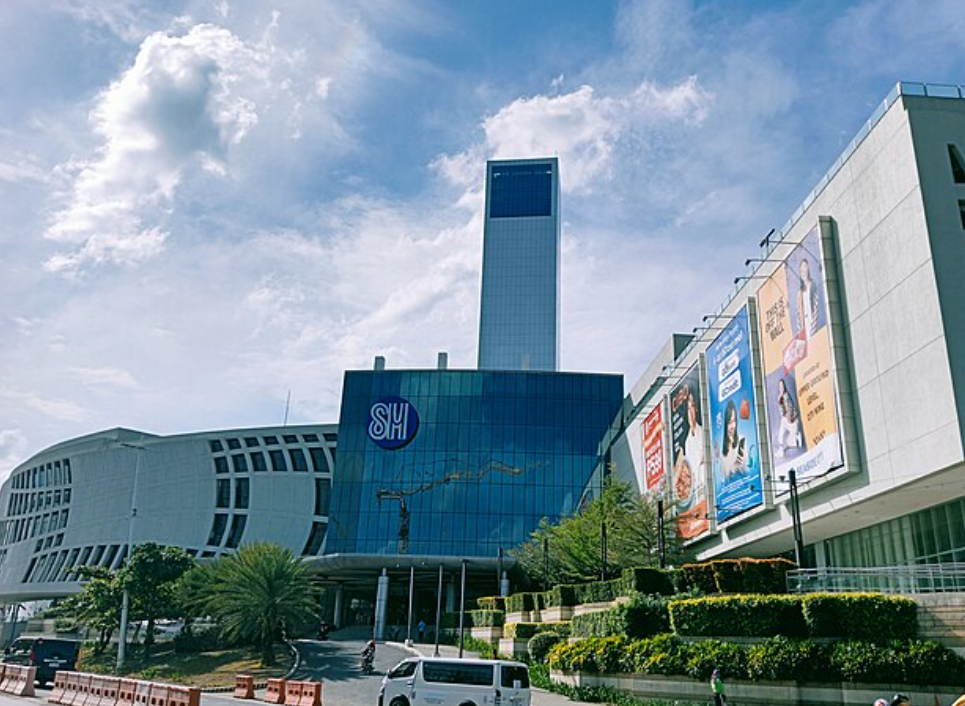
On the other end of the spectrum, Cebu City boasts a selection of modern shopping malls that rival those in any major city. Establishments like SM City Cebu and Ayala Center Cebu house a plethora of international and local brands, providing a one-stop shopping destination for everything from fashion and electronics to dining and entertainment. These malls often feature state-of-the-art facilities, ensuring a comfortable and convenient shopping experience for all visitors.
In addition to markets and malls, Cebu City is home to numerous unique boutiques and specialty stores. These establishments offer a curated selection of goods, from bespoke clothing and accessories to one-of-a-kind souvenirs. Exploring these boutiques allows shoppers to discover unique items that reflect the creativity and craftsmanship of local artisans.
With its rich variety of shopping venues, Cebu City has firmly established itself as a premier shopping destination in the Philippines. Whether one is looking for traditional goods, international brands, or unique finds, shopping in Cebu City promises an engaging and diverse experience that caters to a wide array of tastes and preferences.
Top Shopping Malls in Cebu City
Cebu City is home to some of the most impressive shopping malls in the Philippines, catering to a wide range of shopping, dining, and entertainment needs. Among the top malls are Ayala Center Cebu, SM City Cebu, and Robinsons Galleria Cebu, each offering a unique shopping experience.
Ayala Center Cebu, located in the Cebu Business Park, is one of the premier shopping destinations in Cebu City. This mall boasts an extensive selection of retail stores, from high-end international brands to local boutiques. Shoppers can find everything from fashion and beauty products to electronics and home furnishings. Ayala Center Cebu also offers a diverse array of dining options, including fast food outlets, casual dining restaurants, and fine dining establishments. The mall’s landscaped gardens and open-air terraces provide a relaxing atmosphere, making it a favorite spot for both locals and tourists. Additionally, Ayala Center Cebu features a cinema complex and a variety of entertainment facilities for visitors of all ages.
SM City Cebu is another major shopping hub, known for its vast size and comprehensive selection. Located in the North Reclamation Area, this mall offers a wide range of shops, including popular international brands, local retailers, and specialty stores. Shoppers can also enjoy a multitude of dining choices, from quick bites to gourmet meals. SM City Cebu is renowned for its entertainment options, featuring a state-of-the-art cinema complex, an ice skating rink, and a gaming arcade. Its strategic location and extensive parking facilities make it a convenient choice for shoppers.
Robinsons Galleria Cebu, situated along General Maxilom Avenue, is a relatively newer addition to Cebu City’s shopping scene. This mall offers a blend of retail, dining, and entertainment options, catering to various tastes and preferences. The range of stores includes fashion, electronics, and lifestyle brands. Dining options are plentiful, with choices spanning from local delicacies to international cuisine. Robinsons Galleria Cebu also provides entertainment facilities such as cinemas and an indoor amusement park, making it a family-friendly destination.
These top shopping malls in Cebu City not only provide an excellent shopping experience but also offer a variety of dining and entertainment options, ensuring a pleasant visit for everyone.
Exploring Cebu’s Local Markets
Shopping in Cebu City is an immersive experience, offering a blend of cultural richness and vibrant marketplaces. Among these, Carbon Market stands out as a cornerstone for both locals and tourists seeking an authentic taste of Cebu. Established over a century ago, Carbon Market is a bustling hub where vendors sell an array of fresh produce, from tropical fruits to vegetables, meat, and seafood. The market’s extensive selection of local delicacies, such as dried fish and Cebuano snacks, provides a gastronomic journey that captures the essence of the region.
Just a short distance away, Taboan Public Market offers another unique facet of Cebu City’s shopping scene. Known primarily for its dried fish, or “danggit,” Taboan is a sensory delight. The market is filled with the rich aroma of various dried seafood, alongside a selection of local spices and condiments. Visitors can also find handmade crafts, including woven baskets and traditional Filipino textiles, making it a perfect spot for souvenirs that carry cultural significance.
These markets are not just about commerce but are integral to the cultural fabric of Cebu City. Walking through the crowded aisles, one can observe the daily rhythm of local life, characterized by animated bargaining and the vibrant, colorful displays of goods. The atmosphere is electric, with the sounds of vendors calling out their wares and the lively chatter of shoppers adding to the market’s dynamic environment.
For those keen on experiencing the true spirit of shopping in Cebu City, these local markets are indispensable. They offer more than just products; they provide a glimpse into the daily lives and traditions of the Cebuanos. Whether you’re on the hunt for the freshest produce, unique culinary treats, or culturally significant souvenirs, Carbon Market and Taboan Public Market are essential stops on any shopping itinerary in Cebu City.
Boutiques and Specialty Shops
Shopping in Cebu City offers a distinct experience, particularly in its boutique stores and specialty shops, where unique and locally made products are the stars. Areas such as Colon Street and Mango Avenue are renowned for their vibrant array of independent shops that cater to various tastes and preferences.
Colon Street, one of the oldest streets in Cebu, is a bustling hub for boutique shopping. Here, you can find a myriad of shops offering an eclectic mix of fashion, accessories, and artisanal goods. Stores like Anthill Fabric Gallery stand out, promoting sustainable fashion with their handwoven fabrics made by local artisans. Another notable mention is Gasa sa Gugma, a store that specializes in handmade accessories, supporting local communities through their craft.
Mango Avenue, another hotspot for boutique enthusiasts, boasts a variety of stores that focus on trendy and contemporary fashion. Rustan’s, although a high-end department store, features a section dedicated to local designers, making it a must-visit for those seeking exclusive Cebuano fashion. For those interested in unique souvenirs, Island Souvenirs on Mango Avenue offers a range of personalized items that capture the essence of Cebu.
Specialty shops in Cebu City also play a crucial role in promoting local craftsmanship. Lapu-Lapu Cottages and Restaurant is not just an eatery; it doubles as a store selling intricately designed shell crafts and handmade furniture. Handuraw on Gorordo Avenue is another gem, known for its collection of indigenous art and traditional musical instruments.
Exploring these boutiques and specialty shops is a delightful way to immerse oneself in the local culture and craftsmanship. Whether you’re looking for fashion-forward apparel or one-of-a-kind souvenirs, shopping in Cebu City offers a treasure trove of unique finds that reflect the rich heritage and creativity of its people.
Shopping for Souvenirs and Local Products
When it comes to shopping in Cebu City, the vibrant local markets and specialty shops offer a treasure trove of unique souvenirs and local products. For those looking to bring a piece of Cebu back home, there are a variety of must-have items that capture the essence of the city’s rich culture and craftsmanship.
One of the most popular souvenirs is the dried mango, a sweet treat that Cebu is renowned for. You can find these delectable snacks at numerous locations, but a visit to the Taboan Public Market will provide not just dried mangoes but an array of other dried fruits and local delicacies. The market’s bustling atmosphere and competitive prices make it a top spot for souvenir hunters.
Cebu is also famous for its handcrafted guitars, a symbol of the city’s rich musical heritage. Alegre Guitar Factory in Mactan Island is a well-known establishment where you can witness the meticulous process of guitar-making. These finely crafted instruments are perfect for music enthusiasts and serve as a lasting reminder of your visit to Cebu.
For those interested in fashion and accessories, handmade jewelry and local textiles are abundant. The Carbon Market is an excellent destination for finding intricate jewelry pieces made from indigenous materials. Additionally, the Ayala Center Cebu boasts various boutiques where you can purchase elegant, locally-made accessories and textiles, including the colorful and traditional handwoven fabrics known as hablon.
Lastly, no shopping trip in Cebu City would be complete without exploring the local artisan shops. Stores like Island Souvenirs offer a wide range of products, from t-shirts and keychains to home décor items that showcase the distinct artistry of Cebuano craftsmen.
Whether you are searching for edible delights, musical instruments, or handcrafted keepsakes, shopping in Cebu City provides a unique blend of traditional and contemporary products that cater to every taste and preference.
Cebu City offers a diverse and vibrant shopping experience, enhanced by an array of dining and entertainment options that cater to all tastes and preferences. The city’s shopping areas are not just about retail therapy; they also provide a myriad of culinary delights and entertainment facilities to ensure a holistic and enjoyable outing.
Within the numerous malls and markets in Cebu City, shoppers can find a plethora of food courts, restaurants, and cafes. Popular shopping destinations such as Ayala Center Cebu and SM City Cebu boast expansive food courts that present a wide range of local and international cuisines. From traditional Filipino dishes to Western fast food chains, these food courts are perfect for a quick bite between shopping sprees.
For those seeking a more refined dining experience, Cebu City’s malls house some of the finest restaurants offering gourmet meals. At the Terraces in Ayala Center Cebu, diners can enjoy everything from Japanese sushi to Italian pasta, ensuring that there is something to satisfy every palate. Similarly, SM Seaside City Cebu features a diverse range of dining options, including high-end restaurants and casual dining spots, making it an ideal place to unwind after a day of shopping.
Cafes and coffee shops are also abundant in Cebu City’s shopping areas, providing a cozy ambiance for a relaxing break. Establishments such as Bo’s Coffee and Starbucks are popular among shoppers looking to enjoy a cup of coffee and a pastry. These cafes are strategically located within the malls, offering a convenient retreat from the bustling shopping environment.
In addition to the culinary offerings, entertainment facilities significantly enhance the shopping experience in Cebu City. Major malls are equipped with state-of-the-art cinemas that screen the latest blockbuster movies. For family-friendly entertainment, arcades like Timezone provide a fun and interactive environment for both children and adults. Moreover, live performance venues within these malls host a variety of events, from musical concerts to cultural shows, adding an exciting dimension to the shopping journey.
Overall, the integration of dining and entertainment options within Cebu City’s shopping areas ensures that visitors can enjoy a comprehensive and enjoyable experience. Whether indulging in delicious food, catching a movie, or enjoying live performances, shoppers are assured of a memorable outing that goes beyond mere retail therapy.
Tips for a Successful Shopping Experience
Shopping in Cebu City offers a delightful blend of modern malls and traditional markets, each promising a unique experience. To make the most of your shopping adventure, consider visiting malls during weekdays, preferably in the mornings or late afternoons. These times are generally less crowded, providing a more relaxed atmosphere to explore and shop at your leisure.
For those interested in local markets, mornings are typically bustling with activity and fresh produce. The Carbon Market, one of Cebu City’s oldest and largest markets, is particularly vibrant early in the day. Here, bargaining is not just accepted but expected. Approach negotiations with a friendly demeanor and start by offering half the asking price, gradually working towards a mutually agreeable amount.
Navigating Cebu City can be straightforward with a bit of planning. The city’s public transportation system includes jeepneys, taxis, and buses. Jeepneys are a popular and economical choice, but for convenience and comfort, taxis are recommended, especially if you have numerous shopping bags. Ride-hailing apps are also available, offering an easy way to book rides.
Safety is paramount when shopping in Cebu City. Keep your belongings secure by using bags that zip and consider wearing them in front of you in crowded areas. Be cautious of your surroundings and avoid displaying large amounts of cash or valuable items. It’s also wise to stay in well-lit, populated areas, particularly when shopping in the evening.
Understanding local customs can enhance your shopping experience. For instance, politeness and respect go a long way when interacting with vendors. A simple greeting in the local language, Cebuano, such as “Maayong buntag” (Good morning) can create a positive rapport. Additionally, it’s customary to say “Salamat” (Thank you) after a transaction, reflecting appreciation of their service.
By following these tips, you can ensure a successful and enjoyable shopping experience in Cebu City, making the most of its diverse retail offerings and vibrant culture.
Conclusion: Why Cebu City is a Shopper’s Paradise
Cebu City stands as a premier destination for shopping enthusiasts, offering a myriad of opportunities that cater to both modern and traditional preferences. With its diverse array of shopping options, Cebu City seamlessly blends the old with the new, creating a unique experience that cannot be found elsewhere. From state-of-the-art malls like Ayala Center Cebu and SM City Cebu to bustling local markets such as Carbon Market and Taboan Public Market, the city provides an extensive range of shopping environments that appeal to all tastes and budgets.
One of the key highlights of shopping in Cebu City is the availability of unique, locally-made products that reflect the rich cultural heritage of the region. Artisanal crafts, handmade jewelry, and traditional garments offer shoppers a chance to take home pieces of Cebu’s vibrant culture. Additionally, the city’s culinary delights, such as dried mangoes and local delicacies, provide another dimension to the shopping experience, allowing visitors to indulge in the flavors of the region.
Furthermore, Cebu City’s shopping scene is distinguished by its friendly and welcoming atmosphere. The locals are known for their hospitality, making the shopping experience not just about purchasing goods, but also about engaging with the community and learning about their customs and traditions. This interaction adds a personal touch to the shopping journey, making it all the more memorable.
In essence, the blend of modern retail hubs and traditional markets, coupled with the availability of unique local products and the warm hospitality of its people, makes Cebu City an exceptional shopping destination. Whether you’re looking for the latest fashion trends, unique souvenirs, or simply a delightful shopping stroll, Cebu City offers something for everyone. Therefore, for anyone seeking a comprehensive and enriching shopping experience, Cebu City undoubtedly stands out as a shopper’s paradise.
Giovanni Carlo P. Bagayas is a seasoned travel guide, passionate explorer, and proud cat lover from the Philippines. Born in Cebu City and raised between Cebu and Dumaguete City, he now resides in Labangan, Zamboanga del Sur — where he spends his days writing about the Philippines and tending to his thriving collection of koi fish, guppies, tilapia, and a crayfish farm.
With years of experience uncovering the hidden gems of his homeland, Giovanni has dedicated his career to showcasing the beauty, culture, and adventure that the Philippines has to offer. As the author of Best Philippines Travel Guide, he combines his expertise and love for travel to provide insightful tips, detailed itineraries, and captivating stories for travelers seeking unforgettable experiences in the Philippines.
When he’s not exploring a new destination or writing a guide, you’ll find Gio feeding his koi pond, caring for his cats, or checking on his fish farm. Giovanni’s mission is to inspire wanderlust and help visitors — and fellow Filipinos — discover the true essence of their vibrant country.
The Philippines, an archipelago in Southeast Asia, is a captivating travel destination that promises an unforgettable experience. With its tropical climate, the country offers warm and inviting weather year-round, making it ideal for those seeking a sun-soaked getaway. The geographical diversity of the Philippines is one of its most enchanting features, from the lush, verdant mountains of Luzon to the pristine, white sandy beaches of Visayas and Mindanao. This rich tapestry of landscapes ensures a wide array of activities and environments for every type of traveler.
Beyond its natural beauty, the Philippines is steeped in a vibrant culture that reflects a blend of indigenous, Spanish, American, and Asian influences. This cultural richness is evident in the nation’s festivals, music, dance, and cuisine, offering visitors a chance to immerse themselves in a heritage that is both unique and diverse. The warmth and hospitality of the Filipino people further enhance the appeal of the Philippines as a travel destination. Known for their friendly and welcoming nature, Filipinos make every visitor feel at home, adding a personal touch to the travel experience.
For those looking to indulge in luxurious relaxation, the Philippines is home to some of the finest resorts in the world. Whether nestled in the serene mountains or sprawled along the picture-perfect beaches, these philippines resorts offer unparalleled comfort and breathtaking views. Guests can enjoy world-class amenities, exceptional service, and a range of activities from water sports to spa treatments, ensuring a memorable stay.
The archipelago’s geographical diversity, combined with its cultural richness and warm hospitality, makes the Philippines a tropical haven perfect for resort vacations. Whether you are looking to explore the vibrant marine life, hike through lush landscapes, or simply relax in a luxurious setting, the Philippines has something to offer every traveler. This tropical paradise invites you to discover its many wonders and create lasting memories.
Top Island Destinations for Resorts
The Philippines is an archipelago blessed with numerous islands that offer unparalleled luxury and relaxation. Among these, Boracay, Palawan, Cebu, and Siargao stand out as the top island destinations for Philippines resorts, each boasting its unique charm and allure.
First on the list is Boracay, renowned for its powdery white sands and crystal-clear waters. The island has gained international fame, particularly for its vibrant nightlife and world-class amenities. Resorts in Boracay provide a blend of luxury and adventure, making it an ideal spot for both relaxation and water sports enthusiasts. The island’s White Beach is often cited as one of the best beaches globally, ensuring an unforgettable experience for visitors.
Palawan is another gem, often referred to as the “Last Frontier” due to its breathtaking natural beauty. Home to the UNESCO World Heritage site, Puerto-Princesa Subterranean River National Park, and the stunning limestone cliffs of El Nido, Palawan offers a serene escape from the hustle and bustle. Resorts in Palawan are designed to blend seamlessly with the natural environment, providing a tranquil setting where luxury meets nature. The island’s pristine waters and diverse marine life make it a haven for snorkeling and diving enthusiasts.
Cebu is a versatile destination, combining rich cultural heritage with modern amenities. Known for its historical landmarks, such as the Magellan’s Cross and Basilica del Santo Niño, Cebu also boasts beautiful beaches and luxury resorts. The island is famous for its hospitality and culinary delights, making it a comprehensive destination for travelers seeking both relaxation and cultural immersion. Mactan Island, just off the coast of Cebu, is particularly renowned for its upscale resorts and diving spots.
Lastly, Siargao, dubbed the “Surfing Capital of the Philippines,” offers a more laid-back atmosphere. While it is primarily known for its world-class surfing conditions, Siargao also boasts stunning natural attractions like the Sugba Lagoon and the Magpupungko Rock Pools. Resorts in Siargao range from luxurious beachfront properties to eco-friendly accommodations, catering to a diverse range of preferences. The island’s rustic charm and unspoiled beauty make it a favorite among those looking for a more relaxed and authentic experience.
In conclusion, whether you seek the vibrant energy of Boracay, the natural wonders of Palawan, the cultural richness of Cebu, or the laid-back vibe of Siargao, the Philippines offers a resort destination that is sure to meet your desires for luxury and relaxation.
Luxury Resorts: Indulgence and Opulence
The Philippines, with its stunning archipelagic beauty, offers an array of luxurious resorts that promise an unparalleled experience of indulgence and opulence. Among the most esteemed are Amanpulo, Shangri-La’s Boracay Resort and Spa, and El Nido Resorts, each epitomizing the quintessence of lavish living amidst serene tropical settings.
Amanpulo, located on the private island of Pamalican, is the epitome of exclusivity and luxury. This secluded paradise is accessible only by private plane, ensuring complete privacy for its guests. The resort’s private villas, each with its own plunge pool and direct beach access, offer a sanctuary of tranquility. Amanpulo’s amenities include a world-class spa, gourmet dining with fresh local ingredients, and a variety of water sports activities, all tailored to provide an extraordinary experience.
Shangri-La’s Boracay Resort and Spa, nestled in the pristine northern coast of Boracay Island, is synonymous with refined elegance and comfort. The resort’s beachfront location provides breathtaking views and immediate access to powdery white sands. Guests can choose from luxurious villas and suites, some featuring private pools and outdoor showers. The resort’s CHI, The Spa, offers rejuvenating treatments inspired by ancient Asian traditions, while its multiple dining venues serve exquisite international and local cuisine, ensuring a gastronomic delight.
El Nido Resorts, spread across several islands in the Palawan archipelago, are renowned for their sustainable luxury and breathtaking natural beauty. Each resort, including Miniloc, Lagen, and Pangulasian, offers unique experiences such as private beach dinners, guided eco-tours, and diving excursions in some of the world’s most biodiverse marine environments. The accommodations, ranging from water cottages to forest suites, are designed to harmonize with the natural surroundings, providing a serene escape with unparalleled comfort and service.
These luxury resorts in the Philippines illustrate the perfect blend of opulence and nature, offering guests not just a stay, but an unforgettable experience. Whether it’s the privacy of Amanpulo, the elegance of Shangri-La’s Boracay, or the eco-luxury of El Nido, each resort ensures a memorable journey into the heart of tropical paradise.
When traveling to the Philippines, it is entirely possible to enjoy a luxurious tropical escape without breaking the bank. Several budget-friendly resorts offer exceptional value, ensuring a memorable stay while keeping expenses in check. Alona Beach in Bohol, Puerto Galera in Mindoro, and Pagudpud in Ilocos Norte are prime examples of such destinations that combine affordability with comfort and unique experiences.
Alona Beach, Bohol
Alona Beach is a gem in Bohol, known for its stunning white sands and crystal-clear waters. Despite its popularity, it is home to numerous budget-friendly resorts. Travelers can find modest accommodations that provide essential amenities like air conditioning, Wi-Fi, and swimming pools. Many of these resorts are situated just steps away from the beach, offering easy access to snorkeling, diving, and island-hopping tours. Additionally, visitors can enjoy local dining experiences at affordable prices along the beachfront, ensuring a full yet economical tropical experience.
Puerto Galera, Mindoro
Puerto Galera, situated on the island of Mindoro, is another excellent choice for budget-conscious travelers. It boasts a range of affordable resorts nestled among its picturesque beaches and scenic dive sites. The area is renowned for its vibrant marine life, making it a haven for snorkeling and diving enthusiasts. Budget accommodations here often include essential amenities, and some even offer packages that bundle lodging with diving excursions, providing excellent value. The local eateries and markets further enhance the affordability, offering delicious meals at reasonable prices.
Pagudpud, Ilocos Norte
For those seeking a more secluded yet affordable getaway, Pagudpud in Ilocos Norte is an ideal destination. Known for its pristine beaches and dramatic landscapes, this northern gem offers several budget-friendly resorts. These establishments typically feature basic yet comfortable rooms and are often located near key attractions like the Blue Lagoon and Saud Beach. The tranquil atmosphere and lower tourist traffic make Pagudpud a perfect escape for travelers looking to relax without splurging. Additionally, local food stalls and eateries provide a taste of regional cuisine at budget-friendly rates.
Finding deals on accommodations in these areas can be achieved through various means. Booking in advance, traveling during the off-peak season, and utilizing online travel platforms to compare prices are effective strategies. Many resorts also offer promotional packages and discounts, so it’s worth keeping an eye out for these opportunities. By choosing budget-friendly resorts, travelers can enjoy the beauty and charm of the Philippines without compromising on comfort or experience.
Family-Friendly Resorts: Fun for All Ages
When traveling with family, it’s essential to find a destination that offers activities and amenities for everyone. The Philippines has no shortage of family-friendly resorts designed to cater to the diverse needs of parents and children alike. One of the standout options is Plantation Bay in Cebu. This resort is renowned for its expansive lagoon-style swimming pools, which provide a safe and enjoyable environment for kids to splash around. Additionally, Plantation Bay offers family suites that provide ample space and comfort, ensuring a pleasant stay for every family member.
Equally impressive is Club Paradise in Palawan, another top choice for families seeking an unforgettable vacation. This resort offers a variety of organized family-friendly excursions, ranging from island-hopping adventures to snorkeling trips, allowing families to explore the natural beauty of the Philippines together. Club Paradise also boasts a dedicated kids’ club, where younger guests can engage in fun activities under the supervision of trained staff. This allows parents some much-needed relaxation time, knowing their children are safe and entertained.
Beyond these two examples, many other Philippines resorts have recognized the importance of catering to family travelers. Common features include safe swimming areas, where lifeguards are on duty, ensuring peace of mind for parents. Family suites, often equipped with multiple bedrooms and living areas, provide the convenience and comfort of home. Moreover, many resorts offer a range of dining options, including kid-friendly menus, ensuring that even the pickiest of eaters find something to enjoy.
Overall, these family-friendly resorts in the Philippines create an environment where both adults and children can have a memorable vacation. Whether it’s relaxing by the pool, exploring the local marine life, or participating in organized outings, these resorts ensure that fun and safety are top priorities for all ages.
Resorts for Adventure Seekers
For those with a penchant for adventure, the Philippines offers an array of resorts that cater to thrill-seekers. These destinations are nestled in some of the country’s most picturesque locations, providing not only luxury and comfort but also a gateway to exhilarating activities. Coron, Siargao, and Donsol are among the top choices for adventure enthusiasts, each offering unique experiences that promise to satisfy the craving for excitement.
Coron, located in the province of Palawan, is a haven for diving enthusiasts. The area is renowned for its crystal-clear waters and an impressive array of dive sites, including World War II shipwrecks and vibrant coral reefs. Resorts in Coron often provide comprehensive diving packages, complete with guided tours and equipment rental, making it an ideal destination for both novice and experienced divers. Additionally, snorkeling is a popular activity here, with opportunities to explore the rich marine biodiversity just below the water’s surface.
Siargao, known as the surfing capital of the Philippines, attracts surfers from around the globe. The island boasts some of the best waves in the country, including the famous Cloud 9, which offers perfect barrels for those looking to test their skills. Resorts in Siargao cater specifically to surfers, offering amenities such as board rentals, surf lessons, and easy access to prime surf spots. Beyond surfing, visitors can indulge in island hopping tours, exploring hidden lagoons and pristine beaches, or embark on a hike to the island’s lush interior.
Donsol, situated in Sorsogon province, is synonymous with whale shark interactions. This tranquil coastal town is one of the few places in the world where you can swim alongside these gentle giants. Resorts in Donsol provide organized tours to ensure safe and sustainable interactions with the whale sharks, along with other activities like kayaking and mangrove tours. The emphasis on eco-tourism ensures that adventurers can enjoy the natural beauty of Donsol while contributing to the conservation of its unique marine life.
These resorts in the Philippines stand out not only for their luxurious accommodations but also for their ability to provide unforgettable adventure experiences. Whether diving in Coron, surfing in Siargao, or swimming with whale sharks in Donsol, adventure seekers will find their perfect playground in these tropical paradises.
When it comes to wellness and relaxation, the Philippines offers an array of resorts that cater specifically to rejuvenating the mind, body, and spirit. These wellness and spa resorts provide an ideal retreat for those seeking tranquility and holistic healing amidst the natural beauty of this tropical paradise.
The Farm at San Benito
Nestled in the serene landscapes of Batangas, The Farm at San Benito is a world-renowned wellness sanctuary. This resort offers a comprehensive approach to health and well-being, with facilities and programs designed to detoxify, heal, and rejuvenate. Guests can indulge in a variety of treatments at the holistic medical spa, participate in yoga and meditation sessions, and enjoy organic, farm-to-table cuisine. The tranquil environment, coupled with expert care from wellness professionals, ensures that visitors leave feeling revitalized and balanced.
Mandala Spa and Resort Villas
Located on the vibrant island of Boracay, Mandala Spa and Resort Villas provides a unique blend of luxury and holistic wellness. This resort is renowned for its award-winning spa treatments, which utilize natural and indigenous ingredients to promote healing and relaxation. Guests can enjoy yoga classes, meditation sessions, and soothing massages in a lush, tropical setting. The resort’s commitment to sustainability and eco-friendliness further enhances the calming atmosphere, making it a perfect haven for those looking to escape the hustle and bustle of daily life.
Both The Farm at San Benito and Mandala Spa and Resort Villas exemplify the best of wellness tourism in the Philippines. These resorts integrate traditional healing practices with modern wellness techniques, offering personalized programs that cater to individual needs. Whether you are looking to detoxify, de-stress, or simply unwind, these resorts provide the perfect environment to restore your well-being.
As you explore the various options for philippines resorts, consider these wellness and spa destinations for a truly transformative experience. Their holistic approaches and commitment to guest satisfaction ensure that you will leave feeling refreshed, rejuvenated, and ready to face the world anew.
Planning Your Resort Getaway in the Philippines
Embarking on a journey to one of the exquisite Philippines resorts requires thoughtful planning to ensure a seamless and memorable experience. The best time to visit the Philippines is during the dry season, typically from November to April, when the weather is most favorable for beach activities and excursions. Avoiding the rainy season, which spans from June to October, can help you steer clear of potential disruptions due to adverse weather conditions.
When it comes to booking your stay, it’s advisable to make reservations well in advance, especially if you plan to visit during peak tourist seasons. Many resorts offer early bird discounts and package deals, which can provide significant savings. Online travel agencies and resort websites are excellent platforms to compare prices, read reviews, and secure your accommodation.
Packing for your tropical getaway means prioritizing lightweight and breathable clothing. Essentials include swimwear, sun protection like hats and sunscreen, and comfortable footwear for both beach and casual outings. Don’t forget to carry travel adapters, as the Philippines primarily uses Type A, B, and C electrical outlets. Additionally, having a small medical kit with the basics can be handy.
Before traveling, it’s crucial to stay updated on any travel restrictions or health advisories that may be in place. The Philippines’ official tourism website and local embassies are reliable sources for the latest information. Understanding local customs and etiquette, such as greeting with a smile and respecting local traditions, can enhance your interaction with locals and enrich your cultural experience.
To select the perfect resort that aligns with your preferences and needs, consider factors such as the type of amenities offered, proximity to attractions, and the overall ambiance. Whether you seek a serene retreat or an action-packed adventure, the diverse options available in Philippines resorts cater to a wide range of interests and budgets.
In essence, meticulous planning tailored to your individual preferences can pave the way for a truly enchanting and hassle-free resort getaway in the Philippines.
Giovanni Carlo P. Bagayas is a seasoned travel guide, passionate explorer, and proud cat lover from the Philippines. Born in Cebu City and raised between Cebu and Dumaguete City, he now resides in Labangan, Zamboanga del Sur — where he spends his days writing about the Philippines and tending to his thriving collection of koi fish, guppies, tilapia, and a crayfish farm.
With years of experience uncovering the hidden gems of his homeland, Giovanni has dedicated his career to showcasing the beauty, culture, and adventure that the Philippines has to offer. As the author of Best Philippines Travel Guide, he combines his expertise and love for travel to provide insightful tips, detailed itineraries, and captivating stories for travelers seeking unforgettable experiences in the Philippines.
When he’s not exploring a new destination or writing a guide, you’ll find Gio feeding his koi pond, caring for his cats, or checking on his fish farm. Giovanni’s mission is to inspire wanderlust and help visitors — and fellow Filipinos — discover the true essence of their vibrant country.