Category: Travel and Tourism

  • Exploring the Journey: Manila to Cagayan de Oro

    Exploring the Journey: Manila to Cagayan de Oro

    manila to cagayan de oro

    Introduction to the Journey

    The journey from Manila to Cagayan de Oro represents not just a geographical transition but an exploration of the contrasting yet complementary essences of the Philippines. As the nation’s capital, Manila is a bustling metropolis teeming with energy, history, and modernity. It serves as the primary gateway for both domestic and international travelers, offering a myriad of experiences ranging from its vibrant nightlife to its rich cultural heritage.

    Traveling to Cagayan de Oro, on the other hand, transports you to the heart of Northern Mindanao, a region renowned for its scenic landscapes, adventure tourism, and warm hospitality. Known as the “City of Golden Friendship,” Cagayan de Oro is a dynamic urban center that seamlessly blends natural beauty with urban sophistication. Its strategic location along the Cagayan River and proximity to various natural attractions make it a prime destination for those seeking both relaxation and excitement.

    Whether the purpose of your journey is tourism, business, or visiting family and friends, the route from Manila to Cagayan de Oro offers diverse and enriching experiences. For tourists, Cagayan de Oro presents a plethora of attractions such as the white-water rafting adventures on the Cagayan River, the serene beauty of Mapawa Nature Park, and the historical charm of Gaston Park. Business travelers will find a thriving commercial hub with ample opportunities for networking and growth, while those visiting loved ones will appreciate the city’s welcoming atmosphere and community spirit.

    This blog post aims to delve into the various facets of this journey, providing insights and practical information to help you make the most of your trip. From travel options and tips to must-see sights and local delicacies, we will explore everything you need to know about traveling from Manila to Cagayan de Oro. Join us as we embark on this captivating journey, discovering the unique experiences that await in this vibrant city of Northern Mindanao.

    Travel Options: Flights and Ferries

    Traveling from Manila to Cagayan de Oro offers two primary modes of transportation: flights and ferries. Each option caters to different preferences, whether you prioritize speed and convenience or a more scenic and leisurely journey. Understanding the pros and cons of each can help you make an informed decision based on your travel needs and budget.

    For those seeking the quickest and most convenient way to reach Cagayan de Oro, direct flights are the optimal choice. Several major airlines, including Philippine Airlines, Cebu Pacific, and AirAsia, operate frequent flights between Manila and Cagayan de Oro. The flight duration is approximately 1.5 to 2 hours, making it the fastest way to travel between these cities. Prices for flights can vary significantly depending on the time of booking, with the cheapest rates typically found during non-peak seasons. To secure the best deals, it is advisable to book tickets well in advance and keep an eye out for airline promotions. Additionally, consider flying mid-week as weekends and holidays often see higher prices.

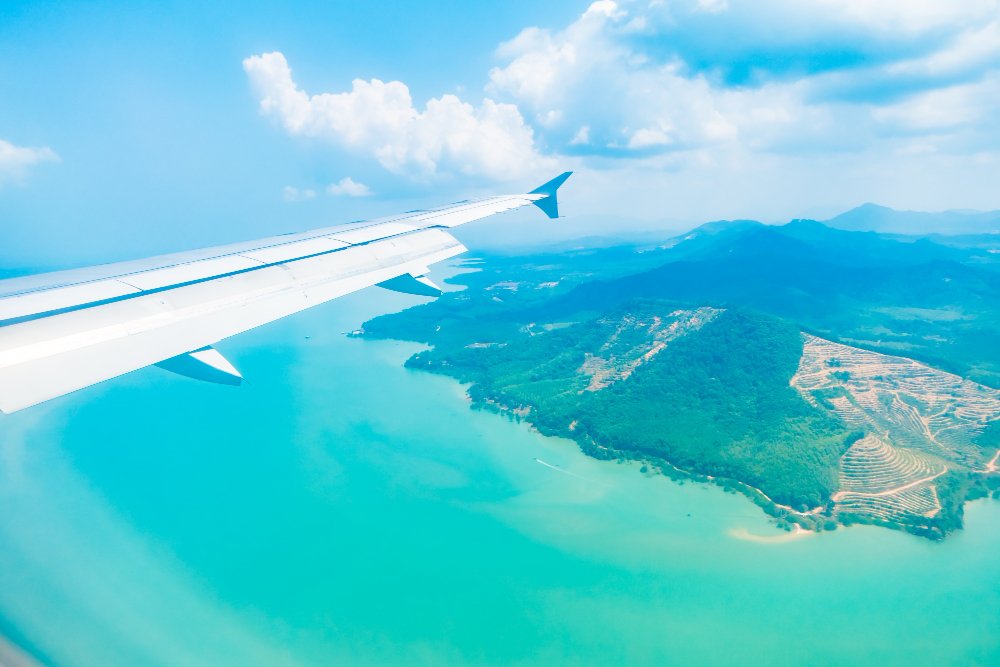
    On the other hand, taking a ferry from Manila to Cagayan de Oro offers a distinct travel experience, albeit a longer one. Major ferry companies like 2GO Travel provide this service, with the journey taking approximately 32 to 36 hours. While considerably slower than flying, ferries offer the advantage of scenic sea views and the opportunity to relax during the voyage. Ferry tickets are generally more affordable than flights, making them a budget-friendly alternative. However, it’s important to consider the longer travel time and potential for sea sickness. For those who enjoy leisurely travel and have the time to spare, ferries can be a delightful way to journey between these two destinations.

    When planning your trip from Manila to Cagayan de Oro, it’s essential to weigh the convenience and cost of flights against the leisurely pace and scenic nature of ferry travel. Book your tickets early, especially during peak travel seasons such as Christmas and summer holidays, to ensure availability and secure the best prices. Whether you opt for the speed of air travel or the relaxed pace of a ferry, both options offer unique experiences to enhance your journey.

    Preparing for the Trip

    Embarking on a journey from Manila to Cagayan de Oro requires thorough preparation to ensure a smooth travel experience. This entails several key considerations, starting with packing essentials. Given Cagayan de Oro’s tropical climate, lightweight, breathable clothing is advisable. Don’t forget to pack a hat, sunscreen, and insect repellent to protect yourself from the sun and any pesky insects. If you plan on participating in outdoor activities such as river rafting or hiking, appropriate gear such as water-resistant shoes and quick-dry attire should be included in your luggage.

    Travel documents are another crucial aspect. Ensure you carry a valid ID, boarding passes, and any necessary travel permits. Given the ongoing global health situation, it is imperative to stay updated on travel advisories and health protocols. This may include presenting proof of vaccination or a negative COVID-19 test result, depending on current regulations.

    Health and safety should be a priority. Pack a basic first aid kit, including band-aids, antiseptic wipes, and any personal medications. Hand sanitizers and face masks are essential to maintain hygiene during your journey. It is also wise to check the latest weather forecasts for Cagayan de Oro, as this will help you pack appropriately and plan your activities accordingly.

    Several apps and tools can aid in your travel planning and organization. Flight tracking apps can provide real-time updates on your flight status, while weather apps can keep you informed about the latest weather conditions. Additionally, maps and navigation apps can assist you in exploring Cagayan de Oro efficiently, ensuring you do not miss out on any attractions.

    By meticulously preparing for your trip, you can enjoy a seamless experience as you travel from Manila to Cagayan de Oro, ready to explore all that this vibrant city has to offer.

    What to Expect During the Journey

    Traveling from Manila to Cagayan de Oro can be an enriching experience, whether you choose to fly or take a ferry. Each mode of transportation offers its own unique set of expectations, comforts, and challenges.

    If you opt for a flight, expect a streamlined process starting at Ninoy Aquino International Airport (NAIA). Arrive early to navigate through security checks and boarding procedures efficiently. Flights from Manila to Cagayan de Oro typically last about an hour and a half. During the flight, airlines often provide in-flight amenities such as snacks, beverages, and entertainment options, depending on the carrier. Common layovers may include Cebu or Davao, but direct flights are also available for a more convenient journey.

    For those who prefer a more scenic and leisurely journey, taking a ferry can be a captivating alternative. Boarding usually takes place at Manila North Harbor. Arriving early is advisable to handle ticketing and boarding smoothly. Ferries traveling from Manila to Cagayan de Oro offer various classes of accommodation, from economy to more comfortable cabins with private amenities. Onboard facilities often include dining areas, restrooms, and sometimes entertainment lounges. The journey typically takes around 28 to 32 hours, providing ample time to enjoy the picturesque seascapes and coastal views.

    Regardless of the mode of transportation, travelers should be prepared for some common challenges. Flights may experience delays due to weather conditions or air traffic, while ferry journeys might be affected by rough seas. Packing essentials like snacks, water, and entertainment can make the trip more comfortable. Understanding these elements can help you better prepare and ensure a smoother journey from Manila to Cagayan de Oro.

    Exploring Cagayan de Oro: Must-See Attractions

    Cagayan de Oro, often referred to as the “City of Golden Friendship,” offers a diverse array of attractions and activities for visitors. One of the most thrilling experiences in the region is white water rafting on the Cagayan River. Known for its challenging rapids, this adventure is a must-do for adrenaline junkies. Tours typically start at around PHP 1,500 per person, and it’s advisable to book in advance. The best time to go rafting is during the rainy season, from June to December, when the river is at its most dynamic.

    For those seeking a more serene experience, the Gardens of Malasag Eco-Tourism Village offers a glimpse into the region’s rich cultural heritage. This 7-hectare village is home to various indigenous tribes, showcasing their traditional crafts, dances, and rituals. The village is open daily from 8:00 AM to 5:00 PM, with an entrance fee of PHP 50 for adults and PHP 20 for children. Guided tours are available, providing deeper insight into the local customs and traditions.

    Nature enthusiasts will find Mapawa Nature Park a haven of natural beauty. Spanning over 2,500 hectares, the park features waterfalls, trekking trails, and horseback riding. Entrance fees are PHP 50 per person, with additional costs for guided tours and activities. The park is open from 7:00 AM to 5:00 PM, making it an ideal day-trip destination.

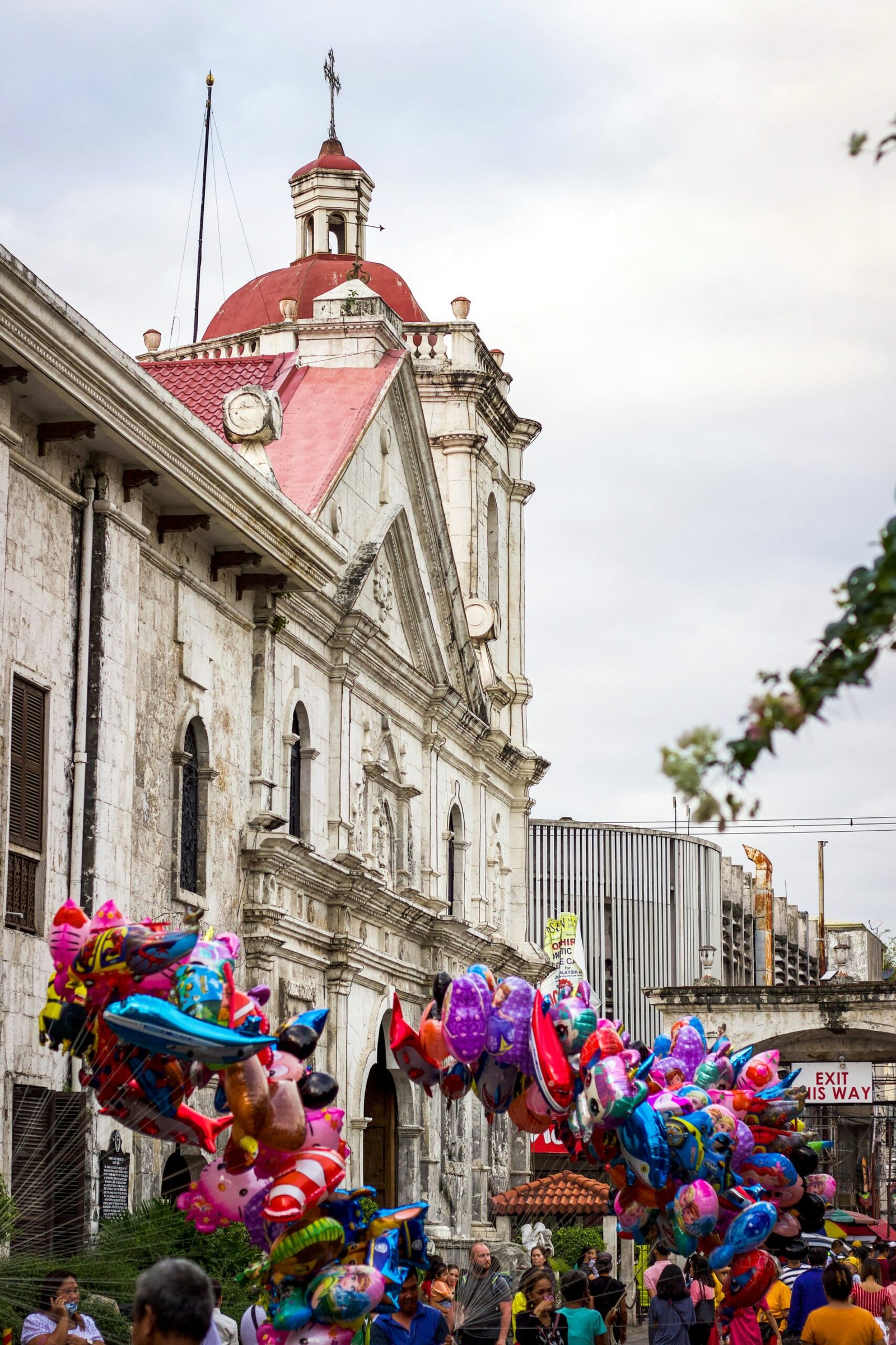
    History buffs should not miss the iconic St. Augustine Metropolitan Cathedral, one of the oldest churches in Mindanao. Established in 1624, the cathedral is a testament to the city’s colonial past. Nearby, the City Museum of Cagayan de Oro provides further insights into the local history and culture. The museum is open from Tuesday to Sunday, 9:00 AM to 5:00 PM, with a nominal entrance fee.

    Cagayan de Oro is also renowned for its vibrant festivals, such as the Higalaay Festival, celebrated every August. This week-long event features street dancing, parades, and various cultural performances, offering visitors a unique opportunity to immerse themselves in local traditions.

    Whether you’re seeking adventure, culture, or history, the journey from Manila to Cagayan de Oro promises a rich and varied experience. Plan your trip accordingly to make the most of these must-see attractions and activities.

    Local Cuisine and Dining Experiences

    Embarking on a journey from Manila to Cagayan de Oro not only opens up a realm of scenic beauty but also a treasure trove of culinary delights. Cagayan de Oro, fondly called the City of Golden Friendship, offers a delectable array of traditional dishes that are sure to tantalize your taste buds. Among these, the must-try delicacies include Sinuglaw, Pastel, and a unique take on Lechon.

    Sinuglaw, a harmonious blend of grilled pork (sinugba) and raw fish marinated in vinegar (kinilaw), is one of the city’s signature dishes. This refreshing and flavorful dish captures the essence of local culinary traditions. Another local favorite is Pastel, a soft bun filled with yema, a sweet custard-like filling. Often enjoyed as a snack, Pastel is a delightful treat that reflects the city’s penchant for sweet flavors.

    Cagayan de Oro’s rendition of Lechon, a roasted pig, is another highlight. Unlike the traditional Lechon, the local version often features a stuffing of lemongrass and other aromatic herbs, imparting a distinctive taste that sets it apart. For breakfast, you might want to try the local tapsilog, a combination of cured beef, fried rice, and egg, providing a hearty start to your day.

    When it comes to dining out, Cagayan de Oro offers a plethora of choices catering to various budgets and dietary preferences. For an upscale dining experience, restaurants like Cucina Higala and Kagay-Anon Restaurant offer a refined take on local cuisine. Street food enthusiasts will find Divisoria Night Market a haven, where stalls brim with an array of affordable and delicious street food, from grilled skewers to local delicacies.

    For lunch and dinner, whether you prefer seafood, meat, or vegetarian options, the city’s diverse culinary landscape has something for everyone. Local eateries such as Missy Bon Bon and Boy Zugba offer a fusion of traditional and contemporary dishes, ensuring a memorable dining experience.

    From breakfast to dinner, and snacks in between, Cagayan de Oro promises a rich and varied culinary journey that complements the adventure from Manila to Cagayan de Oro, making it a destination worth exploring for every food enthusiast.

    Accommodation Options in Cagayan de Oro

    When journeying from Manila to Cagayan de Oro, choosing the right accommodation can significantly enhance your travel experience. Cagayan de Oro offers a diverse range of lodging options to cater to various preferences and budgets, from luxury hotels to budget-friendly hostels and guesthouses.

    For travelers seeking luxury and comfort, the city boasts several top-tier hotels. Limketkai Luxe Hotel, situated in the bustling Limketkai Center, is a prime example. It offers modern amenities, including a spa, fitness center, and an outdoor pool. Another notable mention is Seda Centrio, located in the heart of the city, which provides a seamless blend of business and leisure facilities. These luxury accommodations typically range from PHP 4,000 to PHP 8,000 per night.

    Mid-range travelers have a plethora of options as well. Red Planet Cagayan de Oro is a popular choice, offering clean, comfortable rooms at reasonable rates, typically around PHP 1,500 to PHP 2,500 per night. Another excellent option is Mallberry Suites Business Hotel, known for its convenient location and business-friendly amenities, including conference rooms and high-speed internet.

    For those on a tighter budget, Cagayan de Oro has numerous hostels and guesthouses that provide basic comforts without breaking the bank. Places like GC Suites and Casa Marga are well-regarded for their affordability and hospitable environment, with prices ranging from PHP 500 to PHP 1,200 per night.

    Family-friendly accommodations are plentiful, with properties like Chali Beach Resort and Hotel offering spacious rooms and recreational activities suitable for all ages. Meanwhile, couples seeking a romantic getaway might consider staying at Apple Tree Resort and Hotel, which features serene beachfront views and private dining options.

    To secure the best deals, it is advisable to book in advance, especially during peak travel seasons. Utilizing online booking platforms can also help in comparing prices and reading reviews to ensure a pleasant stay.

    Tips for a Memorable Visit

    When embarking on a journey from Manila to Cagayan de Oro, a few thoughtful tips can significantly enhance your travel experience. First and foremost, prioritize safety by keeping your belongings secure and remaining vigilant in crowded areas. While Cagayan de Oro is generally safe, it’s always wise to be cautious, especially when exploring unfamiliar places.

    Understanding and respecting local cultural etiquette can also enrich your visit. The people of Cagayan de Oro are known for their warmth and hospitality. Greeting locals with a smile, using polite language, and showing respect for their customs will go a long way in fostering positive interactions. Learning a few basic phrases in the local language can also be a delightful way to connect with residents.

    Timing your visit can make a significant difference. The best time to travel from Manila to Cagayan de Oro is during the dry season, typically from November to May, when the weather is more predictable and conducive to outdoor activities. Avoiding the monsoon season, which runs from June to October, will help you steer clear of heavy rains and potential disruptions.

    Getting around Cagayan de Oro is relatively straightforward. Public transportation options such as jeepneys and taxis are readily available, but renting a car can offer more flexibility, especially if you plan to explore areas beyond the city. For a more immersive experience, consider walking or biking in certain parts of the city to discover hidden gems and interact with locals.

    While the city’s popular attractions are certainly worth visiting, don’t hesitate to venture off the beaten path. Explore lesser-known spots like the Mapawa Nature Park or the Gardens of Malasag Eco-Tourism Village for a unique perspective. Engaging with the local community through markets, festivals, and small eateries can provide an authentic taste of Cagayan de Oro’s vibrant culture.

    By following these tips, you can ensure a memorable and enriching journey from Manila to Cagayan de Oro, uncovering the city’s hidden treasures and creating lasting memories.

  • A Comprehensive Guide to Cebu City’s Vibrant Festivals

    A Comprehensive Guide to Cebu City’s Vibrant Festivals

    Cebu tourist spots sinulog fiesteval

    Introduction to Cebu City Festivals

    Cebu City, often referred to as the “Queen City of the South,” holds a prominent place in the cultural and historical tapestry of the Philippines. Renowned for its rich history dating back to the Spanish colonial era, the city has evolved into a bustling metropolis while retaining its deep-rooted traditions. The essence of Cebu City’s cultural significance is vividly manifested through its vibrant festivals, which are celebrated with great fervor and enthusiasm.

    Festivals in Cebu City are more than just grandiose celebrations; they are the lifeblood of the city’s identity. These events play a crucial role in preserving the rich heritage and customs passed down through generations. By participating in these festivals, residents and visitors alike engage in a collective act of remembrance and reverence for the city’s past. The festivals serve as a living museum, showcasing traditional music, dance, and rituals that have been cherished for centuries.

    Moreover, Cebu City festivals are instrumental in fostering a strong sense of community spirit. They bring together people from all walks of life, creating a sense of unity and shared purpose. The collaborative efforts involved in organizing and participating in these festivals strengthen communal bonds and promote social cohesion. This collective engagement not only reinforces local identity but also instills a sense of pride among Cebuanos.

    In addition to their cultural and social significance, Cebu City festivals are a major draw for tourism. The vibrant and colorful festivities attract visitors from across the globe, eager to experience the unique cultural offerings of the city. This influx of tourists boosts the local economy, providing opportunities for businesses and entrepreneurs. The festivals serve as a platform for showcasing Cebu City’s charm, making it a must-visit destination for cultural enthusiasts.

    Cebu City festivals, thus, embody the city’s spirit and resilience. They are a testament to the enduring legacy of its people, celebrating the past while embracing the future. These festivals not only preserve tradition but also pave the way for new cultural expressions, ensuring that Cebu City’s rich heritage continues to thrive for generations to come.

    Sinulog Festival: A Grand Celebration

    The Sinulog Festival stands as the most renowned and grandiose celebration in Cebu City, revered for its deep historical and religious roots. This vibrant festival is held annually on the third Sunday of January, attracting both local and international visitors to partake in its joyous festivities. The core of the Sinulog Festival is the commemoration of the Santo Niño, or the Holy Child, a symbolic representation of the infant Jesus. The historical essence of this festival dates back to 1521, when Portuguese explorer Ferdinand Magellan gifted the image of the Santo Niño to Queen Juana of Cebu, marking the advent of Christianity in the region.

    The Sinulog Festival is characterized by a plethora of events and activities that captivate the hearts of many. A significant highlight is the grand parade, which showcases a spectacular display of colorful floats, magnificent costumes, and energetic street dancing. Participants, adorned in vibrant attire, perform the traditional Sinulog dance to the rhythmic beat of drums and native musical instruments, symbolizing the dance ritual of the indigenous people during the pre-colonial era. This dance is a reflection of the Cebuanos’ devotion to the Santo Niño, portraying their faith and cultural heritage.

    Apart from the grand parade, the festival features an array of cultural performances, competitions, and religious ceremonies. The fluvial procession, a solemn event that involves a reenactment of the arrival of the Santo Niño, takes place on the eve of the main celebration. This procession, held along the Mactan Channel, is a significant religious activity that draws thousands of devotees. Additionally, the Sinulog Festival encompasses various contests, such as the Sinulog Dance Competition, where different contingents showcase their creativity and talent in performing the traditional dance.

    The festival also includes a trade fair, showcasing local products and crafts, and a food street offering an array of delectable Cebuano dishes. These activities not only highlight the rich culture of Cebu City but also provide an opportunity for visitors to immerse themselves in the local traditions. Overall, the Sinulog Festival is a grand celebration that epitomizes the vibrant spirit and cultural richness of Cebu City, making it a must-experience event for anyone visiting the region.

    Kadaugan sa Mactan: Commemorating a Historic Battle

    The Kadaugan sa Mactan festival is a pivotal event in Cebu City, celebrating the historic victory of the native chieftain Lapu-Lapu over the Portuguese explorer Ferdinand Magellan on April 27, 1521. This festival not only honors one of the first recorded instances of Filipino resistance against foreign colonization but also serves as a vibrant testament to the rich cultural heritage of Cebu City.

    Central to the Kadaugan sa Mactan celebrations are the meticulously choreographed reenactments of the Battle of Mactan, held at the very site where the historic encounter took place. These reenactments are highly anticipated events, featuring local actors clad in period-specific costumes, complete with replicas of traditional weaponry. The dramatic portrayal of the battle, complete with the fierce combat between Lapu-Lapu and Magellan, captivates audiences and instills a sense of pride and reflection on Filipino bravery and resilience.

    Beyond the historical reenactments, the festival boasts a myriad of cultural presentations that highlight the artistic talents and traditions of the Cebuano people. Traditional dances, music performances, and elaborate parades fill the streets, creating an atmosphere of festive exuberance. Local artisans and craftsmen also showcase their work, offering a glimpse into the region’s rich artistic heritage.

    Modern-day celebrations of Kadaugan sa Mactan have expanded to incorporate various contemporary elements, including beauty pageants, street parties, and culinary fairs. These additions attract both local residents and tourists, further cementing the festival’s status as a key event in the annual Cebu City festivals calendar. The blending of historical reverence with modern festivities ensures that the spirit of Lapu-Lapu’s triumph continues to resonate with new generations, fostering a deeper appreciation for the island’s storied past.

    In essence, Kadaugan sa Mactan is more than just a commemoration of a historical event; it is a vibrant cultural spectacle that bridges the past and present, celebrating the enduring spirit of Cebuano identity and pride.

    Gabii sa Kabilin: A Night of Heritage

    Gabii sa Kabilin, which translates to “Night of Heritage,” is an extraordinary festival that celebrates the cultural richness of Cebu City. This unique event, typically held annually in the month of May, stands out for its nocturnal charm and educational experience. During Gabii sa Kabilin, museums and heritage sites across Cebu City open their doors to the public after dark, offering a rare opportunity to explore the city’s historical treasures in a different light.

    The concept of Gabii sa Kabilin revolves around making Cebu’s rich heritage accessible and engaging for both locals and tourists. Participating institutions, including museums, historic buildings, and cultural centers, curate special exhibits and programs that highlight various aspects of Cebuano history, art, and traditions. From guided tours and interactive displays to live performances and traditional craft demonstrations, there is an array of activities designed to captivate the curiosity of attendees.

    One of the defining features of Gabii sa Kabilin is its emphasis on immersive experiences. Visitors are encouraged to walk through the streets of Cebu City, hopping from one heritage site to another, much like a cultural scavenger hunt. This format not only fosters a deeper appreciation for the city’s historical landmarks but also showcases the vibrant community spirit that keeps these traditions alive. The event often includes thematic performances, such as traditional dances and musical recitals, which provide a lively backdrop to the educational journey.

    Gabii sa Kabilin serves as a reminder of the importance of preserving cultural heritage amidst rapid modernization. By spotlighting Cebu City’s festivals, particularly this night of heritage, the event underscores the significance of understanding and cherishing one’s roots. It is a celebration that bridges the past and present, inviting participants to experience the enduring legacy of Cebuano culture in an engaging and memorable way.

    Cebu City Charter Day: Celebrating Civic Pride

    Cebu City Charter Day is an annual celebration that commemorates the founding of Cebu City as a chartered city. Observed every February 24th, this day holds immense significance for the residents, as it marks a pivotal moment in the city’s history. The festival is not merely a historical remembrance but a vibrant showcase of civic pride and community spirit.

    The day is filled with various events and activities that underscore the deep sense of pride among the Cebuanos. One of the highlights is the grand parade, which sees participants from different sectors of society, including government officials, local businesses, schools, and community organizations. The parade is a colorful display of floats, costumes, and performances that reflect the rich cultural heritage of Cebu City.

    In addition to the parade, numerous civic events are organized throughout the day. These include flag-raising ceremonies, awarding ceremonies for outstanding citizens, and cultural presentations. These events serve as a platform to honor the contributions of individuals and groups who have played a significant role in the development and progress of Cebu City. The awarding ceremonies, in particular, highlight the achievements of those who have excelled in various fields, reinforcing the community’s collective pride and aspirations.

    The celebration also features public speeches and historical reenactments that educate the younger generation about the city’s journey and achievements. These activities foster a deeper understanding and appreciation of Cebu City’s rich history and vibrant culture. Moreover, they instill a sense of responsibility and civic duty among the residents, encouraging them to contribute positively to their community.

    Overall, Cebu City Charter Day is a testament to the strong community bonds and shared values that define Cebu City. It is a day when residents come together to celebrate their city’s past, present, and future, reinforcing their collective identity and commitment to progress. This festival, with its array of civic events and ceremonies, truly encapsulates the essence of Cebuano pride and unity.

    Paskuhan sa Cebu: A Festive Christmas Celebration

    Paskuhan sa Cebu, a quintessential celebration of the Christmas season, transforms Cebu City into a dazzling spectacle of lights, sounds, and communal merriment. An event that captures the true spirit of the holidays, Paskuhan sa Cebu is a month-long festival that kicks off in early December and continues up to Christmas Day, drawing both locals and tourists in large numbers.

    The festival’s centerpiece is the grand lighting of Christmas trees scattered throughout the city. These towering trees, adorned with twinkling lights and vibrant decorations, serve as focal points for various activities and gatherings. The lighting ceremonies are often accompanied by live musical performances, caroling competitions, and heartfelt speeches, creating an atmosphere of warmth and unity.

    Parades are another highlight of Paskuhan sa Cebu. These processions feature intricately decorated floats, marching bands, and groups of performers dressed in festive costumes. The parades snake through the city streets, mesmerizing spectators with their colorful displays and infectious energy. Each parade is a testament to the creativity and communal effort of Cebu City’s residents, who work tirelessly to bring the spirit of Christmas to life.

    Community gatherings are integral to the festival’s charm. Local neighborhoods organize their own events, ranging from simple potluck dinners to elaborate street parties. These gatherings foster a sense of camaraderie and togetherness, allowing residents to reconnect with friends and family. Additionally, charity events and outreach programs are organized to ensure that the less fortunate members of the community can partake in the festive joy.

    Paskuhan sa Cebu is not just a series of events but a heartfelt celebration that encapsulates the essence of Christmas. Its blend of tradition, community involvement, and festive cheer makes it a must-experience event for anyone visiting Cebu City during the holiday season.

    Cebu City’s cultural landscape is not only adorned with grandiose parades and traditional dances but also with a rich culinary heritage that takes center stage during the Halad Inasal Festival. Celebrated in honor of Cebu’s most iconic dish, the roasted pig known as lechon, this festival is a gastronomic feast that brings together food aficionados from all corners of the region. The Halad Inasal Festival is a tribute to the artistry and flavor that defines Cebuano cuisine, making it one of the most anticipated events in the city’s festival calendar.

    Food Fairs

    At the heart of the Halad Inasal Festival are the food fairs that feature an array of delectable dishes. Stalls brimming with local delicacies line the streets, offering a sensory overload of aromas and flavors. From traditional lechon to innovative culinary creations, these food fairs provide a platform for both established chefs and budding culinary talents to showcase their skills. Visitors can savor the distinct taste of Cebu’s lechon, renowned for its crispy skin and succulent meat, alongside other regional specialties that celebrate the island’s diverse palate.

    Cooking Competitions

    Another highlight of the Halad Inasal Festival is the cooking competitions that pit culinary enthusiasts against each other in a friendly battle of flavors. These contests are not just about preparing lechon; they challenge participants to infuse creativity and tradition into their dishes. Judges, often comprising renowned chefs and food critics, evaluate the entries based on taste, presentation, and originality. The competition fosters a spirit of camaraderie and innovation, encouraging participants to push the boundaries of Cebuano cuisine.

    Cultural Shows

    Complementing the culinary festivities are the cultural shows that provide a glimpse into the rich heritage of Cebu City. These performances, ranging from traditional dances to musical numbers, add a vibrant backdrop to the festival. They celebrate the island’s history, traditions, and the integral role of food in community gatherings. The cultural shows not only entertain but also educate visitors about the significance of culinary practices in Cebu’s social and cultural fabric.

    The Halad Inasal Festival is more than just a celebration of food; it is an embodiment of Cebu City’s pride in its culinary artistry and cultural identity. Through food fairs, cooking competitions, and cultural shows, the festival offers a holistic experience that captures the essence of Cebuano life, making it an unmissable event for anyone looking to delve into the flavors and traditions of this vibrant city.

    Suroy-Suroy Sugbo: Exploring Cebu’s Hidden Gems

    The Suroy-Suroy Sugbo festival is a distinctive event in Cebu City that aims to uncover the lesser-known treasures of the region. This celebration, whose name translates to “Wandering Cebu,” takes participants on an immersive journey through the island’s picturesque towns and villages. Unlike traditional festivals, Suroy-Suroy Sugbo focuses on promoting local tourism and fostering cultural appreciation by highlighting the unique attributes of each destination visited.

    During the festival, guided tours offer visitors an opportunity to explore a variety of locales, each with its own charm and character. These tours are meticulously planned to ensure that attendees experience the best of what Cebu has to offer, from serene landscapes and historical landmarks to vibrant local markets and artisanal crafts. The festival is an invitation to step off the beaten path and discover the authentic beauty and heritage of Cebu City and its surrounding areas.

    One of the core aspects of Suroy-Suroy Sugbo is the interaction with local communities. Participants are encouraged to engage with residents, gaining insight into their daily lives and traditions. These interactions often include cultural exhibitions, where local artists and performers showcase their talents through music, dance, and visual arts. Such experiences not only enrich the visitors’ understanding of Cebu’s culture but also help preserve and promote the region’s intangible cultural heritage.

    Moreover, the festival plays a crucial role in supporting local economies. By directing tourism towards these lesser-known areas, Suroy-Suroy Sugbo helps generate income for local businesses and artisans, ensuring that the benefits of tourism are felt more evenly across the region. This sustainable approach to tourism development aligns with broader efforts to create inclusive economic growth while preserving cultural and environmental resources.

    In essence, Suroy-Suroy Sugbo is more than just a festival; it is a celebration of Cebu City’s rich and diverse heritage. Through guided tours, community interactions, and cultural exhibitions, it offers a unique platform for both locals and visitors to connect with the heart and soul of Cebu.