Category: Food and Drink

  • Discovering the Best Lechon Manok in Cebu: A Culinary Journey

    Discovering the Best Lechon Manok in Cebu: A Culinary Journey

    best lechon manok in cebu

    Introduction to Lechon Manok

    Lechon Manok, known as roasted chicken in English, holds a special place in the hearts and kitchens of Filipinos, particularly in Cebu. This delectable dish is a testament to the rich culinary heritage of the Philippines, embodying both tradition and flavor. Lechon Manok is not just a meal; it is a celebration of Filipino culture, often gracing family gatherings, fiestas, and special occasions with its presence.

    The preparation of Lechon Manok is an art form that has been passed down through generations. The process begins with a whole chicken, which is meticulously marinated with a blend of spices and herbs. Common ingredients include lemongrass, garlic, soy sauce, and calamansi juice, which infuse the meat with a robust and aromatic flavor. The marination period, which can last several hours or overnight, ensures that every bite of the chicken is succulent and bursting with taste.

    What sets Lechon Manok apart is its traditional cooking method. The marinated chicken is skewered on a bamboo stick and roasted over an open charcoal fire. This method not only imparts a smoky flavor but also ensures that the chicken is evenly cooked with a crispy skin and tender, juicy meat. The slow-roasting process is carefully monitored, with the chicken being basted periodically to enhance its flavor and moisture.

    In Cebu, finding the best lechon manok is a culinary adventure. Numerous local vendors and eateries proudly offer their unique takes on this beloved dish, each with its secret marinade recipes and roasting techniques. The quest for the best lechon manok in Cebu is not just about savoring a delicious meal; it is about experiencing a slice of Filipino tradition and hospitality.

    The History of Lechon Manok in Cebu

    Lechon Manok, a beloved Filipino dish, has a storied history that traces back to the heart of Cebu. This delectable roast chicken has become a staple in Cebuano cuisine, revered for its unique flavor and preparation style. The origins of Lechon Manok in Cebu can be linked to traditional methods of roasting pork, specifically lechon, which was adapted to chicken over time. The term “lechon” itself is derived from the Spanish word for roasted suckling pig, highlighting the Spanish influence on Filipino culinary traditions.

    The rise of Lechon Manok in Cebu began in earnest during the late 20th century when local entrepreneurs started to innovate by roasting chicken in the manner similar to traditional lechon. This new take on an old favorite quickly captured the hearts and palates of Cebuanos. The process involved marinating the chicken in a blend of local spices and herbs, skewering it, and then slow-roasting it over an open flame or in specially designed rotisseries. This method ensures that the chicken is cooked evenly, resulting in a crispy skin and juicy, flavorful meat.

    Over the years, the recipe and preparation methods for Lechon Manok have evolved, incorporating regional ingredients and techniques. Key milestones in its history include the establishment of several famous outlets known for serving the best lechon manok in Cebu. Notable among these are the likes of “Manok ni Mang Juan” and “Ayer Lechon Manok,” which have become household names, celebrated for their distinctive and mouth-watering renditions of this dish.

    The popularity of Lechon Manok has also led to its widespread availability across Cebu, from street vendors to fine dining restaurants, each offering their own unique twist on the classic recipe. This culinary evolution not only underscores the dish’s versatility but also reflects the rich cultural tapestry of Cebuano cuisine. Today, Lechon Manok continues to be an integral part of celebrations and everyday meals, a testament to its enduring appeal and the island’s vibrant food culture.

    Criteria for the Best Lechon Manok

    When it comes to identifying the best lechon manok in Cebu, several key factors come into play. The excellence of this beloved Filipino dish hinges on a combination of high-quality ingredients, meticulous marination, precise cooking methods, and impeccable presentation.

    First and foremost, the choice of ingredients is critical. Fresh, free-range chicken is often preferred for its superior flavor and texture. The bird must be well-cleaned and prepared to ensure that each bite is both safe and delicious. The seasoning mix, which usually includes garlic, lemongrass, soy sauce, and a variety of local spices, needs to be balanced and fresh to impart the authentic taste of Cebu’s lechon manok.

    Marination is another essential aspect that cannot be overlooked. A good lechon manok is marinated for an adequate amount of time, allowing the flavors to deeply penetrate the meat. The marination process involves not just coating the chicken but ensuring that the flavors seep into the meat, making each bite burst with taste. This marination period is crucial for achieving the desired level of tenderness and juiciness.

    Cooking methods also play a pivotal role. Traditional lechon manok is cooked over an open flame or in a specially-designed rotisserie, which allows for even cooking and a delectable smoky flavor. The process requires constant attention to ensure that the chicken is cooked through without drying out, maintaining its juicy core and crispy skin.

    Finally, presentation adds the finishing touch to this culinary masterpiece. The best lechon manok is served golden brown with a glistening, crispy skin, ready to entice the senses. The aroma should be inviting, signaling a well-cooked and flavorful dish. The first cut should reveal tender, juicy meat, demonstrating the skill and care that went into its preparation.

    In essence, the best lechon manok in Cebu is a harmonious blend of quality ingredients, expert marination, precise cooking, and alluring presentation. These criteria collectively ensure an unforgettable dining experience that showcases the rich culinary traditions of Cebu.

    Top Lechon Manok Spots in Cebu

    In the vibrant culinary landscape of Cebu, several establishments have garnered a reputation for serving the best lechon manok. These spots are celebrated not just for their perfectly roasted chicken but also for their unique approaches and storied histories. Here, we delve into some of the most renowned places that have become synonymous with top-tier lechon manok in Cebu.

    One of the most iconic names in Cebu’s lechon manok scene is Alejo’s Lechon Manok. Established in the early 1980s, Alejo’s has become a household name due to its secret marinade recipe, which has been passed down through generations. The combination of perfectly balanced spices and traditional roasting methods has earned Alejo’s numerous local awards, solidifying its status as a must-visit culinary destination.

    Chooks-to-Go, although a nationwide chain, has a special place in the hearts of Cebuanos. Known for its tagline “Masarap kahit walang sauce,” Chooks-to-Go prides itself on offering lechon manok that is flavorful even without additional condiments. Their innovative approach to flavor infusion has made them a favorite, earning them widespread recognition and several accolades for culinary excellence.

    Balamban Liempo is another standout, with its unique twist on the traditional lechon manok. While originally famous for its liempo (pork belly), their lechon manok has also gained a dedicated following. The secret lies in their special marinade and the use of charcoal grilling, which imparts a distinct smoky flavor that sets it apart. Balamban Liempo’s consistent quality has won them numerous food awards, making them a staple for lechon manok enthusiasts.

    These establishments, among others, contribute to Cebu’s rich culinary tapestry, each offering a unique take on the beloved lechon manok. Whether it’s the heritage recipes of Alejo’s, the innovative flavors of Chooks-to-Go, or the smoky goodness from Balamban Liempo, Cebu boasts some of the best lechon manok spots that continue to delight both locals and tourists alike.

    Customer Reviews and Testimonials

    When embarking on a quest to find the best lechon manok in Cebu, customer reviews and testimonials offer invaluable insights. Both locals and tourists contribute to the conversation, sharing their experiences and opinions on various establishments. These reviews are instrumental in guiding potential diners to the most talked-about locations.

    One highly recommended spot is “Manok King,” praised for its succulent, flavorful chicken. A local reviewer noted, “The lechon manok here is consistently delicious, with a perfect balance of spices.” Another tourist mentioned, “Manok King’s chicken is incredibly tender and juicy. I make it a point to visit every time I’m in Cebu.” Despite the overwhelming positive feedback, some customers suggested improvements in service speed during peak hours.

    Another favorite among reviewers is “Lechon Master.” Known for its crispy skin and well-marinated meat, this place has garnered a loyal following. A reviewer from the area wrote, “Lechon Master’s chicken has the perfect crunch and flavor. It’s my go-to for family gatherings.” A visitor from abroad added, “The best lechon manok in Cebu, hands down. The flavors are authentic, and the portions are generous.” However, a few patrons mentioned that the waiting time can be lengthy during weekends.

    “Cebuano Grill” is also frequently highlighted in reviews for its unique take on lechon manok. One satisfied customer said, “Their lechon manok stands out because of the distinctive smoky flavor. It’s a must-try!” Another echoed this sentiment, saying, “Every bite was a delight. The seasoning is spot on.” On the downside, some reviews indicated inconsistencies in quality on busy days.

    The consensus among these testimonials is clear: while each establishment has its strengths and areas for improvement, the quest for the best lechon manok in Cebu is a rewarding culinary journey. Whether you prefer the tenderness at Manok King, the crunchy delight at Lechon Master, or the smoky goodness at Cebuano Grill, the vibrant flavors of Cebu’s lechon manok scene await you.

    The Secret Recipes and Techniques

    The quest for the best lechon manok in Cebu unveils a world of culinary secrets and age-old techniques that have been passed down through generations. The hallmark of Cebu’s lechon manok lies in its meticulously balanced flavors and the intricate processes involved in its preparation. To uncover these secrets, we spoke with several renowned chefs and local cooks, each with their own unique approach to this beloved dish.

    One of the foundational elements of Cebu’s lechon manok is the marinade. Chefs often emphasize the importance of using fresh, high-quality ingredients such as soy sauce, calamansi juice, garlic, and a variety of local herbs and spices. The chicken is typically marinated for several hours, allowing the flavors to deeply penetrate the meat. Some chefs add a twist by incorporating unexpected ingredients like lemongrass or coconut milk, which infuse the chicken with a subtle, yet distinctive, aroma.

    The cooking method is another critical aspect that sets Cebu’s lechon manok apart. Traditionally, the chicken is slowly roasted over charcoal, which imparts a smoky flavor and ensures that the meat remains tender and juicy. The process requires constant attention, with the chicken being frequently basted in its own juices or a specially prepared sauce to maintain its moisture and enhance its flavor. This technique not only achieves the perfect crispy skin but also locks in the savory goodness that Cebu’s lechon manok is famous for.

    Regional variations and unique twists are plentiful in Cebu. Some establishments prefer a sweeter marinade, while others might use a spicier blend. Additionally, there are variations in the type of wood used for roasting, with certain types imparting different flavors to the chicken. These subtle differences contribute to the rich tapestry of flavors that one can experience when sampling the best lechon manok in Cebu.

    In summary, the secret to Cebu’s exceptional lechon manok lies in the harmonious blend of time-honored recipes and meticulous cooking techniques. Each chef’s unique take adds another layer to the culinary journey, making the search for the best lechon manok in Cebu a delightful and flavorful endeavor.

    Pairing and Serving Suggestions

    To truly savor the best lechon manok in Cebu, thoughtful pairing and serving suggestions are essential. The rich flavors of lechon manok, characterized by its tender, juicy meat and crispy skin, call for accompaniments that enhance and complement the dish.

    Traditional Filipino pairings often include steamed white rice or garlic fried rice, which absorb the savory juices of the roasted chicken. For a burst of tangy flavor, a side of atchara (pickled papaya) offers a refreshing contrast to the rich and savory lechon manok. Another classic accompaniment is ensaladang talong (eggplant salad), which provides a smoky and slightly tart profile that pairs beautifully with the chicken.

    For those seeking modern twists, consider serving lechon manok with roasted vegetables such as carrots, bell peppers, and potatoes. These vegetables, seasoned with herbs, can be roasted in the same pan as the chicken to soak up its delicious drippings. Additionally, a quinoa salad with a citrus vinaigrette can add a light and healthy element to the meal.

    Sauces play a crucial role in elevating the lechon manok experience. A traditional toyomansi (soy sauce with calamansi) dip is a staple, offering a perfect blend of salty and tangy flavors. For a spicier kick, a vinegar-based sauce with crushed garlic and chili peppers can be an excellent choice. Alternatively, a honey mustard or barbecue sauce can add a touch of sweetness that complements the savory notes of the chicken.

    Beverage pairings should not be overlooked. A cold, refreshing glass of calamansi juice or an ice-cold beer can enhance the dining experience. For special occasions, consider serving a light white wine such as Sauvignon Blanc, which pairs well with the flavors of roasted chicken.

    When serving lechon manok for gatherings or special occasions, presentation is key. Carve the chicken into manageable pieces and arrange them on a large platter, garnished with fresh herbs such as parsley or cilantro. Providing a variety of dips and sides in separate bowls allows guests to customize their plates. Whether enjoyed traditionally or with a modern twist, lechon manok is sure to be the centerpiece of any meal, bringing people together with its irresistible flavors.

    Conclusion: The Ultimate Lechon Manok Experience

    Throughout this blog post, we’ve embarked on a delectable journey to uncover the best lechon manok in Cebu, delving into its rich flavors, cultural significance, and the top spots to savor this quintessential Filipino dish. From the succulent, perfectly roasted chicken infused with a blend of traditional spices to the delightful aroma that tantalizes the senses, lechon manok stands out as a must-try culinary delight when visiting Cebu.

    The diverse range of lechon manok offerings in Cebu caters to every palate, ensuring that each bite is an unforgettable experience. Whether you prefer a classic, time-honored recipe or a modern twist on this beloved dish, Cebu has something for everyone. The passion and dedication of local chefs and vendors shine through in every serving, making it a true representation of Cebu’s vibrant food culture.

    Lechon manok is more than just a meal; it’s a celebration of Cebu’s culinary heritage and a testament to the island’s love for good food. As you explore the streets of Cebu, you’ll find countless stalls and restaurants each boasting their unique take on lechon manok, inviting you to indulge in a flavorful adventure.

    We encourage you to embark on your own culinary journey to discover your favorite lechon manok spot in Cebu. Taste, compare, and savor the various renditions of this iconic dish. Share your experiences and recommendations with fellow food enthusiasts, contributing to the ever-growing community of lechon manok aficionados.

    Your insights and stories are invaluable in helping others find the best lechon manok in Cebu. Join us in celebrating this culinary gem and make your next trip to Cebu a truly memorable gastronomic adventure.

  • Exploring Filipino Desserts: A Sweet Journey Through Traditional Delicacies

    Exploring Filipino Desserts: A Sweet Journey Through Traditional Delicacies

    Introduction to Filipino Desserts

    Filipino desserts are a testament to the rich cultural tapestry of the Philippines, offering a delightful array of flavors, textures, and colors. These sweet treats are deeply intertwined with the country’s history and traditions, making them much more than just culinary creations. They are a reflection of the diverse influences that have shaped Filipino culture, from indigenous ingredients to colonial legacies and modern innovations.

    The Filipino desserts list is extensive and varied, showcasing the unique use of local ingredients such as coconut, rice, tropical fruits, and native sweeteners like muscovado sugar and palm syrup. Each dessert tells a story, often linked to regional customs, family gatherings, and festive celebrations. For instance, the ubiquitous bibingka and puto bumbong are synonymous with Christmas festivities, while halo-halo, a colorful medley of shaved ice, sweetened beans, fruits, and jellies, is a beloved summer cooler.

    What sets Filipino desserts apart is their ability to blend simplicity with complexity. Many of these desserts are made using time-honored methods passed down through generations, yet they continue to evolve, incorporating contemporary twists that cater to modern palates. This blend of tradition and innovation ensures that Filipino desserts remain relevant and cherished, both locally and internationally.

    As we embark on this sweet journey through traditional Filipino delicacies, we will explore some of the most iconic treats, delve into their origins, and appreciate the artistry behind their preparation. Whether you are familiar with these desserts or discovering them for the first time, this exploration will undoubtedly highlight why Filipino desserts deserve global recognition for their unique charm and delectable taste.

    Halo-Halo: The Iconic Filipino Treat

    Halo-Halo, which translates to ‘mix-mix’ in English, stands as one of the most iconic and beloved desserts in Filipino cuisine. This delightful concoction is a veritable celebration of the country’s rich culinary heritage, offering a tantalizing blend of flavors and textures that perfectly encapsulates the diversity of Filipino desserts.

    The origins of Halo-Halo trace back to the pre-war era when Japanese immigrants introduced a similar shaved ice dessert known as kakigori. However, over the years, Filipinos have made this dessert uniquely their own by incorporating a wide array of local ingredients. The essential components start with a base of finely shaved ice, which provides a refreshing and cooling effect, ideal for the tropical climate.

    One of the key features of Halo-Halo is its medley of ingredients, each adding a unique flavor and texture to the mix. Commonly included are sweetened beans such as red mung beans and garbanzos, which offer a delightful contrast to the icy base. Fruits like ripe jackfruit, bananas, and macapuno (a type of coconut) lend natural sweetness, while jellies and pearls bring a chewy satisfaction to each bite. Often, a spoonful of ube (purple yam) and a slice of leche flan are placed on top, providing a rich, creamy finish to the dessert.

    The beauty of Halo-Halo lies not only in its taste but also in its representation of Filipino culture. The combination of various ingredients mirrors the country’s diverse culinary influences, from indigenous flavors to touches of Spanish, American, and Japanese gastronomy. Each spoonful of Halo-Halo is a harmonious blend of different textures and tastes, making it a culinary experience that is both unique and deeply rooted in tradition.

    In essence, Halo-Halo is more than just a dessert; it is a symbol of the Philippines’ vibrant and multifaceted food culture. Whether enjoyed on a hot afternoon or as a festive treat, this iconic dessert serves as a sweet reminder of the rich and diverse heritage that defines Filipino cuisine.

    Leche Flan: The Filipino Custard

    Leche Flan, often regarded as the Filipino version of caramel custard, boasts a rich history influenced by Spanish colonial rule. Its name, derived from the Spanish words “leche” meaning milk and “flan” indicating a type of custard, speaks to its creamy and indulgent nature. This dessert is a staple in the Filipino desserts list, cherished for its smooth texture and delectable caramel flavor.

    The process of making Leche Flan is both art and science, requiring a careful balance of ingredients and precise technique. The primary components include egg yolks, sweetened condensed milk, evaporated milk, and sugar. The journey begins with caramelizing sugar in a mold until it transforms into a golden, glossy base. This caramel layer forms the luscious topping once the flan is inverted. The milk and egg mixture is then poured over the caramel and gently steamed or baked until set, resulting in a creamy, melt-in-the-mouth custard that is as visually appealing as it is delicious.

    Leche Flan’s significance extends beyond its delightful taste. It holds a revered place in Filipino celebrations and special occasions, often taking center stage at fiestas, birthdays, and family gatherings. Its presence symbolizes festivity and unity, bringing people together to share in its sweetness. The dessert’s versatility also allows for regional variations, with some incorporating local ingredients like coconut milk or even infusing flavors such as ube (purple yam) to create unique twists on the classic.

    Within the broader scope of Filipino desserts, Leche Flan stands out not only for its Spanish roots but also for its ability to encapsulate the essence of Filipino hospitality and tradition. Each spoonful offers a taste of history, culture, and familial warmth, making it a beloved treat that continues to enchant both locals and those exploring Filipino cuisine for the first time.

    Bibingka: A Traditional Rice Cake

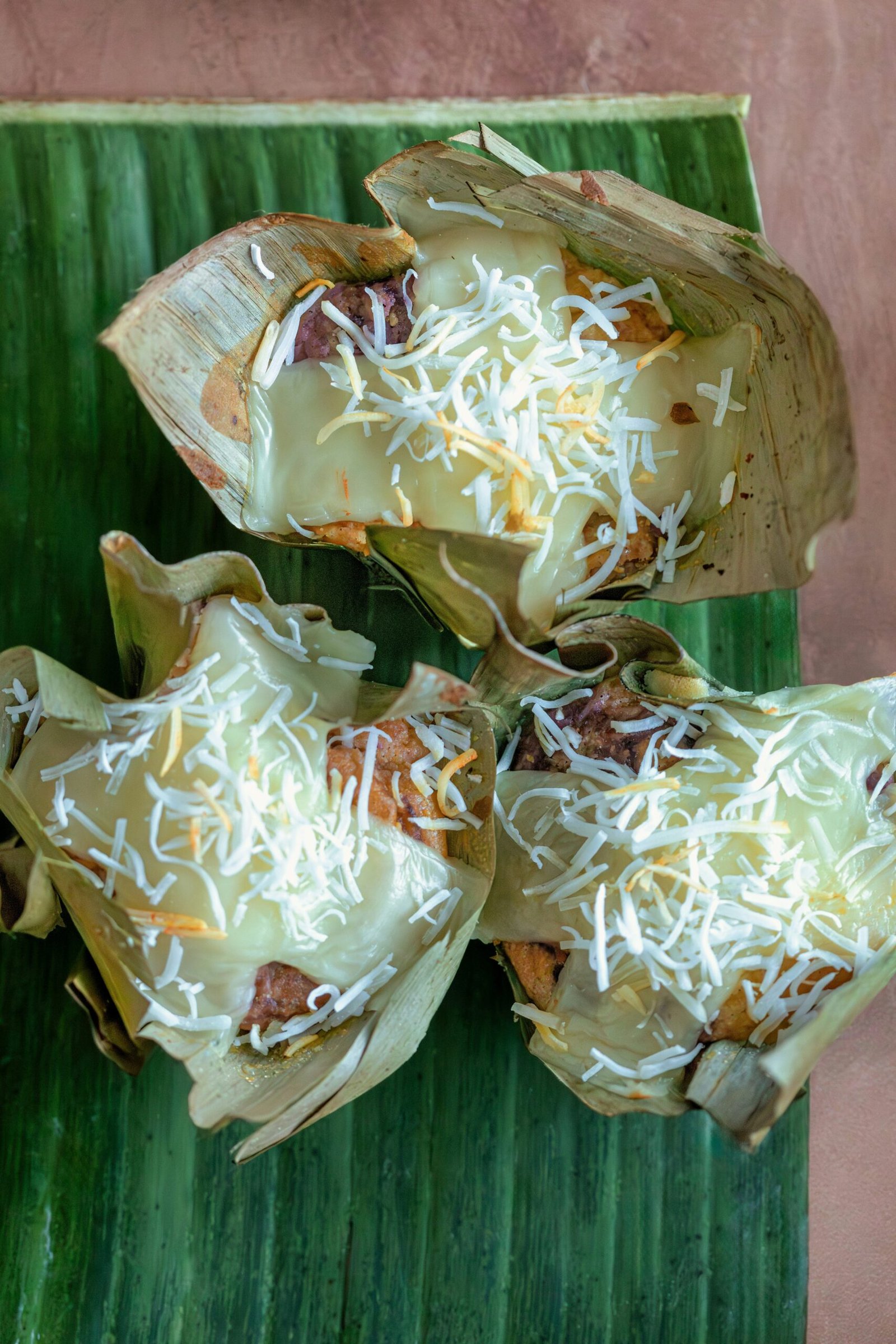
    Bibingka holds a cherished place in the Filipino desserts list, particularly during the Christmas season. This traditional rice cake, often associated with the Simbang Gabi—an early morning mass series leading up to Christmas—is a staple treat that brings warmth and nostalgia to many Filipino households. The preparation of Bibingka is a meticulous process, involving a blend of rice flour and coconut milk, which forms the base of its delightful texture. The mixture is traditionally poured into clay pots lined with banana leaves, which not only prevent sticking but also impart a subtle, aromatic flavor to the cake.

    There are several variations of Bibingka, each reflecting regional tastes and preferences. Some versions include toppings like salted duck eggs, grated coconut, and cheese, adding layers of flavor and texture to the soft, spongy cake. Others may include a hint of anise or vanilla, providing a unique twist to the classic recipe. The versatility of Bibingka allows it to cater to diverse palates, making it a beloved treat across the archipelago.

    Beyond its delectable taste, Bibingka holds significant cultural value. It is often sold by street vendors outside churches during the Simbang Gabi, creating an atmosphere of festivity and community. Families gather to enjoy Bibingka with hot chocolate or coffee, fostering a sense of togetherness and celebration. This tradition not only highlights the culinary richness of Filipino desserts but also underscores the importance of rituals and communal experiences in Filipino culture.

    In essence, Bibingka is more than just a dessert; it is a symbol of Filipino heritage and communal spirit. Its preparation and consumption during the Christmas season serve as a poignant reminder of the enduring traditions that continue to shape Filipino identity.

    Turon: The Crispy Banana Roll

    Turon, also known as banana lumpia, is a quintessential treat that holds a special place in the Filipino desserts list. This beloved street food is a simple yet delightful concoction that has captivated the taste buds of many. It primarily consists of ripe saba bananas, which are native to the Philippines and known for their distinctive sweetness and texture. Occasionally, slices of jackfruit are added to enhance the flavor profile, lending a subtle tropical note to the snack.

    The preparation of Turon is straightforward yet meticulous. The bananas are first peeled, halved, and sometimes rolled in brown sugar, which caramelizes during the frying process. They are then wrapped in a spring roll wrapper, ensuring a tight and secure seal to prevent any oil from seeping in during frying. This careful wrapping is crucial to achieving the iconic crispiness that Turon is renowned for. Once wrapped, the rolls are deep-fried until they attain a golden-brown hue, resulting in a crunchy exterior that contrasts beautifully with the soft, sweet filling inside.

    While the classic Turon recipe remains a favorite, various regional and modern variations have emerged over the years. Some versions incorporate sweet fillings like ube (purple yam) or coconut, while others experiment with different types of wrappers or frying techniques. These adaptations not only showcase the versatility of this dessert but also highlight the creativity inherent in Filipino culinary traditions.

    Turon’s role extends beyond just being a delectable treat; it is also a quick and satisfying snack that is readily available from street vendors across the Philippines. Its portability and ease of consumption make it an ideal choice for busy individuals looking for a quick energy boost. Turon serves as a testament to the ingenuity and resourcefulness of Filipino cuisine, transforming simple ingredients into an extraordinary delicacy that continues to be cherished by many.

    Ube Halaya: The Purple Yam Delight

    Ube Halaya, a vibrant and scrumptious dessert made from purple yam, has significantly gained international acclaim. The dessert is renowned for its striking violet color, creamy texture, and unique flavor profile, making it a standout on any Filipino desserts list. The preparation of Ube Halaya involves mashing boiled purple yams until smooth, then cooking them with coconut milk, condensed milk, and butter until a thick, luscious consistency is achieved. The result is a rich and velvety treat that can be enjoyed on its own or as a component in other desserts.

    One of the defining characteristics of Ube Halaya is the distinctive flavor of the ube itself. Ube, or purple yam, possesses a mildly sweet and nutty taste with hints of vanilla. This unique flavor is complemented by the creamy, smooth texture of the halaya, creating a delightful sensory experience. The popularity of Ube Halaya has led to its incorporation into various other Filipino desserts, enhancing their appeal and flavor.

    Among the popular derivatives of Ube Halaya is the Ube Cake. This cake features layers of sponge cake infused with ube flavor, often filled and frosted with a delicate ube buttercream. The vibrant purple hue of the cake makes it visually stunning, while the creamy ube layers offer a delightful taste and texture. Similarly, Ube Ice Cream has become a beloved treat, with its rich, creamy base incorporating the distinct flavor of ube. This ice cream is often enjoyed on its own or as a topping for traditional Filipino desserts like Halo-Halo. The versatility of Ube Halaya ensures its presence in a variety of sweet dishes, making it an essential part of the Filipino culinary landscape.

    In conclusion, Ube Halaya is more than just a dessert; it is a testament to the creativity and richness of Filipino cuisine. Its unique flavor and versatility have cemented its place on any comprehensive Filipino desserts list, and its growing international popularity speaks to its universal appeal.

    Puto: Steamed Rice Cakes

    Puto, a staple in the Filipino desserts list, are small, fluffy, steamed rice cakes that hold a special place in the hearts of Filipinos. These delightful treats are traditionally made from rice flour, water, sugar, and a leavening agent. The mixture is poured into small molds and steamed until they become soft and spongy. Puto can be enjoyed on their own or paired with savory dishes such as dinuguan, a type of savory pork blood stew, which creates a harmonious balance of flavors.

    There are several variations of puto that are beloved across the Philippines. One of the most notable is Puto Bumbong, which is commonly enjoyed during the Christmas season. Puto Bumbong is made from purple glutinous rice, giving it a distinct violet hue. It is traditionally steamed in bamboo tubes and topped with butter, grated coconut, and brown sugar, creating a festive and flavorful treat.

    Another popular variant is Puto Calasiao, named after the town of Calasiao in Pangasinan. These bite-sized rice cakes are known for their chewy texture and are usually white or yellow in color. They are often sold in bundles and are a popular choice for breakfast or merienda (snack) throughout the day. Puto Calasiao’s unique texture and taste make it a standout among the different types of puto.

    Puto plays a significant role in Filipino breakfast and merienda culture. It is a versatile snack that can be enjoyed with a cup of hot chocolate, coffee, or tea. Its light and airy texture make it a perfect companion for a leisurely morning meal or an afternoon snack. Whether it’s the traditional puto, the festive Puto Bumbong, or the chewy Puto Calasiao, these steamed rice cakes are an integral part of Filipino culinary tradition and a delightful addition to any Filipino desserts list.

    Maja Blanca: The Coconut Pudding

    Maja Blanca, a traditional Filipino coconut pudding, holds a special place in the hearts of many Filipinos, especially during fiestas and holidays. This creamy dessert is a staple in Filipino desserts lists due to its delightful texture and subtle sweetness. The key ingredients of Maja Blanca include coconut milk, cornstarch, and sugar, which come together to create a luscious, smooth pudding.

    To prepare Maja Blanca, one begins by heating coconut milk in a pot. As the milk warms, sugar is added and stirred until fully dissolved. The crucial thickening agent, cornstarch, is then mixed with water to form a slurry before being slowly integrated into the coconut milk mixture. Continuous stirring is essential to prevent lumps and ensure a silky consistency. The mixture is cooked over medium heat until it reaches a thick, pudding-like texture, then it is poured into molds or a serving dish and allowed to set.

    While the traditional Maja Blanca is undeniably delicious, variations such as Maja Mais offer an exciting twist. Maja Mais incorporates sweet corn kernels into the pudding, adding both texture and flavor. This variation is particularly popular and can often be found on dessert tables alongside the classic version. Some recipes also include a topping of latik, which are caramelized coconut milk curds, enhancing the pudding’s flavor with a rich, nutty contrast.

    Maja Blanca and its variations reflect the versatility and creativity found within Filipino cuisine. Whether enjoyed at a grand celebration or a simple family gathering, this coconut pudding continues to be a beloved treat, earning its rightful place in any comprehensive Filipino desserts list.